Non Sibi Spirit at the Core of the Peabody Institute Lessons

A Dialogue Between Director for Advancement Initiatives, Jennifer Pieroni, and former Peabody Institute Work Duty student and current Peabody Advisory Board member, Ben William Burke ’11.

Archaeology isn’t just about uncovering and studying ancient items—at Andover, it’s about shaping a more informed, ethical, and engaged society. By learning archaeology, Andover students gain experiences to understand the world better, think critically, and contribute meaningfully to the future by better understanding the past.

At a recent Peabody Institute meeting, I met Ben William Burke ’11, whose enthusiasm for the Peabody was inspiring. As a new member of the Andover community, I wanted to understand why the Peabody had left such an indelible mark on Ben and why he continues to support it today.

By email, Ben shared: “As a work duty student at The Peabody, I received unparalleled access to its extensive collection and cultural immersion programs. These experiences brought me face to face with — and taught me the value of — perspectives different from mine. In those moments, I was challenged to understand before correcting, to empathize before judging, and to build on the past in a way that respects it.

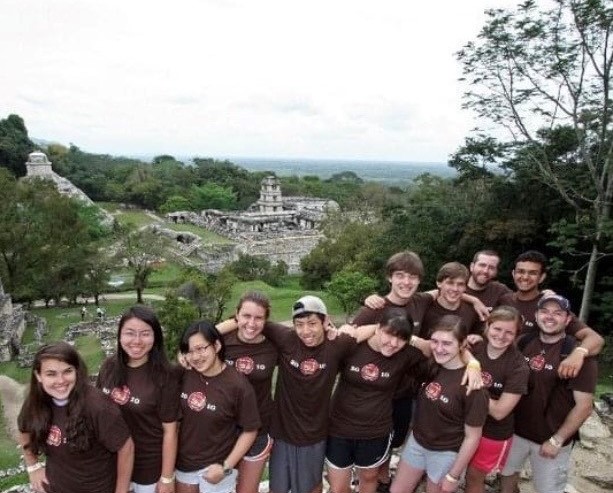
Ben Burke ’11 (Back row, third from the right) on the BALAM student trip. This was a multi-week cultural immersion and archaeological adventure through the greater Yucatán Peninsula sponsored by the Peabody Institute.

Today’s Andover students gain the transformational learning opportunity of being a part of an organization that leads in the field of repatriation and reflects Non Sibi by teaching students that archaeology is not just about personal discovery but about responsibility: to the past, to descendant communities, and future generations. Through hands-on study, students engage in meaningful, ethical work prioritizing respect over self-interest.

Ben noted, “There is not an avenue in my life that isn’t positively affected by The Peabody’s lessons in empathy and respect. I support The Peabody because I understand the value in learning to value other’s perspectives – especially when they are different from my own.”

Supporting the Peabody means investing in education that shapes responsible scholars and professionals. By supporting the Peabody with an annual gift, you can help elevate a place where teaching and learning are deeply connected to respect, collaboration, and cultural preservation. Join us in ensuring that the study of archaeology serves our Andover students and also society as a whole.
Atlatl Math

Contributed by Ryan Wheeler

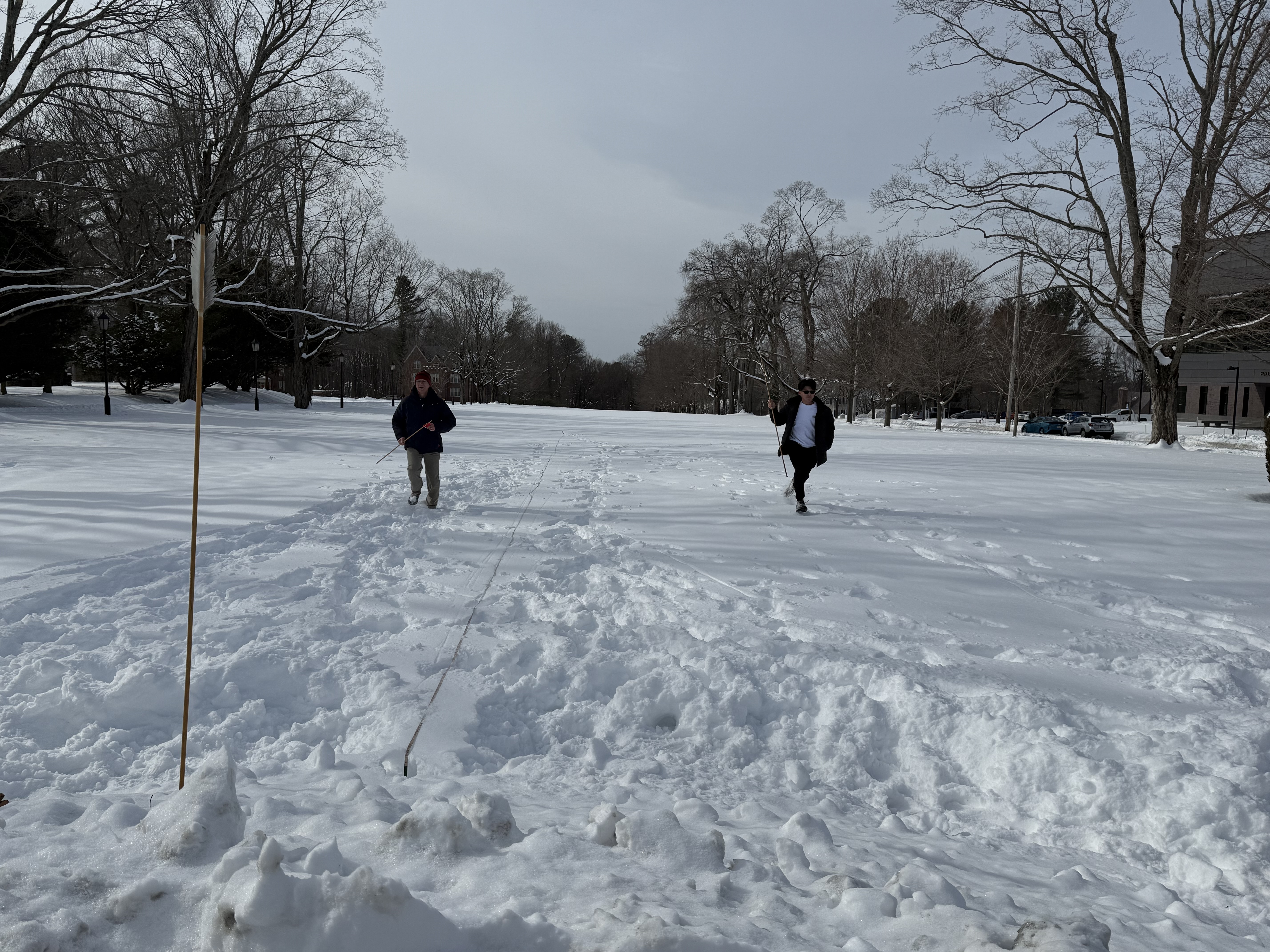
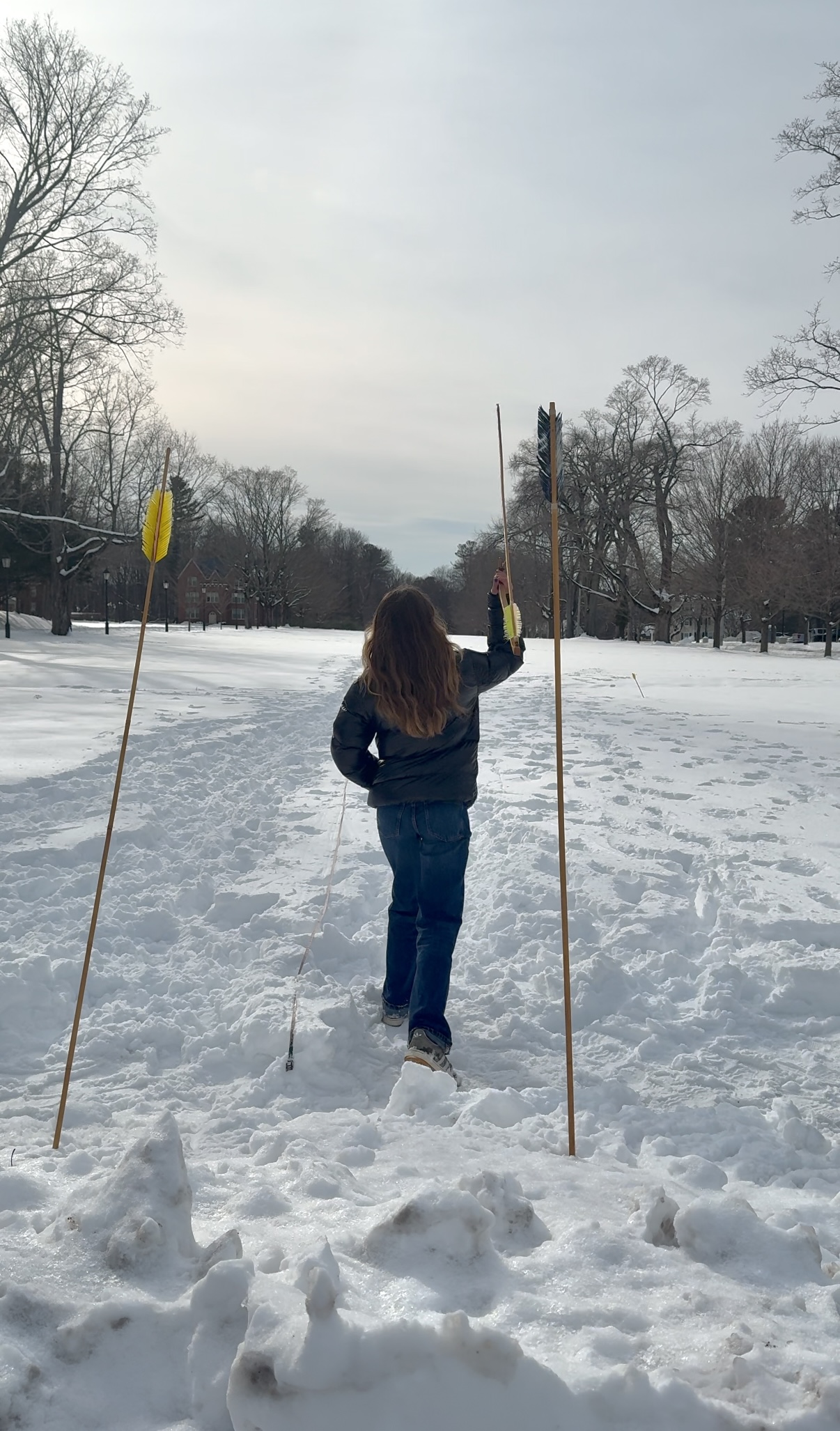
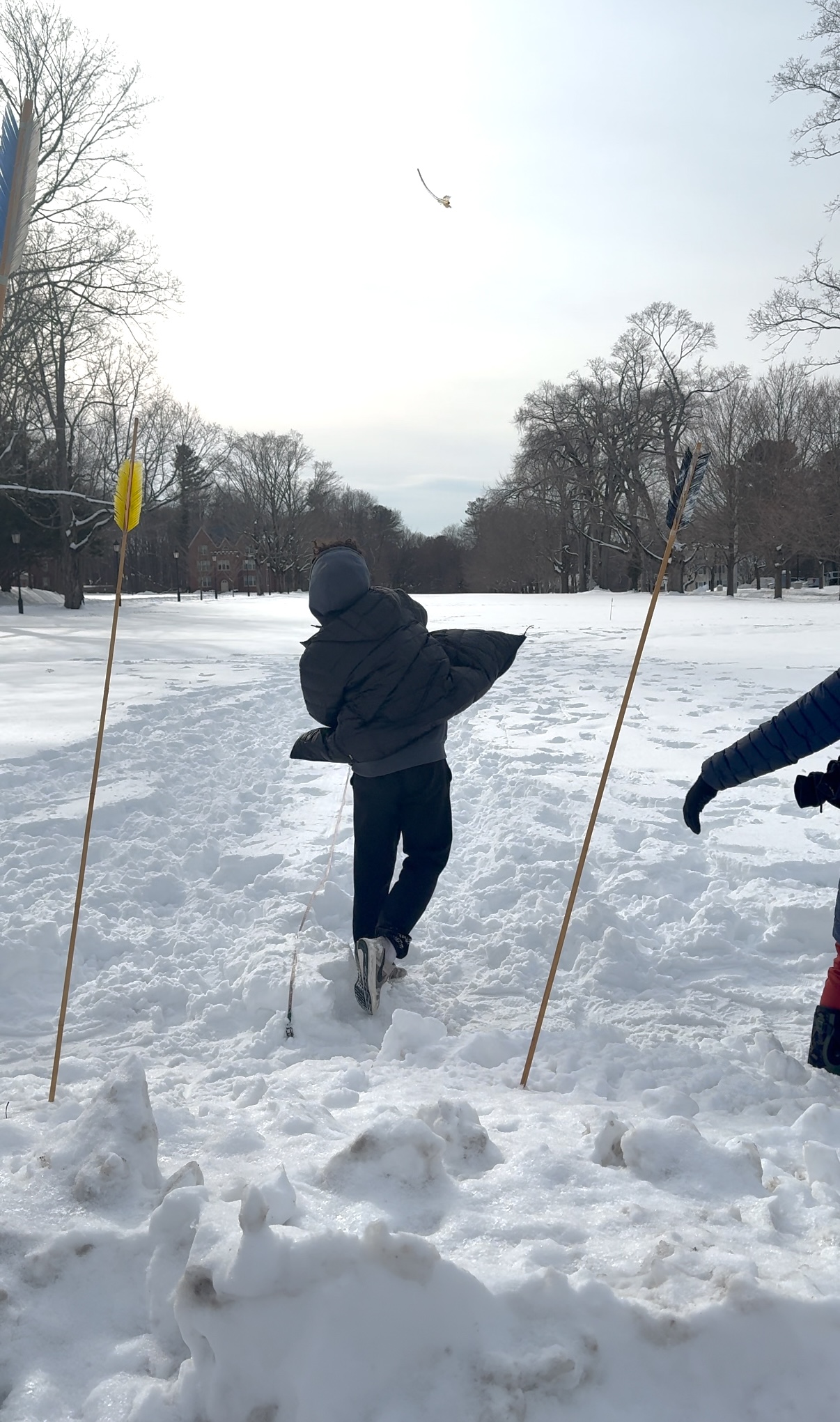
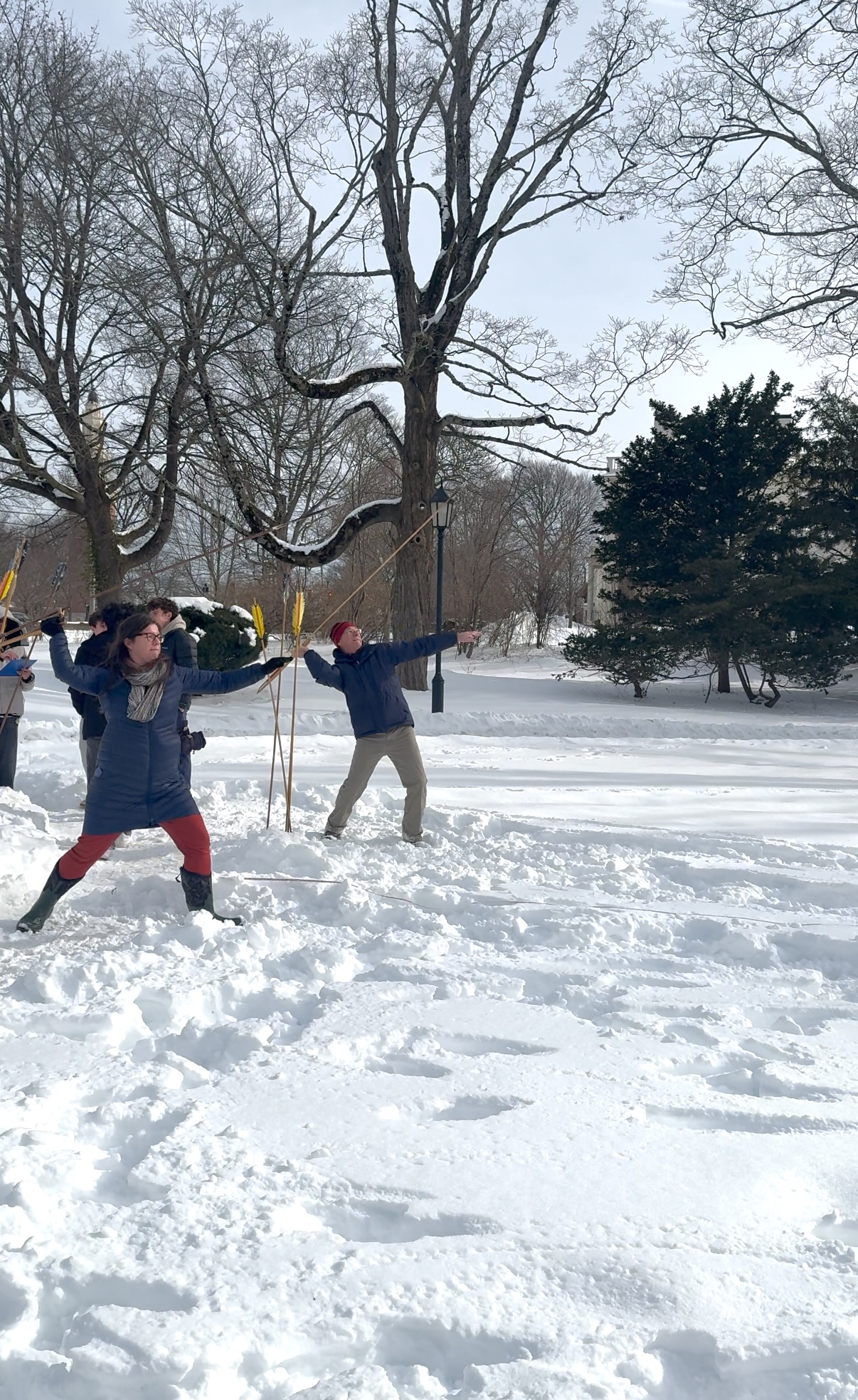
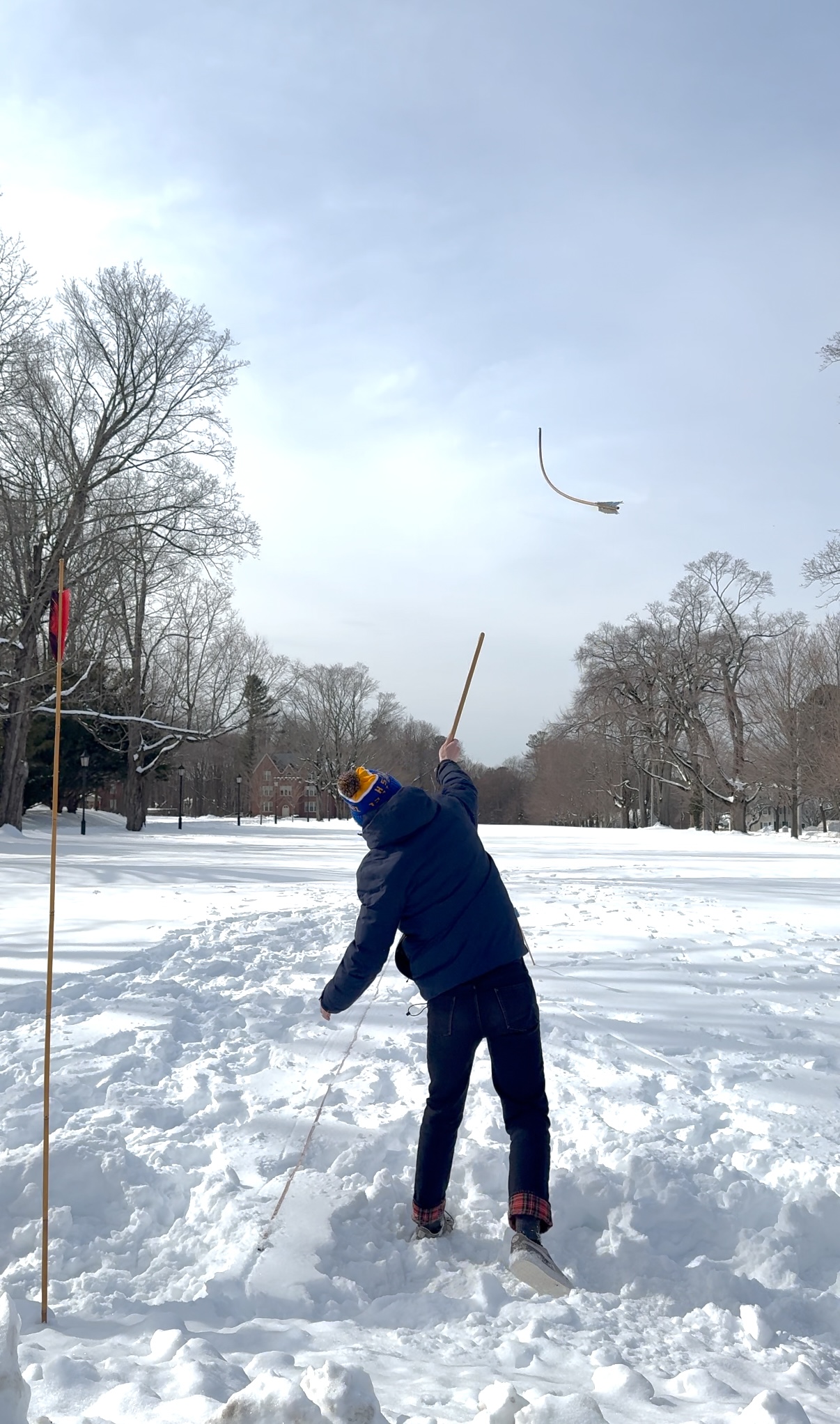
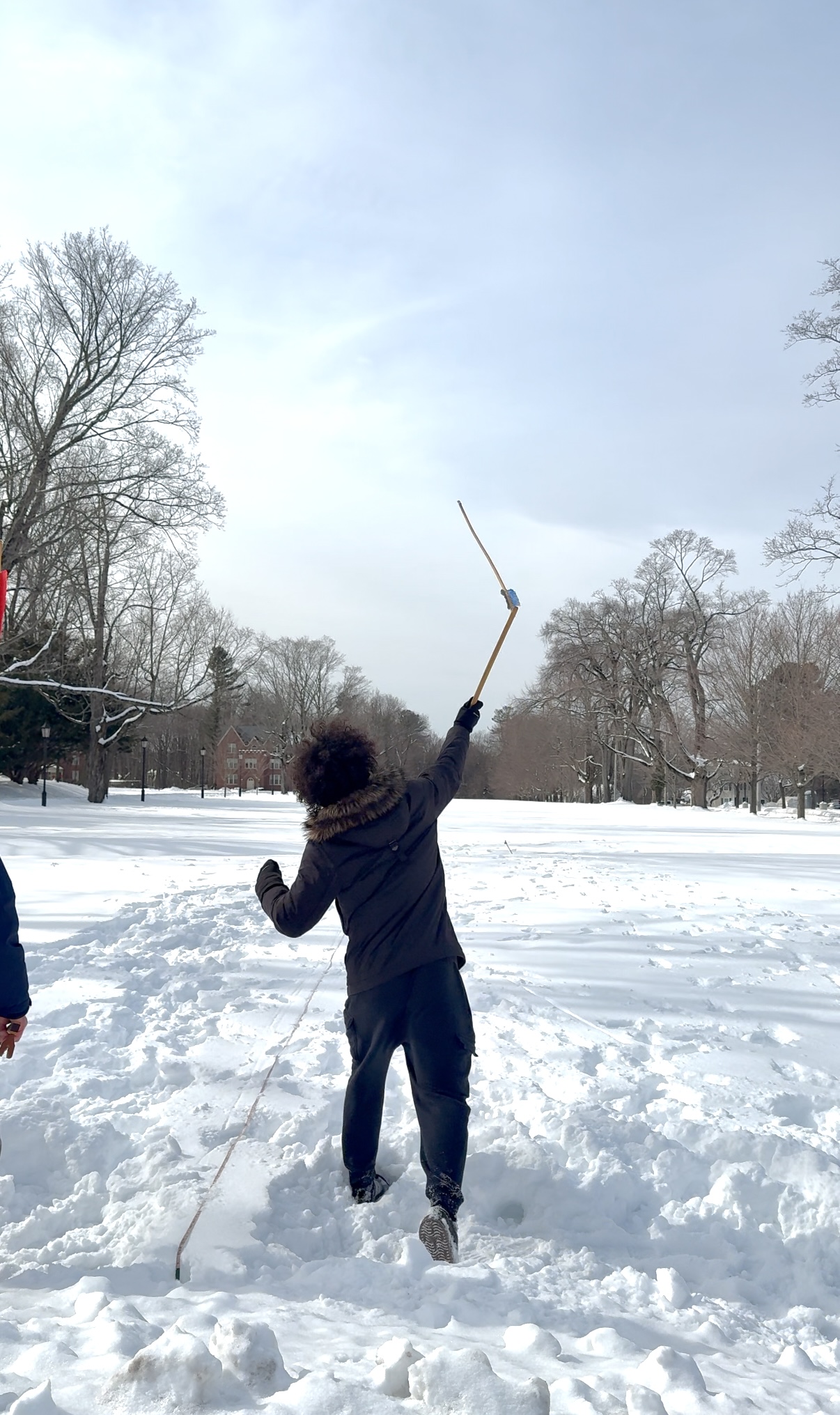
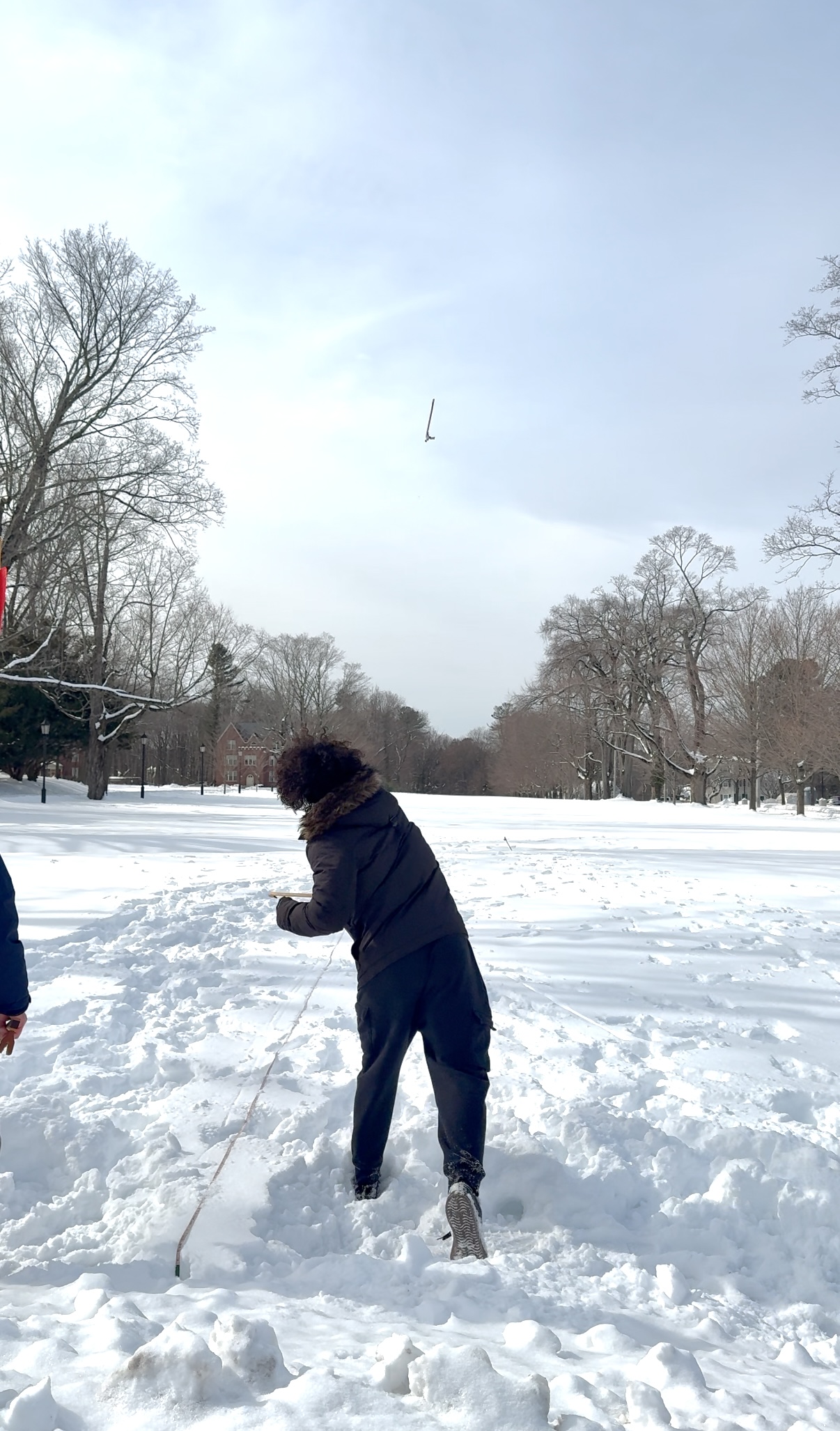
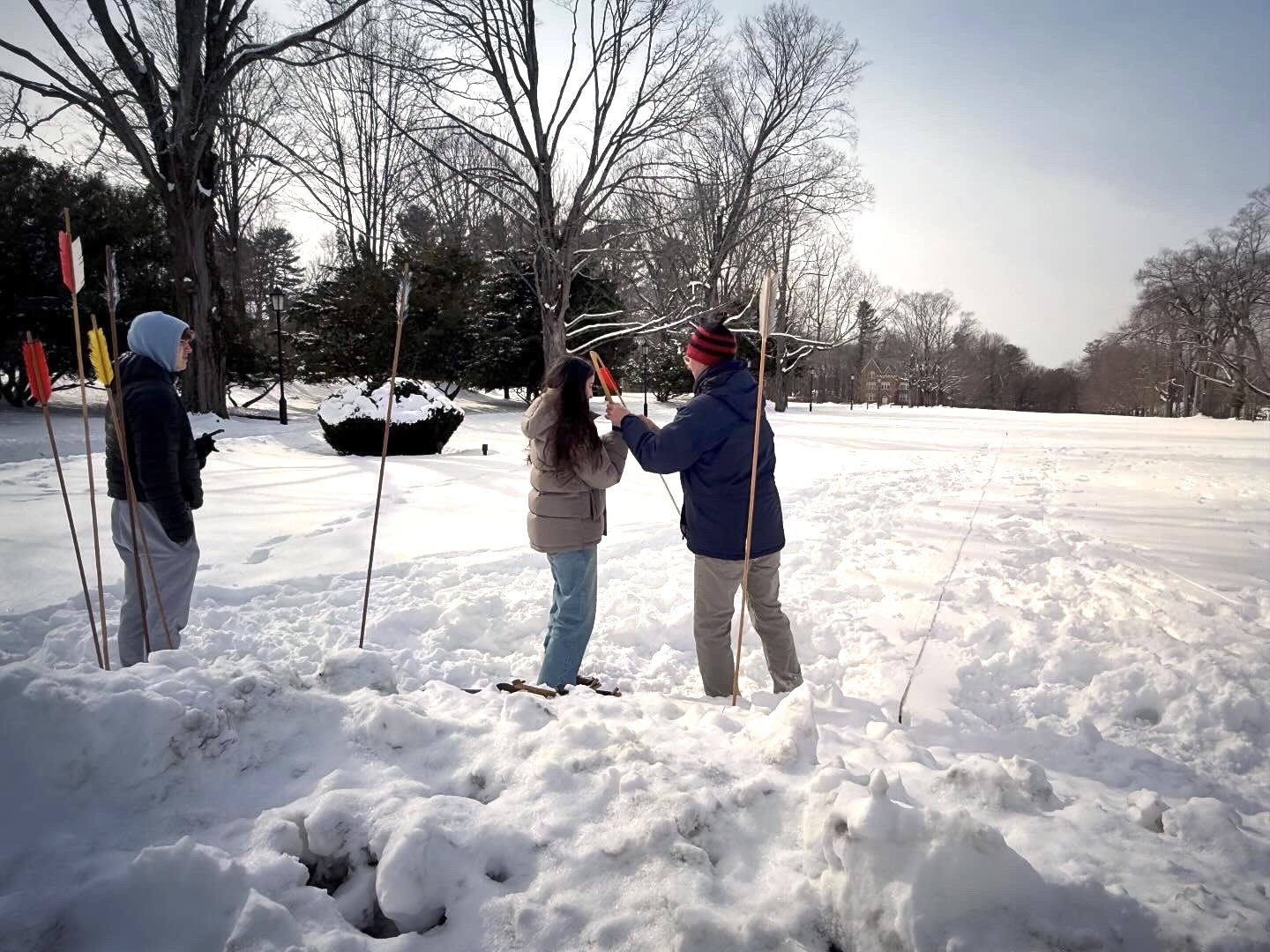
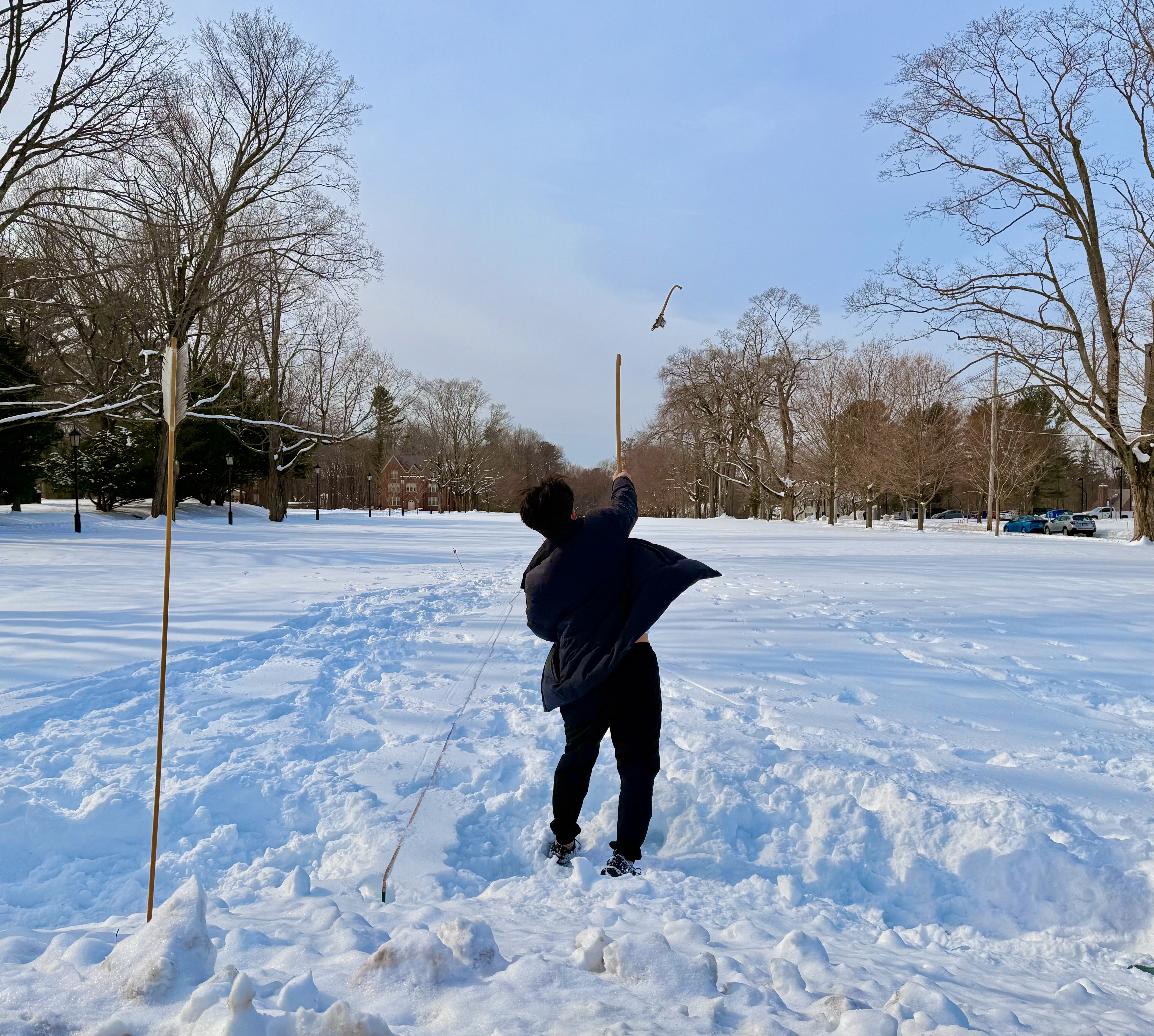
Rebecca Bowers’ Math 360 students spent a cold February day exploring the ancient hunting technology of the throwing board or atlatl. Peabody educators provided an introduction to the atlatl–which first appears around 21,000 years ago in Upper Paleolithic France and was used throughout much of the world. Acting as a lever and extension of the arm, the atlatl allows users to throw six foot darts at great velocity and distance. Students examined Arctic throwing boards, as well as a replica of the fawn or doe spear thrower hook from Mas d’Azil cave in France. Ms. Bowers provided some formulas to model projectile mathematics. Students collected their own data with multiple trials on the Vista. At least one throw exceeded 170 feet, which is pretty impressive!

Introducing: The Andover Anthropological Society

Contributed by Lainie Schultz

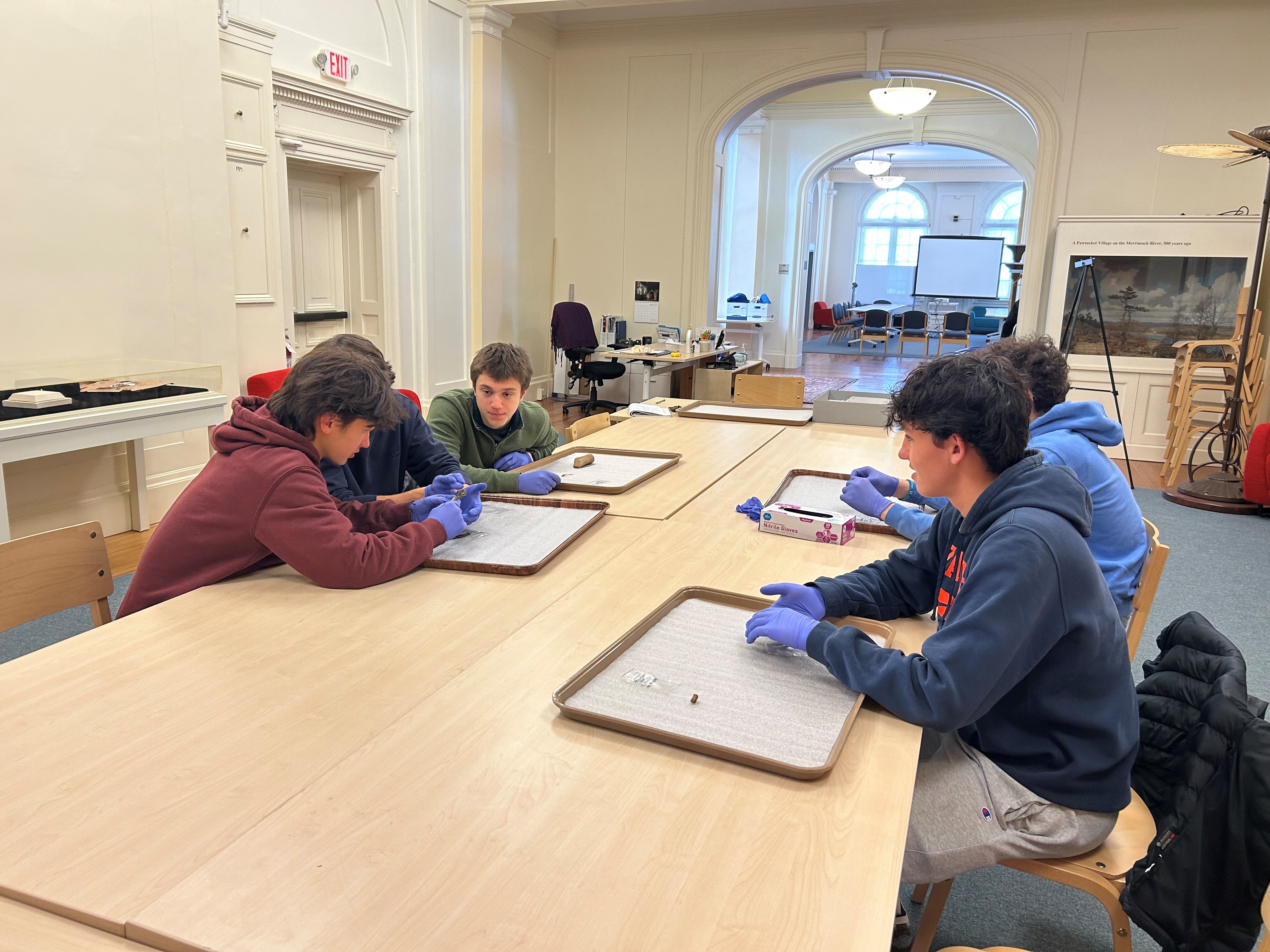
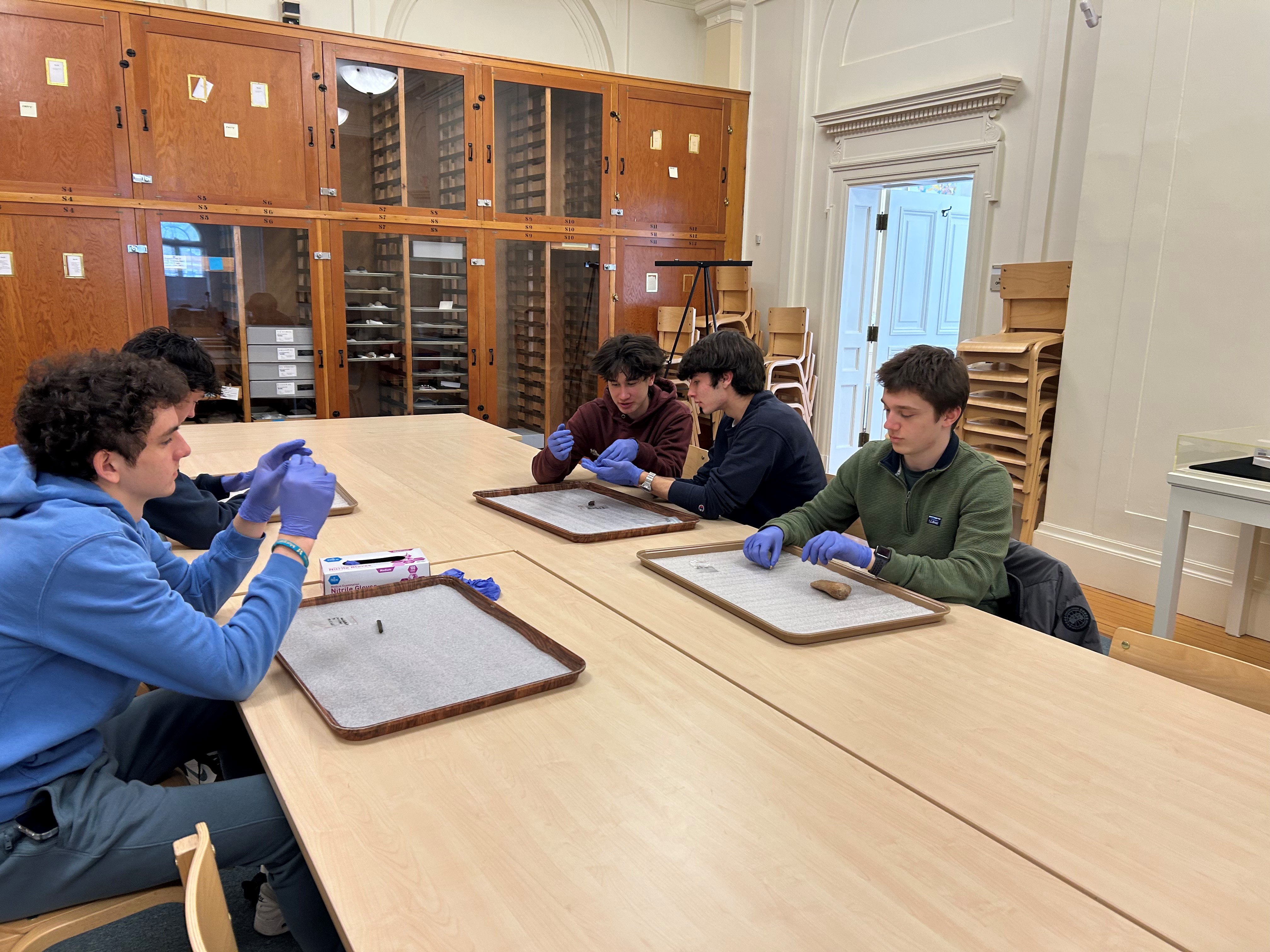
Among the newest student clubs on offer to the Phillips Academy community as of this term is the Andover Anthropological Society: a group of students of superior intelligence who recognized ahead of their peers that doing research with cultural materials is incredibly fun, and an excellent use of one’s free time.

Now with a membership of ten, club members selected as their inaugural project an accession of Arctic materials surface-collected by Patricia Hume near Utqiagvik (previously Barrow), Alaska during six summers between 1959-1969, and donated to the Peabody Institute in 1998. Meeting weekly at the Peabody, so far the AAS has received collections handling training and begun to build direct experience doing close-looking analysis of cultural materials; perused the Pat Hume accession file and visited storage, doing archival research AND learning some basics of museum practice (I’m very efficient); learned about the Bureau of American Ethnology and delved into 20th century ethnographies from the region (thank you, OWHL reference librarians!); and started to explore various themes and approaches for their group project. These have included connecting collections to Iñupiaq language, exploring notions of gender and household structures, and questioning anthropological terms like “effigy” to build more robust interpretations of people’s material expressions of spirituality and religion – just to name a few.

Whichever direction(s) the club ends up taking, what they learn will enter into the Peabody’s database, enhancing our own understandings of these collections here and the ways in which we’ll be able to connect others to them in the future.

I happen to have the privilege of serving as faculty advisor for this club, and it has been a joy getting to know these students, and having them teach me about Iñupiat culture. Bookmark this blog and stay tuned to learn more about the AAS from the AAS itself!