Mount Up, follow up.

Contributed by John Bergman-McCool

In January I wrote about a student volunteer project aimed at improving housing for moccasins that we steward at the Peabody (link). The purpose of the project is to give moccasins at the Peabody more space and internal support to maintain their shape. At the time of posting the blog, the project was in an initial design phase with students making practice mounts and internal supports. Since then the students and I worked through iterations of mounts and with feedback from our Curator of Collections, Marla Taylor, we arrived at the final design.
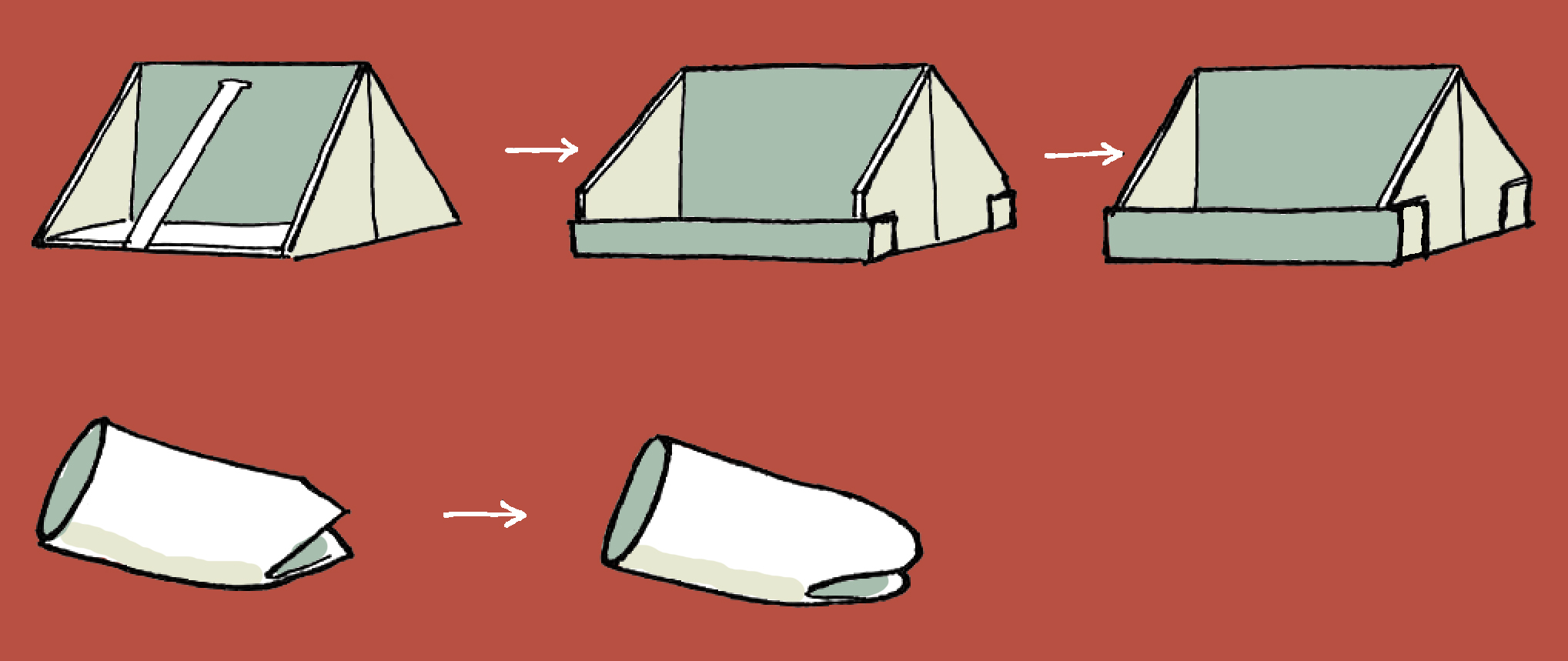
Top: evolution of mount design. Bottom: changes to the interior support pillow from a “v” toe to one that matches the shape of the moccasin.

With the mount finalized we selected a pair of moccasins to rehouse and moved on to solve how to make interior mounts. We intended to make an internal support “pillow” of stockinet filled with polyester fiber. However, the height of the moccasins meant that the pillow alone couldn’t support the ankle area.

We consulted a great presentation at the 2017 Association of Tribal Archives, Libraries, and Museums (link) on making internal moccasin supports, for ideas on how to provide stability. We landed on making a support pillow for the toe area and a stiff tube for the heal and ankle area.
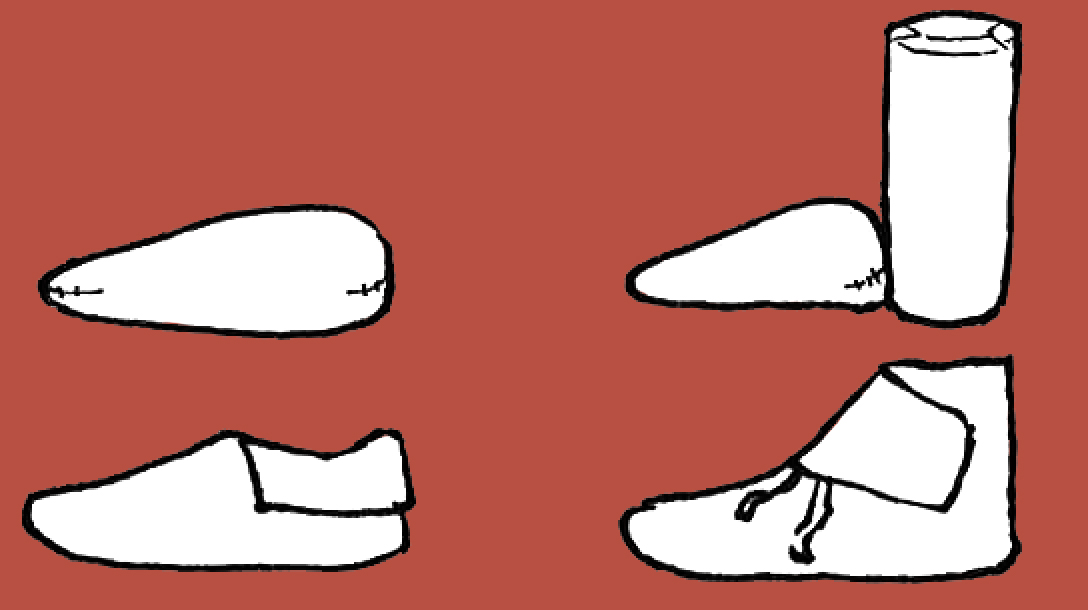
Internal supports for low and high moccasins

The stiff support is made from ethafoam planks cut into cylinders. The cylinders are wrapped with cotton batting to provide cushioning, then they are covered in stockinet. We measured the circumference of the area above one of the ankles and made sure the ethafoam, batting and stockinet added up to that dimension.
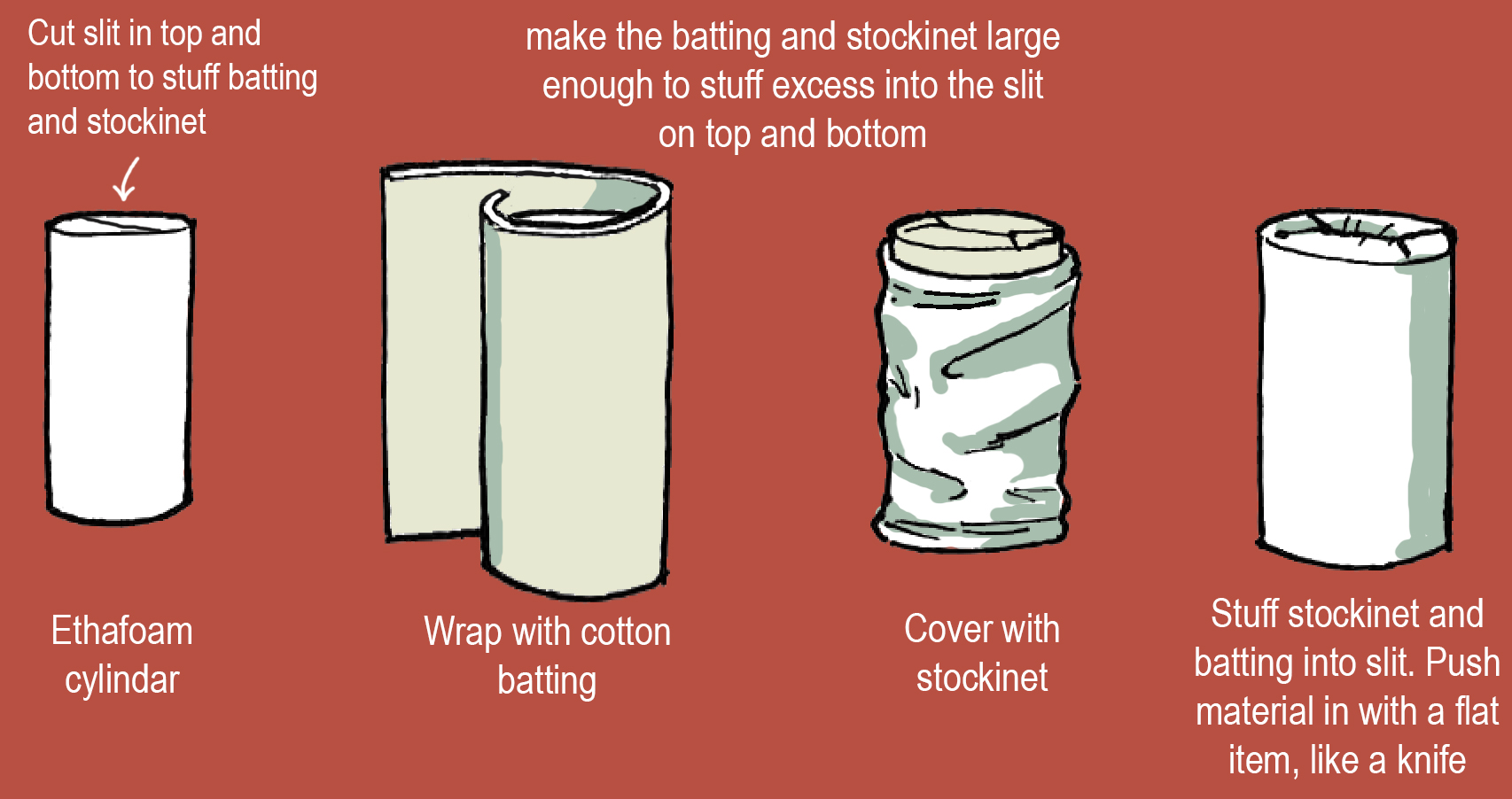
Steps for constructing a cushioned rigid support. It is important to use enough batting and stockinet to be able to push it into the slit.

The final step involved covering the mount with soft Tyvek. With that, we have our first moccasin mount! Once students are back from spring break, we will continue our rehousing of moccasins.
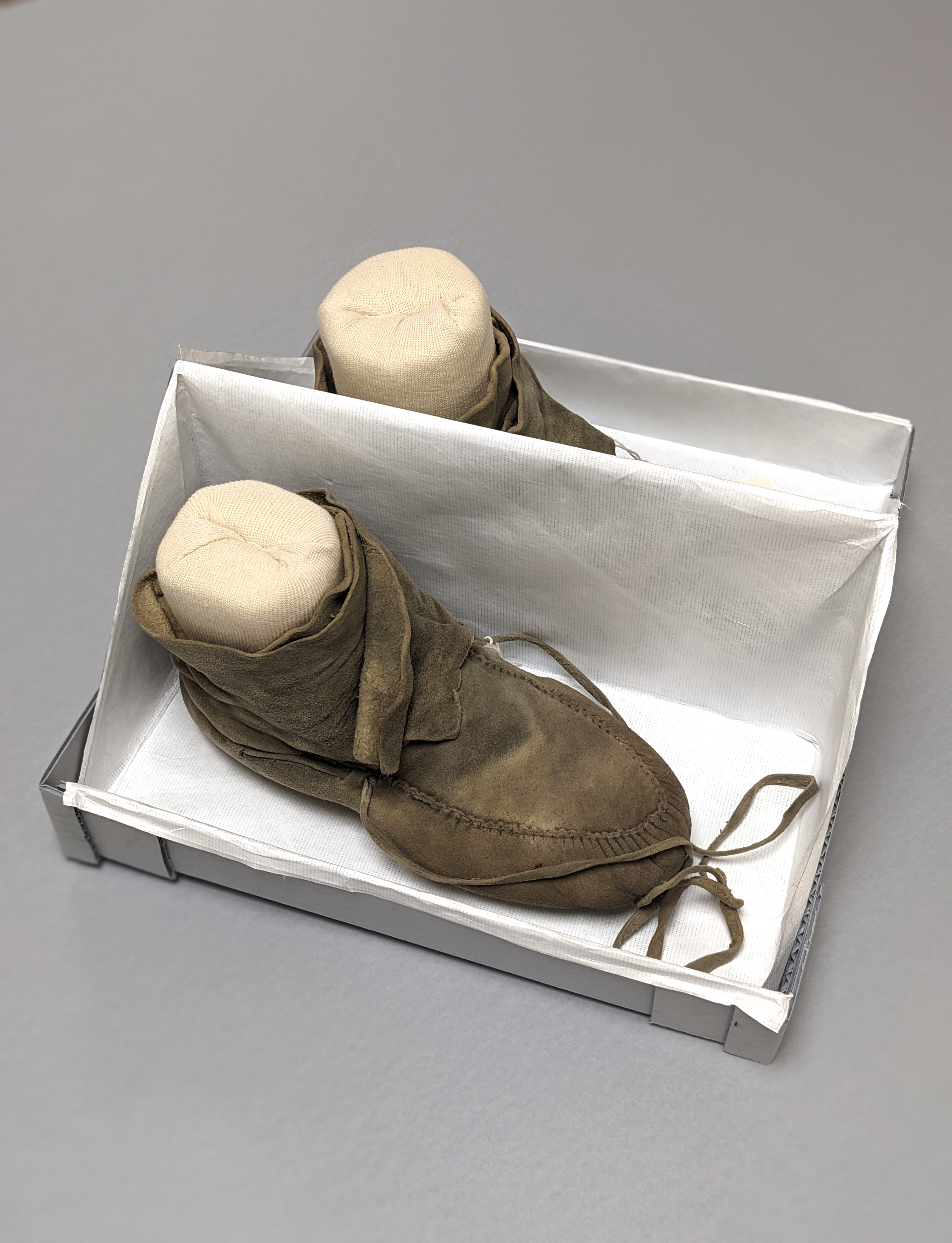
Here is the final mount. The students did a great job!

The Making of a Student Exhibit

Contributed by Lainie Schultz

Donny Slater and the students of HSS507

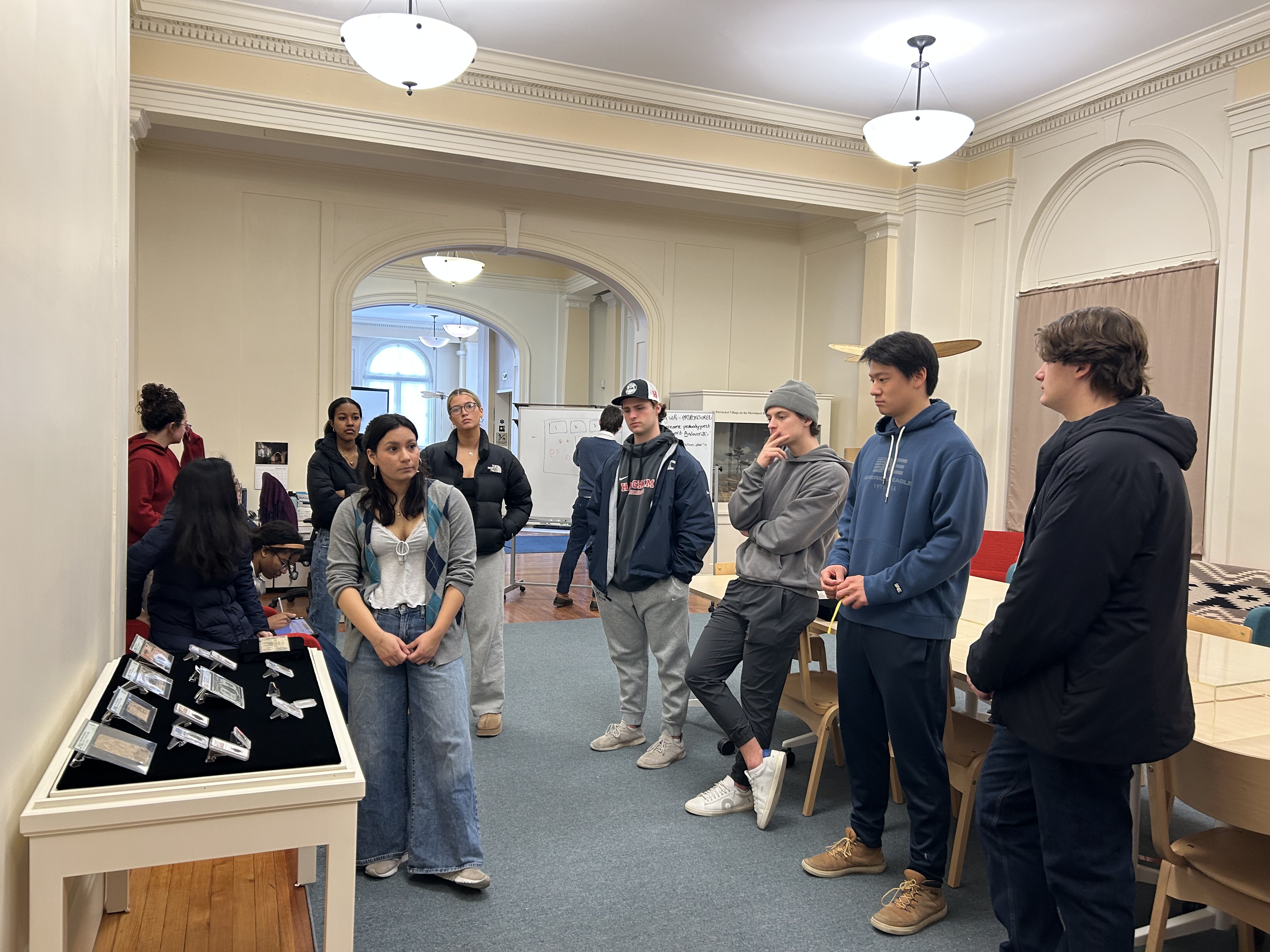
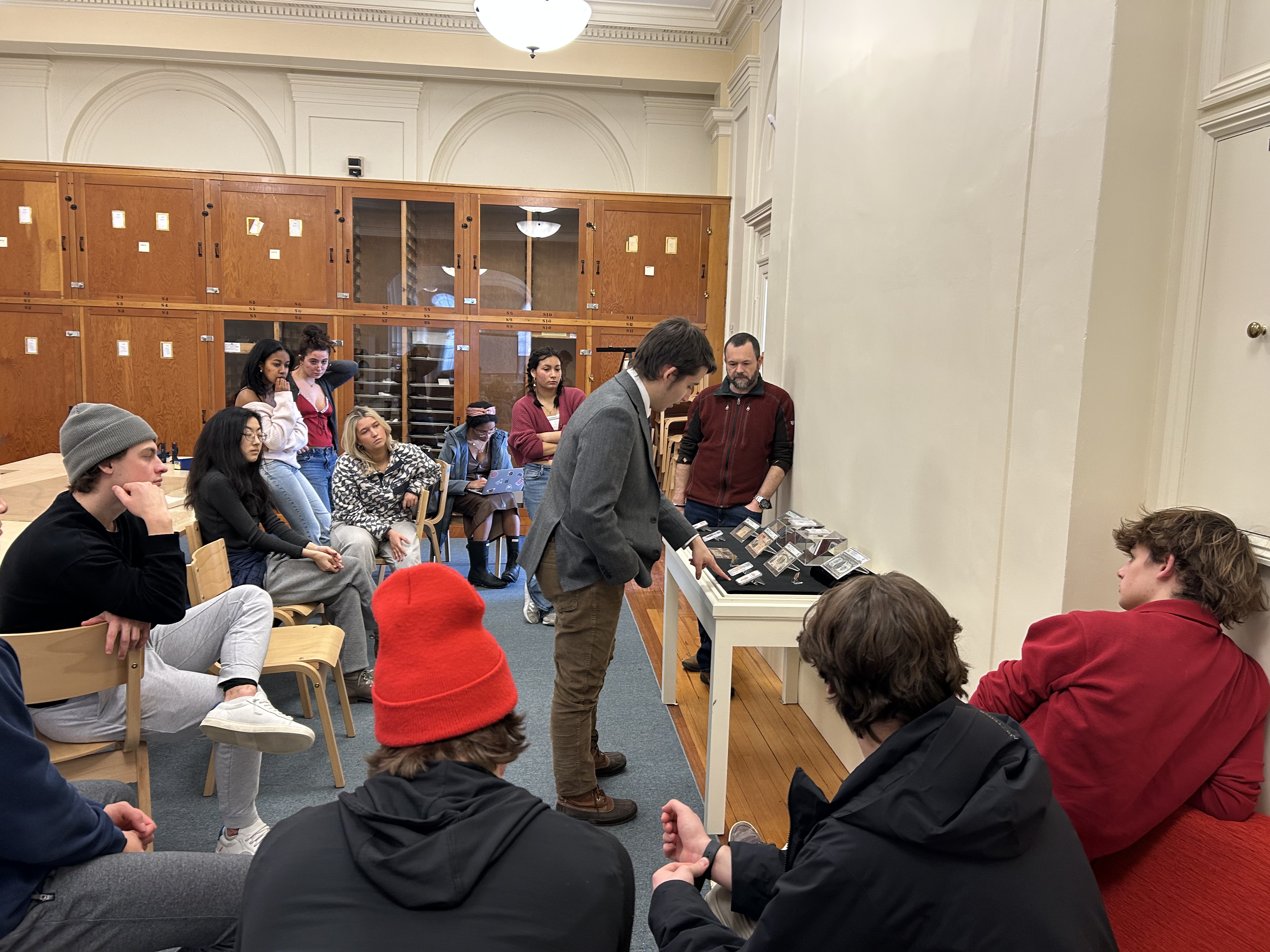
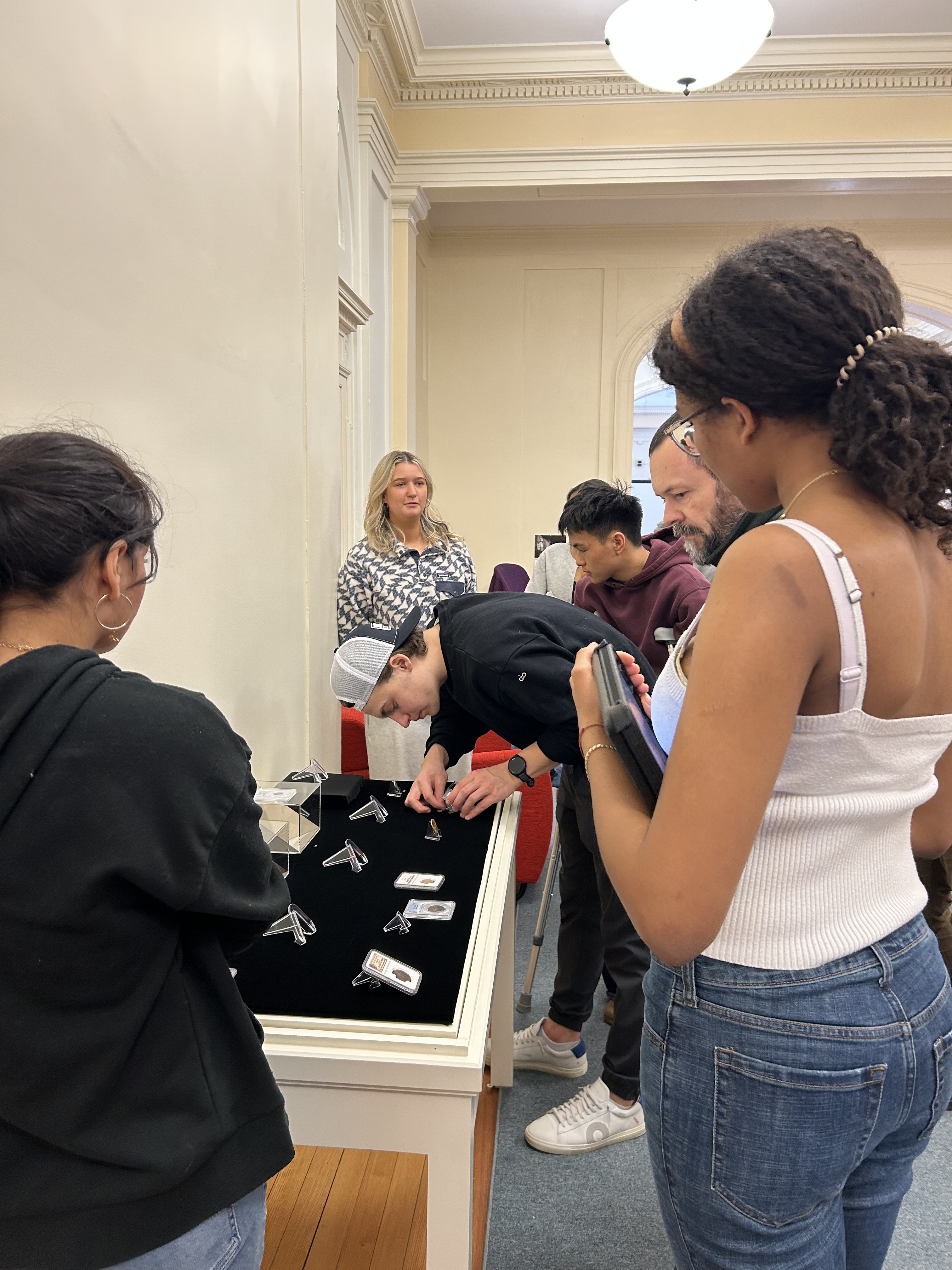
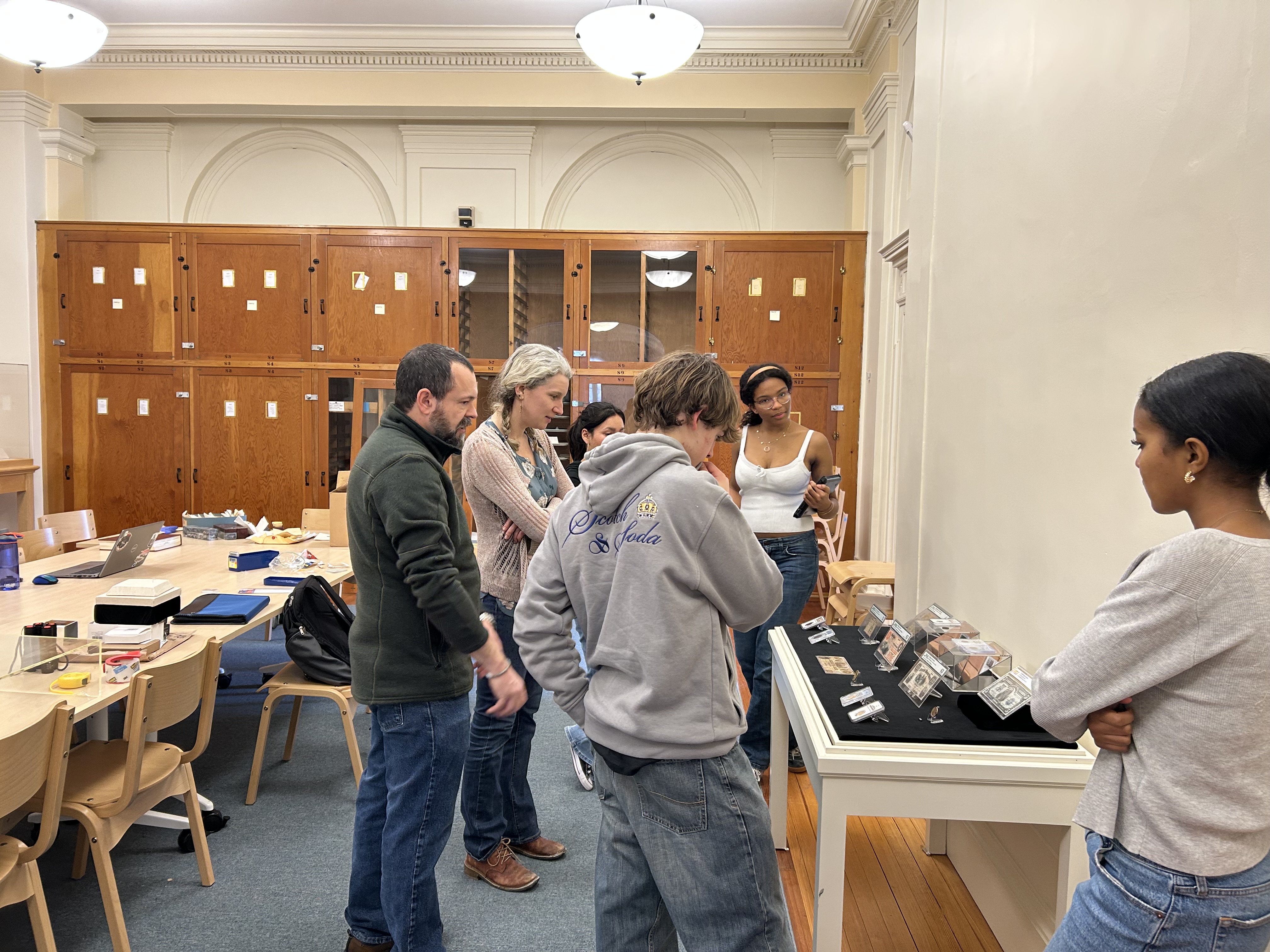
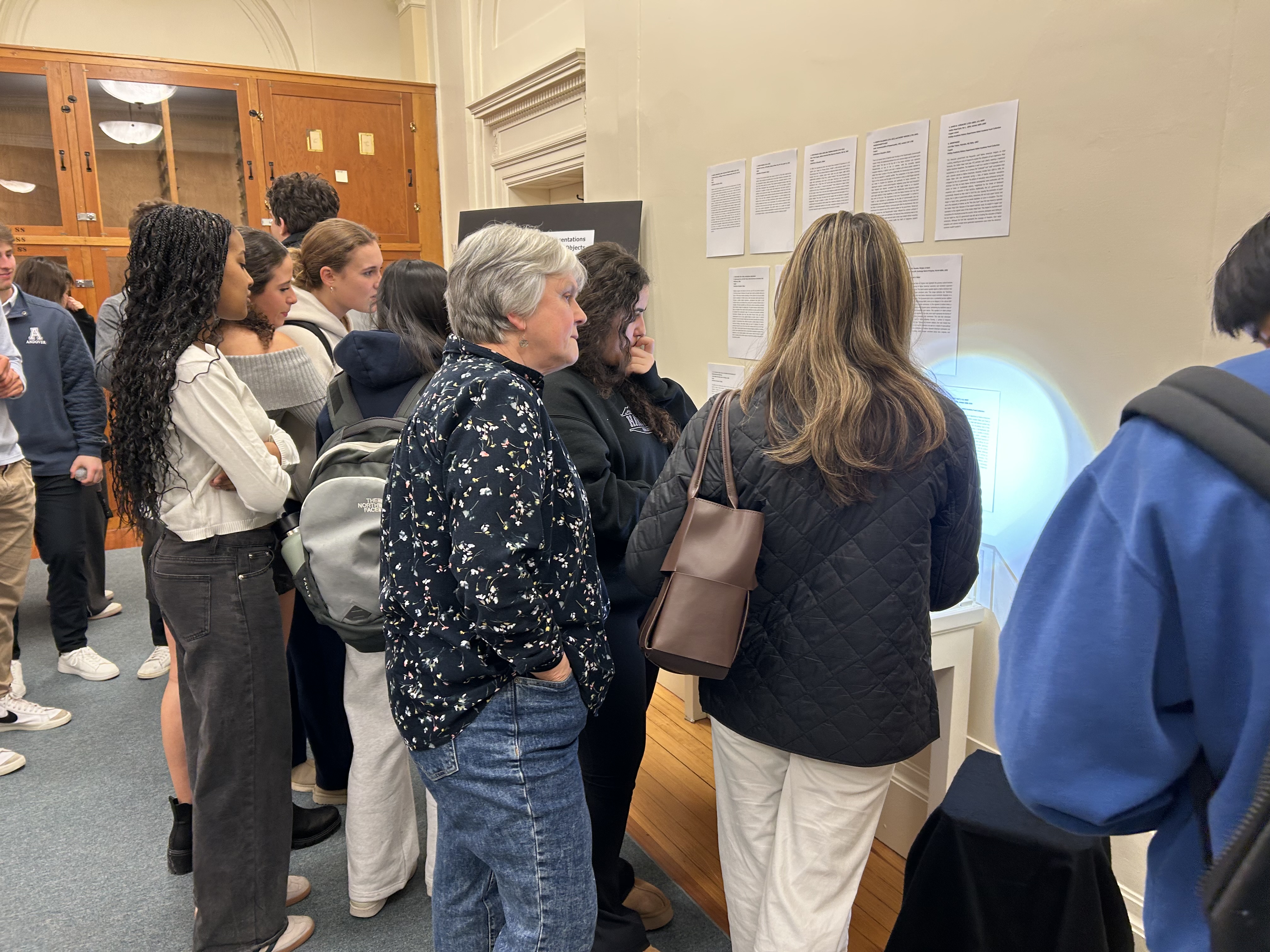
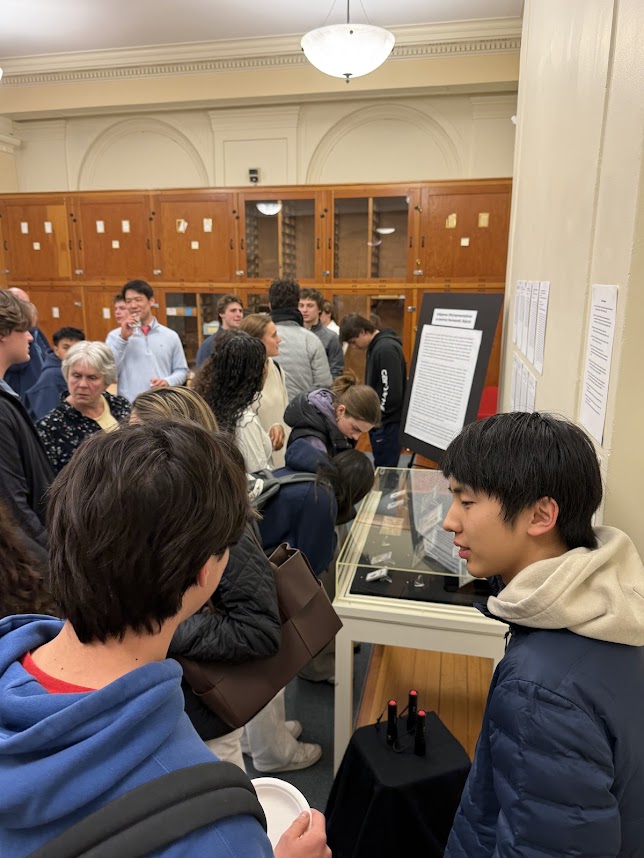
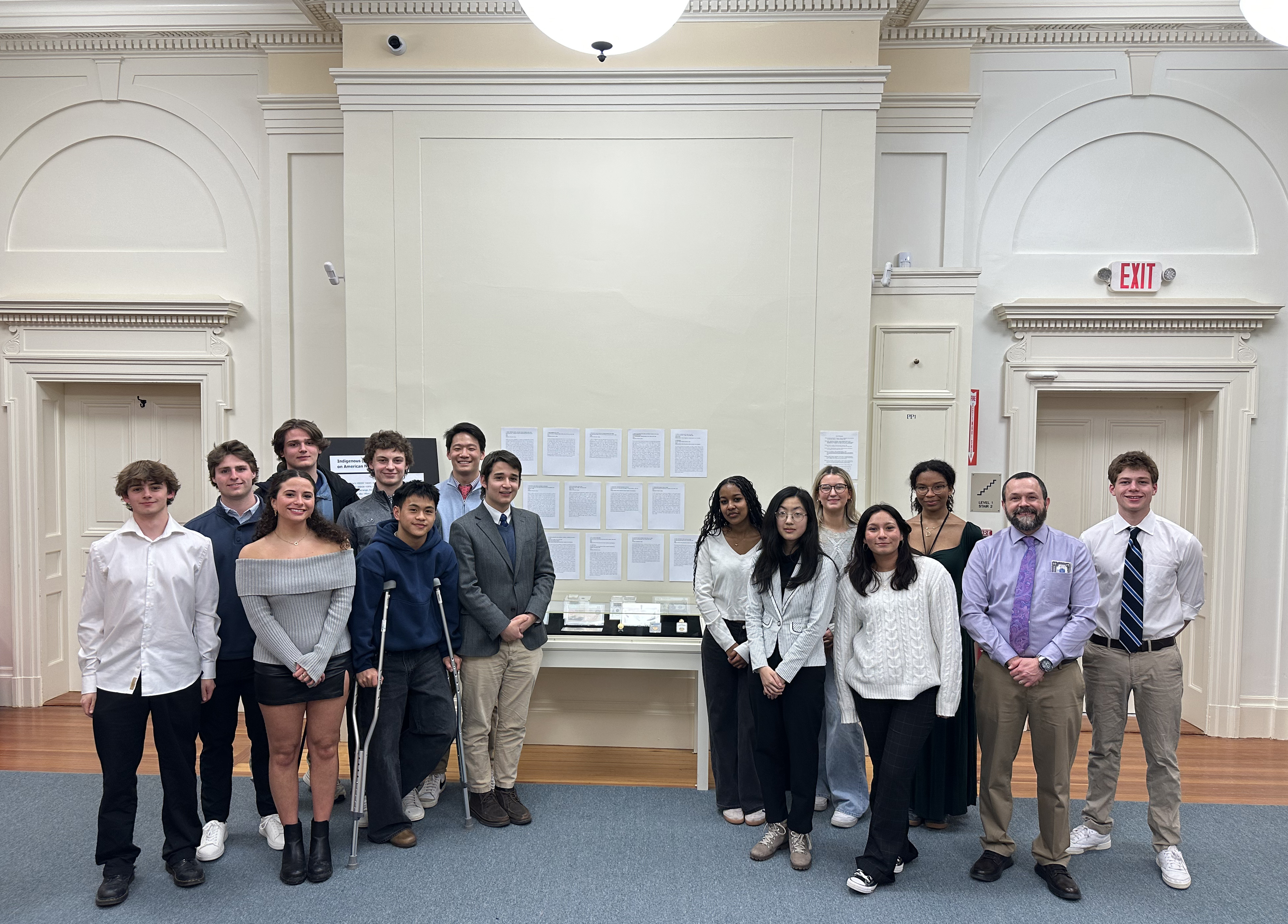
The Peabody Institute is currently host to the exhibit “Indigenous (Mis)representations on American Numismatic Objects,” displaying items from the History and Social Science department, the personal collections of Donny Slater, and the hard work of the students in his class HSS507: History in Your Pocket – American Stories, Ideals, and Economics as Told through Coins and Currency.

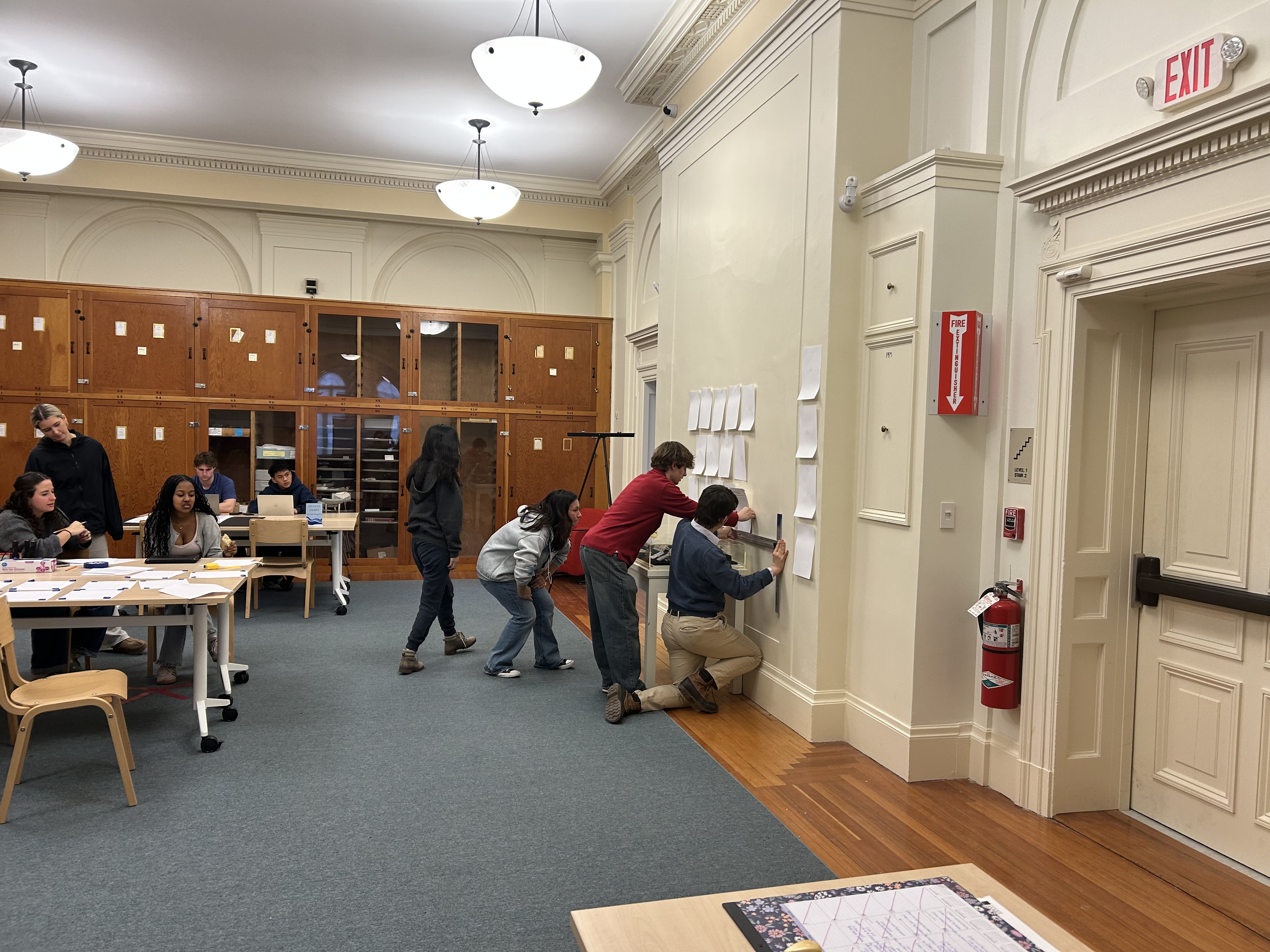
Combining historical investigation and close examination of the images depicted on American coins, bank notes, and tokens dating from 1744 to 2000, Donny’s students connected the use of Native American iconography on these objects of exchange to efforts to build a national identity that hid the violence of Westward Expansion at the country’s core, choosing this as the story they wanted to share with the Andover community. While the Peabody provided the class with the space and the display case, all the work of the design and installation came from the students themselves.

Everyone was deeply engaged in the process, and the results speak for themselves.

The exhibit will remain up through Alumni weekend, ending June 9, 2025.

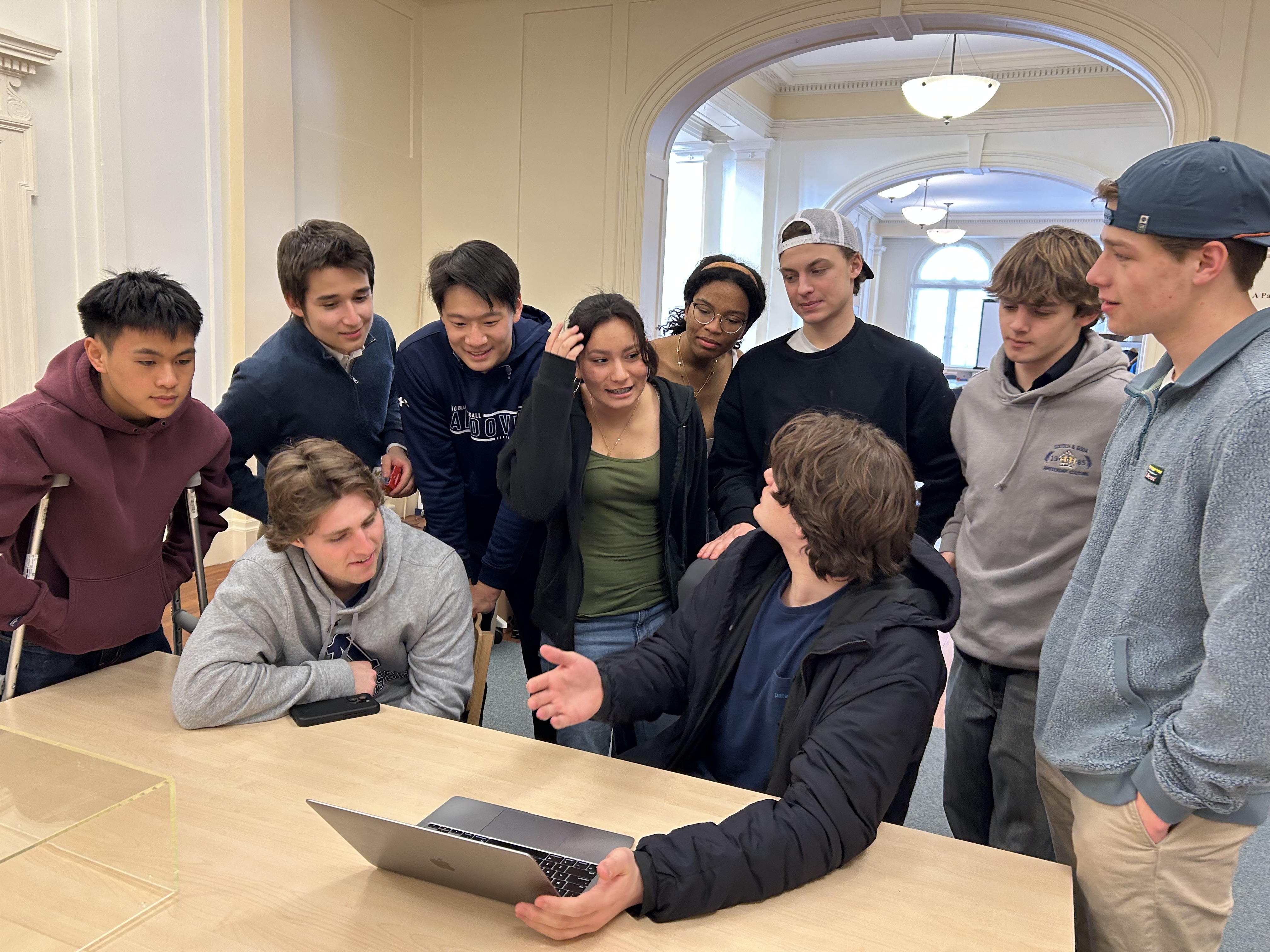
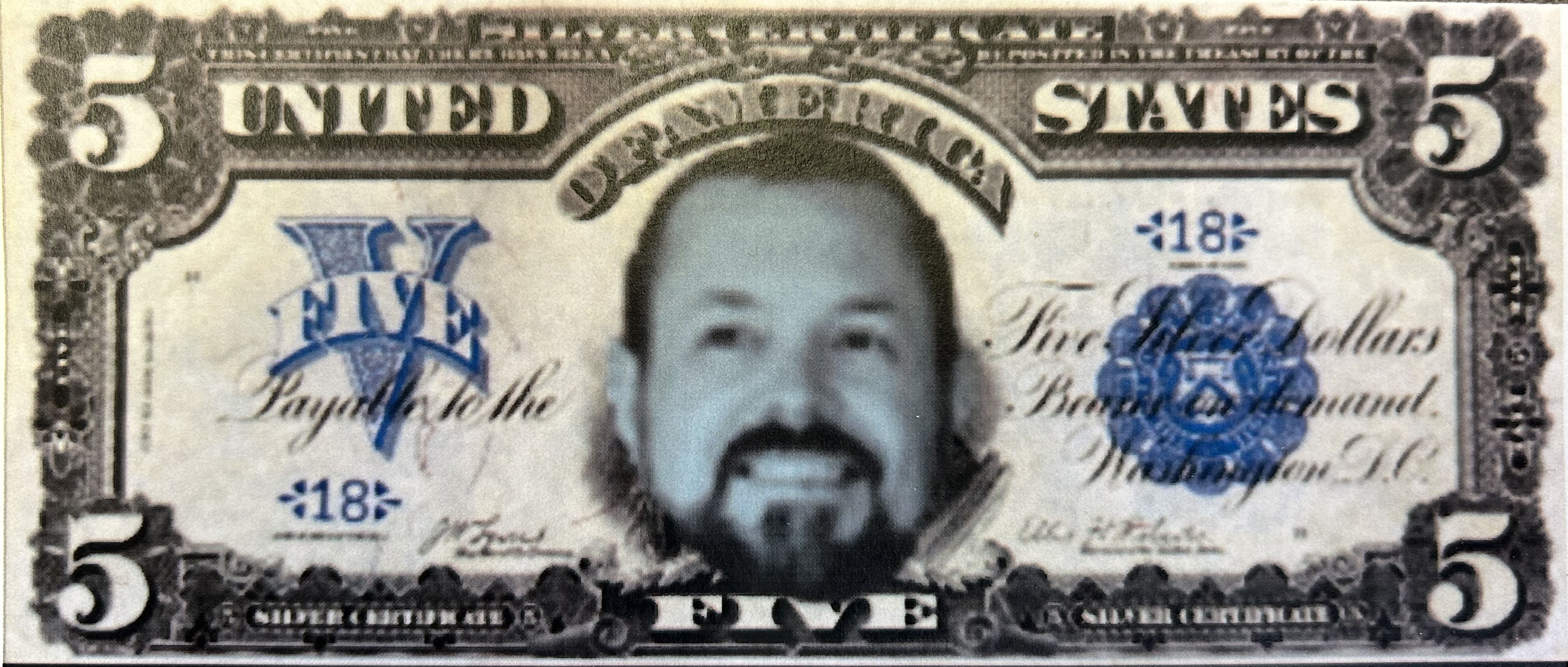
Student (Mis?)representations of Their Teacher Donny Slater

Annual Repatriation Conference in Louisiana this Year

Contributed by Ryan J. Wheeler

This year marked the 10th annual repatriation conference organized by the Association on American Indian Affairs (AAIA). The conference was hosted at the end of February by the Tunica-Biloxi Tribe’s Paragon Resort in Marksville, Louisiana. The Peabody Institute of Archaeology was one of several co-sponsors, celebrating ten years of the conference, dedicated to learning and sharing our work in repatriation.

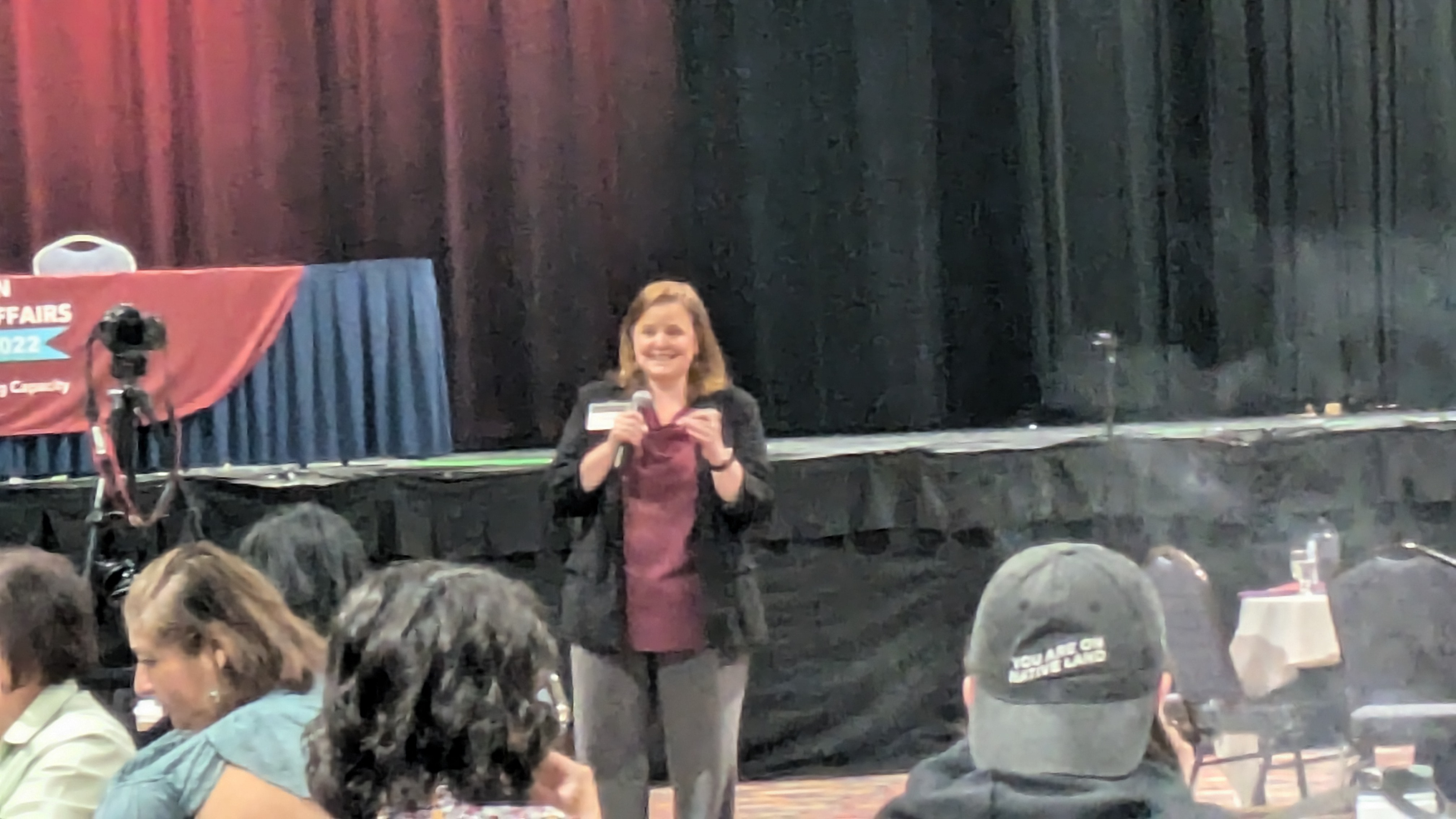
Melanie O’Brien, program manager of the National Park Service NAGPRA program, leads training at the annual repatriation conference.

A highlight of the conference is spending time with friends and colleagues from Tribes, federal agencies, and museums who all share in the day to day work of repatriation. While NAGPRA and repatriation have made headlines over the course of the last year, with reporting by ProPublica and many local news outlets, as well as the attention garnered by the new regulations and duty of care provisions, most people don’t completely understand the behind the scenes and day to day work involved in repatriation. Spending time with other engaged in the work is really meaningful. It’s also a great opportunity to meet new people and learn new things.

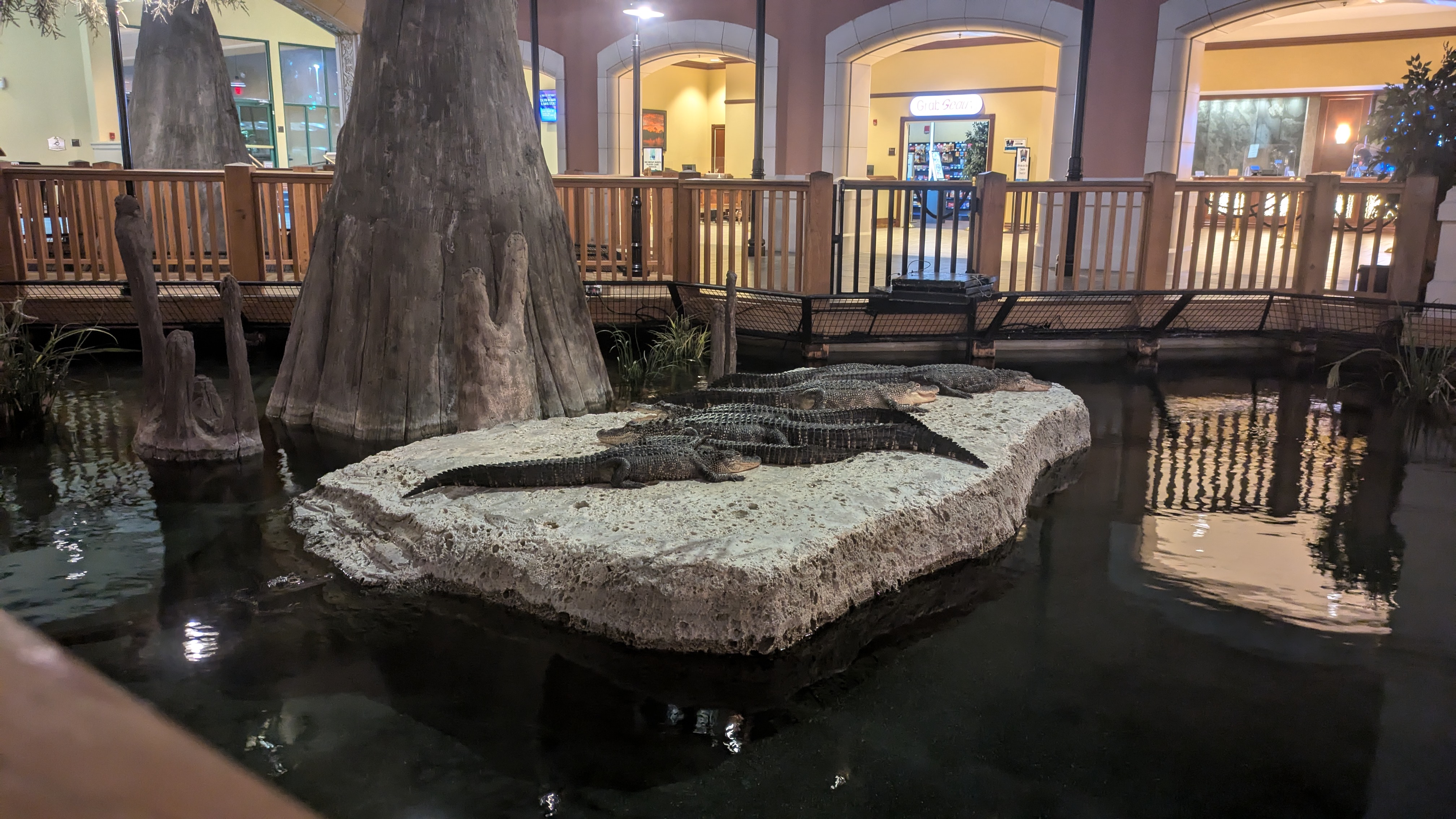
A fun feature of the Tunica-Biloxi Tribe’s resort and casino is a replica bayou in the lobby complete with about twenty alligators (we counted, or tried to).

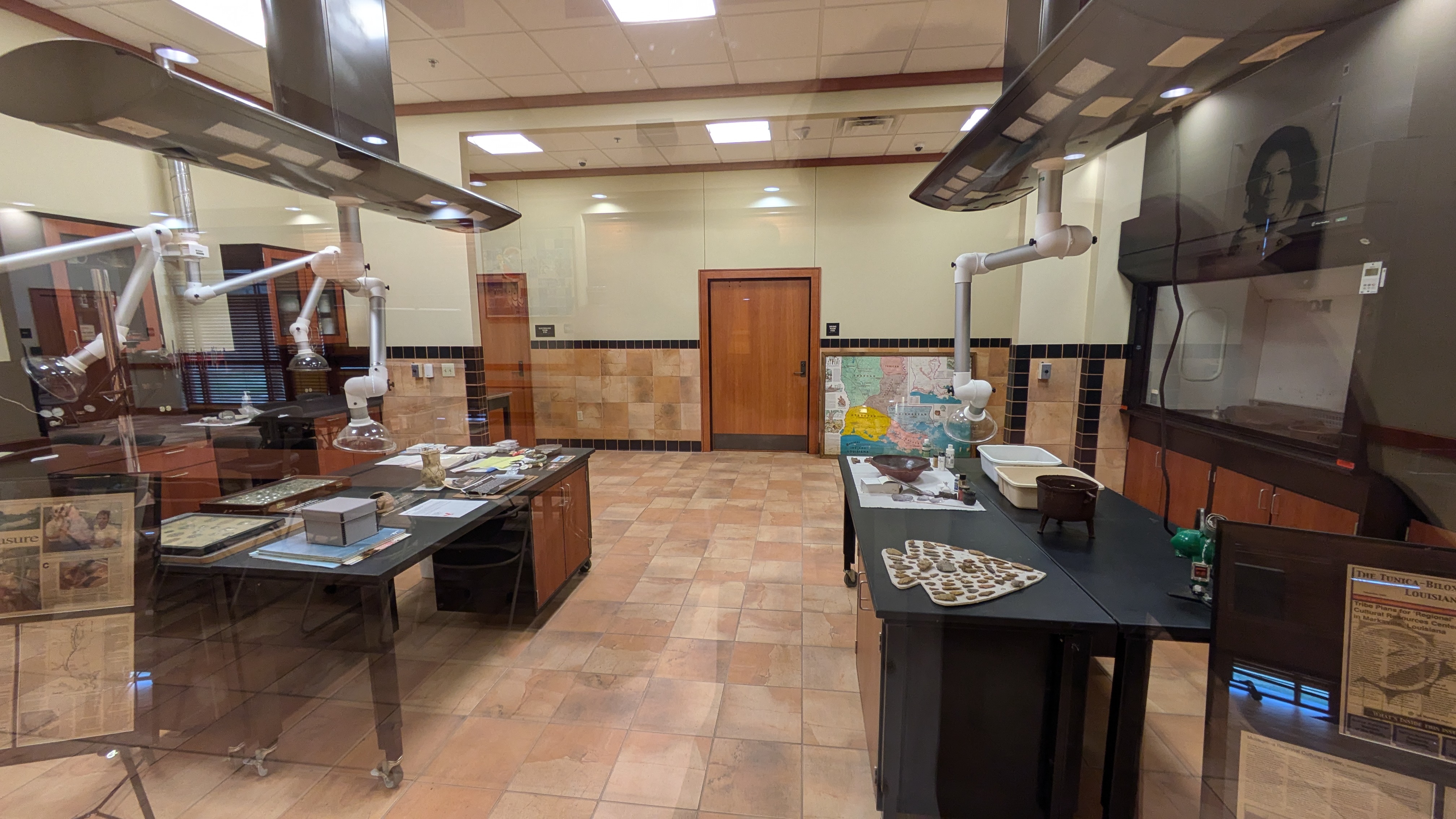
Another highlight was an opportunity to visit the Tunica-Biloxi Tribe’s museum and cultural center, which features the Tunica Treasure. The Tunica Treasure was found by looters in the late 1960s who disturbed a Tunica cemetery in West Feliciana Parish. The treasure included late eighteenth century trade goods and Native-made items, including one of the largest caches of glass beads in the Western Hemisphere. The Tribe’s success in recovering the historic belongings in state court helped them regain federal recognition, which had been lost during the federal government’s termination era. While some might be surprised to see burial items displayed, its important to remember that each Tribe makes their own decisions about what happens with their cultural heritage, reflecting their sovereignty.

Conservation lab built and operated by the Tunica-Biloxi Tribe in their work to preserve the Tunica Treasure.

Save the Date! 2025 #PAGivingDay

Contributed by Emma Lavoie

Mark your calendars! PA Giving Day is Wednesday, March 26, 2025!

PA Giving Day represents a critical milestone in our fundraising efforts for the Peabody. Last year we raised 65% of the Peabody’s annual support from 57 donors in just one day. This year our goal is to exceed previous success by engaging even more PA alumni and friends of the Peabody in this collective day of giving.

For those inspired to give early, please visit the PA Giving Day page here! Please be sure to select the “Peabody Institute of Archaeology” under the “designation” section. Any gift made in advance of the event will count toward PA Giving Day totals.

This year we hope to have more match challenges and even more support! Be sure to follow our social media on PA Giving Day for some inspiring posts from students who have been impacted by the Peabody.