Did you know that the building that houses the Peabody Institute was built between 1901 and 1903? Designed by well-known Boston architect Guy Lowell, the building was designed to be the home of the Phillips Academy Department of Archaeology. Over the past 120 years, the department has transitioned into the Peabody Institute.
As anyone who has lived in the same house for a long time can attest – it is really easy to accumulate stuff (both valuable items and less-than-helpful clutter). Like a well-loved home, the Peabody certainly had its fair share of stuff that needed to be sorted and rehomed before the current building project could get underway. The best stuff had been kept in the attic.
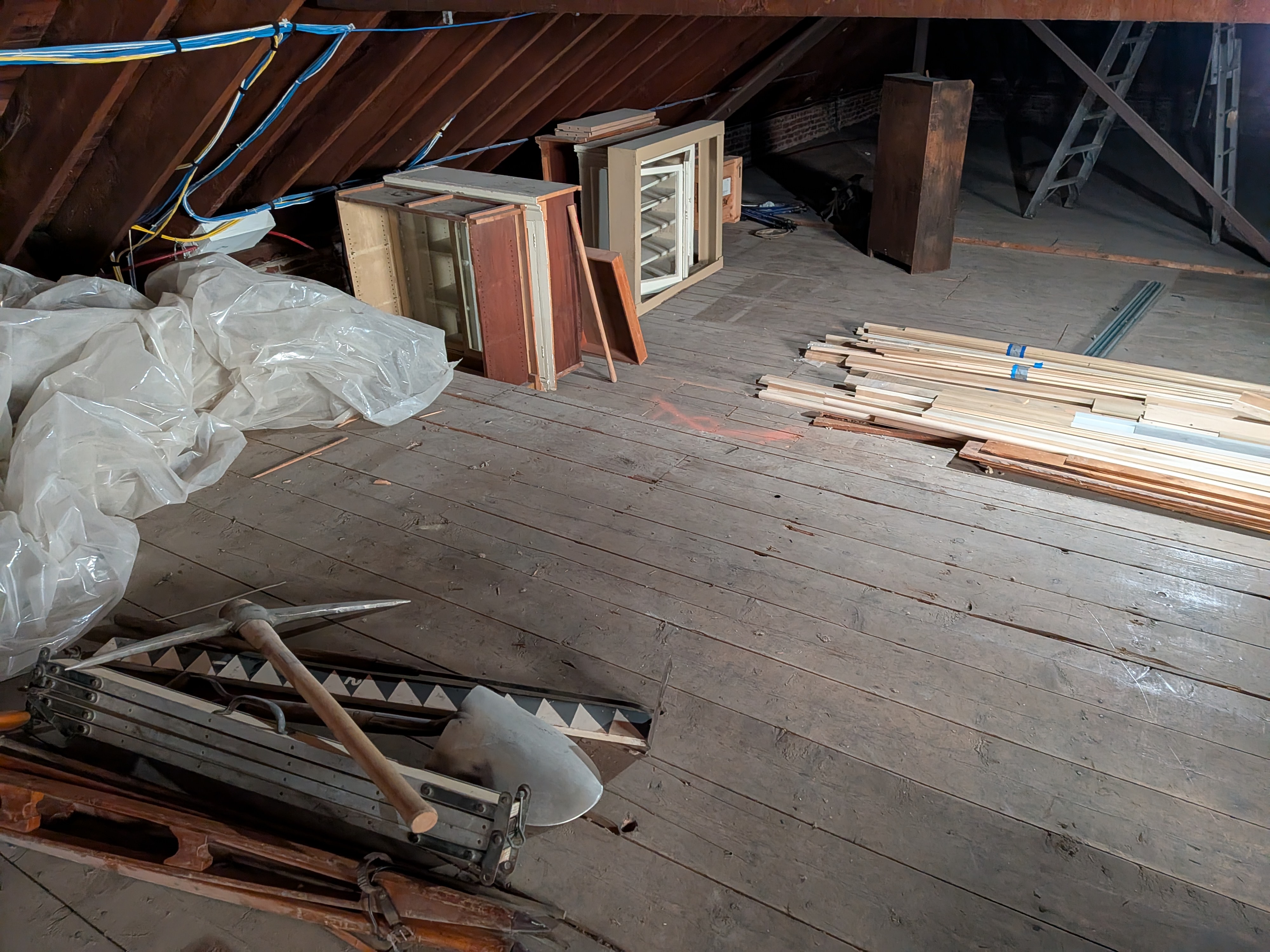
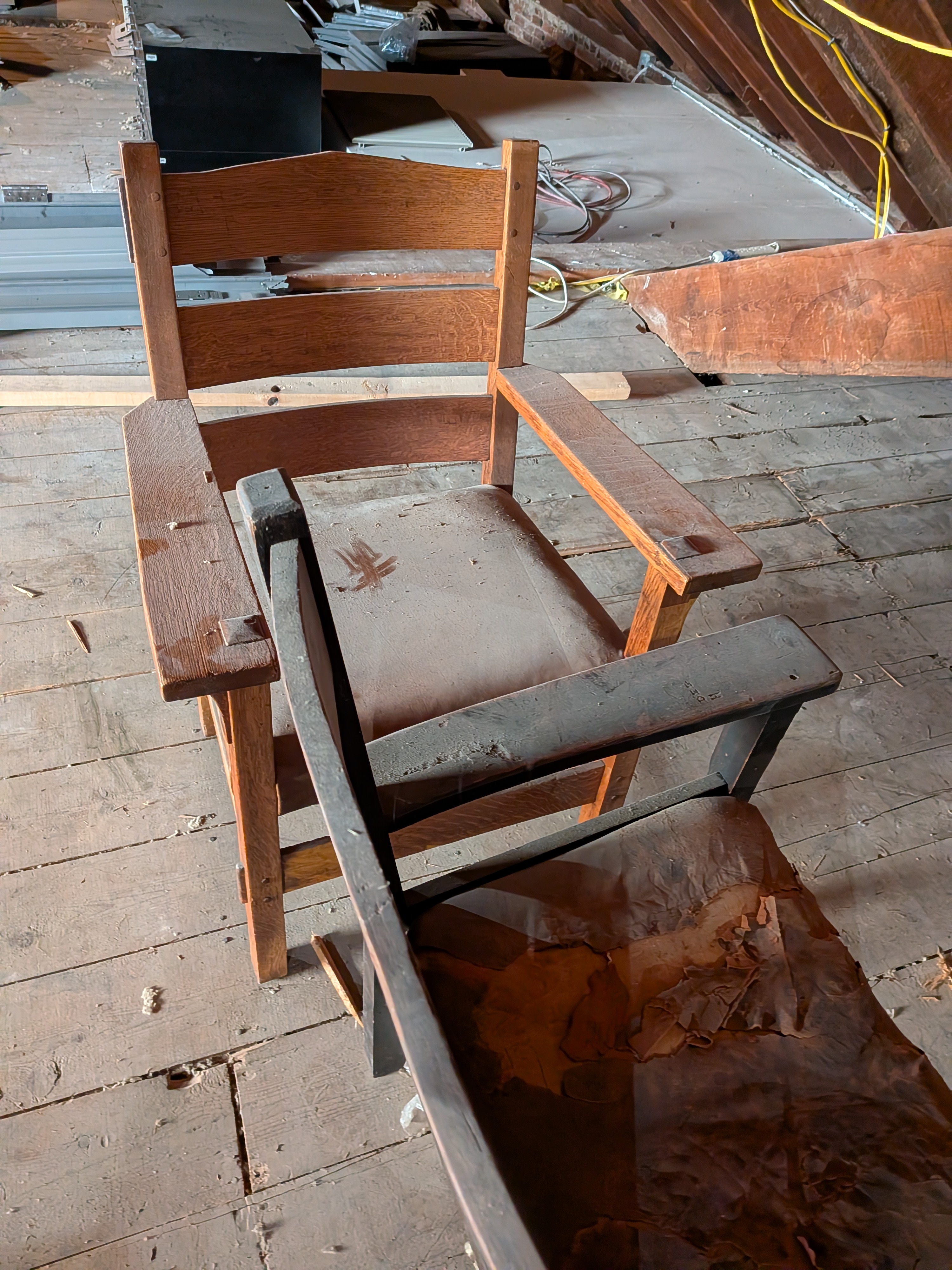
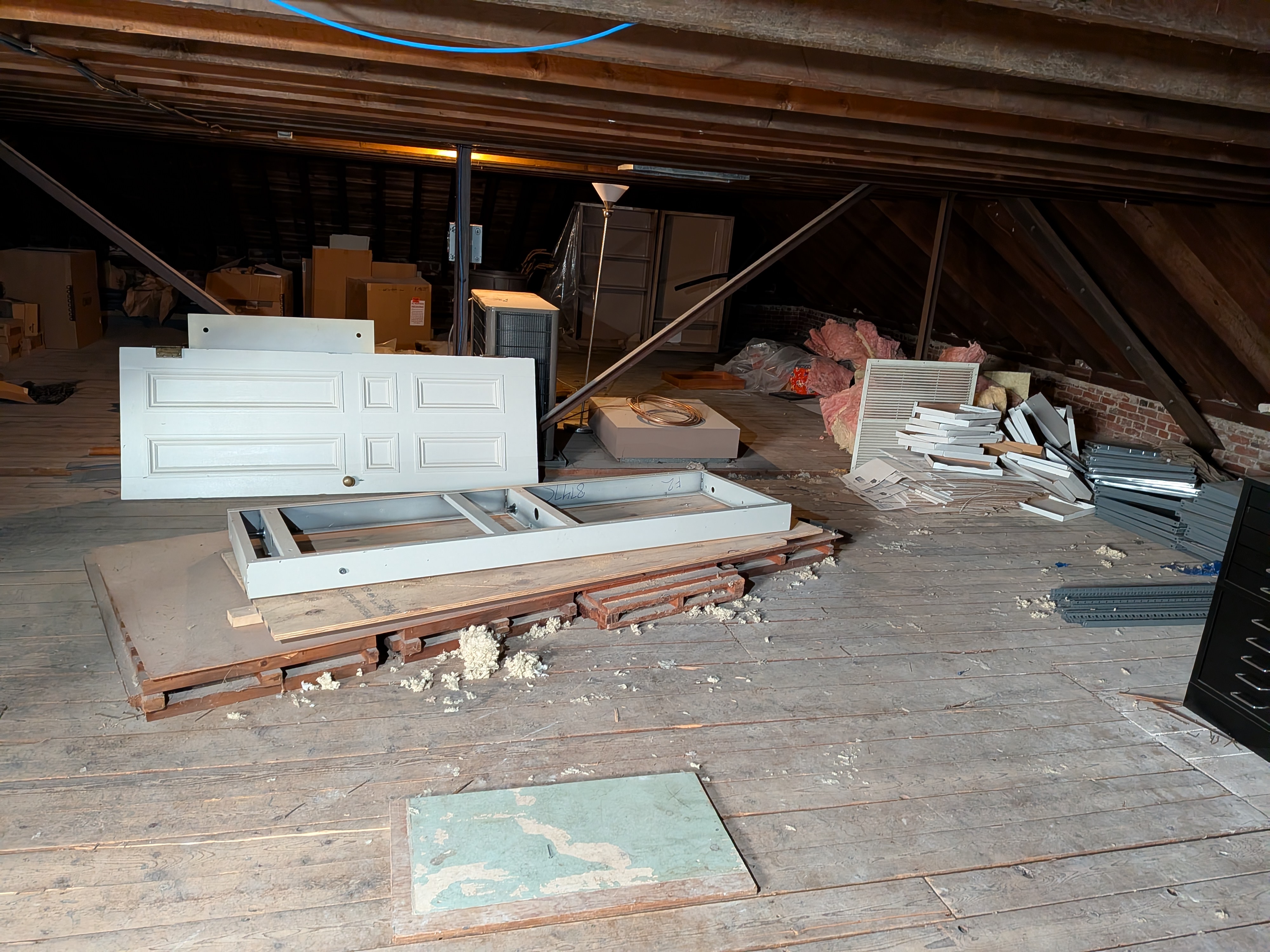
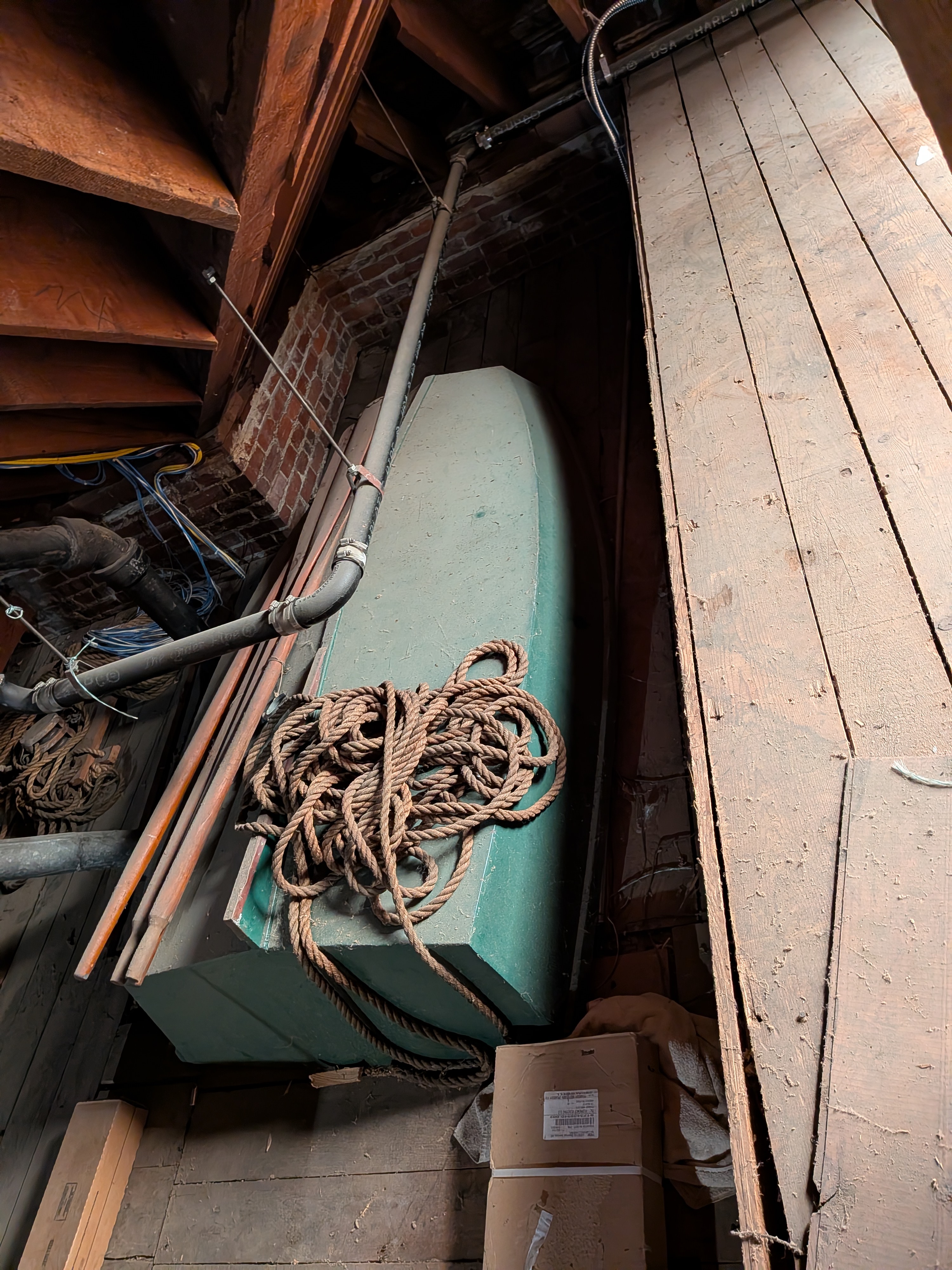
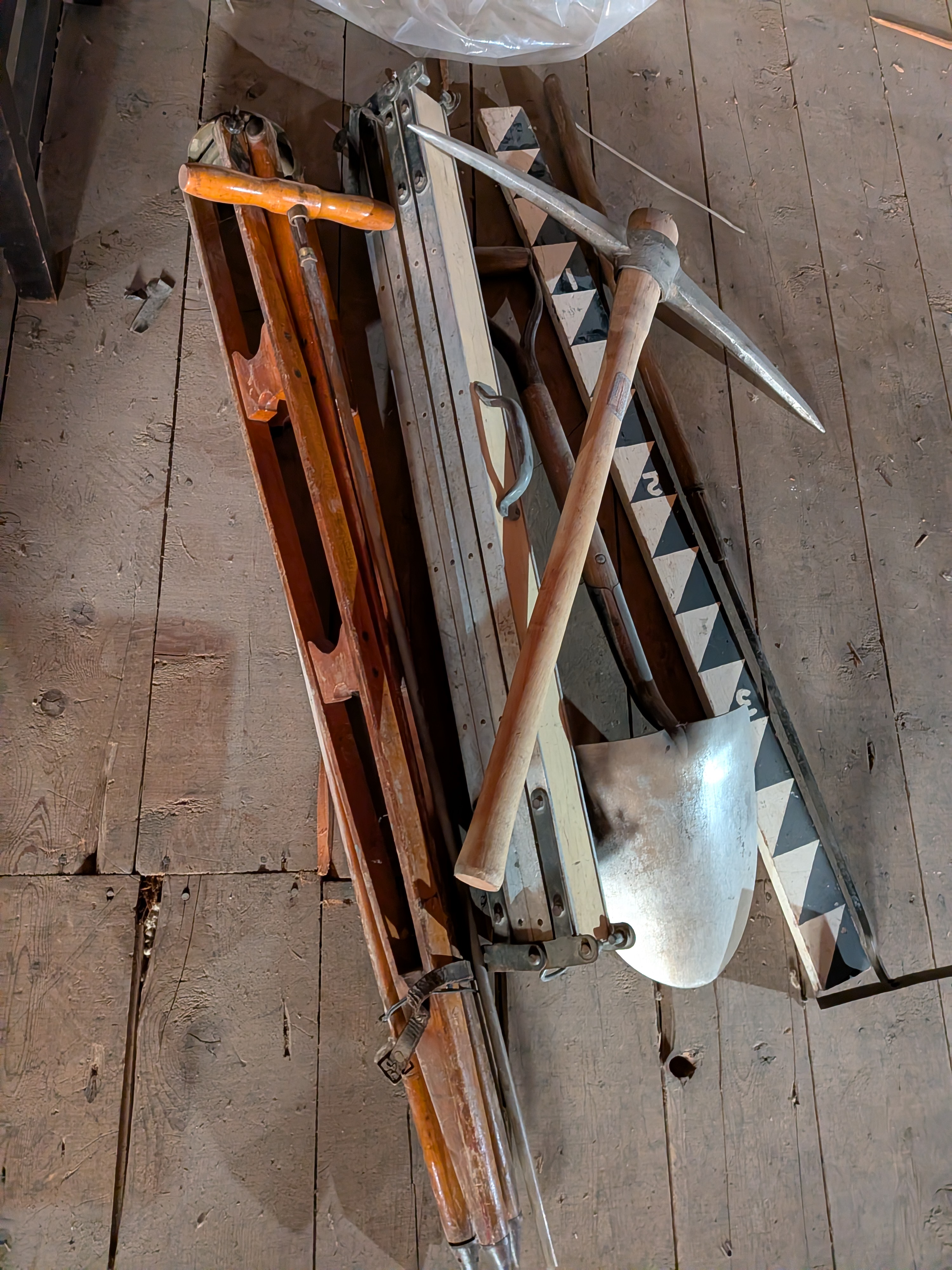
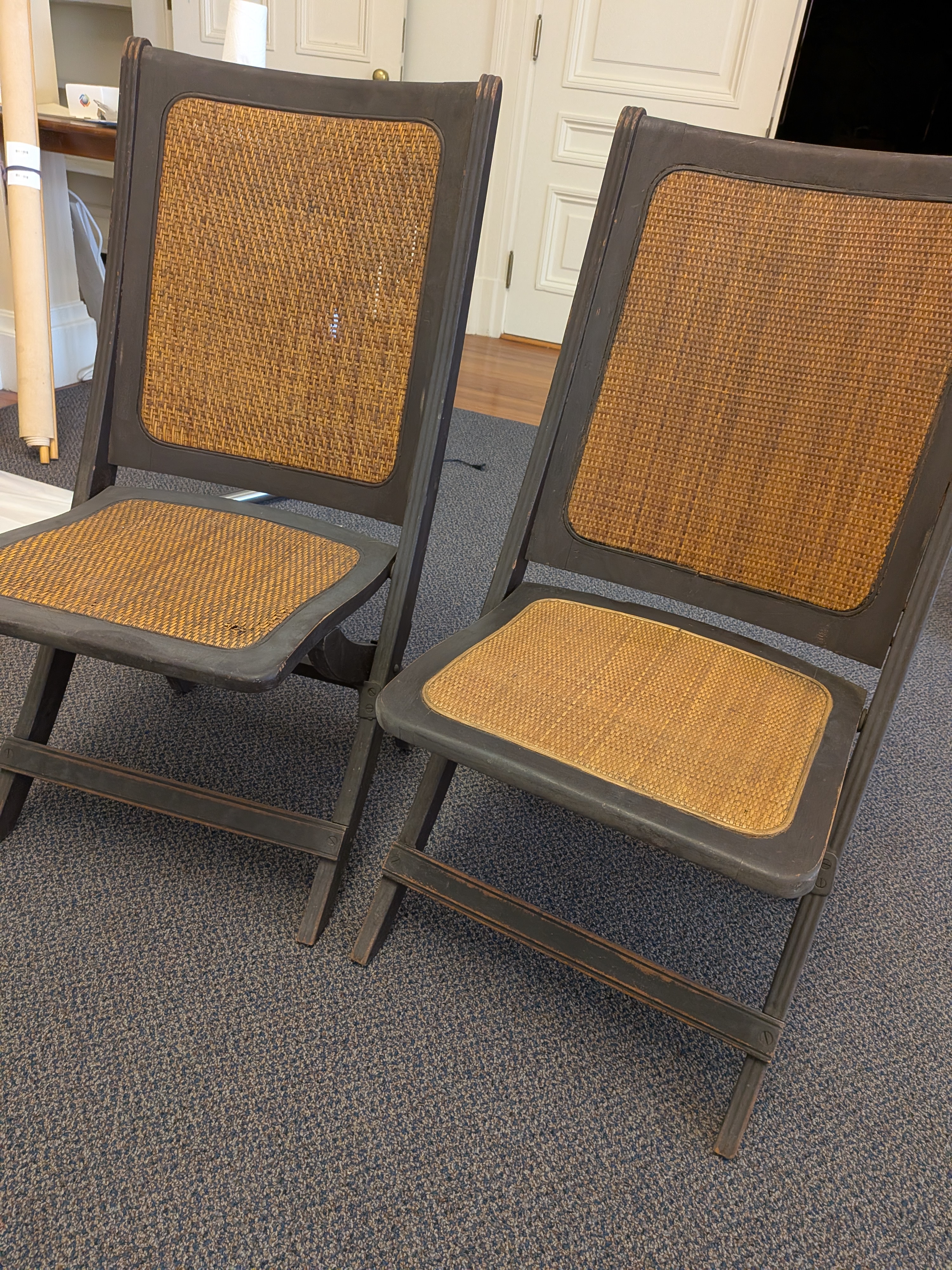
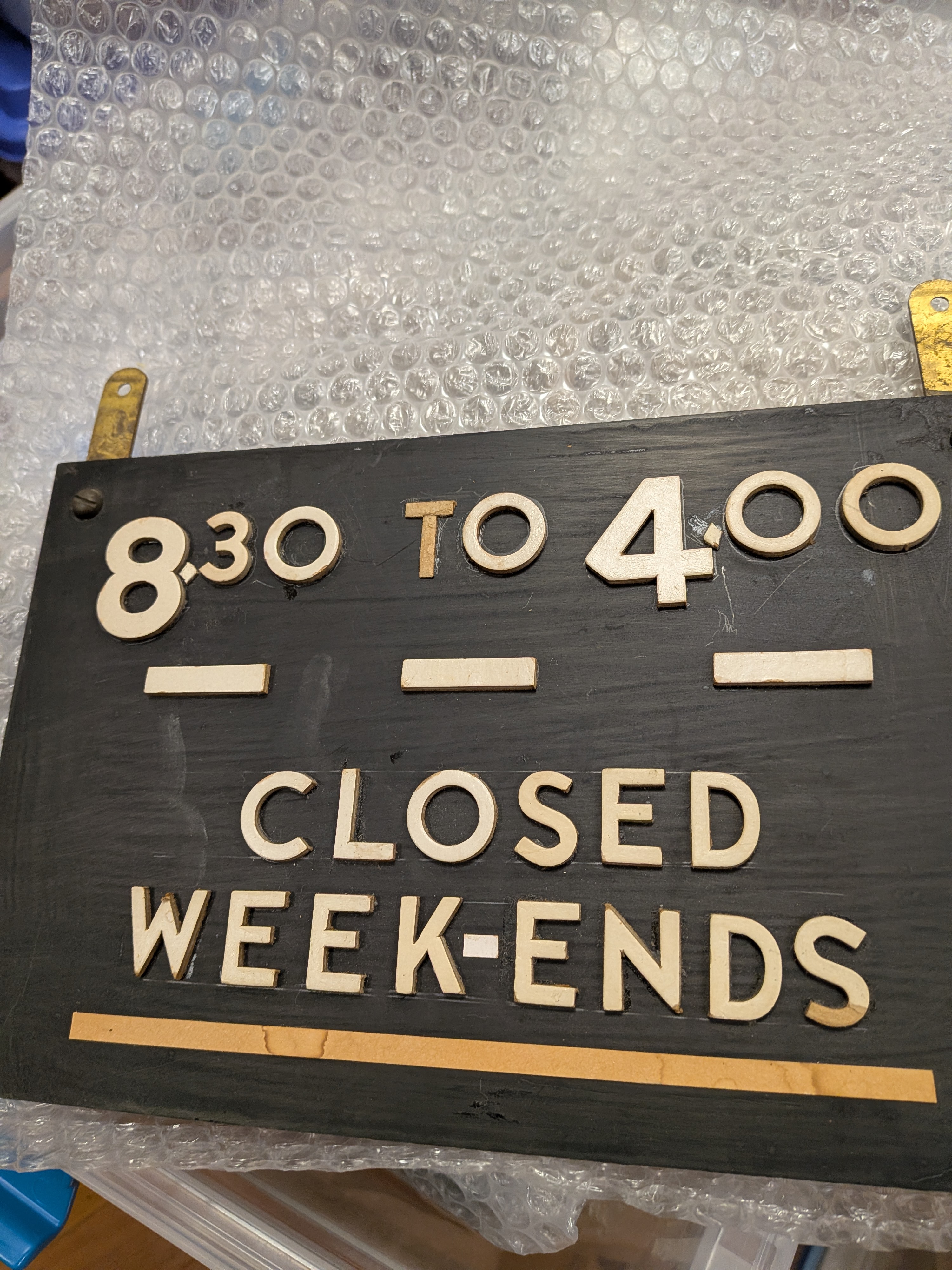
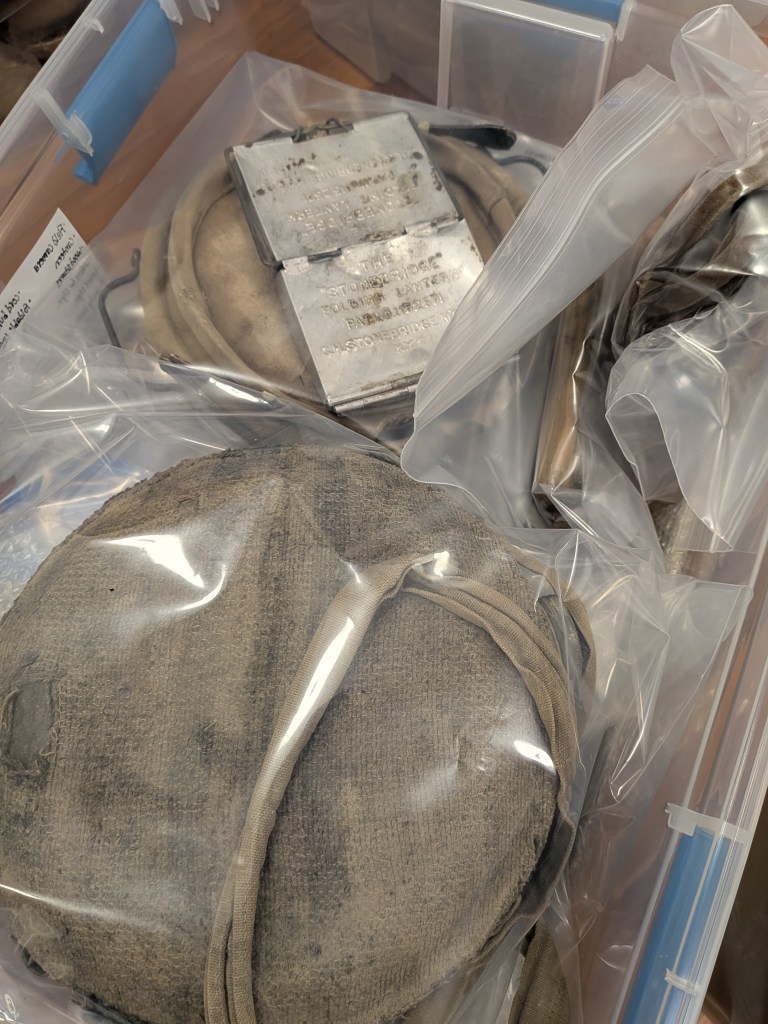
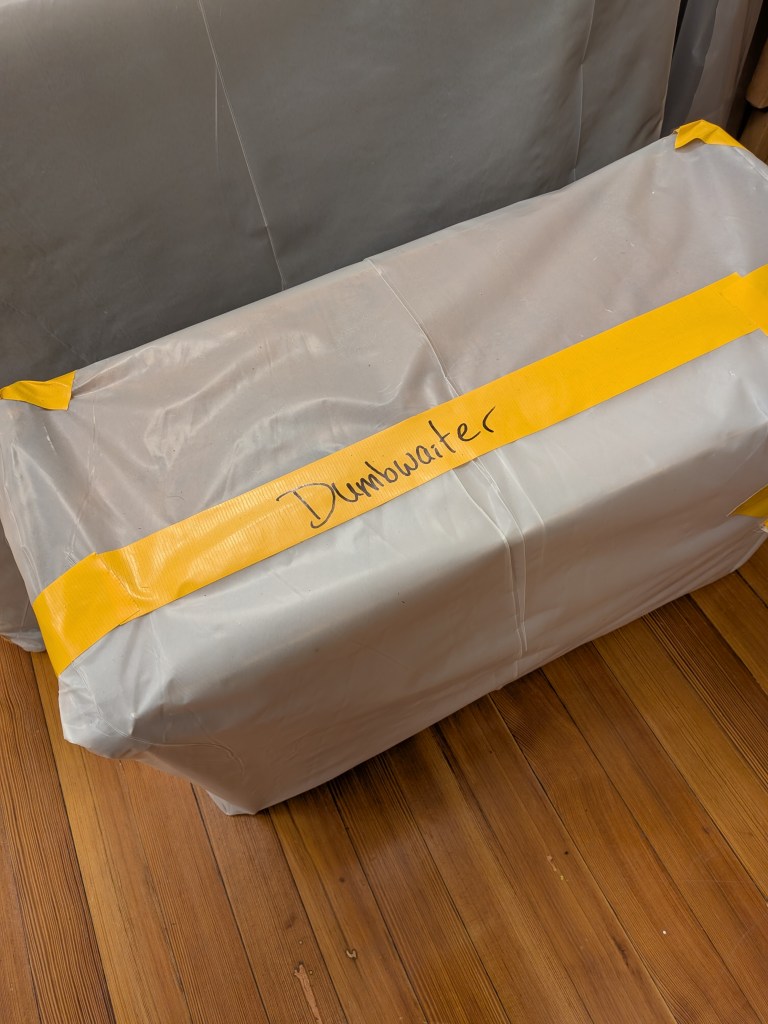
Attics always have a reputation (you know what I mean) and the Peabody’s attic is a special one. If you are over 5’6”, you better watch your head. The corners are as dark as you imagine. And yes, sometimes there are bats. However, there are also piles of old archaeological field equipment, a dumb-waiter, traveling trunks and some incredible pieces of institutional history that needed to be preserved before the building project.
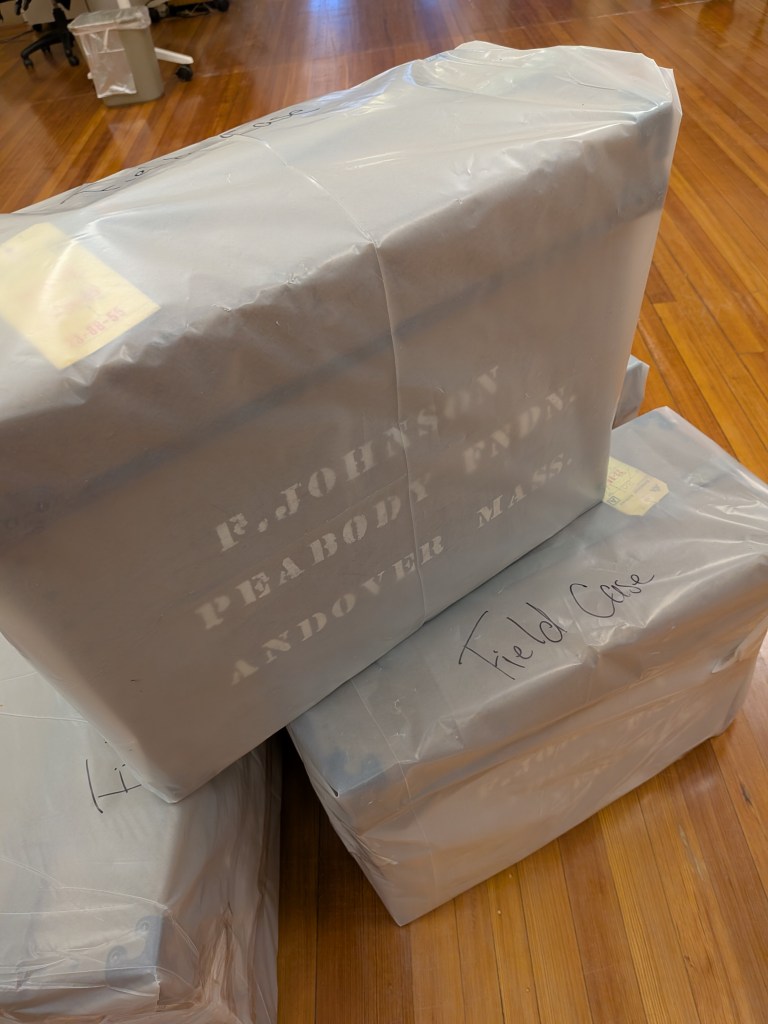
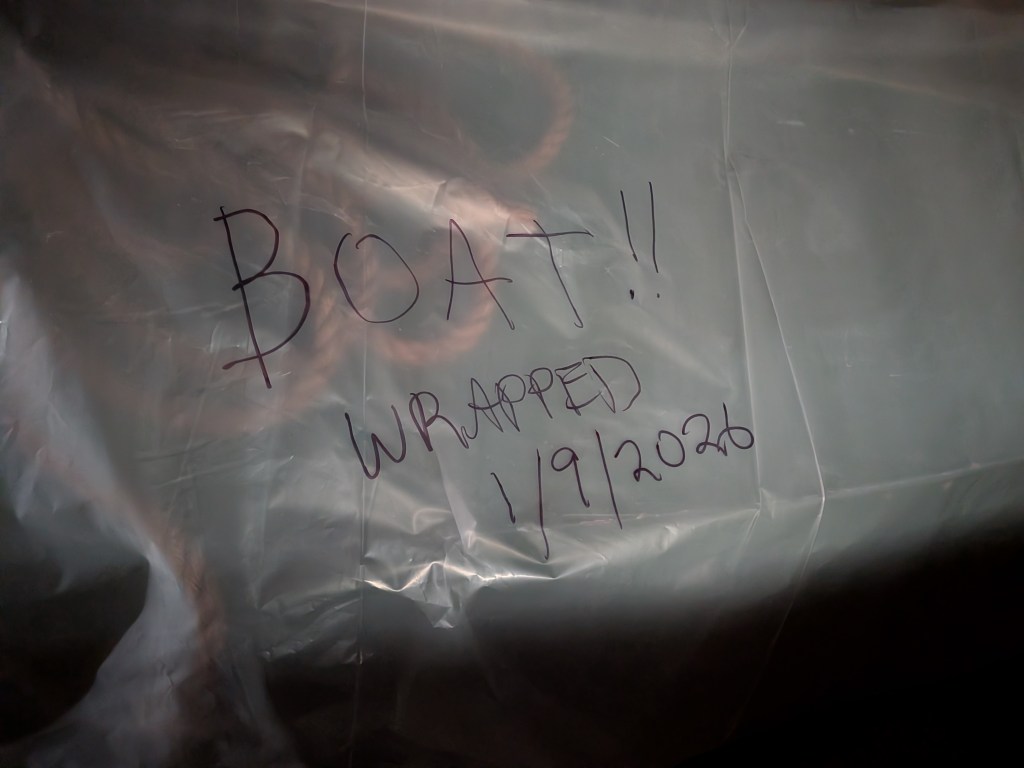
Everything was lovingly wrapped in plastic – it wasn’t always pretty (you try wrapping a pickaxe!) – and clearly labeled for the future. Who knows what future Peabody staff will do with these items, but I am relieved that they will have the opportunity to engage with these echoes of history.
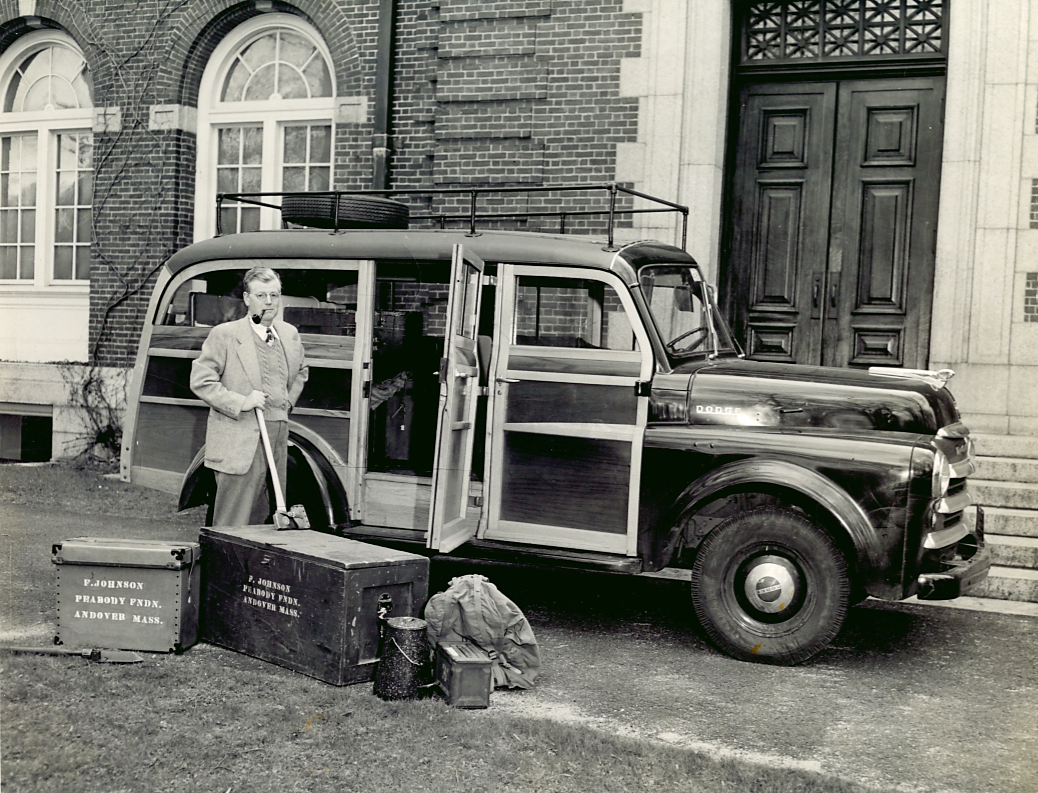
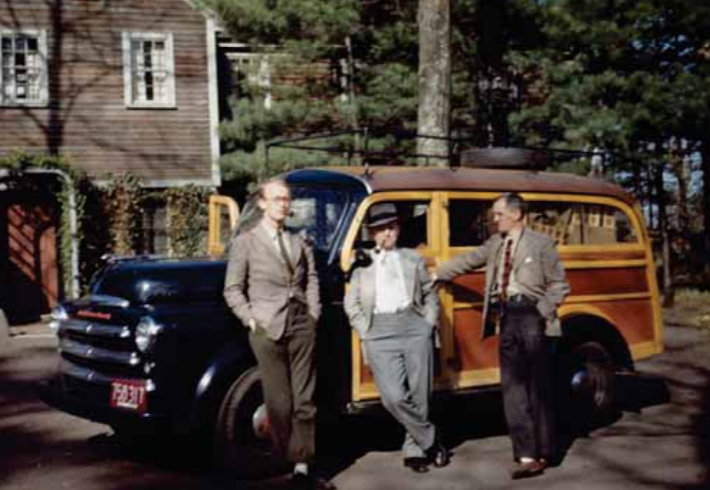
Pipe in mouth and axe in hand, a man in a tweed suit stands in front of a 1940s Dodge “Woody” station wagon brimming with suitcases and archaeological gear. The crates on the ground by his feet are labeled, “F. JOHNSON, PEABODY FNDN, ANDOVER, MASS.” Who is this man and where could he be traveling to?
The year is 1948 and this traveler in tweed is Frederick Johnson, curator of the Peabody (known as the Robert S. Peabody Foundation for Archaeology at the time) from 1936-1968.
Fred Johnson with expedition gear in front of the Peabody, 1948.
Frederick Johnson (1904-1994) joined the Robert S. Peabody Foundation for Archaeology as Curator in 1936. He held this position until 1968, serving one year as Director before retiring in 1969. During his time at the Peabody, Johnson initiated an archaeological excavation program for students at Phillips Academy. He also organized the Committee for the Recovery of Archaeological Remains (1945-1968) and chaired the American Anthropological Association’s Committee on Radioactive Carbon 14 (1948-1968.)
Johnson is recognized for contributing to the development of an interdisciplinary approach to archaeology, using scientists from various fields to study archaeological problems together. The Boylston Street Fish Weir project (1939) in Boston, MA as well as the Andover-Harvard Yukon Expedition (1944 and 1948) were two examples of this method.
The image of Fred Johnson above was taken before his trip to the Yukon Territory for the last year of the Andover-Harvard Yukon Expedition. This five-month field project combined archaeological and geobotanical research in the unknown northwestern interior of North America and was carried out jointly by the Peabody and Harvard University (funded by additional sources, including the Wenner-Gren Foundation.)
The journey began from North Dakota to Burwash Landing, Yukon with research in parts of the Shakwak and Dezadeash Valleys in southwestern Yukon. The project leaders were Fred Johnson and Professor Hugh Raup, botanist and Director of the Harvard Forest in Harvard, MA. Two Harvard graduate students served as assistants in the botanical and archaeological research, Bill Drury and Dr. Elmer Harp, Jr.
Harp was a recent Harvard graduate and Curator of Anthropology for the Dartmouth College Museum in Hanover, NH. He documented the trip through field notes and his own photographs. Below is one of Harp’s photographs taken at the beginning of their trip. Do you notice anything similar between these two images? That is the same station wagon in each photograph and yes, that is Fred Johnson with his pipe again! Harp and Drury were tasked with driving the expedition’s station wagon from Boston to Whitehorse, Yukon Territory – standard labor assigned to graduate students in the field.
Bill Drury, Fred Johnson, and Elmer Harp at the start of the Andover-Harvard Yukon Expedition, May 4, 1948. Photograph by Dr. Elmer Harp, Jr., Professor of Anthropology Emeritus, Dartmouth College, Hanover, NH.
According to Harp’s recordings from the expedition, Johnson and Raup conducted several projects in the early years of the Yukon project (1943-1944) exploring for evidence of the first appearance of humans in the New World. The 1948 project was to search for archaeological sites along the eastern borders of the Rocky Mountains via the Alcan Highway. This was the first time the highway was opened to civilian traffic since the beginning of WWII. The Andover-Harvard expeditions went on to represent the first systematic explorations of Yukon’s prehistoric past.
Since November, I’ve been focused on better organizing and rehousing the Peabody’s photographic collections (a rough extent estimate: 10,000 prints, 35,000 slides, 230 rolls of film, 500 glass plate negatives and 1,500 lantern slides). These consist of excavation, ethnographic and museum object photographs. Some were created during the course of the Peabody’s activities; others were donated to the museum. There are some wonderful images here, many unknown to Peabody staff members even. In keeping with the archives project’s mission to make the Peabody’s archival collections more accessible, contract librarian Mary Beth Clack has begun cataloging photographs in our Past Perfect collections management database. For many photographs, some type of bibliographic record such as a catalog card or an index already exists, so adding a record to the database is a question of transcribing and consistently formatting existing information. Work duty students and I have been scanning photographs so that a digital image can then be attached to the catalog records, which are then easily published online via our Past Perfect web portal. In addition to the benefits of making these publically available, cataloging them in the database makes them infinitely more findable for staff members.
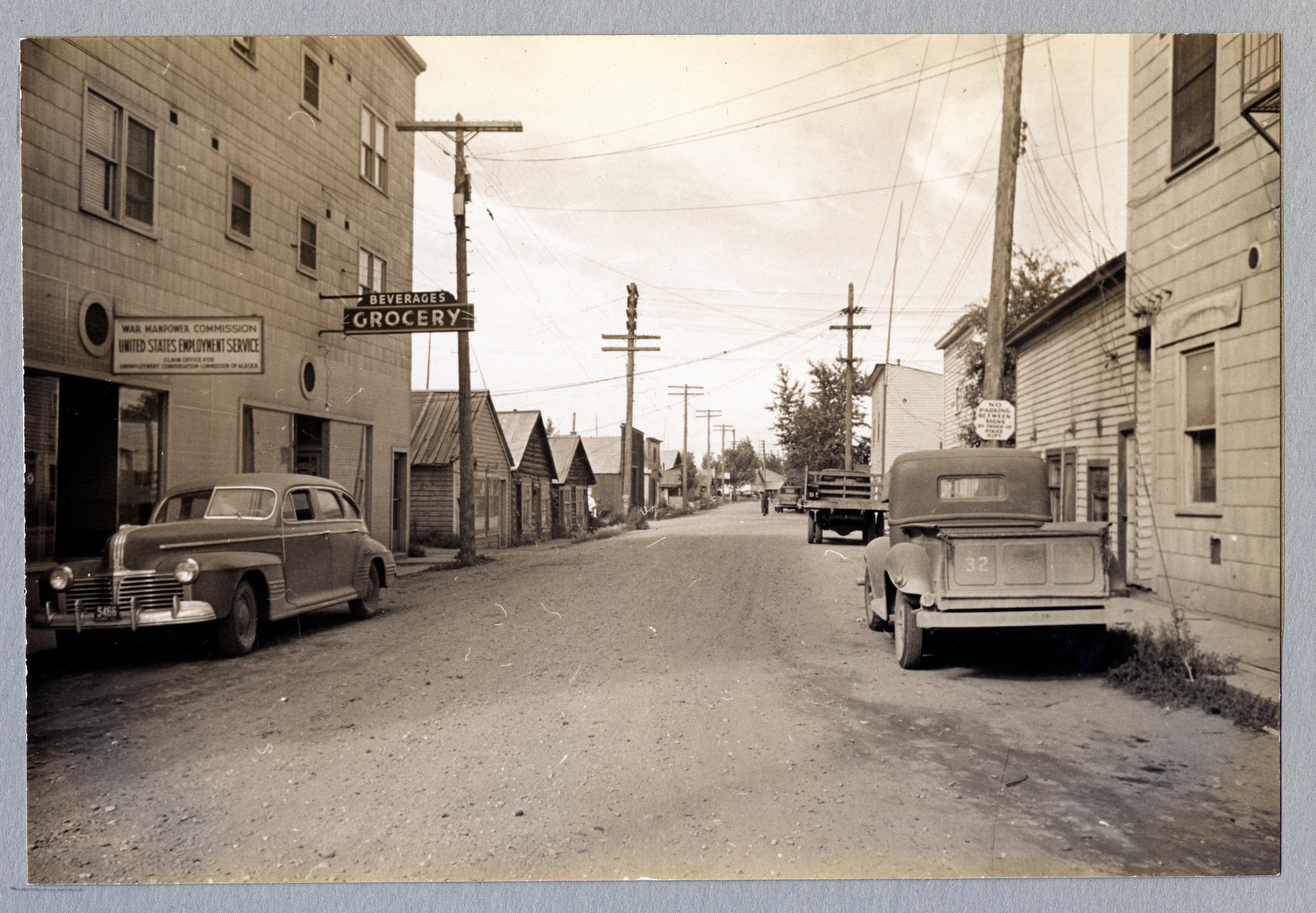
L-28-28. Fairbanks, Alaska. Snapshots of Chena Slough, streets and houses. 7/30/44
Mary Beth is currently working on the 1944 and 1948 Andover-Harvard Yukon Expedition print photographs. These approximately 1,500 images document the archaeological and geobotanical expeditions carried out jointly by the Peabody and Harvard University (and funded by additional sources, including the Wenner-Gren Foundation) in parts of the Shakwak and Dezadeash Valleys, in southwestern Yukon. The photographs, taken by Fred Johnson, Hugh Miller Raup and John H.H. Sticht, are mounted on stiff paper, typically two to a page, with typewritten captions below each image. Many of them, in addition to being important documentation of the expeditions, are very beautiful. Included here a few examples. The first batch of records have just been published online, and more will be added soon: please browse them here.
Example of an Andover-Harvard Yukon Expedition photographs page, with images from 1944.
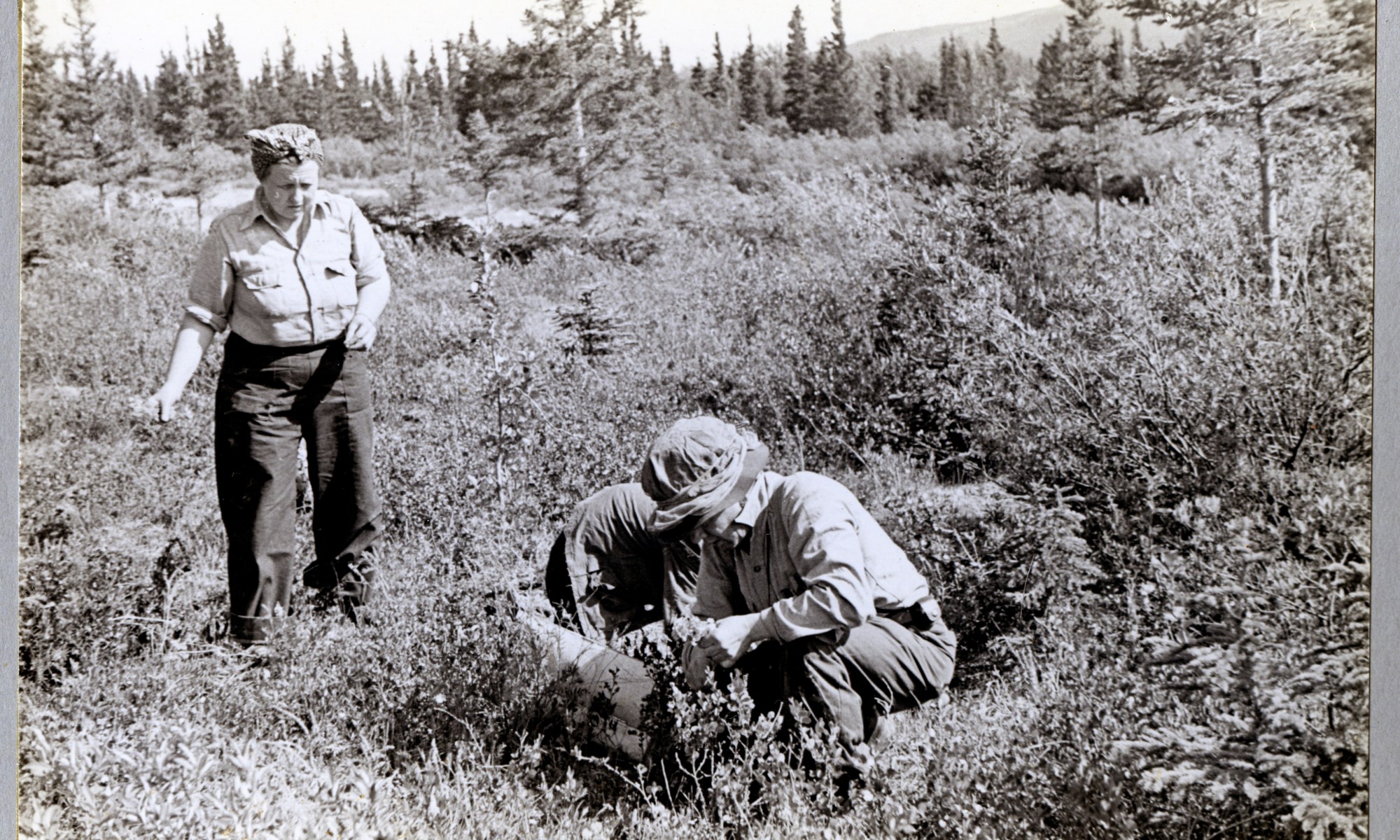
L-25-5. Collecting Primulas on muskeg between beaches west of Mile 1020-21. Near Pine Creek Camp. Alaska Highway. 6/23/44.
The Temporary Archivist position is supported by a generous grant from the Oak River Foundation of Peoria, Ill. to improve the intellectual and physical control of the institute’s collections. We hope this gift will inspire others to support our work to better catalog, document, and make accessible the Peabody’s world-class collections of objects, photographs, and archival materials. If you would like information on how you can help please contact Peabody director Ryan Wheeler at rwheeler@andover.eduor 978 749 4493.



 The Peabody