Non Sibi Spirit at the Core of the Peabody Institute Lessons

A Dialogue Between Director for Advancement Initiatives, Jennifer Pieroni, and former Peabody Institute Work Duty student and current Peabody Advisory Board member, Ben William Burke ’11.

Archaeology isn’t just about uncovering and studying ancient items—at Andover, it’s about shaping a more informed, ethical, and engaged society. By learning archaeology, Andover students gain experiences to understand the world better, think critically, and contribute meaningfully to the future by better understanding the past.

At a recent Peabody Institute meeting, I met Ben William Burke ’11, whose enthusiasm for the Peabody was inspiring. As a new member of the Andover community, I wanted to understand why the Peabody had left such an indelible mark on Ben and why he continues to support it today.

By email, Ben shared: “As a work duty student at The Peabody, I received unparalleled access to its extensive collection and cultural immersion programs. These experiences brought me face to face with — and taught me the value of — perspectives different from mine. In those moments, I was challenged to understand before correcting, to empathize before judging, and to build on the past in a way that respects it.

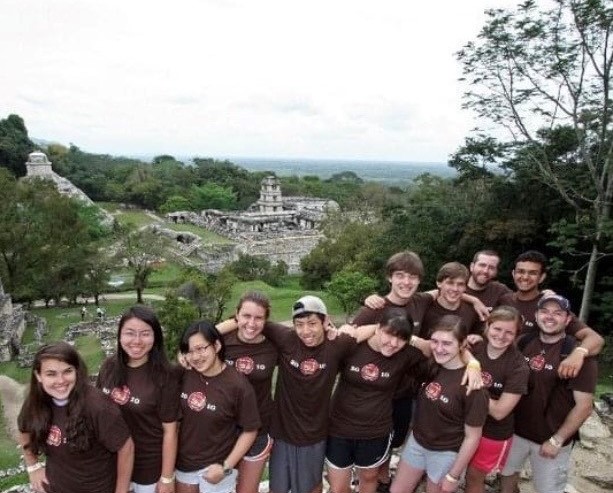
Ben Burke ’11 (Back row, third from the right) on the BALAM student trip. This was a multi-week cultural immersion and archaeological adventure through the greater Yucatán Peninsula sponsored by the Peabody Institute.

Today’s Andover students gain the transformational learning opportunity of being a part of an organization that leads in the field of repatriation and reflects Non Sibi by teaching students that archaeology is not just about personal discovery but about responsibility: to the past, to descendant communities, and future generations. Through hands-on study, students engage in meaningful, ethical work prioritizing respect over self-interest.

Ben noted, “There is not an avenue in my life that isn’t positively affected by The Peabody’s lessons in empathy and respect. I support The Peabody because I understand the value in learning to value other’s perspectives – especially when they are different from my own.”

Supporting the Peabody means investing in education that shapes responsible scholars and professionals. By supporting the Peabody with an annual gift, you can help elevate a place where teaching and learning are deeply connected to respect, collaboration, and cultural preservation. Join us in ensuring that the study of archaeology serves our Andover students and also society as a whole.

Student Photo Contest: Adventures in Ancient China

Eighteen Phillips Academy students traveled across China during spring break 2019 on the inaugural Adventures in Ancient China trip, part of the Learning in the World program. Student travelers visited major archaeological sites, cultural and religious sites, and museums and brought back many memories, as well as some great images! We asked students to submit their favorite shots in four categories: a) landscape or cityscape; b) candid; c) texture, pattern, or contemplative; and d) image that tells a story. We received eleven great submissions. Here are the winners in each category:

Landscape or Cityscape

Image of the Great Wall of China in the mountains.
The Great Wall, by Abdurahman Sahibousidq.

We loved Abdu’s landscape shot of the Great Wall. We were lucky to have some blue skies like this during our last few days in Beijing, and the color and texture gradations from the greens and browns in the lower half of the image to the blues and purples of the mountains and sky give a great sense of the wall around Mutianyu where we stayed. Oh, we hiked this section of the wall too!

Candid

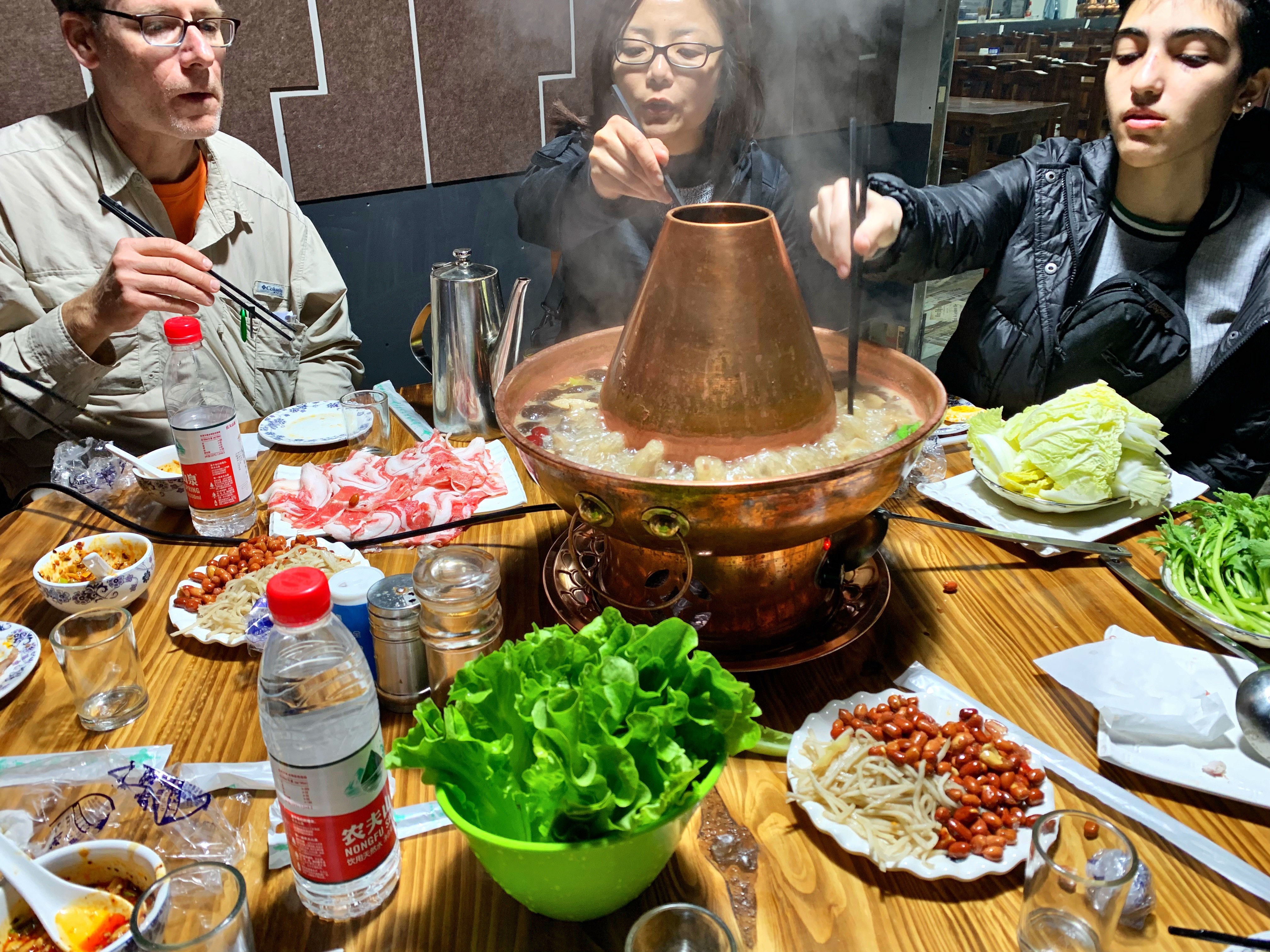
Image of students and chaperones sharing hot pot in Luoyang.
Hot pot, by Frank Mercer.

This is a great shot of students and chaperones sharing hot pot in Luoyang after a long train ride from Beijing. Seven of us were pretty hungry and delighted when a restaurant owner stayed open late to serve us hot pot. We love the assortment of food on the table and the steam coming from the pot!

Texture, Pattern, or Contemplative

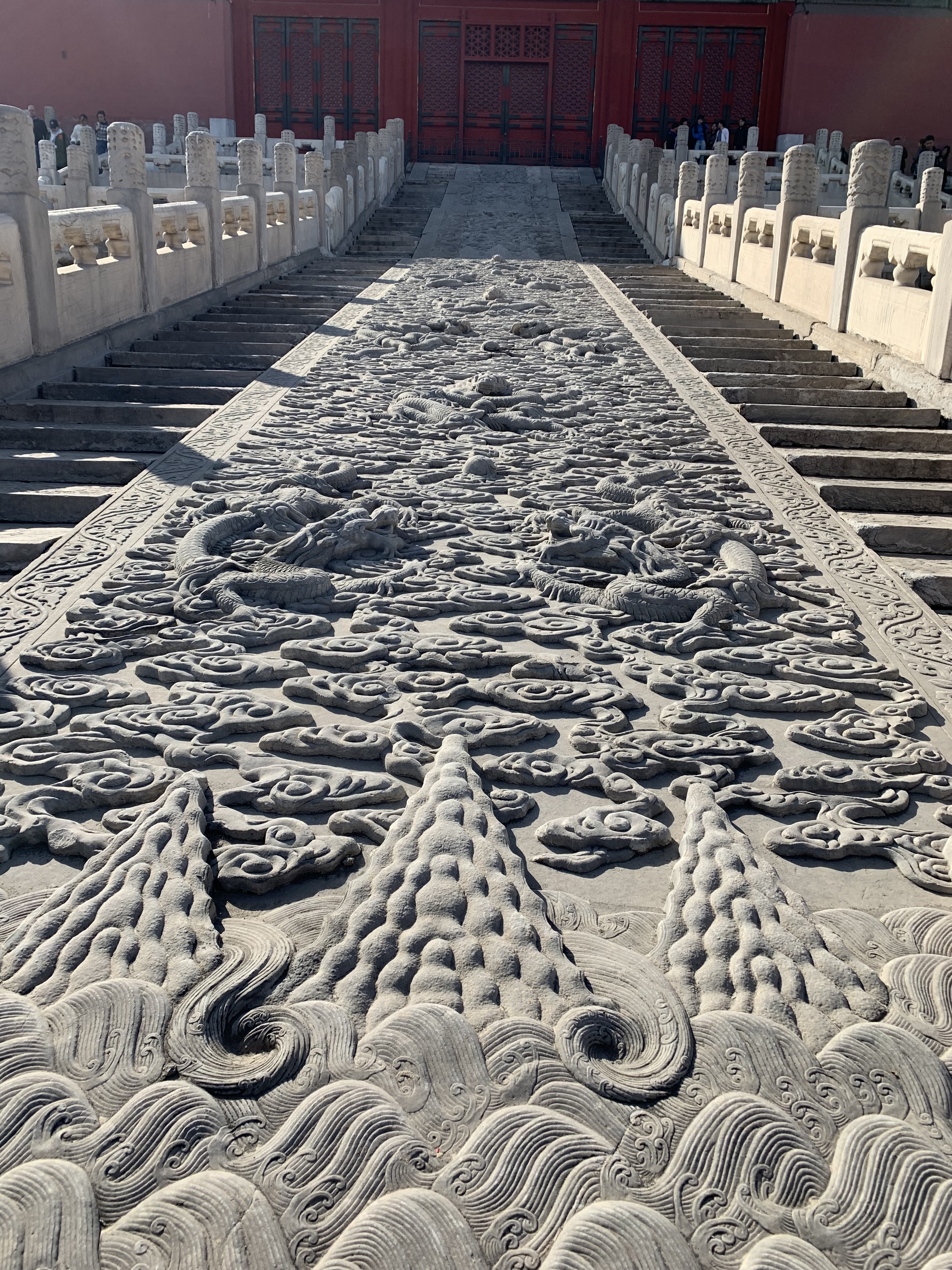
Image of carved marble ramp or pavement on the staircase at the Forbidden City.
Dragon pavement, by Emily Ho.

Emily Ho’s close-up of the Dragon Pavement captures some of the amazing patterns and textures that we encountered in China. The carved marble pavement is part of a staircase in the Forbidden City; it was carved in the Ming Dynasty and re-carved in 1761. We really like the contrast and shadows in Emily’s shot!

Storytelling

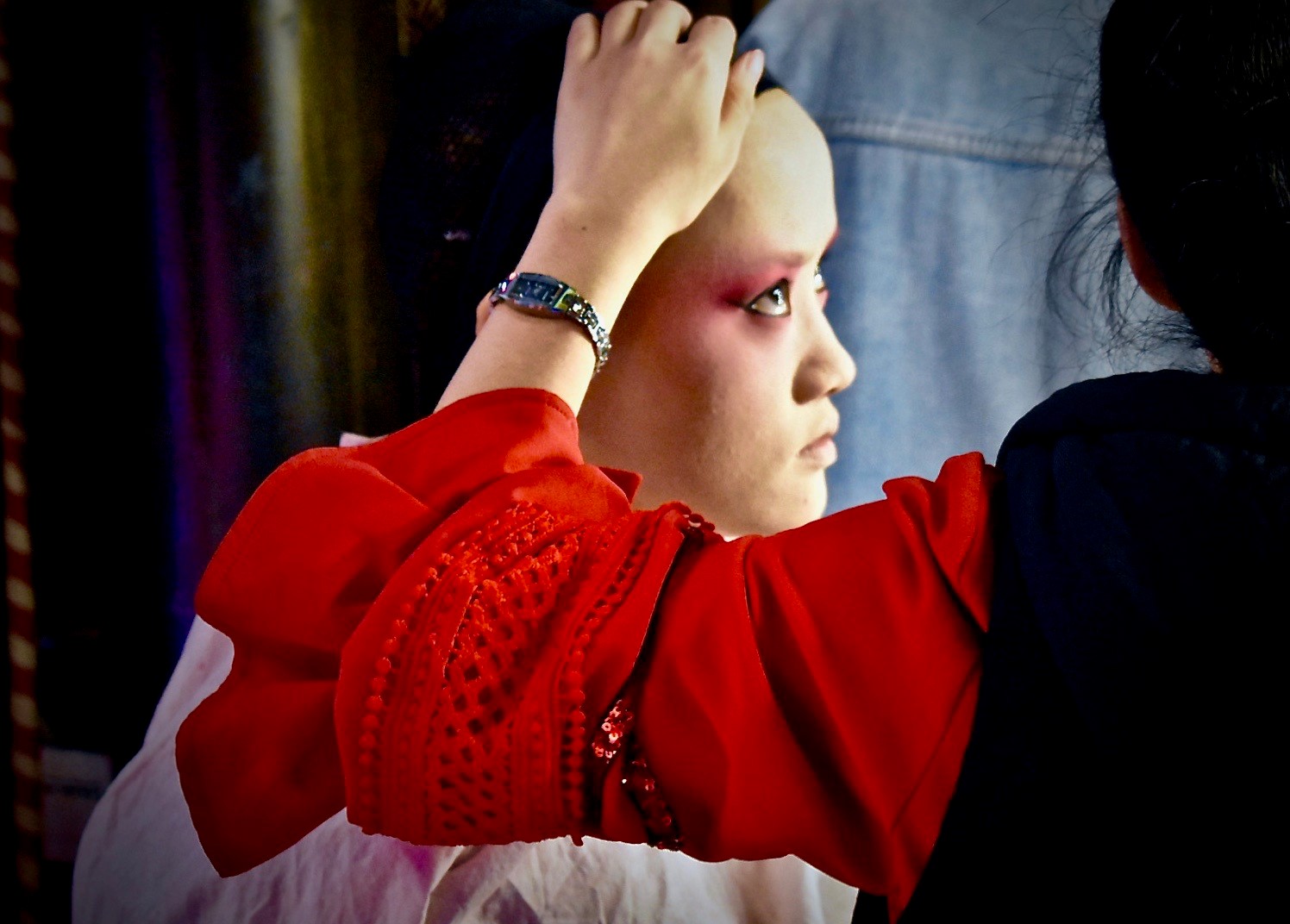
Image of a performer having makeup applied.
Painted face, by Alexander Ashman.

We saw opera performers getting ready in both Xi’an and Chengdu. What we love about Alexander’s image is the silent conversation happening between the performer and the makeup artist!

Special Award

Image of Summer Palace buildings on lake, with reflections.
Summer Palace, by Ramphis Medina.

We had a hard time picking the Adventures in Ancient China photo contest winners, so we added one extra category. This shot of the Summer Palace in Beijing, by Ramphis Medina, combines aspects of the landscape and patterns, textures, contemplative categories. The Summer Palace is considered by UNESCO a masterpiece of Chinese landscape garden design. Longevity Hill and Kunming Lake, both seen here, are major features of the gardens.

Congratulations to our contest winners and many thanks to everyone who submitted a photo! It was very hard to choose!!!!

China Travelers Meet Tu’er Ye

Adventures in Ancient China is one of the newest Learning in the World programs at Phillips Academy. During spring break 2019 eighteen students experienced some of China’s most dynamic history and archaeology, along with spicy cuisine, fantastic religious art, and new friends.

After exploring the impressive architecture of Ming and Qing dynasties at the Summer Palace, the Tian Tan, and the Forbidden City we engaged with some of Beijing’s Intangible Cultural Heritage. UNESCO defines intangible cultural heritage as “the practices, representations, expressions, as well as the knowledge and skills (including instruments, objects, artifacts, cultural spaces), that communities, groups and, in some cases, individuals recognize as part of their cultural heritage.” This can include oral tradition, performing arts, rituals and festivals, traditional knowledge, and craftsmanship.

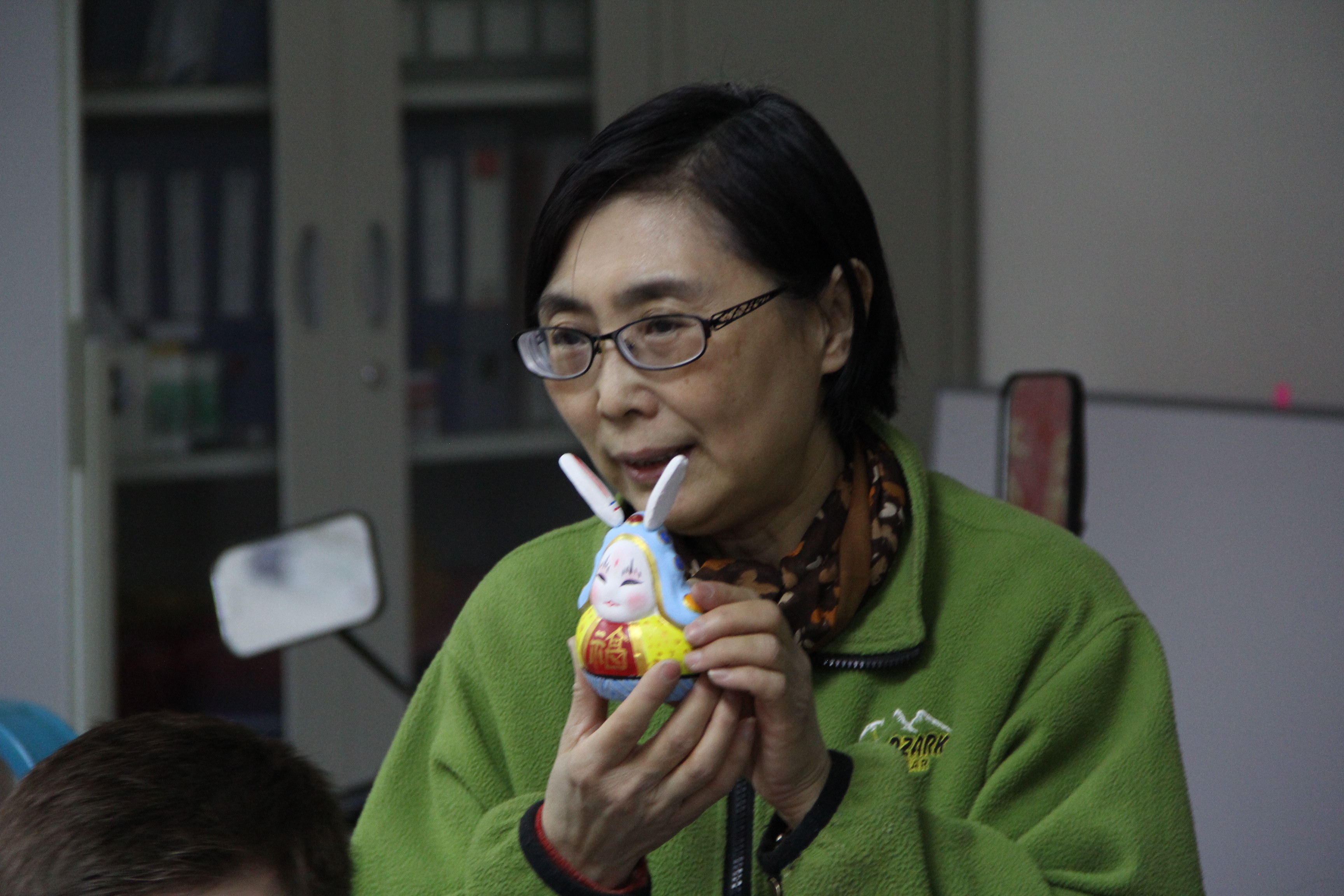
Image of Beijing Tu'er Ye artist with figurine.
Beijing Tu’er Ye artist explains how to decorate a figurine.

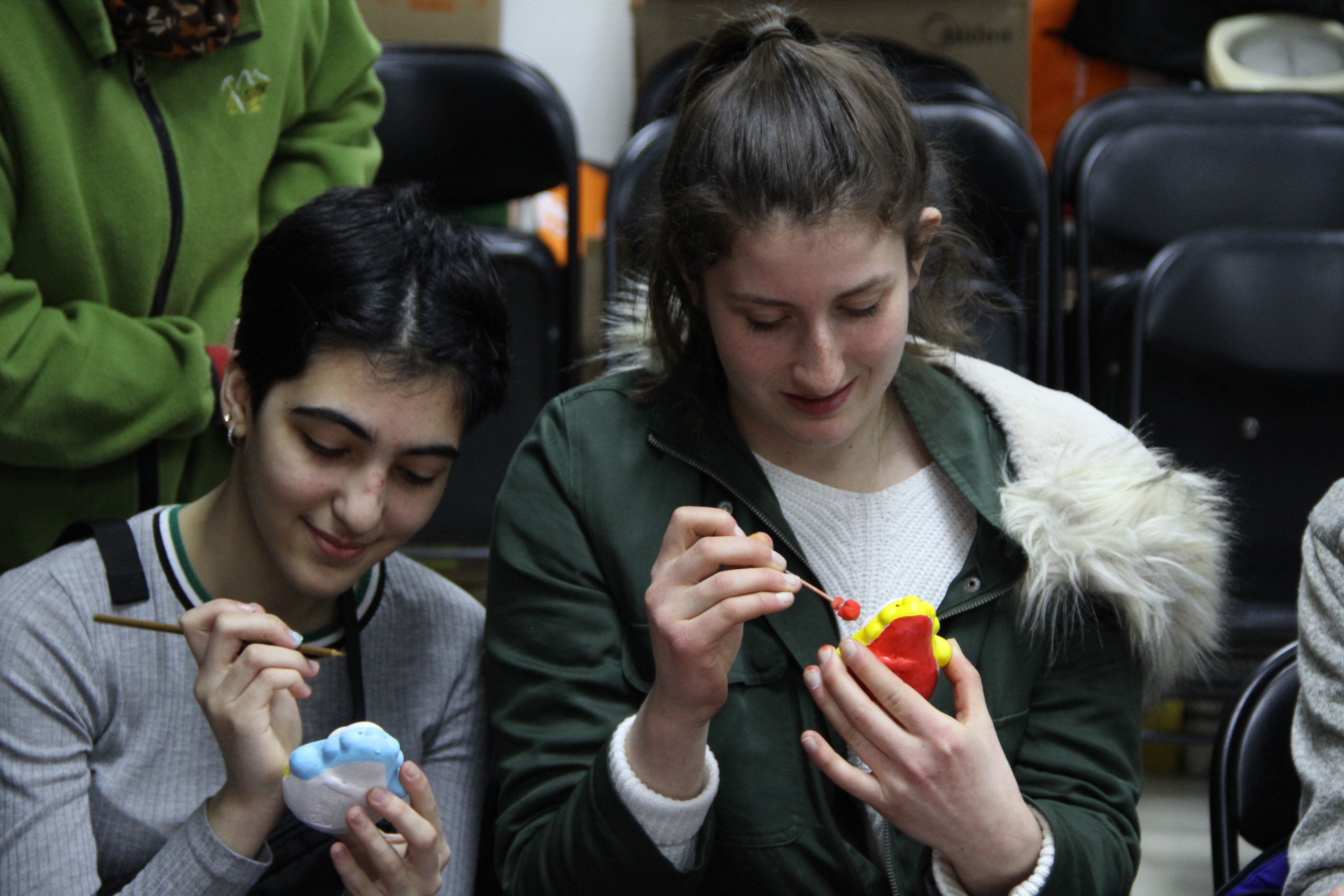
Students participated in a workshop with a local artist who makes and decorates figurines of Lord Rabbit, also known as Tu’er Ye in Beijing. Tu’er Ye, once worshiped in the pantheon of local deities, was renown as a healer and maker of elixirs.  The moon goddess Chang’e sent Tu’er Ye to use his/her knowledge of medicine to save the people of Beijing from a plaque. Tu’er Ye probably appeared as early as the Ming Dynasty, often as a clay figurine for inclusion in household shrines.

Two students paint ceramic rabbit figurines.
Students paint their own Tu’er Ye figurines.

Tu’er Ye is a rabbit with a human body adorned with the outfit of an ancient general: helmet, scarf, shoulder-draped golden armor, broad belt and big boots, while holding an alchemist’s pestle and mortar. Tu’er Ye figures prominently in the Mid-Autumn festival and the figurines may have become toys to occupy children during festival preparations.

A student shows off her painted rabbit figurine.
The finishing touches–after completing their figurines each student had a nice souvenir of Beijing!

A handful of artists continue the tradition of making and decorating the figurines. Making the Tu’er Ye figurines is one of Beijing’s more than 12,000 intangible cultural heritage items. It was inscribed on the national list in 2014.

Adventures in Ancient China is generously supported by The Schmertzler Fund for Exploration and Experiential Education.