24-25 Peabody Annual Report is LIVE!

Contributed by Emma Lavoie

Our Peabody annual report for academic year 2024-2025 has just been released online! This report features educational participation at the Peabody, including over 1,600 students and 30 Phillips Academy instructors. In addition, our report features institutional highlights, updates on our collections and NAGPRA work, collaborations with students and researchers, and more!

Thank you to everyone who supported the completion of another wonderful year at the Peabody!

You can read the report in its entirety HERE.

Tales from The Phillipian, PART 2: Dinosaurs, Turtle Racing, and Spirits

Contributed by Emma Lavoie

Peabody staff always get excited when we unearth hidden stories from the Peabody Institute’s past. The Phillipian Archives is one such place that has held many a story. First printed in 1857, The Phillipian is a weekly student newspaper that continues today at Phillips Academy Andover. The student paper describes itself as “completely uncensored and entirely student-run,” offering a snapshot of what campus life is like both past and present, and in the case of this blog, some of the most outrageous and bizarre activities related to the Peabody.

As promised, we hope you enjoy PART 2!

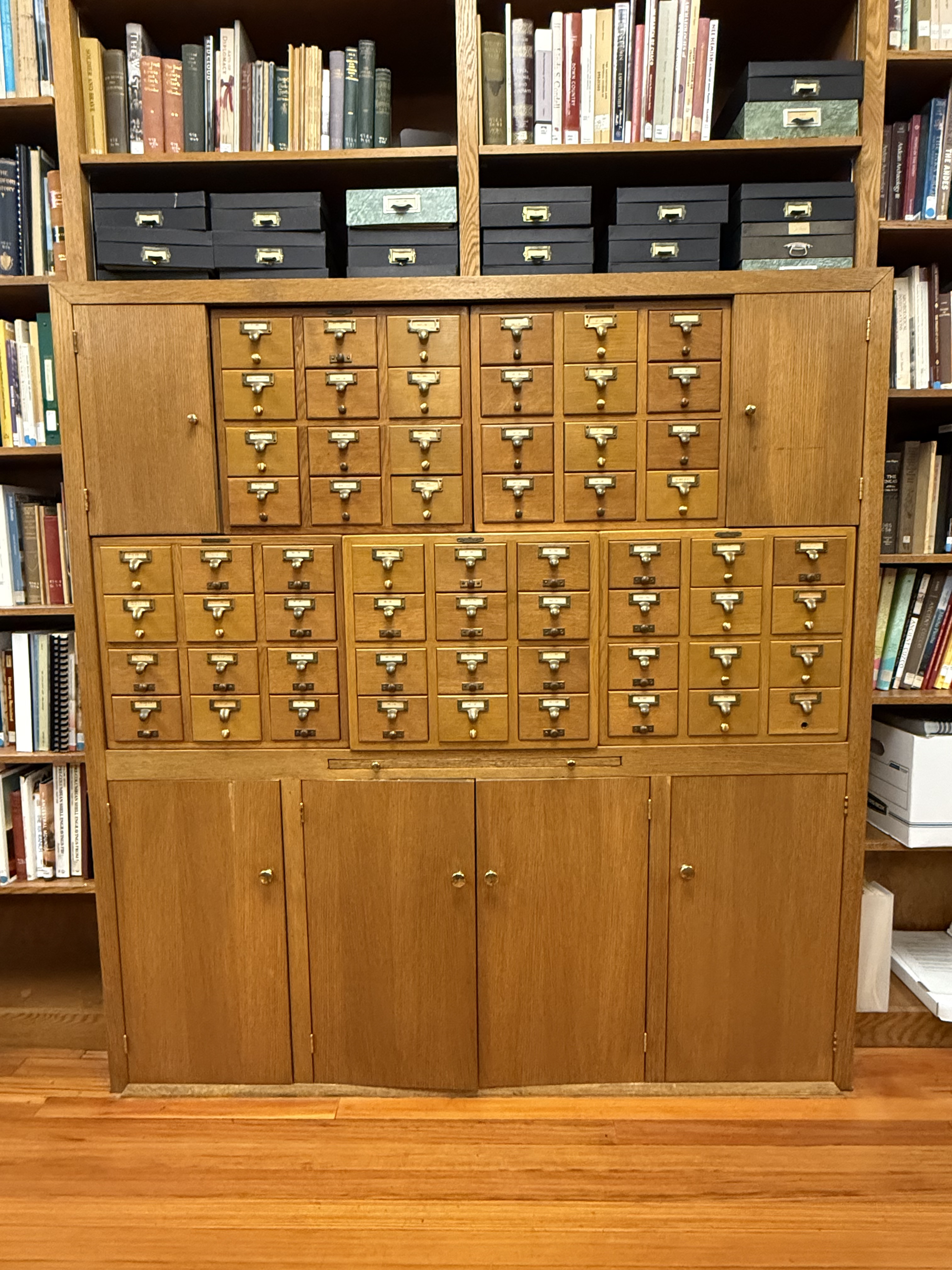
Peabody Card Catalog and Reading Room

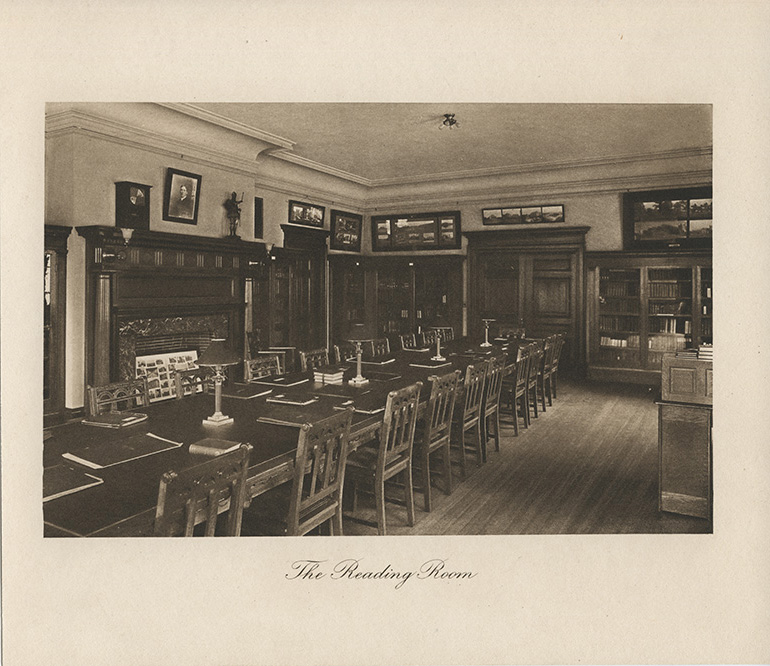
In 1903, a reading room with library was opened on the second floor of the Peabody, furnished with easy-back chairs, a large center table, writing tables, and a few large lounging chairs. There was a list of rules included in this Phillipian article for students using the reading room:

  • Observe suitable quiet
  • That others may not be disturbed while reading
  • Not to cut, tear or in any way deface the periodicals
  • To remove hats and caps while in the room

By 1904, a Phillipian article stated the reading room as “well filled nearly every hour…the attendance averages about three hundred a day or nearly the entire school.”

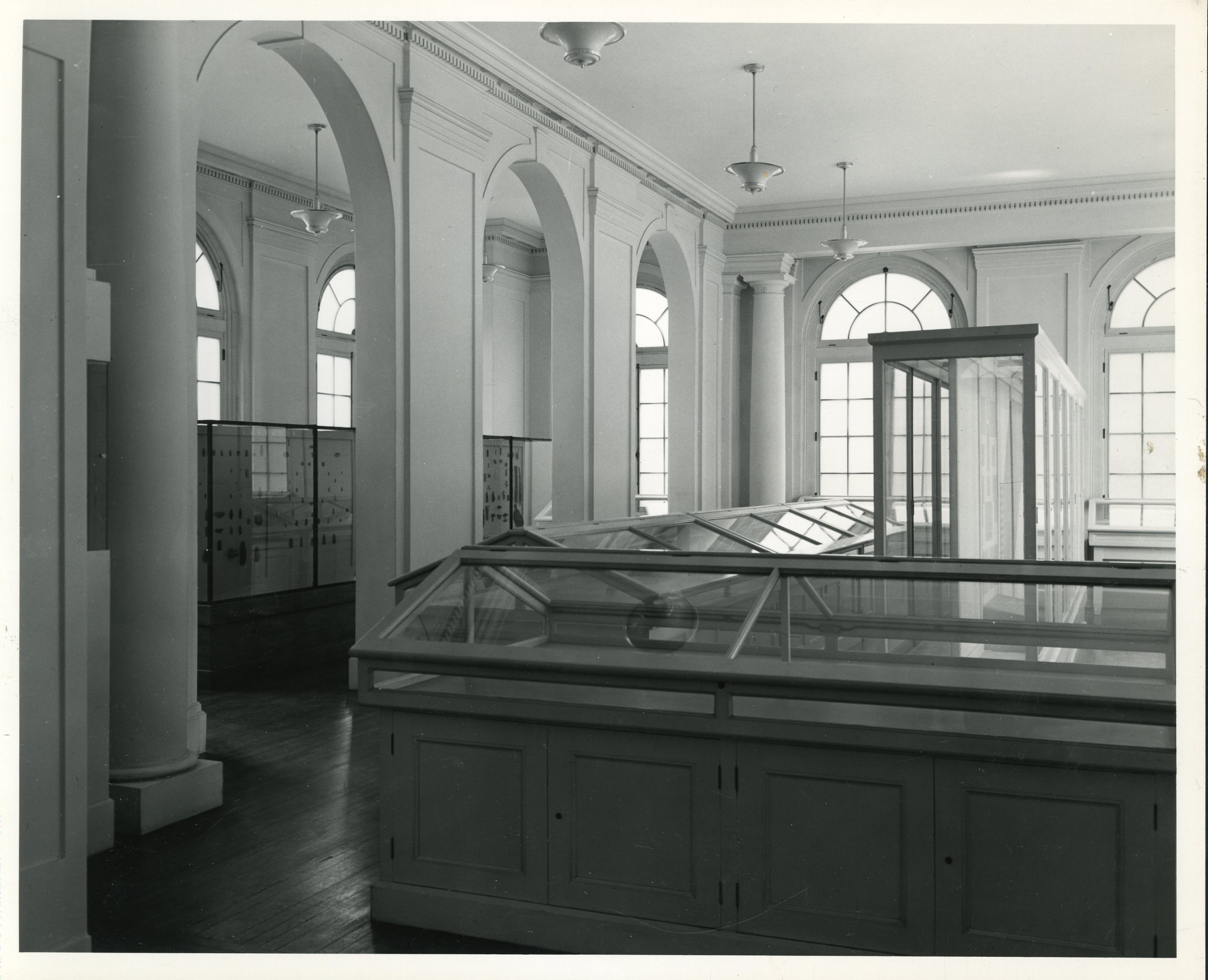
Image from the Peabody Archives of the old reading room.
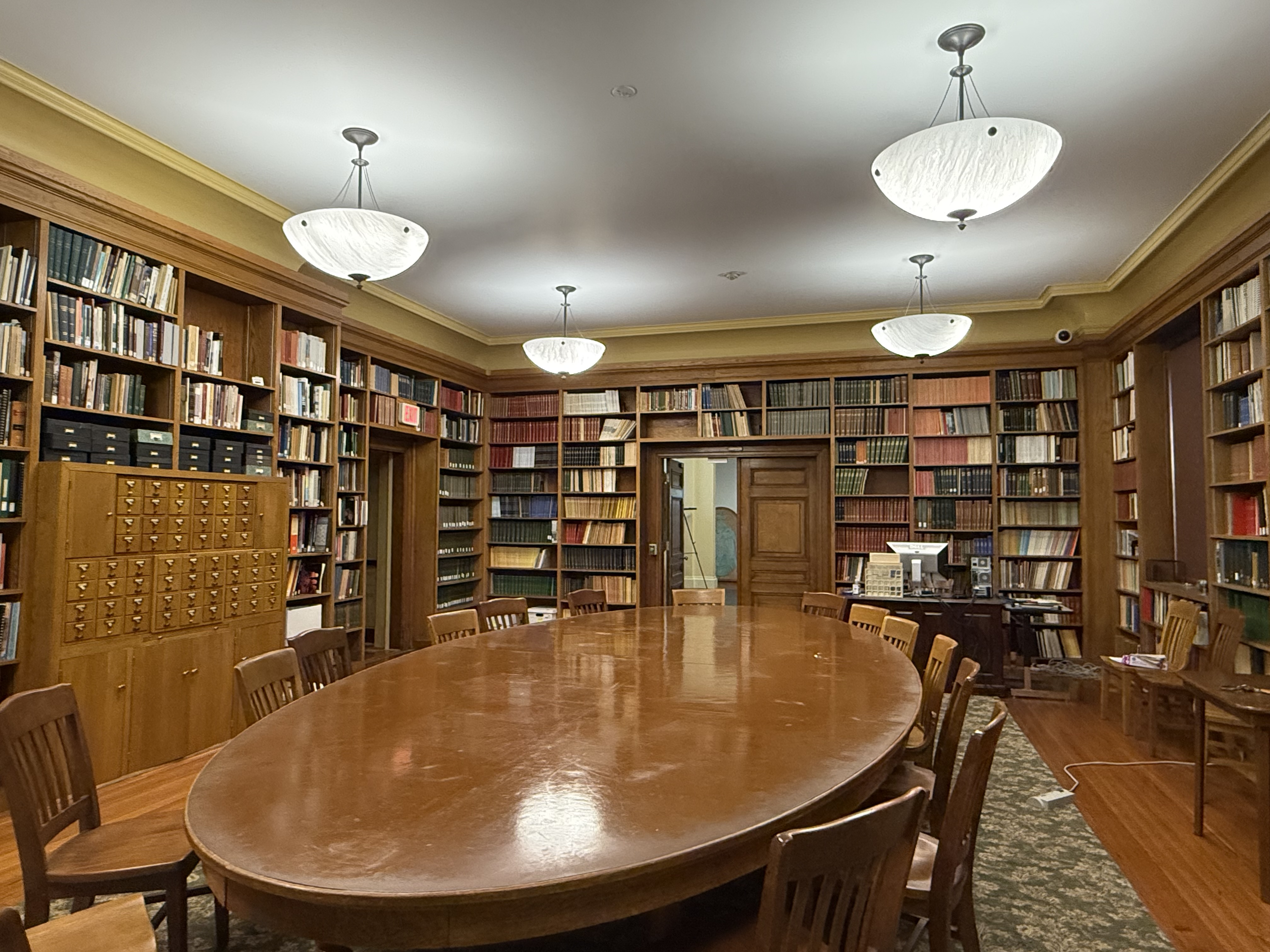
From the same vantage point – the current Peabody Library. Note: the original card catalog system now covers the original fireplace.

In 1904, work began on an index card catalog for the Peabody Institute’s library. This catalog would be similar to the Library of Congress plan which was being used at the time in the Seminary Library (but the catalog ended up being Dewey Decimal, arrgh!) This index card catalog is still occasionally used today at the Peabody Institute, though the entire library is catalogued in the North of Boston Library Exchange.

The original card catalog is still in use at the Peabody today!

Rumor Has It (Dinosaurs in the Chapel and Turtle Racing)

There had been rumors of turtle racing in the Peabody basement and other areas on campus. Mention of one turtle (named Alec) being kidnapped in a 1935 article may prove these rumors as true! Don’t worry, Alec was returned safe and sound.

In a “This Andover” column of The Phillipian in 1941, the Archaeology Department (now the Peabody Institute) was supposedly spreading rumors that several prehistoric dinosaurs live in the Cochran Chapel organ pipes.

“It is they [the dinosaurs], the rumor goes on having it, that furnish Dr. Pfatteicher’s lowest notes during Sunday services.”

Flute Recitals by the Peabody Director

On several occasions, Peabody Director, Dr. Charles Peabody performed flute recitals for students in the Academy chapel. On January 20th in 1915, Peabody was joined by Dr. Carl F. Pfatteicher, who played the organ. Pfatteicher was the director of music at the time, a post he held until 1947. During his time at Phillips Academy, he facilitated choir, glee club, and a small orchestra. Many of these groups met and practiced in the Archaeology Building or Peabody House. I think it’s safe to say that Dr. Charles Peabody and Dr. Carl Pfatteicher were good friends. The music played at this recital were the following:

Sonata in C Major – Mozart

Tres Lent from Sonata in G Major – Guillaume Lekeu

Barcarolle – Harold Nasan

Invocation – Eugene Lacroix

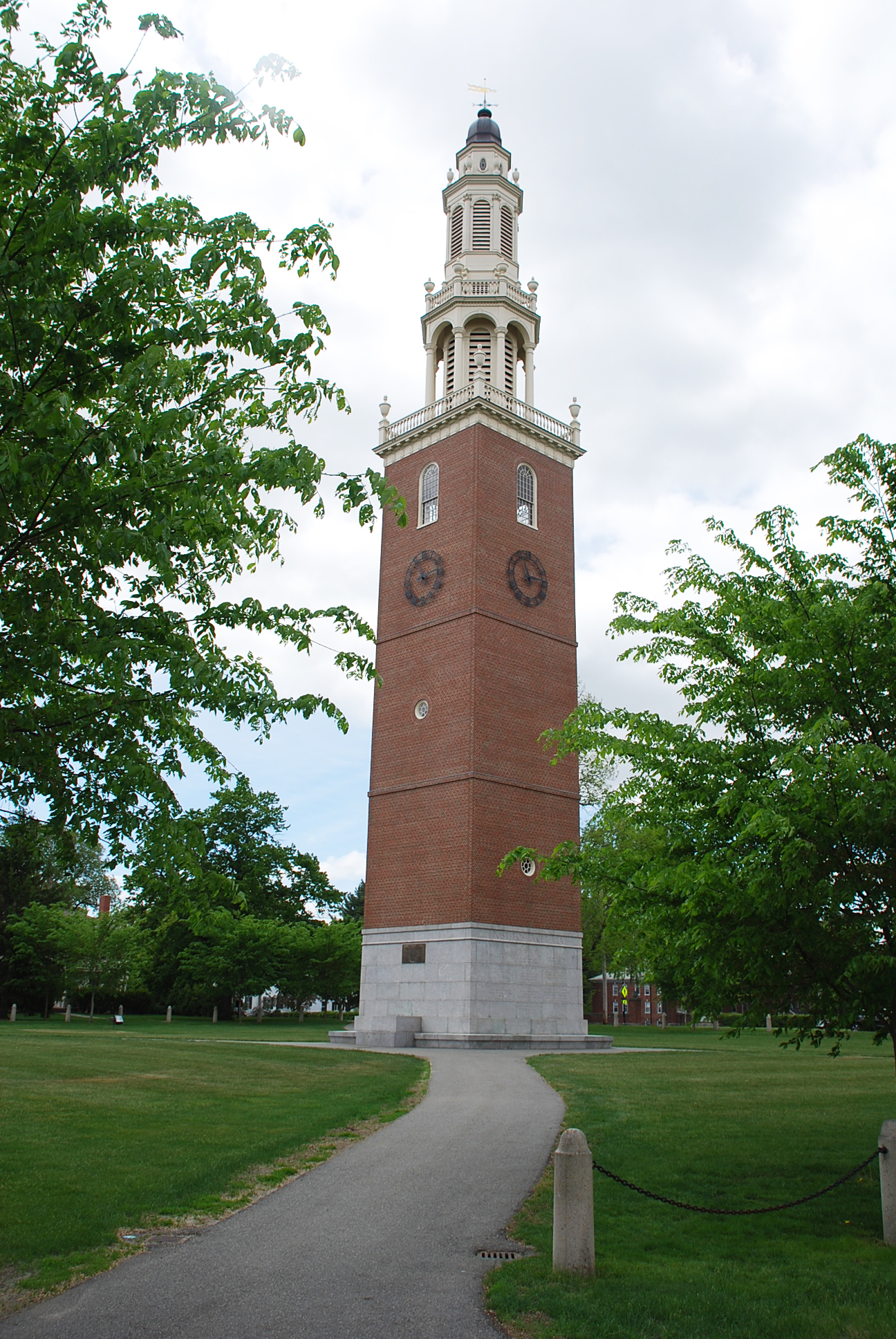
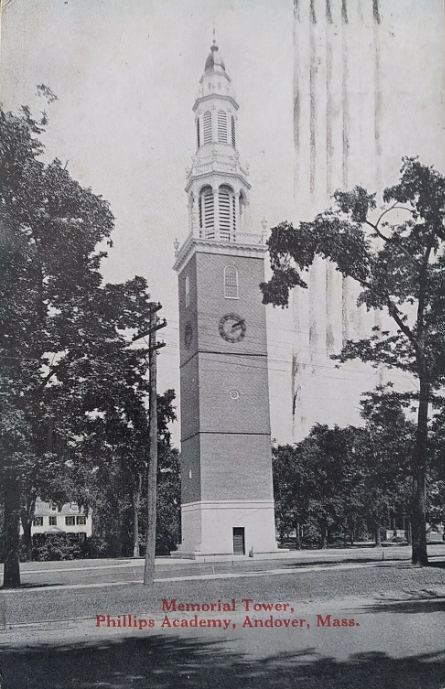
Fun Fact: Dr. Carl F. Pfatteicher was asked to help select the bells to be placed in the newly constructed Memorial Bell Tower on campus. He enjoyed giving regular carillon concerts, playing the bells sometimes at dawn. Many students did not appreciate this and one year managed to lock Dr. Pfatteicher in the tower.

Memorial Bell Tower, Phillips Academy Andover
Completed in 1922 by architect Guy Lowell
(the same architect of the Peabody building!)

“A Place for Students to Gather” – Clubs Find a Home at the Peabody

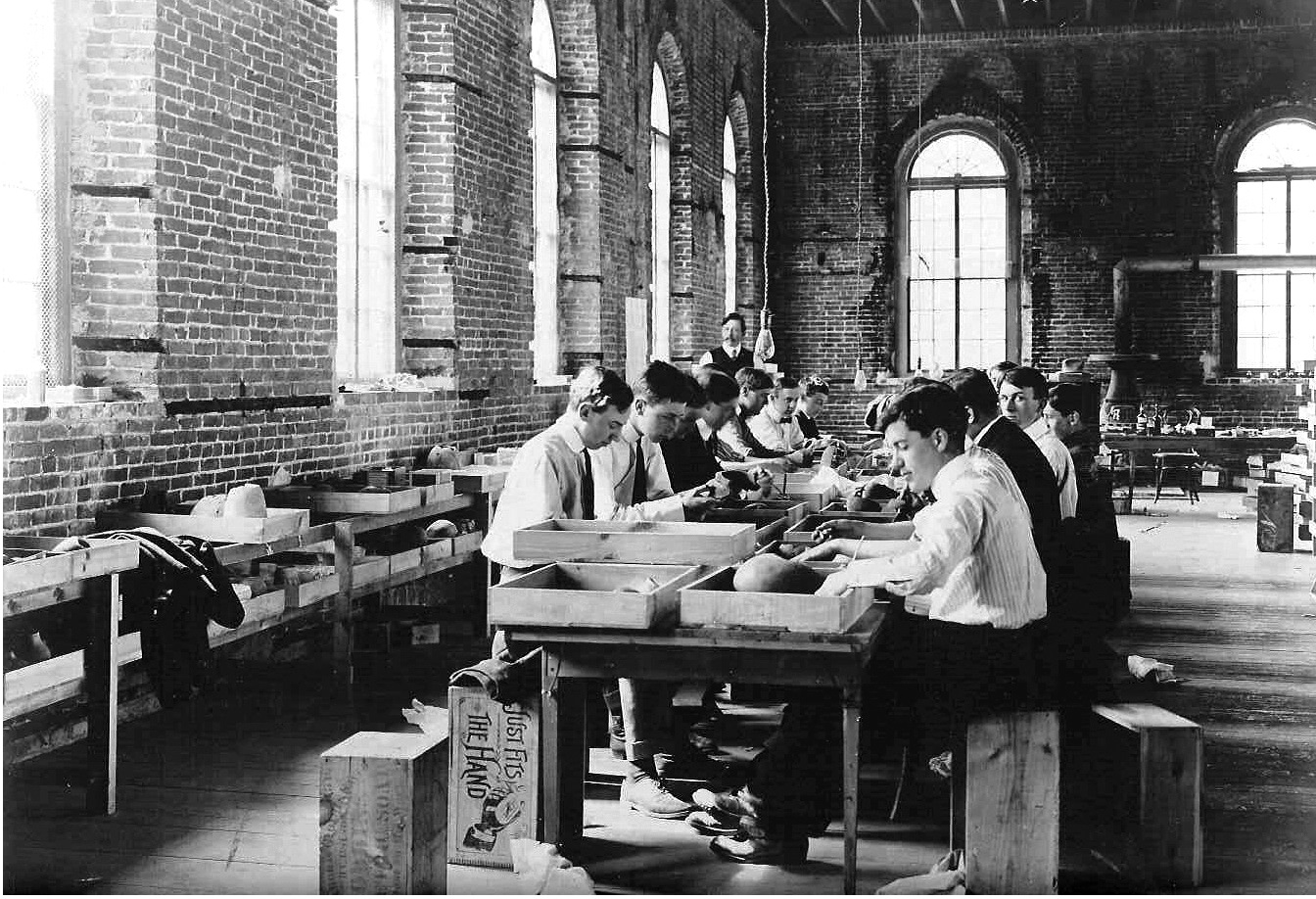
The Peabody was founded with three goals in mind – to educate students about the world of archaeology, to promote archaeological research, and to be a place for students to gather. As part of this vision, students and student clubs have been utilizing the Archaeology Building since its inception in 1903. Below are just a few examples of student club communications in The Phillipian related to the Peabody.

Class of 1910 in front of the Department of Archaeology (later known as the Peabody Institute of Archaeology.)

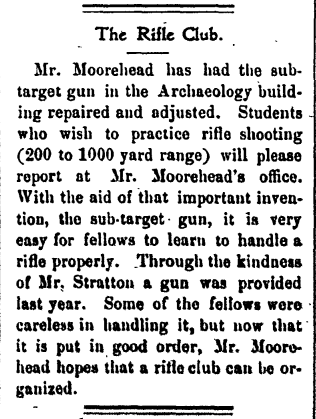
An advertisement in a 1904 column mentions organizing a student Rifle Club at the Archaeology Building and reporting to the office of Peabody Curator, Mr. Moorehead for those interested in shooting practice.

Courtesy of The Phillipian archives.

Fun Fact: The Sub-Target Rifle Machine and similar target practice devices were popular in the early part of the 20th century. They recorded information about marksmanship, position of the gun, etc. without firing live rounds.

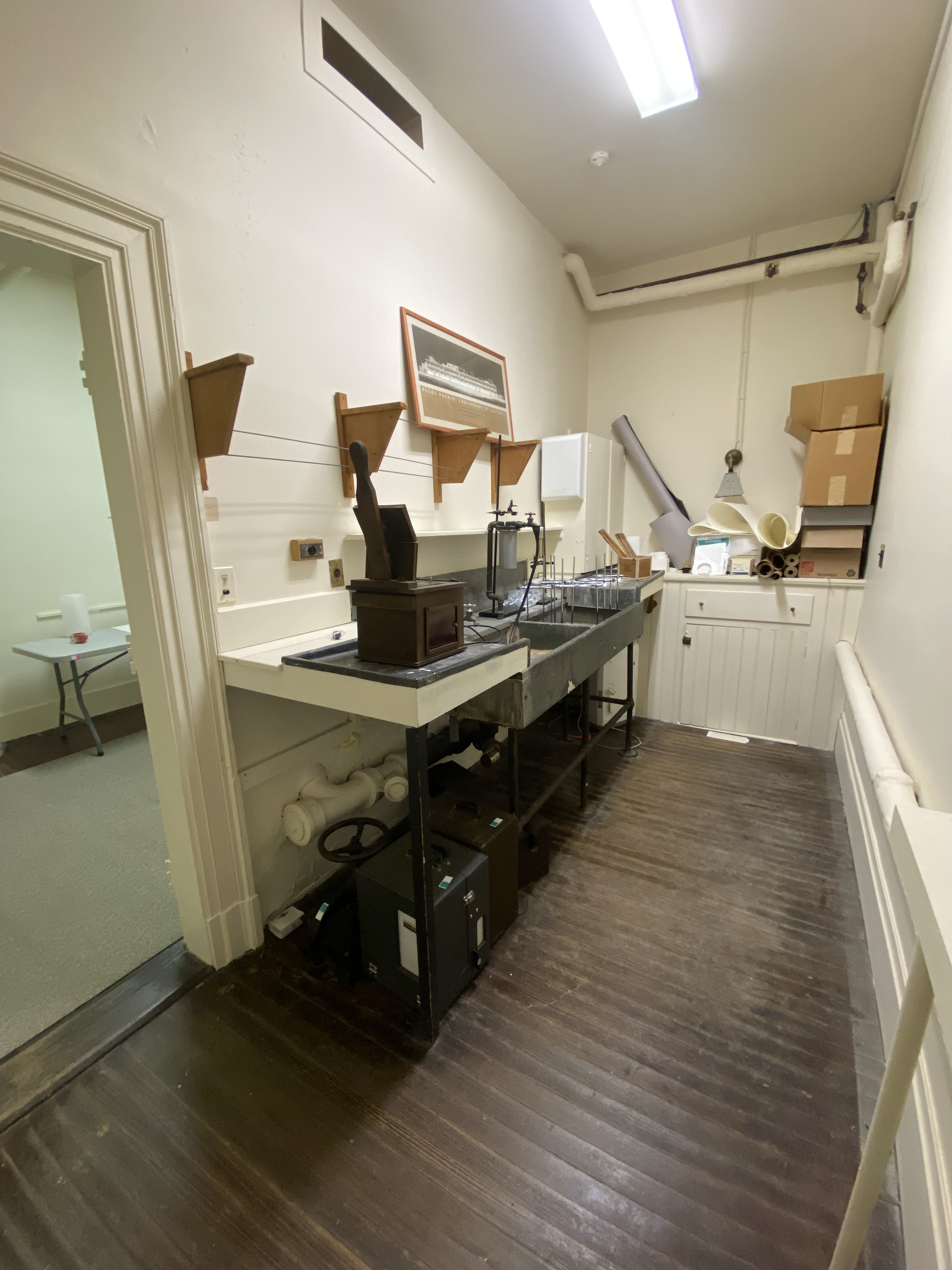
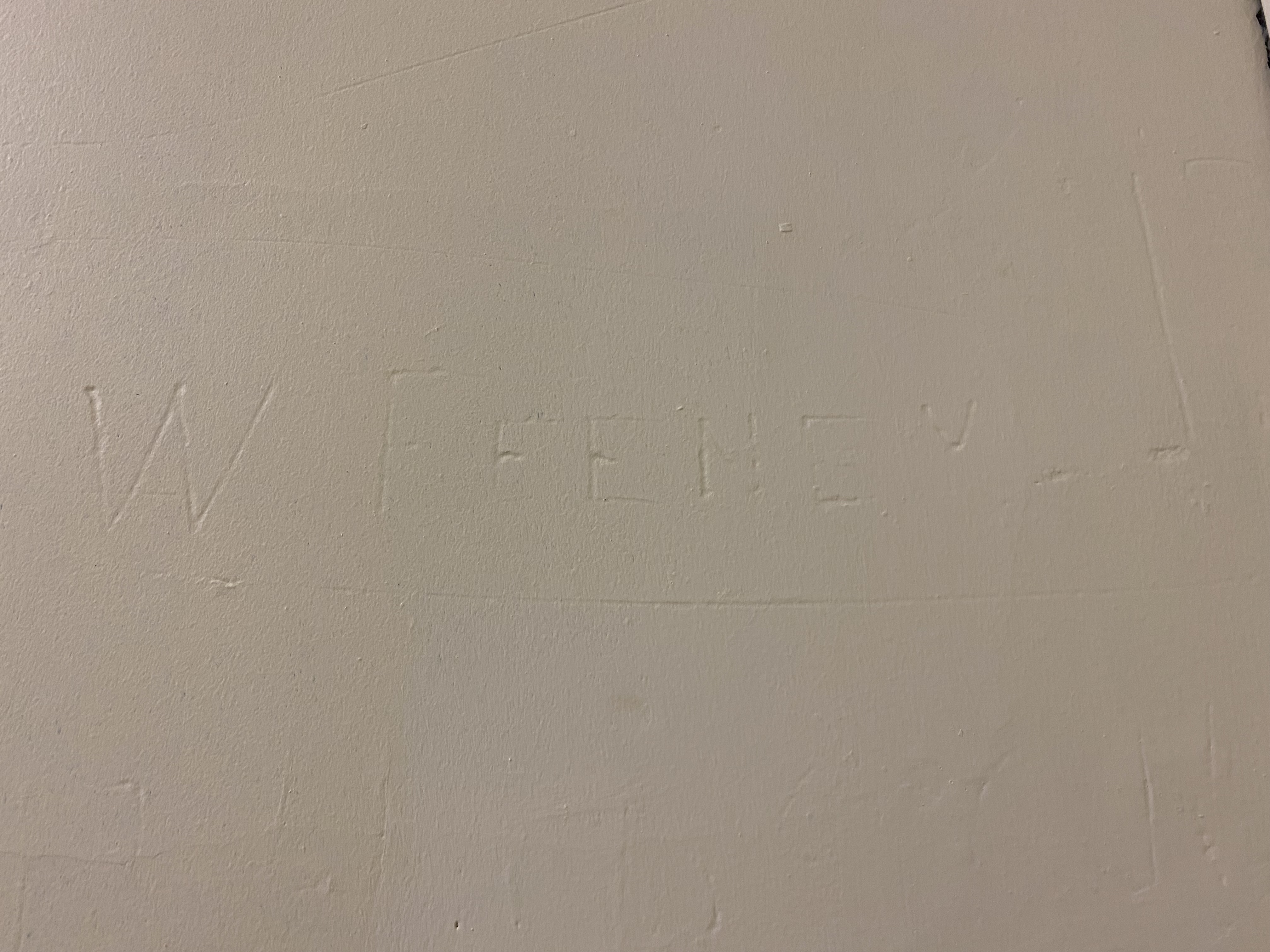
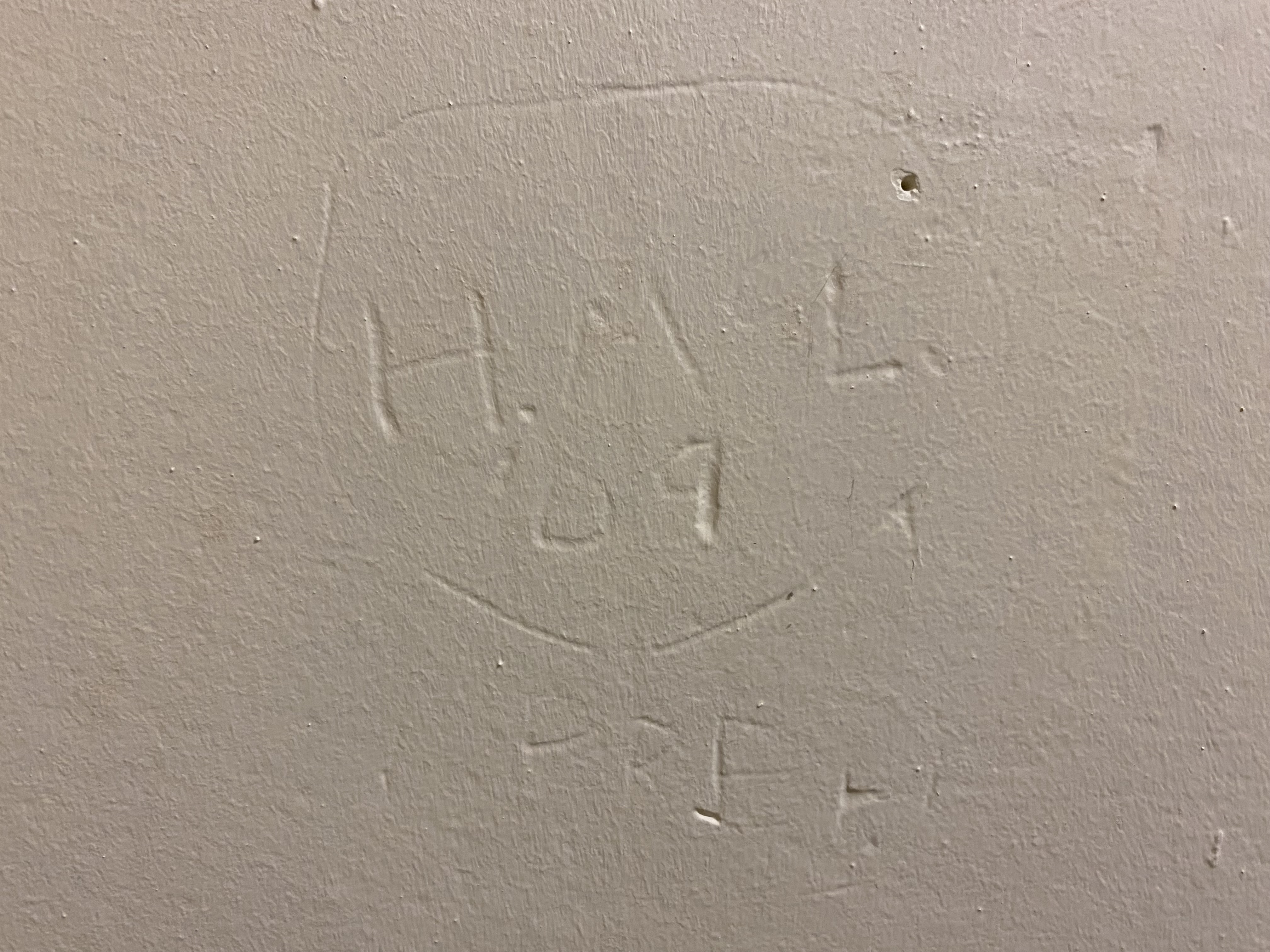
In 1904, a dark room was provided for the Camera Club, located in the basement of the Peabody. The Phillipian stated the space “is thoroughly equipped and is as fine as can be found in New England.” Before Phase 1 of the Peabody Project began, much of the original dark room space was still intact. One of my personal favorite details was the original carved signatures still on the wall left by past Camera Club students.

Original dark room at the Peabody before the recent building renewal project.
Student signatures on the wall of the dark room at the Peabody.
Note – that’s not 2009, it’s 1909!

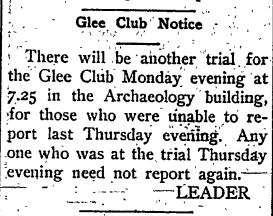
Mandolin and Banjo Club were some of the music clubs that met in the Archaeology Building for auditions, meetings, and practices. Glee Club was another student organization that commonly gathered at the Peabody and communications for this club are seen throughout the decades of The Phillipian.

I love seeing such a close connection between the Peabody and the Music Department, especially now that we’re neighbors with the new Music building, Falls Hall!

Glee Club communication in 1910.

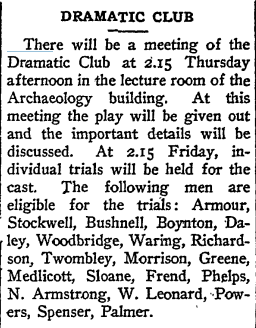
As we’ve seen above, many campus Arts organizations spent time at the Peabody. The Dramatic Club would meet to discuss scripts for upcoming plays and hold individual trials for those looking to participate in performances.

Dramatic Club communication from 1912.

Other clubs such as Chess, Astronomy, Spanish, Philo Congress, Bible Class, Foreign Missions, Yale Club, Harvard Club, Stamp Club, Nature Club, Forum, and Mirror all met at the Peabody throughout the first half of the 1900s. Even The Phillipian and football team held gatherings at one point. By the 1950s we see the Peabody becoming more active in exhibitions and many of these clubs move to other locations on campus, many finding a home at the Peabody House behind the Archaeology Building.

“…where his spirit still lives.”

Jumping ahead to 2011, a Phillipian article features Halloween traditions and campus lore passed down over the decades of PA’s history. The Peabody is mentioned to experience “frequent slamming doors, moving items and eerie noises that creak through the attic floors.” The strange activities convinced Peabody staff that the building was haunted by Warren K. Moorehead (1866-1939). Moorehead was the first curator at the Peabody from 1901 to 1924 and became the Peabody’s second director from 1924 to 1938.

The Peabody has many interesting stories of these experiences over the years. One story mentioned in The Phillipian, depicts a foreman being locked in the back stairwell. I can personally share that my first Reunion Weekend with the Peabody I experienced an alum being locked in one of our bathrooms during an event (the locks were on the inside of the door…) I considered this my “welcome” initiation from Moorehead, as the newest member to the Peabody team.

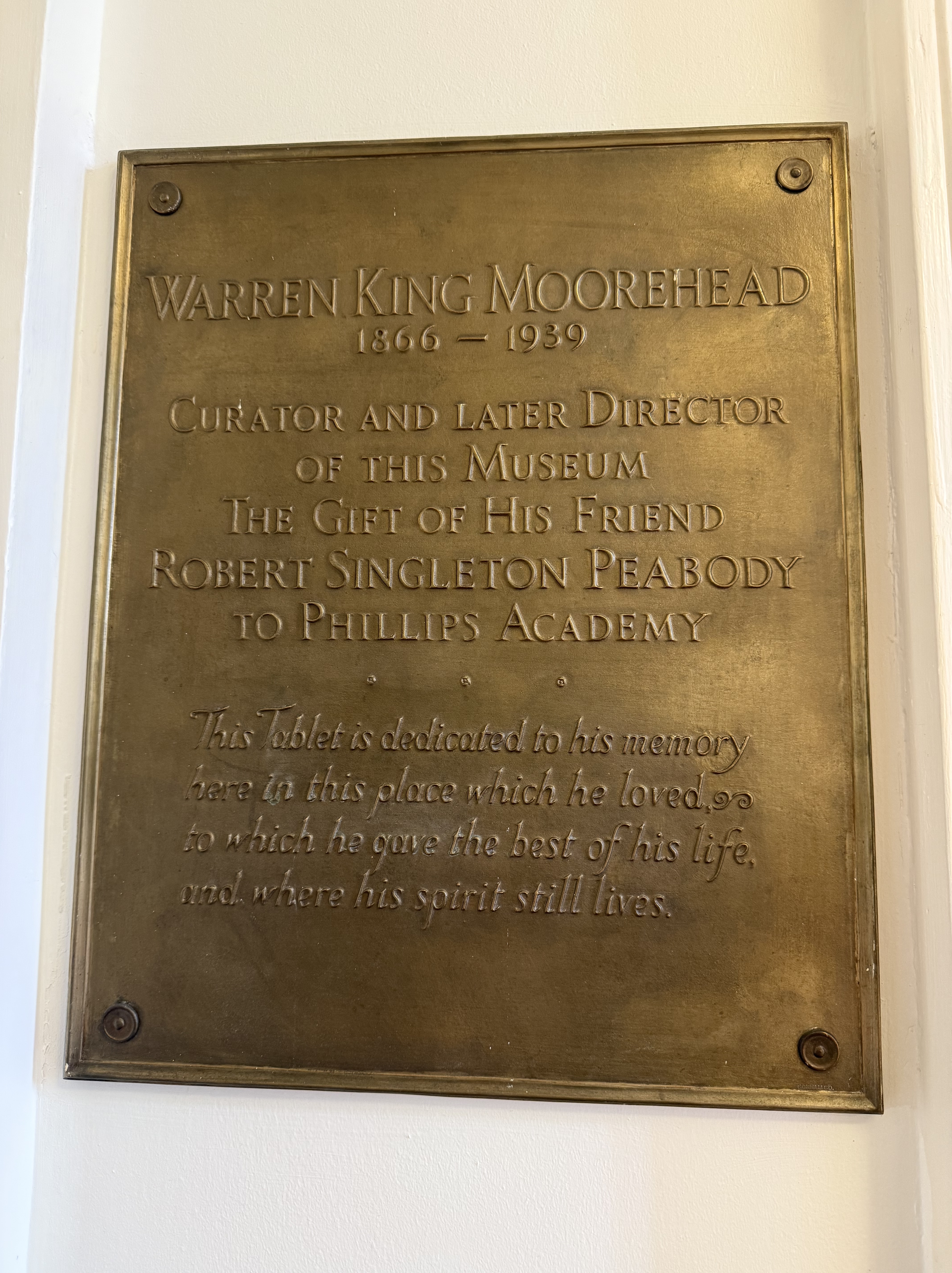
Over the years, our director has written notes to Moorehead to communicate our intentions and care of the building along with updates of upcoming changes such as our building renewal project. These notes are stored behind a plaque commemorating Moorehead, located by the front doors of the building. Much of the activity has quieted since writing these notes.

Plaque commemorating Warren K. Moorehead.

Tales from The Phillipian, PART 1: Smoke Talks, Fire, and a Grill in the Peabody Basement?!

Contributed by Emma Lavoie

Peabody staff always get excited when we unearth hidden stories from the Peabody Institute’s past. The Phillipian Archives is one such place that has held many a story. First printed in 1857, The Phillipian is a weekly student newspaper that continues today at Phillips Academy Andover. The student paper describes itself as “completely uncensored and entirely student-run,” offering a snapshot of what campus life is like both past and present, and in the case of this blog, some of the most outrageous and bizarre activities related to the Peabody.

In a few months, the Peabody Institute will be undergoing Phase 2 of some much-needed renewal work. The building and collections will be off-line Winter and Spring terms. The Peabody will continue to support modified classroom lessons and student activities, outside of the Peabody building. Student requests to access collections will be considered on a case-by-case basis.

In honor of the upcoming building project, this (part 1) blog shares some of the Peabody building’s history.

A Special Place at the Corner of Phillips and Main

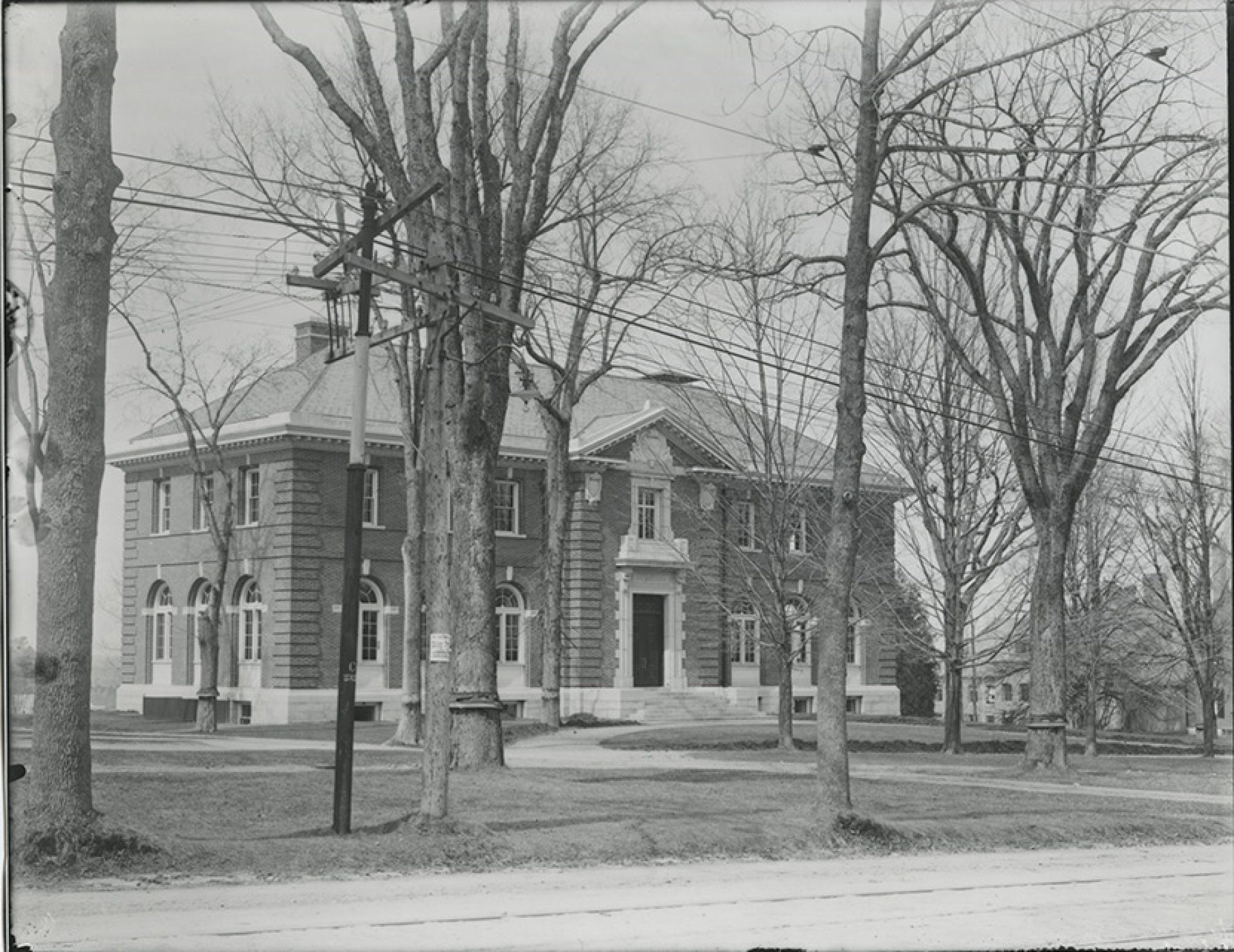
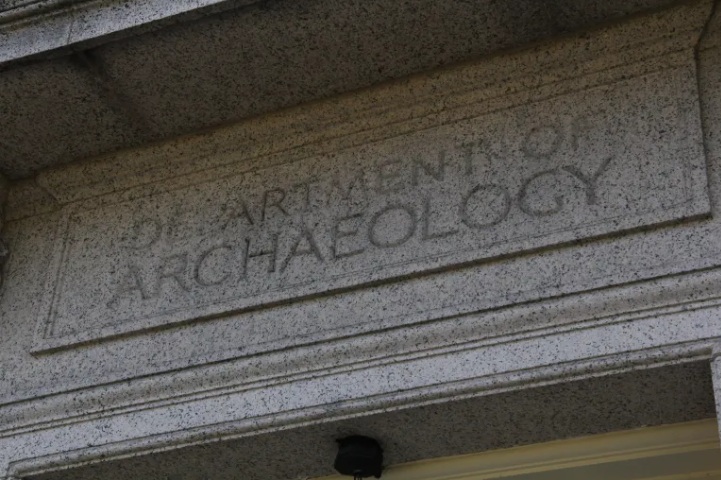
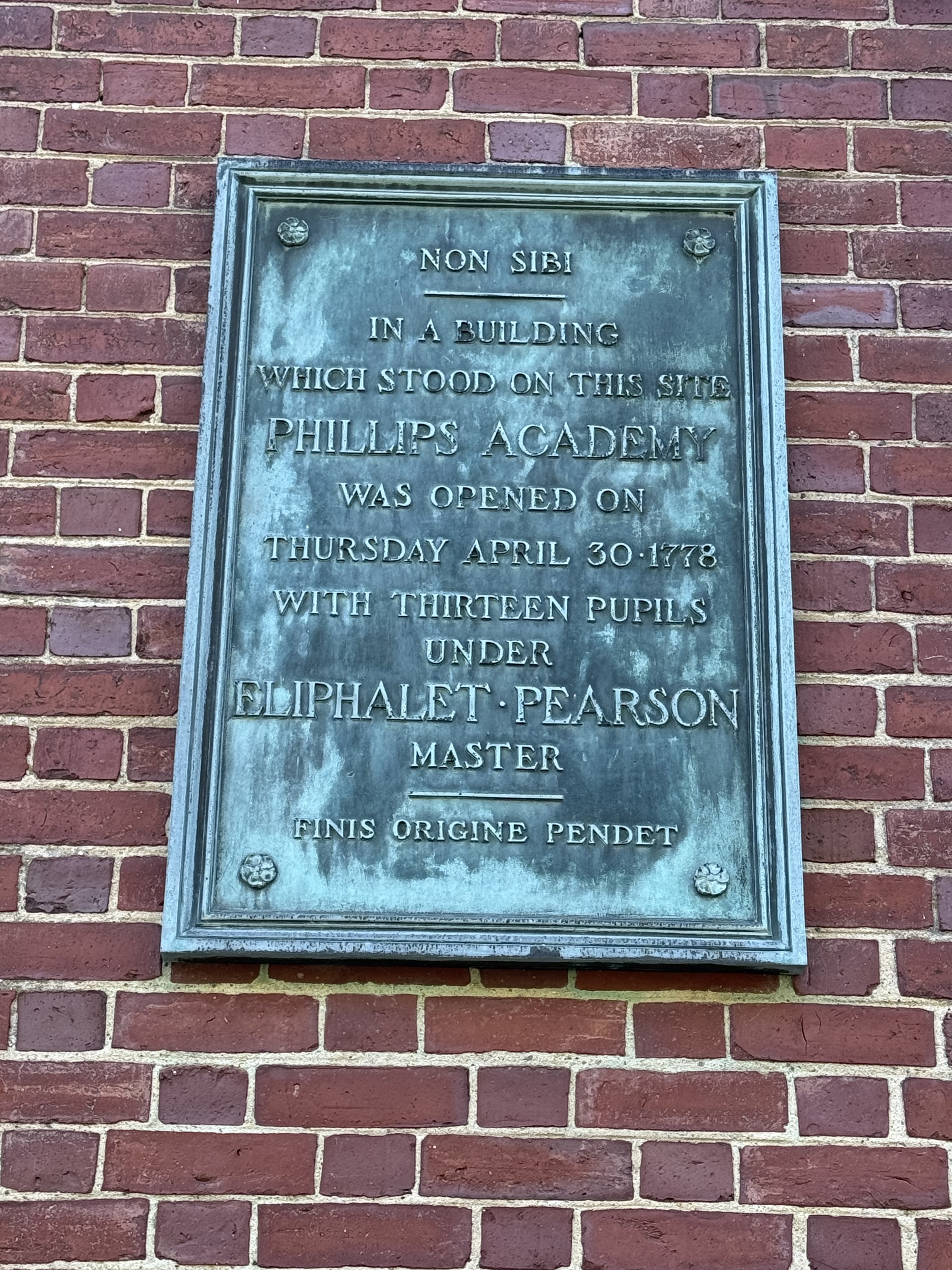
The first Founder’s Day for Phillips Academy was held in October 1913. At this time a bronze plaque was unveiled and placed on the Peabody Insitute building (known then as the Archaeology Department) commemorating the site where the first school-building on campus was opened in 1778. This plaque can still be seen on the Peabody building today!

Bronze plaque on the Peabody Institute building exterior from 1913.

The site at the corner of Phillips and Main streets has an interesting history, one that began well before the Peabody. The site first housed the 1778 carpenter’s shop used as the first classroom building at Phillips Academy.

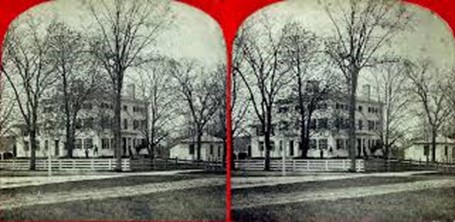
Around 1845, the shop was moved from the site and eventually razed. Samuel Farrar, treasurer of Phillips Academy and the Andover Seminary, built a three-story, Federal-style house on the location. The house has since been moved further down on Phillips Street and is known as Farrar House.

Farrar House – Image courtesy of Andover Historic Preservation, Memorial Hall Library, Andover, MA

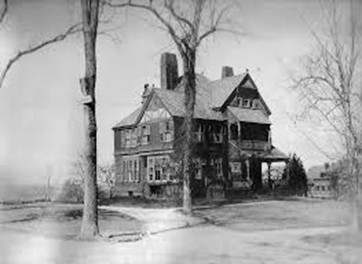
In 1882, a home was built on the site for J. Wesley Churchill, a professor at the Andover Theological Seminary. Later in 1901, the house was moved to another location on Main Street to make way for the new Archaeology Building which later became the Peabody. The house is known as Churchill House on campus today.

Churchill House – Image courtesy of Andover Historic Preservation, Memorial Hall Library, Andover, MA

In a Phillipian article from 1917, the history of Founder’s Day and the significance of the 175 Main street site is shared, noting a 1916 dedication of the new Peabody House by Dr. Charles Peabody (first Peabody Director and son of the Archaeology Department’s founder, Robert S. Peabody).

In this column, it was mentioned that ceremonies were not held to celebrate Founder’s Day as “this year, more than at any other time, matters of lesser importance should give way to more serious questions.” This was in reflection of the current impact of the Spanish Influenza and WWI.

Smoke Talks (Smoking and collections don’t mix…)

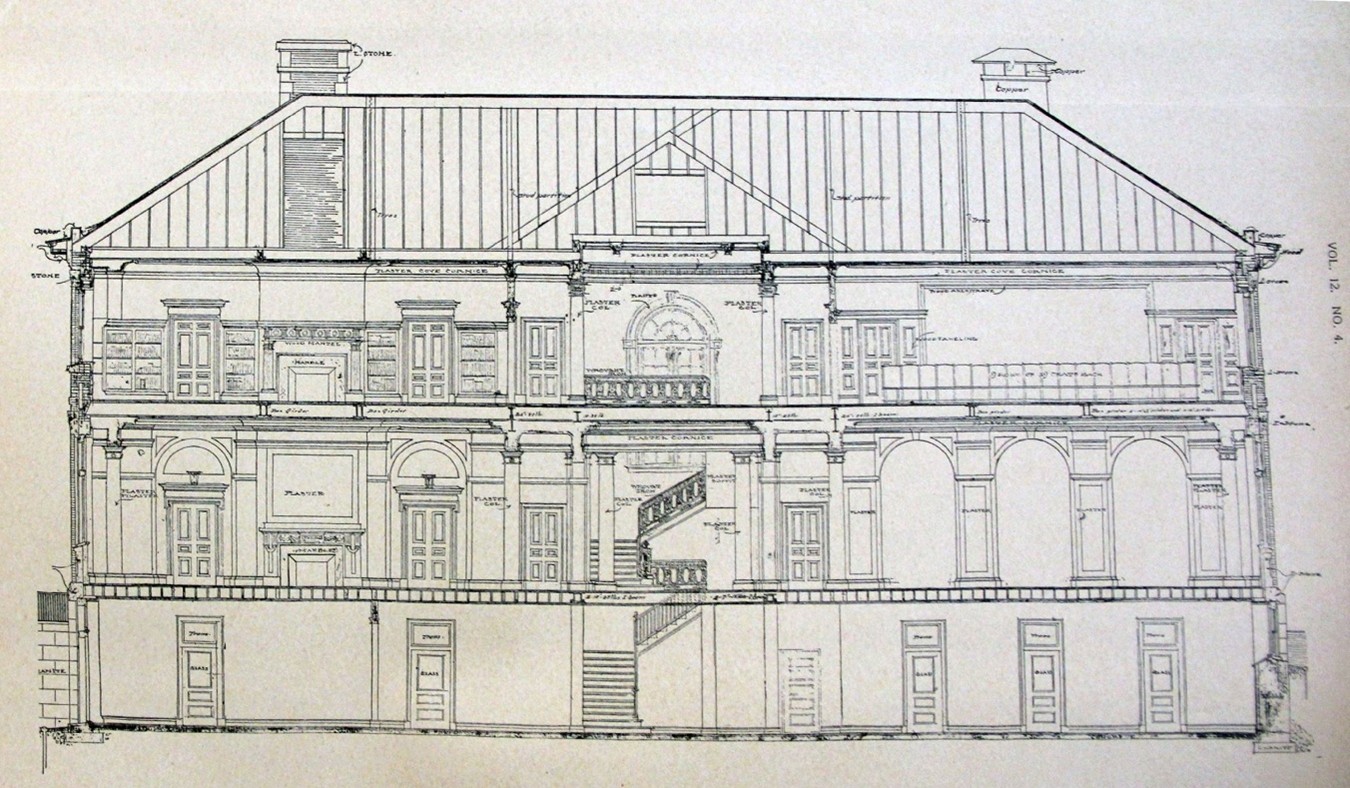
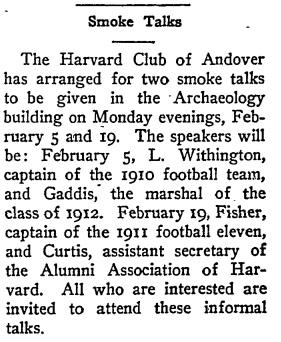
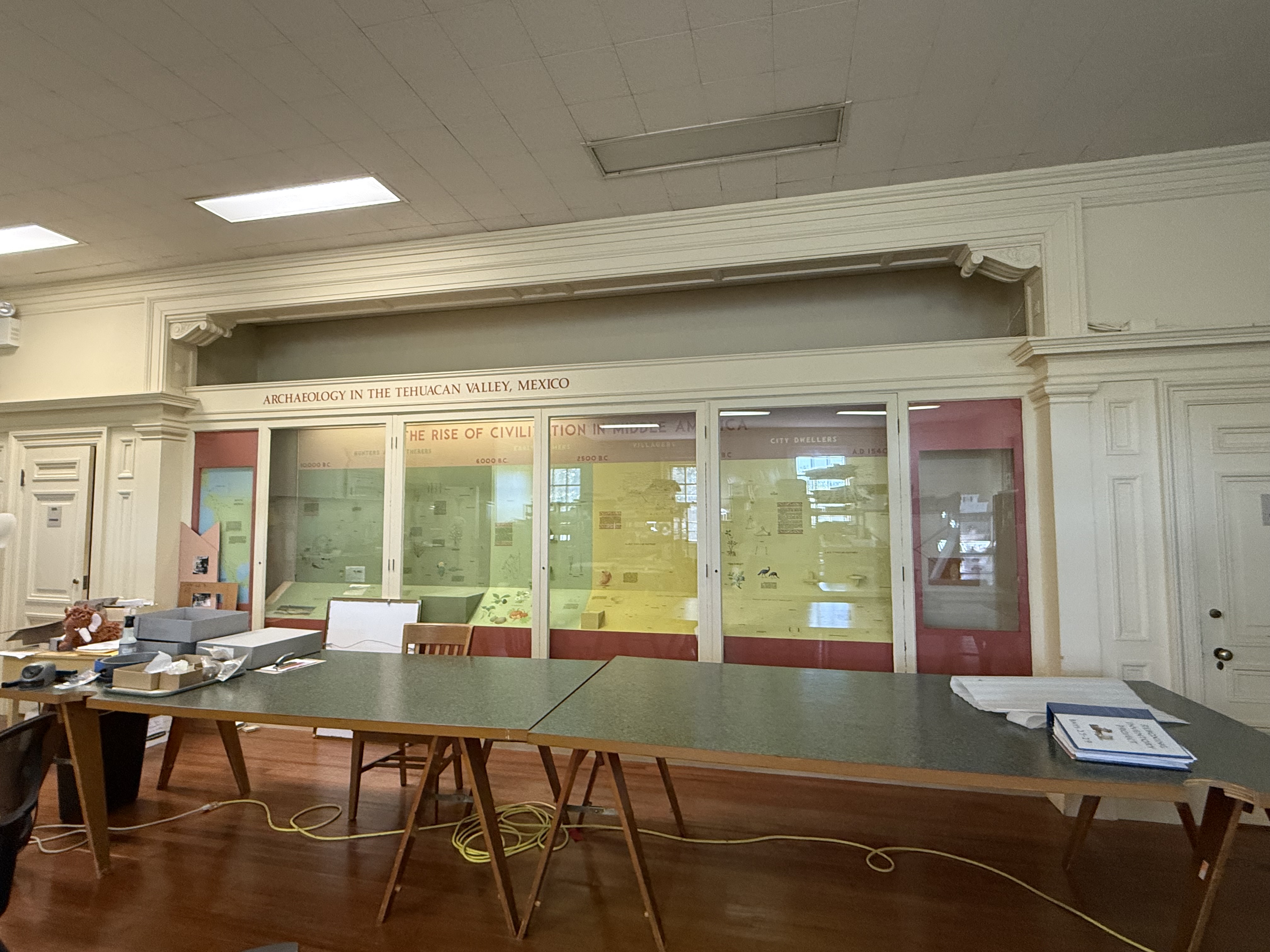
In the early years of the new Department of Archaeology building, Curator Warren K. Moorehead would give “smoke talk” lectures on the second floor of the building. Some of the original molding from the proscenium arch is still visible today at the Peabody. Beyond these lectures, student clubs would hold their own “smoke talks” in the Peabody, which served as the Student Union building for many years on campus. How did these lectures get their name? For the cigars smoked during these meetings by students and speakers alike!

A column from The Phillipian in 1912
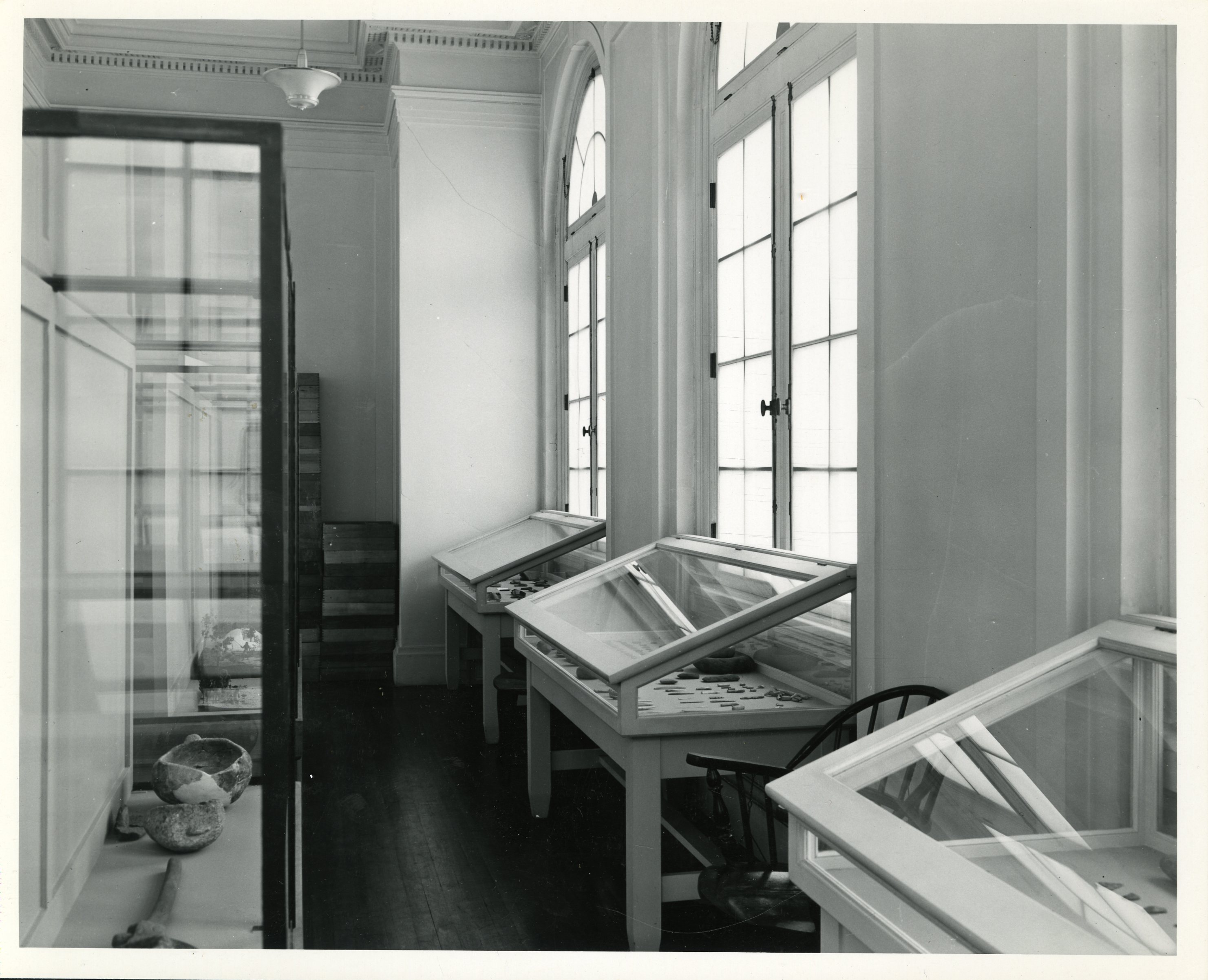
Features of the old proscenium arch can still be seen at the Peabody today. In 1967, an exhibit wall with case was placed in the middle of the arch.

A Grill in the Basement (Now they’re pushing their luck…)

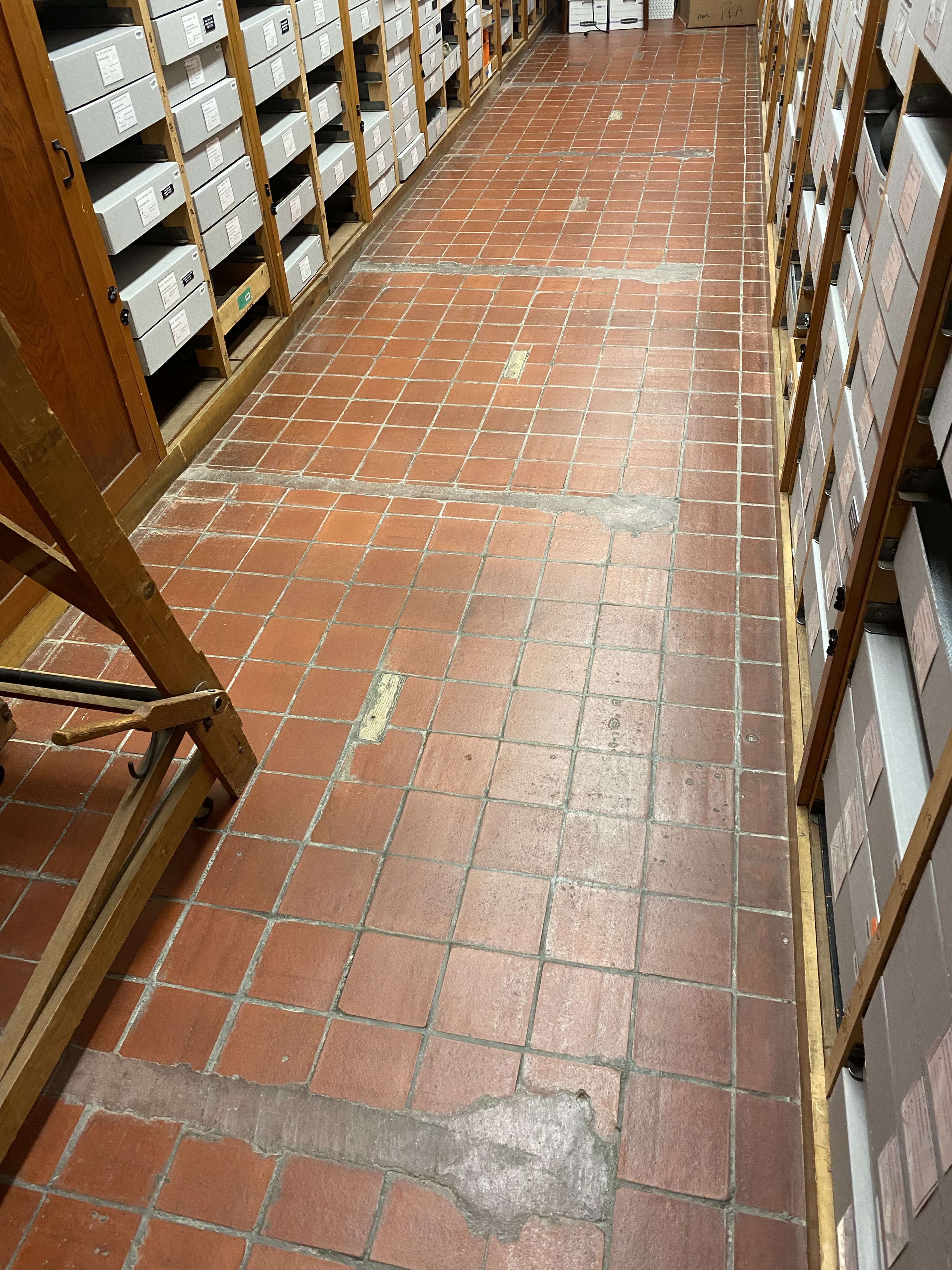
Beginning in 1913, The Phillipian mentions meetings at “the Grill” in the basement of the Peabody (known as the Department of Archaeology at the time). At one point, the Peabody had a kitchen complete with grill, stall seats, and tables for student gatherings. Improvements were made in 1913 giving the space a new red tile floor, dark brown wood paneling around the walls, a new stove, and a large suction flue to draw out heat and odors. In the past the odors of students’ cooking would circulate upstairs disturbing the Peabody staff.

Later in 1915, the Grill was moved to the newly constructed Peabody House located behind the Department of Archaeology building. The new space included a kitchen with large grill and private dining room for special dinners and banquets. There rooms are similar in design to the original grill room in the Archaeology Building.

Before Phase 1 of the Peabody Building Project, the original red tile floor from the Student Union Grill room was still visible in the basement of the building. In the photo you can see where the booths and tables made up the seating stalls.

Peabody House….and Fire (Well, it was bound to happen at some point…)

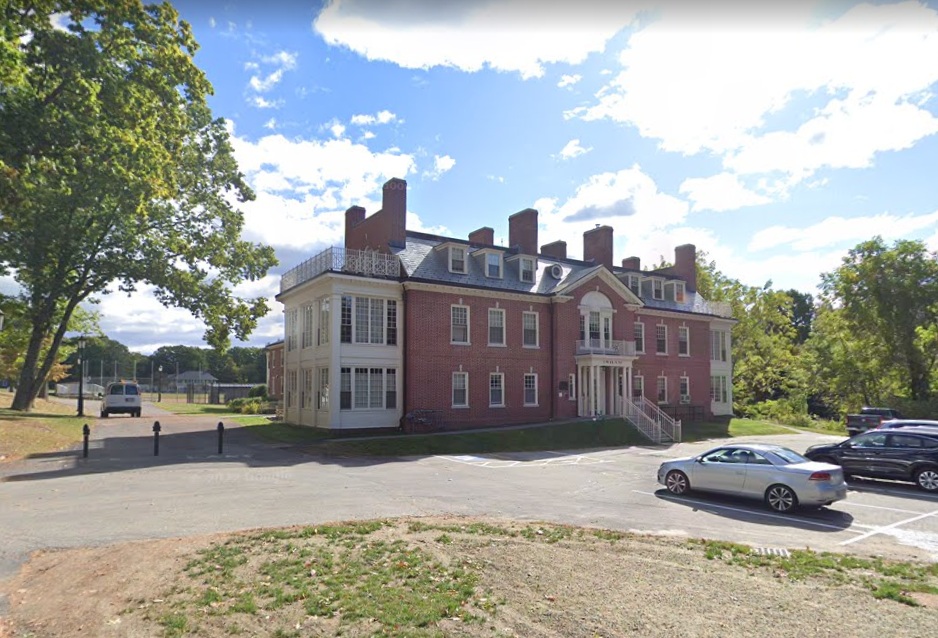
The Peabody House was opened in 1916 as an extension of the Department of Archaeology with the intent of giving students a building for their own use. Construction of the building used some of the funds contributed by Robert S. Peabody, founder of the Archaeology department at Phillips Academy and donor of the Archaeology Building. An article from The Phillipian describes the new building with an exterior of brick and stone, “which will correspond with the style of architecture of the Archaeology building and the new dormitories.” The first floor housed a student lounge and reading room with a large fireplace and large French windows. The second floor was similar in design to the first floor with space for the late Robert S. Peabody’s books and a large portrait of him. The room was used for club meetings as well as student assemblies and special banquets.

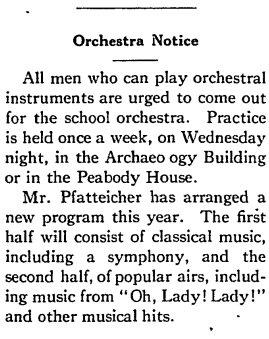
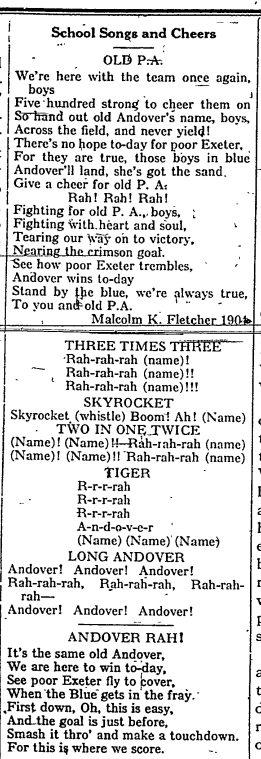
Some activities held in the Peabody House, highlighted in The Phillipian, are a notice to join the school Orchestra, with practices held once a week in the Archaeology Building or Peabody House. My personal favorite was an announcement to students for a mass meeting at the Peabody House to practice school songs and cheers. One entry from 1917 describes three hundred men present at the evening meeting called by head cheerleader, Howard Smith.

Two columns from 1917 advertising for the orchestra and sharing PA cheers and songs!

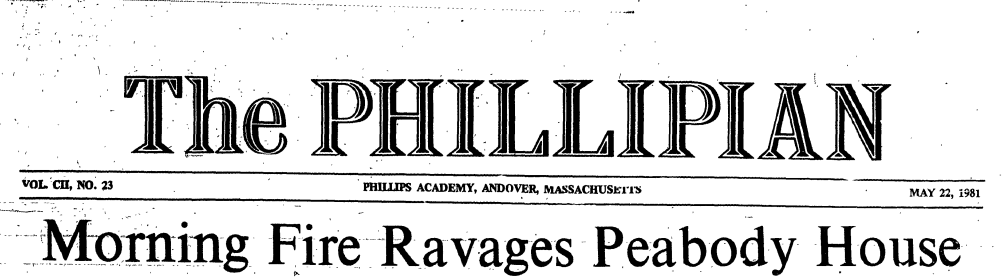
Jumping ahead to several decades later, headlines read “Morning Fire Ravages Peabody House.” In the early hours of May 18, 1981, a fire broke out in the Peabody House, destroying the first and second floors as well as the attic. There were no reported injuries, however, many of the Afro-Latino American Society’s possessions were lost on the second floor. Faulty electrical wiring is suspected to be the cause of the fire.

“[I was in] awe at how extremely hot the flames were, how much smoke there was and how terrifying it was to see the fire’s power.” – Headmaster Theodore R. Sizer

“[There was] steam and yellow light and flames bursting out of the roof.” – PA Student, Upper

We hope you enjoyed PART 1 of this two-part blog post. Stay tuned for PART 2, coming next month! To be continued…

Our 2025 Peabody Picks: The Books (and Pods) of Summer

Contributed by Emma Lavoie

All work and no play makes Robert S. Peabody a dull boy!

As much as our staff and volunteers love digging deep into research and academic writings, we do love a good book or podcast! As summer descends upon us, prepare yourselves for another installment of our Peabody Picks summer list!

Book Recommendations

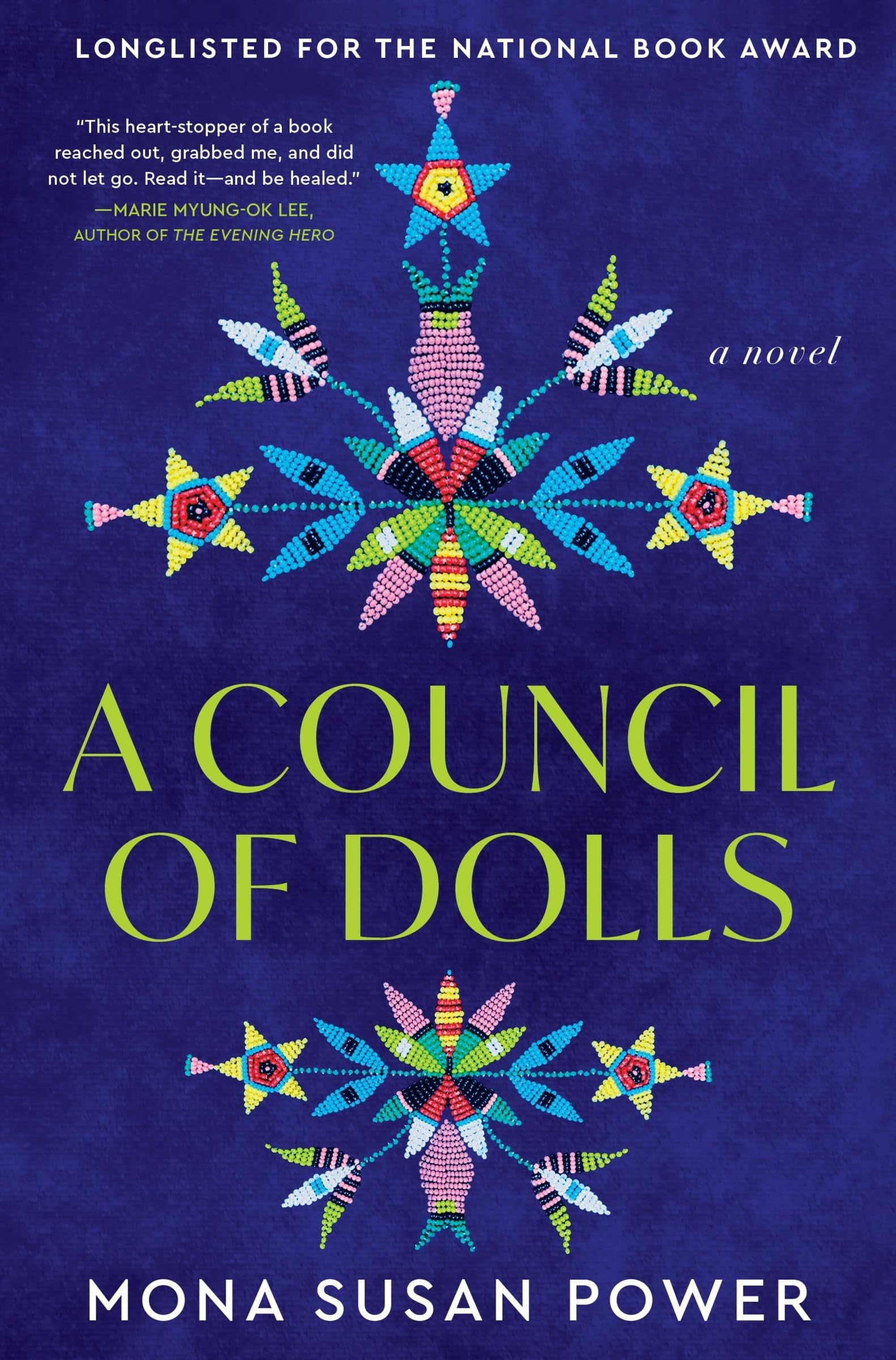
A Council of Dolls by Mona Susan Power

Genre: Historical Fiction

A Council of Dolls is a 2023 historical fiction family saga novel about multiple generations of Yanktonai Dakota women grappling with the effects of settler colonialism, told partially through the point of view of their dolls.

A modern masterpiece, A Council of Dolls is gorgeous, quietly devastating, and ultimately hopeful, shining a light on the echoing damage wrought by Indian boarding schools, and the historical massacres of Indigenous people. With stunning prose, Mona Susan Power weaves a spell of love and healing that comes alive on the page.

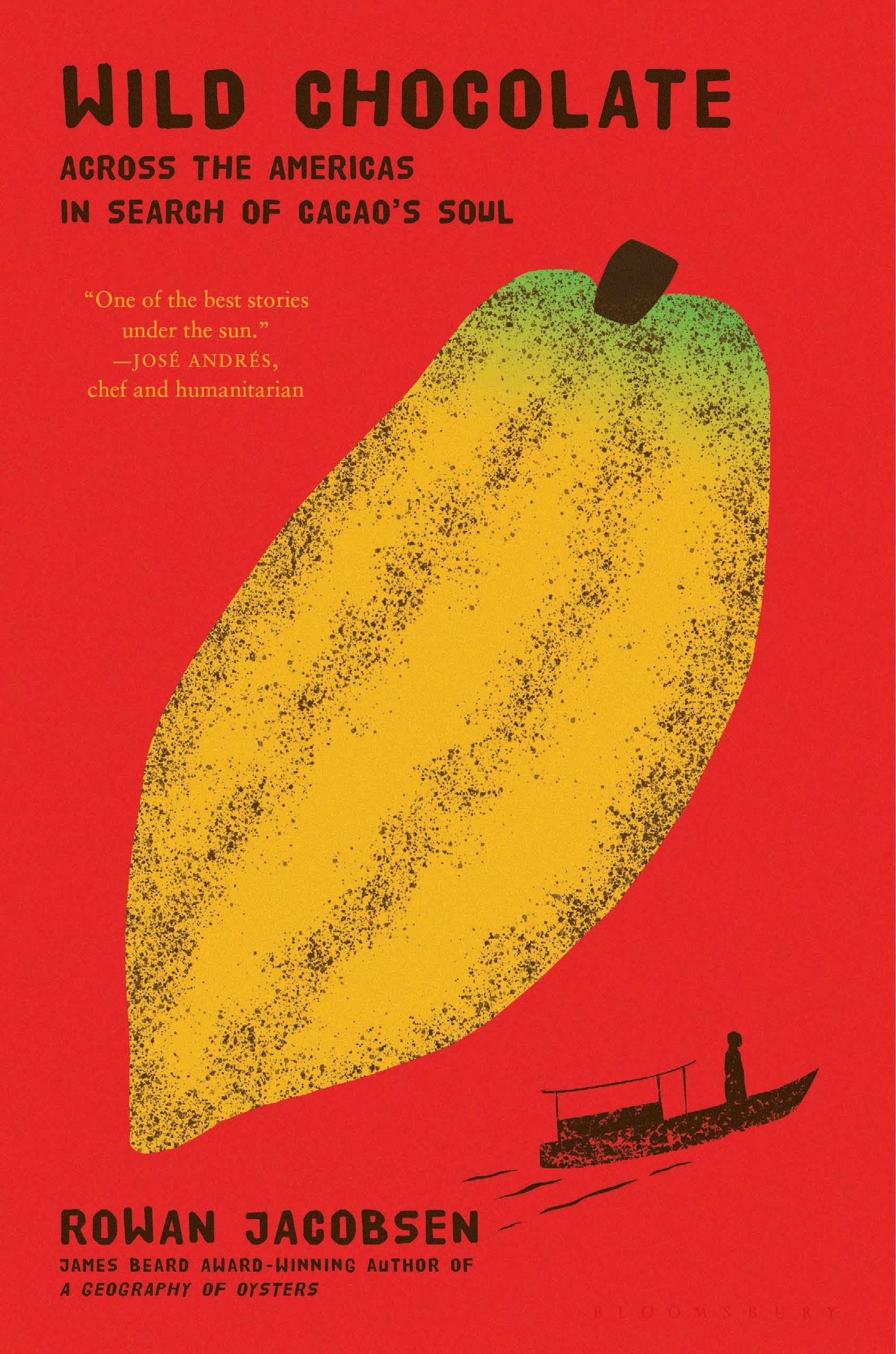
Wild Chocolate: Across the Americas in Search of Cacao’s Soul

by Rowan Jacobsen

Genre: Nonfiction

From James Beard Award-winner Rowan Jacobsen, the thrilling story of the farmers, activists, and chocolate makers fighting all odds to revive ancient cacao and produce the world’s finest bar.

When Rowan Jacobsen first heard of a chocolate bar made entirely from wild Bolivian cacao, he was skeptical. The waxy mass-market chocolate of his childhood had left him indifferent to it, and most experts believed wild cacao had disappeared from the rainforest centuries ago. But one dazzling bite of Cru Sauvage was all it took. Chasing chocolate down the supply chain and back through history, Jacobsen travels the rainforests of the Amazon and Central America to find the chocolate makers, activists, and indigenous leaders who are bucking the system that long ago abandoned wild and heirloom cacao in favor of high-yield, low-flavor varietals preferred by Big Chocolate.

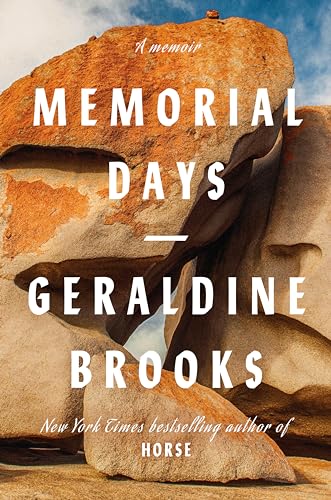
Memorial Days by Geraldine Brooks

Genre: Memoir, Nonfiction

Many cultural and religious traditions expect those who are grieving to step away from the world. In contemporary life, we are more often met with red tape and to-do lists. This is exactly what happened to Geraldine Brooks when her partner of more than three decades, Tony Horwitz – just sixty years old and, to her knowledge, vigorous and healthy – collapsed and died on a Washington, D. C. sidewalk on Memorial Day 2019. The demands were immediate and many. Without space to grieve, the sudden loss became a yawning gulf.

Three years later, she booked a flight to a remote island off the coast of Australia with the intention of finally giving herself the time to mourn. In a shack on a pristine, rugged coast she often went days without seeing another person. There, she pondered the varied ways those of other cultures grieve, such as the people of Australia’s First Nations, the Balinese, and the Iranian Shiites, and what rituals of her own might help to rebuild a life around the void of Tony’s death.

A spare and profoundly moving memoir that joins the classics of the genre, Memorial Days is a portrait of a larger-than-life man and a timeless love between souls that exquisitely captures the joy, agony, and mystery of life.

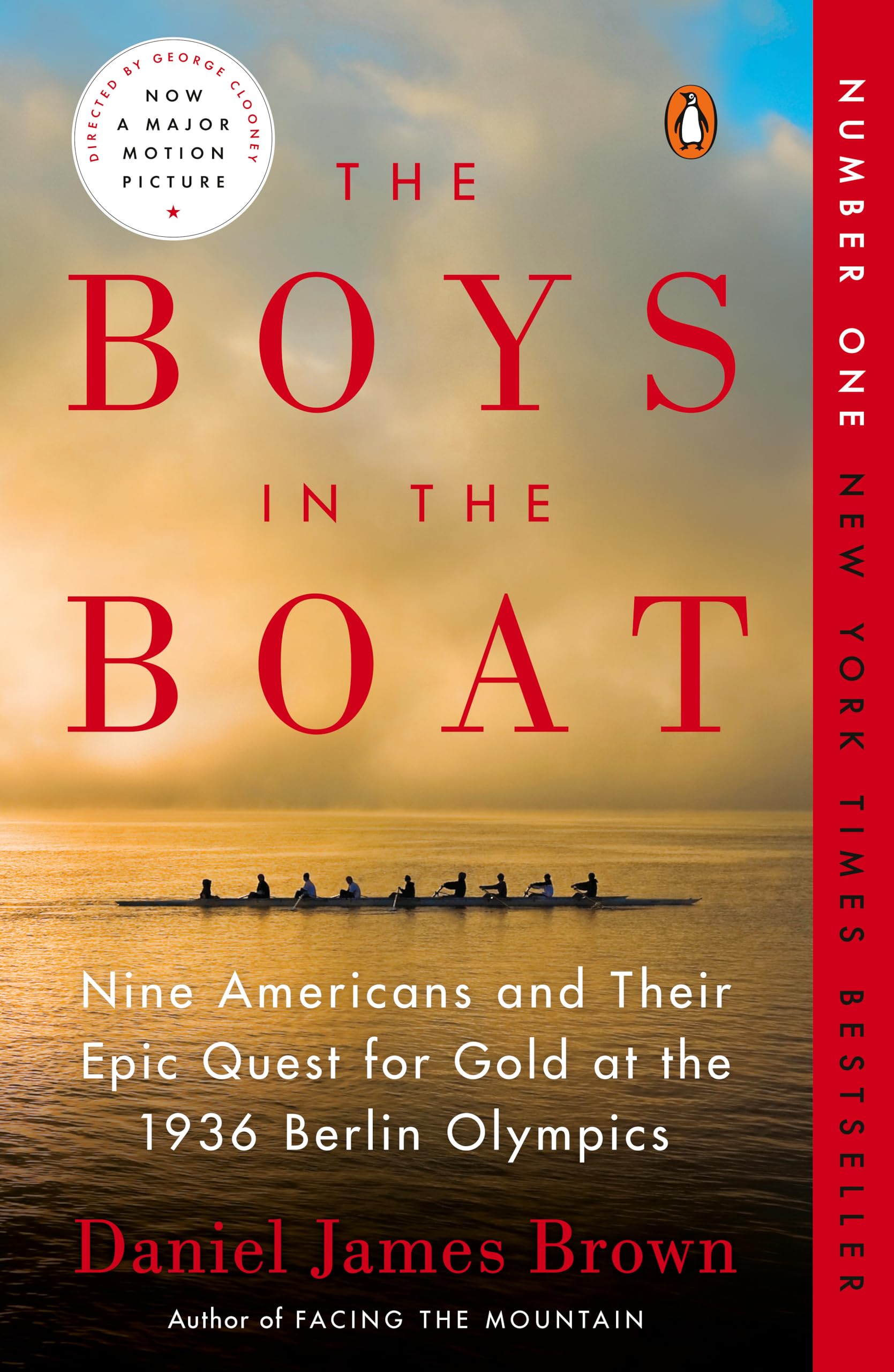
The Boys in the Boat by Daniel James Brown

Genre: Nonfiction

For readers of Unbroken, out of the depths of the Depression comes an irresistible story about beating the odds and finding hope in the most desperate of times—the improbable, intimate account of how nine working-class boys from the American West showed the world at the 1936 Olympics in Berlin what true grit really meant.

It was an unlikely quest from the start. With a team composed of the sons of loggers, shipyard workers, and farmers, the University of Washington’s eight-oar crew team was never expected to defeat the elite teams of the East Coast and Great Britain, yet they did, going on to shock the world by defeating the German team rowing for Adolf Hitler. The emotional heart of the tale lies with Joe Rantz, a teenager without family or prospects, who rows not only to regain his shattered self-regard but also to find a real place for himself in the world. Drawing on the boys’ own journals and vivid memories of a once-in-a-lifetime shared dream, Brown has created an unforgettable portrait of an era, a celebration of a remarkable achievement, and a chronicle of one extraordinary young man’s personal quest.

Every Man for Himself and God Against All: A Memoir

by Werner Herzog and Michael Hofmann (Translator)

Genre: Memoir, Biography

Werner Herzog was born in September 1942 in Munich, Germany, at a turning point in the Second World War. Until age 11, Herzog did not even know of the existence of cinema. His interest in films began at age 15, but since no one was willing to finance them, he worked the night shift as a welder in a steel factory. He started to travel on foot. He made his first phone call at age 17, and his first film in 1961 at age 19. The wildly productive working life that followed—spanning the seven continents and encompassing both documentary and fiction—was an adventure as grand and otherworldly as any depicted in his many classic films.

Every Man for Himself and God Against All is at once a personal record of one of the great and self-invented lives of our time, and a singular literary masterpiece that will enthrall fans old and new alike. In a hypnotic swirl of memory, Herzog untangles and relives his most important experiences and inspirations, telling his story for the first and only time.

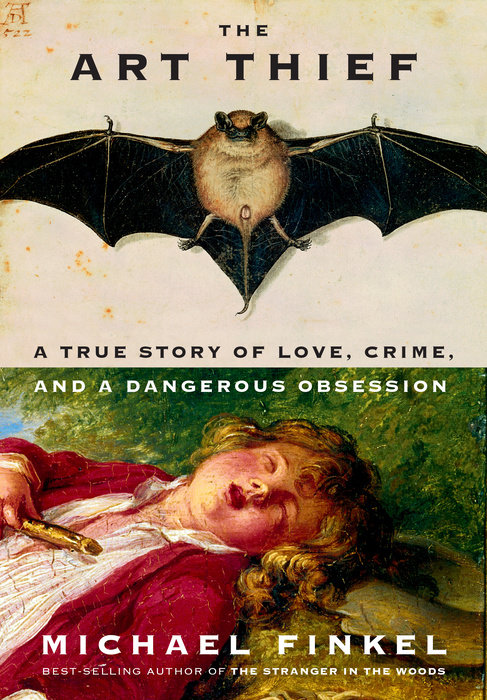
The Art Thief by Michael Finkel

Genre: Nonfiction, True Crime

One of the most remarkable true-crime narratives of the twenty-first the story of the world’s most prolific art thief, Stéphane Breitwieser.

In The Art Thief, Michael Finkel brings us into Breitwieser’s strange and fascinating world. Unlike most thieves, Breitwieser never stole for money. Instead, he displayed all his treasures in a pair of secret rooms where he could admire them to his heart’s content. Possessed of a remarkable athleticism and an innate ability to circumvent practically any security system, Breitwieser managed to pull off a breathtaking number of audacious thefts. Carrying out more than two hundred heists over nearly eight years—in museums and cathedrals all over Europe—Breitwieser, along with his girlfriend who worked as his lookout, stole more than three hundred objects, until it all fell apart in spectacular fashion.

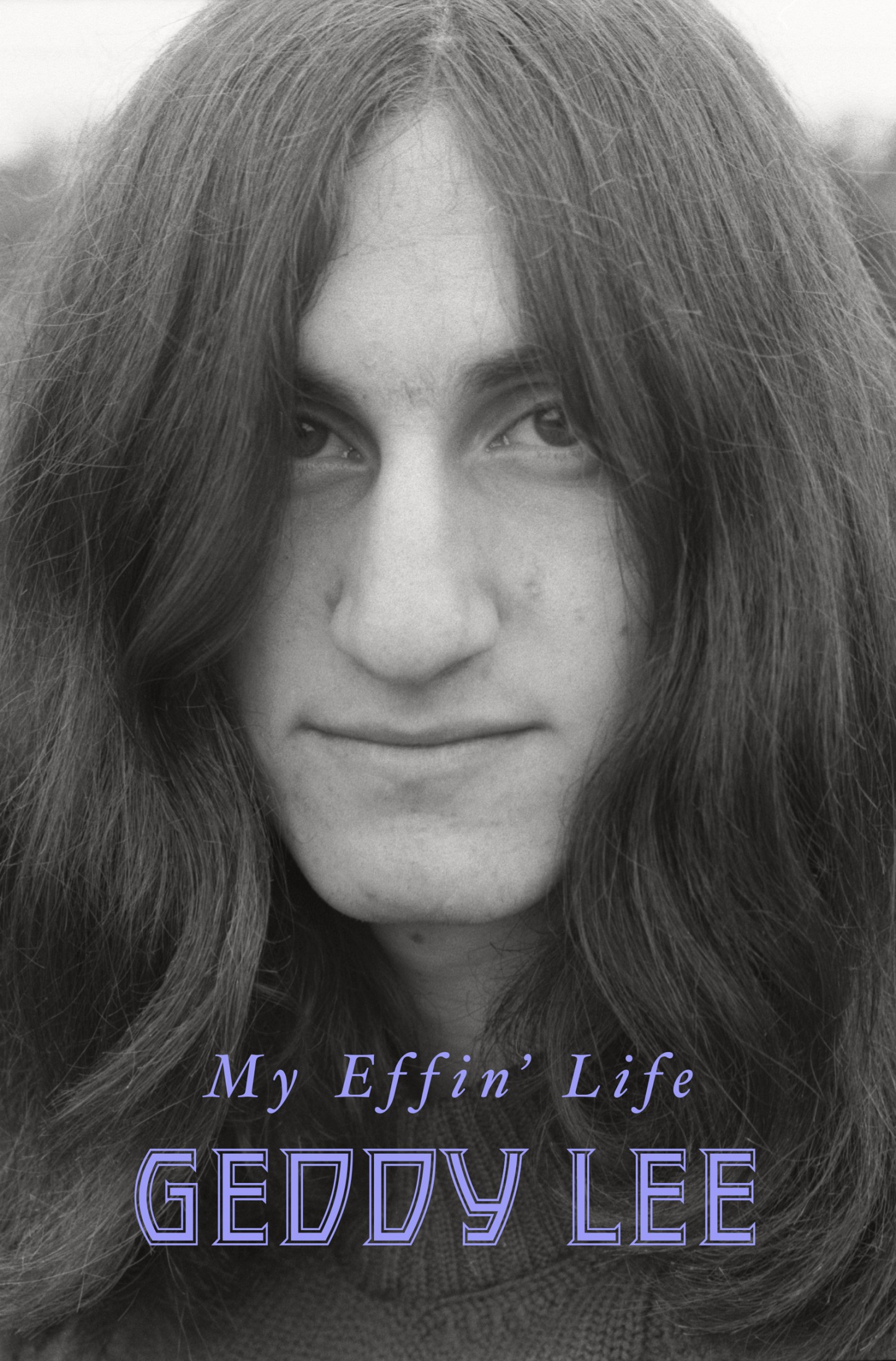
My Effin’ Life by Geddy Lee

Genre: Memoir, Biography

Geddy Lee is one of rock and roll’s most respected bassists. For nearly five decades, his playing and work as co-writer, vocalist and keyboardist has been an essential part of the success story of Canadian progressive rock trio Rush.

Long before Rush accumulated more consecutive gold and platinum records than any rock band after the Beatles and the Rolling Stones, before the seven Grammy nominations or the countless electrifying live performances across the globe, Geddy Lee was Gershon Eliezer Weinrib, after his grandfather murdered in the Holocaust. As he recounts the transformation, Lee looks back on his family, in particular his loving parents and their horrific experiences as teenagers during World War II. He talks candidly about his childhood and the pursuit of music that led him to drop out of high school. He tracks the history of Rush which, after early struggles, exploded into one of the most beloved bands of all time. He shares intimate stories of his lifelong friendships with bandmates Alex Lifeson and Neil Peart—deeply mourning Peart’s recent passing—and reveals his obsessions in music and beyond. This rich brew of honesty, humor, and loss makes for a uniquely poignant memoir.

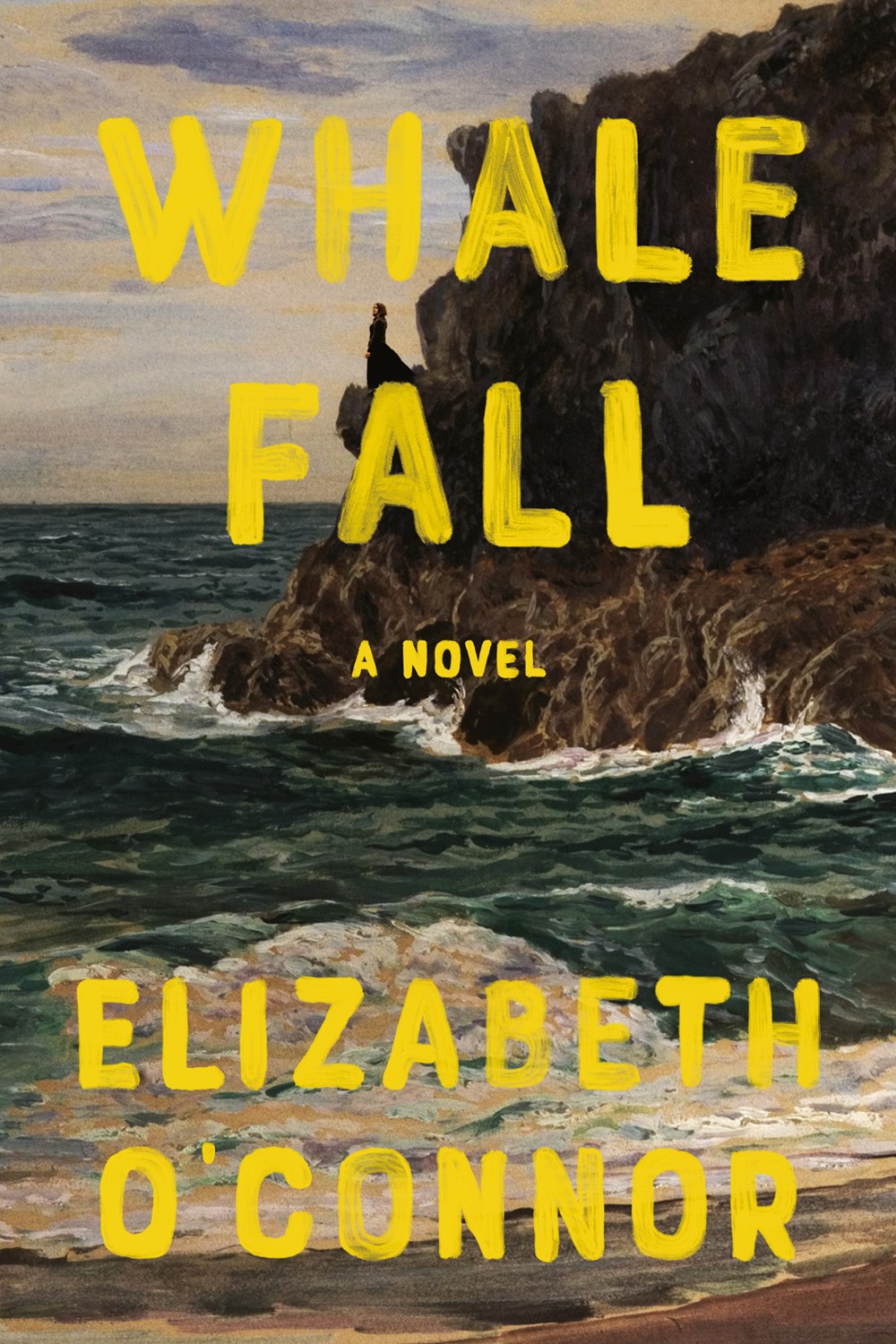
Whale Fall by Elizabeth O’Conner

Genre: Historical Fiction

In 1938, a dead whale washes up on the shores of remote Welsh island. For Manod, who has spent her whole life on the island, it feels like both a portent of doom and a symbol of what may lie beyond the island’s shores. Manod can’t shake her welling desire to explore life beyond the beautiful yet blisteringly harsh islands that her hardscrabble family has called home for generations.

The arrival of two English ethnographers who hope to study the island culture, then, feels like a boon to her—both a glimpse of life outside her community and a means of escape. The longer the ethnographers stay, the more she feels herself pulled towards them, despite her misgivings that her community is being misconstrued and exoticized.

With shimmering prose tempered by sharp wit, Whale Fall tells the story of what happens when one person’s ambitions threaten the fabric of a community, and what can happen when they are realized. O’Connor paints a portrait of a community and a woman on the precipice, forced to confront an outside world that seems to be closing in on them.

Podcast Recommendations

Our Ancestors Were Messy, Hosted by Nichole Hill (Coco Hill Productions)

Genre: History

Our Ancestors Were Messy, is a podcast covering the gossip, scandals, and pop culture that made headlines in the Black newspapers of segregated communities during the pre-Civil Rights era. On each episode, host Nichole Hill and her guests follow the story of an ancestor in search of opportunity, adventure, love, and a way to beat Jim Crow. Hill and her guests learn the mess – and eventual history – their ancestors make along the way.

“I could pretend that I like this podcast because it’s a way to learn about Black history in a way that goes beyond standard narratives of victimization or individual exceptionalism. The stories it tells allow people to be people, with all the messiness and drama and pop culture of their everyday lives in the pre-Civil Rights era. But really I love this podcast because it is just great gossip. Why you trying to make me learn in my free time??” – Lainie Schultz, Peabody Staff

The Thing About Austen, Hosted by Diane Kimneu and Zan Cammack

Genre: History

The Thing About Austen is a podcast about Jane Austen’s world — the people, objects, and culture that shape Austen’s fiction. Come for the historical context and stay for the literary shenanigans. Think of us as your somewhat cheeky tour guides to the life and times of Jane Austen.

“Two professors of literature talk about the material culture in Austen’s stories and their significance to societal culture during the Georgian and Regency eras. From Mr. Darcy’s portrait in Pride and Prejudice to the homemade alphabet in Emma and Captain Wentworth’s umbrella in Persuasion – there are so many interesting stories and histories to unpack from the items detailed in Jane Austen’s stories. Some of my favorite episodes are #83 The thing about the Ha-Ha and #52 The thing about Bath’s Baths (per their recommendation, I did try the hot spring water in the Roman Baths on a recent visit… the taste, not so great, but the experience, 5 stars!) – Emma Lavoie, Peabody Staff

Buried Bones, Hosted by Kate Winkler Dawson and Paul Holes

Genre: Historical True Crime

Buried Bones dissects some of history’s most dramatic true crime cases from centuries ago. Together, journalist Kate Winkler Dawson and retired investigator Paul Holes explore these very old cases through a 21st century lens.

“I have been a fan of Buried Bones for a few years now.  Each episode is a dive into a homicide in the past that is explored simultaneously by a journalist/historian (Kate) and a retired forensic investigator (Paul).  I really enjoy the blend of history and scientific analysis as the two hosts discuss the crime.  Kate deftly narrates the historical event while Paul provides a reasoned analysis from a modern forensic science perspective.  I always learn something!” – Marla Taylor, Peabody Staff

Salem The Podcast, Hosted by Sarah Black and Jeffrey Lilley

Genre: History

Welcome to Salem, Massachusetts! Join tour guides Jeffrey Lilley and Sarah Black as they talk all things Witch City. Learn its history, meet its people, and discover the magic.

“This podcast goes beyond the history of the Salem Witch Trials and explores the vast history of Salem and the people who live there. What does a drunk elephant, haunted pepper, a witch solving a murder, and tunnels (IYKYK) all have in common? They all relate back to Salem! This podcast has everything you need to know for your next trip to the Witch City. I personally love the episode interviews with current business owners in Salem.” – Emma, Peabody Staff

PA Pueblo Pottery-Making Workshops

Contributed by Emma Lavoie

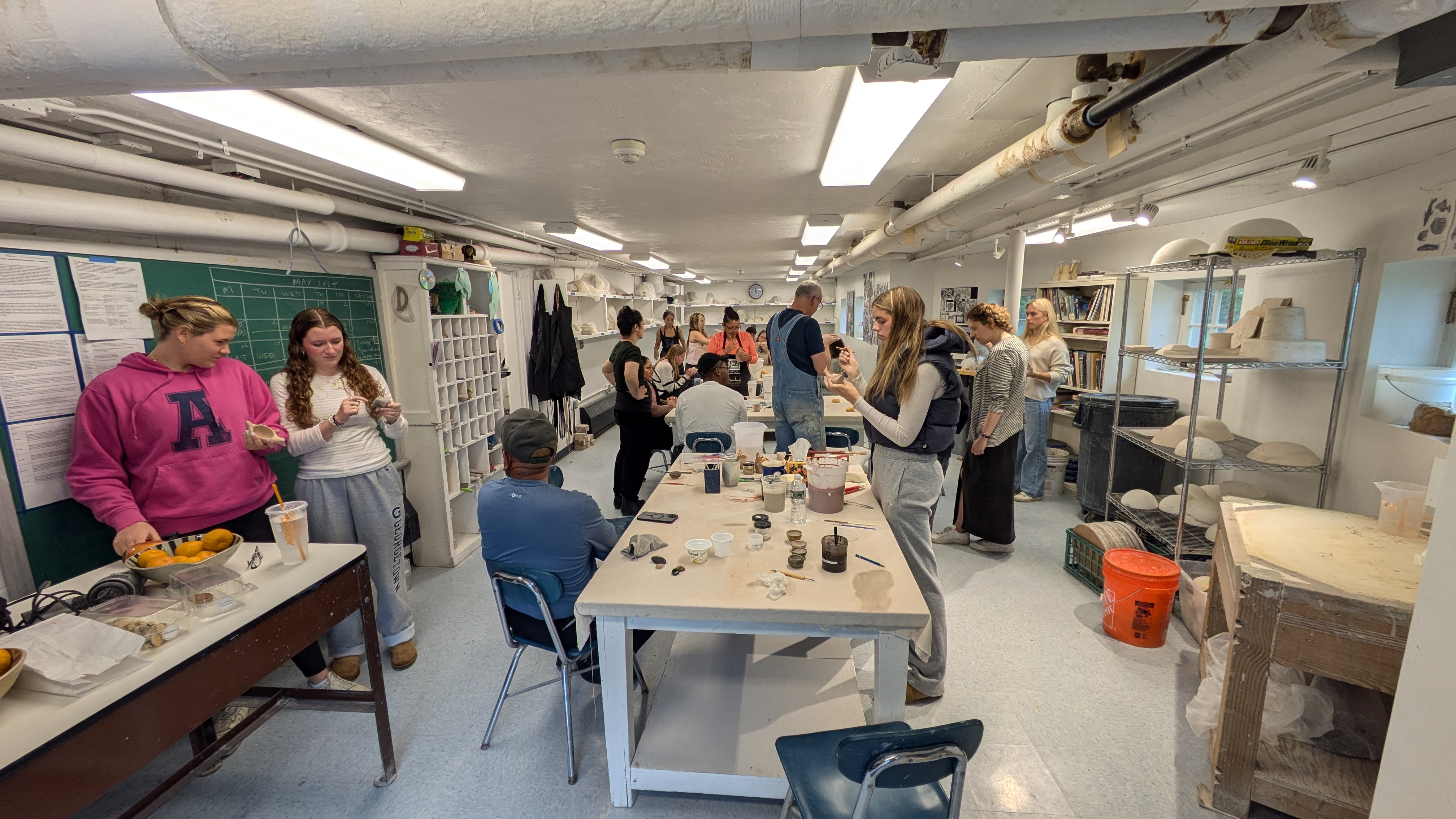
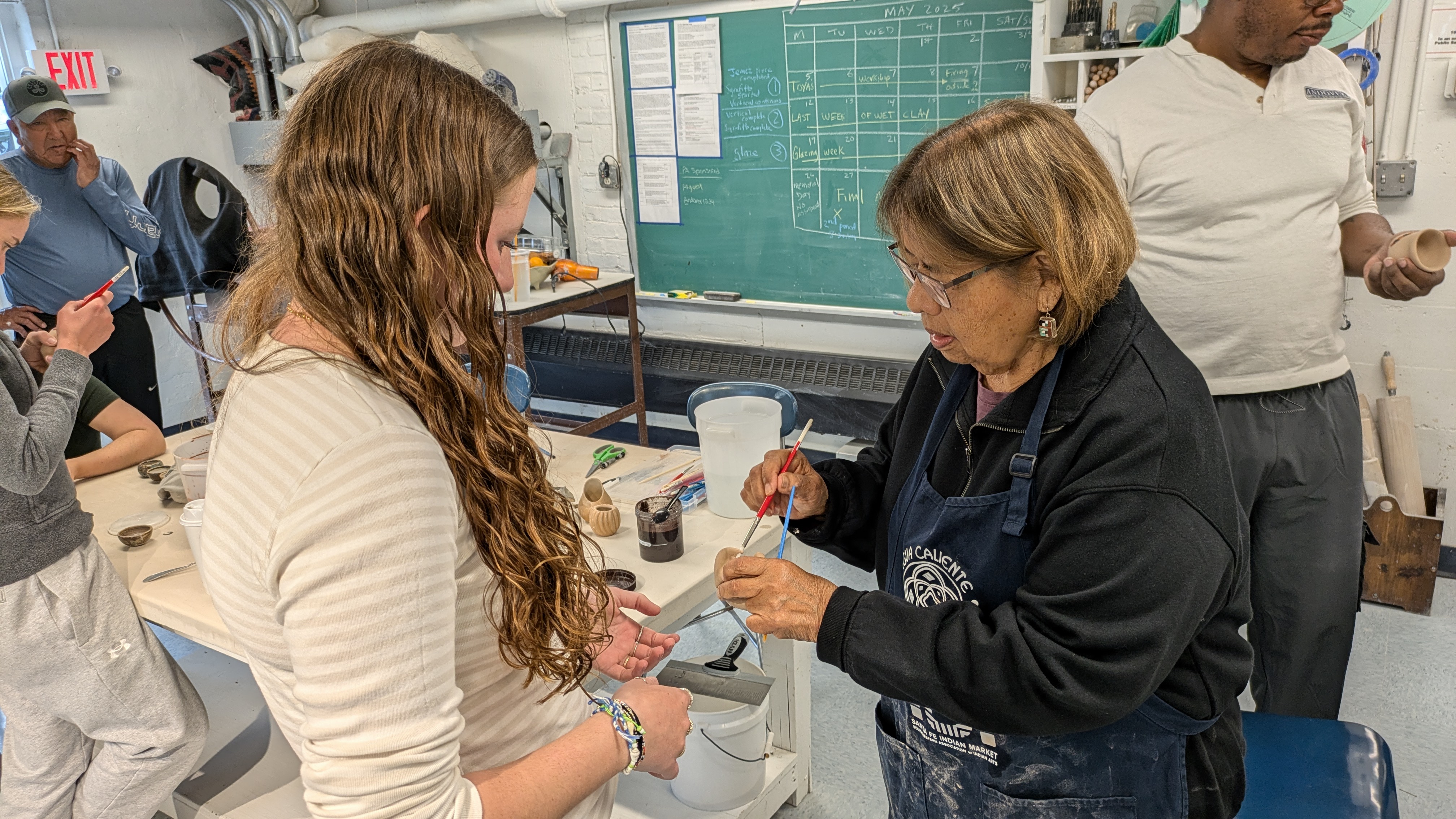
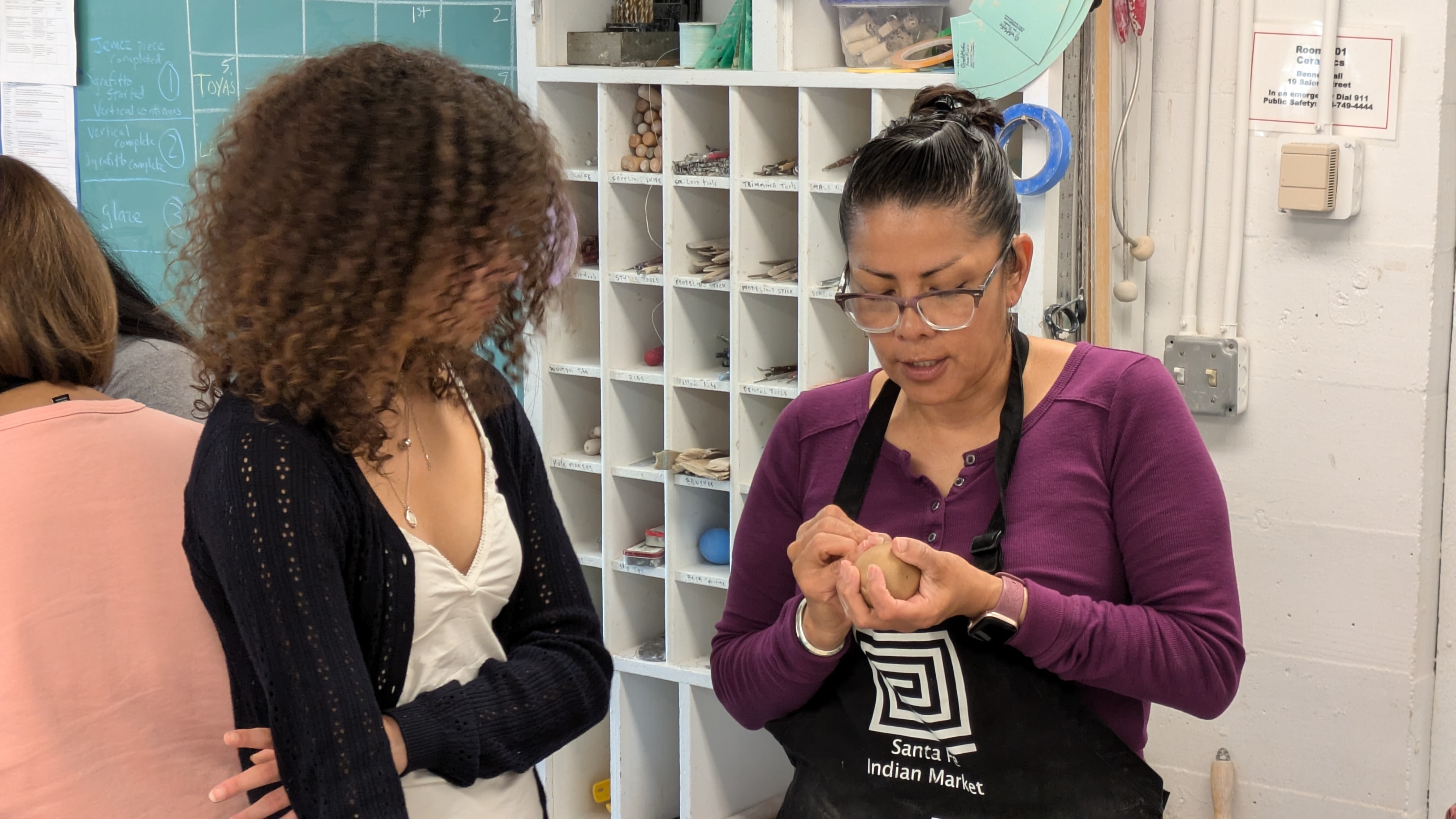
Ceramic students participating in pottery-making workshops

We were honored to have the Toya family back this Spring term for their annual visit to conduct week long, hands-on workshops on Pueblo pottery-making with Thayer Zaeder’s studio ceramic students.

Each year students have the opportunity to make their own pieces using native clays and temper from New Mexico and traditional decorative techniques of painting and polishing. The workshops culminate in a traditional Jemez firing.

Students walk away with an unforgettable keepsake of their time as well as a greater appreciation for contemporary Indigenous art and culture.

We are so grateful for all the time and expertise the Toya family has shared with PA students!

Check out this video by PA’s Communications team highlighting the Toya’s work on campus.

Maxine Toya working with a student on painting their piece.
Mia Toya working with a student on polishing their piece.

Save the Date! 2025 #PAGivingDay

Contributed by Emma Lavoie

Mark your calendars! PA Giving Day is Wednesday, March 26, 2025!

PA Giving Day represents a critical milestone in our fundraising efforts for the Peabody. Last year we raised 65% of the Peabody’s annual support from 57 donors in just one day. This year our goal is to exceed previous success by engaging even more PA alumni and friends of the Peabody in this collective day of giving.

For those inspired to give early, please visit the PA Giving Day page here! Please be sure to select the “Peabody Institute of Archaeology” under the “designation” section. Any gift made in advance of the event will count toward PA Giving Day totals.
This year we hope to have more match challenges and even more support! Be sure to follow our social media on PA Giving Day for some inspiring posts from students who have been impacted by the Peabody.

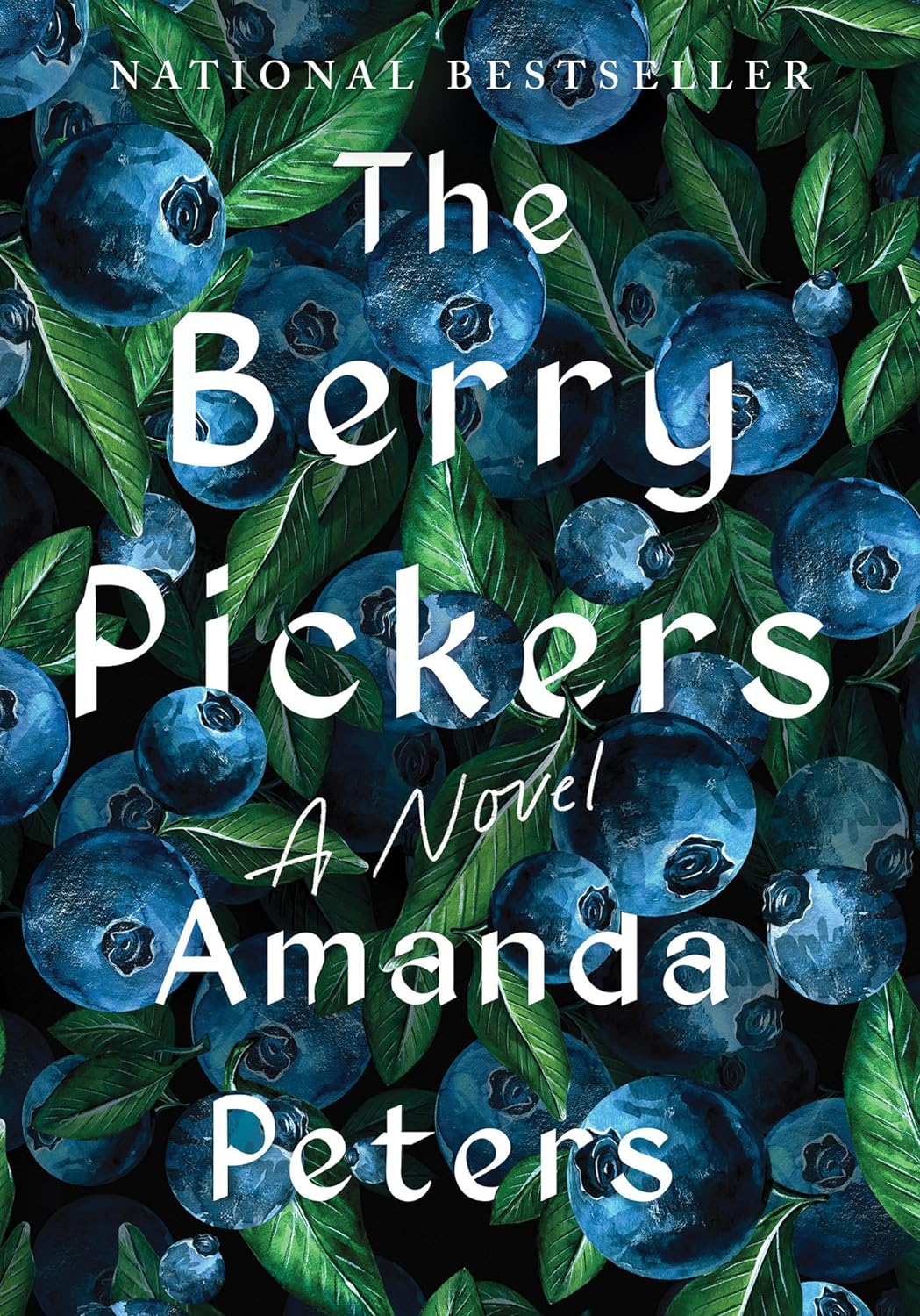
Book Review: The Berry Pickers by Amanda Peters

Contributed by Emma Lavoie

A four-year-old Mi’kmaq girl goes missing from the blueberry fields of Maine, sparking a tragic mystery that haunts the survivors, unravels a community, and remains unsolved for nearly fifty years.

The Berry Pickers is a heartbreaking, riveting tale of Indigenous family separation. We follow an Indigenous Mi’kmaq family in Nova Scotia who travels every summer to Maine to pick blueberries as migrant workers. In the summer of 1962, 4-year-old Ruthie, the youngest of the family’s five children, disappears from the fields. The last to see her is the second youngest, 6-year-old Joe, who takes the loss especially hard and carries his guilt in the years to come.

The book is told through two alternating character perspectives – one being Ruthie’s brother Joe and the second being a young girl named Norma. Growing up in Maine as the only child of affluent and overprotective parents, Norma, struggles to find the truth behind her recurring dreams and visions (that seem more like memories than imagination). As time and secrets unfold, these two storylines ultimately converge.

This is a treasure of a book – filled with loss and sadness yet manages to be hopeful as well. Amanda Peters (Mi’kmaq, Glooscap First Nation) has a lot of empathy for her characters and gently invites readers to examine the affects of intergenerational trauma, racist residential institutions, and the specific ways Indigenous families were treated – in a deeply personal way.

This story is both powerful and moving. Although told quietly, it did not take away from its impact.

Next on my list to read is Amanda Peter’s newest book, Waiting for the Long Night Moon: Stories. This is her debut collection of short fiction that describes Indigenous experiences across time and space – from contact with European settlers, to the forced removal of Indigenous children, to the present-day fight for the right to clean water.

The book will be available August 2024 in Canada and January 2024 in the U.S.

Listen If You Dare! The Perfect Podcast List for the Spooky Season

Contributed by Emma Lavoie

It’s almost Halloween, so get in the spirit by checking out our list of the best spooky podcasts you definitely don’t want to listen to alone in the dark. From haunted places to haunting history, these podcasts will have you on the edge of your seat or hiding under the covers. Happy haunts and happy listening this Halloween!

#1 Spooked

Another season of Spooked has RISEN… cross over (if you dare) into the world of the unexplained, listening to true-life supernatural stories, told first-hand by people who can barely believe it happened themselves. This podcast challenges skeptics of the supernatural, daring listeners to confront the unknown. Be afraid.

#2 Dark House

For true crime fans who also love a good ghost story, Dark House features America’s most notorious homes. From infamous crime scenes to abandoned mansions, hosts and House Beautiful editors Hadley Mendelsohn and Alyssa Fiorentino unpack the twisted history of a different house in each episode. They research who lived (and died) there and share the creepy stories that suggest their spirits never left.

#3 The No Sleep Podcast

Too afraid to listen to true-crime podcasts because they’re all about things that actually happened? Give this podcast a try. Each episode will have you feeling like you are telling spooky stories around a virtual campfire. Run, don’t walk!

#4 Haunted Road

Amy Bruni, star of the hit TV shows Kindred Spirits and Ghost Hunters, takes listeners on a chilling guided tour through some of the most haunted locations in America with the help of expert paranormal investigators who have actually been there. Do you have chills yet?

#5 Lore

This podcast is about dark historical events that blur the lines between history and lore. Lore explores the mysterious creatures, tragic events, and unusual places that fill the pages of our history… sometimes the truth is more frightening than fiction.

#6 American Shadows

Join host Lauren Vogelbaum as she spans two centuries of omitted lore from our country’s history books. This show focuses on the darker stories from American history: the people, places, and things that are hidden and forgotten in the shadows. From better-known tales like the conspiracy to steal Lincoln’s body, to less-known stories, like the rainmaker who flooded San Diego. American Shadows explores the hidden tales relegated to the dusty corners of US history, one journey at a time.

#7 Unobscured

History is full of stories we think we know. They are old and dark, but time has robbed us of perspective and clarity. They’ve become obscured and misunderstood. Which is why this series exists: to dig deep and shed light on some of history’s darkest moments. To help us better understand where we’ve come from. To make it Unobscured. Each season pairs narrative storytelling from Aaron Mahnke, creator of the hit podcast Lore, with prominent historian interviews. Check out Season 1 about the Salem Witch Trials. You may even find an interview with a familiar friend of the Peabody, Emerson Baker, Phillips Academy alum, history professor at Salem State University, and author of A Storm of Witchcraft: The Salem Trials and the American Experience.

#8 Midnight Library

Not just another podcast show, but a place you can go. Climb the stairs of this strange, Victorian mansion and curl up by the grand fireplace to hear tales of times long ago. Be transported through time to learn about ancient customs and mysterious happenings all from the comfort of the Midnight Library. Be sure to stay in the cordoned off areas, and you’ll be fine…

Looking for a spooky podcast for kids? Check out the podcast – Grimm, Grimmer, Grimmest

Designed for kids – Grimm, Grimmer, Grimmest is a wildly enchanting fairy tale podcast, featuring classic fairy tales that bring to life a world full of curious creatures and mischievous foes. Created in partnership with bestselling children’s book author, Adam Gidwitz, each episode retells a tale to a group of inquisitive kids, who anticipate plot twists, crack jokes, and share their own perspectives on these very Grimm tales. Another unique feature to this children’s podcast is each episode is rated as “Grimm,” “Grimmer,” or “Grimmest.”

For more haunted listening, check out these honorable mentions.

Save the Date! PA Giving Day Begins March 30, 2022!

Contributed by Emma Lavoie

Mark your calendars! PA Giving Day begins Wednesday, March 30, 2022! This year, the PA Giving Day event will run from Wednesday, March 30, 9 a.m. to Thursday, March 31, 12 p.m. EDT.

For those inspired to give early, please complete the PA Giving Day form here! Please be sure to select the Robert S. Peabody Institute under the “designation” section. Any gift made in advance of the event will count toward PA Giving Day totals.
Last year the Peabody Institute garnered 70 gifts! This year we hope to have more challenges and even more support! Keep a look out for exciting posts and takeovers across our social media channels leading up to PA Giving Day!
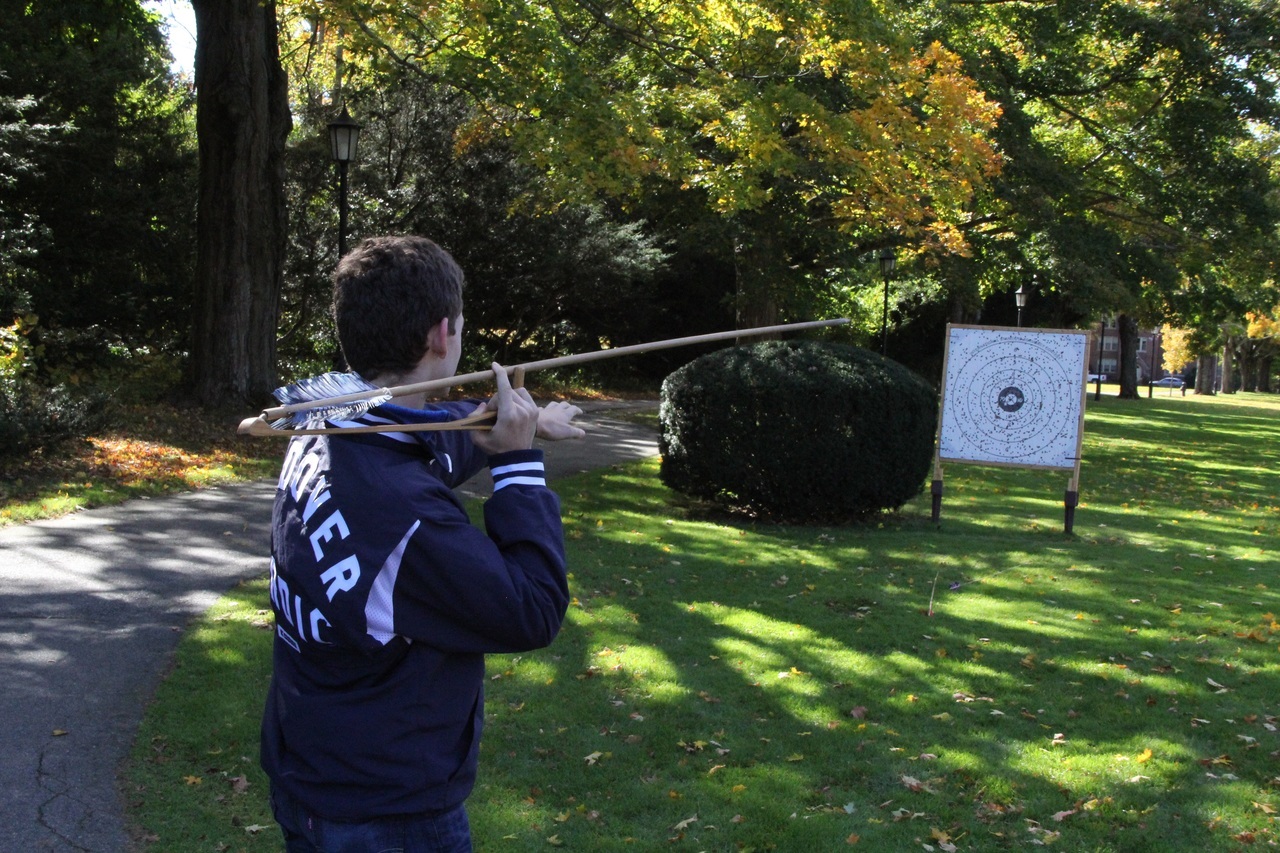
PA student preparing to throw an atlatl on the Vista

Digital Resource Spotlight: FPAN

Contributed by Lindsay Randall

The Digital Resource Spotlight series will highlight a variety of heritage-based organizations that offer unique activities that educators and parents may want to explore. We hope that you find our compilations helpful as you navigate this new educational landscape.

unnamed

The Florida Public Archaeology Network (FPAN) is a premier educational resource for educators looking to incorporate easy, hands-on activities. Many of their lessons can easily be restructured to fit the current online learning model that many private and public schools are adapting to. They are also clear and straightforward, which makes them a perfect tool for the numerous parents who are finding themselves suddenly acting as their children’s teacher.

Their 130 page guide Beyond Artifacts is a trove of useful lesson plans that could readily be duplicated in a students home, with online guidance from the teacher. Want to study archaeology during lunch? They have a Peanut butter and Jelly Excavation lunch, which can even be followed up by a cookie excavation. YUM!!!!

In addition to the broad archaeology lessons they also offer more topical ones focused on prehistoric, historic, and underwater archaeology.

One of my favorite lessons that they ha is one called Stone Silent. It allows student to collect demographic data from a local cemetery. This is a perfect lesson as it will help everyone to get outside (which we all desperately need) while still practicing social distancing since there are probably not many people wandering cemeteries for fun right now.

FPAN has many other resources to offer, so be sure to check out all of them here.