The Not So Amazing Peabody Heist(s)

Contributed by Ryan J. Wheeler

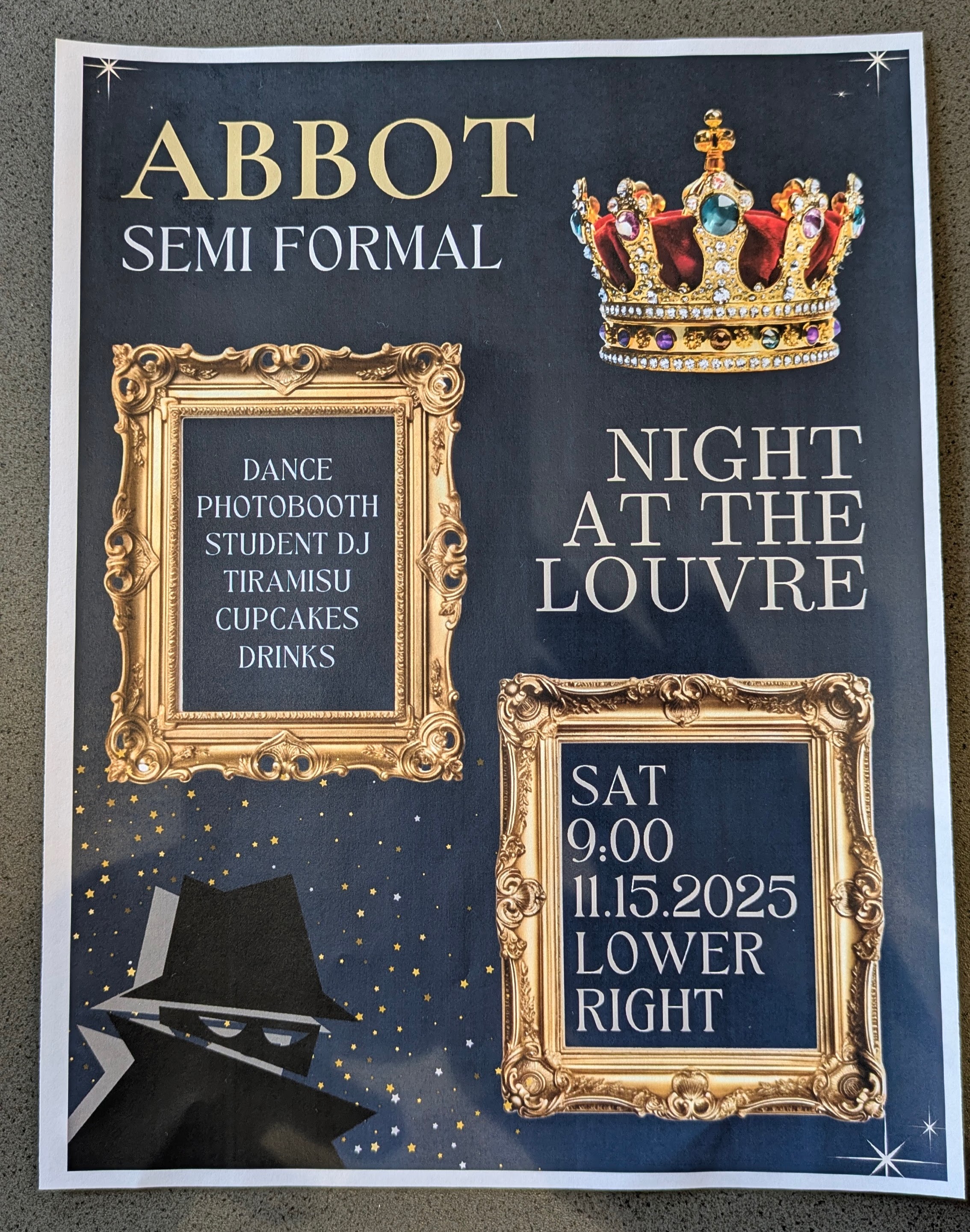
Flyer for a dance at Phillips Academy capitalized on the Louvre heist, November 2025.

The brazen theft of crown jewels from the Louvre on October 19, 2025 fed the ongoing public fascination with museum heists. From details like which mobile work platform was used to access the museum to issues with security, there was almost endless interest and speculation. Even the dapper high school student mistaken for a French detective captured the world’s attention. Not surprisingly, the museum heist is a classic movie and tv trope from the recent The Mastermind (2025) to How to Steal a Million (1966) to the multiple versions of The Thomas Crown Affair (1968, 1999—and apparently a new one in production!), and many others. Fictional literature about heists could occupy a library. Even students here at Phillips Academy hosted a Louvre heist-themed dance! The exciting and glittery portrayals of museum heists, however, often veer far from the real blend of cunning, avarice, ineptitude, and the real mess that museum thefts leave in their wake. Just a few days before the Louvre heist, thieves gained access to the Oakland Museum’s storage spaces, taking over 1,000 objects, including many Native American items.

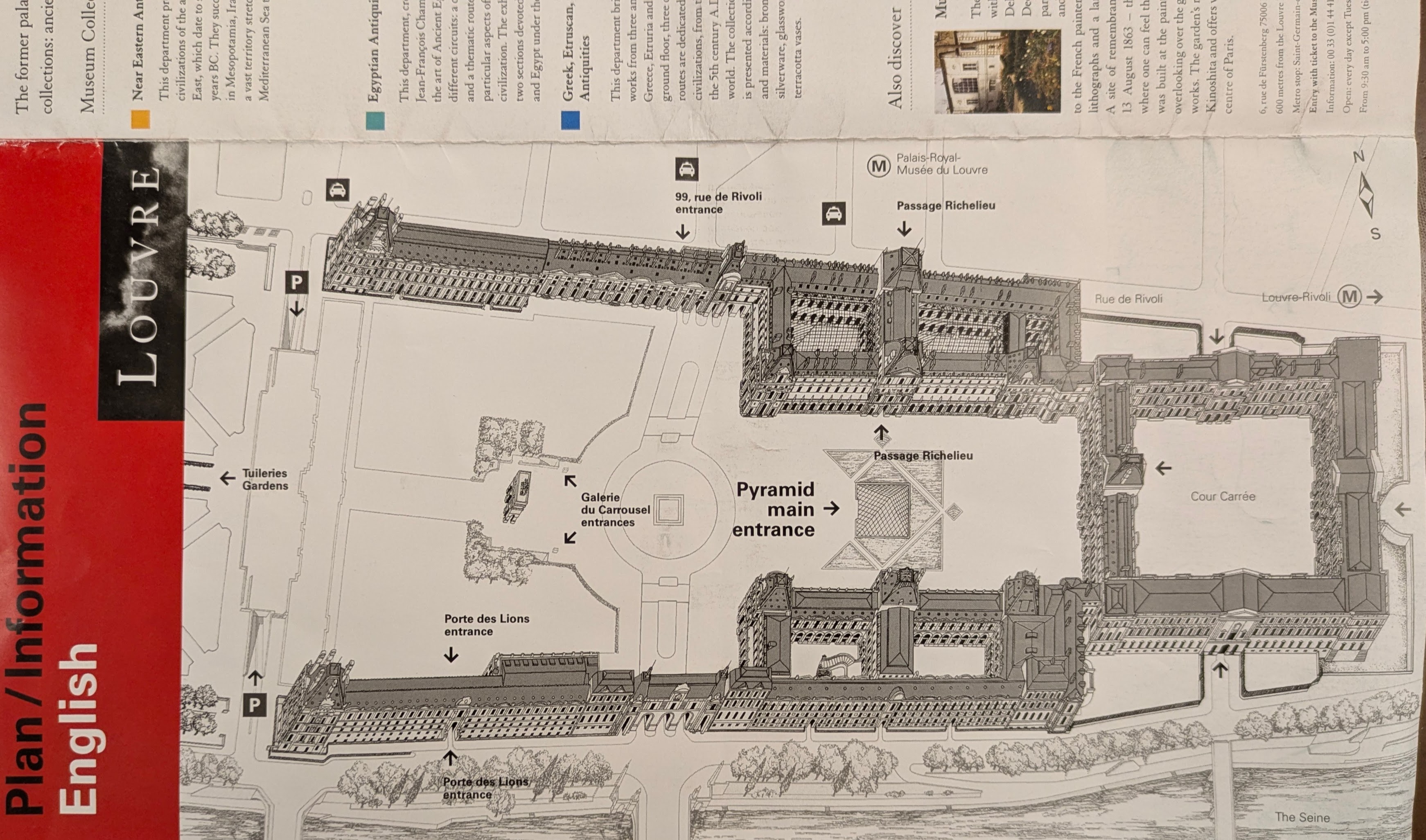
Plan of the Louvre from Phillips Academy student trip, 2015.

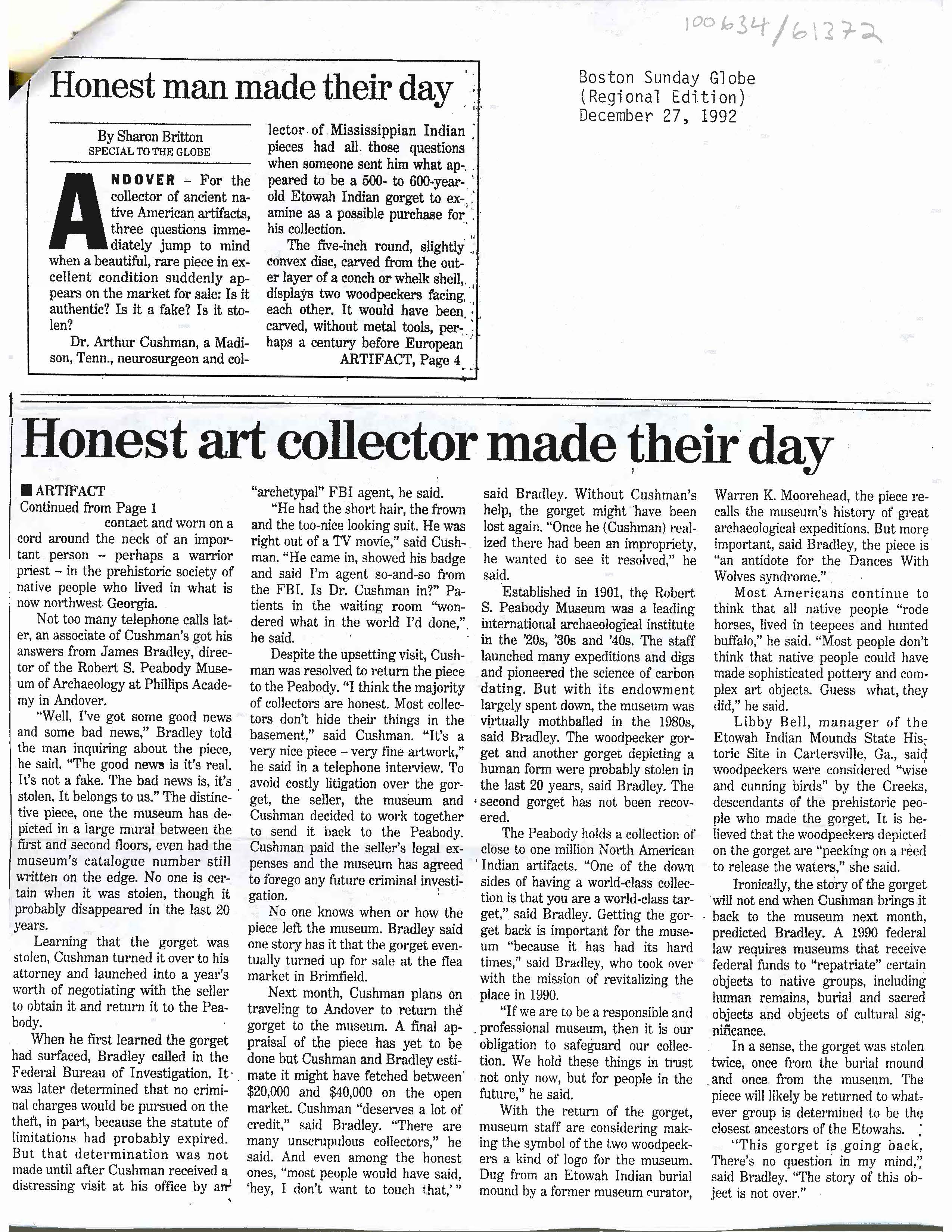
When I joined the Peabody Institute in 2012, former director Jim Bradley told me to be on alert for missing items, presumed stolen at some unknown point in the museum’s past. Early in Jim’s tenure as director, he had been involved in the recovery of a shell gorget from the Etowah site in Georgia. Since that time several collectors have returned items from Etowah and Maine, and others have been tracked down with the aid of the FBI art crimes team. What we now understand is that the Peabody Institute experienced two thefts—one in late 1970 or early 1971, and another in 1986.

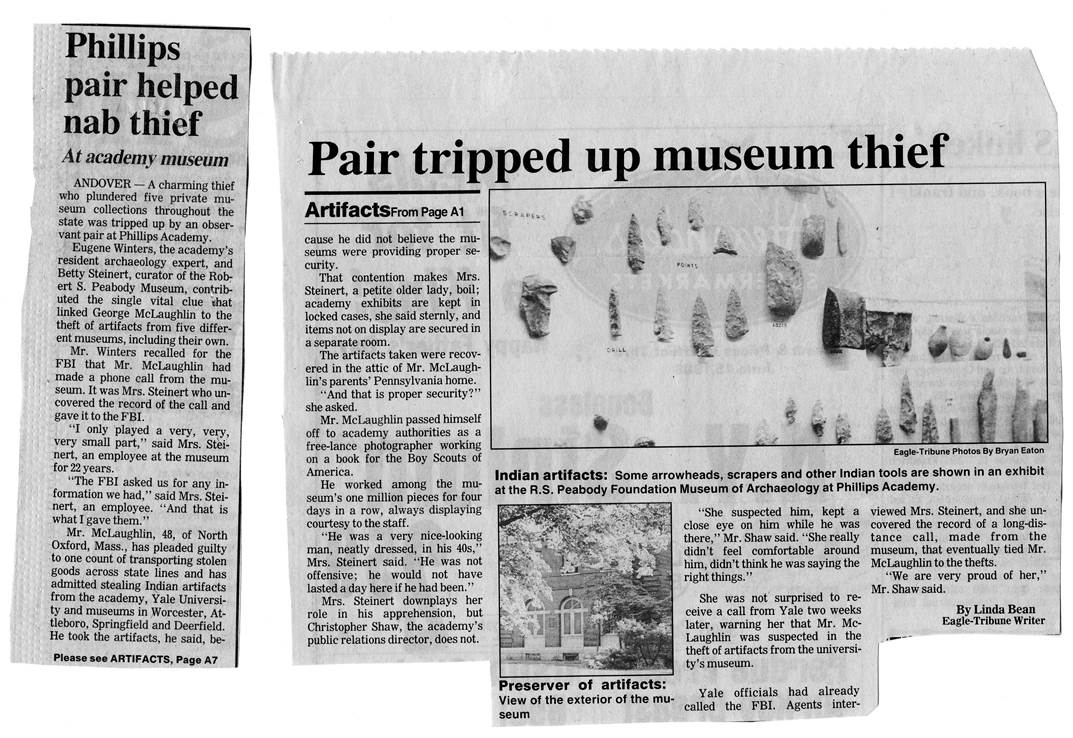
Eagle-Tribune article from 1986 recounts George McLaughlin’s theft of artifacts from the Peabody Museum.

Marla Taylor and John Bergman-McCool recount the theft by George McLaughlin in 1986 in their 2020 blog post. McLaughlin gained access to the Peabody’s collection housing areas at a time when the institution lacked professional staff. That made it easier, but he also stole from other museums across New England and several private collectors. He was ultimately caught by the FBI and prosecuted, but not before removing most of the catalog numbers from the thousands of stone tools that he had taken. It was unclear what McLaughlin’s plans were, but it seems he was readying items for sale. And while the FBI arrest prevented that, to this day we have a large number of items that have lost their original provenience—in other words, a big mess.

Boston Sunday Globe article recounts the return of the Etowah shell gorget (December 27, 1992).

I’ve shared before about an earlier theft at the Peabody Institute (also, see my article in the April 2018 SEAC newsletter). Based on correspondence, we are confident that items from Georgia and Maine were stolen in late 1970 or early 1971 while exhibits were being refreshed and updated. These items had been on display when they were photographed to illustrate Dean Snow’s 1976 book The Archaeology of North America. It seems like they were taken while awaiting reinstallation in the exhibits. As I mentioned above, a number of these items have been returned, either by conscientious collectors or through an investigation by the FBI art crimes team, begun in January 2018 when one of the Etowah items was returned to us. Many of these items are funerary objects and subject to repatriation under the Native American Graves Protection & Repatriation Act (NAGPRA). Their continued absence complicates those repatriation efforts.

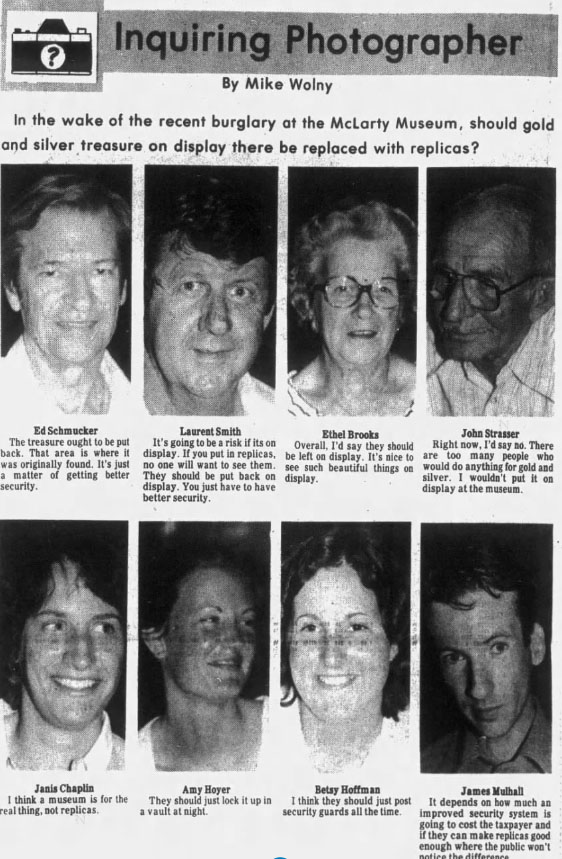
The Indian River Press Journal sought reader opinions about the 1980 theft of Spanish shipwreck treasure from the McLarty Museum and if treasure items should continue to be exhibited (Friday, March 8, 1980, page 8).

Unlike the glamourous (or humorous) fictional depictions of museum heists, these are often crimes of opportunity, driven by greed or misguided ideas about the role of museums in caring for and sharing art and culture. I think one example from my past career as Florida’s state archaeologist aptly captures the stupidity of the museum heist. Our collections in Florida included impressive holdings recovered from the shipwrecks of Spanish treasure galleons. Loans to the McLarty Museum near the survivor’s camp of the 1715 fleet wreck included gold coins and gold bars. In 1980, thieves defeated locks and security systems, but when confronted with the reality of disposing of a gold bar, things took a weird turn. They used a hack saw to begin cutting a gold bar into more saleable (or tradeable) pieces before being apprehended. The gold bar was recovered, but the saw cut end remains at large. During our annual 100% inventory of precious metals and coins our outside auditor frequently questioned what was going on with the clearly chopped up gold, so much so that we finally tucked some of the paperwork and news coverage with the piece to allay fears that we were helping ourselves. The thief in that case ultimately criticized press coverage, telling the court that he was “by no means a professional burglar” and that the theft was just a “reckless impulse.” So, enjoy that museum heist movie or book, but remember, it’s a far cry from the real mess made by these thefts.

24-25 Peabody Annual Report is LIVE!

Contributed by Emma Lavoie

Our Peabody annual report for academic year 2024-2025 has just been released online! This report features educational participation at the Peabody, including over 1,600 students and 30 Phillips Academy instructors. In addition, our report features institutional highlights, updates on our collections and NAGPRA work, collaborations with students and researchers, and more!

Thank you to everyone who supported the completion of another wonderful year at the Peabody!

You can read the report in its entirety HERE.

Building Renovations: The Sequel

Contributed by Marla Taylor

What happens when a project is successful but doesn’t quite resolve the larger storyline or need?  A sequel!

I share with you – Peabody Building Renovations: the Sequel.

The first phase of the work, completed in early 2024, focused on improving collections care.  This included new shelving, an HVAC system, updated security, and an elevator in the building. To facilitate this, the entire collection had to be moved to temporary storage and back again. Phase I was a huge amount of work for all of the Peabody staff and I can confidently say that the collection is now in a better environment than it was before.

This next phase will largely ignore the collections spaces and instead focus on updating classrooms, creating offices, and modernizing systems. By using the space more efficiently, we will create two additional classrooms for use by Peabody educators or PA faculty.  Staff members will have discrete office spaces and there will be room to grow.

One of the biggest improvements will be the addition of an HVAC system to the classrooms and office spaces.  As someone who has worked in these spaces for as long as I have, I would have to say that this is the part that I am looking forward to the most.  Currently, it can be really hot in the summer (over 80 degrees in the classroom) and quite chilly in the winter.  We all have our methods to deal with the discomfort, but I am excited to have air conditioning!

All of this of course comes with some disruption to our regular activities.  Staff will once again be moved to a temporary location and access to the collection will be restricted.

As of December 1st, Peabody collections will be largely unavailable and classroom spaces will be out of commission.  Repatriation work and collections inquiries from Tribal communities will be prioritized but other access will be restricted.  Please contact me, mtaylor@andover.edu, with any questions or requests.

PA classes may be taught in a modified format with limited collections based on availability.  Please contact Lainie Schultz, Curator of Education, to request a class.

The Peabody should be back in commission by September of 2026.  I will be able to share periodic updates on the process through the blog and we are so excited to welcome you into our updated space next year.  Stay tuned!

If you are interested in supporting Phase 2, please contact Jen Pieroni, Director for Advancement Initiatives, Office of Academy Resources.

Tales from The Phillipian, PART 2: Dinosaurs, Turtle Racing, and Spirits

Contributed by Emma Lavoie

Peabody staff always get excited when we unearth hidden stories from the Peabody Institute’s past. The Phillipian Archives is one such place that has held many a story. First printed in 1857, The Phillipian is a weekly student newspaper that continues today at Phillips Academy Andover. The student paper describes itself as “completely uncensored and entirely student-run,” offering a snapshot of what campus life is like both past and present, and in the case of this blog, some of the most outrageous and bizarre activities related to the Peabody.

As promised, we hope you enjoy PART 2!

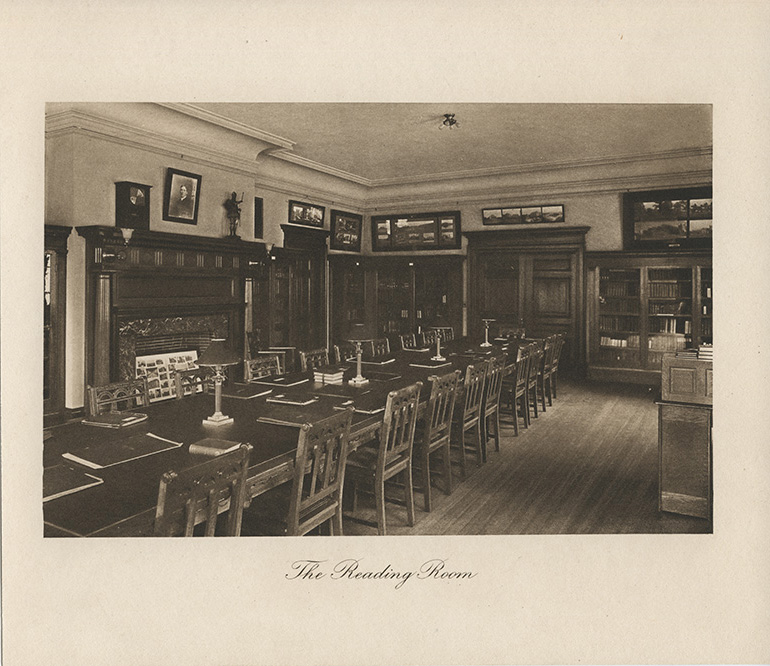
Peabody Card Catalog and Reading Room

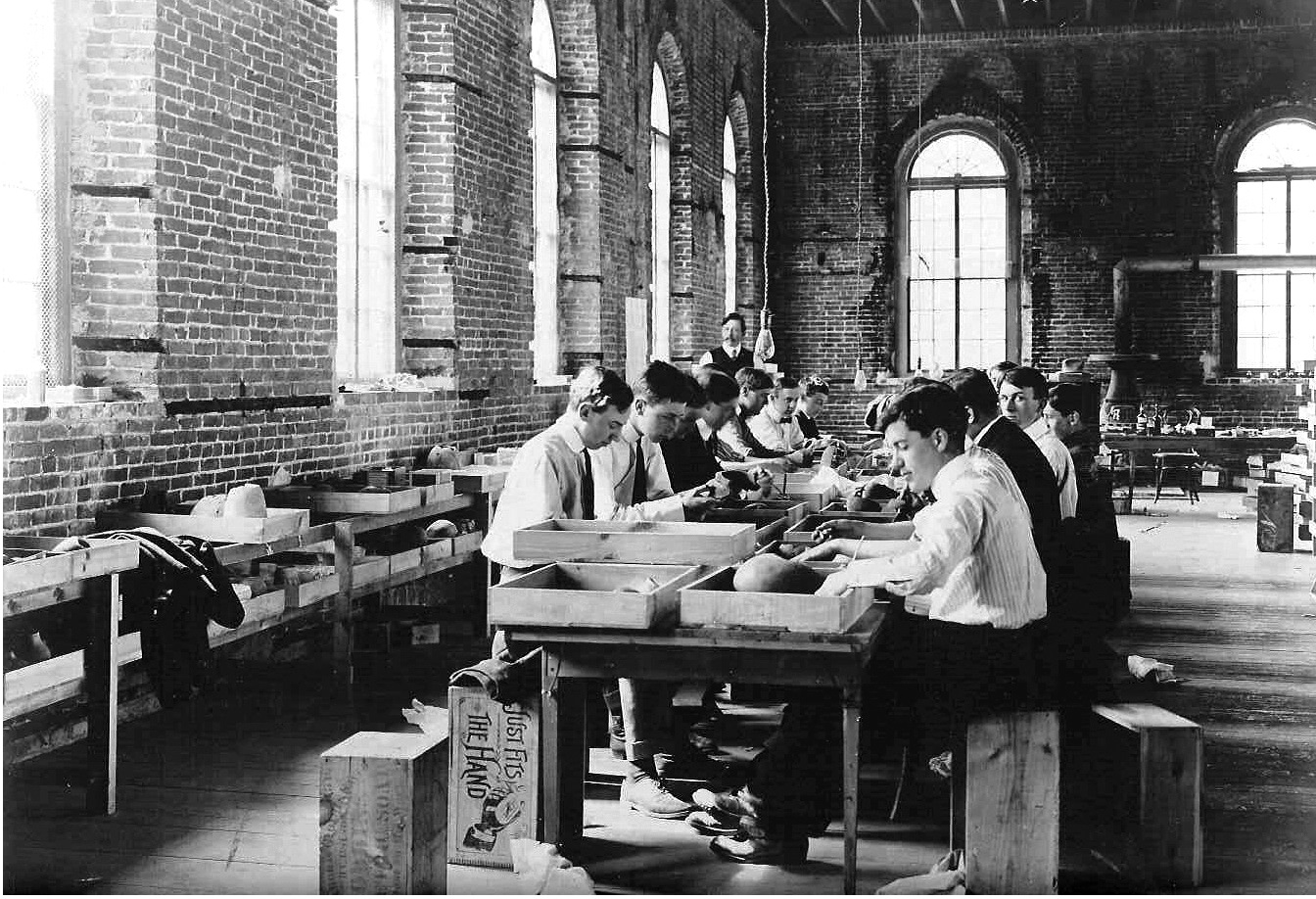
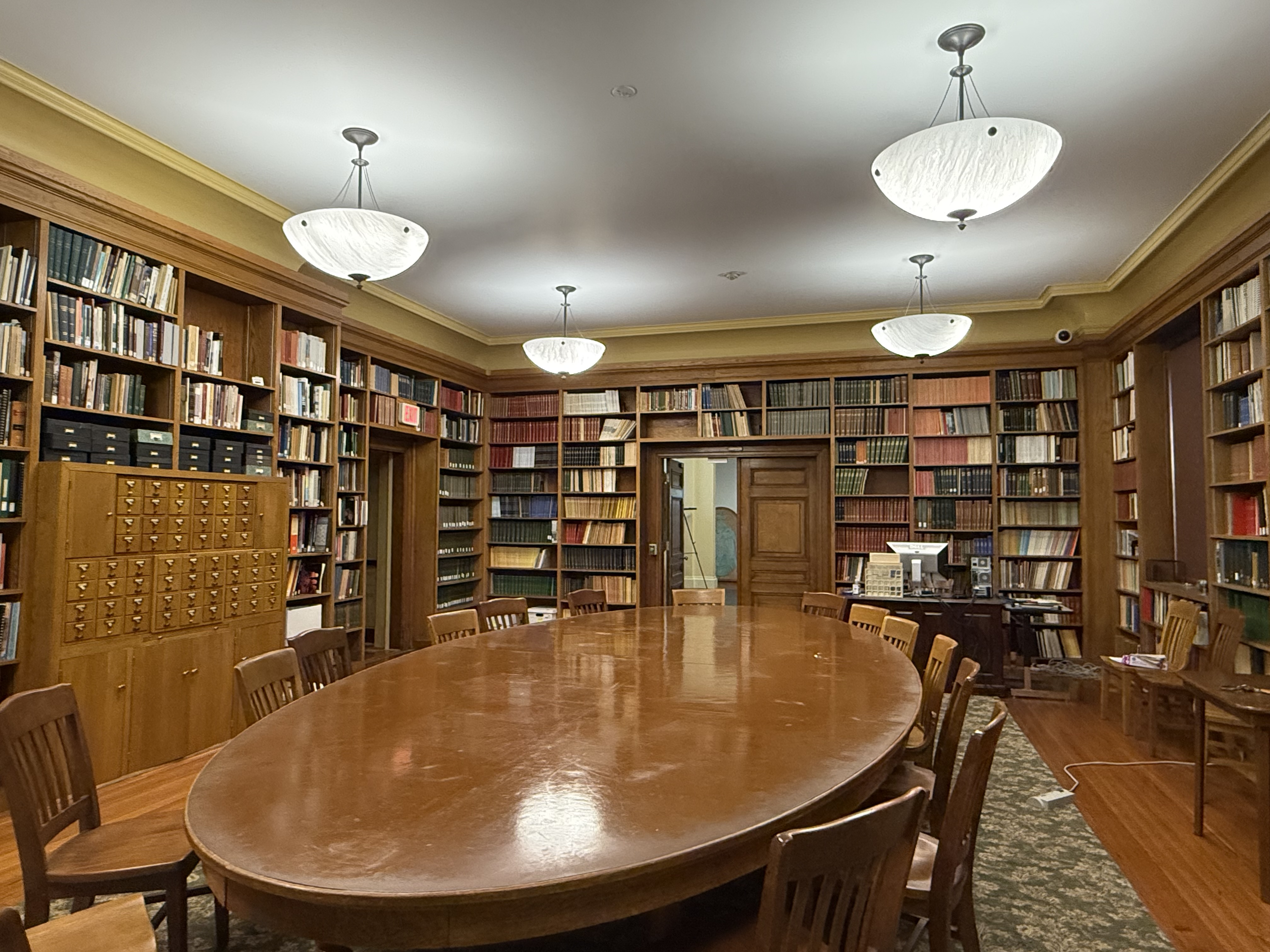
In 1903, a reading room with library was opened on the second floor of the Peabody, furnished with easy-back chairs, a large center table, writing tables, and a few large lounging chairs. There was a list of rules included in this Phillipian article for students using the reading room:

  • Observe suitable quiet
  • That others may not be disturbed while reading
  • Not to cut, tear or in any way deface the periodicals
  • To remove hats and caps while in the room

By 1904, a Phillipian article stated the reading room as “well filled nearly every hour…the attendance averages about three hundred a day or nearly the entire school.”

Image from the Peabody Archives of the old reading room.
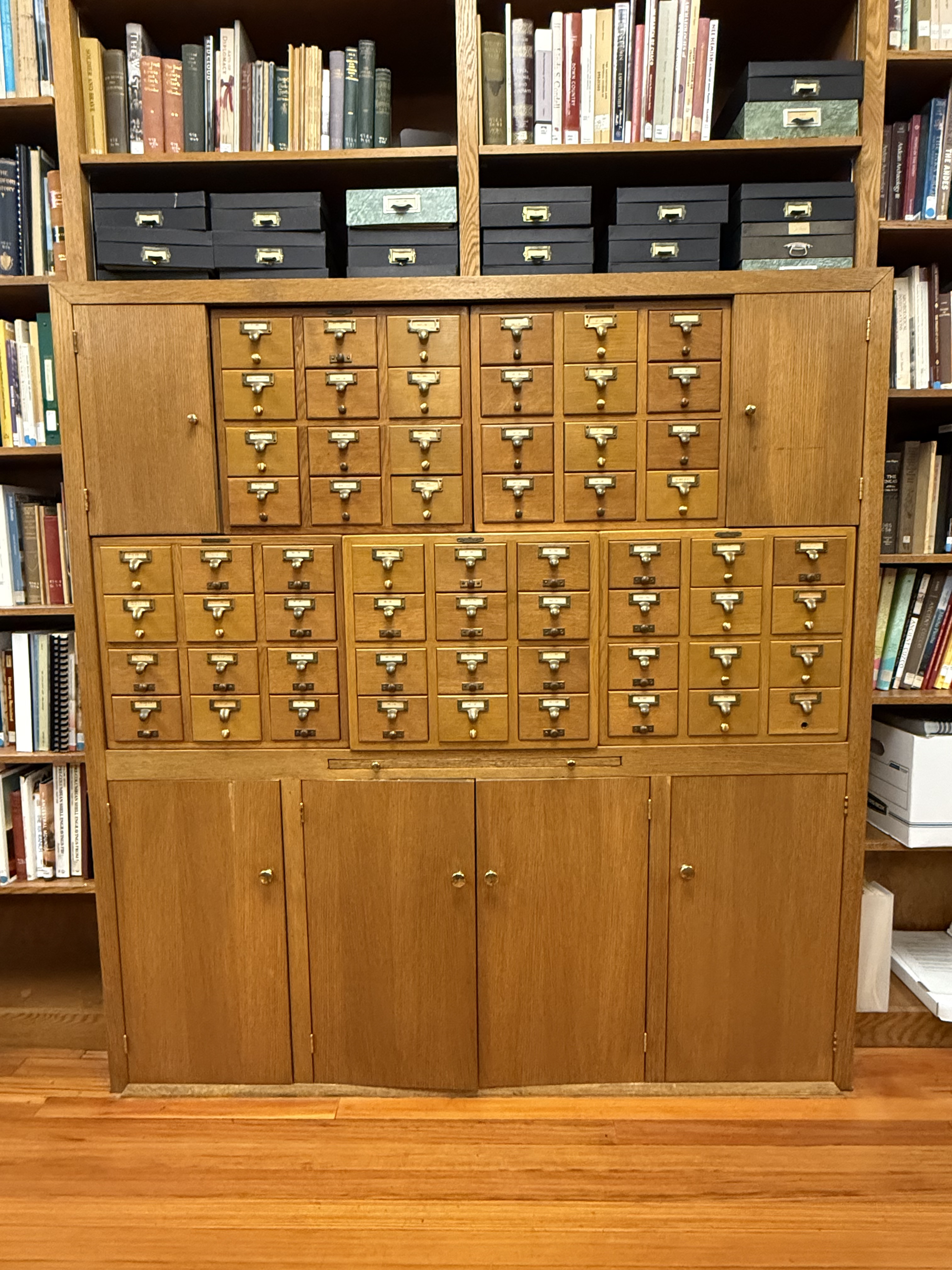
From the same vantage point – the current Peabody Library. Note: the original card catalog system now covers the original fireplace.

In 1904, work began on an index card catalog for the Peabody Institute’s library. This catalog would be similar to the Library of Congress plan which was being used at the time in the Seminary Library (but the catalog ended up being Dewey Decimal, arrgh!) This index card catalog is still occasionally used today at the Peabody Institute, though the entire library is catalogued in the North of Boston Library Exchange.

The original card catalog is still in use at the Peabody today!

Rumor Has It (Dinosaurs in the Chapel and Turtle Racing)

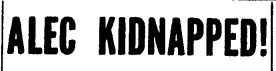
There had been rumors of turtle racing in the Peabody basement and other areas on campus. Mention of one turtle (named Alec) being kidnapped in a 1935 article may prove these rumors as true! Don’t worry, Alec was returned safe and sound.

In a “This Andover” column of The Phillipian in 1941, the Archaeology Department (now the Peabody Institute) was supposedly spreading rumors that several prehistoric dinosaurs live in the Cochran Chapel organ pipes.

“It is they [the dinosaurs], the rumor goes on having it, that furnish Dr. Pfatteicher’s lowest notes during Sunday services.”

Flute Recitals by the Peabody Director

On several occasions, Peabody Director, Dr. Charles Peabody performed flute recitals for students in the Academy chapel. On January 20th in 1915, Peabody was joined by Dr. Carl F. Pfatteicher, who played the organ. Pfatteicher was the director of music at the time, a post he held until 1947. During his time at Phillips Academy, he facilitated choir, glee club, and a small orchestra. Many of these groups met and practiced in the Archaeology Building or Peabody House. I think it’s safe to say that Dr. Charles Peabody and Dr. Carl Pfatteicher were good friends. The music played at this recital were the following:

Sonata in C Major – Mozart

Tres Lent from Sonata in G Major – Guillaume Lekeu

Barcarolle – Harold Nasan

Invocation – Eugene Lacroix

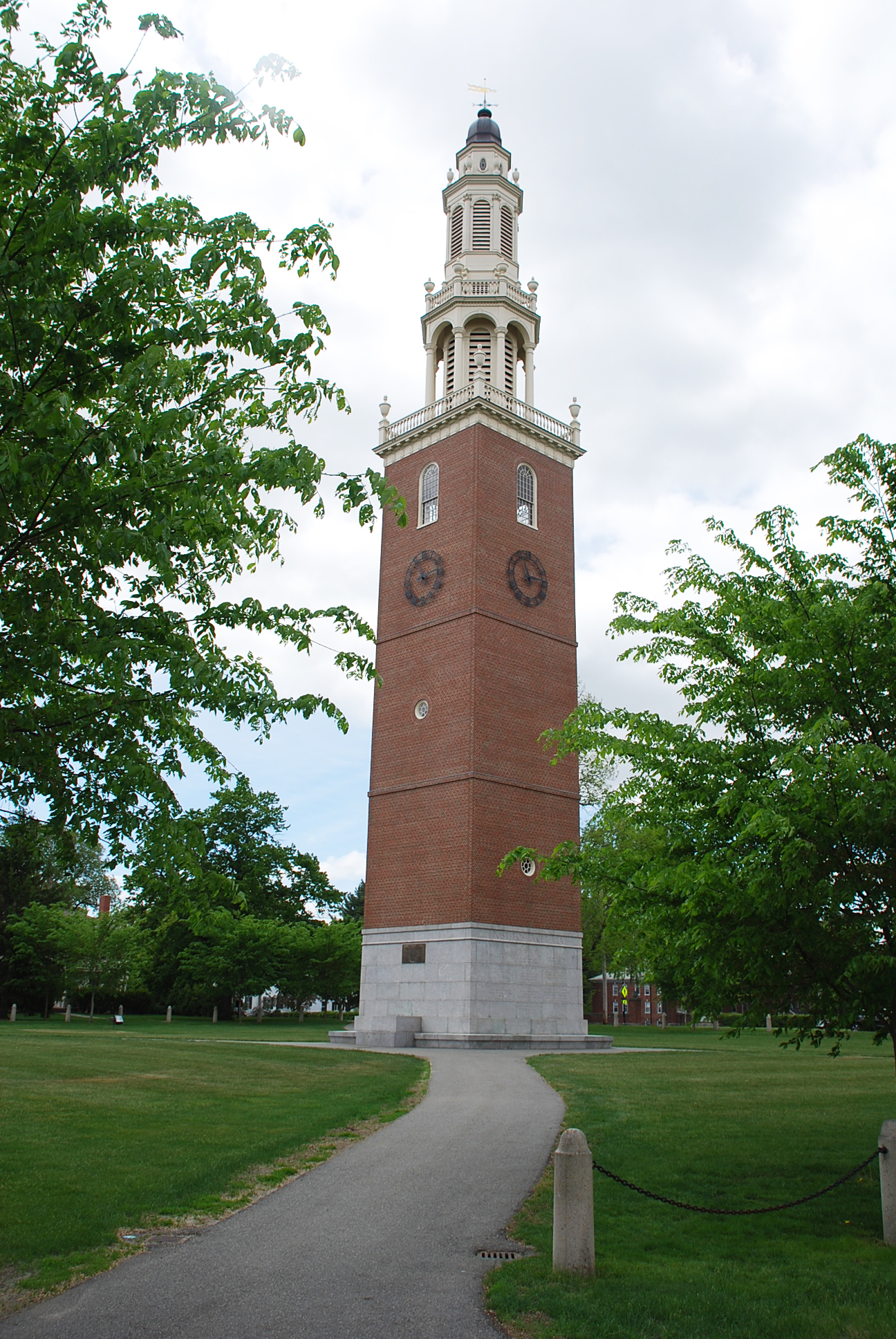
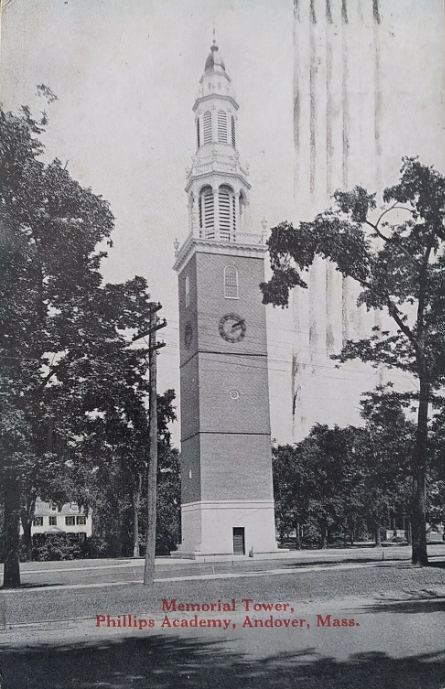
Fun Fact: Dr. Carl F. Pfatteicher was asked to help select the bells to be placed in the newly constructed Memorial Bell Tower on campus. He enjoyed giving regular carillon concerts, playing the bells sometimes at dawn. Many students did not appreciate this and one year managed to lock Dr. Pfatteicher in the tower.

Memorial Bell Tower, Phillips Academy Andover
Completed in 1922 by architect Guy Lowell
(the same architect of the Peabody building!)

“A Place for Students to Gather” – Clubs Find a Home at the Peabody

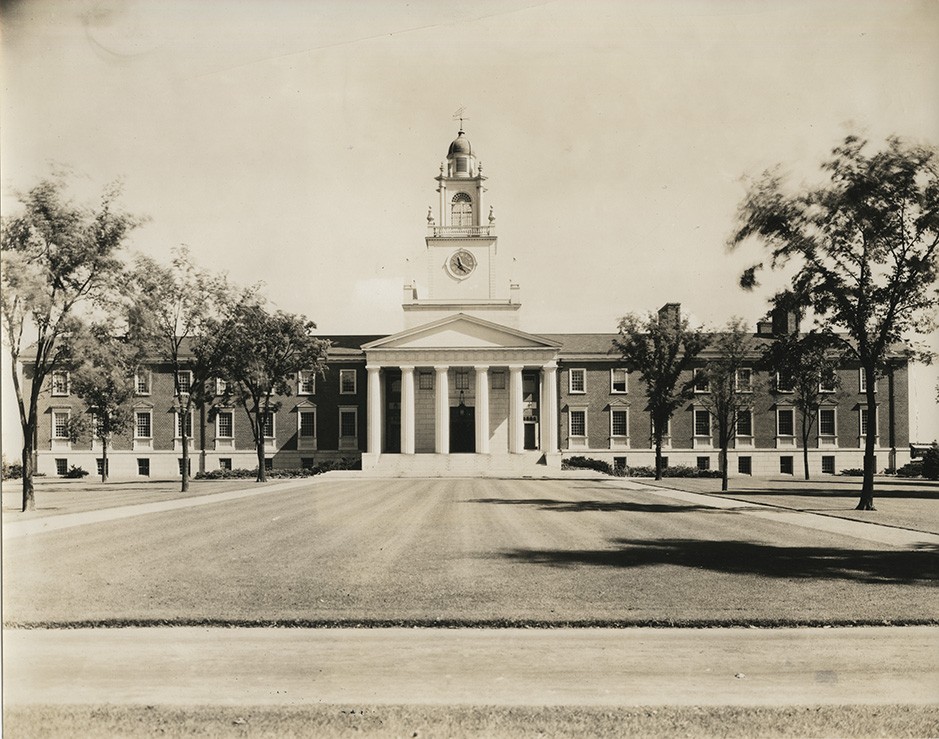
The Peabody was founded with three goals in mind – to educate students about the world of archaeology, to promote archaeological research, and to be a place for students to gather. As part of this vision, students and student clubs have been utilizing the Archaeology Building since its inception in 1903. Below are just a few examples of student club communications in The Phillipian related to the Peabody.

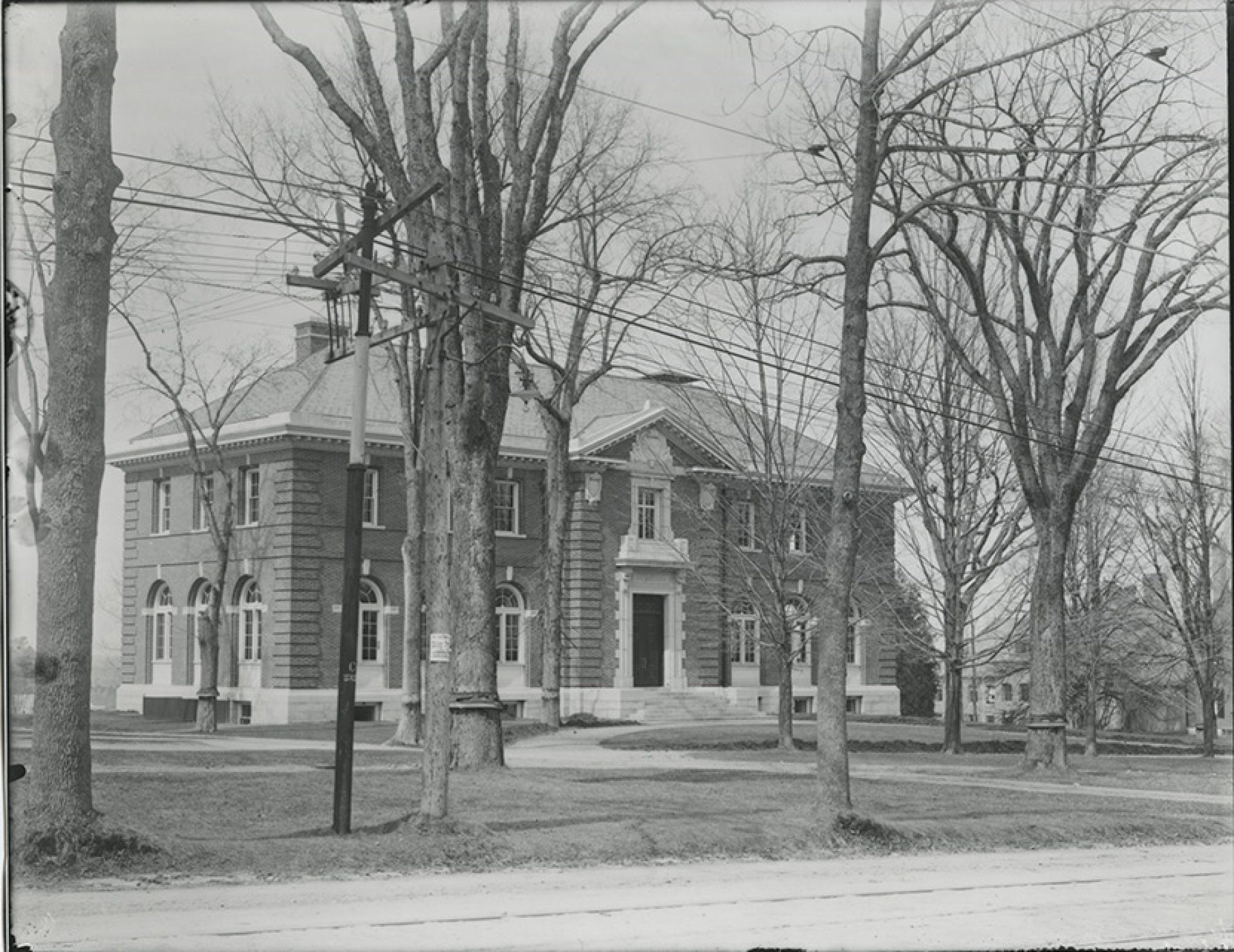
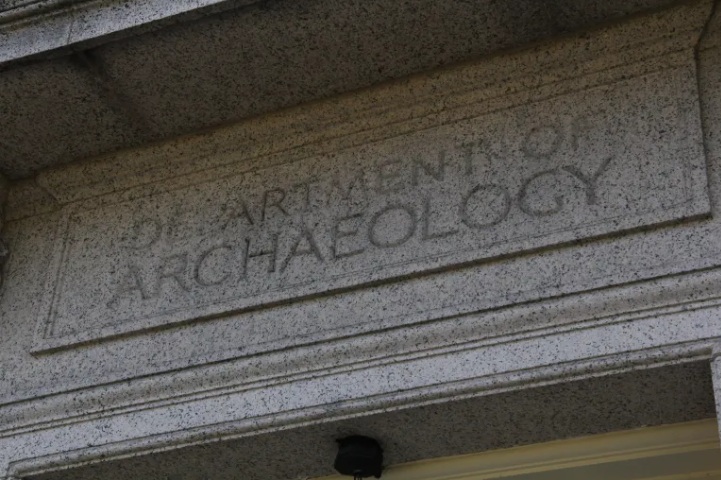
Class of 1910 in front of the Department of Archaeology (later known as the Peabody Institute of Archaeology.)

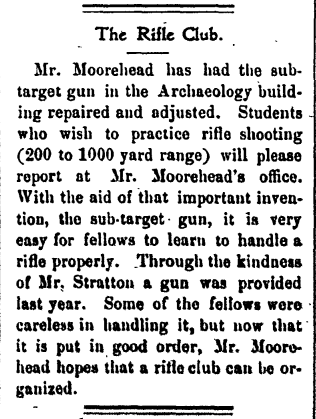
An advertisement in a 1904 column mentions organizing a student Rifle Club at the Archaeology Building and reporting to the office of Peabody Curator, Mr. Moorehead for those interested in shooting practice.

Courtesy of The Phillipian archives.

Fun Fact: The Sub-Target Rifle Machine and similar target practice devices were popular in the early part of the 20th century. They recorded information about marksmanship, position of the gun, etc. without firing live rounds.

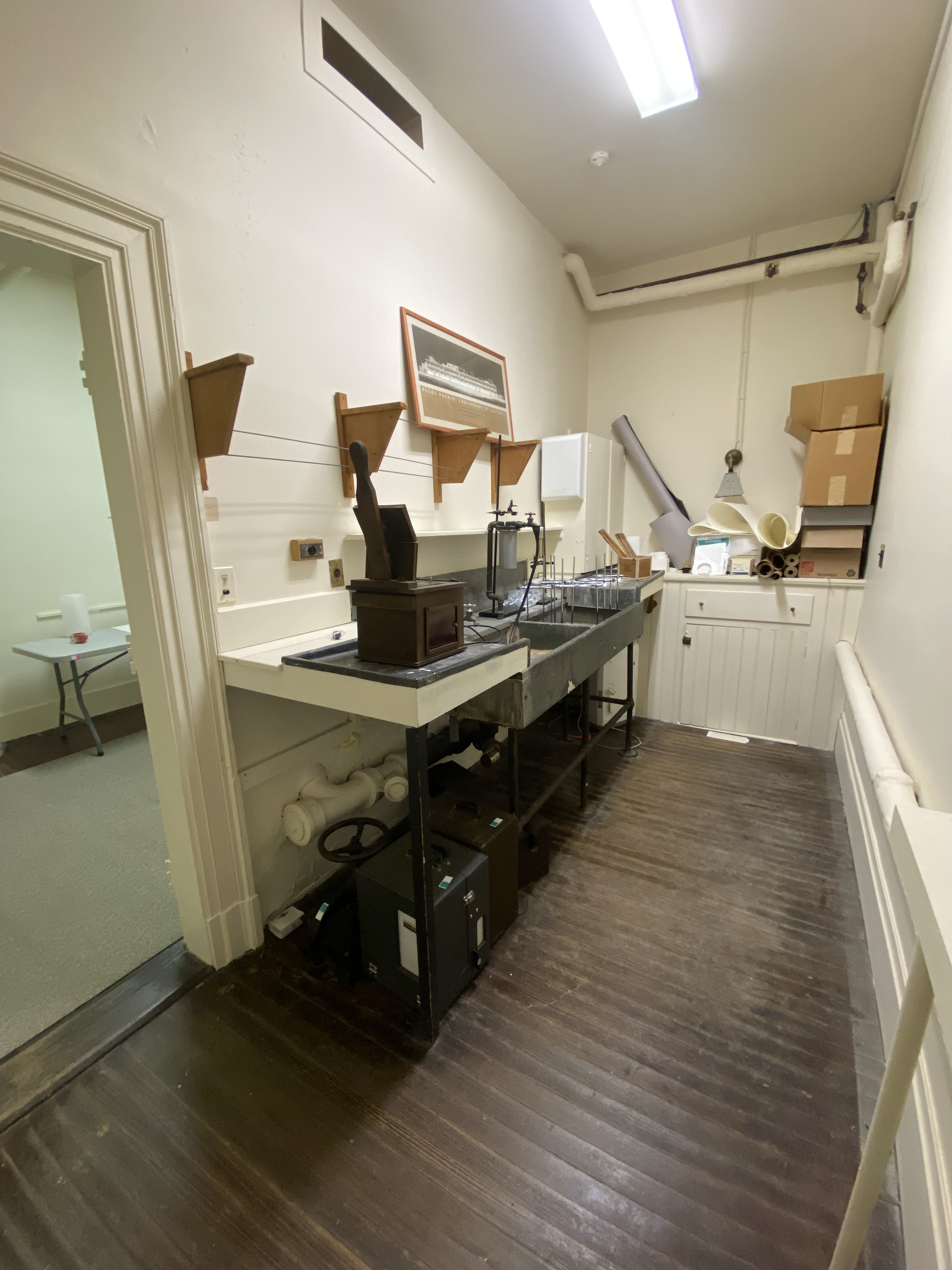
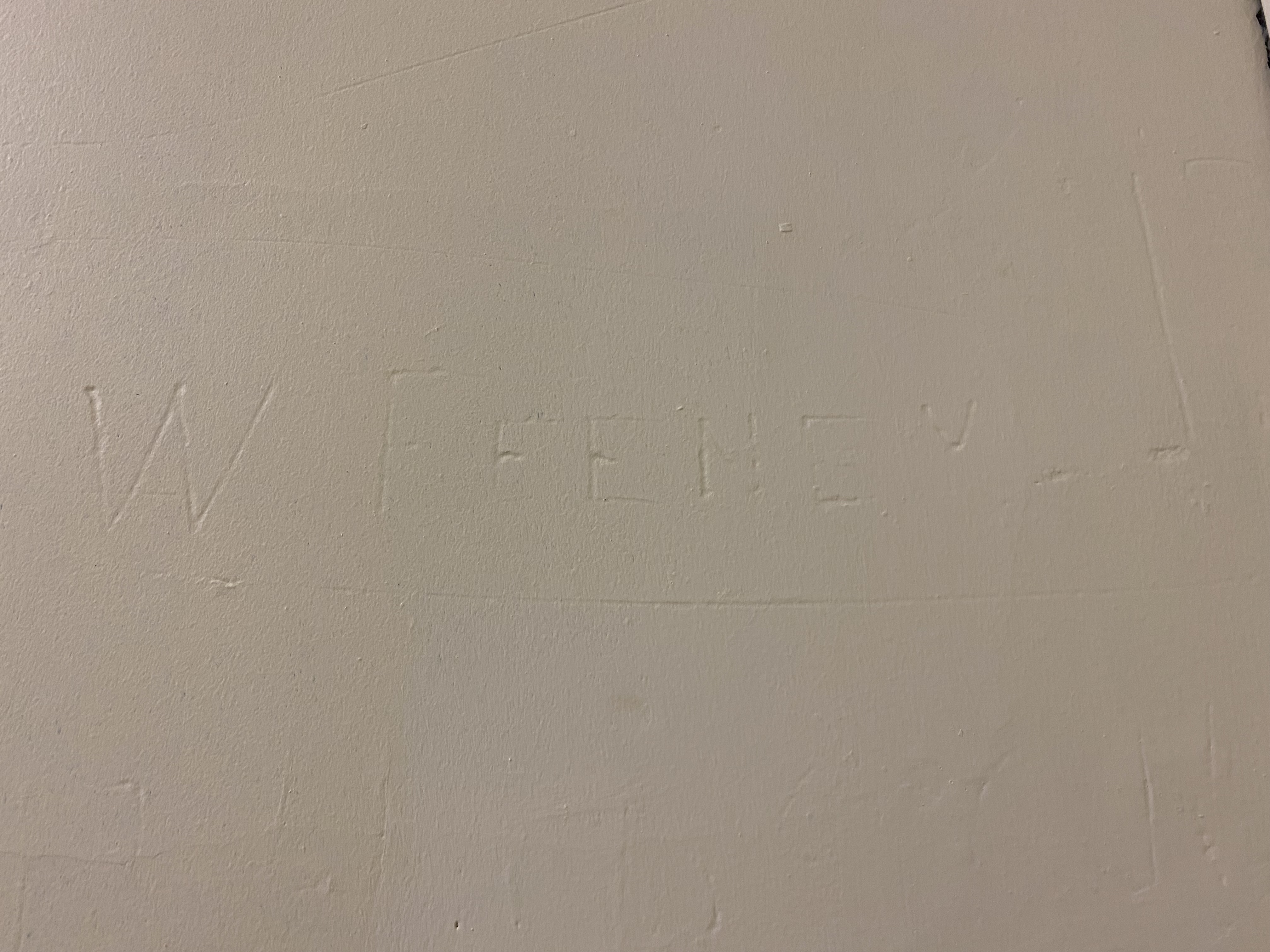
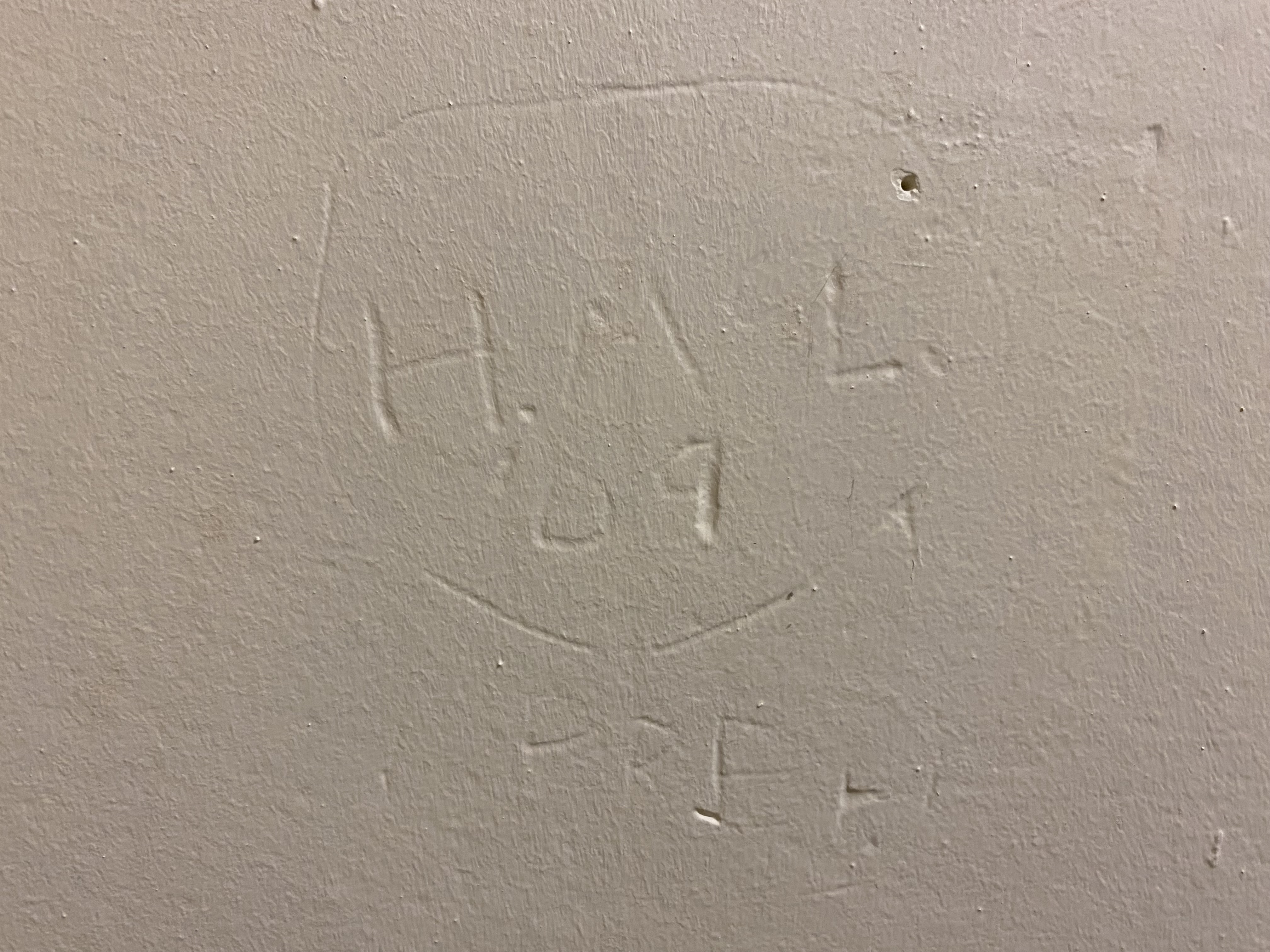
In 1904, a dark room was provided for the Camera Club, located in the basement of the Peabody. The Phillipian stated the space “is thoroughly equipped and is as fine as can be found in New England.” Before Phase 1 of the Peabody Project began, much of the original dark room space was still intact. One of my personal favorite details was the original carved signatures still on the wall left by past Camera Club students.

Original dark room at the Peabody before the recent building renewal project.
Student signatures on the wall of the dark room at the Peabody.
Note – that’s not 2009, it’s 1909!

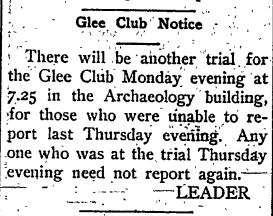
Mandolin and Banjo Club were some of the music clubs that met in the Archaeology Building for auditions, meetings, and practices. Glee Club was another student organization that commonly gathered at the Peabody and communications for this club are seen throughout the decades of The Phillipian.

I love seeing such a close connection between the Peabody and the Music Department, especially now that we’re neighbors with the new Music building, Falls Hall!

Glee Club communication in 1910.

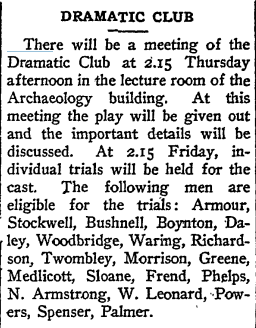
As we’ve seen above, many campus Arts organizations spent time at the Peabody. The Dramatic Club would meet to discuss scripts for upcoming plays and hold individual trials for those looking to participate in performances.

Dramatic Club communication from 1912.

Other clubs such as Chess, Astronomy, Spanish, Philo Congress, Bible Class, Foreign Missions, Yale Club, Harvard Club, Stamp Club, Nature Club, Forum, and Mirror all met at the Peabody throughout the first half of the 1900s. Even The Phillipian and football team held gatherings at one point. By the 1950s we see the Peabody becoming more active in exhibitions and many of these clubs move to other locations on campus, many finding a home at the Peabody House behind the Archaeology Building.

“…where his spirit still lives.”

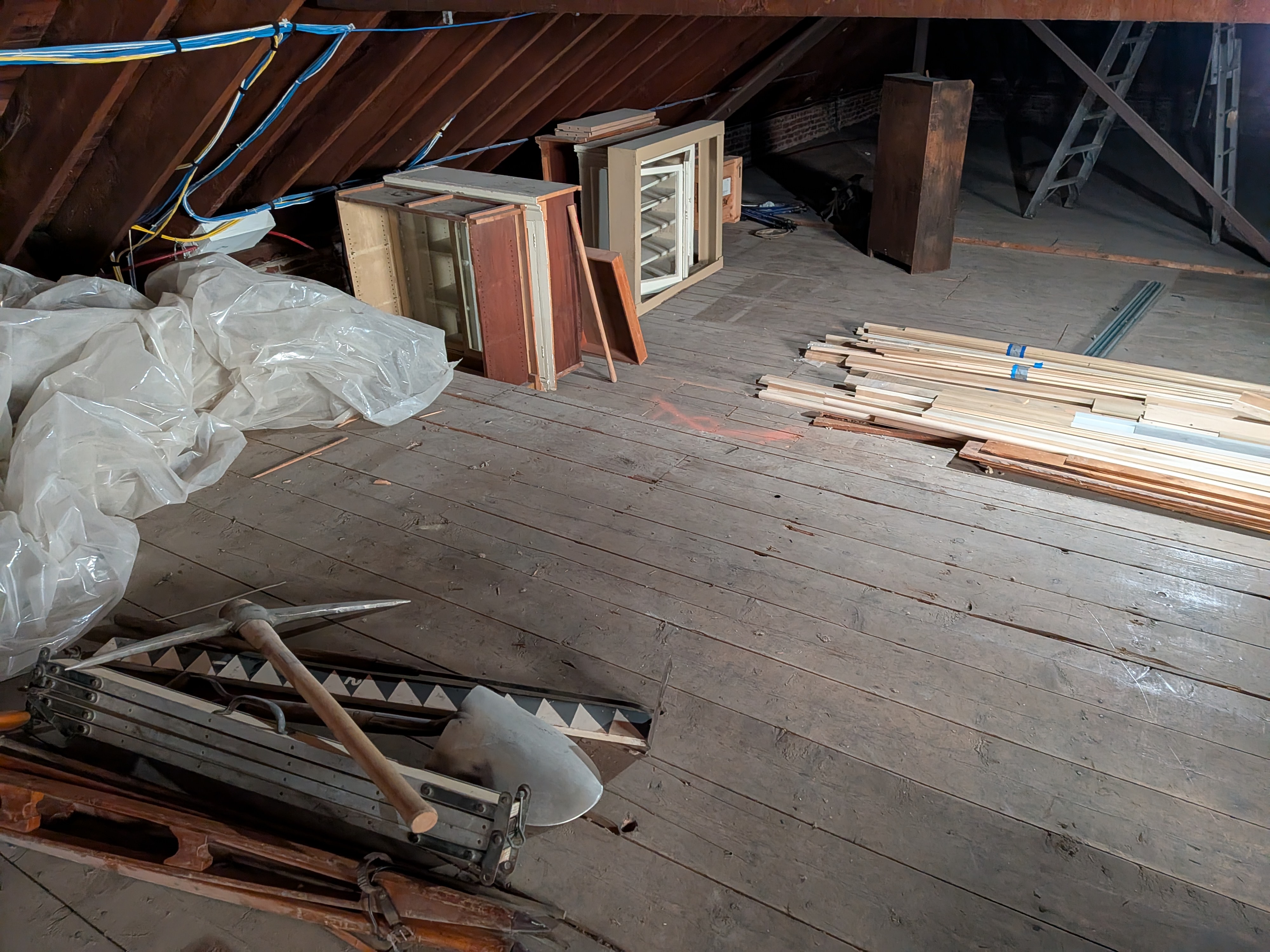
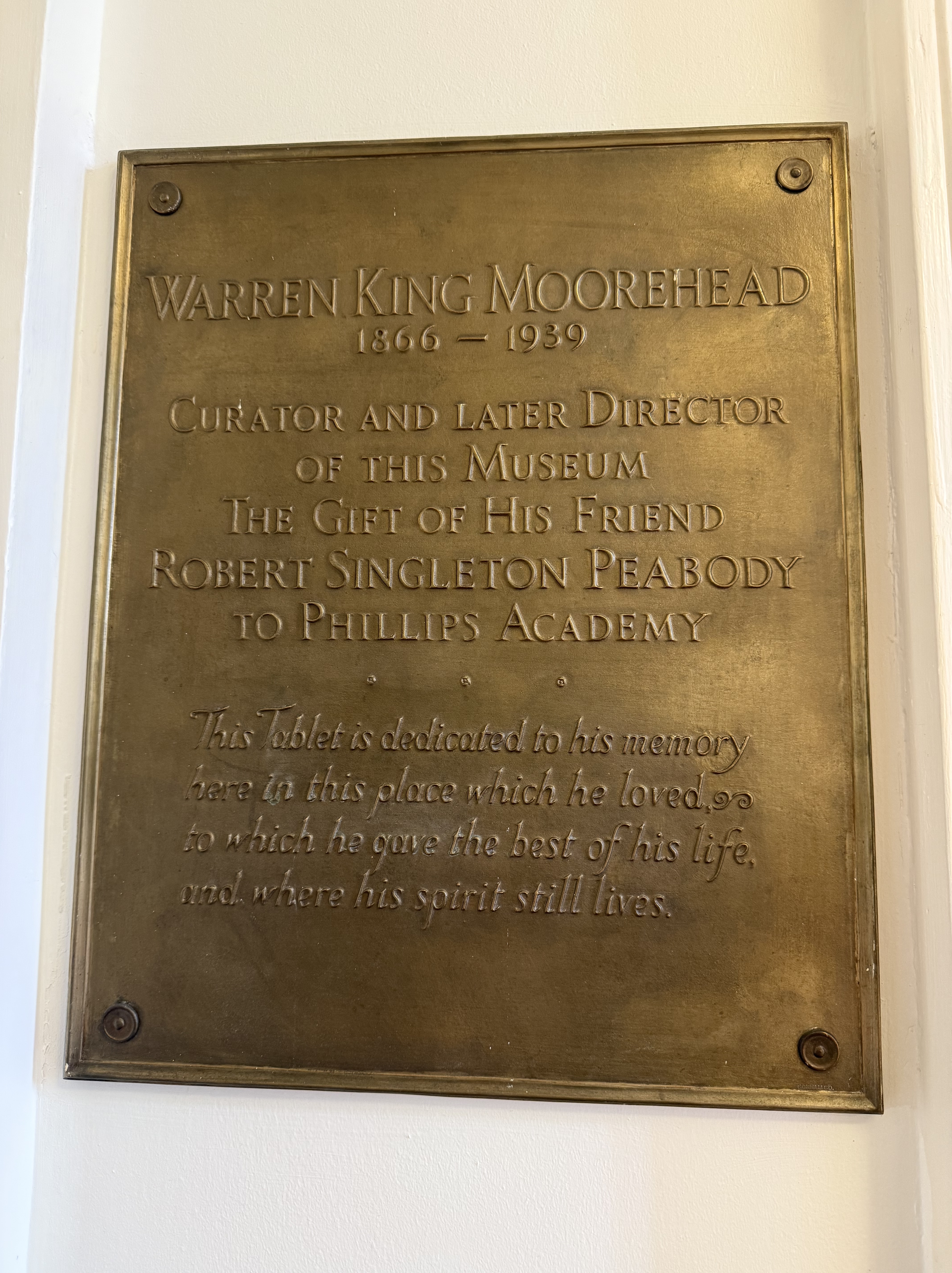
Jumping ahead to 2011, a Phillipian article features Halloween traditions and campus lore passed down over the decades of PA’s history. The Peabody is mentioned to experience “frequent slamming doors, moving items and eerie noises that creak through the attic floors.” The strange activities convinced Peabody staff that the building was haunted by Warren K. Moorehead (1866-1939). Moorehead was the first curator at the Peabody from 1901 to 1924 and became the Peabody’s second director from 1924 to 1938.

The Peabody has many interesting stories of these experiences over the years. One story mentioned in The Phillipian, depicts a foreman being locked in the back stairwell. I can personally share that my first Reunion Weekend with the Peabody I experienced an alum being locked in one of our bathrooms during an event (the locks were on the inside of the door…) I considered this my “welcome” initiation from Moorehead, as the newest member to the Peabody team.

Over the years, our director has written notes to Moorehead to communicate our intentions and care of the building along with updates of upcoming changes such as our building renewal project. These notes are stored behind a plaque commemorating Moorehead, located by the front doors of the building. Much of the activity has quieted since writing these notes.

Plaque commemorating Warren K. Moorehead.

Tales from The Phillipian, PART 1: Smoke Talks, Fire, and a Grill in the Peabody Basement?!

Contributed by Emma Lavoie

Peabody staff always get excited when we unearth hidden stories from the Peabody Institute’s past. The Phillipian Archives is one such place that has held many a story. First printed in 1857, The Phillipian is a weekly student newspaper that continues today at Phillips Academy Andover. The student paper describes itself as “completely uncensored and entirely student-run,” offering a snapshot of what campus life is like both past and present, and in the case of this blog, some of the most outrageous and bizarre activities related to the Peabody.

In a few months, the Peabody Institute will be undergoing Phase 2 of some much-needed renewal work. The building and collections will be off-line Winter and Spring terms. The Peabody will continue to support modified classroom lessons and student activities, outside of the Peabody building. Student requests to access collections will be considered on a case-by-case basis.

In honor of the upcoming building project, this (part 1) blog shares some of the Peabody building’s history.

A Special Place at the Corner of Phillips and Main

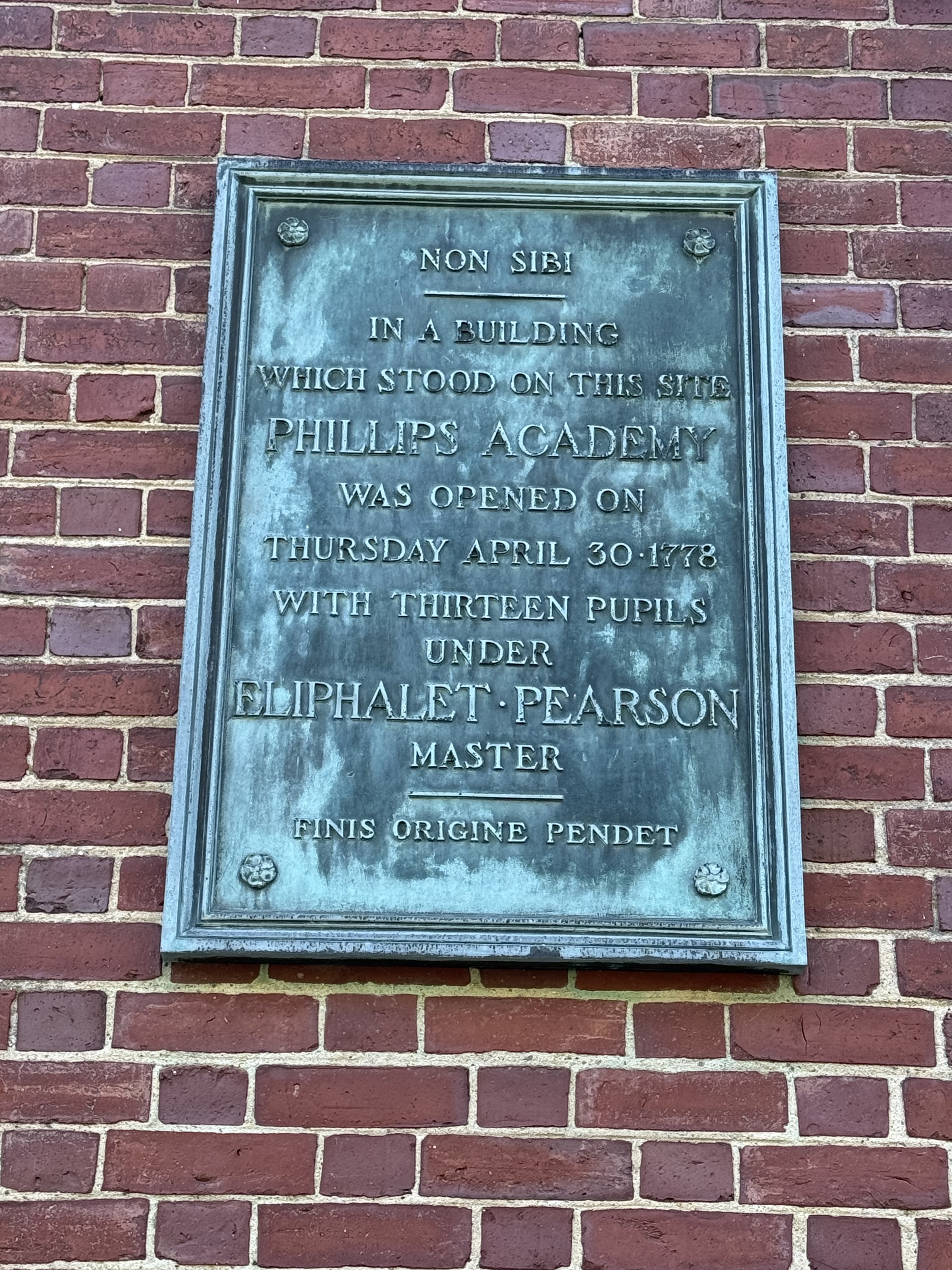
The first Founder’s Day for Phillips Academy was held in October 1913. At this time a bronze plaque was unveiled and placed on the Peabody Insitute building (known then as the Archaeology Department) commemorating the site where the first school-building on campus was opened in 1778. This plaque can still be seen on the Peabody building today!

Bronze plaque on the Peabody Institute building exterior from 1913.

The site at the corner of Phillips and Main streets has an interesting history, one that began well before the Peabody. The site first housed the 1778 carpenter’s shop used as the first classroom building at Phillips Academy.

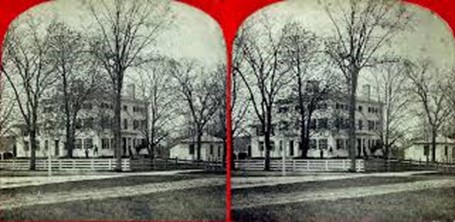
Around 1845, the shop was moved from the site and eventually razed. Samuel Farrar, treasurer of Phillips Academy and the Andover Seminary, built a three-story, Federal-style house on the location. The house has since been moved further down on Phillips Street and is known as Farrar House.

Farrar House – Image courtesy of Andover Historic Preservation, Memorial Hall Library, Andover, MA

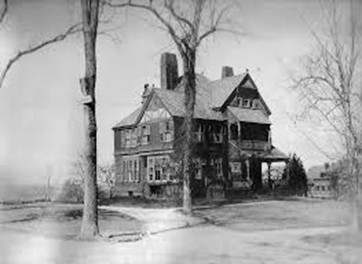
In 1882, a home was built on the site for J. Wesley Churchill, a professor at the Andover Theological Seminary. Later in 1901, the house was moved to another location on Main Street to make way for the new Archaeology Building which later became the Peabody. The house is known as Churchill House on campus today.

Churchill House – Image courtesy of Andover Historic Preservation, Memorial Hall Library, Andover, MA

In a Phillipian article from 1917, the history of Founder’s Day and the significance of the 175 Main street site is shared, noting a 1916 dedication of the new Peabody House by Dr. Charles Peabody (first Peabody Director and son of the Archaeology Department’s founder, Robert S. Peabody).

In this column, it was mentioned that ceremonies were not held to celebrate Founder’s Day as “this year, more than at any other time, matters of lesser importance should give way to more serious questions.” This was in reflection of the current impact of the Spanish Influenza and WWI.

Smoke Talks (Smoking and collections don’t mix…)

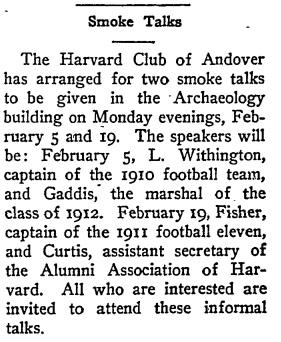
In the early years of the new Department of Archaeology building, Curator Warren K. Moorehead would give “smoke talk” lectures on the second floor of the building. Some of the original molding from the proscenium arch is still visible today at the Peabody. Beyond these lectures, student clubs would hold their own “smoke talks” in the Peabody, which served as the Student Union building for many years on campus. How did these lectures get their name? For the cigars smoked during these meetings by students and speakers alike!

A column from The Phillipian in 1912
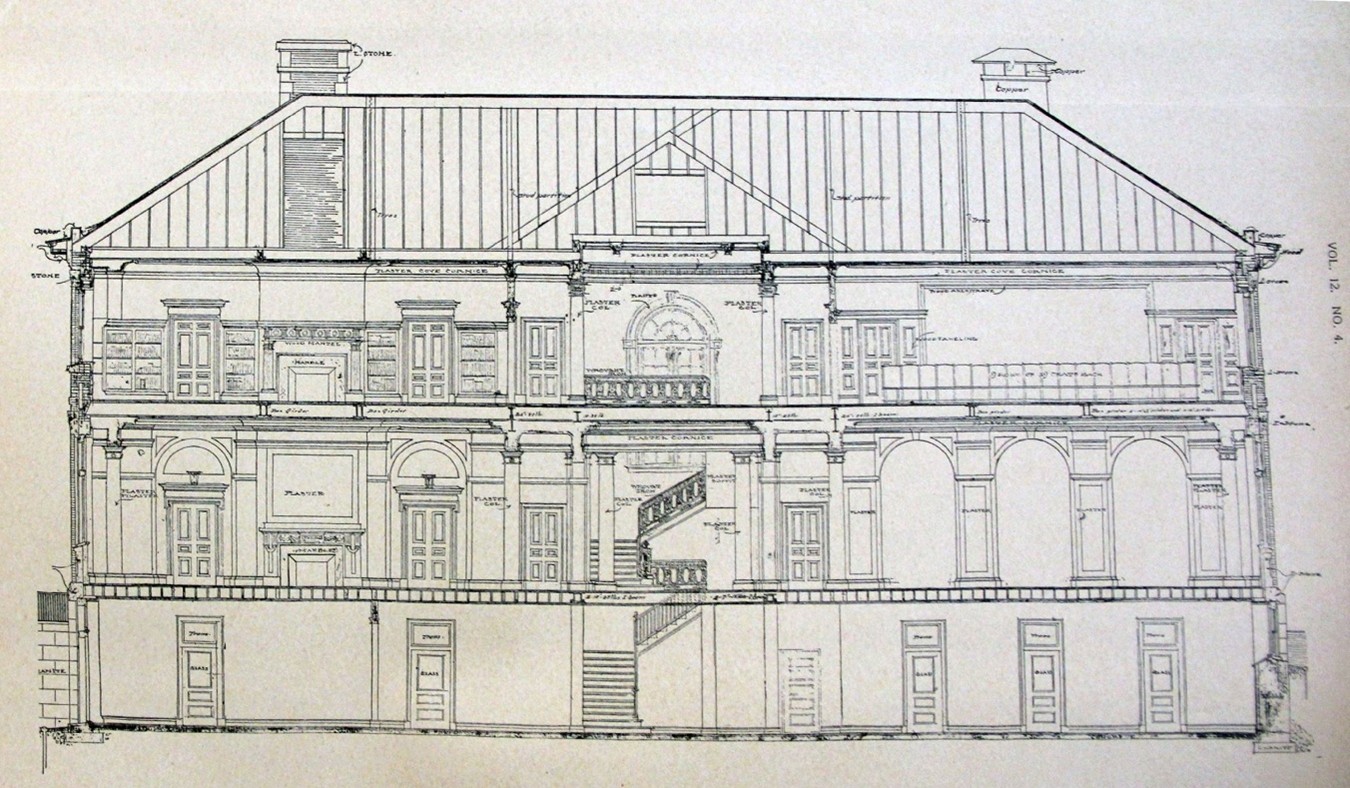
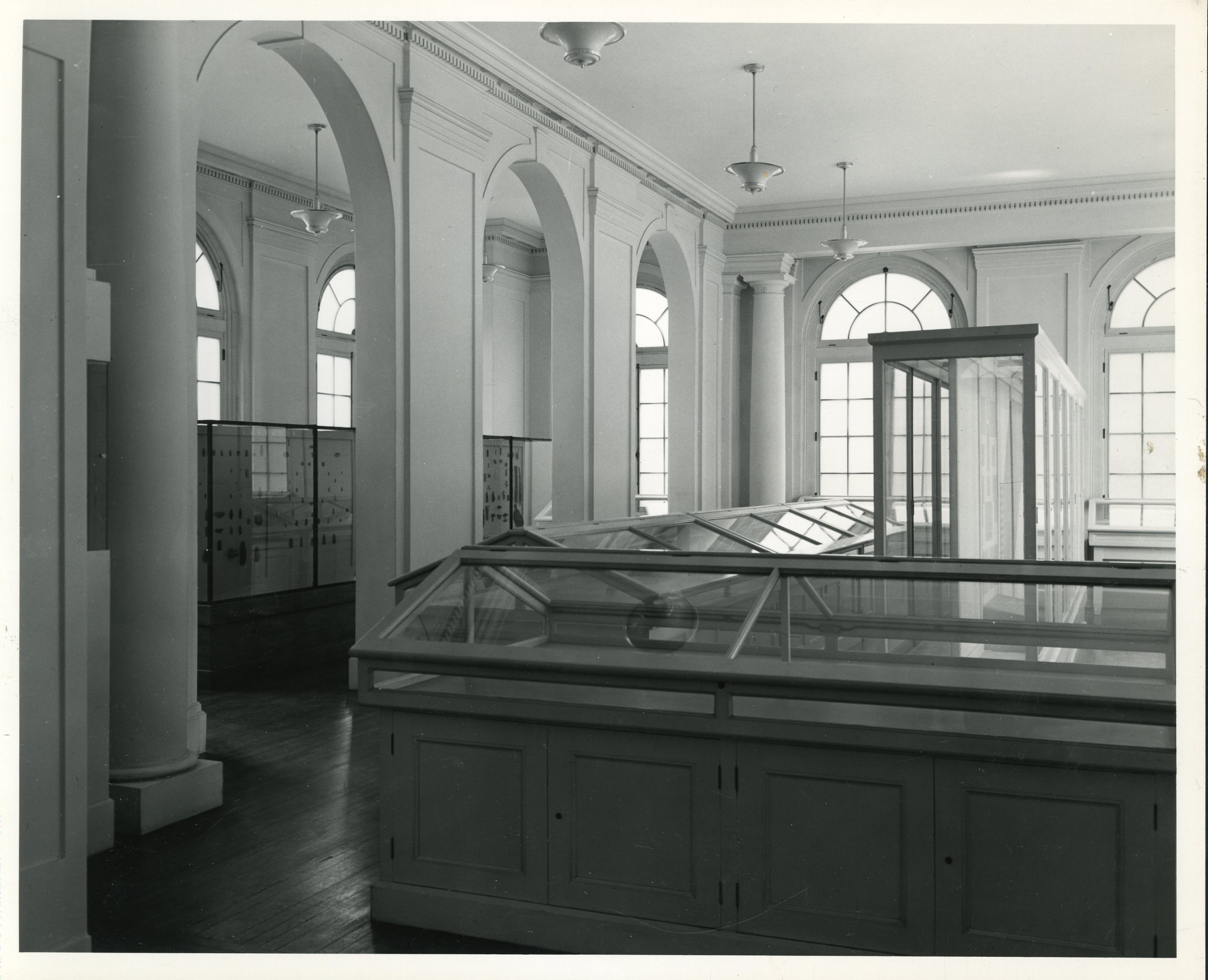
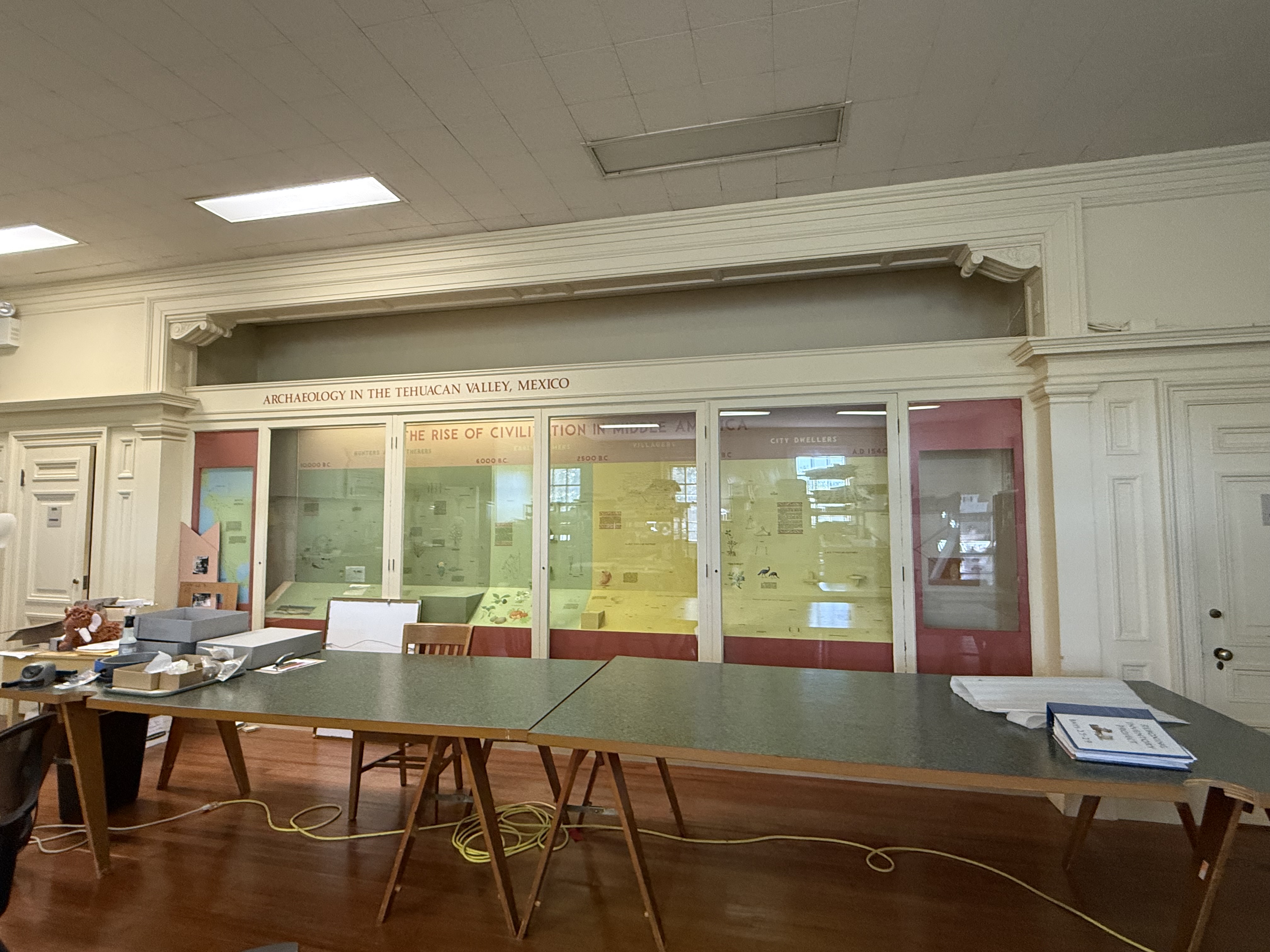
Features of the old proscenium arch can still be seen at the Peabody today. In 1967, an exhibit wall with case was placed in the middle of the arch.

A Grill in the Basement (Now they’re pushing their luck…)

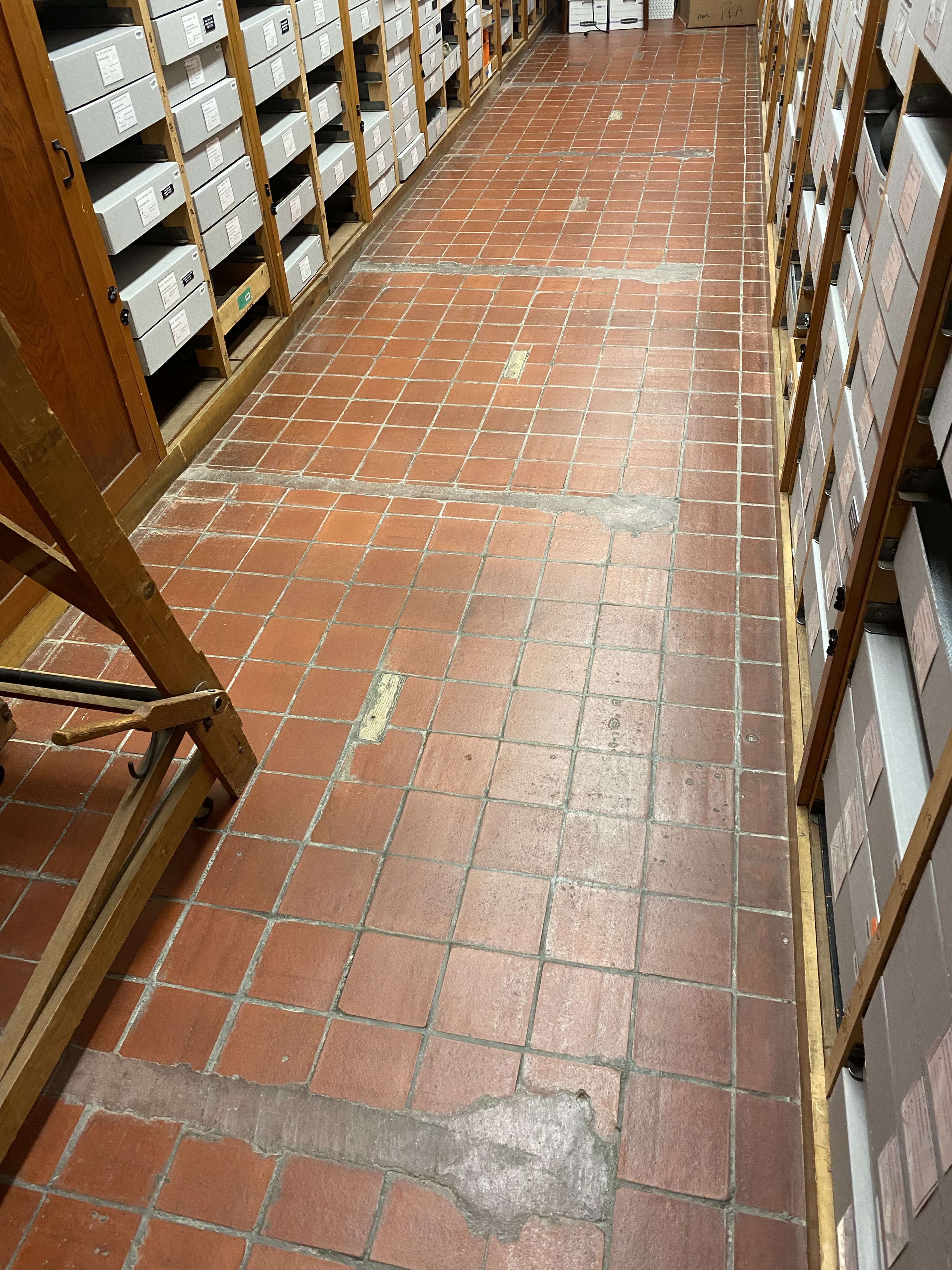
Beginning in 1913, The Phillipian mentions meetings at “the Grill” in the basement of the Peabody (known as the Department of Archaeology at the time). At one point, the Peabody had a kitchen complete with grill, stall seats, and tables for student gatherings. Improvements were made in 1913 giving the space a new red tile floor, dark brown wood paneling around the walls, a new stove, and a large suction flue to draw out heat and odors. In the past the odors of students’ cooking would circulate upstairs disturbing the Peabody staff.

Later in 1915, the Grill was moved to the newly constructed Peabody House located behind the Department of Archaeology building. The new space included a kitchen with large grill and private dining room for special dinners and banquets. There rooms are similar in design to the original grill room in the Archaeology Building.

Before Phase 1 of the Peabody Building Project, the original red tile floor from the Student Union Grill room was still visible in the basement of the building. In the photo you can see where the booths and tables made up the seating stalls.

Peabody House….and Fire (Well, it was bound to happen at some point…)

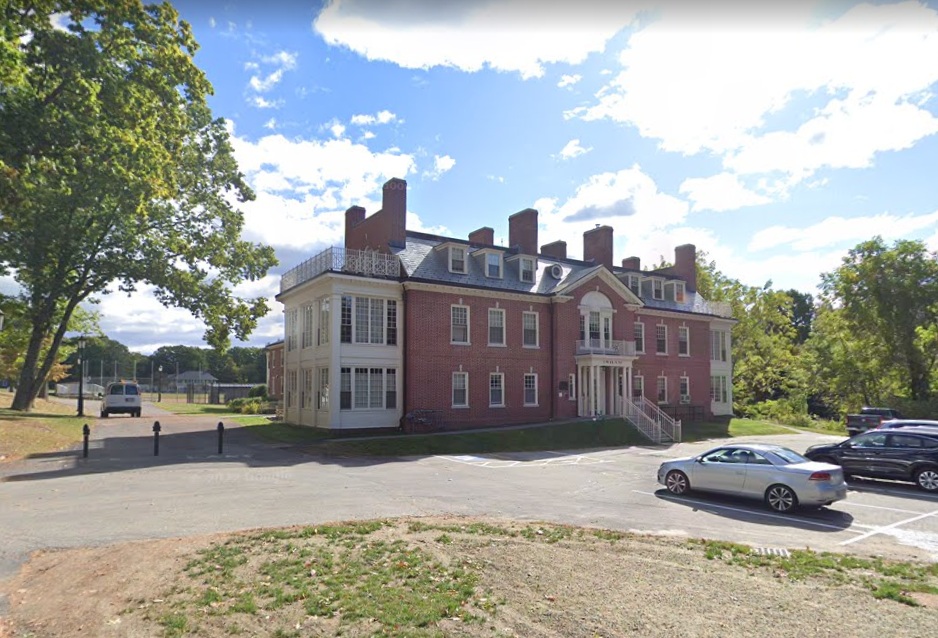
The Peabody House was opened in 1916 as an extension of the Department of Archaeology with the intent of giving students a building for their own use. Construction of the building used some of the funds contributed by Robert S. Peabody, founder of the Archaeology department at Phillips Academy and donor of the Archaeology Building. An article from The Phillipian describes the new building with an exterior of brick and stone, “which will correspond with the style of architecture of the Archaeology building and the new dormitories.” The first floor housed a student lounge and reading room with a large fireplace and large French windows. The second floor was similar in design to the first floor with space for the late Robert S. Peabody’s books and a large portrait of him. The room was used for club meetings as well as student assemblies and special banquets.

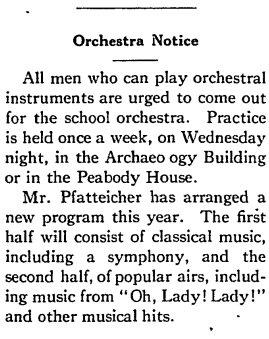
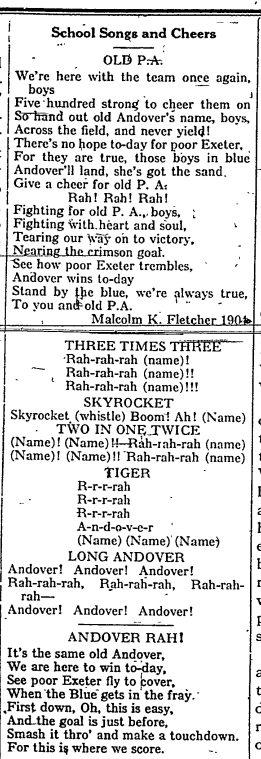
Some activities held in the Peabody House, highlighted in The Phillipian, are a notice to join the school Orchestra, with practices held once a week in the Archaeology Building or Peabody House. My personal favorite was an announcement to students for a mass meeting at the Peabody House to practice school songs and cheers. One entry from 1917 describes three hundred men present at the evening meeting called by head cheerleader, Howard Smith.

Two columns from 1917 advertising for the orchestra and sharing PA cheers and songs!

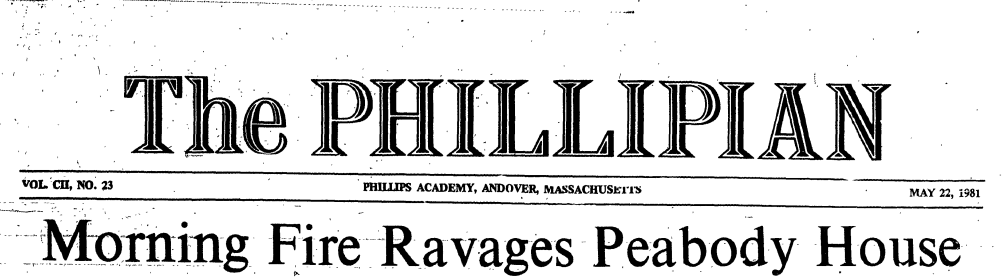
Jumping ahead to several decades later, headlines read “Morning Fire Ravages Peabody House.” In the early hours of May 18, 1981, a fire broke out in the Peabody House, destroying the first and second floors as well as the attic. There were no reported injuries, however, many of the Afro-Latino American Society’s possessions were lost on the second floor. Faulty electrical wiring is suspected to be the cause of the fire.

“[I was in] awe at how extremely hot the flames were, how much smoke there was and how terrifying it was to see the fire’s power.” – Headmaster Theodore R. Sizer

“[There was] steam and yellow light and flames bursting out of the roof.” – PA Student, Upper

We hope you enjoyed PART 1 of this two-part blog post. Stay tuned for PART 2, coming next month! To be continued…

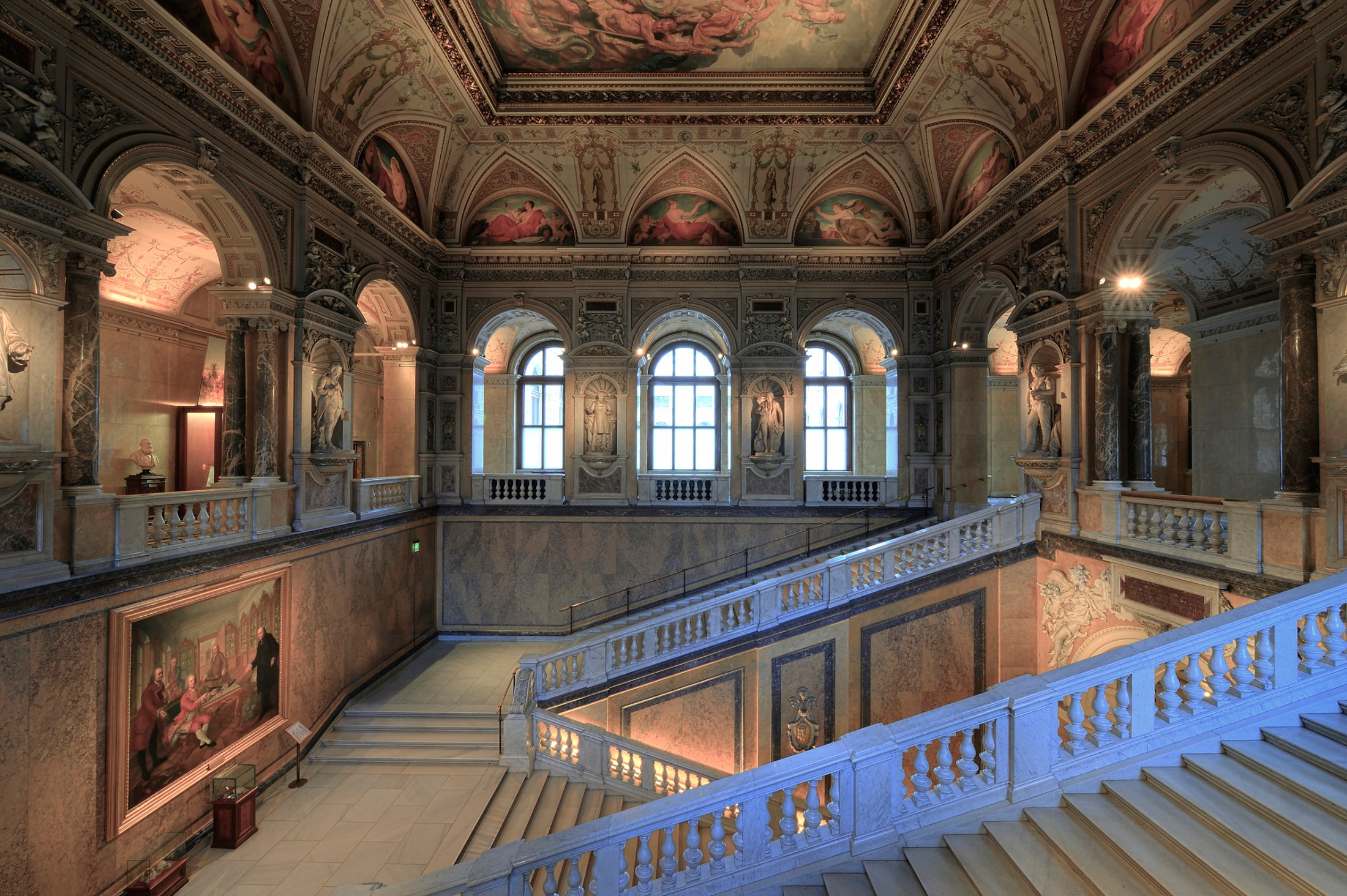
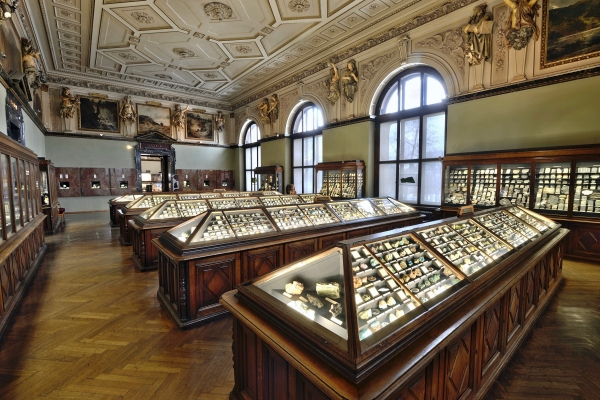
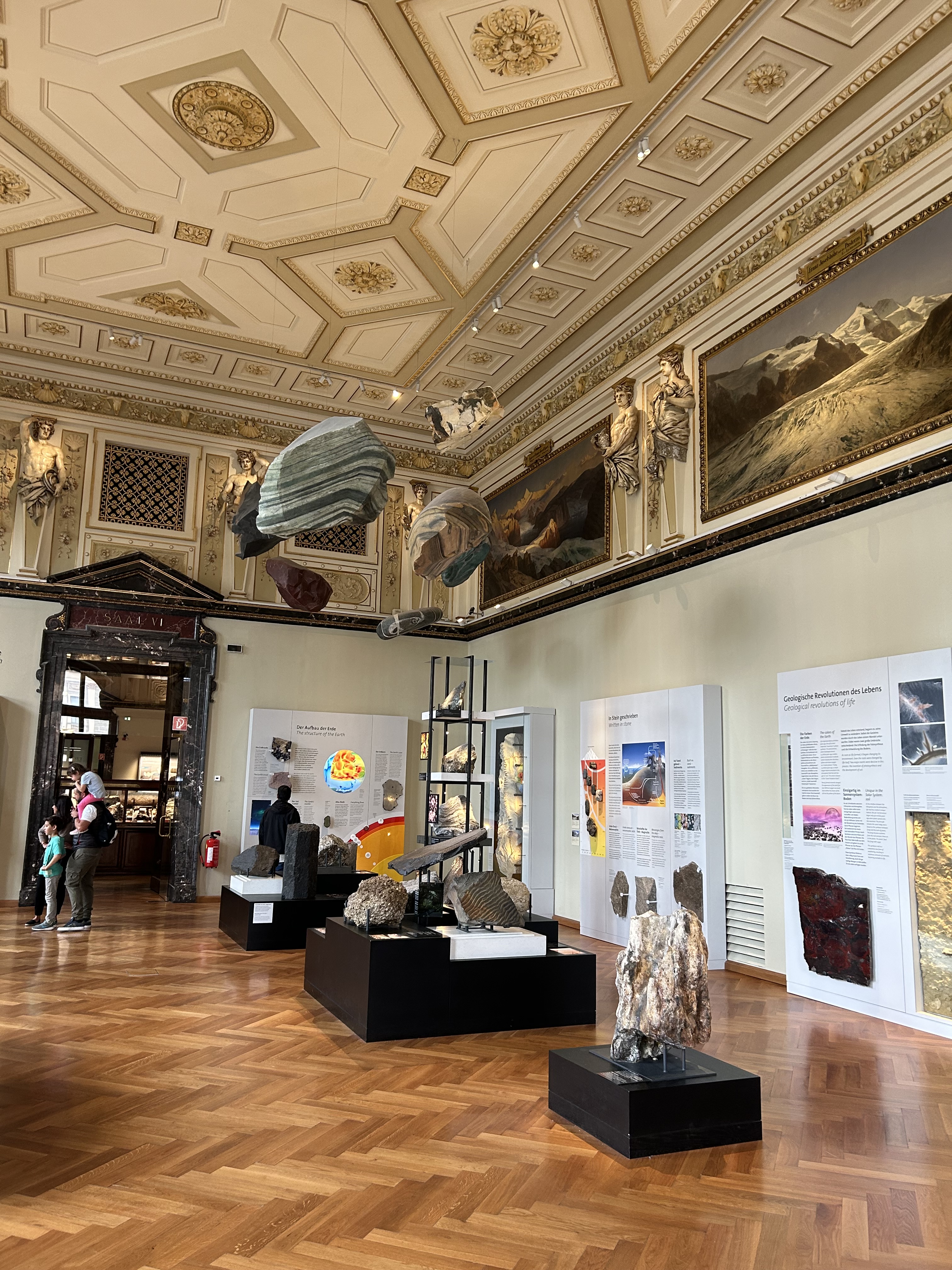
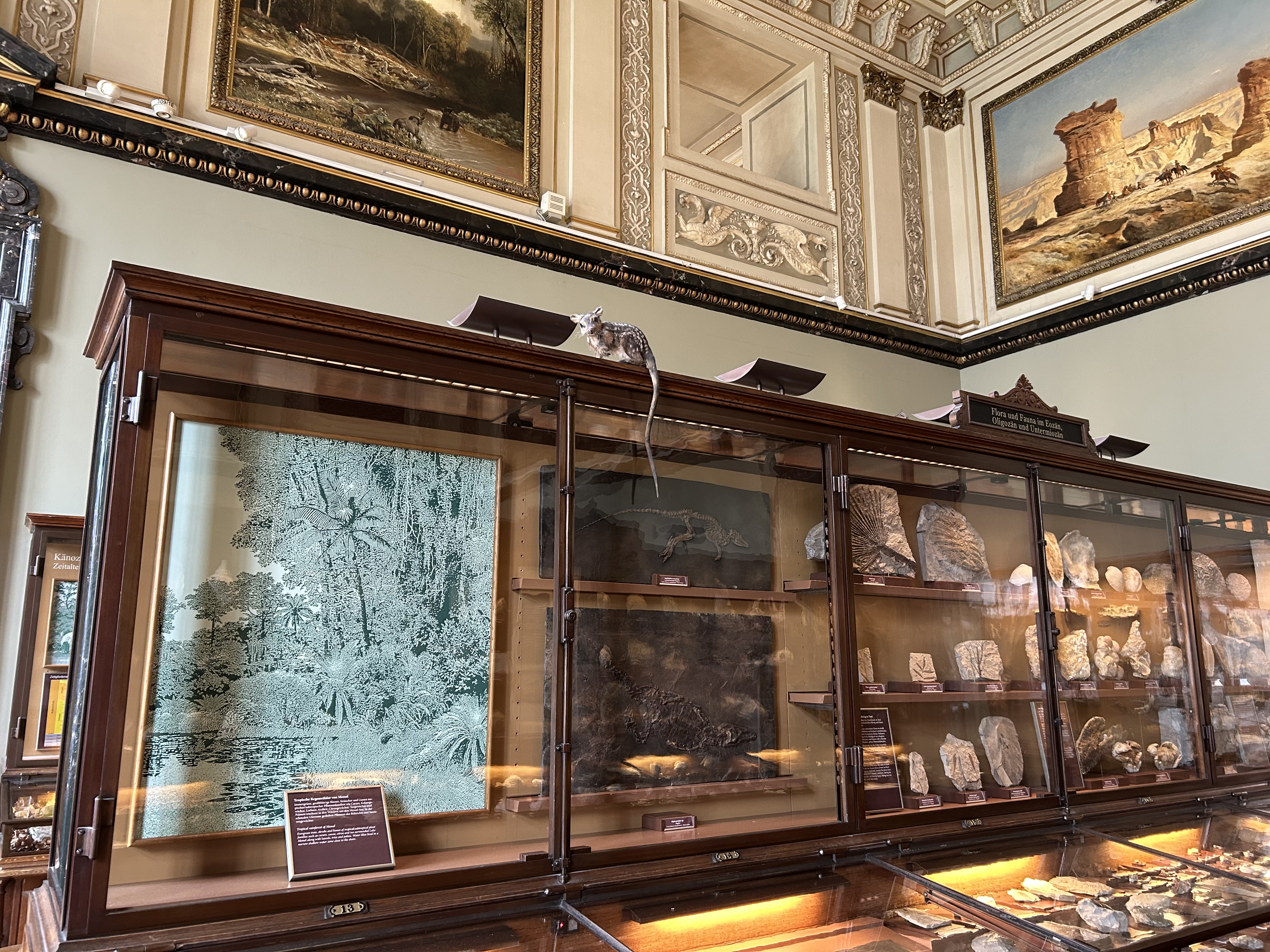
Naturhistorisches Museum Wien

Contributed by Lainie Schultz
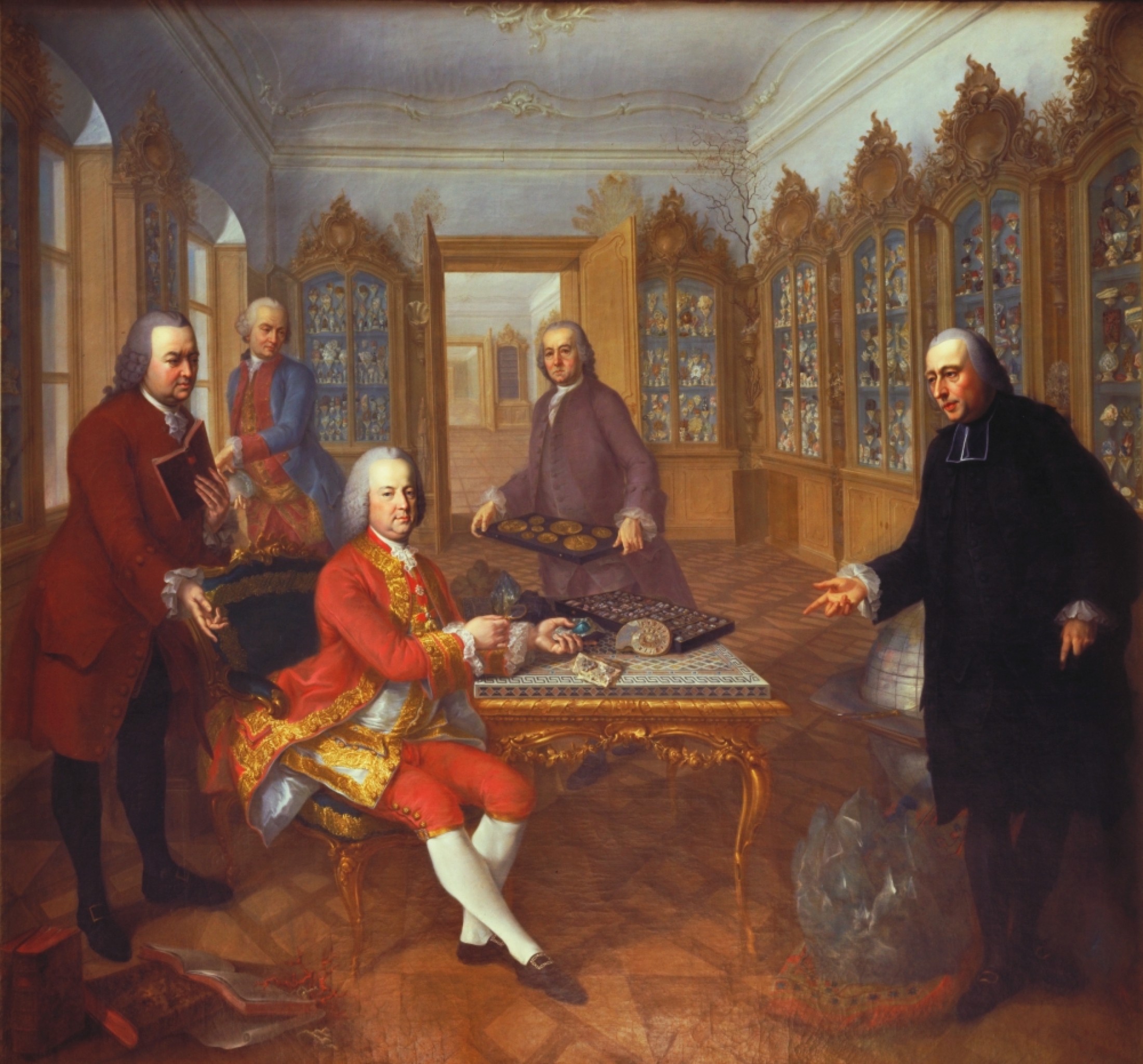
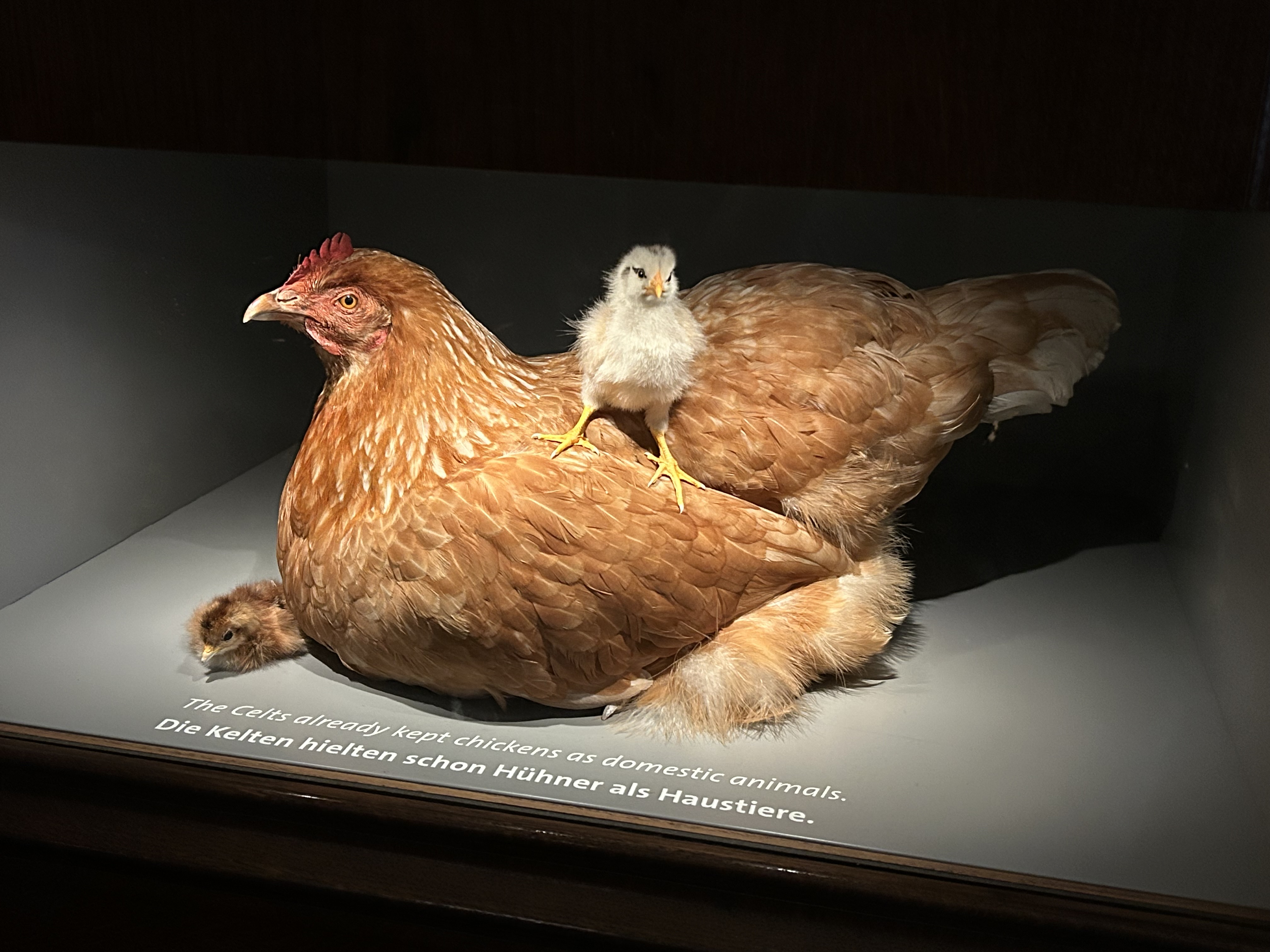
Emperor Franz I and his natural science advisors

This summer I went to visit a friend in Vienna. I hadn’t seen her in [*cough*] years, so my inspiration was mainly just to hang out with her. It was only after I had my plane tickets and the trip was drawing near that I actually started looking into what there was to do in Vienna.
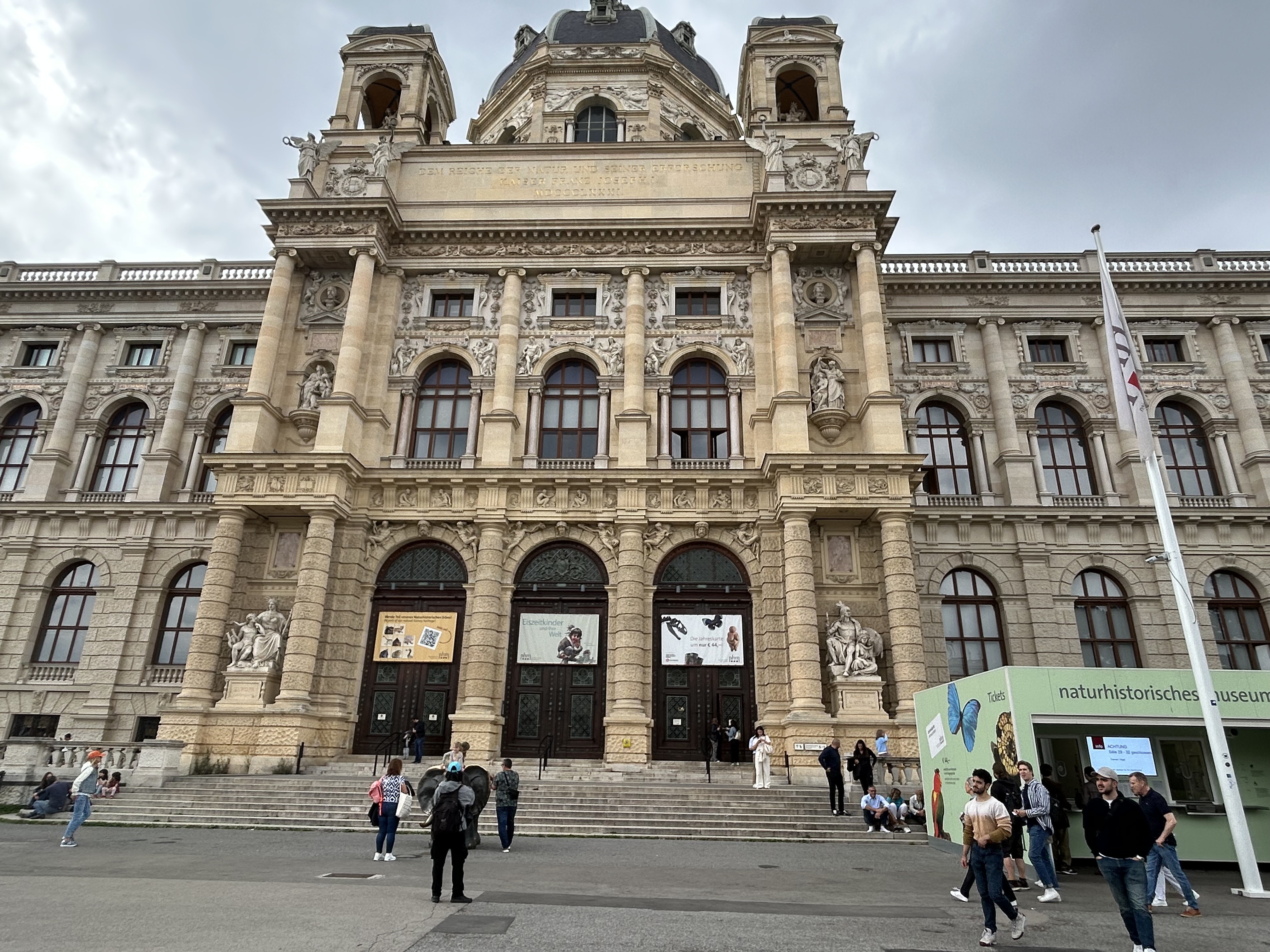
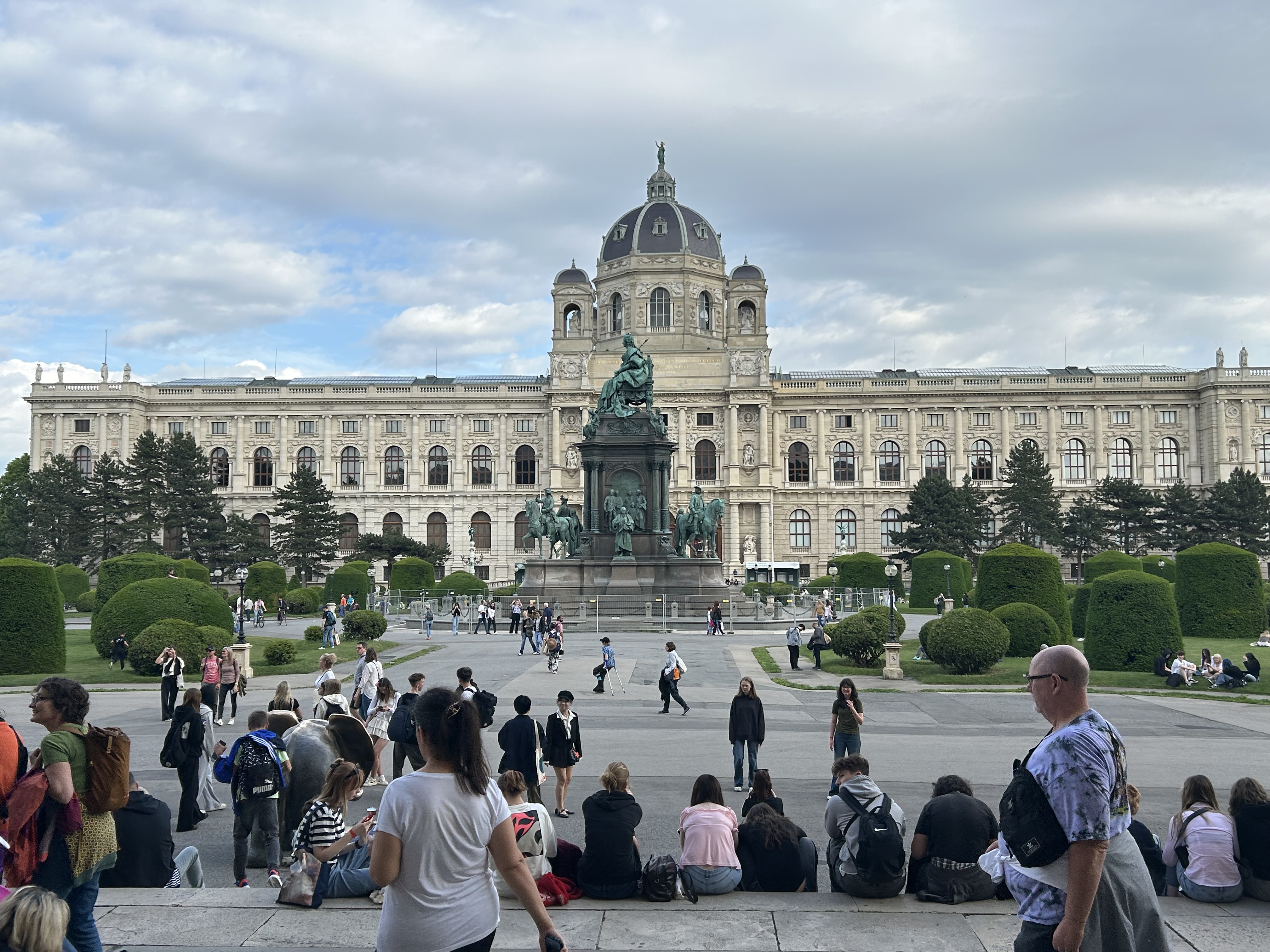
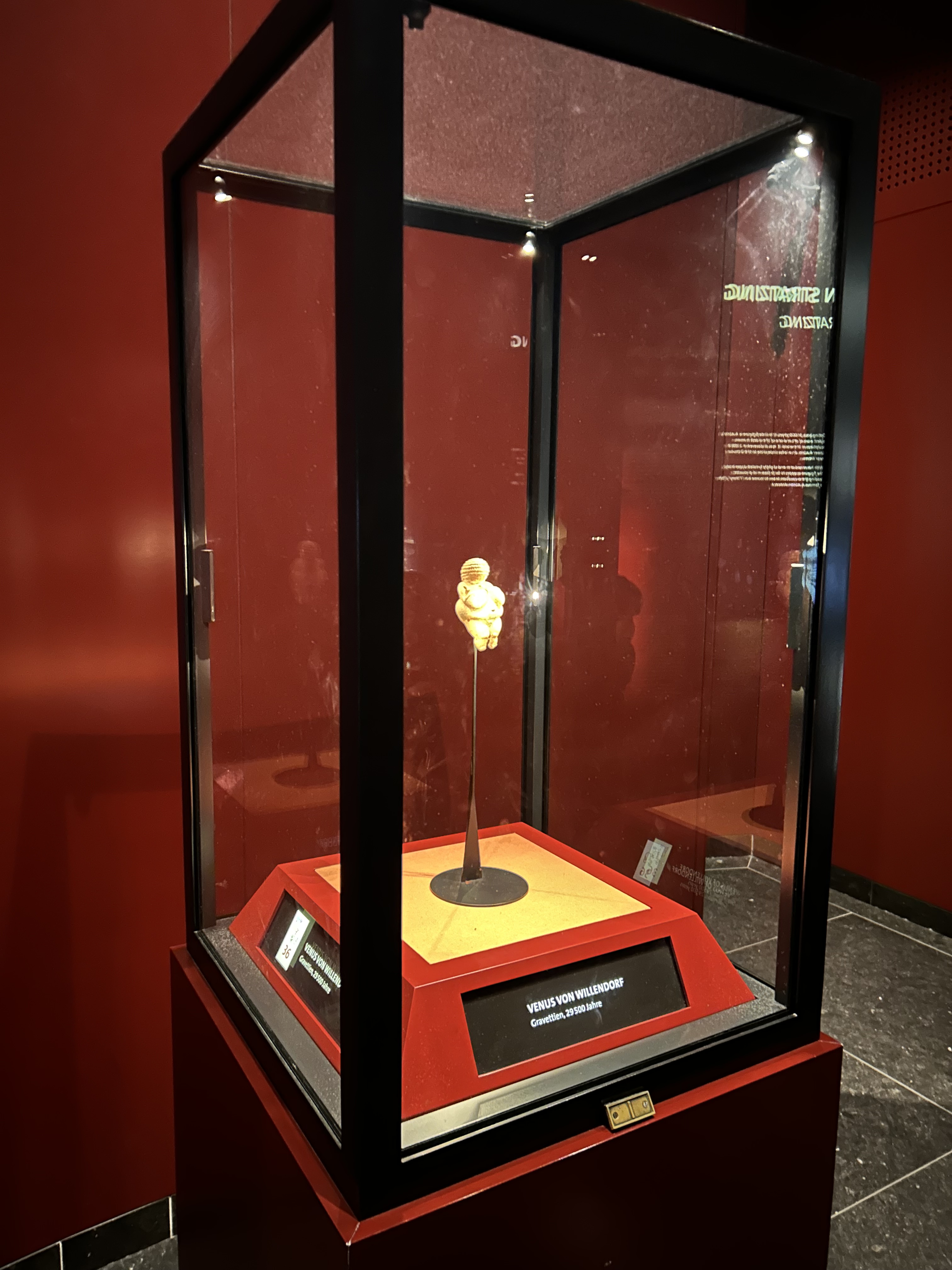
Turns out, the Venus of Willendorf is there. For a museum nerd I don’t tend to visit that many museums when I travel, but the Venus of Willendorf is famous enough (there’s even a cast of the original here at the Peabody) and I am nerd enough for that to justify seeking her out. This meant dragging my friend to the Naturhistorisches Museum Wien.

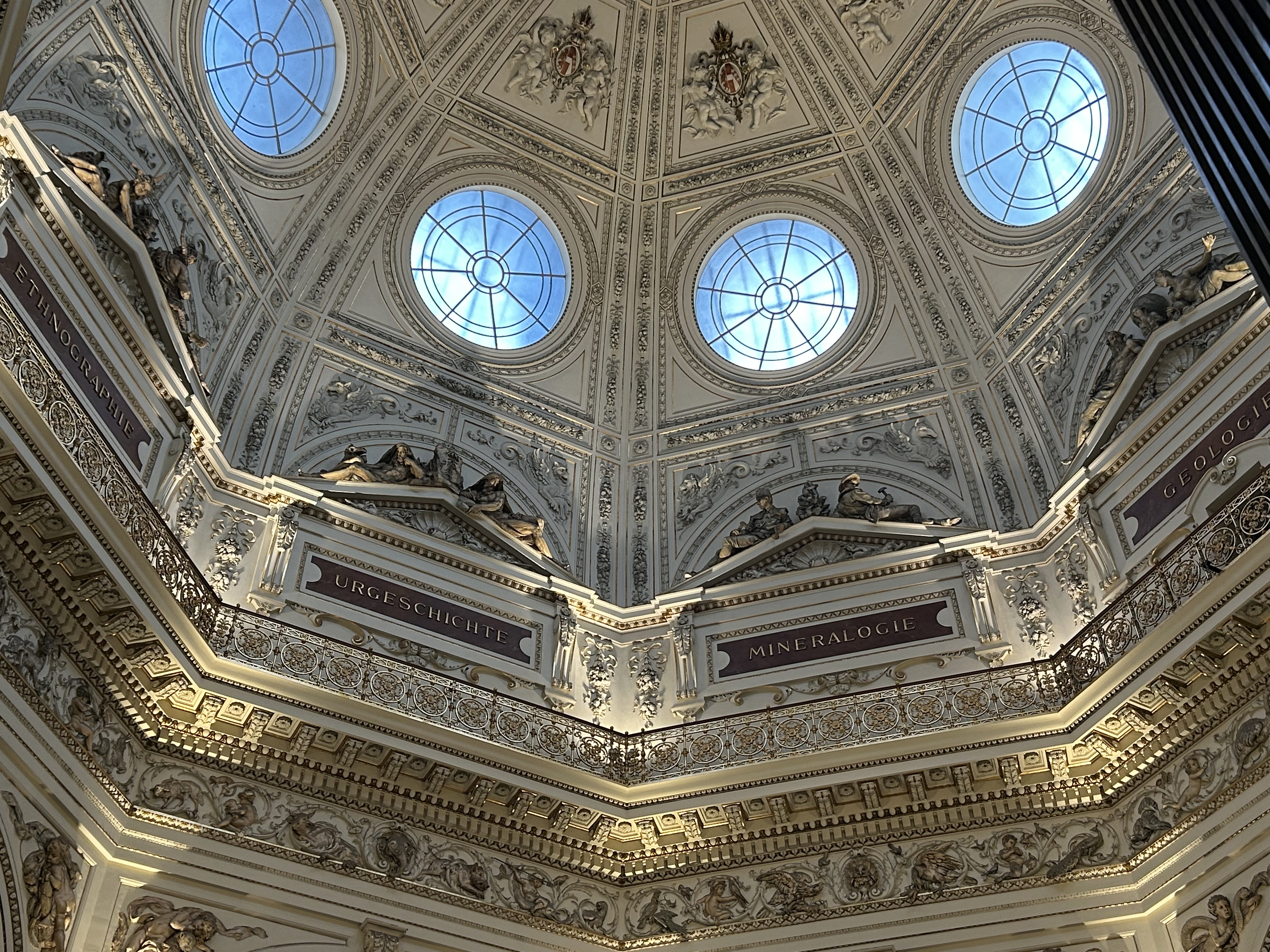
If you had asked me beforehand what I expected of the place, I’m not sure what I would have said. I’m familiar enough with the broad-strokes histories of museums and their ties to imperialism: As nations started to push further and further out into the world during the Age of Exploration, voyagers brought back evidence of their encounters with new environments in new places, creating displays that combined minerals, plants, animals, and man-made “curiosities.” These collections offered opportunities for viewers to learn about the world, as centered by their home locations, but equally they offered opportunities for displayers to demonstrate their status and wealth, the power of their influence and access – not just how they saw the world but how they wanted others to see them in it. If you look for it, this history is written into the architecture and design of museums, and I have been academically trained to look for it. So maybe if you had asked me beforehand what I expected of the Naturhistorisches Museum I would have said “nothing new.”

Reader, I was wrong.

This place was every piece of museum history I had ever learned, jacked up on steroids. It was everything I had been taught to expect dialed up to a ten, with a little extra more thrown in just for fun. It was contemporary best practice crammed into 19th century display cases surrounded by imperial displays of awe and wonder, and I was there for every moment of it. Just please don’t ask me much about the exhibits themselves! I was far too distracted to notice.

Neither my photos nor even the museum’s does this place justice. Try exploring a bit more with some select collections, online exhibits, or a virtual tour.

New Mexico Adventures

Contributed by Marla Taylor

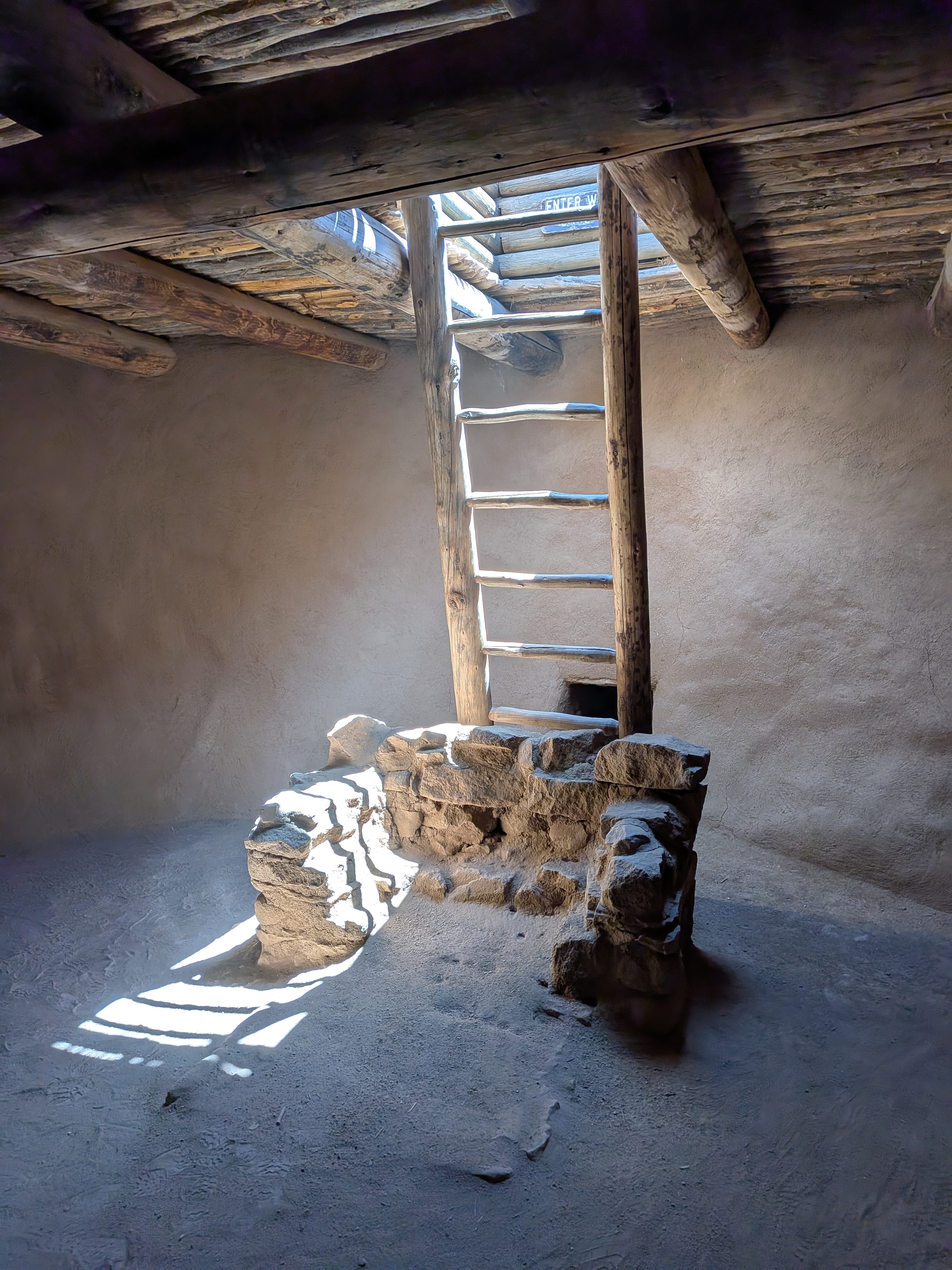
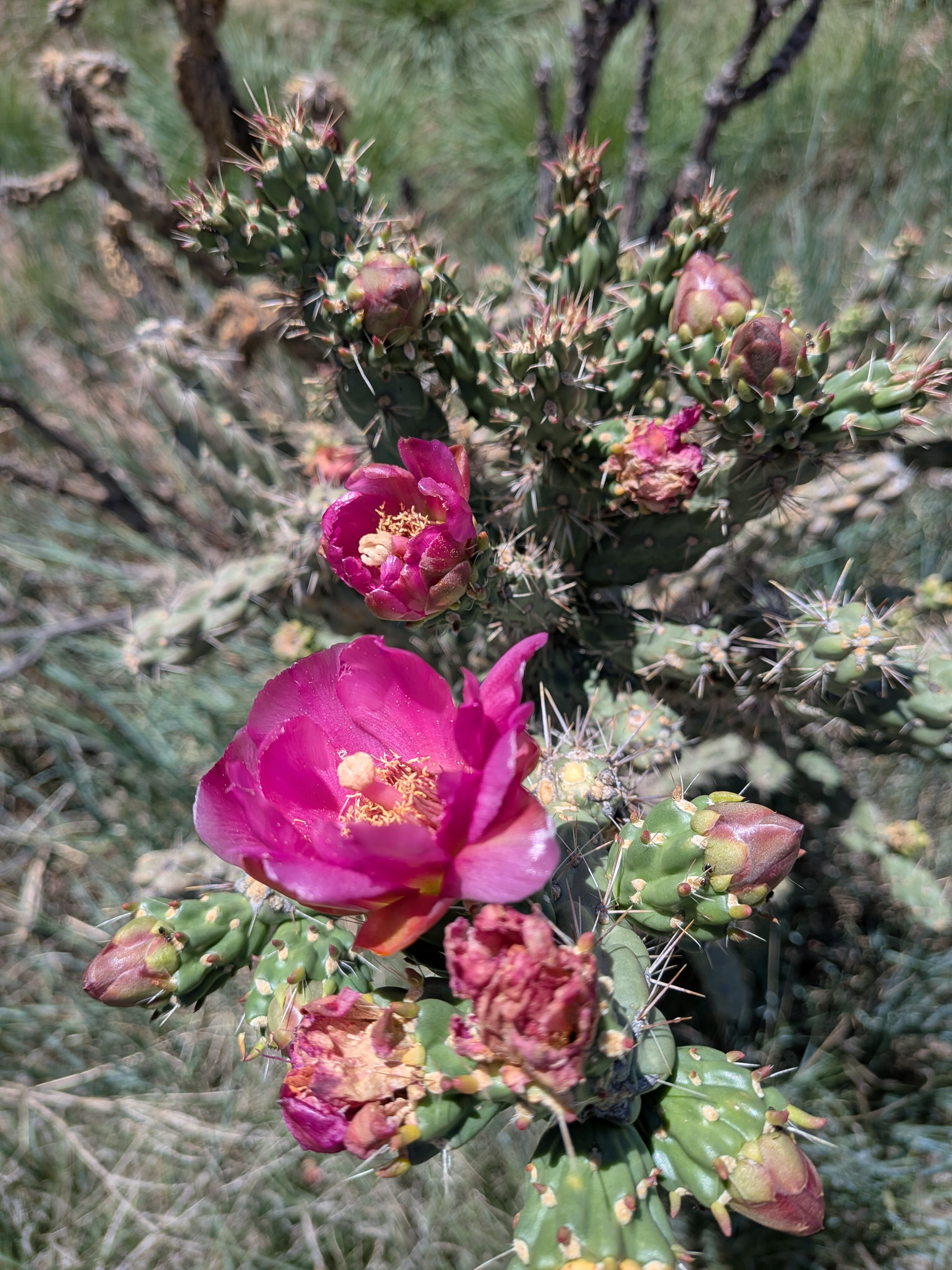
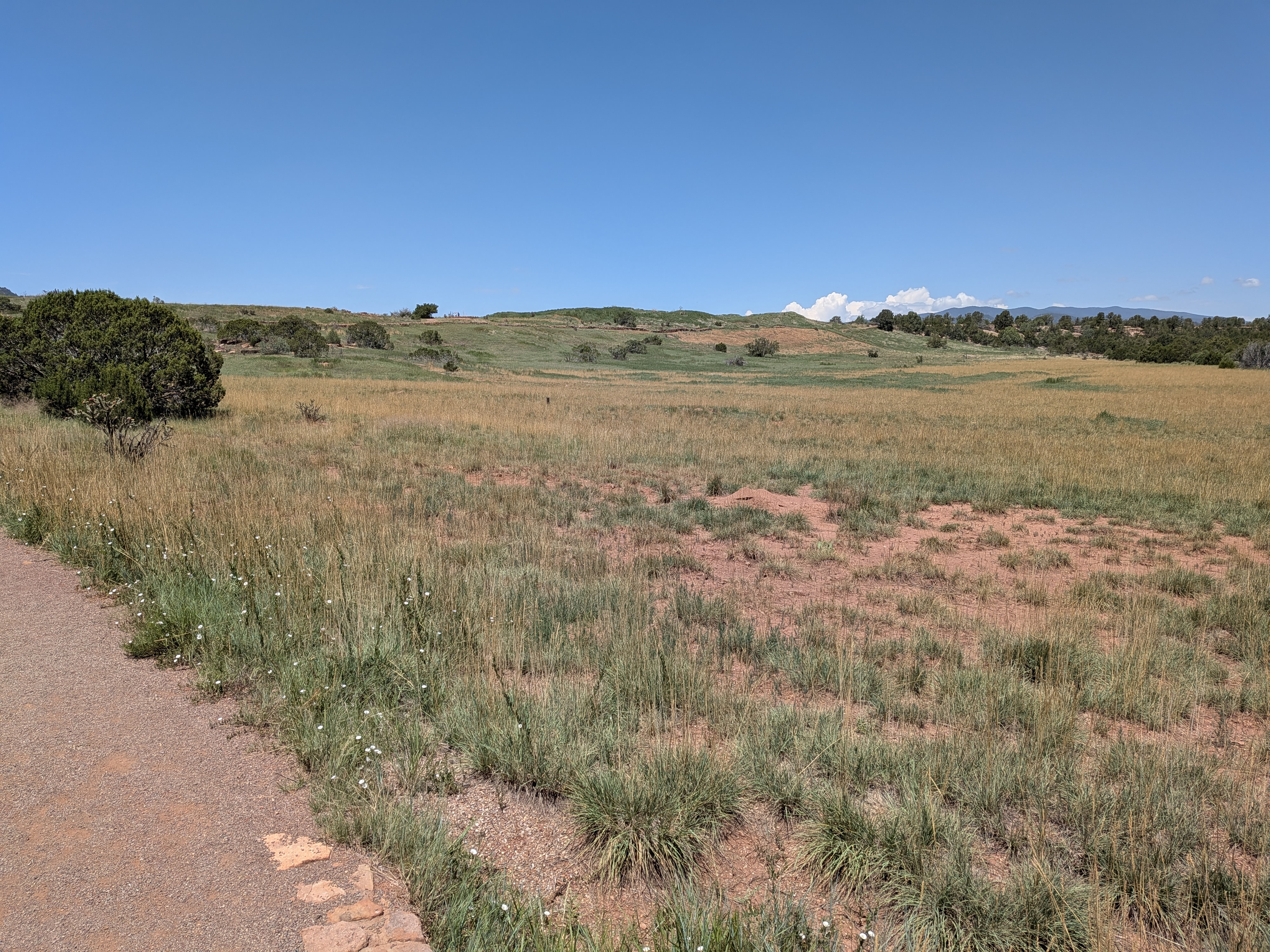
Did you know how beautiful New Mexico is?  I had the opportunity to travel to the Albuquerque and Santa Fe areas this July and can definitely recommend making the trip.

The Peabody Institute actually has a long relationship with New Mexico.  In the 1920s, Alfred Kidder excavated Pecos Pueblo on behalf of Phillips Academy (what is now the Peabody Institute).  The ripple effects of that work included repatriation work with the Pueblo of Jemez, a long-term loan with the Pecos National Historical Park, inter-institutional collaboration, relationships with Jemez artists, and incredible learning opportunities for the students at Phillips Academy. 

While I had been to the Pueblo of Jemez before this summer, I had not had the opportunity to see the Pecos archaeological site or Pecos National Historical Park before.  It was truly a pleasure to experience the site in-person and get an understanding of how Pecos sits in the landscape.  I was also able to view their wonderful exhibit, spend time with the Museum Curator to view the collections on loan from the Peabody, and meet several dedicated park staff members.  I am grateful for the opportunity to spend that time with them all.

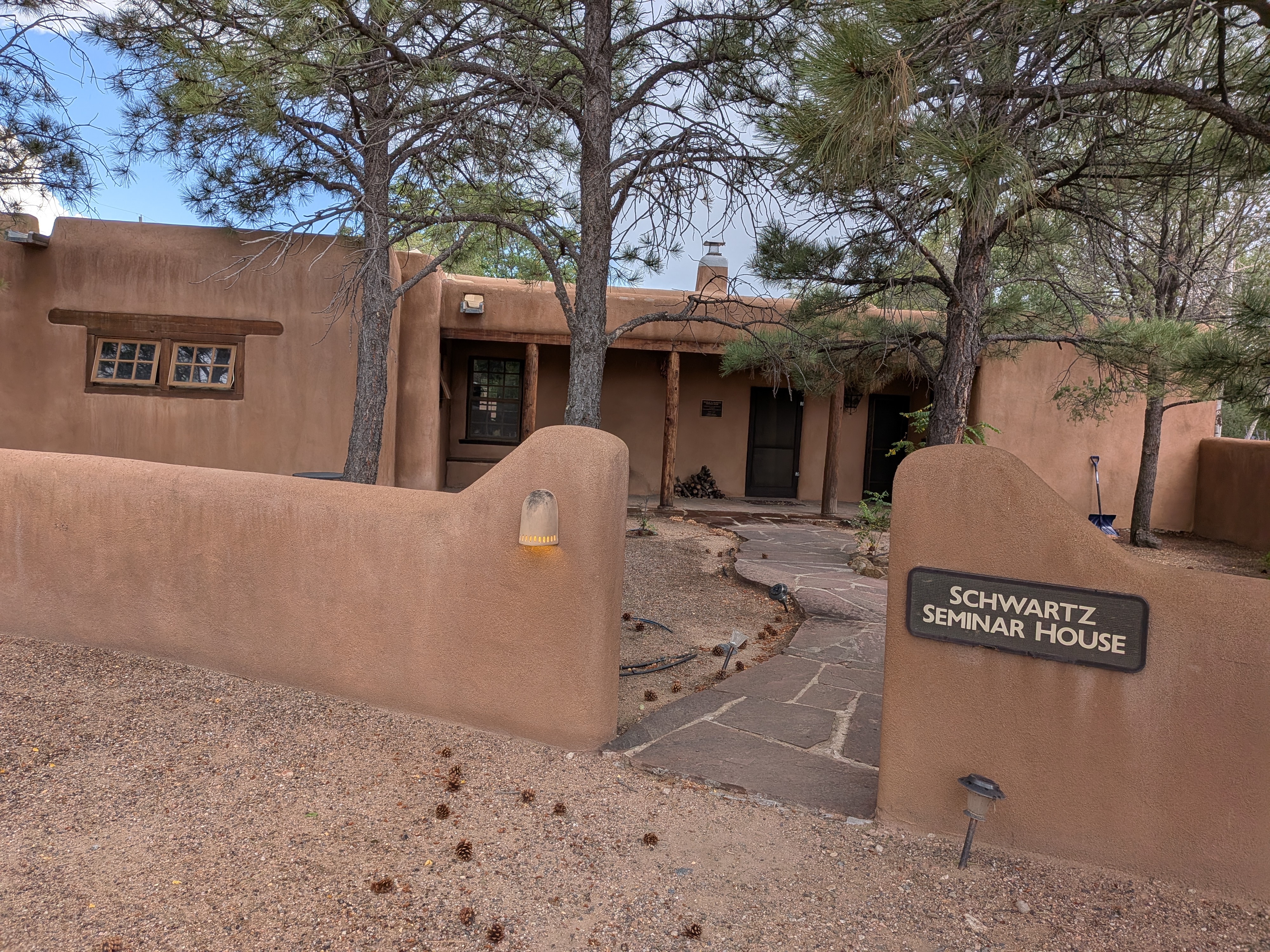
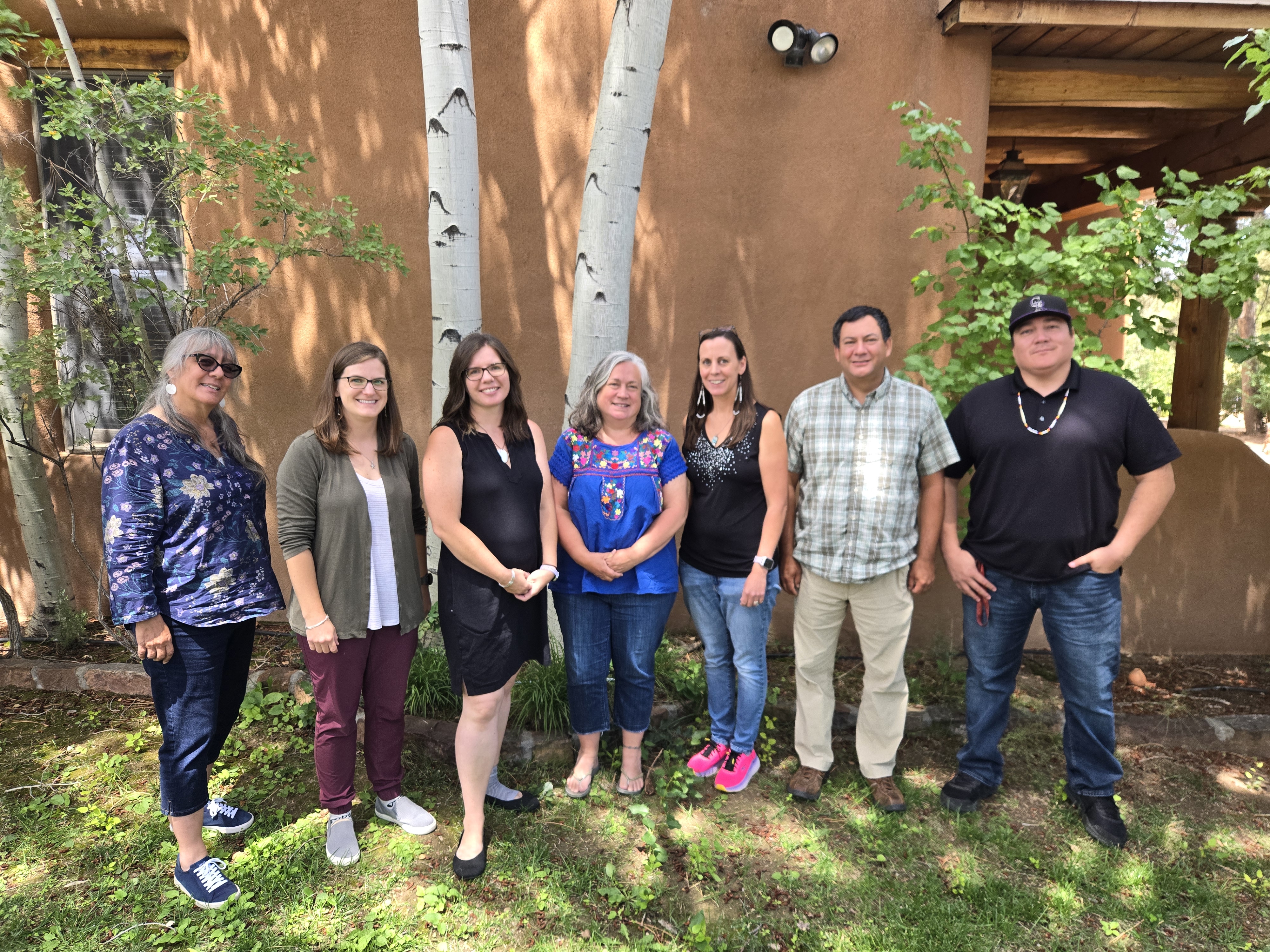
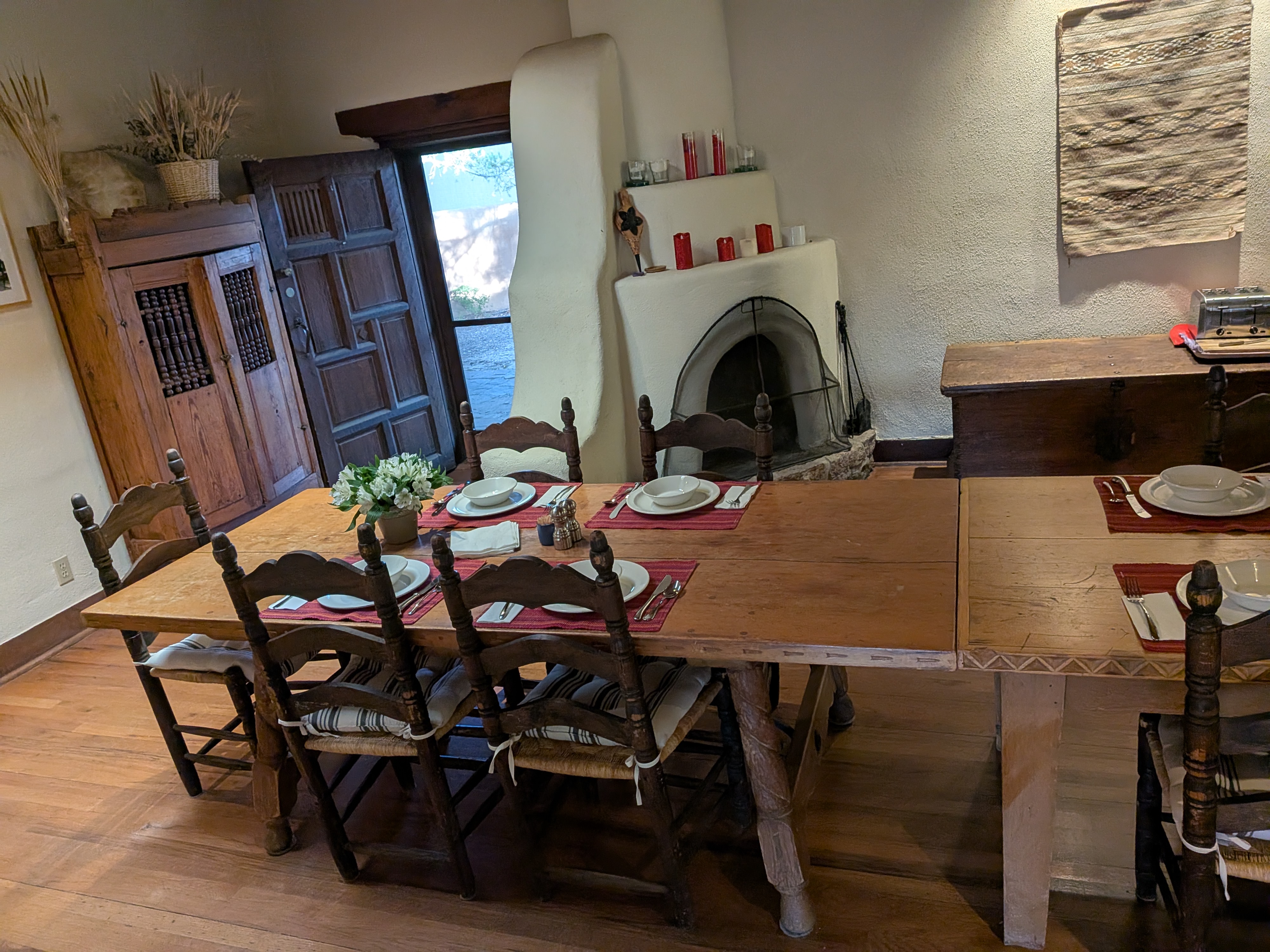
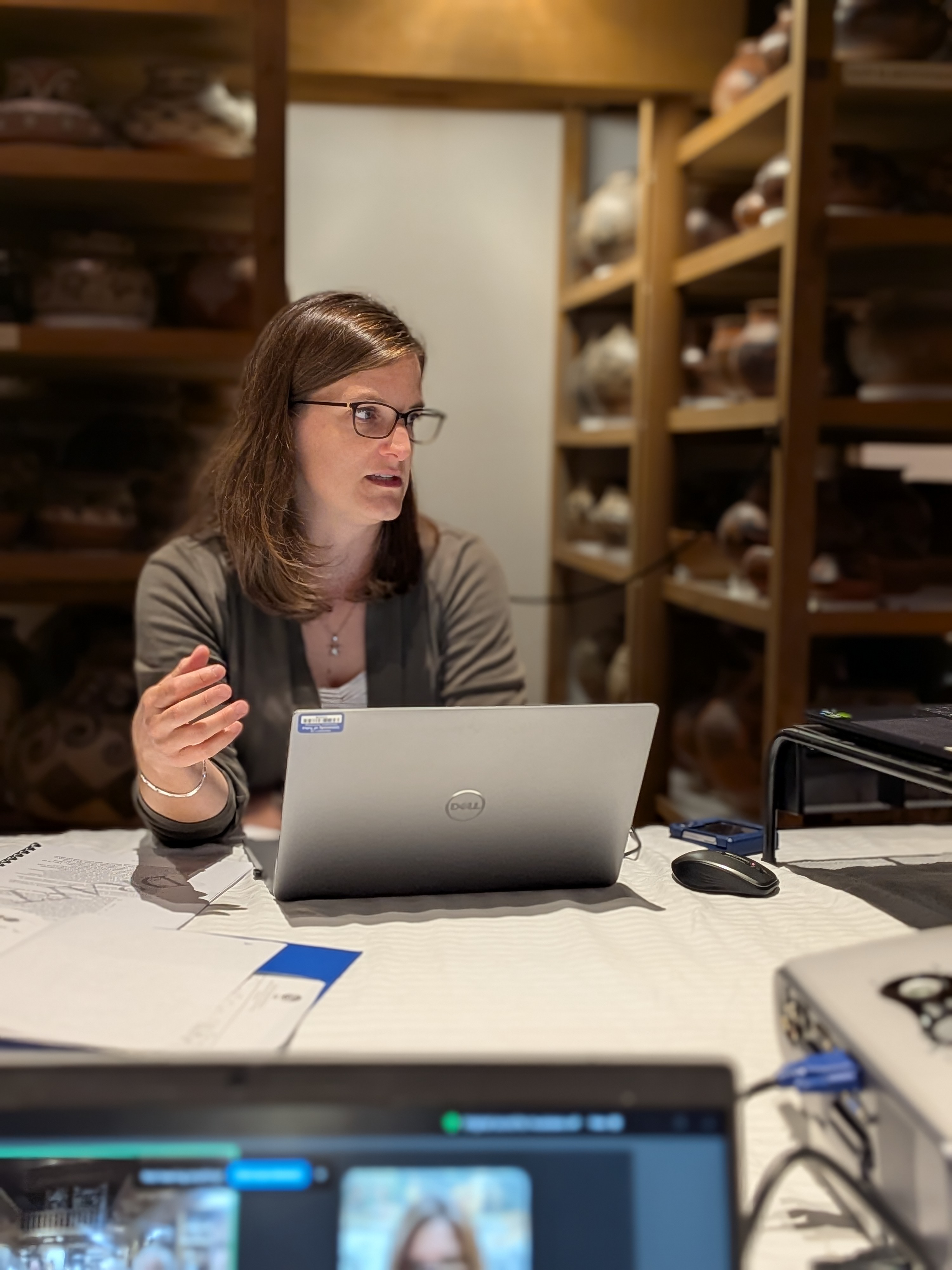
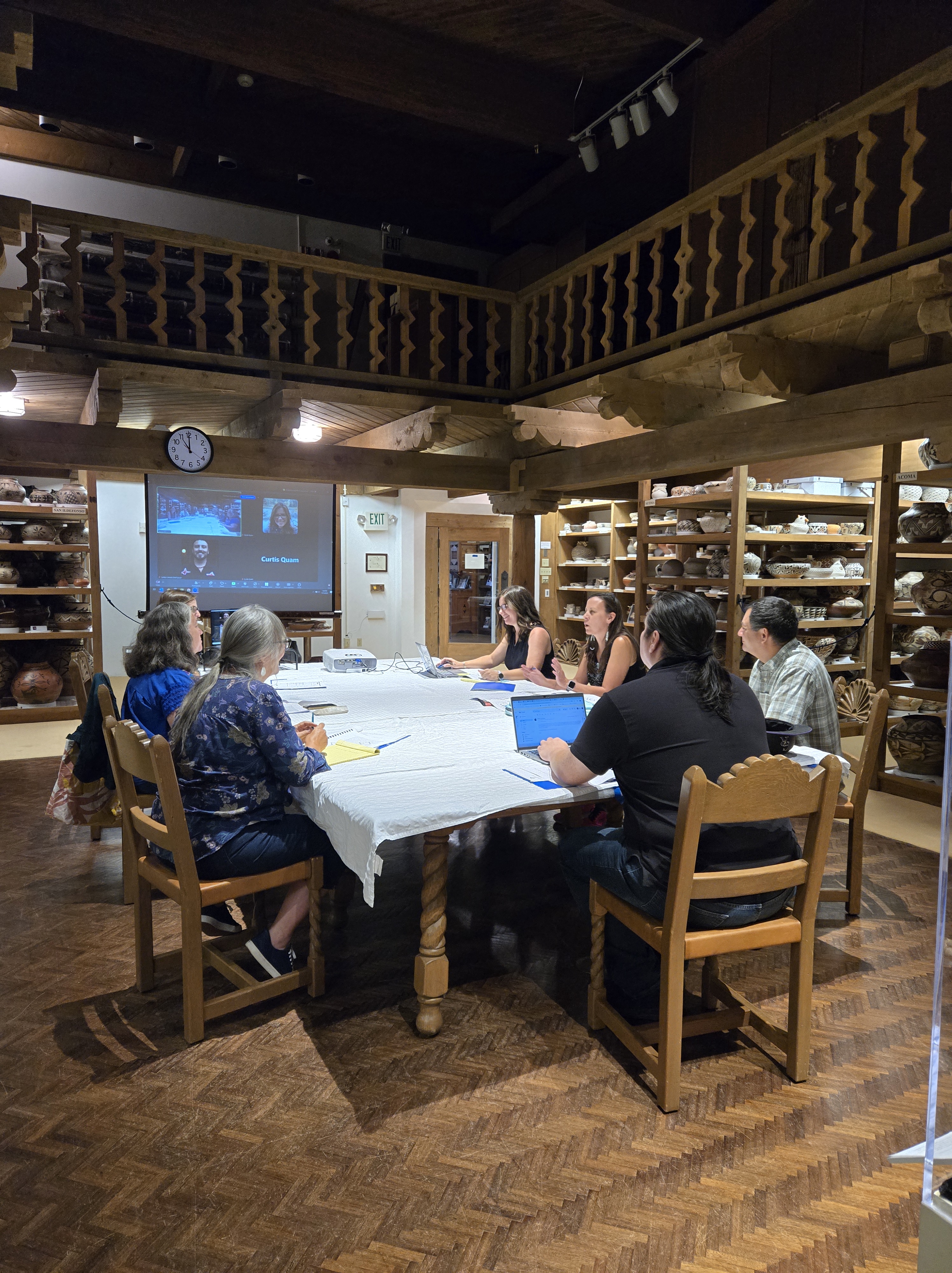
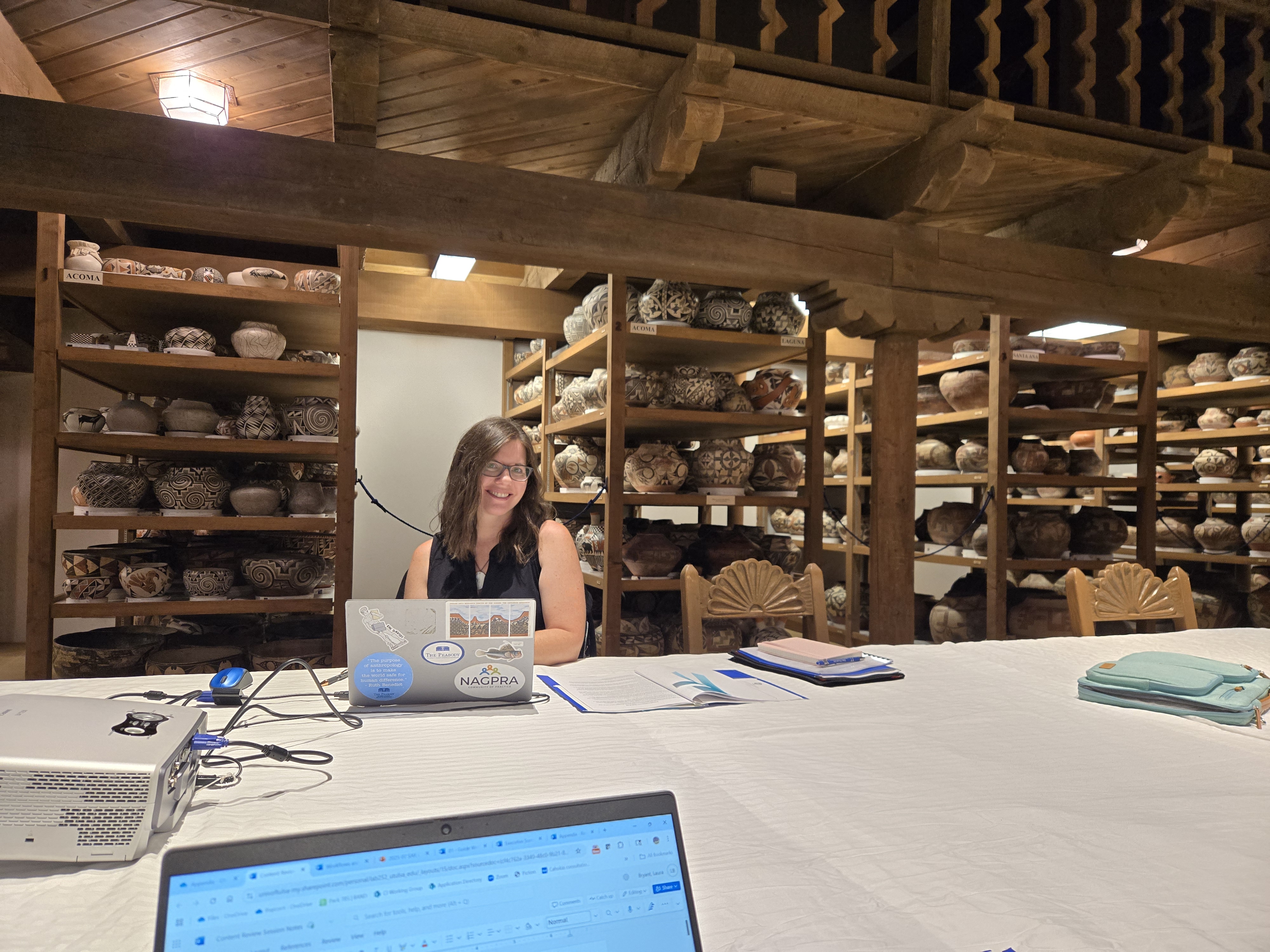
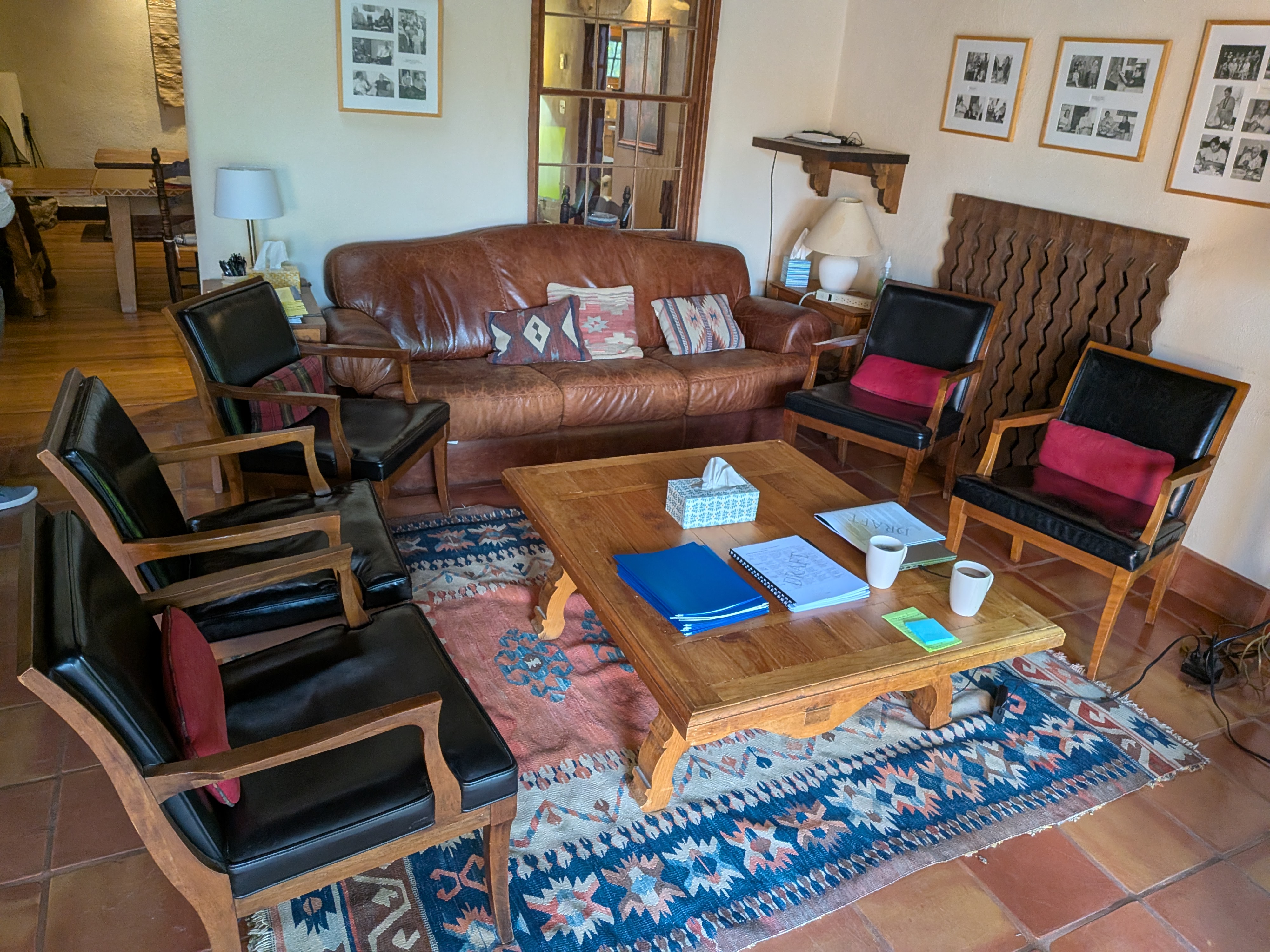
After my time at Pecos, I went to the School for Advanced Research in Santa Fe to facilitate the final review session of the Indigenous Collections Care (ICC) Guide.  This is a project that I have been working on for awhile and it was excited to be entering the final stages.  Although the review session had to be rescheduled due to complications with our IMLS grant, we had a wonderful group of people to discuss the ICC Guide and help us move forward into the final stages of development.

The ICC Guide provides a framework to respect and recenter collections stewardship practices around the needs and knowledge of Indigenous community members. The Guide speaks to individuals engaged in collections stewardship within museums and collecting institutions.  It is aimed specifically at museum professionals, emerging and established, and individuals who are seeking clarification, support, and validation to pursue culturally appropriate care.

Next steps are to send the Guide out for copy-editing and graphic design.  A final version will be ready to be shared in the summer of 2026.

My time in New Mexico was amazing and I hope you can visit there sometime soon!

How things have changed: The ongoing relationship between the Peabody Institute and The Phillipian

Contributed by Adam Way

This blog is the culmination of work done by Independent Researcher/Volunteer Adam Way to explore how the Peabody Institute has been portrayed by Phillips Academy students in The Phillipian over the years. Adam shared two previous blog posts about his work (Combing Through the Phillipian and Combing Through The Phillipian: End of an Era) and recently completed the project. His final blog is a summary of what he learned.

 The relationship between The Phillipian and the Peabody Institute has existed since the Institute’s founding back in 1901, and while the strength of that relationship has waxed and waned, it has persisted nonetheless. During my time combing through over a century’s worth of The Phillipian issues, I have noticed a few substantial changes, mainly the amount of coverage that the Peabody Institute received, the type of coverage, and the student’s view of Peabody.

The first major difference that appears when looking through The Phillipian archives is that the number of times that the Peabody is addressed/mentioned decreases drastically towards the present. In 1910, the Peabody Institute, then the Department of Archaeology, was mentioned 153 times throughout the year, with the following years yielding similar results. A significant amount of the times that the Peabody Institute was mentioned in these early years can be attributed to the existence of extracurriculars that took place within the building. Events such as meetings of the Banjo or Drama clubs and other such student activities that took place in the Peabody make up a large portion of mentions, while the rest is composed of articles detailing the academic work and scholarship being conducted by the Institute.

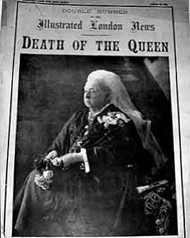
April 15, 1916

The constant high volume of mentions during the early years of the Peabody Institute, unfortunately, do not last forever. It appears that the turning point was, more or less, when Warren K. Moorehead retired from his position as director and was replaced by Douglas Byers. While the overall number of yearly mentions had been on a steady decline since the beginning of the century, the number had remained relatively consistent and the articles were primarily focused on academic work and lectures at the Peabody Institute. This changed when Byers and curator Fred Johnson took over, as it appears that these two did not have as close of a relationship with the The Phillipian as Moorehead did. This trend continued, and arguably was exacerbated under Richard “Scotty” MacNeish. I believe that this divide can be attributed to a shift in focus from teaching in the classroom to fieldwork, as all three of these former directors placed a heavy emphasis on fieldwork, while there was a lack of a consistent archaeology and/or anthropology class during this period (with other factors playing into that decision like student interest). Luckily, in the time since MacNeish, the Peabody Institute has regained a stronger, and more frequent, presence in the The Phillipian.

April 3, 1937

The next major change that I noticed while conducting this research, was that the type of coverage that the Peabody received changed over the years. Initially, I noticed this change through the club announcements. As time went on, the number of clubs using the Peabody, or at least publishing that they were in The Phillipian, was declining. Nothing about this appeared to be out of the ordinary as clubs moved to other buildings and Peabody House was constructed for the purpose of holding social events and clubs. The part that seemed strange to me was when members of the Peabody staff and faculty would leave without a single mention of their departure and only a brief mention when their replacement had been found, as was the case with Dick Drennan in 1977. However, as time progressed, the type of coverage in this area also shifted. Not only was there an article detailing the departure of the previous director, Malinda Stafford Blustain, but there was a subsequent article about the hiring of her replacement, Ryan Wheeler. It appears that the relationship between the The Phillipian and the Peabody Institute is steadily returning to its former strength.

The last major change that I have noticed is the waxing and waning of student interest in the Peabody Institute over the years. As with the other two variables that changed over time, student interest seemed to peek early on before dropping drastically as time progressed. After Moorehead’s departure and the subsequent drop in attention received from The Phillipian, the Peabody became increasingly referred to as a “hidden gem” and “unused asset.” There were even pieces written as a joke that say a student died of boredom due to their visit to the Peabody. Pieces like these are written in good fun, however, it does highlight the disparity between how involved students once were and how involved they are now. As with the other two changes that I noticed, this too is changing for the better in recent years. While there are still joke articles, there are fewer instances where the Peabody is labeled as an “unused asset.” There appears to have been a positive reception of student travel programs in the recent past as well as current lectures and other programs offered by the Peabody Institute.

October 7, 1994

While my time combing through The Phillipian has come to a close, I am glad to see that the Robert S. Peabody Institute of Archaeology is making a resurgence within the paper. The records showed that the institution has been through some difficult times and yet has prevailed and is strengthening its place within the Academy and student life.

A New Photo of Margaret Ashley Towle

Contributed by Ryan Wheeler

Several years ago as we organized the Peabody Institute’s extensive photographic collection, we came across a group of black-and-white prints that had not been flattened. These images relate to Warren Moorehead’s 1920’s era excavation of the Etowah mound group in Georgia. Any attempt to unroll the images would produce a tear and threatened to damage the prints. We did some research on techniques that might help these older prints relax a little, to no avail. Help was nearby, however, in the form of the Northeast Document Conservation Center or NEDCC, one of the leading paper and media conservation organizations in the country. We’ve used them before to digitize oversized maps and to scan black-and-white negatives.

The images were returned to us after conservation recently, and we also received high resolution digital versions. Most of the photos show items from the Etowah site, but one picture was of Margaret Ashley Towle, one of the pioneering female archaeologists of the southeastern United States. The image is marked on the reverse as “Etowah Ga 1928 Miss Ashley” and has our recent catalog number 2020.3.283. It is a wonderful complement to Frank Schnell Jr’s 1999 chapter “Margaret E. Ashley: Georgia’s First Professional Archaeologist,” which appeared in Grit-Tempered: Early Women Archaeologists in the Southeastern United States. She was also featured, sans photo, in Irene Gates’s Women of the Peabody blog in 2018.

Image of Margaret Ashley as a smiling young woman wearing a cloche hat and light-colored trench coat with collar turned up. She has several scarves loosely around her neck. Hazy, out of focus image of Warren Moorehead in the background.
Image of Margaret Ashley at the Etowah site, 1928. In the right background is a slightly out of focus image of archaeologist Warren Moorehead. The image has been cropped to exclude several cultural items from the site. Robert S. Peabody Institute of Archaeology 2020.3.283.

Margaret Ashley was already well-versed in archaeology and was a skilled outdoorswoman when she worked with Warren Moorehead at the Etowah site, and went on to assist with his projects in Maine and to continue her own research in the Southeast. She also contributed to Moorehead’s Etowah Papers publication and published on her technique for illustrating pottery. According to Frank Schnell’s chapter in Grit-Tempered, Ashley married Moorehead’s main field assistant Gerald Towle in 1930. Unfortunately, Ashley’s marriage coincided with a significant hiatus to her training and research. We do know that after Towle’s death, Ashley completed her Ph.D. at Columbia with her dissertation later appearing as The Ethnobotany of Pre-Columbian Peru, number 30 of the Wenner-Gren Foundation’s Viking Fund Publications in Anthropology (1961). Colleagues working in the Andes report that Ashley’s publication remains a significant resource. Ashley spent several decades as an unpaid research associate at the Harvard Botanical Museum where she worked with botanist Paul Mangelsdorf, who had also been encouraging Richard “Scotty” MacNeish’s interests in agriculture, also around this same time.

We are delighted that we have been able to recover this early photo of Margaret Ashley Towle. If you get a chance, get a copy of Grit-Tempered–the biographical entries also include Adelaide Bullen, another pioneering archaeologist with connections to the Peabody Institute!

Ethnographic Photographs – Greater Understanding

Contributed by Deirdre Hutchison

My name is Deirdre Hutchison, and I am currently studying for my B.A. in history at UMass Lowell. As part of a semester internship, I had the opportunity to research the provenance of several unidentified Native American photographs held by the Robert S. Peabody Institute of Archaeology. My first blog outlined initial findings and potential areas of investigation. To summarize that blog, the photos, mounted on board, illustrate a 1905 event at the 101 Ranch in Oklahoma.

As I navigated various connections, photographer James B. Kent became a more prominent fixture of my research. Kent was a regular photographer at the 101 Ranch, and the Millers tapped him to design and compile the souvenir booklet for “Oklahoma’s Gala Day” at the ranch on June 11, 1905. –. Kent, it seems, was an integral part of photography at the 101 Ranch, ultimately becoming the head of the moving pictures department by 1927.

101 Magazine/The 101 Ranch Official Souvenir. BLISS, OKLA. 5127.1000. Tulsa: Gilcrease Museum, https://collections.gilcrease.org/object/51271000 (08/03/2017)

The 101 Ranch souvenir booklet is discussed by Michael Wallis in his book The Real Wild West. According to Wallis, it contains multiple images taken by Kent – including the picture of Geronimo skinning a buffalo held by the Peabody (discussed in my previous blog). The booklet also contains one of the most famous images of Geronimo, “Geronimo in an Automobile.” . Working with the archival staff at the Gilcrease Museum in Tulsa, I hope to view the images to confirm Kent’s pictures and perhaps discern other possible photo matches.

Isolating Kent’s work is relevant because he was not the only photographer working at the famous extravaganza on June 11, 1905. The Millers masterfully orchestrated spectacle – 65,000 people attended – could not be supported by just one photographer. Multiple photographers were present capturing various promotional images at the behest of the brothers. This is immediately evident in the Library of Congress photo of “Geronimo Skinning a Buffalo” that identifies O. Drum as the photographer. The strikingly similar images of the Peabody and the Library of Congress differ in only small ways. It seems a bank of photographers captured the same scene, each image similar, but slightly different: a person with a head facing a different direction, an extra person, women bending, or a western-clad gentleman caught talking with those being prepped for the publicity shoot.

Another name that kept popping up in my research and commonly associated with a broad range of images, including Kent’s, was the publisher H. H. Clarke. Not only did Clarke produce black and white photographs, but he also manufactured color versions for global distribution, and several of his postcards bear the notation Made in Germany. Clarke’s color versions are considered unique as he employed a hand-coloring technique rather than standard lithography. Other examples of this work are at the Cherokee Strip Museum (Cheryl DeJager, Cherokee Strip Museum, personal communication).

Although Clarke published images by Kent and other photographers, establishing a direct link between them is difficult. However, sifting through metadata across several institutions, I discovered interesting connections that explore the publishing and manufacture of images onto postcards. For example, in the early twentieth century, professional and amateur photographers could sell their negatives directly to distributors such as Clarke or major publishing houses such as The Albertype Company. The Library of Congress cites Albertype and Clarke for one of two images listed of Geronimo in a car.

Clarke published three photos I initially matched with the Library of Congress. However, with only a thumbnail view available, I could not say with conviction they were identical to the Peabody images. After corresponding with the Prints and Photographs Division at the Library of Congress, enlarged views are now accessible online which allowed me to confirm that two photos were identical to those at the Peabody, but a discrepancy arose with the third. A close inspection reveals small but salient differences between the image at the Peabody and the one at the Library of Congress. For example, in the Peabody image, women are standing over the buffalo, but in the Library of Congress, they are bending over. Furthermore, in the Peabody image, a man stands to the buffalo’s left with his back to the camera, notable for his western-style suit, boots, and derby hat. Kent was known for always wearing his signature derby hat, leading me to speculate he was directing the people for the staged photograph and was caught on camera by another photographer.

When I started this project, I naively thought I would find solid evidence pertaining to Warren Moorehead’s acquisition of the images. As the museum’s first curator and renowned Native American expert, I thought, how could there not be a connection? Yet, every avenue of research proved fruitless with Moorehead. The narrative unfolded around the Miller Brothers, James “Bennie” Kent, and H. H. Clarke. The interconnectedness of these people provided many answers; the photographs were staged publicity images, taken at the 101 Ranch and predominantly early 1900s. Unraveling this fascinating story has been immensely rewarding, yet it seemed unlikely I would find any correlation between the images and their arrival at the museum.

Despite this disappointment, potential connections with the Peabody Institute and theories of acquisition emerged when reviewing my data, though initially not with Moorehead. Ernest Whitworth Marland was in business with the Millers and became Governor of Oklahoma. Frank Phillips of Phillips Oil was also involved with the Millers and the 101 Ranch. Both men were natives of Pennsylvania, as was Robert S. Peabody. Each man was wealthy, prominent, and quite conceivably moved in the same upper echelons of society. It is possible either of these could have passed photographs to Moorehead or the Peabody. Considering the student body of Phillips Academy, any alum could have given the images as a donation to their alma mater. Equally so, any faculty member may have been gifted the photos. All of these are plausible scenarios. However, another tenuous link emerged, excitedly leading me back to Moorehead. The collections description for the three Library of Congress images mentioned earlier notes that they are mounted photographs, as are the ones at the Peabody.

Another facet that piqued my interest was the descriptions accompanying records at the National Archives. “Geronimo in a Car” is cited as taken on June 11, 1905, at the Millers’ Oklahoma Gala Day, along with other images; all are 8×10 or larger, just like the Peabody images. Although far from compelling, there are commonalities.

What I found most compelling with the National Archives photo of “Geronimo in a Car” was that it states a copy was sent to the Office of the Commissioner of Indian Affairs. The Office of Indian Affairs later became the Bureau of Indian Affairs. Moorehead was appointed to the board of commissioners for the Bureau of Indian Affairs by President Roosevelt in 1908.

Geronimo Driving a Car. Oklahoma Gala Day, June 11, 1905. Wall Street Journal

As an emerging historian, I like to focus on facts. Unfortunately, facts can be notoriously distorted by time, memory, and absent material evidence. However, the absence of proof does not equate to the absence of the action. Although I had discounted Moorehead as the conduit, I have circled back and believe he is a strong acquisition candidate based on my latest discoveries. That particular mystery may never be solved, but it does not detract from the powerful narrative of Native American presence and treatment in mainstream society in the early twentieth century. 

Further Reading

Bordewich, Fergus M. “Fierce Echoes from the Frontier.” Wall Street Journal, April 19, 2013, sec. Life and Style. https://www.wsj.com/articles/SB1000142412788732334630457842 6634203336120

Collings, Ellsworth, and Alma Miller England. The 101 Ranch. Norman: University Of Oklahoma Press, 1987.

Wallis, Michael. The Real Wild West: The 101 Ranch and the Creation of the American West. New York: St. Martin’s Press, 1999.