This Year 125 Years Ago

Contributed by Lainie Schultz
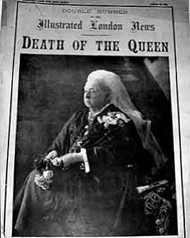
  • Photograph of Queen Victoria with Illustrated London News masthead and headline "Death of the Queen".
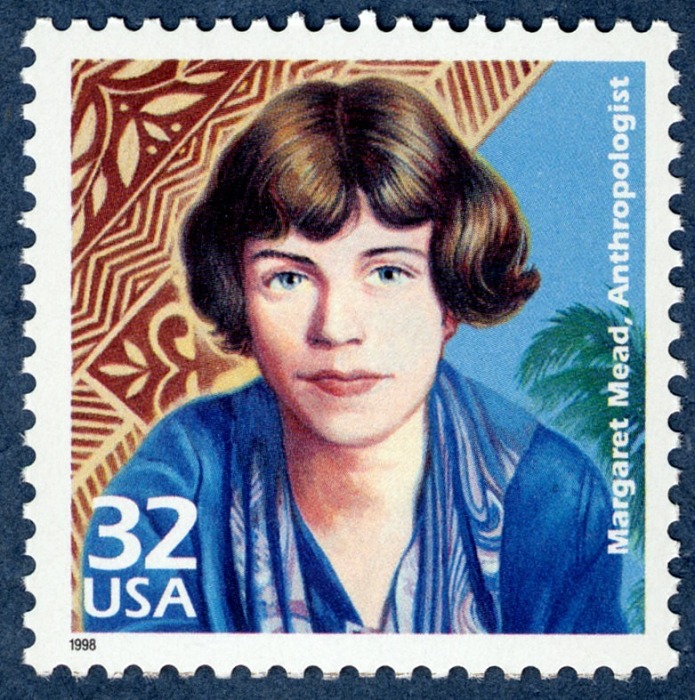
  • 32 cent US stamp with drawing of Margaret Mead and Samoan designs and palm tree in background.
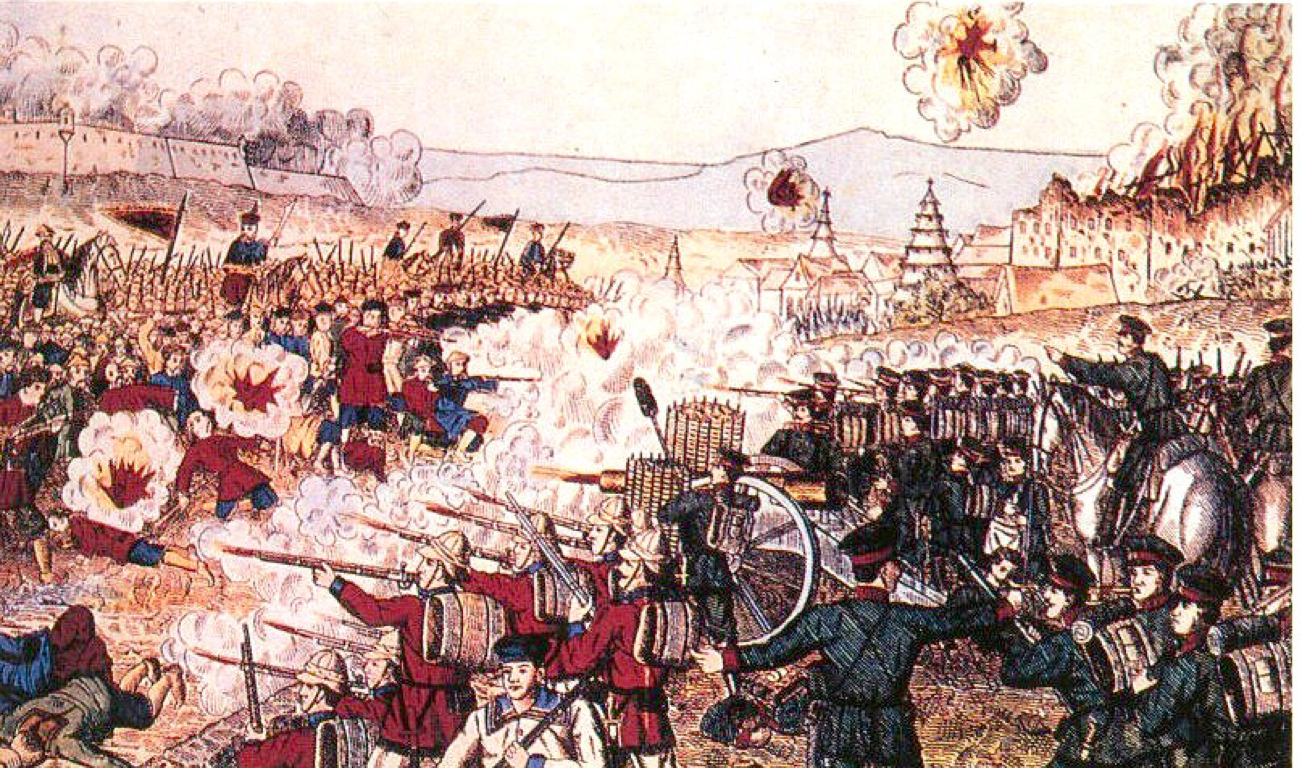
  • Artwork depicting British and Japanese on one side, Boxers on the other, firing guns.
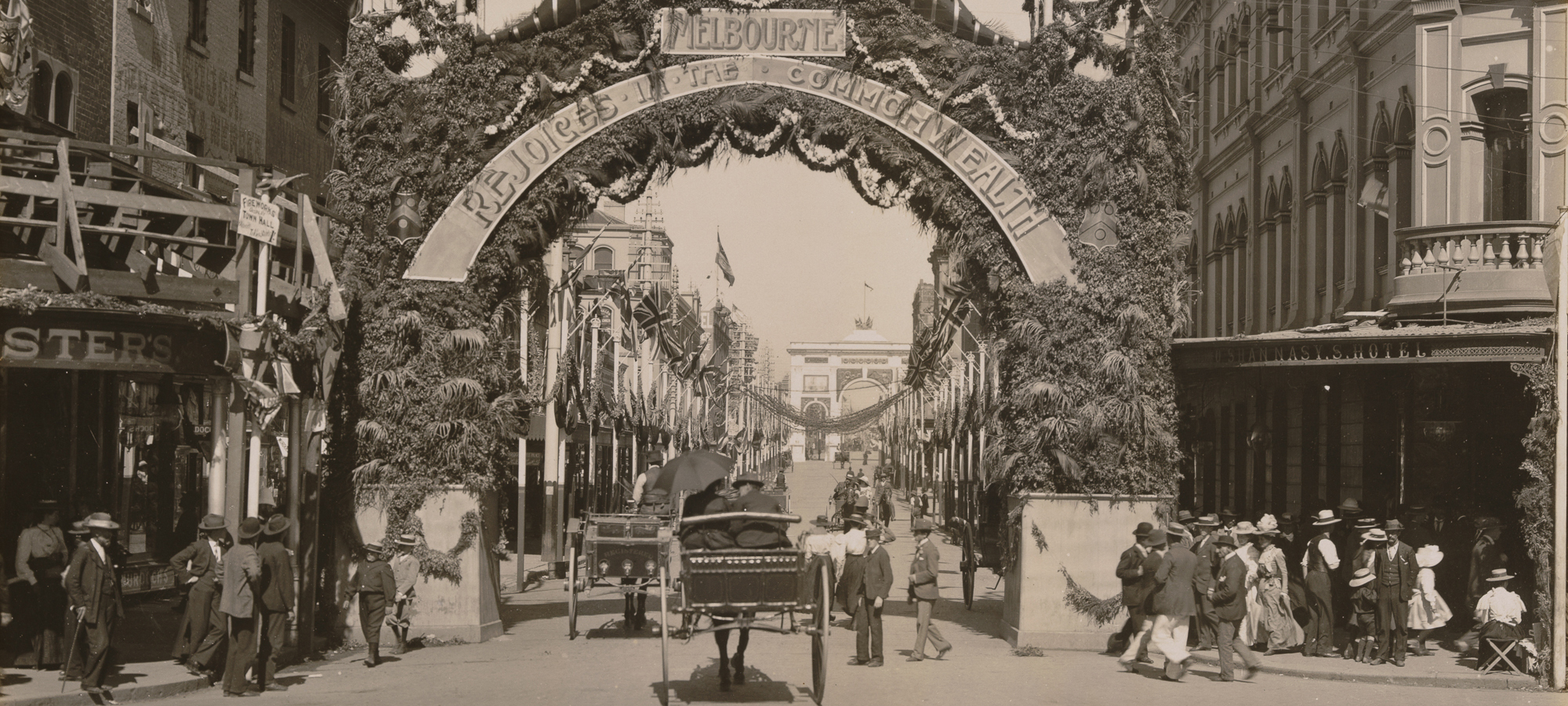
  • Street in Melbourne decorated with flags and garlands, with giant arch stretching across road and reading "Melbourne Rejoices in the Commonwealth".
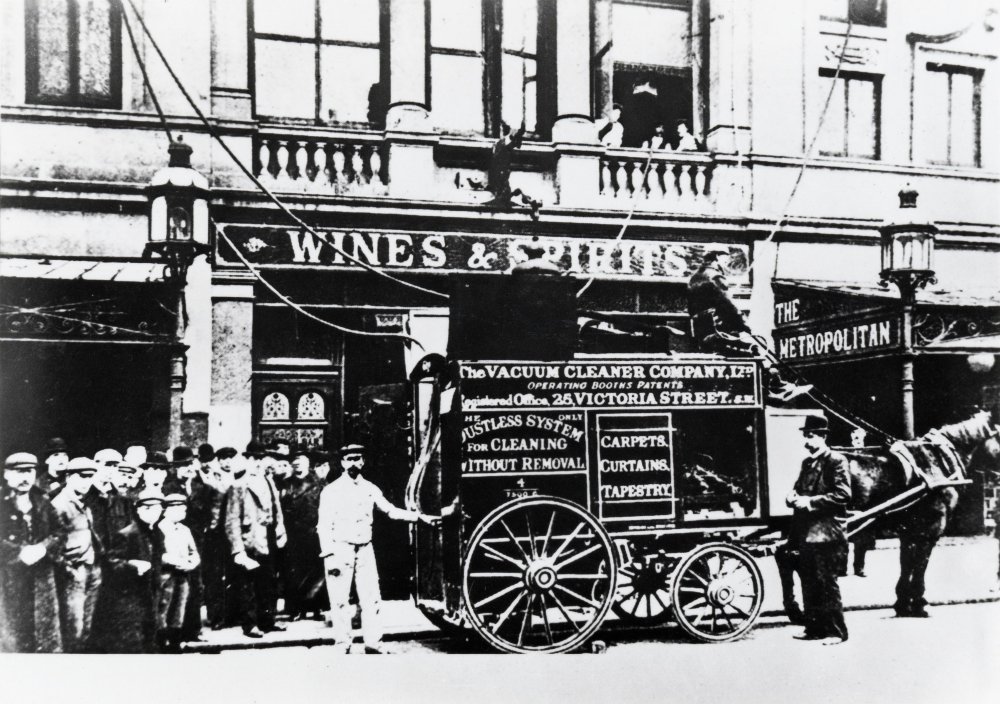
  • Photograph of Booth's vacuum cleaner on city street, with horse harnessed and people gathered.
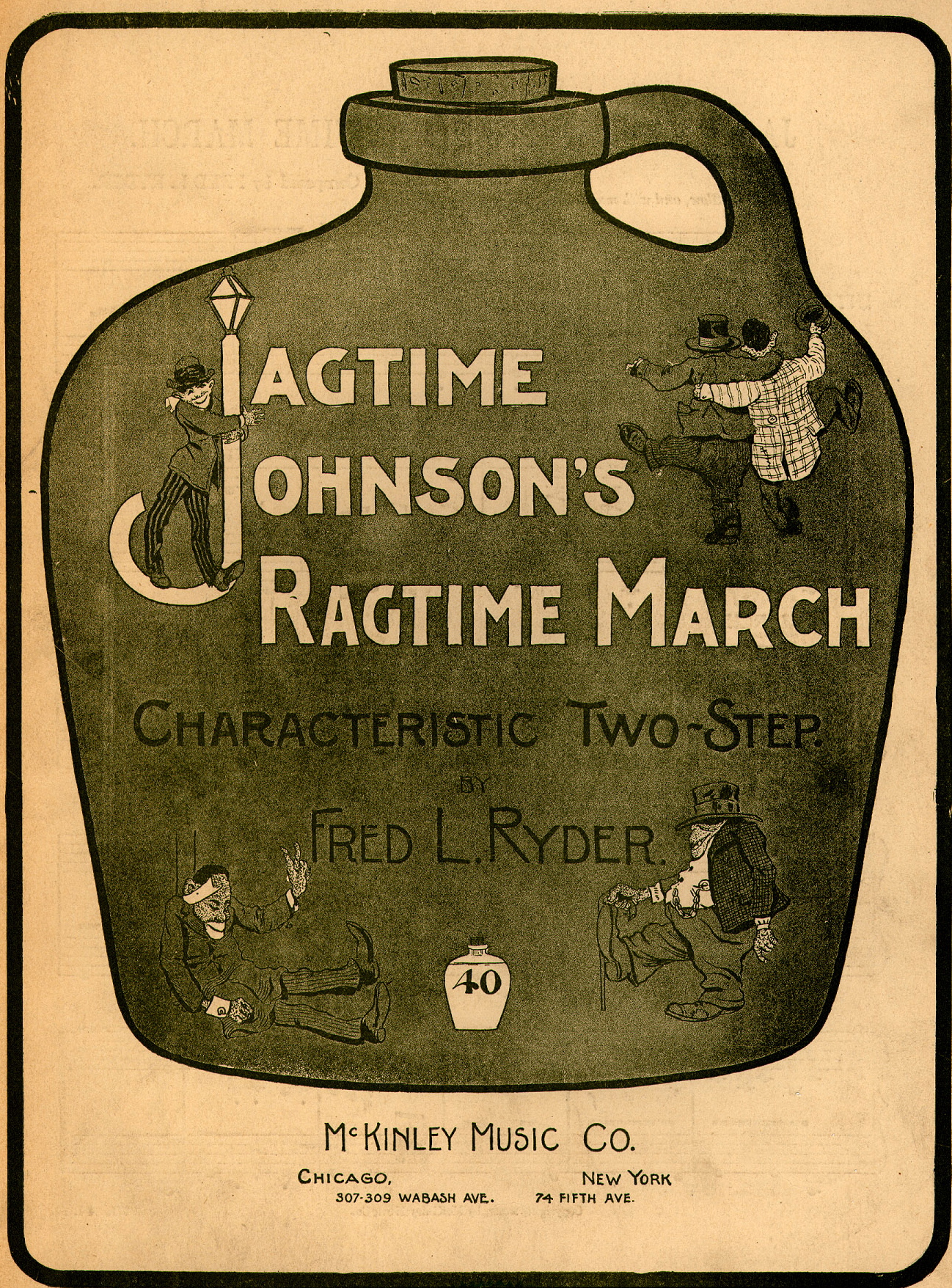
  • Drawing of jug within which is text "Jagtime Johnson's Ragtime March Characteristic Two-Step Fred L. Ryder" and comical drawings of five men in various poses
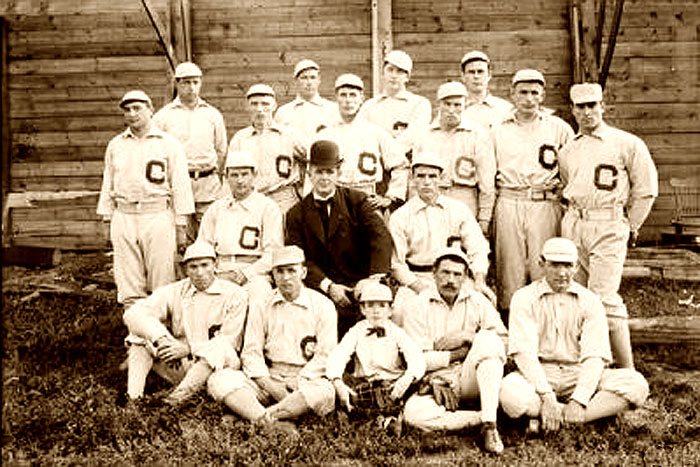
  • Team photograph of the 1901 Chicago White Stockings
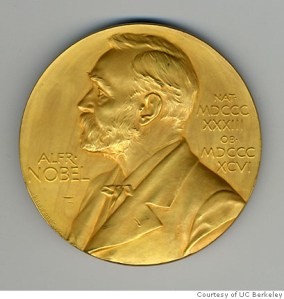
  • Photograph of the Nobel Peace medal, obverse
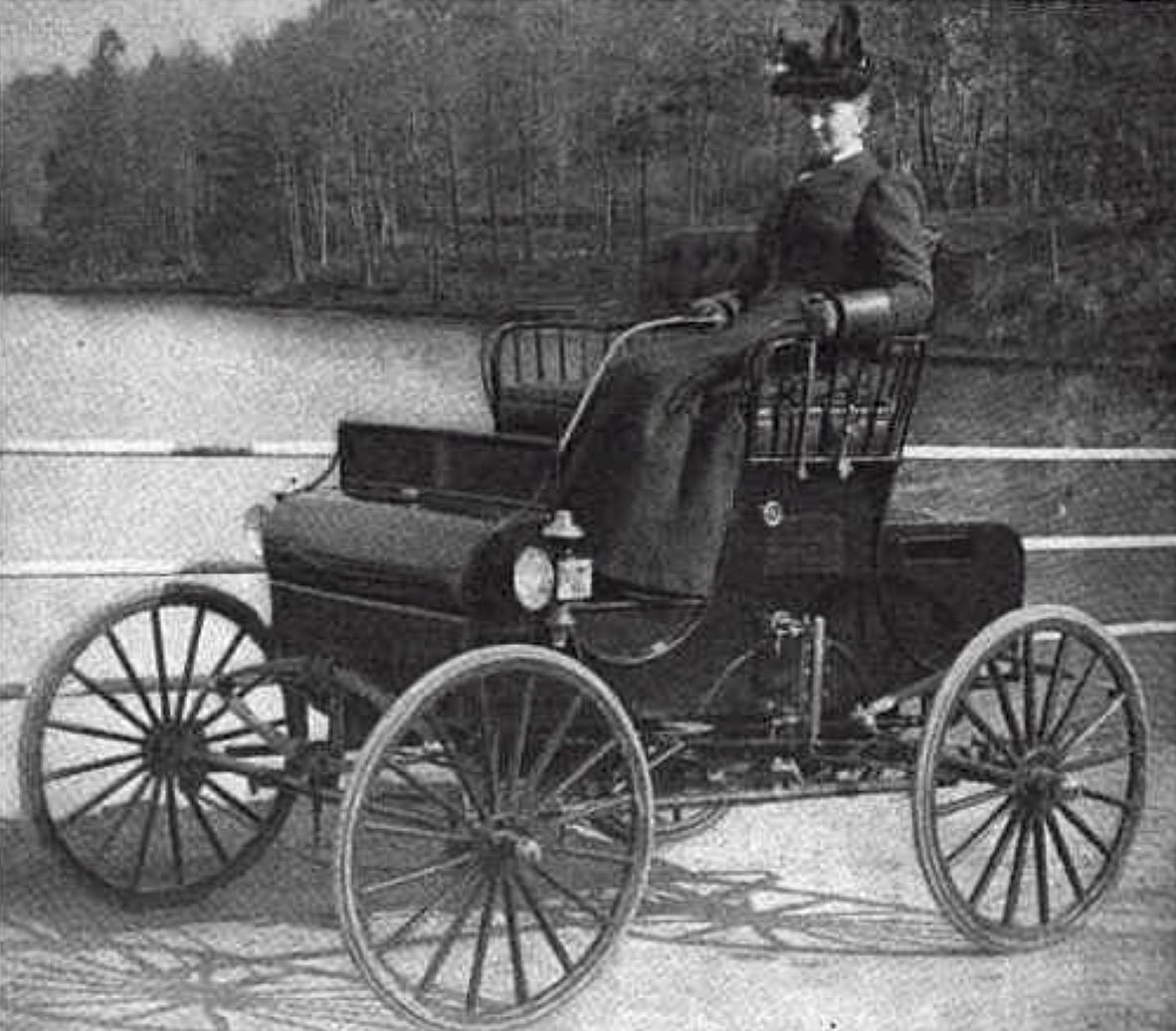
  • Advertisement for the 1901 Kidder Steam Runabout motor vehicle, showing woman sitting in driver's seat
  • 1901 Chicago White Stockings.

Hitting a major birthday like a 125th is no small thing. Even institutions established to preserve history in perpetuity – like, say, an archaeology museum – rarely last even a fraction of that time. The Robert S. Peabody Institute of Archaeology reaches this milestone on March 21, and it offers a moment for introspection: how did we manage to make it this long? What has the Peabody done in that time? What from our past continues to inspire us today – whether as something we seek to sustain or that guides us toward new directions?

I hope you aren’t now looking at me to answer any of these questions. These are thoughts to let tumble around the entirety of this anniversary year, and beyond. (Possibly we should all start our quasquicentennial with a (re)reading of “Glory, Trouble, and Renaissance at the Robert S. Peabody Museum of Archaeology” – because, yes, Emma, I am fancy!).

Instead, I want to go all the way back to the beginning. If we are going to ask how far the Peabody has gone, we have to know where the Peabody started. This makes me wonder: What was the world the Peabody was born into? What did 1901 look like? With the help of Google, below is an absurdly partial snapshot of life as the Peabody came onto the scene.

[Word of warning: despite my best intentions, it turns out that when you’re doing a Google search, in English, with an internet connection in MA, and an education obtained almost entirely in the US, Canada, and Australia; and when you’re trying to find examples of events that you think will be “recognizable” and “interesting” – you end up with a pretty biased list. You would almost think from my snapshot below that the only noteworthy things to happen came out of the US and Great Britain (which I think is wrong?). Please bear in mind AAALLLLLL the other places and people and happenings not remotely referenced here while reading.]

In no particular order and with truly no claims of significance:

A lot a lot a lot of people died. Some of these deaths were noted by historians, and even the general public. These included: Queen Victoria (at the time the longest reigning monarch of Great Britain); President William McKinley (the third US sitting president to be assassinated); and Cecil Franklin Patch Bancroft (the 8th Principal of Andover’s Phillips Academy).

A lot a lot a lot of people were born. Even more than the number of people who died. Eventually history would care about some of them. These included: Louis Armstrong, Walt Disney, Hirohito, Langston Hughes, Margaret Mead, and Ed Sullivan.

As typical, there were far too many military engagements. Such as: the Second Boer War in South Africa (then ongoing); the Philippine-American War (then ongoing); the War of a Thousand Days/Colombian civil war (then ongoing); and the Boxer Uprising/Yihetuan Movement in China (formally ended with the signing of the Boxer Protocol).

Other political-type stuff happened: The six British colonies of Australia federated to form the Commonwealth of Australia. The US’s Platt Amendment made Cuba a US protectorate. The US and Great Britain signed the Hay-Pauncefote Treaty, giving the US exclusive right to build and manage a canal in Panama. In his first annual message to Congress, US President Theodore Roosevelt stressed the need to treat Native Americans as individuals rather than as members of separate sovereign nations, and to break up tribal funds in the same way allotment broke up tribal lands.

We got some cool new technologies: Guglielmo Marconi sent the first transatlantic radio transmission; it said “S.” The first United Kingdom Fingerprint Bureau was established at Scotland Yard, using Edward Henry’s classification system; it worked way better than phrenology. Hubert Cecil Booth patented a dust removing suction cleaner and started offering mobile cleaning services; his vacuum was large enough to frighten horses (it was also drawn by horses. This sounds messy). Satori Kato introduced his vacuum-dried coffee granules – aka instant coffee – at the Pan-American Exposition in Buffalo, NY. (Also where President McKinley was shot. Yikes.).

There was a bunch of art and culture: Beatrix Potter published the Tale of Peter Rabbit. Elisabeth Förster-Nietzsche posthumously published her brother Friedrich’s The Will to Power. H.G. Wells got it close with The First Men in the Moon (would have nailed it with first man on the moon…). Anton Chekhov’s play “Three Sisters” premiered at the Moscow Art Theatre. Vincent Van Gogh had his first retrospective, in a gallery in Paris. Pablo Picasso had his first major exhibit, also in a gallery in Paris. Sergei Rachmaninoff composed Piano Concerto No. 2; Claude Debussy offered Pour le piano; and Edward Elgar started his Pomp and Circumstance series with Marches No. 1 and 2 ( graduation ceremonies had no idea what was coming for them). But Americans REALLY loved parlor ballads, ragtime, and marching band music; they still could not get enough of Sousa’s Band’s Stars and Stripes Forever.

Are sports art and culture? Let’s just call it sports: The Winnipeg Victorias edged out the Montreal Shamrocks to win the Stanley Cup. Fútbol Club Atlético River Plate was founded in Argentina. The American League was established and the Chicago White Stockings (adorable!) won the first AL pennant. The Pittsburg Pirates took the National League pennant.

The first Nobel Prizes were awarded in Stockholm to Wilhelm Röntgen (Physics), Jacobus Henricus van ‘t Hoff (Chemistry), Emil von Behring (Medicine), Sully Prudhomme (Literature), and jointly to Frédéric Passy and Jean Henry Dunant (Peace).

In other odds and ends: J.P. Morgan incorporated U.S. Steel as the first billion-dollar corporation. Mr. Walgreen opened the first Walgreens. The first successful loop-the-loop roller coaster opened on Coney Island (it was called the Loop-the-Loop). Connecticut set the first speed limit law (12 mph in cities; 15 mph on country roads) and forced cars to stop if they were scaring horses. Schoolteacher Annie Edson Taylor celebrated her 63rd birthday by going over Niagara Falls in a barrel and surviving, proving…something?

Immediately closer to home: fifteen young women graduated from Abbot Academy, and William Clarence Matthews graduated from Phillips Academy. No one knew it yet, but Matthews would go from leading the batting average on Harvard’s baseball team to playing on the Burlington, Vermont team of the Northern League, making him the only Black player in any white professional baseball league at the time. When he was barred from playing in the Major League he had to settle for being a lawyer instead, eventually getting appointed to the Justice Department by President Calvin Coolidge. Big mistake, MLB. Huge.
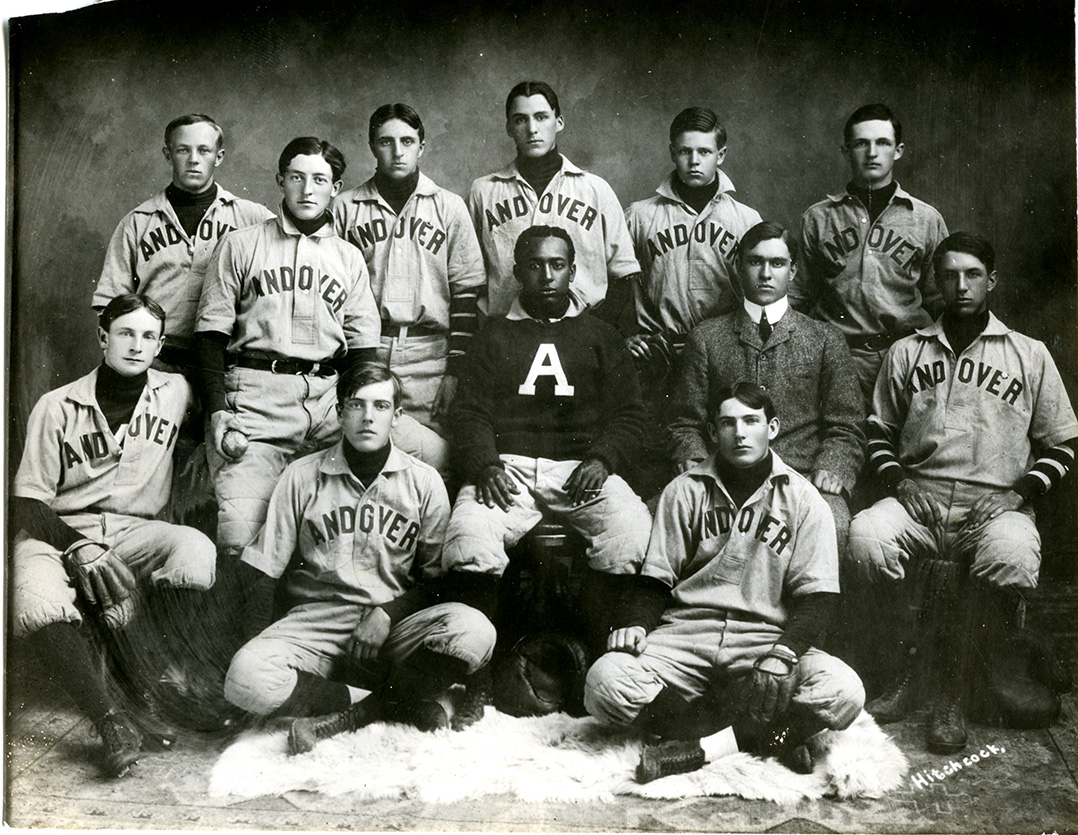
Andover baseball team, 1901. Archives & Special Collections, Phillips Academy, Andover, Mass.

Finally, Churchill House was moved a block down Main Street, to make room for construction of the Peabody Institute building. And the rest is history.

[For more on gallery images: Illustrated London News; Margaret Mead stamp; British and Japanese forces engage Boxers in battle; Melbourne Rejoices in the Commonwealth; Booth’s vacuum cleaner at work, 1903; Jagtime Johnson’s Ragtime March; 1901 Chicago White Stockings; Nobel Prize medal; 1901 Kidder Steam Runabout; 1901 Circle]
Celebrating 125 years of the Peabody!

Contributed by Emma Lavoie

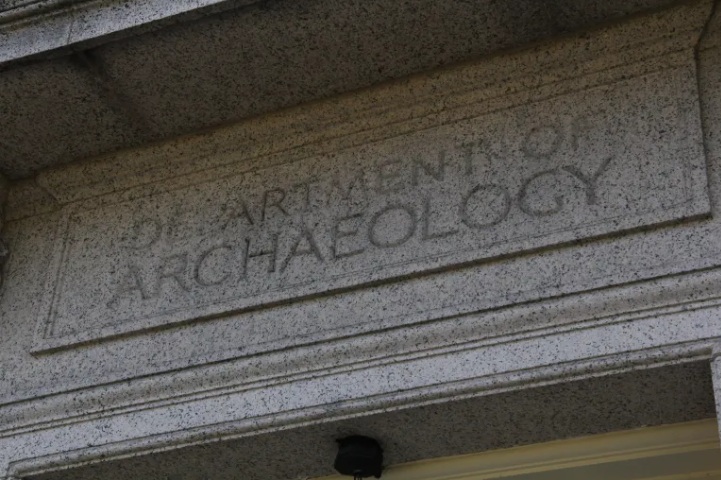
We are just over a month away from celebrating the founding anniversary of the Peabody Institute of Archaeology (originally known as the Department of Archaeology) at Phillips Academy Andover. This year marks a special milestone for the Peabody, being our 125th Anniversary, that’s quasquicentennial if you’re fancy!

This blog celebrates the founding history of the Peabody as captured by Phillips Academy’s student newspaper, The Phillipian, and acts as a “save the date” for more ways to celebrate with the Peabody throughout the year.

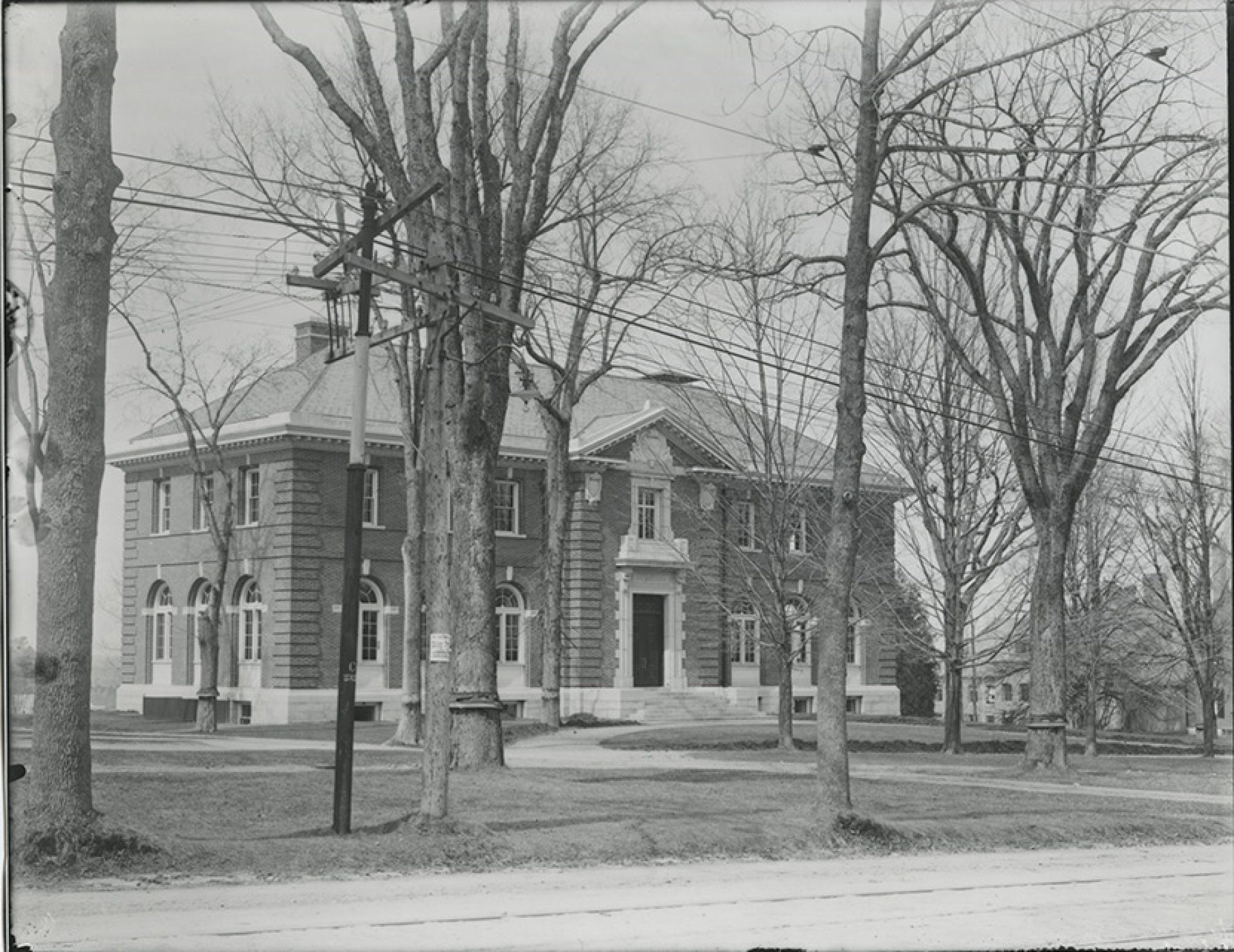
Department of Archaeology, 1906.

On Thursday, March 21, 1901, the Trustees of Phillips Academy established the Department of Archaeology at a meeting held in Boston. An anonymous donor and friend of the Academy, “provided a foundation sufficient for the erection of a suitable building, an endowment for instruction, research, and publication, together with a large collection.”

The inaugural officers of the Department of Archaeology were Dr. Cecil F.P. Bancroft (Principal of Phillips Academy), Charles Peabody (first Peabody Director), and Warren K. Moorehead (first Peabody Curator and Chief Executive Officer of the Archaeology Department).

In later years, the anonymous donor was recognized as Phillips Academy alumnus, Robert S. Peabody (Class of 1857), the namesake of our institution. Peabody’s passion for archaeology led him to create the archaeology program to encourage young students’ interest in archaeological sciences and to foster respect and appreciation for Native American culture. In addition, the institution would support archaeological research and serve as a place for students of Phillips Academy to gather.

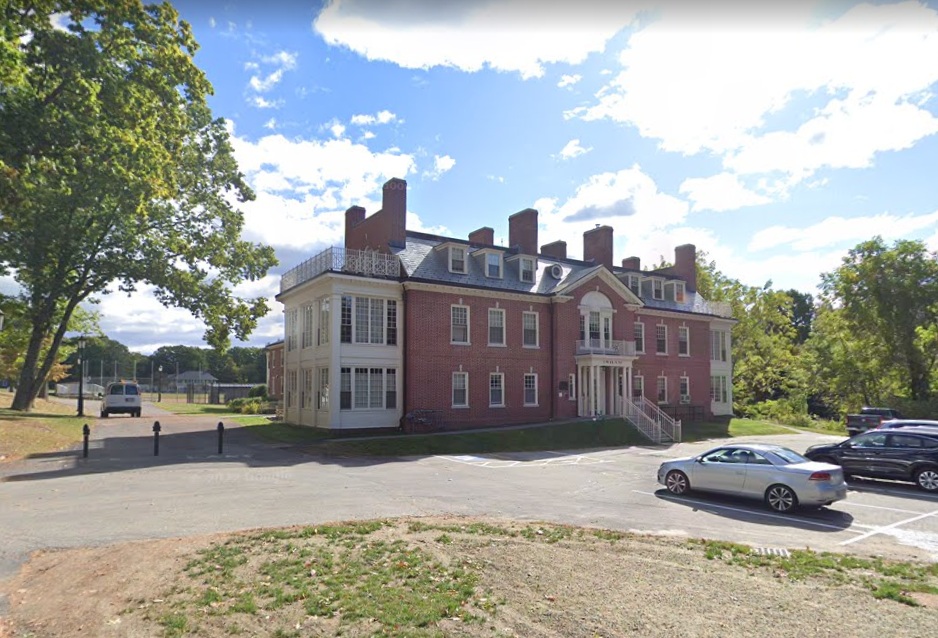
The original name of the Peabody is still present above the building’s front entrance.

At the time (1901), this was the largest single gift to the Academy and included Peabody’s collection of nearly 40,000 items. It was not only rare but quite unusual for a preparatory school to have its own department of archaeology with international connections and a major collection.

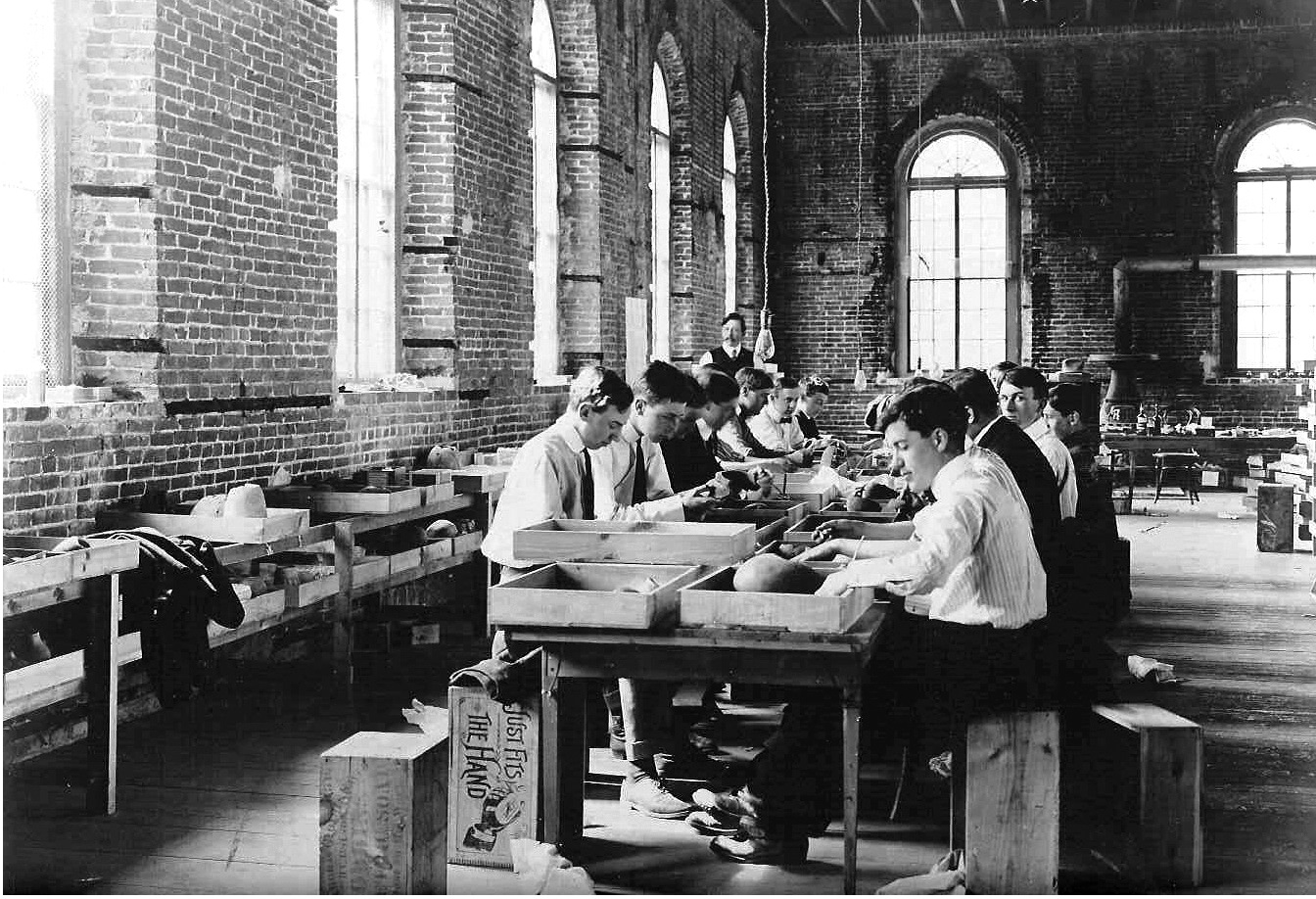
The new archaeology department was officially dedicated on Wednesday, May 1, 1901. Warren K. Moorehead spoke at a campus chapel meeting describing upcoming construction for the department and that a new building would be located on the corner of Phillips and Main Streets, where the current institute resides today. “The collection is now in Philadelphia and will be brought here [Phillips Academy] within the next two weeks and placed in the old gymnasium until the new building is finished.” Students from the Archaeology class would meet in the old gymnasium (located in the Brick Academy – the gym incarnation of Bulfinch Hall) on Monday and Thursday afternoons to help Mr. Peabody and Mr. Moorehead unpack the collection. The class met there for weeks while the new building was under construction, the laboratory-style work giving a unique replacement to the typical lectures students attended in their daily classes.

Students unpack Robert S. Peabody’s collections in the school gymnasium, circa 1901. Lantern slide, from the photographic collections, Robert S. Peabody Institute of Archaeology.

In the image above, students are unpacking from the very wooden drawers the Peabody used as housing for the collection, before it was replaced by more sustainable storage material in Phase 1 of the Peabody’s building project in 2023. If you look closely, you’ll see Mr. Moorehead standing in the background overseeing his students’ work!

The first lecture in Archaeology was given by Charles Peabody on October 14, 1901. Lectures were shared between Peabody and Warren K. Moorehead, most taking place in other buildings on campus such as the science building while the Department of Archaeology was under construction. In addition, Moorehead would take students participating in the archaeology class to various sites in the area – examining shell heaps in Ipswich, MA and an Indigenous village site along the Merrimack River near Lawrence, MA.

It is fascinating to see the parallels between current Peabody events and this moment in time – as of January 2026, the Peabody staff have moved out of the Peabody building to a temporary space across campus while the final Phase 2 of the Peabody’s building project begins. In addition, classes with the Peabody are (at present) being taught across other locations on campus during the building’s construction. With our Peabody Director, Ryan Wheeler, even teaching his Human Origins course in the science building as we saw Mr. Peabody and Mr. Moorehead doing about 125 years before!

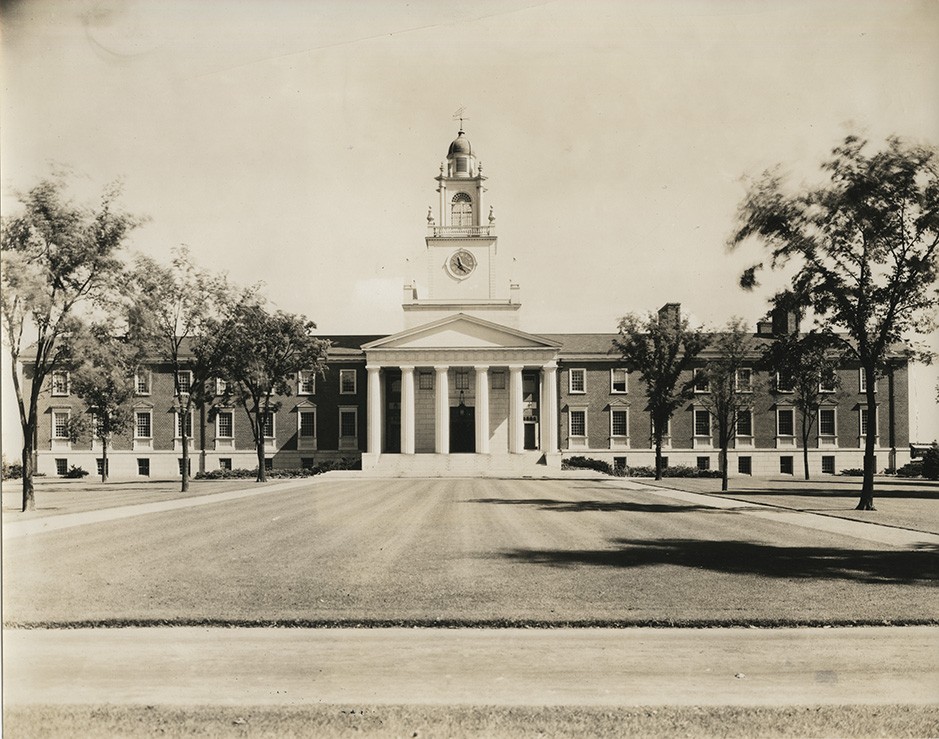
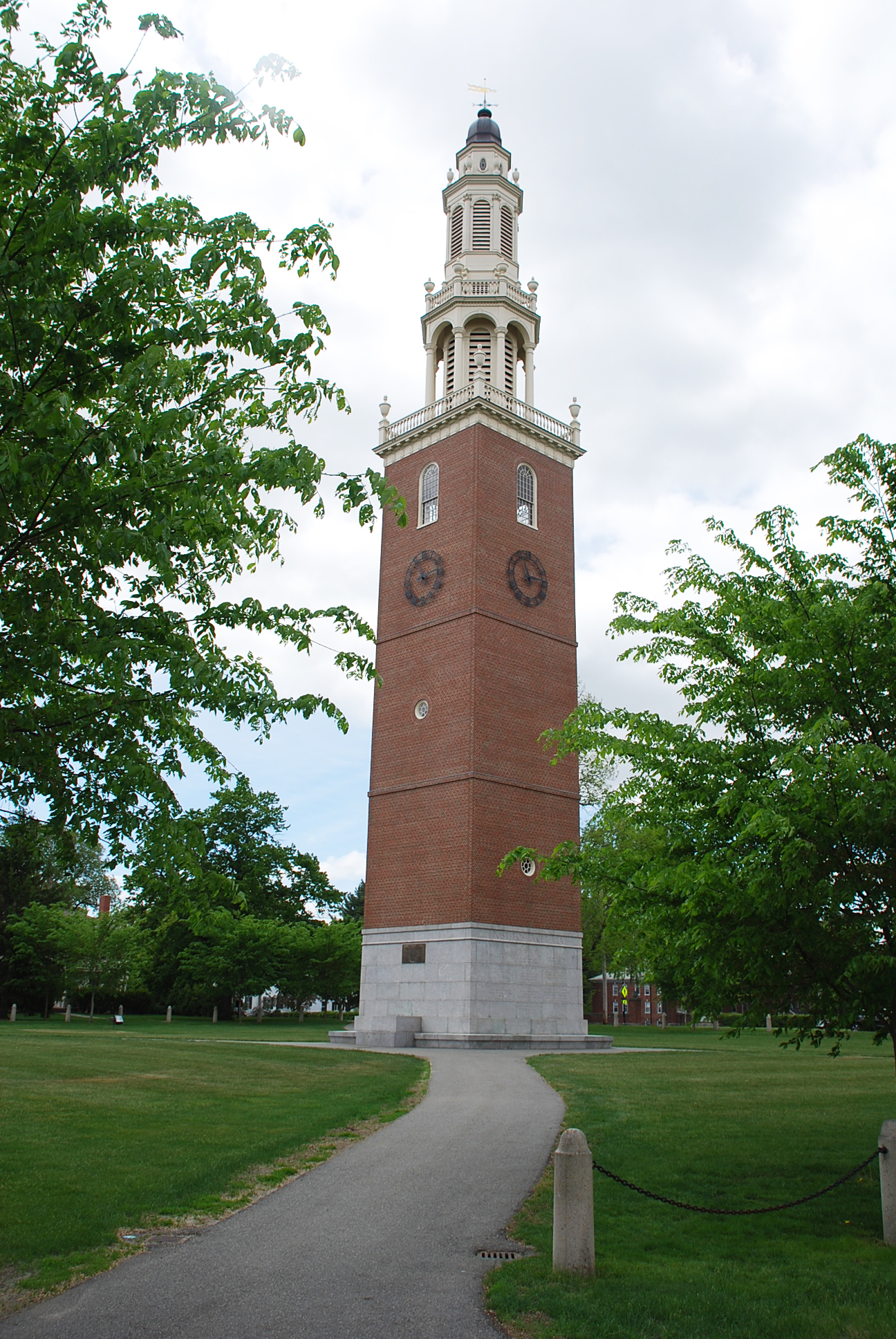
By October 30, 1901, bids for the new Archaeological building were in and construction was to begin soon after. Guy Lowell was chosen to design the building – the Peabody being his first architectural commission for Phillips Academy. Guy Lowell would later design other buildings on campus such as the Isham Infirmary (1913), Memorial Bell Tower (1922), and Samuel Phillips Hall (1924). Lowell also played a part in the development of the campus “Vista”, the reorganization of the Great Quadrangle, and renovations to Bulfinch Hall (1902). The Boston architect was most renowned for his design of the Boston Museum of Fine Arts and New York State Supreme Court Building.

Sameul Phillips Hall, 1933.
Memorial Bell Tower
Isham House

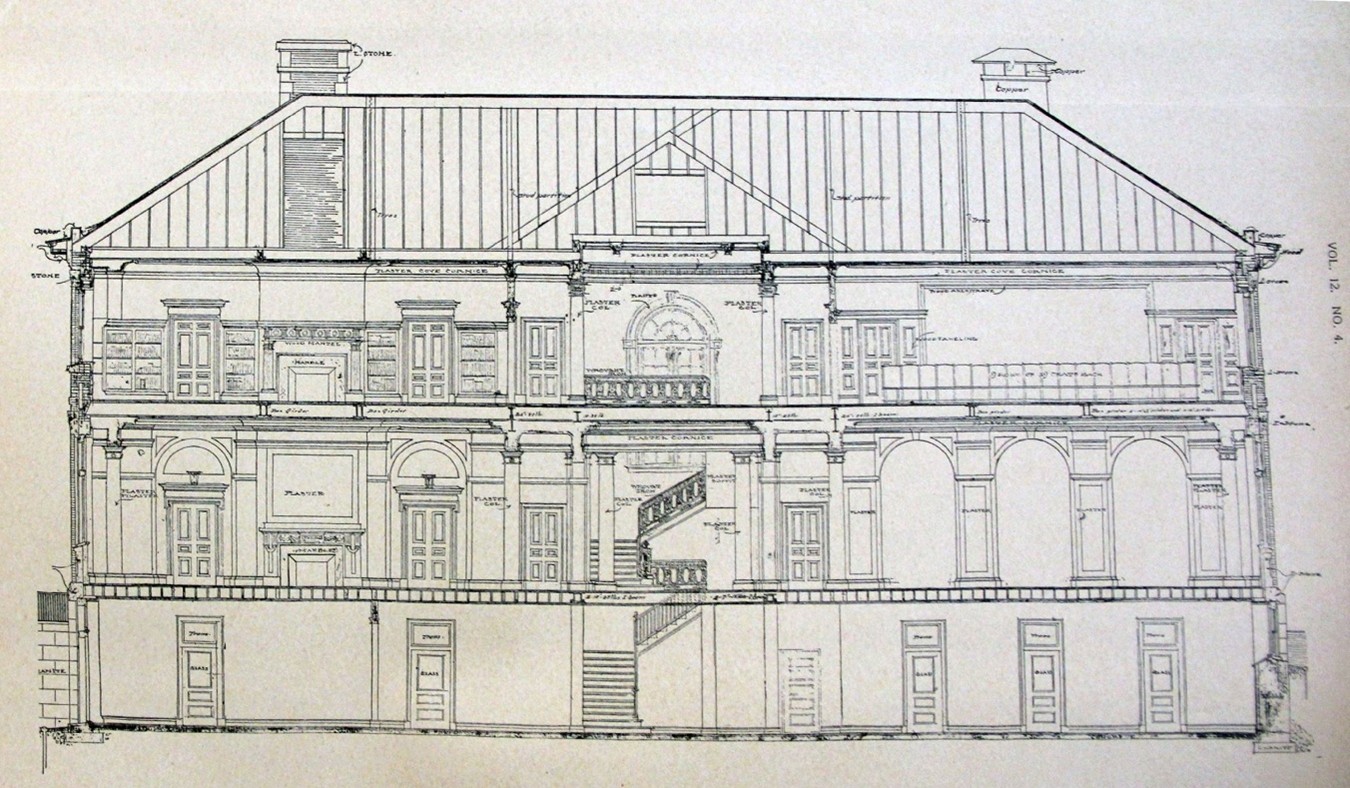
The building plans called for more than just a museum, detailing reception and meeting rooms “in which the students may assemble during recreation hours, both day and evening.” Spaces would be provided for the various clubs on campus as an informal gathering place.

“The main entrance is in the center, opening into a spacious hall wherein the largest specimens in the collection can be shown. On one side of this hall is to be a big exhibition room, with an alcove, and on the opposite side is a similar hall, behind which are the custodian’s office and private apartments, and a cataloguing room. 

The building is two stories. The second floor is given over to a room, on one side of the main hall, to be used for lectures and entertainment, with a large platform provided for these purposes. This hall will seat 175 or 200 students. On the other side of the main hall is a large library and reading room and lounging place, with a stack room, which will make it possible to care for 15,000 volumes. The windows on the lower floor are arched at the top, while those of the second are what architects term square headed.

The basement of the building is commodious, but will not be finished at once, although the plan is to have eventually an assembly room, a grill room, various committee rooms for the athletic departments, offices for The Phillipian and Mirror, and possibly a small cooperative store for the benefit of the students.”

-Excerpt from The Phillipian, October 30, 1901 Article.

For more details about some of the Peabody’s earlier building features, check out my previous blogs here and here!

Peabody Building Plans, 1902

As the new building construction began to reach completion, the Peabody collections were growing from various donations across the country. The archaeology department staff stored the collection in various parts of campus such as the old gymnasium (Bulfinch Hall), the new gymnasium (Borden Gym), and the Administration building (which alone, stored about 30 different collections, totaling to about 4,000 items.)

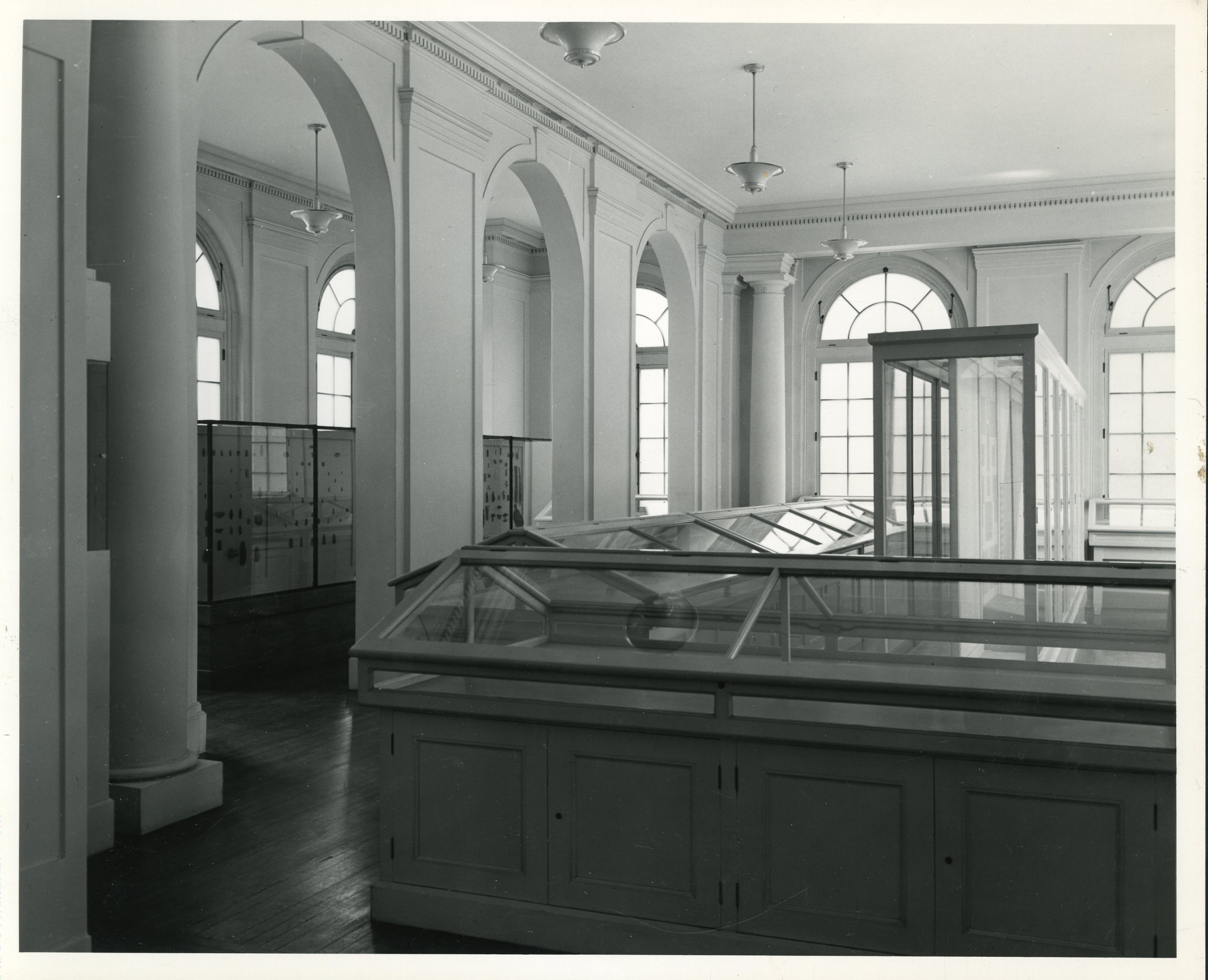
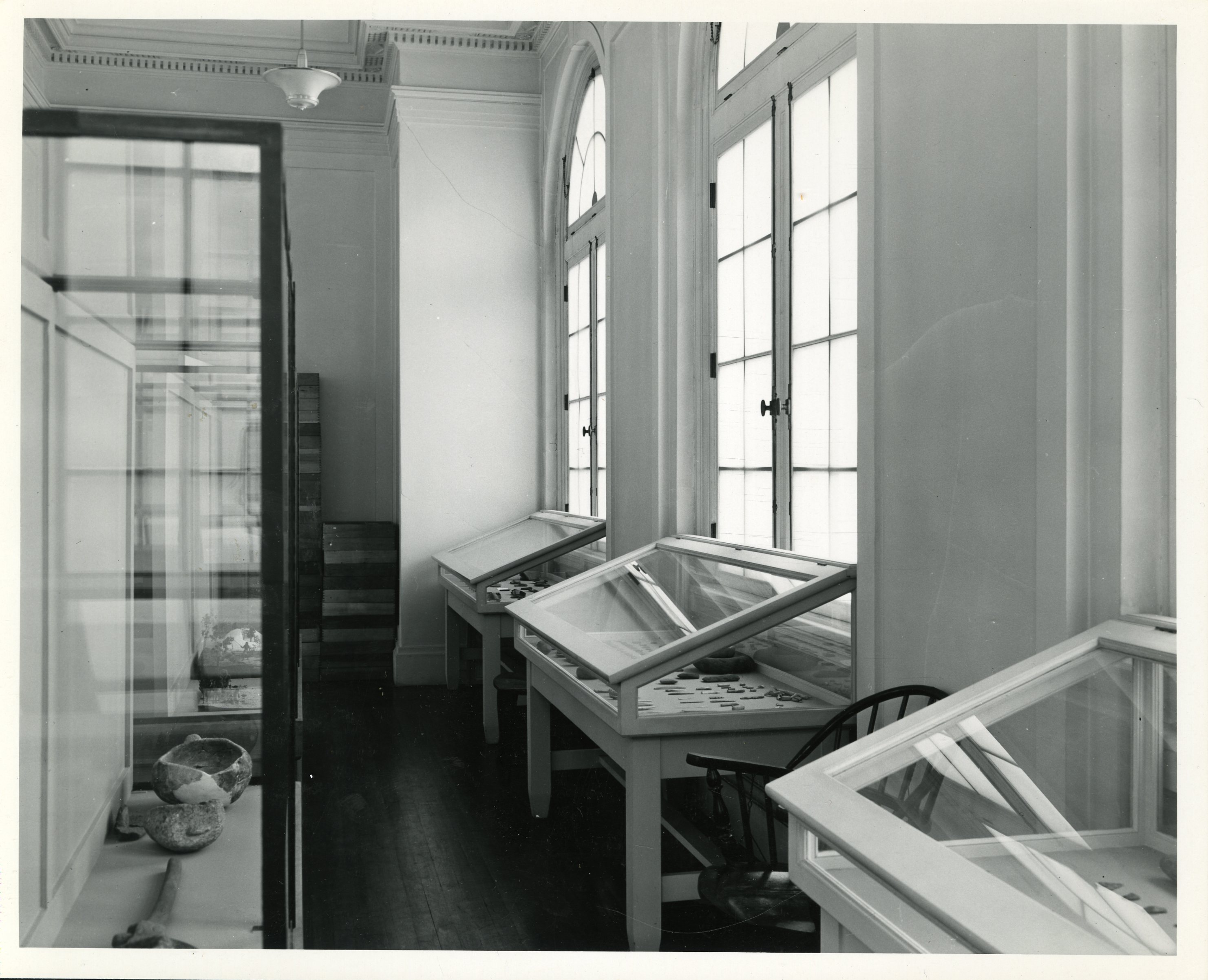
By early February of 1903, the Peabody collection was officially moved into the new building. Briggs & Allyn, a company in Lawrence, MA built fifteen large museum exhibit cases modeled after the Peabody Harvard Museum to display some of the collections.

The Peabody during the Byers and Johnson era (1936 – 1968)

I did appreciate the Peabody staff’s honesty at the time expressing the difficulties of balancing the move into the building with their academic responsibilities, mentioning “it has been difficult for the officials of the department to conduct class work properly, and for students to understand the course, since all the specimens have been inaccessible… all will welcome the installation of the collections in their proper quarters.”

The formal opening of the new Department of Archaeology building was held on Saturday, March 28, 1903. The opening was celebrated with a reception including performances by the Mandolin and Banjo clubs as well as several speakers from the Academy and Archaeological field. Out of the various addresses by members of the Academy, two stood out – one, from Dr. Robert R. Bishop (on behalf of the Trustees of the Academy) who most gratefully accepted the gift of the new building on behalf of the Trustees, regretting only that “on account of the modesty of the donor, he was not permitted to make known their name.” This being the very donor that we now honor as the namesake of our institution.

Second, from Vice-Principal A.E. Stearns (on behalf of the Faculty of the Academy) who mentions a very significant fact – “that one hundred and twenty-five years ago the first class that ever graduated from Phillips Academy, met for its exercises on the very spot where the new archaeology building now stands.” I find these words timely as the Peabody looks forward to celebrating 125 years in that same spot next month.

In commemoration of our 125th the Peabody will be celebrating all year with upcoming activities, events, special communications, virtual opportunities to connect with our institution, and ways to support the Peabody and our future projects. There is so much more to come that we cannot wait to share with you! Stay tuned and follow us on our socials so you don’t miss out on the festivities!

Instagram – peabodyandover

Facebook – peabodyphillipsacademy

Twitter – @RSP_Museum

Peabody Newsletter – Sign up here!

Wrapping up Peabody History

Contributed by Marla Taylor

Did you know that the building that houses the Peabody Institute was built between 1901 and 1903? Designed by well-known Boston architect Guy Lowell, the building was designed to be the home of the Phillips Academy Department of Archaeology. Over the past 120 years, the department has transitioned into the Peabody Institute.

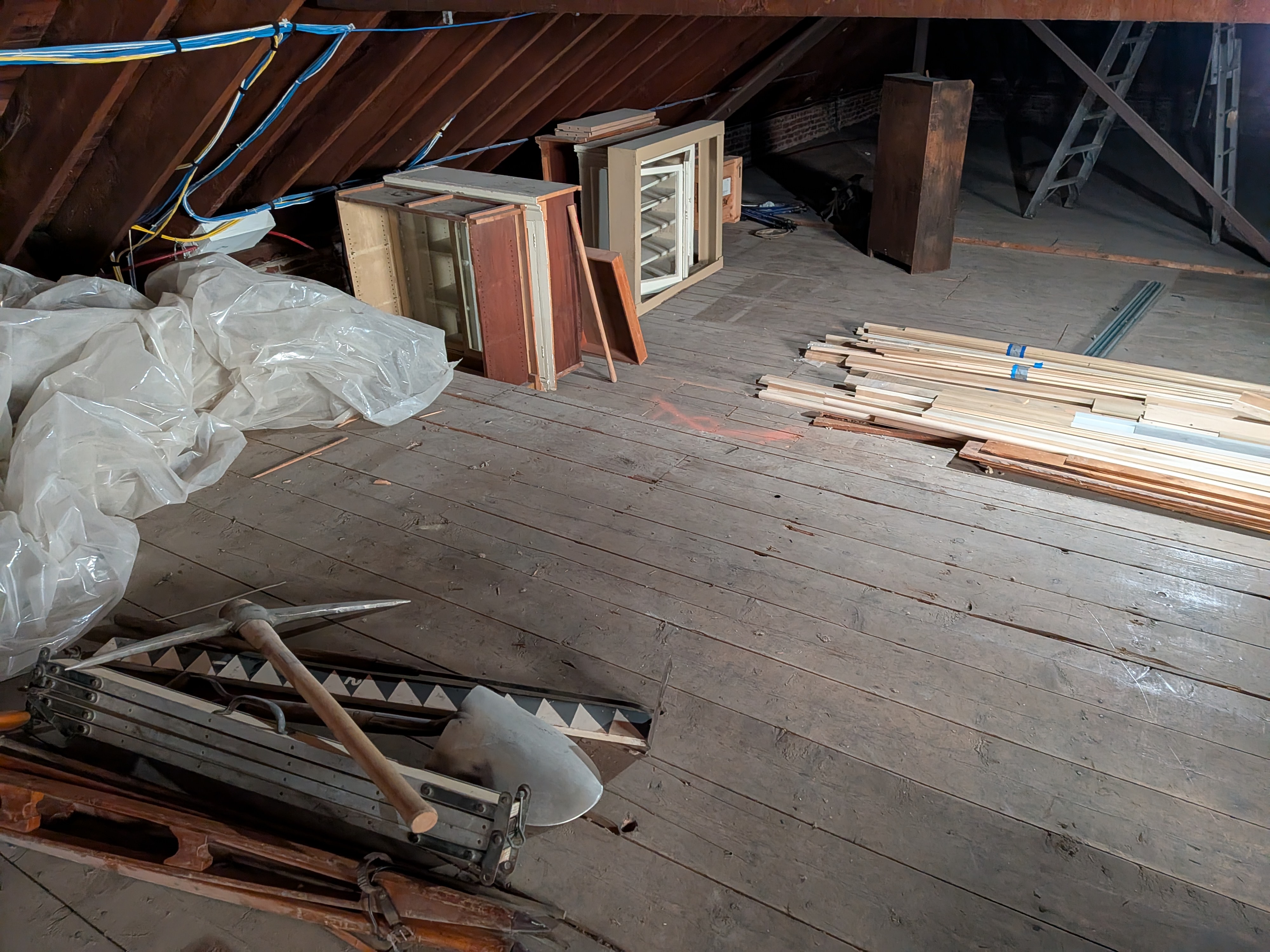
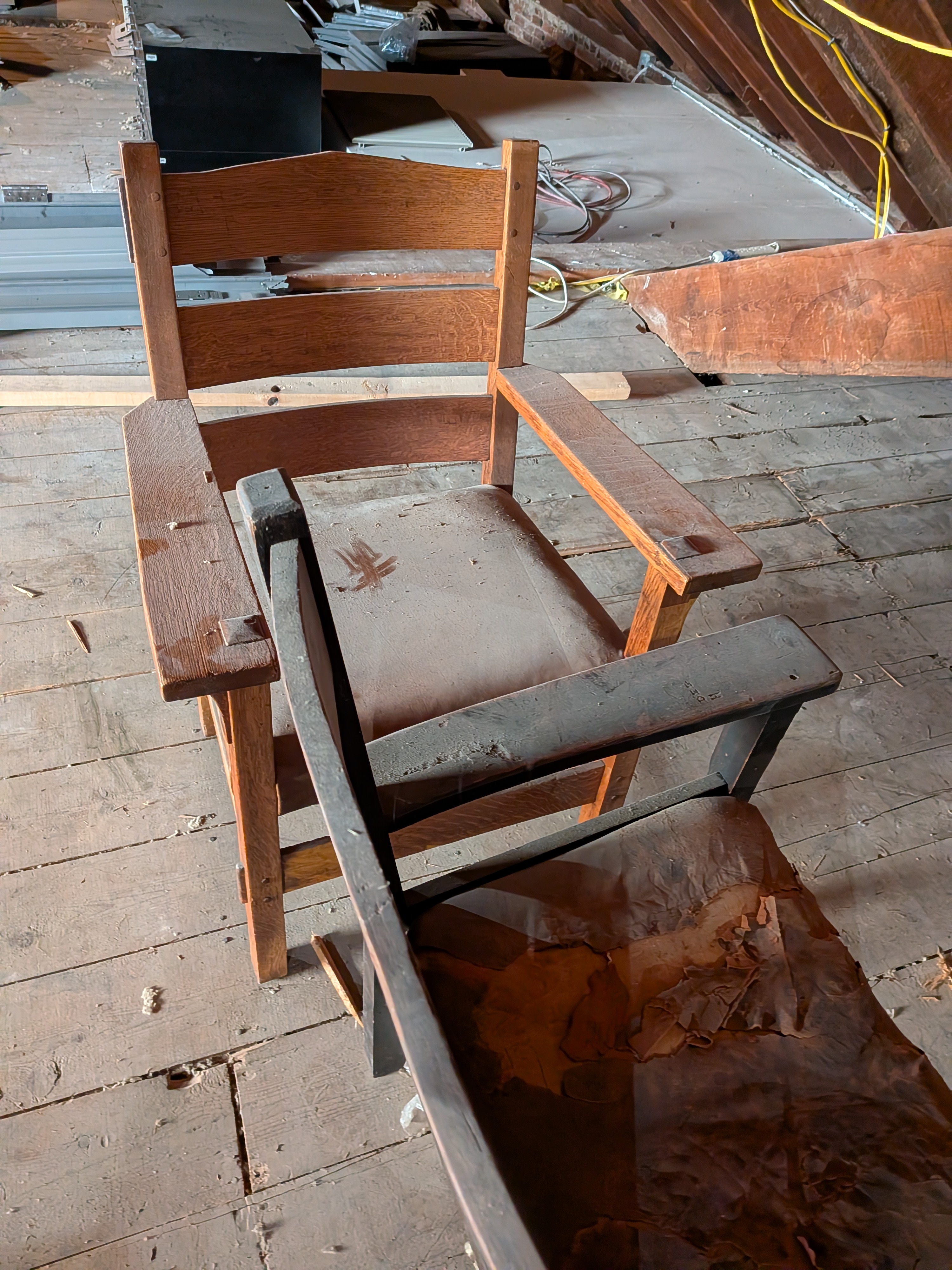
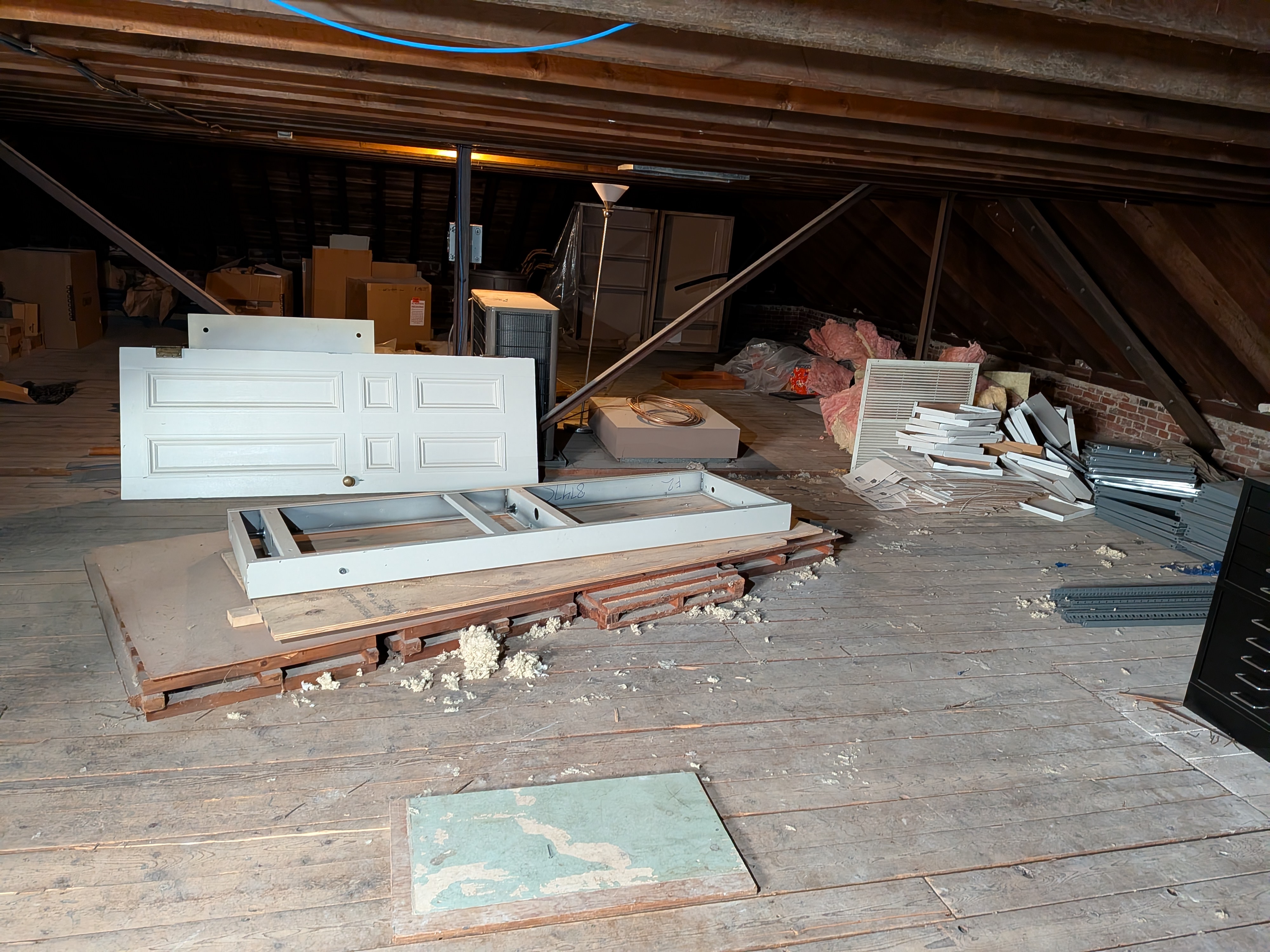
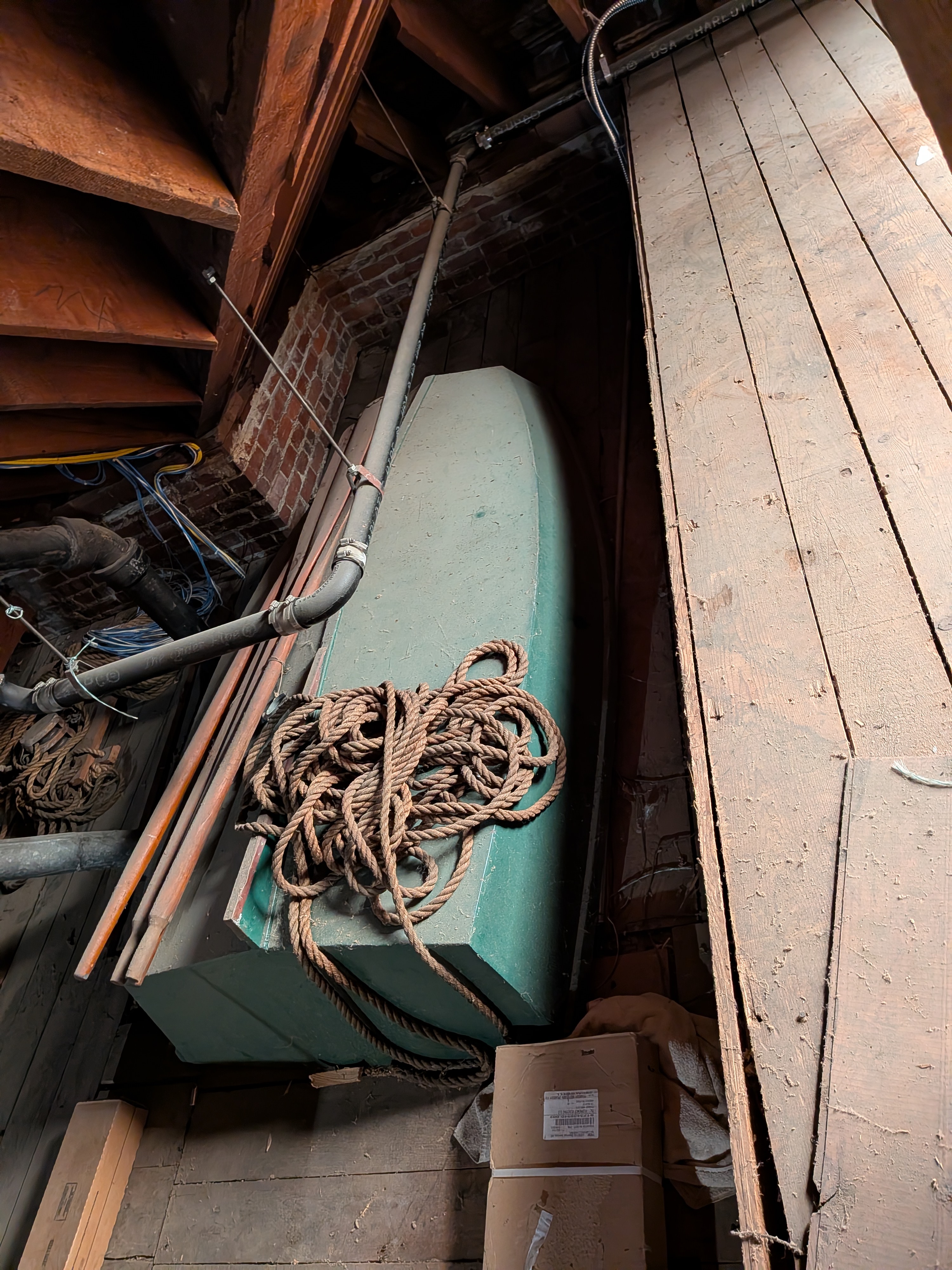
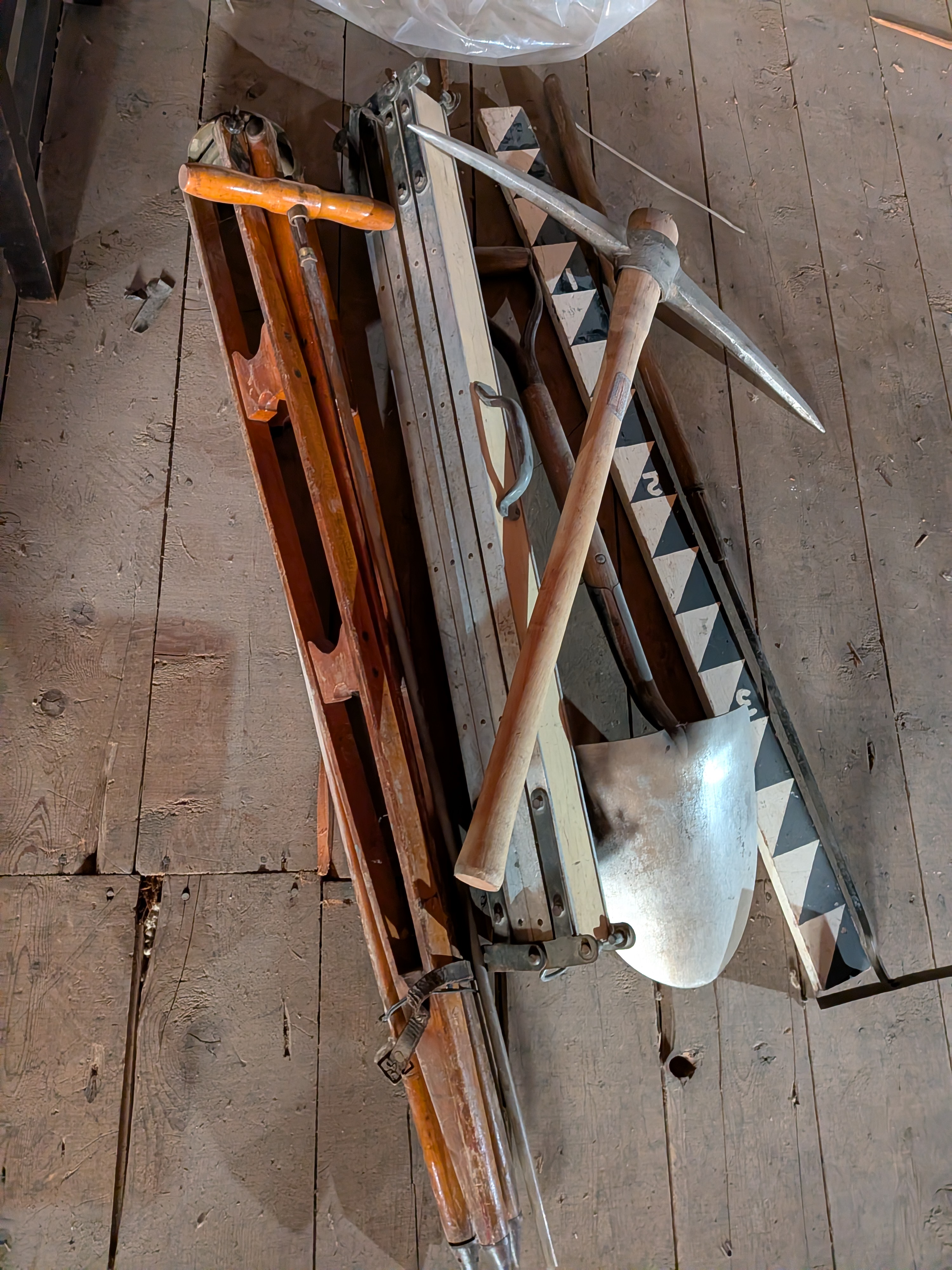
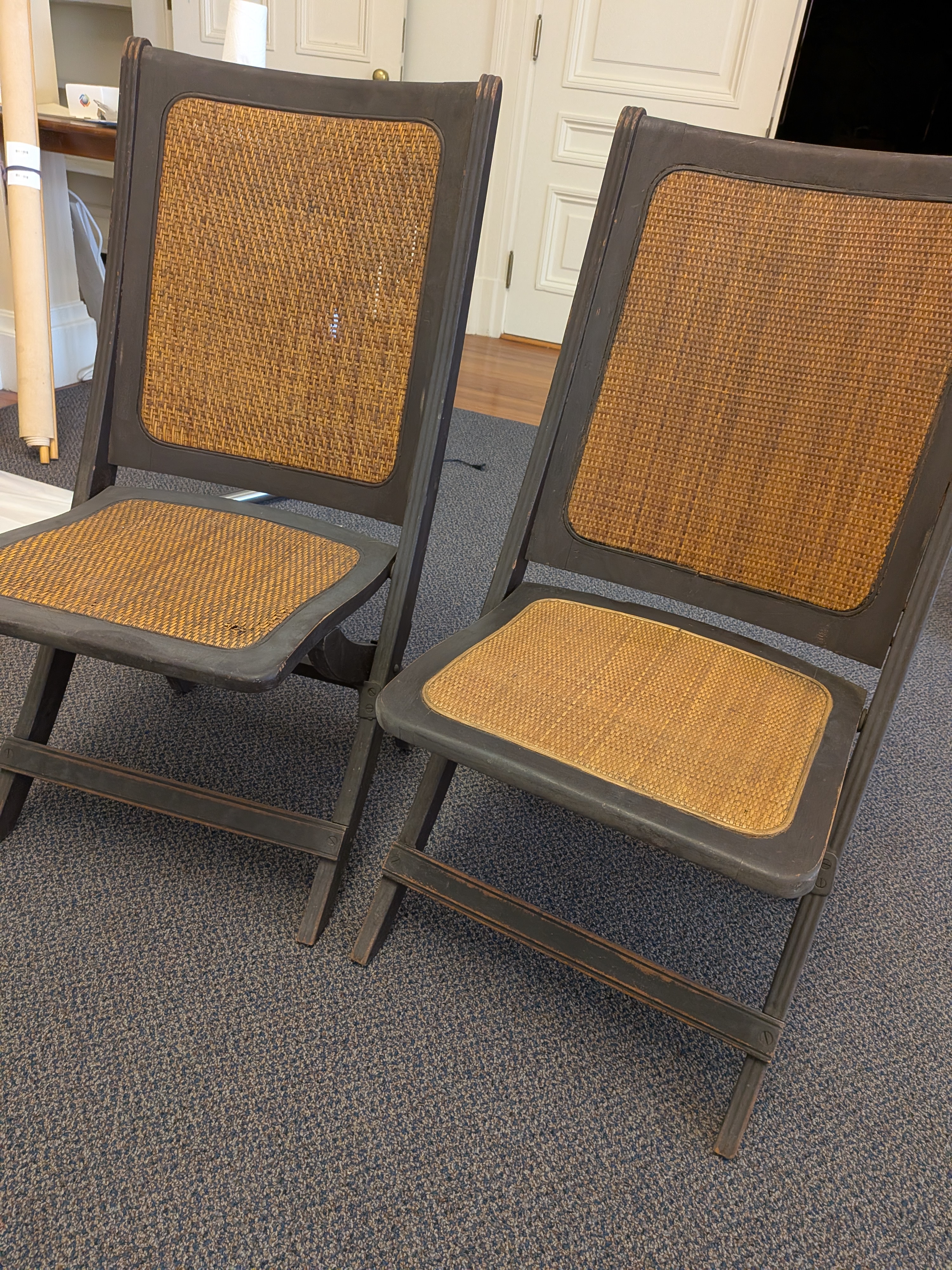
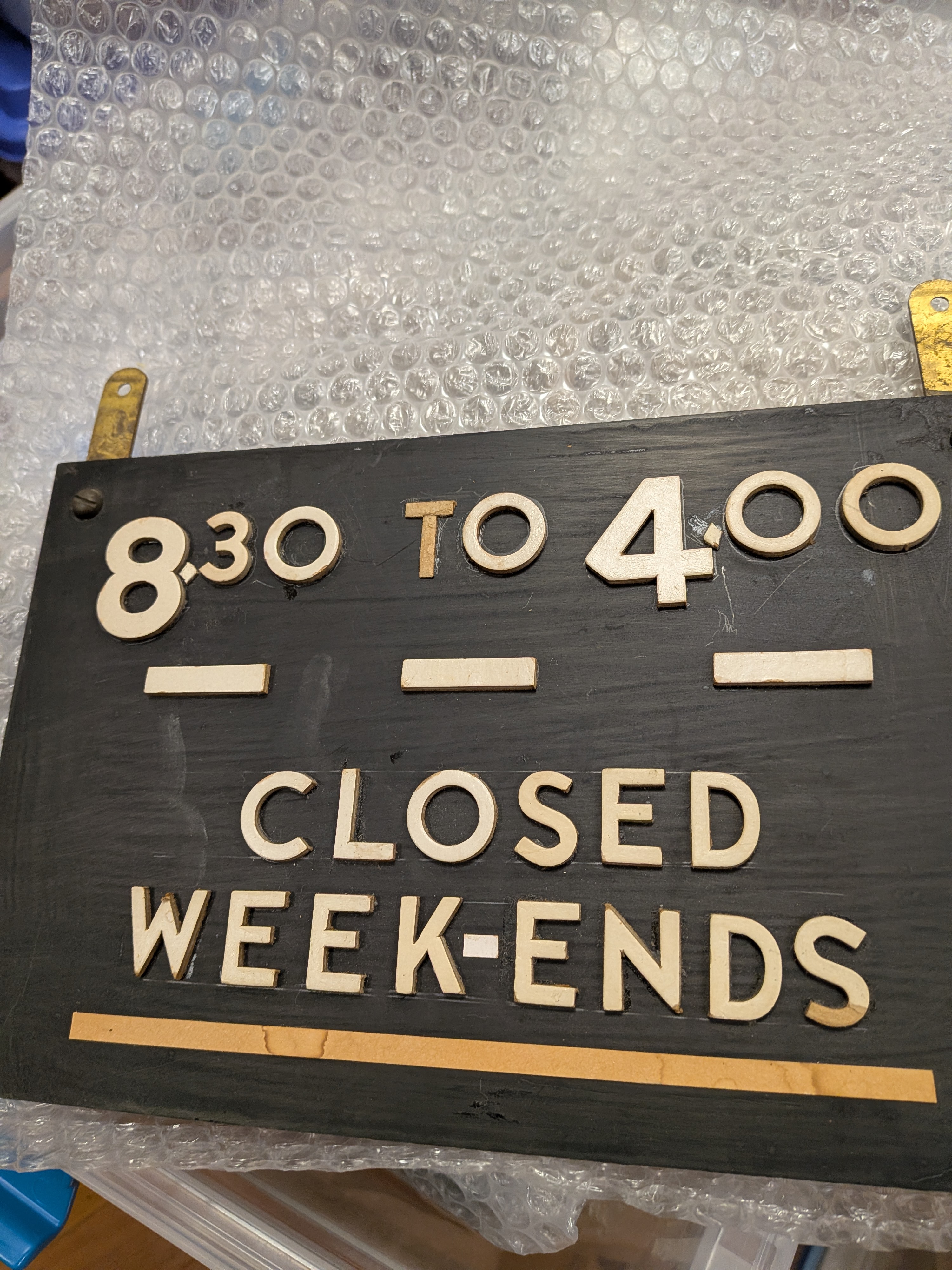
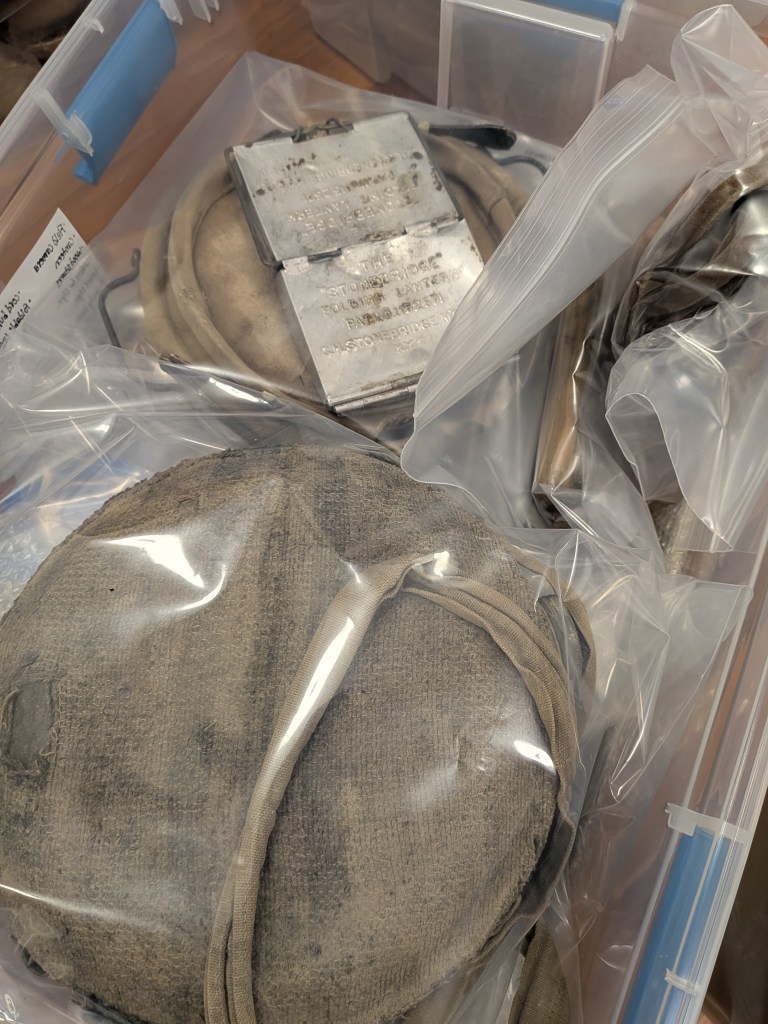
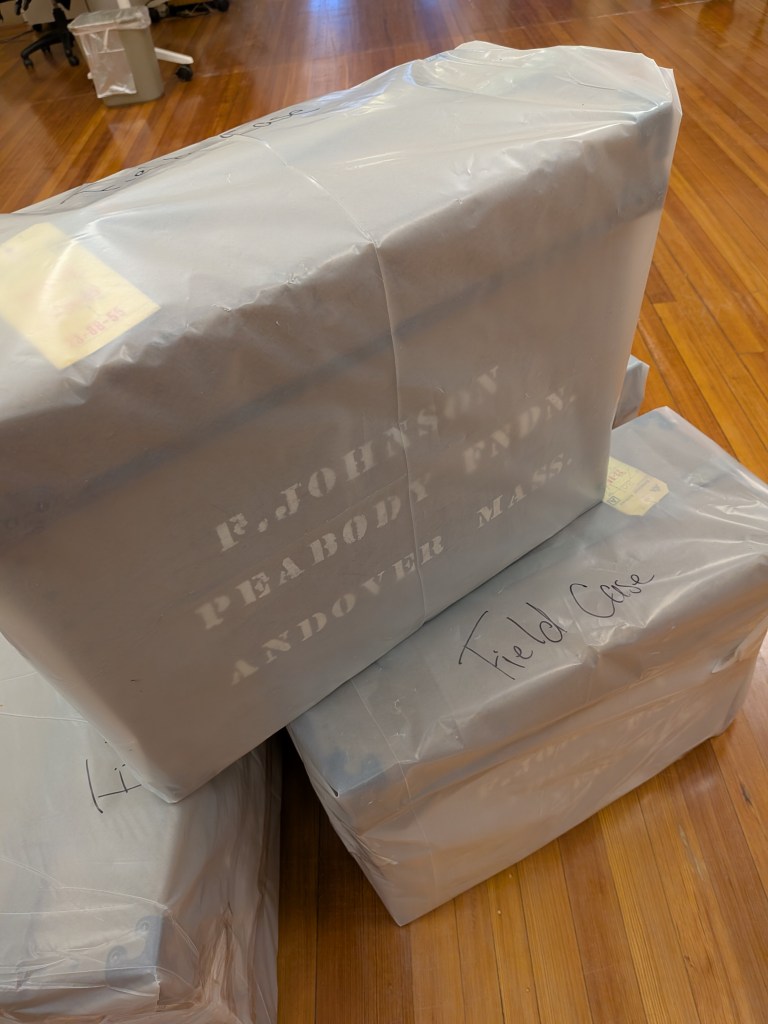
As anyone who has lived in the same house for a long time can attest – it is really easy to accumulate stuff (both valuable items and less-than-helpful clutter). Like a well-loved home, the Peabody certainly had its fair share of stuff that needed to be sorted and rehomed before the current building project could get underway. The best stuff had been kept in the attic.

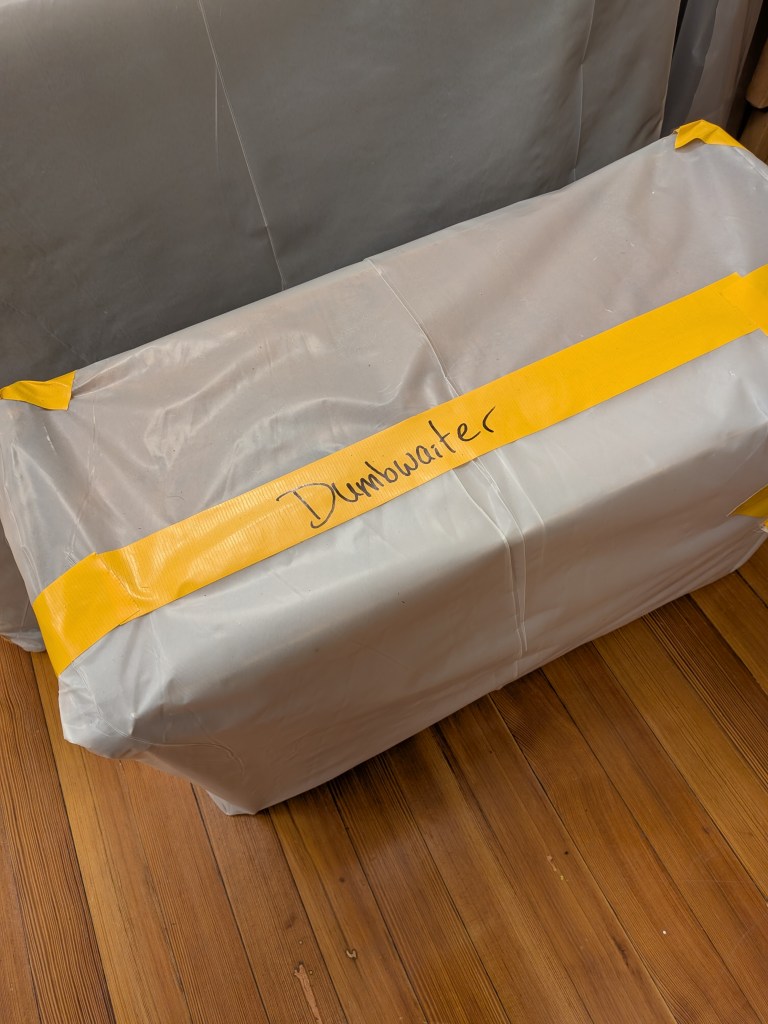
Attics always have a reputation (you know what I mean) and the Peabody’s attic is a special one. If you are over 5’6”, you better watch your head. The corners are as dark as you imagine. And yes, sometimes there are bats. However, there are also piles of old archaeological field equipment, a dumb-waiter, traveling trunks and some incredible pieces of institutional history that needed to be preserved before the building project.

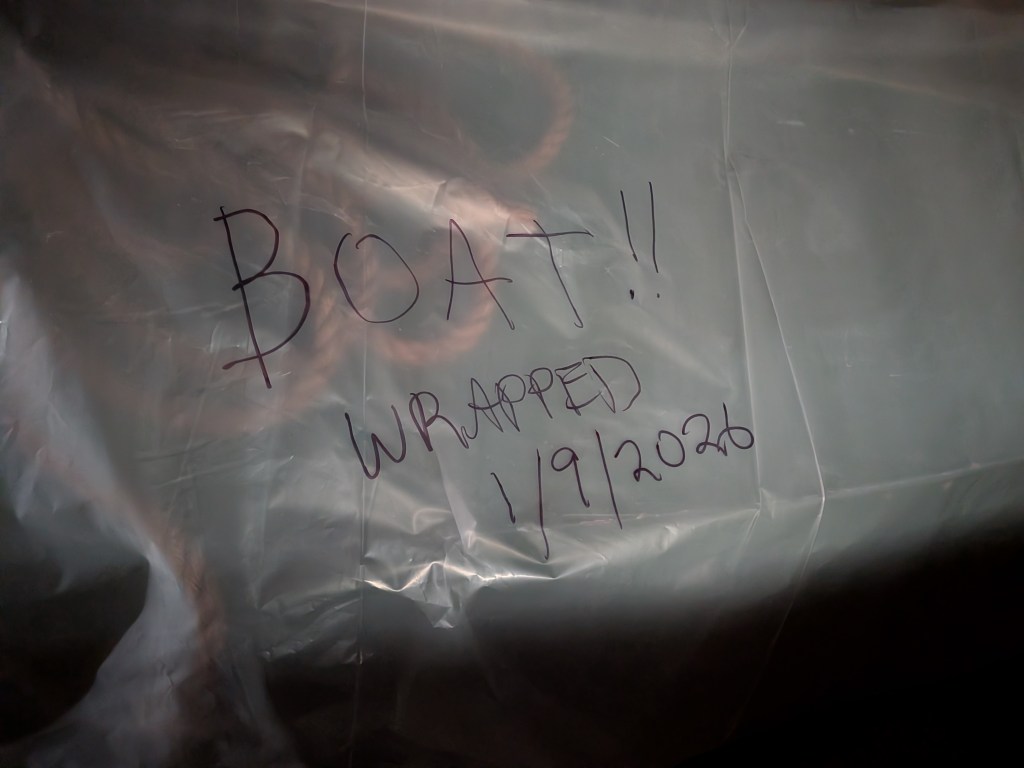
Everything was lovingly wrapped in plastic – it wasn’t always pretty (you try wrapping a pickaxe!) – and clearly labeled for the future. Who knows what future Peabody staff will do with these items, but I am relieved that they will have the opportunity to engage with these echoes of history.

Why We Started the AAS Blog

Contributed by Jack Angelo ’26

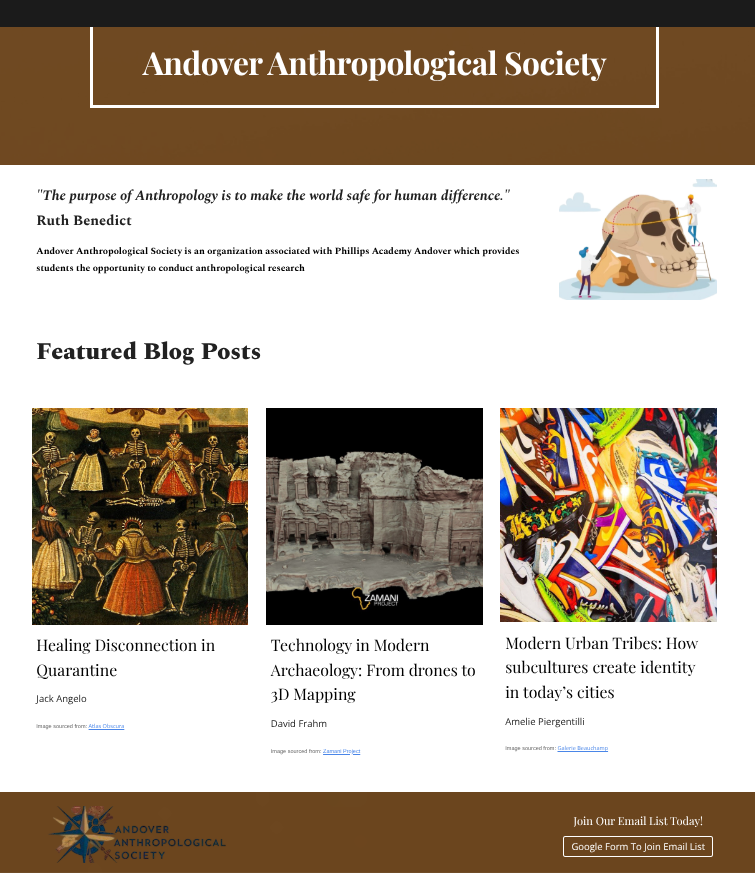
Homepage of the AAS blog site

My name is Jack Angelo and I am a board member and Blog Lead in Andover’s Anthropological Society, a student club we created here at Phillips Academy last year. I first became interested in Anthropology because of the many different topics it could cover, allowing someone to perform curiosity-based research about whatever subject matter interests them. When the other board members and I created the club, we knew most of our members’ research and curiosity would be directed towards our more major projects working in tandem with the Peabody Institute. But, understanding that the larger, focused research projects did not allow total intellectual freedom for the whole club, and that it did not spread our club’s messaging to the whole campus, we decided to create the Andover Anthropological Society Blog Site.

Our blog has now run for almost nine months and has served as an amazing display of the various topics our members are interested in, such as Corporate Consumerism in America, The Rise of Digital Tribalism, and the History of Art in Quarantine. Each post reflects what genuinely interests our writers, allowing people to contribute to the club without having to take part in our larger projects. In this way, the blog has developed into exactly the kind of free representational space we hoped for.

Additionally, the blog is a public source for anybody to read to understand our club’s messaging or to just further their interest in anthropology. We wanted to make sure that what we’re doing in AAS isn’t limited to the people who show up to meetings. By putting our work online, we’re giving the whole Andover community access to the topics we’re exploring and the research our members are doing. If someone’s curious about anthropology but doesn’t know where to start, or if they just want to read about a specific topic, the blog is there for them.

Ultimately, the AAS Blog is about making anthropology accessible. We wanted to create something that anyone could engage with, regardless of whether they’re in the club or have any background in the field. By keeping our work public and covering topics that connect to everyday life, we’ve built a resource that’s open to the entire Andover community.