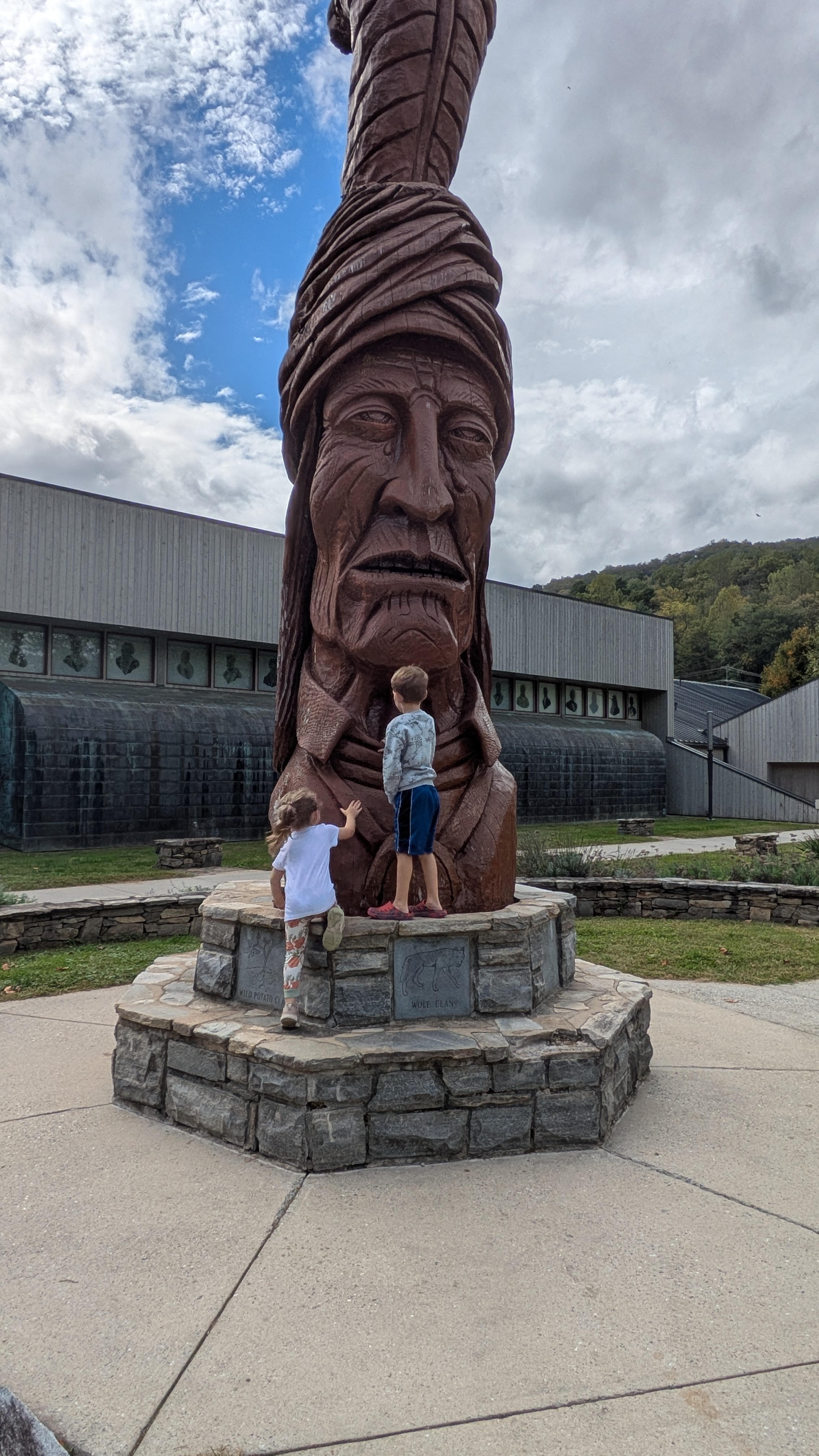
It was really fun to encounter Peter Toth’s monumental wood carving of Sequoyah outside the Museum of the Cherokee People. Toth created over 70 of these sculptures as part of his Trail of the Whispering Giants project. I met the artist in 1983 when he was carving a tribute to the Seminole on Fort Lauderdale beach.
Four members of the Peabody Institute team attended the 2025 Association of Tribal Archives, Libraries, and Museums (ATALM) conference held in Cherokee, North Carolina this October, continuing our tradition of sending personnel that goes back about a decade. This year’s conference saw over 1,000 museum, archive, and library professionals convene at the meeting facilities of the Eastern Band of Cherokee Indians, coinciding with the festivities of the 113th Cherokee Indian Fair. The fair featured a parade, agricultural and cultural events, stick ball, an art show, and more.
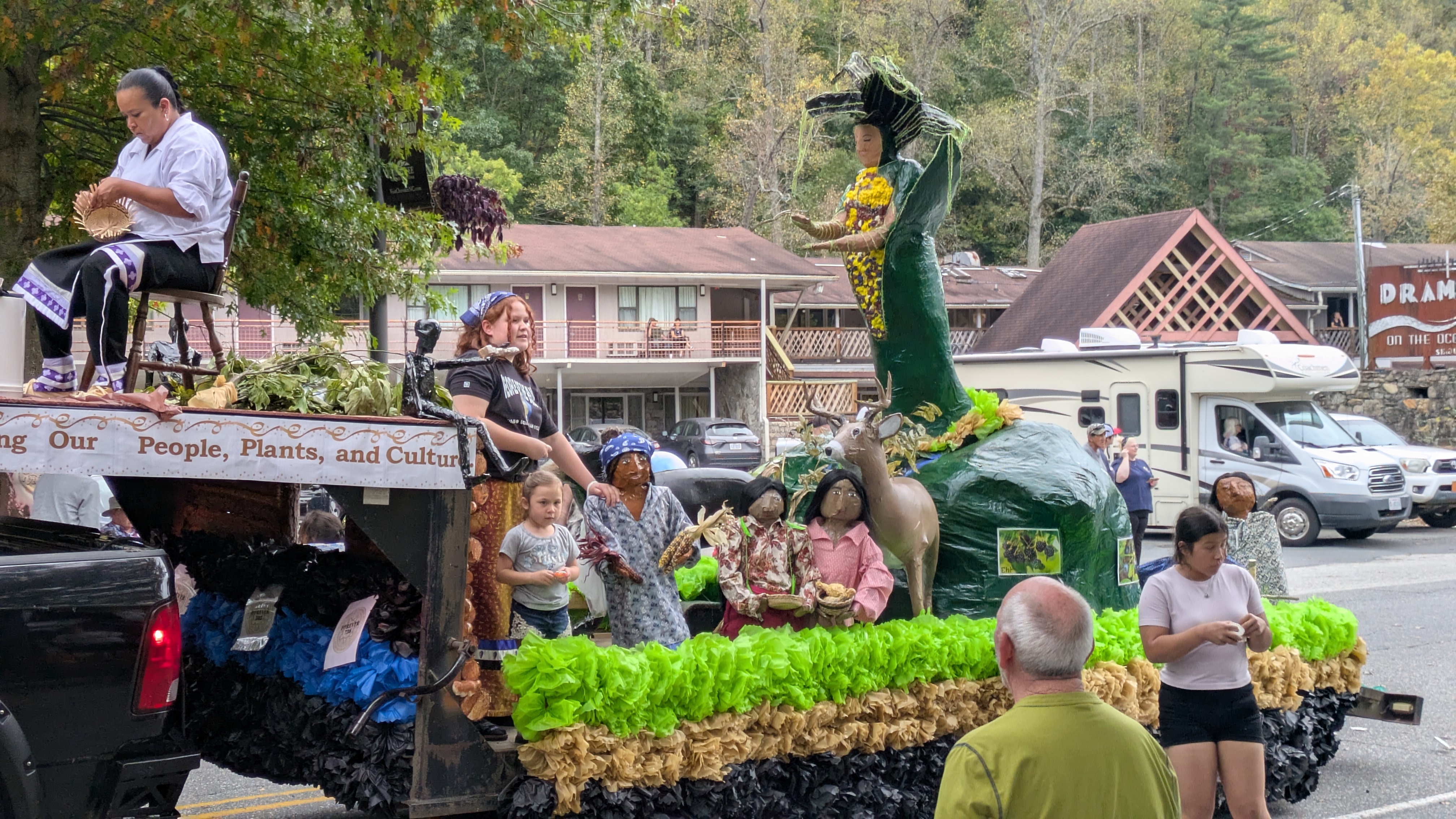
The Cherokee Day parade featured contestants in the Miss Cherokee pageant, lots of agriculture themed floats, marching bands, a drum line. And candy. So. Much. Candy!
Back at the conference, attendees had lots of opportunities to network and learn at expert sessions and demonstrations. Highlights for the Peabody team were visits to the Museum of Cherokee People, Qualla Arts & Crafts Mutual Co-op, the Oconaluftee Indian Village, the informal NAGPRA networking session, the Repatriation Talking Circle, and One Square Inch of Ceremony (and additional workshops with Lily Hope, Tlingit artist, educator, and community facilitator). Marla Taylor, Peabody curator of collections, participated in the session Institutional Approaches to NAGPRA Duty of Care, along with colleagues from museums, universities, and the Muscogee (Creek) Nation.
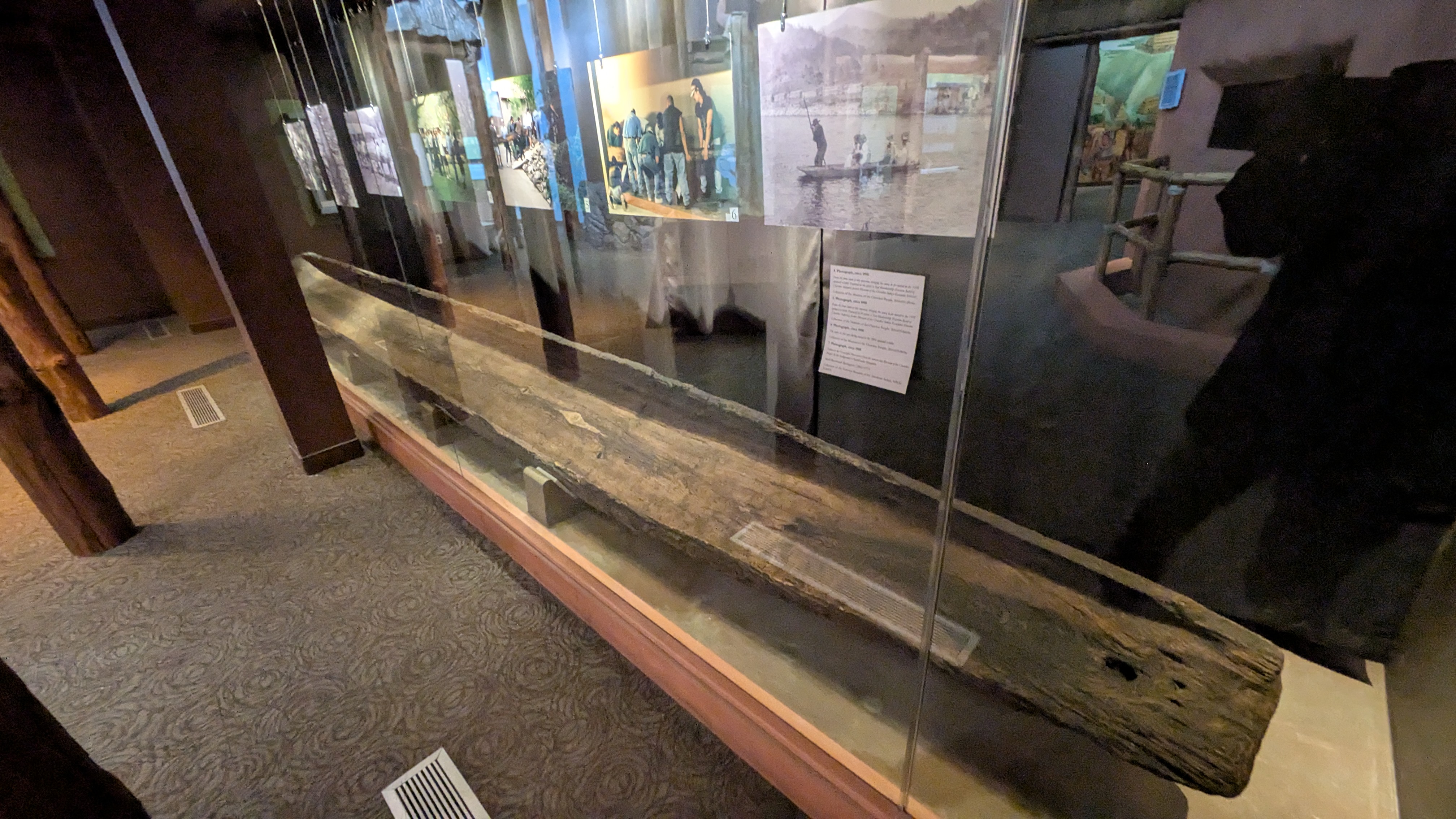
Canoes are everywhere! Exciting to see this dugout canoe at the Museum of the Cherokee People. The museum, one of the earliest Tribal museums in the US, has a series of great interpretive panels questioning how best to tell the Cherokee story. For example, why do museums always begin with PaleoIndians? Back to the canoe–this great example of a dugout is about 200 years old and was found in the 1970s on the Chattahoochee River near Helen, Georgia.
Many great meals were shared as well, but the best part was reconnecting with old friends, meeting colleagues regularly seen on Zoom in person, and making new friends. If you haven’t attended an ATALM conference, we highly recommend it!
What happens when a project is successful but doesn’t quite resolve the larger storyline or need? A sequel!
I share with you – Peabody Building Renovations: the Sequel.
The first phase of the work, completed in early 2024, focused on improving collections care. This included new shelving, an HVAC system, updated security, and an elevator in the building. To facilitate this, the entire collection had to be moved to temporary storage and back again. Phase I was a huge amount of work for all of the Peabody staff and I can confidently say that the collection is now in a better environment than it was before.
This next phase will largely ignore the collections spaces and instead focus on updating classrooms, creating offices, and modernizing systems. By using the space more efficiently, we will create two additional classrooms for use by Peabody educators or PA faculty. Staff members will have discrete office spaces and there will be room to grow.
One of the biggest improvements will be the addition of an HVAC system to the classrooms and office spaces. As someone who has worked in these spaces for as long as I have, I would have to say that this is the part that I am looking forward to the most. Currently, it can be really hot in the summer (over 80 degrees in the classroom) and quite chilly in the winter. We all have our methods to deal with the discomfort, but I am excited to have air conditioning!
All of this of course comes with some disruption to our regular activities. Staff will once again be moved to a temporary location and access to the collection will be restricted.
As of December 1st, Peabody collections will be largely unavailable and classroom spaces will be out of commission. Repatriation work and collections inquiries from Tribal communities will be prioritized but other access will be restricted. Please contact me, mtaylor@andover.edu, with any questions or requests.
PA classes may be taught in a modified format with limited collections based on availability. Please contact Lainie Schultz, Curator of Education, to request a class.
The Peabody should be back in commission by September of 2026. I will be able to share periodic updates on the process through the blog and we are so excited to welcome you into our updated space next year. Stay tuned!
If you are interested in supporting Phase 2, please contact Jen Pieroni, Director for Advancement Initiatives, Office of Academy Resources.
This summer I went to visit a friend in Vienna. I hadn’t seen her in [*cough*] years, so my inspiration was mainly just to hang out with her. It was only after I had my plane tickets and the trip was drawing near that I actually started looking into what there was to do in Vienna.
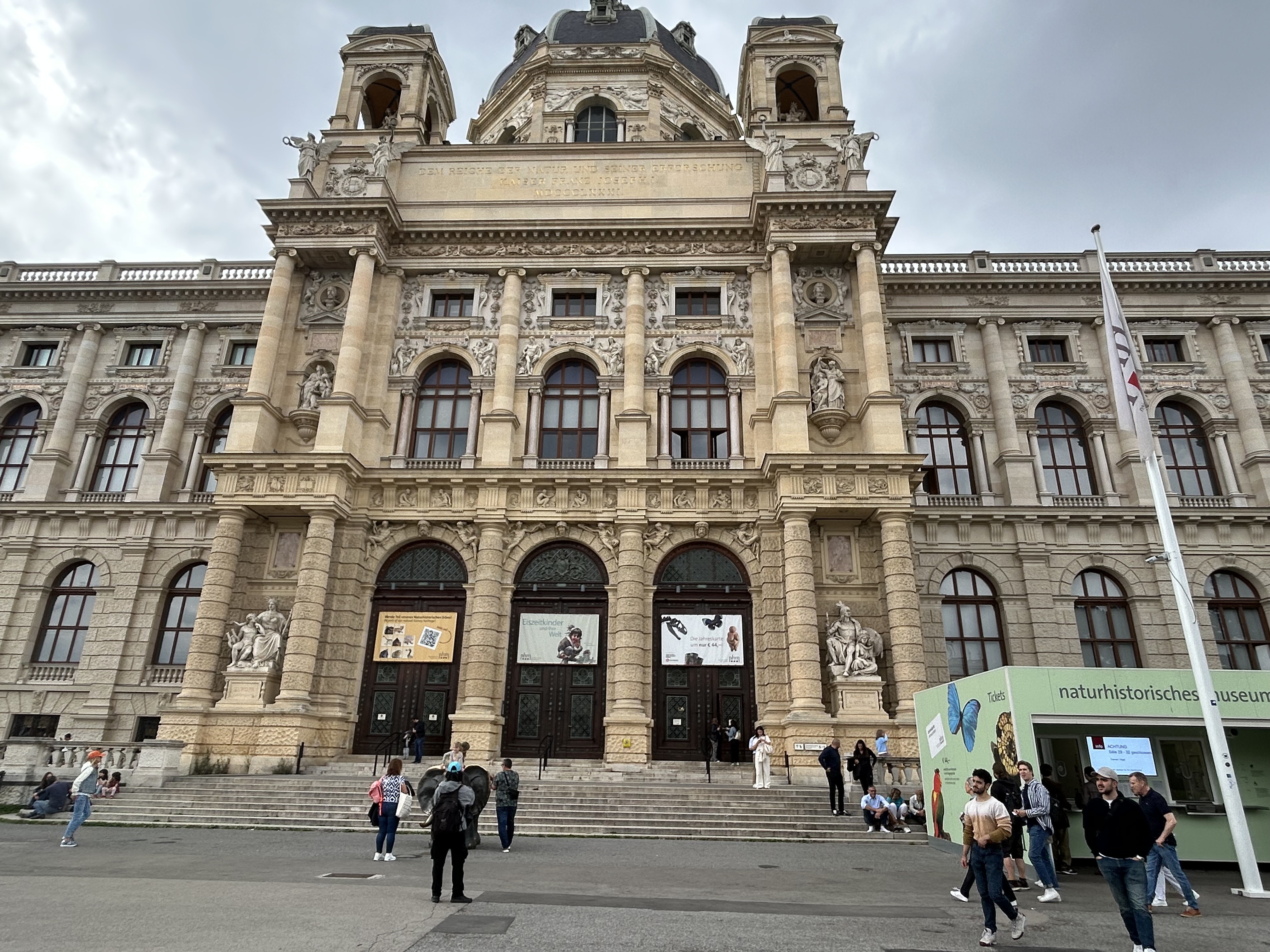
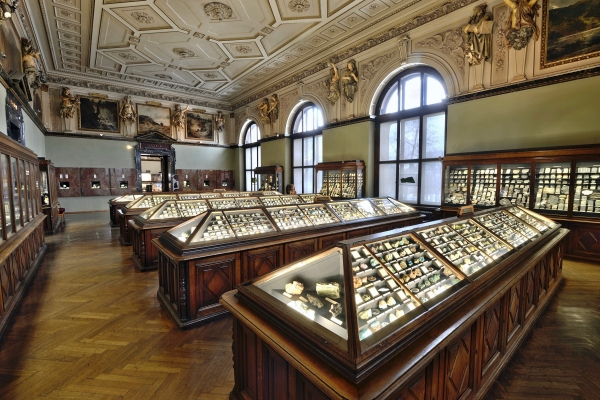
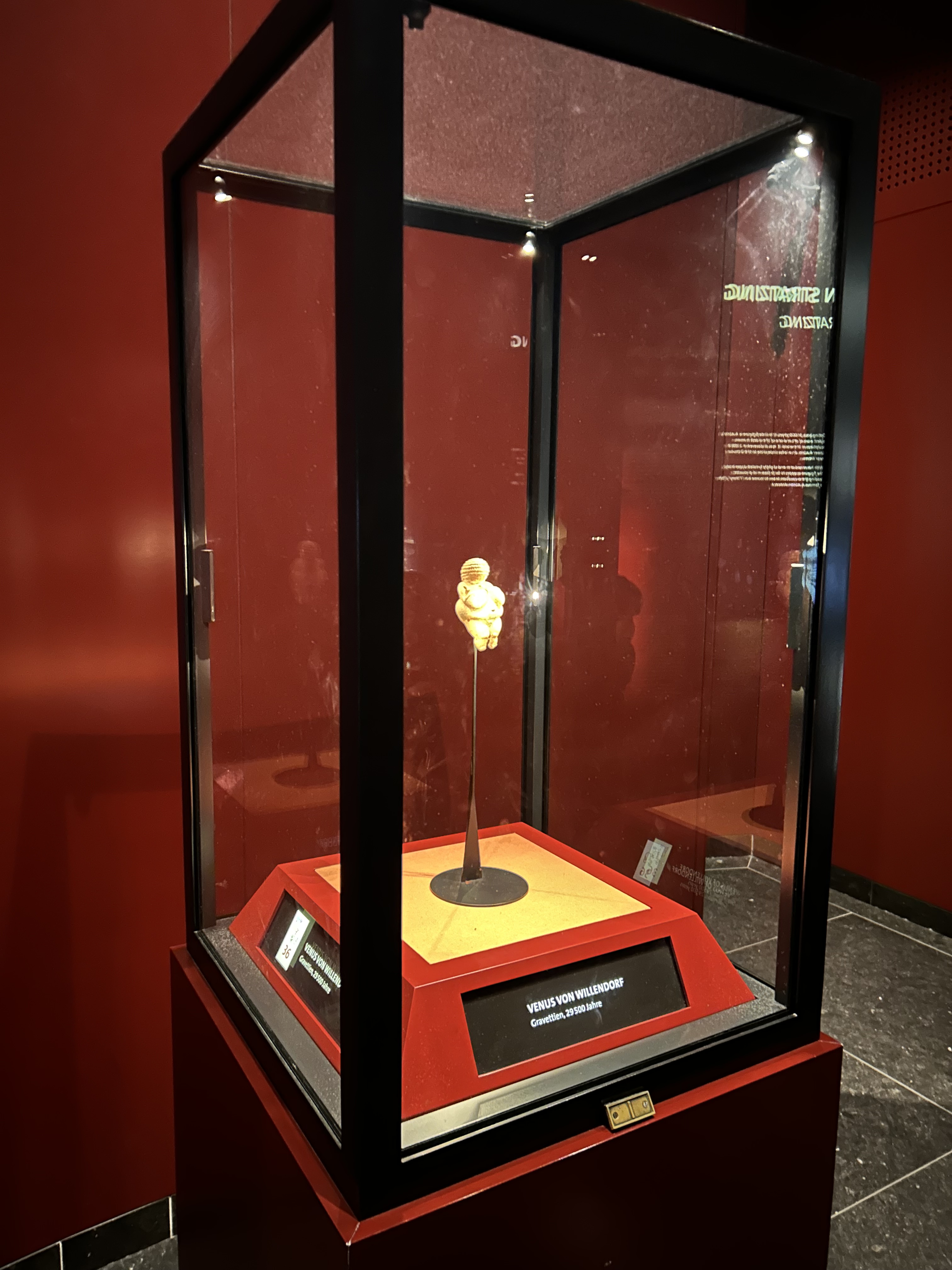
Turns out, the Venus of Willendorf is there. For a museum nerd I don’t tend to visit that many museums when I travel, but the Venus of Willendorf is famous enough (there’s even a cast of the original here at the Peabody) and I am nerd enough for that to justify seeking her out. This meant dragging my friend to the Naturhistorisches Museum Wien.
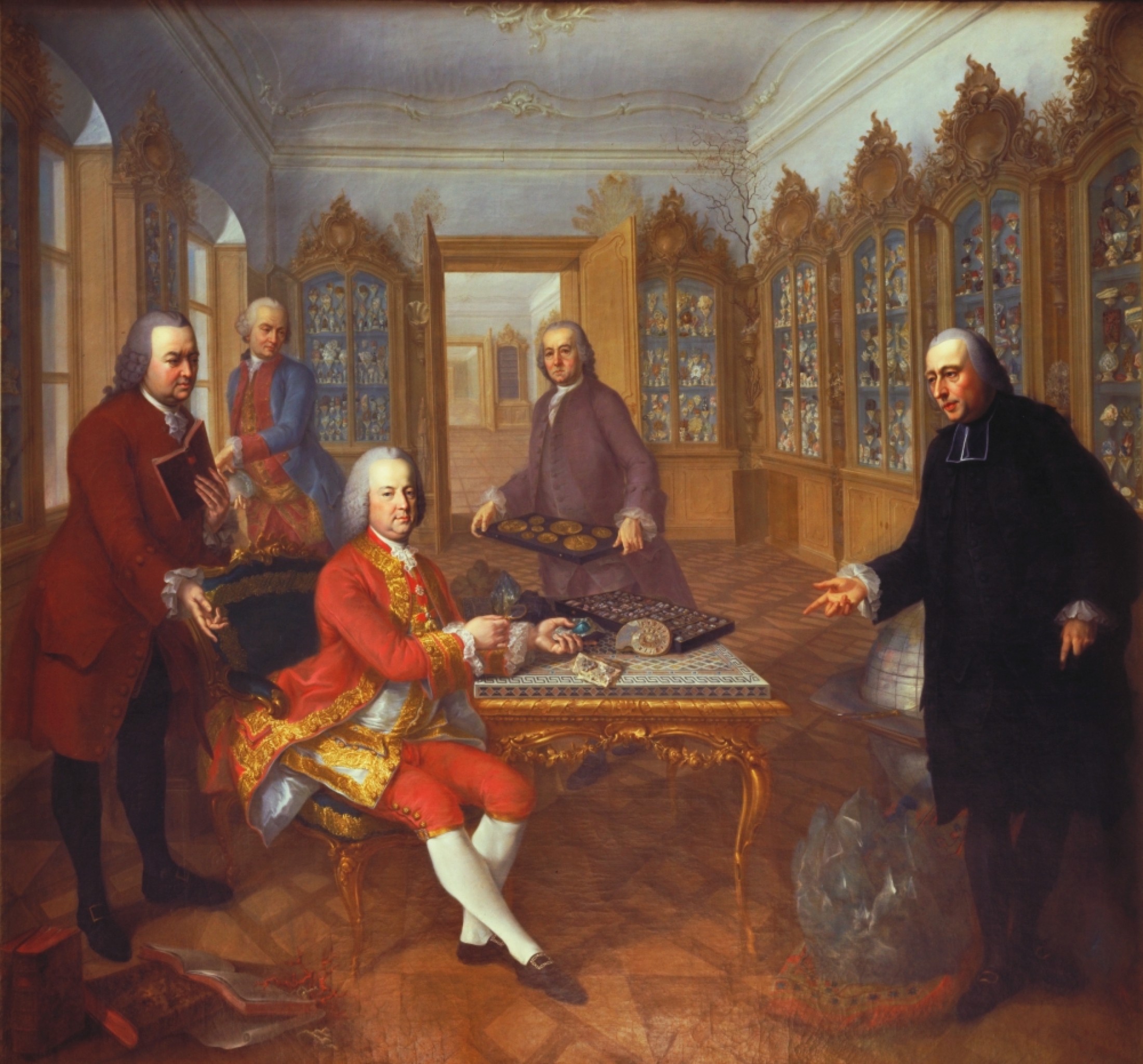
If you had asked me beforehand what I expected of the place, I’m not sure what I would have said. I’m familiar enough with the broad-strokes histories of museums and their ties to imperialism: As nations started to push further and further out into the world during the Age of Exploration, voyagers brought back evidence of their encounters with new environments in new places, creating displays that combined minerals, plants, animals, and man-made “curiosities.” These collections offered opportunities for viewers to learn about the world, as centered by their home locations, but equally they offered opportunities for displayers to demonstrate their status and wealth, the power of their influence and access – not just how they saw the world but how they wanted others to see them in it. If you look for it, this history is written into the architecture and design of museums, and I have been academically trained to look for it. So maybe if you had asked me beforehand what I expected of the Naturhistorisches Museum I would have said “nothing new.”
Reader, I was wrong.
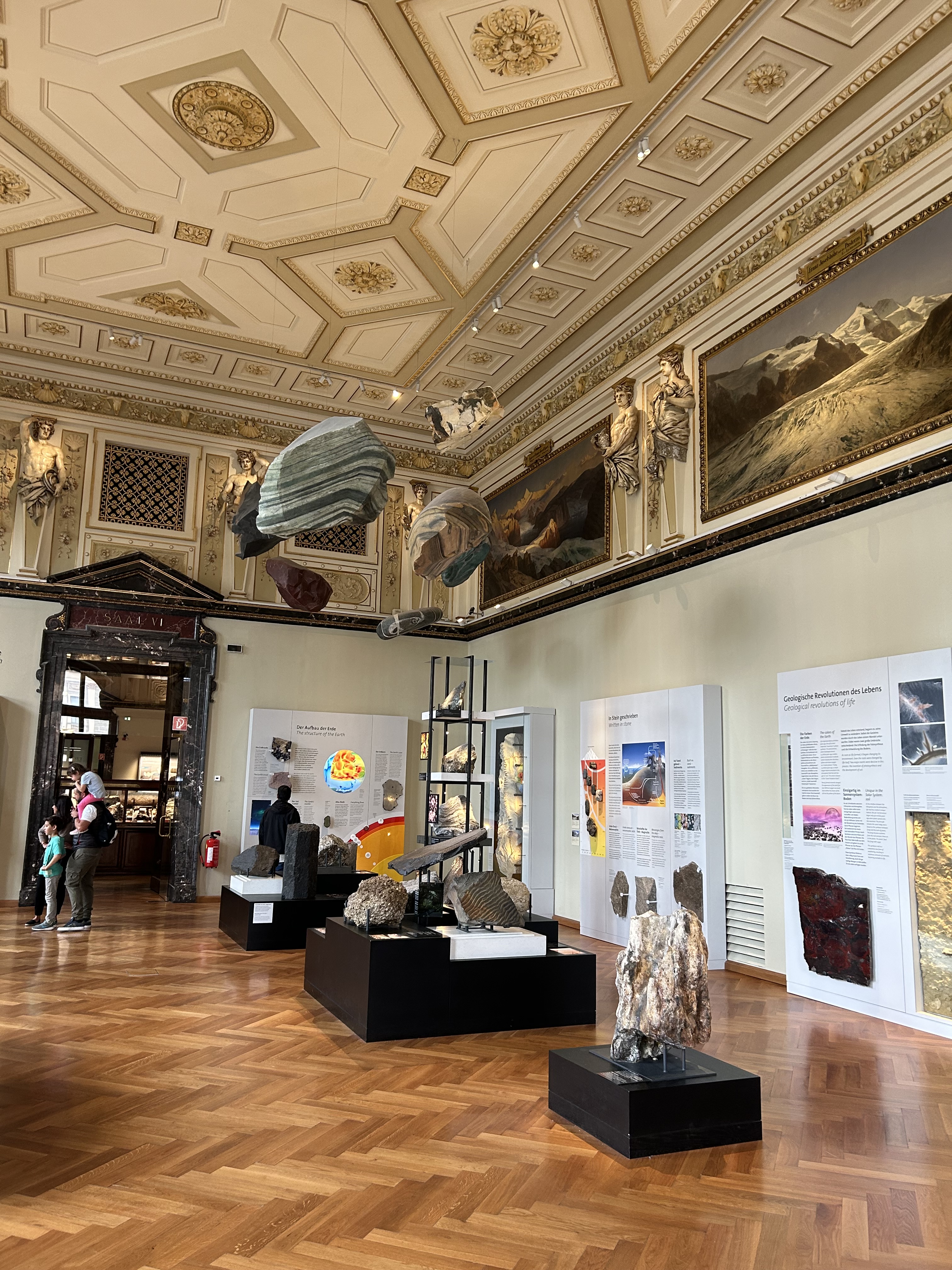
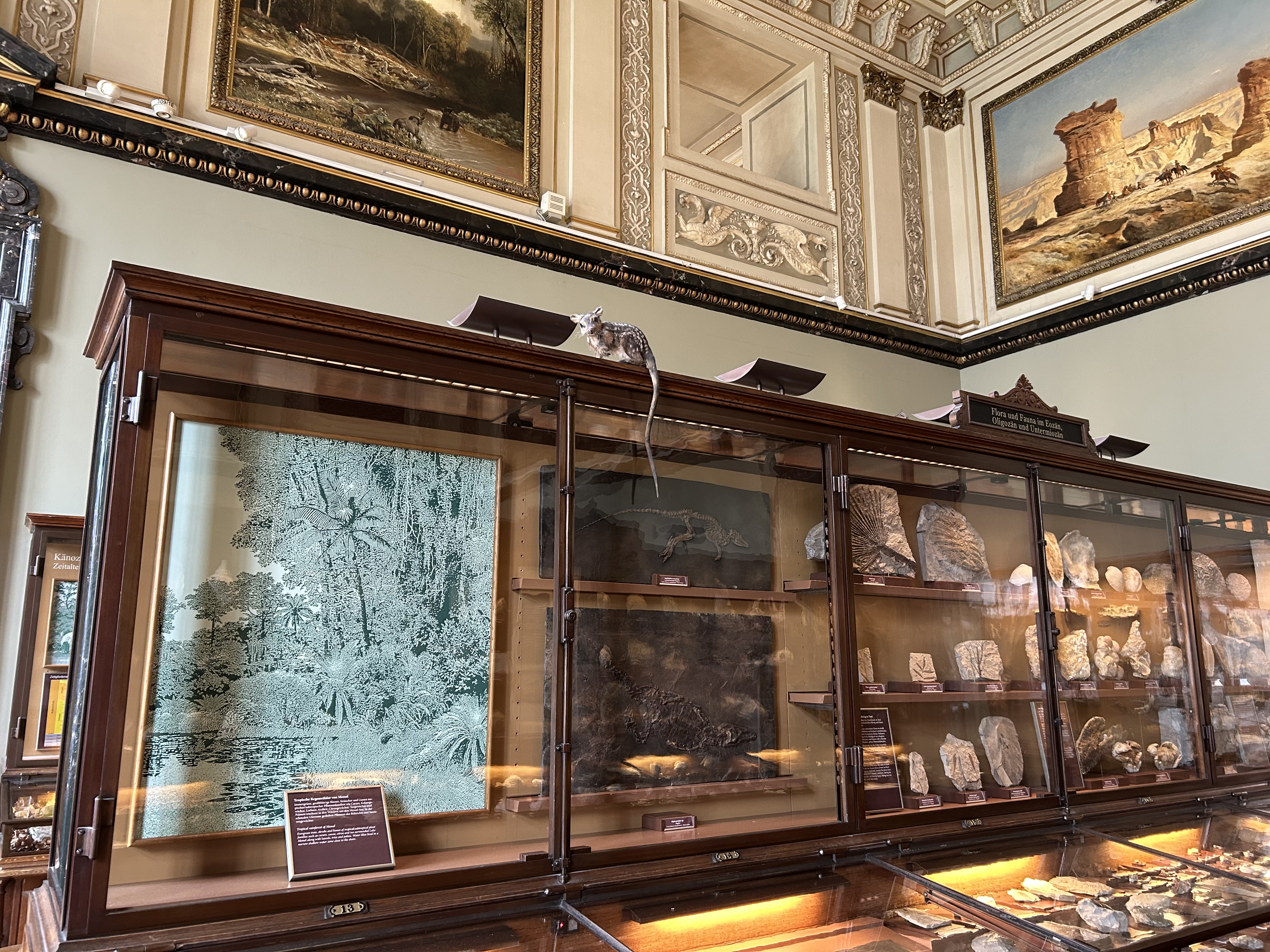
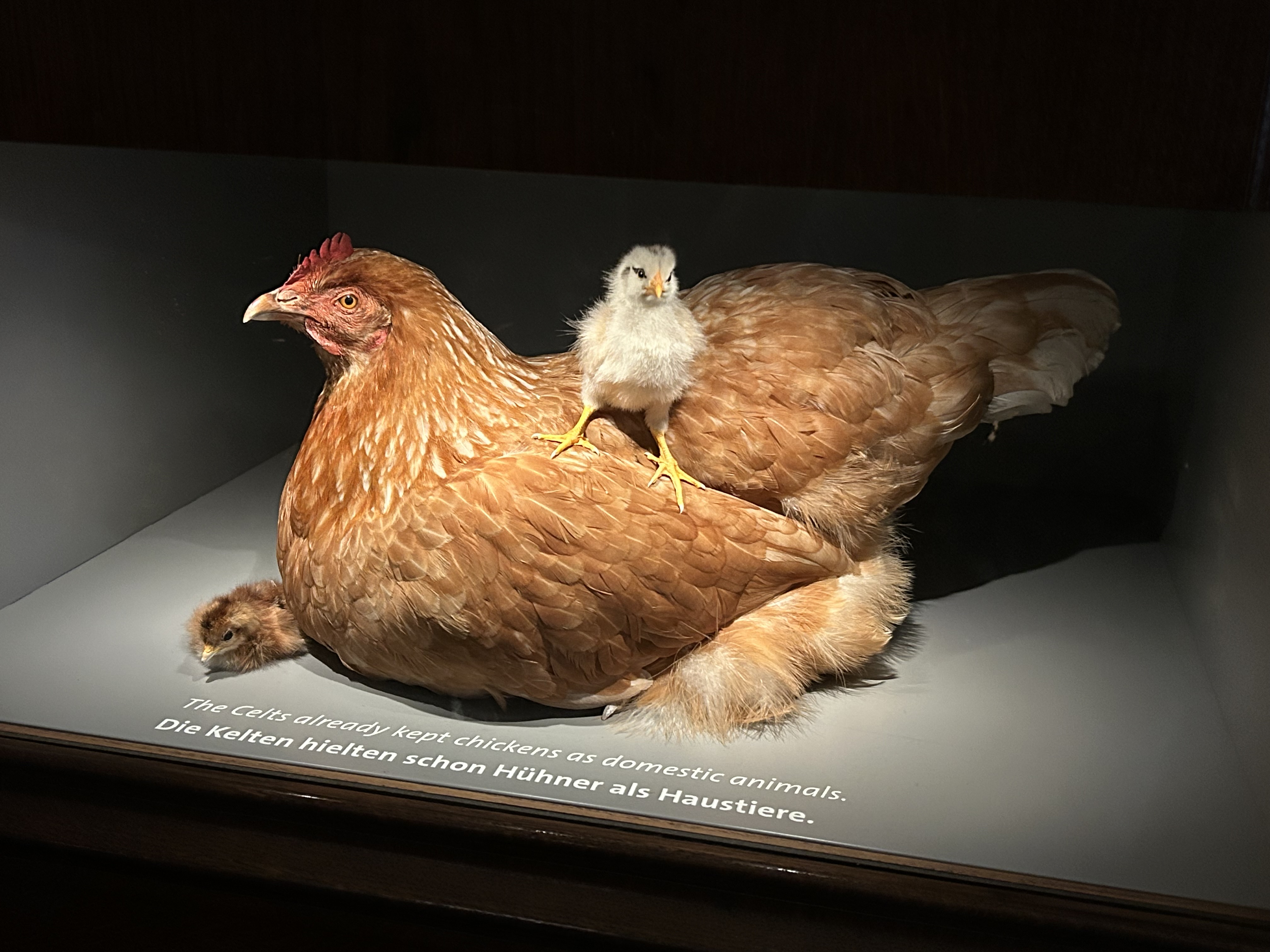
This place was every piece of museum history I had ever learned, jacked up on steroids. It was everything I had been taught to expect dialed up to a ten, with a little extra more thrown in just for fun. It was contemporary best practice crammed into 19th century display cases surrounded by imperial displays of awe and wonder, and I was there for every moment of it. Just please don’t ask me much about the exhibits themselves! I was far too distracted to notice.
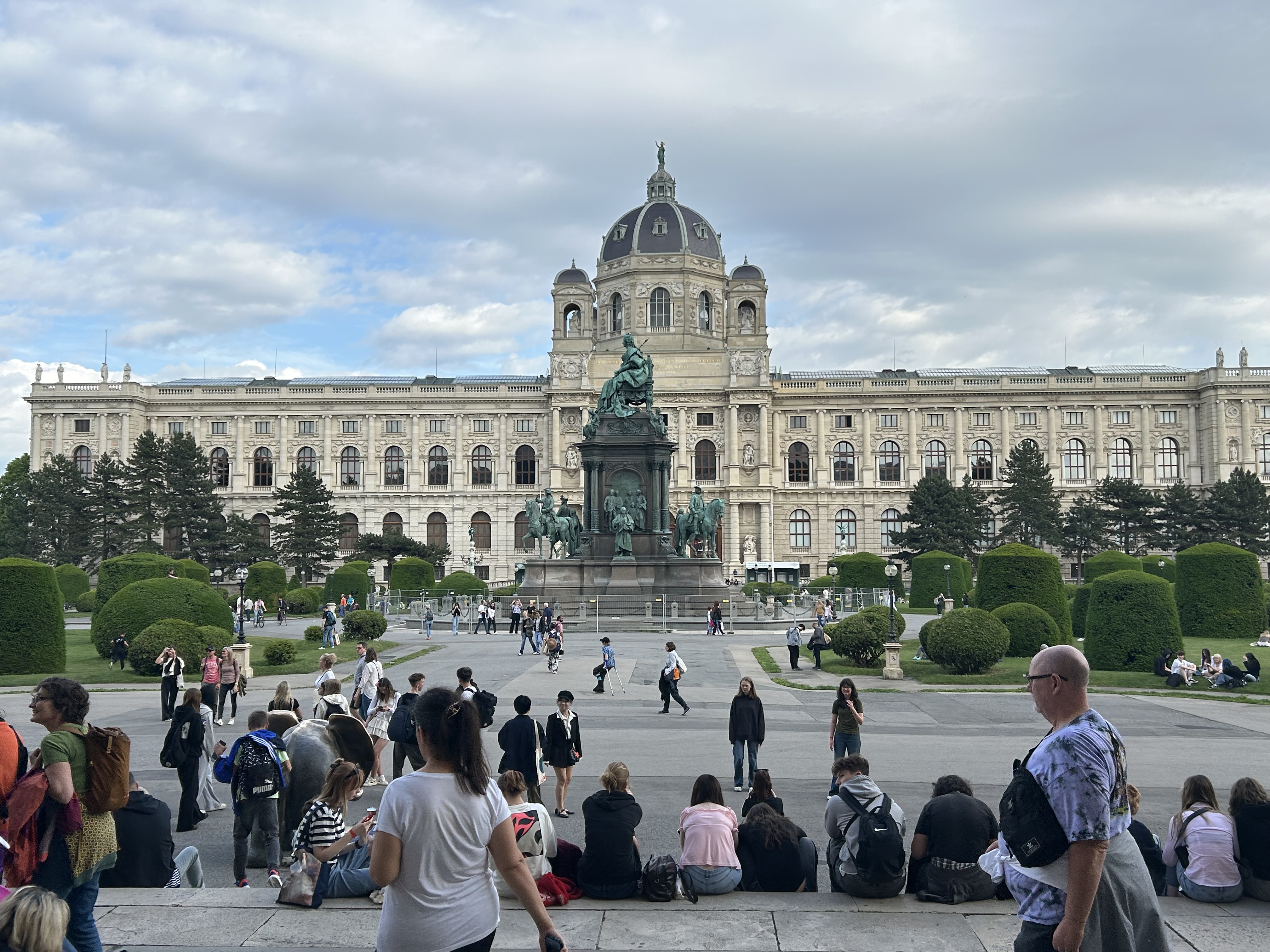
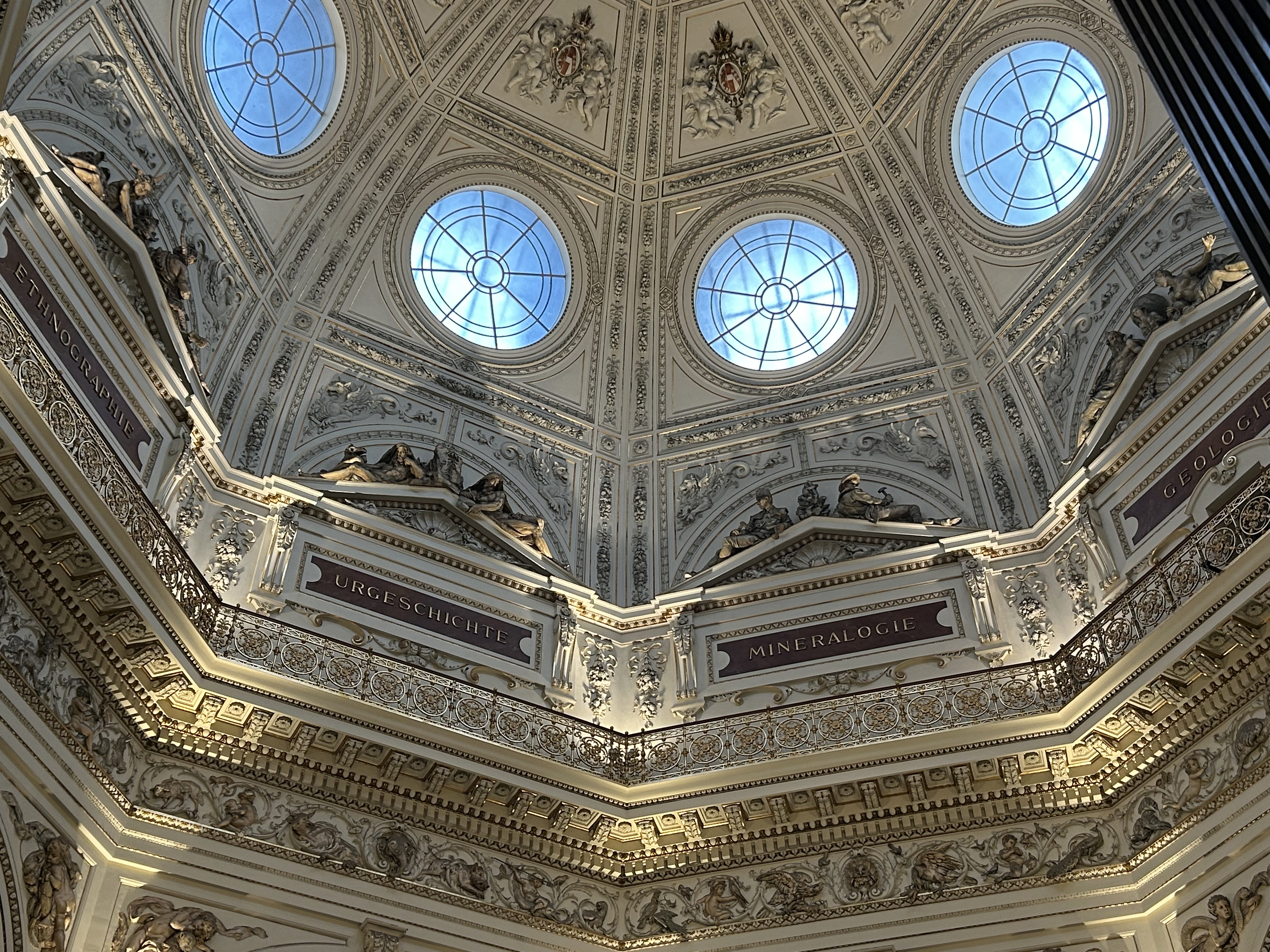
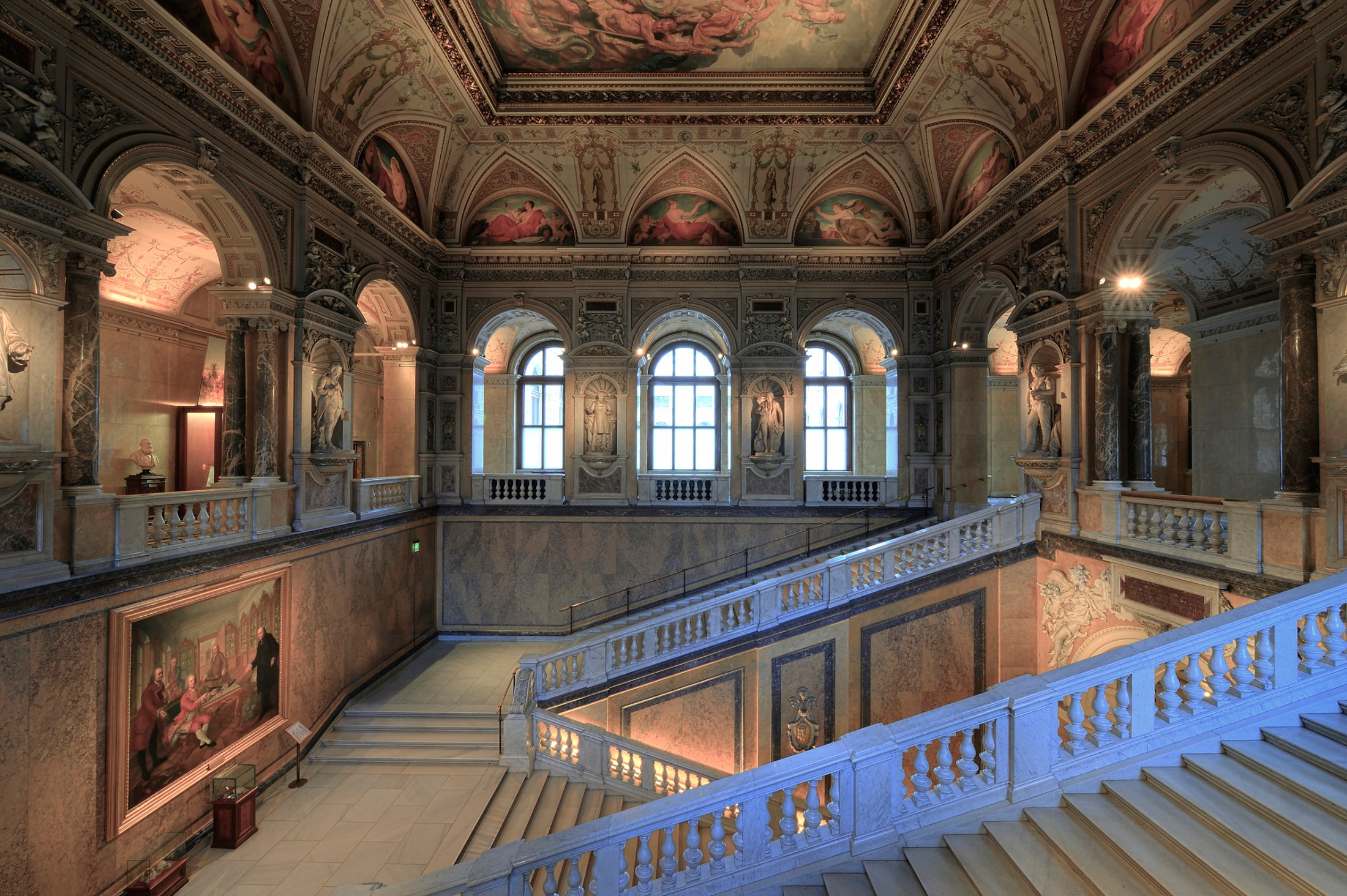
Just the front doors…Looking across to the Kunsthistorisches MuseumInterior domeThe (very) grand staircaseTraditional 19th century displayPlanet Earth couldn’t fit into 19th century display cases?Neither could this dude?The chickens couldOh, right! The Venus was…fine.
All work and no play makes Robert S. Peabody a dull boy!
As much as our staff and volunteers love digging deep into research and academic writings, we do love a good book or podcast! As summer descends upon us, prepare yourselves for another installment of our Peabody Picks summer list!
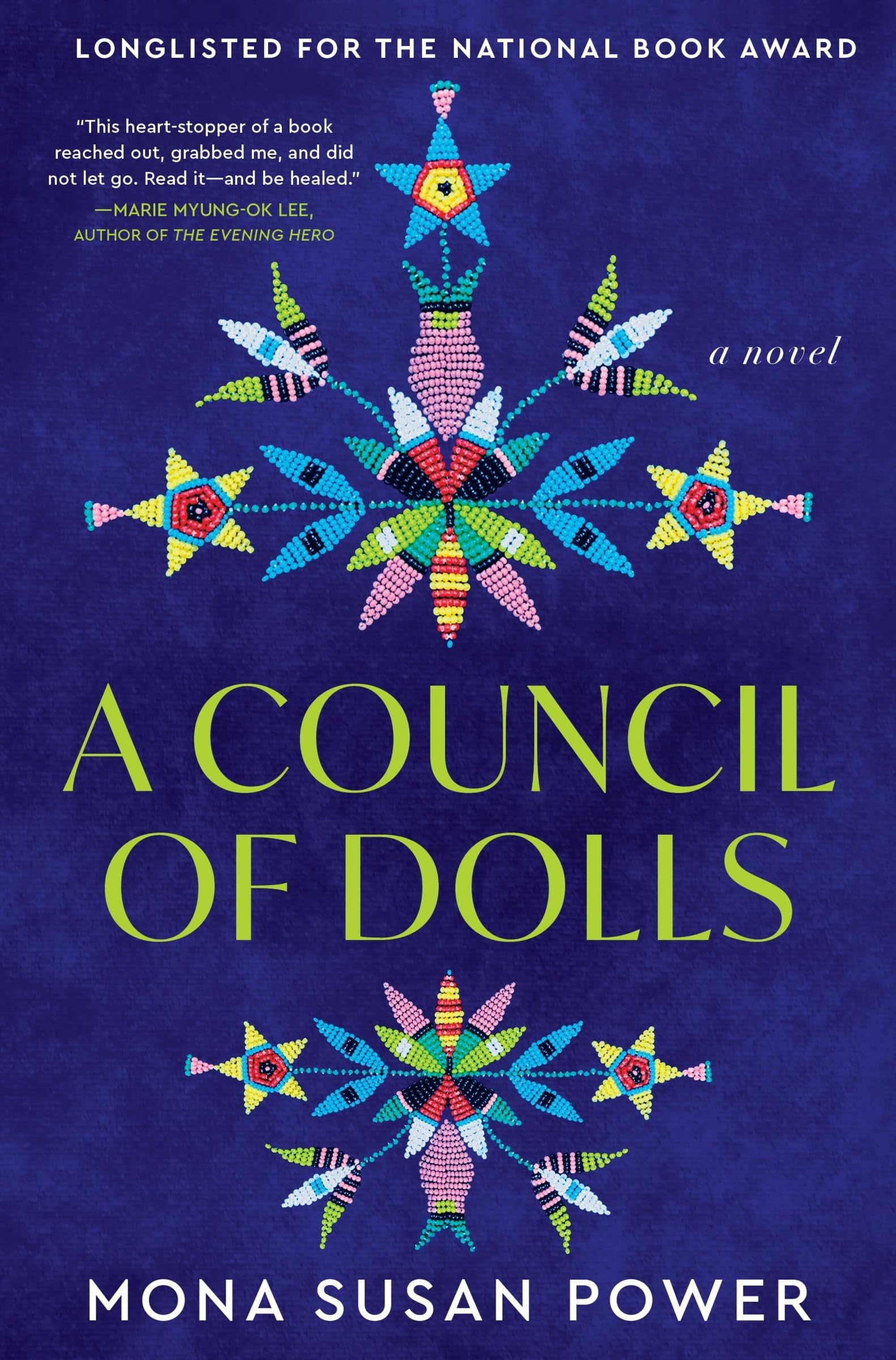
A Council of Dolls is a 2023 historical fiction family saga novel about multiple generations of Yanktonai Dakota women grappling with the effects of settler colonialism, told partially through the point of view of their dolls.
A modern masterpiece, A Council of Dolls is gorgeous, quietly devastating, and ultimately hopeful, shining a light on the echoing damage wrought by Indian boarding schools, and the historical massacres of Indigenous people. With stunning prose, Mona Susan Power weaves a spell of love and healing that comes alive on the page.
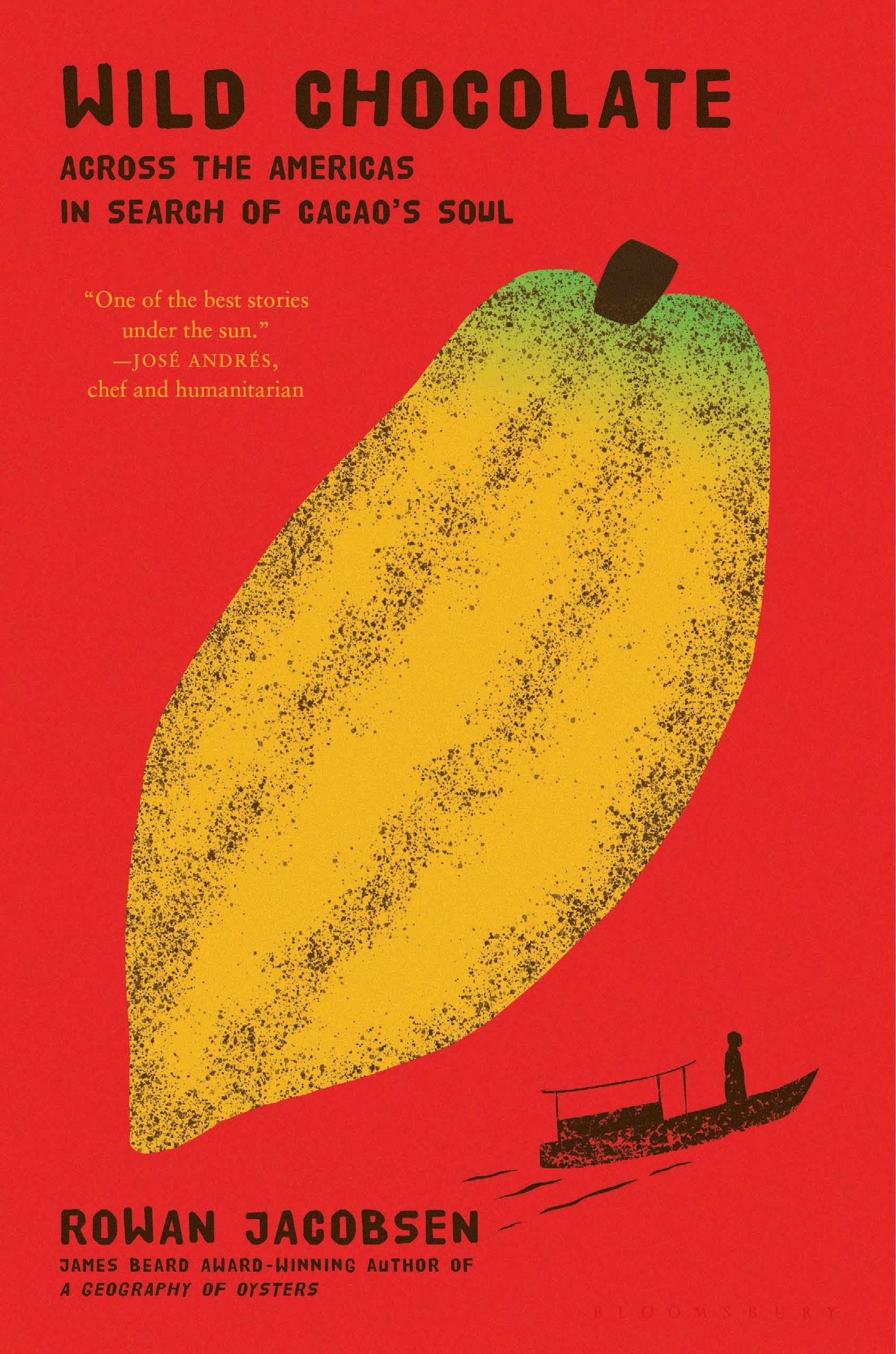
From James Beard Award-winner Rowan Jacobsen, the thrilling story of the farmers, activists, and chocolate makers fighting all odds to revive ancient cacao and produce the world’s finest bar.
When Rowan Jacobsen first heard of a chocolate bar made entirely from wild Bolivian cacao, he was skeptical. The waxy mass-market chocolate of his childhood had left him indifferent to it, and most experts believed wild cacao had disappeared from the rainforest centuries ago. But one dazzling bite of Cru Sauvage was all it took. Chasing chocolate down the supply chain and back through history, Jacobsen travels the rainforests of the Amazon and Central America to find the chocolate makers, activists, and indigenous leaders who are bucking the system that long ago abandoned wild and heirloom cacao in favor of high-yield, low-flavor varietals preferred by Big Chocolate.
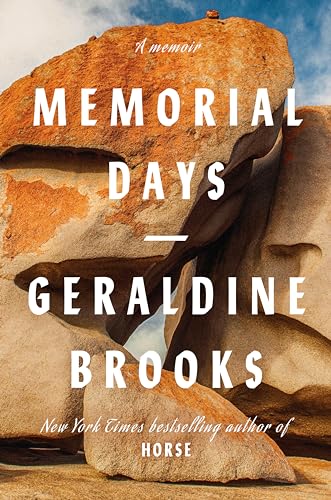
Many cultural and religious traditions expect those who are grieving to step away from the world. In contemporary life, we are more often met with red tape and to-do lists. This is exactly what happened to Geraldine Brooks when her partner of more than three decades, Tony Horwitz – just sixty years old and, to her knowledge, vigorous and healthy – collapsed and died on a Washington, D. C. sidewalk on Memorial Day 2019. The demands were immediate and many. Without space to grieve, the sudden loss became a yawning gulf.
Three years later, she booked a flight to a remote island off the coast of Australia with the intention of finally giving herself the time to mourn. In a shack on a pristine, rugged coast she often went days without seeing another person. There, she pondered the varied ways those of other cultures grieve, such as the people of Australia’s First Nations, the Balinese, and the Iranian Shiites, and what rituals of her own might help to rebuild a life around the void of Tony’s death.
A spare and profoundly moving memoir that joins the classics of the genre, Memorial Days is a portrait of a larger-than-life man and a timeless love between souls that exquisitely captures the joy, agony, and mystery of life.
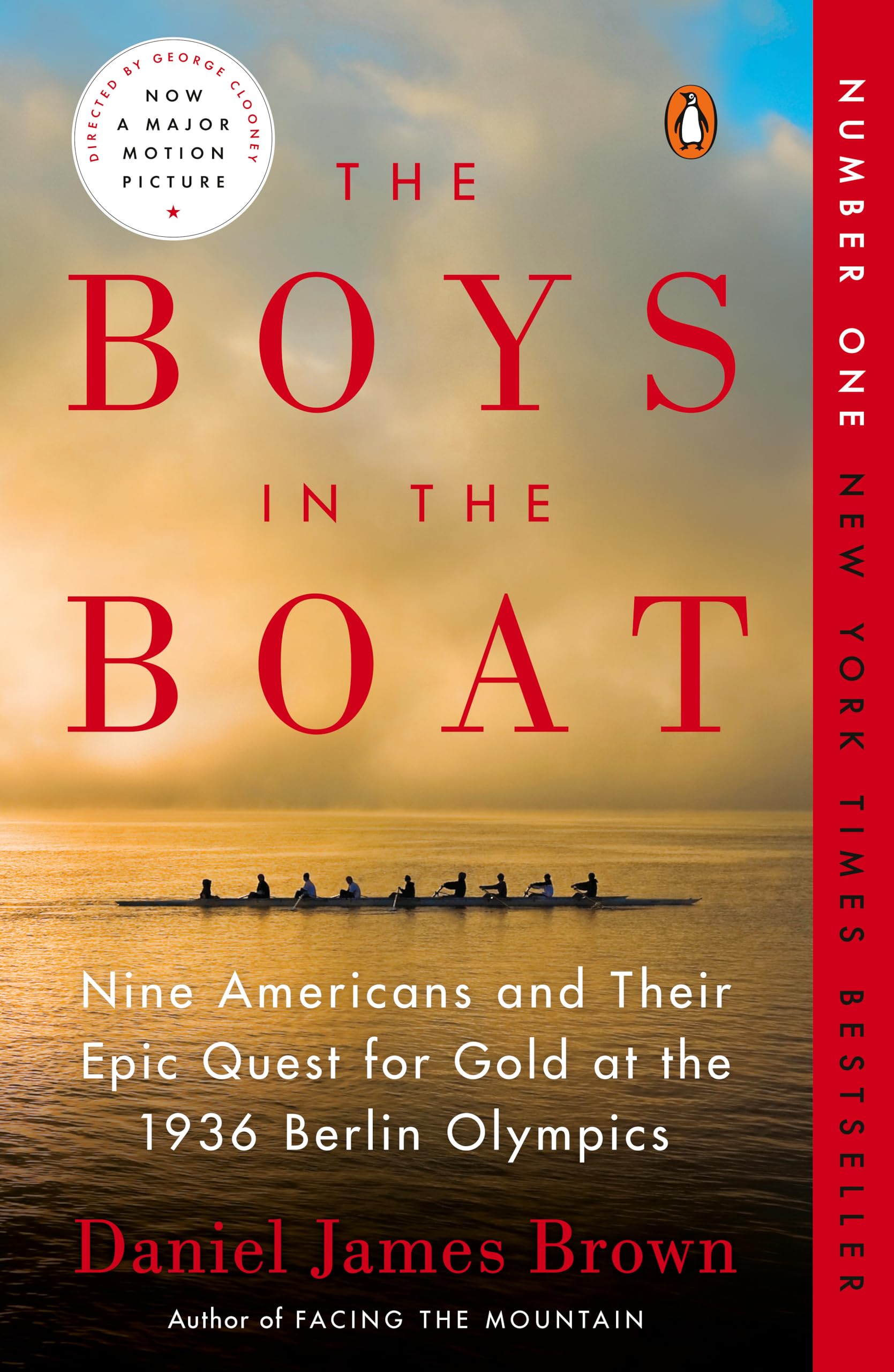
For readers of Unbroken, out of the depths of the Depression comes an irresistible story about beating the odds and finding hope in the most desperate of times—the improbable, intimate account of how nine working-class boys from the American West showed the world at the 1936 Olympics in Berlin what true grit really meant.
It was an unlikely quest from the start. With a team composed of the sons of loggers, shipyard workers, and farmers, the University of Washington’s eight-oar crew team was never expected to defeat the elite teams of the East Coast and Great Britain, yet they did, going on to shock the world by defeating the German team rowing for Adolf Hitler. The emotional heart of the tale lies with Joe Rantz, a teenager without family or prospects, who rows not only to regain his shattered self-regard but also to find a real place for himself in the world. Drawing on the boys’ own journals and vivid memories of a once-in-a-lifetime shared dream, Brown has created an unforgettable portrait of an era, a celebration of a remarkable achievement, and a chronicle of one extraordinary young man’s personal quest.
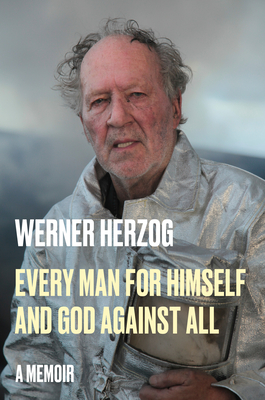
Werner Herzog was born in September 1942 in Munich, Germany, at a turning point in the Second World War. Until age 11, Herzog did not even know of the existence of cinema. His interest in films began at age 15, but since no one was willing to finance them, he worked the night shift as a welder in a steel factory. He started to travel on foot. He made his first phone call at age 17, and his first film in 1961 at age 19. The wildly productive working life that followed—spanning the seven continents and encompassing both documentary and fiction—was an adventure as grand and otherworldly as any depicted in his many classic films.
Every Man for Himself and God Against All is at once a personal record of one of the great and self-invented lives of our time, and a singular literary masterpiece that will enthrall fans old and new alike. In a hypnotic swirl of memory, Herzog untangles and relives his most important experiences and inspirations, telling his story for the first and only time.
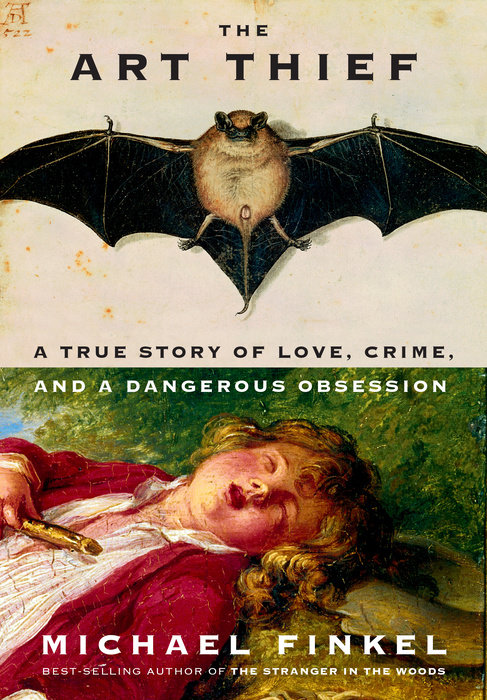
One of the most remarkable true-crime narratives of the twenty-first the story of the world’s most prolific art thief, Stéphane Breitwieser.
In The Art Thief, Michael Finkel brings us into Breitwieser’s strange and fascinating world. Unlike most thieves, Breitwieser never stole for money. Instead, he displayed all his treasures in a pair of secret rooms where he could admire them to his heart’s content. Possessed of a remarkable athleticism and an innate ability to circumvent practically any security system, Breitwieser managed to pull off a breathtaking number of audacious thefts. Carrying out more than two hundred heists over nearly eight years—in museums and cathedrals all over Europe—Breitwieser, along with his girlfriend who worked as his lookout, stole more than three hundred objects, until it all fell apart in spectacular fashion.
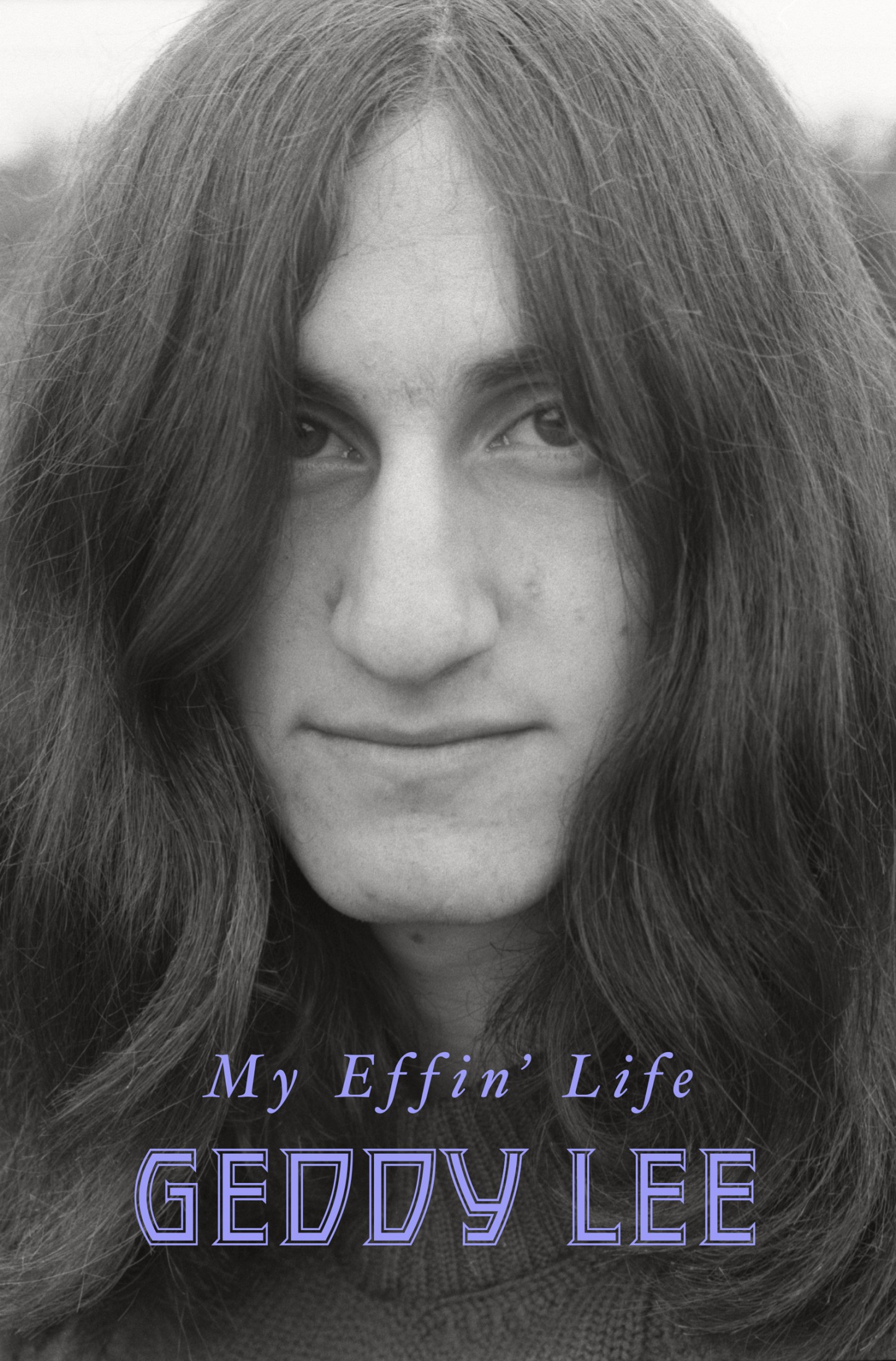
Geddy Lee is one of rock and roll’s most respected bassists. For nearly five decades, his playing and work as co-writer, vocalist and keyboardist has been an essential part of the success story of Canadian progressive rock trio Rush.
Long before Rush accumulated more consecutive gold and platinum records than any rock band after the Beatles and the Rolling Stones, before the seven Grammy nominations or the countless electrifying live performances across the globe, Geddy Lee was Gershon Eliezer Weinrib, after his grandfather murdered in the Holocaust. As he recounts the transformation, Lee looks back on his family, in particular his loving parents and their horrific experiences as teenagers during World War II. He talks candidly about his childhood and the pursuit of music that led him to drop out of high school. He tracks the history of Rush which, after early struggles, exploded into one of the most beloved bands of all time. He shares intimate stories of his lifelong friendships with bandmates Alex Lifeson and Neil Peart—deeply mourning Peart’s recent passing—and reveals his obsessions in music and beyond. This rich brew of honesty, humor, and loss makes for a uniquely poignant memoir.
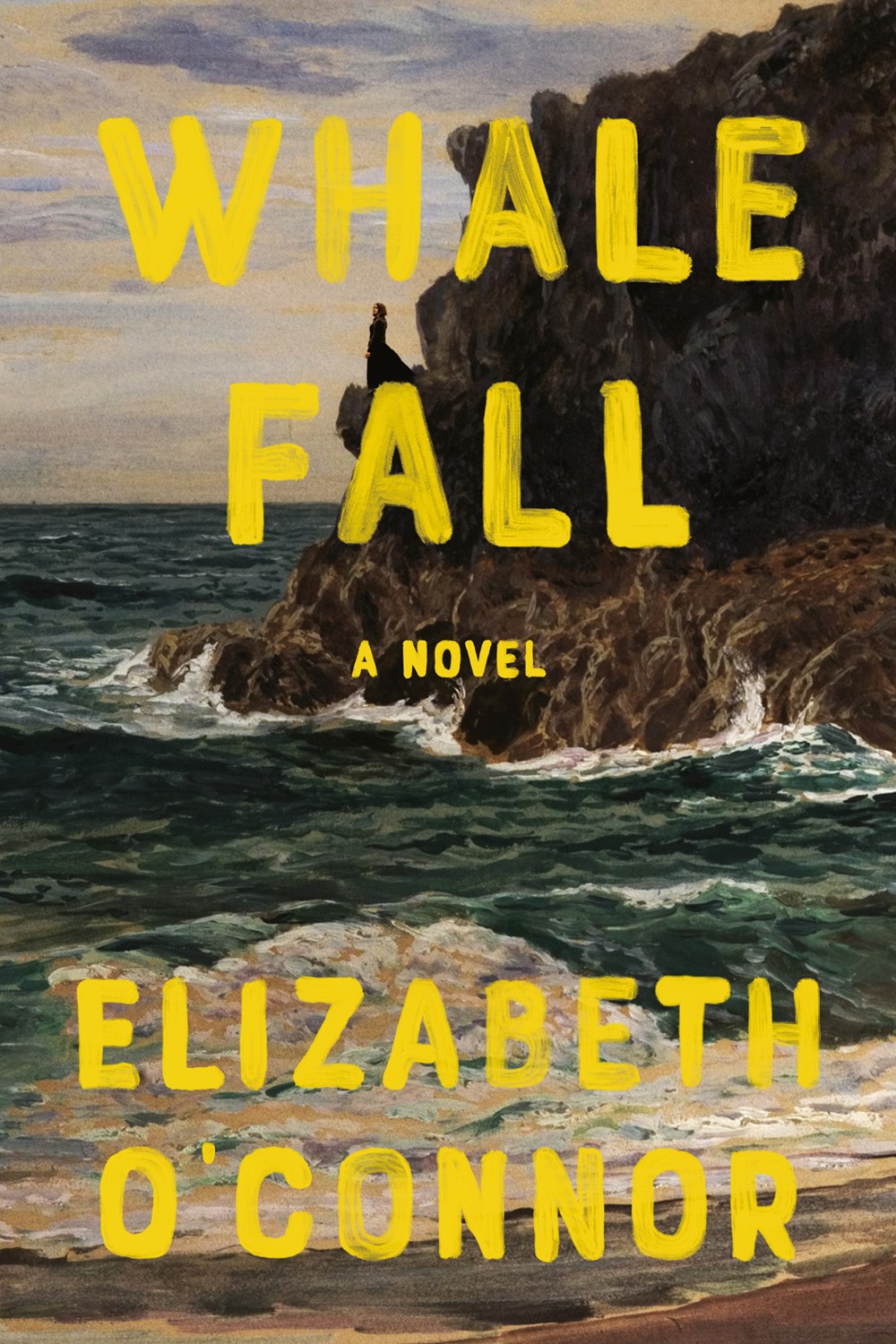
In 1938, a dead whale washes up on the shores of remote Welsh island. For Manod, who has spent her whole life on the island, it feels like both a portent of doom and a symbol of what may lie beyond the island’s shores. Manod can’t shake her welling desire to explore life beyond the beautiful yet blisteringly harsh islands that her hardscrabble family has called home for generations.
The arrival of two English ethnographers who hope to study the island culture, then, feels like a boon to her—both a glimpse of life outside her community and a means of escape. The longer the ethnographers stay, the more she feels herself pulled towards them, despite her misgivings that her community is being misconstrued and exoticized.
With shimmering prose tempered by sharp wit, Whale Fall tells the story of what happens when one person’s ambitions threaten the fabric of a community, and what can happen when they are realized. O’Connor paints a portrait of a community and a woman on the precipice, forced to confront an outside world that seems to be closing in on them.
Our Ancestors Were Messy, is a podcast covering the gossip, scandals, and pop culture that made headlines in the Black newspapers of segregated communities during the pre-Civil Rights era. On each episode, host Nichole Hill and her guests follow the story of an ancestor in search of opportunity, adventure, love, and a way to beat Jim Crow. Hill and her guests learn the mess – and eventual history – their ancestors make along the way.
“I could pretend that I like this podcast because it’s a way to learn about Black history in a way that goes beyond standard narratives of victimization or individual exceptionalism. The stories it tells allow people to be people, with all the messiness and drama and pop culture of their everyday lives in the pre-Civil Rights era. But really I love this podcast because it is just great gossip. Why you trying to make me learn in my free time??” – Lainie Schultz, Peabody Staff
The Thing About Austen is a podcast about Jane Austen’s world — the people, objects, and culture that shape Austen’s fiction. Come for the historical context and stay for the literary shenanigans. Think of us as your somewhat cheeky tour guides to the life and times of Jane Austen.
“Two professors of literature talk about the material culture in Austen’s stories and their significance to societal culture during the Georgian and Regency eras. From Mr. Darcy’s portrait in Pride and Prejudice to the homemade alphabet in Emma and Captain Wentworth’s umbrella in Persuasion – there are so many interesting stories and histories to unpack from the items detailed in Jane Austen’s stories. Some of my favorite episodes are #83 The thing about the Ha-Ha and #52 The thing about Bath’s Baths (per their recommendation, I did try the hot spring water in the Roman Baths on a recent visit… the taste, not so great, but the experience, 5 stars!) – Emma Lavoie, Peabody Staff
Buried Bones, Hosted by Kate Winkler Dawson and Paul Holes
Genre: Historical True Crime
Buried Bones dissects some of history’s most dramatic true crime cases from centuries ago. Together, journalist Kate Winkler Dawson and retired investigator Paul Holes explore these very old cases through a 21st century lens.
“I have been a fan of Buried Bones for a few years now. Each episode is a dive into a homicide in the past that is explored simultaneously by a journalist/historian (Kate) and a retired forensic investigator (Paul). I really enjoy the blend of history and scientific analysis as the two hosts discuss the crime. Kate deftly narrates the historical event while Paul provides a reasoned analysis from a modern forensic science perspective. I always learn something!” – Marla Taylor, Peabody Staff
Welcome to Salem, Massachusetts! Join tour guides Jeffrey Lilley and Sarah Black as they talk all things Witch City. Learn its history, meet its people, and discover the magic.
“This podcast goes beyond the history of the Salem Witch Trials and explores the vast history of Salem and the people who live there. What does a drunk elephant, haunted pepper, a witch solving a murder, and tunnels (IYKYK) all have in common? They all relate back to Salem! This podcast has everything you need to know for your next trip to the Witch City. I personally love the episode interviews with current business owners in Salem.” – Emma, Peabody Staff
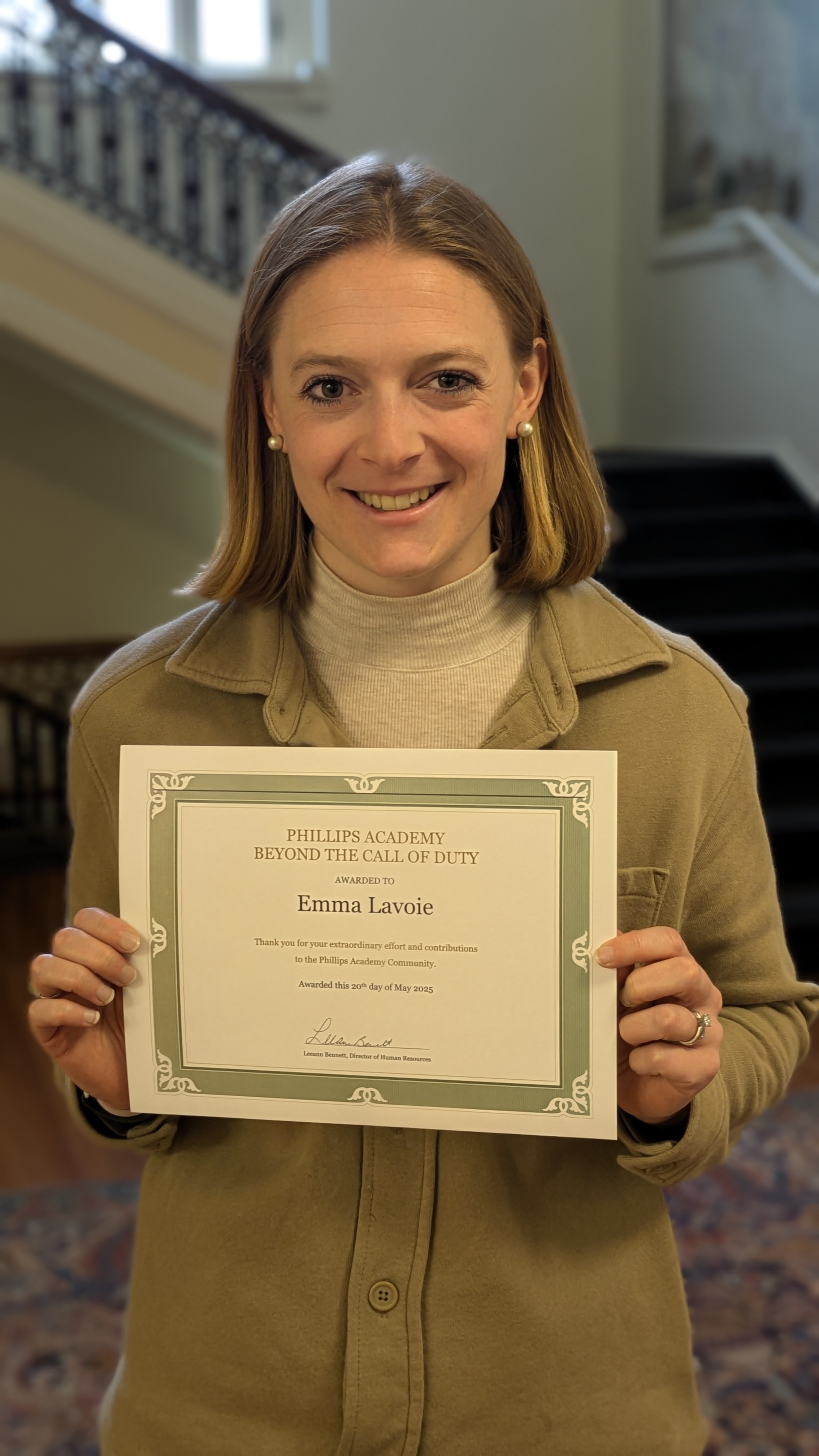
The Peabody’s own Emma Lavoie was recognized with Phillips Academy’s Beyond the Call of Duty Award at the spring staff and administrators award celebration on May 20!
Emma shows off her Beyond the Call of Duty Award.
The award announcement states, “The Beyond the Call of Duty Award is designed to acknowledge and celebrate staff who demonstrate exceptional support/customer service to colleagues within their own department, across campus, our students, parents or alumni. All nominees should embody the non-sibi spirit!”
This describes Emma precisely! Emma’s job title is staff assistant, responsible for business and communication here at the Peabody, but she does so much more–Emma has taught lessons and helped with lessons, produces beautiful communication and social media pieces, cataloged material culture, organizes travel for staff members and visitors, keeps us organized, networks with other programs and departments on campus, comes early or stays late to help with events (which she has often planned and organized), serves on the Phillips Academy staff council, and much, much more.
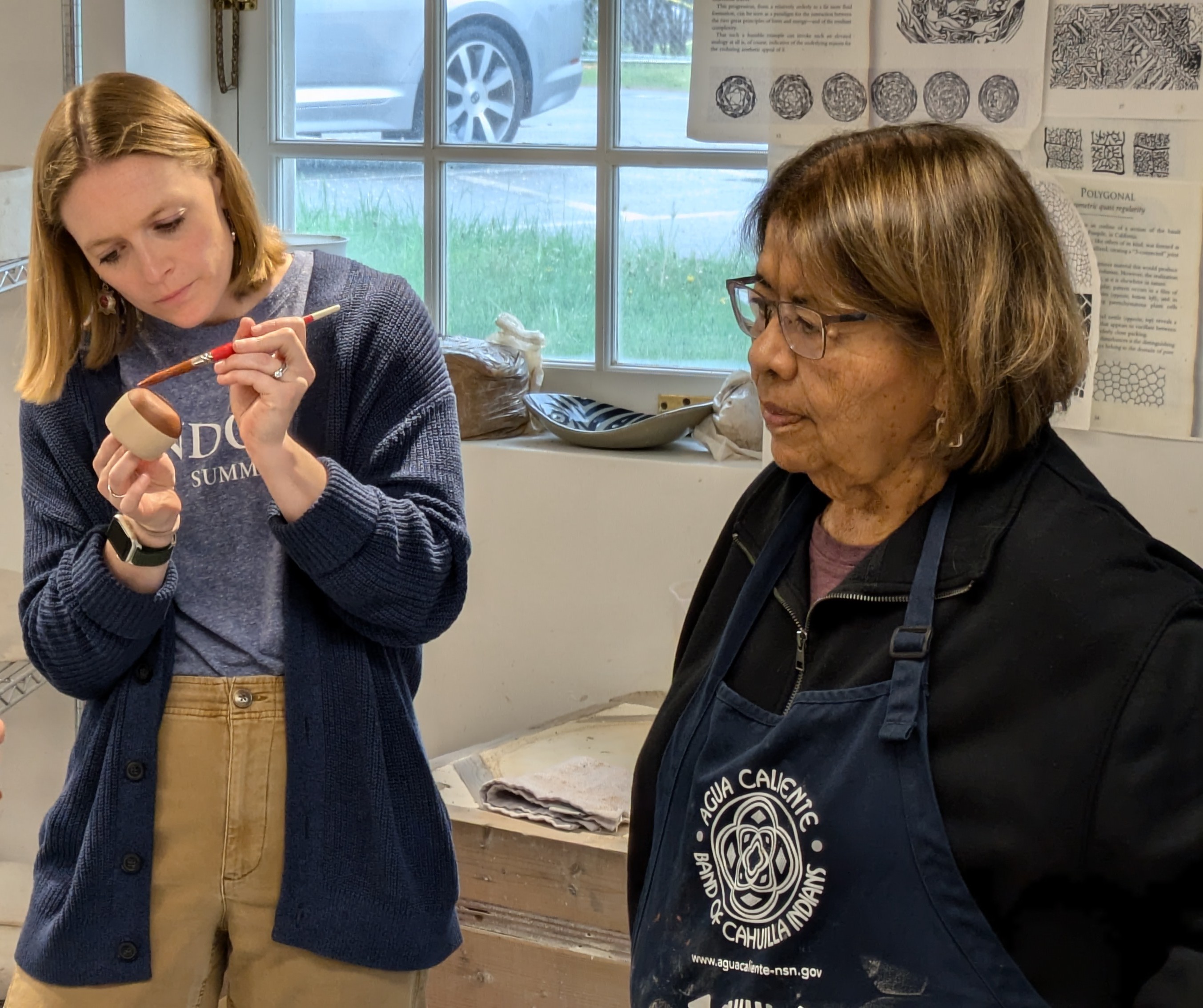
Emma decorating her ceramic creation under the watchful eye of Maxine Toya–Emma makes all the travel arrangements for visiting Native artists, like the Toya Family, Pueblo of Jemez.
Award recipients will receive two days added to their vacation bank as well as a gift of PA apparel from the Campus Closet.
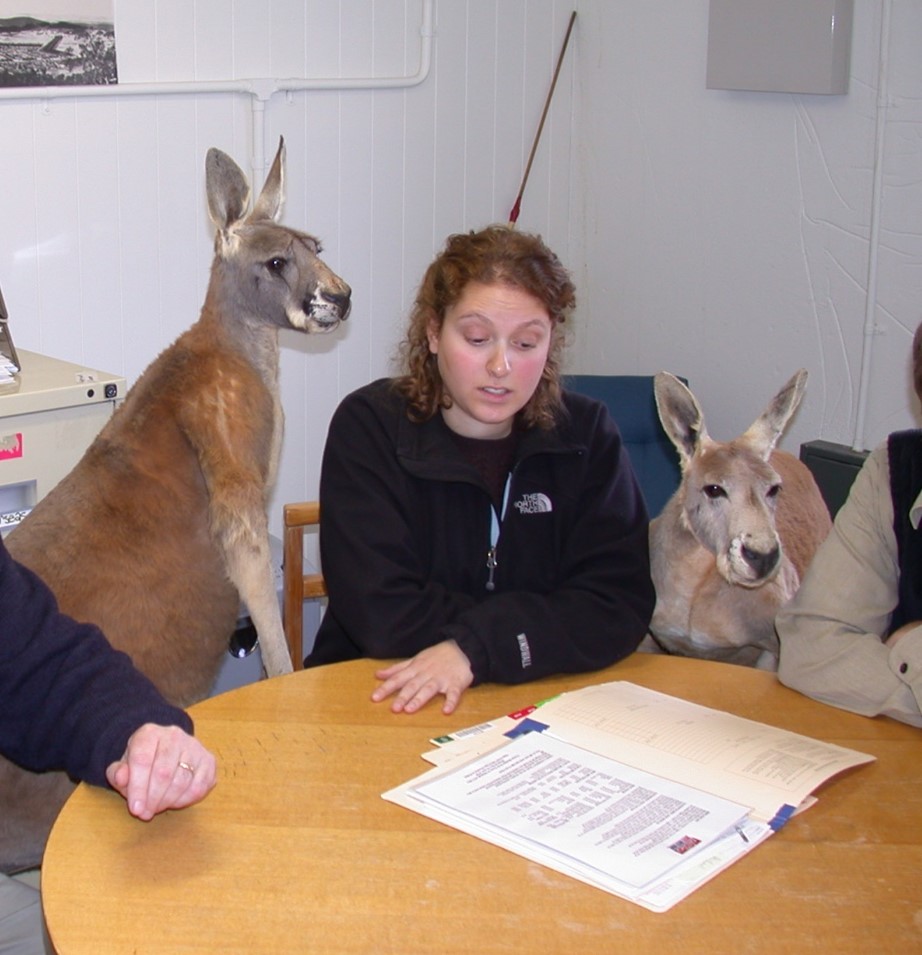
Hi, all. My name is Lainie Schultz, and I am the brand-new Curator of Education here at the Robert S. Peabody Institute of Archaeology. I come to this position from the George Peabody Museum of Anthropology (aka the Peabody Museum of Archaeology and Ethnology, or PMAE), where I was previously the Head of Teaching and Learning. It is also where my career in museums began, as an undergrad looking for a federal work-study position. At the time I just thought it would be a relatively painless way to make some money, but it turned out I genuinely cared about museums and the relationships they build with descendant communities. Who would have guessed?
This led me to graduate school in anthropology, and a few more museum stops along the way. In between stints at the PMAE I was introduced to the culture of morning and afternoon tea in the Repatriation Unit of the National Museum of Australia (sometimes the tea is coffee); was thrown into the world of First Nations humor during consultation visits at the Museum of Anthropology at the University of British Columbia (do you know how to pronounce Kwakwaka’wakw? Gitxaała? just bragging…); learned to throw a returning boomerang at Muru Mittigar Aboriginal Cultural and Education Centre (key word “throw.” darned thing never returned); pretended along with the Cultural Collections and Community Engagement section of the Australian Museum that our already well-worn office demountables were only “temporary” (humor came in handy there, too); marveled like the nerd I am at the Berndt Museum of Anthropology’s catalogue records (THEY ARE. SO. COMPLETE.); and stayed with family I didn’t know I had before while at Bunjilaka Aboriginal Cultural Centre (that had nothing to do with the cultural center, but it really meant a lot to me).
I don’t know what new experiences the RSPI will be throwing at me, but I am ready for it all.


 The Peabody