One cool thing about the Peabody is the varied types of experiences and interests of the people working here. It’s what makes the blog so interesting! For years now, Peabody employees have been making regular blog posts on whatever topic they can think of. From interesting insights into the museum world, to personal interests of the writer, there is always something to look forward to every month.
With new blog posts coming out on such a regular basis, it can be easy to forget that there is quite an accumulation of interesting articles on the Peabody’s website. One can read posts going back to the fall of 2015! While helping to archive the blog, I’ve been reading a lot of fascinating pages, making notes of ones that I found particularly interesting. Creating this was the logical next step, a look back, a spotlight on blogs past. My own blog about blogs!
Note: I am limiting my self to five entries, but this list could easily be three times longer!
Ever since reading The Age of Vikings by Anders Winroth I’ve had a big interest in medieval Scandinavian history. The Vikings and their contemporaries have such a fascinating history, and maintain a strong footprint in popular culture. So imagine my surprise when I found a blog about Viking material at the Peabody!…well, sort of. You should look for yourself!
In teaching a few different classes at the Peabody, the concept of corn comes up quite a bit. Especially since it was a focus of former director Richard “Scotty” MacNeish. When one student asked about why corn spread so far and wide, I recall answering in a jovial way “well you see, humans LOVE corn, and will take any opportunity to grow it!” This blog post is a fascinating dive into the history of this staple crop.
At a glance, the history of archeology (and similar fields) seems very frontloaded with men. However, it’s not hard to find plenty of women heavily involved. Maybe not quite as visible, but just as important, if not more so. This blog post goes into the history of women involved with the Peabody!
Due to the nature of museums, strange tales often go hand and hand with their history, and the Peabody is not lacking in this department. This blog post discusses an interesting one, a theft in the 80s that struck multiple New England museums! If you are interested in a mini crime drama, complete with information on its resolution, this one is worth a look.
I’m a person who would consider themselves an avid “gamer,” as well as one with a background in public history (basically, historical engagement outside of a classroom). Therefore, when I see a game, or a blog post in this case, that combines my two interests, there is no way I am not going to talk about it! This post talks about the game “Never Alone,” developed by Upper One Games and originally released in late 2014. The game was about an Iñupiat girl who goes on an adventure with a fox, based on a traditional Iñupiat tale. The game was made in cooperation with Cook Inlet tribal council, and features…well I don’t want to spoil the post too much! Take a look for yourself!
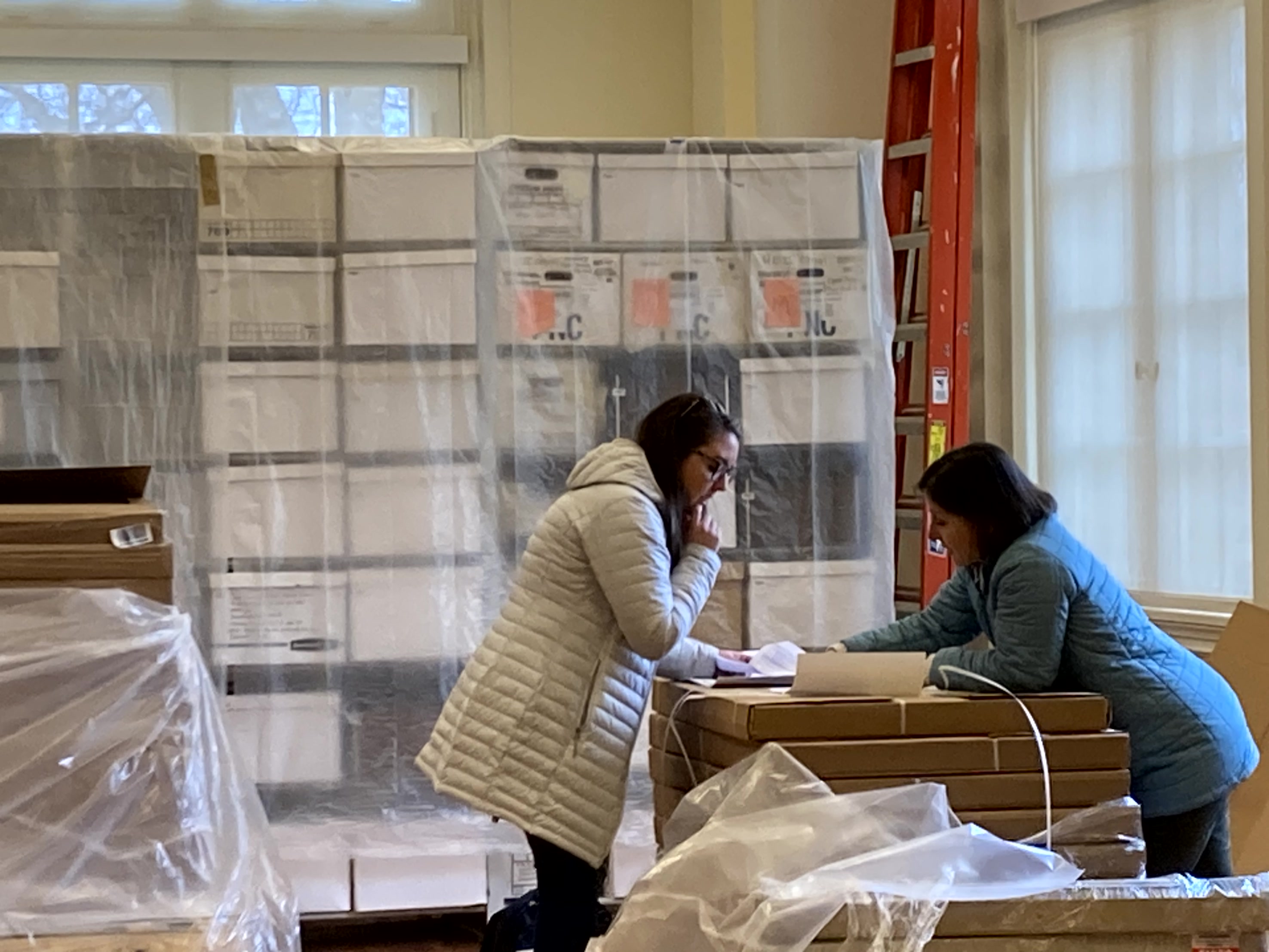
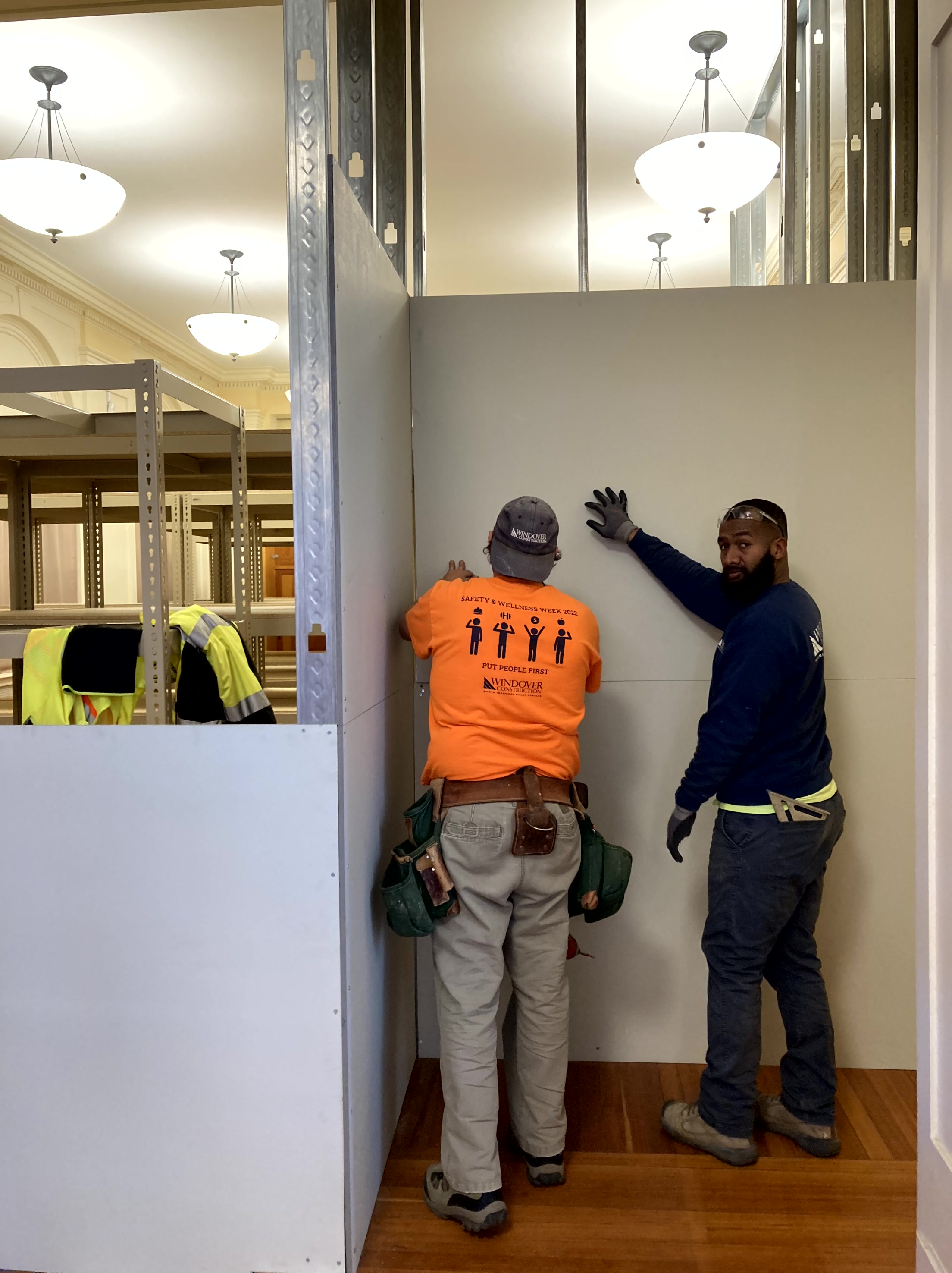
The Peabody is currently in the pre-construction phase of a much-needed building update! This is Phase 1 of a two-phase project.
The project has three main goals:
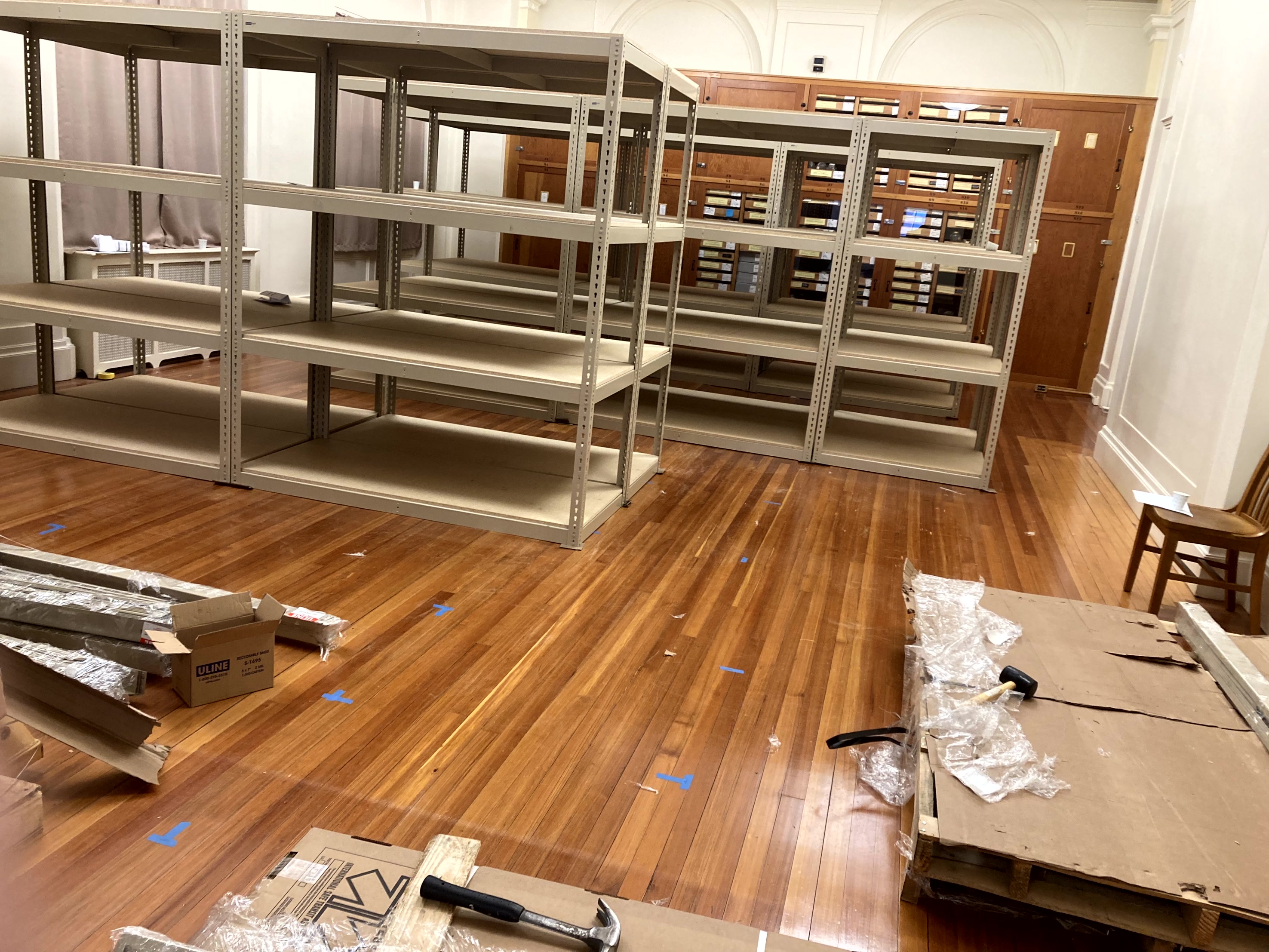
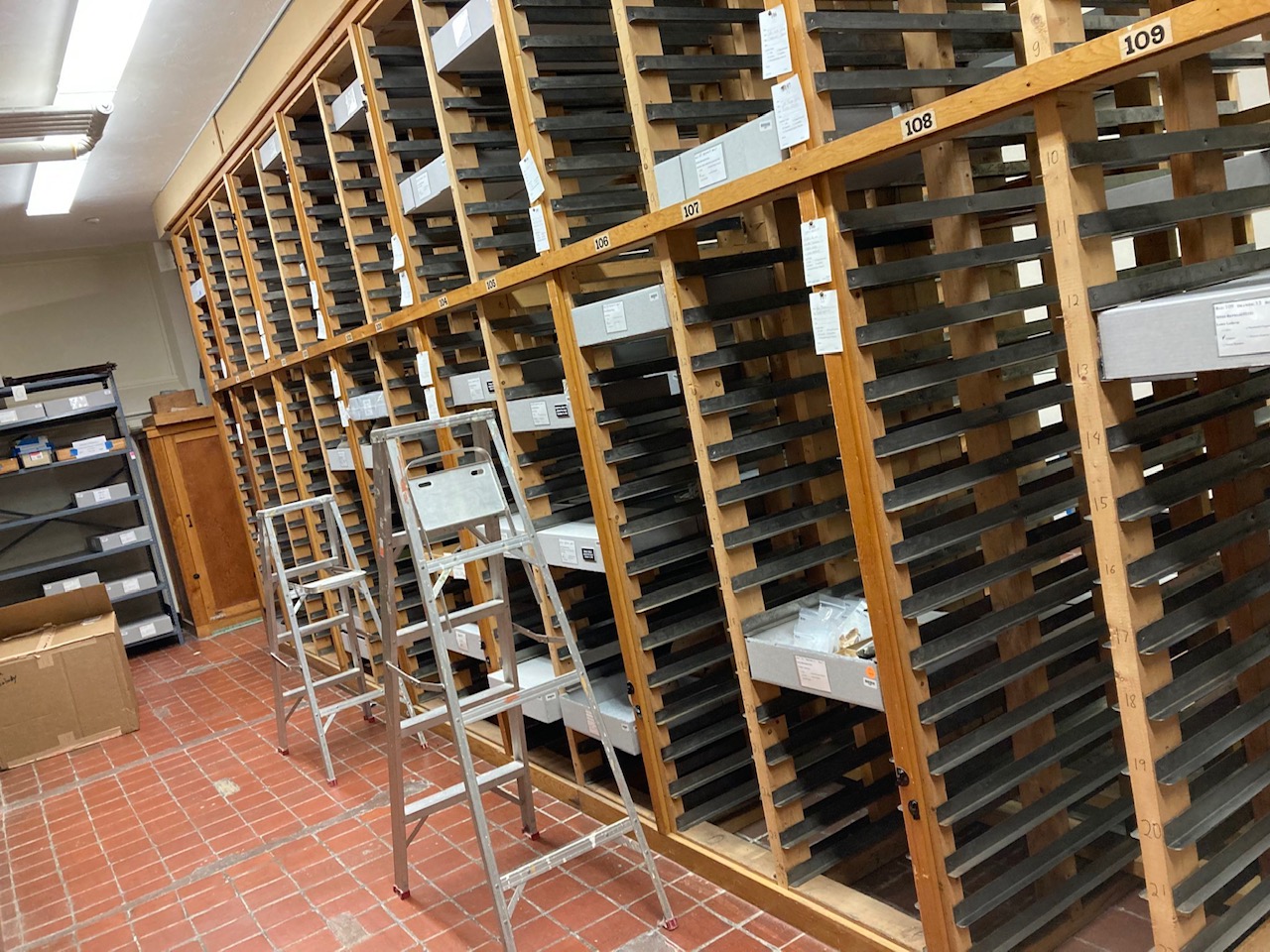
Replace the current basement shelving (that was constructed in the very early 1900s) with modern mobile shelving
Provide HVAC and sprinklers for the collections areas
Install an elevator and meet other code compliance issues
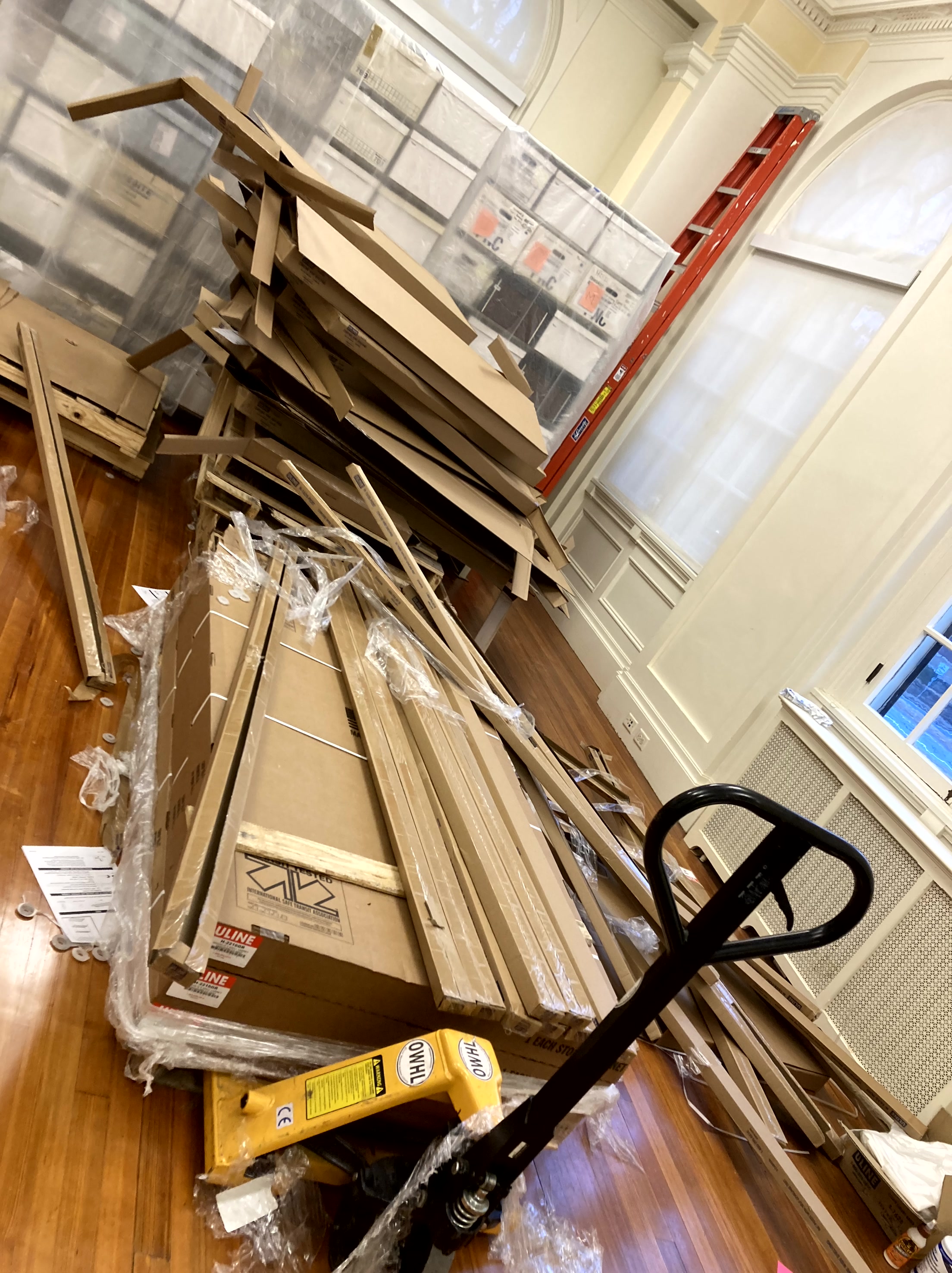
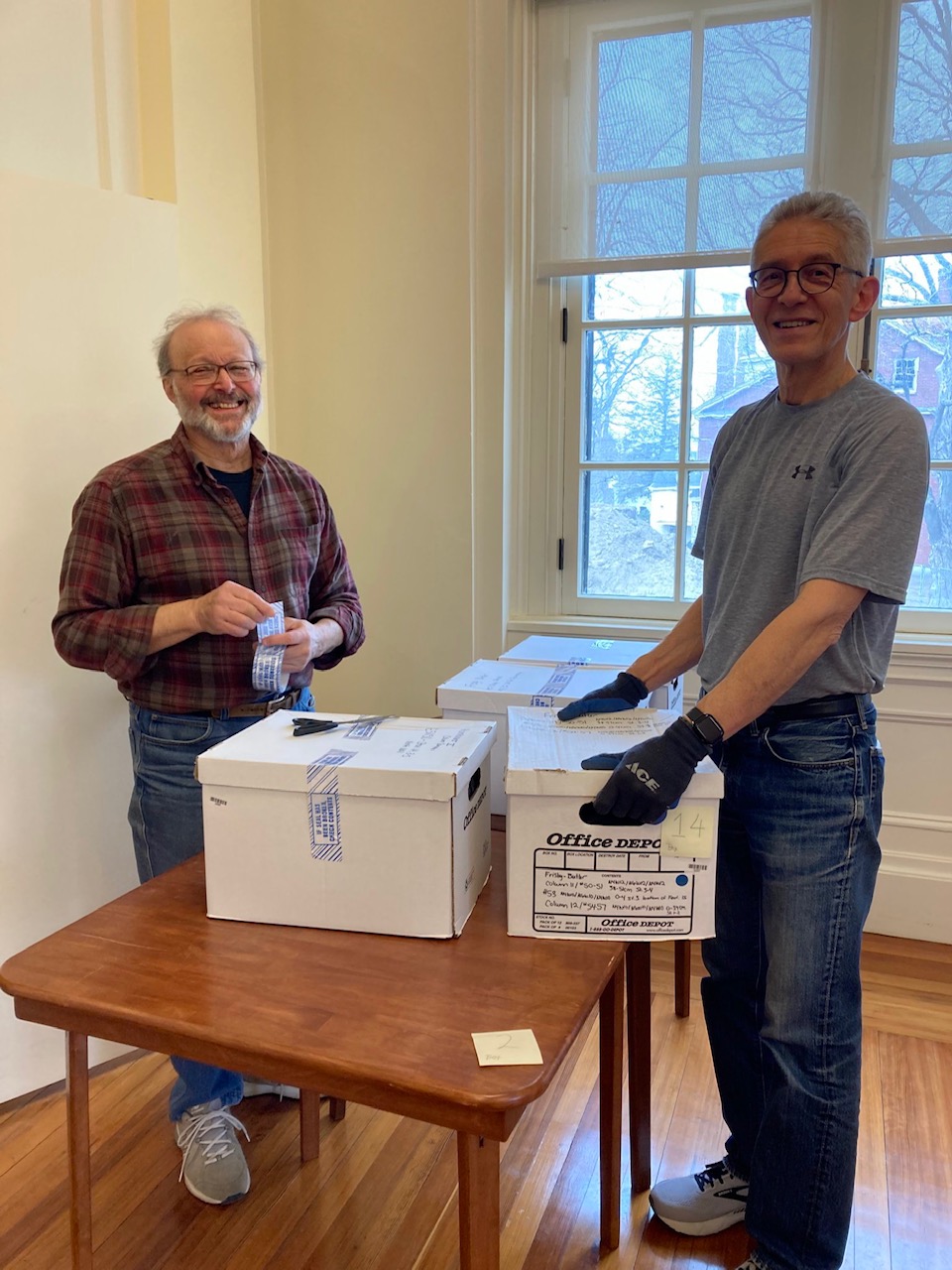
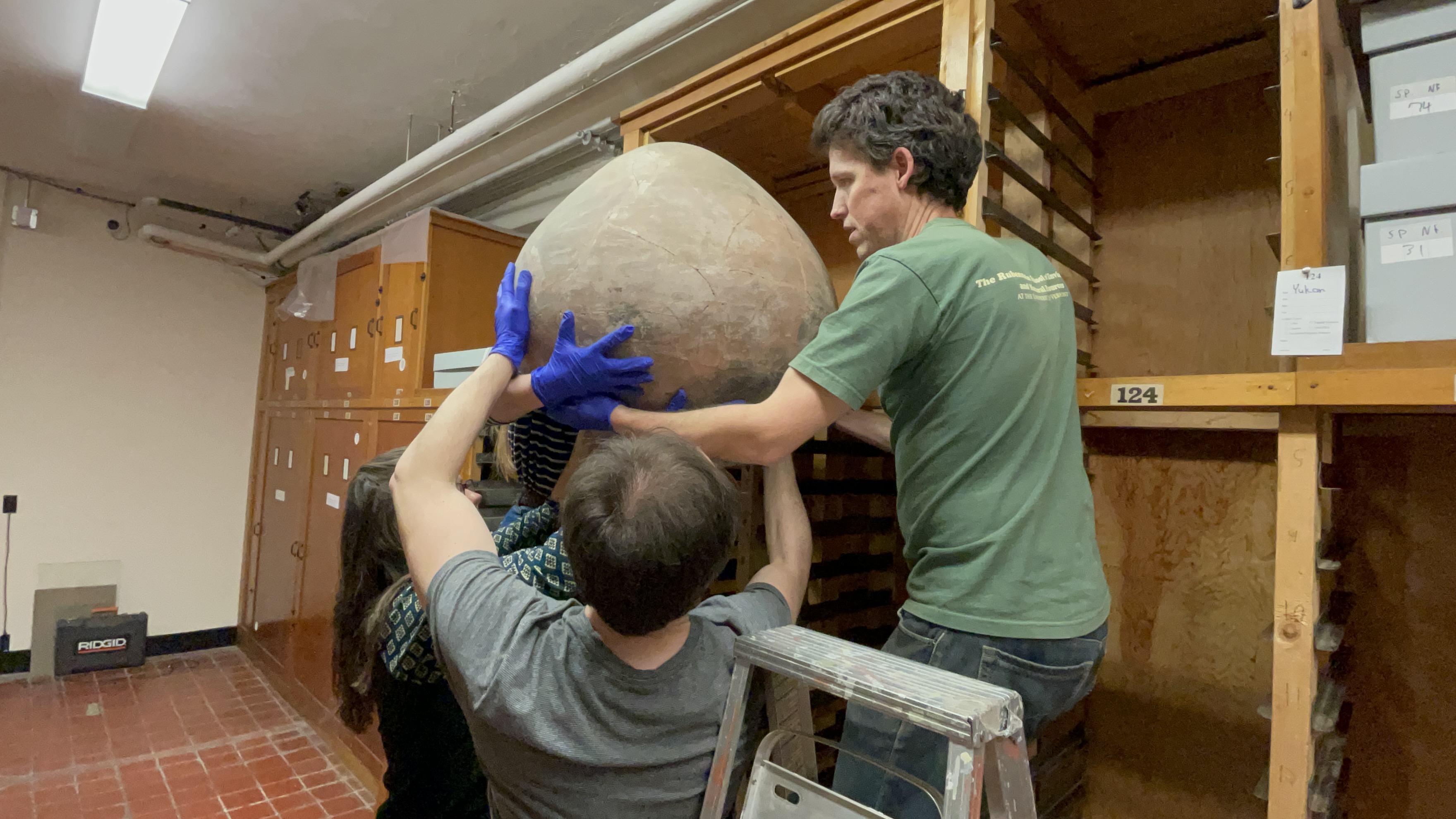
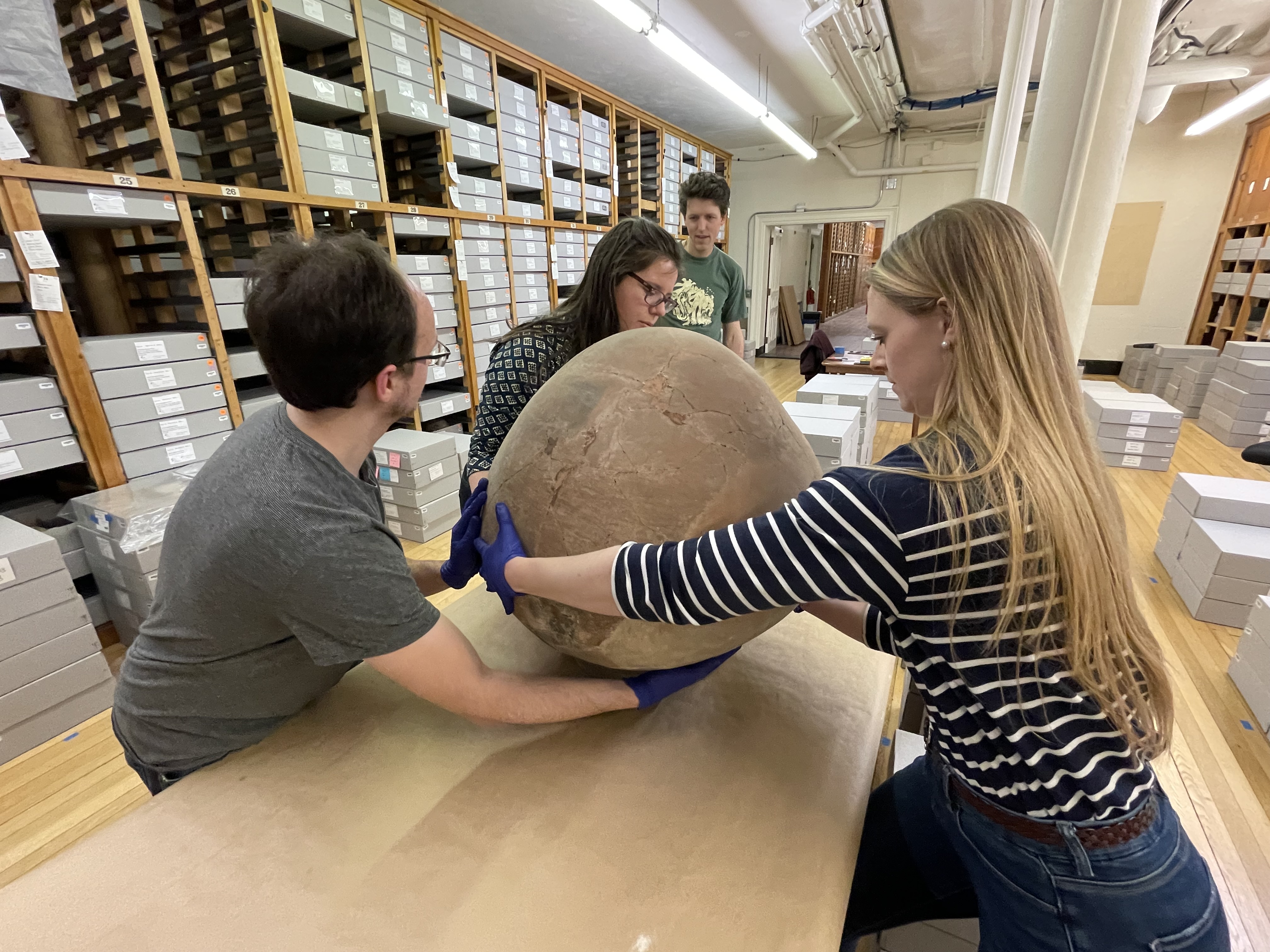
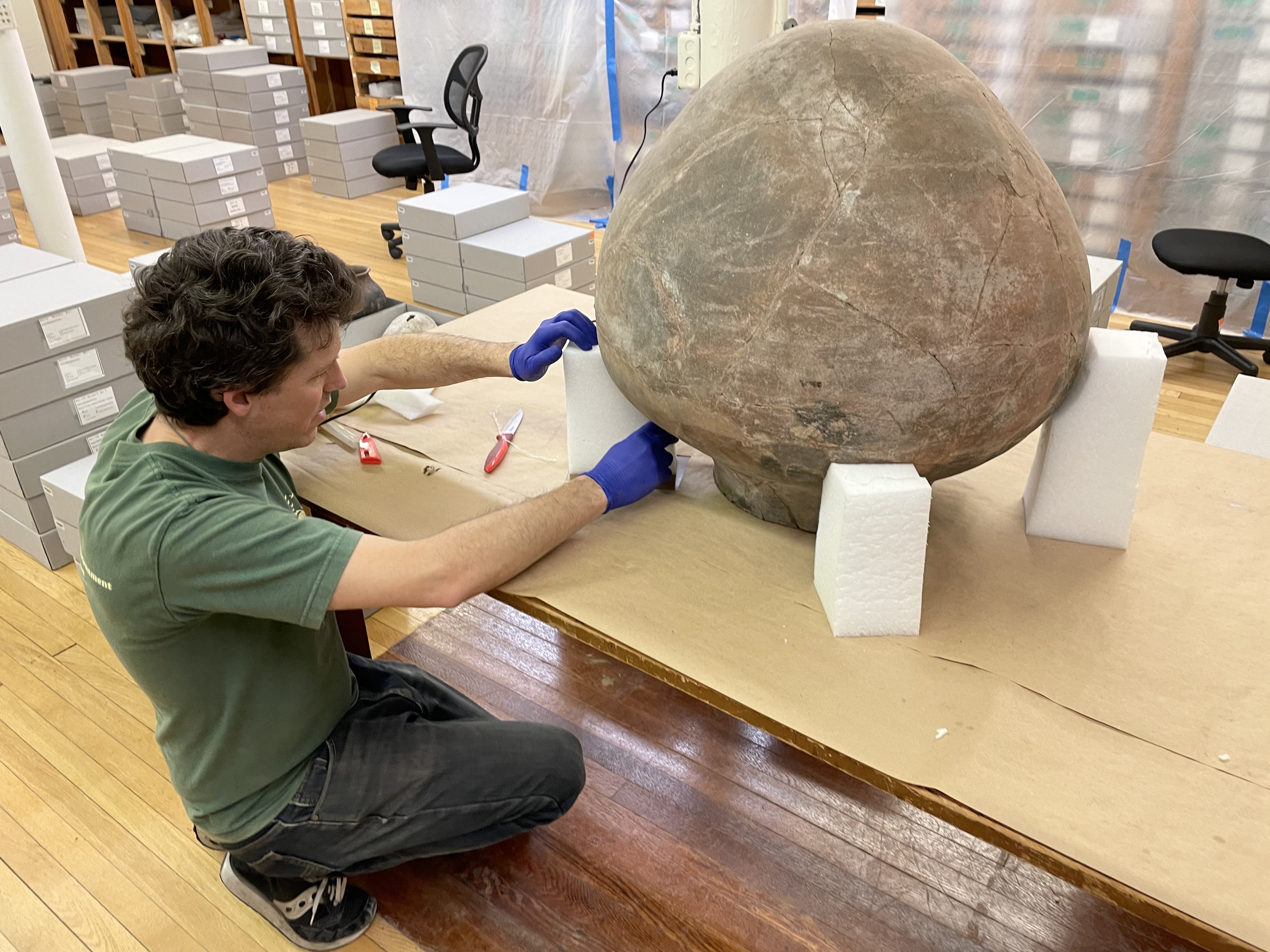
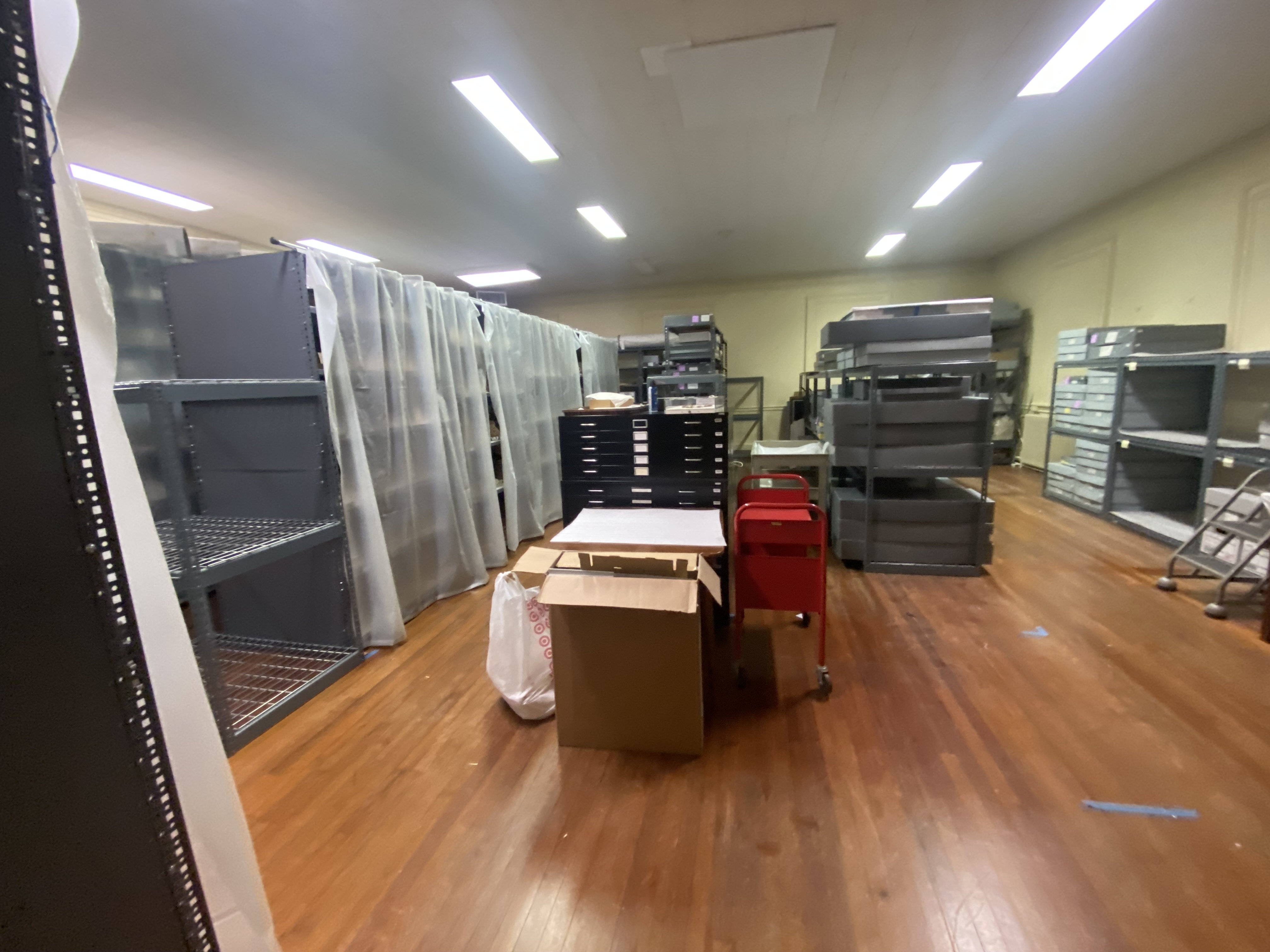
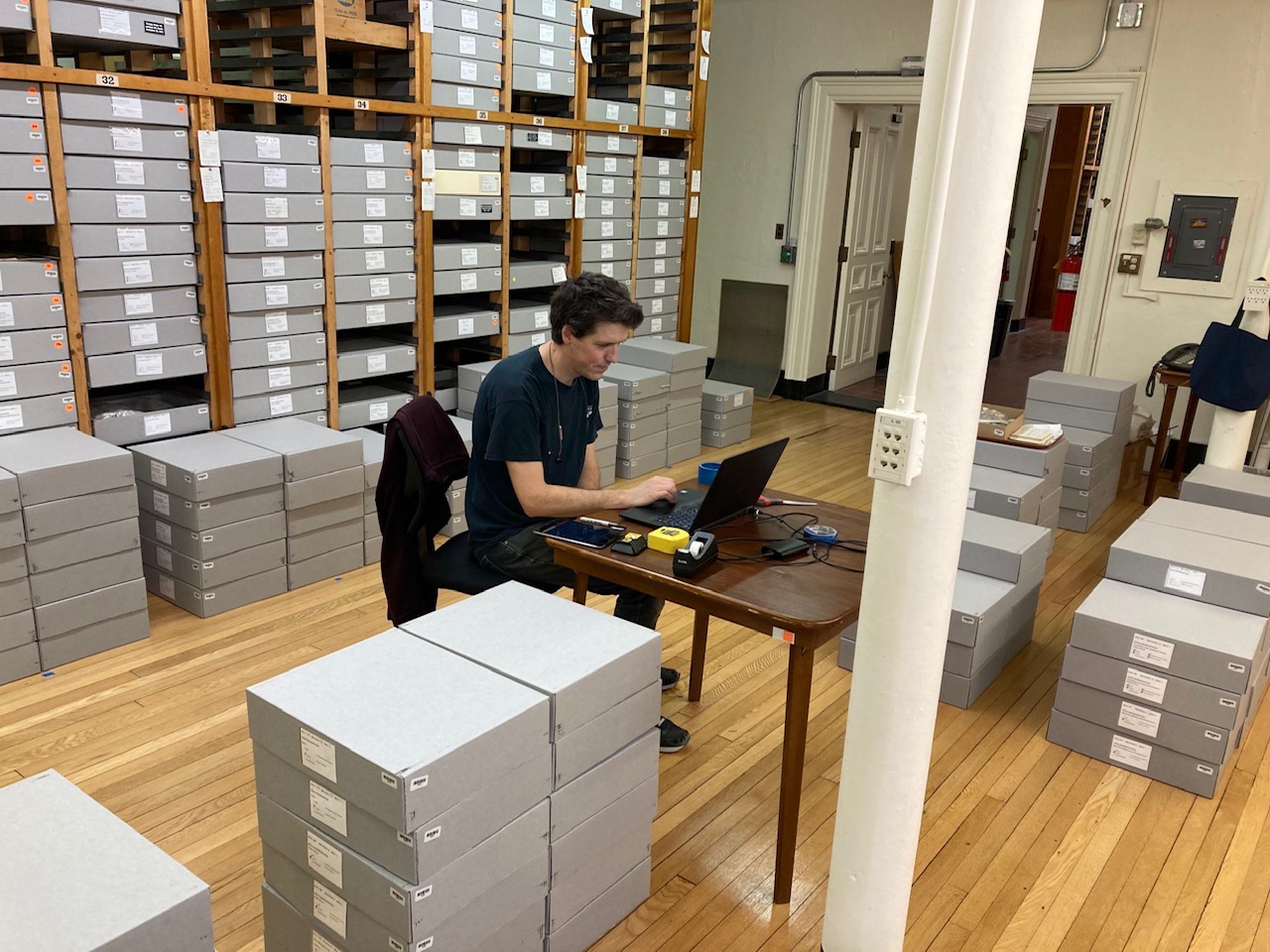
The Peabody staff have been working diligently to ensure the safety of all the collections during this work. We have coordinated with the construction company, security vendors, tribal partners, and our Phillips Academy project manager to make the project a success. There is still a lot to do – and construction hasn’t even started yet!
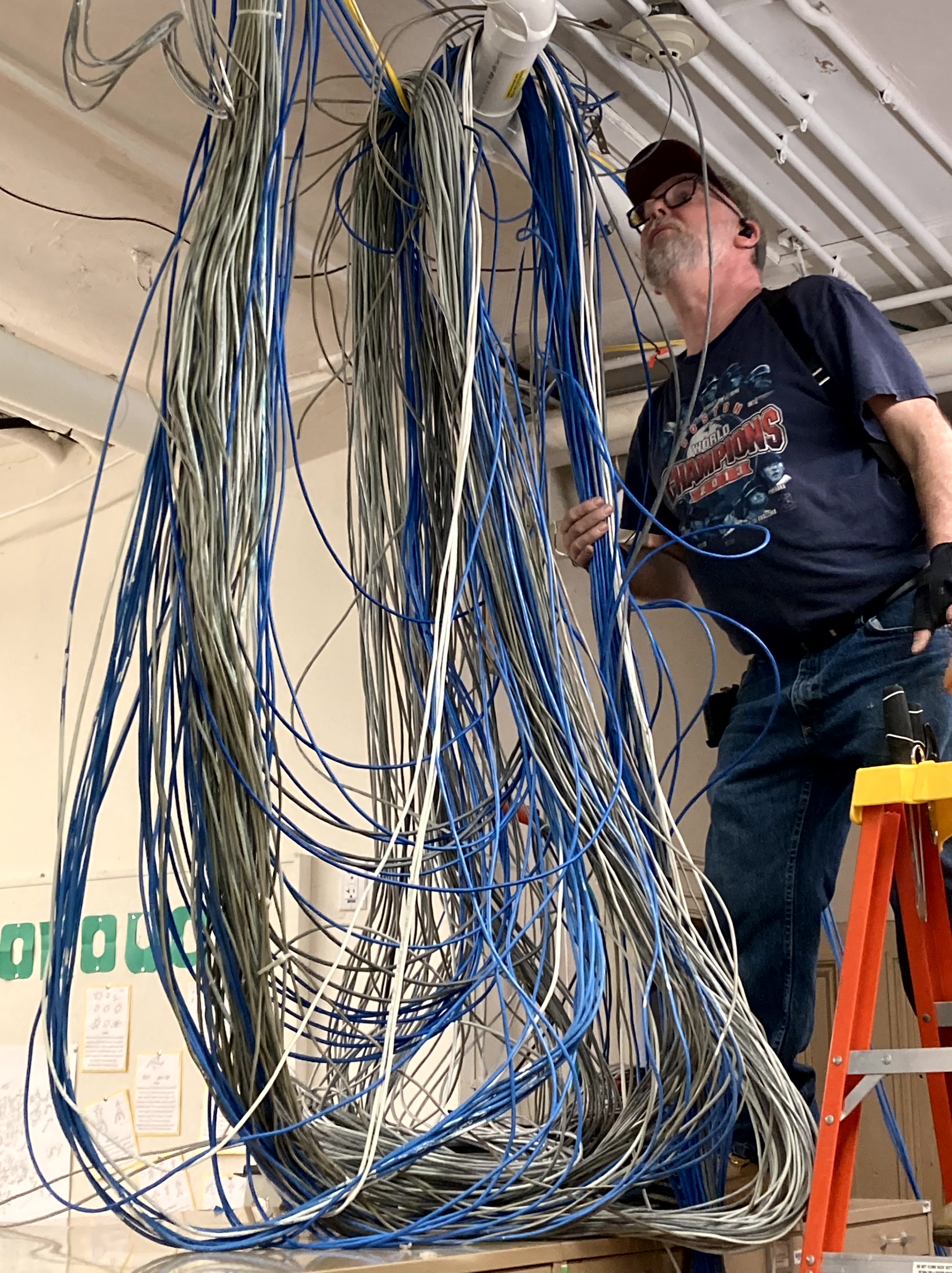
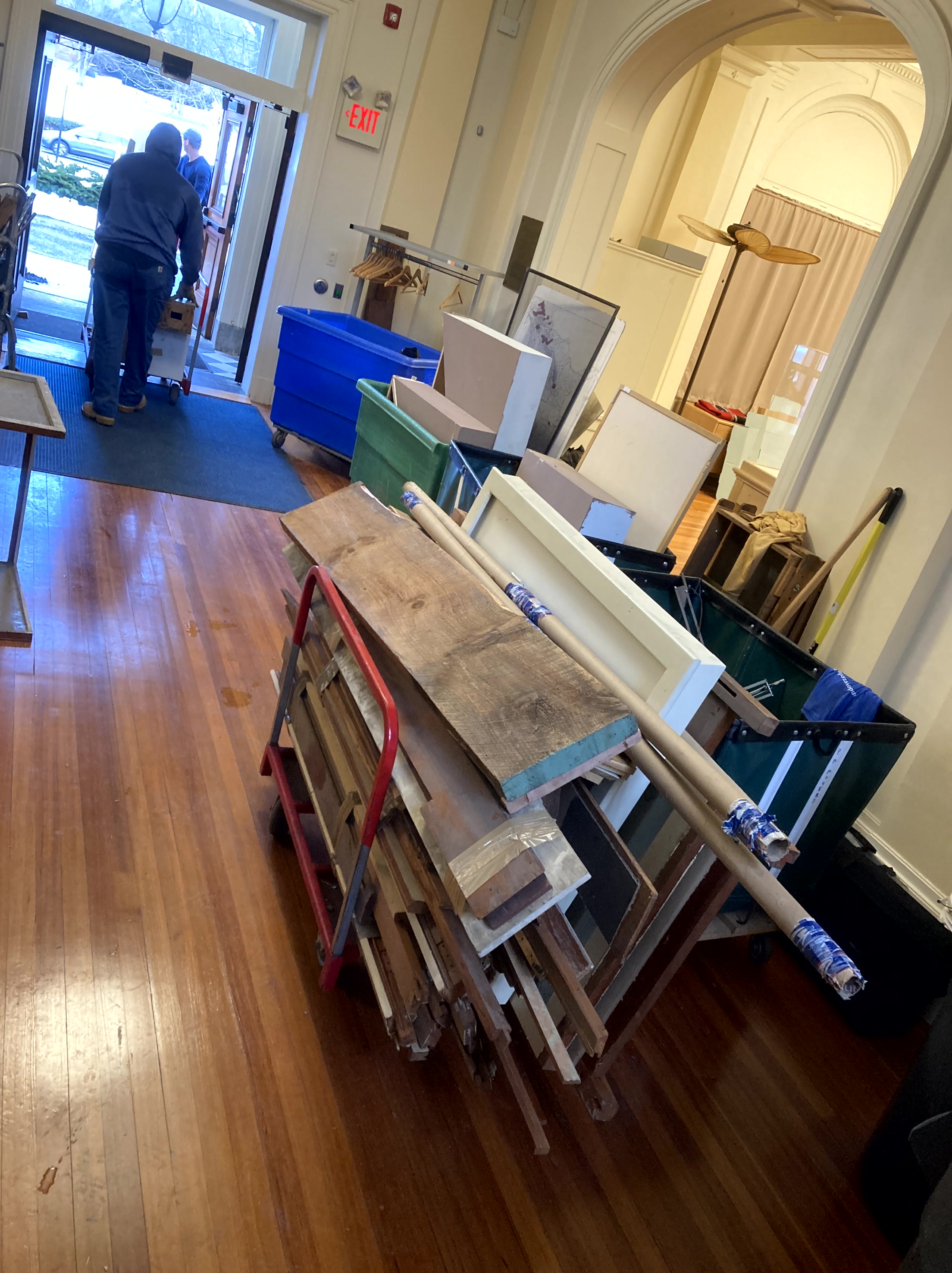
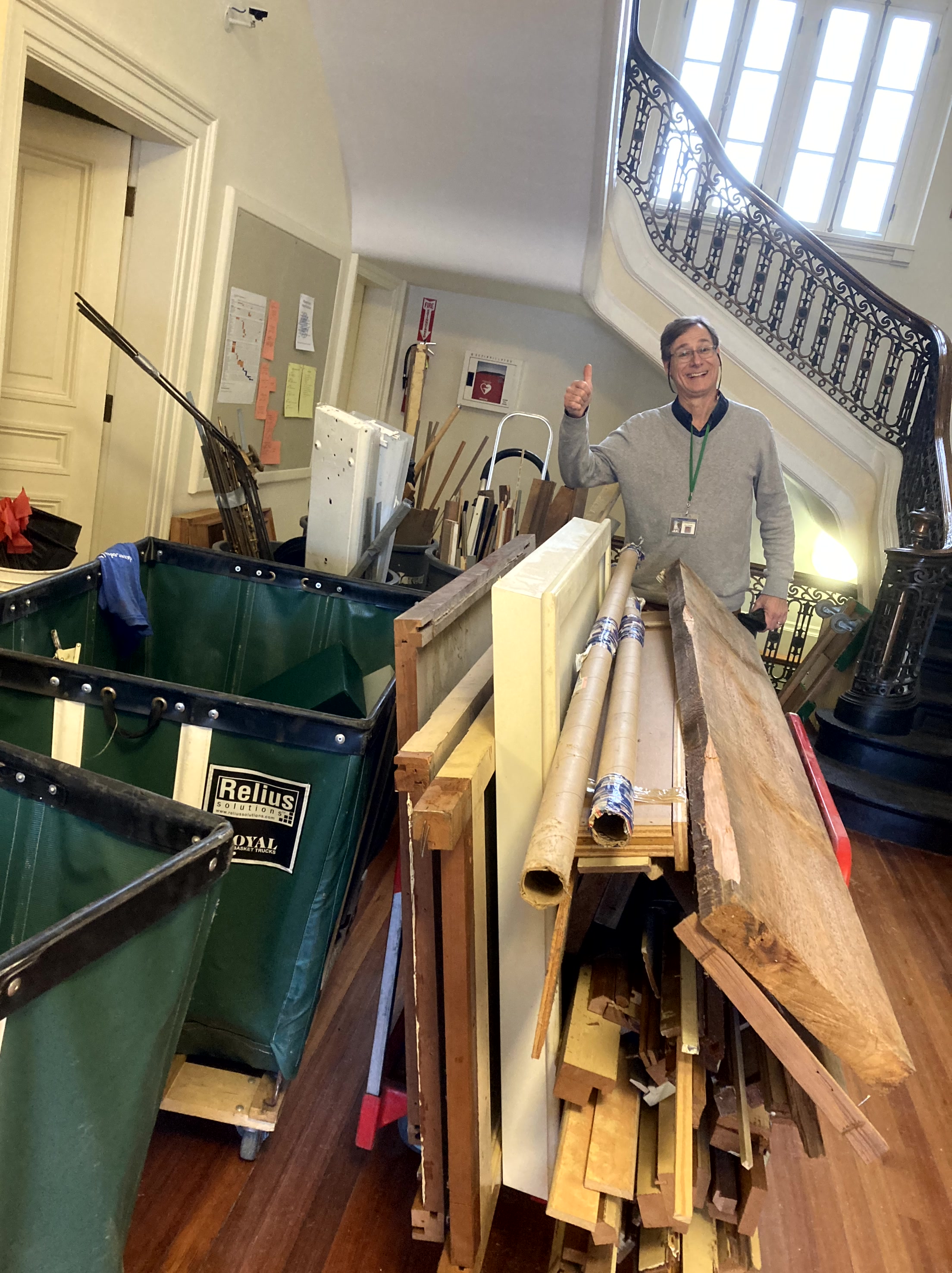
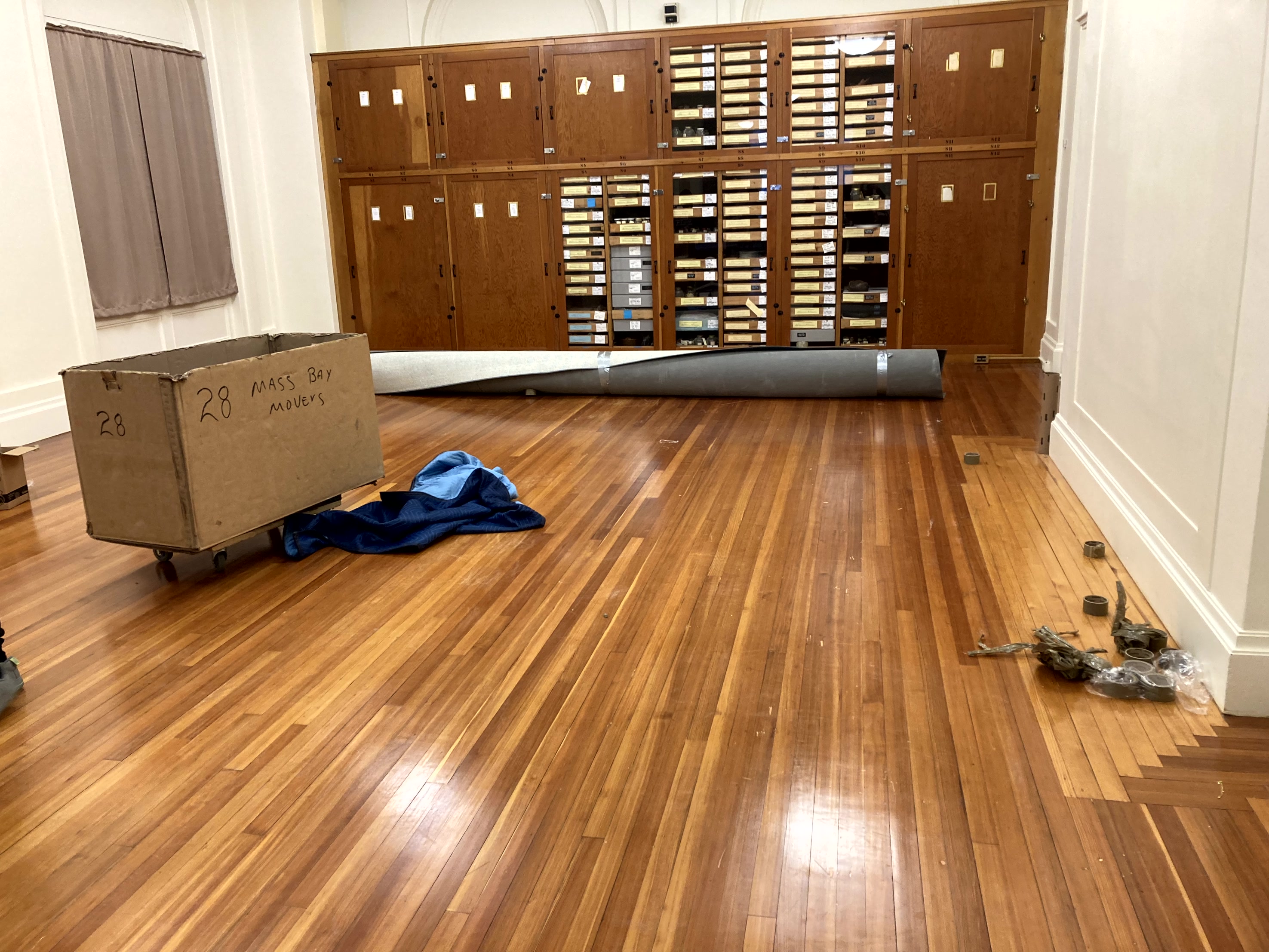
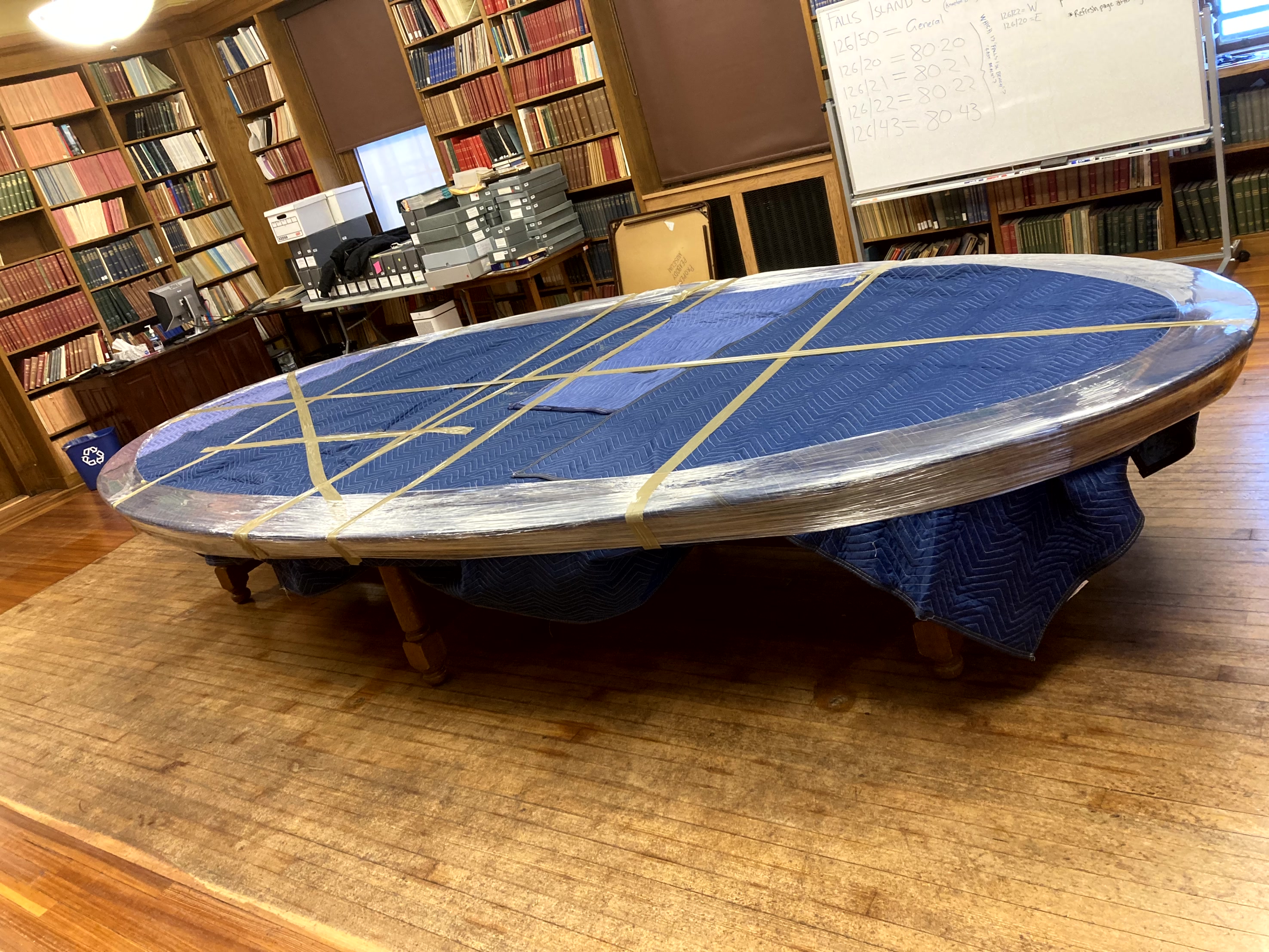
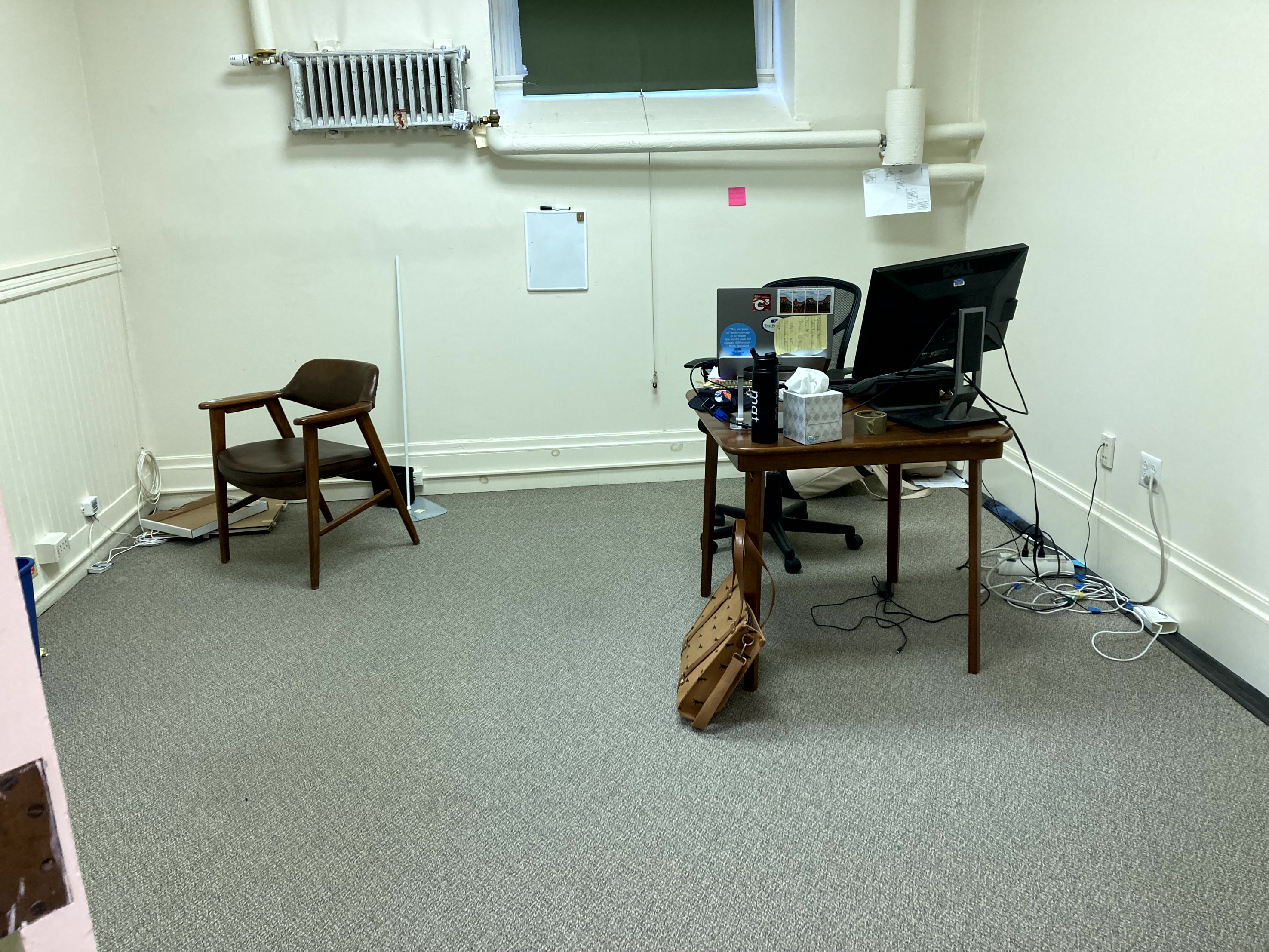
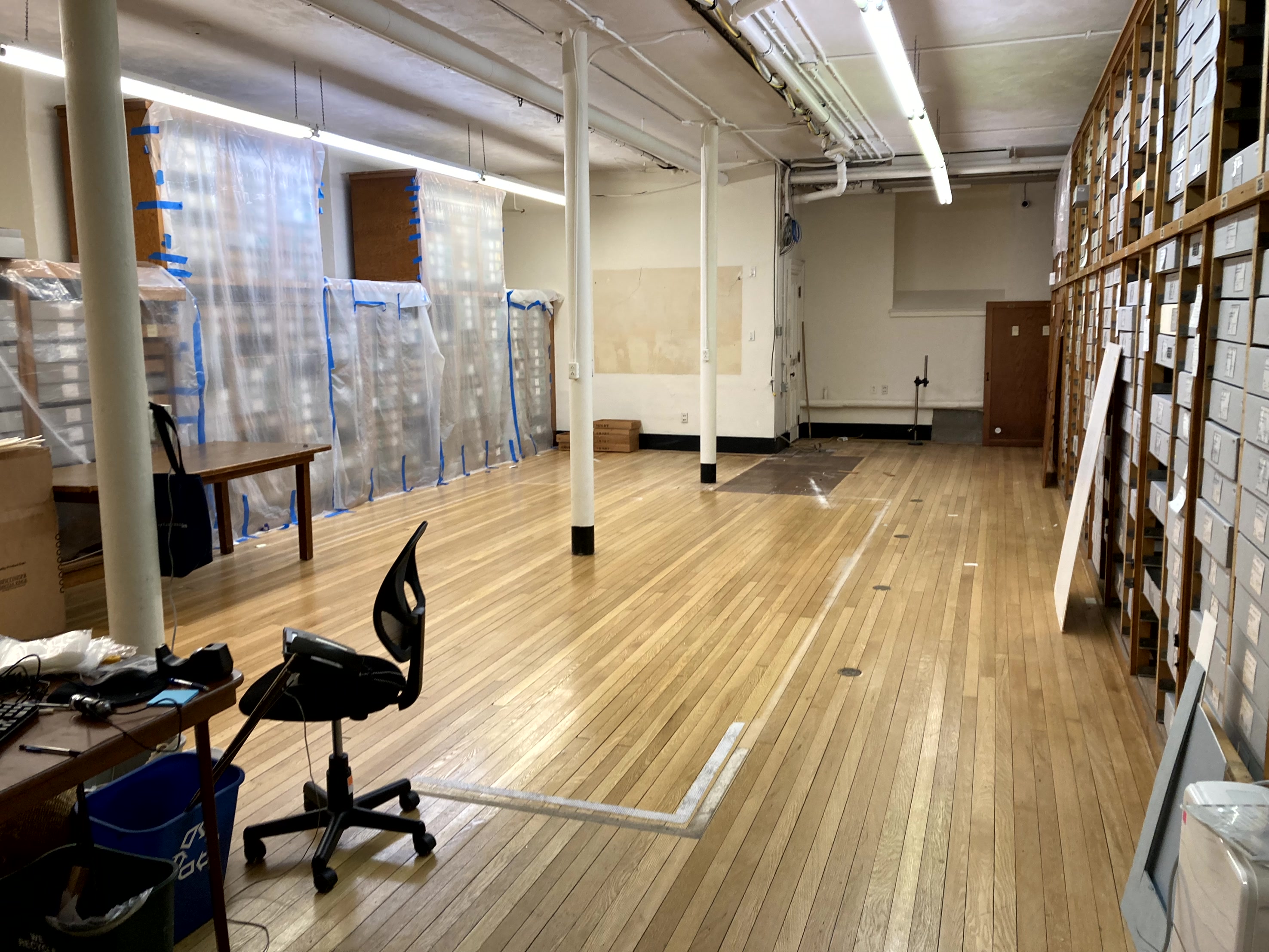
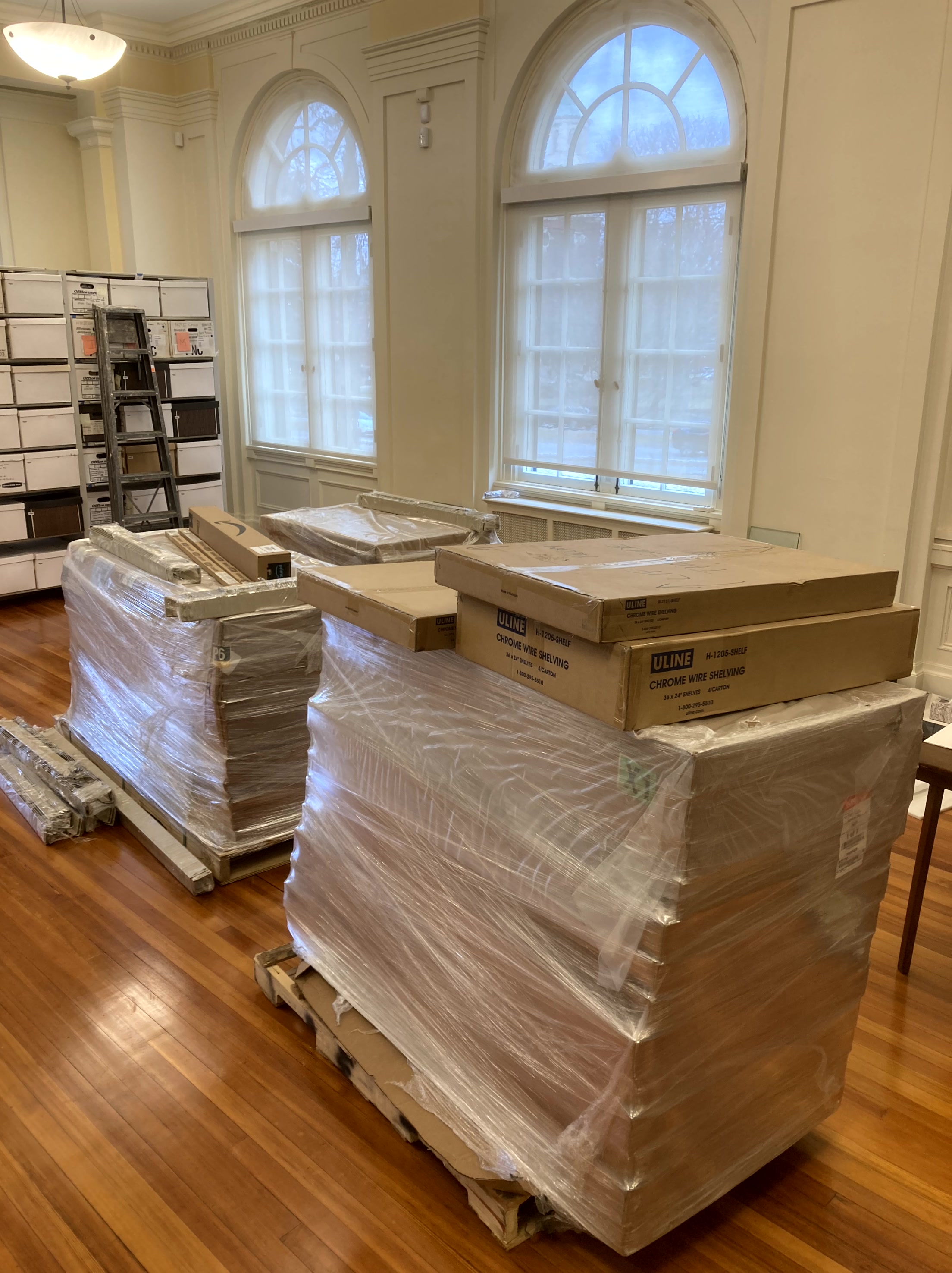
Here are some photos of the work as it has been happening:
This project will rely on philanthropic support from our donor community. To help advance this critical renovation, please contact Beth Parsons, director for museums and educational outreach, at 978-749-4523 or bparsons@andover.edu.
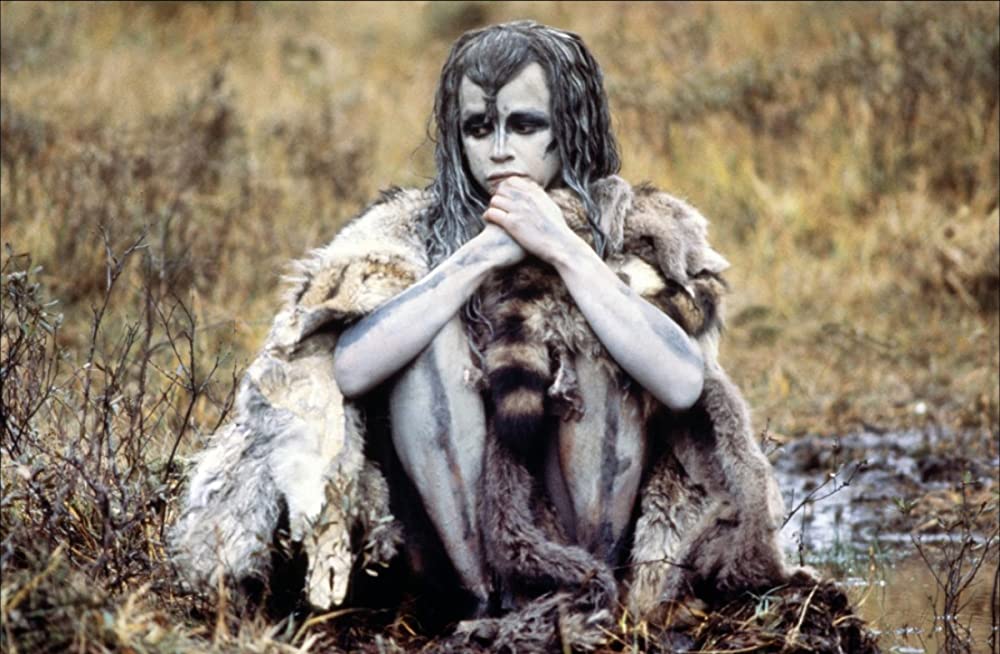
On February 15, 2023 we learned about the death of Raquel Welch. You might think, what does Raquel Welch have to do with archaeology? Well, a lot and a little. After her performance in the 1966 sci-fi film Fantastic Voyage Welch signed a contract with 20th Century Fox and was then “loaned” to Hammer films for One Million Years B.C., a low-budget cave-person movie. In One Million Welch played Loana, probably best remembered for her fur-trimmed bikini, battles against Ray Harryhausen’s Dynamation dinosaurs, and settling conflicts between the Rock and Shell tribes.
Raquel Welch as the out-sized heroine of One Million Years B.C. (1966).
I’ve always been a big fan of Ray Harryhausen’s stop-motion creature effects, including greats like The Valley of Gwangi (1969), 20 Million Miles to Earth (1957), The 7th Voyage of Sinbad (1958), Mysterious Island (1961), Jason and the Argonauts (1963), and many more. And yes, most archaeologists like dinosaurs, but cringe at the idea that archaeology has anything to do with them or that ancient humans ever even saw one—modern humans first appear around 300,000 years ago, about 65 million years after dinosaurs became extinct. A million years ago is solidly in the middle of the Pleistocene, a geological epoch that began around 2.5 million years ago. During the Pleistocene, we had lots of animals that you would recognize today—plenty of reptiles and birds and mammals—as well as megafauna like mastodons and mammoths, giant sloths, glyptodons, and more. We did have people, including Homo erectus.
One Million B.C. movie poster (1940).
So One Million Years B.C. gets a lot wrong. First, the idea of 1 million B.C. bugs me. B.C. means “before Christ,” though more people are moving to a version like BCE, which means “before the common or current era,” in other words the year 1 that our modern calendar has fixed as a starting point. So 1 million years B.C. is literally 1,000,000 years ago plus another 2,000 or so years. What’s 2,000 when we are talking millions?! I checked, and, perhaps not surprisingly, there were no scientific consultants on the film. Ray Harryhausen famously quipped that they weren’t making movies for scientists and doubted said scientists would go to see such films anyway (so wrong!). In her memoir, Raquel: Beyond the Cleavage, Welch talks about her own attempt to provide some notes to the film’s director Don Chaffey, but he wasn’t interested. What I didn’t know until recently, however, is that One Million Years B.C. is a remake of the 1940 film One Million B.C., which starred Victor Mature, Carole Landis, and Lon Chaney Jr. No Harryhausen effects there, however, there was a pig dressed in a Triceratops suit, lots of out-sized lizards, and even some animals more appropriate to the time like a woolly mammoth and an armadillo dressed as its megafauna ancestor Glyptodon.
This got me wondering what the earliest cave-people movie was, and led me to D.W. Griffith’s Man’s Genesis: A Psychological Comedy Founded on Darwin’s Theory of the Genesis of Man (1912). You can see some of the film on Youtube: https://www.youtube.com/watch?v=zQ3gaYbb38I. Griffith was involved in the production of the 1940 One Million, and all the films have some similar themes, namely conflict and sex. They don’t stop with the Raquel Welch version.
Peter Elliott is the go-to actor for non-human primates, including the titular role in 1988’s Missing Link.
One Million Years B.C. did pretty well at the box office, but it’s really just one film in a long line of cave-people movies. Both Charlie Chaplin and Buster Keaton made their versions, likely riffing on Man’s Genesis (Keaton invents golf in 1923’s Three Ages). A few years ago I challenged my Human Origins students to look at stereotypes about Neanderthals and they found the 1962 movie Eegah, which is sort of a mashup of 60’s beach party movies and the cave-people genre. The $15,000 budget may give you a sense of the film. Don Chaffey, the director of One Million Years B.C. revisited the genre in 1971 with Creatures the World Forgot (sans Raquel Welch, but with a very similar plot and movie poster!), and the 1980s has numerous entries with Ringo Starr’s comedy Caveman (1981), a defrosted Neanderthal in Iceman (1984), Rae Dawn Chong in Quest for Fire (1981), Daryl Hannah in The Clan of the Cave Bear (1986), based on the Jean M. Auel books, and even Peter Elliott (with narration by Michael Gambon) as the last Australopithecus in Missing Link (1988).
Ringo Starr and friends in 1981’s comedy Caveman.
Ringo Starr aside, Quest for Fire and The Clan of the Cave Bear are two of the best-known cave-people movies since Welch’s One Million. What’s interesting is that Quest was a box office success and garnered some critical acclaim, while Clan was a flop. Both lack dinosaurs, so that’s good. And, both explore a lot of the same themes that come up in these movies over and over—conflict between different species of humans, sex and love, and the role of technology in becoming human. Many of the critics noted that Quest had a lot of humor, either intended or not, and that’s perhaps part of the charm as film critic Roger Ebert noted. Archaeologists and anthropologists at the time were not so kind. Philip Leiberman, writing in the American Anthropologist, delivers a strident critique of the “primitive” languages developed by author Anthony Burgess for Quest, noting that, “Burgess just doesn’t seem to know anything about phonological studies, developmental studies of the acquisition of speech by children, psychoacoustic studies of speech perception,” etc. Owen Lovejoy, writing in Archaeology magazine, describes Quest as a disaster on several fronts, noting specifically that “critical human qualities such as kinship, economics, infant care, symbolism and religion, language, technology, and so on, are simply glossed over as though they appeared magically with the Upper Palaeolithic,” though he does appreciate the lack of dinosaurs. One important point that Lovejoy makes is that the film tries to be a serious attempt to depict the distant human past and that, perhaps, our inability as anthropologists to synthesize this for the public is what is lacking. Quest didn’t benefit from scientific advisors, beyond Burgess’s work to make the primitive languages and Desmond Morris’s work on animal behavior and vocalizations.
Rae Dawn Chong as Ika in Quest for Fire.
The cinema isn’t done with the cave-people genre yet. In 2008, 10,000 BC (again with the BC!) joined the ranks as a visually stunning epic that suffers from many past sins, including some serious anachronisms. I haven’t watched 10,000 BC, but it involves cave-people, Pleistocene fauna, as well as people riding horses and traveling in ships. The movie did pretty well at the box office. Reflecting on this genre of cave-people movies makes me realize that there is a lot of interest in the distant past, but, as Owen Lovejoy noted in his review of Quest for Fire, us anthropologists and archaeologist haven’t been so good at providing a compelling narrative. In fact, a lot of the interspecies conflict in these films can really be attributed to pervasive ideas in studies of human evolution that have emphasized different species based on very slight differences in skeletal anatomy. The more we learn, we find that Neanderthals and modern humans are very similar and shared genetics when they existed in the same place. Maybe Quest for Fire got that right? Godspeed Raquel.
Compare posters for Don Chaffey’s 1971 Creatures the World Forgot with the Raquel Welch classic One Million Years B.C., also directed by Chaffey for Hammer.
Stuart Travis mural at the Robert S. Peabody Institute of Archaeology
Ever wonder what lies behind a photograph? Beyond the simple description scrawled on the back of each image? The Peabody collection contains more than 600,000 artifacts, photographs, and documents. The Peabody’s photograph collection, specifically, is extensive and contains many interesting, yet untold stories. To bring these stories and photographs to light, we would like to share them with YOU, fellow readers, in our blog series, Behind the Photograph. You can find these stories using our BehindThePhoto tag on our blog.
The Mural
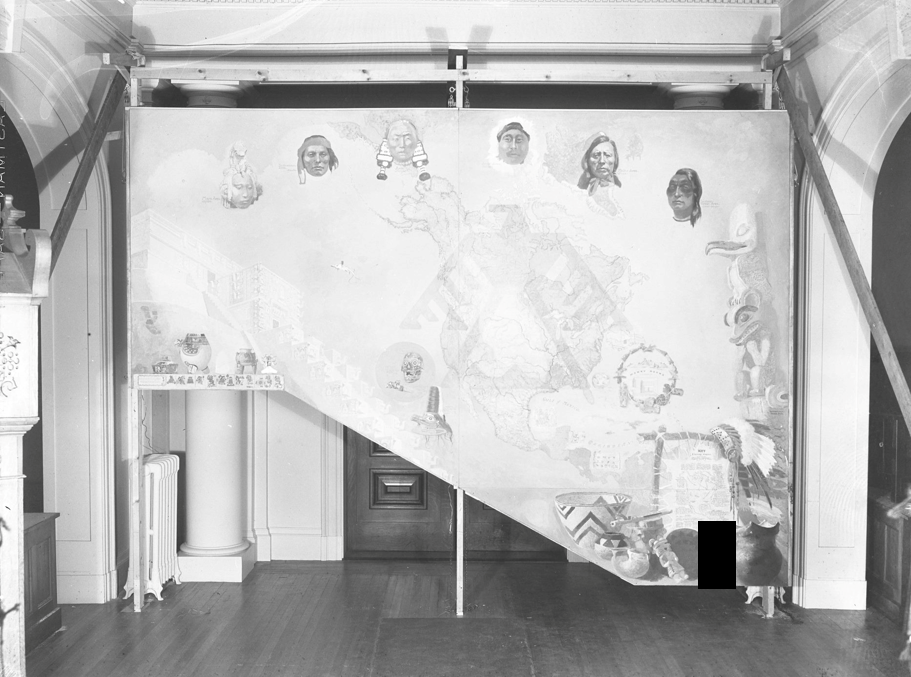
As the Peabody enters the pre-construction phase of a much-needed renovation project, I’ve been looking back at some of our old photos of the building. This image in particular is fascinating, as it was taken during the installation of the Peabody’s Stuart Travis mural in 1938. Those of you who have visited the Peabody may find the room in this image familiar – it’s the interior of our front entrance door! Although those columns behind the mural have since been removed, the crown molding, floor, and archways are still present at the Peabody today. Around the perimeter of the image you’ll find what looks to be an old grandfather clock against the wall to the left. If you peer closely just through both archways (to the right and left) you’ll see glimpses of exhibit cases where the Peabody’s first floor galleries housed exhibits and displayed artifacts.
The Peabody’s mural was created by American artist, illustrator, and designer, Stuart Travis (1868-1942). Stuart Travis is well-known to the Phillips Academy Andover community. Not only can you find his work at the Peabody, but all over – the Oliver Wendell Holmes Library, Paresky Commons, the Gelb science building, and the wrought iron gate at the entrance to the Moncrieff Cochran Bird Sanctuary. Stuart Travis is buried in the Chapel Cemetery here on campus.
The mural was installed in the Peabody’s central staircase where it continues to reside today. Titled “Culture Areas of North America,” this mural reflects ideas about anthropology and archaeology in the 1930s and 1940s. The mural features many drawings of artifacts from various sites and museum collections, some drawings even link to archaeological works by long-time Peabody Director, Warren K. Moorehead (1924-1938) as well as Director, Douglas Byers (1938-1968) and Curator, Fred Johnson (1936-1968).
The mural was dated 1938, however, Stuart Travis continued to make additions through 1942. The mural was later restored in 1997 by Christy Cunningham-Adams through the generous support of the Abbot Academy Fund. If you look closely at the image, you’ll see the mural was created in sections (i.e. the very fine line located down the middle of the mural). One interesting detail you cannot see from the photo, but rather in person is the various pencil notes and markings that still remain on the mural. This leads me to believe that perhaps the mural was never quite finished or rather, some new additions planned for the mural never came to fruition.
Another fascinating find and story is this blog from our past temporary archivist, Irene Gates, who discovered six small notebooks belonging to Stuart Travis depicting illustrations and information about the Indigenous communities represented in the mural.
The Film
Mural history aside, the material image itself has quite the hazardous history (or should we say fiery?) The original image of the mural installation was made on a nitrate negative, a type of film used as a base for photographic roll film created by George Eastman in 1889. Nitrate was used for photographic and professional 35mm motion picture film until the 1950s.
What many may (or may not) know is nitrate film is highly flammable and also toxic when decomposing with age. New nitrate film could ignite with the heat of a cigarette, while decomposing nitrate film can ignite spontaneously at temperatures as low as 120 degrees Fahrenheit. Once ignited, nitrate film burns rapidly, fueled by its own oxygen, and releasing toxic fumes.
Before you jump to thoughts of flammable film spontaneously combusting in the Peabody’s collections, let me assure you THERE IS NO nitrate film currently located at the Peabody. But at one point in time there used to be nitrate film in the Peabody’s archival photograph collection, YIKES! As of July 2010, all nitrate negatives were digitized and then discarded due to the film’s potential hazard to the Peabody collections and building.
With that out of the way, let’s dive in to the history of nitrate film and how much of this history went up in smoke. We see its legacy in Alfred Hitchcock’s Sabotage – a bus operator tells a young boy he cannot bring two reels of nitrate film onboard, it’s flammable after all. Then in Quentin Taratino’s Inglourious Basterds – nitrate film’s volatile chemistry is used for his alternate history story of a plot to assassinate high-ranking officials of the Nazi party, including Hitler.
Nitrate fires were infrequent compared to the rapid spread of cinema, however, when disaster occurred at the hands of nitrate film, the results were quite devastating. One such fire occurred at Paris’s 1897 Charity Bazaar, claiming 126 lives many of which were women. In 2019, a French drama miniseries debuted on Netflix called Le Bazar de la Charité (The Bonfire of Destiny) depicting this destructive time in history.
The 1940s saw numerous fires in New York City involving nitrate film. Investigators found no evidence of negligence by personnel or the careless use of cigarettes. In fact, it appeared the nitrate film spontaneously ignited due to abnormally hot summers. Since burning nitrate produces its own oxygen, submerging the film in water is futile. In addition, the fumes given off by its ignition are highly toxic and hamper any efforts to suppress the fire. These fumes contain oxides of nitrogen which, if inhaled, can be fatal. Unfortunately, nitrate film must burn itself out.
Besides its combustive properties, nitrate is extremely fragile. Overtime, the film naturally shrinks and deteriorates, even when treated with care. Film archivists in the 1970s and 80s expressed urgency for the preservation of nitrate film using the slogan, “Nitrate Won’t Wait,” with images of the destruction of vault fires such as the 1978 vault fire at the National Archives and Records Service in Suitland, Maryland, which destroyed 12.6 million feet of historical newsreel footage and outtakes donated by Universal Pictures. As a result of this, many nitrate negatives and film have been digitized or reprinted on polyester stock (the replacement to nitrate beginning in the 1950s).
2.) Film becomes brittle; emulsion becomes adhesive and film sticks together
(At stages 1 and 2, film can be copied)
3.) Film has a noxious odor
(At stage 3 some parts of the film may be copied)
4.) Film is soft and covered with a viscous froth
5.) Film is deteriorating into a brownish acrid powder
(At stages 4 and 5, film should be immediately destroyed by local fire department)
On the other side of the argument, many believe nitrate film is a viable artifact that doesn’t have to be destroyed or hidden away. In 2015, the Nitrate Picture Show was created by the Eastman Museum to raise awareness of nitrate and preserve what remains. The Eastman Museum currently houses 24,054 reels of nitrate film.
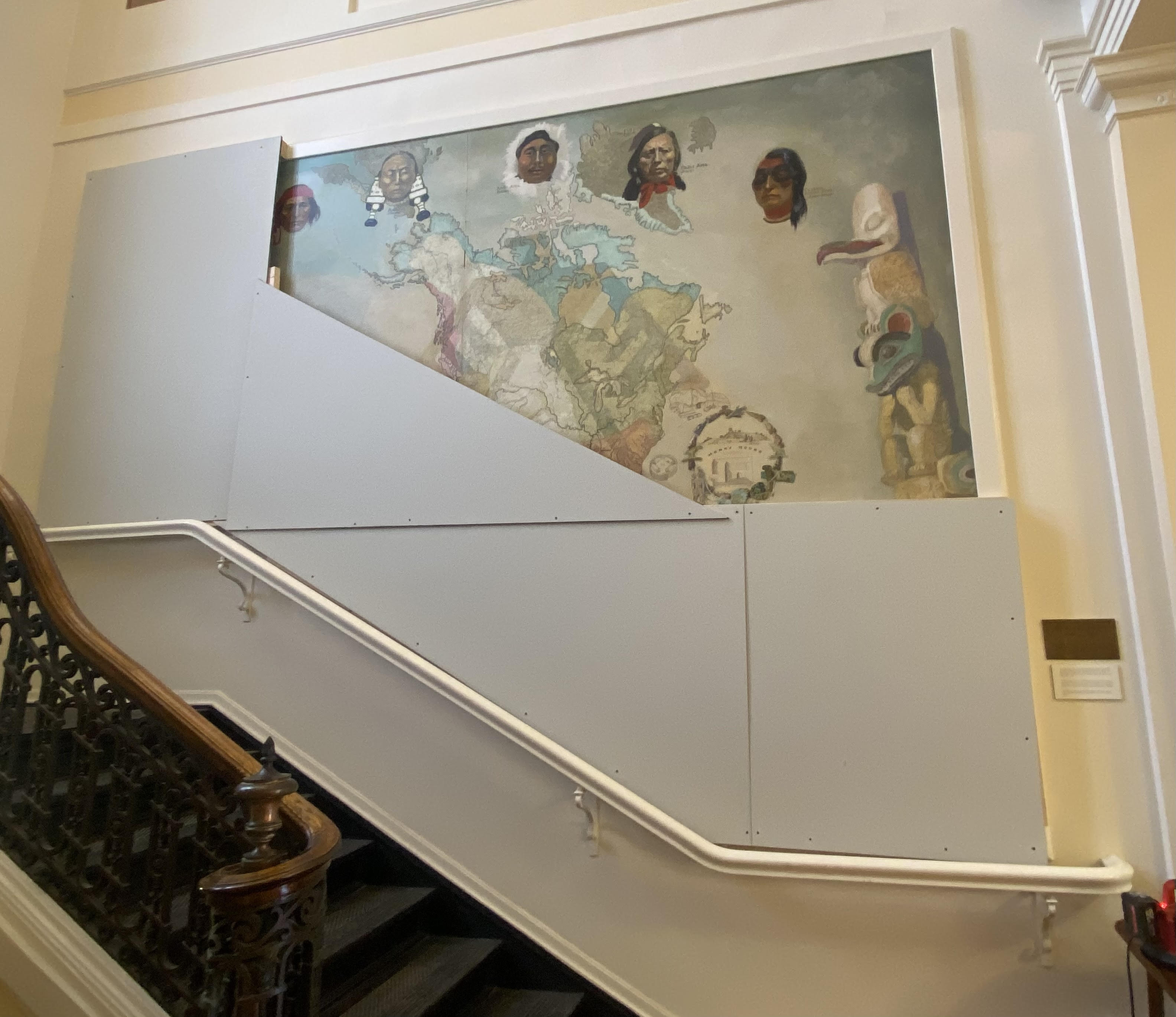
Circling back to our mural image – I’d like to provide the current status of our Peabody mural during the pre-construction phase of our planned renovation work. We are taking protective measures to keep it safe during upcoming renovation work. Here you can see a temporary wall being placed over the mural as a protective layer.
The Peabody mural receiving a temporary wall for protection during building renovations.
This blog is the culmination of work done by Independent Researcher/Volunteer Adam Way to explore how the Peabody Institute has been portrayed by Phillips Academy students in The Phillipian over the years. Adam shared two previous blog posts about his work (Combing Through the Phillipianand Combing Through The Phillipian: End of an Era) and recently completed the project. His final blog is a summary of what he learned.
The relationship between The Phillipian and the Peabody Institute has existed since the Institute’s founding back in 1901, and while the strength of that relationship has waxed and waned, it has persisted nonetheless. During my time combing through over a century’s worth of The Phillipian issues, I have noticed a few substantial changes, mainly the amount of coverage that the Peabody Institute received, the type of coverage, and the student’s view of Peabody.
The first major difference that appears when looking through The Phillipian archives is that the number of times that the Peabody is addressed/mentioned decreases drastically towards the present. In 1910, the Peabody Institute, then the Department of Archaeology, was mentioned 153 times throughout the year, with the following years yielding similar results. A significant amount of the times that the Peabody Institute was mentioned in these early years can be attributed to the existence of extracurriculars that took place within the building. Events such as meetings of the Banjo or Drama clubs and other such student activities that took place in the Peabody make up a large portion of mentions, while the rest is composed of articles detailing the academic work and scholarship being conducted by the Institute.
April 15, 1916
The constant high volume of mentions during the early years of the Peabody Institute, unfortunately, do not last forever. It appears that the turning point was, more or less, when Warren K. Moorehead retired from his position as director and was replaced by Douglas Byers. While the overall number of yearly mentions had been on a steady decline since the beginning of the century, the number had remained relatively consistent and the articles were primarily focused on academic work and lectures at the Peabody Institute. This changed when Byers and curator Fred Johnson took over, as it appears that these two did not have as close of a relationship with the ThePhillipian as Moorehead did. This trend continued, and arguably was exacerbated under Richard “Scotty” MacNeish. I believe that this divide can be attributed to a shift in focus from teaching in the classroom to fieldwork, as all three of these former directors placed a heavy emphasis on fieldwork, while there was a lack of a consistent archaeology and/or anthropology class during this period (with other factors playing into that decision like student interest). Luckily, in the time since MacNeish, the Peabody Institute has regained a stronger, and more frequent, presence in the The Phillipian.
April 3, 1937
The next major change that I noticed while conducting this research, was that the type of coverage that the Peabody received changed over the years. Initially, I noticed this change through the club announcements. As time went on, the number of clubs using the Peabody, or at least publishing that they were in The Phillipian, was declining. Nothing about this appeared to be out of the ordinary as clubs moved to other buildings and Peabody House was constructed for the purpose of holding social events and clubs. The part that seemed strange to me was when members of the Peabody staff and faculty would leave without a single mention of their departure and only a brief mention when their replacement had been found, as was the case with Dick Drennan in 1977. However, as time progressed, the type of coverage in this area also shifted. Not only was there an article detailing the departure of the previous director, Malinda Stafford Blustain, but there was a subsequent article about the hiring of her replacement, Ryan Wheeler. It appears that the relationship between the The Phillipian and the Peabody Institute is steadily returning to its former strength.
The last major change that I have noticed is the waxing and waning of student interest in the Peabody Institute over the years. As with the other two variables that changed over time, student interest seemed to peek early on before dropping drastically as time progressed. After Moorehead’s departure and the subsequent drop in attention received from The Phillipian, the Peabody became increasingly referred to as a “hidden gem” and “unused asset.” There were even pieces written as a joke that say a student died of boredom due to their visit to the Peabody. Pieces like these are written in good fun, however, it does highlight the disparity between how involved students once were and how involved they are now. As with the other two changes that I noticed, this too is changing for the better in recent years. While there are still joke articles, there are fewer instances where the Peabody is labeled as an “unused asset.” There appears to have been a positive reception of student travel programs in the recent past as well as current lectures and other programs offered by the Peabody Institute.
October 7, 1994
While my time combing through The Phillipian has come to a close, I am glad to see that the Robert S. Peabody Institute of Archaeology is making a resurgence within the paper. The records showed that the institution has been through some difficult times and yet has prevailed and is strengthening its place within the Academy and student life.
Contributed by Elizabeth Reppas, Anthony Chung Yin Woo and John Bergman-McCool
Here at the Peabody, we are fortunate to have students assist us with collections-related projects. Work duty is the primary avenue for students to help our small staff, but we also rely on non-work duty students who volunteer in various ways during their free time. As we prepare for building renovations, work duty assignments have been canceled at the Peabody for the academic year. However, a few dedicated student volunteers have continued to come each week to help us as we approach the start of construction. We’ve asked them to share a bit about their experiences:
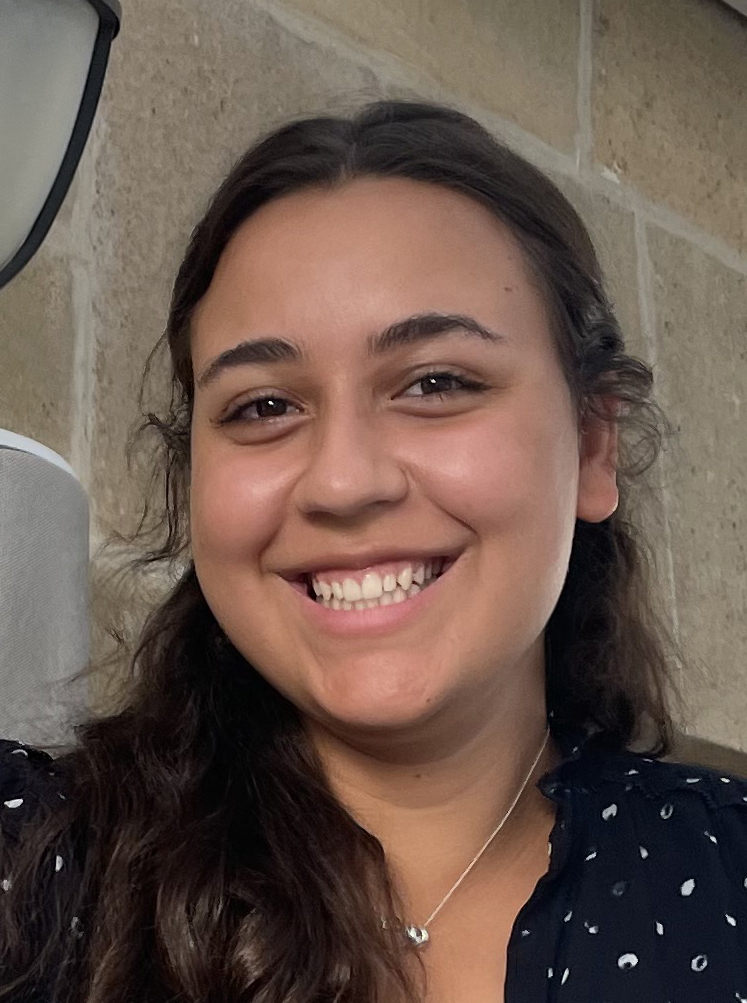
Hi! I am Elizabeth Reppas, and I am a three-year senior from Washington DC. I have always really loved visiting museums and learning how they work, so when I learned that I could volunteer at the Peabody Institute, I was very interested. I have been volunteering since the winter of my upper year and have gotten to help with a range of projects from organizing objects to creating an exhibit.
I first started helping with inventory like labelling and sorting objects. As I learned more about the artifacts, I got the chance to help curate an exhibit with projectile points and textiles from Tamaulipas Mexico for one of the exhibit cases. I helped with all things from choosing the objects and photos for the case to writing the explanations and putting the pieces together. I finished off the year with that exhibit, which was up on display for reunion weekend. It was particularly meaningful because it was in honor of Maya Cointreau ’92 supported by her classmates. Now, this year, I have helped with smaller projects like putting together an interactive activity for the Andover Historical Society and reviewing new objects, but I have mostly been helping to sort and organize the collections as the Peabody gets ready for its renovations.
I have loved these past two years working at the Peabody. I have learned a lot about archeology and how objects are excavated. I have also gotten to learn more about Andover and places around us since many of the Peabody’s artifacts come from nearby. And lastly, and for the reason I initially joined, I have gotten to learn more about collections: taking care of objects, doing inventory, and learning about ethically acquiring, maintaining, and displaying artifacts. Overall, I love the time I have spent volunteering and am excited for what is to come with the Peabody.
I’m Anthony and I’m a Phillips Academy student volunteering at the Peabody. Currently, I’m an eleventh grader living in Tucker House on campus, though I call the city of Hong Kong my home.
Since tenth grade, I’ve been involved with the Peabody, first through the work duty program, then by reaching out to become a student volunteer. The work I do at the Peabody varies a lot, which involves hands-on tasks such as sorting through artifacts, rehousing them in small Ziploc bags, and climbing up rickety wooden ladders to correctly label the new archival boxes in their respective bays, all as part of the rehousing project at the Peabody. Other work that I’ve done at the Peabody includes writing condition reports for artifacts that are used in classes as well as packaging old pamphlets for storage. More recently, I was involved with calculating and measuring the space required for to move all the boxes from the basement to the first floor, in preparation for the renovation work that will soon commence in the building.
To me, the Peabody has always been a place where I am able to take my mind off class work and come into close contact with items from decades, centuries, or perhaps epochs ago. Having visited a fair amount of museums before, it was eye opening for me to see the massive logistical challenges and the large amount of work that the Peabody staff and volunteers have to put into overcoming these challenges, along with digitizing artifact data and developing strict procedures to categorize and label the objects. My experiences at the Peabody have allowed me to better appreciate the people who work in the field of taking care of objects that are historically and culturally significant, particularly as we investigate the previously silenced histories of subjugated people across the globe.
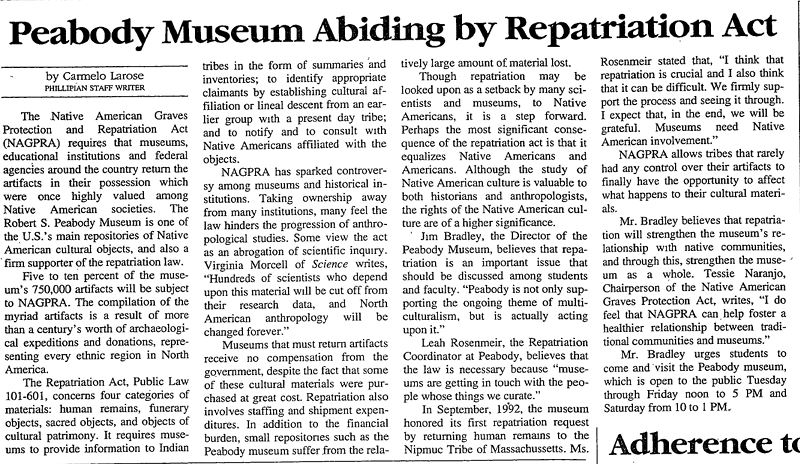
For more than a year, a dedicated reporting team at ProPublica has been exploring NAGPRA and repatriation. They have been investigating what is behind the overall slow return of ancestral remains back to descendant communities. Their work has culminated in The Repatriation Project:
The remains of more than 100,000 Native Americans are held by prestigious U.S. institutions, despite a 1990 law meant to return them to tribal nations. Here’s how the ancestors were stolen — and how tribes are working to get them back.
Three decades after legislation pushed for the return of Native American remains to Indigenous communities, many of the nation’s top museums and universities still have thousands of human remains in their collections. Check on institutions near you.
They also compiled a database that allows you to explore information related to individual institutions and tribes. For example, you can see where the statistics place the Peabody Institute on repatriation. There is always more work to be done and I hope you can watch those numbers change over the next few months.
I am excited to see where they take the project next!
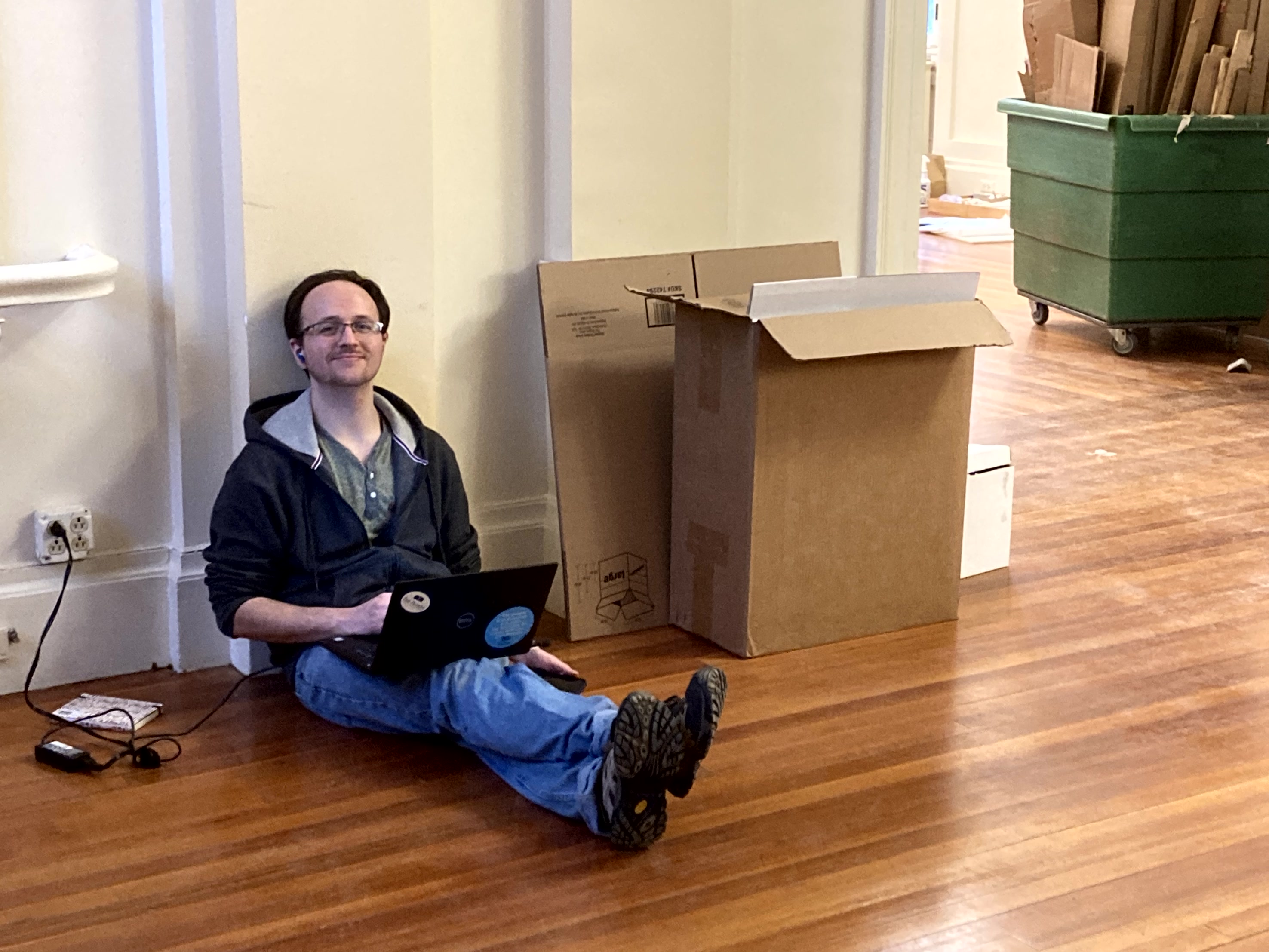
Hi! My name is Nicholas Andrusin (or just Nick), and I am the new Temporary Educator/Collections Assistant at the Robert S. Peabody Institute of Archaeology! I began in early November, and I am so excited to be a part of the Peabody and work with the staff! In this position I will be helping with the ongoing renovation project and teaching lessons.
Before moving to North Reading , MA in August 2022 I was living in Rochester, NY, where I earned a master’s degree in history at SUNY Brockport with a focus on public history. There I spent time as an intern at the Rochester Museum and Science Center where I helped them with their own storage renovation project. As well as helping the Rochester city historian create their Stonewall: 50 Years Out exhibit for the 50th anniversary of the Stonewall riots.
This position at the Peabody feels made for me! So far, I have been helping with a variety of collections related projects. From cataloging, to getting measurements of storage space, to rehousing objects into proper storages containers for the eventual move, they are exactly the kinds of tasks I love doing. In addition, I have also been helping to teach lessons to Phillips Academy students! From Tarps, which simulate a basic archaeological dig, to lectures on the Taíno people, the group who discovered Christopher Columbus. It has been a pleasure to flex my teaching muscles!
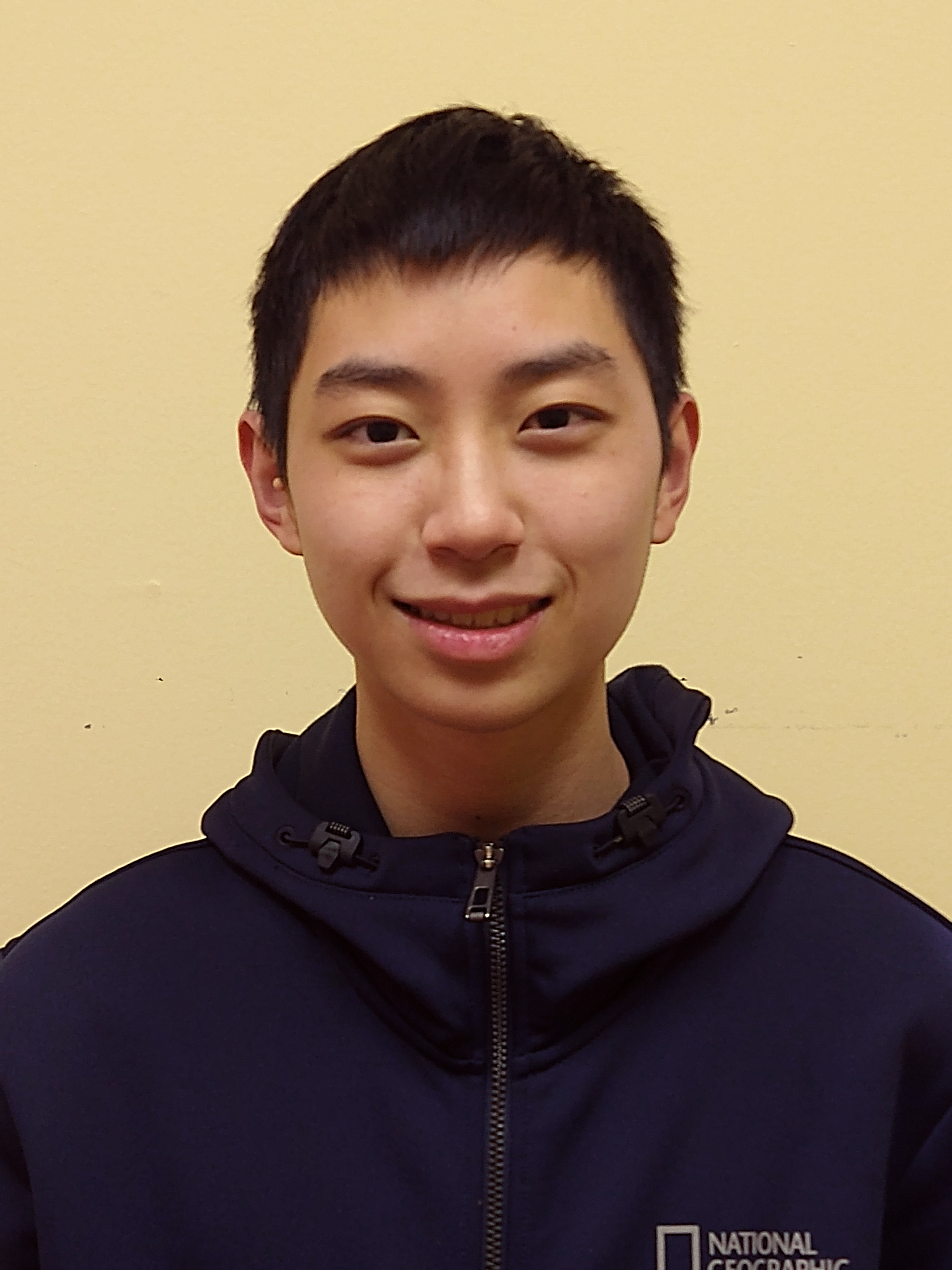
(that’s me in the gray hoodie!)
Museums have always been of huge interest to me, and I am fortunate enough to have had a small hand in helping several of them over the years, the Peabody being the most recent and exciting! I am so thankful and delighted to be a part of this team, and I cannot wait to see what the future holds.
Following up on my September 7, 2022 post about our family visit to Arizona and New Mexico, specifically about hikes at Petroglyph National Monument in Albuquerque, I wanted to share another highlight: Bandolier National Monument. We learned a lot by visiting the National Park Service interpretive center and hiking through the amazing Ancestral Puebloan sites in Frijoles Canyon, including more petroglyphs, and cavates—expanded hollows in the volcanic rock that formed parts of living rooms and storage structures.
Tsankawi–an Ancestral Pueblo part of Bandolier National Monument in New Mexico.
We got up early to drive from Jemez Springs to Santa Fe, allowing for a good visit to Bandolier. As we drove through Valles Caldera—another National Park Service site with tremendous cultural significance to Walatowa, the Pueblo of Jemez—we made a note that we needed to come back to explore on foot. Impressive deposits of obsidian and volcanic tuff lined parts of the highway in this area, a testament to the volcanic activity that produced the caldera some 1.25 million years ago. Part of our reason for the earlier departure was that the parking area at Frijoles Canyon fills up early, so we wanted to make sure we got in. It was worth it, as the recent rains had many desert plants in bloom amidst the Ancestral Pueblo ruins, culturally connected to many of the modern day Pueblo communities in both New Mexico and Arizona.
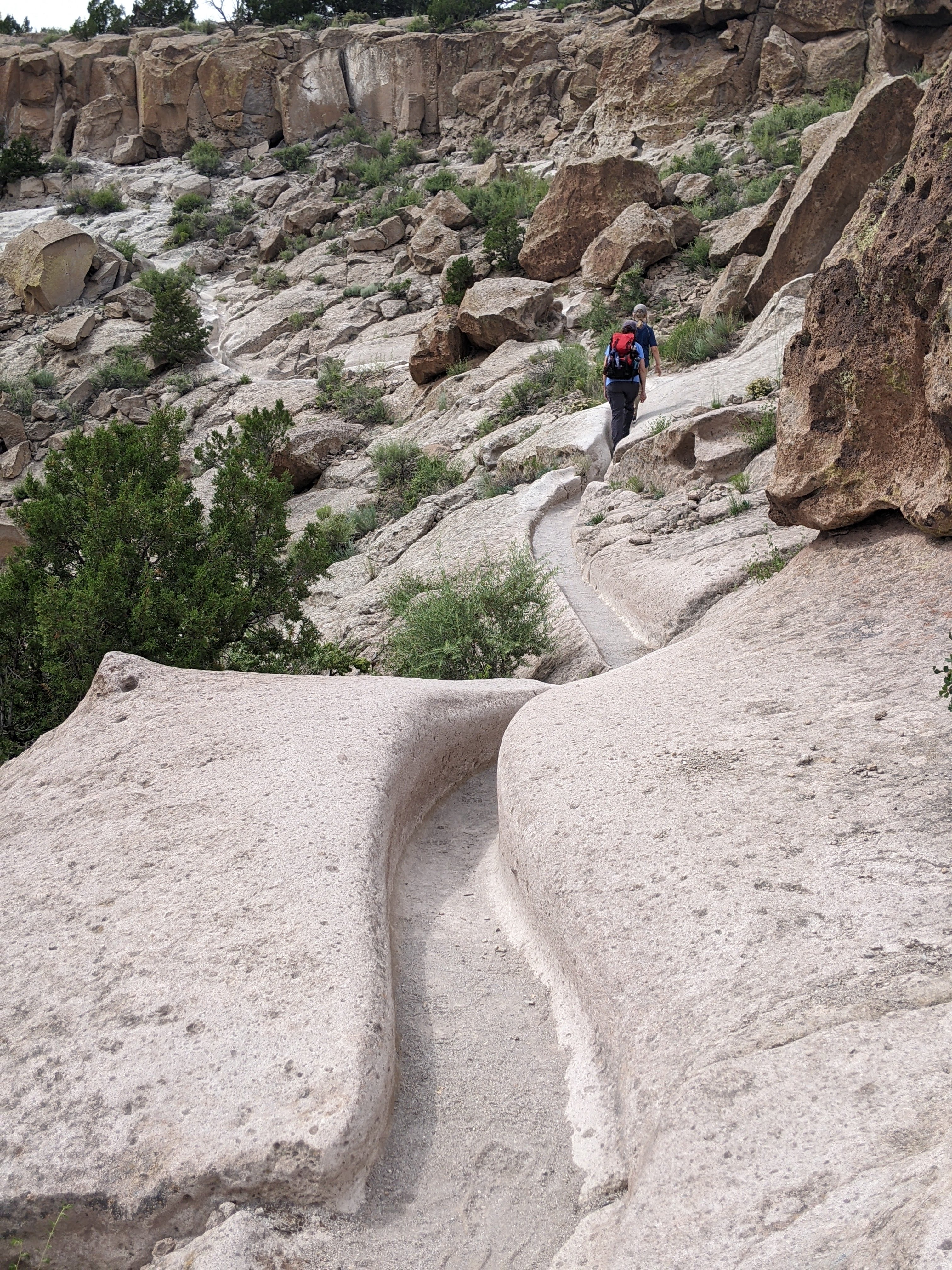
The deeply inscribed trail at Tsankawi, carved and worn into the soft volcanic rock of the mesa.
The rangers at the NPS interpretive center also recommended that we visit Tsankawi, another unit of the national monument and another Ancestral Pueblo, that we would pass on our way into Santa Fe—though it’s not particularly well marked or easy to find. We are grateful for this recommendation, as the hike through this largely unreconstructed Ancestral Pueblo had some amazing features. In Tewa the name for Tsankawi means “village between two canyons at the clump of sharp, round cacti.”
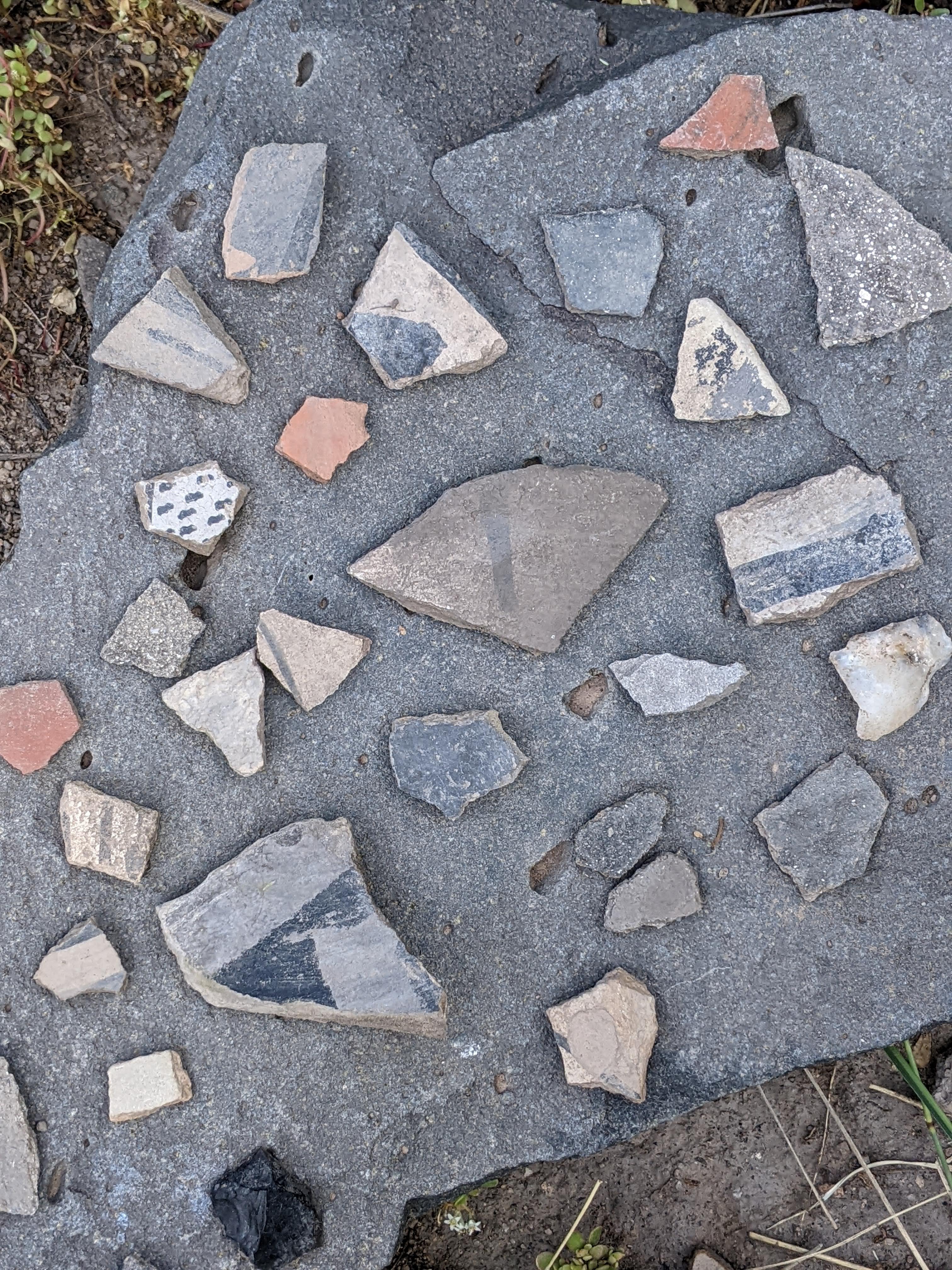
Ceramic sherds and an obsidian fragment on the surface of the Ancestral Pueblo Tsankawi. The only other visitors to the Pueblo reminded us not to take anything–we bonded over this moment.
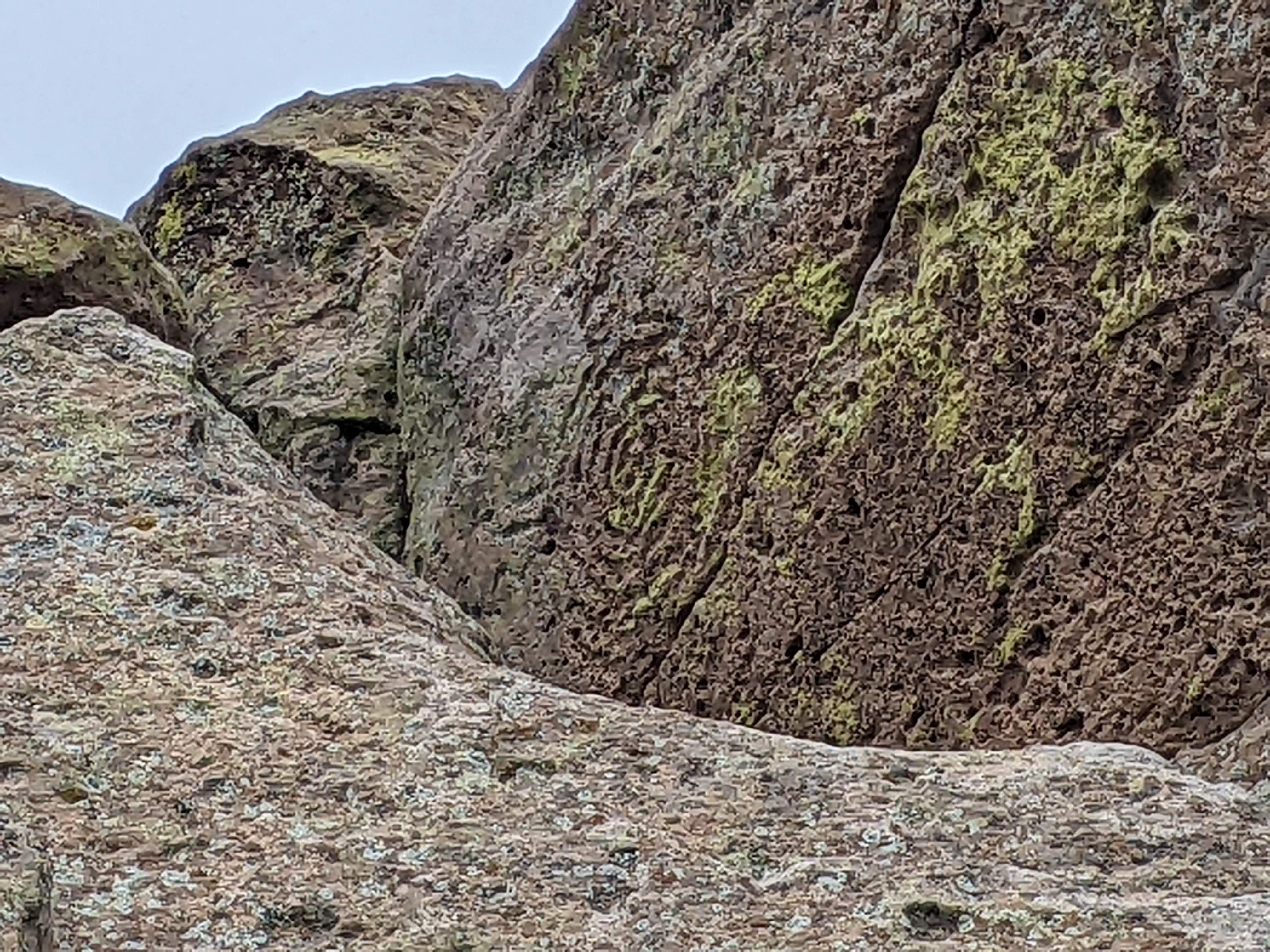
Tsankawi is situated on another volcanic mesa and requires climbing some ladders to access much of the Ancestral Pueblo. Once on the mesa, visitors find the ruins of an ancient Pueblo village, more of the cavates like those in Frijoles Canyon, petroglyphs, as well as a deeply inscribed trail that leads along the top and sides of the mesa. This feature was what really captured my attention, because it was clearly an ancient feature of the place. Following the trail, it became clear that you were literally following in the footsteps of the Ancestral Pueblo people who once lived here and whose modern descendants live nearby in places like the Pueblo of San Ildefonso.
Petroglyphs at Tsankawi.
Perhaps not surprisingly, it was sherds of jet-black pottery from Tsankawi that archaeologist Edgar Lee Hewitt asked Maria and Julian Martinez to replicate for museum exhibits early in the twentieth century. Their experiments to replicate the pottery and then their own innovations launched Maria’s career as the famous potter of San Ildefonso Pueblo and the black-on-black pottery with shiny, abstract designs still sought after today. Early in Maria’s career, Peabody Institute staff member Carl Guthe worked with her to write Pueblo Pottery Making: A Study at the Village of San Ildefonso, published in 1924 by Yale University Press. This was part of Alfred Kidder’s broader Pecos Pueblo project—based out of the Peabody Institute from 1915 to 1929—and an acknowledgment of the connections between modern Pueblo communities and their ancestors. Guthe’s research also brought several of Maria and Julian’s pieces into the museum, including a marvelous platter and a rare demonstration set with examples of each stage in the manufacture of the black-on-black pottery. Several of these pieces are on loan to the Addison Gallery of American Art for an upcoming exhibit Women and Abstraction: 1741-Now.
Our Peabody annual report for academic year 2021-2022 has just been released! This report highlights student participation at the Peabody, including more than 1,300 students who visited for classes, work duty, and more! In addition, our annual report features new acquisitions, classes, and workshops along with updates on our collection and NAGPRA work. Thank you to everyone who supported the completion of another wonderful year at the Peabody!








 The Peabody