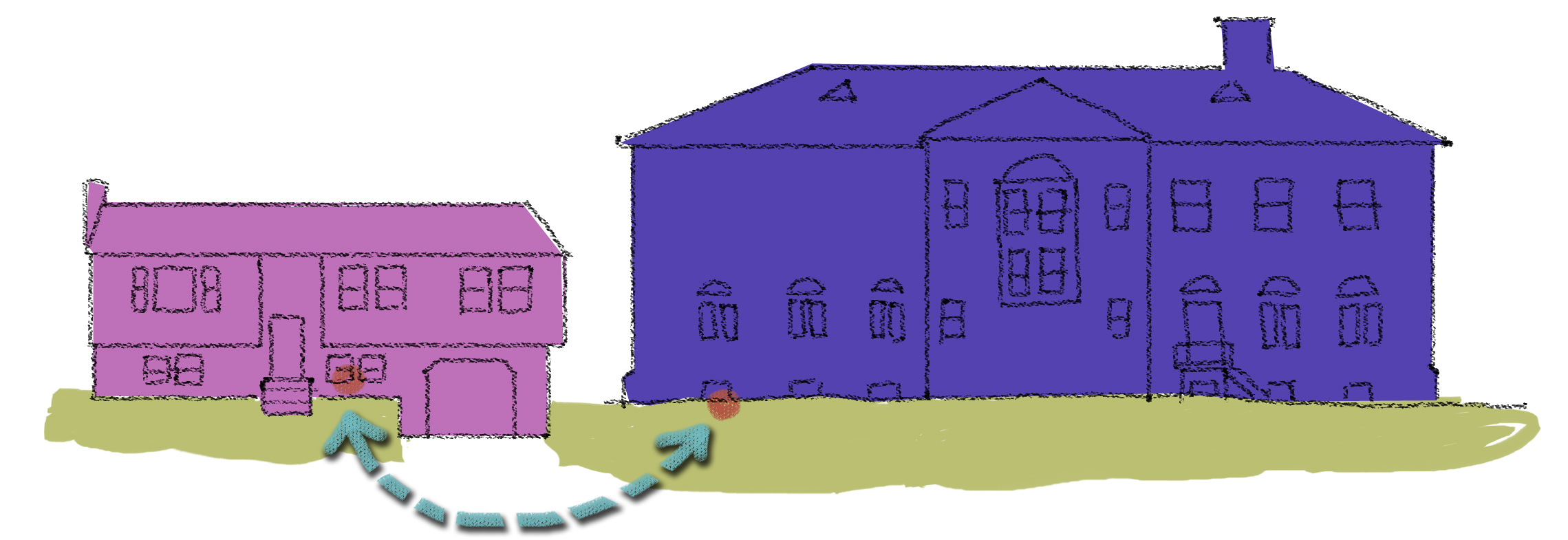
Out of the basement and into the basement

Contributed by John Bergman-McCool

RSP to Home
4 months of working in my basement and now, I’m back in the Peabody basement.

After four months of working from home, the Peabody is in its third week of a return to almost normal collections work. The two inventory specialists, Emily and myself, are working alternating weeks at the Peabody in order to continue our inventory work. With one week completed, it feels good to be back working toward our goal of a complete inventory of the collection. While working remotely will be an ongoing reality, I would like to share some of what I have been up to at home thus far.

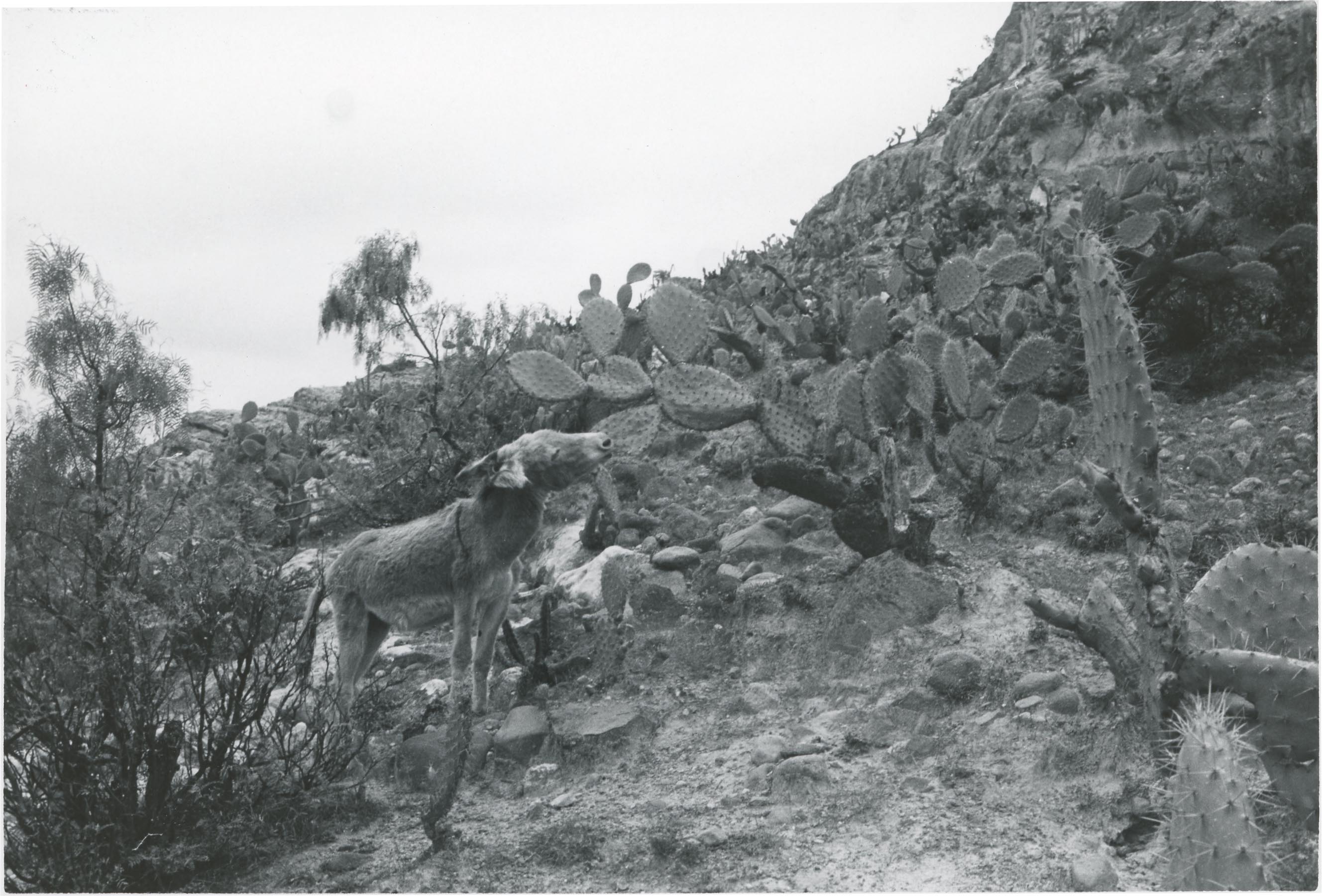
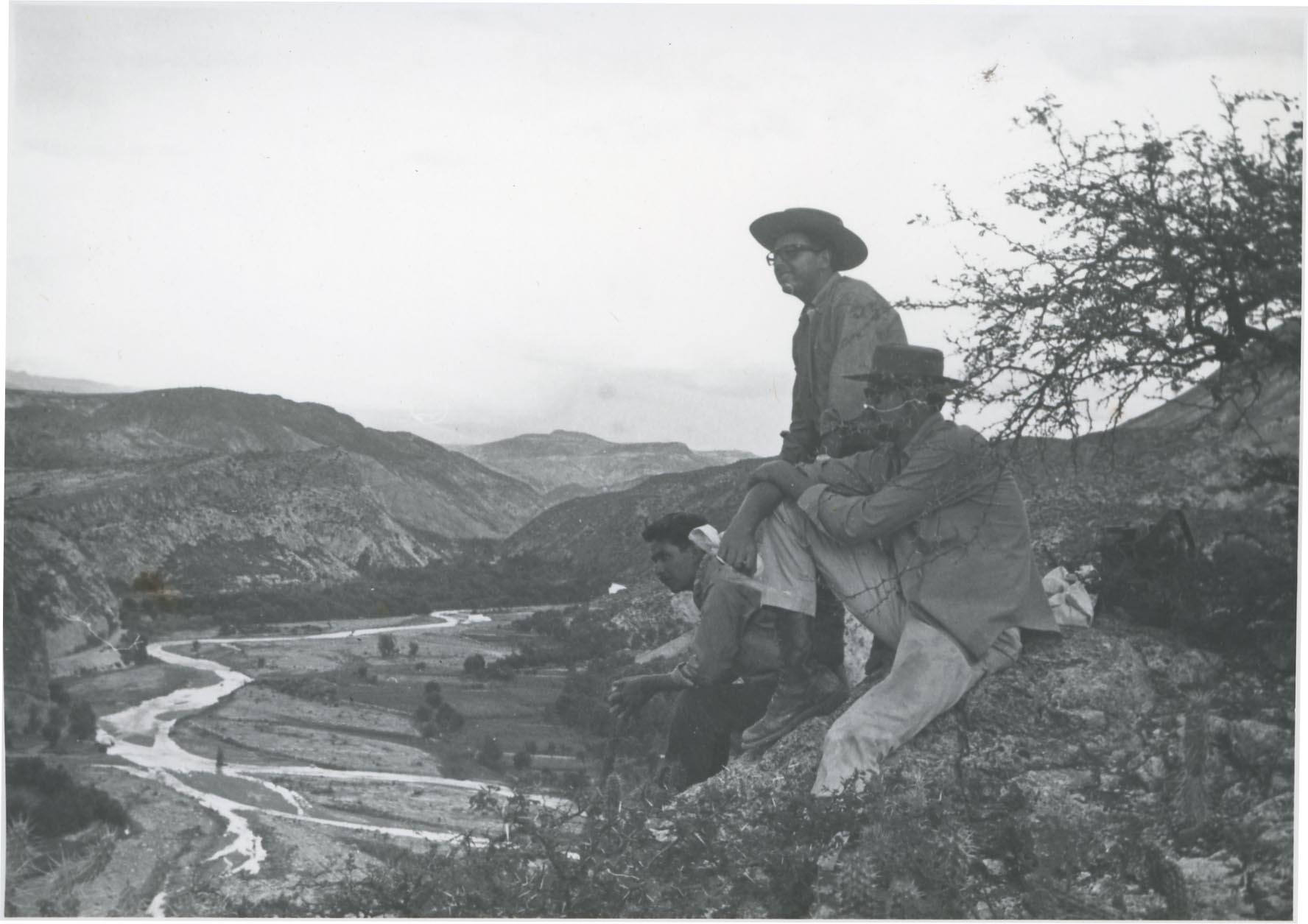
With everything shutting down in March, Marla was quick to come up with projects that could be completed remotely. Her post in April outlined collections materials that were less sensitive and therefore reasonable to take home. I started with photographing site records from Peru and then moved to digitizing vacuum treatment paperwork related to Integrated Pest Management of the collections. We all contributed to finalizing the digitization of the original ledger books, our institution’s version of accession books. Now we have a searchable document with 75,000 records!

Work from home stuff copy
Everything I’ve worked on from home

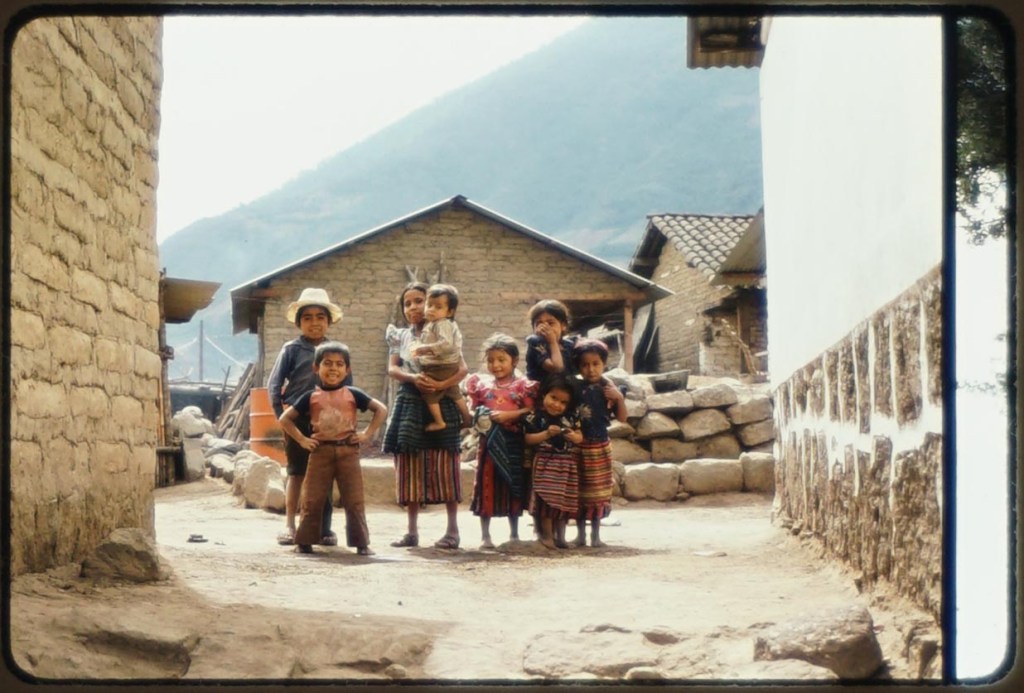
My favorite project has been photographing and editing photographic slides held in the collection. They include images documenting past exhibits and openings at the Robert S. Peabody Museum and photographs of the collections. The most interesting slides by far have been of Copeland Marks’s travels in Guatemala and South Korea. Mr. Marks was a textile collector who focused on the traditional clothing of ethnic Maya people living in the Guatemalan highlands. Some of his textiles became part of our collection at the Peabody. He would later write several cookbooks on cuisine covering locales ranging from the Mediterranean to South America. The slides I was working with document his travels in Guatemala spanning the 1960s through the 1980s. The subjects in the photographs cover everyday life, the dramatic volcanic landscape of the highlands and ceremonial life- all of which have been a great escape from the realities of coronavirus lockdown.

00.3.1585 copy
00.3.1585- People of San Pedro La Laguna.

It is anybody’s guess when life will return to normal. For the foreseeable future work at the Peabody will be interspersed with the strange blur of working from home with frustratingly cute interruptions from kids and dirty dishes. Until then I have to thank Marla for keeping us safely working from home during these crazy times.

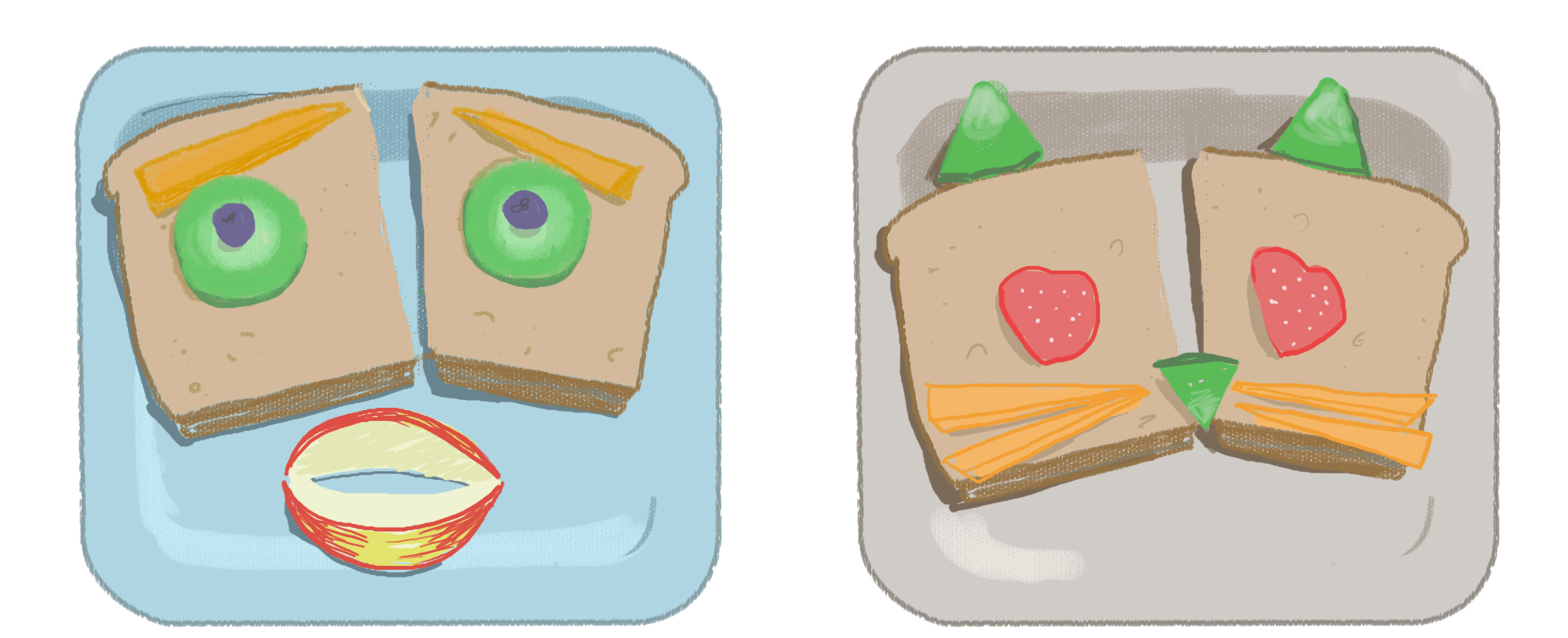
lunch for 2
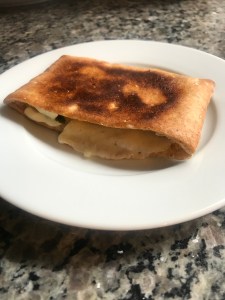
Oh yeah, I can’t forget my other work from home duty- silly lunches for the kids.

New Day Culture

Contributed by Emma Lavoie

As we weather this pandemic storm, we are finding more and more that the days of yesterday are unlike the days of tomorrow. Many of our daily activities have gone virtual and museums, galleries, and institutions alike have adapted to reach their audiences online in order to continue their mission of educating and engaging with the public.

The Peabody staff shared several blogs in the past highlighting online educational resources and virtual museum activities, media, and exhibits. The Peabody has also created their own YouTube channel to share family craft activities and video presentations with educators and archaeologists.

Another wonderful site to add to this collection is New Day Culture. This site is a society and culture website founded by a group of cultural enthusiasts that have created an online community (amidst the pandemic) where audiences can connect, explore, and experience the world of art and culture.

From live animal cams at the San Diego Zoo to drone footage of amazing destinations and historical sites, this site has everything for all ages and interests! Here are a few highlights of some of my favorite activities.

Explore the Depths of an Ancient Egyptian Queen’s Tomb

Thanks to this 3D modeling project by Harvard University, you can take a virtual tour of the tomb of Queen Meresankh III. Discover photographs from the original excavations of the tomb along with details and reconstructions of the wall art found in each room. Take a winding staircase down about 5 meters below the upper level to discover the burial chamber of Queen Meresankh III. For more information about this project click here.

3D image of the upper level of Queen Meresankh III’s tomb. Image courtesy of Matterport, The Giza Project by Harvard University.

Explore the Civil Rights Trail

This activity is an interactive map of the United States’ Civil Rights Trail. This map highlights places and moments that impacted history, including the heroes and stories behind the movement that forged new trails for civil rights.

#metkids

The Metropolitan Museum of Art creates a space of learning and exploring for, with, and by kids and the Met. Kids (or the young at heart) can watch videos to learn more about art, create their own time machine adventure, or explore the Met through an interactive map.

An interactive map of the Met by #metkids. Image courtesy of the Metropolitan Museum of Art.

The Great Inka Road: Engineering an Empire

Discover one of the most incredible achievements in history – the Great Inka Road, a 20,000 mile route through mountains and hillsides, all made by hand. The Smithsonian’s National Museum of the American Indian shares a virtual walkthrough of its Inka Road exhibition.

Buckle in to Climb a Mountain

Through storytelling and 360 views, this interactive video and Google Maps site follows renowned rock climbers as they scale the heights of El Capitan in Yosemite National Park. Prepare your gear and experience the dizzying views of the Yosemite Valley from your 3,000 foot climb.

Climber, Lynn Hill, as she scales the Nose of El Capitan – the most famous rock climb in the world. Image courtesy of Google Maps.

Some honorable mentions I have come across in my exploring are a photo tour of the Burnt Food Museum (yes, you read that right), an elevator ride to the top of the Eiffel Tower, a YouTube tour of how Pixar films are made along with links to activities, a video tour of the “It’s a Small World” ride for the Disney enthusiast (Viewer disclaimer: the song will be stuck in your head for the rest of the day), and iconic performances to revisit or discover (without the hassle of waiting in lines, nosebleed seating, and even buying tickets!)

If you are unsure where to start I recommend exploring the “Top 15 Tours” first. You can find a list of them here.

There is so many experiences to discover and so much this site has to offer. All it takes is just your name, email, and a minute of your time to register! Don’t worry it’s free! Once you have joined the New Day Culture community, you will have all these art and culture resources at your fingertips – including exclusive events. For more information check out New Day Culture’s Facebook page here.

Henry Inman Portraits at the Peabody

Contributed by Ryan Wheeler

Three distinctive oil paintings attributed to artist Henry Inman (1801-1846) are among the collections of the Robert S. Peabody Institute of Archaeology. These paintings are part of a larger group of portraits created by Inman to produce the hand colored lithographs that appeared in the three volumes of The History of Indian Tribes of North America (1836-1844) by Thomas McKenney and James Hall. Specifically, the Peabody paintings depict Petalesharo (90.181.10), Ki-On-Twog-Ky, or Cornplanter (90.181.11), and Mohongo and Child (90.181.12). The source material for the Inman paintings were original works created principally in Washington DC by portrait painter Charles Bird King (1785-1862). The bulk of the King originals were destroyed in a fire in 1865.

Image shows an oil painting of a Native American man with feather headdress and spontoon pipe, metal gorget at the neck and metal gauntlets.
Henry Inman’s portrait of Ki-On-Twog-Ky, or Cornplanter.

Today, original editions of the McKenney and Hall volumes and individual lithographs are valuable and highly sought after, but at the time the project was not a financial success. Many of the Inman portraits (at least 100 or more) were given to the Tilestone and Hollingsworth Paper Company of Milton, MA, who had supplied paper for the book project. The families of Edmund Tilestone and Amor Hollingsworth made a gift of the paintings to the Harvard Peabody Museum of Archaeology and Ethnology in 1882. In the late 1970s and early 1980s the Harvard museum sold many of the Inman paintings in their collection, ultimately retaining twenty-five.

Image of cleaned oil painting showing Native American man with eagle feather headdress, silver peace medal necklace, and fur robes.
Henry Inman’s portrait of Petalesharo after a recent cleaning.

Comparison with the list of Harvard’s original holdings indicates that the three Inman portraits at the Robert S. Peabody Institute of Archaeology did not come from that source. The frames also are quite different; the paintings at Harvard have simple wood frames, with descriptive plaques affixed, while those at the Robert S. Peabody Institute of Archaeology have ornate frames with gold leaf. In correspondence on file, former museum director Richard S. MacNeish told then director James Bradley that the paintings were part of the original gift from Robert S. Peabody. Stebbins and Renn (2014:288) report that Harvard received 107 of the Inman paintings from the Tilestone and Hollingsworth heirs, but that Inman had originally painted 117 and the whereabouts of the remaining paintings is unclear. It is possible that Robert S. Peabody acquired the three paintings when they were exhibited in Philadelphia.

Image shows two students standing on either side of an oil painting of a Native American and explaining their work to onlookers.
Phillips Academy students share their independent research on the Henry Inman paintings with members of the Board of Trustees.

The paintings reflect the classical style of portraits painted in the nineteenth century, and do not attempt to portray people in an imagined “primitive” setting as the photographs of Edward S. Curtis do at the end of the century. Clothing and personal items reflect the blend of traditional and Anglo-European attire resulting from varying levels of cultural assimilation. History and Social Sciences instructor Marcelle Doheny uses the paintings in her senior elective, Race and Identity in Indian Country, and they were part of an independent student project in 2015-2016 that examined Anglo-European portrayals of Native Americans.

Image shows an oil painting in an elaborate gold gilt frame that depicts an attractive Native American woman holding her baby. She wears a red blouse which covers the baby's shoulders. A silver Indian Peace Medal around her neck is held by the baby.
Henry Inman’s portrait of Mohongo and child in storage at the Peabody.

The biographical notes that accompany the McKenney and Hall publication provide additional details about the lives of these individuals, at least as documented by the editors. Mohongo’s (1809-1836) story is particularly striking, as she was one of a group of Osage persuaded to make a European tour in 1827. While in Europe, she gave birth to twins, but only one survived. The tour organizer, who had brought the Osage to Europe to perform as a Wild West Show, was arrested for debt in Paris, leaving the rest of the party to fend for themselves. Ultimately, the Marquis de Lafayette learned of the situation and arranged for passage back to North America. During the sea voyage more members of the party perished, but Mohongo and her child survived, ultimately arriving in Norfolk, Virginia, where Charles Bird King painted their portrait. We believe that the peace medal worn by Mohongo depicts Andrew Jackson, who was president at the time. Mohongo and her child made their way back to Missouri. The book, An Osage Journey to Europe, 1827-1830: Three French Accounts edited and translated by William Least Heat-Moon and James K. Wallace, documents the episode.

Several exhibits—for example, the Indian Gallery of Henry Inman, which toured museums from 2006 to 2012—have assembled small collections of the extant Inman paintings, but the examples at the Peabody have never been included, likely because curators and art historians have not known about them.

Other Sources

Christie’s East. 1981. American Paintings and Watercolors of the 18th, 19th and 20th Centuries (auction catalog). New York.

Ewers, John C. 1954. Charles Bird King, painter of Indian visitors to the nation’s capital. Annual Report of the Board of Regents of the Smithsonian Institution, 1953. Pp. 463-473. Publication 4149. Government Printing Office, Washington DC.

Gerald Peters Gallery. 2008. Henry Inman, Twenty-four Indian Portraits (catalog). New York.

Gerdts, William H., and Carrie Rebora. 1987. The Art of Henry Inman. National Portrait Gallery, Smithsonian Institution, Washington, DC.

Stebbins, Theodore E., Jr., and Melissa Renn. 2014. American Paintings at Harvard, Volume 1: Paintings, Watercolors, and Pastels by Artists Born before 1826. Harvard Art Museums and Yale University Press, New Haven.

Viola, Herman J. 1976. The Indian Legacy of Charles Bird King. Smithsonian Institution Press and Doubleday & Company, New York.

Viola, Herman J. 1983. Indians of North America: Paintings by Henry Inman from the D. Harold Byrd, Jr. Collection. Buffalo Bill Historical Center, Cody, WY.

Diggin’ In: Digital Speaker Series

Contributed by Lindsay Randall

Part of the missions of both R.S. Peabody Institute and the Massachusetts Archaeological Society is to engage and connect with all who are interested in archaeology. Since we are unable to do this in person, both institutions are excited to announce our joint digital speaker series: Diggin’ In.

This series show cases live presentations with archaeologists from across the United States who will take questions directly from you!

Different topics will be covered during each 30 min episodes, which start live at 1:30 pm (EST) every other Wednesday and then will be posted to YouTube afterwards.

Sign up through the following emails to get on the ZOOM invitation list:

 rspeabody@andover.edu or info@massarchaeology.org 

While we are excited to welcome all our speakers digitally to our campus and community, we are particularly pleased to have Dr. Meg Conkey and Dr. Kristina Douglass join us.

In addition to her work at University of California, Berkeley and in France, Dr. Conkey is also a current member of the R.S. Peabody’s advisory board.

And while Phillips Academy might be unfamiliar to some of our speakers, that is certainly not the case for Dr. Kristina Douglass who graduated from PA in 2002. It will be fun to welcome her “home” even if it is remotely.

Our complete slate of speakers are as follows

Episode 1

Paleolithic Cave Paintings

Dr. Margaret Conkey

Wednesday June 24, 2020

Episode 2

Strawbery Banke Museum

Dr. Alix Martin

Wednesday July 8, 2020

Episode 3

Community and Resilience 

Dr. Kristina Douglass, ‘02

Wednesday July 22, 2020

Episode 4

LiDAR and Archaeology

Dr. Katharine Johnson

Wednesday August 5, 2020

Episode 5

Archaeobotony

Dr. William Farley

Wednesday August 19, 2020

Episode 6

Archaeogeology

Dr. Suanna Selby Crowley 

Wednesday Sept. 9, 2020

Episode 7

 pXRF Studies of Glass

Grace Bello

Wednesday Sept. 23, 2020

Episode 8

National Parks

Dania Jordon

Wednesday Oct. 7, 2020

Episode 9

Underwater Archaeology

David Robinson

Wednesday Oct. 21, 2020

Episode 10

Bull Brook 

Jennifer Ort

Wednesday Nov. 11, 2020

John Lowell Thorndike

Contributed by Ryan Wheeler

The Peabody lost a great friend with the recent passing of John Lowell Thorndike ’45 (1926 – 2020).

Image of John Thorndike, an older man with black rim glasses, a striped bow tie, and tweed jacket standing in front of a microphone at a museum event.
John Lowell Thorndike ’45 at the Peabody in 1998. Collections of the Robert S. Peabody Institute of Archaeology.

John was critical in the recent history of the Peabody, serving as chair of the Visiting Committee in the 1990s and early 2000s. This was a turbulent period, seeing everything from the reopening of the Peabody in 1990, engagement with Native American tribes through repatriation, and an attempt to become a public-facing institution with relevance on campus, culminating in a near-closure in 2002. He and Marshall Cloyd ’58, played a big part in the decision to keep the Peabody open and refocus our efforts on programming for Phillips Academy students.

I was fortunate in getting to know John a little, as he would visit campus at least once a year to attend the luncheon presentation of the Augustus Thorndike Jr. Internship, which he founded with his brother Nicholas (PA Class of 1951). Students selected as interns spent a year preparing a historical biographic sketch of an interesting Phillips Academy person, often an alumnus or faculty member.

John remained intensely interested in the activities of the Peabody in the years after 2002. He was particularly interested in our relationship with the Pueblo of Jemez and our continued work on repatriation of Native American ancestral remains and funerary belongings. We often had a chance to sit and talk before and after the luncheons, and John and I frequently had e-mail or phone exchanges after he received our monthly newsletter. John was particularly delighted when our ceramic artist friends from Jemez, Dominique and Maxine Toya, joined one of the Thorndike luncheons. They were on campus that week to work with Thayer Zaeder’s ceramics classes, continuing our long relationship with the pueblo.

John also shared with me his pleasure in seeing the publication of our book, Glory, Trouble, and Renaissance at the Robert S. Peabody Museum of Archaeology, by the University of Nebraska Press in 2018. John was not able to attend our launch party at the Peabody, but he called me shortly after receiving his copy in the mail and expressed his delight at our success, the considerable work done by Peabody director Malinda Stafford Blustain and Peabody staff members. He grudgingly and humbly acknowledged that he had some small role in that success, in the understated style of the New England gentleman that he was.

Our condolences to John’s family and friends. He will be missed.

A wonderful tribute appeared in the Boston Globe, recounting Mr. Thorndike’s many philanthropic and family pursuits: https://www.legacy.com/obituaries/bostonglobe/obituary.aspx?n=john-lowell-thorndike&pid=196302666

Behind the Photograph – W.K. Moorehead and the Fort Ancient Excavation

Contributed by Emma Lavoie

Our last newsletter sparked the interest of many readers with a featured black and white photograph of seven individuals posing with shovels, trowels, and cigars in hand. Their eyes focused intently on the camera, full of hope and mystery – reminds me of a moment like the Carpe Diem scene from Dead Poet’s Society. By popular demand, we share some additional information about this photograph.

Plate XIV – The Excavation of a Stone Heap near Station 246, Fort Ancient Site, Ohio. Photographed by C.J. Strong. Warren K. Moorehead (second from right), Joseph Wigglesworth (closest to camera on left with trowel), and unidentified field crew members.

This photograph was taken at the Fort Ancient site in Warren County, Ohio in the late nineteenth century. The photograph is of Warren K. Moorehead (second from right) and some of his field crew. Another man is identified in the photograph as Joseph Wigglesworth (closest to camera on left with trowel), a collector and amateur archaeologist from Wilmington, Delaware. You can view the original image in Moorehead’s publication of the Fort Ancient site here.

Fort Ancient is a series of earthen embankments, known as earthworks, with 18,000 feet of earthen walls enclosing 100 acres near the Little Miami River. People of the Hopewell culture (100 B.C. to 500 A.D.) built these walls and many other features both within the enclosure and on the steep valleys that surround the site. Investigations at Fort Ancient began in the early 1800s as mapping expeditions, expanding to surface collecting and full-scale excavations near the end of the century.

Warren K. Moorehead was the first curator for the Ohio Archaeological and Historical Society (now the Ohio History Connection). In 1893, Frederic Ward Putnam hired Moorehead to conduct excavations at Fort Ancient and obtain artifacts for the Columbian Exposition. One of Moorehead’s major contributions to archaeology was the preservation of Fort Ancient as an archaeological park. Later in his career, Moorehead served as the curator and then director of the Phillips Academy Department of Archaeology (now the Robert S. Peabody Institute of Archaeology) in Andover, Massachusetts, where he conducted important excavations at the Cahokia site in Illinois and the Etowah site in Georgia.

The Fort Ancient site is maintained by the Ohio History Connection and is a National Historic Landmark and listed on the National Register of Historic Places. Along with its earthworks, the site includes a museum about Ohio’s ancient history. You can explore the site’s website here!

Click on the following links for more information on the Fort Ancient site, Warren K. Moorehead, or Moorehead’s publication on Fort Ancient.

Summer Reading, Archaeology Edition

Contributed by Ryan Wheeler

Earlier in May, members of the Eugene Winter/Northeast Chapter of the Massachusetts Archaeological Society asked me for some summer reading suggestions. I checked online for reading lists of archaeology books that might appeal to the interested public and was surprised to find that most did not include many actual books on archaeology! I quickly typed up the following list. Check out digital copies of almost all of these books after creating a free account in InternetArchive.

1) Books by David Hurst Thomas, including his textbook Archaeology. You might be surprised that a textbook would be at the top of my reading list, but this is a terrific book. In earlier editions, at least, each chapter includes all of these great quotes. This book demonstrated to me as a college senior that archaeology was for smart people. Also, Thomas’s book Skull Wars, on the Kennewick Man (the Ancient One), is a superb look into the complex relationship between Native Americans and archaeologists. Copies of Archaeology on InternetArchive: https://archive.org/search.php?query=david%20hurst%20thomas%20archaeology

Skull Wars: https://archive.org/search.php?query=david%20hurst%20thomas%20kennewick

2) Loren Eiseley’s The Night Country. Eiseley was an archaeologist and paleoanthropologist at the University of Pennsylvania and this is his semi-autobiographical memoir. It is so beautifully written, and funny, and gives some great insights into twentieth century archaeology by a master of the profession. You can borrow the book electronically from InternetArchive: https://archive.org/search.php?query=loren%20eiseley%20the%20night%20country

Ryan Wheeler reading his copy of Loren Eiseley's The Night Country.

3) Encounter with an Angry God by Carobeth Laird. About her life with archaeologist and ethnographer John Peabody Harrington, who was brilliant and maybe more than a little crazy. I found this in the stacks as a grad student and couldn’t put it down. Again, available to borrow on InternetArchive: https://archive.org/details/encounterwithang0000lair

4) In Small Things Forgotten by James Deetz. In many ways, this book defined the field of historical archaeology. This is especially relevant for those of us in New England, but everyone will enjoy learning about pipe stems, gravestones, and other quotidian aspects of daily life that only archaeology can illuminate. Also available to borrow on InternetArchive: https://archive.org/search.php?query=in%20small%20things%20forgotten

5) What This Awl Means by Janet Spector. This is one of the first—and remains one of the most creative and engaging—books in the field of feminist archaeology. Spector uses feminist perspectives to interpret a nineteenth century Native American site near Minneapolis. Storytelling techniques that are rare in archaeological writing figure prominently, making this book fascinating and accessible.

6) The Early Mesoamerican Village by Kent Flannery. The major selling points of this book is that it is well written and highly readable AND that between the chapters there are these fictional interludes featuring The Great Synthesizer, The Skeptical Graduate Student, and The Real Mesoamerican Archaeologist. Archaeological writing at its best! Check it out on InternetArchive: https://archive.org/search.php?query=the%20early%20mesoamerican%20village

7)  The Science of Archaeology? This is Richard “Scotty” MacNeish’s autobiographical musing on the future of archaeology. Scotty was the fifth director of the Robert S. Peabody Institute of Archaeology (then called the Robert S. Peabody Foundation for Archaeology). At our institution he conducted major projects in Mexico and Peru questing for the origins of agriculture and civilization. Happily, you can check it out on InternetArchive: https://archive.org/details/scienceofarchaeo0000macn

8) Frauds, Myths, and Mysteries by Kenneth Feder. All the kooky ideas, from Atlantis to Giants, about North American archaeology and why people believe them. Ken gave our big lecture last fall about his newest book, Archaeological Oddities: A Field Guide to Claims of Lost Civilizations, Ancient Visitors, and other Strange Sites in North America, a site guide to many of the places mentioned in Frauds. Lots of fun, well written, and you can’t help learning along the way. Frauds is available on InternetArchive too: https://archive.org/search.php?query=frauds%20myths%20feder

9) Gods, Graves, and Scholars by C.W. Ceram. This was published in 1949, but tells the stories of many of the great archaeological discoveries up to the mid twentieth century. Heinrich Schliemann at Troy, Howard Carter and King Tut, etc. You have to read this if you are an archaeologist. Again, see InternetArchive for e-copies: https://archive.org/search.php?query=gods%20graves

10) The Bog People by Peter Glob. Iron Age mummies from European bogs. Some crazy preservation that you only get in wetsites (anaerobic conditions). If you read this, you will want more on wetsite archaeology! Copies to borrow on InternetArchive: https://archive.org/search.php?query=the%20bog%20people%20glob If you do get hooked, follow this up with Bryony Coles’s Sweet Track to Glastonbury: The Somerset Levels in Prehistory. The Sweet Track is a Neolithic timber walkway. More great wetsite archaeology!

11) Lucy: the Beginnings of Humankind by Donald Johanson. I carried this book around with me for a year in high school, reading and re-reading it. This sometimes got me in hot water, as I attended a very conservative religious school. Dated now (first published in 1981), with so many new discoveries, but really well written and it gives a sense of the scholarly battles that still rage over human origins. Pair with Lee Berger’s more recent book Almost Human and you get a pretty good sense of the complexities of paleoanthropology. Click here for digital copies on InternetArchive: https://archive.org/search.php?query=lucy%20donald%20johanson

12) Rubbish! The Archaeology of Garbage by Bill Rathje. This is a fun book and recounts the work that Rathje and his University of Arizona students did on modern refuse disposal habits and how this could be applied to archaeological sites. Rathje was a big proponent of Behavioral Archaeology, so you get some of that theory as well. Checkout the copy on InternetArchive: https://archive.org/search.php?query=Rubbish%20rathje

Restored and Revived – An Update on Peabody Drawer Projects

Contributed by Emma Lavoie

In these unprecedented times, we are adjusting to a “new normal” in our lives – whether that be working from home, wearing a mask and social distancing in public places, ordering more online, participating in video calls and Zoom meetings, or assisting students with schoolwork. As we persevere during this time, we are finding ways to safely connect with friends and family, get outside, exercise, and continue our lives while embracing new changes to keep everyone safe and healthy.

It’s nice to find new ways to smile… even in a pandemic ☺️

House projects have been a popular trend for many, especially with the warming weather. A few friends of the Peabody have used this time to revive and repurpose some of our old collection drawers.

Planting season is in full swing! This drawer is being used to sort out seeds for the Andover Community Garden. It is the perfect medium for organizing the seeds before they are packaged and distributed to those in the community looking to begin their planting season.

From storing artifacts to storing seeds – this drawer is great for organizing and storage.

A little bit of sanding, wood stain, and cabinet handles can go a long way. Revive a drawer into a serving or decorative tray. Pair some bright flowers with that Rae Dunn piece you’ve always wanted and voilà! You have a decorative centerpiece for your kitchen table or coffee table.

Just look at those original box joints on the corners!

The large drawers are great for holding large items or large quantities of smaller items. Add handles and they make a perfect storage feature for your household. These drawers are being used to store artwork. What a great way to stay organized with a little piece of history!

Stay organized with a piece of the Peabody – a beautiful accent to your storage!

We love seeing our drawers revived and repurposed into new creations. Not only do the drawers provide great opportunities for organization, storage, décor, and material design, they provide a unique story and history to share with your family and friends. If you have repurposed some of the Peabody drawers, we would love to see and share your projects! Please share your photos with us at elavoie@andover.edu. Stay tuned for our next blog update featuring more repurposed drawer ideas!

Movie Magic – sort of

Contributed by Marla Taylor

Before COVID-19, the Peabody Institute kept our social media presence to Facebook and Twitter.  But this seemed like the perfect time to expand to Youtube. This is definitely a new medium for me and I was puzzled for a few days as to how I could contribute to this platform.  And then inspiration struck.

Phillips Academy is home to two cultural institutions – the Robert S. Peabody Institute and the Addison Gallery of American Art.  Our friends at the Addison created a delightful short stop-motion video about the work of a registrar and shared it on Facebook.  I thought it was fabulous.  And I also thought, I can do that!

Well, that started a project that took about a week of evening shoots after the kids went to bed, and an additional couple weeks of sound design (maybe I shouldn’t admit that it took that long…).  I wrote a short script and then cannibalized my boys’ Legos to recreate the Peabody staff and create sets.  I regret not taking a picture of the carnage to our play room to share, but I am relieved that it is all cleaned up now.

Framing and filming the stop-motion required a level of patience and detailed focus that was challenging for me at times but necessary to make the film work.  It is hard to remember to account for everyone and everything in the scene, but not to move it too much to ensure it was fluid.  It was pretty fun to hide details in the background too.

Adding the voices and music was a whole separate task.  I fully credit my husband with the patience to become my sound engineer.  He took all the lines, including those contributed by our 5 year old, and music and ensured that everything synced with the video – and made sure we weren’t breaking any copyright laws with the music use…

I think the end result is pretty great.  Viewers learn about what the Peabody does every day, from my perspective, and get to escape for about 3 minutes.

Enjoy Raiders of the Peabody Institute Collections!

Cardboard 3D Slice Model: Megalonyx Femur

*A version of this post appears on the Virtual Curation Lab blog.

Contributed by Ryan Wheeler

I was excited when Bernard Means of the Virtual Curation Lab posted 3D slice models of artifacts and fossils. The models reminded me of the topographic models we made in the Boy Scouts. We cut out and stacked cardboard pieces, replicating the elevation contours of a topographic map. A two dimensional image was transformed into 3D! Lock down means most of us are away from 3D scanners and printers, so the cardboard patterns are a fun way to make 3D models. Plus, I LOVE building stuff out of cardboard, often with my eight-year old son Leo. Leo and I have made a Corinthian helmet, the TARDIS and K-9 from Doctor Who, a wearable sea turtle carapace, a model of our house, and much more.

Choosing a 3D Slice Model

Initially I wanted to build the Virtual Curation Lab 3D slice model of a dire wolf skull. I downloaded the plans and watched the video loop showing a virtual assembly. Ultimately, I opted for the Megalonyx femur. I decided that it was a little simpler, and might make a better first build. Each set of plans includes numbered pieces with registration marks that indicate how all the pieces stack. I like Megalonyx too, since these giant ground sloths existed in my home state, and some Florida rivers occasionally reveal fossilized bones. Megalonyx existed across much of North America for over 10 million years, ultimately becoming extinct around 11,000 years ago!

Image of stacked cardboard pieces on a cutting mat with a computer in the background showing a virtual assembly of the model.
Stacked pieces of the Megalonyx femur with the VCL model playing in the background.

Assembling Materials

I started by downloading and printing a set of the plans from the Virtual Curation Lab. There are five pages with approximately 26 pieces for the Megalonyx femur. I printed two sets of plans, keeping one for reference as I cut each piece out to make patterns. As I worked on creating the patterns for each piece, I assembled my other materials, including:

  • pieces of thick, corrugated cardboard from a shipping box (thin cardboard, like a cereal box, won’t work well),
  • an X-acto knife with a supply of #11 blades,
  • a cutting mat,
  • an envelope to store the paper patterns,
  • adhesive glue,
  • and some black spray paint and some brown and tan acrylic modeling paint.

Image of the bone patterns on plain paper, with the cardboard cutouts, a pencil, and an X-acto knife.
Cutting the cardboard pieces with a #11 X-acto blade.

Creating the Model

As I began making paper patterns for each piece, I noticed that some of the pieces are rather small or have narrow sections when printed on an 8.5 x 11-inch piece of paper. I decided to scale things up by adding about 1/8-inch on each side of each pattern. One could also use a program like Photoshop to scale up the pattern. I traced the patterns onto the cardboard, making sure to keep the long axis of each piece against the “grain” of the cardboard. This produced pieces that showed the honeycomb structure of the corrugate cardboard along their long side. I was a little worried that my cardboard might be too thick (2/8-inch), but the Megalonyx femur is a big, thick, flattish piece of bone, so I decided to keep going. Next time I will use some 1/8-inch corrugated cardboard. Change the X-acto blades with some regularity—they get dull quickly! I also made sure to transfer over the piece number and registration marks as I went. I saved all the pattern pieces in an envelope for future use. Once all the cardboard pieces were cut out I made a few test stacks and cleaned up edges as needed. I used some silicon glue left over from another project to adhere all the pieces. This provided for easy cleanup, allowed me to reposition pieces as needed, and made for a nice, solid bond after 35 minutes. White glue should work fine too. Dr. Means suggests on the Virtual Curation Lab blog assembling the models from the center moving outward. This worked well, and I made two large sections of the model that I then joined. I also had the virtual assembly loop playing to make sure the pieces were going together correctly. Following the registration marks is important too!

Image of the partially assembled cardboard bone model on a black cutting mat.
Two large glued-up segments of the cardboard slice model.

Painting and Decorating

When the cardboard was well bonded, I went to the garage to spray paint the model in a well-ventilated space. I used some leftover black spray paint to give a quick base coat. After the paint dried, I added some details with brown and tan acrylic paint. Minerals and tannins have heavily stained fossils from Florida rivers and quarries blackish-brown. Once I achieved the desired effect, I left the Megalonyx model to dry. My son produced a background drawing for display.

Final Thoughts

Building these cardboard 3D slice models is a fun and low-tech way to learn about fossils and artifacts. During each stage of the build, my son and I looked up facts about the Megalonyx. The name Megalonyx is Greek for “large claw,” referring to the large, curved claws used for grabbing branches and foliage, their main food. We learned that our model, measuring about 9-inches long is about one-half scale. Megalonyx femurs measured by paleontologists are as much as 20-inches long! This was an impressive animal, measuring around 10-feet tall and weighing over 2,000 pounds. Their closest living relatives are the three-toed sloths of Central and South America, though these are much, much smaller! There are indications, too, that Native Americans hunted Megalonyx during the late Pleistocene.

Image of the cardboard Megalonyx femur on a blue and green painted background.
The painted Megalonyx femur model on a background created by the author’s son Leo.

I’ve also made a Youtube video illustrating the build.