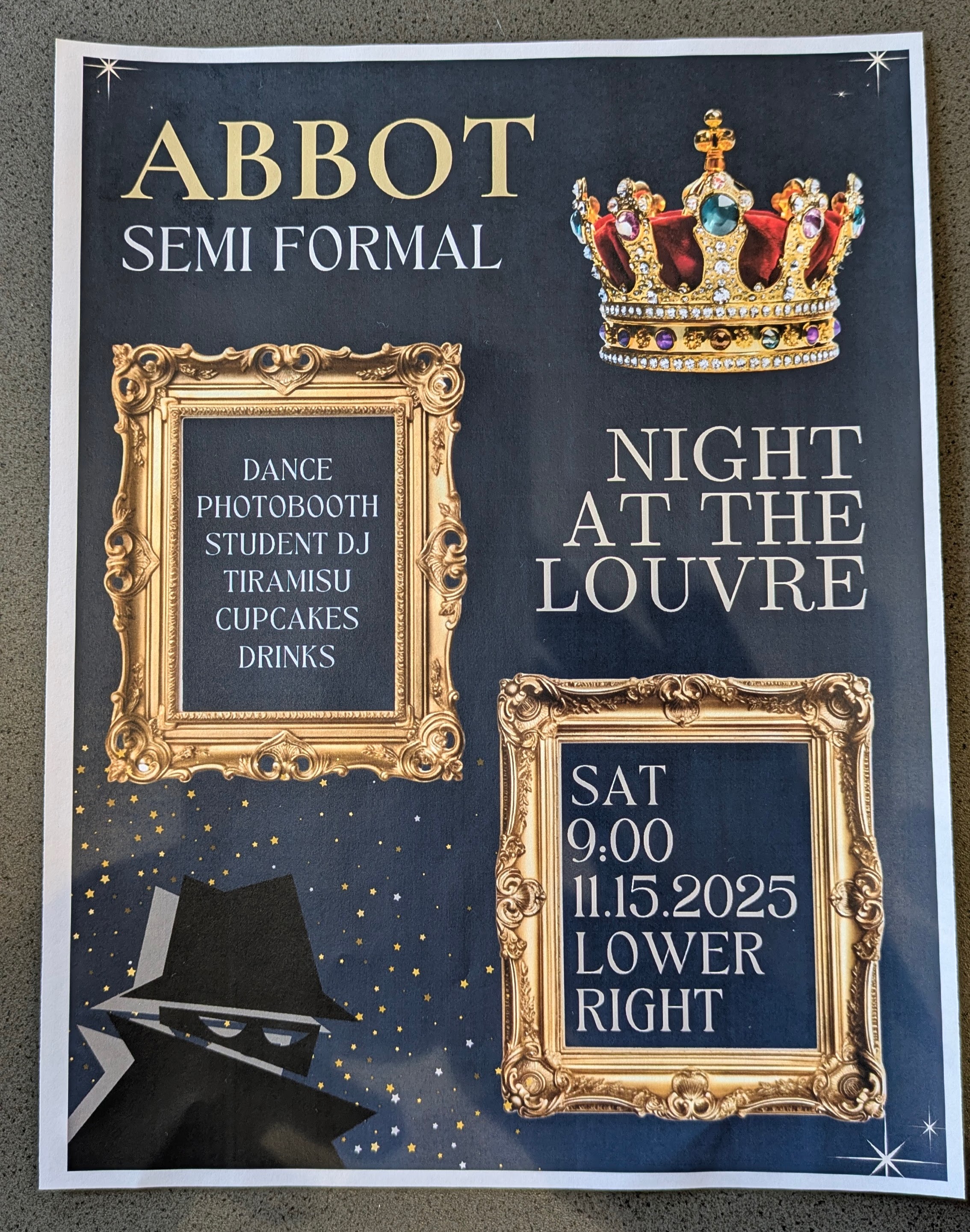
Flyer for a dance at Phillips Academy capitalized on the Louvre heist, November 2025.
The brazen theft of crown jewels from the Louvre on October 19, 2025 fed the ongoing public fascination with museum heists. From details like which mobile work platform was used to access the museum to issues with security, there was almost endless interest and speculation. Even the dapper high school student mistaken for a French detective captured the world’s attention. Not surprisingly, the museum heist is a classic movie and tv trope from the recent The Mastermind (2025) to How to Steal a Million (1966) to the multiple versions of The Thomas Crown Affair (1968, 1999—and apparently a new one in production!), and many others. Fictional literature about heists could occupy a library. Even students here at Phillips Academy hosted a Louvre heist-themed dance! The exciting and glittery portrayals of museum heists, however, often veer far from the real blend of cunning, avarice, ineptitude, and the real mess that museum thefts leave in their wake. Just a few days before the Louvre heist, thieves gained access to the Oakland Museum’s storage spaces, taking over 1,000 objects, including many Native American items.
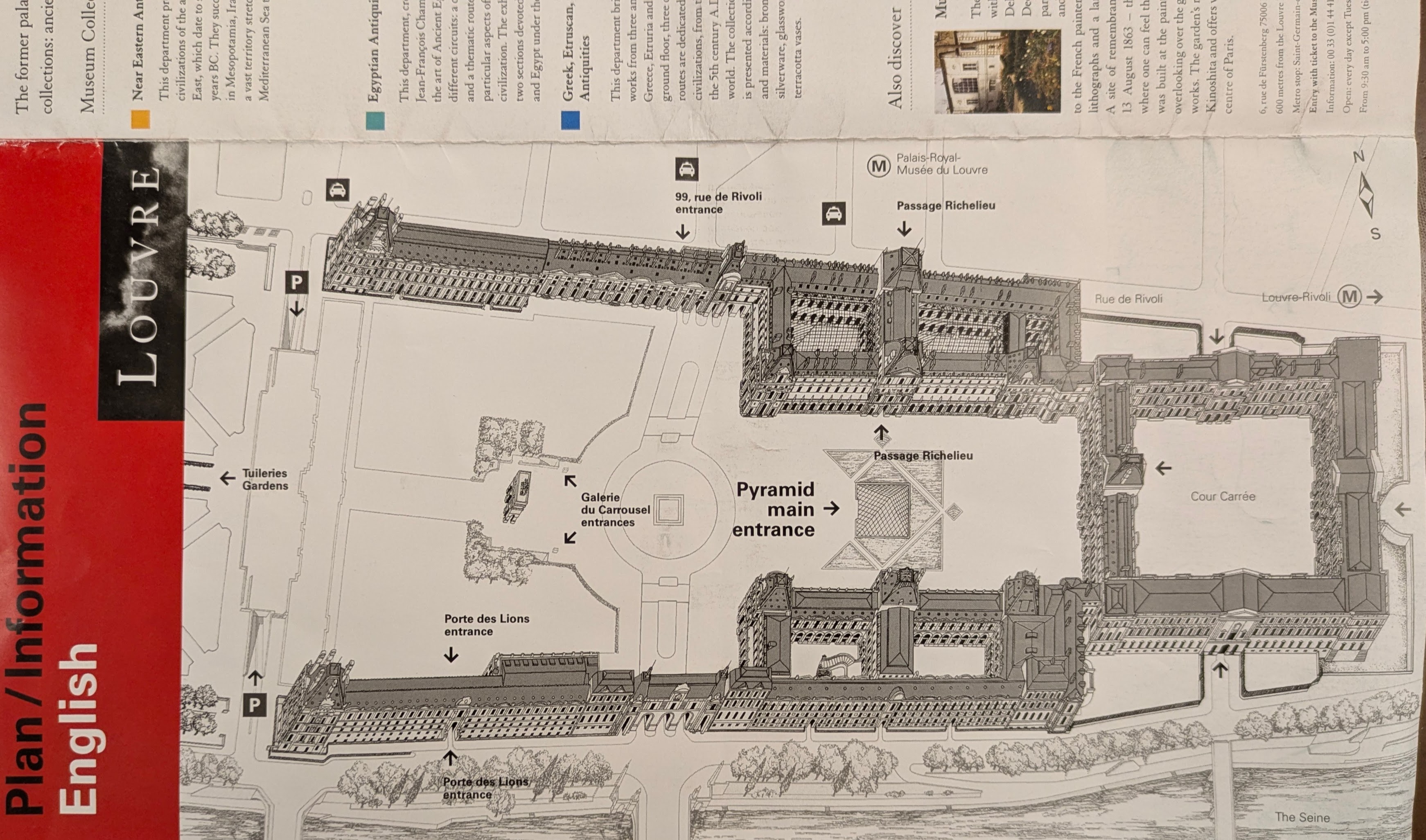
Plan of the Louvre from Phillips Academy student trip, 2015.
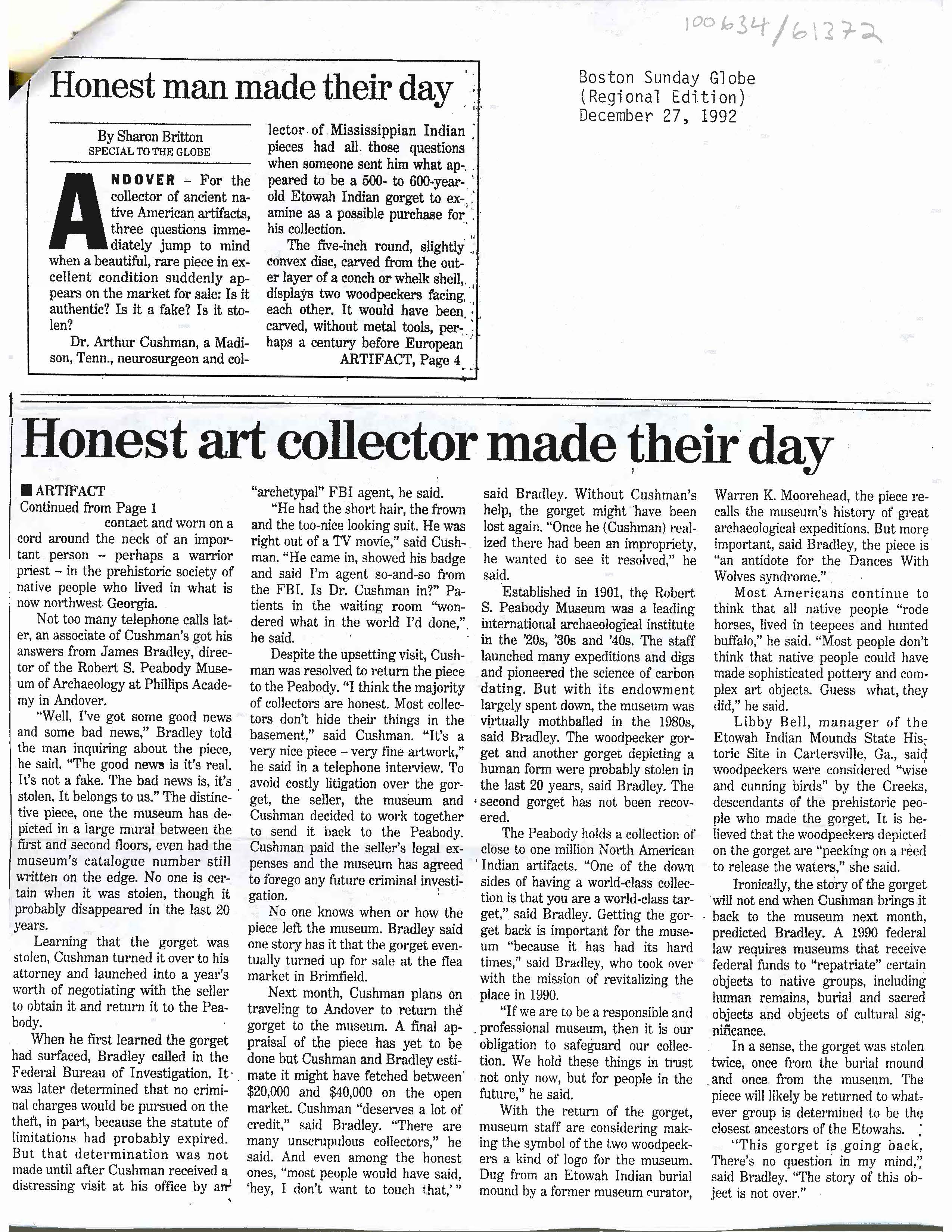
When I joined the Peabody Institute in 2012, former director Jim Bradley told me to be on alert for missing items, presumed stolen at some unknown point in the museum’s past. Early in Jim’s tenure as director, he had been involved in the recovery of a shell gorget from the Etowah site in Georgia. Since that time several collectors have returned items from Etowah and Maine, and others have been tracked down with the aid of the FBI art crimes team. What we now understand is that the Peabody Institute experienced two thefts—one in late 1970 or early 1971, and another in 1986.
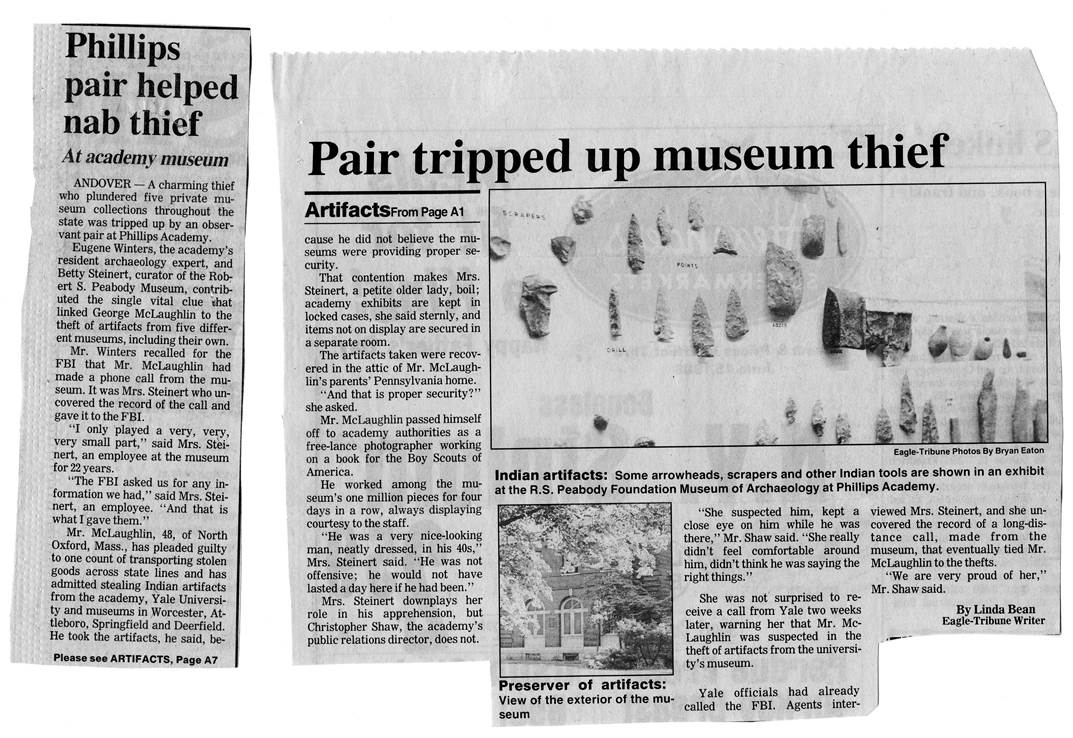
Eagle-Tribune article from 1986 recounts George McLaughlin’s theft of artifacts from the Peabody Museum.
Marla Taylor and John Bergman-McCool recount the theft by George McLaughlin in 1986 in their 2020 blog post. McLaughlin gained access to the Peabody’s collection housing areas at a time when the institution lacked professional staff. That made it easier, but he also stole from other museums across New England and several private collectors. He was ultimately caught by the FBI and prosecuted, but not before removing most of the catalog numbers from the thousands of stone tools that he had taken. It was unclear what McLaughlin’s plans were, but it seems he was readying items for sale. And while the FBI arrest prevented that, to this day we have a large number of items that have lost their original provenience—in other words, a big mess.
Boston Sunday Globe article recounts the return of the Etowah shell gorget (December 27, 1992).
I’ve shared before about an earlier theft at the Peabody Institute (also, see my article in the April 2018 SEAC newsletter). Based on correspondence, we are confident that items from Georgia and Maine were stolen in late 1970 or early 1971 while exhibits were being refreshed and updated. These items had been on display when they were photographed to illustrate Dean Snow’s 1976 book The Archaeology of North America. It seems like they were taken while awaiting reinstallation in the exhibits. As I mentioned above, a number of these items have been returned, either by conscientious collectors or through an investigation by the FBI art crimes team, begun in January 2018 when one of the Etowah items was returned to us. Many of these items are funerary objects and subject to repatriation under the Native American Graves Protection & Repatriation Act (NAGPRA). Their continued absence complicates those repatriation efforts.
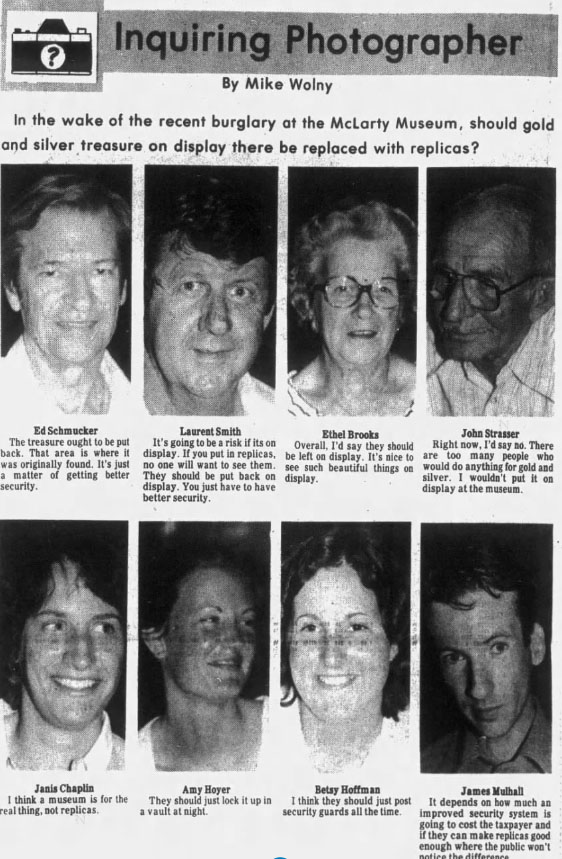
The Indian River Press Journal sought reader opinions about the 1980 theft of Spanish shipwreck treasure from the McLarty Museum and if treasure items should continue to be exhibited (Friday, March 8, 1980, page 8).
Unlike the glamourous (or humorous) fictional depictions of museum heists, these are often crimes of opportunity, driven by greed or misguided ideas about the role of museums in caring for and sharing art and culture. I think one example from my past career as Florida’s state archaeologist aptly captures the stupidity of the museum heist. Our collections in Florida included impressive holdings recovered from the shipwrecks of Spanish treasure galleons. Loans to the McLarty Museum near the survivor’s camp of the 1715 fleet wreck included gold coins and gold bars. In 1980, thieves defeated locks and security systems, but when confronted with the reality of disposing of a gold bar, things took a weird turn. They used a hack saw to begin cutting a gold bar into more saleable (or tradeable) pieces before being apprehended. The gold bar was recovered, but the saw cut end remains at large. During our annual 100% inventory of precious metals and coins our outside auditor frequently questioned what was going on with the clearly chopped up gold, so much so that we finally tucked some of the paperwork and news coverage with the piece to allay fears that we were helping ourselves. The thief in that case ultimately criticized press coverage, telling the court that he was “by no means a professional burglar” and that the theft was just a “reckless impulse.” So, enjoy that museum heist movie or book, but remember, it’s a far cry from the real mess made by these thefts.
All work and no play makes Robert S. Peabody a dull boy!
As much as our staff and volunteers love digging deep into research and academic writings, we do love a good book or podcast! As summer descends upon us, prepare yourselves for another installment of our Peabody Picks summer list!
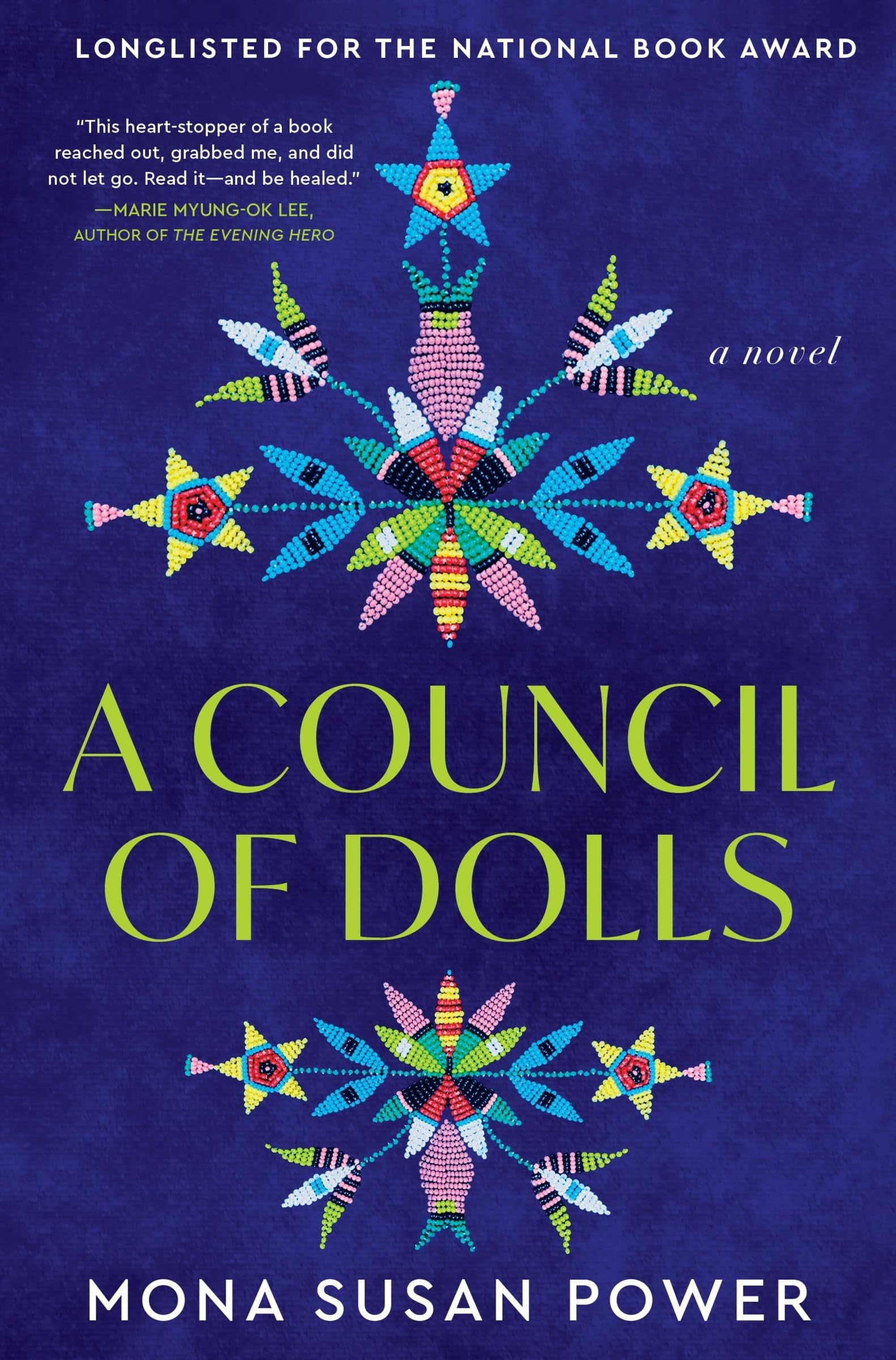
A Council of Dolls is a 2023 historical fiction family saga novel about multiple generations of Yanktonai Dakota women grappling with the effects of settler colonialism, told partially through the point of view of their dolls.
A modern masterpiece, A Council of Dolls is gorgeous, quietly devastating, and ultimately hopeful, shining a light on the echoing damage wrought by Indian boarding schools, and the historical massacres of Indigenous people. With stunning prose, Mona Susan Power weaves a spell of love and healing that comes alive on the page.
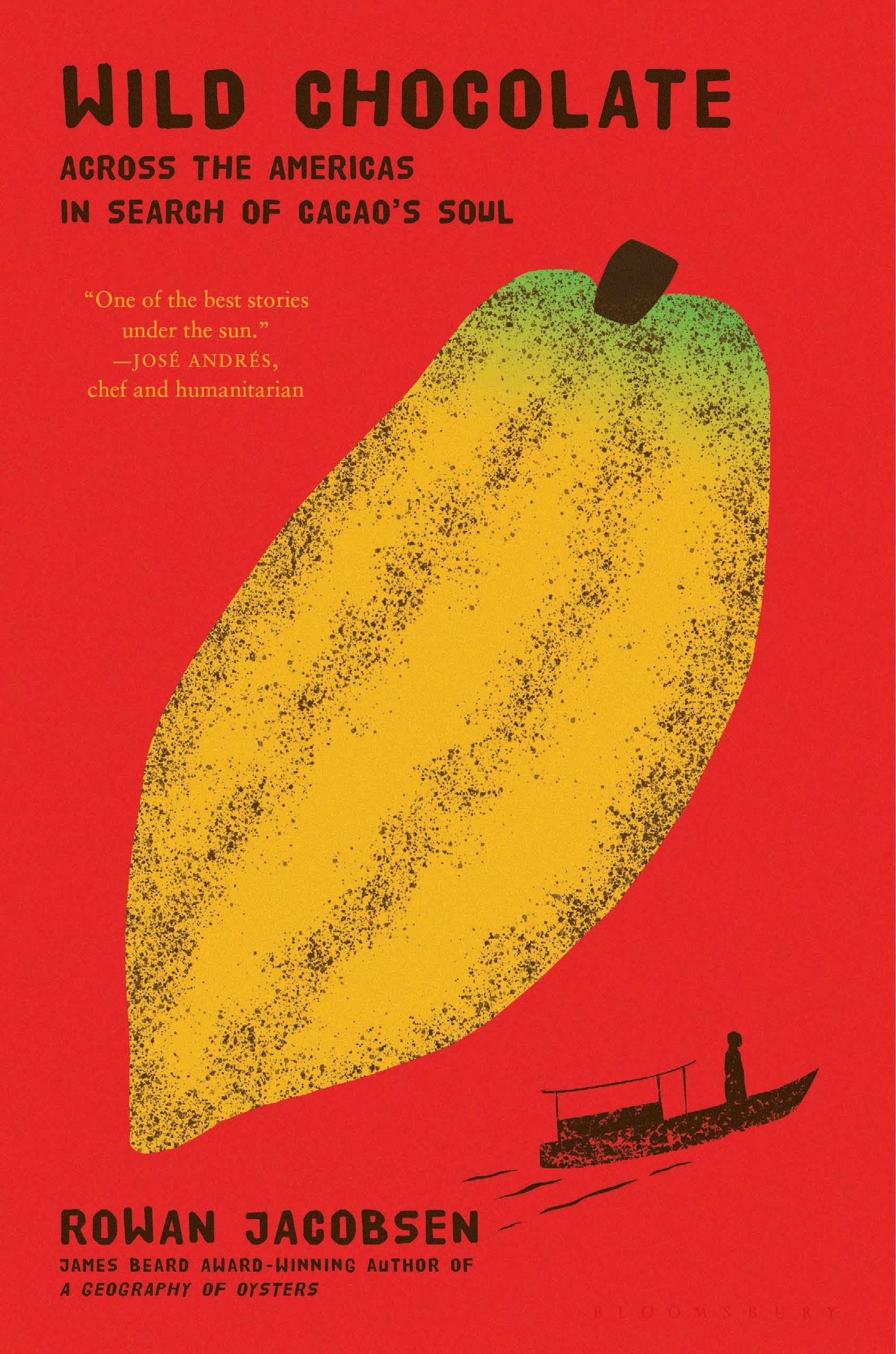
From James Beard Award-winner Rowan Jacobsen, the thrilling story of the farmers, activists, and chocolate makers fighting all odds to revive ancient cacao and produce the world’s finest bar.
When Rowan Jacobsen first heard of a chocolate bar made entirely from wild Bolivian cacao, he was skeptical. The waxy mass-market chocolate of his childhood had left him indifferent to it, and most experts believed wild cacao had disappeared from the rainforest centuries ago. But one dazzling bite of Cru Sauvage was all it took. Chasing chocolate down the supply chain and back through history, Jacobsen travels the rainforests of the Amazon and Central America to find the chocolate makers, activists, and indigenous leaders who are bucking the system that long ago abandoned wild and heirloom cacao in favor of high-yield, low-flavor varietals preferred by Big Chocolate.
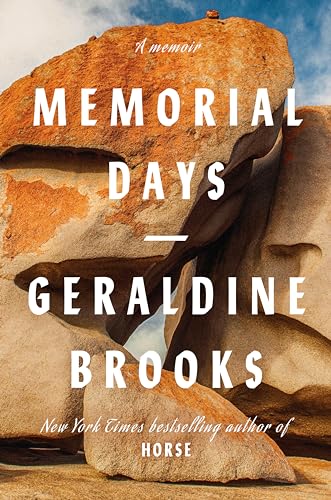
Many cultural and religious traditions expect those who are grieving to step away from the world. In contemporary life, we are more often met with red tape and to-do lists. This is exactly what happened to Geraldine Brooks when her partner of more than three decades, Tony Horwitz – just sixty years old and, to her knowledge, vigorous and healthy – collapsed and died on a Washington, D. C. sidewalk on Memorial Day 2019. The demands were immediate and many. Without space to grieve, the sudden loss became a yawning gulf.
Three years later, she booked a flight to a remote island off the coast of Australia with the intention of finally giving herself the time to mourn. In a shack on a pristine, rugged coast she often went days without seeing another person. There, she pondered the varied ways those of other cultures grieve, such as the people of Australia’s First Nations, the Balinese, and the Iranian Shiites, and what rituals of her own might help to rebuild a life around the void of Tony’s death.
A spare and profoundly moving memoir that joins the classics of the genre, Memorial Days is a portrait of a larger-than-life man and a timeless love between souls that exquisitely captures the joy, agony, and mystery of life.
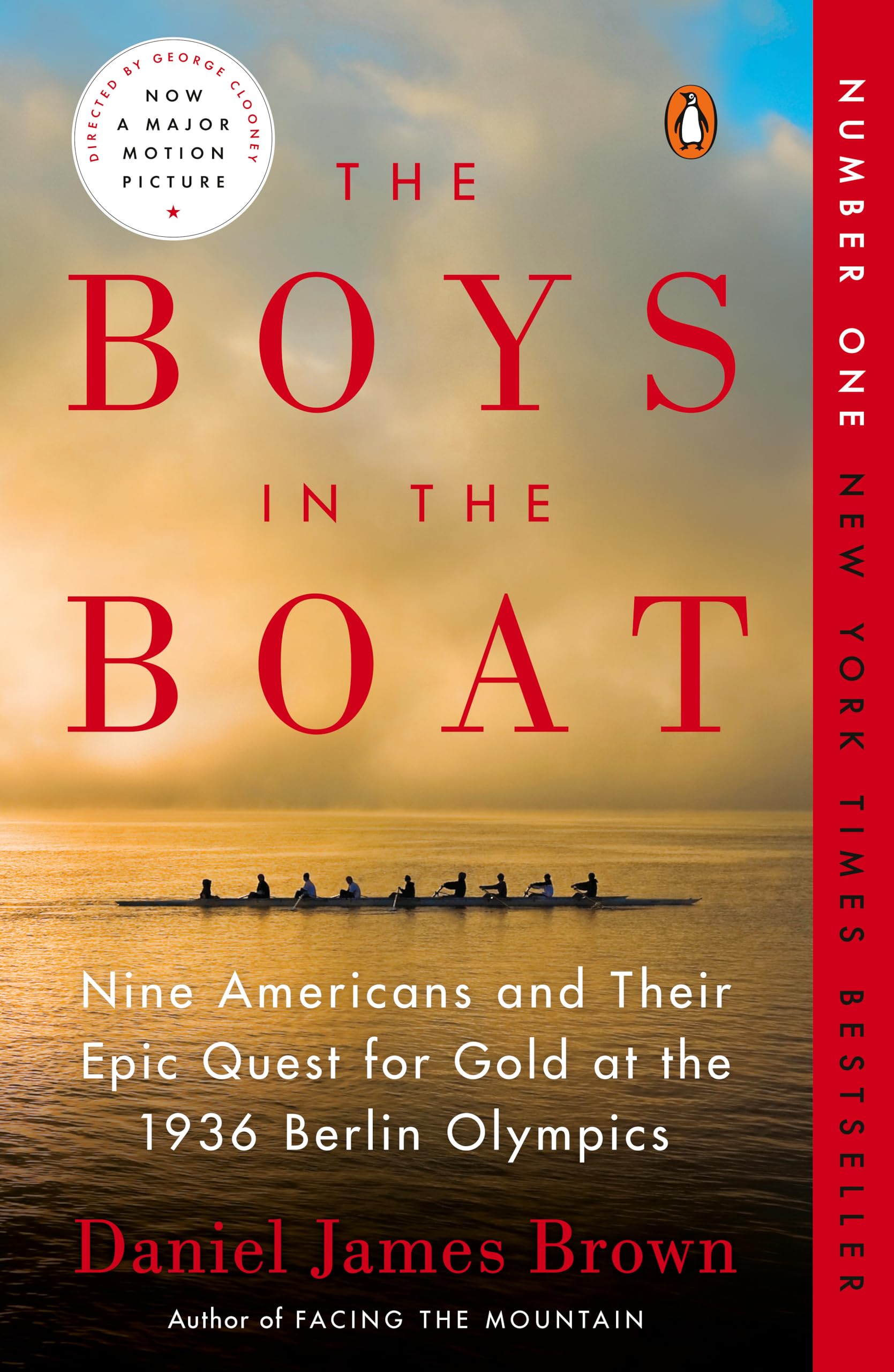
For readers of Unbroken, out of the depths of the Depression comes an irresistible story about beating the odds and finding hope in the most desperate of times—the improbable, intimate account of how nine working-class boys from the American West showed the world at the 1936 Olympics in Berlin what true grit really meant.
It was an unlikely quest from the start. With a team composed of the sons of loggers, shipyard workers, and farmers, the University of Washington’s eight-oar crew team was never expected to defeat the elite teams of the East Coast and Great Britain, yet they did, going on to shock the world by defeating the German team rowing for Adolf Hitler. The emotional heart of the tale lies with Joe Rantz, a teenager without family or prospects, who rows not only to regain his shattered self-regard but also to find a real place for himself in the world. Drawing on the boys’ own journals and vivid memories of a once-in-a-lifetime shared dream, Brown has created an unforgettable portrait of an era, a celebration of a remarkable achievement, and a chronicle of one extraordinary young man’s personal quest.
Werner Herzog was born in September 1942 in Munich, Germany, at a turning point in the Second World War. Until age 11, Herzog did not even know of the existence of cinema. His interest in films began at age 15, but since no one was willing to finance them, he worked the night shift as a welder in a steel factory. He started to travel on foot. He made his first phone call at age 17, and his first film in 1961 at age 19. The wildly productive working life that followed—spanning the seven continents and encompassing both documentary and fiction—was an adventure as grand and otherworldly as any depicted in his many classic films.
Every Man for Himself and God Against All is at once a personal record of one of the great and self-invented lives of our time, and a singular literary masterpiece that will enthrall fans old and new alike. In a hypnotic swirl of memory, Herzog untangles and relives his most important experiences and inspirations, telling his story for the first and only time.
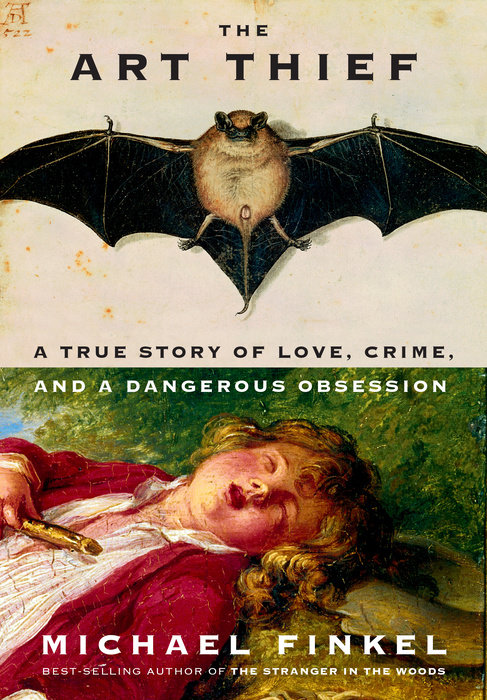
One of the most remarkable true-crime narratives of the twenty-first the story of the world’s most prolific art thief, Stéphane Breitwieser.
In The Art Thief, Michael Finkel brings us into Breitwieser’s strange and fascinating world. Unlike most thieves, Breitwieser never stole for money. Instead, he displayed all his treasures in a pair of secret rooms where he could admire them to his heart’s content. Possessed of a remarkable athleticism and an innate ability to circumvent practically any security system, Breitwieser managed to pull off a breathtaking number of audacious thefts. Carrying out more than two hundred heists over nearly eight years—in museums and cathedrals all over Europe—Breitwieser, along with his girlfriend who worked as his lookout, stole more than three hundred objects, until it all fell apart in spectacular fashion.
Geddy Lee is one of rock and roll’s most respected bassists. For nearly five decades, his playing and work as co-writer, vocalist and keyboardist has been an essential part of the success story of Canadian progressive rock trio Rush.
Long before Rush accumulated more consecutive gold and platinum records than any rock band after the Beatles and the Rolling Stones, before the seven Grammy nominations or the countless electrifying live performances across the globe, Geddy Lee was Gershon Eliezer Weinrib, after his grandfather murdered in the Holocaust. As he recounts the transformation, Lee looks back on his family, in particular his loving parents and their horrific experiences as teenagers during World War II. He talks candidly about his childhood and the pursuit of music that led him to drop out of high school. He tracks the history of Rush which, after early struggles, exploded into one of the most beloved bands of all time. He shares intimate stories of his lifelong friendships with bandmates Alex Lifeson and Neil Peart—deeply mourning Peart’s recent passing—and reveals his obsessions in music and beyond. This rich brew of honesty, humor, and loss makes for a uniquely poignant memoir.
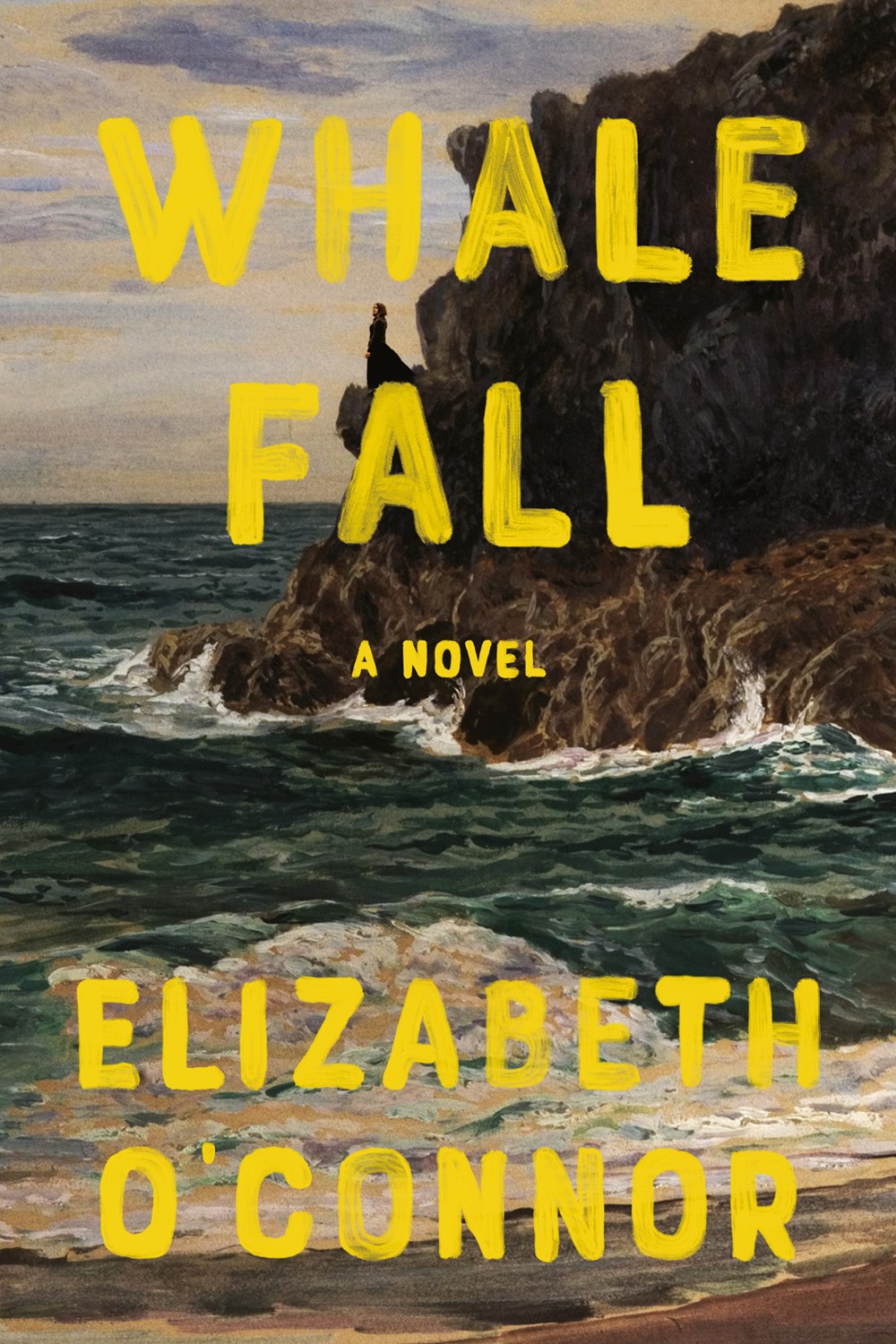
In 1938, a dead whale washes up on the shores of remote Welsh island. For Manod, who has spent her whole life on the island, it feels like both a portent of doom and a symbol of what may lie beyond the island’s shores. Manod can’t shake her welling desire to explore life beyond the beautiful yet blisteringly harsh islands that her hardscrabble family has called home for generations.
The arrival of two English ethnographers who hope to study the island culture, then, feels like a boon to her—both a glimpse of life outside her community and a means of escape. The longer the ethnographers stay, the more she feels herself pulled towards them, despite her misgivings that her community is being misconstrued and exoticized.
With shimmering prose tempered by sharp wit, Whale Fall tells the story of what happens when one person’s ambitions threaten the fabric of a community, and what can happen when they are realized. O’Connor paints a portrait of a community and a woman on the precipice, forced to confront an outside world that seems to be closing in on them.
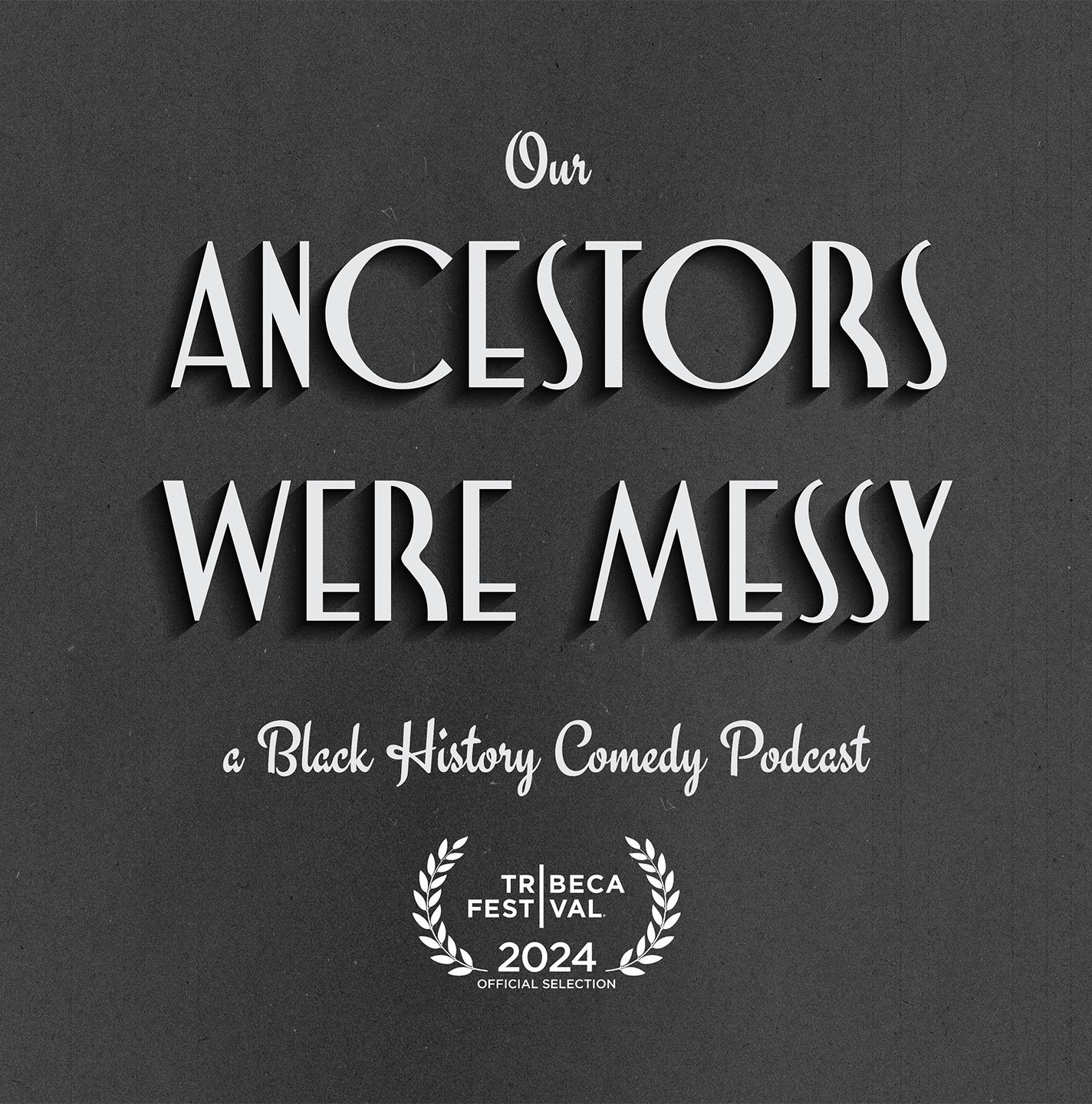
Our Ancestors Were Messy, is a podcast covering the gossip, scandals, and pop culture that made headlines in the Black newspapers of segregated communities during the pre-Civil Rights era. On each episode, host Nichole Hill and her guests follow the story of an ancestor in search of opportunity, adventure, love, and a way to beat Jim Crow. Hill and her guests learn the mess – and eventual history – their ancestors make along the way.
“I could pretend that I like this podcast because it’s a way to learn about Black history in a way that goes beyond standard narratives of victimization or individual exceptionalism. The stories it tells allow people to be people, with all the messiness and drama and pop culture of their everyday lives in the pre-Civil Rights era. But really I love this podcast because it is just great gossip. Why you trying to make me learn in my free time??” – Lainie Schultz, Peabody Staff
The Thing About Austen is a podcast about Jane Austen’s world — the people, objects, and culture that shape Austen’s fiction. Come for the historical context and stay for the literary shenanigans. Think of us as your somewhat cheeky tour guides to the life and times of Jane Austen.
“Two professors of literature talk about the material culture in Austen’s stories and their significance to societal culture during the Georgian and Regency eras. From Mr. Darcy’s portrait in Pride and Prejudice to the homemade alphabet in Emma and Captain Wentworth’s umbrella in Persuasion – there are so many interesting stories and histories to unpack from the items detailed in Jane Austen’s stories. Some of my favorite episodes are #83 The thing about the Ha-Ha and #52 The thing about Bath’s Baths (per their recommendation, I did try the hot spring water in the Roman Baths on a recent visit… the taste, not so great, but the experience, 5 stars!) – Emma Lavoie, Peabody Staff
Buried Bones, Hosted by Kate Winkler Dawson and Paul Holes
Genre: Historical True Crime
Buried Bones dissects some of history’s most dramatic true crime cases from centuries ago. Together, journalist Kate Winkler Dawson and retired investigator Paul Holes explore these very old cases through a 21st century lens.
“I have been a fan of Buried Bones for a few years now. Each episode is a dive into a homicide in the past that is explored simultaneously by a journalist/historian (Kate) and a retired forensic investigator (Paul). I really enjoy the blend of history and scientific analysis as the two hosts discuss the crime. Kate deftly narrates the historical event while Paul provides a reasoned analysis from a modern forensic science perspective. I always learn something!” – Marla Taylor, Peabody Staff
Welcome to Salem, Massachusetts! Join tour guides Jeffrey Lilley and Sarah Black as they talk all things Witch City. Learn its history, meet its people, and discover the magic.
“This podcast goes beyond the history of the Salem Witch Trials and explores the vast history of Salem and the people who live there. What does a drunk elephant, haunted pepper, a witch solving a murder, and tunnels (IYKYK) all have in common? They all relate back to Salem! This podcast has everything you need to know for your next trip to the Witch City. I personally love the episode interviews with current business owners in Salem.” – Emma, Peabody Staff



 The Peabody