Do You ATALM?

Contributed by Ryan J. Wheeler

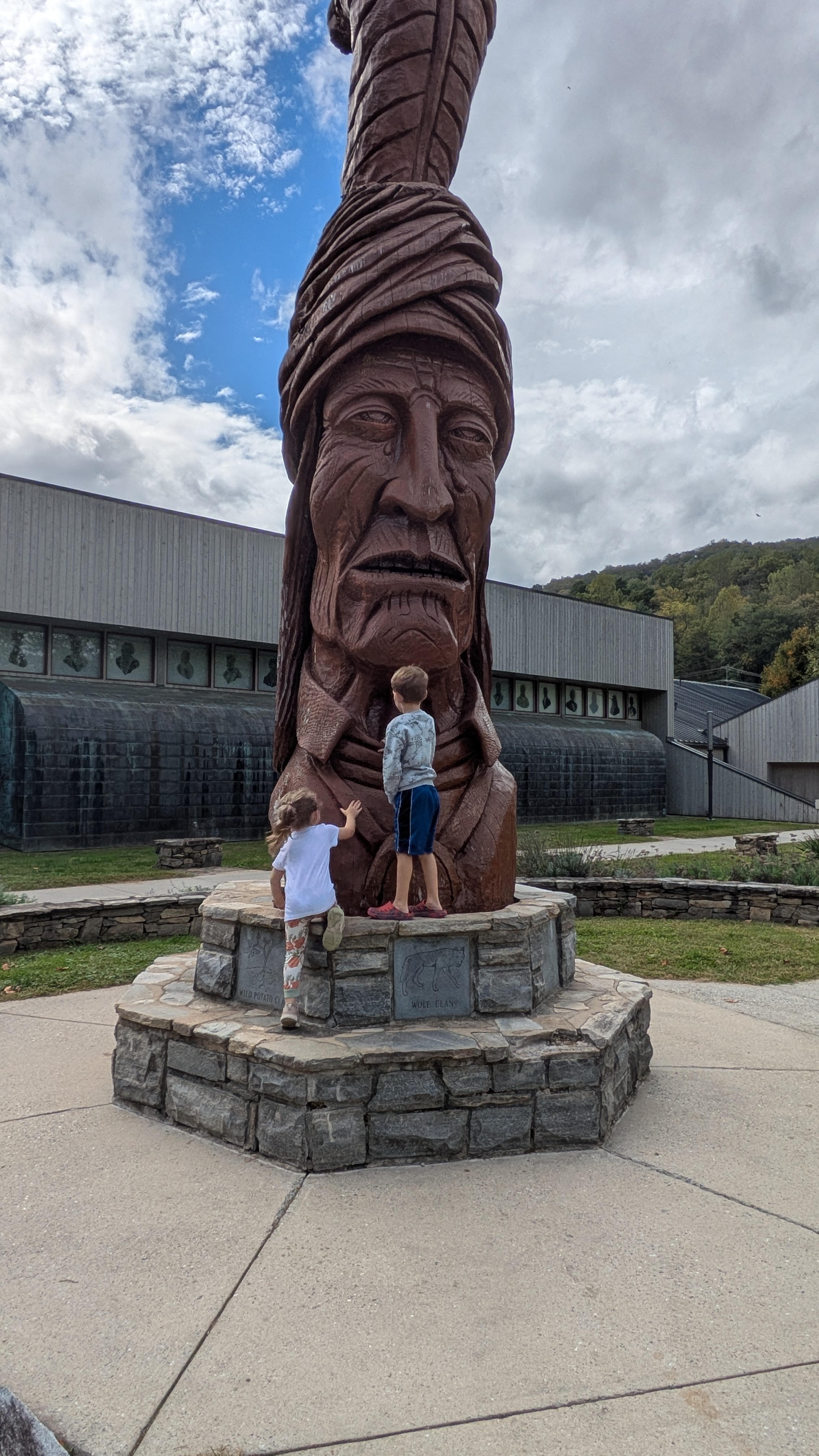
It was really fun to encounter Peter Toth’s monumental wood carving of Sequoyah outside the Museum of the Cherokee People. Toth created over 70 of these sculptures as part of his Trail of the Whispering Giants project. I met the artist in 1983 when he was carving a tribute to the Seminole on Fort Lauderdale beach.

Four members of the Peabody Institute team attended the 2025 Association of Tribal Archives, Libraries, and Museums (ATALM) conference held in Cherokee, North Carolina this October, continuing our tradition of sending personnel that goes back about a decade. This year’s conference saw over 1,000 museum, archive, and library professionals convene at the meeting facilities of the Eastern Band of Cherokee Indians, coinciding with the festivities of the 113th Cherokee Indian Fair. The fair featured a parade, agricultural and cultural events, stick ball, an art show, and more.

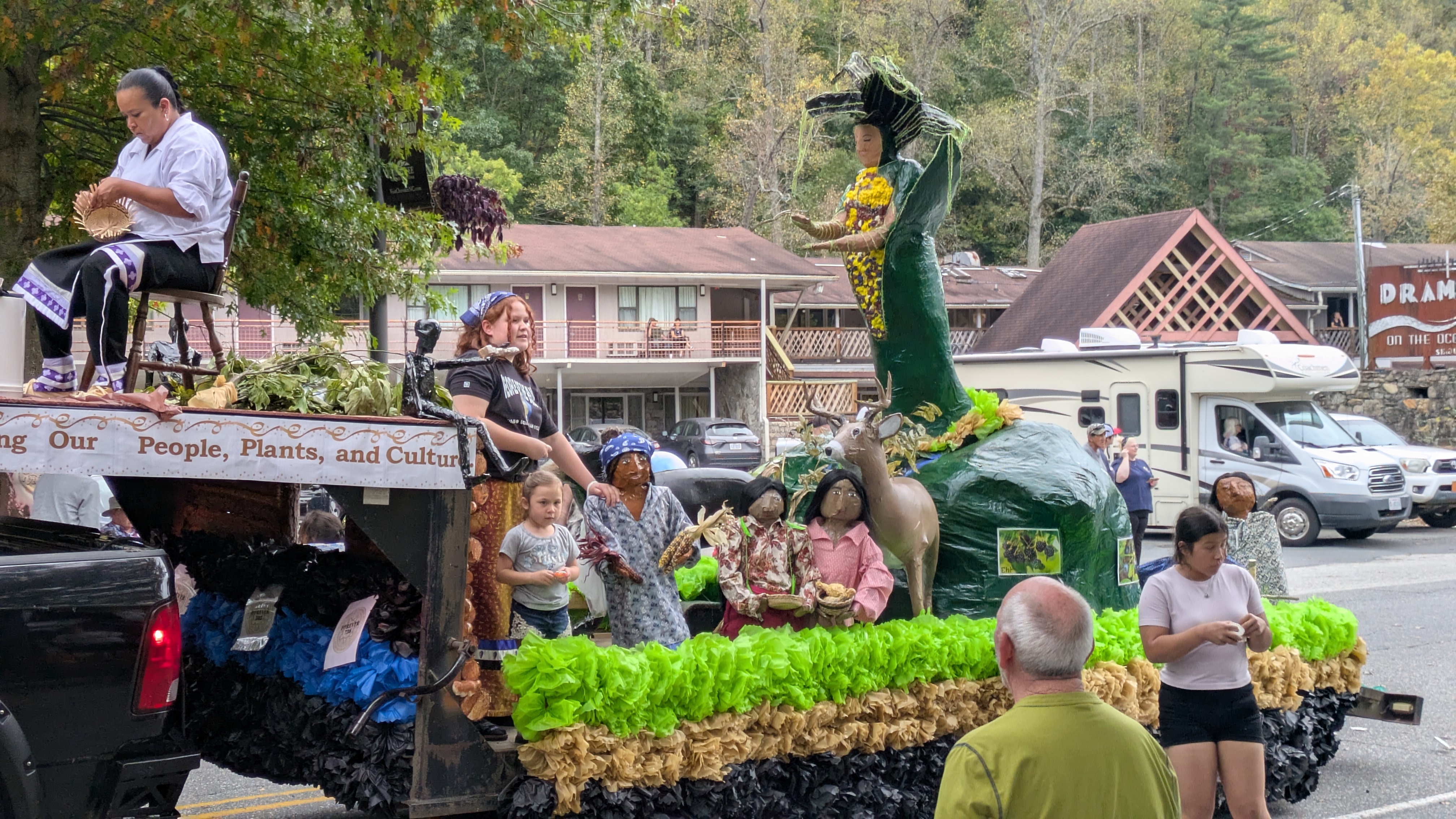
The Cherokee Day parade featured contestants in the Miss Cherokee pageant, lots of agriculture themed floats, marching bands, a drum line. And candy. So. Much. Candy!

Back at the conference, attendees had lots of opportunities to network and learn at expert sessions and demonstrations. Highlights for the Peabody team were visits to the Museum of Cherokee People, Qualla Arts & Crafts Mutual Co-op, the Oconaluftee Indian Village, the informal NAGPRA networking session, the Repatriation Talking Circle, and One Square Inch of Ceremony (and additional workshops with Lily Hope, Tlingit artist, educator, and community facilitator). Marla Taylor, Peabody curator of collections, participated in the session Institutional Approaches to NAGPRA Duty of Care, along with colleagues from museums, universities, and the Muscogee (Creek) Nation.

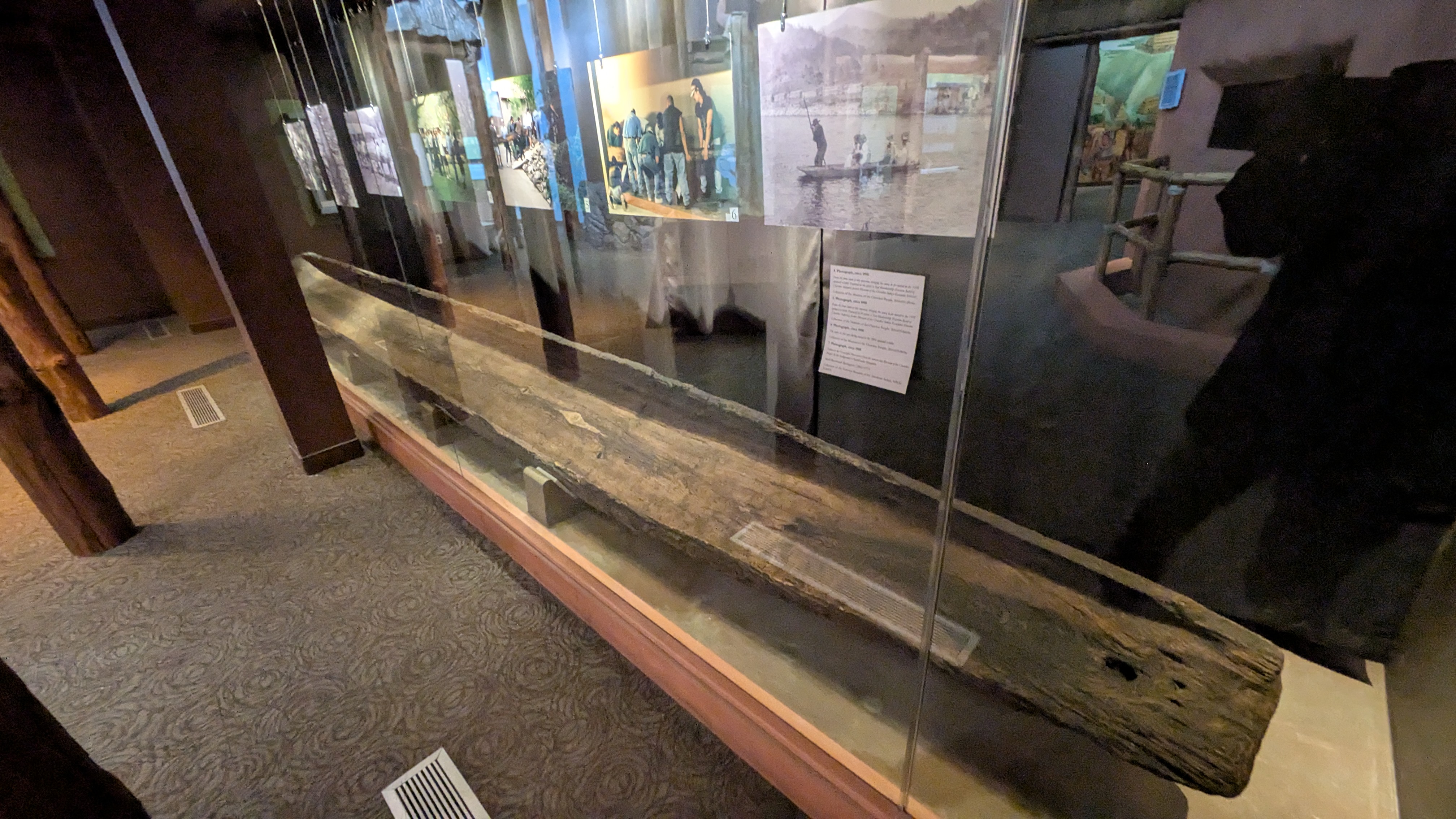
Canoes are everywhere! Exciting to see this dugout canoe at the Museum of the Cherokee People. The museum, one of the earliest Tribal museums in the US, has a series of great interpretive panels questioning how best to tell the Cherokee story. For example, why do museums always begin with PaleoIndians? Back to the canoe–this great example of a dugout is about 200 years old and was found in the 1970s on the Chattahoochee River near Helen, Georgia.

Many great meals were shared as well, but the best part was reconnecting with old friends, meeting colleagues regularly seen on Zoom in person, and making new friends. If you haven’t attended an ATALM conference, we highly recommend it!

Tales from The Phillipian, PART 2: Dinosaurs, Turtle Racing, and Spirits

Contributed by Emma Lavoie

Peabody staff always get excited when we unearth hidden stories from the Peabody Institute’s past. The Phillipian Archives is one such place that has held many a story. First printed in 1857, The Phillipian is a weekly student newspaper that continues today at Phillips Academy Andover. The student paper describes itself as “completely uncensored and entirely student-run,” offering a snapshot of what campus life is like both past and present, and in the case of this blog, some of the most outrageous and bizarre activities related to the Peabody.

As promised, we hope you enjoy PART 2!

Peabody Card Catalog and Reading Room

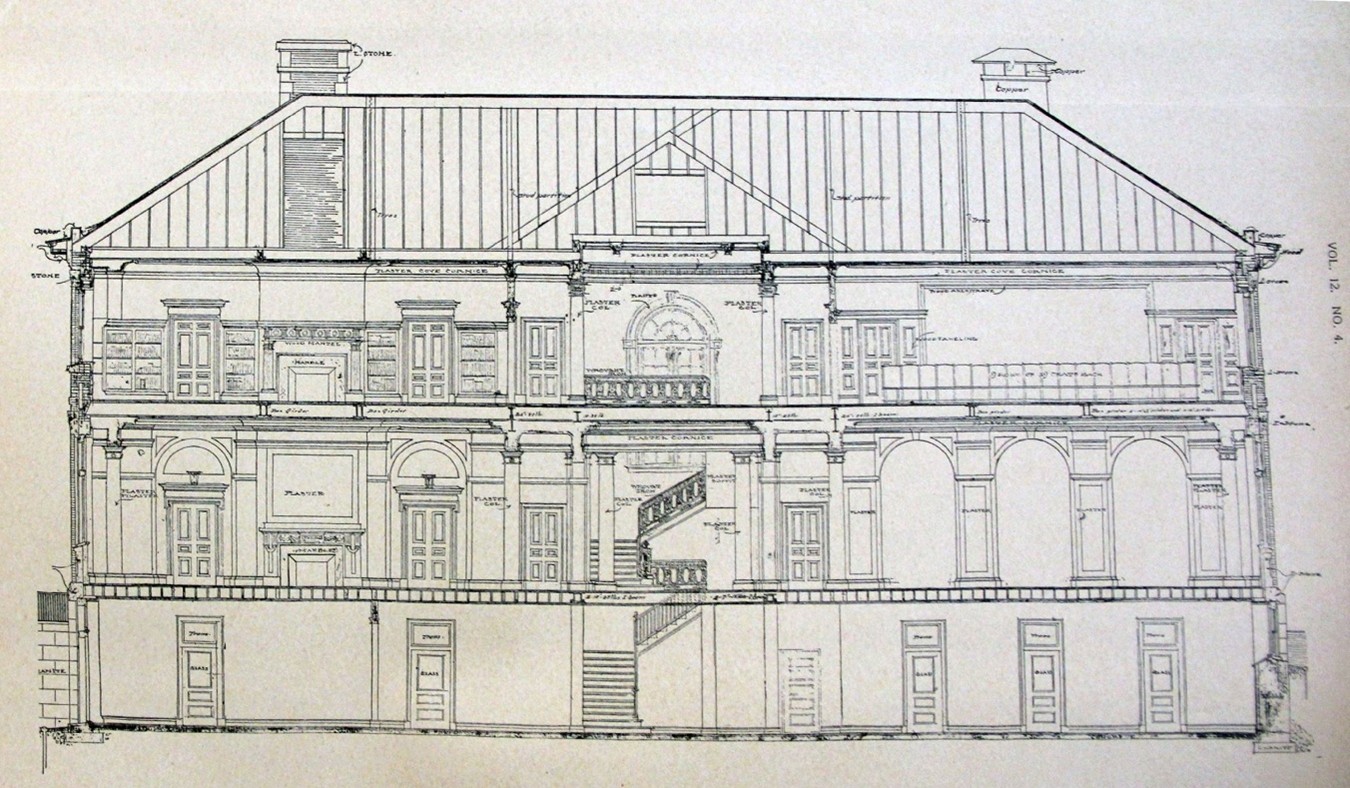
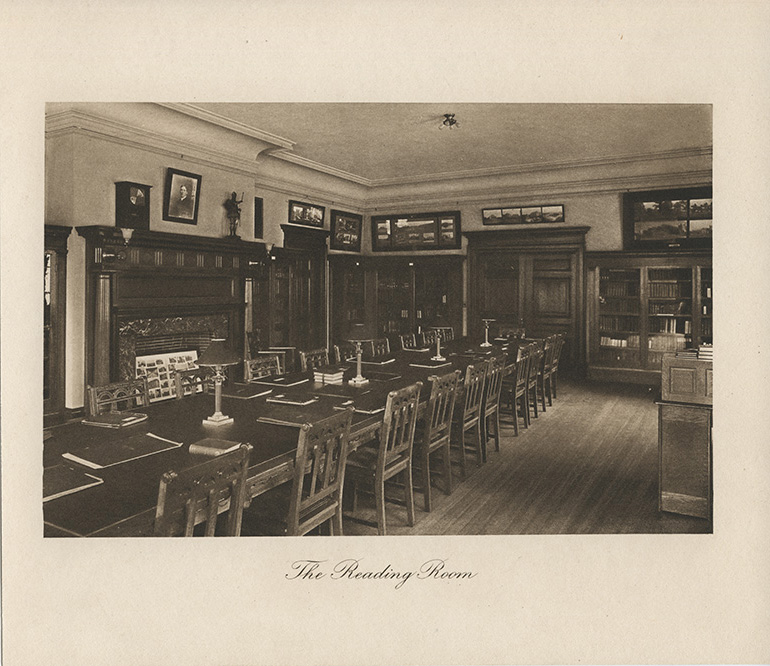
In 1903, a reading room with library was opened on the second floor of the Peabody, furnished with easy-back chairs, a large center table, writing tables, and a few large lounging chairs. There was a list of rules included in this Phillipian article for students using the reading room:

  • Observe suitable quiet
  • That others may not be disturbed while reading
  • Not to cut, tear or in any way deface the periodicals
  • To remove hats and caps while in the room

By 1904, a Phillipian article stated the reading room as “well filled nearly every hour…the attendance averages about three hundred a day or nearly the entire school.”

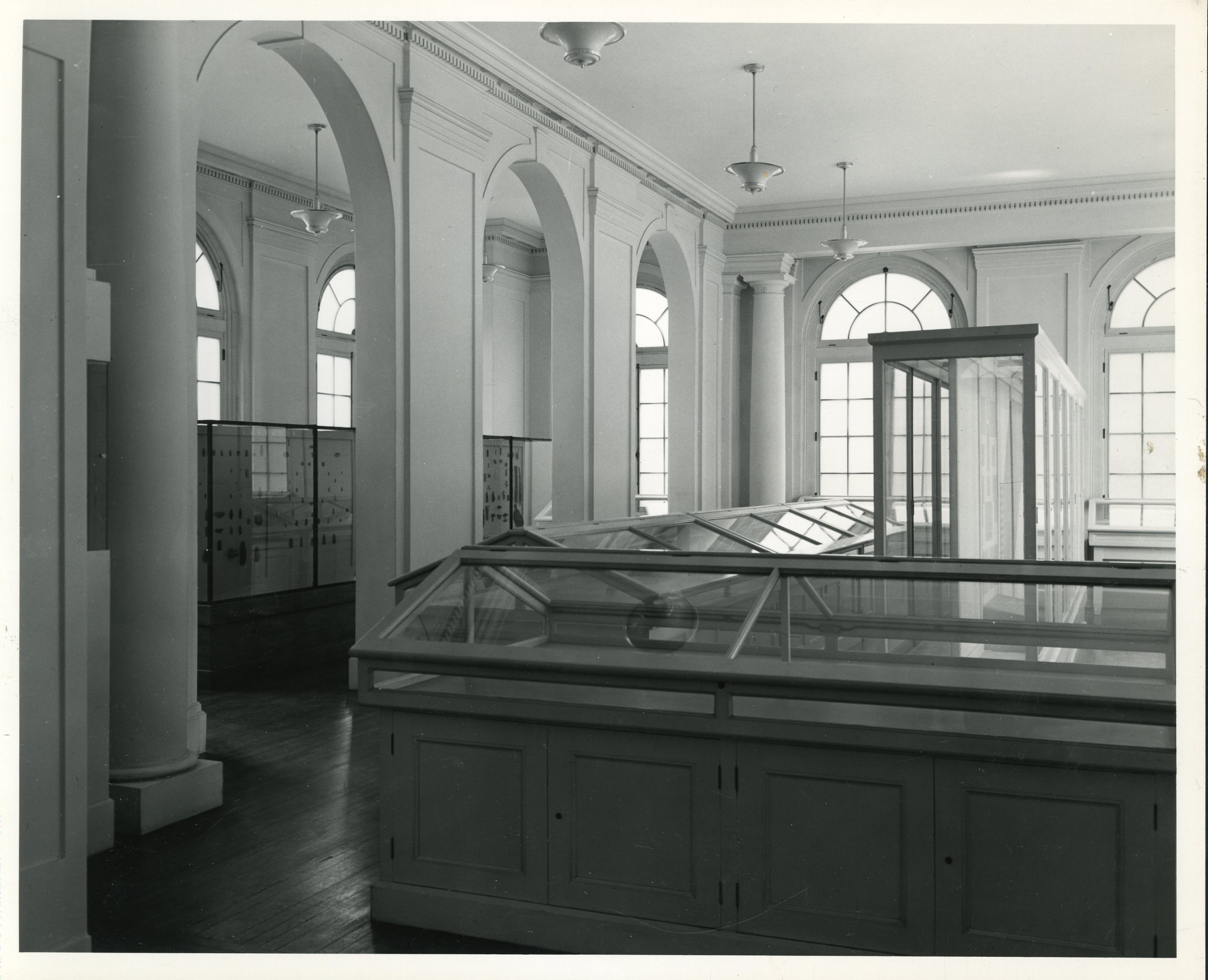
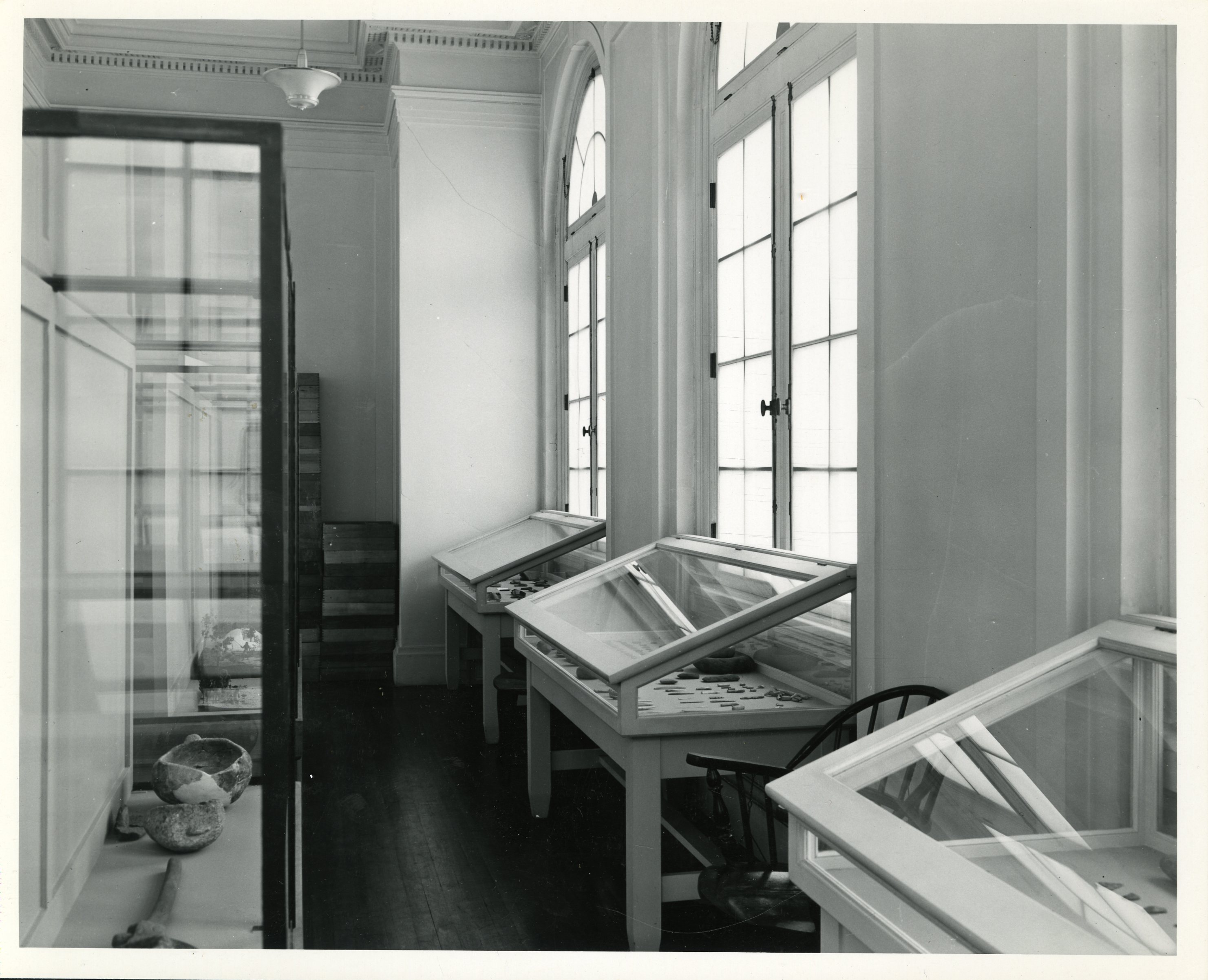
Image from the Peabody Archives of the old reading room.
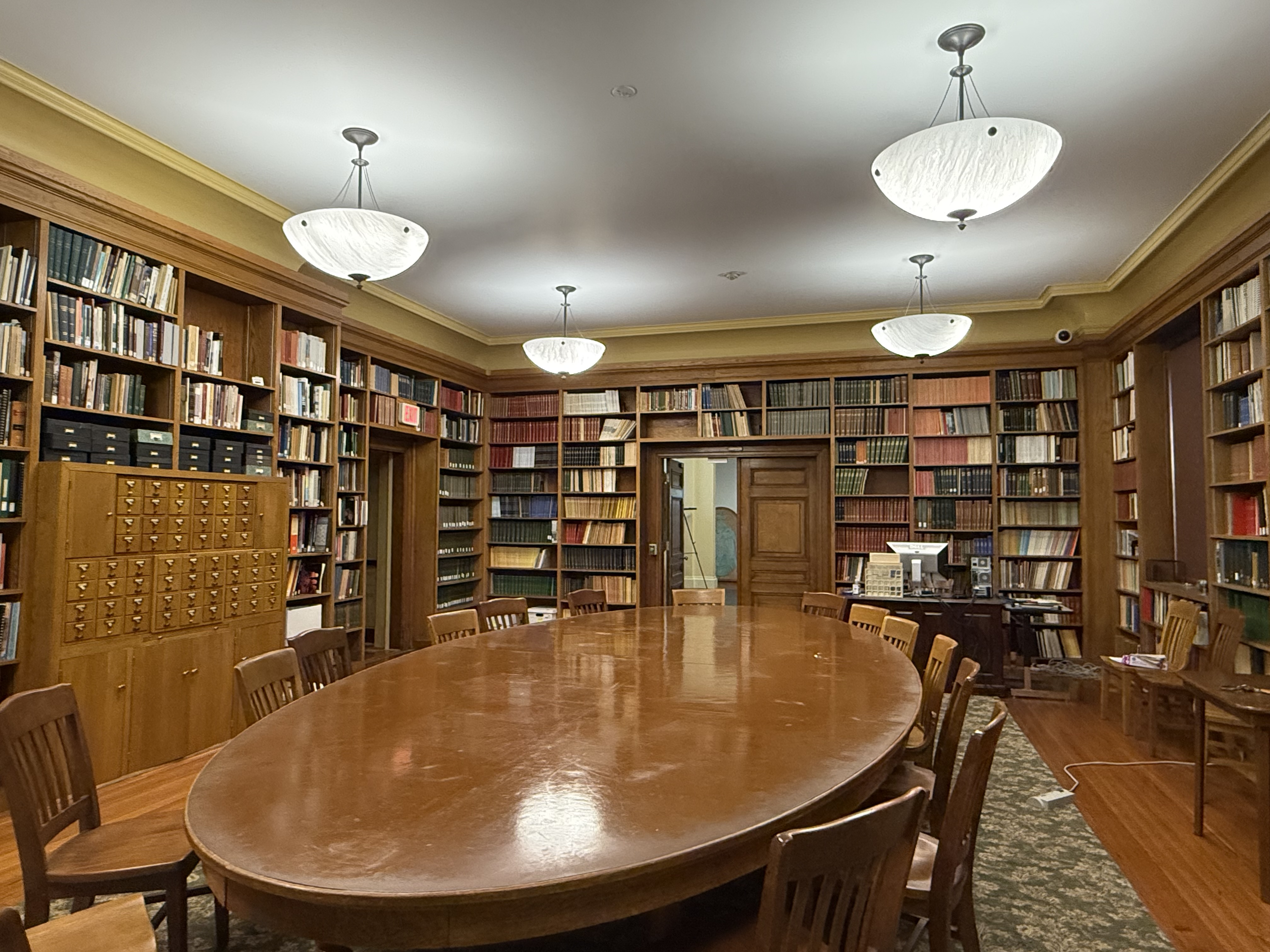
From the same vantage point – the current Peabody Library. Note: the original card catalog system now covers the original fireplace.

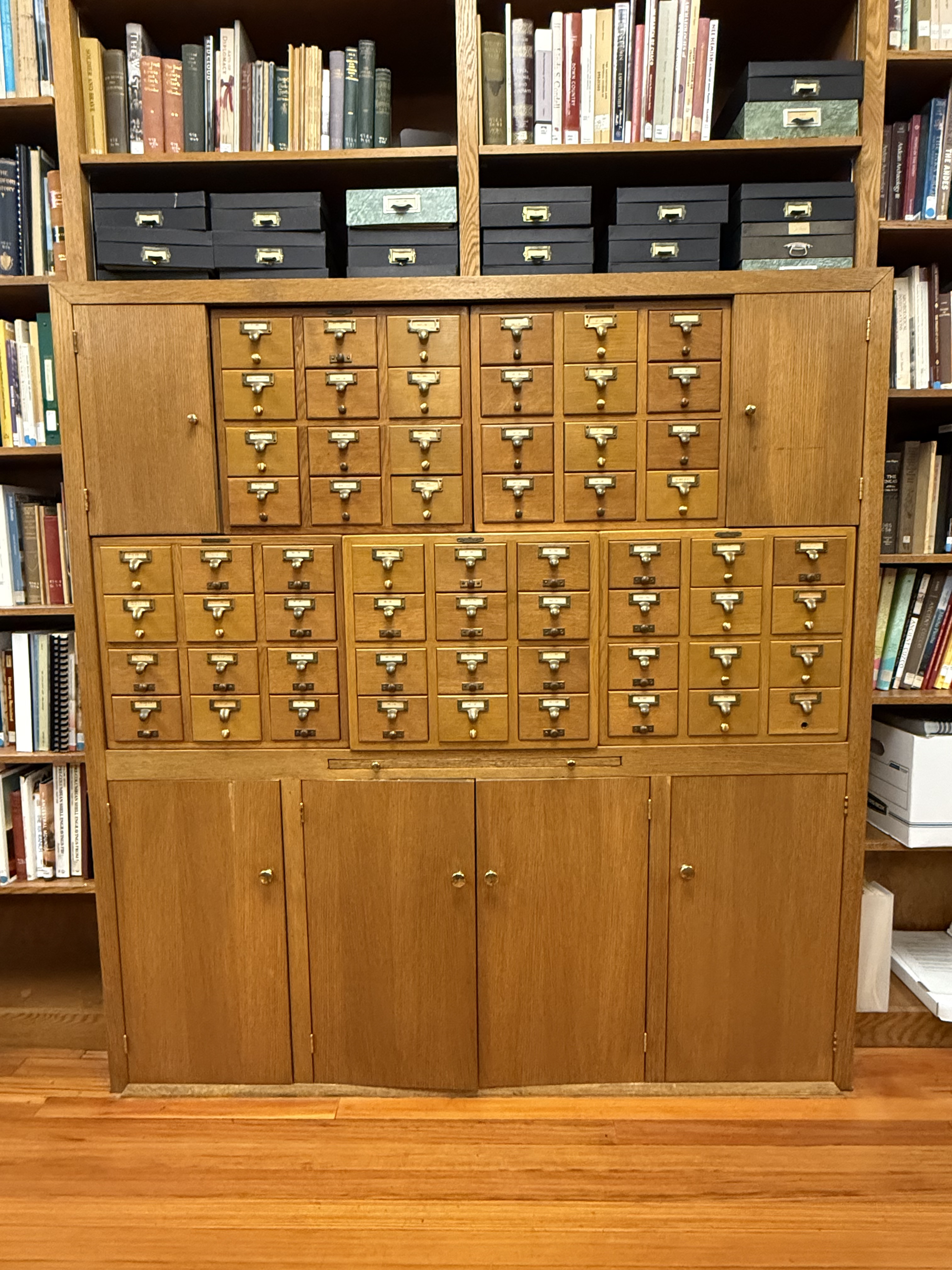
In 1904, work began on an index card catalog for the Peabody Institute’s library. This catalog would be similar to the Library of Congress plan which was being used at the time in the Seminary Library (but the catalog ended up being Dewey Decimal, arrgh!) This index card catalog is still occasionally used today at the Peabody Institute, though the entire library is catalogued in the North of Boston Library Exchange.

The original card catalog is still in use at the Peabody today!

Rumor Has It (Dinosaurs in the Chapel and Turtle Racing)

There had been rumors of turtle racing in the Peabody basement and other areas on campus. Mention of one turtle (named Alec) being kidnapped in a 1935 article may prove these rumors as true! Don’t worry, Alec was returned safe and sound.

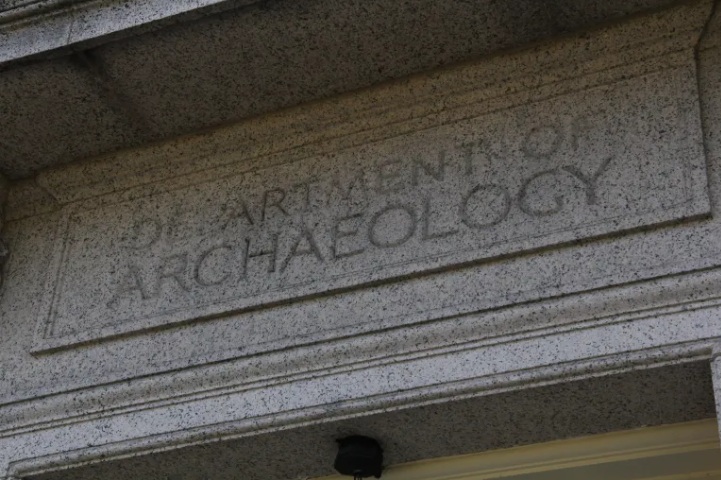
In a “This Andover” column of The Phillipian in 1941, the Archaeology Department (now the Peabody Institute) was supposedly spreading rumors that several prehistoric dinosaurs live in the Cochran Chapel organ pipes.

“It is they [the dinosaurs], the rumor goes on having it, that furnish Dr. Pfatteicher’s lowest notes during Sunday services.”

Flute Recitals by the Peabody Director

On several occasions, Peabody Director, Dr. Charles Peabody performed flute recitals for students in the Academy chapel. On January 20th in 1915, Peabody was joined by Dr. Carl F. Pfatteicher, who played the organ. Pfatteicher was the director of music at the time, a post he held until 1947. During his time at Phillips Academy, he facilitated choir, glee club, and a small orchestra. Many of these groups met and practiced in the Archaeology Building or Peabody House. I think it’s safe to say that Dr. Charles Peabody and Dr. Carl Pfatteicher were good friends. The music played at this recital were the following:

Sonata in C Major – Mozart

Tres Lent from Sonata in G Major – Guillaume Lekeu

Barcarolle – Harold Nasan

Invocation – Eugene Lacroix

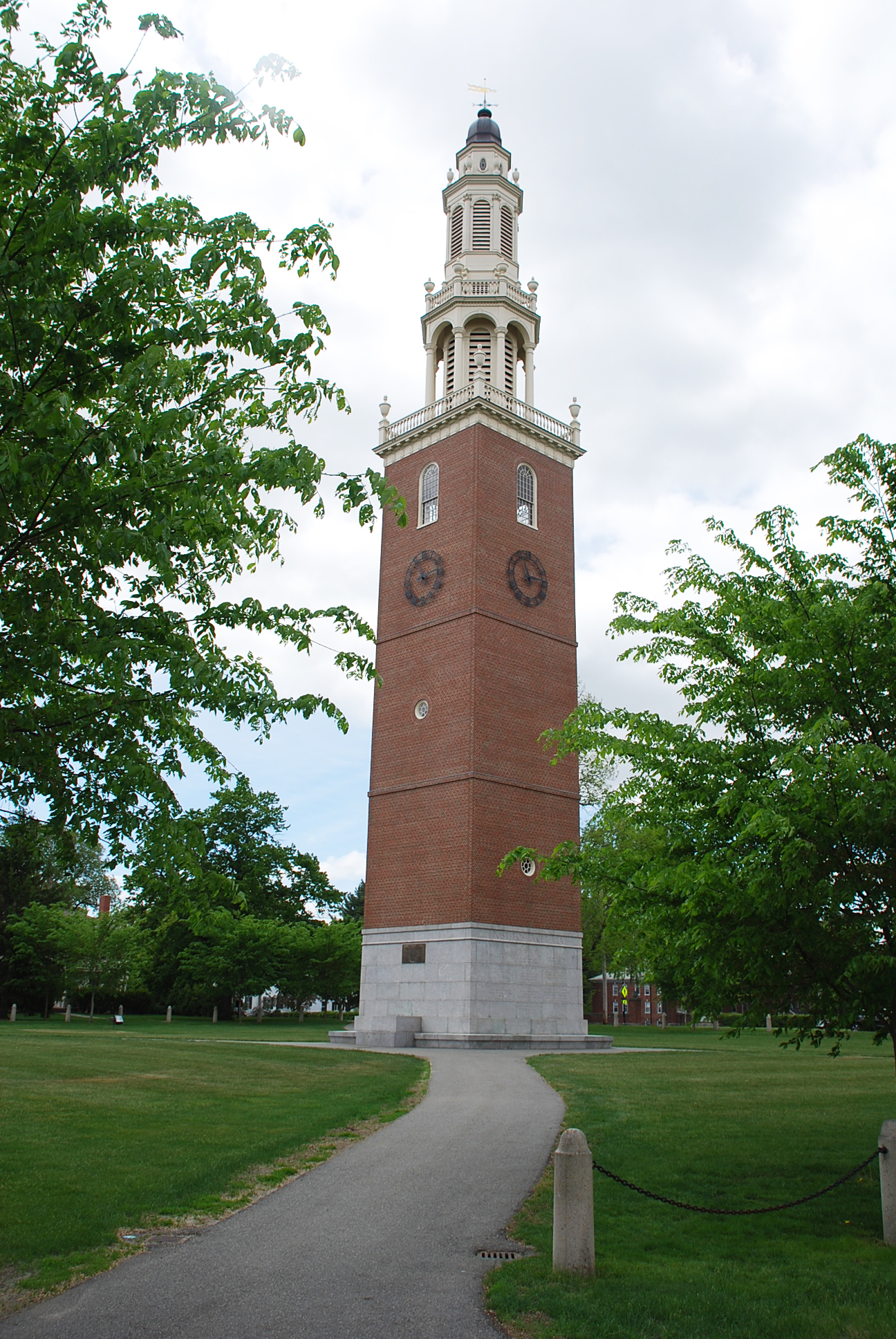
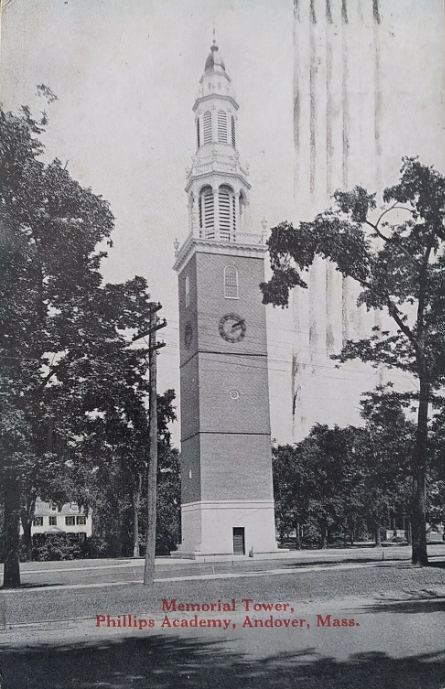
Fun Fact: Dr. Carl F. Pfatteicher was asked to help select the bells to be placed in the newly constructed Memorial Bell Tower on campus. He enjoyed giving regular carillon concerts, playing the bells sometimes at dawn. Many students did not appreciate this and one year managed to lock Dr. Pfatteicher in the tower.

Memorial Bell Tower, Phillips Academy Andover
Completed in 1922 by architect Guy Lowell
(the same architect of the Peabody building!)

“A Place for Students to Gather” – Clubs Find a Home at the Peabody

The Peabody was founded with three goals in mind – to educate students about the world of archaeology, to promote archaeological research, and to be a place for students to gather. As part of this vision, students and student clubs have been utilizing the Archaeology Building since its inception in 1903. Below are just a few examples of student club communications in The Phillipian related to the Peabody.

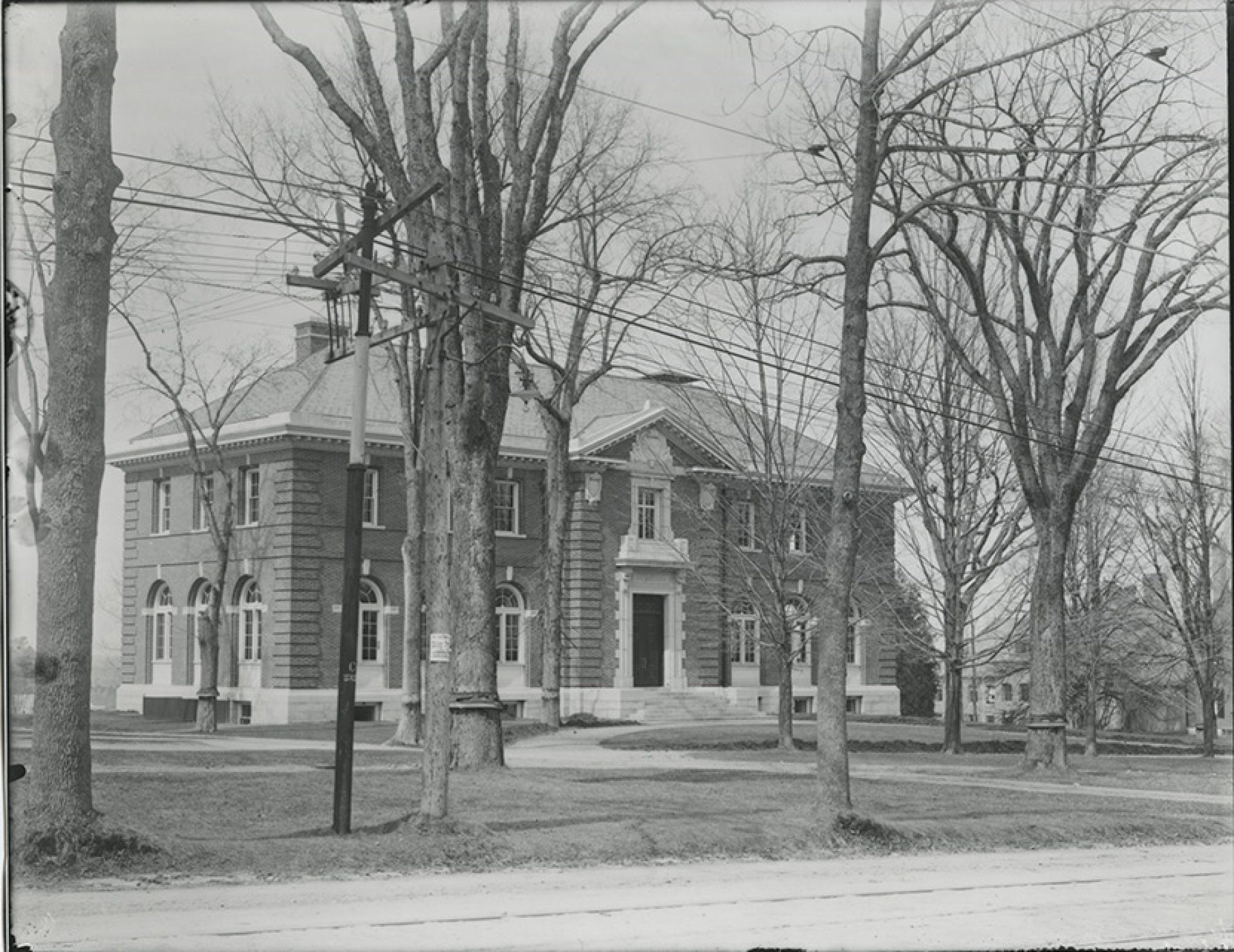
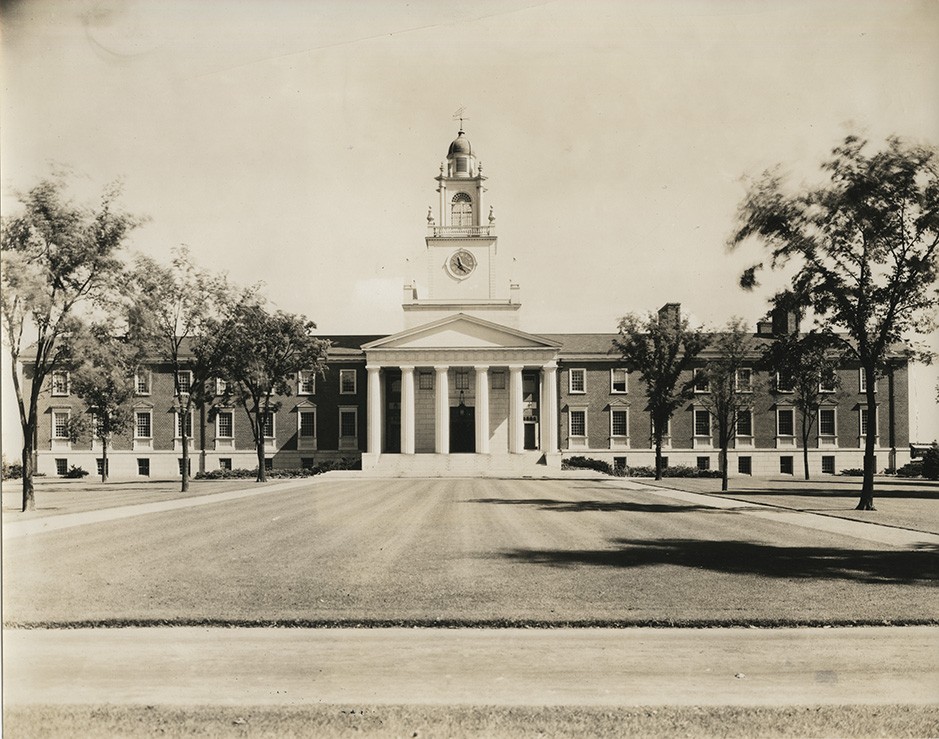
Class of 1910 in front of the Department of Archaeology (later known as the Peabody Institute of Archaeology.)

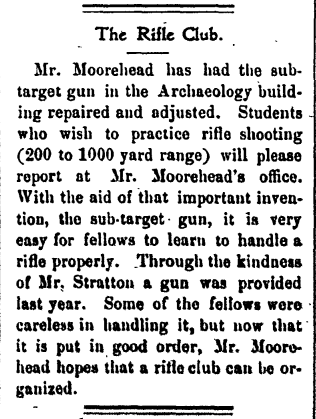
An advertisement in a 1904 column mentions organizing a student Rifle Club at the Archaeology Building and reporting to the office of Peabody Curator, Mr. Moorehead for those interested in shooting practice.

Courtesy of The Phillipian archives.

Fun Fact: The Sub-Target Rifle Machine and similar target practice devices were popular in the early part of the 20th century. They recorded information about marksmanship, position of the gun, etc. without firing live rounds.

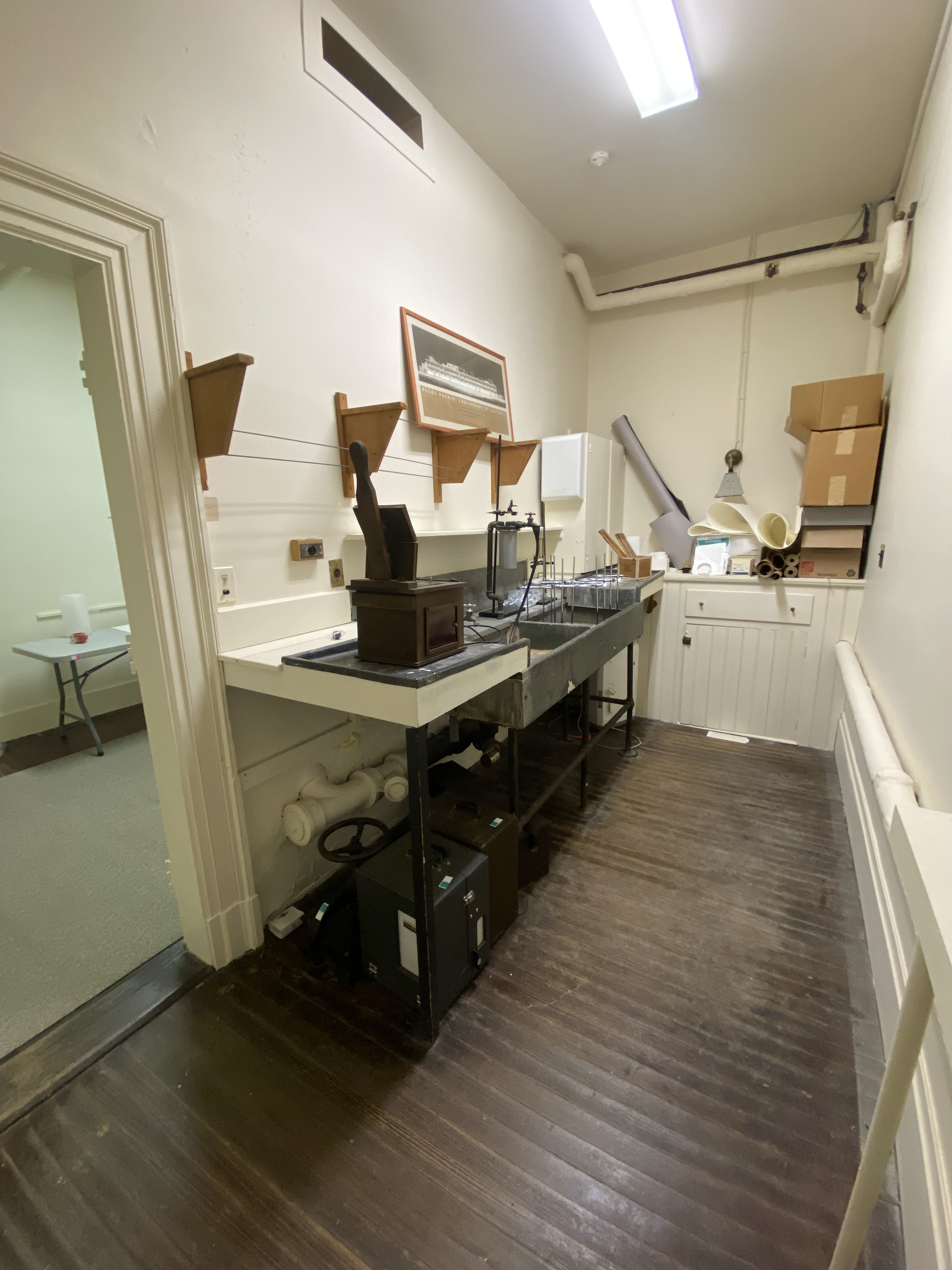
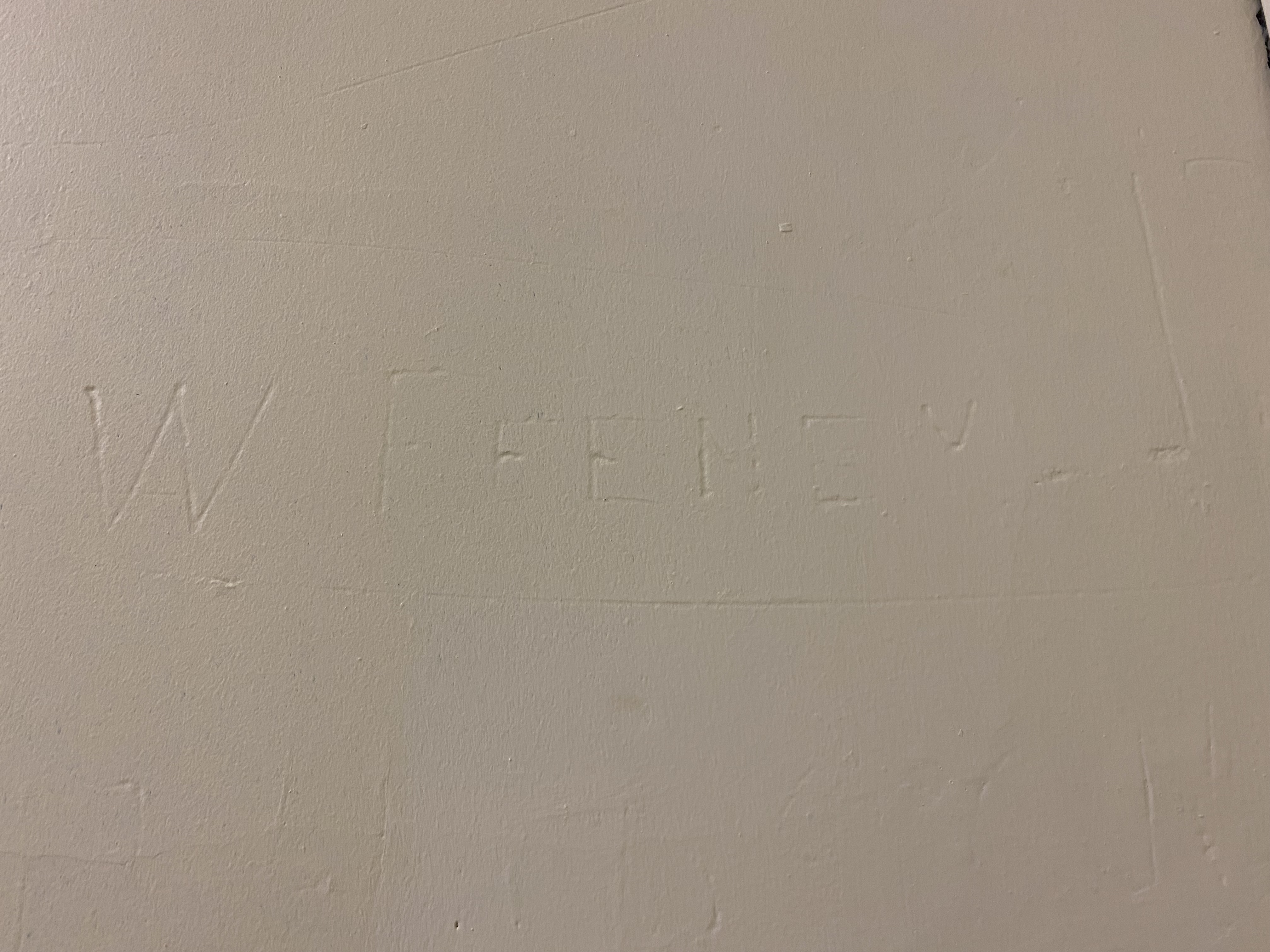
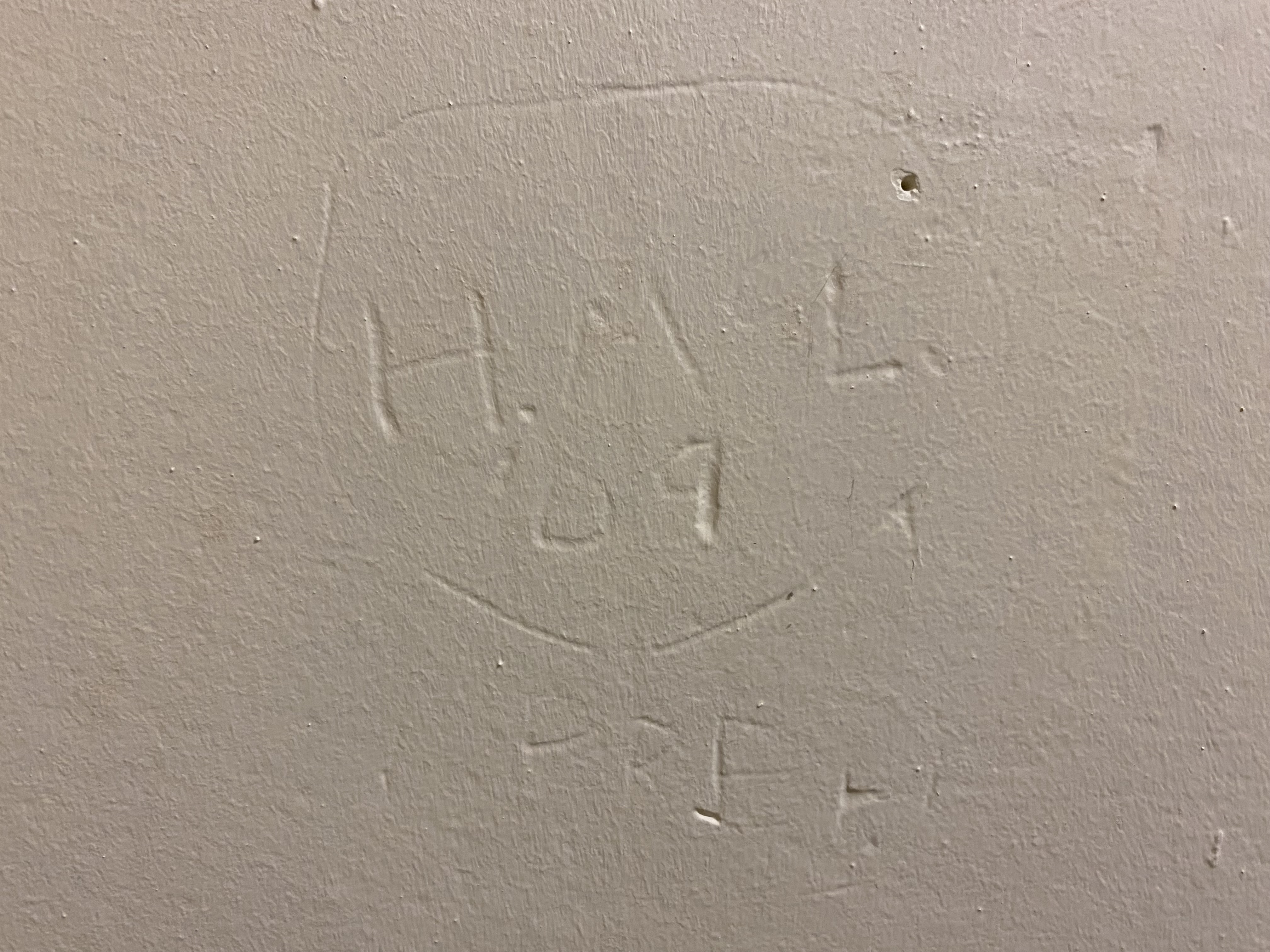
In 1904, a dark room was provided for the Camera Club, located in the basement of the Peabody. The Phillipian stated the space “is thoroughly equipped and is as fine as can be found in New England.” Before Phase 1 of the Peabody Project began, much of the original dark room space was still intact. One of my personal favorite details was the original carved signatures still on the wall left by past Camera Club students.

Original dark room at the Peabody before the recent building renewal project.
Student signatures on the wall of the dark room at the Peabody.
Note – that’s not 2009, it’s 1909!

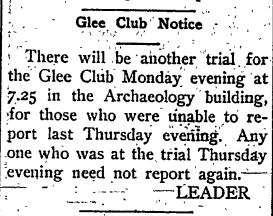
Mandolin and Banjo Club were some of the music clubs that met in the Archaeology Building for auditions, meetings, and practices. Glee Club was another student organization that commonly gathered at the Peabody and communications for this club are seen throughout the decades of The Phillipian.

I love seeing such a close connection between the Peabody and the Music Department, especially now that we’re neighbors with the new Music building, Falls Hall!

Glee Club communication in 1910.

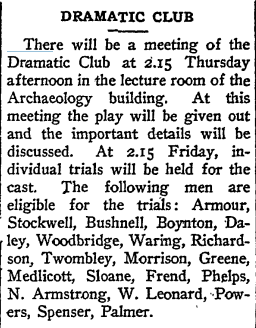
As we’ve seen above, many campus Arts organizations spent time at the Peabody. The Dramatic Club would meet to discuss scripts for upcoming plays and hold individual trials for those looking to participate in performances.

Dramatic Club communication from 1912.

Other clubs such as Chess, Astronomy, Spanish, Philo Congress, Bible Class, Foreign Missions, Yale Club, Harvard Club, Stamp Club, Nature Club, Forum, and Mirror all met at the Peabody throughout the first half of the 1900s. Even The Phillipian and football team held gatherings at one point. By the 1950s we see the Peabody becoming more active in exhibitions and many of these clubs move to other locations on campus, many finding a home at the Peabody House behind the Archaeology Building.

“…where his spirit still lives.”

Jumping ahead to 2011, a Phillipian article features Halloween traditions and campus lore passed down over the decades of PA’s history. The Peabody is mentioned to experience “frequent slamming doors, moving items and eerie noises that creak through the attic floors.” The strange activities convinced Peabody staff that the building was haunted by Warren K. Moorehead (1866-1939). Moorehead was the first curator at the Peabody from 1901 to 1924 and became the Peabody’s second director from 1924 to 1938.

The Peabody has many interesting stories of these experiences over the years. One story mentioned in The Phillipian, depicts a foreman being locked in the back stairwell. I can personally share that my first Reunion Weekend with the Peabody I experienced an alum being locked in one of our bathrooms during an event (the locks were on the inside of the door…) I considered this my “welcome” initiation from Moorehead, as the newest member to the Peabody team.

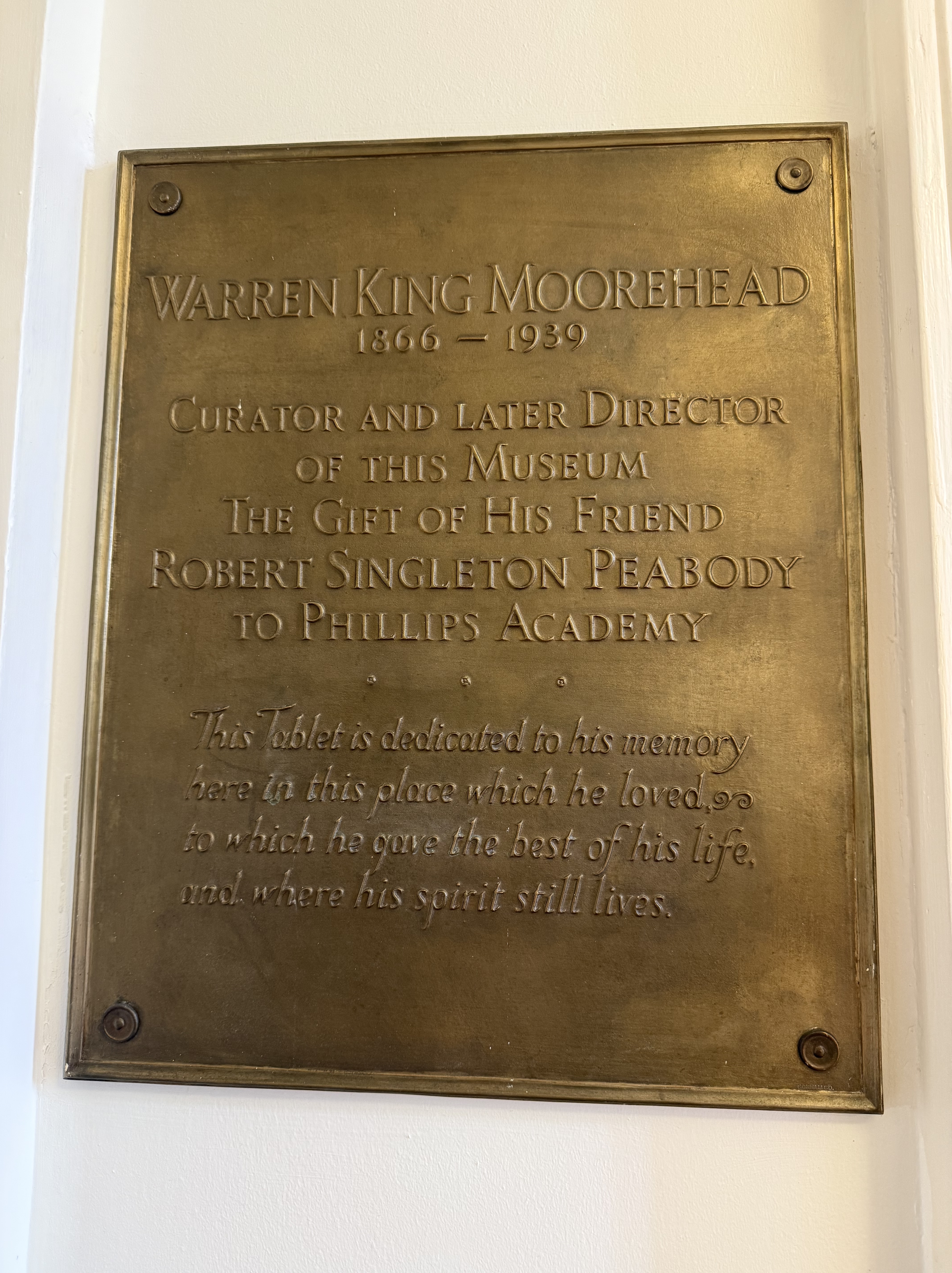
Over the years, our director has written notes to Moorehead to communicate our intentions and care of the building along with updates of upcoming changes such as our building renewal project. These notes are stored behind a plaque commemorating Moorehead, located by the front doors of the building. Much of the activity has quieted since writing these notes.

Plaque commemorating Warren K. Moorehead.

Tales from The Phillipian, PART 1: Smoke Talks, Fire, and a Grill in the Peabody Basement?!

Contributed by Emma Lavoie

Peabody staff always get excited when we unearth hidden stories from the Peabody Institute’s past. The Phillipian Archives is one such place that has held many a story. First printed in 1857, The Phillipian is a weekly student newspaper that continues today at Phillips Academy Andover. The student paper describes itself as “completely uncensored and entirely student-run,” offering a snapshot of what campus life is like both past and present, and in the case of this blog, some of the most outrageous and bizarre activities related to the Peabody.

In a few months, the Peabody Institute will be undergoing Phase 2 of some much-needed renewal work. The building and collections will be off-line Winter and Spring terms. The Peabody will continue to support modified classroom lessons and student activities, outside of the Peabody building. Student requests to access collections will be considered on a case-by-case basis.

In honor of the upcoming building project, this (part 1) blog shares some of the Peabody building’s history.

A Special Place at the Corner of Phillips and Main

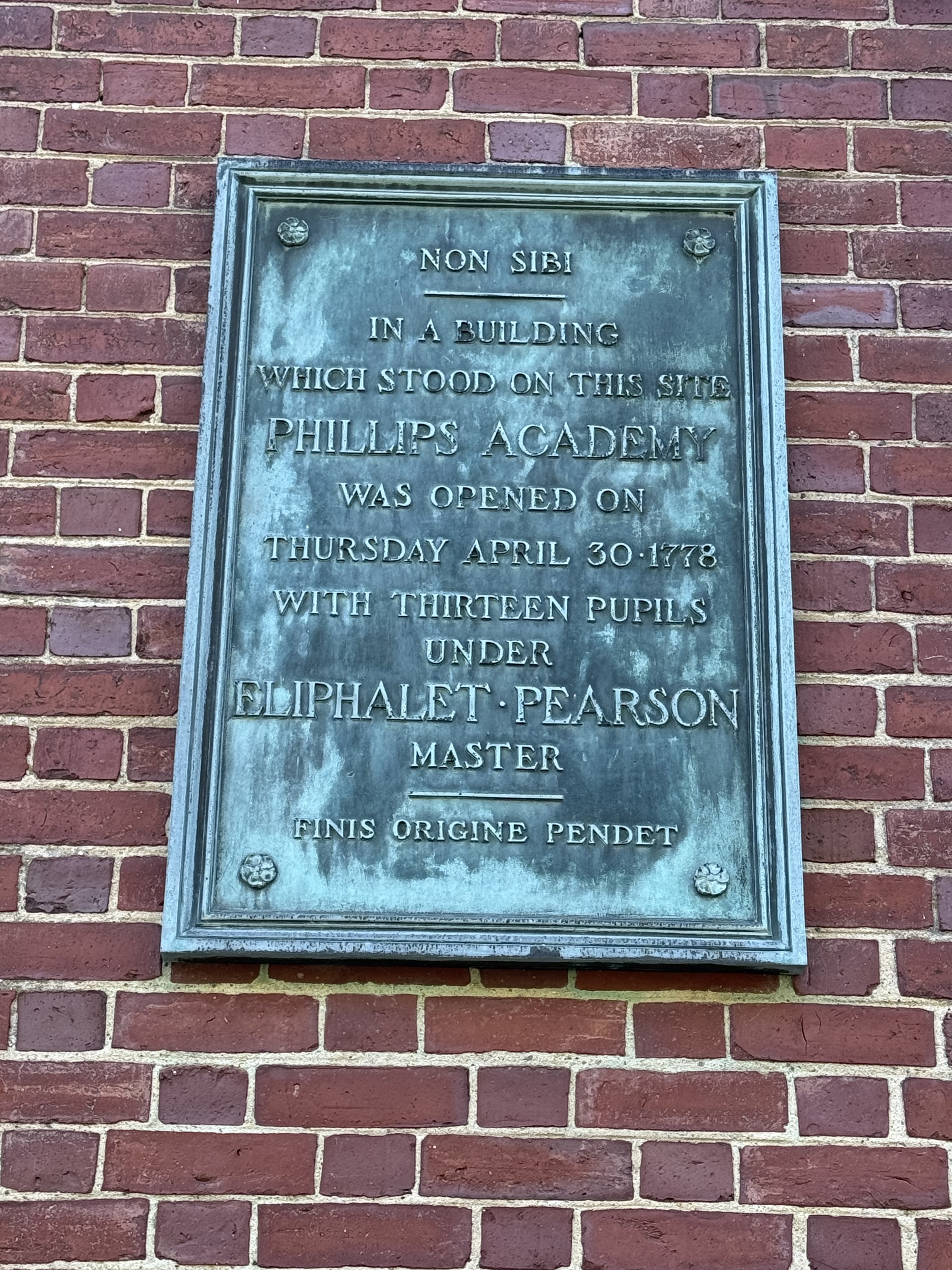
The first Founder’s Day for Phillips Academy was held in October 1913. At this time a bronze plaque was unveiled and placed on the Peabody Insitute building (known then as the Archaeology Department) commemorating the site where the first school-building on campus was opened in 1778. This plaque can still be seen on the Peabody building today!

Bronze plaque on the Peabody Institute building exterior from 1913.

The site at the corner of Phillips and Main streets has an interesting history, one that began well before the Peabody. The site first housed the 1778 carpenter’s shop used as the first classroom building at Phillips Academy.

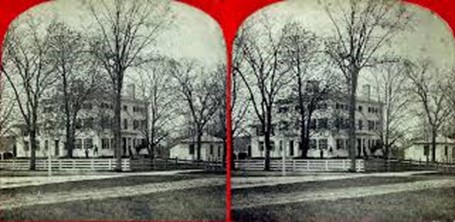
Around 1845, the shop was moved from the site and eventually razed. Samuel Farrar, treasurer of Phillips Academy and the Andover Seminary, built a three-story, Federal-style house on the location. The house has since been moved further down on Phillips Street and is known as Farrar House.

Farrar House – Image courtesy of Andover Historic Preservation, Memorial Hall Library, Andover, MA

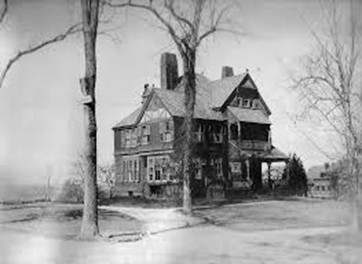
In 1882, a home was built on the site for J. Wesley Churchill, a professor at the Andover Theological Seminary. Later in 1901, the house was moved to another location on Main Street to make way for the new Archaeology Building which later became the Peabody. The house is known as Churchill House on campus today.

Churchill House – Image courtesy of Andover Historic Preservation, Memorial Hall Library, Andover, MA

In a Phillipian article from 1917, the history of Founder’s Day and the significance of the 175 Main street site is shared, noting a 1916 dedication of the new Peabody House by Dr. Charles Peabody (first Peabody Director and son of the Archaeology Department’s founder, Robert S. Peabody).

In this column, it was mentioned that ceremonies were not held to celebrate Founder’s Day as “this year, more than at any other time, matters of lesser importance should give way to more serious questions.” This was in reflection of the current impact of the Spanish Influenza and WWI.

Smoke Talks (Smoking and collections don’t mix…)

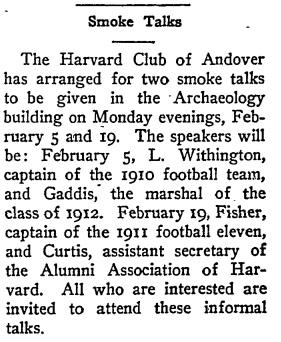
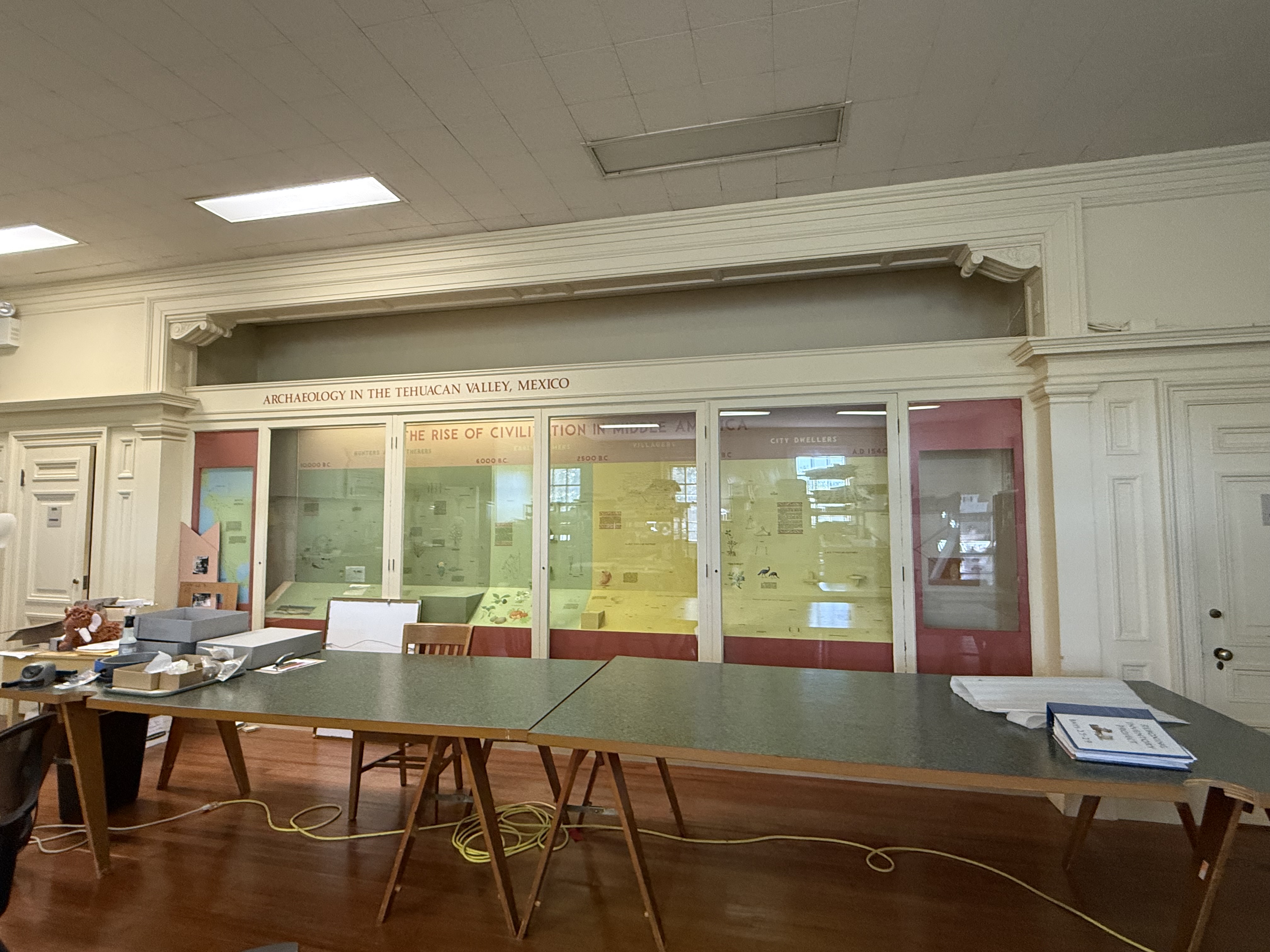
In the early years of the new Department of Archaeology building, Curator Warren K. Moorehead would give “smoke talk” lectures on the second floor of the building. Some of the original molding from the proscenium arch is still visible today at the Peabody. Beyond these lectures, student clubs would hold their own “smoke talks” in the Peabody, which served as the Student Union building for many years on campus. How did these lectures get their name? For the cigars smoked during these meetings by students and speakers alike!

A column from The Phillipian in 1912
Features of the old proscenium arch can still be seen at the Peabody today. In 1967, an exhibit wall with case was placed in the middle of the arch.

A Grill in the Basement (Now they’re pushing their luck…)

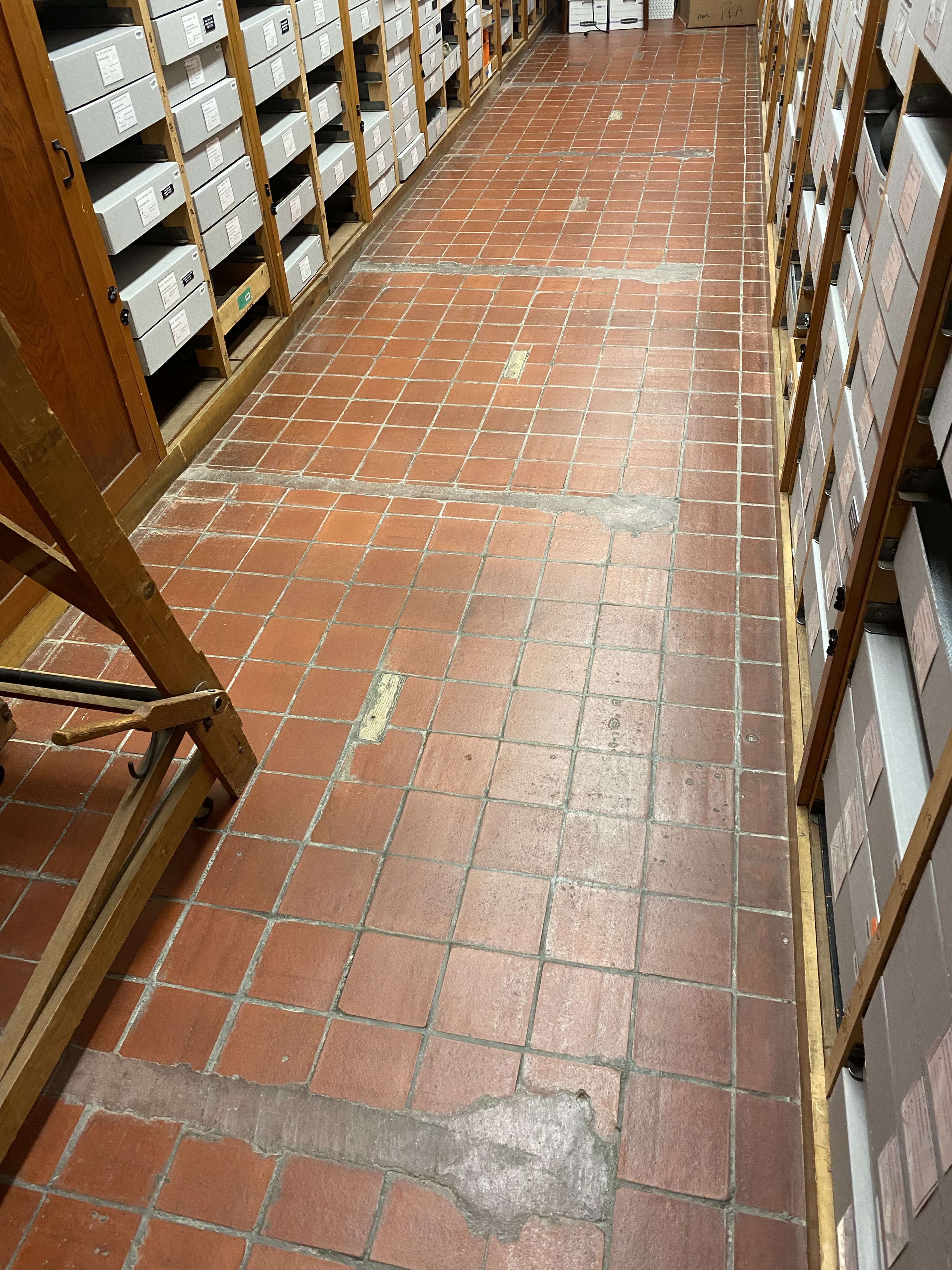
Beginning in 1913, The Phillipian mentions meetings at “the Grill” in the basement of the Peabody (known as the Department of Archaeology at the time). At one point, the Peabody had a kitchen complete with grill, stall seats, and tables for student gatherings. Improvements were made in 1913 giving the space a new red tile floor, dark brown wood paneling around the walls, a new stove, and a large suction flue to draw out heat and odors. In the past the odors of students’ cooking would circulate upstairs disturbing the Peabody staff.

Later in 1915, the Grill was moved to the newly constructed Peabody House located behind the Department of Archaeology building. The new space included a kitchen with large grill and private dining room for special dinners and banquets. There rooms are similar in design to the original grill room in the Archaeology Building.

Before Phase 1 of the Peabody Building Project, the original red tile floor from the Student Union Grill room was still visible in the basement of the building. In the photo you can see where the booths and tables made up the seating stalls.

Peabody House….and Fire (Well, it was bound to happen at some point…)

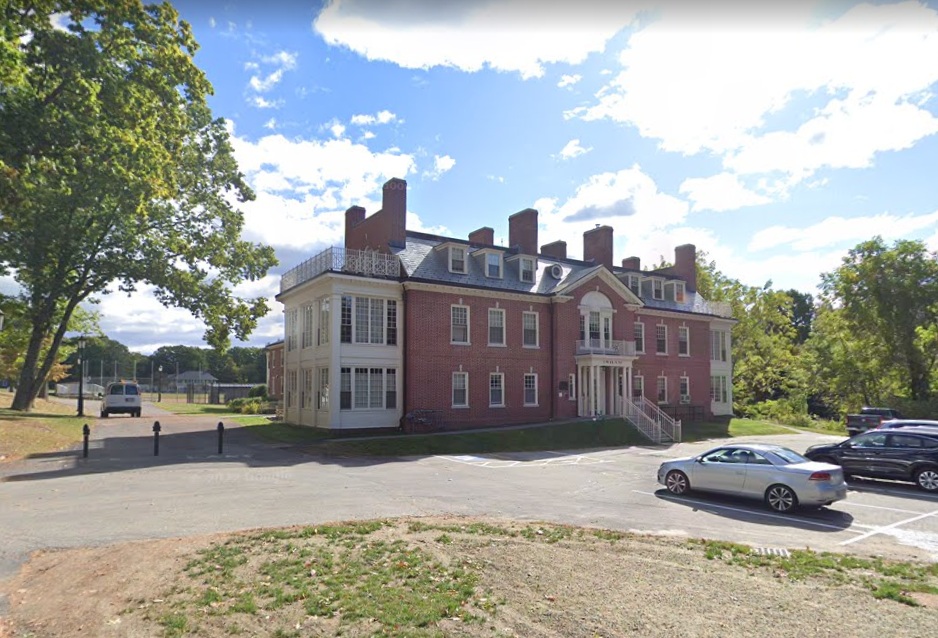
The Peabody House was opened in 1916 as an extension of the Department of Archaeology with the intent of giving students a building for their own use. Construction of the building used some of the funds contributed by Robert S. Peabody, founder of the Archaeology department at Phillips Academy and donor of the Archaeology Building. An article from The Phillipian describes the new building with an exterior of brick and stone, “which will correspond with the style of architecture of the Archaeology building and the new dormitories.” The first floor housed a student lounge and reading room with a large fireplace and large French windows. The second floor was similar in design to the first floor with space for the late Robert S. Peabody’s books and a large portrait of him. The room was used for club meetings as well as student assemblies and special banquets.

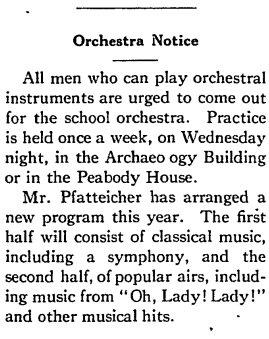
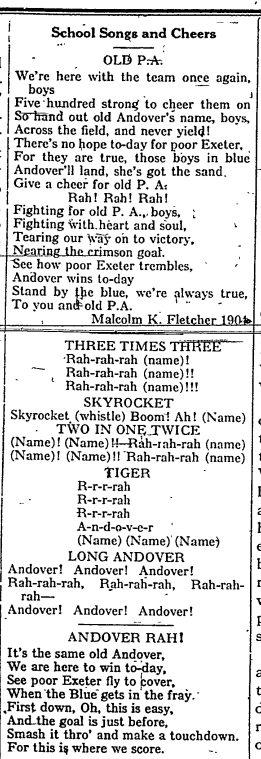
Some activities held in the Peabody House, highlighted in The Phillipian, are a notice to join the school Orchestra, with practices held once a week in the Archaeology Building or Peabody House. My personal favorite was an announcement to students for a mass meeting at the Peabody House to practice school songs and cheers. One entry from 1917 describes three hundred men present at the evening meeting called by head cheerleader, Howard Smith.

Two columns from 1917 advertising for the orchestra and sharing PA cheers and songs!

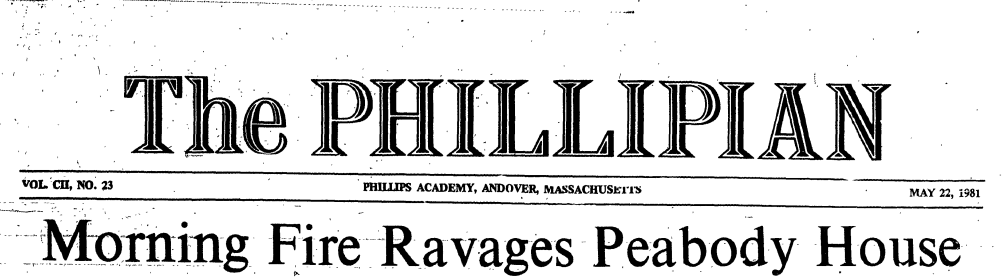
Jumping ahead to several decades later, headlines read “Morning Fire Ravages Peabody House.” In the early hours of May 18, 1981, a fire broke out in the Peabody House, destroying the first and second floors as well as the attic. There were no reported injuries, however, many of the Afro-Latino American Society’s possessions were lost on the second floor. Faulty electrical wiring is suspected to be the cause of the fire.

“[I was in] awe at how extremely hot the flames were, how much smoke there was and how terrifying it was to see the fire’s power.” – Headmaster Theodore R. Sizer

“[There was] steam and yellow light and flames bursting out of the roof.” – PA Student, Upper

We hope you enjoyed PART 1 of this two-part blog post. Stay tuned for PART 2, coming next month! To be continued…

Naturhistorisches Museum Wien

Contributed by Lainie Schultz
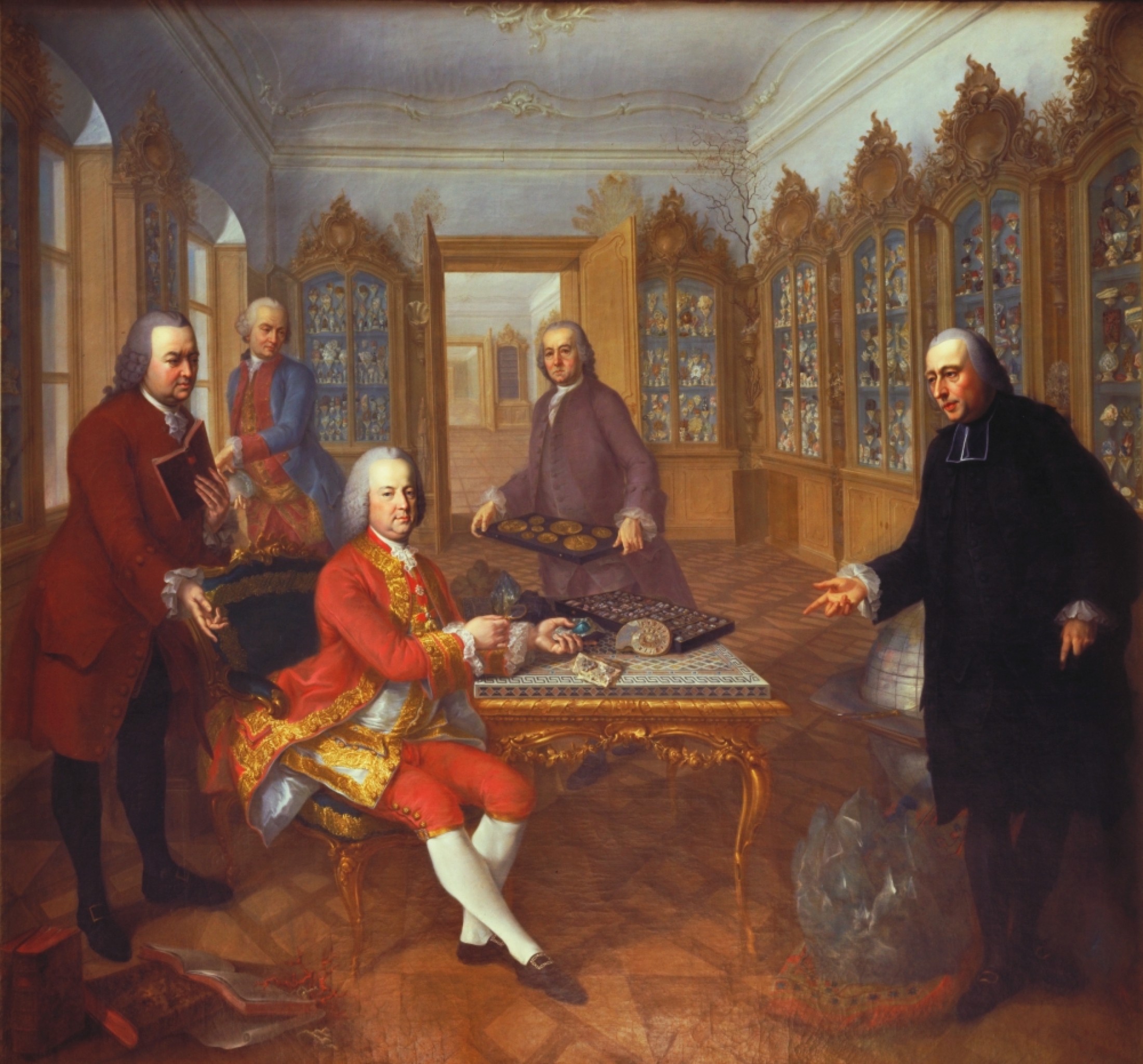
Emperor Franz I and his natural science advisors

This summer I went to visit a friend in Vienna. I hadn’t seen her in [*cough*] years, so my inspiration was mainly just to hang out with her. It was only after I had my plane tickets and the trip was drawing near that I actually started looking into what there was to do in Vienna.
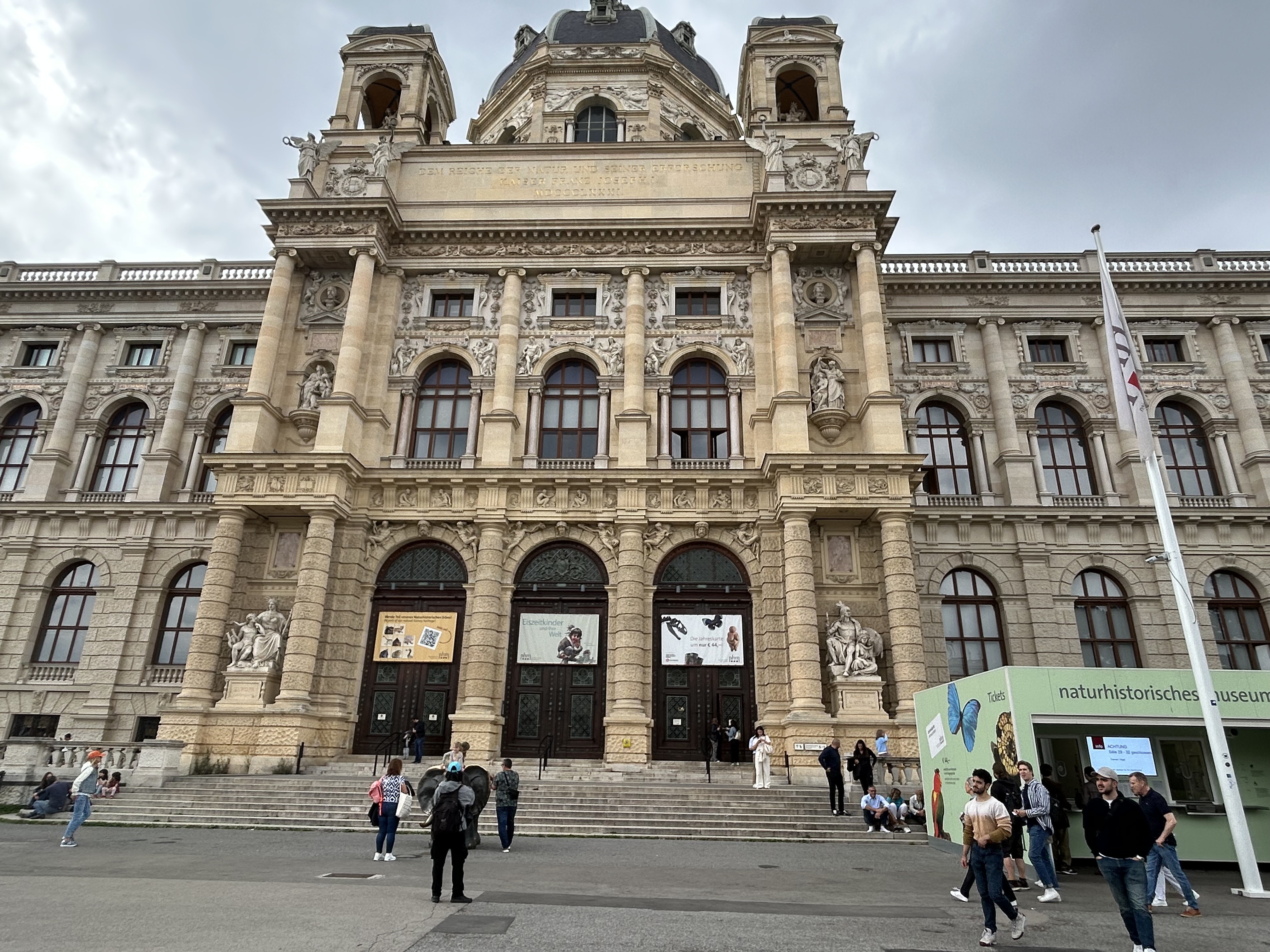
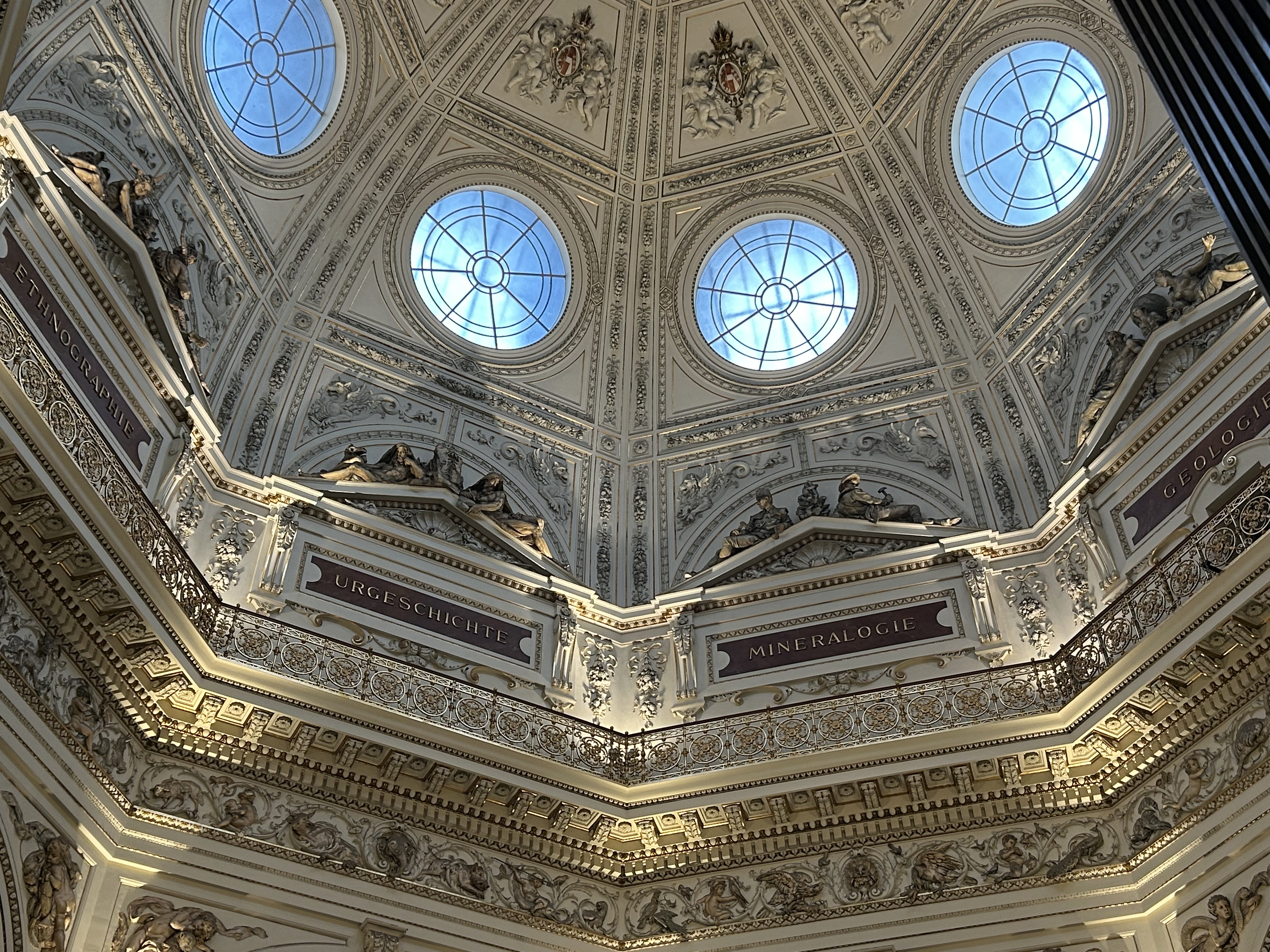
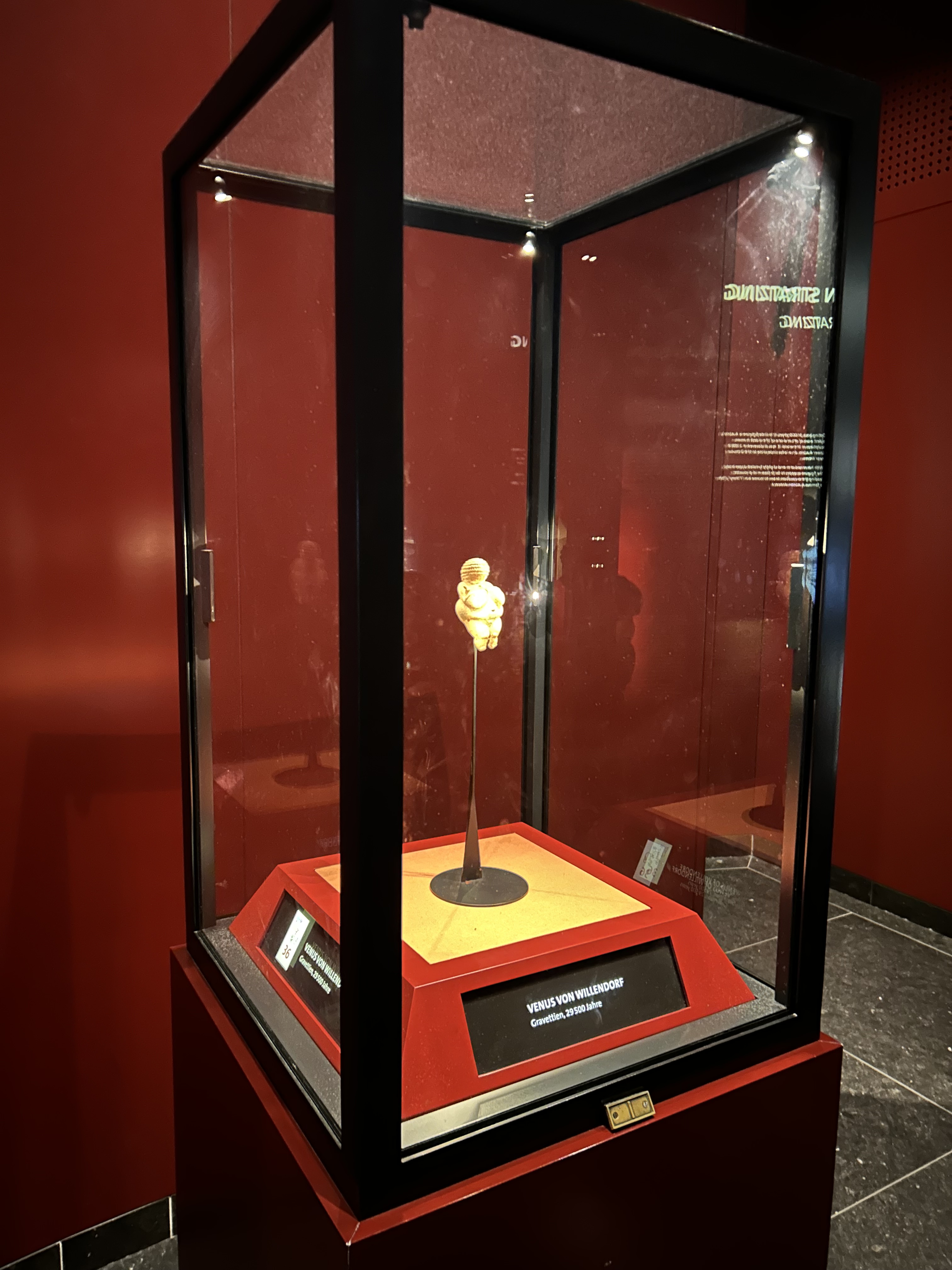
Turns out, the Venus of Willendorf is there. For a museum nerd I don’t tend to visit that many museums when I travel, but the Venus of Willendorf is famous enough (there’s even a cast of the original here at the Peabody) and I am nerd enough for that to justify seeking her out. This meant dragging my friend to the Naturhistorisches Museum Wien.

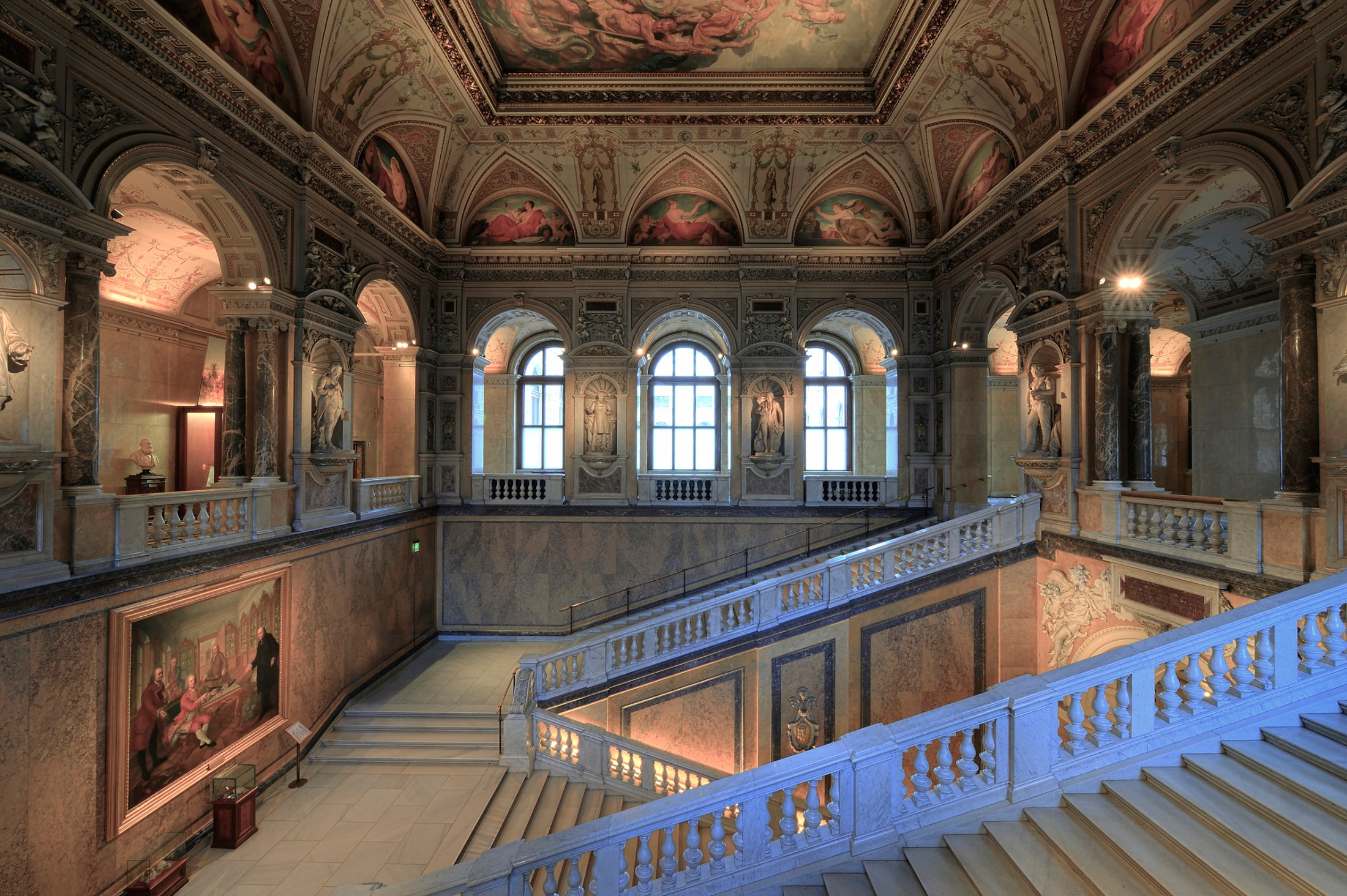
If you had asked me beforehand what I expected of the place, I’m not sure what I would have said. I’m familiar enough with the broad-strokes histories of museums and their ties to imperialism: As nations started to push further and further out into the world during the Age of Exploration, voyagers brought back evidence of their encounters with new environments in new places, creating displays that combined minerals, plants, animals, and man-made “curiosities.” These collections offered opportunities for viewers to learn about the world, as centered by their home locations, but equally they offered opportunities for displayers to demonstrate their status and wealth, the power of their influence and access – not just how they saw the world but how they wanted others to see them in it. If you look for it, this history is written into the architecture and design of museums, and I have been academically trained to look for it. So maybe if you had asked me beforehand what I expected of the Naturhistorisches Museum I would have said “nothing new.”

Reader, I was wrong.

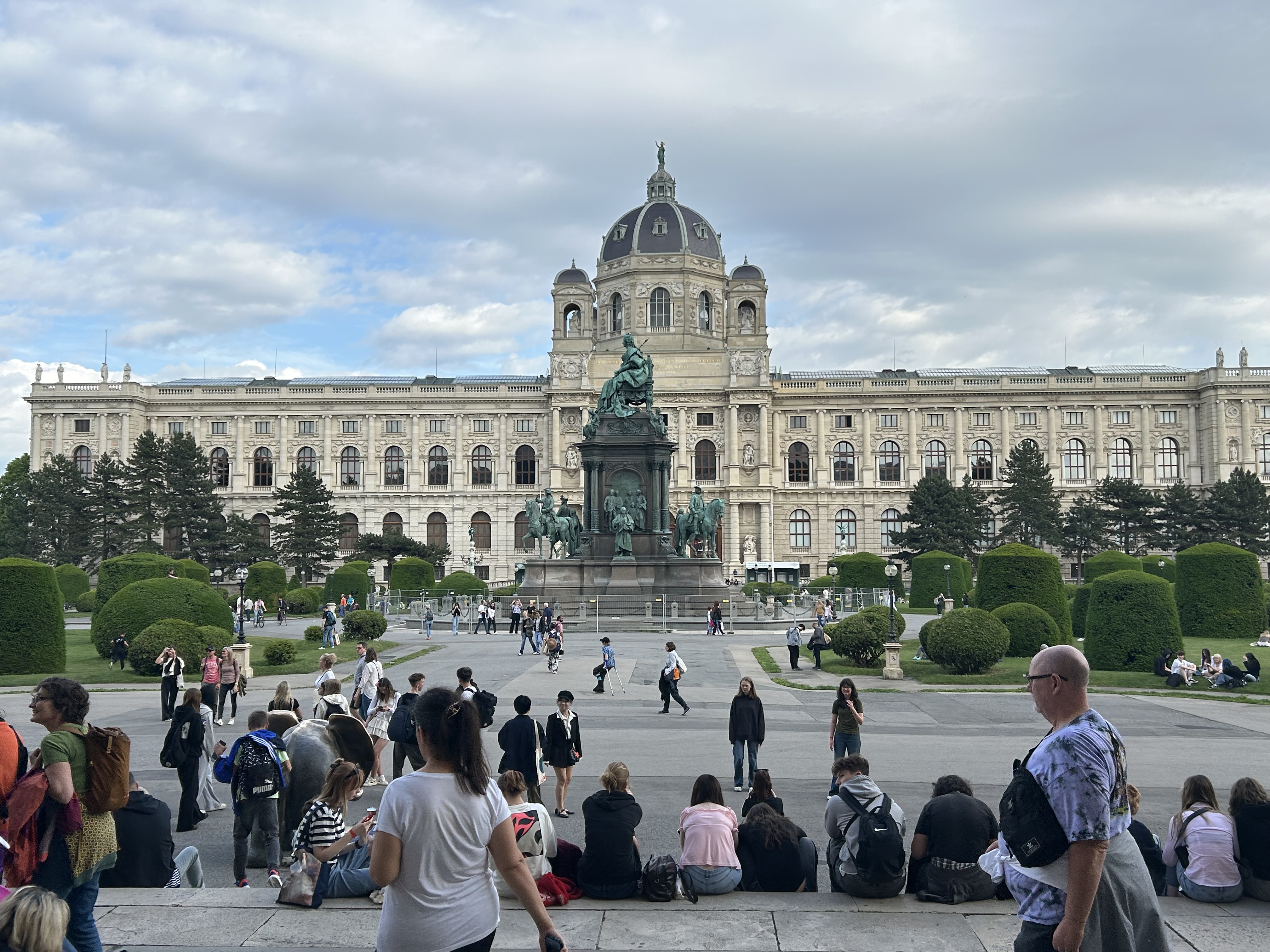
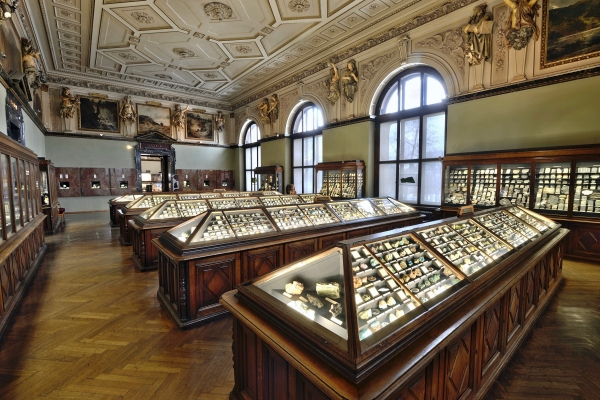
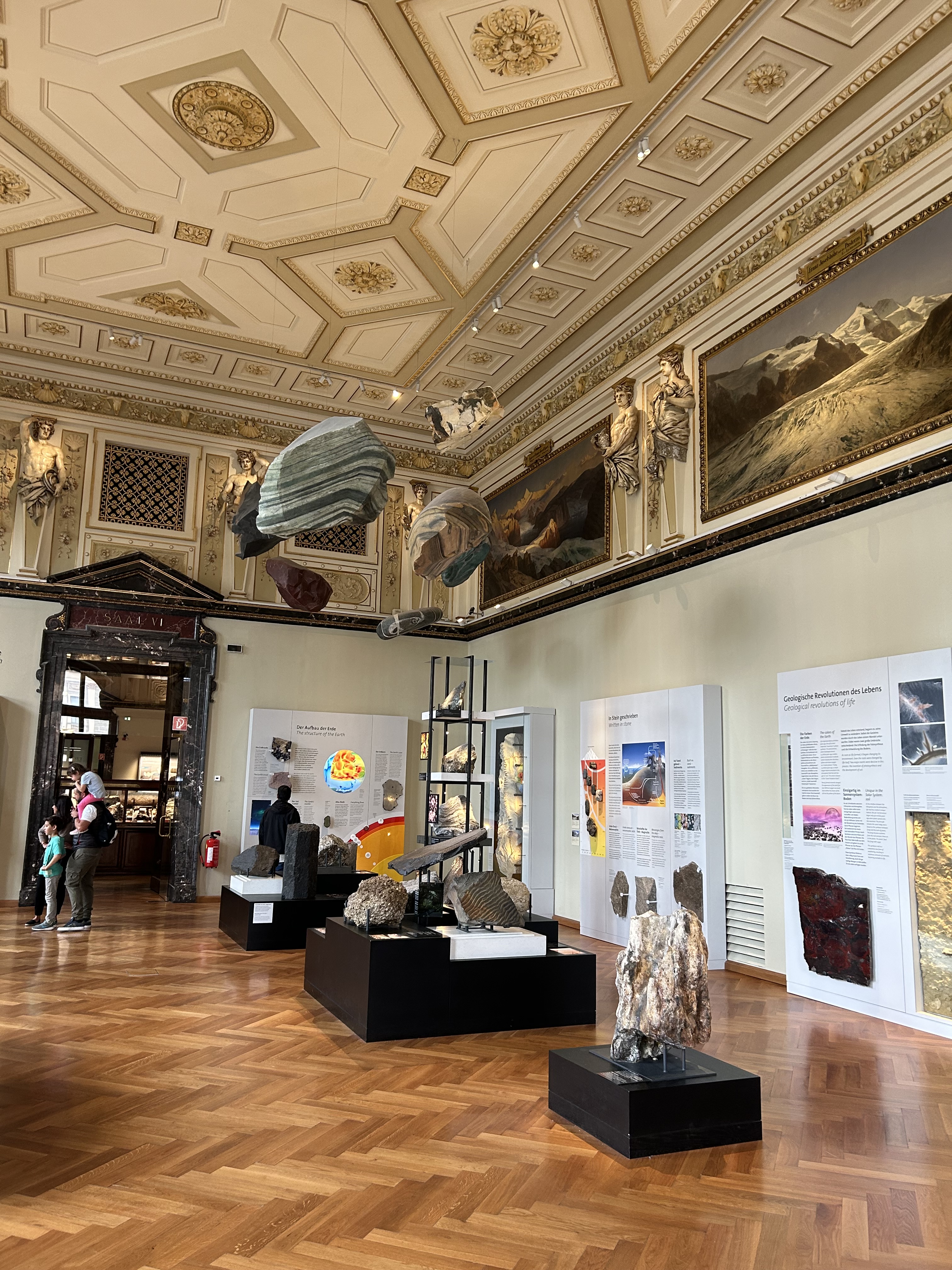
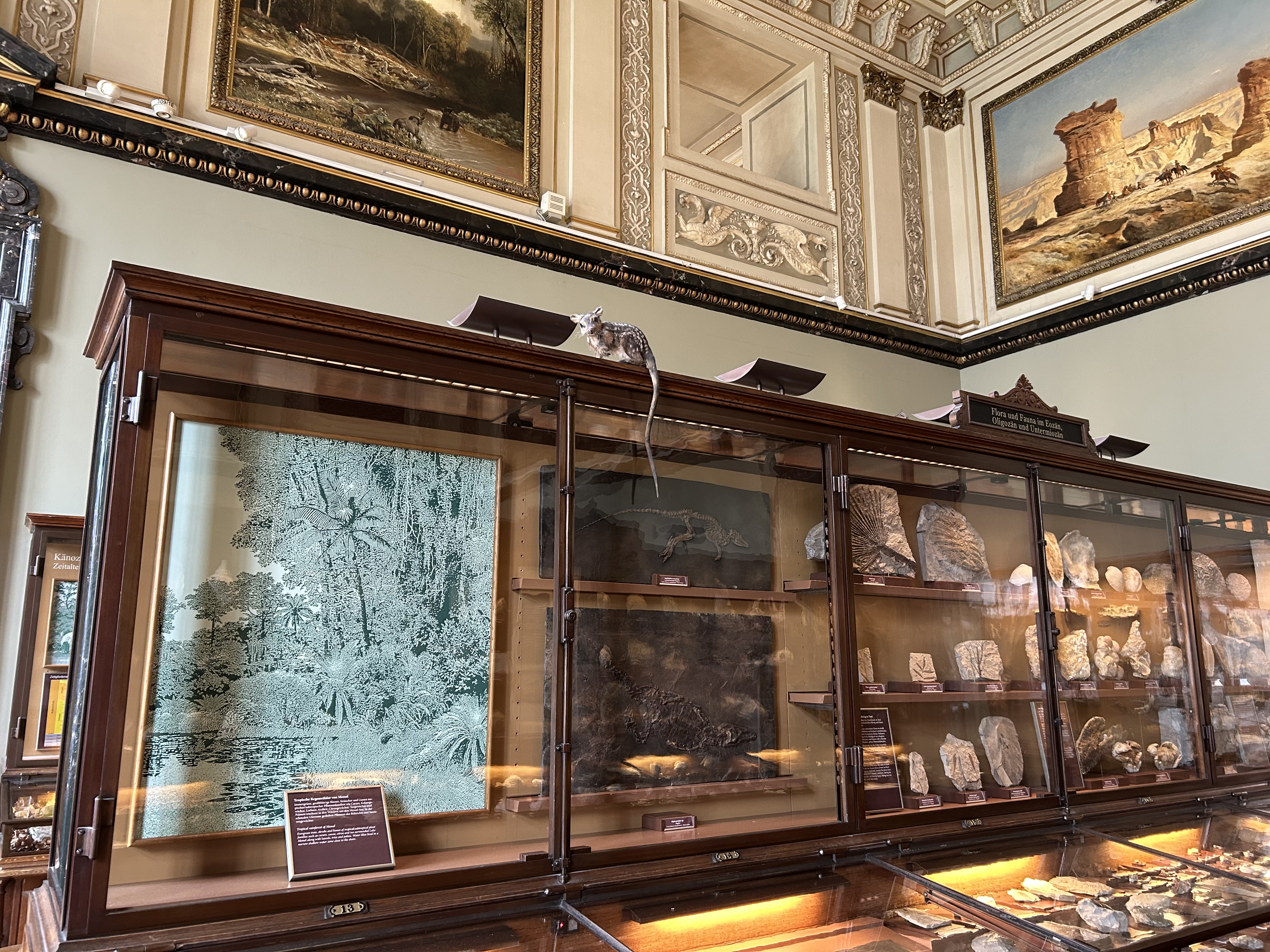
This place was every piece of museum history I had ever learned, jacked up on steroids. It was everything I had been taught to expect dialed up to a ten, with a little extra more thrown in just for fun. It was contemporary best practice crammed into 19th century display cases surrounded by imperial displays of awe and wonder, and I was there for every moment of it. Just please don’t ask me much about the exhibits themselves! I was far too distracted to notice.

Neither my photos nor even the museum’s does this place justice. Try exploring a bit more with some select collections, online exhibits, or a virtual tour.

Red Sox 2025 Native American and American Indian Celebration

Contributed by Ryan Wheeler

Early this summer we learned from our friend and colleague David Shane Lowry about the Red Sox Native American & American Indian pride night at Fenway—purchasing tickets for the game on August 6 included a Native theme jersey, with some proceeds supporting Native American Lifelines.

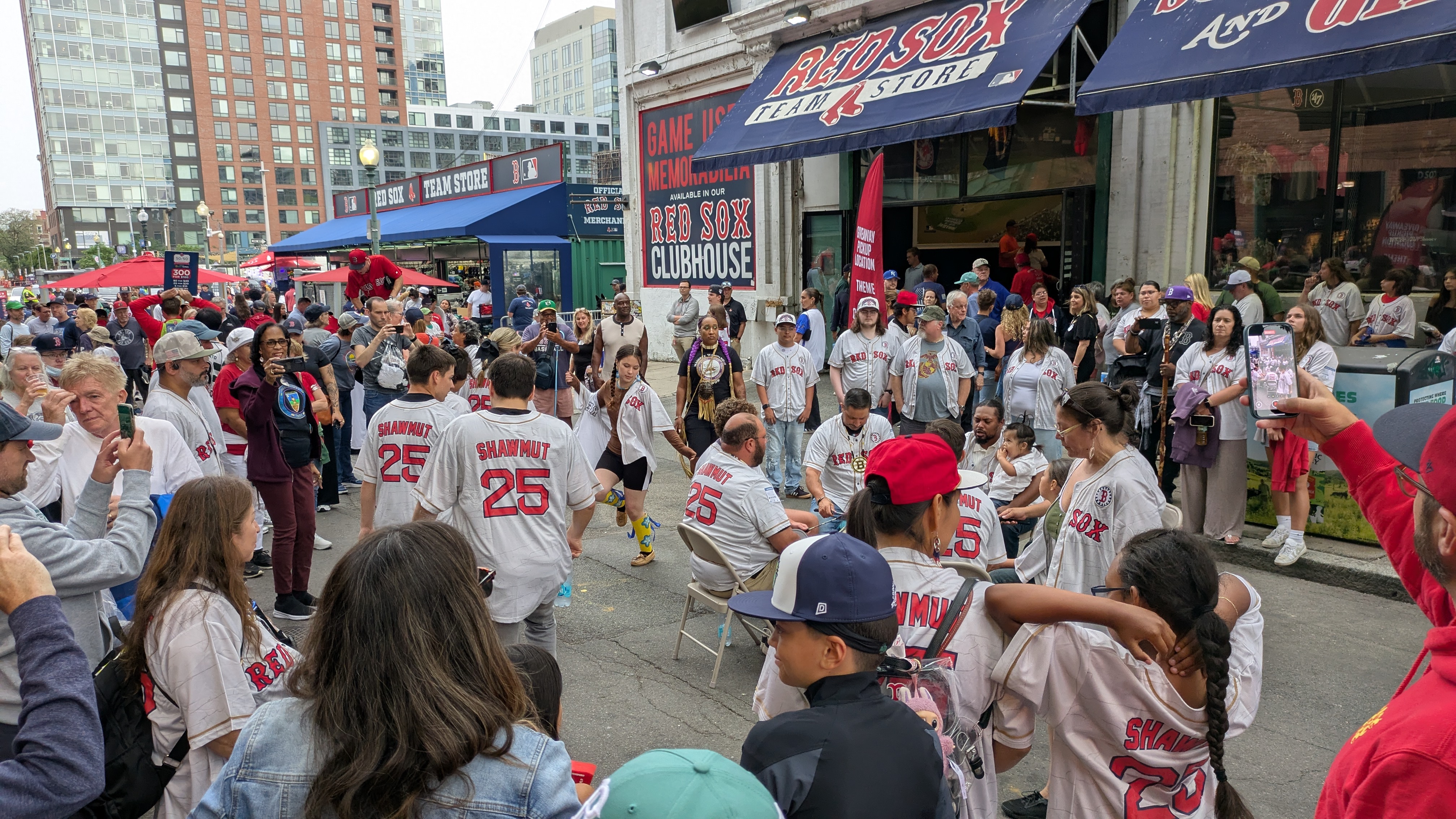
Fans wearing their Shawmut jerseys enjoying the drum circle before the game on August 6, 2025.

According to the Red Sox website, “The jersey design is inspired by Eastern Woodland ancestors whose names were once known, and contemporary Native artists Sage Carbone and Brittney Walley. The back of the jersey features “Shawmut” on the name plate, derived from the Algonquian word “Mashauwomuk” which refers to present-day Boston.”

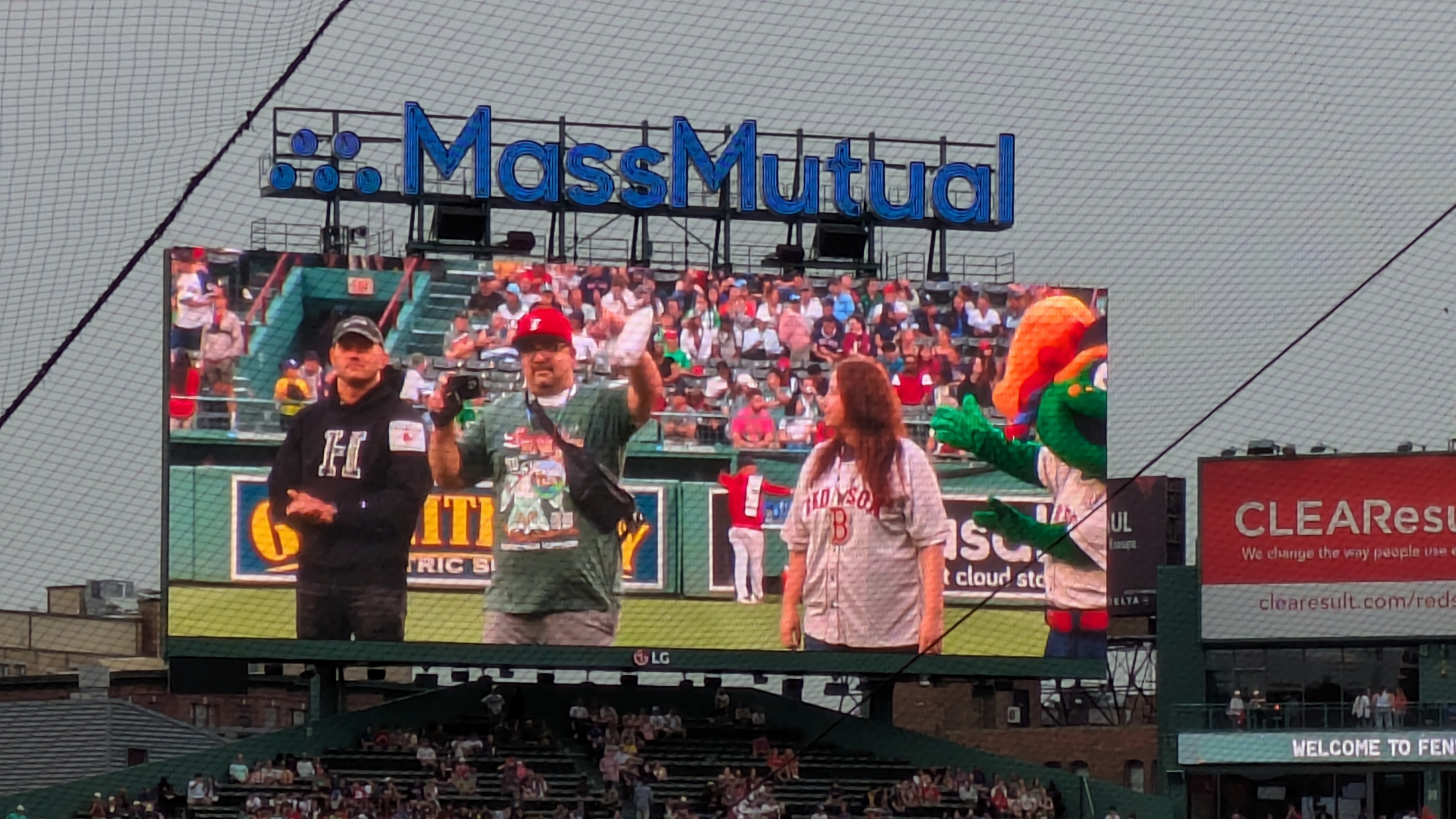
Along with the jersey, which my son and I were excited about, pre-game activities included a drum circle and on-field recognition of about 30 local Native American leaders and educators.

Recognition of Native leaders and educators before the game–David Shane Lowry waves to the crowd.

It was a good game against Kansas City, despite a rare Red Sox loss this season. The Native theme night got me wondering about Native Americans and the Red Sox, and baseball in general—beyond Jim Thorpe.

After a little research, I learned a lot—for example, recently Traci Sorell and Arigon Starr published a graphic novel Contenders: Two Native Baseball Players, One World Series, which tells the true story of John Meyers and Charles Bender, who in 1911 became the first Native baseball players to face off in a World Series. There’s a great academic article by Jeffrey Powers-Beck that explores the history of Native Americans and baseball, which begins with Louis Francis Sockalexis in 1897—decades before Jackie Robinson broke the color-barrier in MLB. About 50 Native American tribal citizens who have or continue to play baseball, as well as many others with Indigenous heritage—Baseball Almanac has a list: https://www.baseball-almanac.com/legendary/american_indian_baseball_players.shtml

Cover art from Contenders: Two Native Baseball Players, One World Series, the true story of John Meyers and Charles Bender, who in 1911 became the first Native baseball players to face off in a World Series.

Charlie Vascellaro’s 2012 article The Real Indians of Baseball explains that Indian boarding schools—including the infamous Carlisle Indian Industrial School—added baseball to their curriculum and produced many of the Native American players in the minor and major leagues. As Tribes and families continued to resist forced removal of children and the boarding school era waned, fewer Native players joined MLB. Looking at the Baseball Almanac list, almost all Native players played games before 1950, with a minority playing since then. Many were nicknamed “chief,” and in some cases became the models for derogatory team names, like the Cleveland Indians (now the Guardians), inspired by Penobscot player Louis Sockalexis.

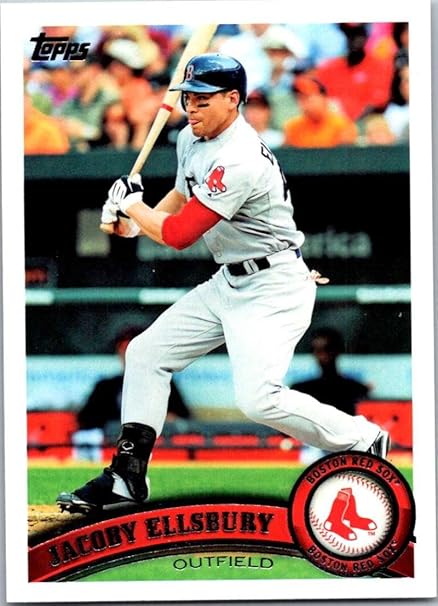
2011 Topps Baseball Series 2#351 Jacoby Ellsbury Boston Red Sox Official MLB Trading Card.

And what about the Red Sox? Well, I was delighted to learn that Jacoby Ellsbury played for the Boston Red Sox from 2007 through 2013. An enrolled member of the Colorado River Indian Tribes, Ellsbury is the first Native American of Navajo descent to play Major League Baseball. Jacoby Ellsbury played for the Sox in two World Series appearances, winning the championship in both 2007 and 2013. After signing with the New York Yankees, several injuries and a contract dispute sidelined Ellsbury in 2019. According to NDNsports.com, Ellsbury was recently elected to the Oregon State Athletics Hall of Fame—his home state—and despite some truly impressive stats and records, missed the 2024 vote for the National Baseball Hall of Fame.

We look forward to the next Native pride event at Fenway and wearing our jerseys to the next game. Play ball!

Further reading

Powers-Beck, Jeffrey. ‘Chief’: The American Indian Integration of Baseball, 1897-1945. American Indian Quarterly 25, no. 4 (2001): 508–38. http://www.jstor.org/stable/1186015.

Vascellaro, Charlie. The Real Indians of Baseball. American Indian Magazine 13, no. 2 (2012): https://www.americanindianmagazine.org/story/real-indians-baseball

Sorell, Traci (author), Arigon Starr (illustrator). Contenders: Two Native Baseball Players, One World Series. (2023). Kokila, https://www.amazon.com/Contenders-Native-Baseball-Players-World/dp/0593406478

Noisy Next Door Neighbor

Contributed by Marla Taylor

For the past two years, the Peabody has been dealing with an endlessly noisy neighbor.  Falls Music Center, a new home for music at Phillips Academy, has been under construction since early 2023. 

The noise started early in construction as a massive mountain of dirt was excavated from the building site. Next came the drilling for the geothermal wells. We could feel the vibrations in the ground as the wells reached 500 feet deep in an effort to maintain PA’s commitment to sustainability. Alas, despite our repeated (yet playful) requests, we were not allowed to sift through the back dirt to look for pieces of Phillips Academy history. 

Over the next months, the building rose behind us and carried all the sounds of construction as the steel frame went up and carefully crafted practice and performance spaces were built. Most spaces within Falls Music Center are acoustically separated to isolate noises and capture the most “live” sound possible. The sounds were a constant background to much of our work moving back into the Peabody after our building project.

My favorite discovery during the construction was that the window in the main stairwell of the Peabody looks directly into the glass stairwell of the Falls Music Center.  I have to admit that more than once I tried to wave at the construction workers. Unfortunately, no one waved back.

Towards the end of 2024 the fences around Falls Music Center came down, the sidewalks were repaved, the grounds were cleaned up, and the sounds diminished.  I can’t say that we have missed them, but we definitely notice their absence.

Now, Falls Music Center is open to students and I look forward to a new type of noise – the stray notes from the incredible student musicians and sound of increased student presence in our little corner of PA.

Never Whistle At Night: Indigenous Folklore (highlights from the Peabody Collection)

Contributed by Emma Lavoie

The change in season brings a time for storytelling and passing down traditions. The winter months are a prime time for sharing scary stories due to colder weather keeping people inside and gathered together.

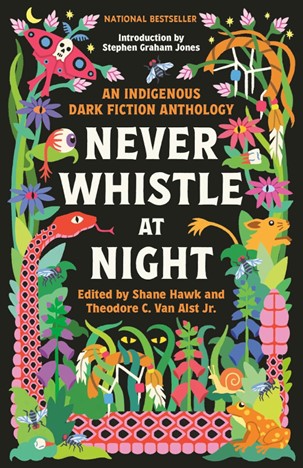
In honor of Indigenous Peoples’ Day (October 14) and upcoming National Native American Heritage Month (November), we’re highlighting some folklore inspired by the Indigenous dark fiction anthology, Never Whistle at Night. This book is comprised of 26 short stories that explore aspects of Indigenous horror, beliefs, traditions, and folklore. These stories are told by a variety of Indigenous authors (see complete list below), edited by Shane Hawk (Cheyenne & Arapaho Tribes of Oklahoma) and Theodore C. Van Alst Jr. (Mackinac Bands of Chippewa and Ottawa Indians), and introduced by Stephen Graham Jones (Blackfeet Nation).

Contributing Authors

Norris Black (Haudenosaunee, Tyendinaga Mohawk Territory)

Amber Blaeser-Wardzala (White Earth Nation)

Phoenix Boudreau (Chochenyo)

Cherie Dimaline (Métis Nation of Ontario)

Carson Faust (Edisto Natchez-Kusso Tribe of South Carolina)

Kelli Jo Ford (Cherokee Nation of Oklahoma)

Kate Hart (Chickasaw/Choctaw in Arkansas)

Shane Hawk (Cheyenne & Arapaho Tribes of Oklahoma)

Brandon Hobson (Cherokee Nation Tribe of Oklahoma)

Darcie Little Badger (Lipan Apache Tribe of Texas)

Conley Lyons (Comanche)

Nick Medina (Tunica-Biloxi Tribe of Louisiana)

Tiffany Morris (Mi’kmaw)

Tommy Orange (Cheyenne and Arapaho Tribes of Oklahoma)

Mona Susan Power (Standing Rock Sioux Tribe)

Marcie R. Rendon (White Earth Band of the Minnesota Chippewa Tribe)

Waubgeshig Rice (Wasauksing First Nation)

Rebecca Roanhorse (Navajo Nation)

Andrea L. Rogers (Cherokee Nation)

Morgan Talty (Penobscot Indian Nation)

D.H. Trujillo (Pueblo)

Theodore C. Van Alst Jr. (Mackinac Bands of Chippewa and Ottawa Indians)

Richard Van Camp (Dene Nation)

David Heska Wanbli Weiden (Lakota)

Royce Young Wolf (Hiraacá, Nu’eta, and Sosore, ancestral Apsáalooke and Nʉmʉnʉʉ)

Mathilda Zeller (Inuit)

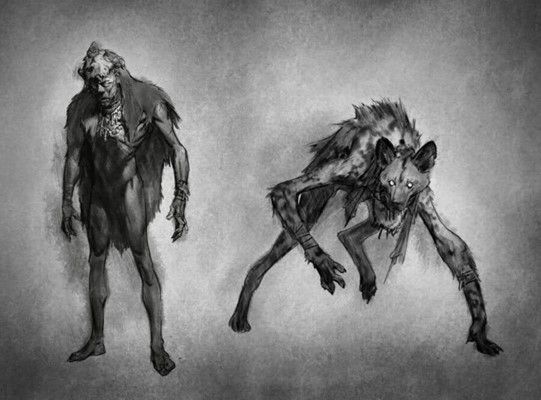
The title of the anthology refers to a belief common in many Indigenous cultures that whistling at night can attract malevolent entities. The act of night whistling is forbidden by many Native American cultures due to a shape-shifting entity, known as a “Skinwalker” or “Stekini” that responds to the call, causing harm to those who encounter it.

Skinwalker – Image courtesy of DoubleOurEfforts/reddit

Native cultures use storytelling to pass down knowledge and history, including folklore. Scary stories often carry deeper meanings, serving as lessons and warnings. Some of my favorite stories from this book were: Kushtuka, Quantum, Snakes are Born in the Dark, Before I Go, and Dead Owls.

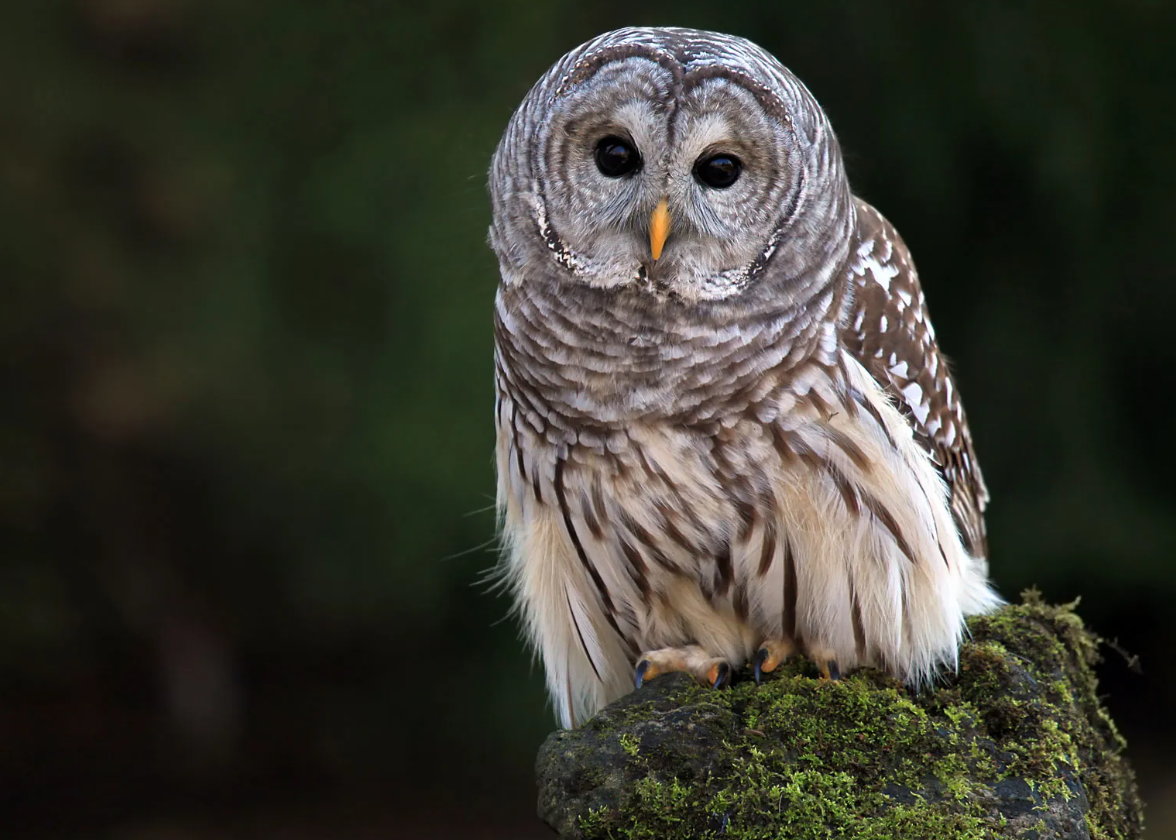
Several stories in the book share a common subject – the owl. Interpretations of owls can be found across different Native American tribes, with some viewing owls more negatively than others. There are several items in the Peabody collection that highlight the owl form, their meanings varying significantly between different Indigenous cultures and locations. Here are just a few for you to explore!

Image courtesy of © Megan Lorenz/Dreamstime.com

Owls are often associated with death and the spirit world, seen as messengers or harbingers of bad luck reflected in their nocturnal habits. Seeing an owl, particularly during the day can be a sign of death or misfortune. Some tribes consider owls as spirits of the deceased or that they might not be real birds at all, but shapeshifters. The sound of an owl’s hoot is seen as a call to the spirit world or a way to connect with ancestors.

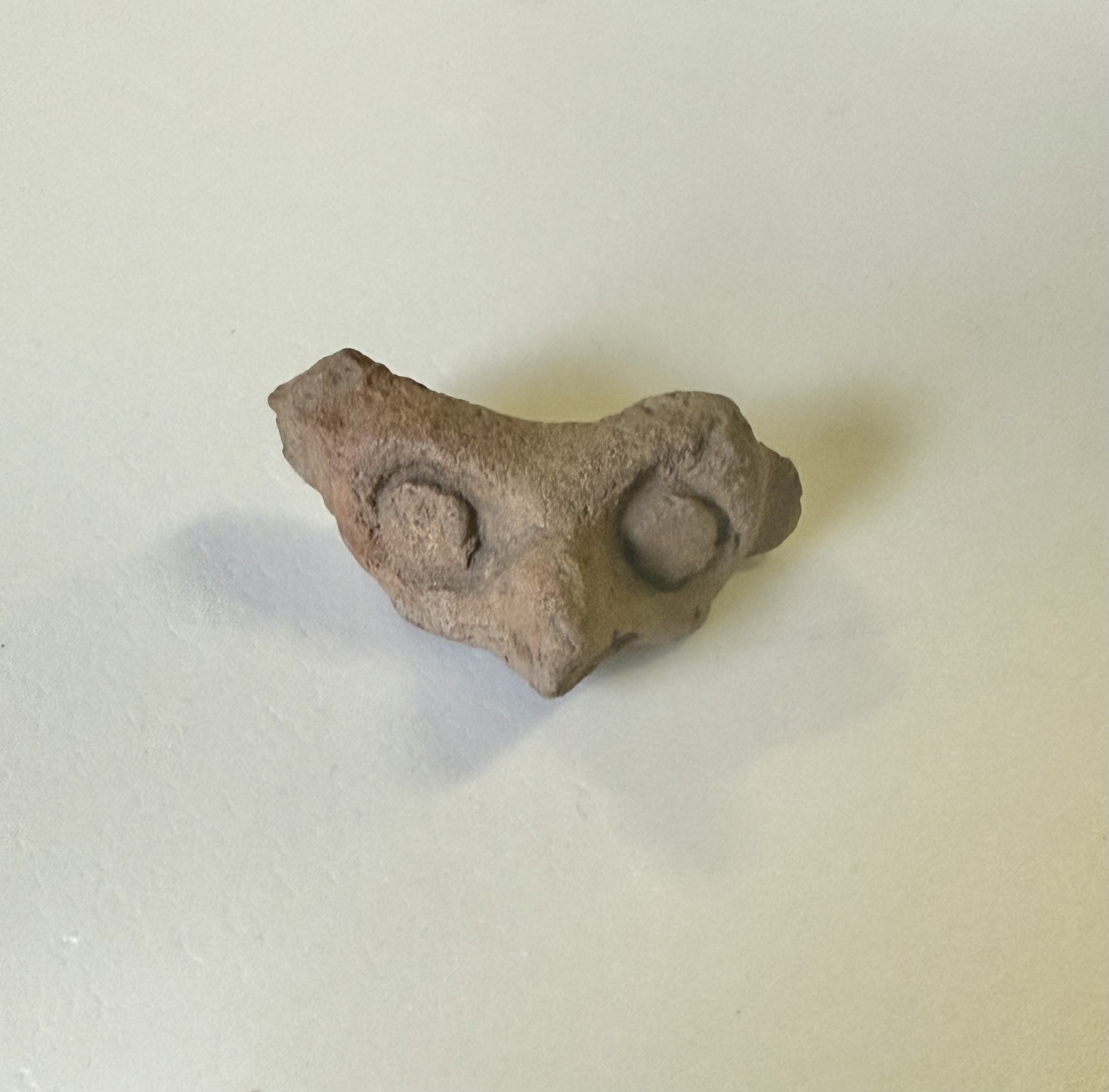
Owl Effigy (2018.2.1266) – Fragment of an owl effigy from the Valley of Mexico. Warren K. Moorehead compared this item to clay effigies from the Etowah village site in his 1932 book Etowah Papers: Exploration of the Etowah Site in Georgia.

Owl Effigy (2018.2.1266), Peabody Collections

Folklore of the Valley of Mexico believe in a witch known as “La Lechuza” who shapeshifts in the form of an owl that preys on people who are disobedient, unbaptized, or who harm others. Check out this episode on La Lechuza from the podcast, History Uncovered.

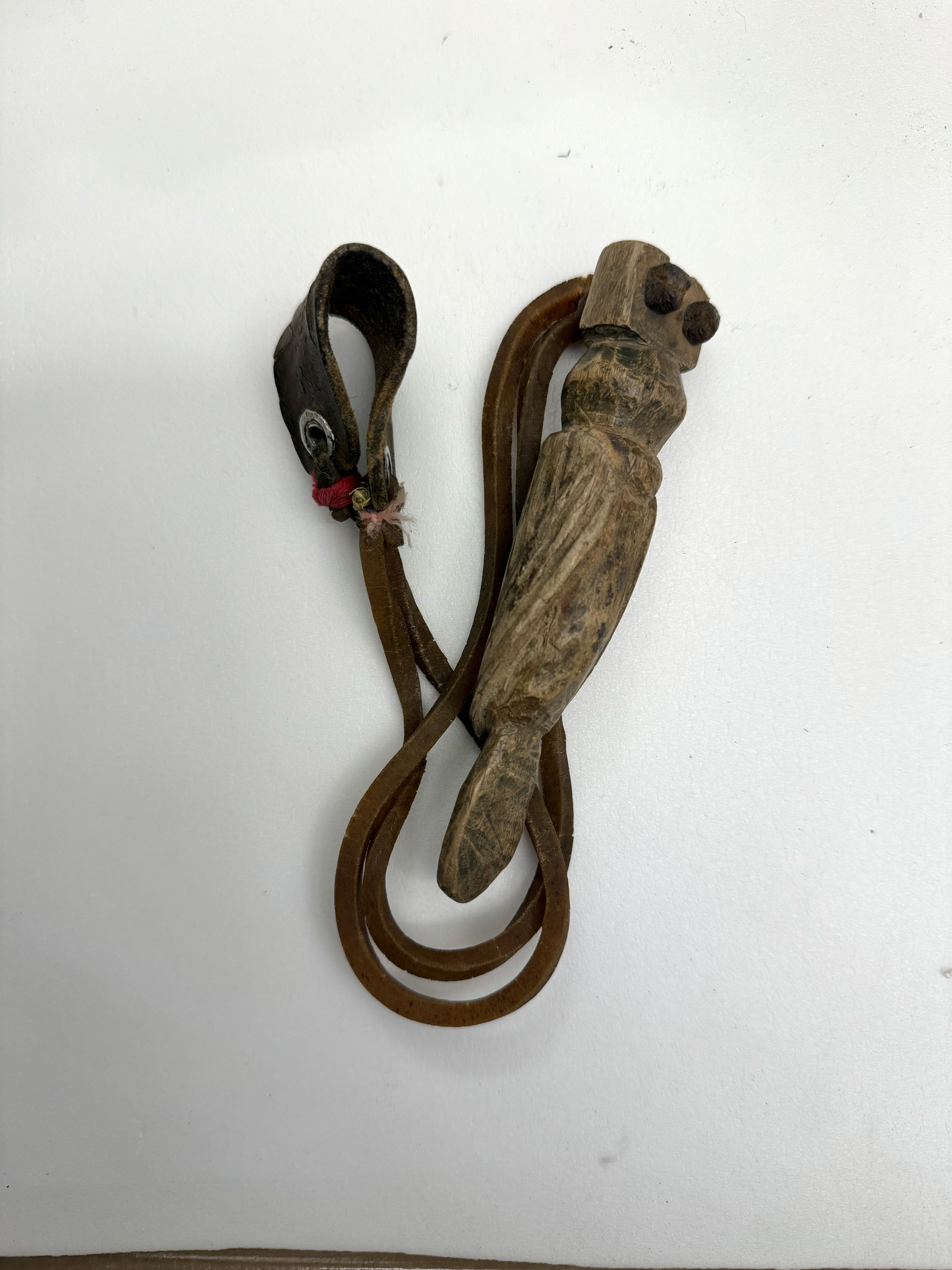
Owl Effigy Slingshot (97.1.53) – From the Ixil Maya community in Chajul, El Quiché, Guatemala. Used by men and boys to hunt birds, though it is common to hunt with a blowgun.

Owl Effigy Slingshot (97.1.53), Peabody Collections

Other tribal beliefs revere owls as symbols of wisdom and intuition, as well as carriers of ancient knowledge and protection.

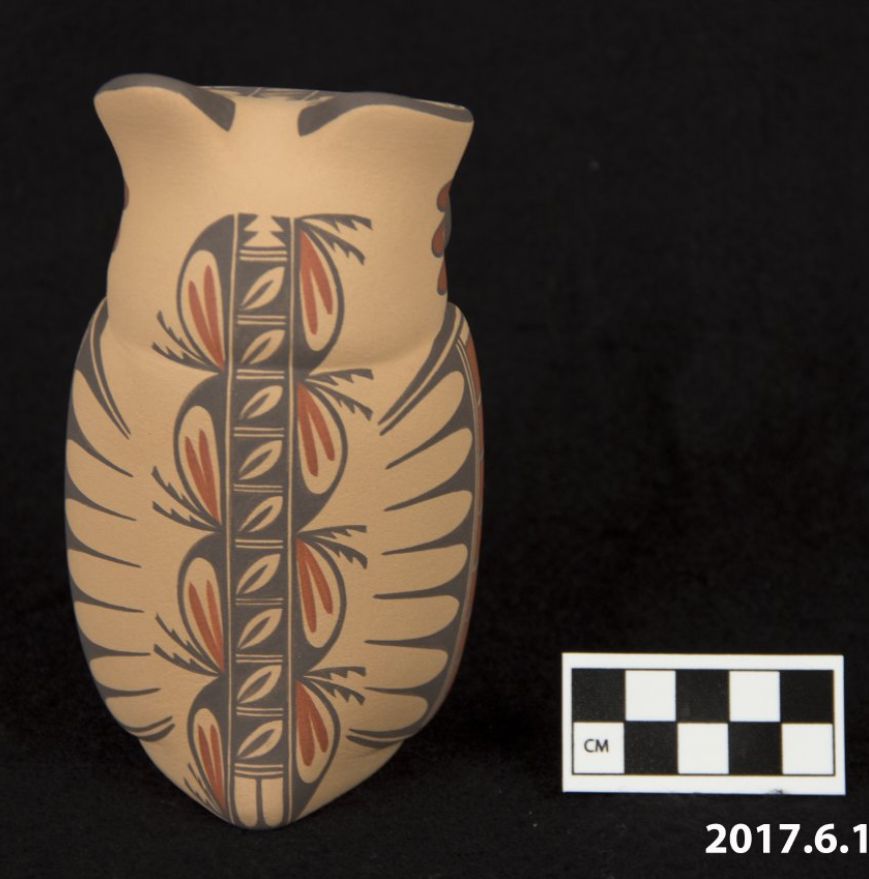
Ceramic Owl Figurine (2017.6.1) – Ceramic piece by Maxine Toya from the Pueblo of Jemez, New Mexico. In Pueblo culture, owls are seen as protectors. The ceramic owl design is built by stacking and smoothing hand coils of clay. The piece is both carved and painted, the feathers on the front being carved into the clay. Painted designs are intricate using symbols of rain, clouds, and feathers. These designs are all matte and painted with clay slips with only the eyes being polished.

Ceramic Owl Figurine (2017.6.1), Peabody Collections

Maxine Toya is well known for her figurative pottery (the first piece of pottery Maxine created was an owl!) Maxine is one of several pottery artists from the Pueblo of Jemez that visit Phillips Academy campus each spring to work with students in ceramic classes. You can read more about these visits here and here!

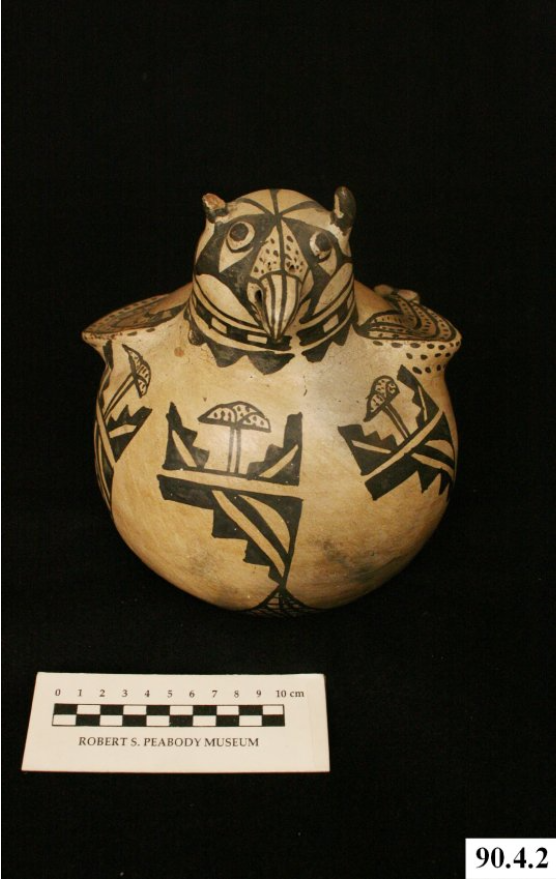
Ceramic Owl Effigy Jar (90.4.2) – Globular body in black on white design with vessel opening located at owl beak. Owl facial features at neck, wings at sides and tail at back. The globular shape is the most recognizable characteristic of pottery from Cochiti Pueblo, New Mexico.

Ceramic Owl Effigy Jar (90.4.2), Peabody Collections

Owls are featured in Cochiti Pueblo pottery, often associated with the god of death and spirit of fertility, Skeleton Man.

Exciting News! – Never Whistle at Night, Part II: Back for Blood is currently accepting submissions from emerging Indigenous writers. This is the second book in the Never Whistle at Night series.

Listen If You Dare! The Perfect Podcast List for the Spooky Season

Contributed by Emma Lavoie

It’s almost Halloween, so get in the spirit by checking out our list of the best spooky podcasts you definitely don’t want to listen to alone in the dark. From haunted places to haunting history, these podcasts will have you on the edge of your seat or hiding under the covers. Happy haunts and happy listening this Halloween!

#1 Spooked

Another season of Spooked has RISEN… cross over (if you dare) into the world of the unexplained, listening to true-life supernatural stories, told first-hand by people who can barely believe it happened themselves. This podcast challenges skeptics of the supernatural, daring listeners to confront the unknown. Be afraid.

#2 Dark House

For true crime fans who also love a good ghost story, Dark House features America’s most notorious homes. From infamous crime scenes to abandoned mansions, hosts and House Beautiful editors Hadley Mendelsohn and Alyssa Fiorentino unpack the twisted history of a different house in each episode. They research who lived (and died) there and share the creepy stories that suggest their spirits never left.

#3 The No Sleep Podcast

Too afraid to listen to true-crime podcasts because they’re all about things that actually happened? Give this podcast a try. Each episode will have you feeling like you are telling spooky stories around a virtual campfire. Run, don’t walk!

#4 Haunted Road

Amy Bruni, star of the hit TV shows Kindred Spirits and Ghost Hunters, takes listeners on a chilling guided tour through some of the most haunted locations in America with the help of expert paranormal investigators who have actually been there. Do you have chills yet?

#5 Lore

This podcast is about dark historical events that blur the lines between history and lore. Lore explores the mysterious creatures, tragic events, and unusual places that fill the pages of our history… sometimes the truth is more frightening than fiction.

#6 American Shadows

Join host Lauren Vogelbaum as she spans two centuries of omitted lore from our country’s history books. This show focuses on the darker stories from American history: the people, places, and things that are hidden and forgotten in the shadows. From better-known tales like the conspiracy to steal Lincoln’s body, to less-known stories, like the rainmaker who flooded San Diego. American Shadows explores the hidden tales relegated to the dusty corners of US history, one journey at a time.

#7 Unobscured

History is full of stories we think we know. They are old and dark, but time has robbed us of perspective and clarity. They’ve become obscured and misunderstood. Which is why this series exists: to dig deep and shed light on some of history’s darkest moments. To help us better understand where we’ve come from. To make it Unobscured. Each season pairs narrative storytelling from Aaron Mahnke, creator of the hit podcast Lore, with prominent historian interviews. Check out Season 1 about the Salem Witch Trials. You may even find an interview with a familiar friend of the Peabody, Emerson Baker, Phillips Academy alum, history professor at Salem State University, and author of A Storm of Witchcraft: The Salem Trials and the American Experience.

#8 Midnight Library

Not just another podcast show, but a place you can go. Climb the stairs of this strange, Victorian mansion and curl up by the grand fireplace to hear tales of times long ago. Be transported through time to learn about ancient customs and mysterious happenings all from the comfort of the Midnight Library. Be sure to stay in the cordoned off areas, and you’ll be fine…

Looking for a spooky podcast for kids? Check out the podcast – Grimm, Grimmer, Grimmest

Designed for kids – Grimm, Grimmer, Grimmest is a wildly enchanting fairy tale podcast, featuring classic fairy tales that bring to life a world full of curious creatures and mischievous foes. Created in partnership with bestselling children’s book author, Adam Gidwitz, each episode retells a tale to a group of inquisitive kids, who anticipate plot twists, crack jokes, and share their own perspectives on these very Grimm tales. Another unique feature to this children’s podcast is each episode is rated as “Grimm,” “Grimmer,” or “Grimmest.”

For more haunted listening, check out these honorable mentions.

Aloha from Kauai

Contributed by Emma Lavoie

After two years and three rescheduled trips (thanks Covid), I finally was able to travel to Kauai, Hawaii. Of all the activities and sites to see on the island, I couldn’t miss visiting some of Kauai’s historical and archaeological sites. The Hawaiian Islands are rich with history and it was wonderful to learn about Hawaii’s culture and traditions during my time on Kauai. Here are a few of my favorite sites and some history that I learned while visiting the island of Kauai.

The island of Kauai is one of many islands that make up Hawaii. There are eight major islands commonly seen on maps, but that does not account for all of them. For many people, only the four largest of the islands usually come to mind – Big Island, Maui, Oahu, and Kauai. These islands are the most well-known, but there are actually 137 islands and 5 counties that make up the state of Hawaii.

Map of the Eight Major Islands of Hawaii

Kauai is nicknamed “the Garden Isle” for its lush green mountains and valleys and rich biodiversity. At the heart of this fertile land is Mount Wai’ale’ale. With average annual rainfall of 400+ inches, this mountain is a sustainable source of water for the island’s agriculture, drinking water, hydroelectric power, recreation, and numerous other public uses. Mount Wai’ale’ale is part of an ancient volcano that formed Kauai in its last eruption over 5 million years ago. The explosion not only gave the island its unique shape, it created the entire east side of Kauai. Today the mountain is a half moon-shaped depression (also known as a caldera). This shape combined with island trade winds, creates a large amount of fog, mist, clouds, and rainfall making this location one of the wettest places on earth!

Inside the caldera of Mount Wai’ale’ale
In 1982, the caldera had a record-setting 683 inches of rain!

Kauai has a unique history being the oldest inhabited of the main Hawaiian Islands. It was the only Hawaiian island that was not conquered by King Kamehameha, entering a peaceful resolution with Kamehameha in 1810. Later in 1864, the Robinson Family purchased over 55,000 acres of Kauai and over 46,000 acres on the island of Niihau from King Kamehameha V for $10,000 in gold (about $170,000 today). In purchasing these lands, the family promised to protect the island and its residents from outside influences. Today, over five generations later, the descendants of the Robinson family have upheld their promise requesting that 76 percent of its non-conservation lands be designated as important agriculture lands, with protection from future development.

Sugarcane was Kauai’s primary economic resource, dominating the industry until the mid-20th century. Sugar was introduced to the island by the Polynesians and later the first sugar extracting operation and mill was established in the southern town of Koloa in 1835. Soon sugar plantations developed on the east side of the island – the Lihue Sugar Plantation expanding quickly due to its fertile land around the Wailua area fed by Mount Wai’ale’ale. By the 1960’s, the sugar industry began shutting down due to labor strikes, politics, and the statehood of Hawaii. The Lihue Sugar Plantation was one of the last operating plantations, shutting down in 2000.

Although the sugar industry has since ended, many sugar plantation sites are still present. I had quite the adventure exploring the Lihue Sugar Plantation, as the site is now accessible by mountain tube. Mountain tubing?! You may ask – why of course! Picture a lazy river-experience (although not so lazy at times) down some of the plantation’s old hand-dug canals and tunnel systems circa 1870. In many of these tunnels, you can still see the marks from workers’ pickaxes. Workers tried to save time and extend one of the tunnels with dynamite. This technique was discontinued after their first try, but a large chamber in the tunnel ceiling remains.

Lihue Sugar Plantation Canal, circa 1870

Mountain tubing the Lihue Sugar Plantation canal and tunnel system

My favorite location on the island was the Honopu Valley, located along the Napali Coast. The Honopu Valley is one of the most beautiful and mysterious sites with cathedral cliffs that reach up to 1,200 feet. Much of this side of the island is inaccessible by road and is best visited by helicopter or boat. The Honopu Valley, also known as the Valley of the Kings, is the source of many Hawaiian legends. For this reason the site is the most remote and secluded along the coast, being extremely difficult and dangerous to access due to the spiritual significance of this burial site.

The Napali Coast on the island of Kauai

Legends aside, the Honopu cliffs were used as burial sites for ancient Hawaiian Ali’i (royalty) that ruled along the Napali Coast. Hawaiians believed that their chiefs were direct descendants of gods and their remains contained powerful mana (life force).  To avoid the mana falling into the wrong hands, a chief’s remains needed to be buried in a secret location.

Honopu Valley (Valley of the Kings)

Warriors, chosen from birth, were designated to bury the chief’s remains in the cliff walls. They would either climb hundreds of feet up the steep cliffs or lower themselves down the cliff walls by rope in search of a suitable location for the chief’s remains. Once carefully buried in the cliff walls, the warrior would jump or cut their rope, falling to their death – securing the location’s secrecy forever.

The Department of Land and Natural Resources limits visitors to this site out of respect for the sacred history of the Honopu Valley, although there have been several exceptions to these regulations for Hollywood, with movie scenes of Honopu filmed in King Kong (1976), Six Days Seven Nights, Pirates of the Caribbean: On Stranger Tides, Raiders of the Lost Ark, Honeymoon in Vegas, and Jurassic Park 3.

It is quite remarkable to see these cliffs from air and water, knowing the honorable yet fatal task these warriors were selected for. It is said, to this day, the remains of these warriors can be seen in the sand dunes underneath the cliffs after being exposed to heavy rains or winds.

Coastal hiking trail view – Cliffs above Shipwreck Beach

After a two mile hike along the coastal trail from Shipwrecks Beach, you’ll come across a site frozen in time – the Makauwahi Cave Reserve. From above, the reserve looks like a tropical oasis amongst the rocky, volcanic cliffs and dune vegetation. If you’re lucky enough to find the cave’s entrance you can expect to be greeted by a small hole in the cave wall that visitors must crawl through as their rite of passage into the cave. Once through, you’ll emerge from the dark, cavern entrance and step back in time to Hawaii’s largest limestone cave and fossil site.

Entrance to the Makauwahi Cave

For over 100,000 years, water has seeped into the cave and eroded the limestone. As a result, 7,000 years ago a large section of the cave ceiling collapsed, leaving behind a vast oval opening to the sky. This formation created a unique time capsule of geological change and biological occupation.

The thick walls of the Makauwahi Cave preserves over 10,000 years of animal fossils (shells and bones) and plant fossils (seeds, leaves, and wood.) From a 352,000-year-old lava flow to a Styrofoam cup washed in by Hurricane Iniki in 1992, the prehistoric sinkhole preserved everything and anything that fell into it.

The Makauwahi Cave Reserve from above

Today, archaeologists and paleoecologists study the cave’s sediment layers and fossils to understand the prehistoric landscape and its change overtime. Using innovative restoration techniques, researchers and scientists are experimenting in native species conservation with abandoned farms and quarry lands surrounding the site. Through this initiative, acres of forest land, dune vegetation, and wetlands are being restored, featuring many species of native plants and endangered species such as waterbirds and blind cave invertebrates. There’s even a giant tortoise sanctuary in one of the wetland reserves near the cave! Learn more about the Makauwahi Cave Reserve and its current restoration project here!

Meet Maurice, a 20+ year old giant tortoise from the Makauwahi Cave Reserve Tortoise Sanctuary