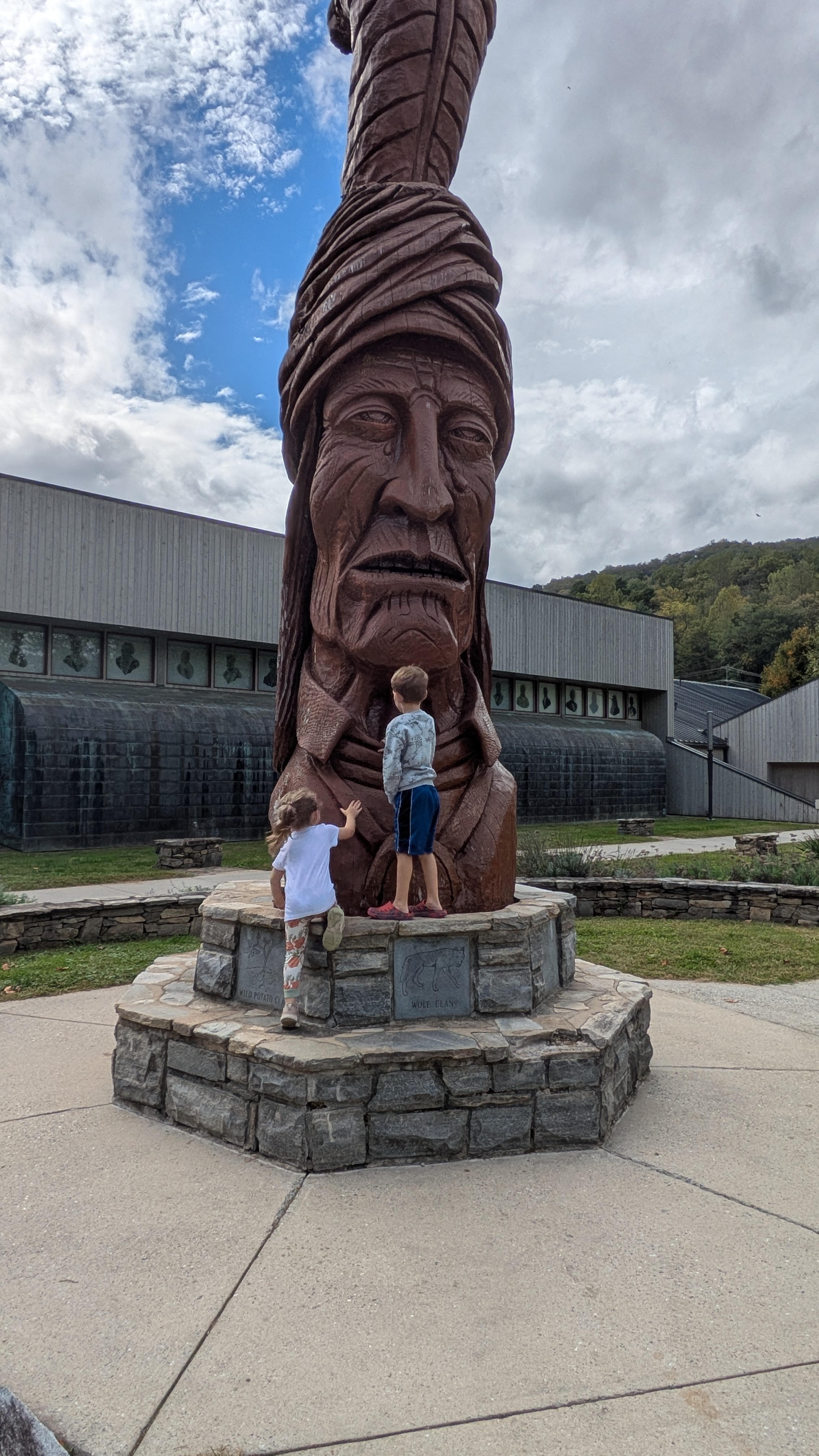
It was really fun to encounter Peter Toth’s monumental wood carving of Sequoyah outside the Museum of the Cherokee People. Toth created over 70 of these sculptures as part of his Trail of the Whispering Giants project. I met the artist in 1983 when he was carving a tribute to the Seminole on Fort Lauderdale beach.
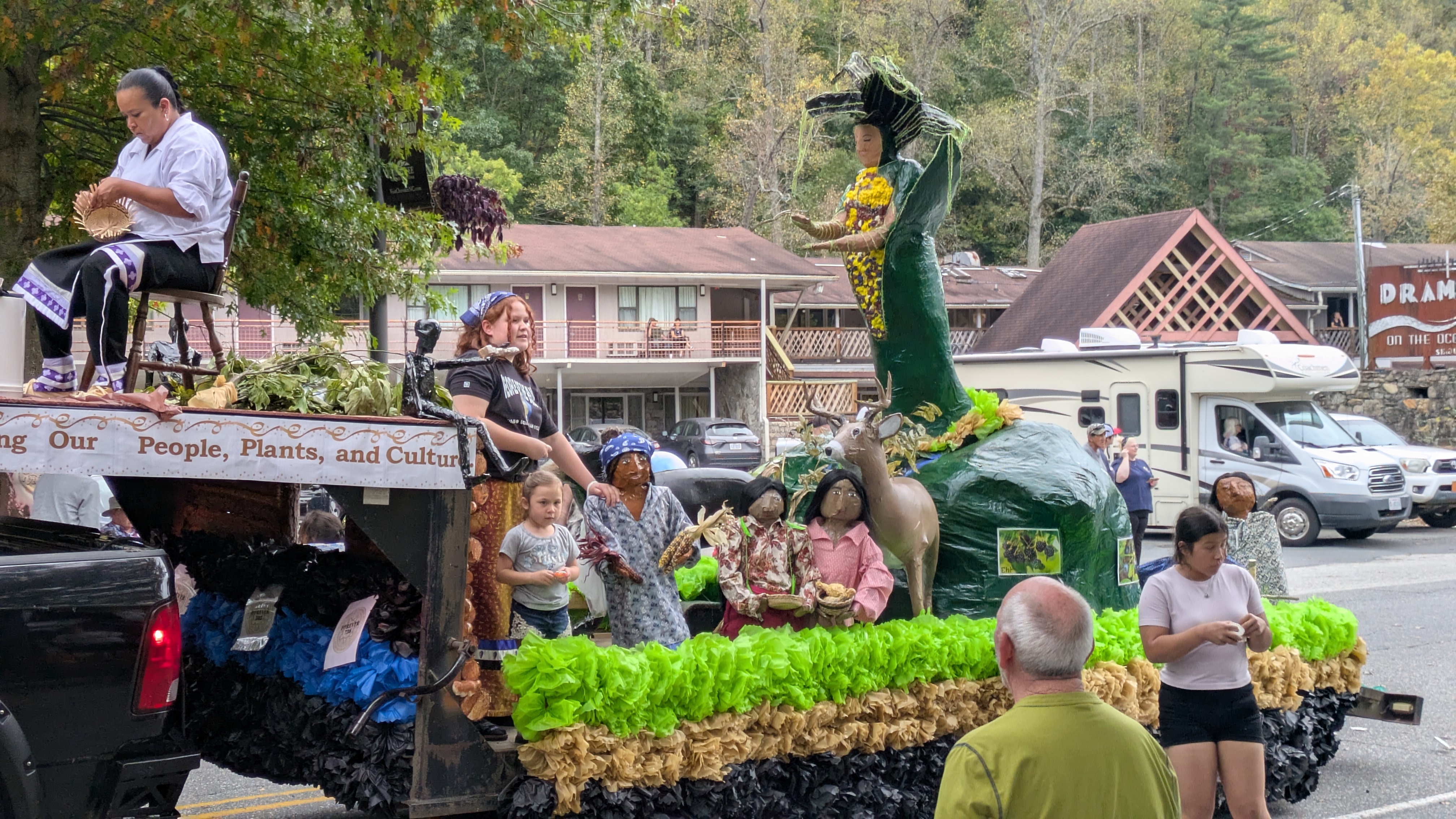
Four members of the Peabody Institute team attended the 2025 Association of Tribal Archives, Libraries, and Museums (ATALM) conference held in Cherokee, North Carolina this October, continuing our tradition of sending personnel that goes back about a decade. This year’s conference saw over 1,000 museum, archive, and library professionals convene at the meeting facilities of the Eastern Band of Cherokee Indians, coinciding with the festivities of the 113th Cherokee Indian Fair. The fair featured a parade, agricultural and cultural events, stick ball, an art show, and more.
The Cherokee Day parade featured contestants in the Miss Cherokee pageant, lots of agriculture themed floats, marching bands, a drum line. And candy. So. Much. Candy!
Back at the conference, attendees had lots of opportunities to network and learn at expert sessions and demonstrations. Highlights for the Peabody team were visits to the Museum of Cherokee People, Qualla Arts & Crafts Mutual Co-op, the Oconaluftee Indian Village, the informal NAGPRA networking session, the Repatriation Talking Circle, and One Square Inch of Ceremony (and additional workshops with Lily Hope, Tlingit artist, educator, and community facilitator). Marla Taylor, Peabody curator of collections, participated in the session Institutional Approaches to NAGPRA Duty of Care, along with colleagues from museums, universities, and the Muscogee (Creek) Nation.
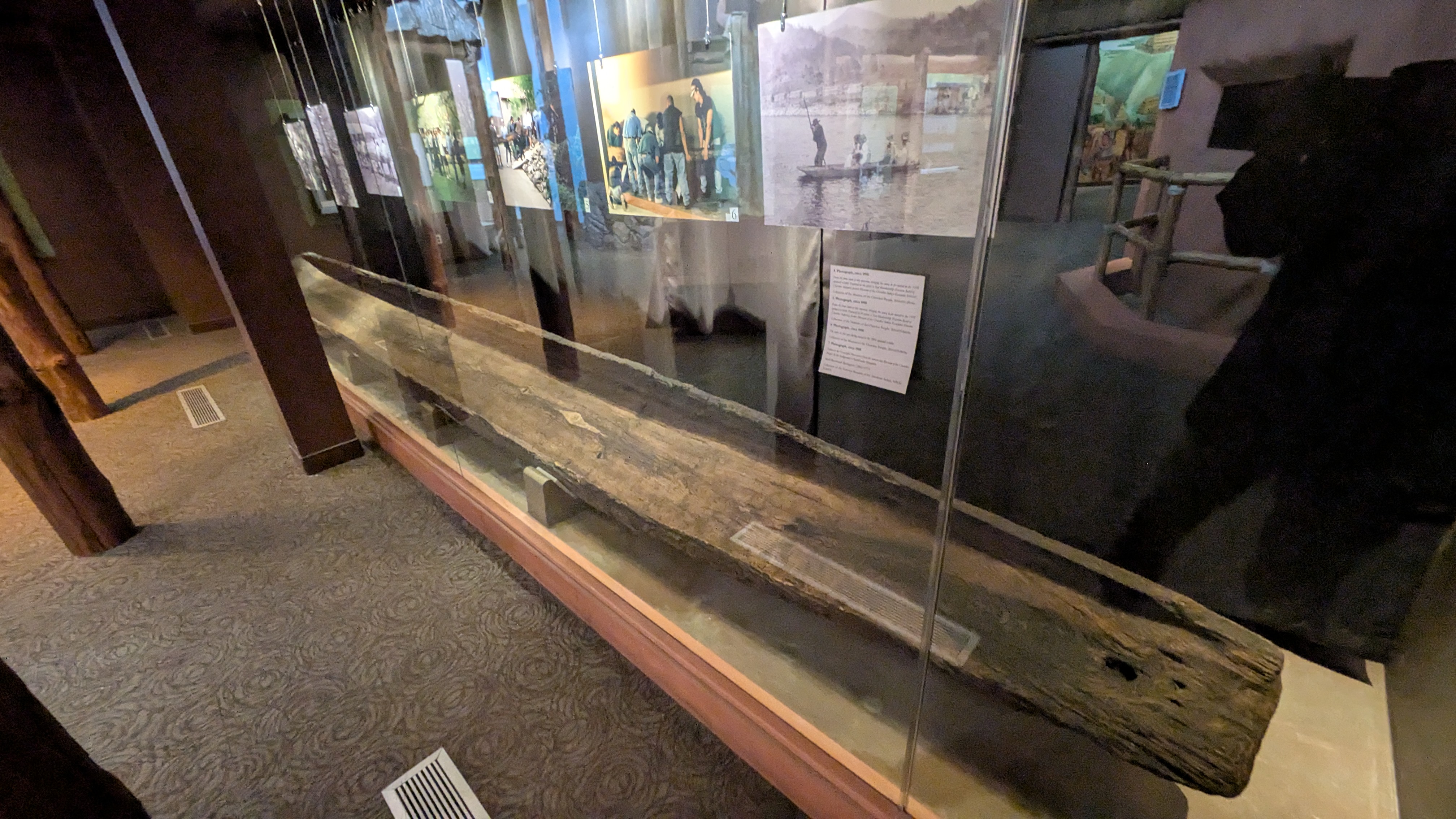
Canoes are everywhere! Exciting to see this dugout canoe at the Museum of the Cherokee People. The museum, one of the earliest Tribal museums in the US, has a series of great interpretive panels questioning how best to tell the Cherokee story. For example, why do museums always begin with PaleoIndians? Back to the canoe–this great example of a dugout is about 200 years old and was found in the 1970s on the Chattahoochee River near Helen, Georgia.
Many great meals were shared as well, but the best part was reconnecting with old friends, meeting colleagues regularly seen on Zoom in person, and making new friends. If you haven’t attended an ATALM conference, we highly recommend it!
This summer I went to visit a friend in Vienna. I hadn’t seen her in [*cough*] years, so my inspiration was mainly just to hang out with her. It was only after I had my plane tickets and the trip was drawing near that I actually started looking into what there was to do in Vienna.
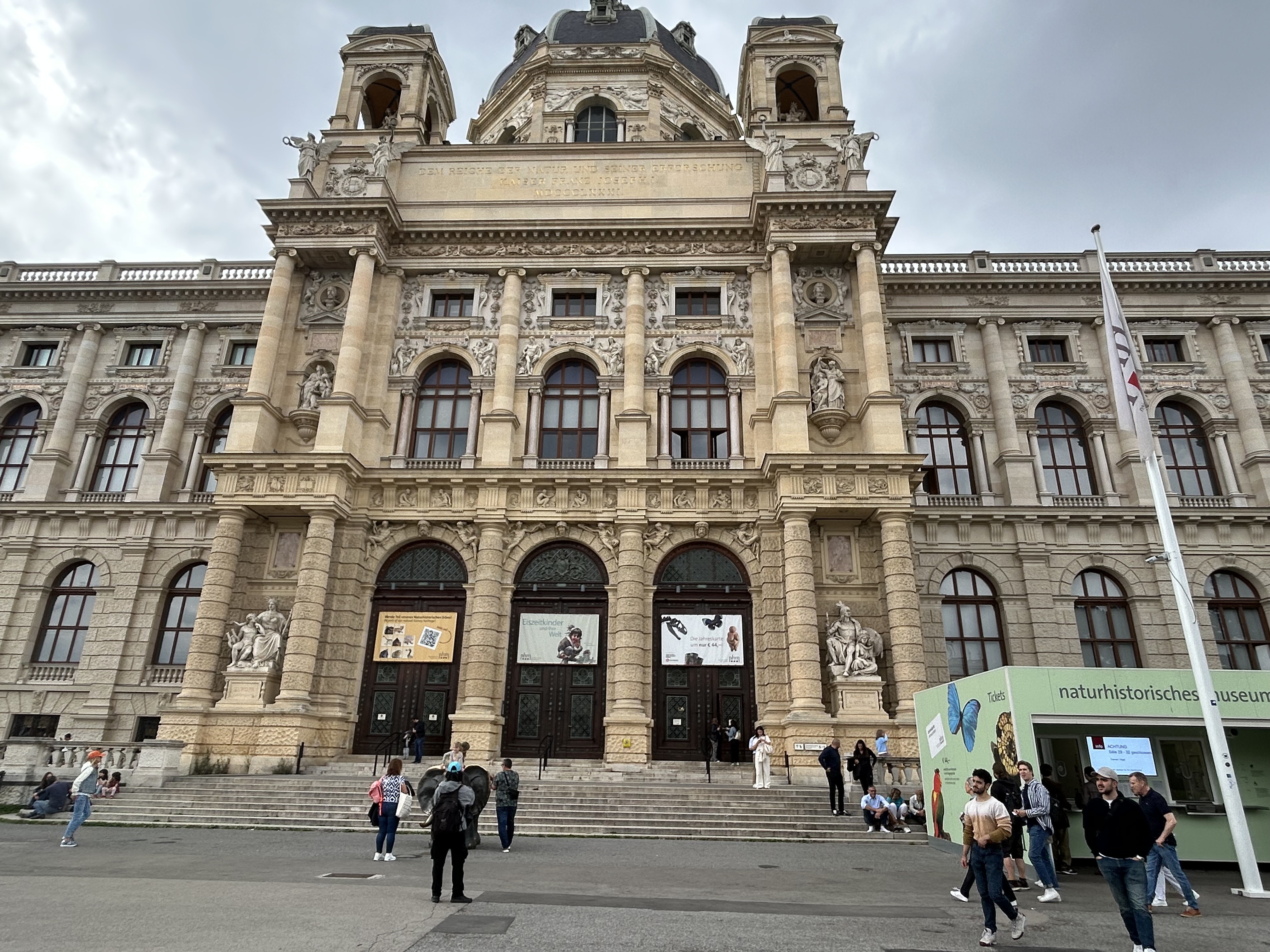
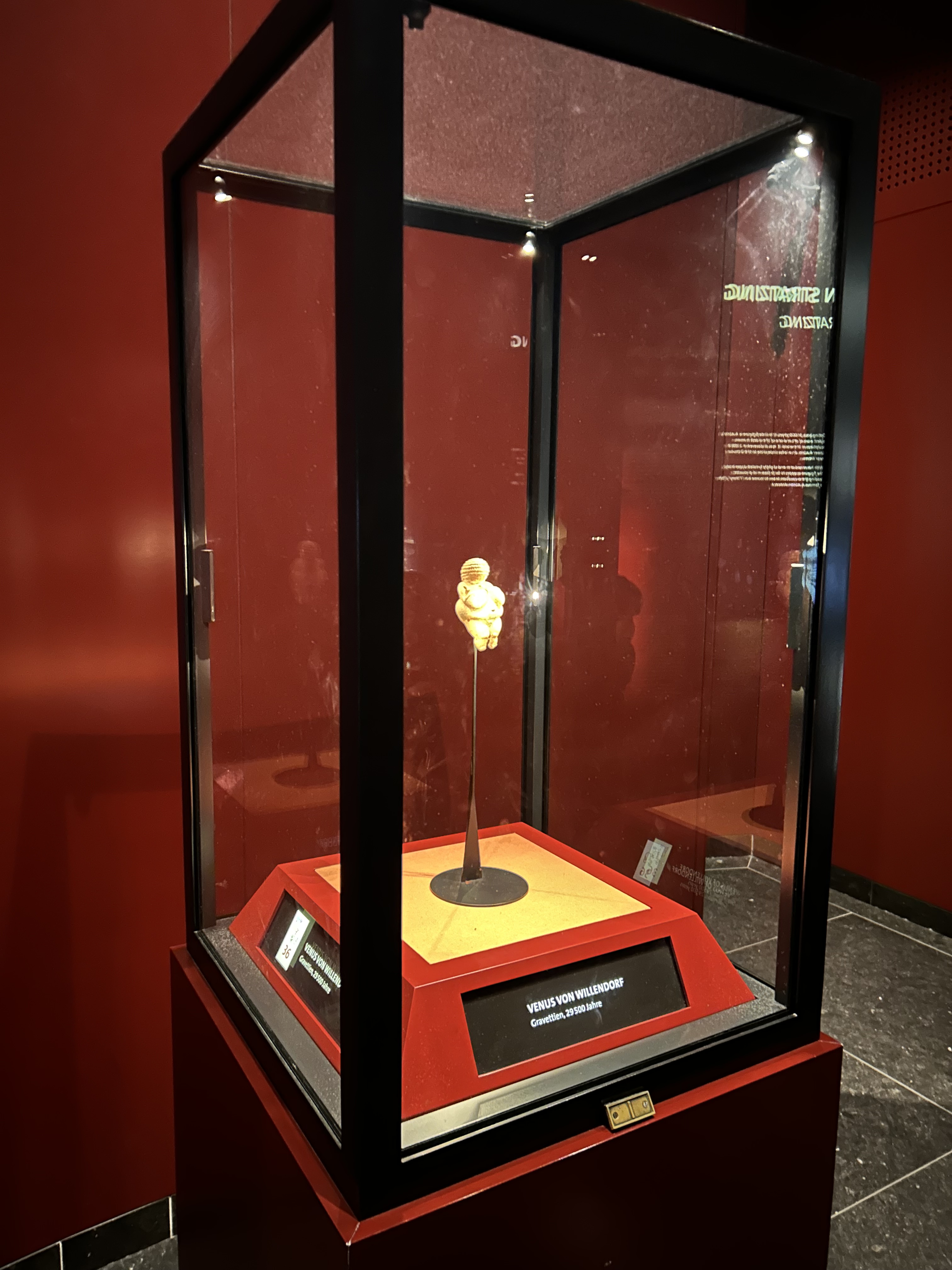
Turns out, the Venus of Willendorf is there. For a museum nerd I don’t tend to visit that many museums when I travel, but the Venus of Willendorf is famous enough (there’s even a cast of the original here at the Peabody) and I am nerd enough for that to justify seeking her out. This meant dragging my friend to the Naturhistorisches Museum Wien.
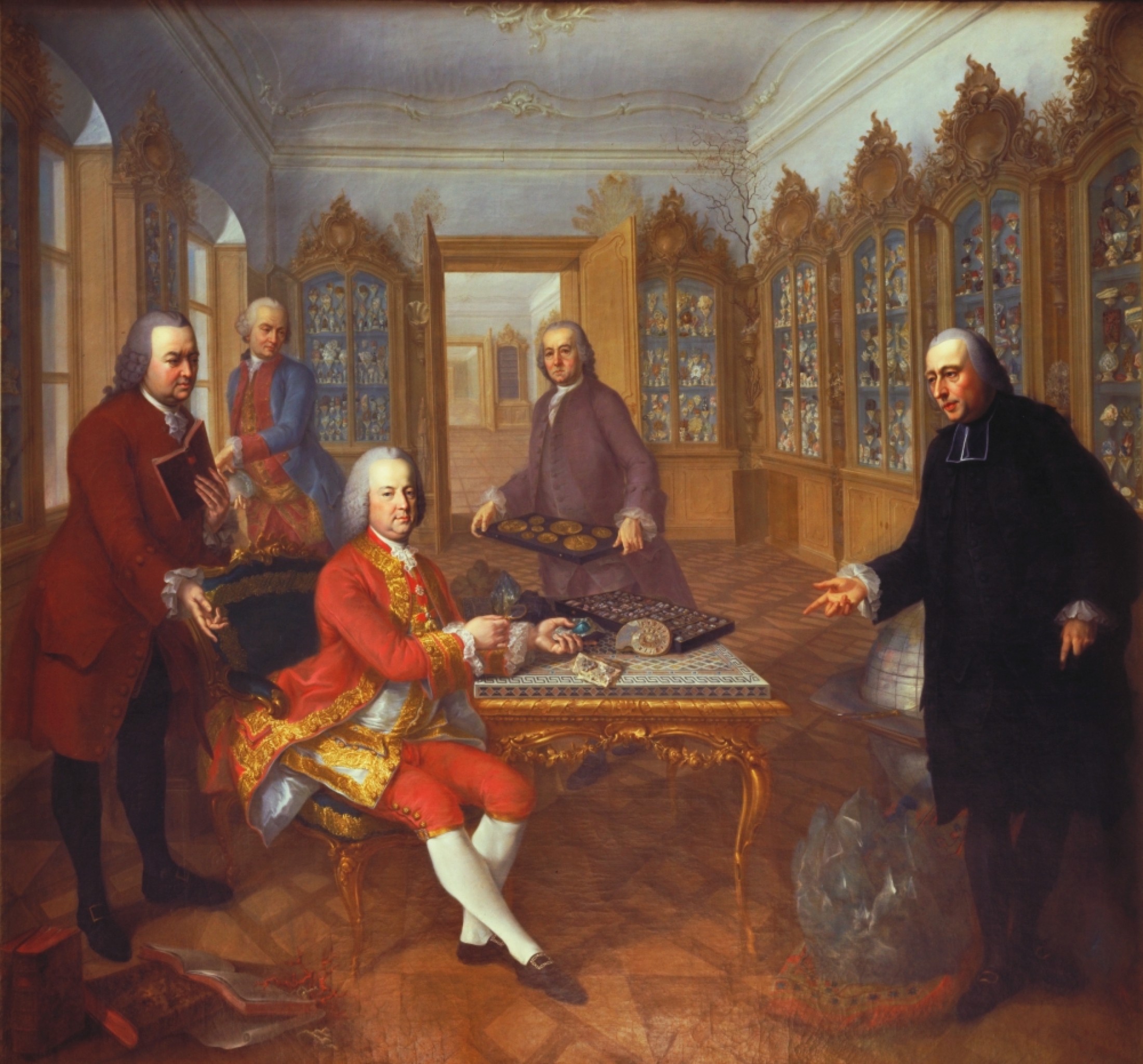
If you had asked me beforehand what I expected of the place, I’m not sure what I would have said. I’m familiar enough with the broad-strokes histories of museums and their ties to imperialism: As nations started to push further and further out into the world during the Age of Exploration, voyagers brought back evidence of their encounters with new environments in new places, creating displays that combined minerals, plants, animals, and man-made “curiosities.” These collections offered opportunities for viewers to learn about the world, as centered by their home locations, but equally they offered opportunities for displayers to demonstrate their status and wealth, the power of their influence and access – not just how they saw the world but how they wanted others to see them in it. If you look for it, this history is written into the architecture and design of museums, and I have been academically trained to look for it. So maybe if you had asked me beforehand what I expected of the Naturhistorisches Museum I would have said “nothing new.”
Reader, I was wrong.
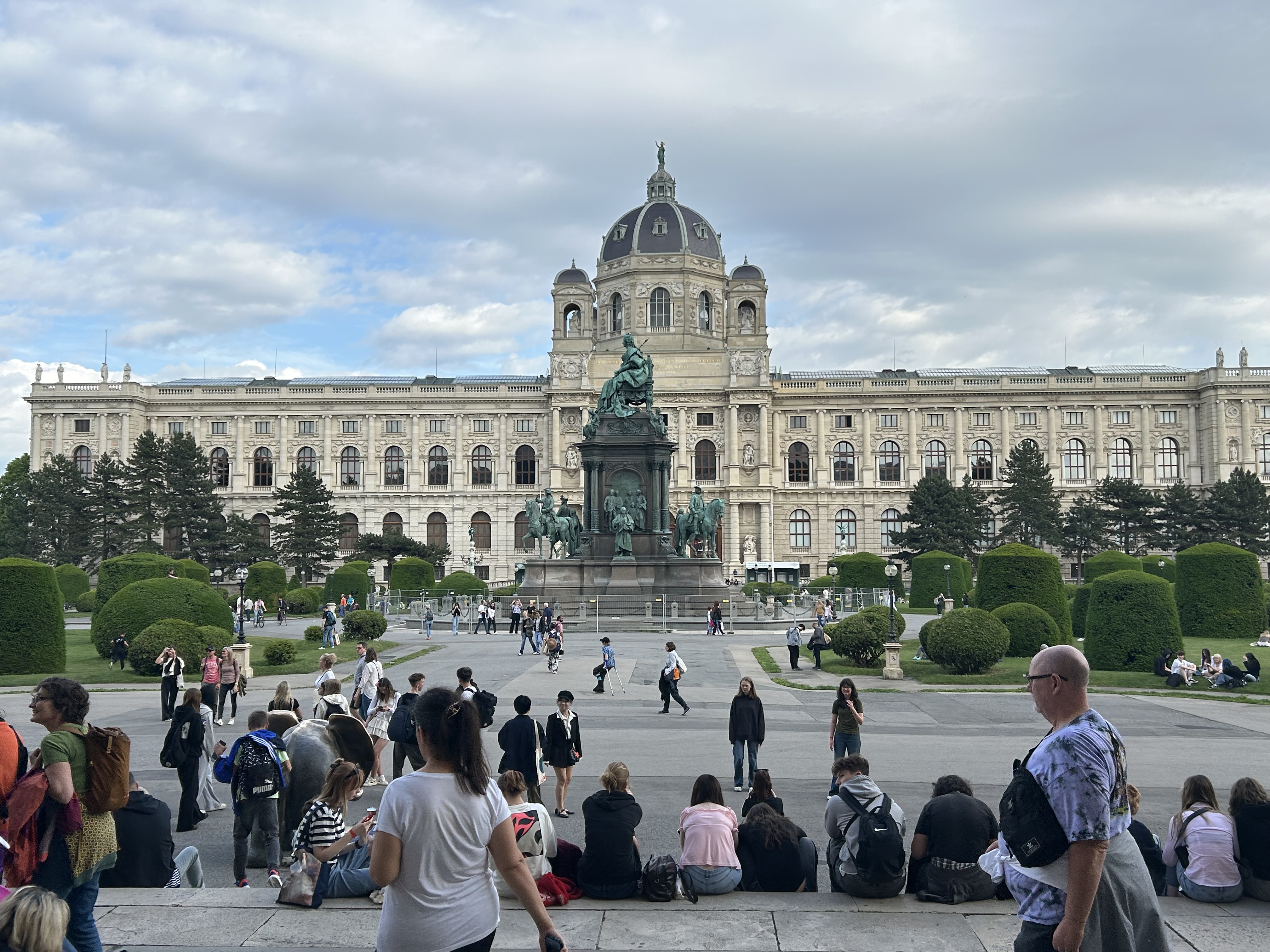
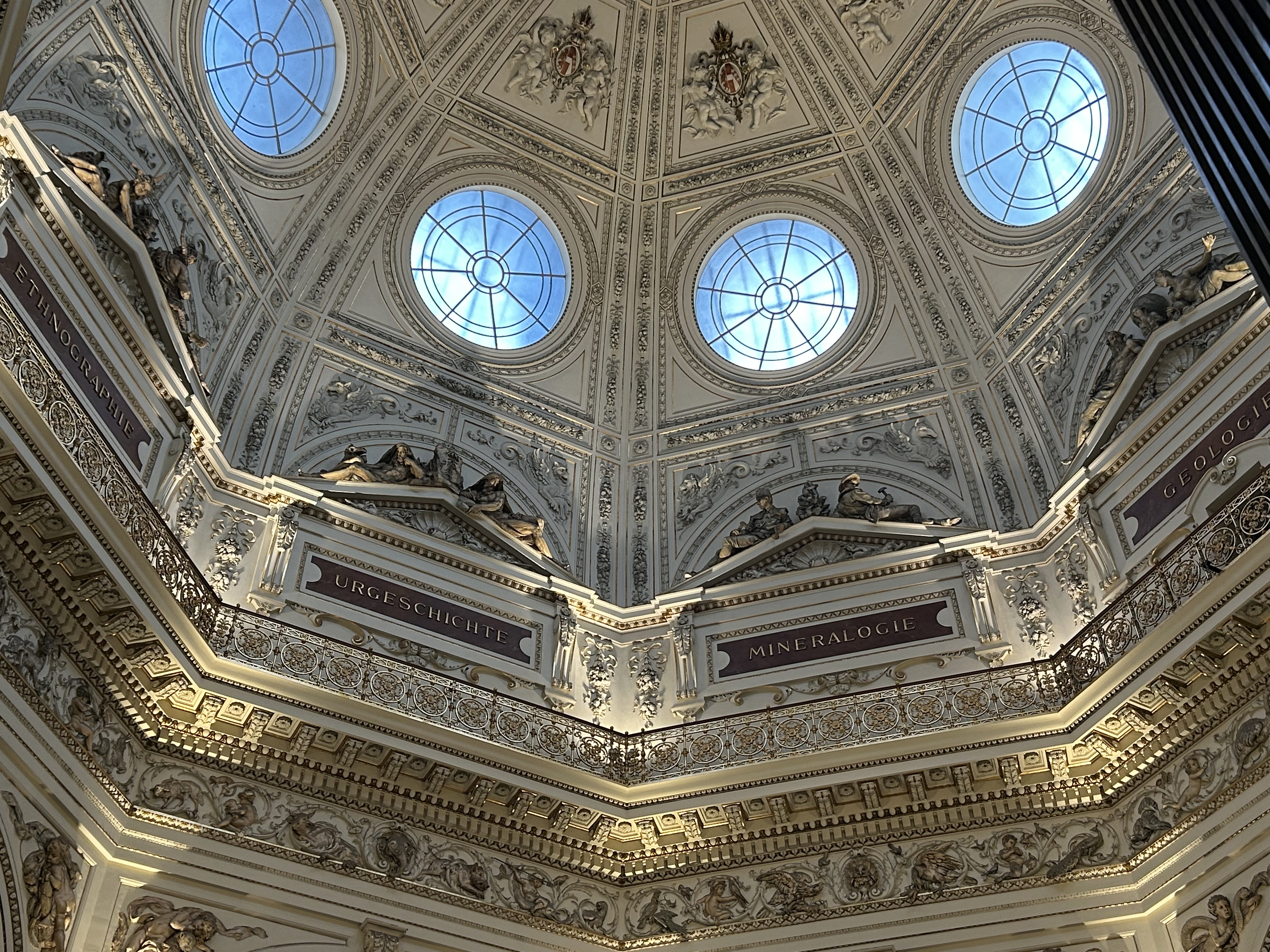
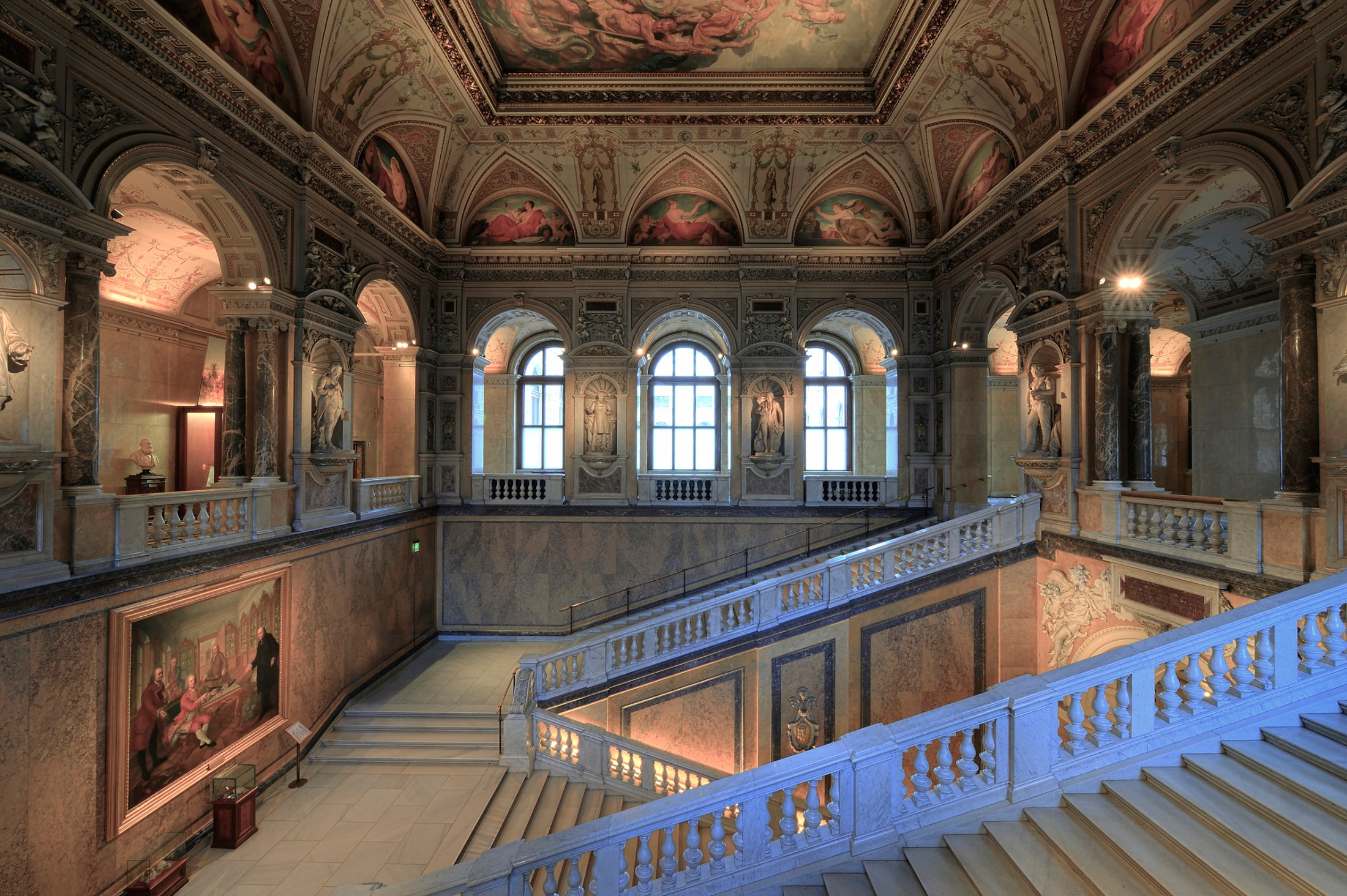
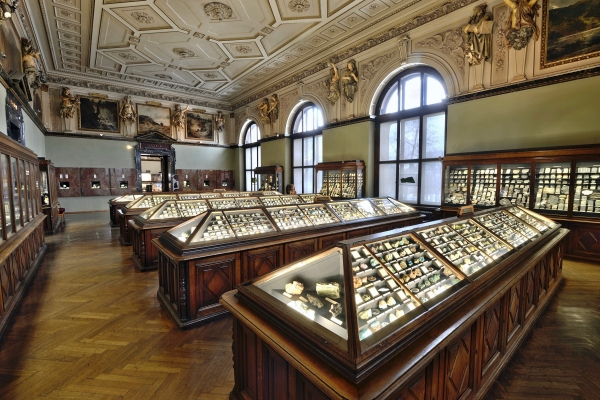
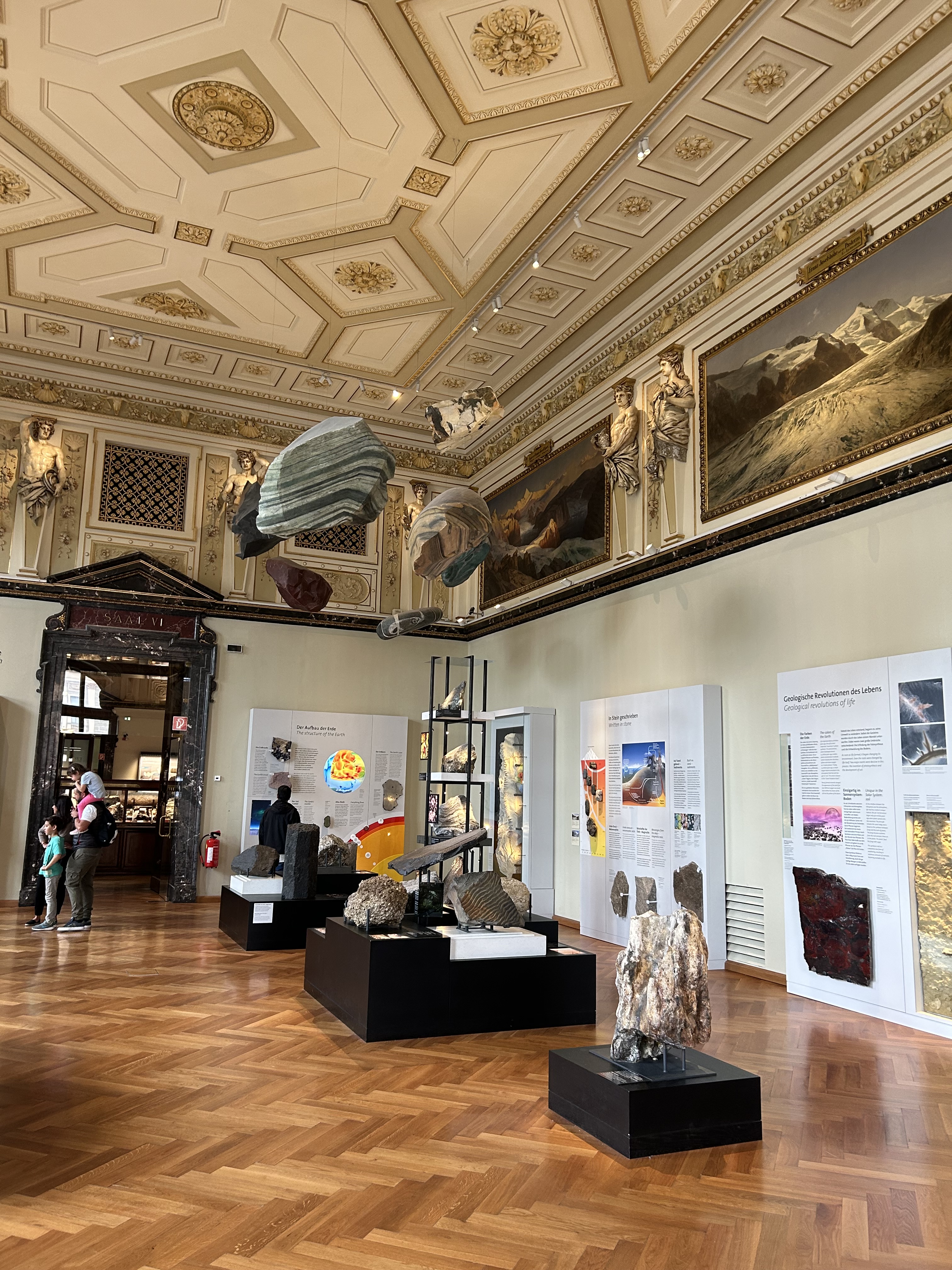
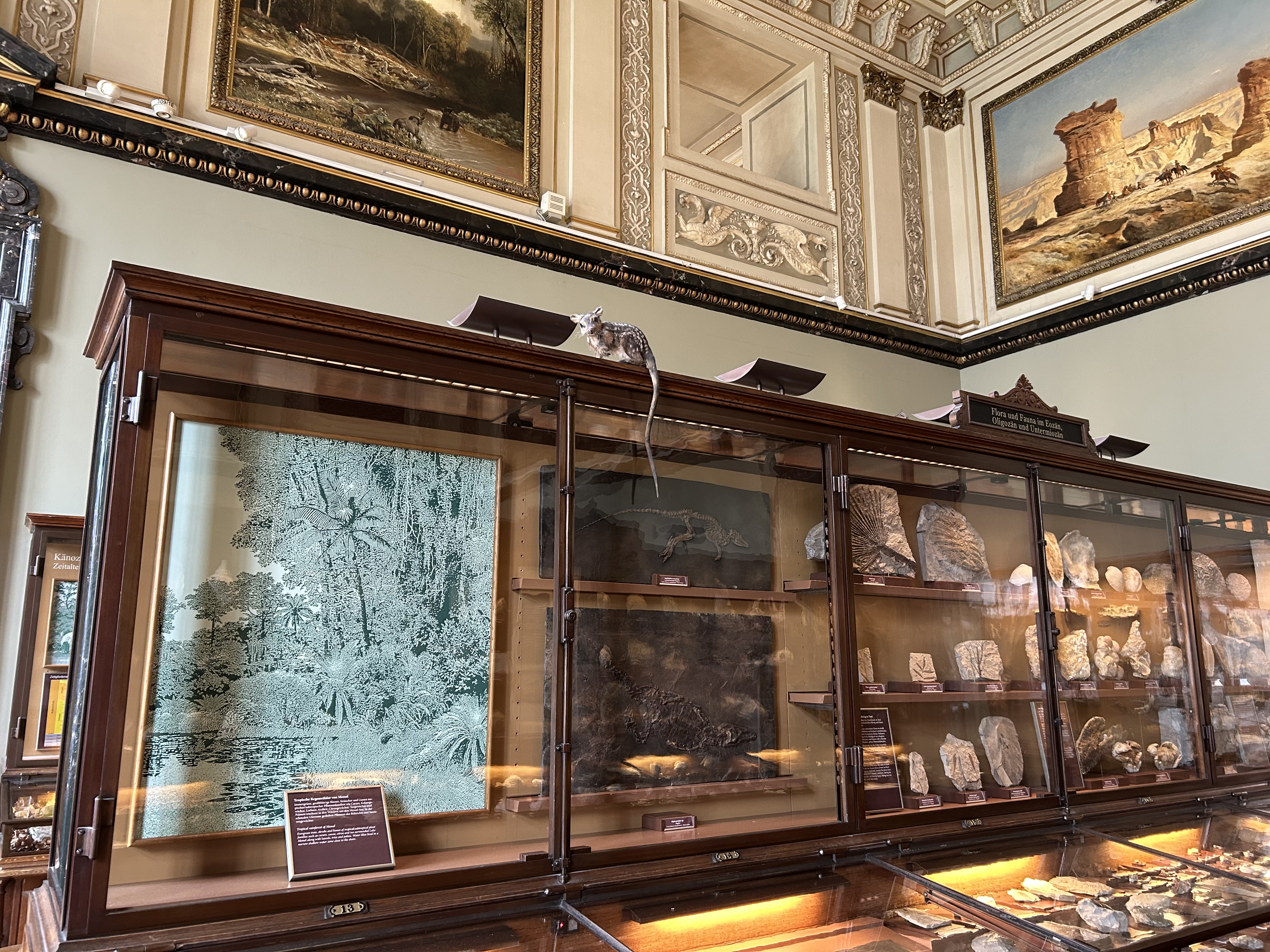
This place was every piece of museum history I had ever learned, jacked up on steroids. It was everything I had been taught to expect dialed up to a ten, with a little extra more thrown in just for fun. It was contemporary best practice crammed into 19th century display cases surrounded by imperial displays of awe and wonder, and I was there for every moment of it. Just please don’t ask me much about the exhibits themselves! I was far too distracted to notice.
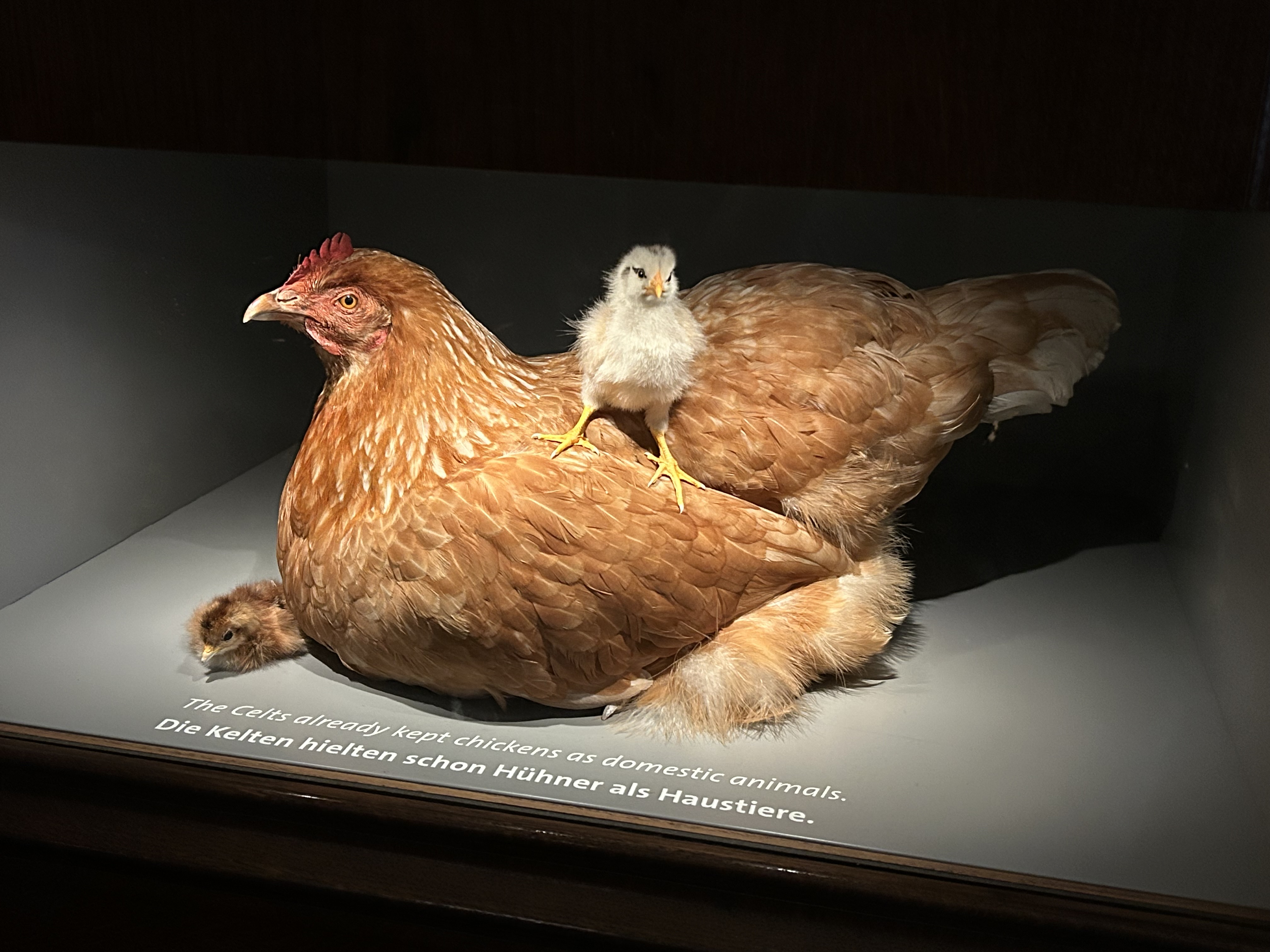
Just the front doors…Looking across to the Kunsthistorisches MuseumInterior domeThe (very) grand staircaseTraditional 19th century displayPlanet Earth couldn’t fit into 19th century display cases?Neither could this dude?The chickens couldOh, right! The Venus was…fine.
As we weather this pandemic storm, we are finding more and more that the days of yesterday are unlike the days of tomorrow. Many of our daily activities have gone virtual and museums, galleries, and institutions alike have adapted to reach their audiences online in order to continue their mission of educating and engaging with the public.
Another wonderful site to add to this collection is New Day Culture. This site is a society and culture website founded by a group of cultural enthusiasts that have created an online community (amidst the pandemic) where audiences can connect, explore, and experience the world of art and culture.
From live animal cams at the San Diego Zoo to drone footage of amazing destinations and historical sites, this site has everything for all ages and interests! Here are a few highlights of some of my favorite activities.
Explore the Depths of an Ancient Egyptian Queen’s Tomb
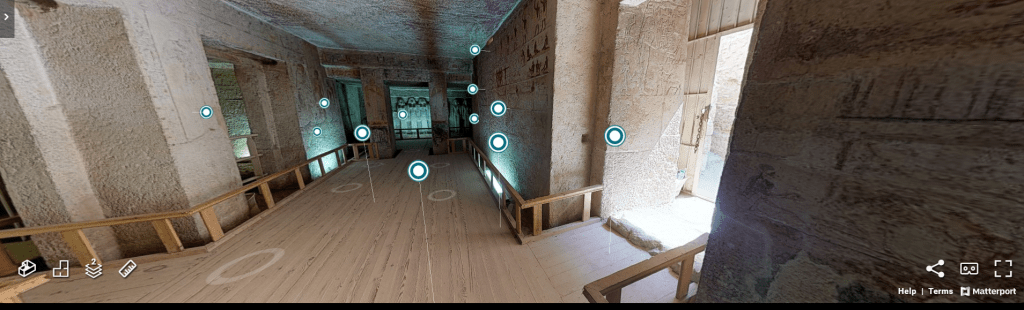
Thanks to this 3D modeling project by Harvard University, you can take a virtual tour of the tomb of Queen Meresankh III. Discover photographs from the original excavations of the tomb along with details and reconstructions of the wall art found in each room. Take a winding staircase down about 5 meters below the upper level to discover the burial chamber of Queen Meresankh III. For more information about this project click here.
3D image of the upper level of Queen Meresankh III’s tomb. Image courtesy of Matterport, The Giza Project by Harvard University.
Explore the Civil Rights Trail
This activity is an interactive map of the United States’ Civil Rights Trail. This map highlights places and moments that impacted history, including the heroes and stories behind the movement that forged new trails for civil rights.
#metkids
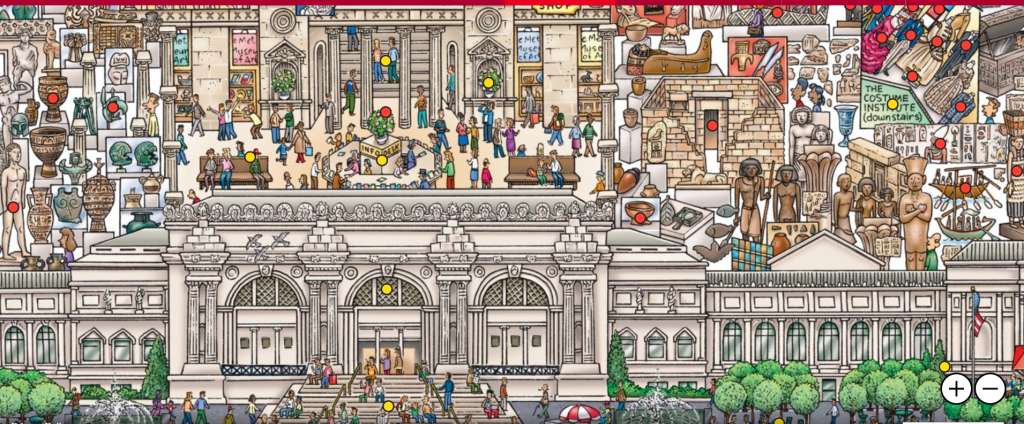
The Metropolitan Museum of Art creates a space of learning and exploring for, with, and by kids and the Met. Kids (or the young at heart) can watch videos to learn more about art, create their own time machine adventure, or explore the Met through an interactive map.
An interactive map of the Met by #metkids. Image courtesy of the Metropolitan Museum of Art.
The Great Inka Road: Engineering an Empire
Discover one of the most incredible achievements in history – the Great Inka Road, a 20,000 mile route through mountains and hillsides, all made by hand. The Smithsonian’s National Museum of the American Indian shares a virtual walkthrough of its Inka Road exhibition.
Buckle in to Climb a Mountain
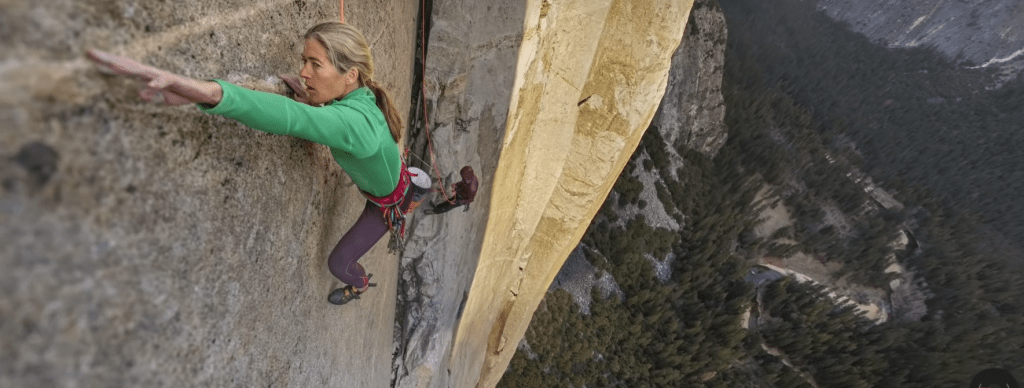
Through storytelling and 360 views, this interactive video and Google Maps site follows renowned rock climbers as they scale the heights of El Capitan in Yosemite National Park. Prepare your gear and experience the dizzying views of the Yosemite Valley from your 3,000 foot climb.
Climber, Lynn Hill, as she scales the Nose of El Capitan – the most famous rock climb in the world. Image courtesy of Google Maps.
Some honorable mentions I have come across in my exploring are a photo tour of the Burnt Food Museum (yes, you read that right), an elevator ride to the top of the Eiffel Tower, a YouTube tour of how Pixar films are made along with links to activities, a video tour of the “It’s a Small World” ride for the Disney enthusiast (Viewer disclaimer: the song will be stuck in your head for the rest of the day), and iconic performances to revisit or discover (without the hassle of waiting in lines, nosebleed seating, and even buying tickets!)
If you are unsure where to start I recommend exploring the “Top 15 Tours” first. You can find a list of them here.
There is so many experiences to discover and so much this site has to offer. All it takes is just your name, email, and a minute of your time to register! Don’t worry it’s free! Once you have joined the New Day Culture community, you will have all these art and culture resources at your fingertips – including exclusive events. For more information check out New Day Culture’s Facebook page here.

 The Peabody