Annual Repatriation Conference in Louisiana this Year

Contributed by Ryan J. Wheeler

This year marked the 10th annual repatriation conference organized by the Association on American Indian Affairs (AAIA). The conference was hosted at the end of February by the Tunica-Biloxi Tribe’s Paragon Resort in Marksville, Louisiana. The Peabody Institute of Archaeology was one of several co-sponsors, celebrating ten years of the conference, dedicated to learning and sharing our work in repatriation.
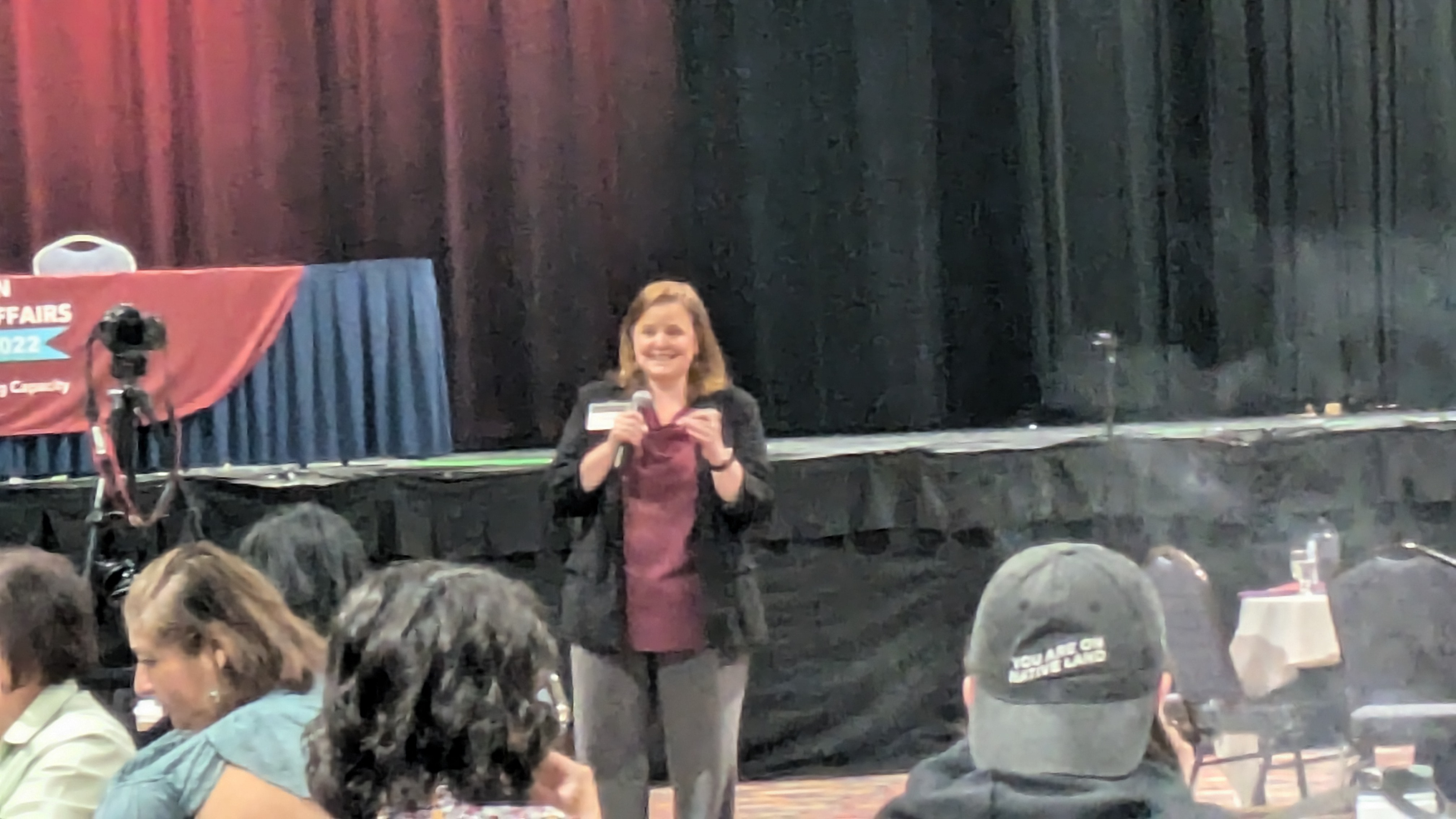
Melanie O’Brien, program manager of the National Park Service NAGPRA program, leads training at the annual repatriation conference.

A highlight of the conference is spending time with friends and colleagues from Tribes, federal agencies, and museums who all share in the day to day work of repatriation. While NAGPRA and repatriation have made headlines over the course of the last year, with reporting by ProPublica and many local news outlets, as well as the attention garnered by the new regulations and duty of care provisions, most people don’t completely understand the behind the scenes and day to day work involved in repatriation. Spending time with other engaged in the work is really meaningful. It’s also a great opportunity to meet new people and learn new things.
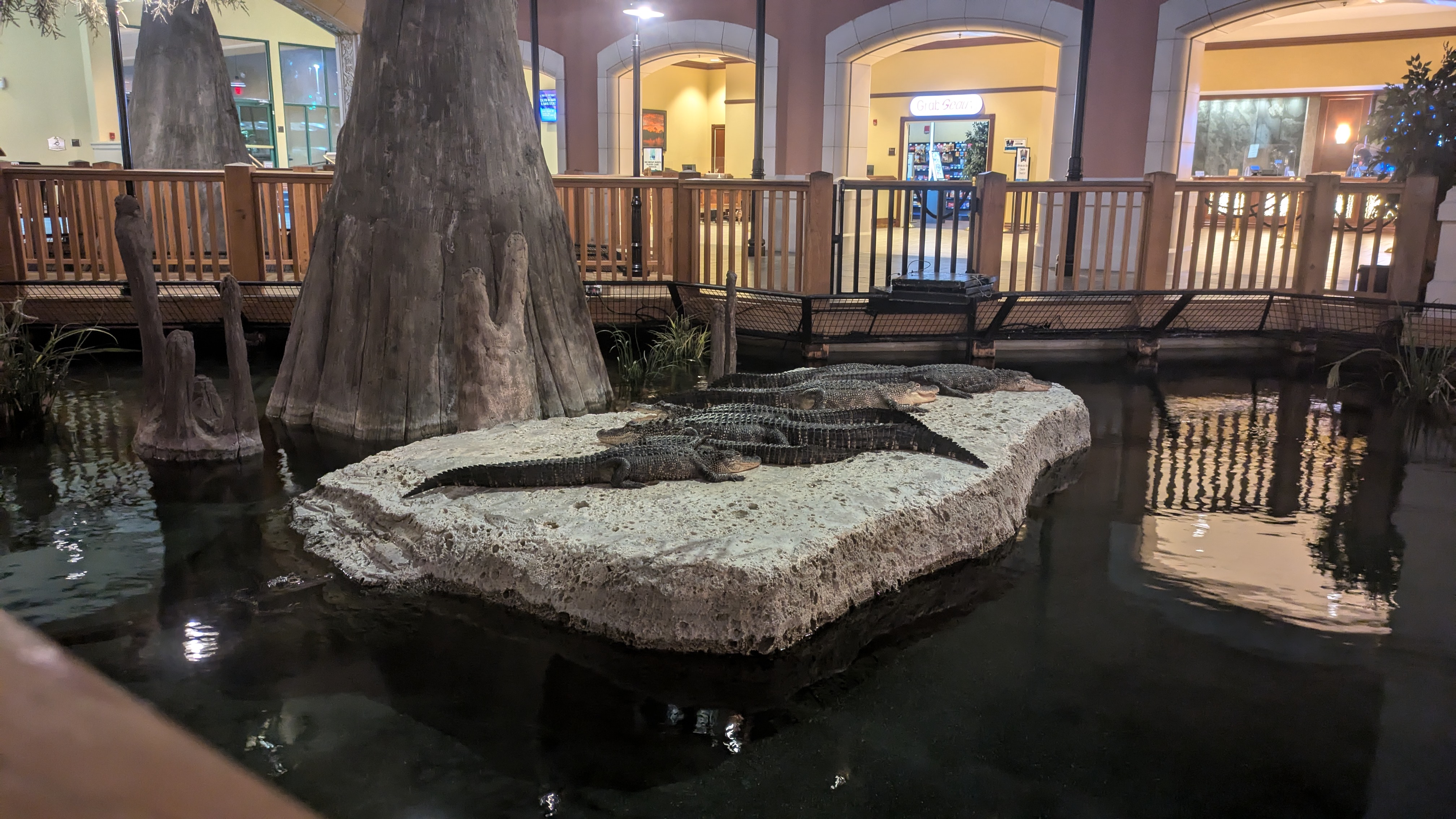
A fun feature of the Tunica-Biloxi Tribe’s resort and casino is a replica bayou in the lobby complete with about twenty alligators (we counted, or tried to).

Another highlight was an opportunity to visit the Tunica-Biloxi Tribe’s museum and cultural center, which features the Tunica Treasure. The Tunica Treasure was found by looters in the late 1960s who disturbed a Tunica cemetery in West Feliciana Parish. The treasure included late eighteenth century trade goods and Native-made items, including one of the largest caches of glass beads in the Western Hemisphere. The Tribe’s success in recovering the historic belongings in state court helped them regain federal recognition, which had been lost during the federal government’s termination era. While some might be surprised to see burial items displayed, its important to remember that each Tribe makes their own decisions about what happens with their cultural heritage, reflecting their sovereignty.
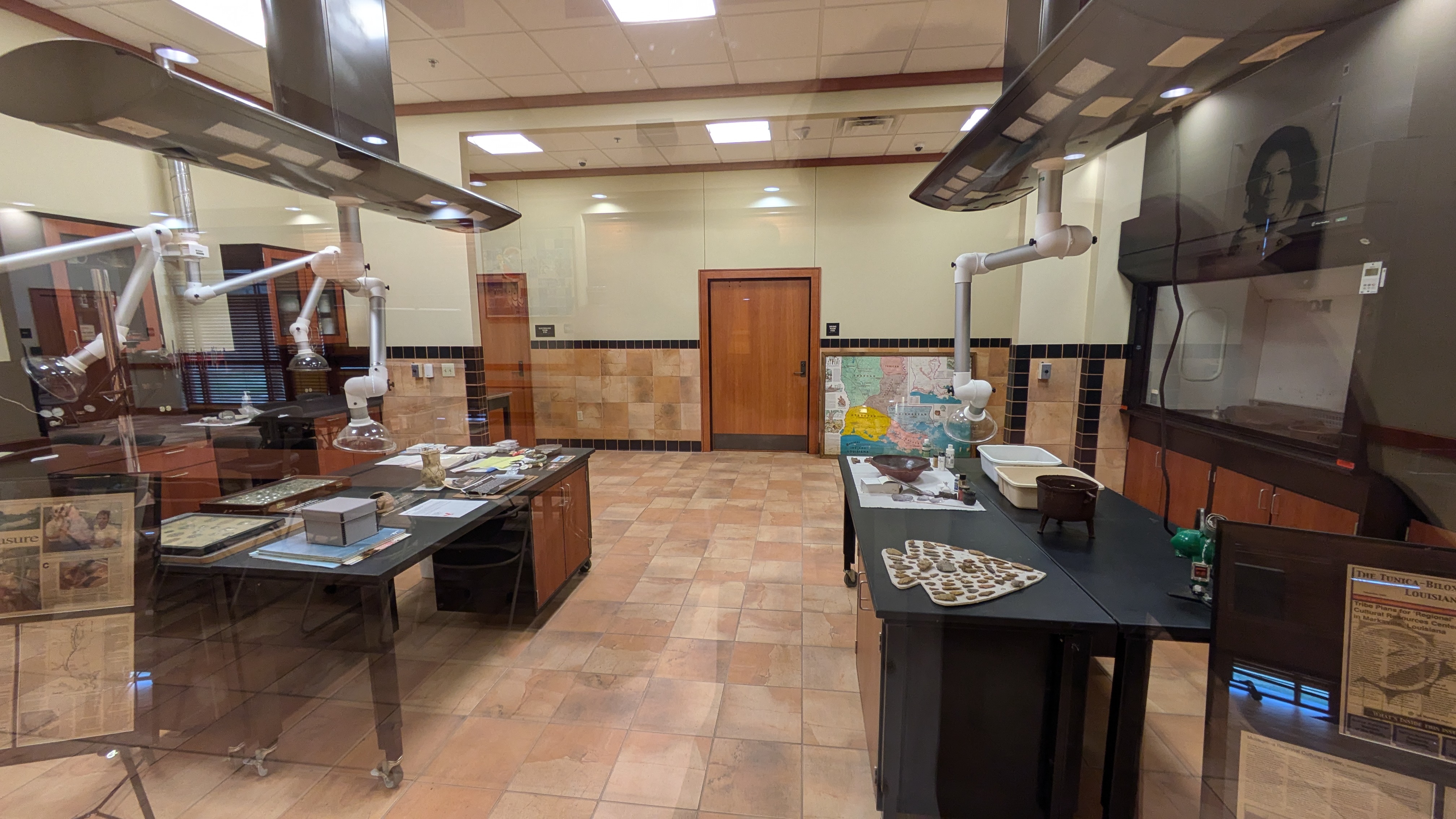
Conservation lab built and operated by the Tunica-Biloxi Tribe in their work to preserve the Tunica Treasure.

2023 Repatriation Conference

Contributed by Ryan Wheeler

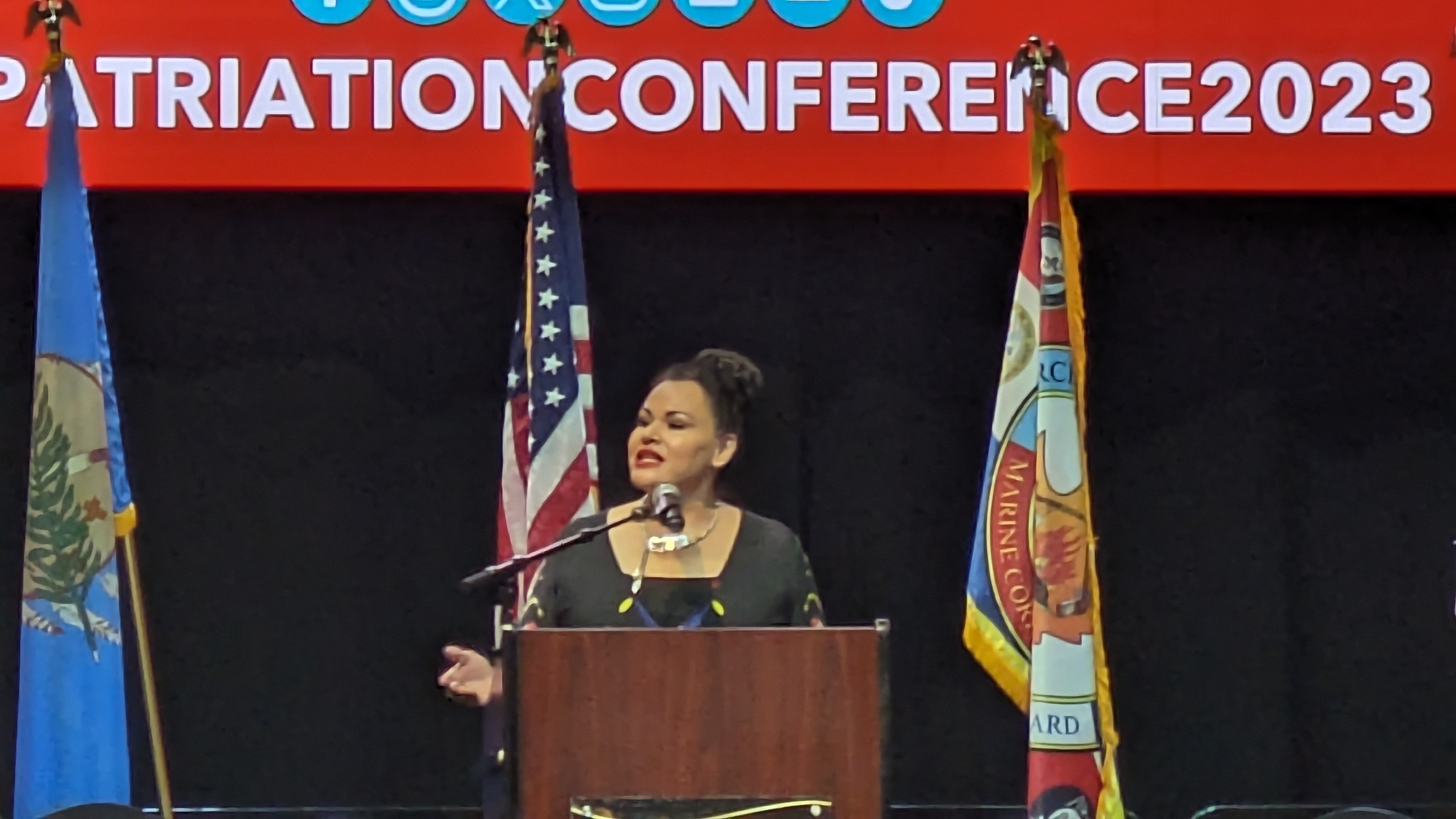
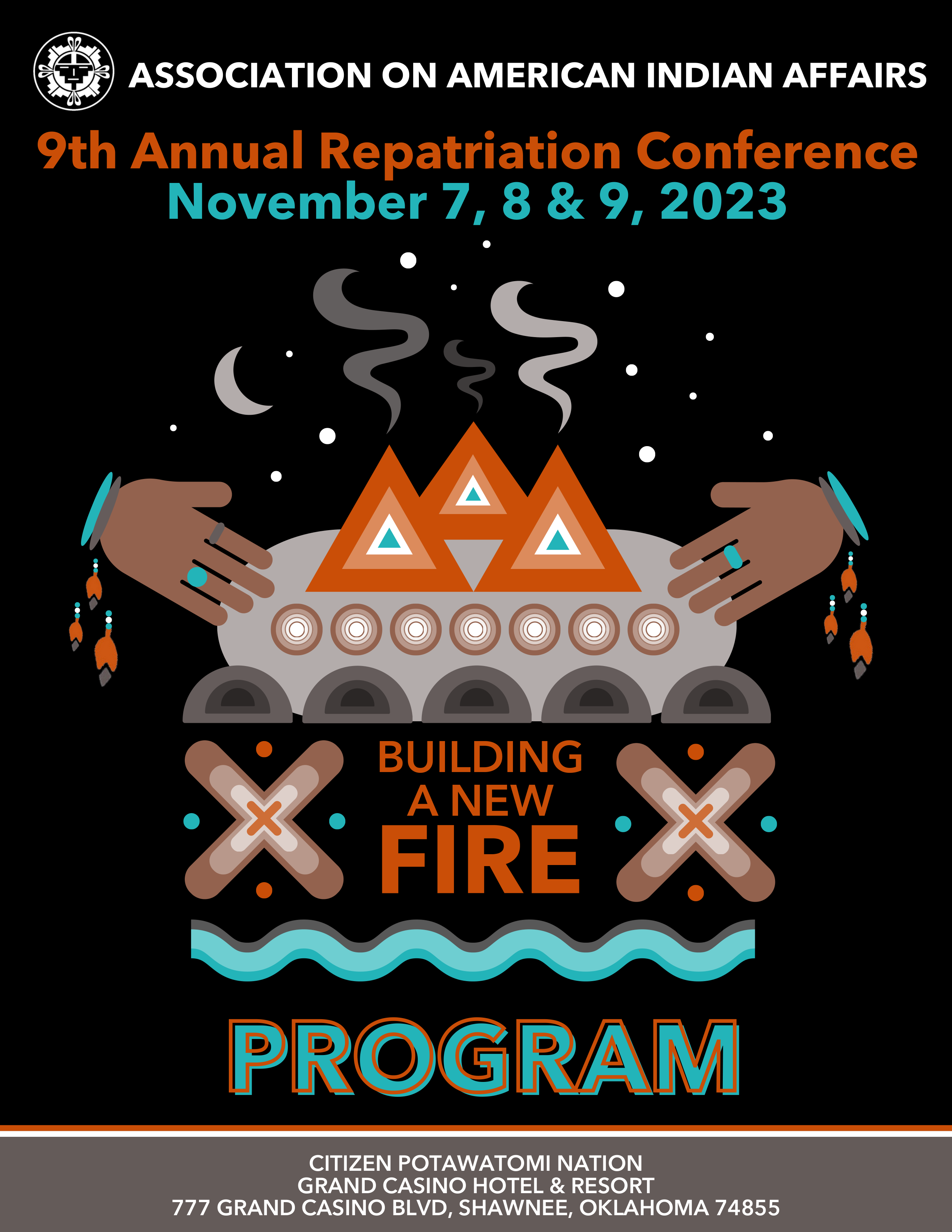
The Association on American Indian Affairs, helmed by Shannon O’Loughlin, hosted the 9th annual repatriation conference at the grand resort of the Citizen Potawatomi Nation in Shawnee, Oklahoma. The Peabody Institute was one of fifteen organizations that helped sponsor the three-day conference. Much of the focus was on compliance with the Native American Graves Protection & Repatriation Act (NAGPRA), federal legislation passed in 1990 that made it possible for Tribal Nations to reclaim their ancestors, funerary belongings, as well as several other types of cultural items from museums and federal agencies. About 300 people attended in person, with another 300 online.

This year’s theme–Building a New Fire–focused participants on how museums, agencies, and Tribal Nations could prepare for the new repatriation regulations promulgated by the Department of the Interior, the implications of the passage of the Safeguard Tribal Objects of Patrimony (STOP) Act and international repatriation, as well as numerous case studies and panel discussions. Highlights include conversations with some of the journalists that have been covering NAGPRA compliance this year from ProPublica and other news outlets, a keynote talk by Angeline Boulley, author of Warrior Girl Unearthed and Firekeeper’s Daughter, as well as training on NAGPRA compliance by Melanie O’Brien, manager of the National Park Service’s repatriation program.

Angeline Boulley shares Warrior Girl Unearthed, her young adult novel that explores one young woman’s experience with repatriation.

I was happy to participate in the session “Well That is What it Says, But…: A Policy Focused Discussion of NAGPRA and its Application in Medical Examiner and Coroner Offices,” organized by Megan Kleeschulte, Doctoral Candidate at the University of Tennessee, Knoxville, and featuring Dr. Ellen Lofaro, Director of Repatriation at the University of Tennessee, Knoxville and William Johnson, Saginaw Chippewa, Curator and Operations Manager for the Ziibiwing Center of Anishinabe Culture & Lifeways. Megan’s work focuses on medical examiner and coroner compliance with NAGPRA, which varies as much as the local and state structures that govern these forensically focused offices.

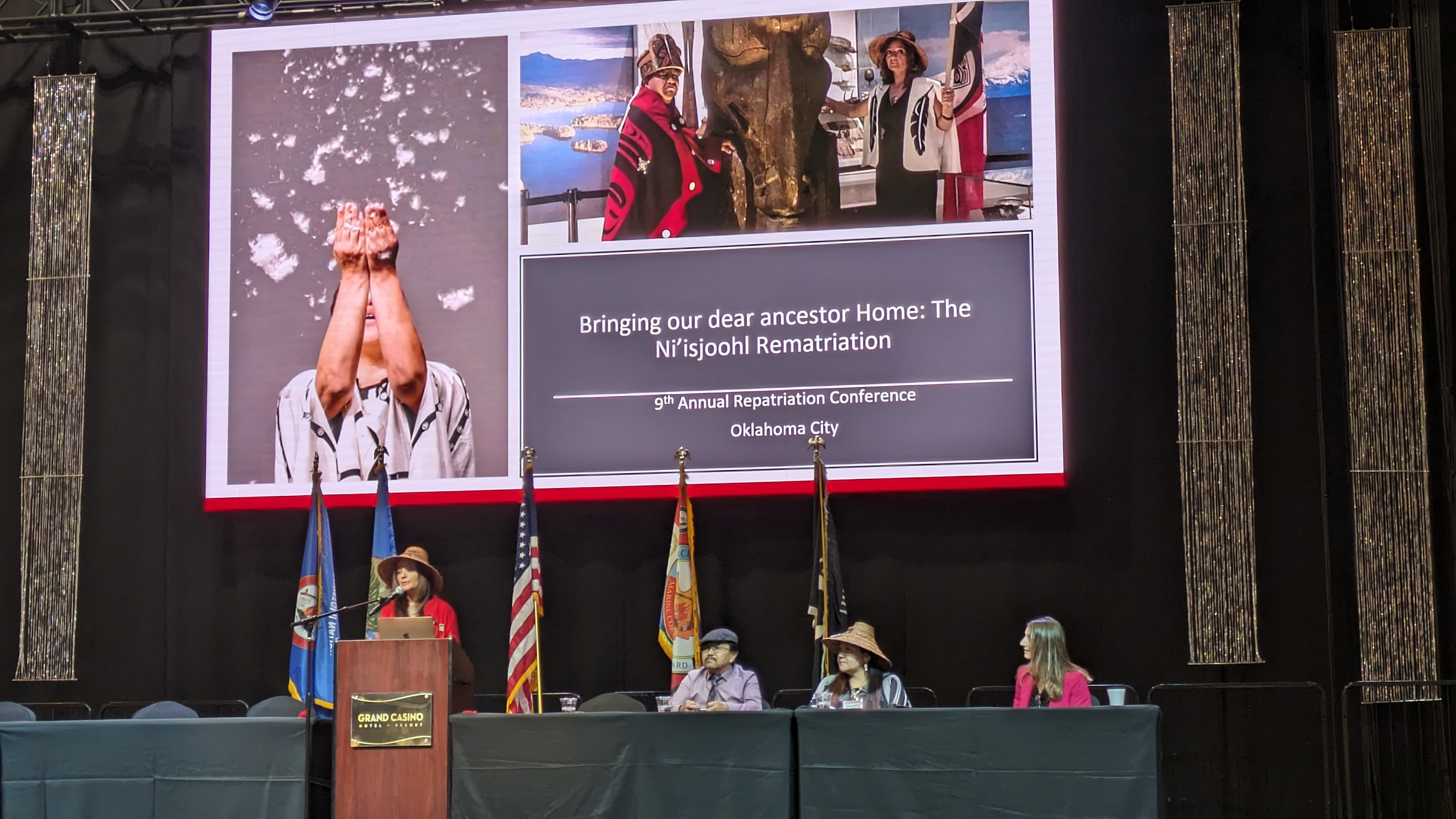
Participants in the session “Hlaa Hiyukwhl Gwildim-Goodam Dim Dip Luu-diyaltkwhl Hli Haykwhl Ganiye’etgum – Preparing to Bring Our Ancestors Home: Rematriation of the Wilps Ni’isjoohl Memorial Pole from Scotland to Nisga’a Lands.”

The conference was also a great opportunity to connect with old friends and make new connections. Since the Covid pandemic, a lot of consultation has happened over the phone or on Zoom, so being in the same place with friends and colleagues was a blessing. Shannon hinted that future conferences might be focused regionally, with even greater emphasis on connecting Tribal Nations with the institutions and agencies that are holding their ancestors and belongings. Whatever the future holds, I’m looking forward to participating. It’s special to be able to gather with others all working on repatriation and build on that shared experience.