The Peabody has taught many lessons over the years, so we have a lot of teaching instruments and old plans laying around. When we get contacted by an instructor here at Phillips Academy, we dive into those piles to see what can be used and how! This is what happened very recently with our Trade Connections lesson.
The opportunity arrived when history fellow Anna Green asked us to do a few lessons for her history 100B class. She was looking for a lesson to fit into her student’s final project, a presentation on various Native American cultures from South to North America. We sat down with her one day and sketched out what this lesson could look like and what we could incorporate.
We have a previously existing lesson known as Trade Connections that we last taught in December 2022. This lesson features objects from 4 different regions of the Americas (Mesoamerica, Andes, American Southwest and American Southeast) and discuss how these societies traded and interacted with each other over the millennia. So, for this new version we focused on 8 objects that represent the areas for the assignment. In addition, we made sure that both ancient and modern examples from these cultures were included, showing that there are forms of continuation with these Indigenous groups.
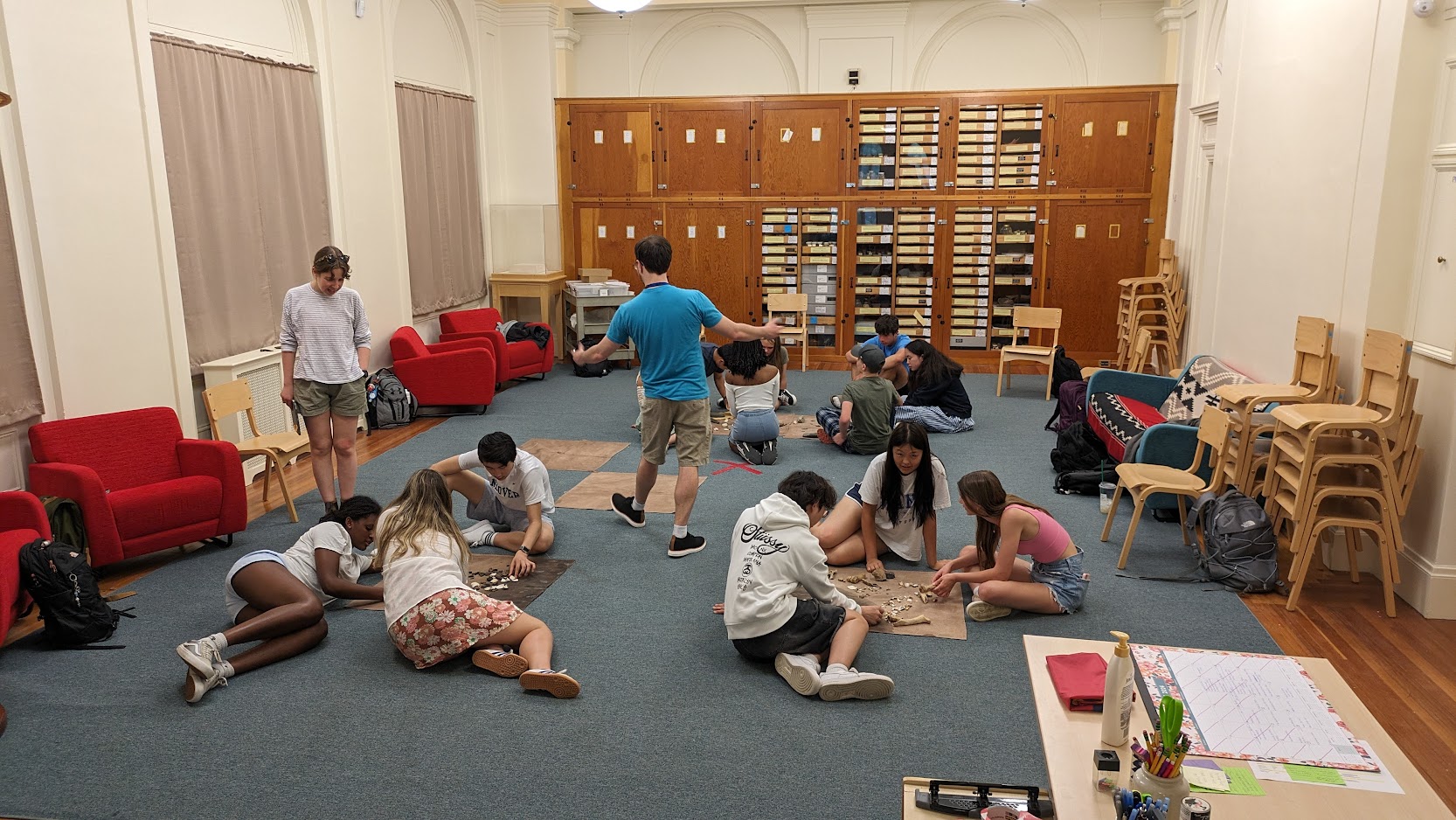
But we didn’t stop at just substitutions of objects. We wanted students to practice basic object interaction so they could approach looking at artifacts in a way that they may not have done before. To do that we broke out the tried-and-true Tarps exercise, which basically give them a crash course in item handling and simple archaeology. Here we set up a mock dig site complete with objects used for different purposes (pottery making, cooking, etc.) and have the students use there critical thinking skills to evaluate what the objects are and areas are used for based on how they found them (kitchen, stone tool workshop, etc.).
(shoulda’ been a conductor…)
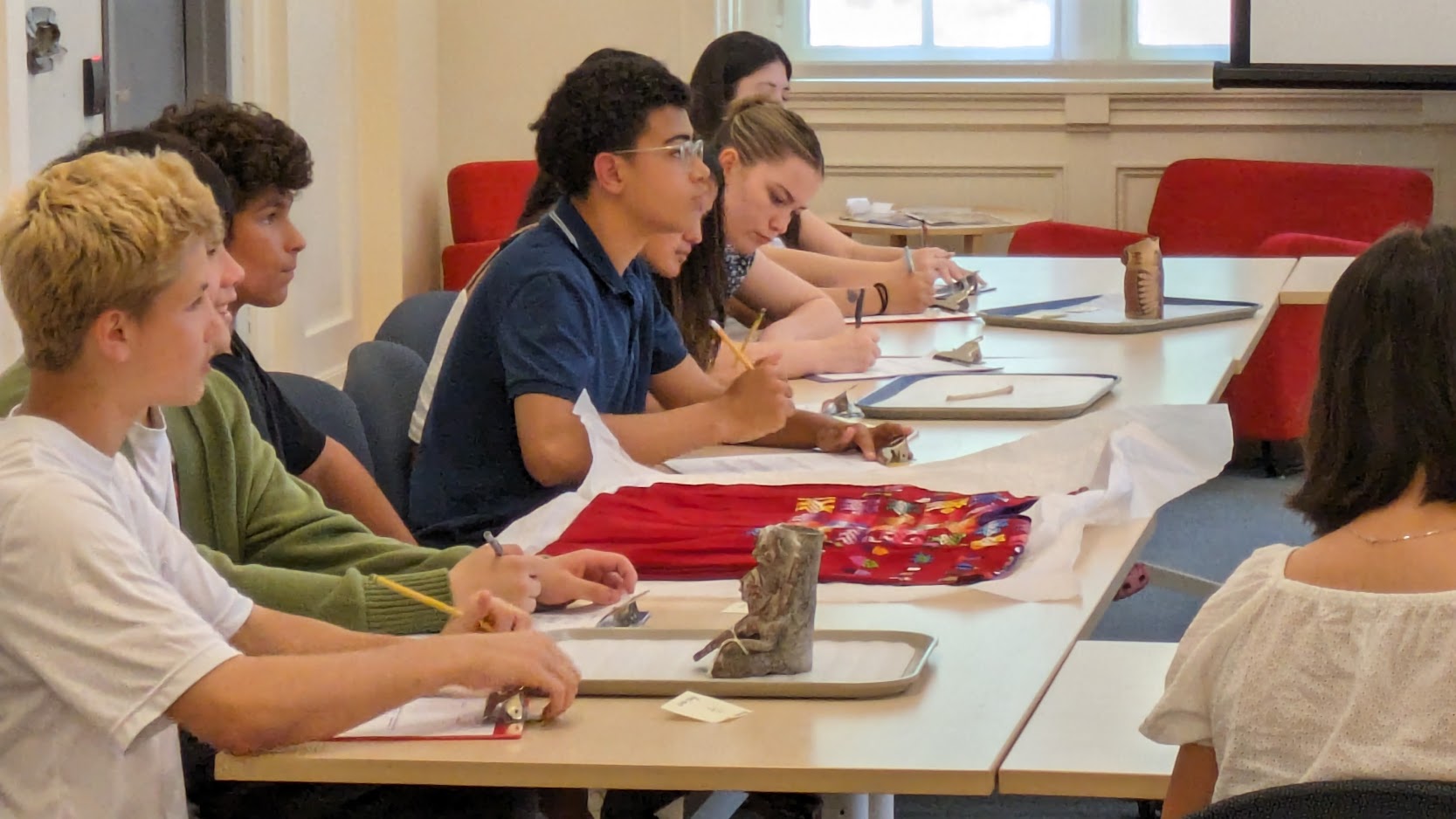
After completing the Tarps exercise, students apply their newly acquired knowledge and skills to study of the objects from Mesoamerica, the Andes, American Southwest and American Southeast. We asked them to write down their observations of the object, what are its potential uses, what does it tell you about the culture, was it made by ancient or modern individuals, etc. The students then use this knowledge to pick and research an object on their own for their final project.
It was great revamping an older lesson and making it available for today’s classes at Phillips Academy!
Every month our collections staff monitor glue traps stationed around the building. The traps provide a way to monitor what kind of insect activity is happening at our Institute. They serve as one of several pillars of our Integrated Pest Management (IPM) program. IPM is a sustainable approach to managing pests that utilizes techniques that minimize risk to human health and the environment. Other pillars in our program include regular cleaning, maintaining temperature and humidity at levels that slow down and discourage insect activity, and isolating and treating affected items with deep cold or hypoxic conditions.
Insects within research and museum collections are a reality, especially within an old building like the Peabody. Some insects do not pose a danger to the collection, but their presence can signify that environmental conditions within the building may be outside of our target range. Other pests can damage the collection, and their presence requires immediate attention. In the past, the presence of one adult carpet beetle out in the open in our ethnographic collection area was enough to kick off a month’s long survey of susceptible items.
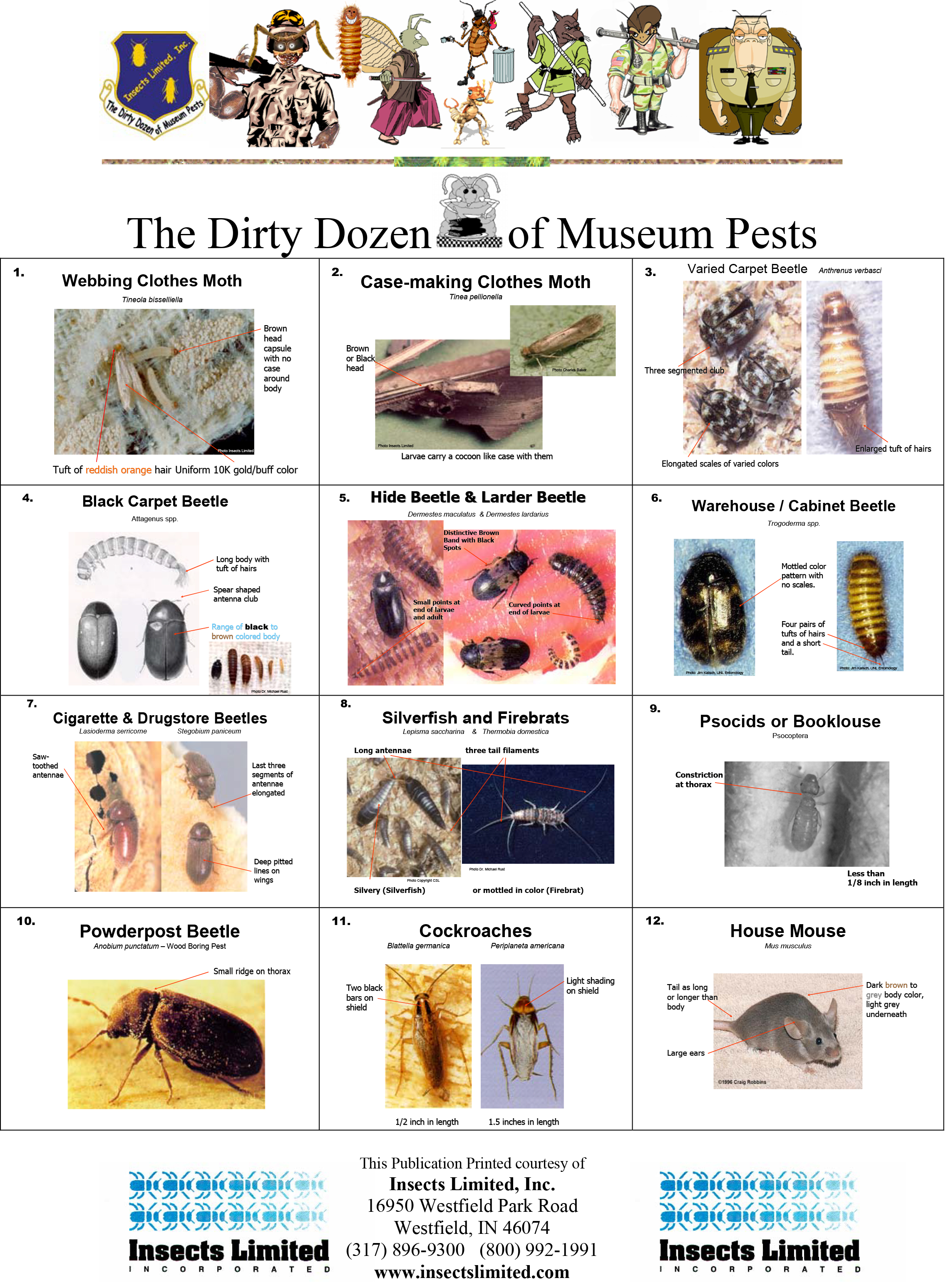
Insects Limited is a great resource for IPM solutions and insect identification, including this poster of museum baddies.
Our traps are placed along the walls where many insects prefer to travel and they are open on either side. When caught, the position of the bugs give us a sense of where insects are coming from, either within the building or from the outside. Some insects can live and breed within the building, while others have to leave to find a mate before coming back to lay eggs.
This month, as temperatures outside the building are warming up and the humidity is increasing, we are starting to see an increase in activity within our traps. One trap returned an insect that required closer inspection.
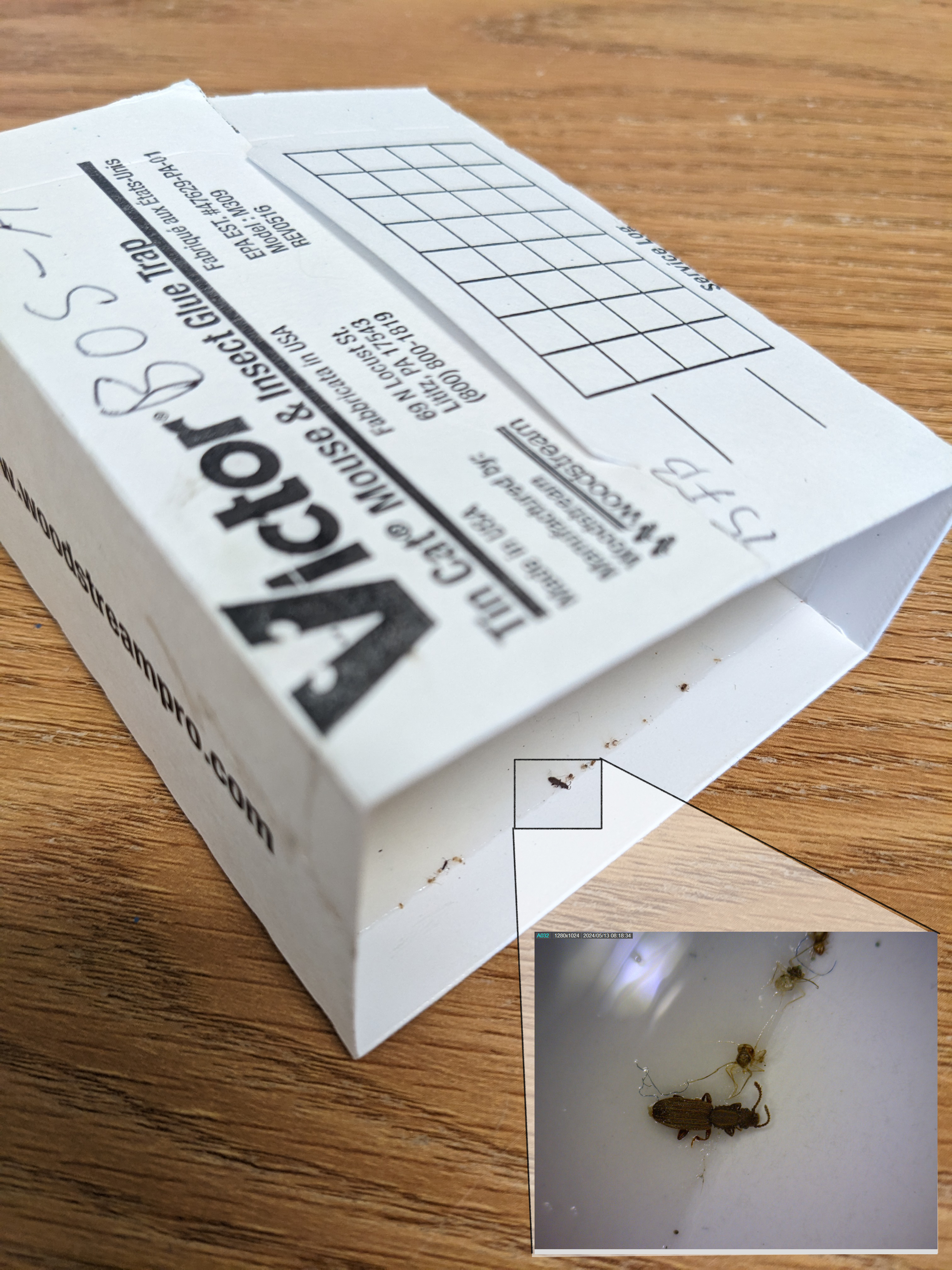
The trap in question with an enlarged image of the unknown insect.
In the above image, there are lots of little specks and one larger. The small specks are psocids (booklice), one of the dirty dozen pests depicted above. Booklice feed on molds, fungi, grains, insect fragments, and other starchy material, including glue from bookbindings (link). If this trap were in our library or archives, we would want to do a good cleaning. There are no at-risk collections where this trap is located, though a vacuum cleaning is warranted.
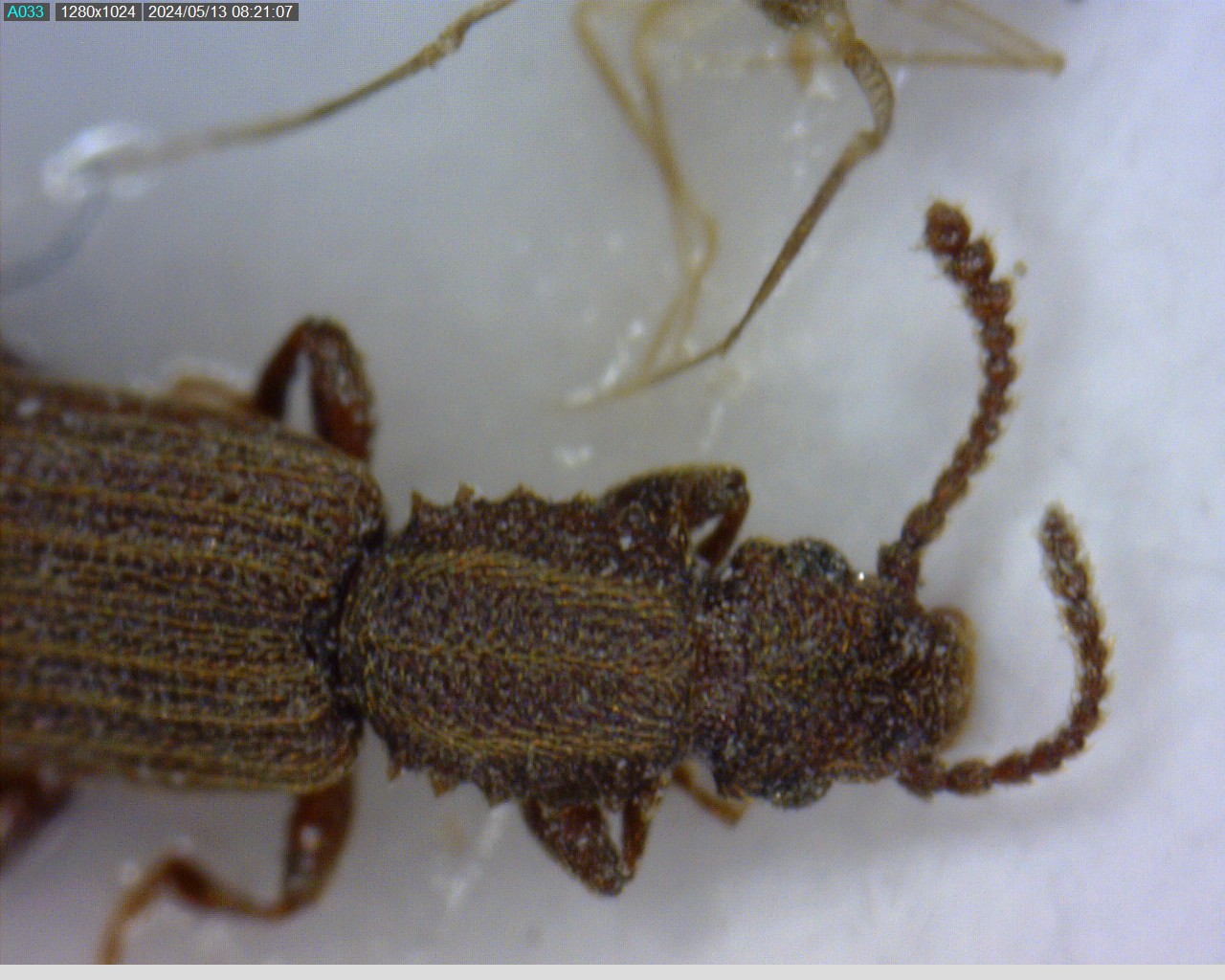
The larger speck is a beetle of some variety. It came from the room side of the trap, not the door side. It is roughly 1-2 mm in length (very small!) and needs to be examined under magnification. Amazingly, there are many beetles of this size. One that we have seen in traps in the past is the minute brown fungus beetle (MBFB) (link). They are an insect that doesn’t pose a direct risk to the collections, however they can indicate warm and wet environmental conditions. MBFB eat wet organic matter and plaster, and if found in large numbers they may alert us to leaks in the building.
A more alarming possibility is the powderpost beetle (link). This is a truly dangerous pest. They can decimate wood. Adults are rarely seen, and they lay tiny eggs on or just under the wood surface. When the eggs hatch the larva burrow under the surface and tunnel around until they emerge from tiny pin holes when they are adults.
Here is a very up close and personal view of the mystery insect.
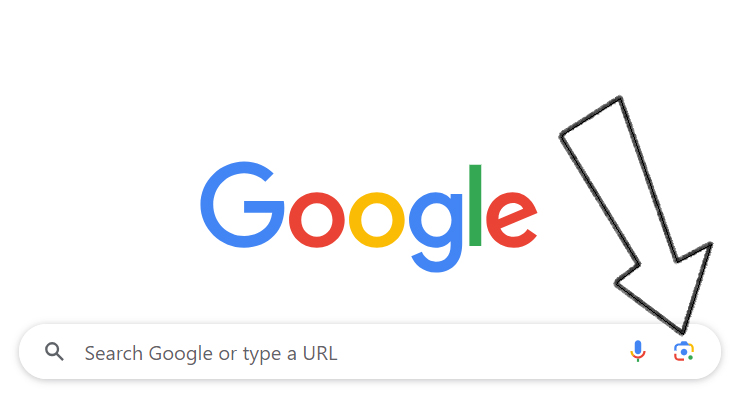
Under magnification our insect doesn’t look like either of these. A very useful tool for identifying unknown insects is the image lookup function in Google images.
Click the above icon and follow the prompts to upload your image. Google will return images that look similar to your upload.
With the image loaded into Google, we were pretty quickly able to find very close visual matches that suggest that our beetle is a Saw Tooth Grain Beetle (link, link). This beetle is a common kitchen pest frequently found in oatmeal and grain. There is a possibility that this insect is a random encounter, however they are known to consume tobacco, which we have housed with our collection. We have susceptible items within the collection, but they aren’t housed anywhere near this trap location. This is one to keep our eyes on, so we’ll be monitoring this area for future encounters.
May is National Pet Month, a time to celebrate how important our pets are! Whether they are just being their playful selves or providing assistance in various ways, pets contribute so much love in people’s lives. They also make our social media that much more entertaining.
This month we’d like to introduce some more Peabody Pets! Amongst these new faces, you may see some familiar furry friends from our first Peabody Pets blog here!
Meet Opal
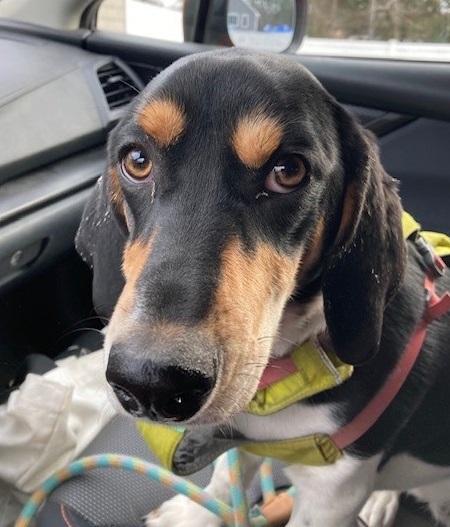
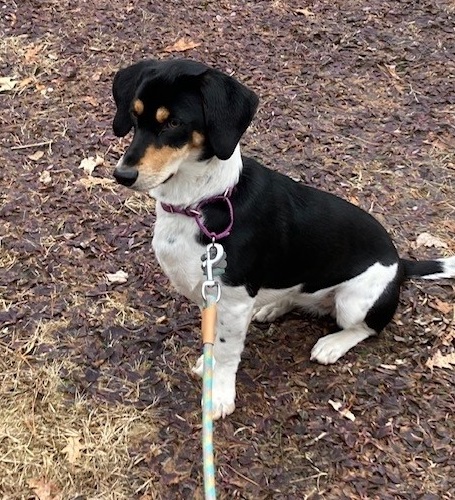
Opal is a beagle/basset hound mix that was rescued from Oklahoma. She was a puppy when she came to Peabody curator of collections Marla Taylor’s family just about a year ago and they decided her birthday is February 14th. Opal was named by Marla’s sons – they came up with the name completely on their own and it won the family vote. Opal loves her boys!
Opal’s favorite foods are broccoli, carrots, and salami. She LOVES chasing the ball in the backyard but hasn’t figured out that she needs to bring it back to have it thrown again. She also loves trying to play soccer with the boys (but she uses her mouth). Opal does not hesitate to climb onto your lap when she wants some attention.
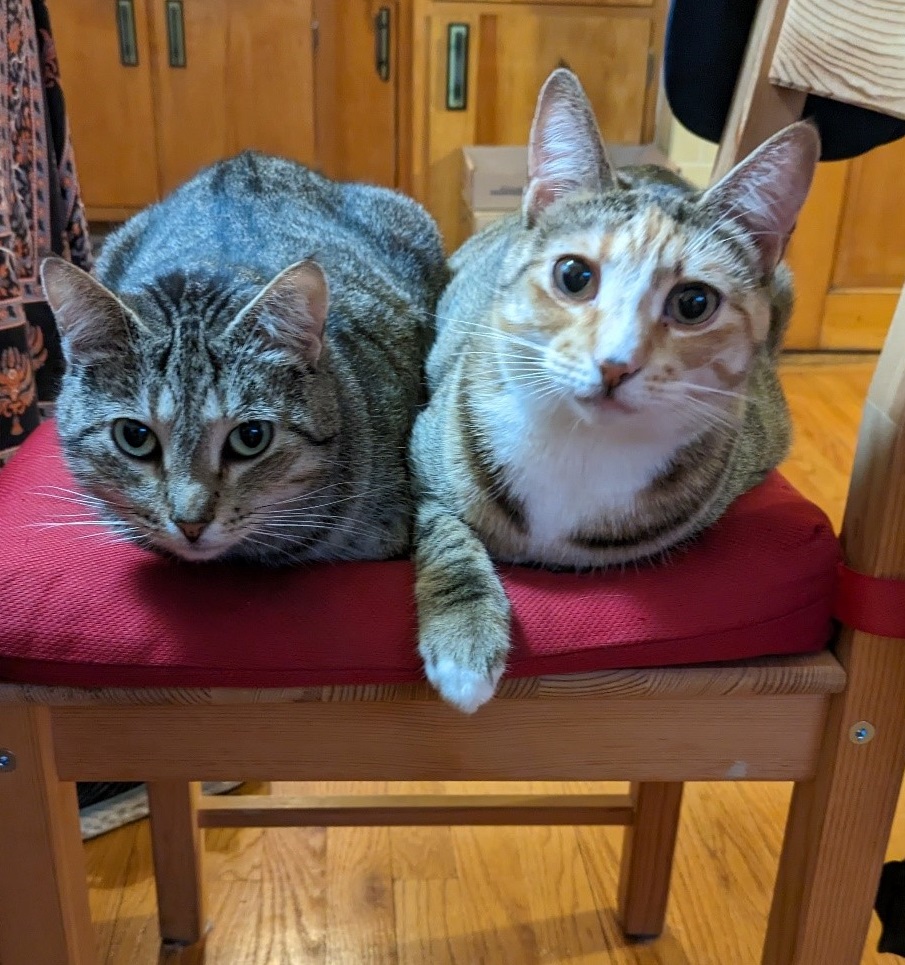
Meet Sophie and Elle
Sophie and her daughter Elle are the newest additions to Peabody director Ryan Wheeler’s family. Sophie (also known as Baby Cat, Baby Momma Cat, Clio, Buttons, etc.) was part of a feral cat colony in Fort Lauderdale, where she befriended Ryan in 2021. She was ultimately rescued by the organization Love for Cats in 2022 and was soon joined by her kitten Elle (named for Millie Bobby Brown’s character Eleven from Stranger Things).
In July 2022, Ryan traveled to Florida to bring Sophie and Elle back to Massachusetts. Despite being feral, Sophie enjoys sitting with her humans, interacting with her dog friend Scotty, and, occasionally, snuggling with her daughter. Elle is now two years old and the biggest cat at Ryan’s home. She enjoys being goofy, watching television, and playing with her toys.
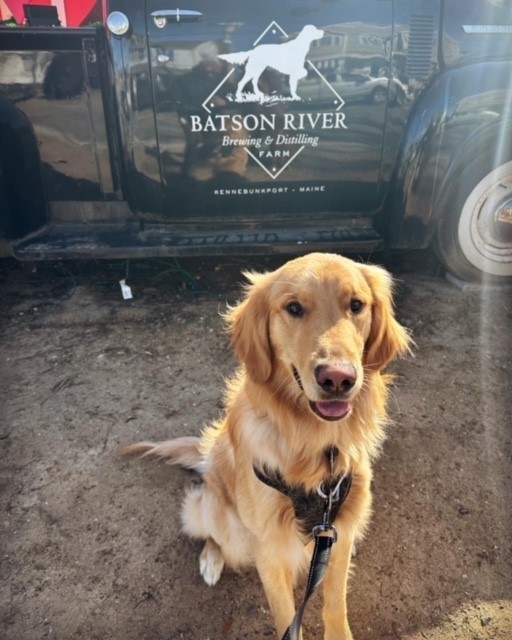
Meet Batson
Batson is a 1-year old golden retriever whose birthday was just last month! He is the second fur child to Peabody administrative assistant Emma Lavoie and her family. Batson gets his name from the Batson River that flows through Kennebunkport, Maine. The towns of Wells and Kennebunkport, Maine are very dear to Emma’s family, as her family has spent summers there since she was a child. Batson’s namesake is also dedicated to the Batson River Brewing & Distilling Company, a local favorite in Maine!
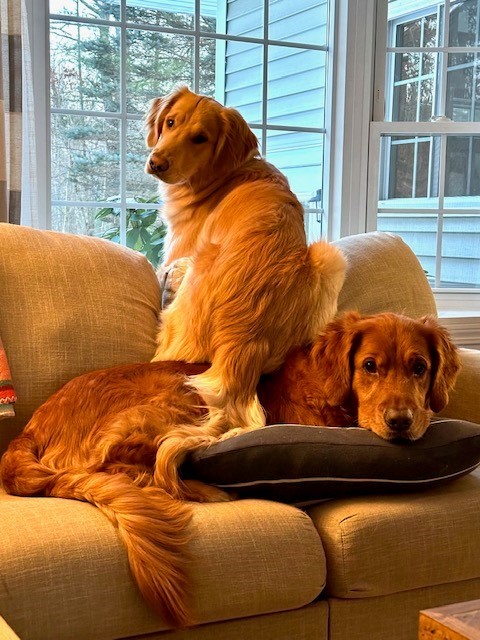
Batson’s favorite activities are swimming, running on the beach (and into the ocean), looking out the window, giving hugs, wrestling or sitting on his brother, and looking at himself in a mirror (we’re still figuring that one out). His favorite foods are peanut butter, green beans, carrots, and his meatball and jerky treats. You may recognize Batson’s brother, Rourke, from our previous pet blog. Rourke is now 5 years old and loves having a little brother… most of the time. Rourke got his name from Emma’s old family Irish name O’Rourke (meaning Red Hero). Emma found the family crest during her visit to Ireland in the fall!
Meet Baz
Remember Baz from our previous blog? He’s now 17 years old! Baz has been a long-time member of Peabody collections coordinator John Bergman-McCool’s family. He will follow you around the house for hours waiting for the moment you sit down. Then, he claims his spot in your lap. The remaining time is spent sleeping on your pillow. He loves cucurbits of all kinds and playing fetch.
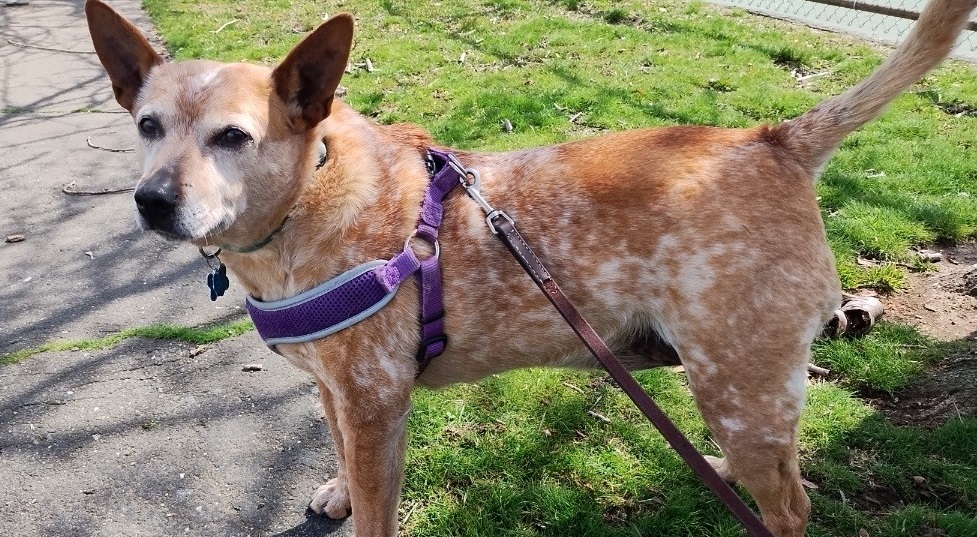
Meet Scotty
Recognize Scotty from our previous blog? Scotty MacLeish is an Australian cattle dog mix who joined Peabody director Ryan Wheeler’s family in fall 2016. He was about a year old at that time, a rescue from Tennessee. Scotty soon made an appearance in Ryan’s Human Origins course, where he helped facilitate conversations about dog domestication (being part dingo!).
Scotty enjoys hanging around with his cat friends, but doesn’t enjoy rainy or cold weather. His name is a tribute to Richard “Scotty” MacNeish, fifth director of the Robert S. Peabody Institute of Archaeology and super star archaeologist of plant domestication.
Meet Dexter
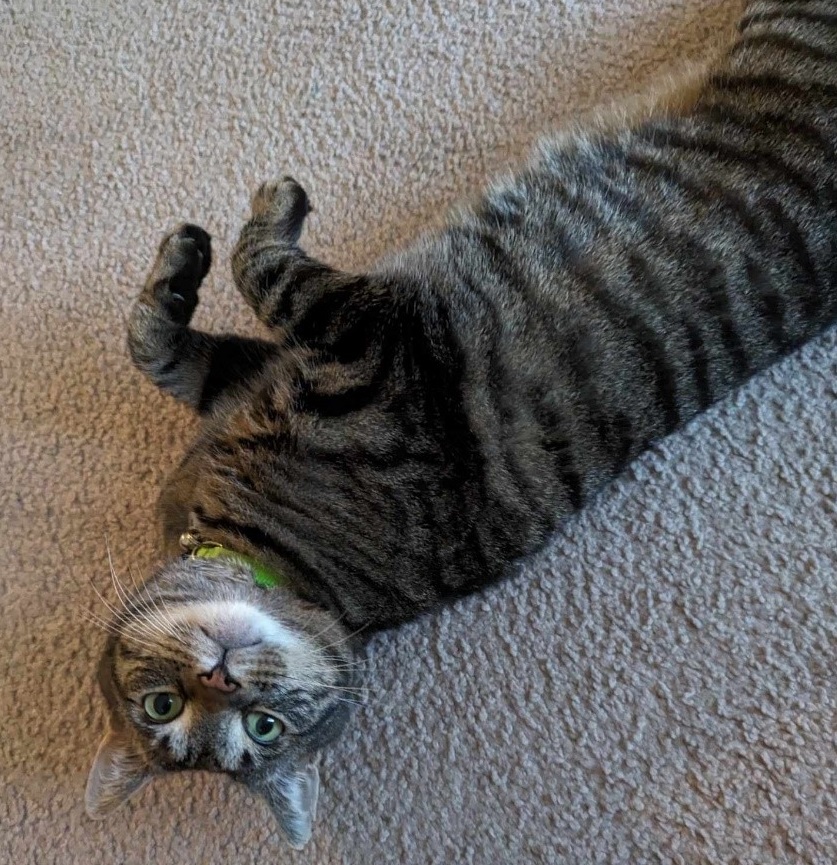
This is Dexter! He is a 6 year old Tabby cat. He was adopted from the pet adoption center in Irondequoit, NY, joining Peabody temporary educator and collections assistant, Nick Andrusin’s family back in 2019. His new family did not pick his name. Instead, they chose to keep his original name, Dexter, as he already knew and answered to it before adoption.
His favorite activities include rough housing, staring at birds, and sitting on an open lap for as long as possible. He loves cream cheese and deli meats.
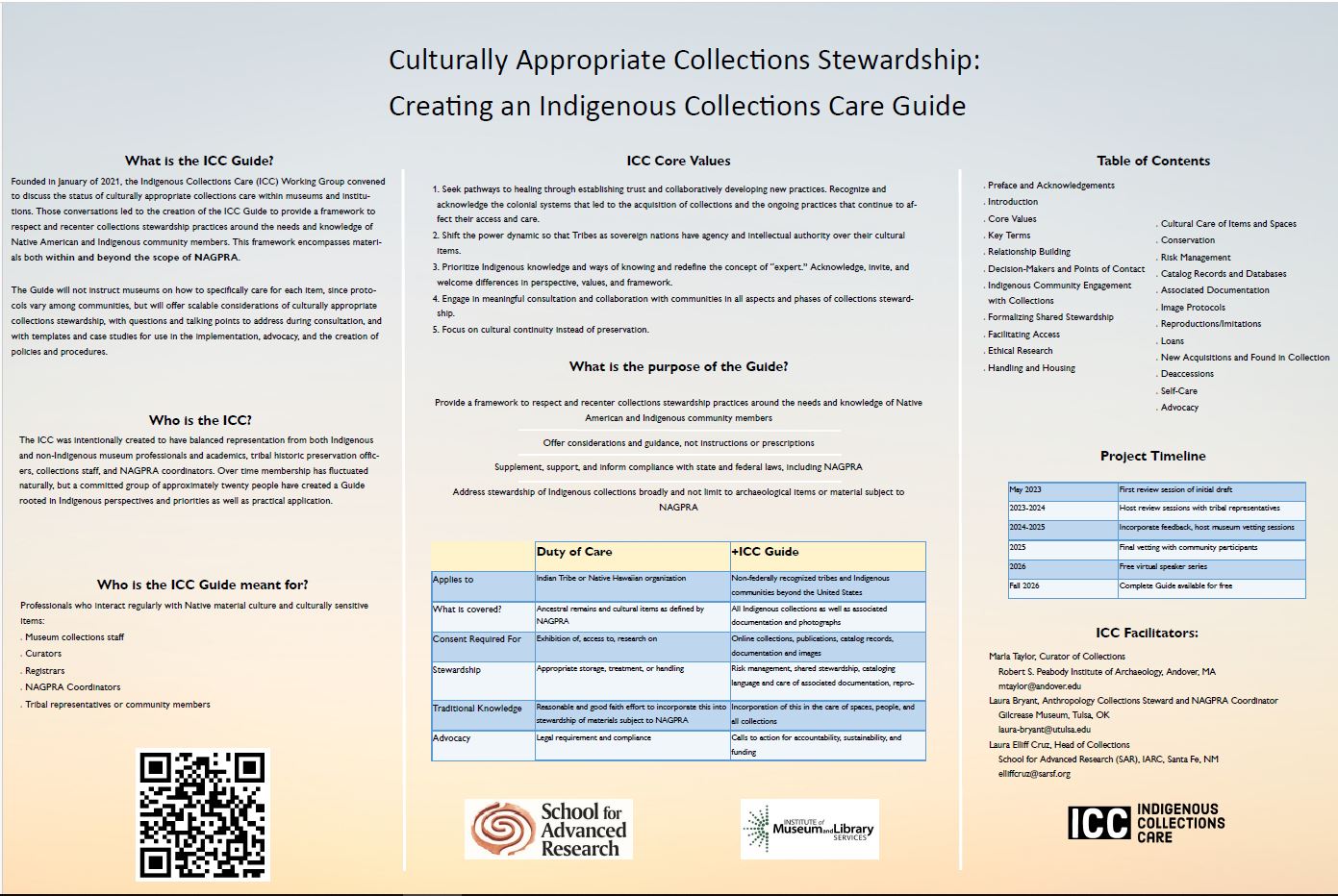
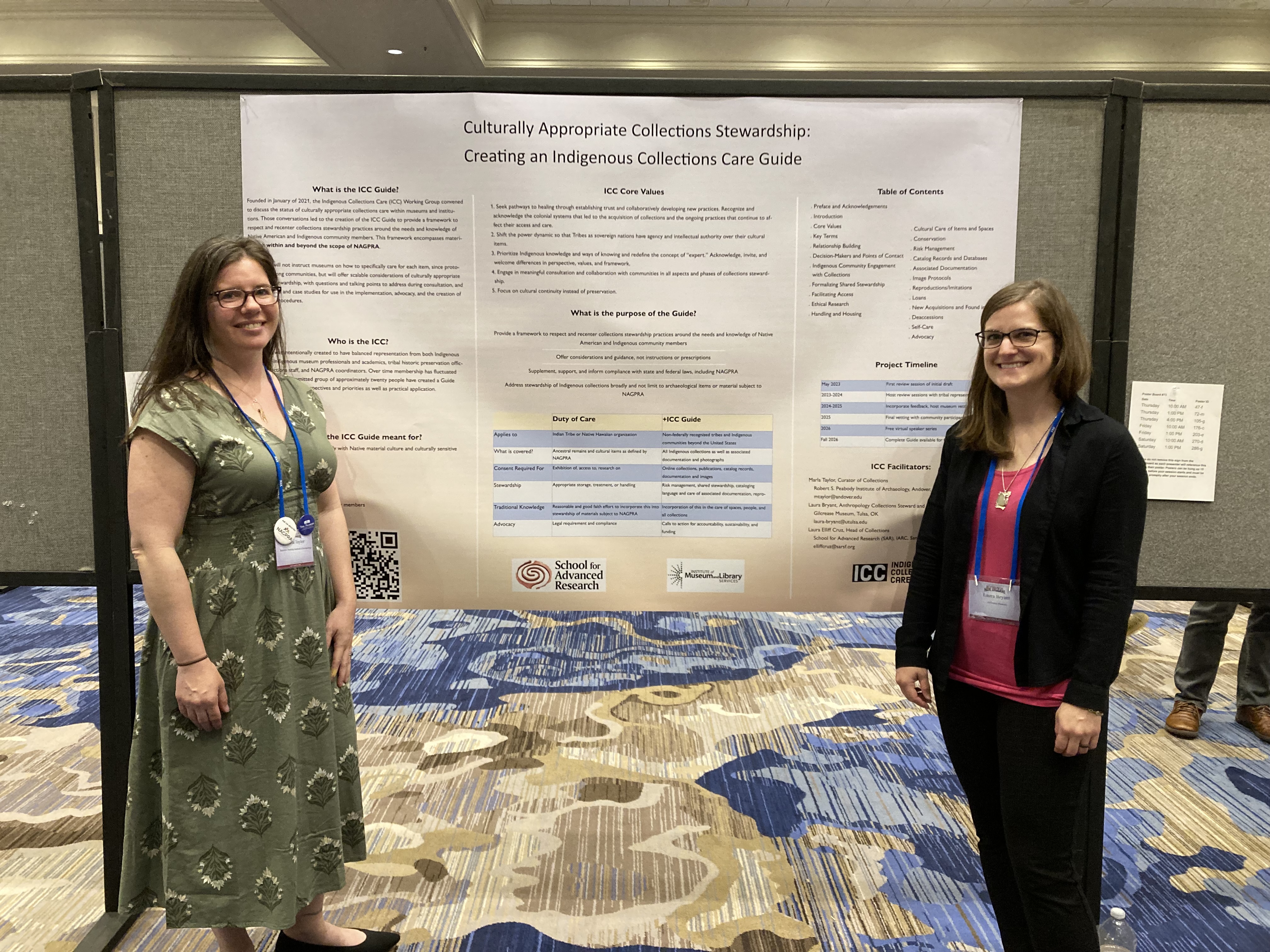
At the SAA meeting in New Orleans, I had the pleasure of representing the Indigenous Collections Care (ICC) Guide in the poster session – In Search of Solutions: Exploring Pathways to Repatriation for NAGPRA Practitioners (Part V): NAGPRA in Policy, Protocol, and Practice.
The ICC poster discussed the development of the ICC Guide, what is covered in the document, and how it can support NAGPRA compliance. The ICC Guide provides a framework to respect and recenter collections stewardship practices around the needs and knowledge of Native American and Indigenous community members. This framework encompasses materials both within and beyond the scope of NAGPRA.
I was excited for the opportunity to share the ICC Guide project with an archaeological audience. I had so many positive conversations with folks and really enjoyed connecting with everyone. It was a great conference and great experience!
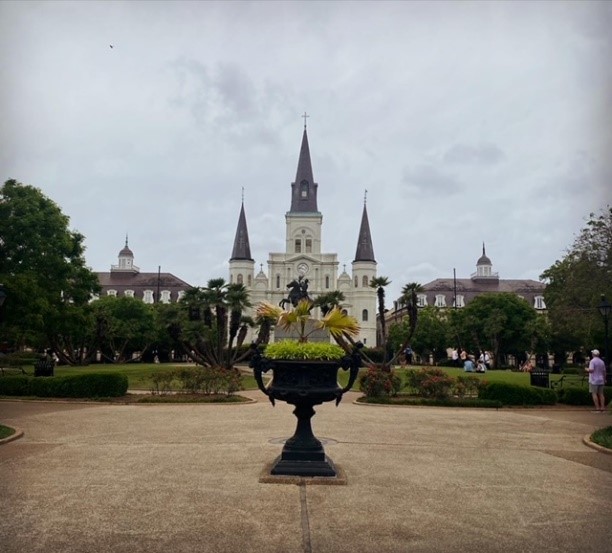
This month, members of the Peabody staff attended the 89th annual meeting of the Society for American Archaeology (SAA). This year, the annual meeting was in New Orleans, Louisiana. SAA was founded in 1934 and is the largest organization for archaeologists conducting work in North and South America. Fun fact: the first meeting by SAA took place at Phillips Academy in December 1935!
Today, the SAA includes over 7,000 members and their annual meetings take place all over the country, giving archaeologists the opportunity to present papers and posters on their research, as well as conduct symposiums and panel discussions related to current issues in the field of archaeology.
There are many institutions and vendors who take part in SAA’s exhibit hall, where various groups rent space to promote their organizations and activities. This is also a wonderful place to meet and network with other institutions and archaeologists. The Peabody booth was very popular – and this may or may not have had to do with our booth neighbors, the Institute for Canine Forensics. They were the best neighbors and of course we had a blast meeting Katana and Jazz (two of their service canine teammates.)
Staff with the Peabody booth at SAA
This was one of the largest exhibit hall turnouts the Peabody has experienced at SAA and it was a great opportunity for staff to meet new people interested in the Peabody for research, educational programming with the Journal of Archaeology and Education, collection care, and NAGPRA work. It was also wonderful for staff to reunite with past friends and colleagues.
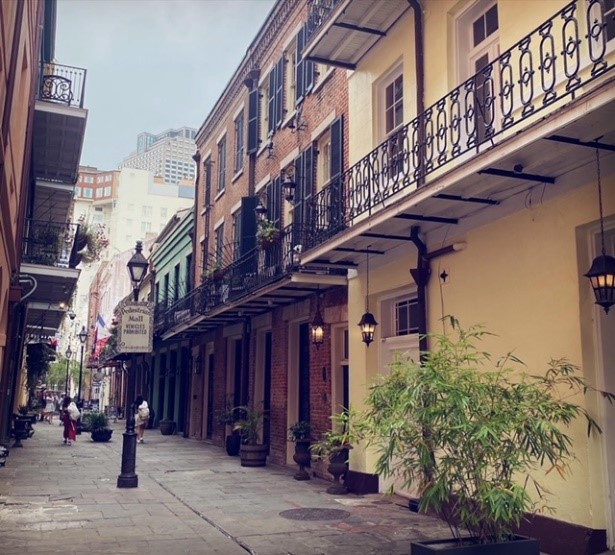
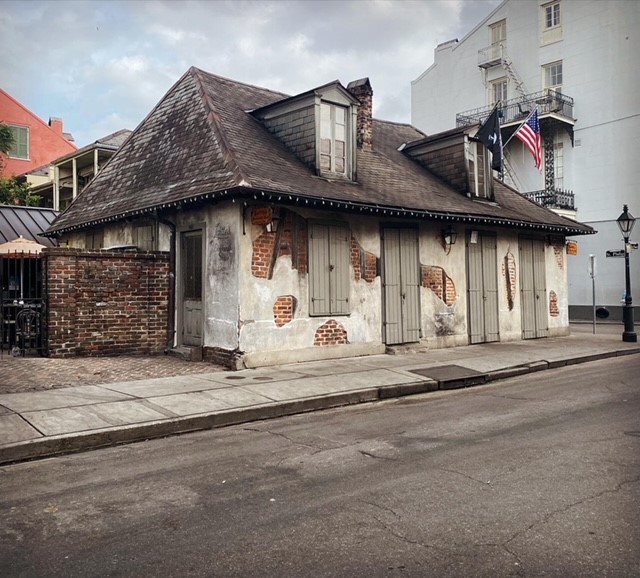
With the SAA conference in New Orleans (right in the heart of the French Quarter no less), there were many opportunities to explore the historical city and jazz culture. I even got to see a site associated with my ancestors – the Lafitte brothers, who used the property for their privateering and smuggling operations in New Orleans.
Next year’s SAA meeting will take place in Denver, Colorado – where SAA will be celebrating 90 years! You can be sure to see the Peabody in attendance!
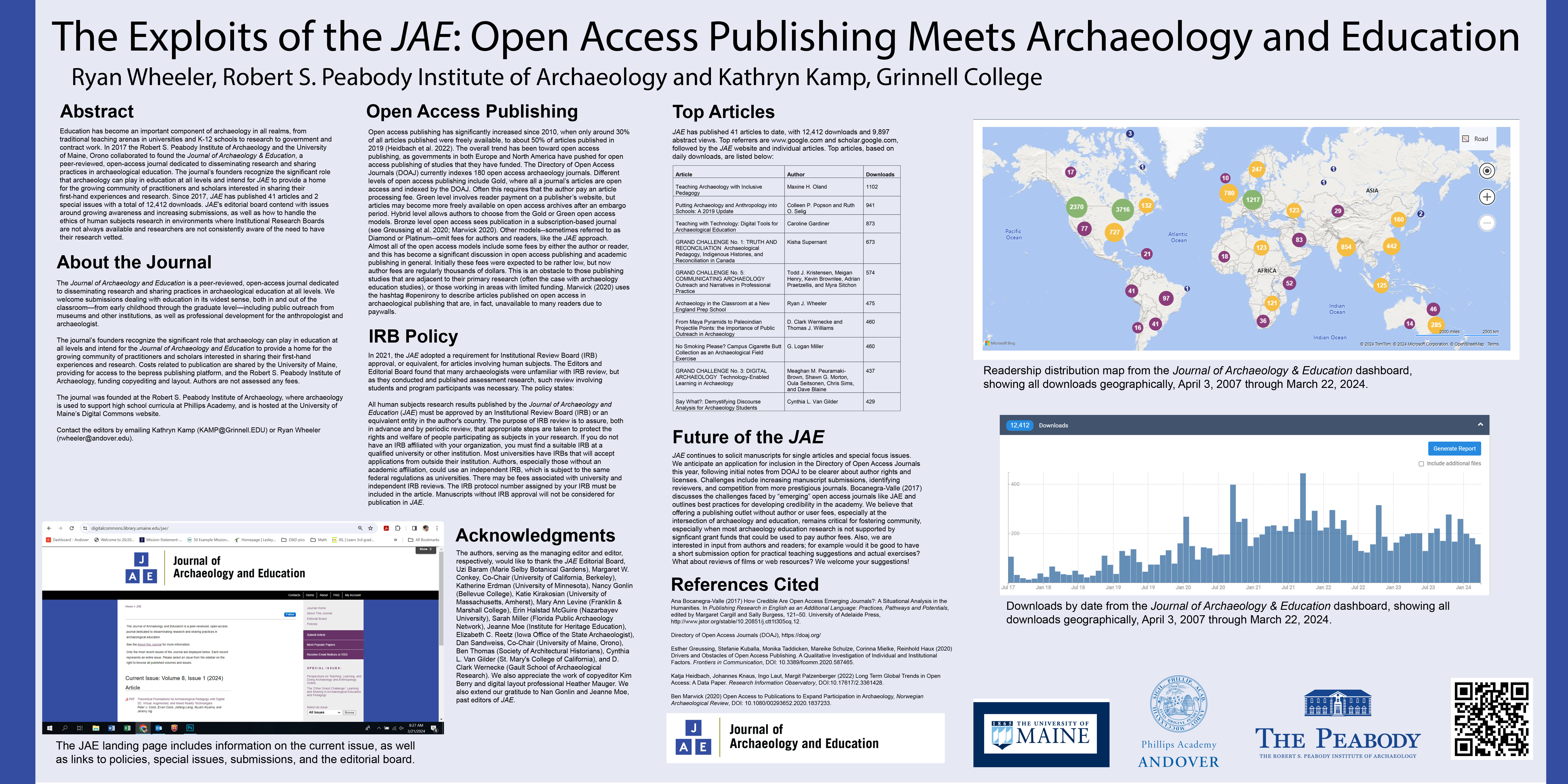
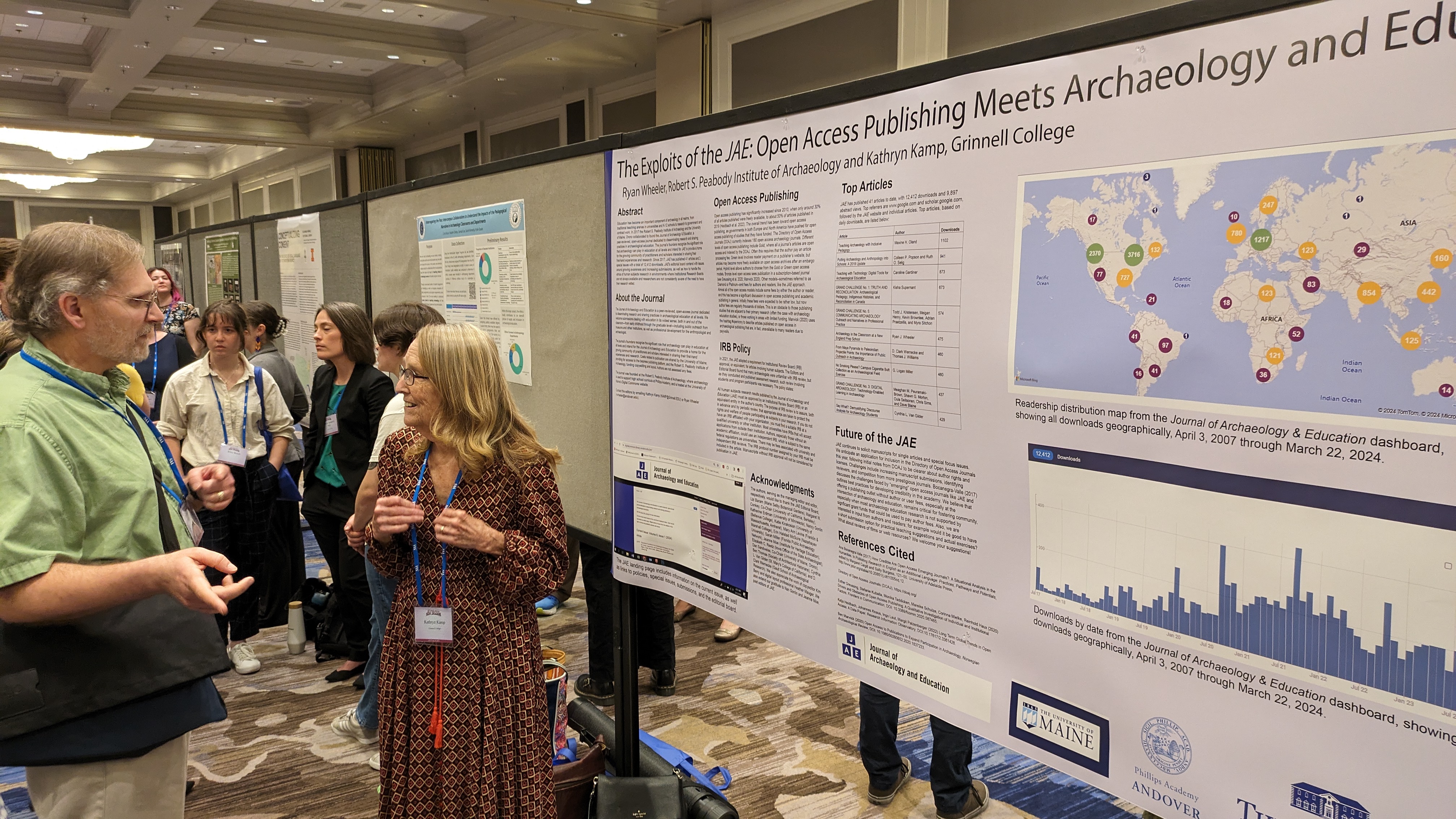
Poster sessions are a great way to share information and connect with people at the annual meeting of the Society for American Archaeology. Exhibitors have two hours to share their research and projects, connecting at length with attendees that stop by to chat–a bit less pressure than the regular sessions and symposia! At the recent 89th annual meeting of the SAA, the Journal of Archaeology & Education was represented at the Thursday afternoon posters after hours session. For those that couldn’t make it, here are some highlights of our poster:
JAE poster from the recent SAA annual meeting.
Abstract
Education has become an important component of archaeology in all realms, from traditional teaching arenas in universities and K-12 schools to research to government and contract work. In 2017 the Robert S. Peabody Institute of Archaeology and the University of Maine, Orono collaborated to found the Journal of Archaeology & Education, a peer-reviewed, open-access journal dedicated to disseminating research and sharing practices in archaeological education. The journal’s founders recognize the significant role that archaeology can play in education at all levels and intend for JAE to provide a home for the growing community of practitioners and scholars interested in sharing their first-hand experiences and research. Since 2017, JAE has published 41 articles and 2 special issues with a total of 12,412 downloads. JAE’s editorial board contend with issues around growing awareness and increasing submissions, as well as how to handle the ethics of human subjects research in environments where Institutional Research Boards are not always available and researchers are not consistently aware of the need to have their research vetted.
About the Journal
The Journal of Archaeology and Education is a peer-reviewed, open-access journal dedicated to disseminating research and sharing practices in archaeological education at all levels. We welcome submissions dealing with education in its widest sense, both in and out of the classroom—from early childhood through the graduate level—including public outreach from museums and other institutions, as well as professional development for the anthropologist and archaeologist.
The journal’s founders recognize the significant role that archaeology can play in education at all levels and intend for the Journal of Archaeology and Education to provide a home for the growing community of practitioners and scholars interested in sharing their first-hand experiences and research. Costs related to publication are shared by the University of Maine, providing for access to the bepress publishing platform, and the Robert S. Peabody Institute of Archaeology, funding copyediting and layout. Authors are not assessed any fees.
The journal was founded at the Robert S. Peabody Institute of Archaeology, where archaeology is used to support high school curricula at Phillips Academy, and is hosted at the University of Maine’s Digital Commons website. Contact the editors by emailing Kathryn Kamp (KAMP@Grinnell.EDU) or Ryan Wheeler (rwheeler@andover.edu).
JAE editor Kathryn Kamp talks to attendees at the poster session.
Open Access Publishing
Open access publishing has significantly increased since 2010, when only around 30% of all articles published were freely available, to about 50% of articles published in 2019 (Heidbach et al. 2022). The overall trend has been toward open access publishing, as governments in both Europe and North America have pushed for open access publishing of studies that they have funded. The Directory of Open Access Journals (DOAJ) currently indexes 180 open access archaeology journals. Different levels of open access publishing include Gold, where all a journal’s articles are open access and indexed by the DOAJ. Often this requires that the author pay an article processing fee. Green level involves reader payment on a publisher’s website, but articles may become more freely available on open access archives after an embargo period. Hybrid level allows authors to choose from the Gold or Green open access models. Bronze level open access sees publication in a subscription-based journal (see Greussing et al. 2020; Marwick 2020). Other models–sometimes referred to as Diamond or Platinum–omit fees for authors and readers, like the JAE approach. Almost all of the open access models include some fees by either the author or reader, and this has become a significant discussion in open access publishing and academic publishing in general. Initially these fees were expected to be rather low, but now author fees are regularly thousands of dollars. This is an obstacle to those publishing studies that are adjacent to their primary research (often the case with archaeology education studies), or those working in areas with limited funding. Marwick (2020) uses the hashtag #openirony to describe articles published on open access in archaeological publishing that are, in fact, unavailable to many readers due to paywalls.
IRB Policy
In 2021, the JAE adopted a requirement for Institutional Review Board (IRB) approval, or equivalent, for articles involving human subjects. The Editors and Editorial Board found that many archaeologists were unfamiliar with IRB review, but as they conducted and published assessment research, such review involving students and program participants was necessary. The policy states:
All human subjects research results published by the Journal of Archaeology and Education (JAE) must be approved by an Institutional Review Board (IRB) or an equivalent entity in the author’s country. The purpose of IRB review is to assure, both in advance and by periodic review, that appropriate steps are taken to protect the rights and welfare of people participating as subjects in your research. If you do not have an IRB affiliated with your organization, you must find a suitable IRB at a qualified university or other institution. Most universities have IRBs that will accept applications from outside their institution. Authors, especially those without an academic affiliation, could use an independent IRB, which is subject to the same federal regulations as universities. There may be fees associated with university and independent IRB reviews. The IRB protocol number assigned by your IRB must be included in the article. Manuscripts without IRB approval will not be considered for publication in JAE.
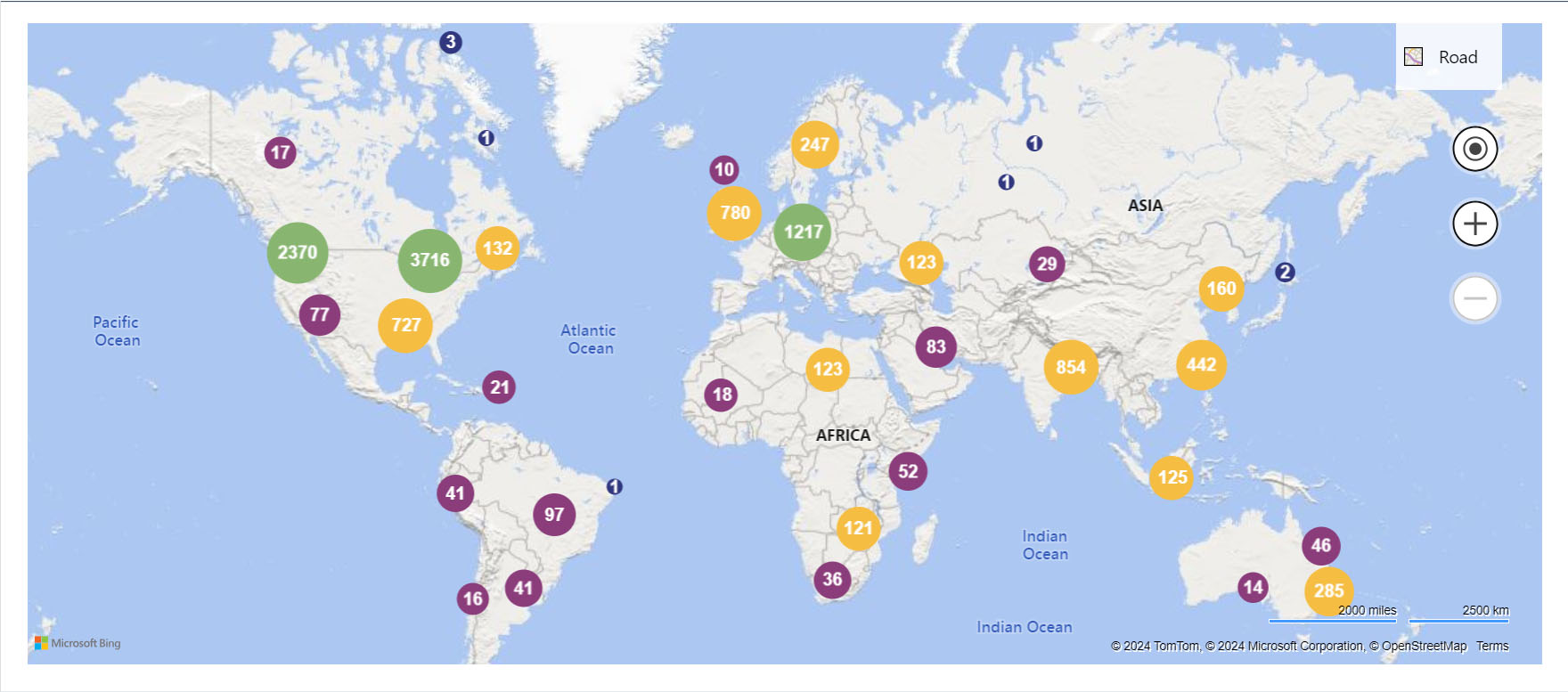
Geographic depiction of downloads from the JAE dashboard.
Top Articles
AE has published 41 articles to date, with 12,412 downloads and 9,897 abstract views. Top referrers are http://www.google.com and scholar.google.com, followed by the JAE website and individual articles. Top articles, based on daily downloads, are listed below:
JAE continues to solicit manuscripts for single articles and special focus issues. We anticipate an application for inclusion in the Directory of Open Access Journals this year, following initial notes from DOAJ to be clearer about author rights and licenses. Challenges include increasing manuscript submissions, identifying reviewers, and competition from more prestigious journals. Bocanegra-Valle (2017) discusses the challenges faced by “emerging” open access journals like JAE and outlines best practices for developing credibility in the academy. We believe that offering a publishing outlet without author or user fees, especially at the intersection of archaeology and education, remains critical for fostering community, especially when most archaeology education research is not supported by significant grant funds that could be used to pay author fees. Also, we are interested in input from authors and readers; for example would it be good to have a short submission option for practical teaching suggestions and actual exercises? What about reviews of films or web resources? We welcome your suggestions!
JAE managing editor ready to engage attendees at the poster session.
References Cited
Ana Bocanegra-Valle (2017) How Credible Are Open Access Emerging Journals?: A Situational Analysis in the Humanities. In Publishing Research in English as an Additional Language: Practices, Pathways and Potentials, edited by Margaret Cargill and Sally Burgess, 121–50. University of Adelaide Press, http://www.jstor.org/stable/10.20851/j.ctt1t305cq.12.
Esther Greussing, Stefanie Kuballa, Monika Taddicken, Mareike Schulze, Corinna Mielke, Reinhold Haux (2020) Drivers and Obstacles of Open Access Publishing. A Qualitative Investigation of Individual and Institutional Factors. Frontiers in Communication, DOI: 10.3389/fcomm.2020.587465.
Katja Heidbach, Johannes Knaus, Ingo Laut, Margit Palzenberger (2022) Long Term Global Trends in Open Access: A Data Paper. Research Information Observatory, DOI:10.17617/2.3361428.
Ben Marwick (2020) Open Access to Publications to Expand Participation in Archaeology, Norwegian Archaeological Review, DOI: 10.1080/00293652.2020.1837233.






 The Peabody