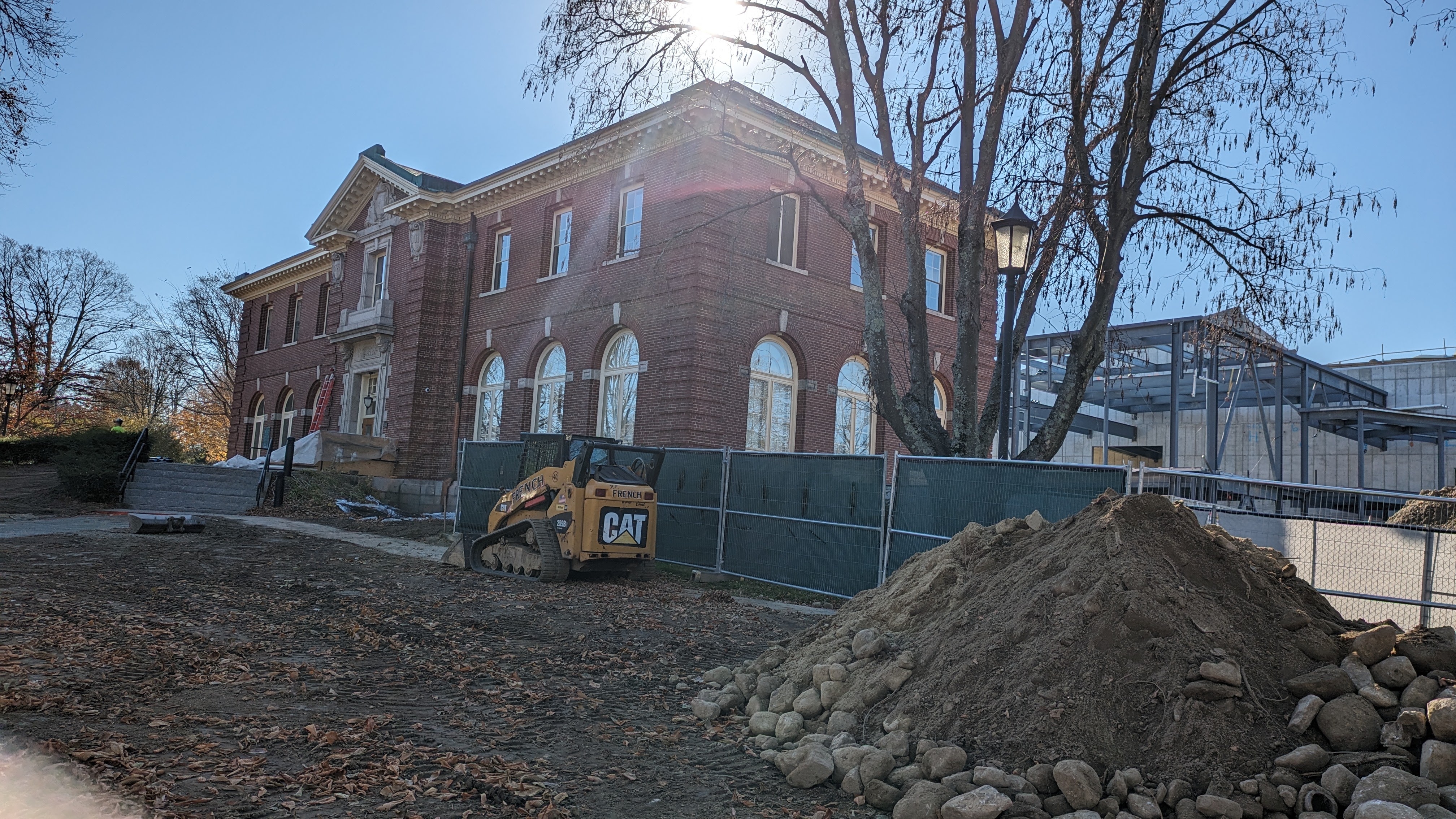
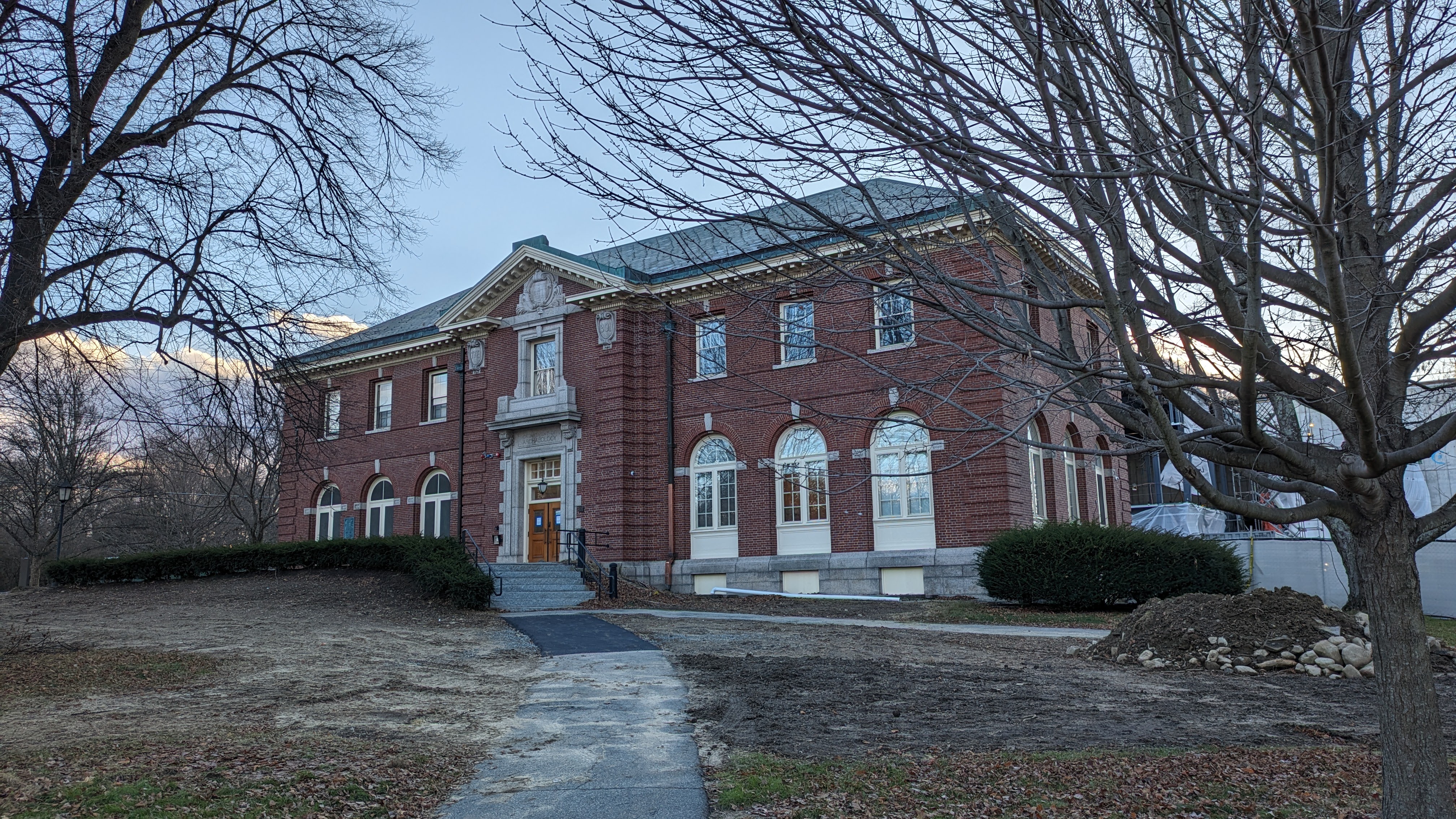
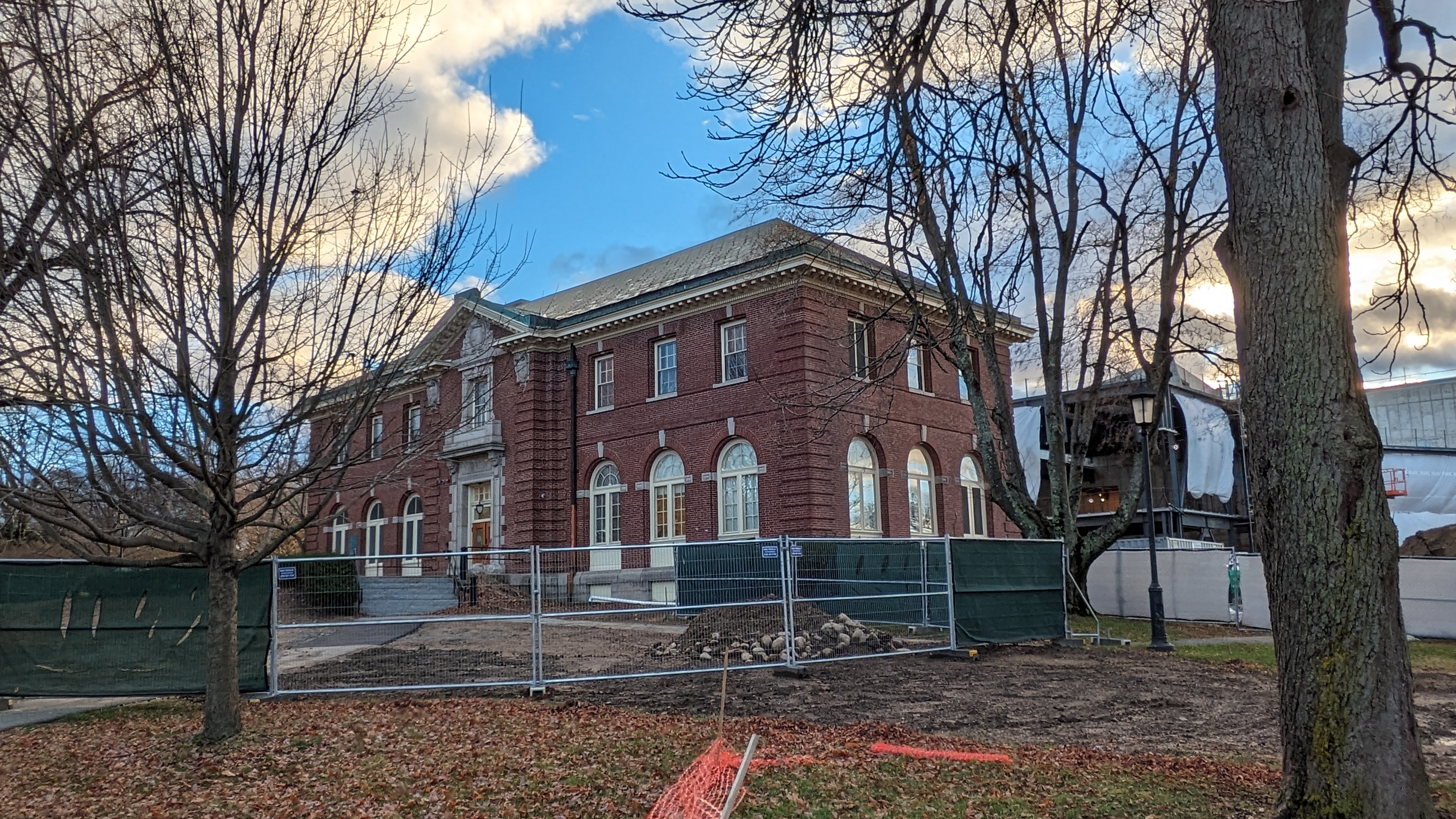
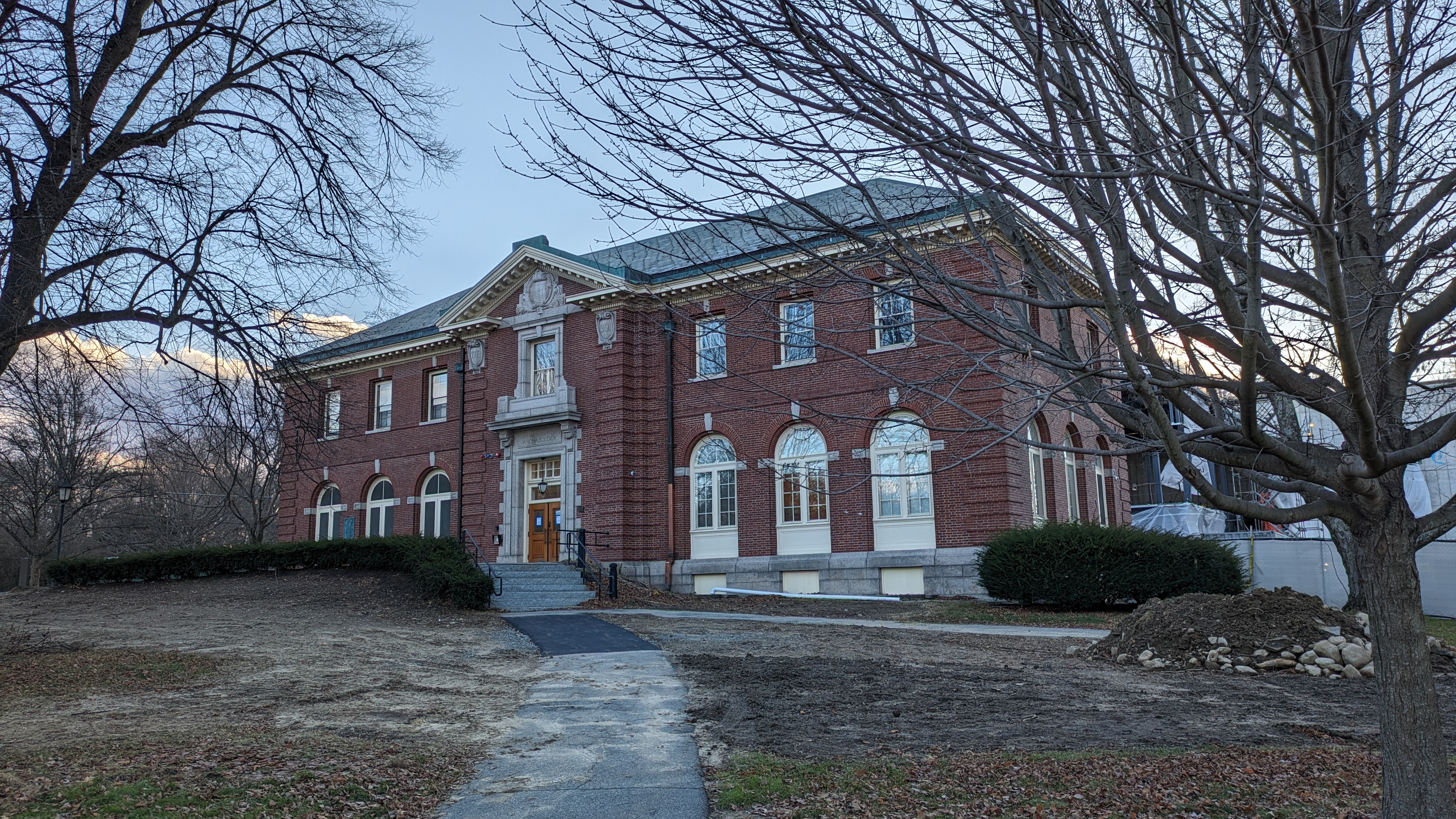
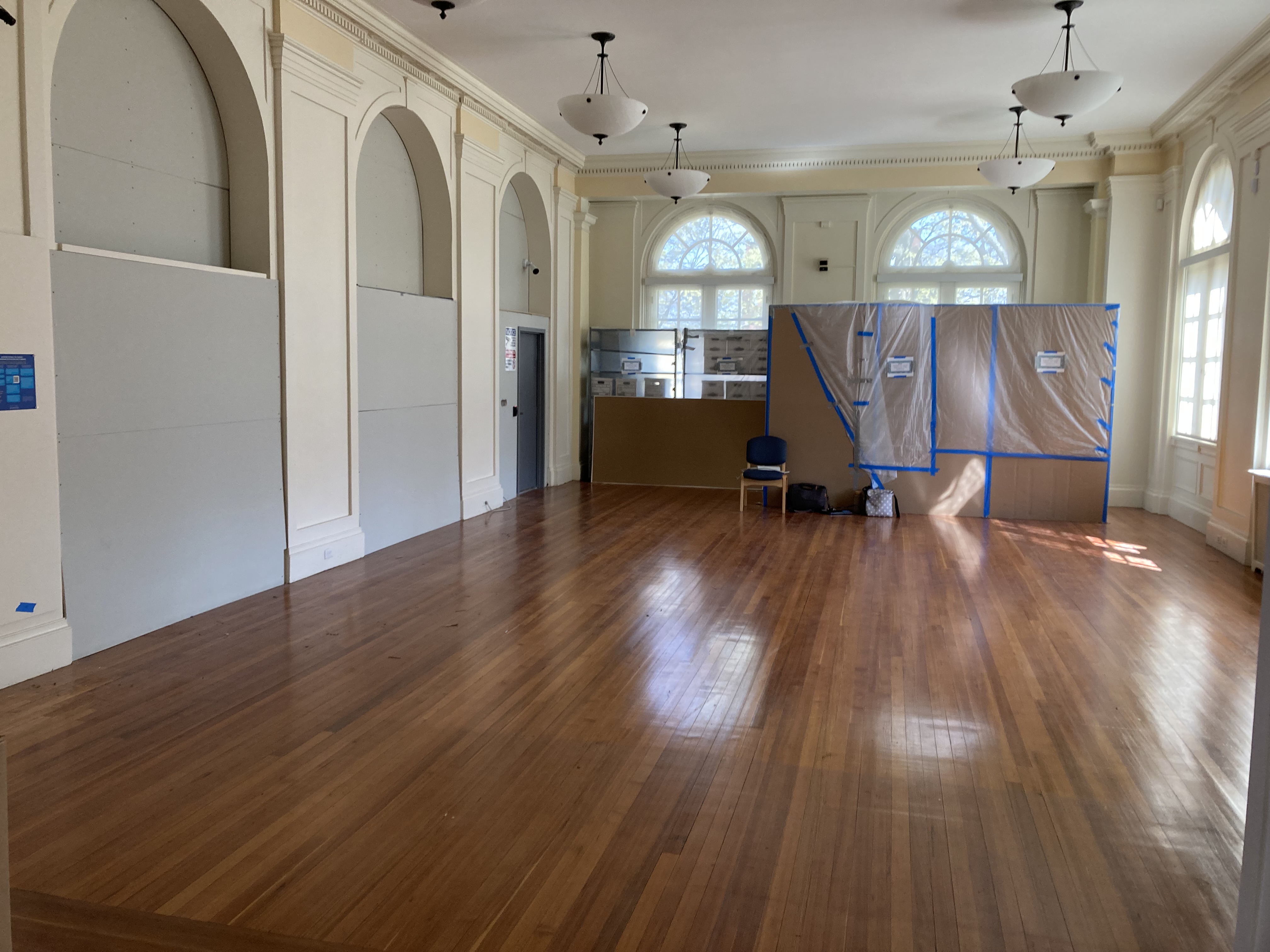
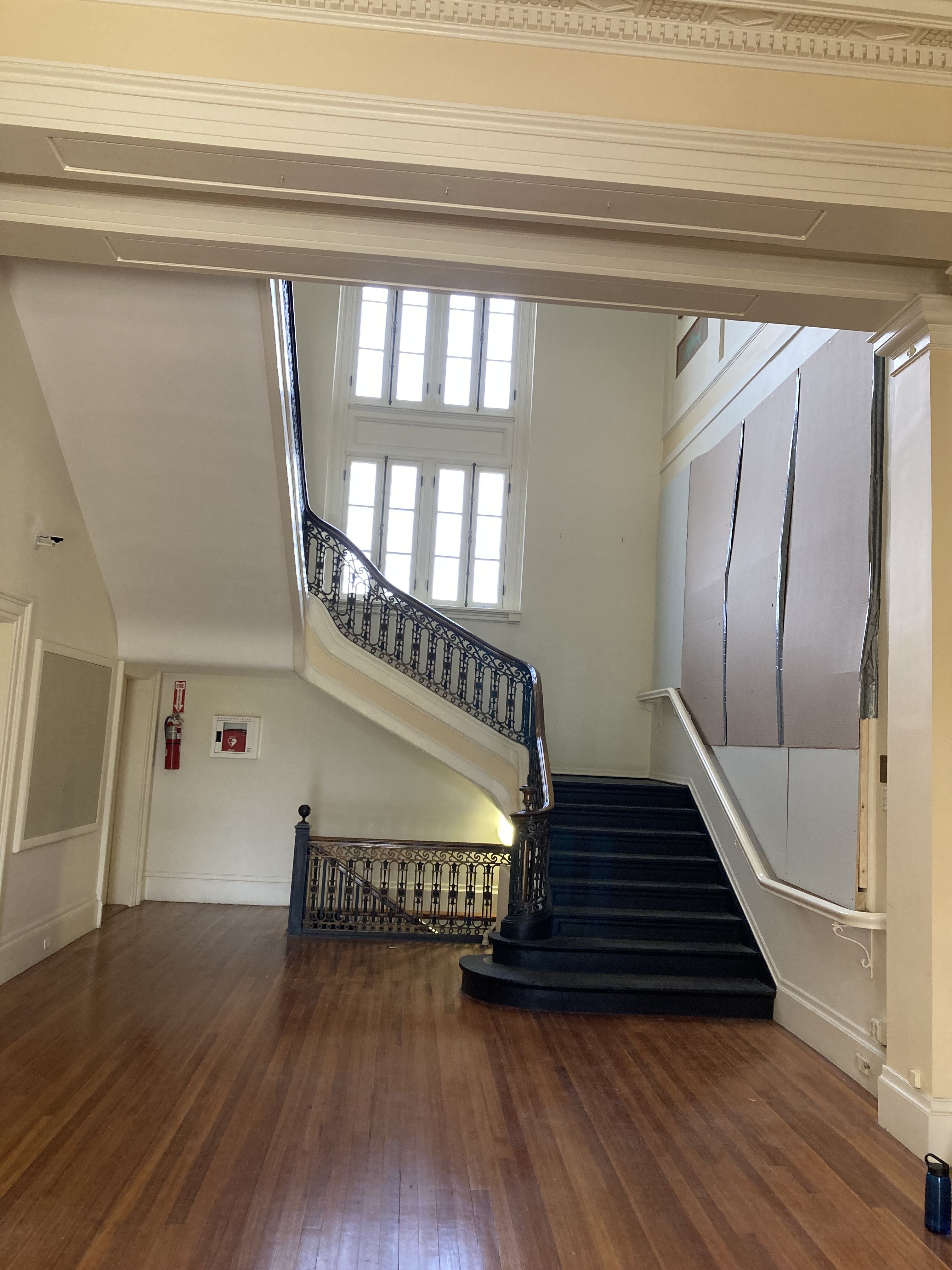
The fence around the Peabody is gone and there are no more contractors in the building. It has been great to be back in the space for the past few days.
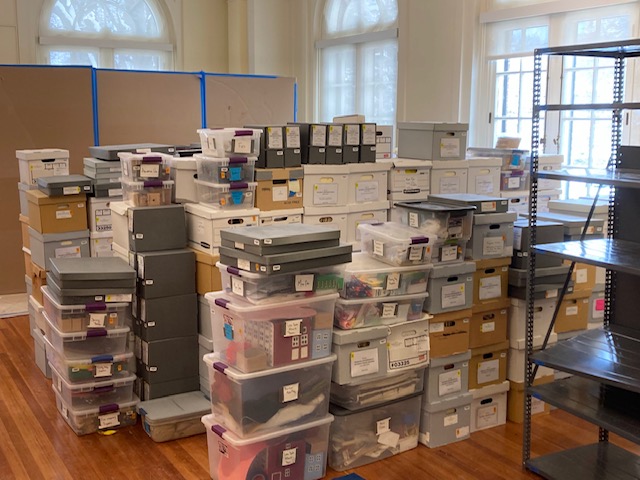
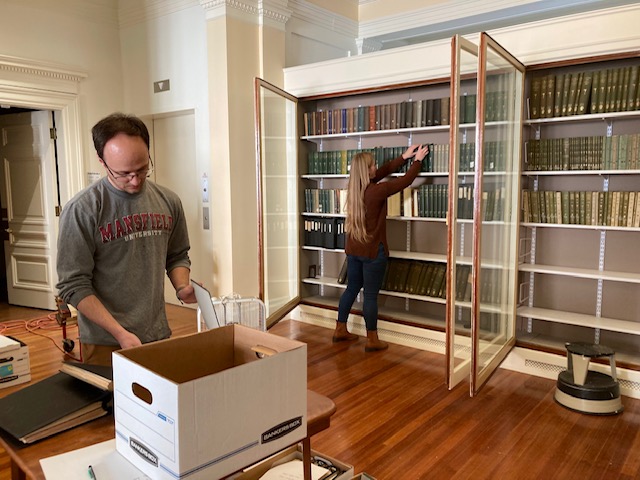
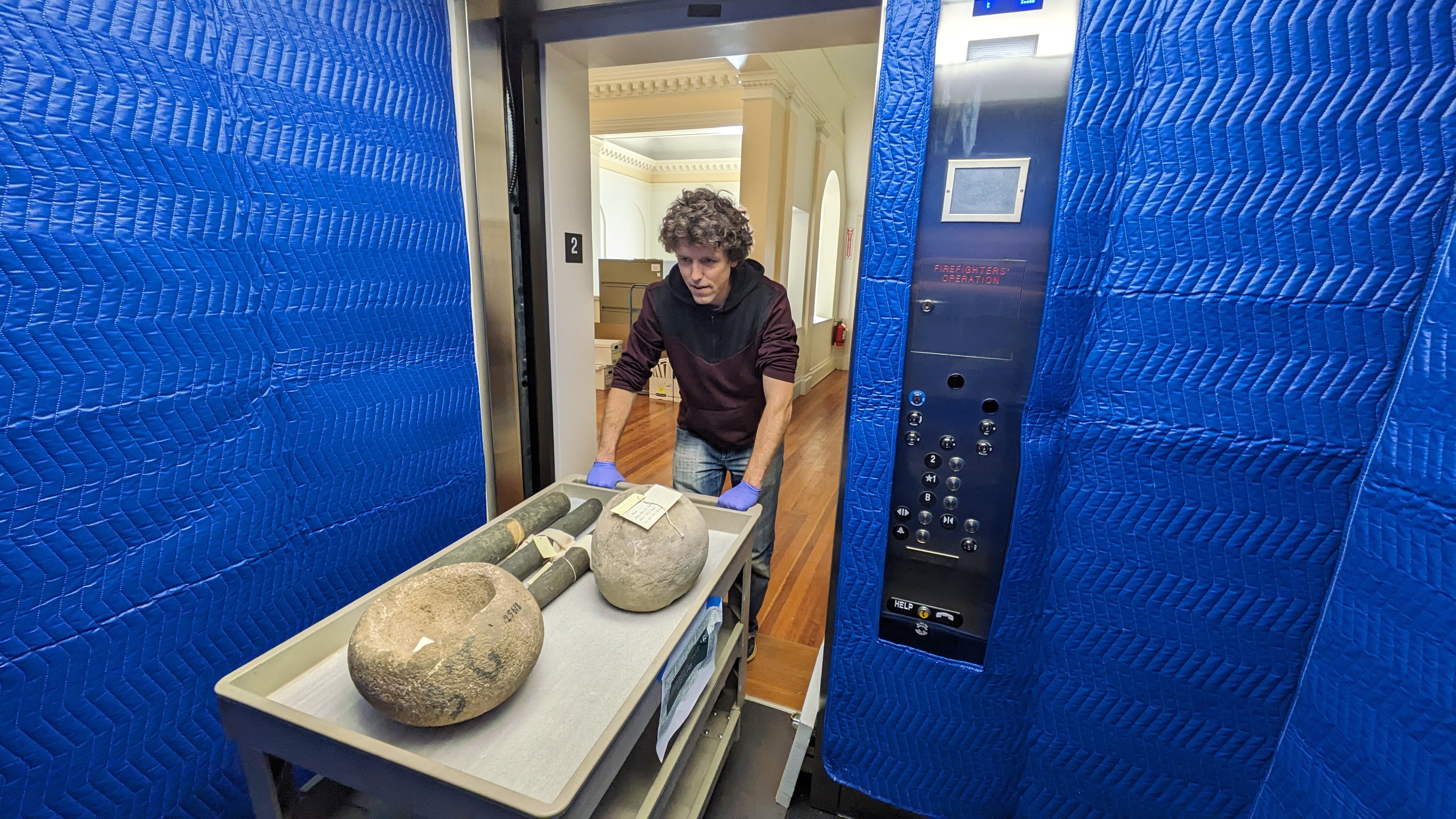
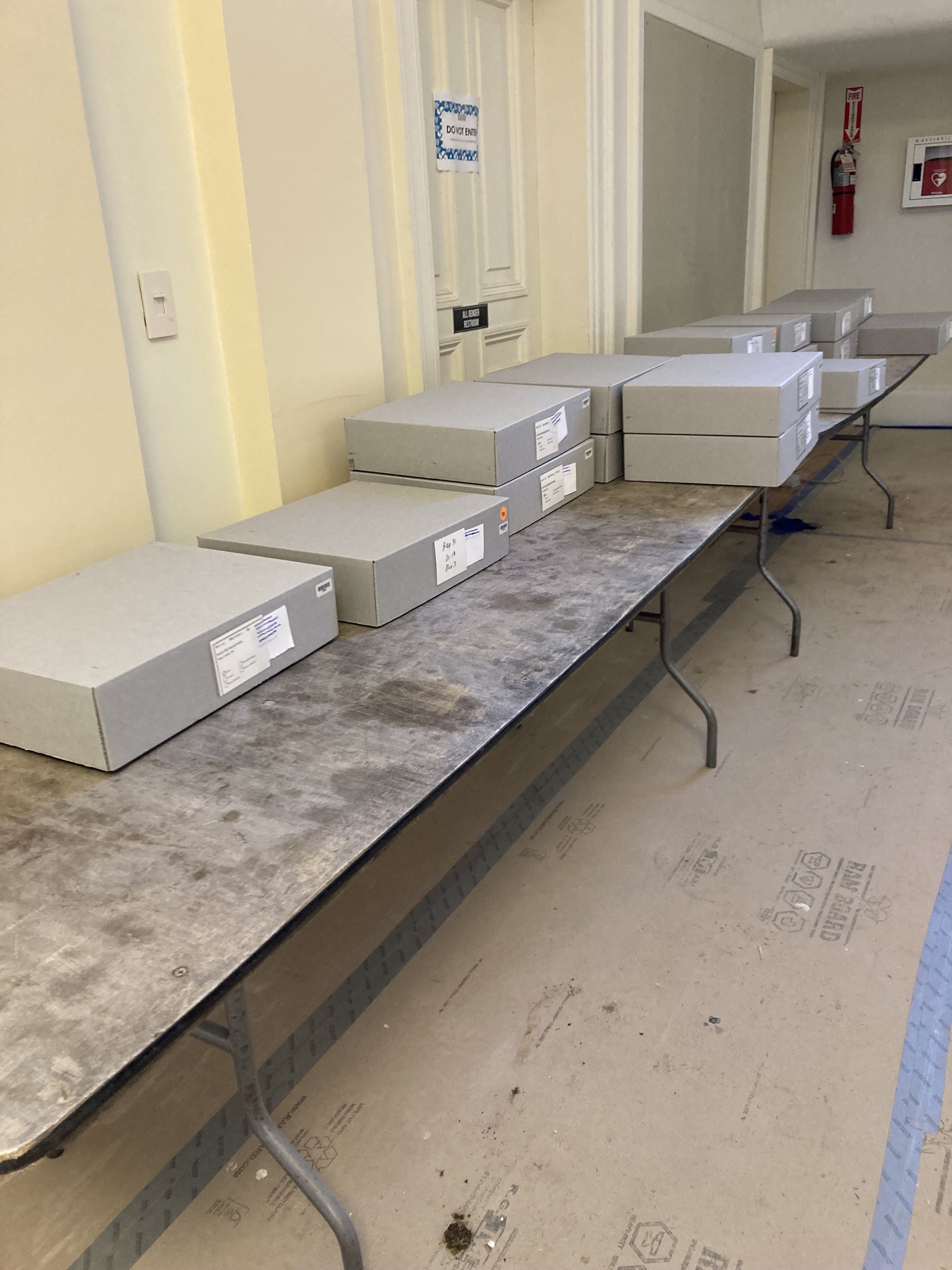
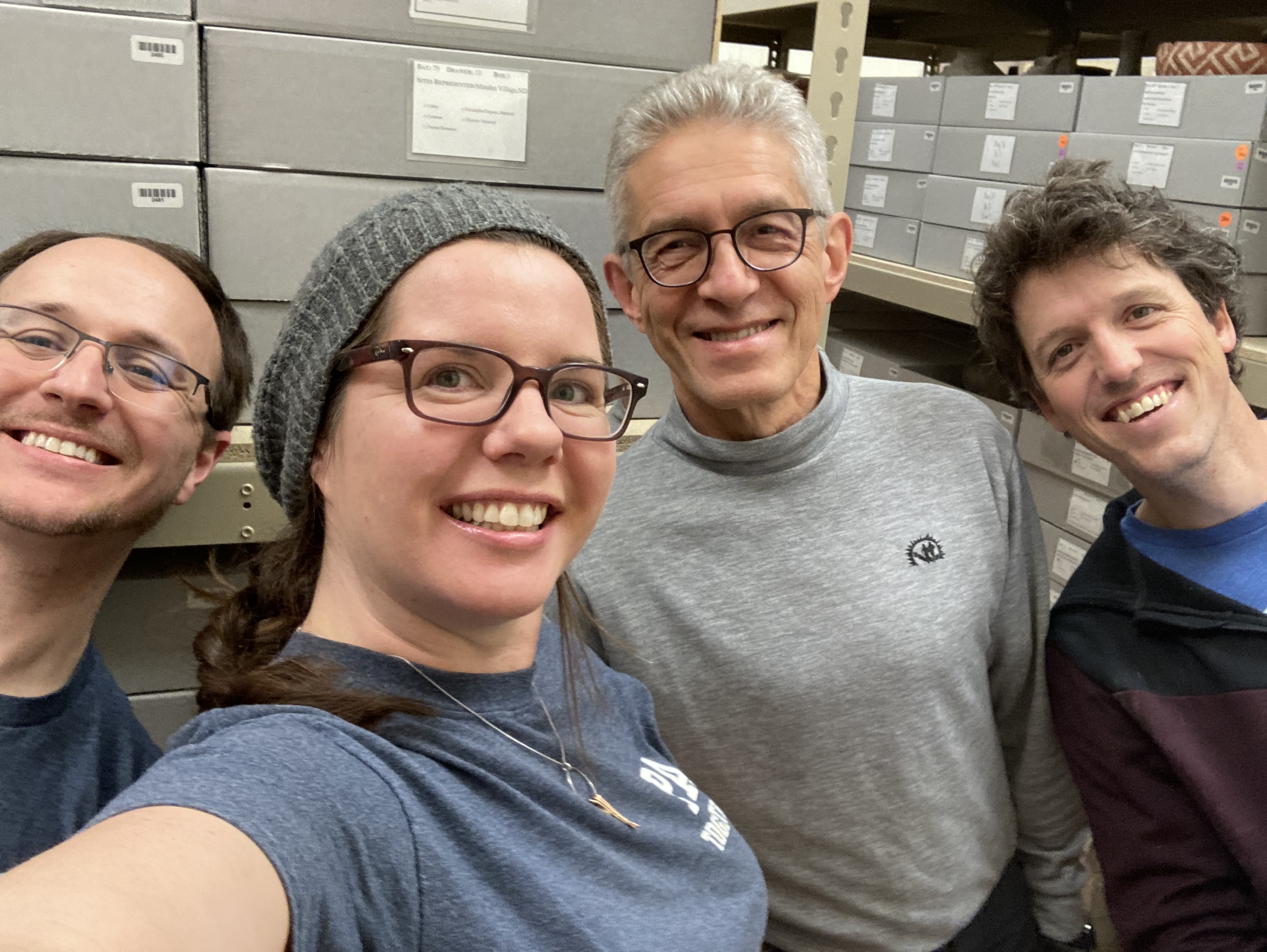
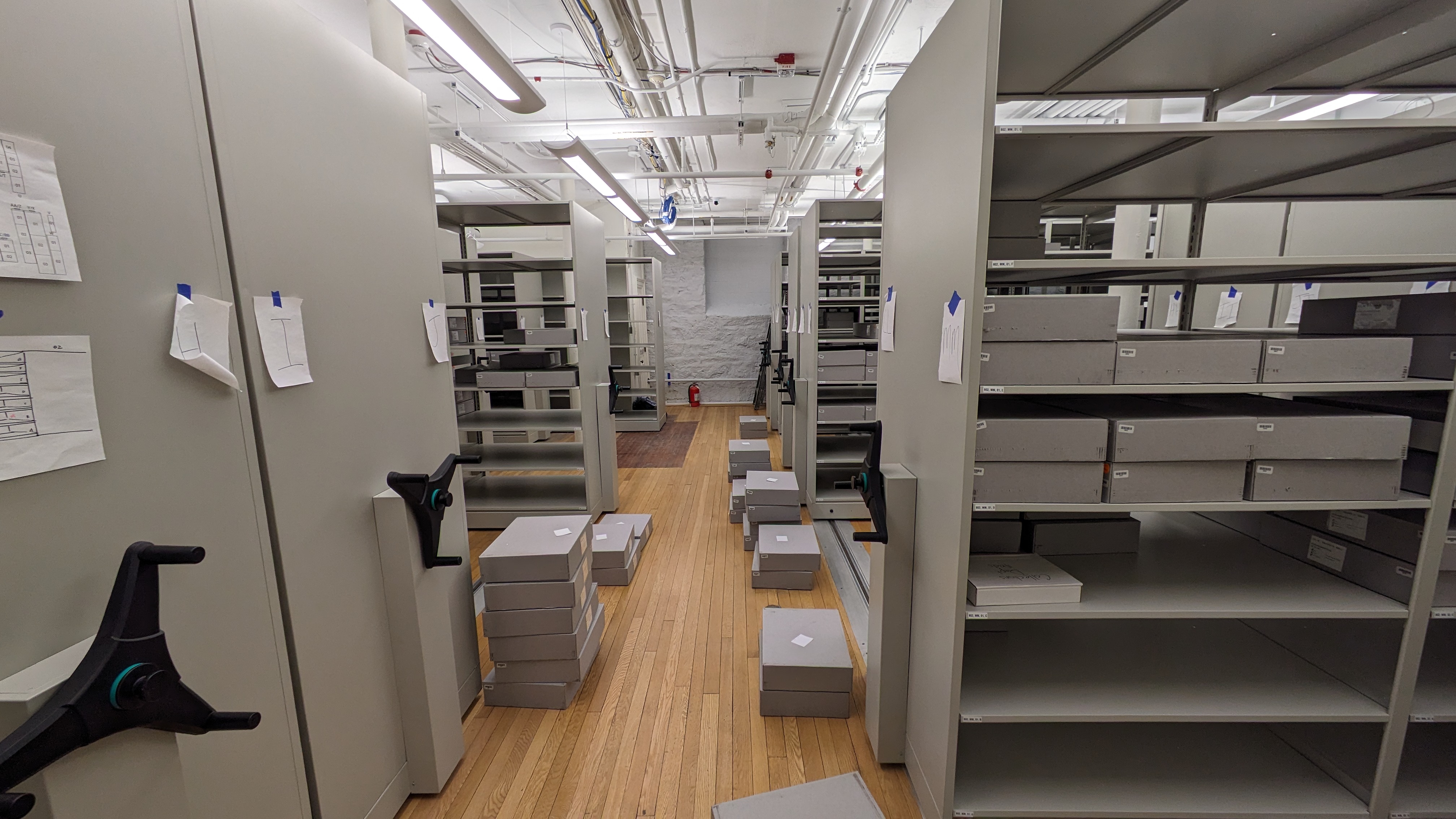
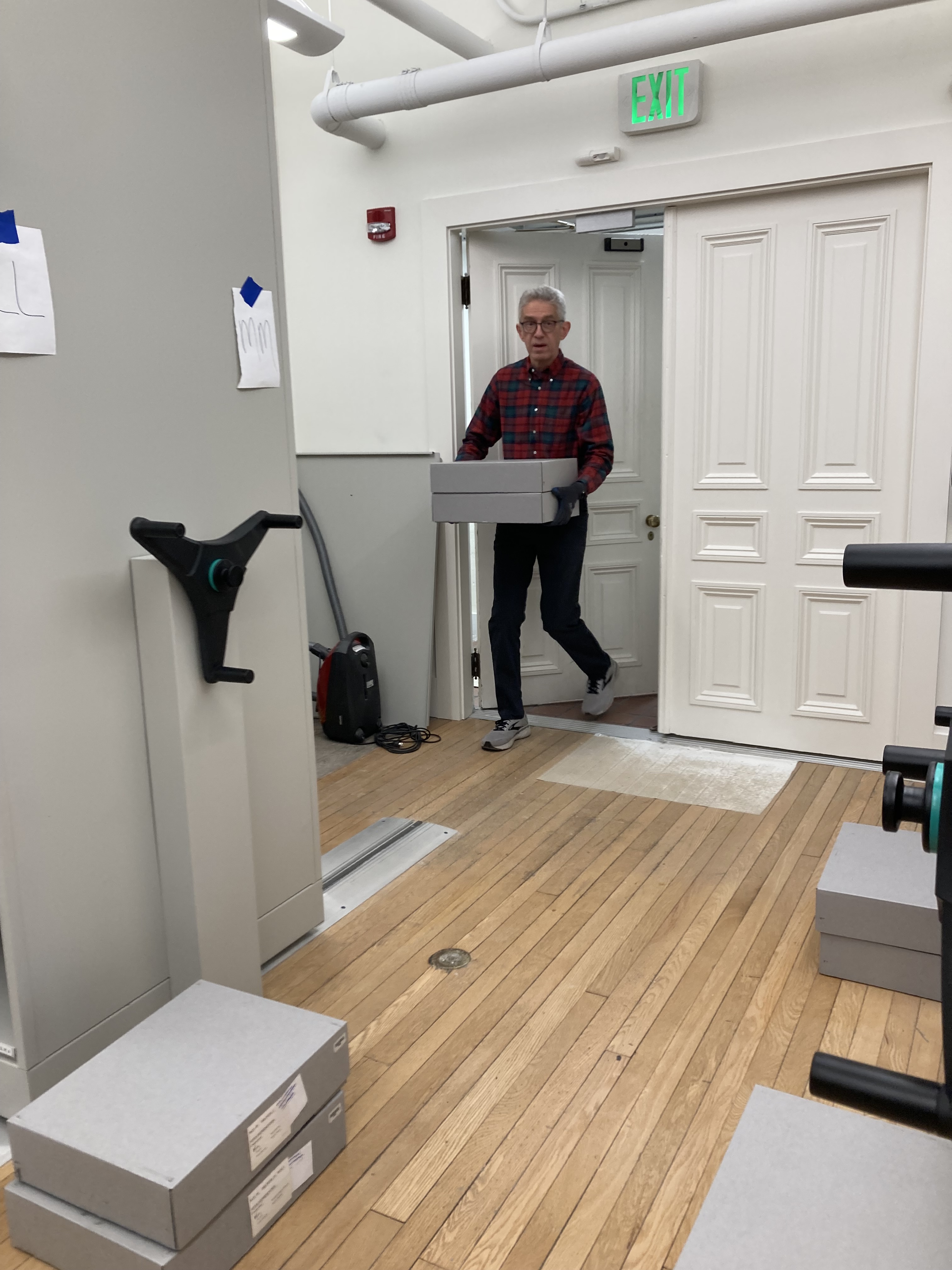
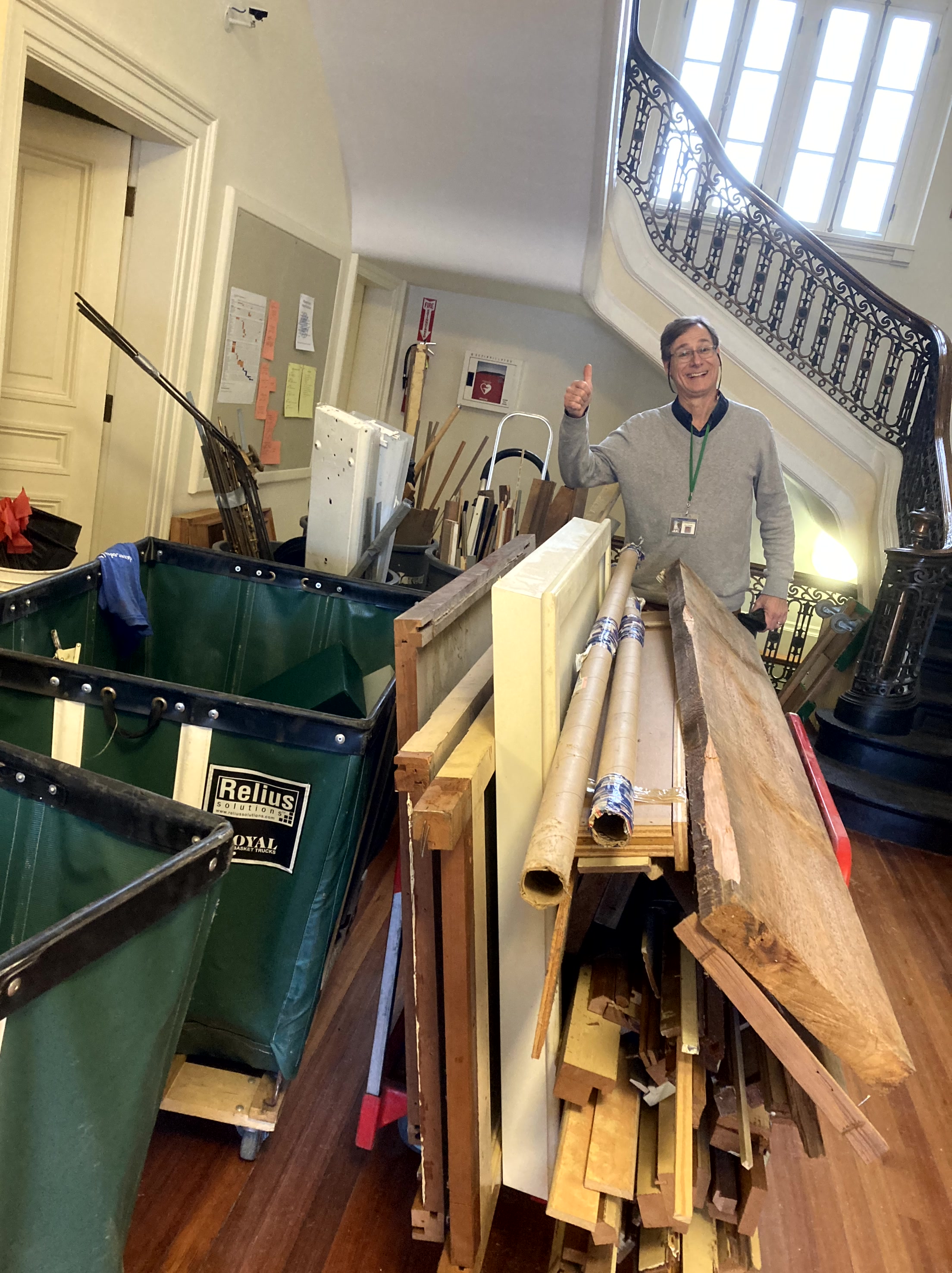
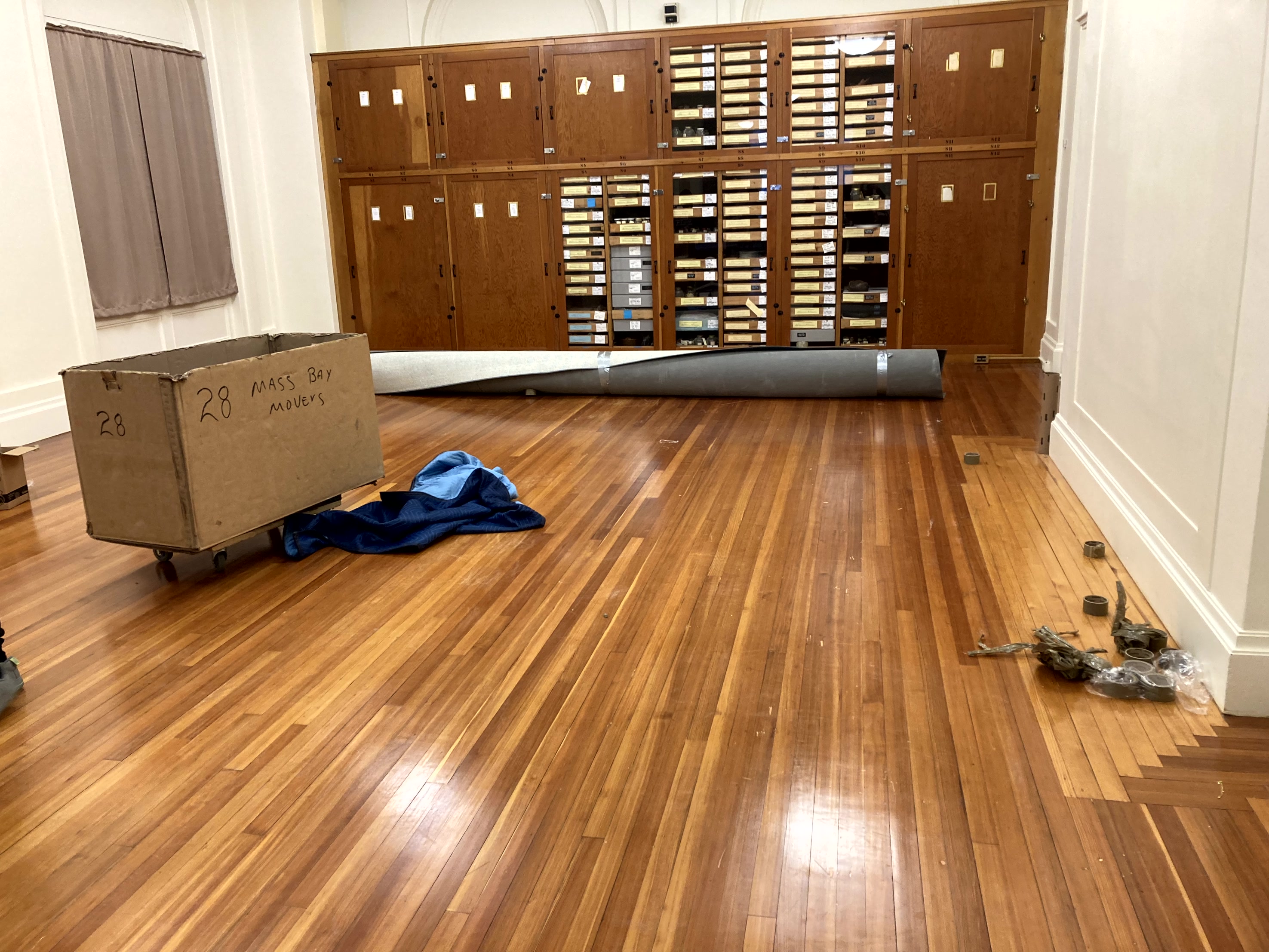
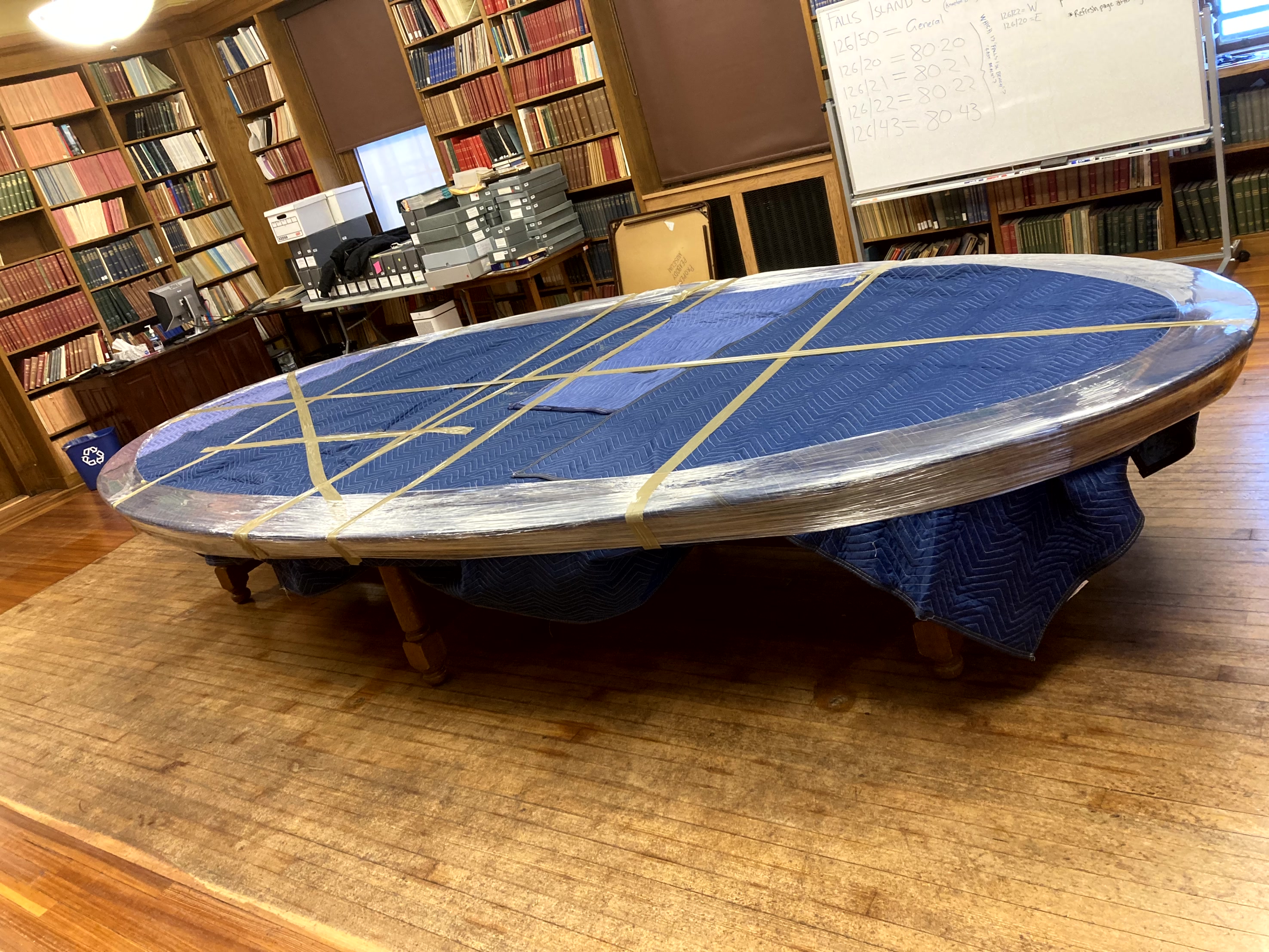
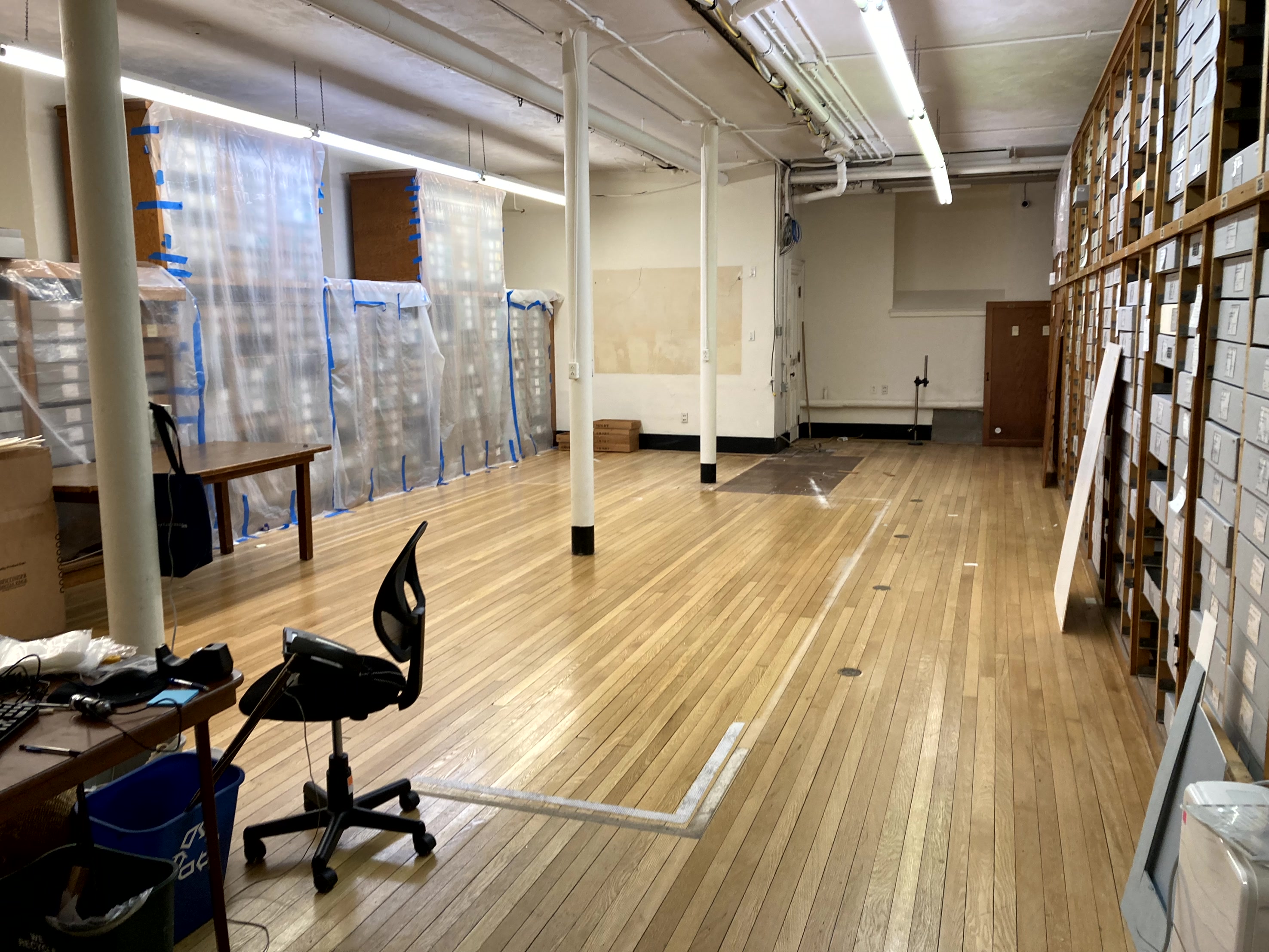
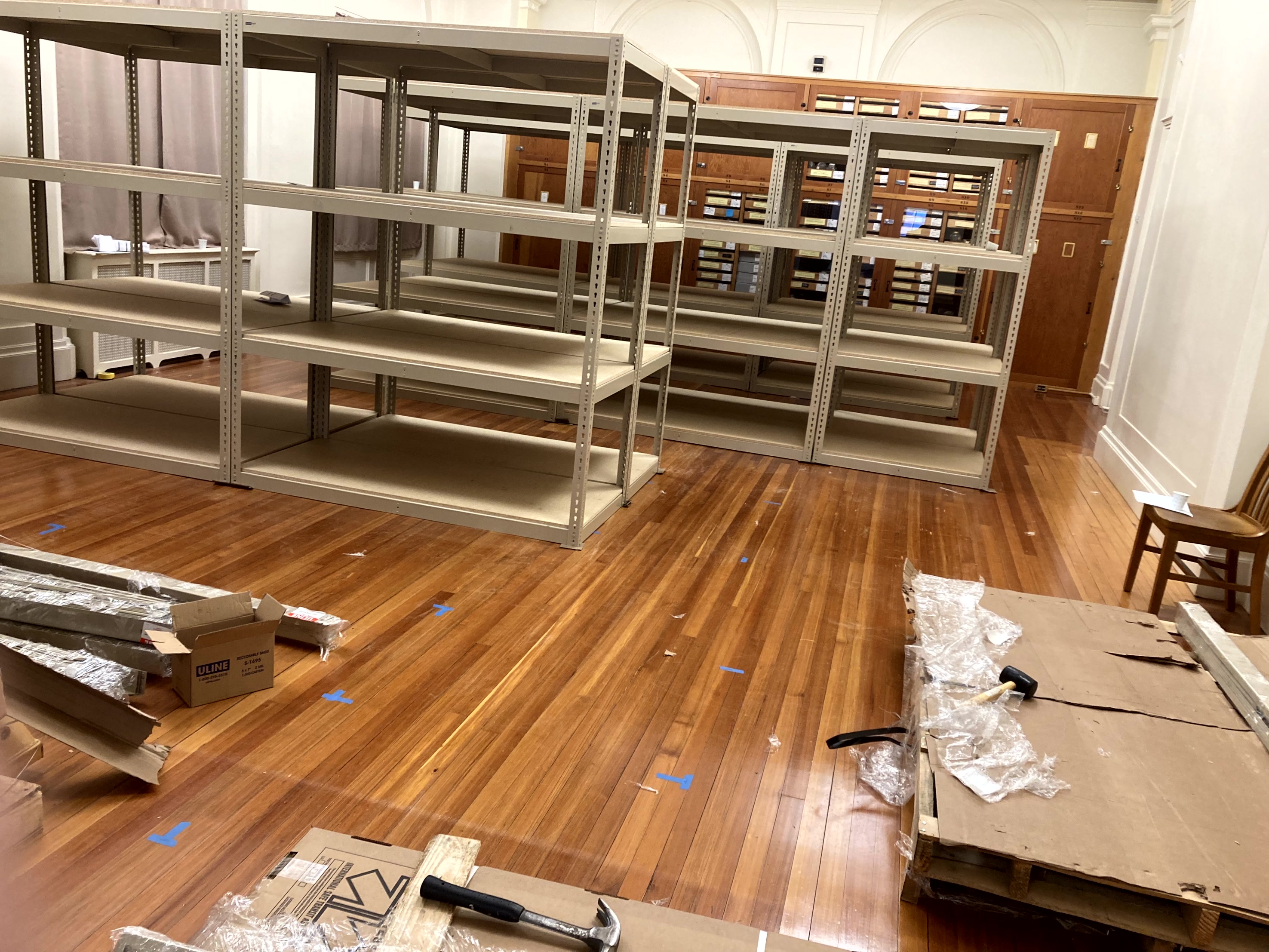
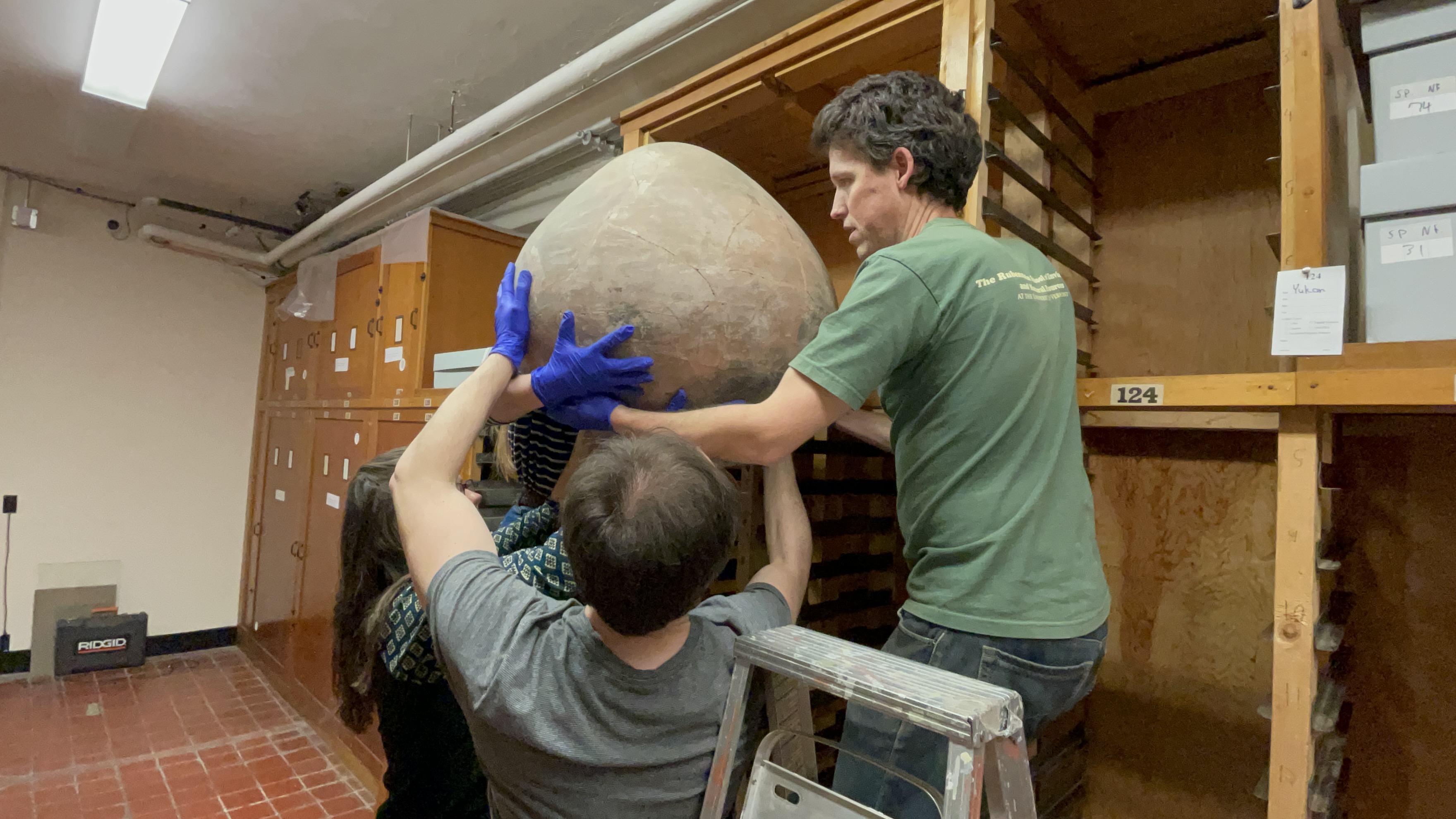
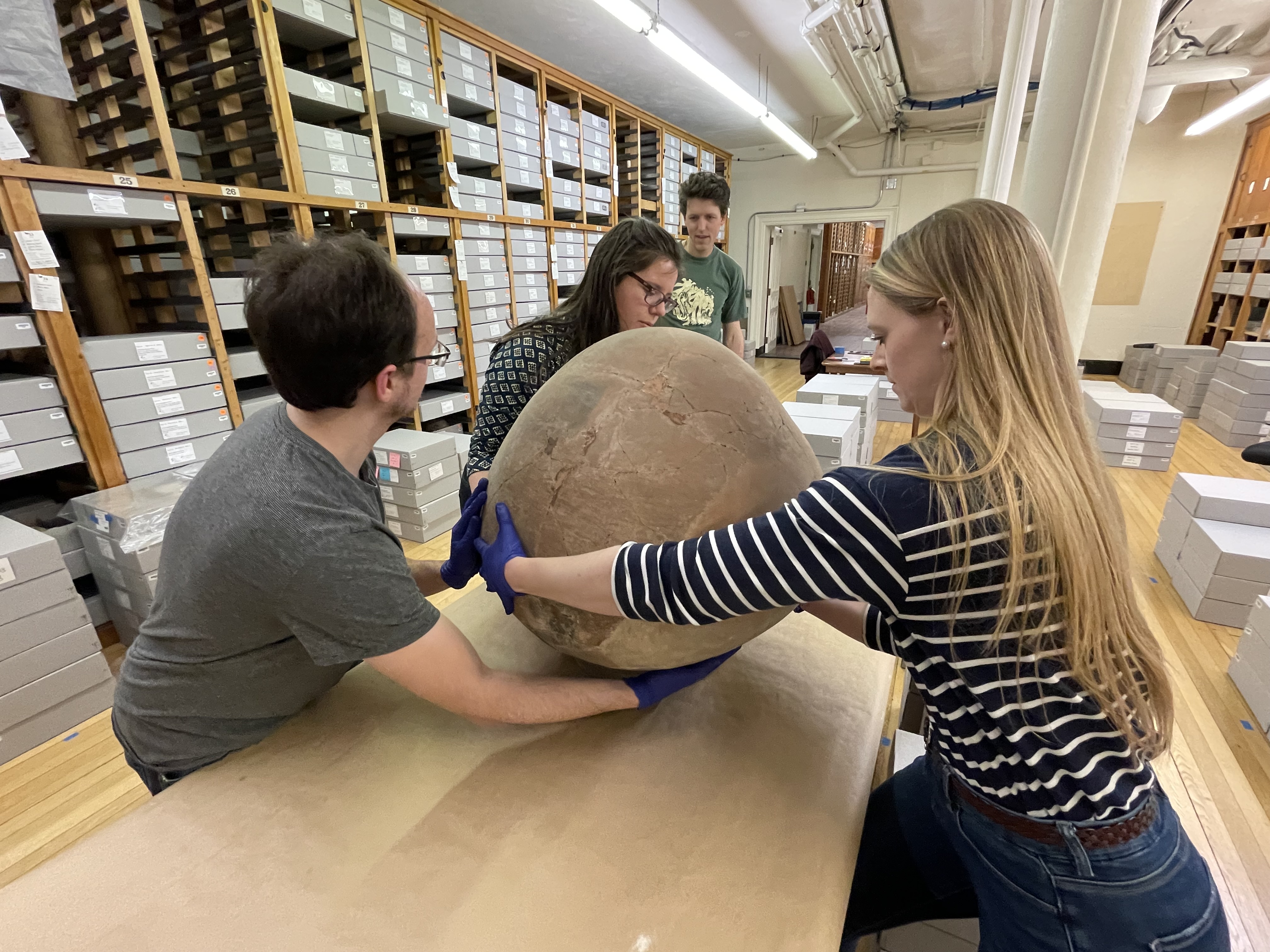
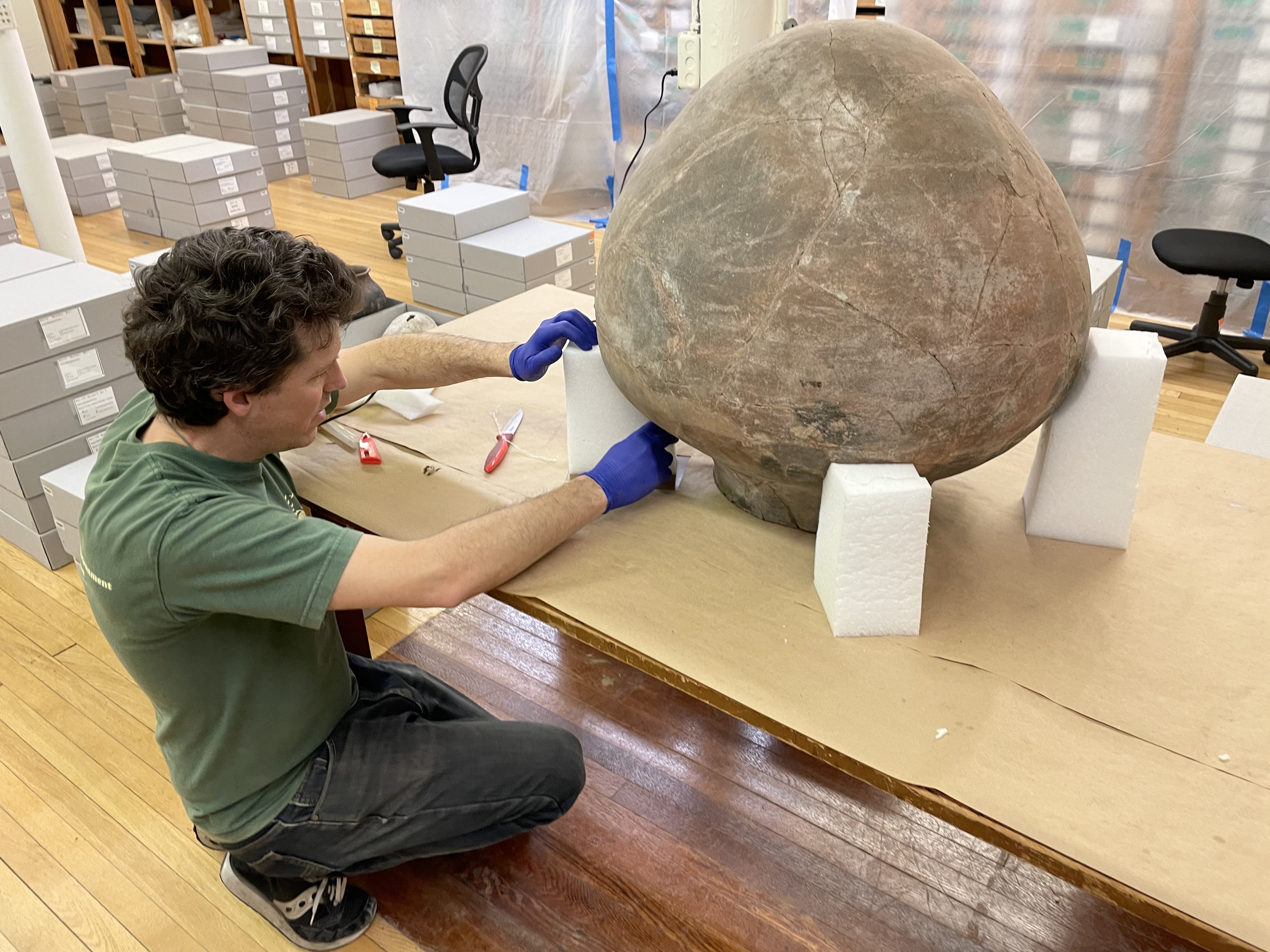
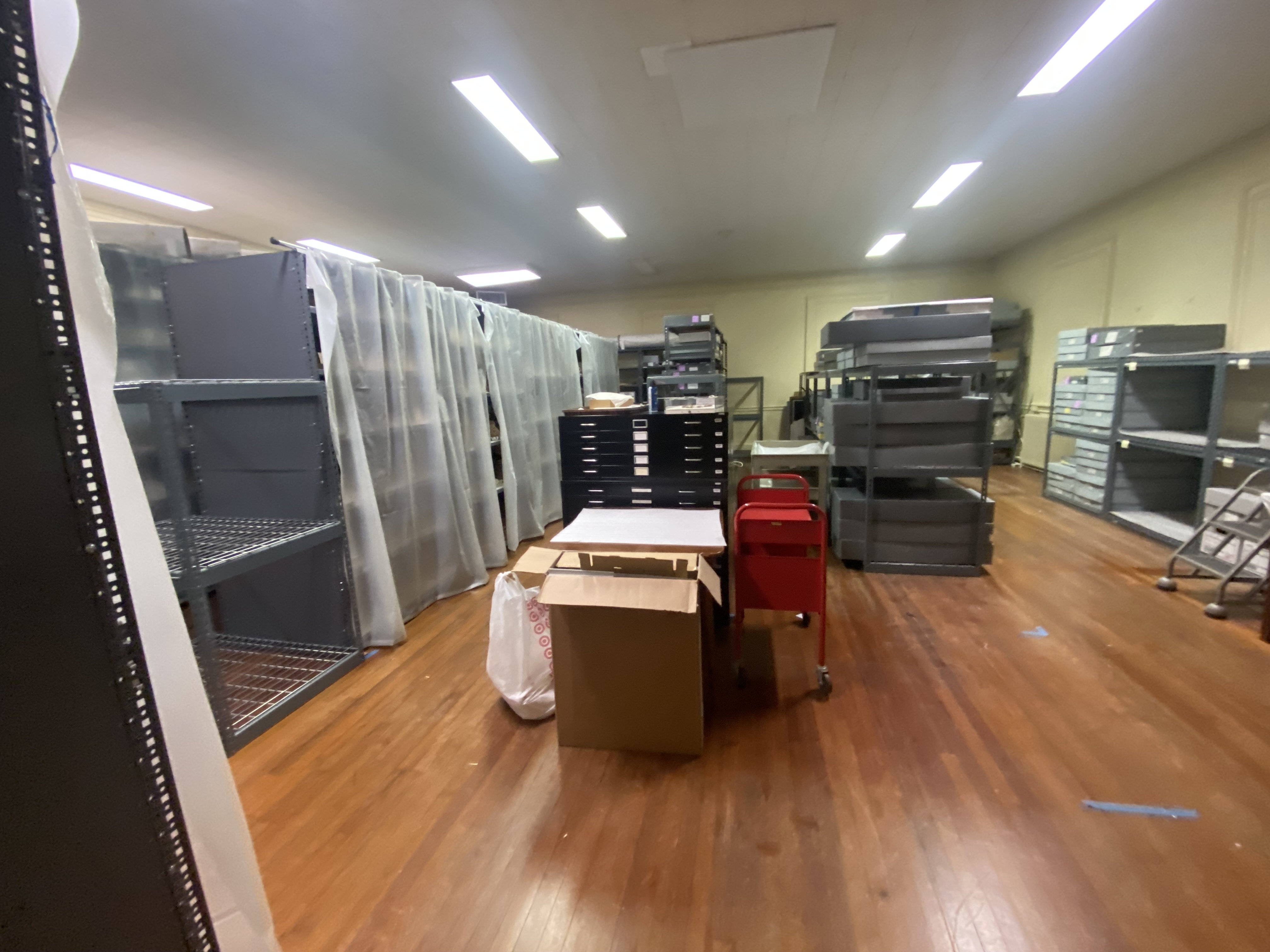
But, the work is nowhere near done! Peabody staff are hard at work moving the collection back into the updated areas. This is no easy task and won’t be complete for at least a couple months.
The Peabody looks forward to welcoming back the PA students and broader community in the spring term. We can’t wait to show you what has been accomplished!
As 2023 comes to a close, so does Phase I of the Peabody building project. I am so excited and ready to get into our updated spaces and return to “normal” operations!
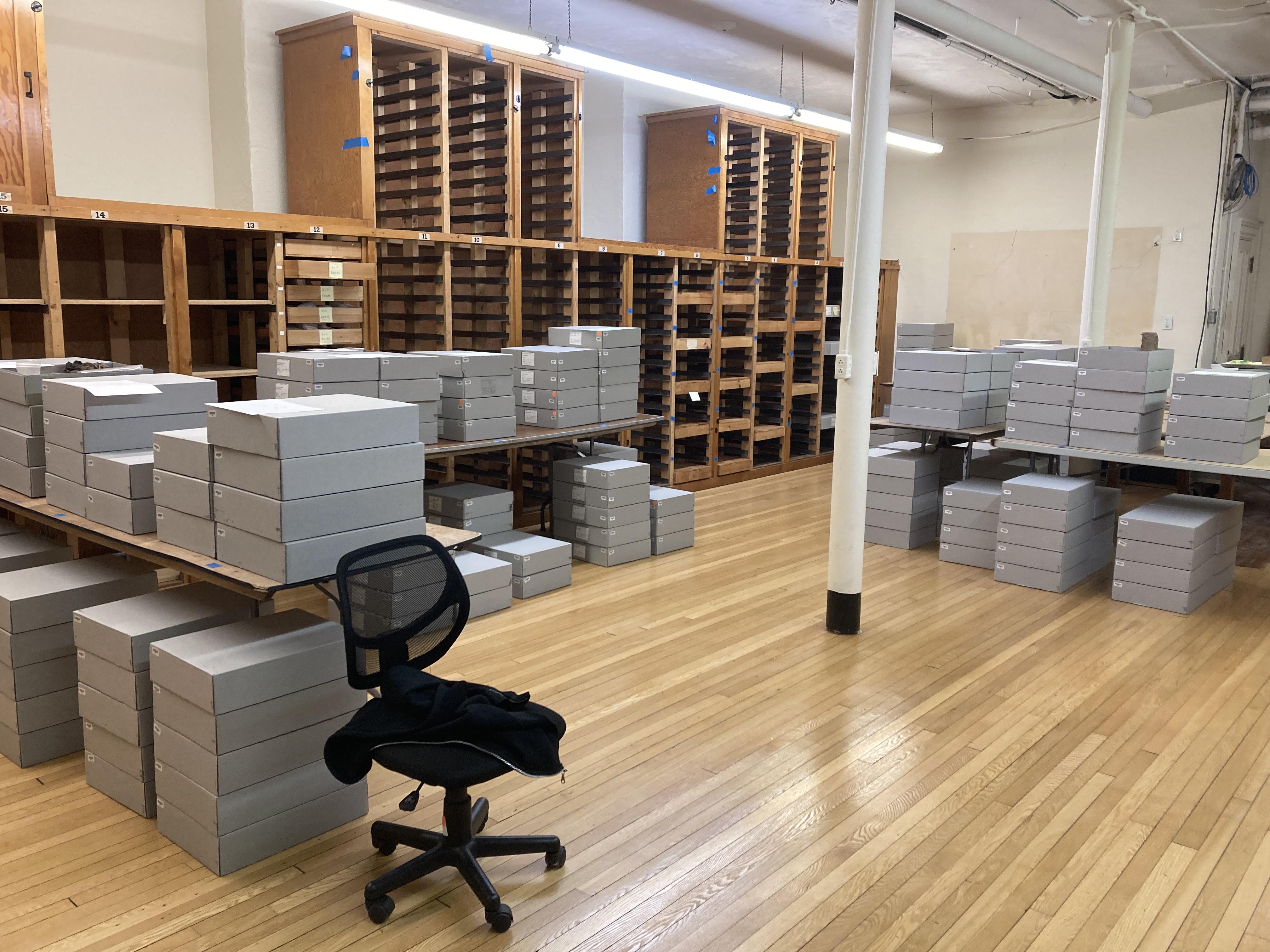
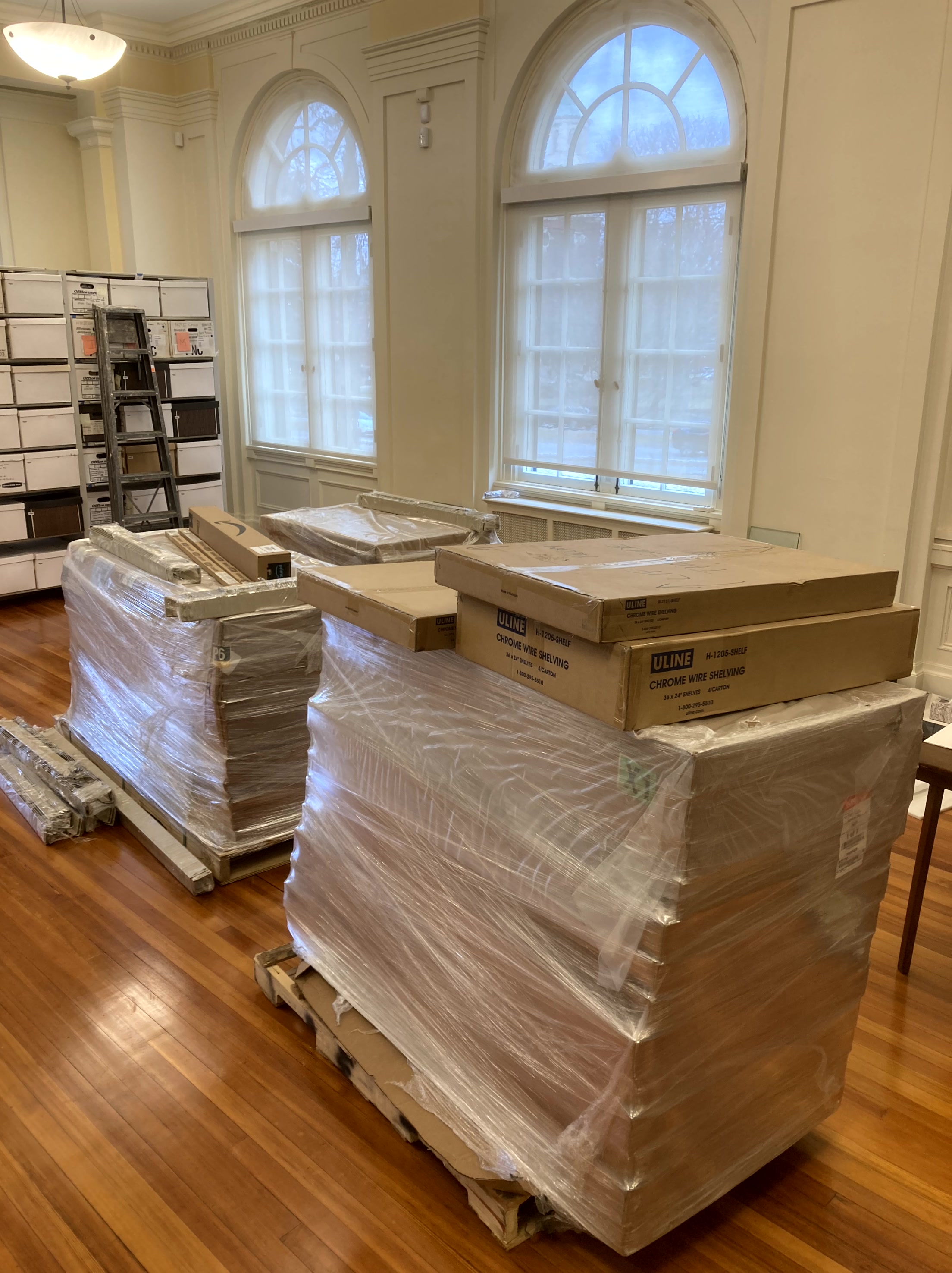
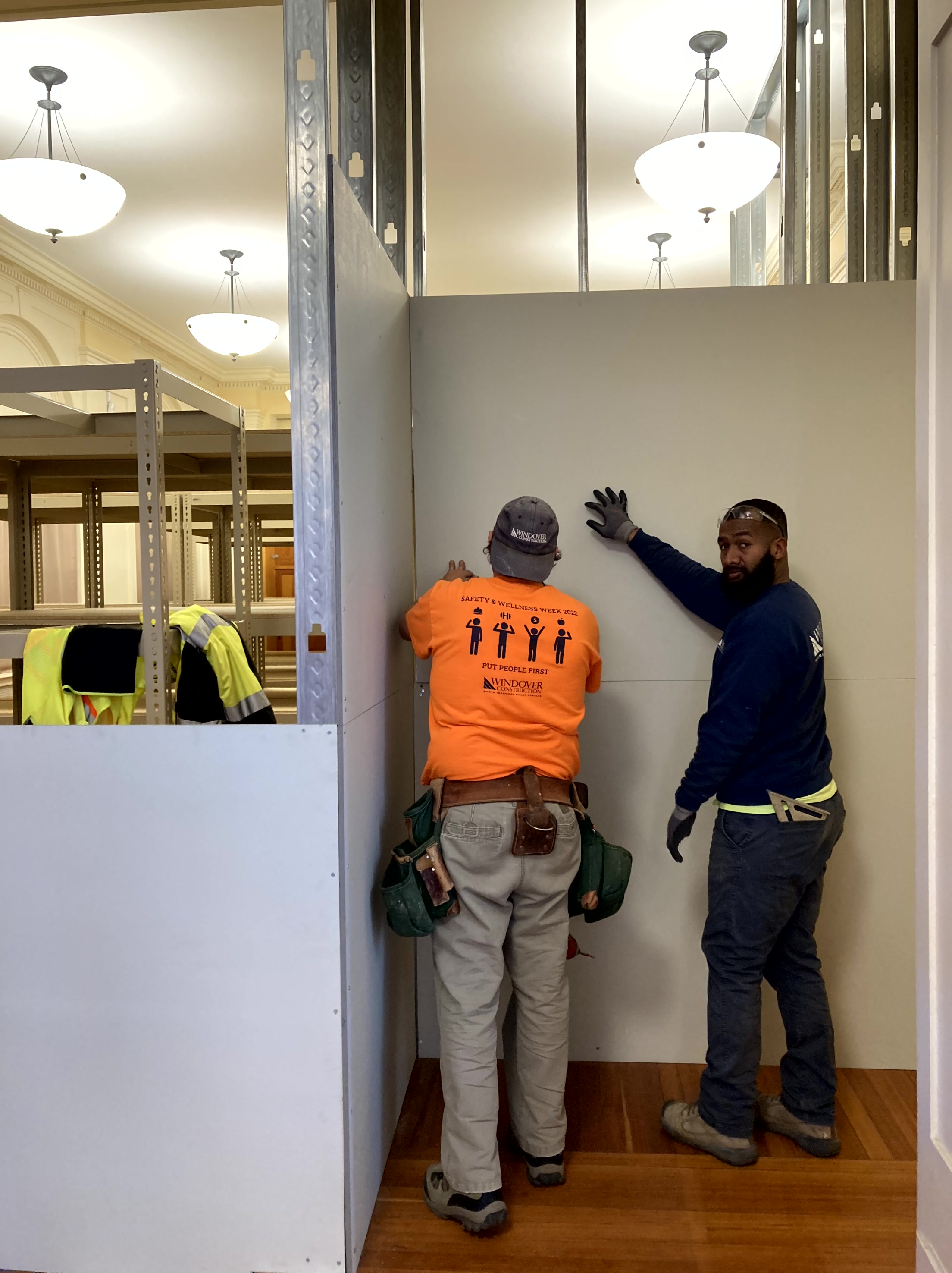
The elevator is in, the basement fire-suppression is in, the HVAC is in and the environmental controls have been adjusted, and the new shelving is nearly complete. It has been many months in the making and we are almost there!
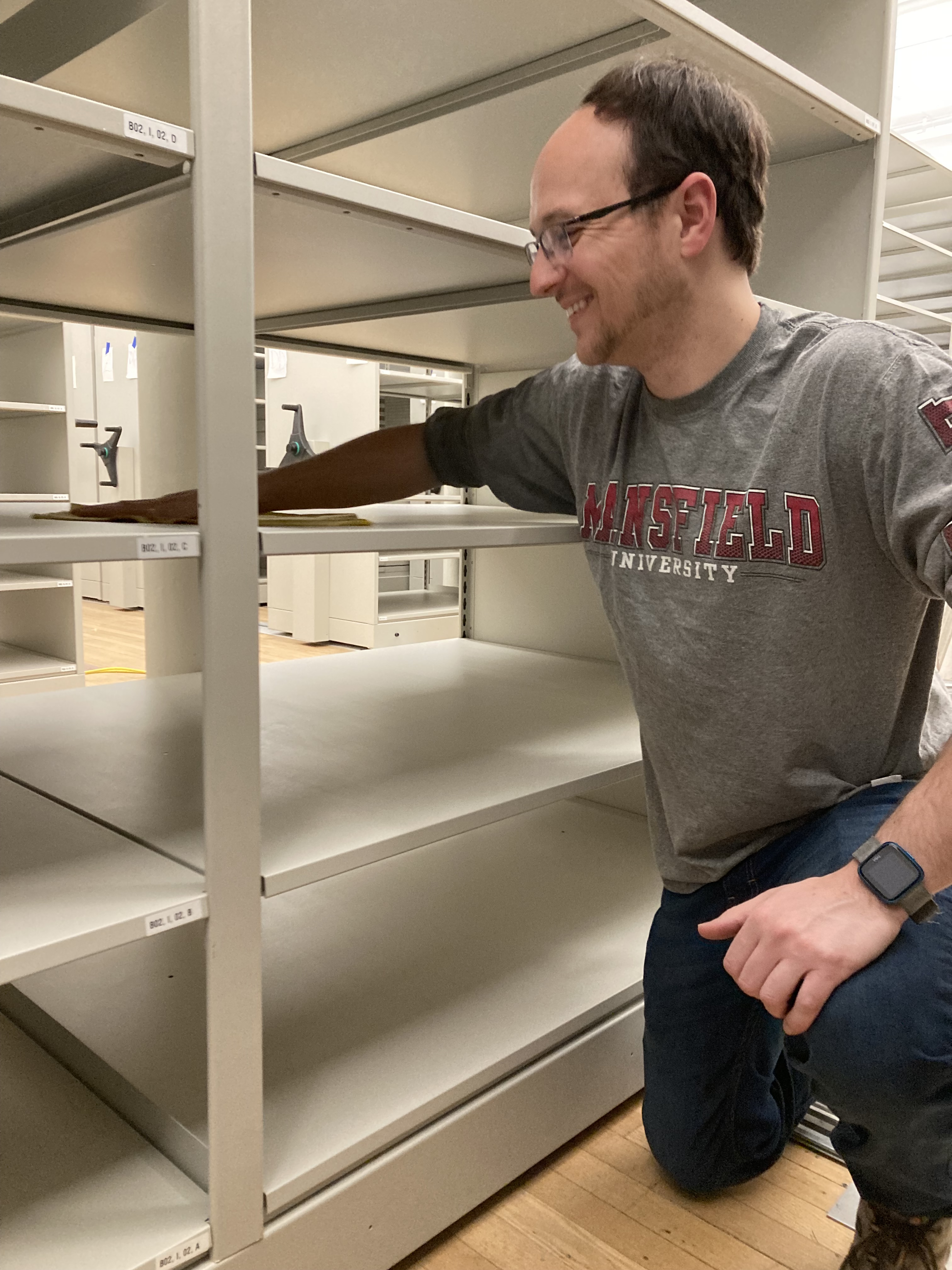
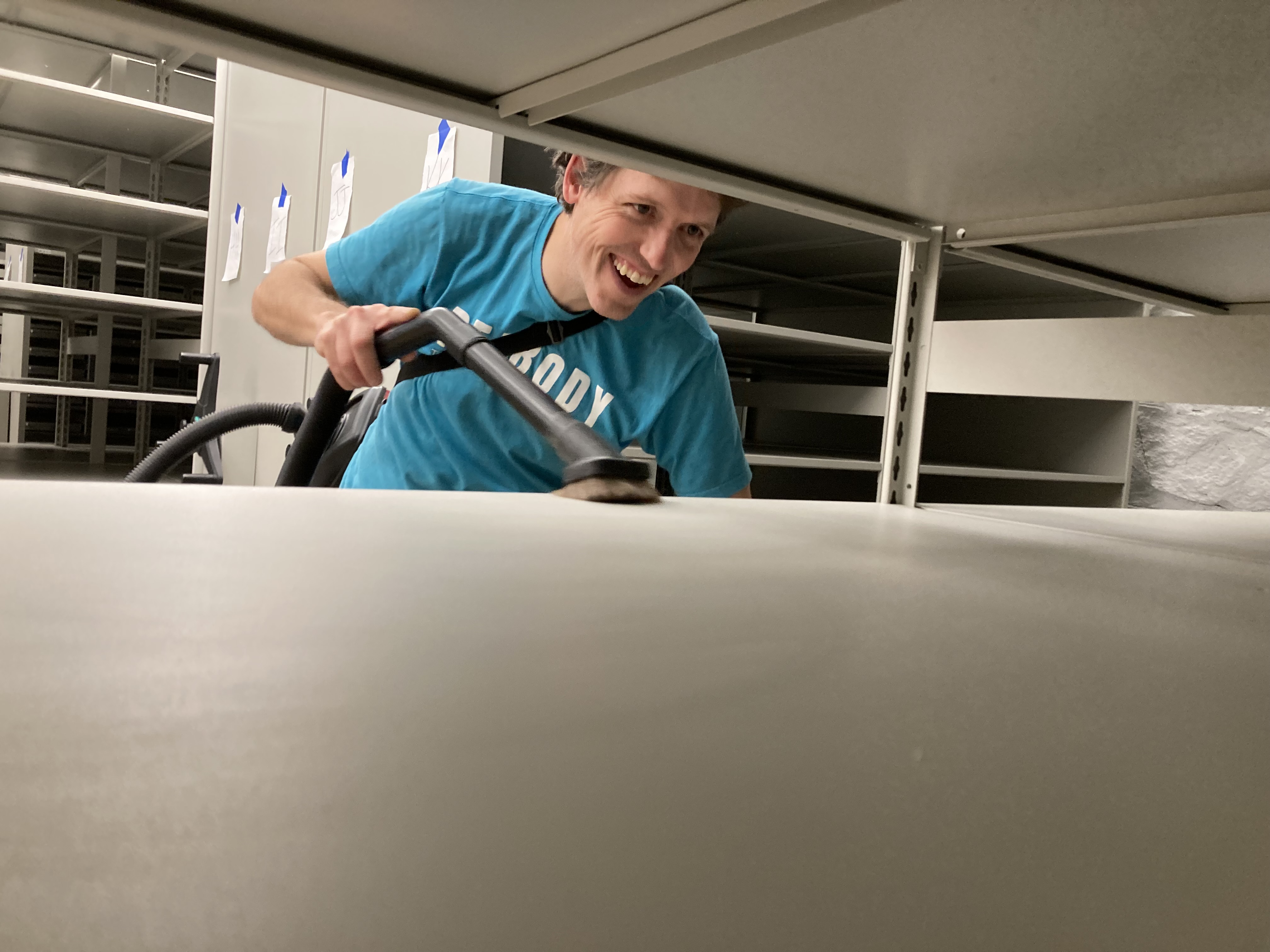
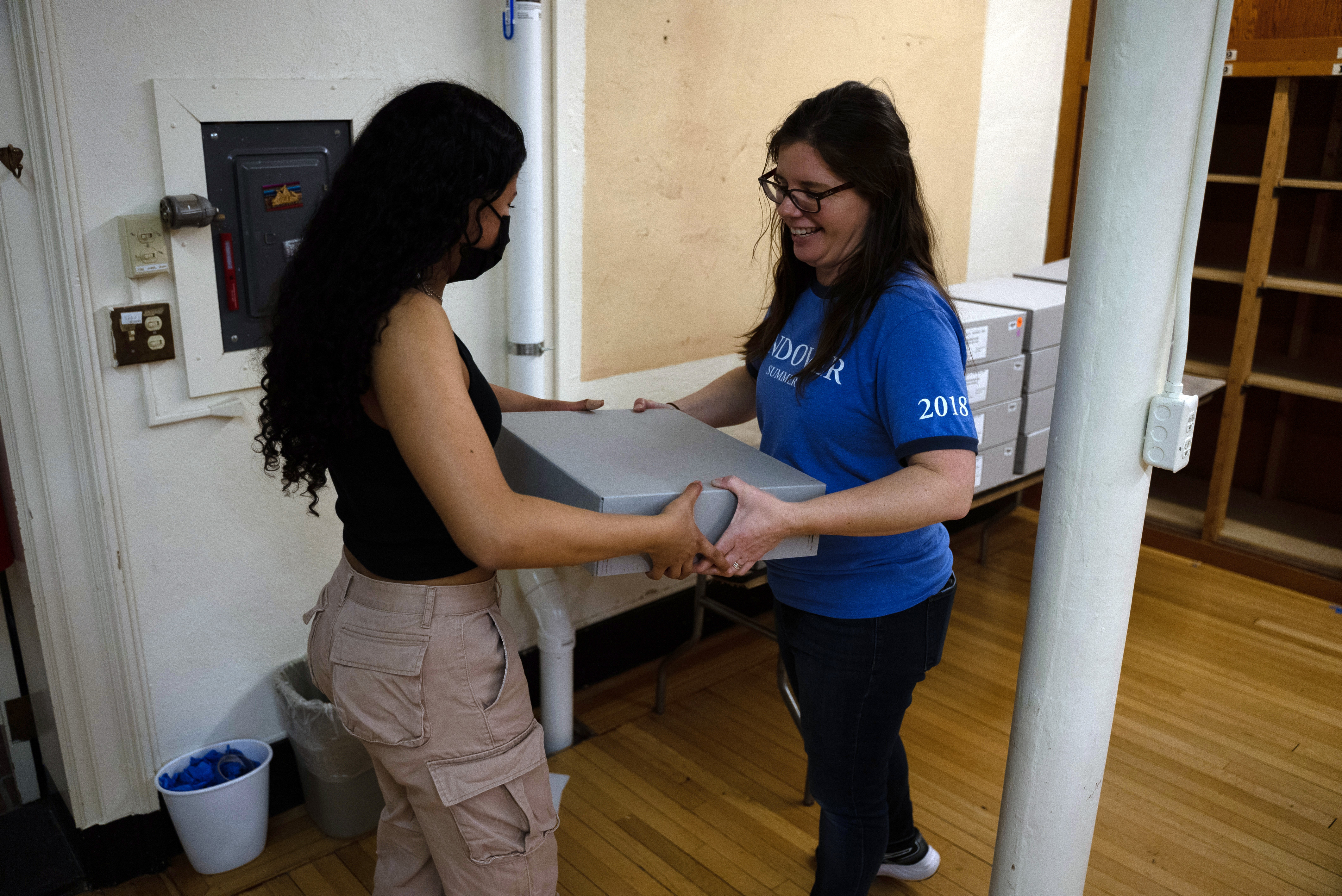
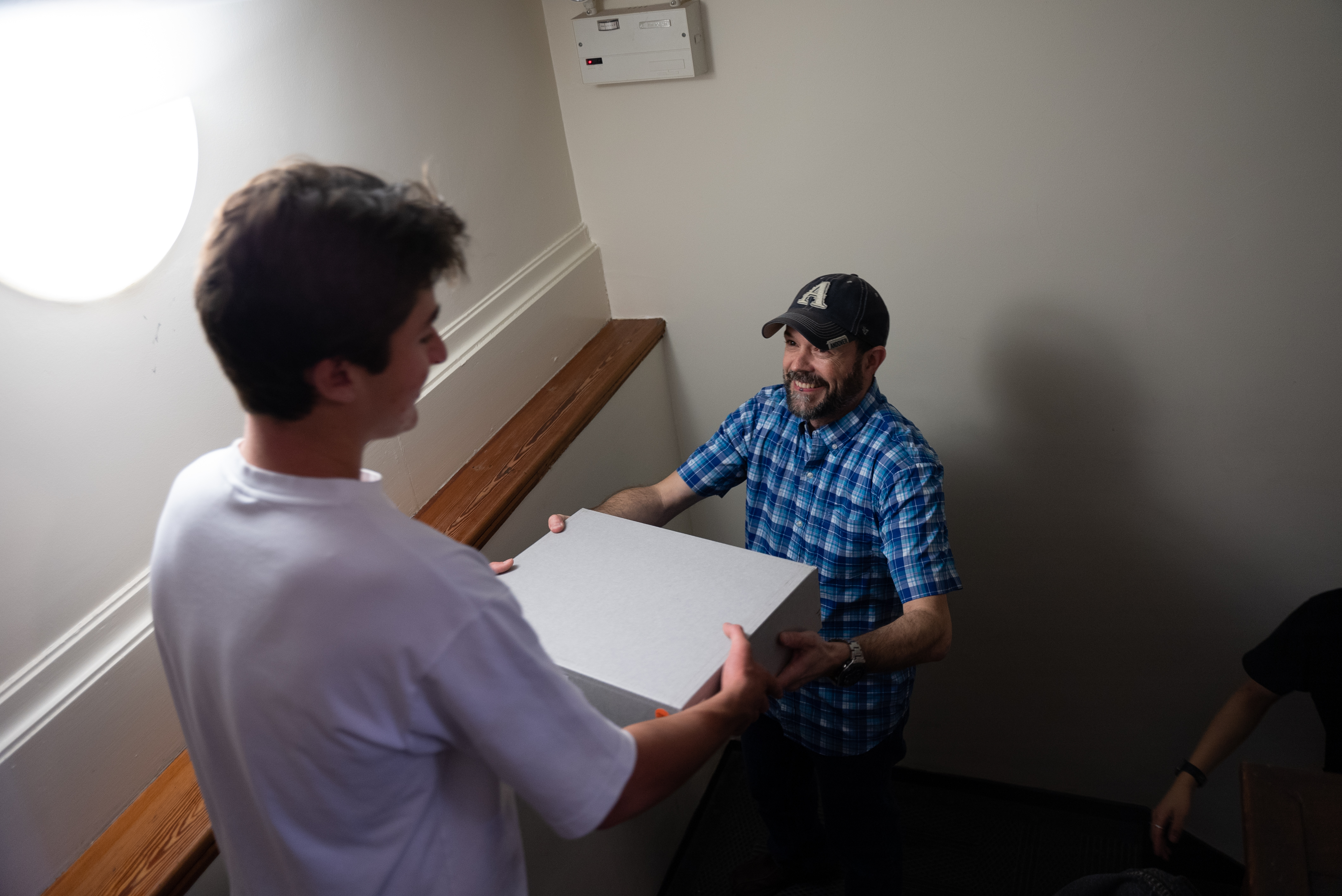
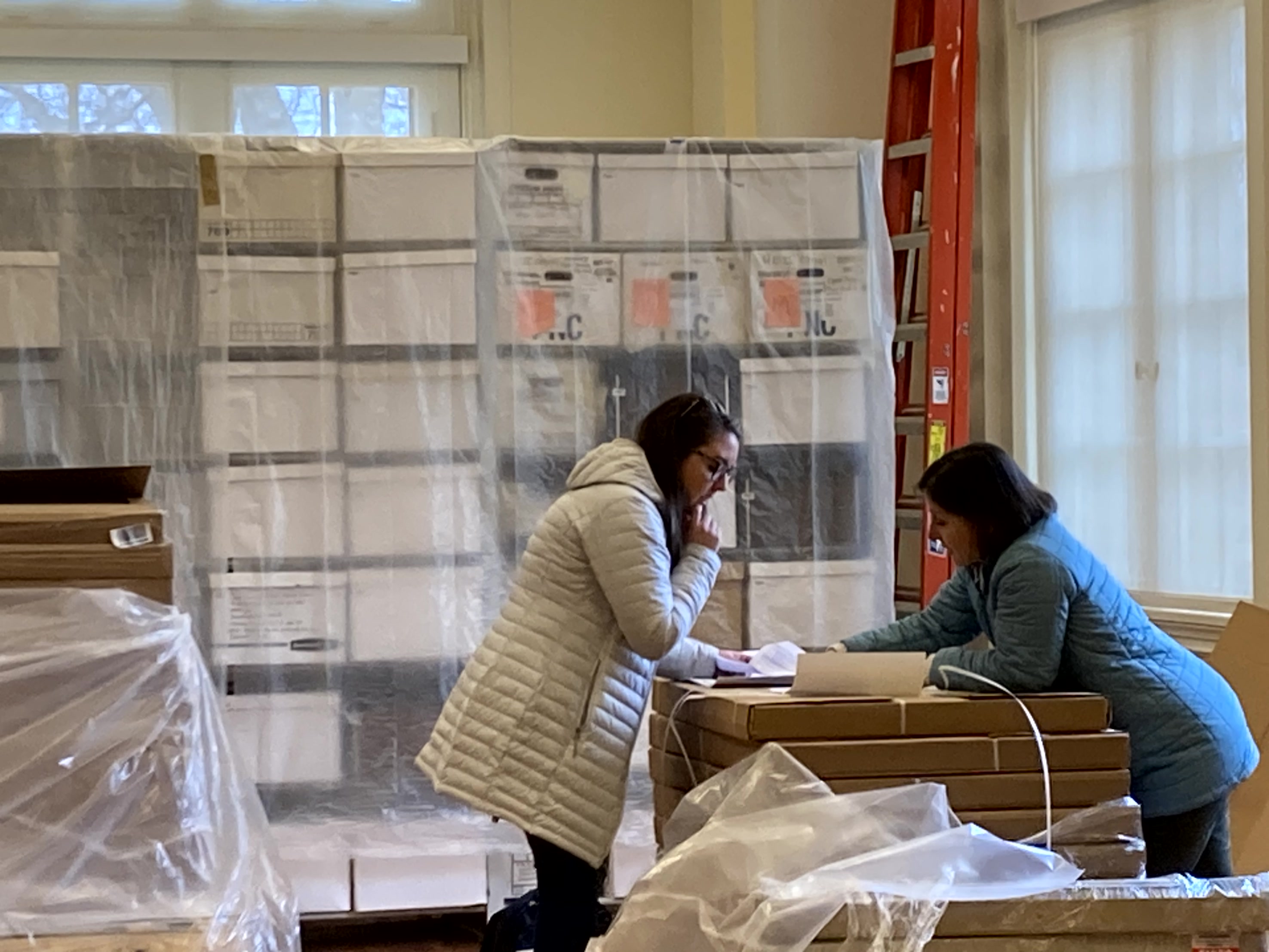
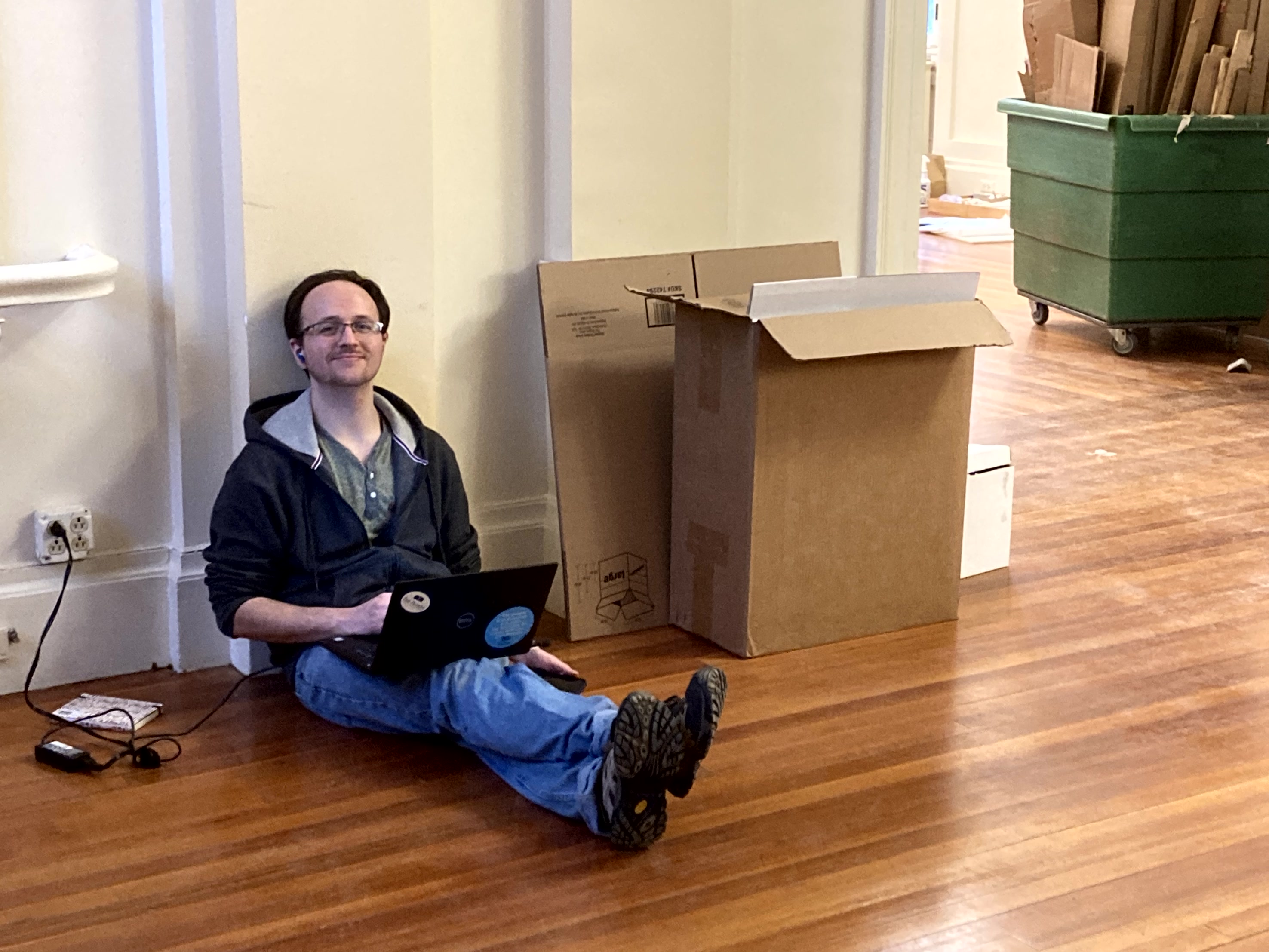
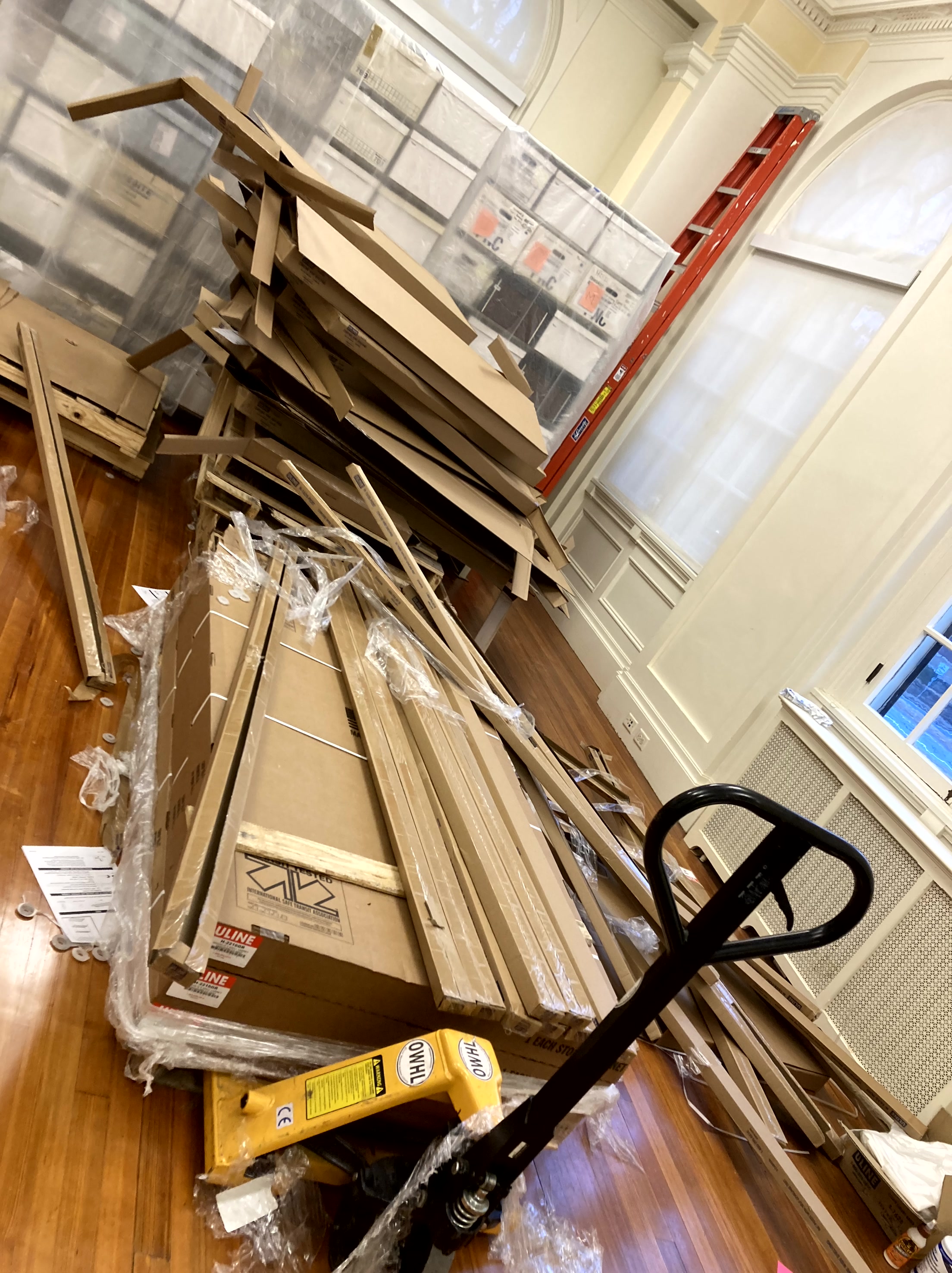
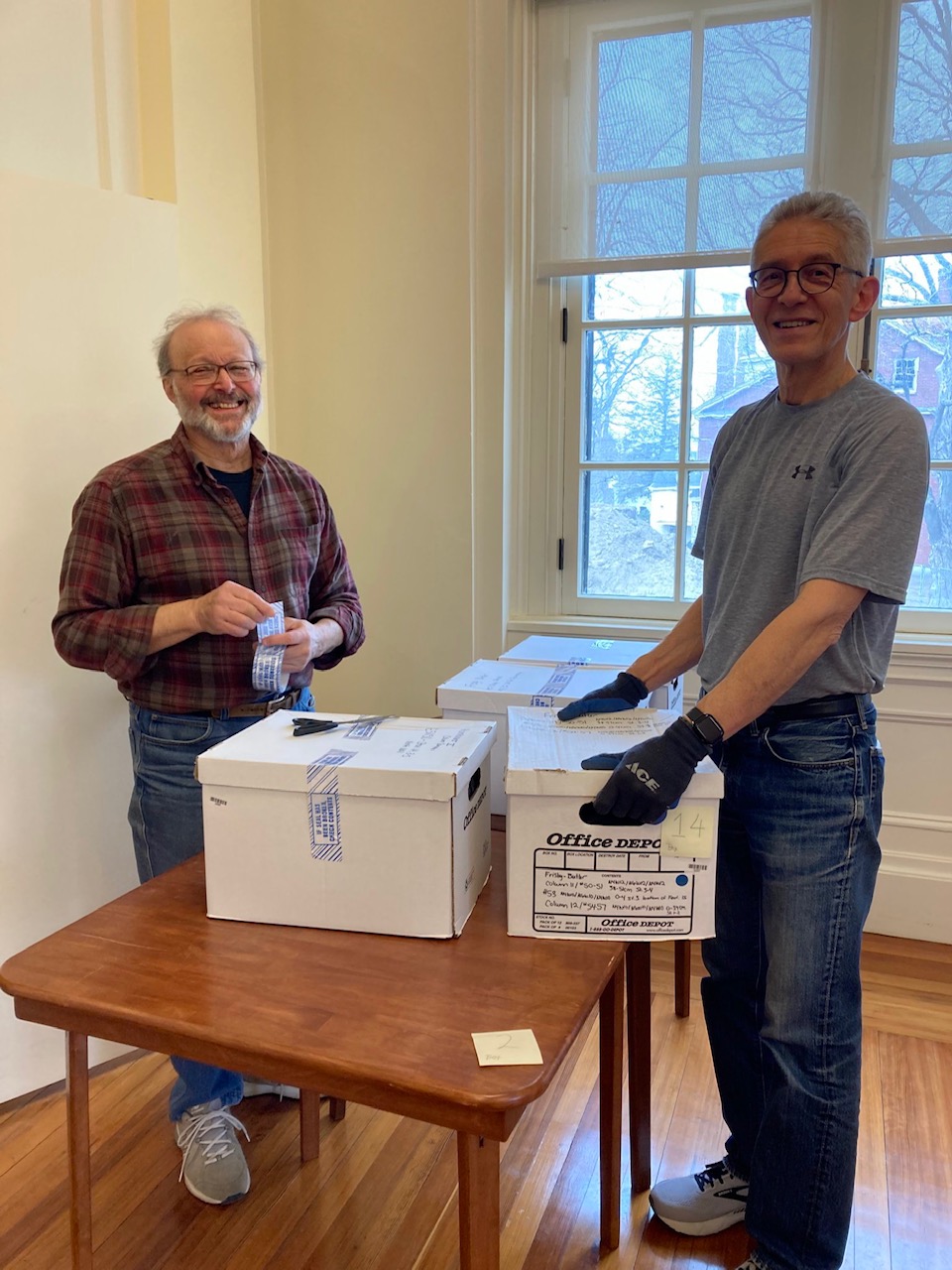
At this point, Peabody staff are cleaning collections spaces and beginning to move boxes back into the updated areas. This has been quite the logistical task as we need to coordinate with contractors in the space and ensure the appropriate security and care for the collection. So far, so good.
Hopefully, we will be back in the building and ready to welcome classes, researchers, and inquiries again in the spring of 2024. Thank you to everyone who supported this project with time or finances – we could not have done it without you.
I am looking forward (sort of) to Phase II!
This project will rely on philanthropic support from our donor community. To help advance this critical renovation, please contact Nicole Cherubini, director of development, at 978-749-4288 or ncherubini@andover.edu.
Last November, I attended the AAIA Repatriation Conference in New Buffalo, Michigan. There were many tremendous speakers, but the one that really sticks out in my memory was Angeline Boulley. She does not work in the world of repatriation, but held the room in her hands as she spoke to us. I so vividly remember Angeline speaking to us all at the conference – she earned a standing ovation and my presentation had to follow that!
Angeline is a citizen of the Sault Ste. Marie Tribe of Chippewa Indians, and storyteller who writes about her Ojibwe community in Michigan’s Upper Peninsula. She had recently published her book Firekeeper’s Daughter (a #1 New York Times Bestseller) and was giving us a tease of her next book, Warrior Girl Unearthed.
At the time, I had not read Firekeeper’s Daughter and quickly purchased myself a copy. I LOVED it. The story was a fresh take on a murder mystery/adventure. The main character, Daunis, is a biracial unenrolled tribal member whose cultural knowledge can contribute to protecting her community. Sprinkled throughout the book are Ojibwe words, phrases, and cultural teachings in a way that only augments and enriches the story being told. I highly recommend it to you all! (and ignore the young adult classification – this is a complex story that is not always appropriate for younger readers)
Warrior Girl Unearthed is powerful in a different way. Grounded in the complicated reality of repatriation and missing and murdered Indigenous women (MMIW), this novel can feel a little heavy at times. Angeline uses the book in part to educate her readers about NAGPRA and repatriation and in part to build a new adventure around preventing a plot to profit off robbed Indigenous graves. While an explanation of NAGPRA does not always make compelling reading, the story itself is exciting and multi-faceted. Angeline once again interweaves Ojibwe words and cultural teachings in an effective way. And that is maybe the best thing about the book – the Ojibwe culture is just a part of who the main character is. She is just living her life and interfacing with her cultural teachings in a way that does not feel contrived but is instead natural. That feels novel and under-represented in young adult literature.
Her words and her books have left an impression on me and I encourage you to pick up a copy yourself.
Nearly three years ago, I co-founded the Indigenous Collections Care (ICC) Working Group along with Laura Bryant, Anthropology Collections Steward and NAGPRA Coordinator for the Gilcrease Museum in Tulsa, OK. Along with Laura Elliff Cruz, Head of Collections at the Indian Arts Research Center (IARC) in Santa Fe, NM and other group members, the ICC has been working to create an accessible reference tool for professionals who interact regularly with Native American collections.
The ICC grew out of our desire to incorporate the collections care requests of Indigenous communities into our institutional practice and policy. The working group was formed in late 2020 and is composed of approximately 20 people (both Indigenous and non-Indigenous museum professionals and academics, Tribal Historic Preservation Officers, and NAGPRA coordinators) who actively participate in monthly meetings on the creation of an Indigenous Collections Care Guide.
The ICC Guide will not instruct museums on how to specifically care for each item, since protocols vary among communities, but will offer scalable considerations of culturally appropriate collections stewardship, with questions and talking points to address during consultation, and with templates and case studies for use in implementation, advocacy, and the creation of policies and procedures.
In order to facilitate robust review of the ICC Guide by tribal communities, the ICC partnered with an incredible institution, the School for Advanced Research (SAR) in Santa Fe, NM.
I am excited to share that SAR received an IMLS National Leadership Grants for Museums of $175,587 for the IARC’s creation of the Indigenous Collections Care Guide. to support the museum field with an accessible reference tool for museum professionals who interact regularly with Native American collections. The guide will provide museums with a framework to recenter collections stewardship practices around the needs and knowledge of Indigenous community members. At the conclusion of the project, 175 tribal community representatives and museum professionals will have had a voice in the development of the guide, which will be made freely available for tribal community representatives and museums of all sizes. The IMLS reported receiving forty-eight applications for this opportunity, and SAR was one of nineteen projects to receive funding.
What does this mean for the Peabody Institute? Well, first it means that I will be super busy for the next few years! It also means that the Peabody Institute is continuing our leadership role in the broader museum and archaeological conversations around ethical collections stewardship and relationships with tribal communities.
I will keep you posted as work continues over the next few years!
School for Advanced Research
The School for Advanced Research (SAR), a 501(c)(3) nonprofit educational institution, was established in 1907 to advance innovative social science and Native American art. Its sixteen-acre residential campus sits on the ancestral lands of the Tewa people in O’gah’poh geh Owingeh, or Santa Fe, New Mexico. Visit sarweb.org
Institute of Museum and Library Services
The mission of IMLS is to advance, support, and empower America’s museums, libraries, and related organizations through grantmaking, research, and policy development.
The agency carries out its charge as it adapts to meet the changing needs of our nation’s museums and libraries and their communities. IMLS’s mission is essential to helping these institutions navigate change and continue to improve their services. Visit imls.gov
The Peabody building project has been active for over two months now and it is time for a brief progress report.
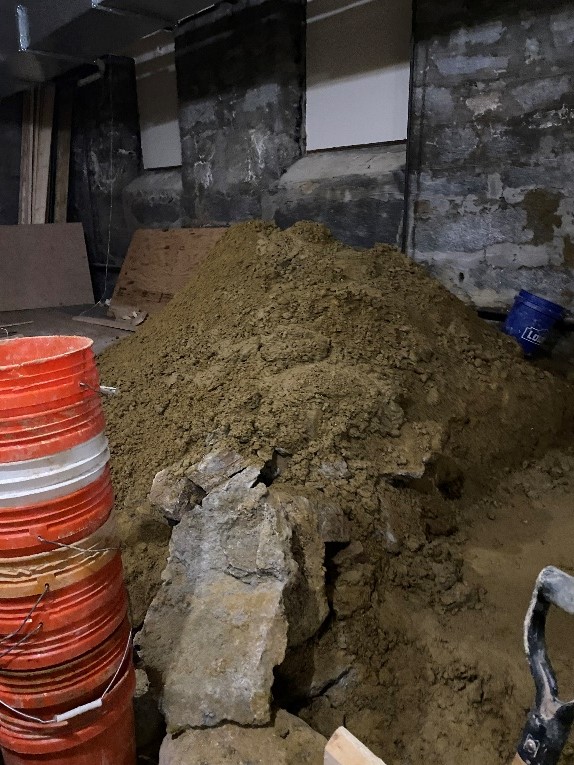
The biggest changes can be seen around the installation of the elevator. A giant hole has been excavated in the basement. Seriously, I had no idea how deep those shafts needed to go. Steel support beams have been added on the first and second floors before the floors are removed.
All the drywall on the exterior walls have also been removed to address any small leaks in the foundation. Personally, I love the exposed foundation walls and was excited to learn that this appearance will be maintained.
The latest work includes adding initial ductwork and systems support.
We appreciate everything the team has been doing and look forward to seeing this work continue!
This project will rely on philanthropic support from our donor community. To help advance this critical renovation, please contact Beth Parsons, director for museums and educational outreach, at 978-749-4523 or bparsons@andover.edu.
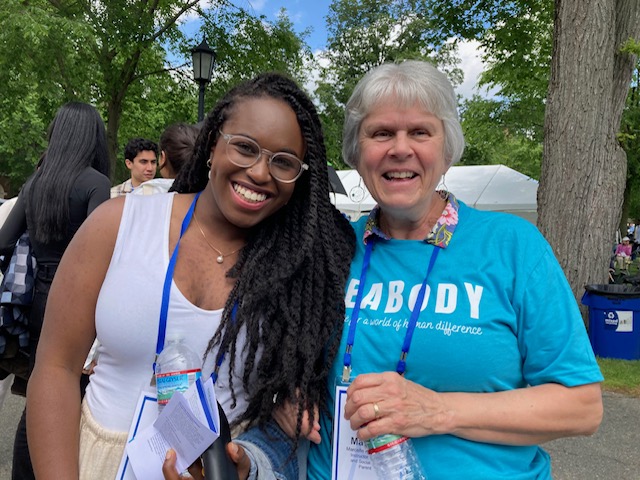
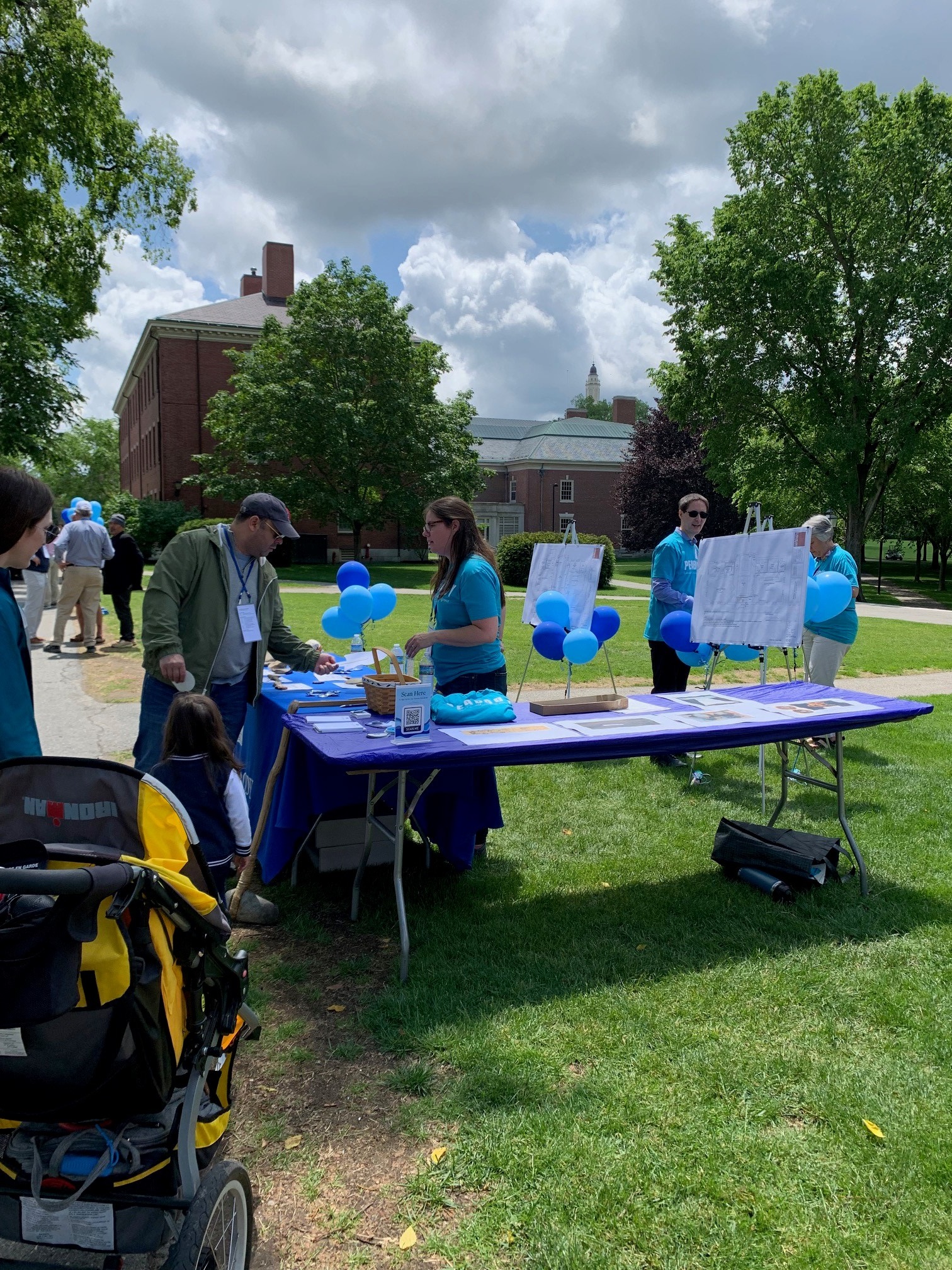
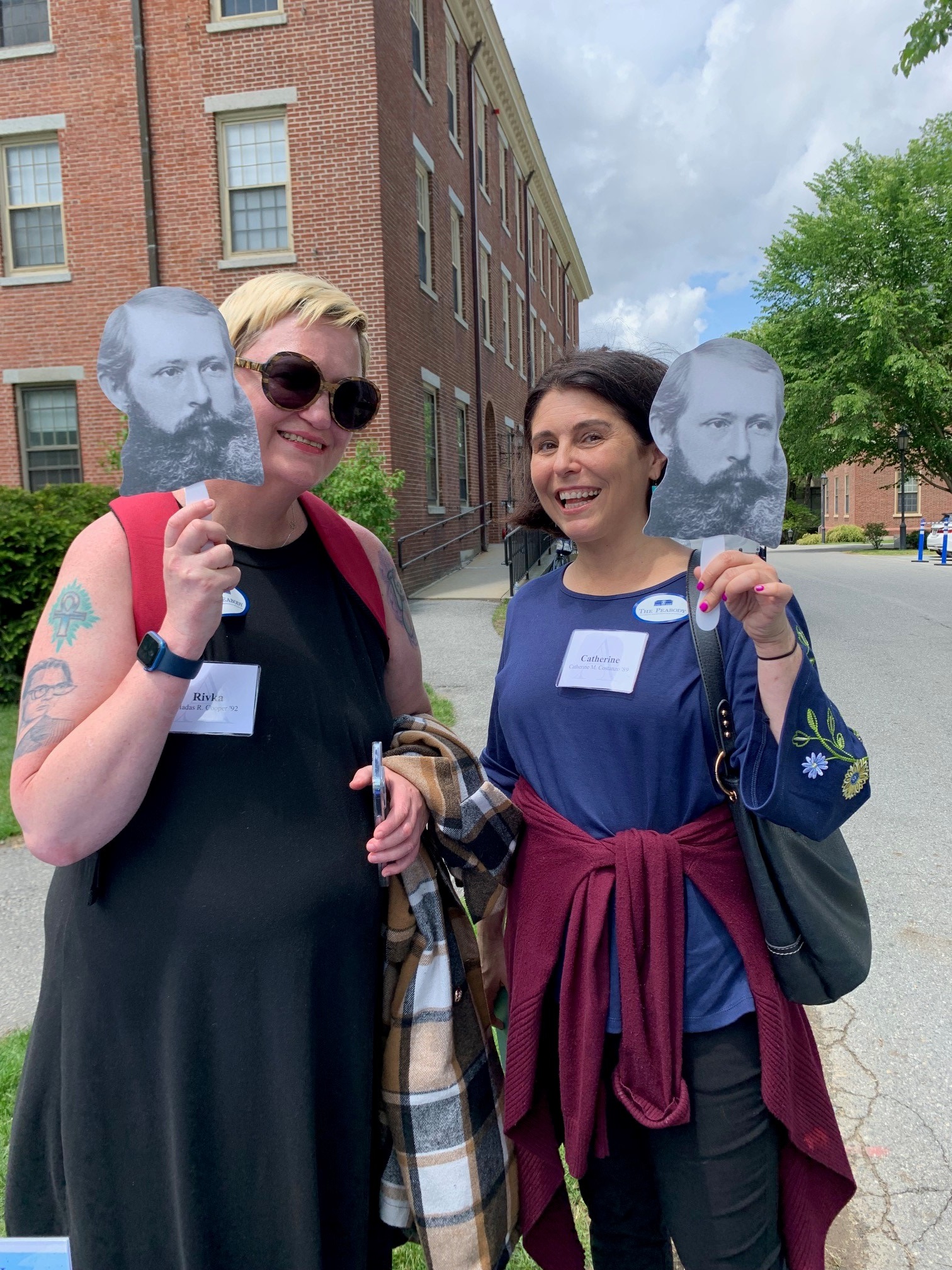
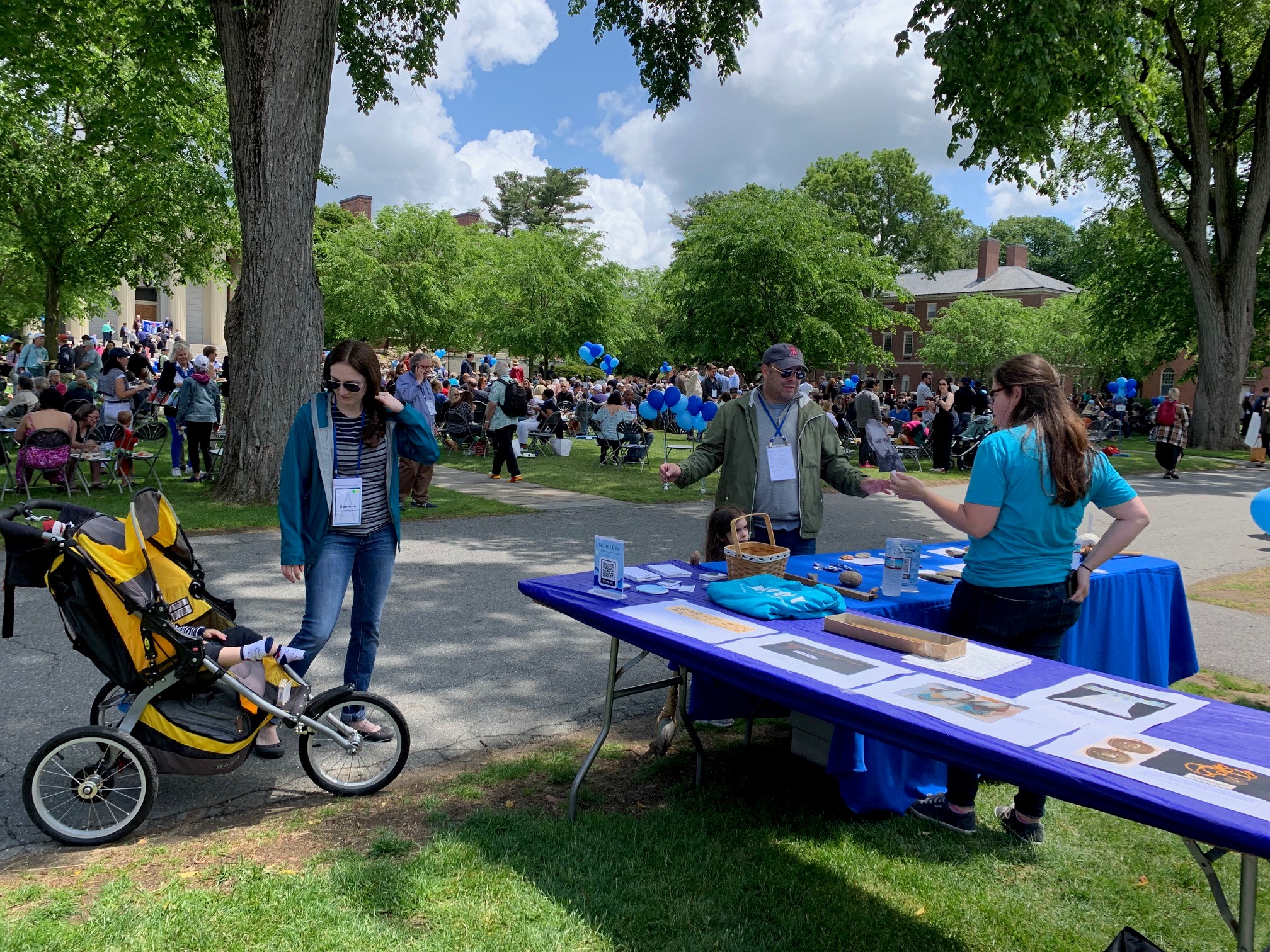
The second weekend of June is always Phillips Academy Reunion Weekend and one of the most fun days to be on campus. PA alums with graduation years ending in 3s and 8s came back to campus to celebrate everything from their 5th to 70th (!) reunions.
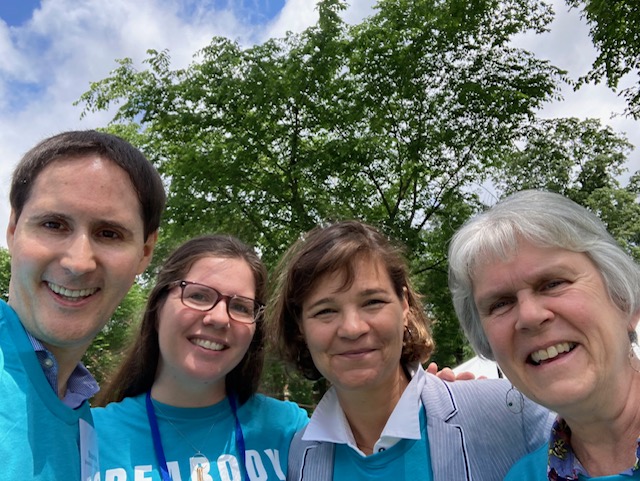
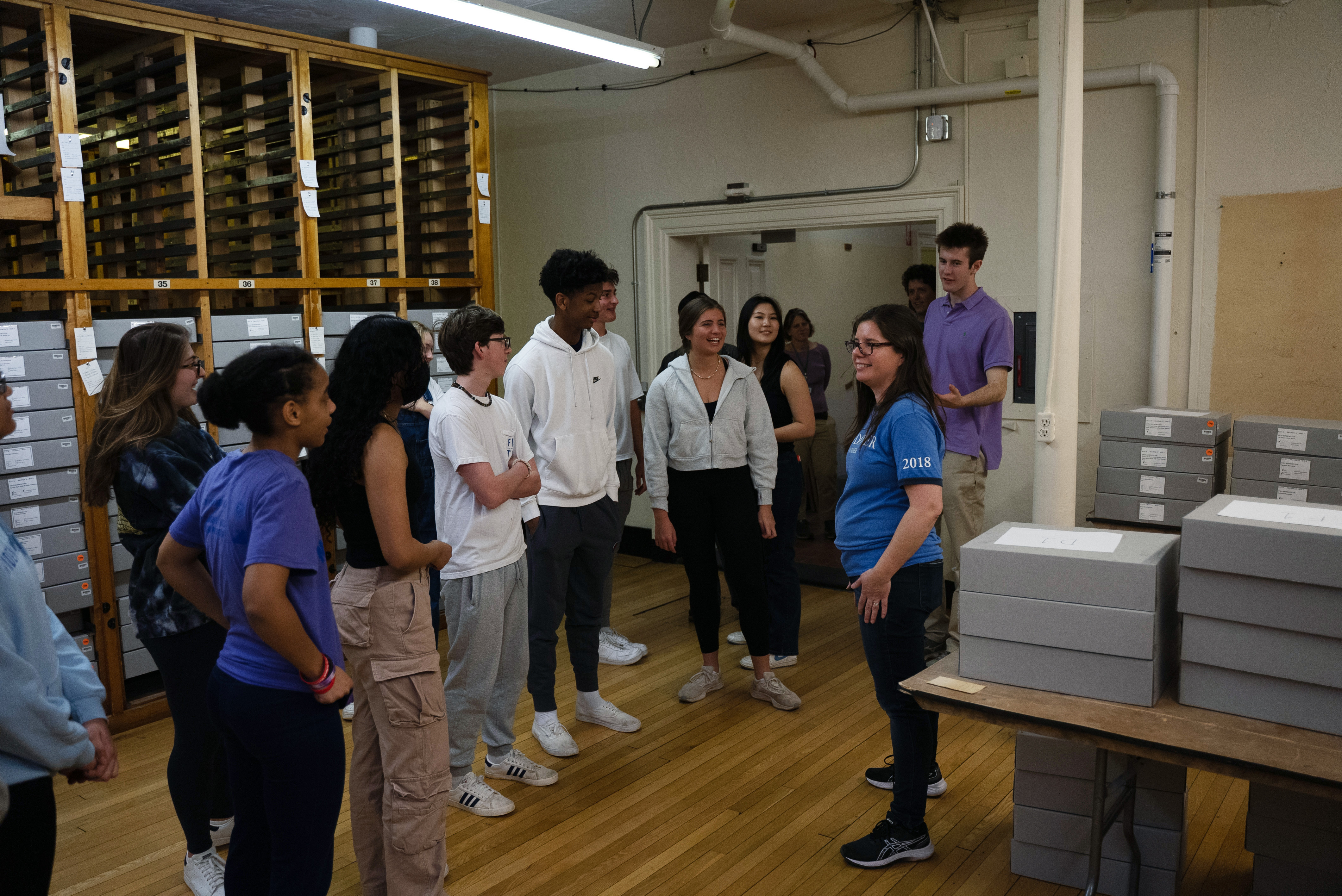
This year, because the Peabody building is under construction we set up a table by the Richard T. Greener Quadrangle during the lunch hour on the Saturday. The table was staffed by myself and several members of the Peabody Advisory Committee – Jenny Elkus ’92, Brandon Stroman ’97, and Marcelle Doheny P’18 and PA faculty member. We had a fabulous time engaging with alumni from across the country and the decades.
One of the reasons that I enjoy working Reunion weekend is because I am often meeting alumni who had never engaged with the Peabody during their time at PA. It is a wonderful opportunity to introduce them to what we do and how we engage with students now. So many people react positively to our work and lament that they did not have the opportunity to engage when they were students. But that has definitely changed!
It is finally happening – the Peabody Institute building project is underway!
It has been quite a whirlwind preparing for this project over the past months (planning began in earnest about a year ago).
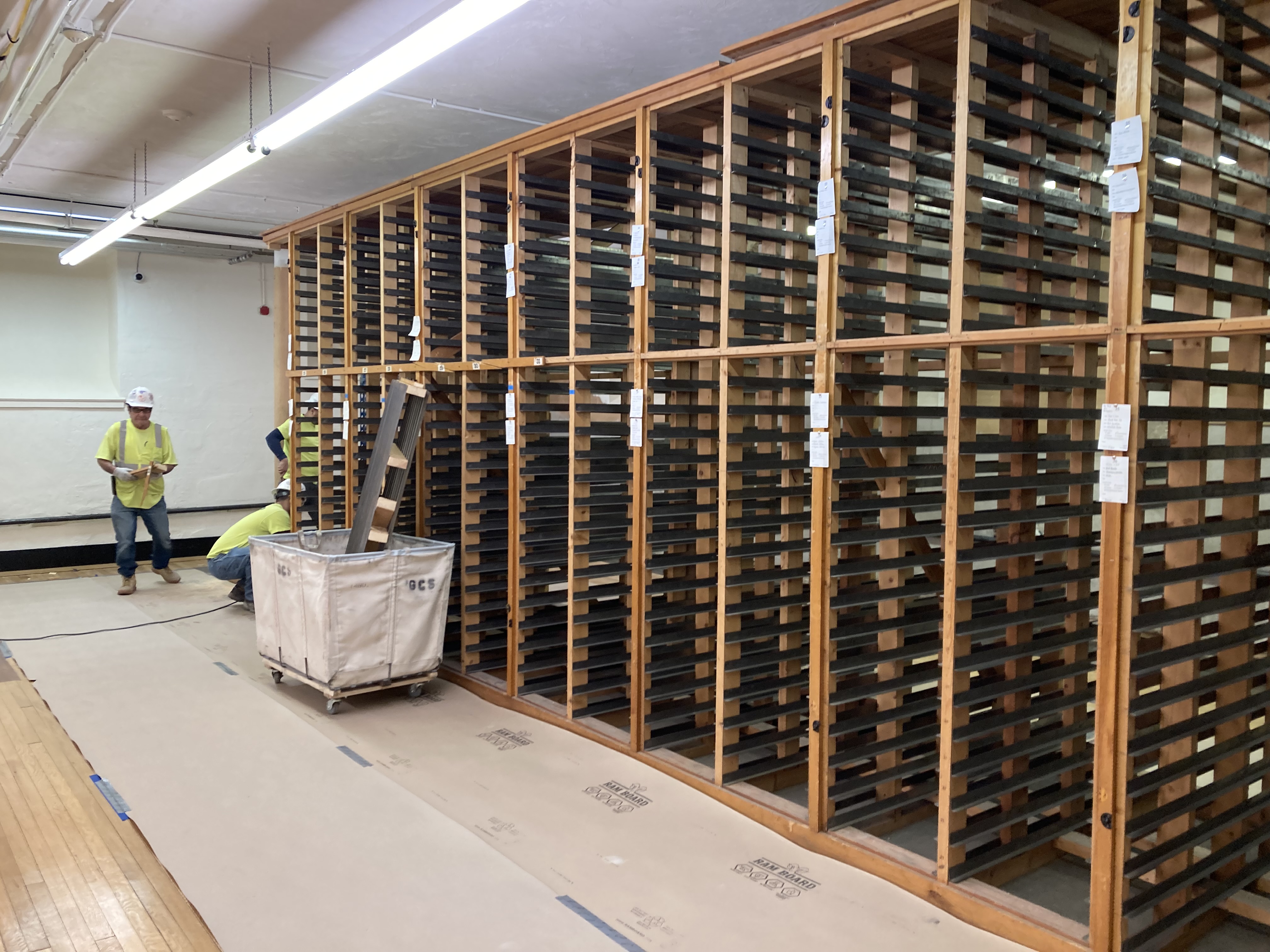
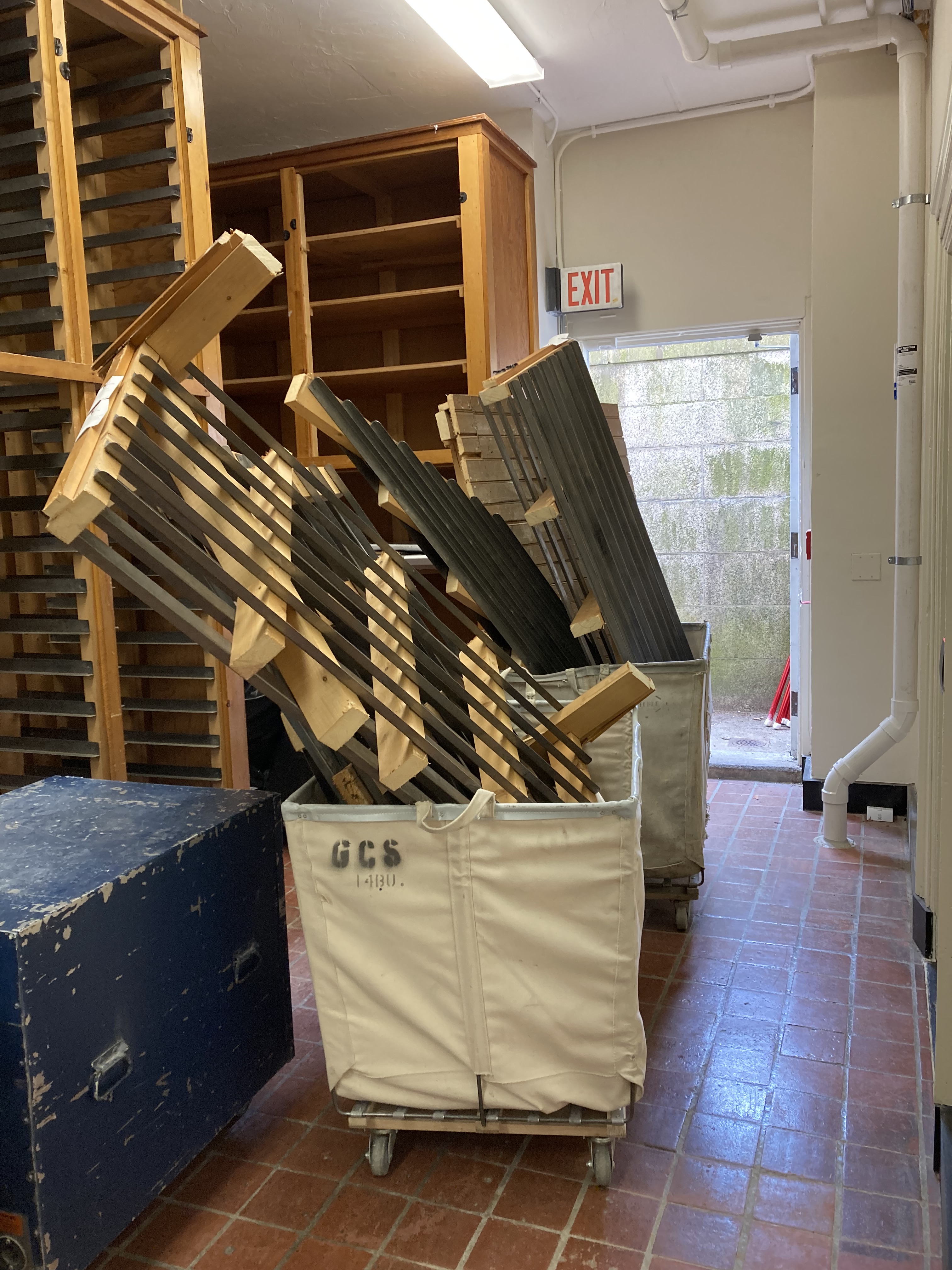
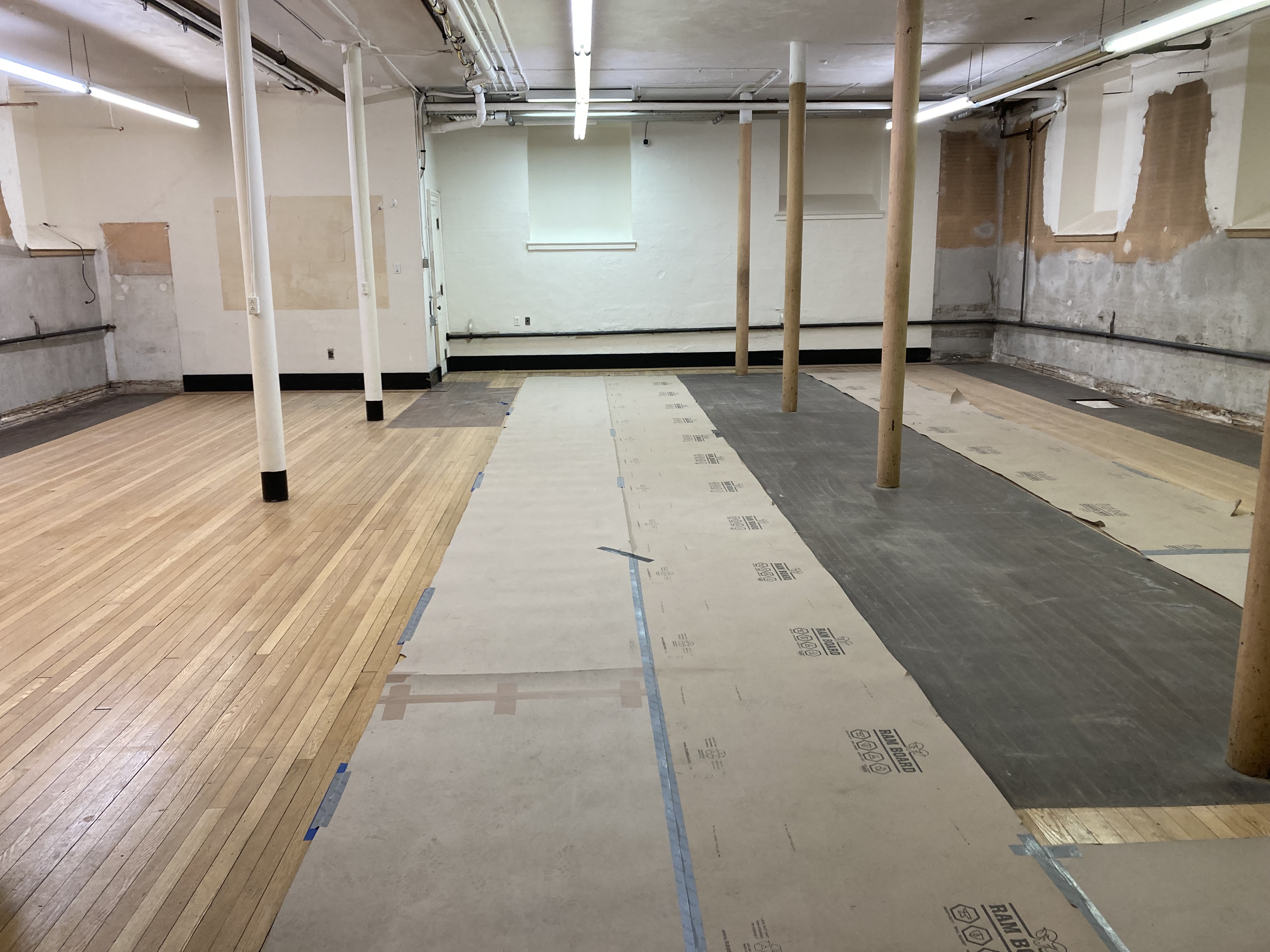
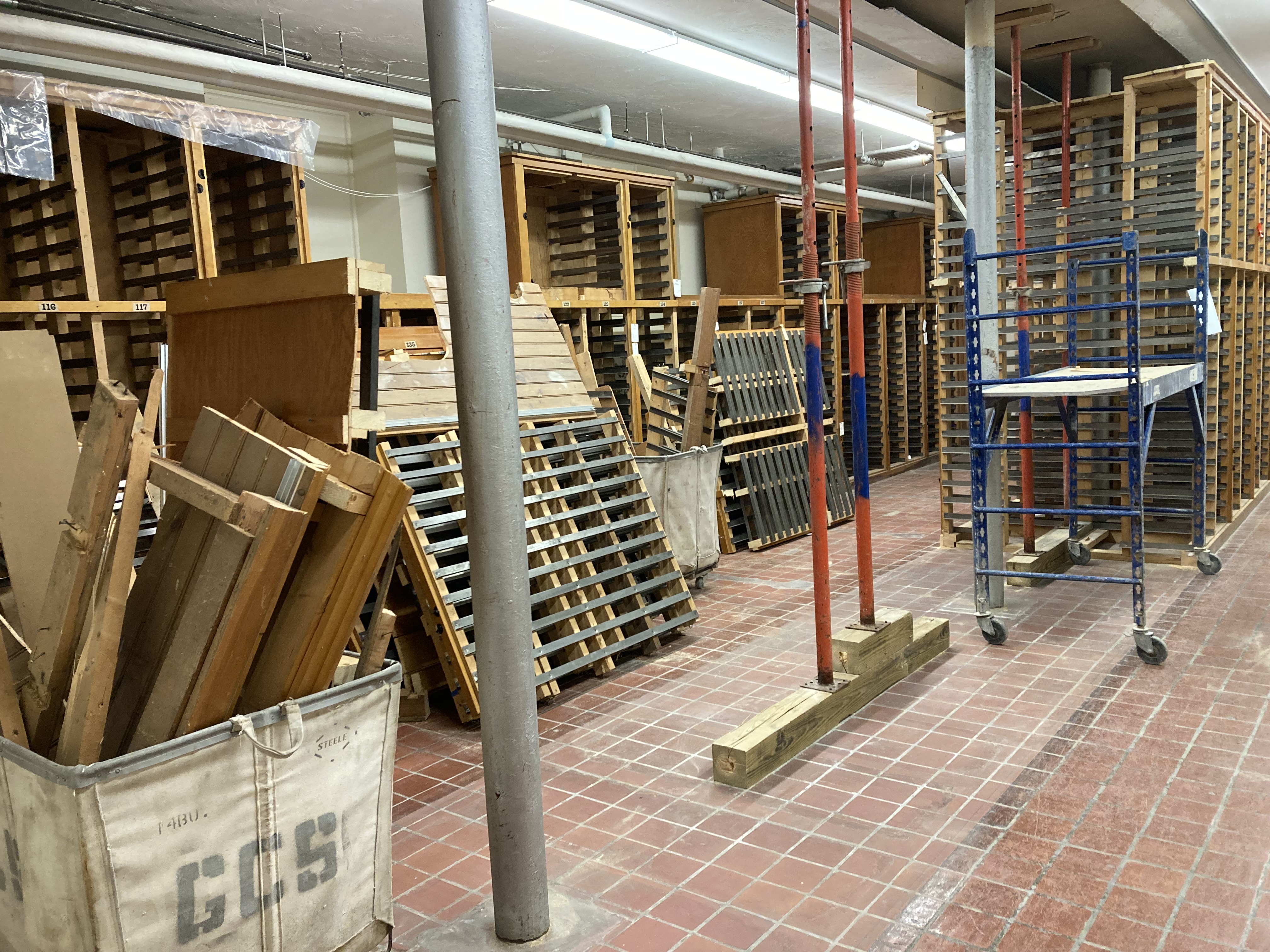
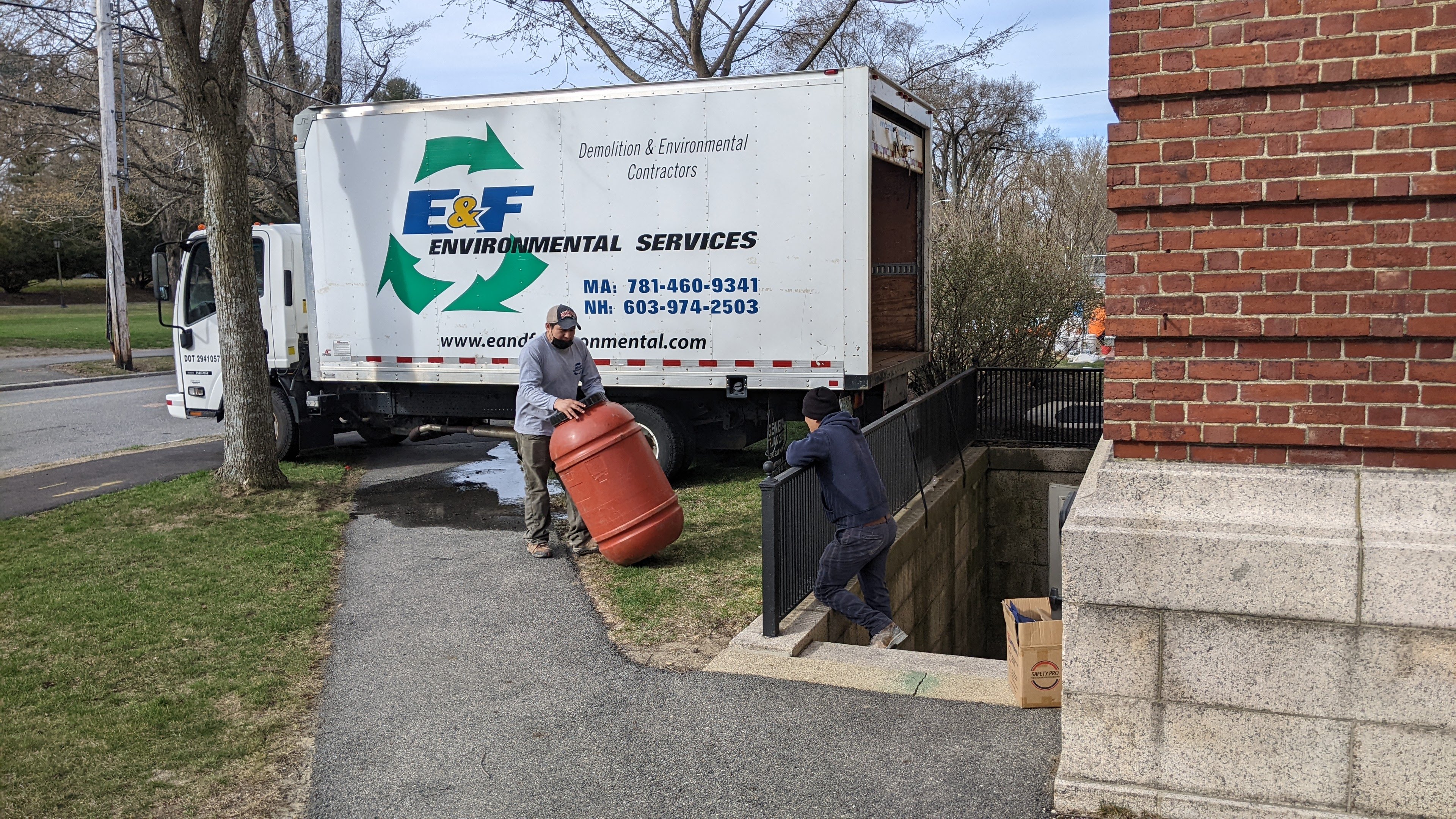
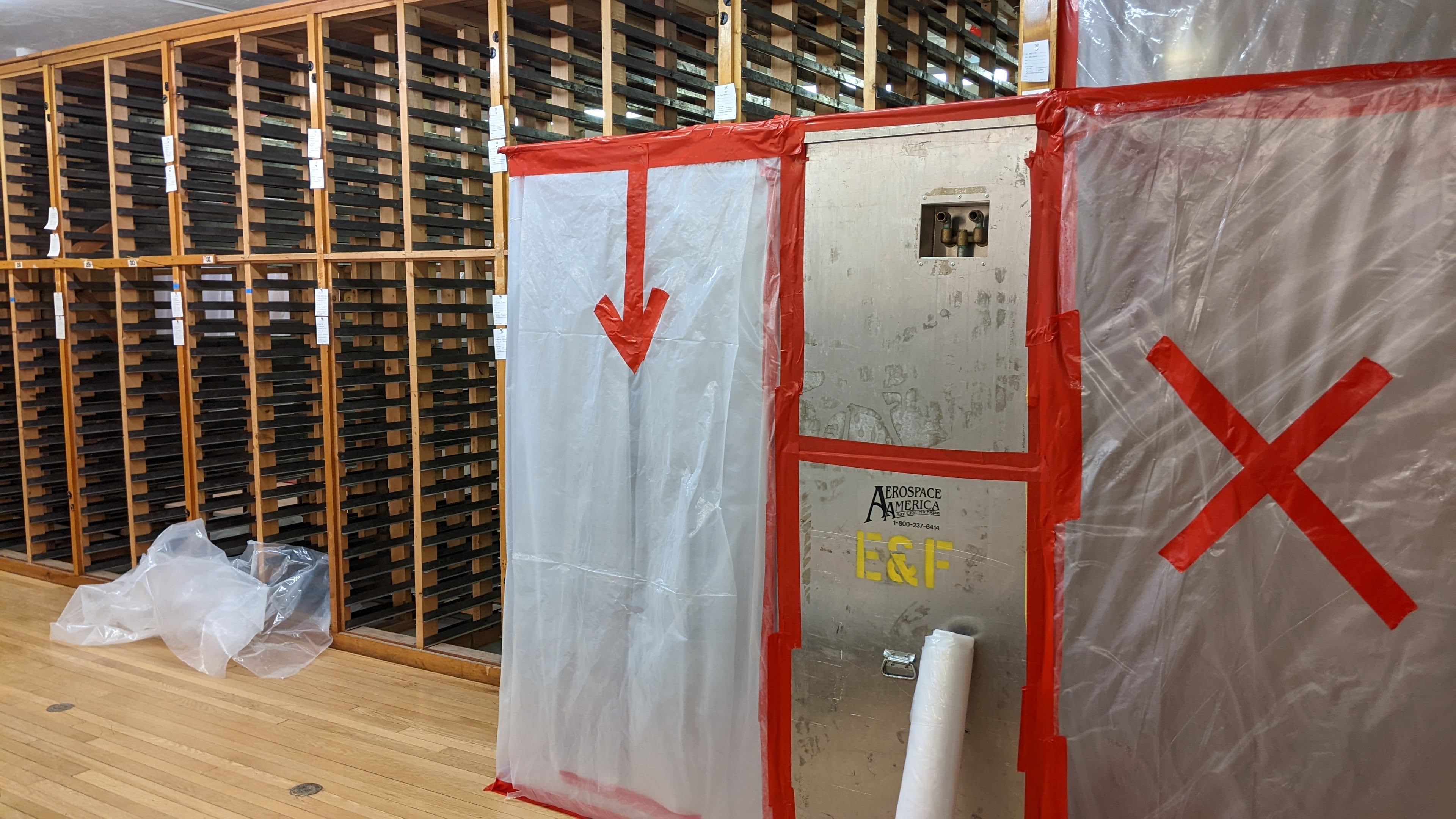
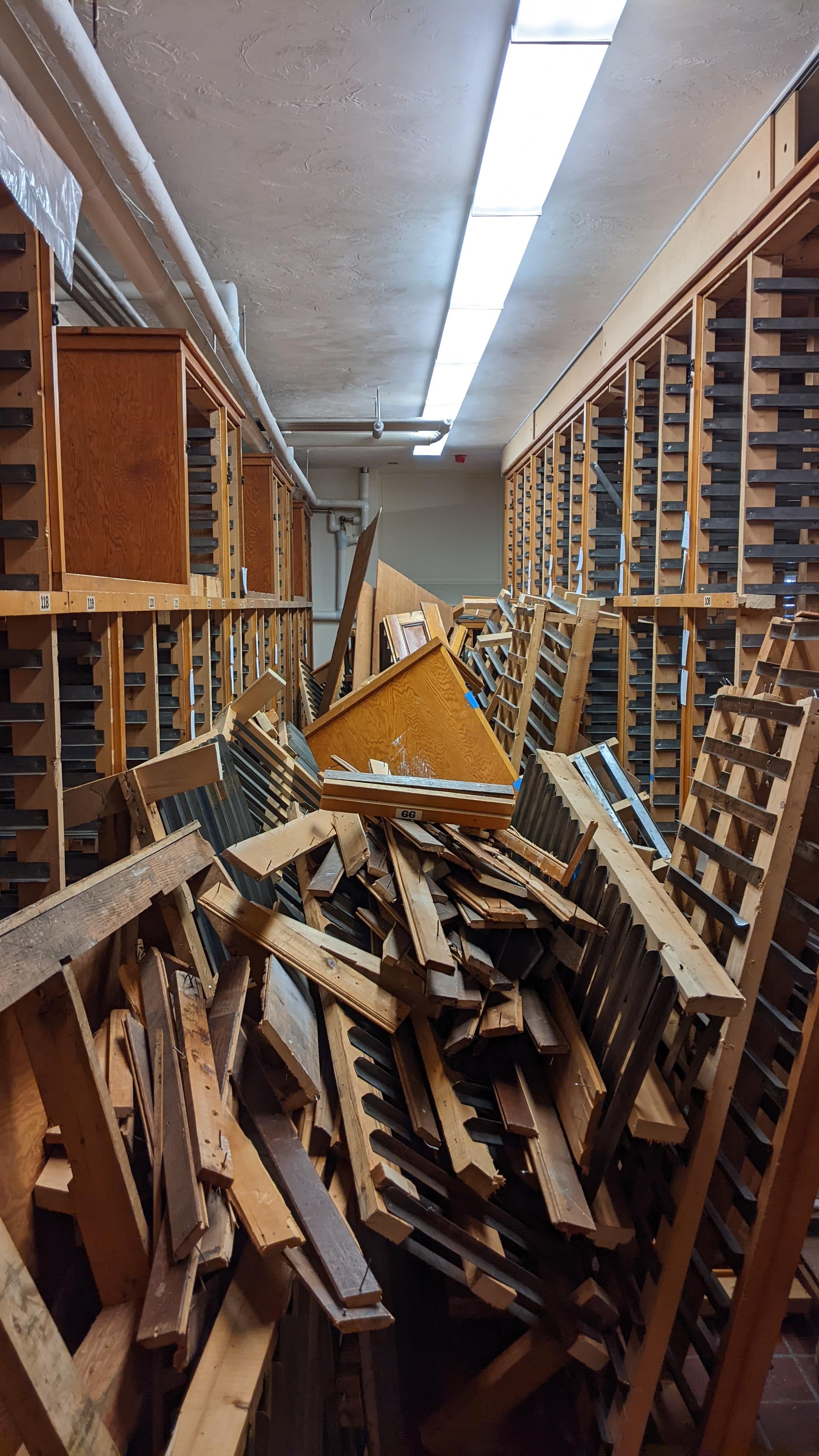
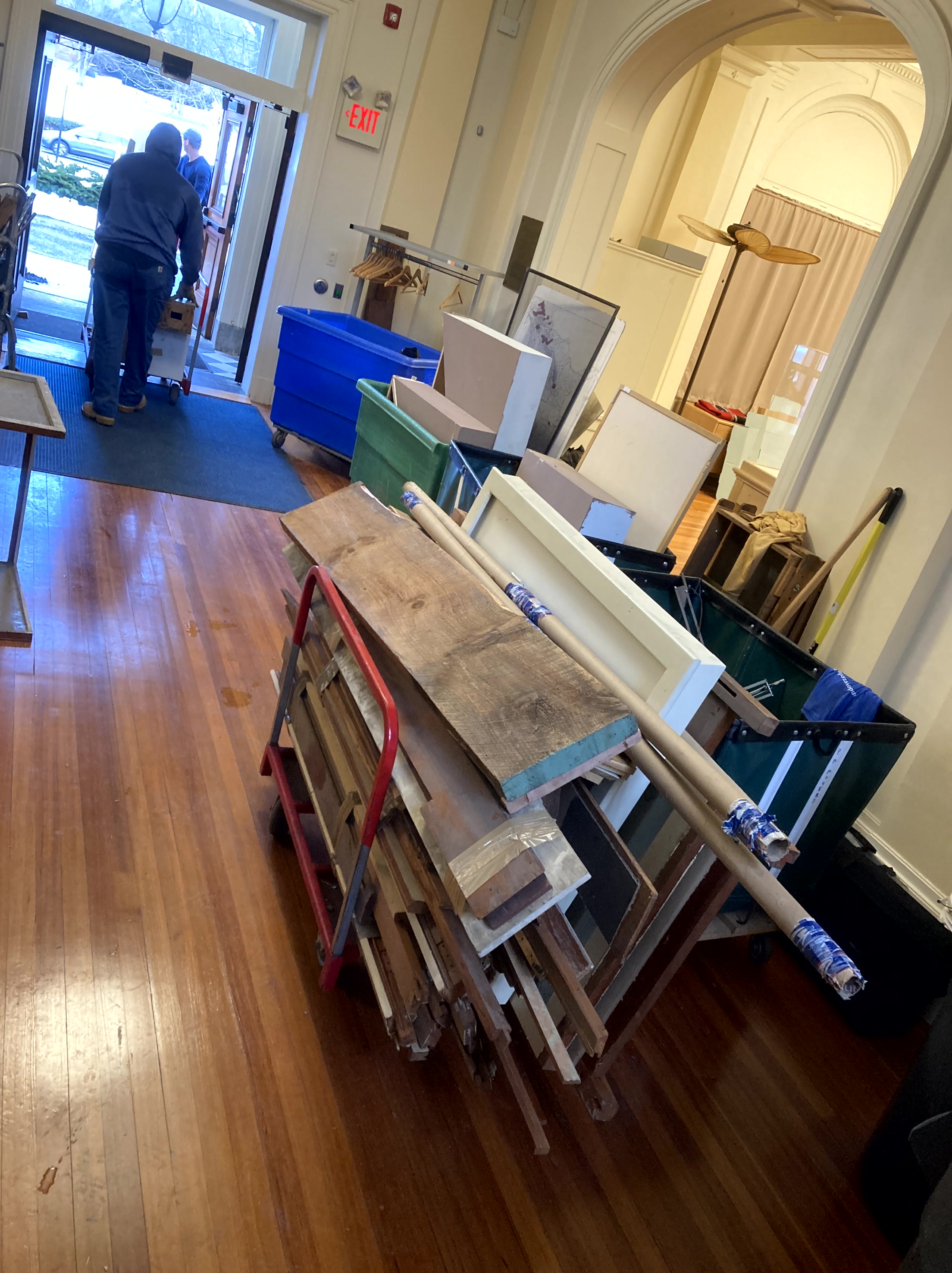
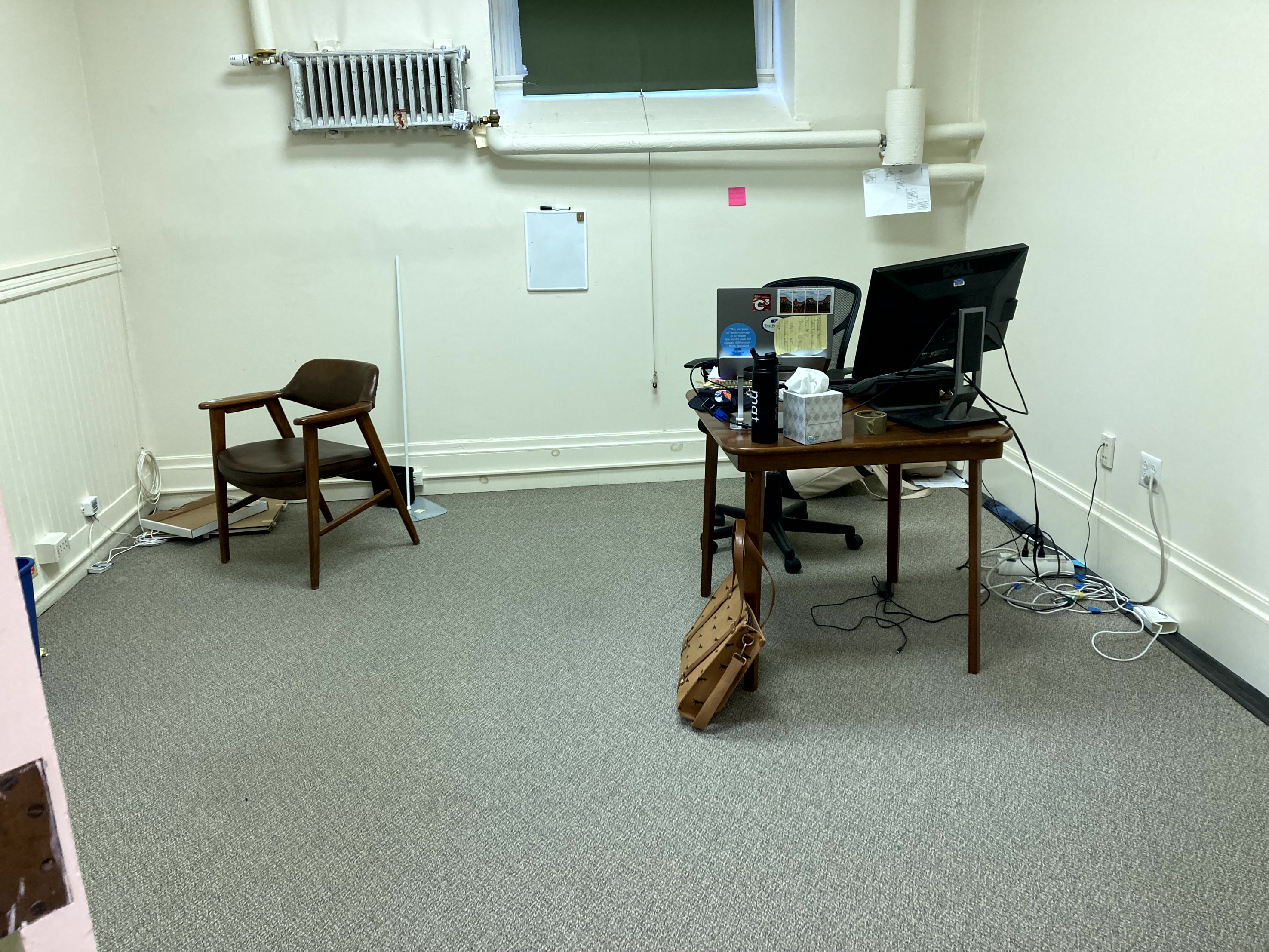
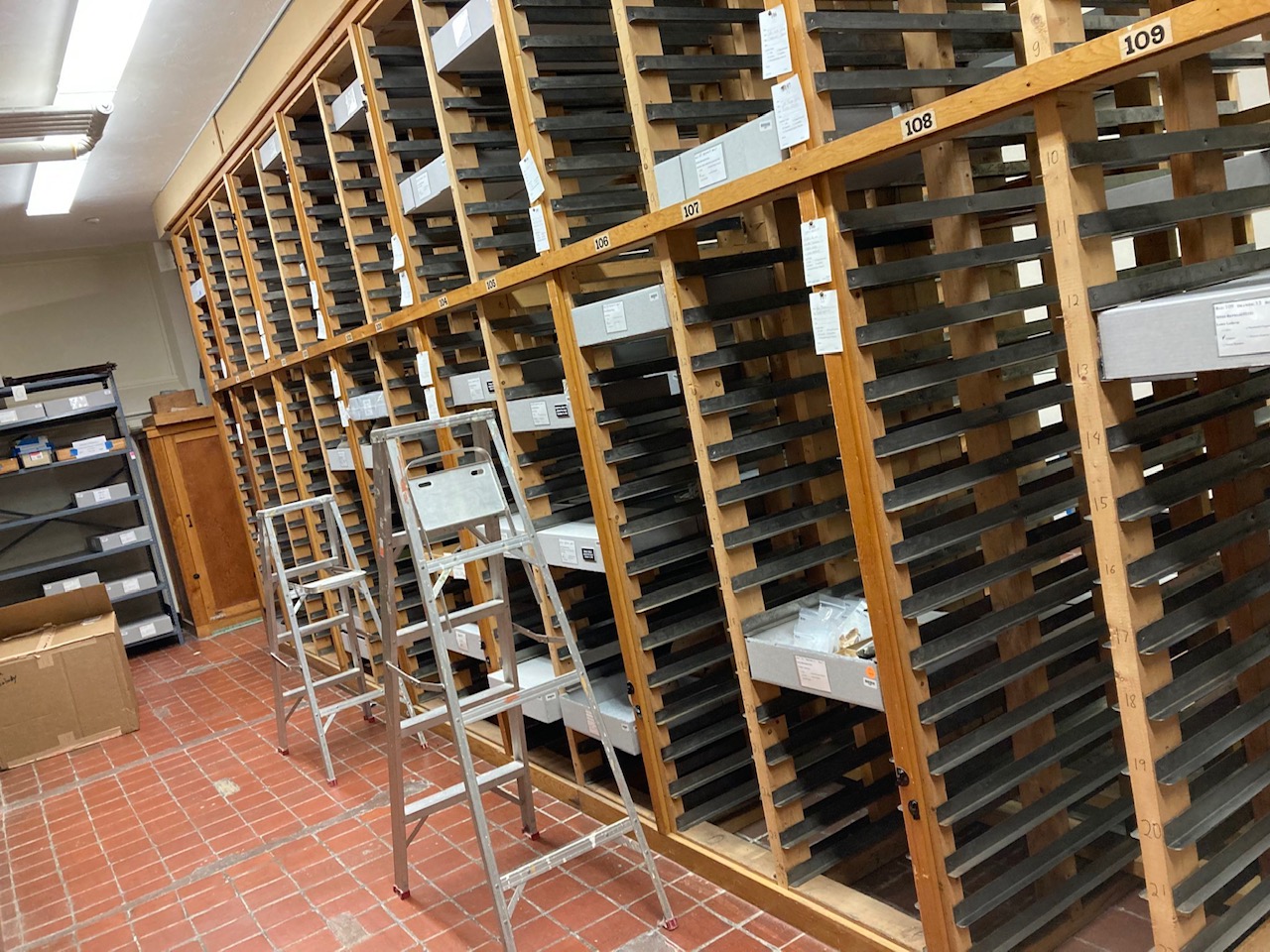
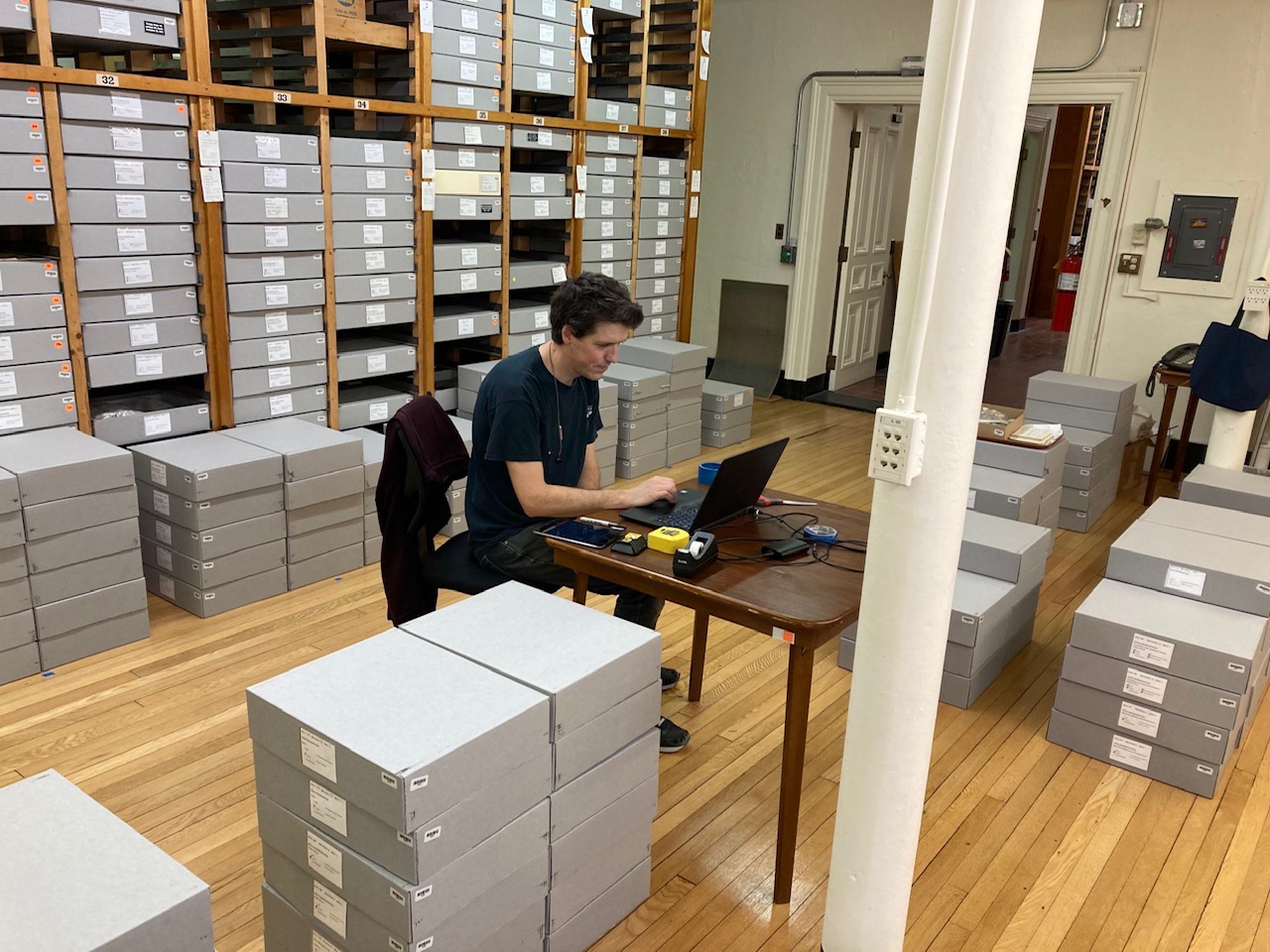
Since my last update, the full collection has been relocated within the building, asbestos has been remediated, the old storage bays have been demolished, and staff transitioned to working at small folding tables. We made the move to our temporary office space on-campus and are beginning to settle in.
So much credit goes to the Peabody staff members (and past interns) who collaborated to facilitate keeping the collection safe and organized during this process – thank you all!
We will keep you updated on progress as we are able.
This project will rely on philanthropic support from our donor community. To help advance this critical renovation, please contact Beth Parsons, director for museums and educational outreach, at 978-749-4523 or bparsons@andover.edu.
The Peabody is currently in the pre-construction phase of a much-needed building update! This is Phase 1 of a two-phase project.
The project has three main goals:
Replace the current basement shelving (that was constructed in the very early 1900s) with modern mobile shelving
Provide HVAC and sprinklers for the collections areas
Install an elevator and meet other code compliance issues
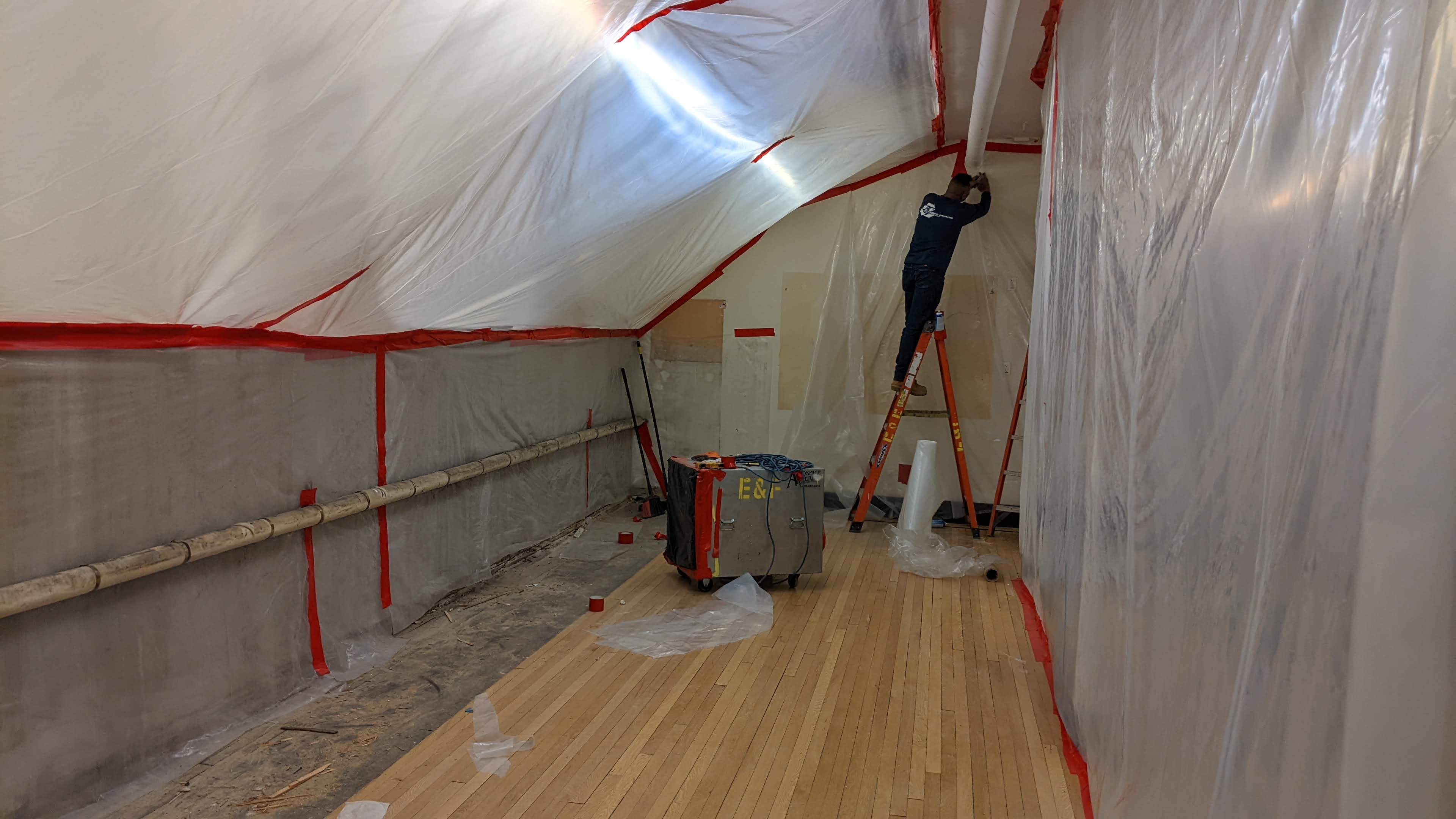
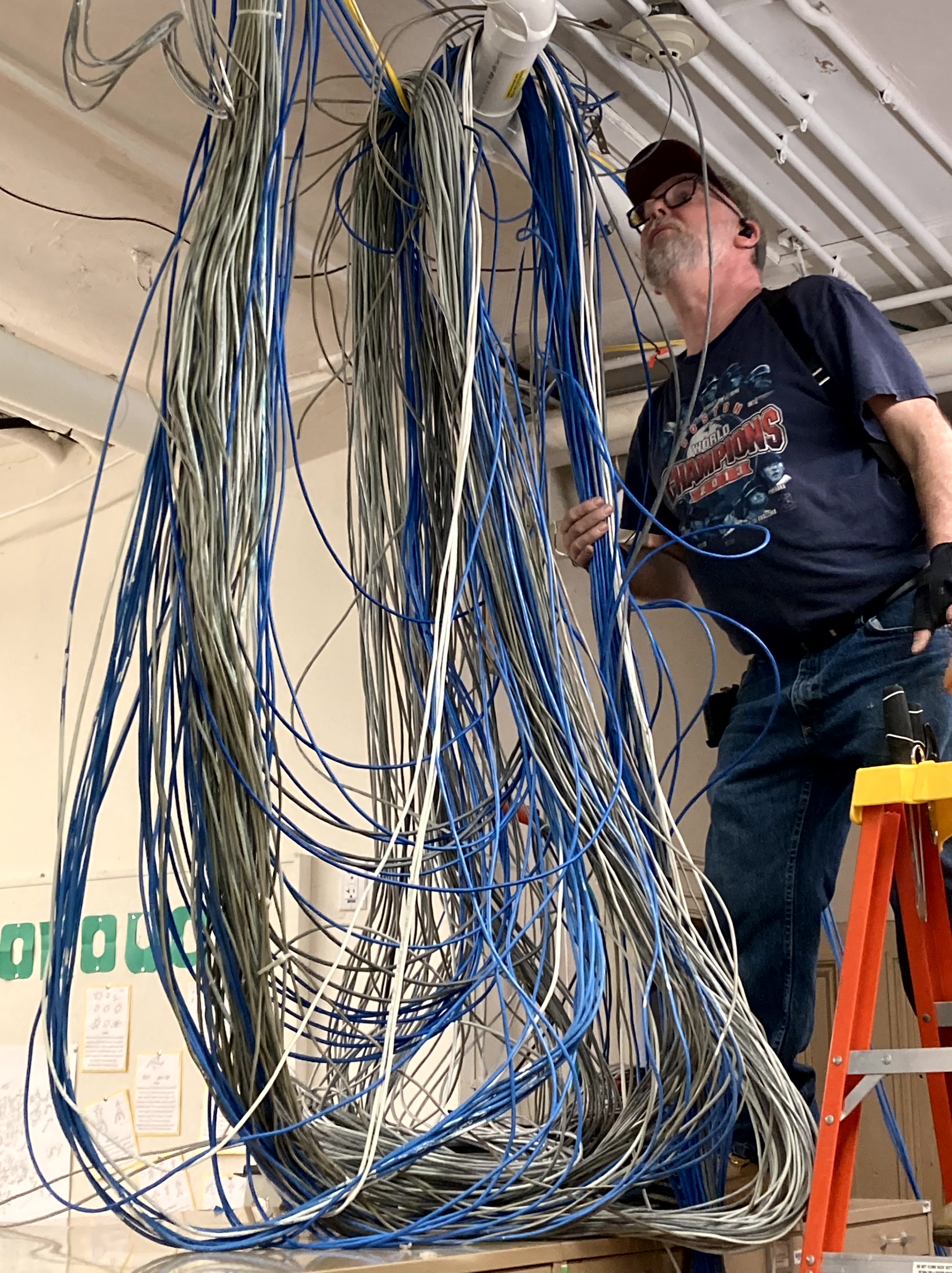
The Peabody staff have been working diligently to ensure the safety of all the collections during this work. We have coordinated with the construction company, security vendors, tribal partners, and our Phillips Academy project manager to make the project a success. There is still a lot to do – and construction hasn’t even started yet!
Here are some photos of the work as it has been happening:
This project will rely on philanthropic support from our donor community. To help advance this critical renovation, please contact Beth Parsons, director for museums and educational outreach, at 978-749-4523 or bparsons@andover.edu.
For more than a year, a dedicated reporting team at ProPublica has been exploring NAGPRA and repatriation. They have been investigating what is behind the overall slow return of ancestral remains back to descendant communities. Their work has culminated in The Repatriation Project:
The remains of more than 100,000 Native Americans are held by prestigious U.S. institutions, despite a 1990 law meant to return them to tribal nations. Here’s how the ancestors were stolen — and how tribes are working to get them back.
Three decades after legislation pushed for the return of Native American remains to Indigenous communities, many of the nation’s top museums and universities still have thousands of human remains in their collections. Check on institutions near you.
They also compiled a database that allows you to explore information related to individual institutions and tribes. For example, you can see where the statistics place the Peabody Institute on repatriation. There is always more work to be done and I hope you can watch those numbers change over the next few months.
I am excited to see where they take the project next!
October/November is conference season! I was an active participant in multiple conferences over the past couple months and really enjoyed connecting with colleagues after the worst of COVID.
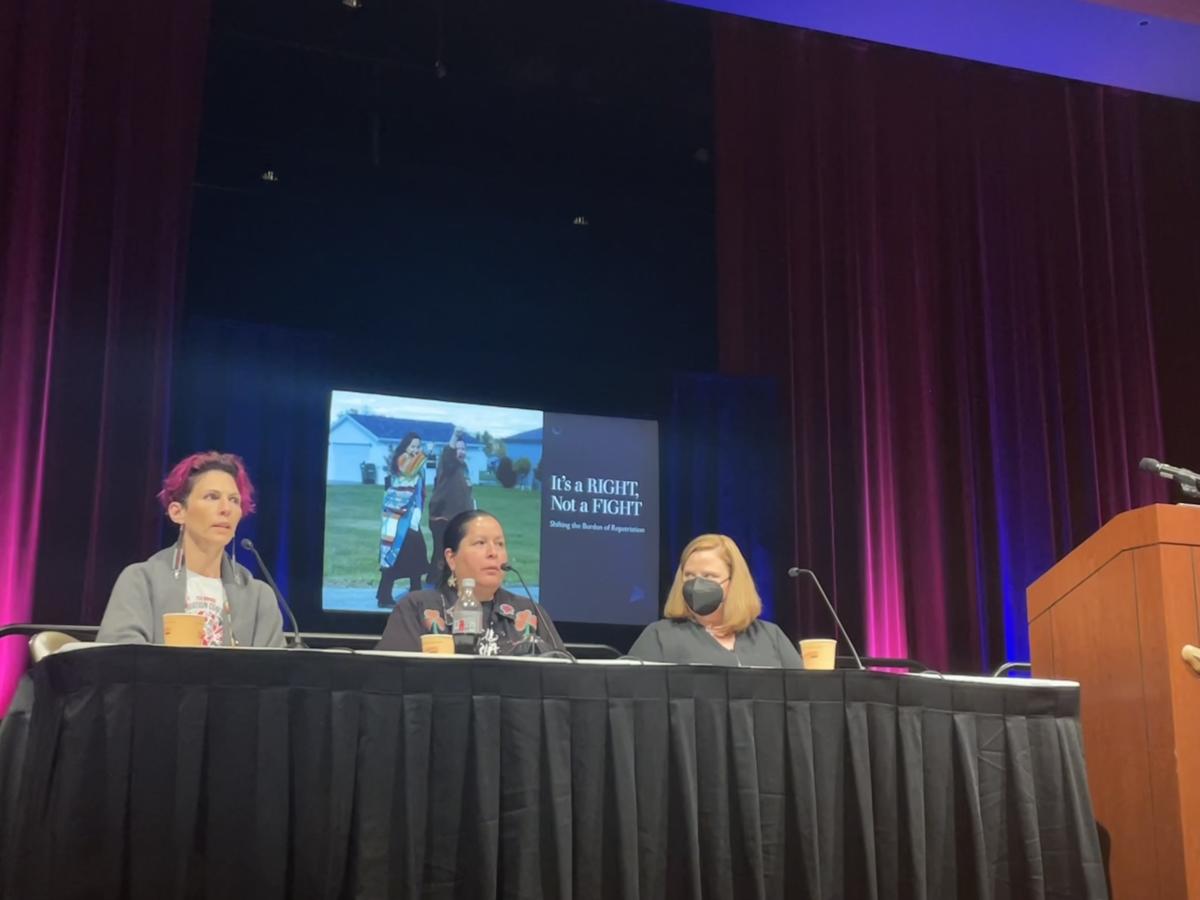
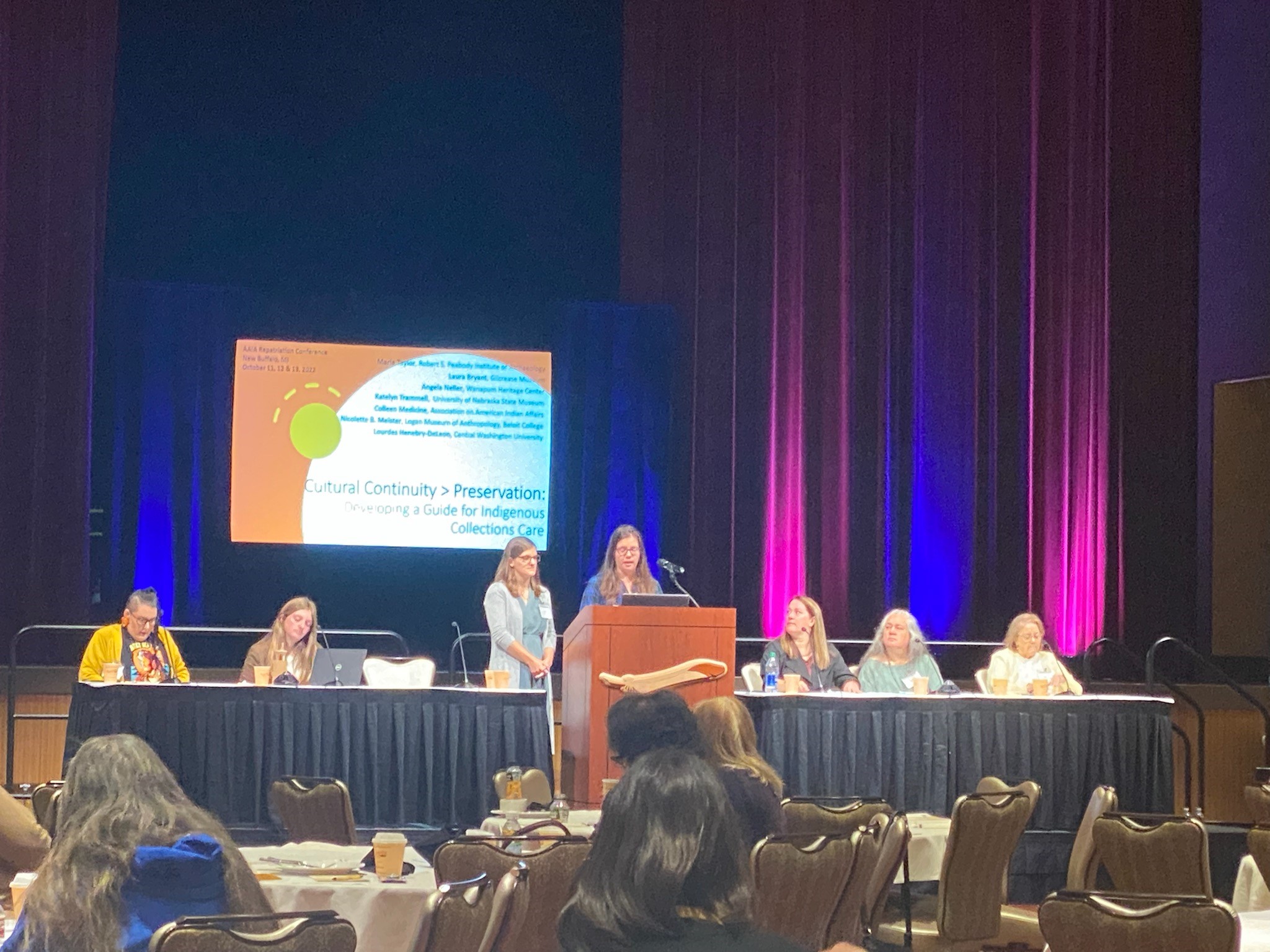
First, I attended the Association on American Indian Affairs (AAIA) 8th Annual Repatriation Conference in New Buffalo, Michigan. The conference “brings together Native Nations, museums, artists, spiritual leaders, academics, lawyers, federal and state agencies, international institutions, collectors and others to work together to reactivate relationships with the past to create a world where diverse Native cultures and values are lived, protected and respected.”
It was a fantastic experience. The Repatriation Conference is a space where I greeted so many colleagues with hugs and made new and important connections. The speakers shared meaningful perspectives and insights and I am proud to be a part of that community. Oh, and the sunrise ceremony by the host Pokagon Band of Potawatomi was an invigorating way to start the day!
The second conference (only one week later!) was the 2022 International Conference of Indigenous Archives, Libraries, and Museums hosted by the Association of Tribal Archives, Libraries, and Museums (ATALM) in Temecula, California. I love ATALM as an experience. I learn so much from those sessions and surrounding myself with innovate professionals, both Indigenous and non-Indigenous, who work so hard to prioritize Indigenous voices and perspectives. A couple of shout-outs to my favorite presentations – Traditional plant-based methods for pest control and Your Neighborhood Museum.
At both the Repatriation Conference and ATALM, I was a presenter and shared the work that colleagues and I have done to create the Indigenous Collections Care (ICC) Working Group and Guide. The ICC is a group of both Indigenous and non-Indigenous museum professionals and academics, Tribal Historic Preservation Officers, collections staff, and NAGPRA coordinators who are working to create a Guide as a reference tool for people who interact regularly with Native American collections. The Guide will offer scalable considerations and templates for implementation, advocacy, and creation of policies and procedures for all areas of collections stewardship. This project has been a major focus of mine over the past couple years and I am proud to share our work with the broader community.
The third and final conference in my marathon was the New England Museum Association 2022 Annual Conference. Now, I was admittedly a little exhausted after traveling from New Hampshire to Michigan to New Hampshire to California and back home to New Hampshire so I only attended NEMA for a day to be a speaker. This session was slightly different and focused on demystifying decolonization/Indigenizing museum collections stewardship. I was joined by colleagues from the Boston Children’s Museum and The Trustees of the Reservation for this conversation. We received positive feedback from everyone and I hope it inspired someone to take a step forward in this work.
While I really did love the opportunity to connect with other professionals, I am happy to be done with conferences for the year! And I have to admit, I am already planning my schedule for 2023…









 The Peabody