Last month we were delighted to welcome back Ramson Lomatewama to Phillips Academy Andover (PA) where he worked with students and campus community members in fused glass workshops.
Ramson Lomatewama is an award-winning Hopi glass artist, kachina doll carver, jewelry maker, and published poet from Hotevilla, Arizona. This is his second year working with the Peabody Institute to bring fused glass workshops to the PA campus community. Ramson has also participated in various virtual, and in-person talks at PA, sharing his poetry, art, and life stories with students and the broader public. You can view these virtual talks on our Peabody YouTube page.
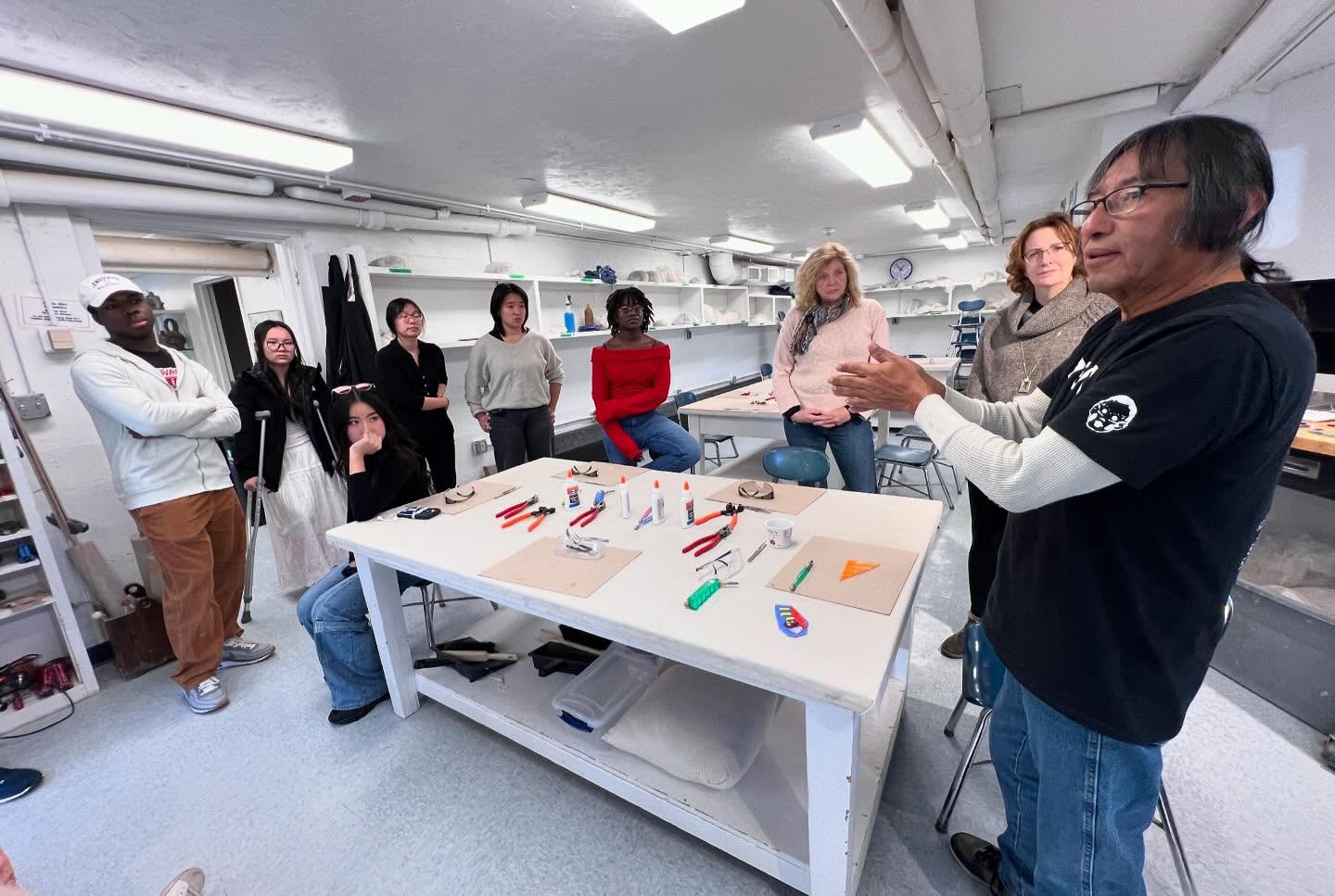
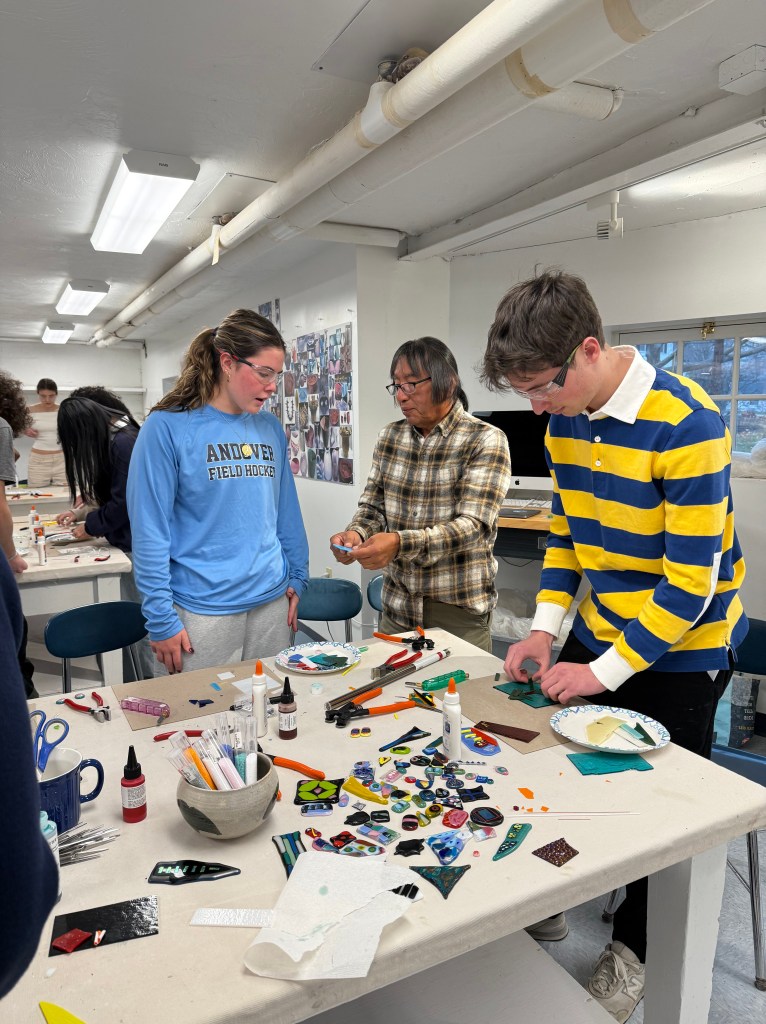
Ramson speaking to one of the fused glass community workshops.
Ramson creates stained glass, blown glass, and fused glass art. Ramson’s glass art is viewed as “a contemporary expression of ancient and artistically rich people… evoking a beautiful, yet humbling mindscape which we all long to find.” He is the first hot glass artist from the Hopi Tribe. Ceremonies and cultural activities continue to play a major role in his life. He has showed works at the Santa Fe Indian Market, the Museum of Northern Arizona, Fusing Traditions, a traveling exhibition, and the San Diego Museum of Man (now known as the Museum of Us).
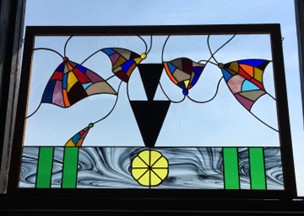
Stained glass artwork by Ramson Lomatewama.
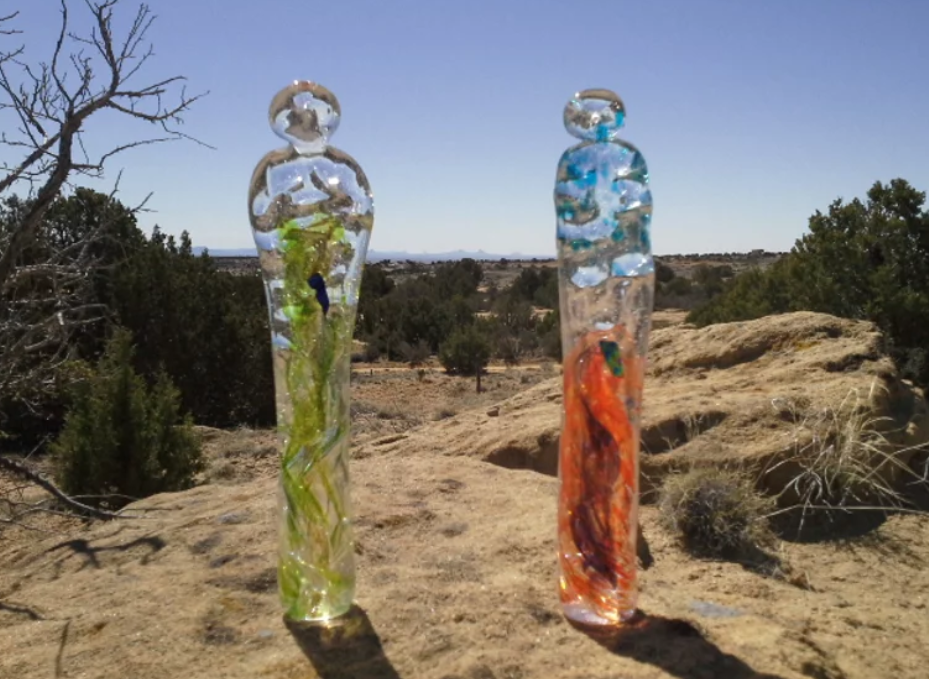
Blown glass ‘spirit figure’ sculptures by Ramson.
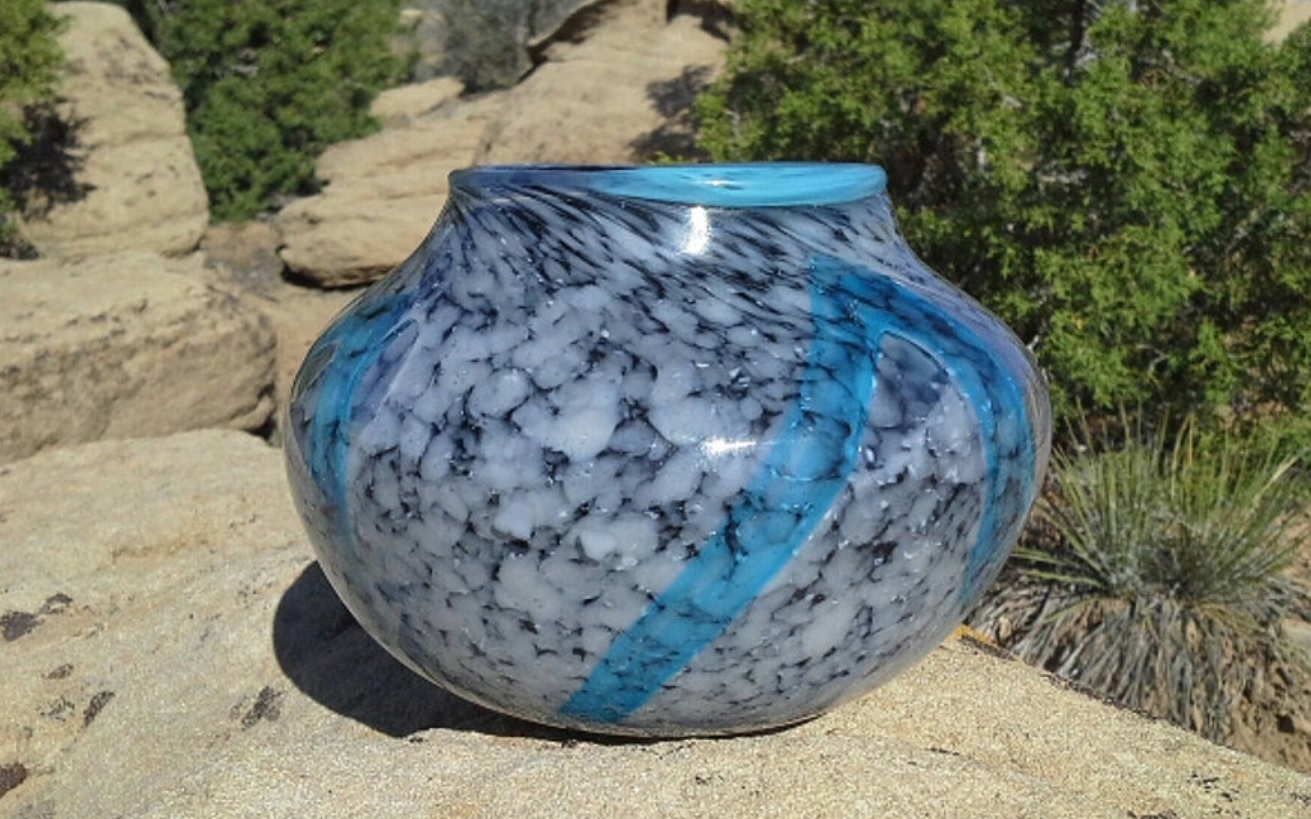
Blown glass vessel by Ramson.
Ramson is an educator on several levels. Early in his career, he was a middle school and high school teacher, and for many years, served as adjunct faculty at North Central College in Naperville, Illinois. Ramson also taught glass art for Hopitutuqayki (The Hopi School), an arts apprenticeship program located on the Hopi reservation. Ramson’s studio, Hotevilla Glassworks, is the first and only Hopi owned working glass studio. Check it out here!
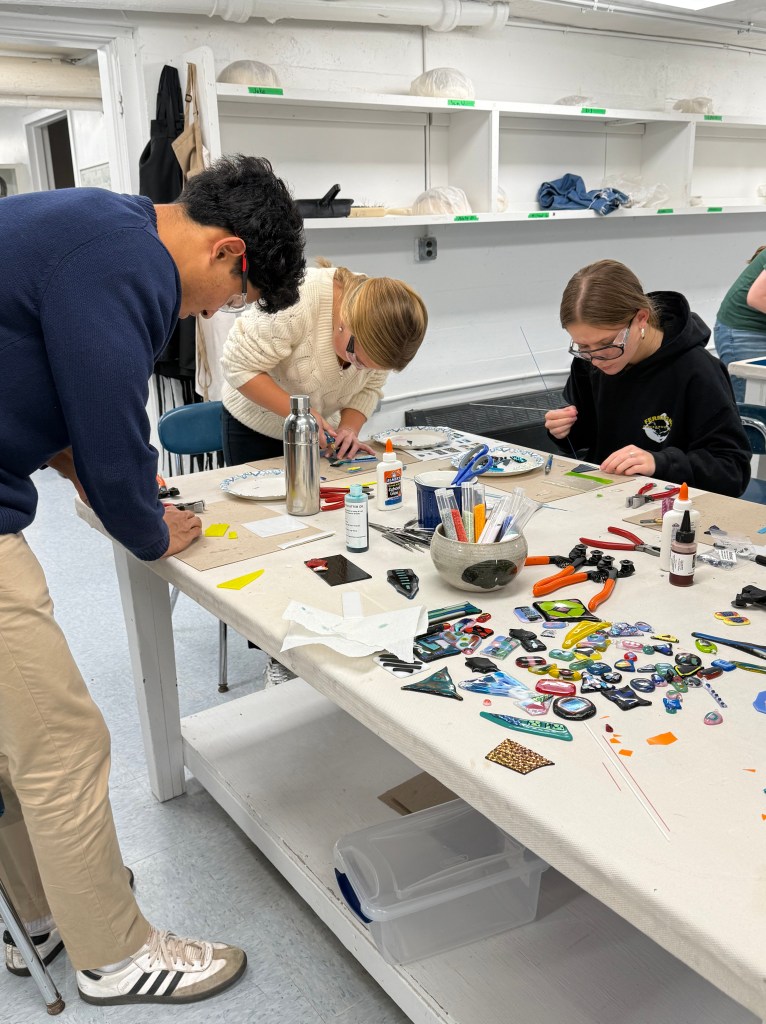
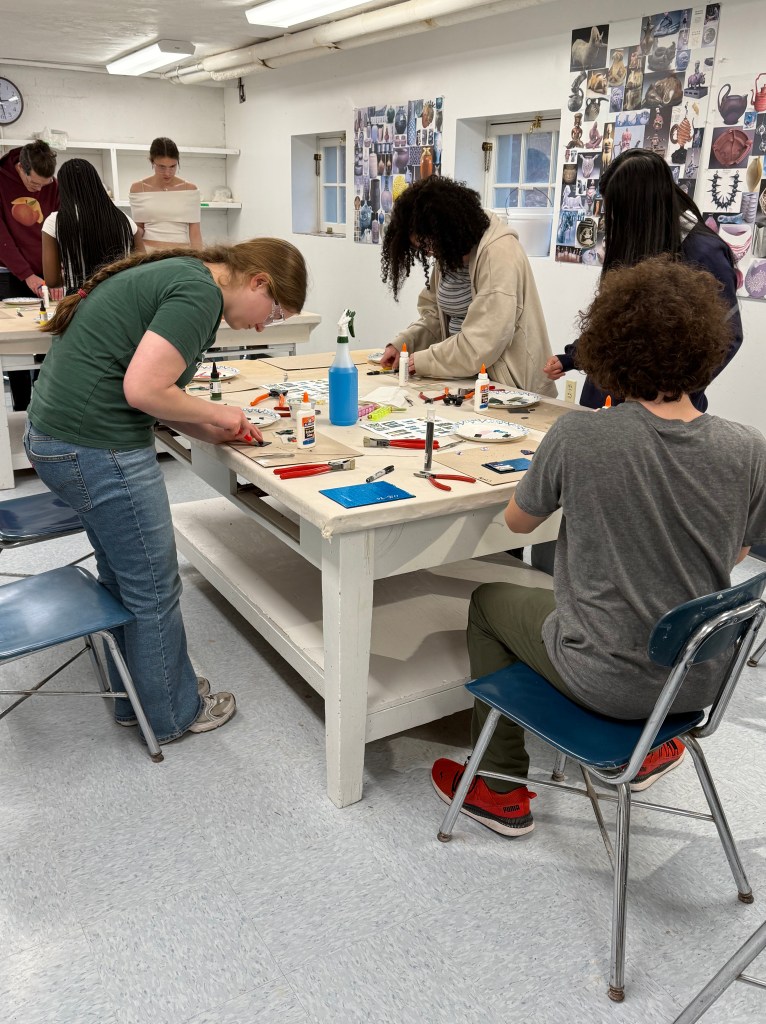
Students at work, creating their own fused glass pieces in their class workshops.
Working with fused glass seemed a little daunting at the beginning of the workshops, but a quick demonstration by Ramson with helpful instructions gave students the courage and motivation to dive in. The plethora of glass pieces to work with – stringers, millefiori, frit, swizzle sticks, dichroic, and ribbons – came in many shapes, textures, and colors. Students worked side by side creating their pieces of art, asking Ramson questions about his techniques and listening to stories about his life and art journey.
“Working with fused glass, you need to be prepared to forfeit control…” was Ramson’s important insight that would hold true from assembling our glass pieces to the final kiln firing of our pieces. No matter the shape or size of your glass piece – after firing – it would melt down to around 6mm thick. Ramson calls this the “6mm rule.” I found it best to go into a fused glass design with no plan, as your final product would tend to come out a little different from what you’d imagine… most of the time it would look even better!
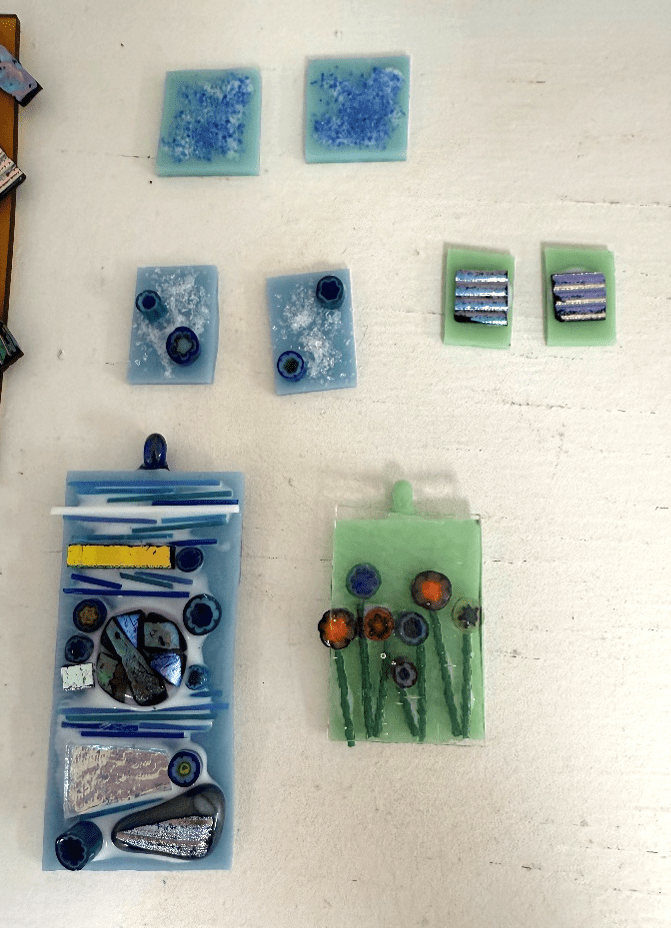
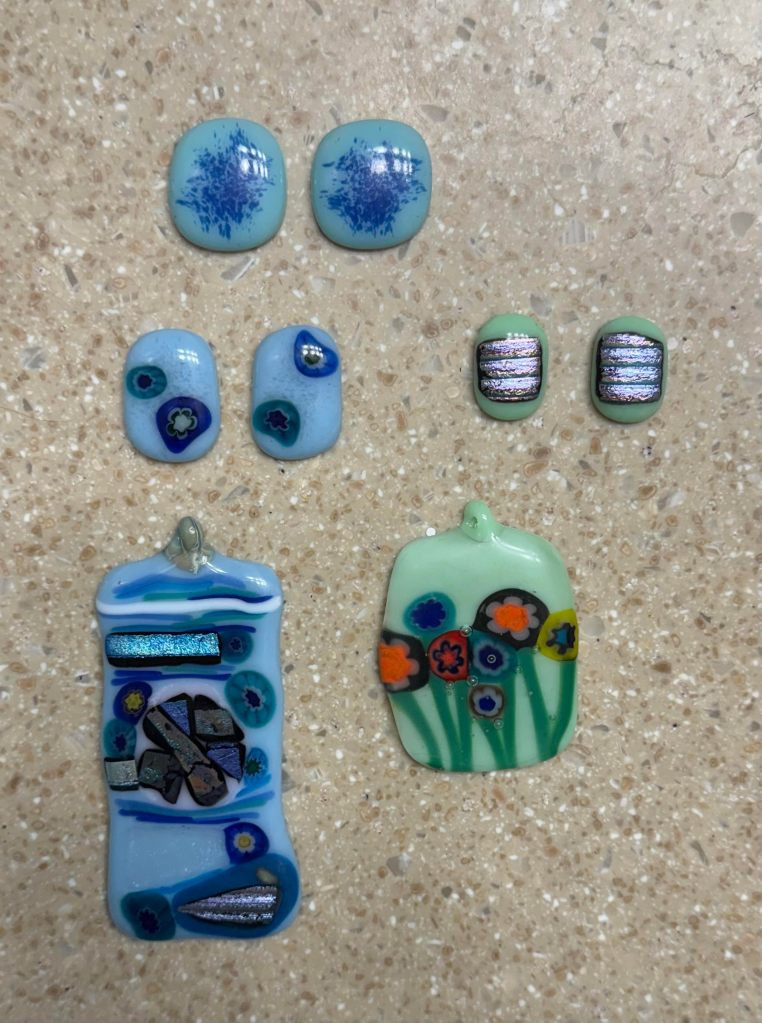
This year I created two pendants and (hopefully) some pieces to assemble into earrings. You can see my “before and after” photos of my glass pieces at the end of this blog. In the meantime, see below for some finished pieces by PA community members.
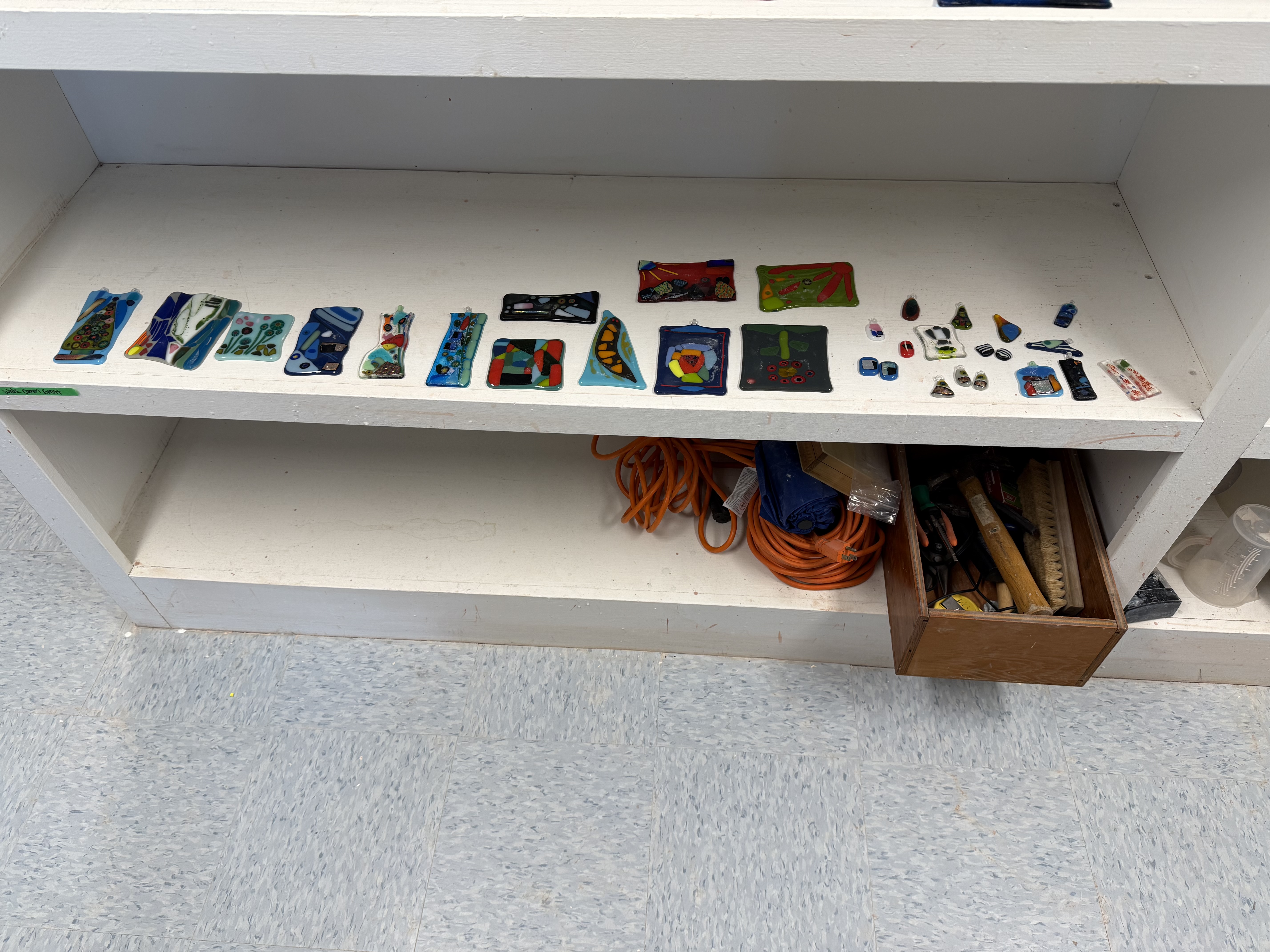
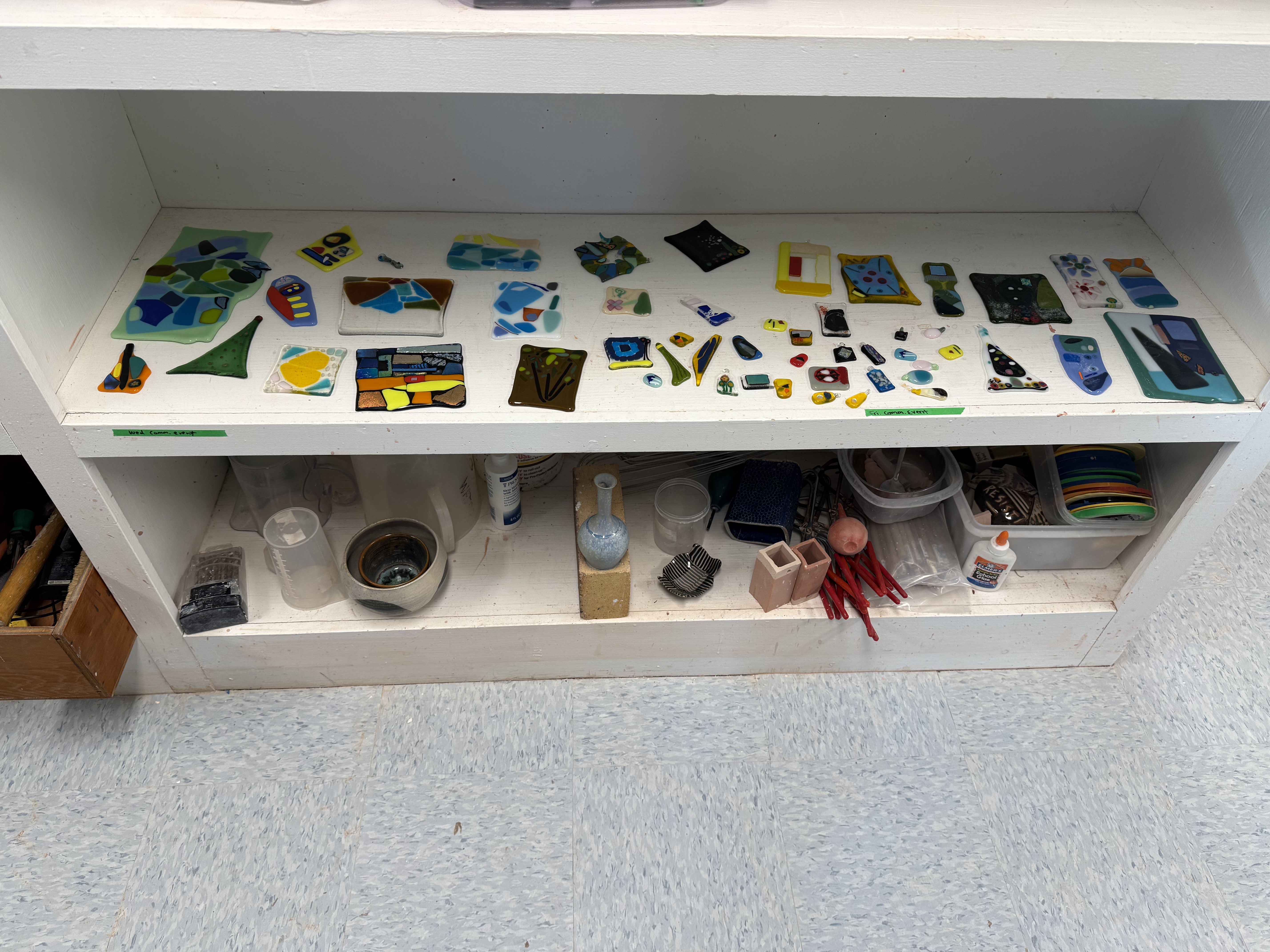
Finished fused glass pieces from the PA community workshops.
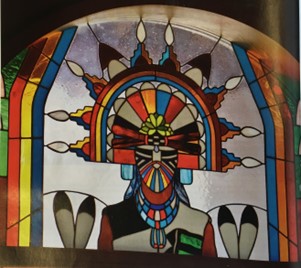
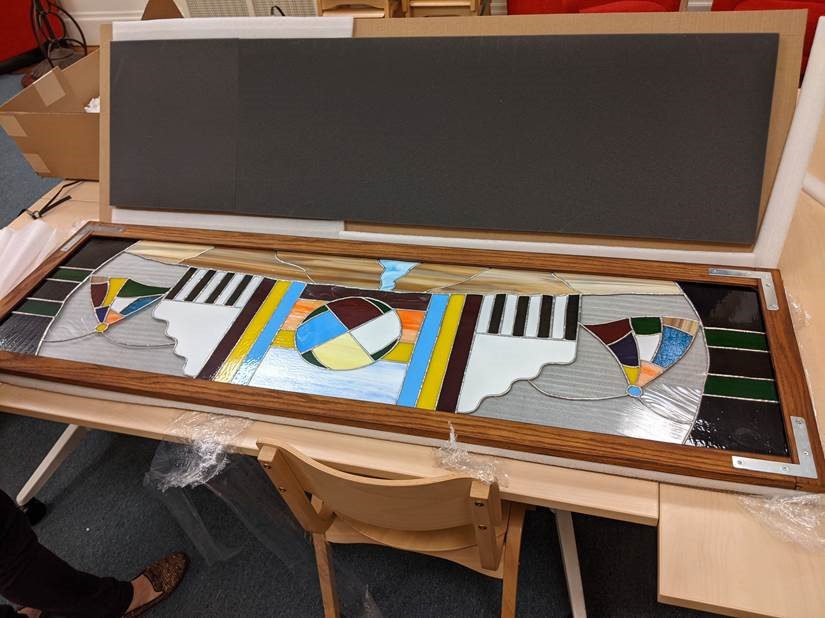
We are very fortunate to have acquired a stained-glass piece that Ramson created for the Peabody. We look forward to completing its installation in the Peabody’s front transom window once the next iteration of the building renovation is complete.
Ramson’s stained glass piece, commissioned by the Peabody.
We are very grateful for the time that Ramson dedicates to working with and educating our PA students and campus community! We hope to have him back next year! For more information about Ramson and the PA fused glass workshops, check out this article by the Andover Magazine (i.e. page spread #10-11, Digging Deeper article).
Over the past month I have had the good fortune to represent the Peabody Institute at two professional conferences. Learning from others in a shared space can be really energizing and informative. I also really enjoy attending conferences and getting to connect with colleagues that I usually only see in a tiny Zoom window on my computer screen.
First, I attended the New England Museum Association (NEMA) Annual Conference in Newport, Rhode Island. NEMA is a great conference that brings together people in the area to discuss a wide range of museum-related topics. This year, I noticed more sessions that focused on telling LGBTQ+ stories, exploring ‘hidden histories,’ and how institutions can support emerging professionals.
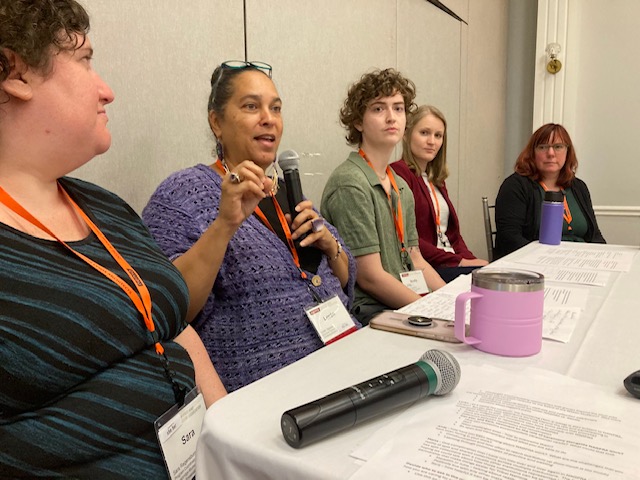
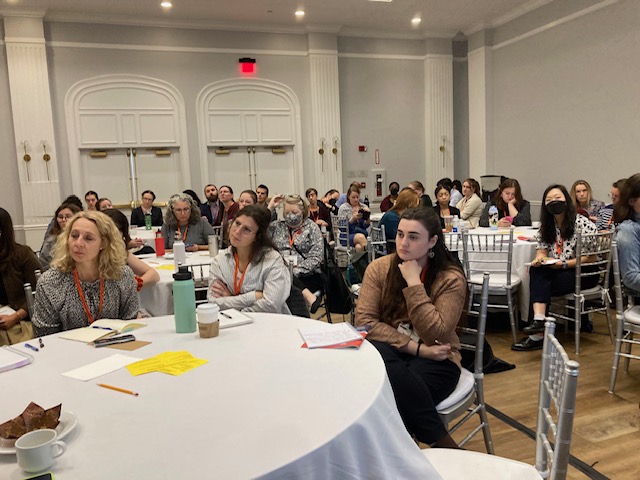
I was the facilitator for a panel titled Implementing NAGPRA: A Conversation with NAGPRA Practitioners. The panel was composed of individuals who are part of the Northeast NAGPRA Community of Practice and was a conversation to demystify the repatriation process, learn from colleagues, and identify opportunities for collaboration. The session was well attended and we had a fabulous conversation amongst ourselves and with the audience.
NEMA Session Panel SpeakersNEMA Session Audience
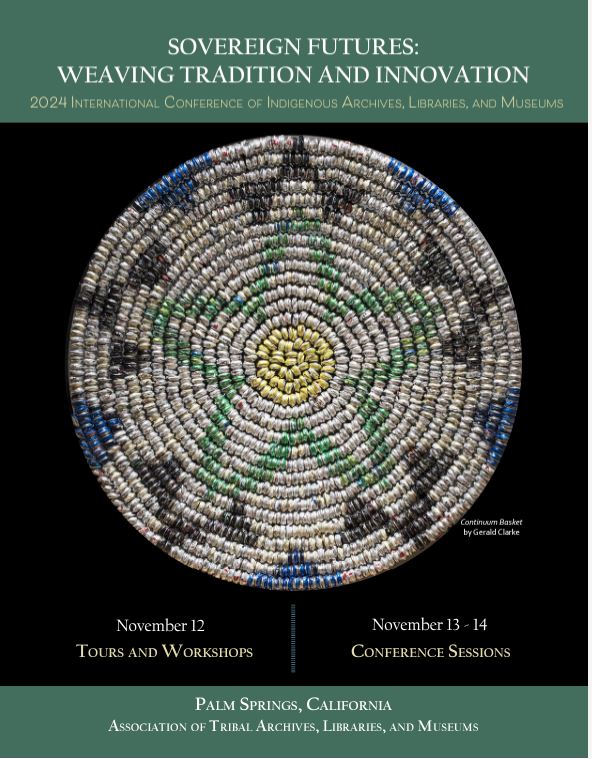
After a short (but long) day in Newport, I traveled the following week to Palm Springs, California for the Association of Tribal Archives, Libraries, and Museums (ATALM) Annual Conference. I love ATALM. It is a conference full of helpful information on everything from repatriation to pesticide management in collections to archival management. I appreciate that so many of the conversations really center on uplifting Indigenous voices and perspectives in all aspects of museum and cultural heritage work. It is a space that is invigorating and inspiring to me as a professional.
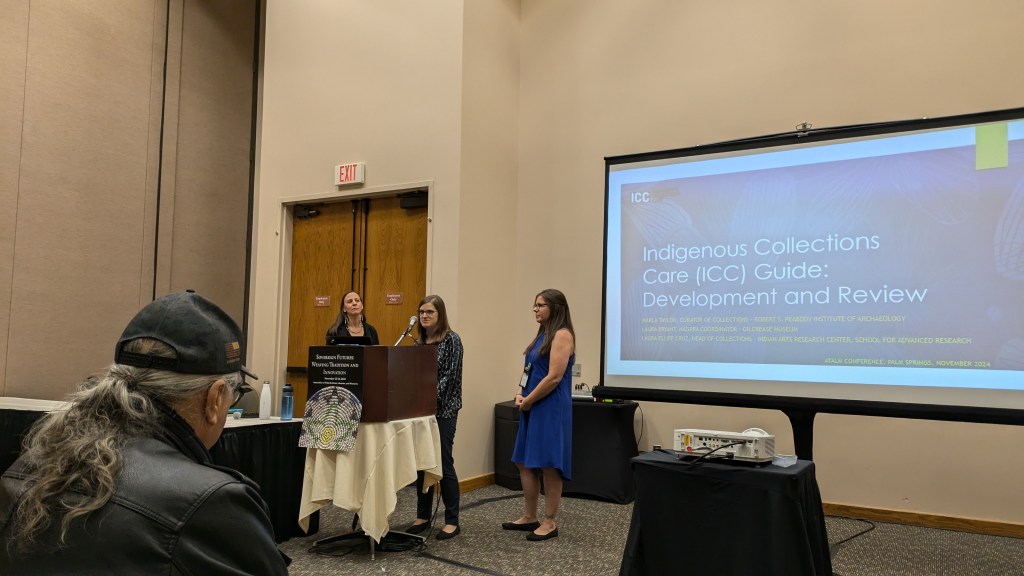
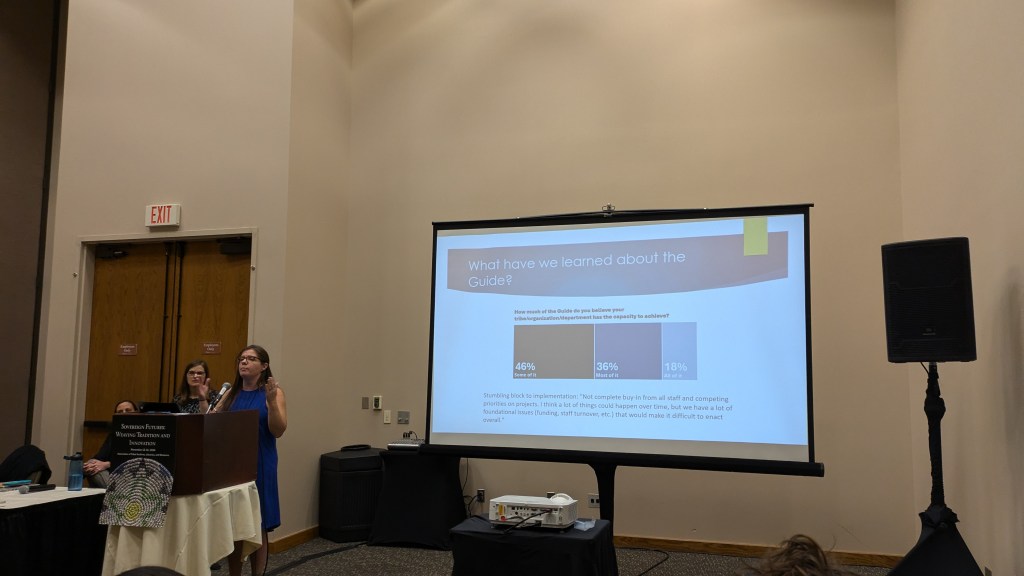
I was part of a session at ATALM to share information about the review process for the development of the ICC Guide. That session was well attended and we received lots of supportive feedback.
The fall season tends to be super hectic with all the conference travel, but it is a great way to connect with the larger profession.
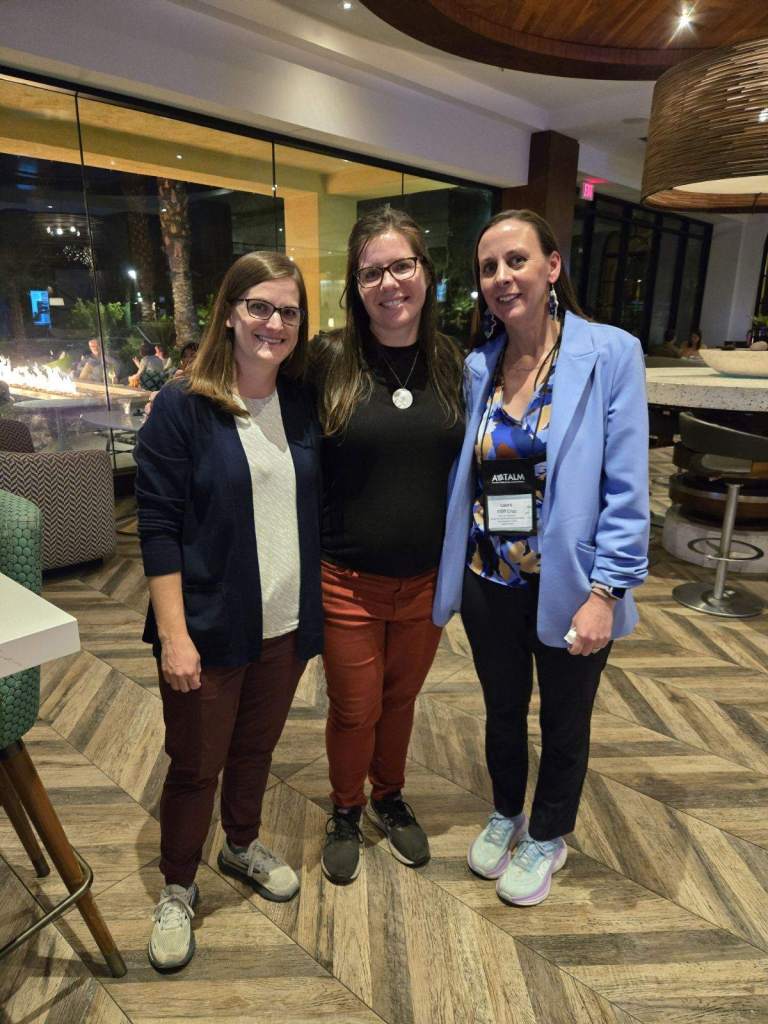
Presenting at ATALMMy co-presenters and IPresenting at ATALM
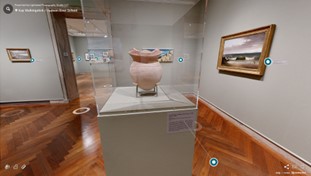
What do, parfleche, ceramics, paintings, and basketry all have in common? They are all currently on display at the Addison Gallery of American Art here at Phillips Academy as part of the Kay WalkingStick/Hudson River School exhibition.
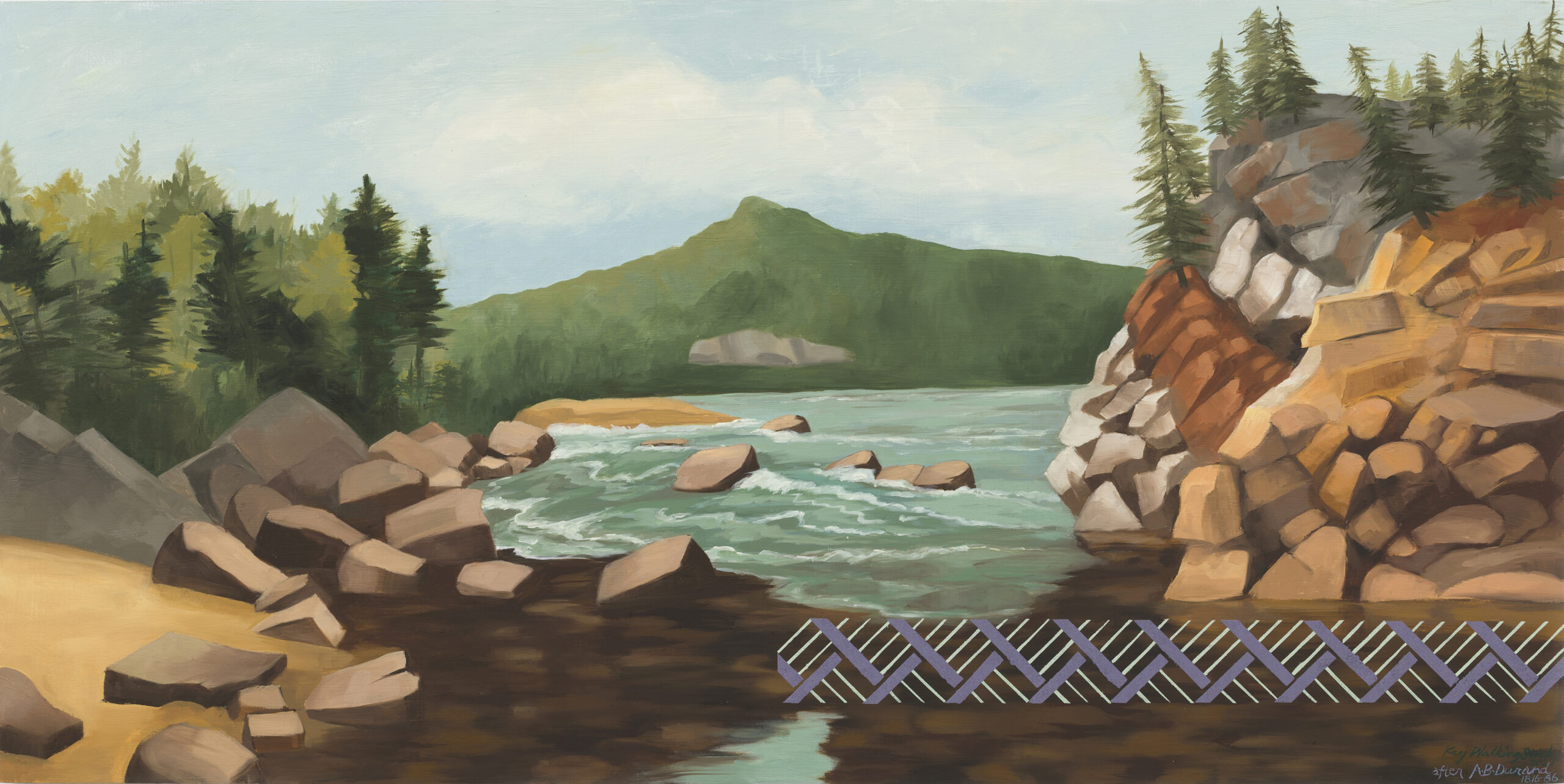
Kay WalkingStick (Cherokee) is a contemporary artist and educator known for her landscape paintings. This exhibition originated at the New-York Historical Society and has been joined by over a dozen pieces from the Addison’s permanent collection as well as three from the Peabody Institute.
In another wonderful collaboration with the Addison Gallery, the Peabody loaned two Mohican culture baskets and a vessel made by Wampanoag artist Ramona Peters to be placed in dialogue with Kay’s work. The items were thoughtfully selected and contribute to an intentional conversation between traditional painting techniques and Indigenous art.
We really appreciate the opportunity to collaborate with the Addison and highlight pieces from the Peabody Institute. Check it out if you are in the area!
Kay WalkingStick, Durand’s Homage to the Mohawks, 2021. Oil on panel. Colby College Museum of Art, Waterville, Maine; The Lunder Collection. Photo by JSP Art Photography. Copyright Kay WalkingStick
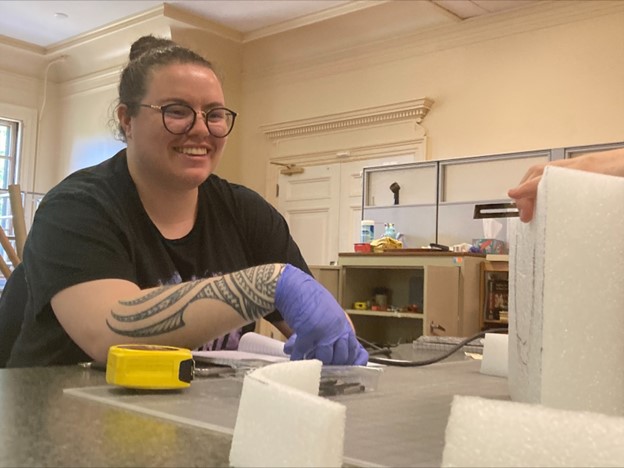
Hi my name is Kyra Smith and I was one of the curatorial assistants at the Peabody this summer! I’m a recent archaeology master’s graduate from Boston University where I focused on Indigenous archaeologies, food sovereignty, and the archaeology of the South Pacific Islands. Having previously worked in the archaeology department of another museum in undergrad, I was thrilled to apply for this position as a curatorial assistant, especially at an institution that is so dedicated to NAGPRA. I was so invested in the position I had my family ship me my sister’s 1998 Toyota Camry from Washington State- which in the state of Massachusetts counts as an Antique Vehicle!
Working at the Peabody over these last ten weeks has been an exercise in flexibility, learning as we go along, and exposure to things we’ve never seen or interacted with before. There are so many things I could write about, but the story I want to share as my time here comes to an end is how the Peabody got its own pet mammoth.
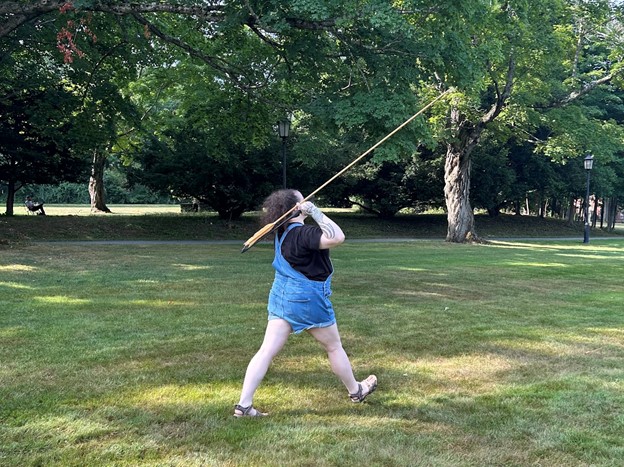
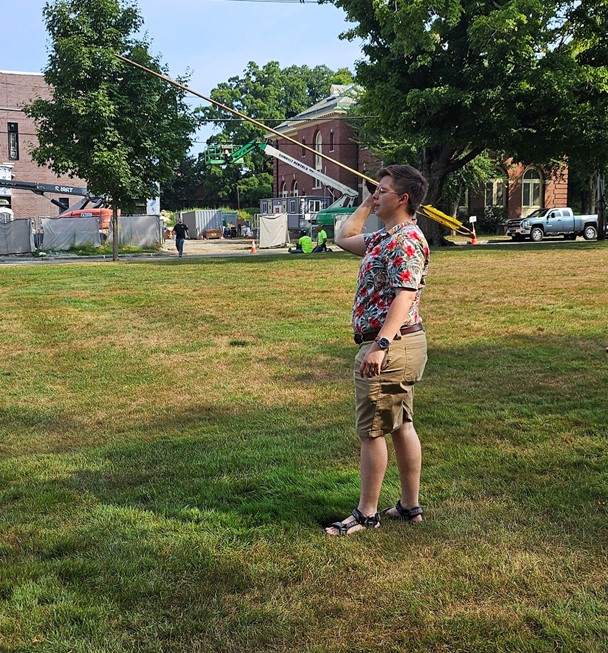
On a particularly hot and humid Friday, I finally got to use an atlatl for the first time. Ever since undergrad I have heard professors and archaeologists talk about atlatls, and even how they used to take students to try throwing them in previous years. Ever since then I have been biding my time until the opportunity arose- and oh was it worth the wait.
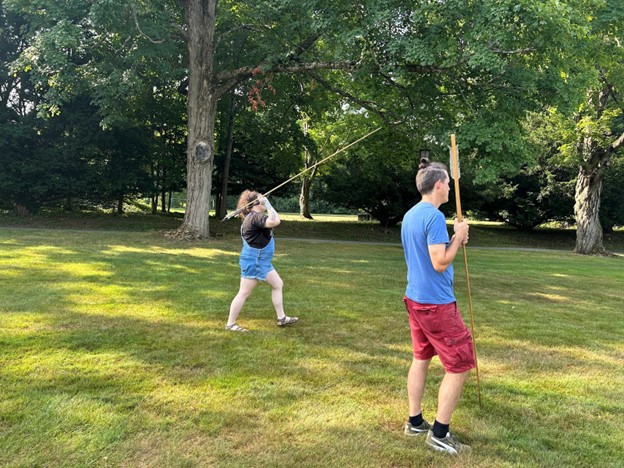
John, Cyrus, and I went out onto the Vista bright and early before it got too hot, and John took us through the basics. If you have ever used one of those plastic arms to play fetch with your dog- it’s nothing like that at all, which I learned very quickly. I imagine it was quite the sight for the construction workers on break in the shade of a nearby tree to see us attempting to throw the arrows taller than we were with varying degrees of success. After Cyrus and I (sort of) got the hang of it we were going to do target practice at the international standard target, but sadly that had to wait as the aforementioned construction workers were still under that tree which was too close to the target for comfort.
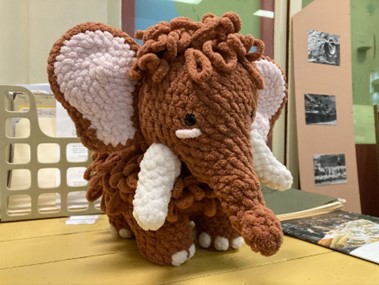
So, we went back inside to rest our arms and cool down, and by then an idea had begun to form. One that was inspired by our conversations about whether we were successful hunters of our theoretical mammoth/mastodon. That idea would have to wait because about an hour later we went back out to try aiming the arrows instead of attempting to throw them as far as humanly possible. It is much easier to attempt to throw them as far as humanly possible than it is to hit a large, completely still target. Still, Cyrus and I were able to land a couple hits each on the actual target and not into the bush next to it, and we called that a win. We may never know if we were skilled enough at throwing the atlatl to take on a mammoth, so instead I made a mammoth for the museum.
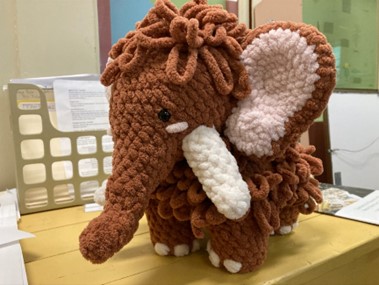
In my free time, when I’m not at the Peabody, I learned how to crochet amigurumi, which is a Japanese name for a style of stuffed crochet animals. That weekend after we threw the atlatls, I found a pattern online and spent some time crocheting a mammoth to be a mascot and companion at the museum. And thus, Josie was born! She was named by Marla, and now lives at the Peabody, where Marla promises she will never be used as target practice when throwing atlatls. For anyone else interested in crocheting or amigurumi, I got the pattern for Josie from CrochetGrove on Etsy.
Josie also represents one of my favorite aspects of working in a museum, as they are fundamentally institutions created for the purpose of preserving and storing information, things, and stories for perpetuity, there will always be a record of my impact whether it’s the work I did, the things I made, or the stuffed mammoths I created. Sure, the things I’m doing may not be monumental, but they are fundamental things that have left a trail of my action on parts of the museum like the catalog, or the new housing for artifacts with my initials on it, and the drawers in the collections storage where Cyrus and I curated and displayed artifacts from all over the world so that the museum and its staff can better tell the stories of the materials they care for. It’s a reminder of how much the little things mean in the greater scheme of things.
*******************************************
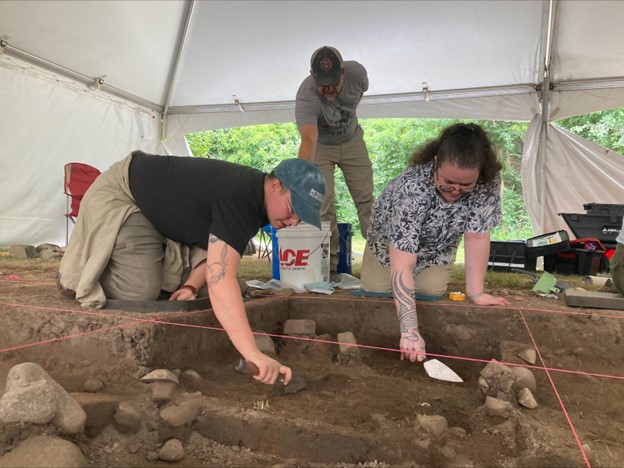
As Kyra aptly said in their post above, the Peabody Institute provided plenty of opportunities to expand our creative and intellectual spirit. As a Historical Archaeology graduate student at UMass Boston, I had minor collections experience and applied to the summer curatorial assistant position to undergo formal museum collections training. Having admired the Peabody Institute’s commitment to NAGPRA and tTribal relations for years, I was eager to witness the processes and procedures that go into the day-to-day work. However, what I was not expecting was the range of creations and artifacts I would be interacting with. My archaeological background is rooted in the Northeast United States and focuses on environmental analysis, so my mind was blown when one of our first tasks was rehousing ancient botanical remains from Tehuacán Valley, Mexico. Coming face-to-face to some of the world’s oldest domesticated maize was an experience I will never forget.
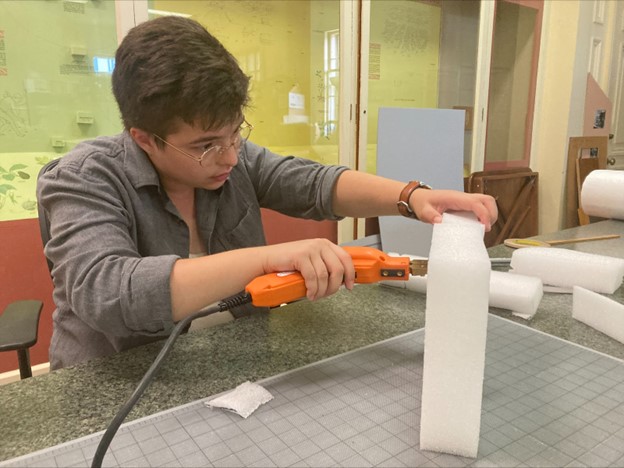
Kyra and I spent a lot of time with ceramics, lithics, and textiles from regions we were pretty unfamiliar with. Despite our lack of regional understanding, the Peabody staff always provided context and demonstrated deep respect for all creations. As we created mounts for modern Guatemalan and ancient Peruvian textiles we learned their patterns and language; as I rehoused lithics I would consider the generational knowledge and studied craftsmanship it would take to form them. Creating spaces to house and display archaeological and ethnographic creations ranging from the Lucy Foster household in Andover to Meso-America to Paleolithic Europe was an honor and I am proud to have contributed to the updated collection spaces and stories the Peabody staff can tell.
The Peabody Institute has a very storied past that was illuminated through organizing both the library and Eugene Winter’s archive. As it was founded in 1901 with contributions from many different kinds of archaeologists, the library seems to contain the entire history and complicated legacy of North American archaeology. In addition to the library, Eugene Winter, Honorary Curator and lifelong contributor to the Peabody, had left behind an archive after his passing. Kyra and I spent some time exploring his legacy through the resources, photographs, and ephemera he had designated important enough to keep. Interacting with both the collections, library and archives created an meta-institutional feedback loop as a reminder that working in archaeology requires positionality, empathy, and acceptance of “not-knowing.” We will never be able to alter the decisions made in the past, but we can always alter our perspectives in the present and contribute to a future that centers people and not only their “things.”
As Kyra noted, working at the Peabody for the past ten weeks might not have been monumental to its legacy, but the work that has been completed by the longer-term staff is monumental to the field. The Peabody staff have taught me fundamental collection management skills that are coated in careful consideration, empathy, and a desire to create a better future that I am extremely grateful to inherit.
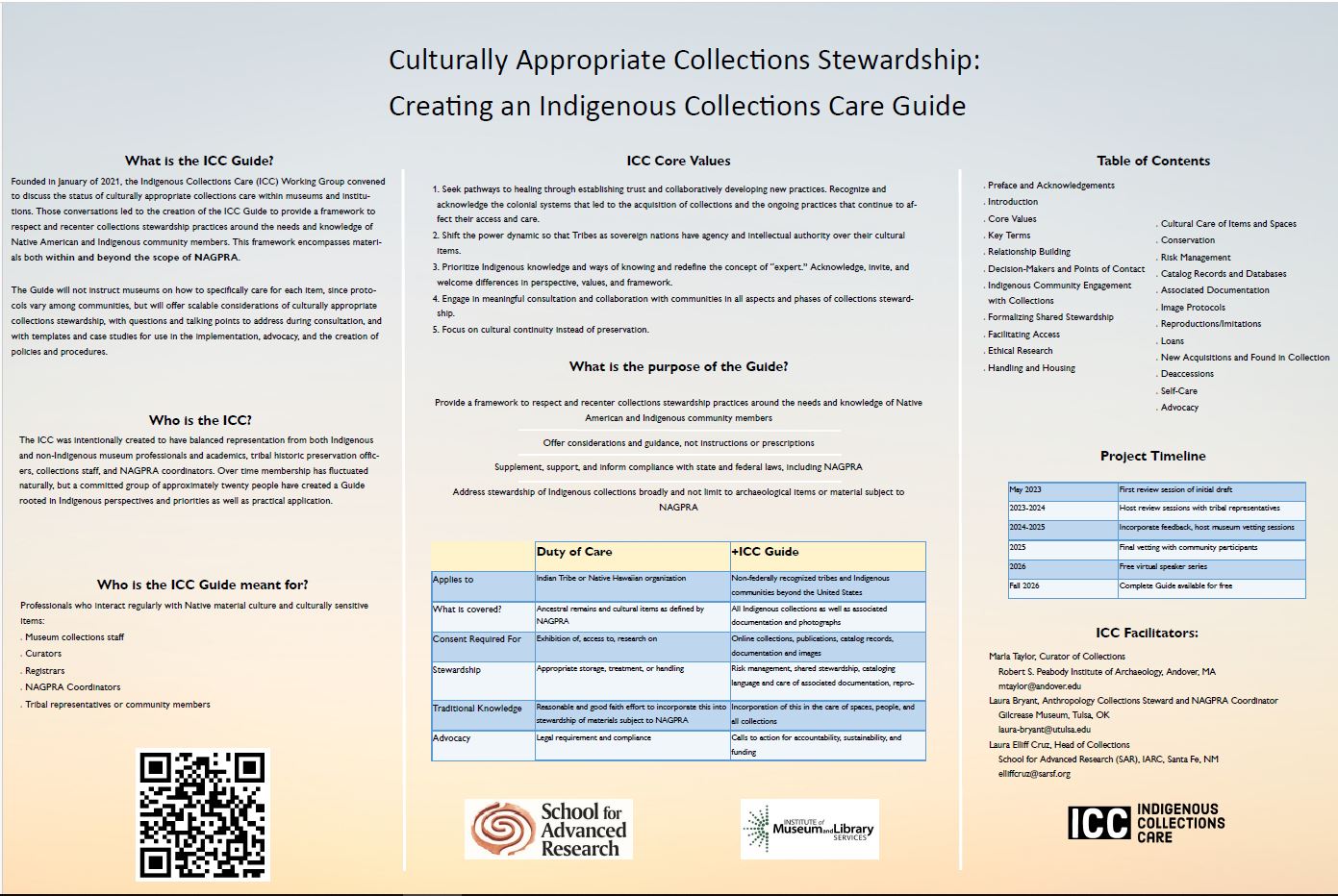
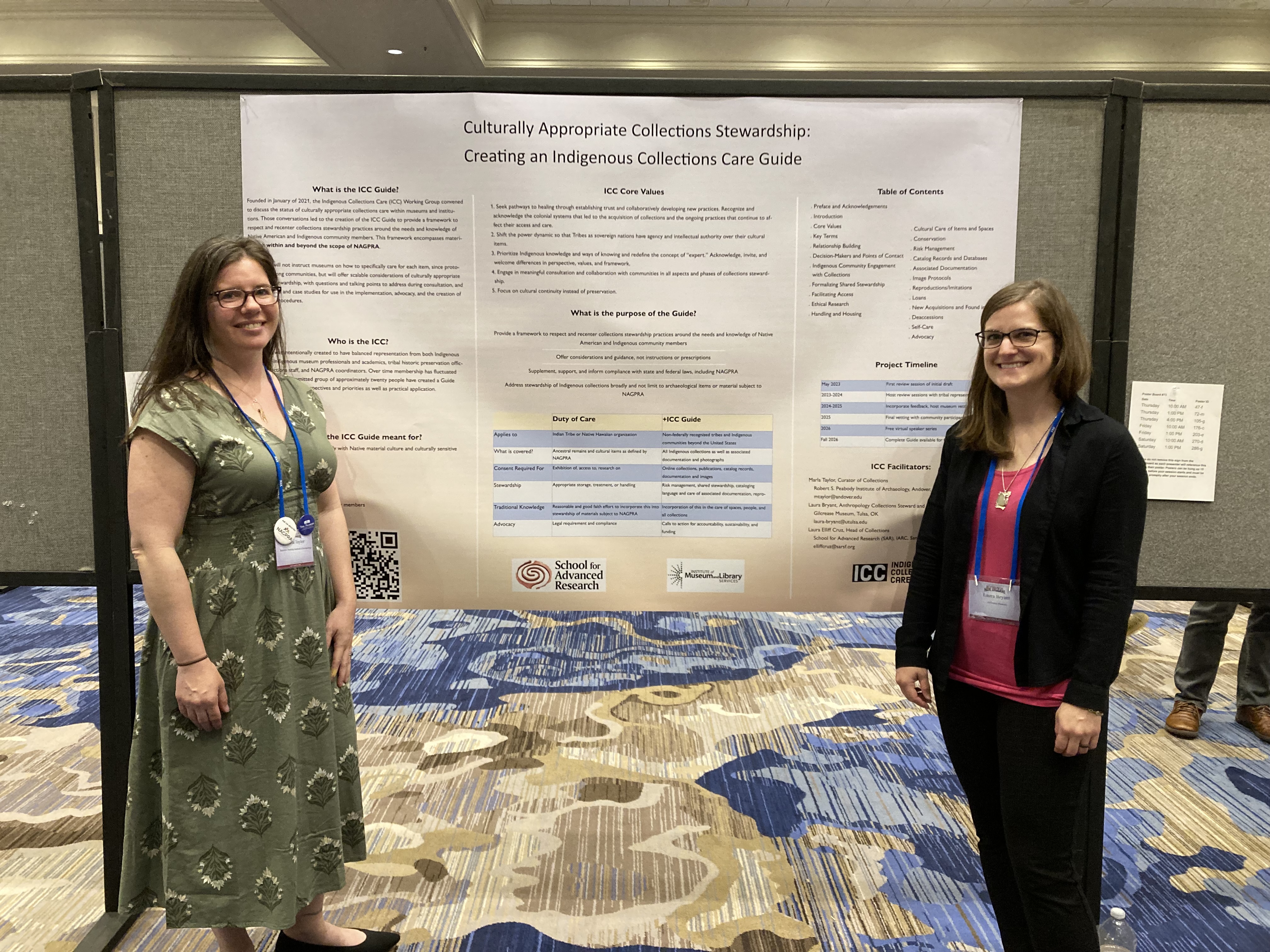
At the SAA meeting in New Orleans, I had the pleasure of representing the Indigenous Collections Care (ICC) Guide in the poster session – In Search of Solutions: Exploring Pathways to Repatriation for NAGPRA Practitioners (Part V): NAGPRA in Policy, Protocol, and Practice.
The ICC poster discussed the development of the ICC Guide, what is covered in the document, and how it can support NAGPRA compliance. The ICC Guide provides a framework to respect and recenter collections stewardship practices around the needs and knowledge of Native American and Indigenous community members. This framework encompasses materials both within and beyond the scope of NAGPRA.
I was excited for the opportunity to share the ICC Guide project with an archaeological audience. I had so many positive conversations with folks and really enjoyed connecting with everyone. It was a great conference and great experience!
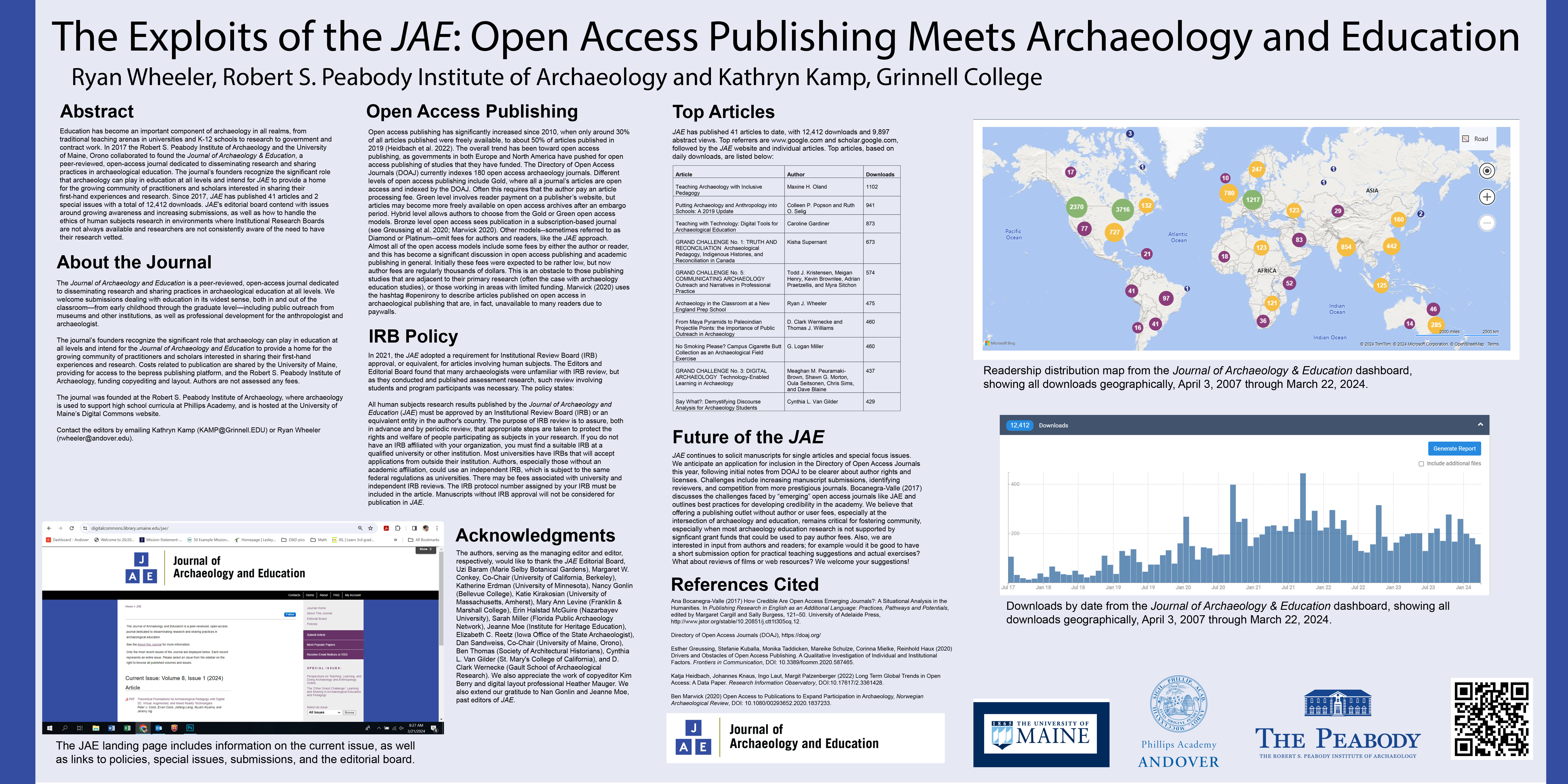
Poster sessions are a great way to share information and connect with people at the annual meeting of the Society for American Archaeology. Exhibitors have two hours to share their research and projects, connecting at length with attendees that stop by to chat–a bit less pressure than the regular sessions and symposia! At the recent 89th annual meeting of the SAA, the Journal of Archaeology & Education was represented at the Thursday afternoon posters after hours session. For those that couldn’t make it, here are some highlights of our poster:
JAE poster from the recent SAA annual meeting.
Abstract
Education has become an important component of archaeology in all realms, from traditional teaching arenas in universities and K-12 schools to research to government and contract work. In 2017 the Robert S. Peabody Institute of Archaeology and the University of Maine, Orono collaborated to found the Journal of Archaeology & Education, a peer-reviewed, open-access journal dedicated to disseminating research and sharing practices in archaeological education. The journal’s founders recognize the significant role that archaeology can play in education at all levels and intend for JAE to provide a home for the growing community of practitioners and scholars interested in sharing their first-hand experiences and research. Since 2017, JAE has published 41 articles and 2 special issues with a total of 12,412 downloads. JAE’s editorial board contend with issues around growing awareness and increasing submissions, as well as how to handle the ethics of human subjects research in environments where Institutional Research Boards are not always available and researchers are not consistently aware of the need to have their research vetted.
About the Journal
The Journal of Archaeology and Education is a peer-reviewed, open-access journal dedicated to disseminating research and sharing practices in archaeological education at all levels. We welcome submissions dealing with education in its widest sense, both in and out of the classroom—from early childhood through the graduate level—including public outreach from museums and other institutions, as well as professional development for the anthropologist and archaeologist.
The journal’s founders recognize the significant role that archaeology can play in education at all levels and intend for the Journal of Archaeology and Education to provide a home for the growing community of practitioners and scholars interested in sharing their first-hand experiences and research. Costs related to publication are shared by the University of Maine, providing for access to the bepress publishing platform, and the Robert S. Peabody Institute of Archaeology, funding copyediting and layout. Authors are not assessed any fees.
The journal was founded at the Robert S. Peabody Institute of Archaeology, where archaeology is used to support high school curricula at Phillips Academy, and is hosted at the University of Maine’s Digital Commons website. Contact the editors by emailing Kathryn Kamp (KAMP@Grinnell.EDU) or Ryan Wheeler (rwheeler@andover.edu).
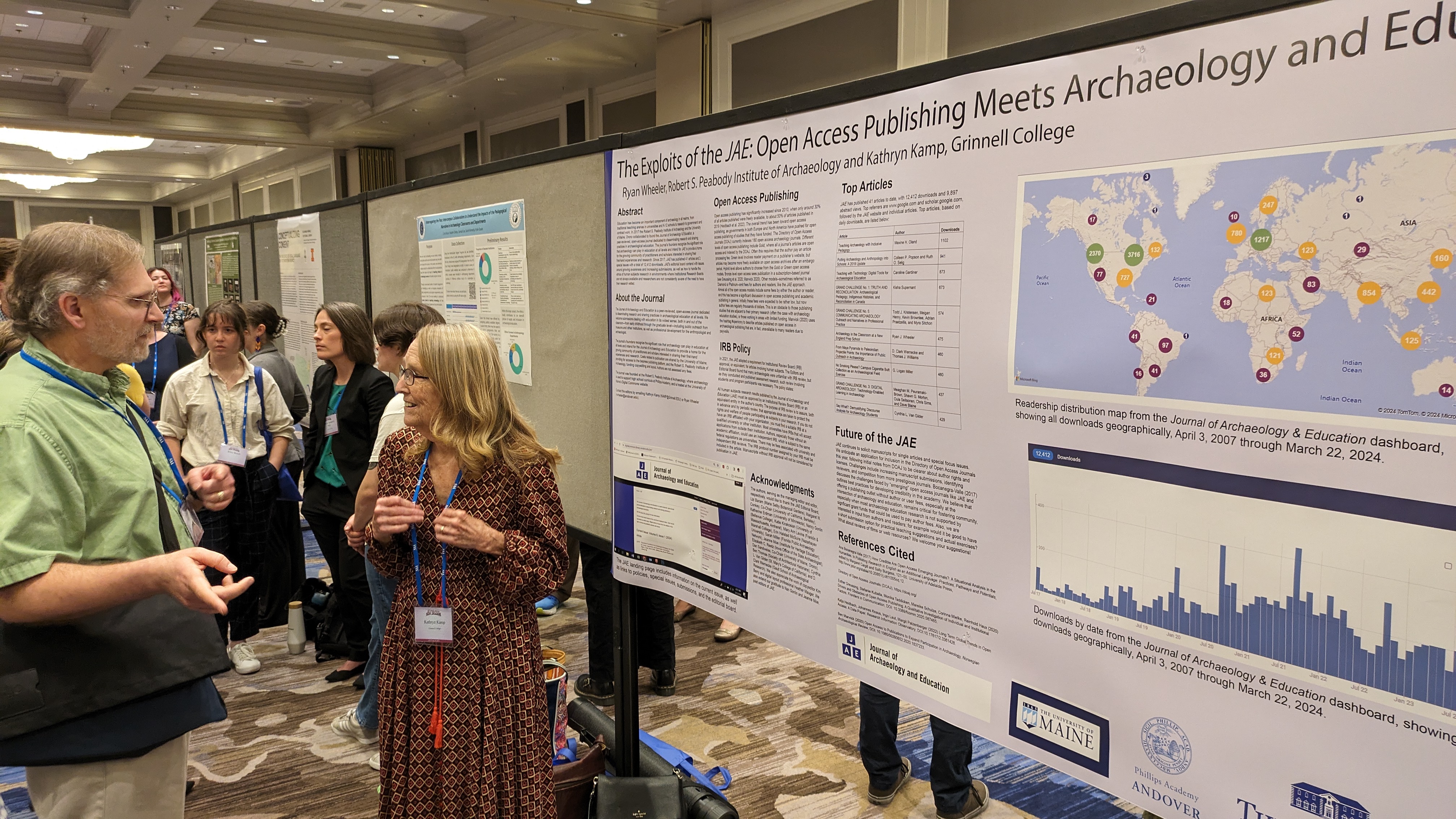
JAE editor Kathryn Kamp talks to attendees at the poster session.
Open Access Publishing
Open access publishing has significantly increased since 2010, when only around 30% of all articles published were freely available, to about 50% of articles published in 2019 (Heidbach et al. 2022). The overall trend has been toward open access publishing, as governments in both Europe and North America have pushed for open access publishing of studies that they have funded. The Directory of Open Access Journals (DOAJ) currently indexes 180 open access archaeology journals. Different levels of open access publishing include Gold, where all a journal’s articles are open access and indexed by the DOAJ. Often this requires that the author pay an article processing fee. Green level involves reader payment on a publisher’s website, but articles may become more freely available on open access archives after an embargo period. Hybrid level allows authors to choose from the Gold or Green open access models. Bronze level open access sees publication in a subscription-based journal (see Greussing et al. 2020; Marwick 2020). Other models–sometimes referred to as Diamond or Platinum–omit fees for authors and readers, like the JAE approach. Almost all of the open access models include some fees by either the author or reader, and this has become a significant discussion in open access publishing and academic publishing in general. Initially these fees were expected to be rather low, but now author fees are regularly thousands of dollars. This is an obstacle to those publishing studies that are adjacent to their primary research (often the case with archaeology education studies), or those working in areas with limited funding. Marwick (2020) uses the hashtag #openirony to describe articles published on open access in archaeological publishing that are, in fact, unavailable to many readers due to paywalls.
IRB Policy
In 2021, the JAE adopted a requirement for Institutional Review Board (IRB) approval, or equivalent, for articles involving human subjects. The Editors and Editorial Board found that many archaeologists were unfamiliar with IRB review, but as they conducted and published assessment research, such review involving students and program participants was necessary. The policy states:
All human subjects research results published by the Journal of Archaeology and Education (JAE) must be approved by an Institutional Review Board (IRB) or an equivalent entity in the author’s country. The purpose of IRB review is to assure, both in advance and by periodic review, that appropriate steps are taken to protect the rights and welfare of people participating as subjects in your research. If you do not have an IRB affiliated with your organization, you must find a suitable IRB at a qualified university or other institution. Most universities have IRBs that will accept applications from outside their institution. Authors, especially those without an academic affiliation, could use an independent IRB, which is subject to the same federal regulations as universities. There may be fees associated with university and independent IRB reviews. The IRB protocol number assigned by your IRB must be included in the article. Manuscripts without IRB approval will not be considered for publication in JAE.
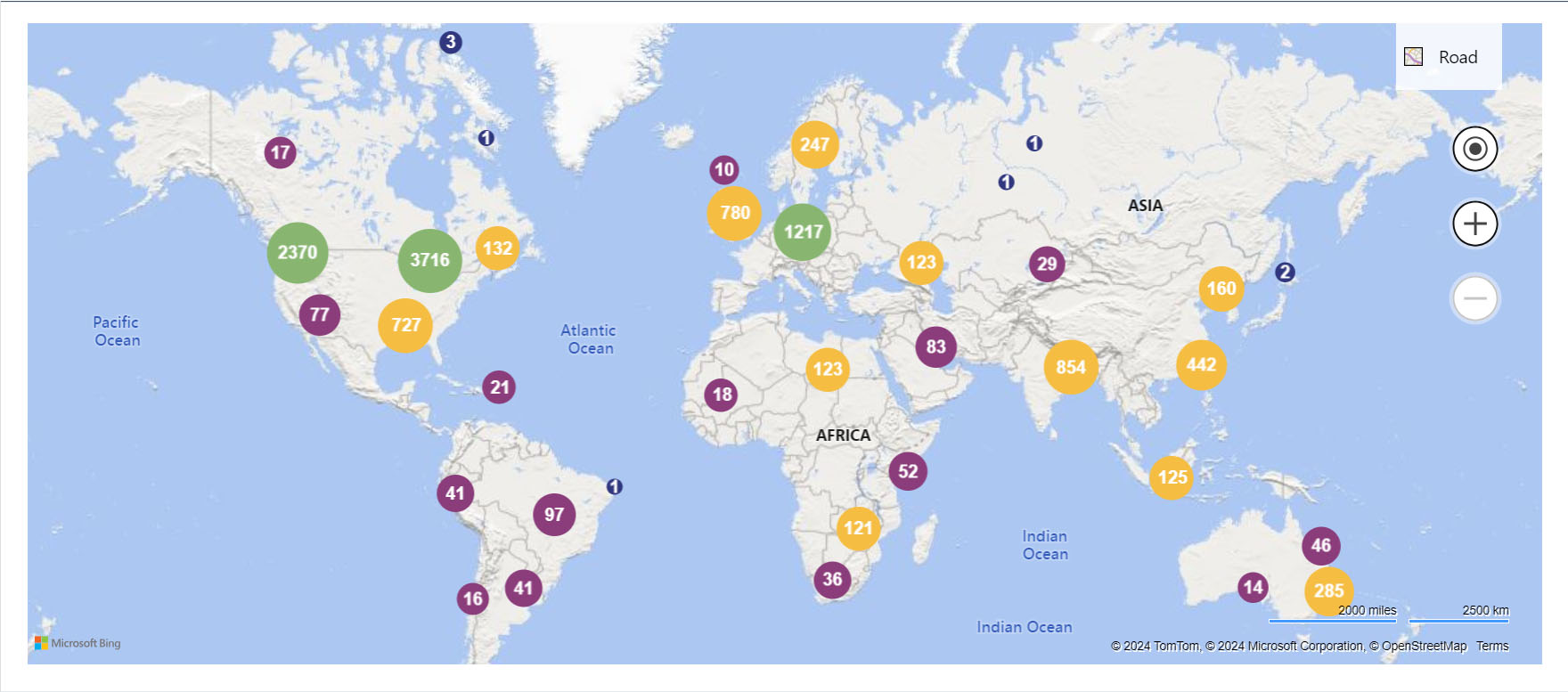
Geographic depiction of downloads from the JAE dashboard.
Top Articles
AE has published 41 articles to date, with 12,412 downloads and 9,897 abstract views. Top referrers are http://www.google.com and scholar.google.com, followed by the JAE website and individual articles. Top articles, based on daily downloads, are listed below:
JAE continues to solicit manuscripts for single articles and special focus issues. We anticipate an application for inclusion in the Directory of Open Access Journals this year, following initial notes from DOAJ to be clearer about author rights and licenses. Challenges include increasing manuscript submissions, identifying reviewers, and competition from more prestigious journals. Bocanegra-Valle (2017) discusses the challenges faced by “emerging” open access journals like JAE and outlines best practices for developing credibility in the academy. We believe that offering a publishing outlet without author or user fees, especially at the intersection of archaeology and education, remains critical for fostering community, especially when most archaeology education research is not supported by significant grant funds that could be used to pay author fees. Also, we are interested in input from authors and readers; for example would it be good to have a short submission option for practical teaching suggestions and actual exercises? What about reviews of films or web resources? We welcome your suggestions!
JAE managing editor ready to engage attendees at the poster session.
References Cited
Ana Bocanegra-Valle (2017) How Credible Are Open Access Emerging Journals?: A Situational Analysis in the Humanities. In Publishing Research in English as an Additional Language: Practices, Pathways and Potentials, edited by Margaret Cargill and Sally Burgess, 121–50. University of Adelaide Press, http://www.jstor.org/stable/10.20851/j.ctt1t305cq.12.
Esther Greussing, Stefanie Kuballa, Monika Taddicken, Mareike Schulze, Corinna Mielke, Reinhold Haux (2020) Drivers and Obstacles of Open Access Publishing. A Qualitative Investigation of Individual and Institutional Factors. Frontiers in Communication, DOI: 10.3389/fcomm.2020.587465.
Katja Heidbach, Johannes Knaus, Ingo Laut, Margit Palzenberger (2022) Long Term Global Trends in Open Access: A Data Paper. Research Information Observatory, DOI:10.17617/2.3361428.
Ben Marwick (2020) Open Access to Publications to Expand Participation in Archaeology, Norwegian Archaeological Review, DOI: 10.1080/00293652.2020.1837233.
Revised regulations for the Native American Grave Protection and Repatriation Act (NAGPRA) went into effect January 2024. NAGPRA was passed in 1990 and requires museums to repatriate Native American ancestral remains, funerary belongings, sacred items and items of cultural patrimony back to Tribal communities. The Peabody has shared how we think about the law and the associated labor (emotionally and intellectually) in past blog posts.
The revised regulations streamline the requirements and process for repatriation, require updates from museums, eliminate the category of “culturally unidentifiable human remains,” and establishes a Duty of Care for museums holding materials subject to repatriation. It is that last change that is having the biggest ripple effect throughout the museum world.
The Duty of Care clause of the regulations (43 CFR 10.1(d)) state that a museum must [highlights are mine for emphasis]:
Consultwith lineal descendants, Indian Tribes, or Native Hawaiian organizations on the appropriate storage, treatment, or handling of human remains or cultural items;
Make a reasonable and good-faith effort to incorporate and accommodate the Native American traditional knowledge of lineal descendants, Indian Tribes, or Native Hawaiian organizations in the storage, treatment, or handling of human remains or cultural items; and
Obtain free, prior, and informed consent from lineal descendants, Indian Tribes, or Native Hawaiian organizations prior to allowing any exhibition of, access to, or research on human remains or cultural items. Research includes, but is not limited to, any study, analysis, examination, or other means of acquiring or preserving information about human remains or cultural items. Research of any kind on human remains or cultural items is not required by the Act or these regulations.
These words are incredibly powerful and are resonating, with mixed reaction, across the museum field. Many news outlets have covered the reaction of several large museums to these regulations:
While covering exhibitions can feel drastic and extreme, I would argue that it is a direct result of insufficient consultation efforts and a false dichotomy between NAGPRA and non-NAGPRA collections. Because museums only need consent to display materials subject to NAGPRA (ancestral remains, funerary belongings, sacred items, or items of cultural patrimony), covering displays is an acknowledgement that those institutions have not done their due diligence to identify items subject to the law in their collections. They thought they understood what was covered by NAGPRA and utilized the rest of the collection to suit their own goals. This approach has fed into the underlying tension between Tribes and museums for decades.
I strongly recommend this podcast from Today Explained for an introduction to the topic and an honest conversation: Fight at the Museum (2/22/2024)
What does all of this mean for the Peabody Institute? Honestly, not much will change.
About six years ago, Peabody staff decided to remove all exhibitions from display. We recognized that our staff (all non-Native) were not the right people to determine what stories could be told through the collection. We understood that Native voices were essential to the process and that it would be irresponsible to move forward with exhibitions that lacked those voices.
The Peabody also has an established research policy that requires consultation and support before access is provided to any portion of the collection. This approach actually goes beyond the Duty of Care clause within NAGPRA and applies to all areas of the collection. In the nearly three years we have had this policy, I have not seen a meaningful decrease in research activity.
In my opinion, these changes are long overdue and I am happy to see a tangible shift in the power dynamics back to Tribes around their cultural material. I am proud of the work that that Peabody Institute has done and I am confident that we will continue to move in a positive direction.
As 2023 comes to a close, so does Phase I of the Peabody building project. I am so excited and ready to get into our updated spaces and return to “normal” operations!
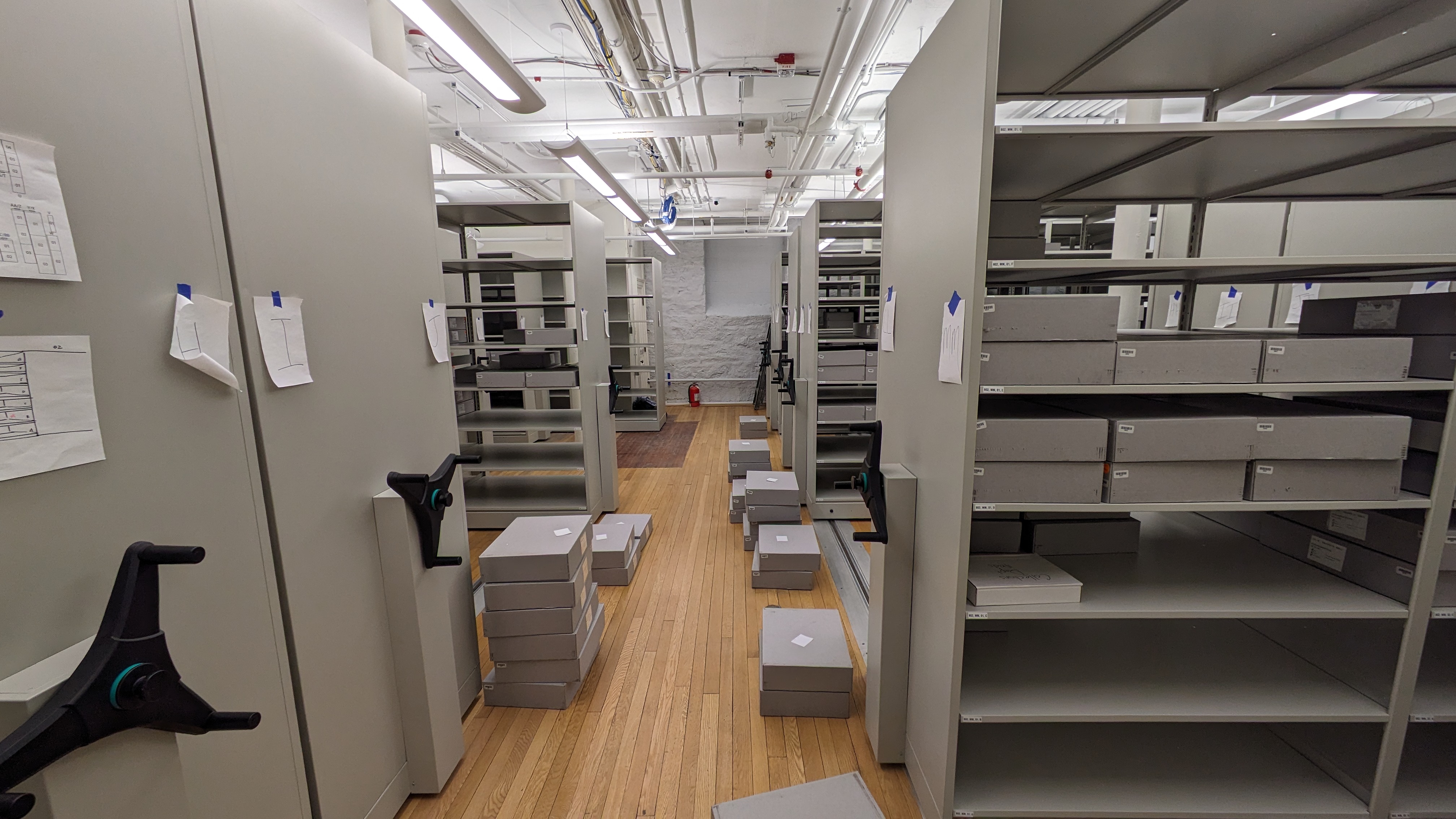
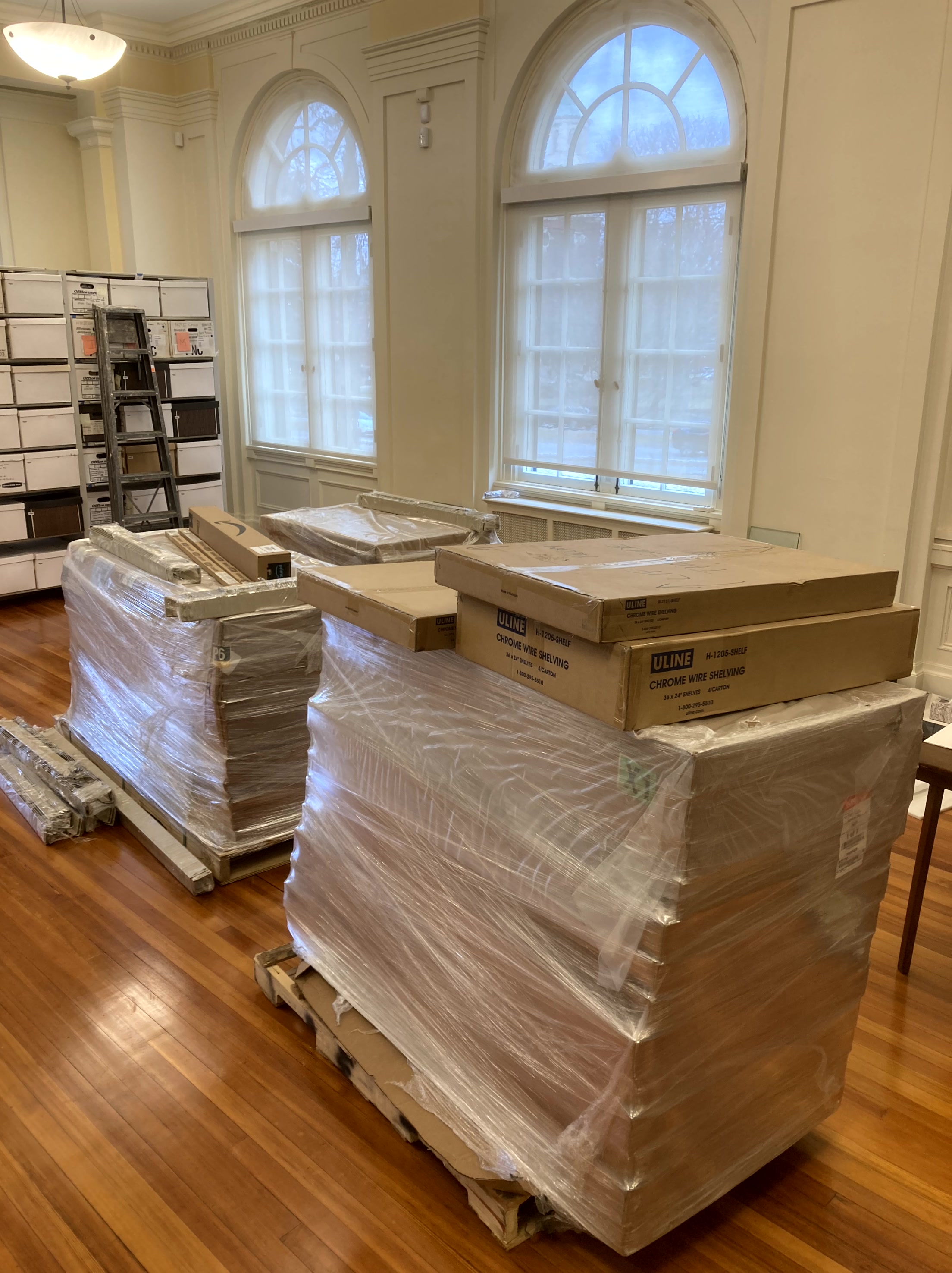
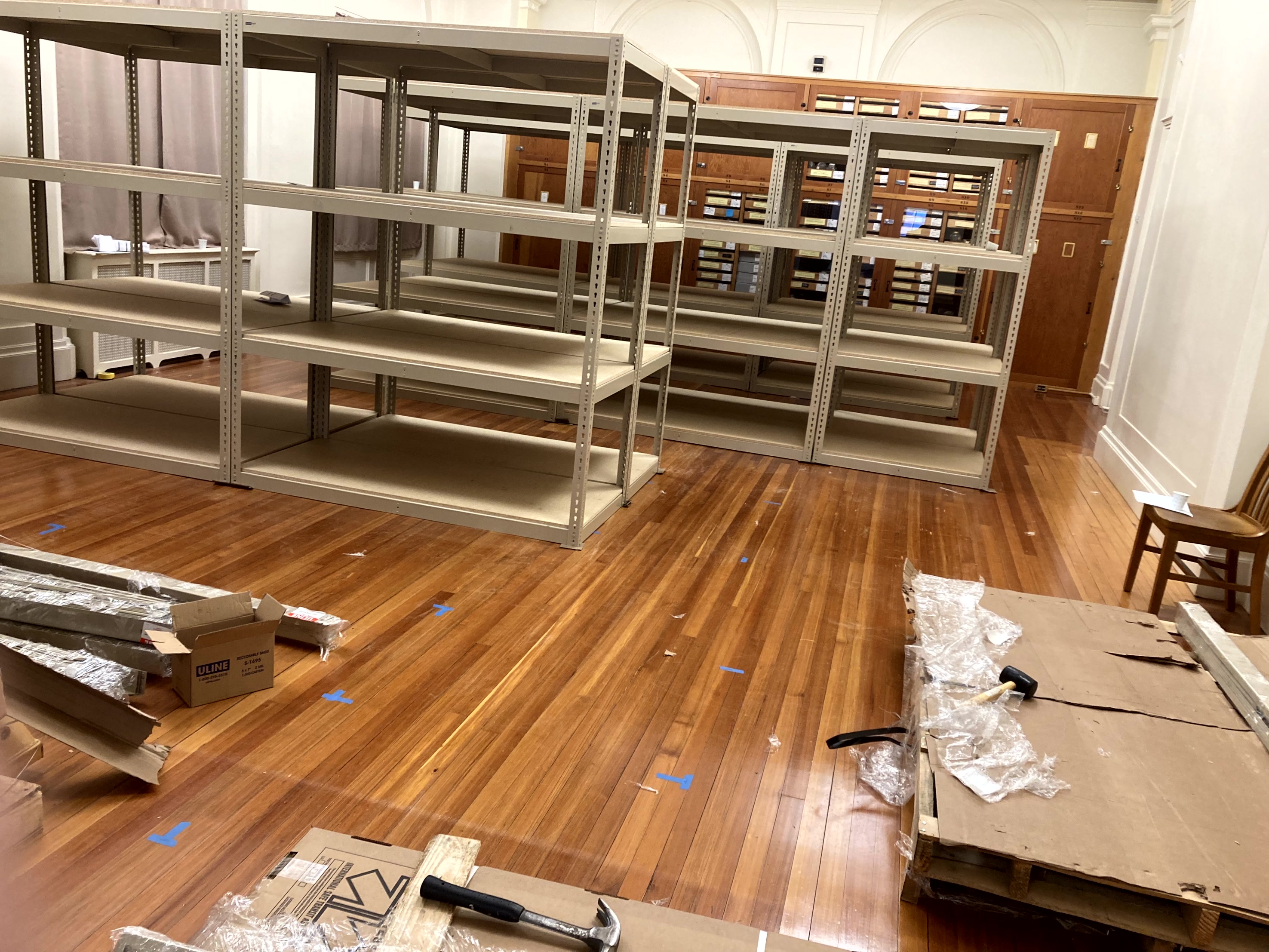
The elevator is in, the basement fire-suppression is in, the HVAC is in and the environmental controls have been adjusted, and the new shelving is nearly complete. It has been many months in the making and we are almost there!
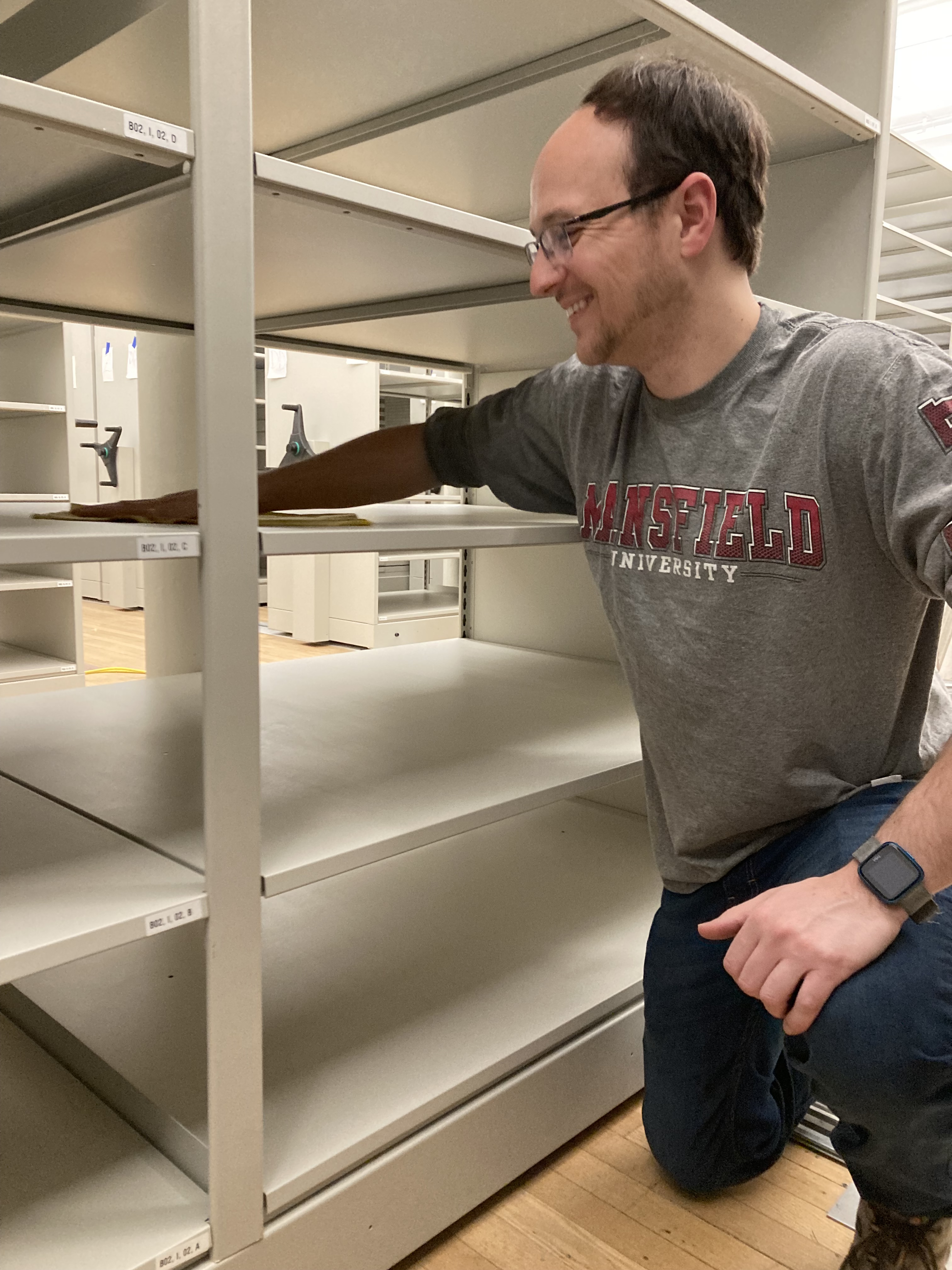
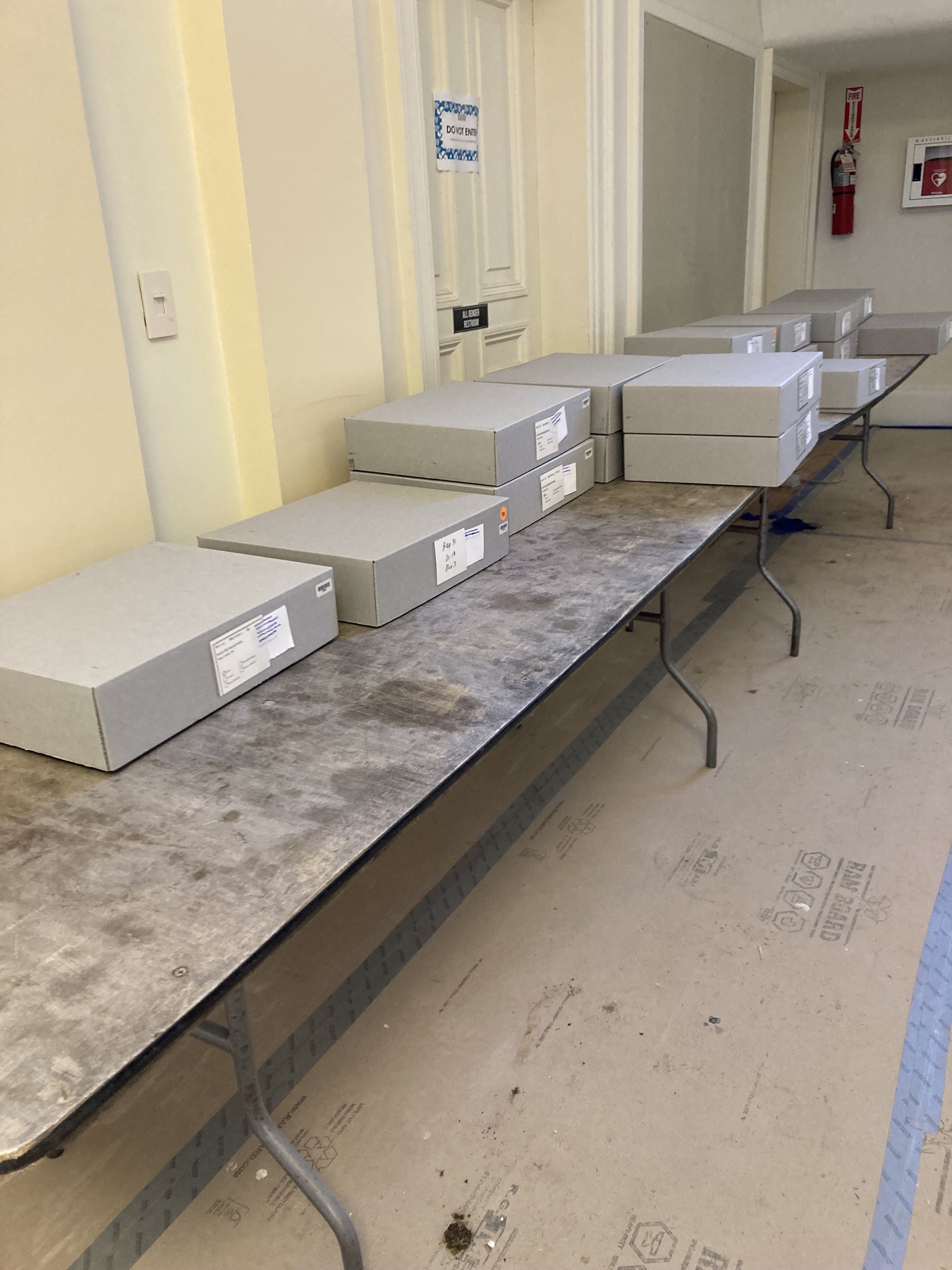
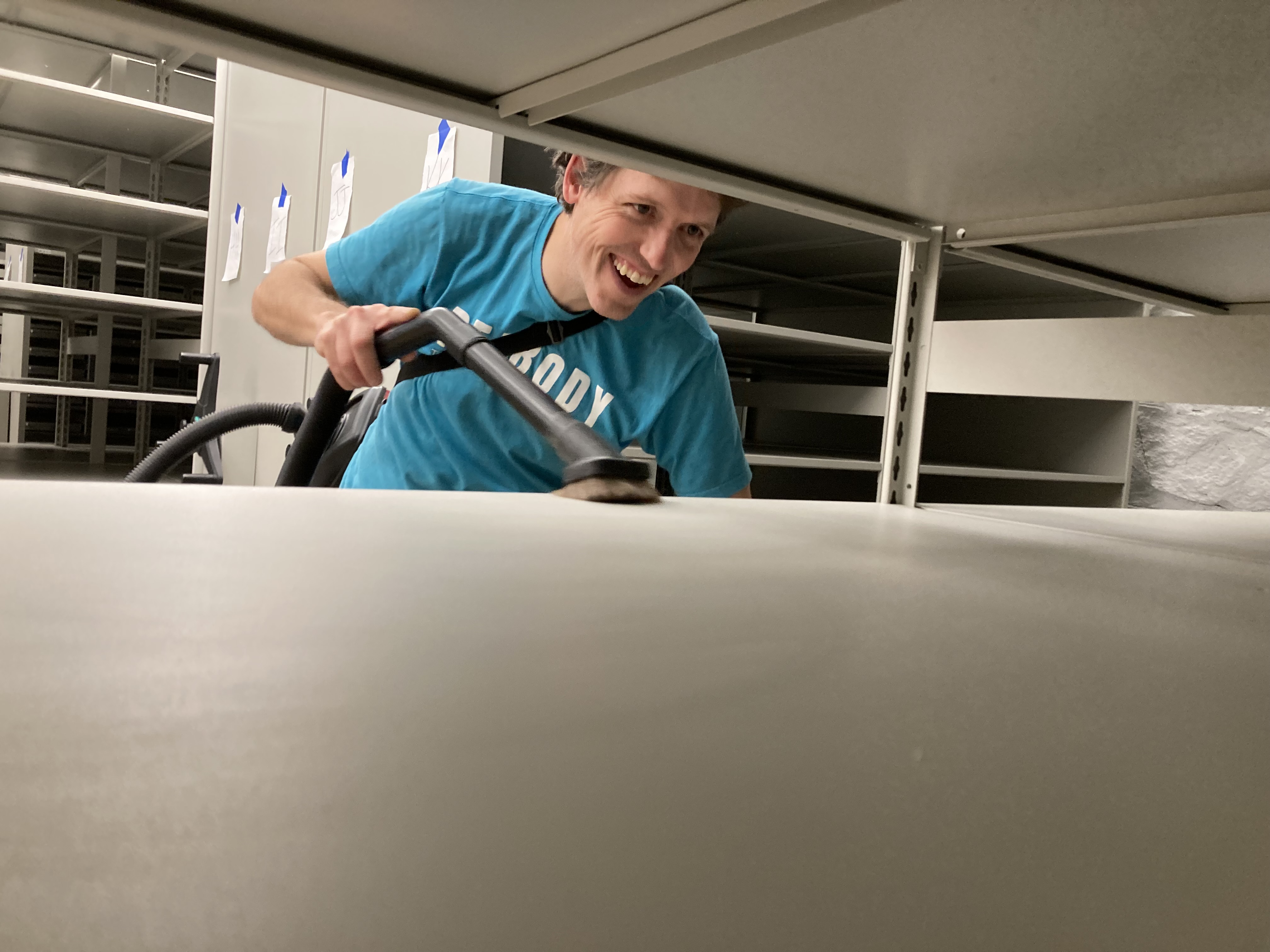
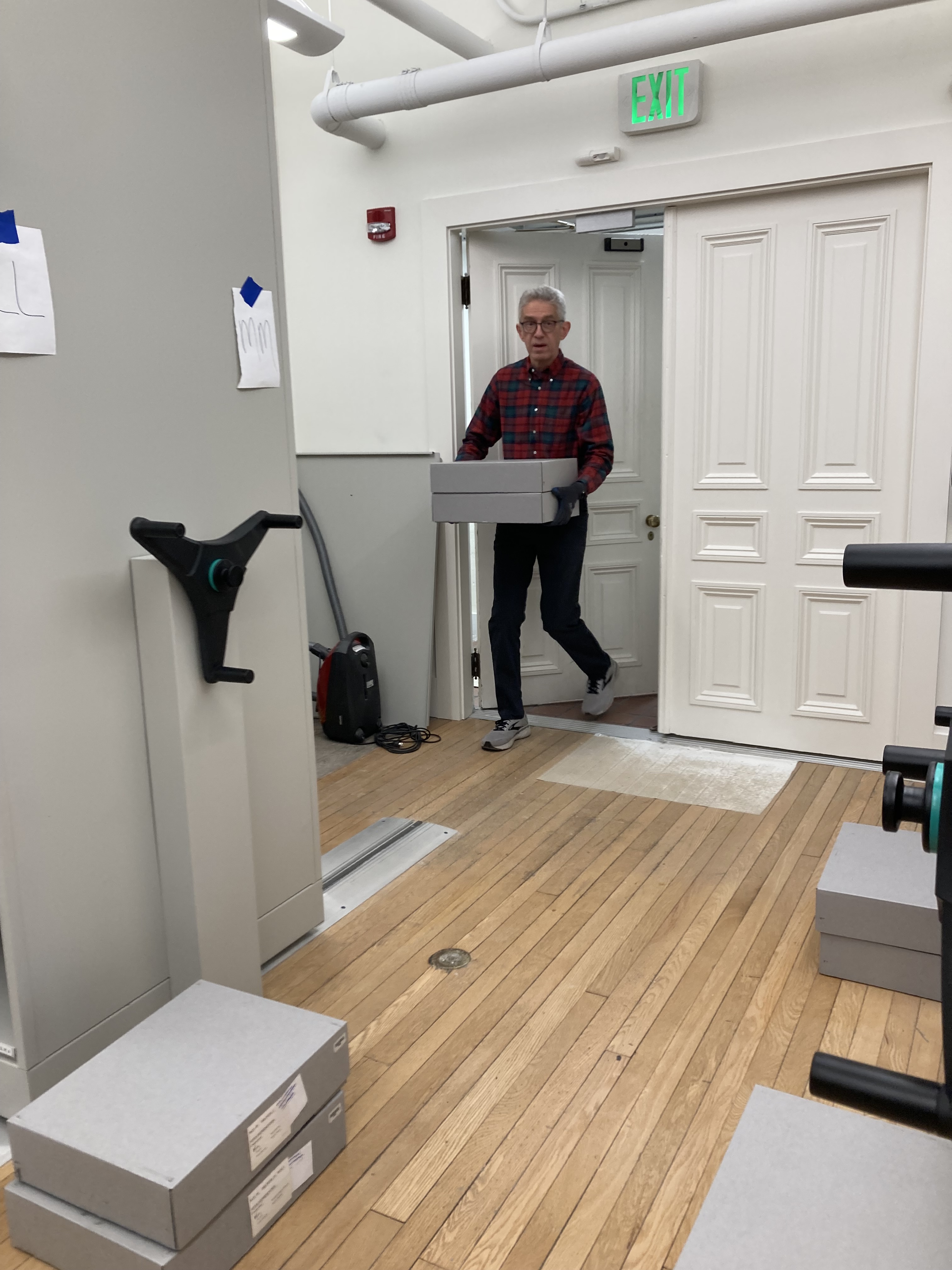
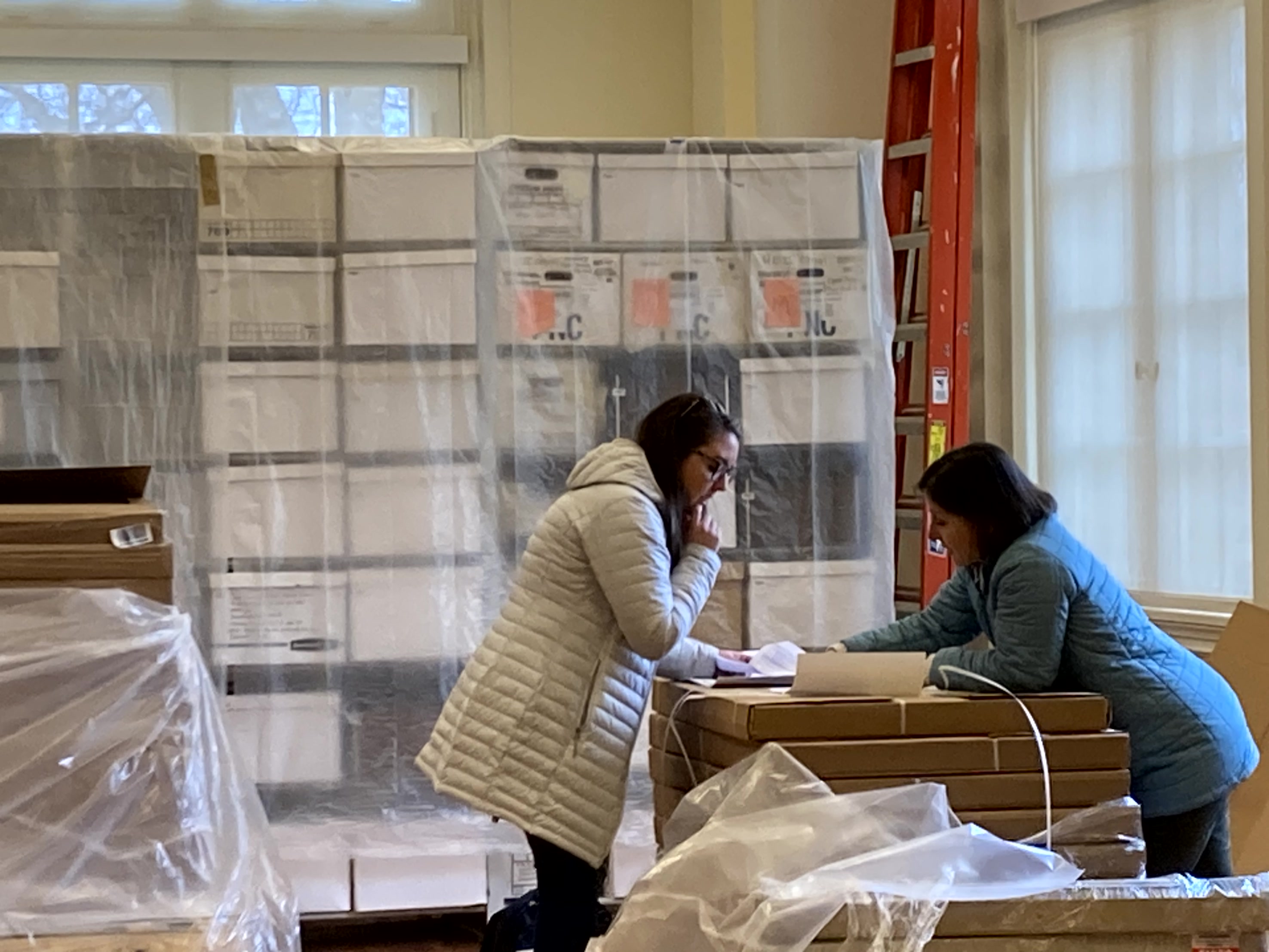
At this point, Peabody staff are cleaning collections spaces and beginning to move boxes back into the updated areas. This has been quite the logistical task as we need to coordinate with contractors in the space and ensure the appropriate security and care for the collection. So far, so good.
Hopefully, we will be back in the building and ready to welcome classes, researchers, and inquiries again in the spring of 2024. Thank you to everyone who supported this project with time or finances – we could not have done it without you.
I am looking forward (sort of) to Phase II!
This project will rely on philanthropic support from our donor community. To help advance this critical renovation, please contact Nicole Cherubini, director of development, at 978-749-4288 or ncherubini@andover.edu.
Nearly three years ago, I co-founded the Indigenous Collections Care (ICC) Working Group along with Laura Bryant, Anthropology Collections Steward and NAGPRA Coordinator for the Gilcrease Museum in Tulsa, OK. Along with Laura Elliff Cruz, Head of Collections at the Indian Arts Research Center (IARC) in Santa Fe, NM and other group members, the ICC has been working to create an accessible reference tool for professionals who interact regularly with Native American collections.
The ICC grew out of our desire to incorporate the collections care requests of Indigenous communities into our institutional practice and policy. The working group was formed in late 2020 and is composed of approximately 20 people (both Indigenous and non-Indigenous museum professionals and academics, Tribal Historic Preservation Officers, and NAGPRA coordinators) who actively participate in monthly meetings on the creation of an Indigenous Collections Care Guide.
The ICC Guide will not instruct museums on how to specifically care for each item, since protocols vary among communities, but will offer scalable considerations of culturally appropriate collections stewardship, with questions and talking points to address during consultation, and with templates and case studies for use in implementation, advocacy, and the creation of policies and procedures.
In order to facilitate robust review of the ICC Guide by tribal communities, the ICC partnered with an incredible institution, the School for Advanced Research (SAR) in Santa Fe, NM.
I am excited to share that SAR received an IMLS National Leadership Grants for Museums of $175,587 for the IARC’s creation of the Indigenous Collections Care Guide. to support the museum field with an accessible reference tool for museum professionals who interact regularly with Native American collections. The guide will provide museums with a framework to recenter collections stewardship practices around the needs and knowledge of Indigenous community members. At the conclusion of the project, 175 tribal community representatives and museum professionals will have had a voice in the development of the guide, which will be made freely available for tribal community representatives and museums of all sizes. The IMLS reported receiving forty-eight applications for this opportunity, and SAR was one of nineteen projects to receive funding.
What does this mean for the Peabody Institute? Well, first it means that I will be super busy for the next few years! It also means that the Peabody Institute is continuing our leadership role in the broader museum and archaeological conversations around ethical collections stewardship and relationships with tribal communities.
I will keep you posted as work continues over the next few years!
School for Advanced Research
The School for Advanced Research (SAR), a 501(c)(3) nonprofit educational institution, was established in 1907 to advance innovative social science and Native American art. Its sixteen-acre residential campus sits on the ancestral lands of the Tewa people in O’gah’poh geh Owingeh, or Santa Fe, New Mexico. Visit sarweb.org
Institute of Museum and Library Services
The mission of IMLS is to advance, support, and empower America’s museums, libraries, and related organizations through grantmaking, research, and policy development.
The agency carries out its charge as it adapts to meet the changing needs of our nation’s museums and libraries and their communities. IMLS’s mission is essential to helping these institutions navigate change and continue to improve their services. Visit imls.gov
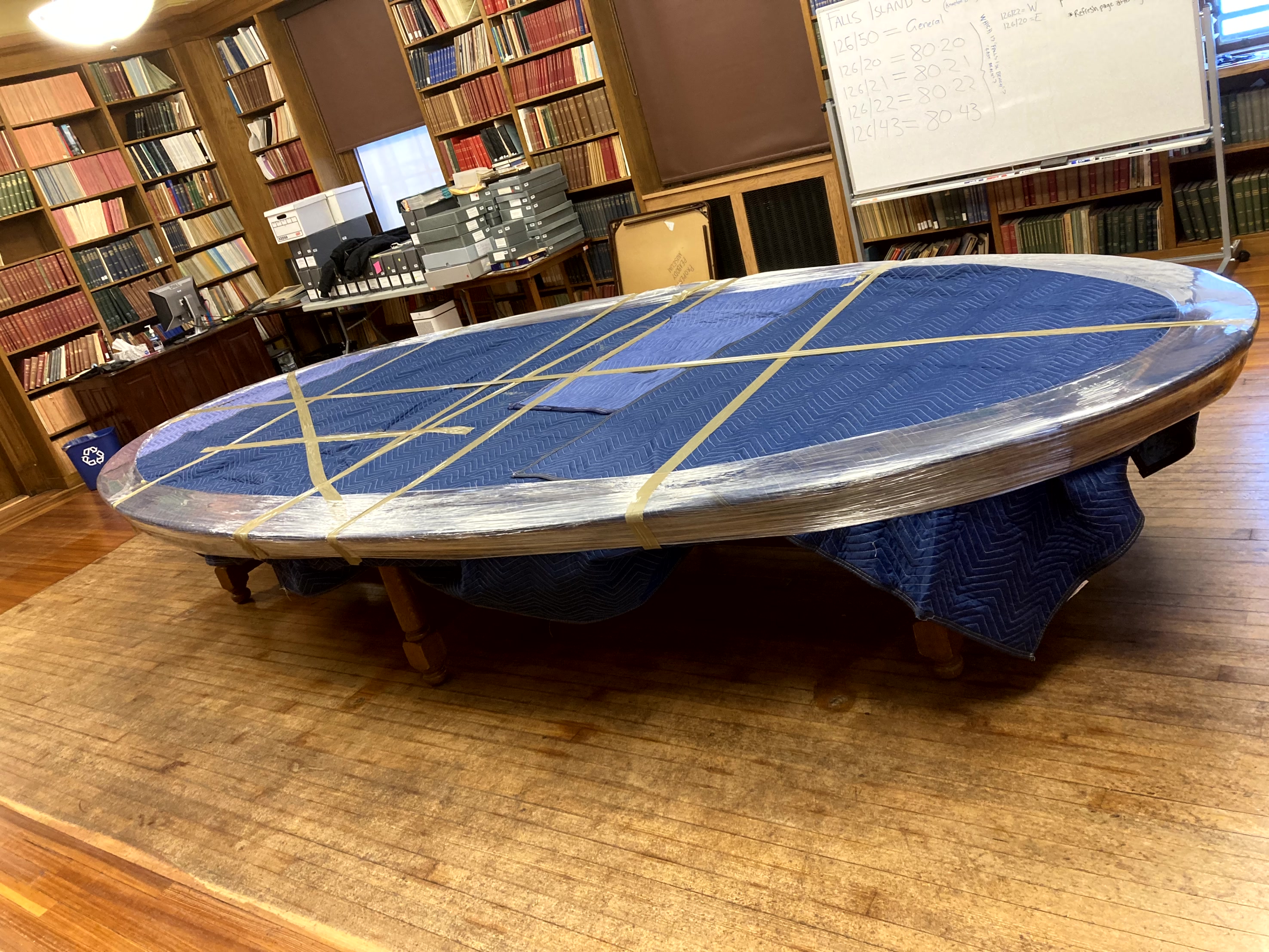
The Peabody is currently in the pre-construction phase of a much-needed building update! This is Phase 1 of a two-phase project.
The project has three main goals:
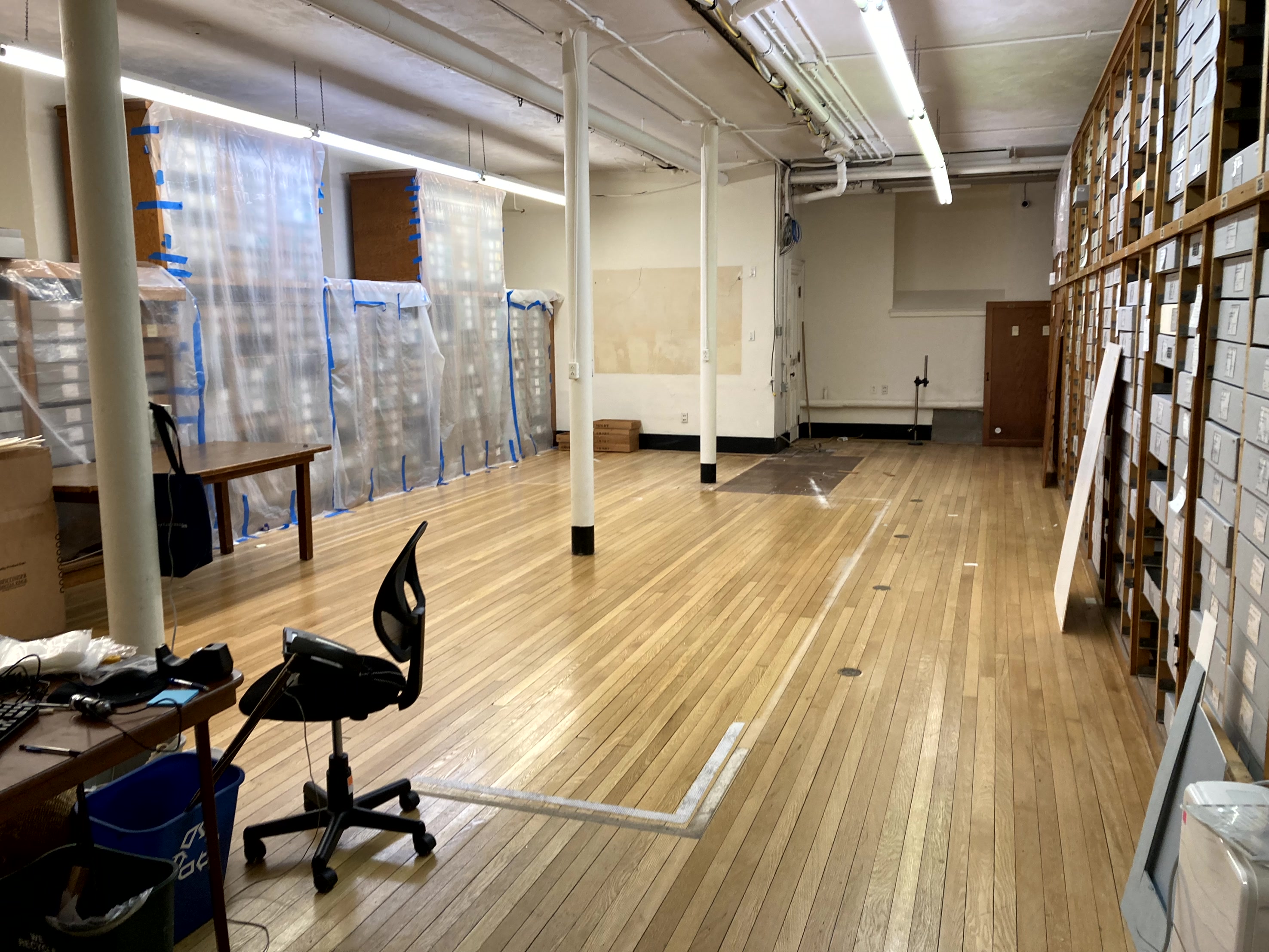
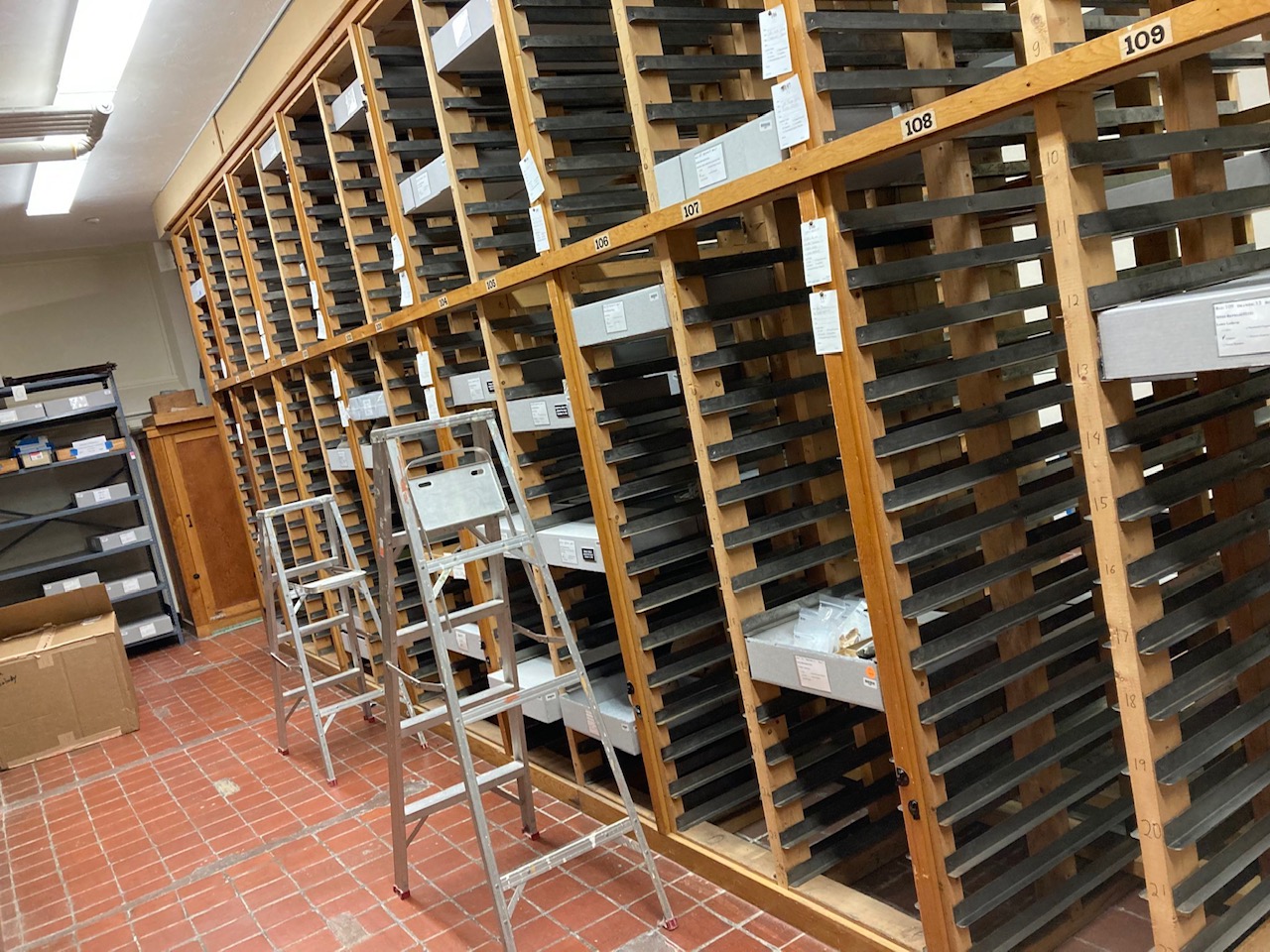
Replace the current basement shelving (that was constructed in the very early 1900s) with modern mobile shelving
Provide HVAC and sprinklers for the collections areas
Install an elevator and meet other code compliance issues
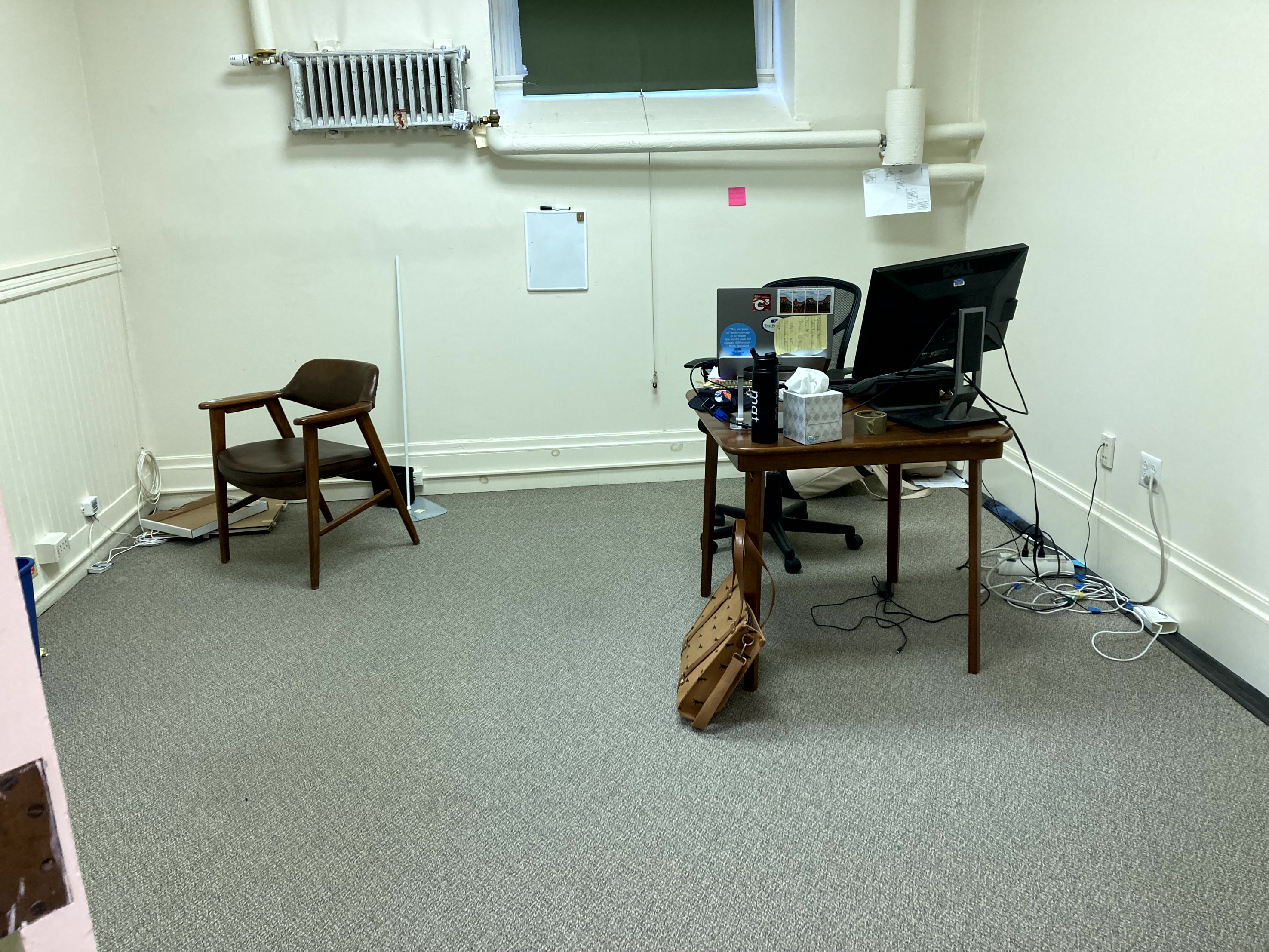
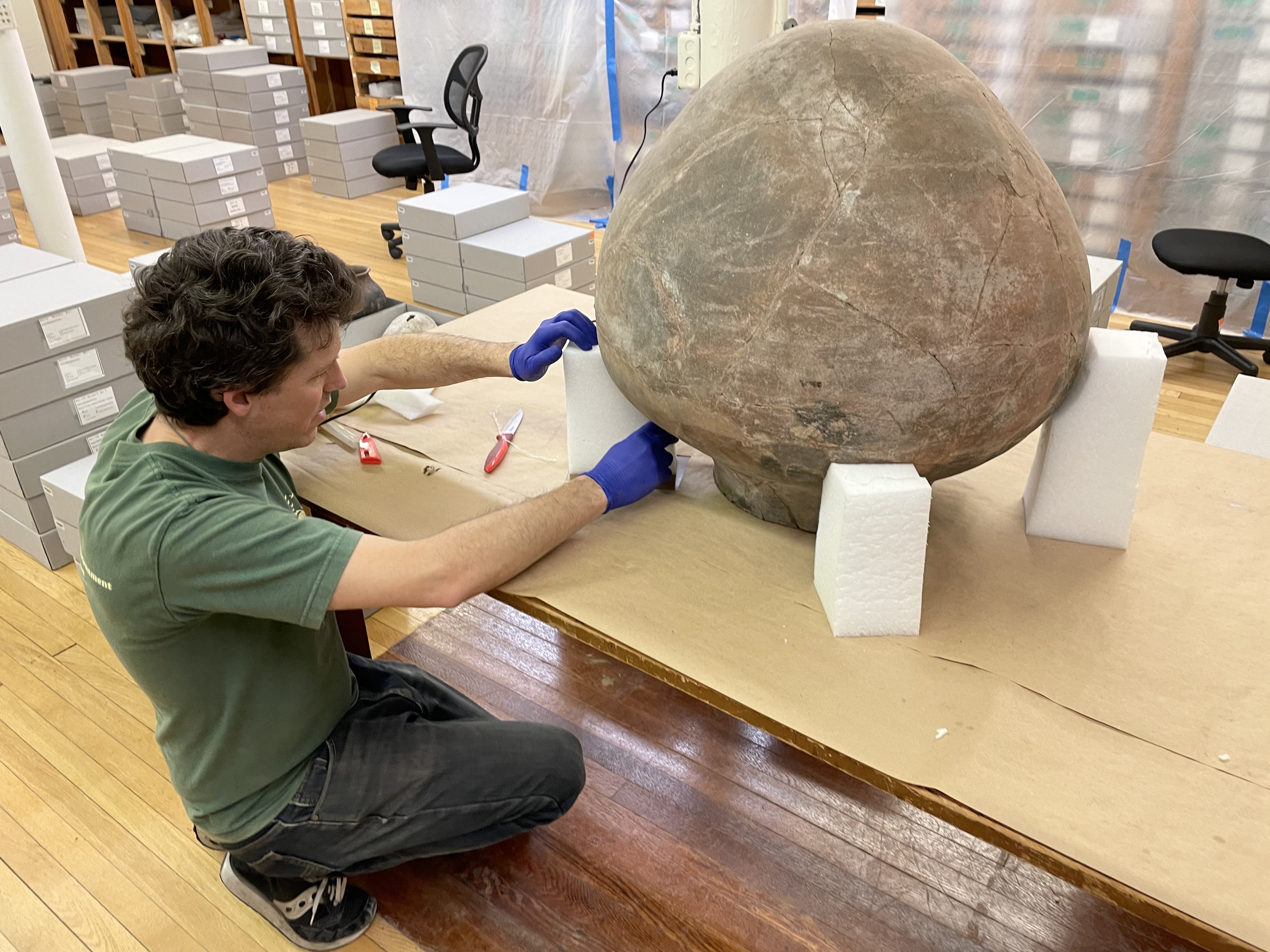
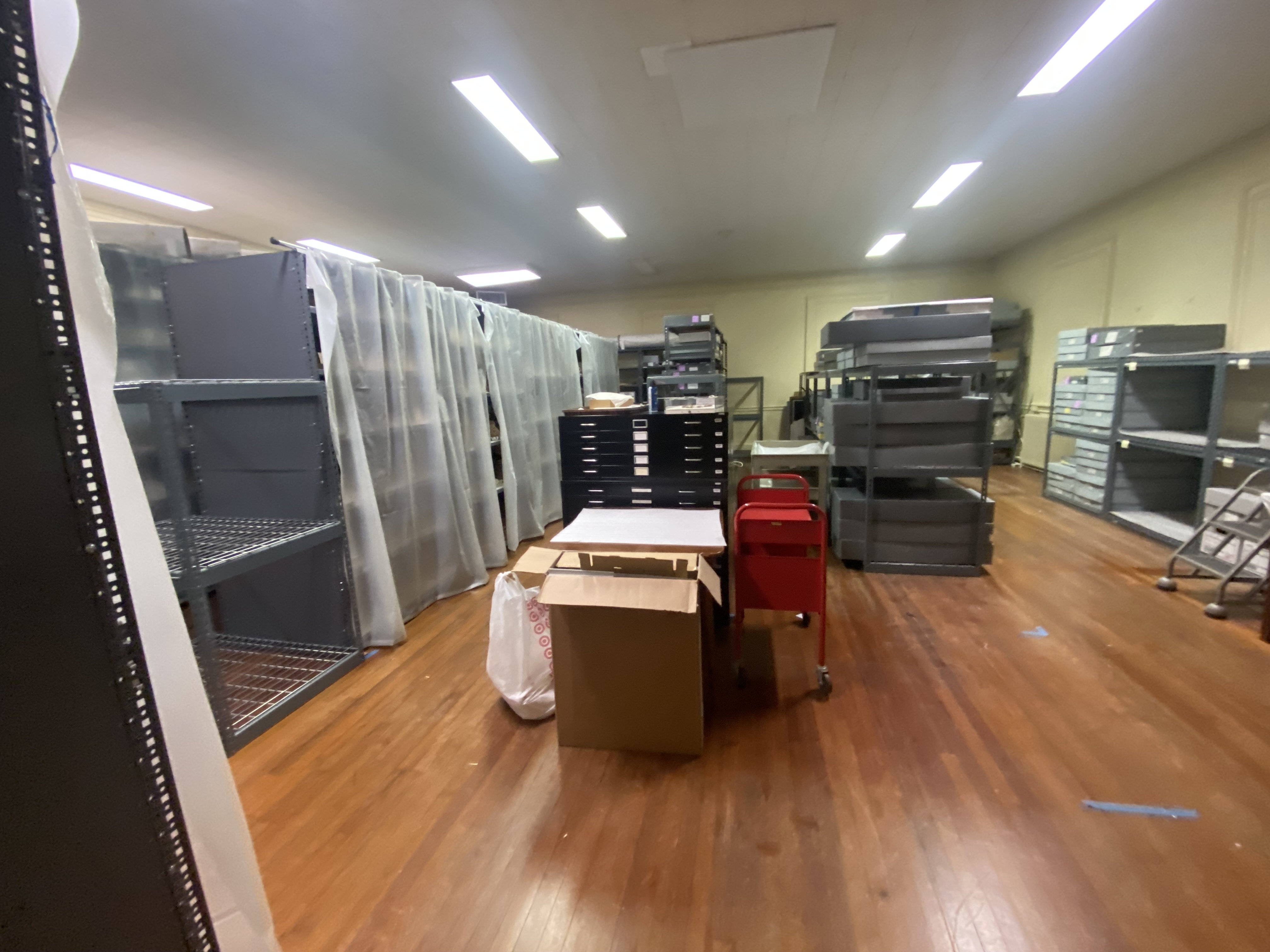
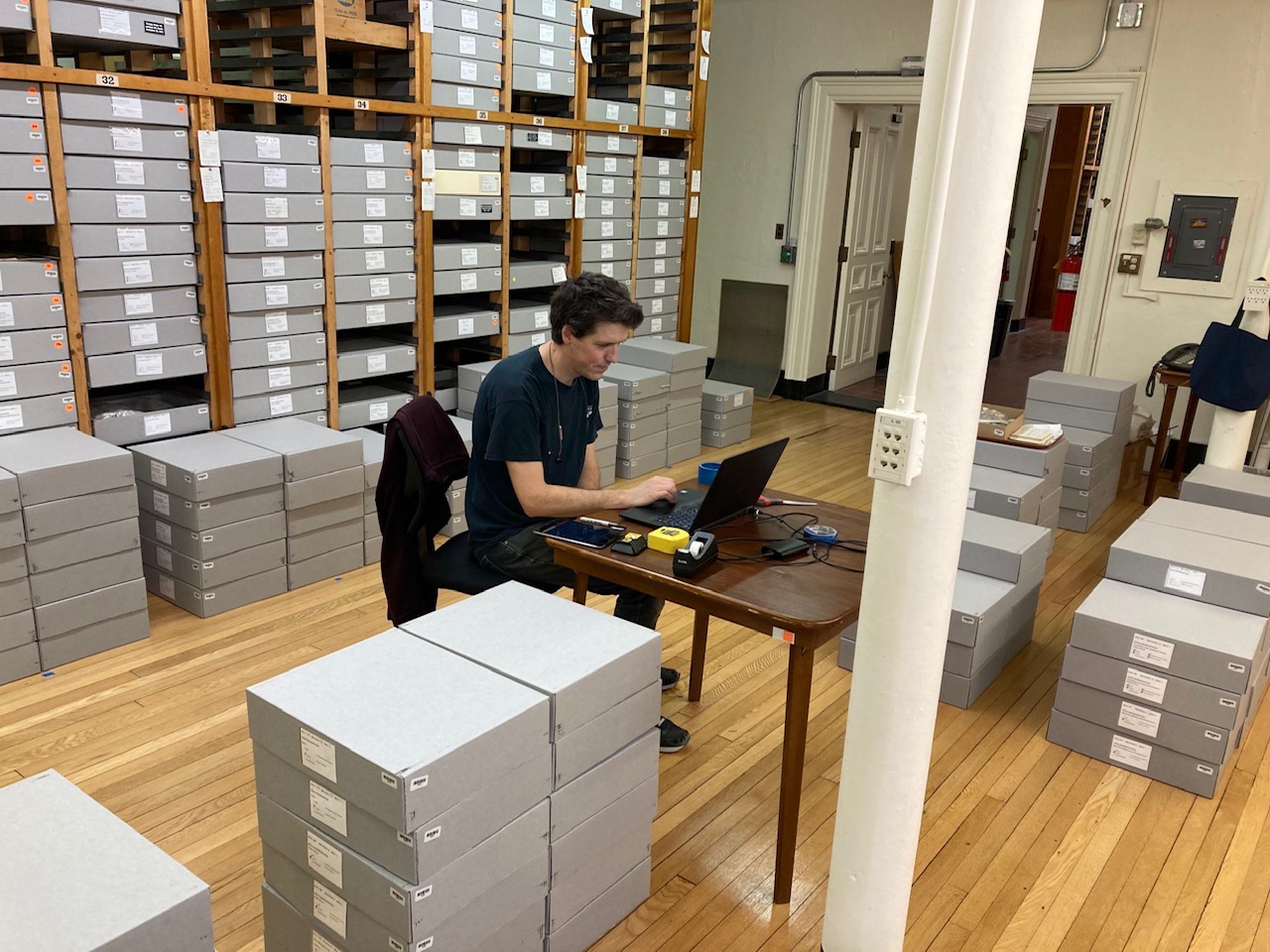
The Peabody staff have been working diligently to ensure the safety of all the collections during this work. We have coordinated with the construction company, security vendors, tribal partners, and our Phillips Academy project manager to make the project a success. There is still a lot to do – and construction hasn’t even started yet!
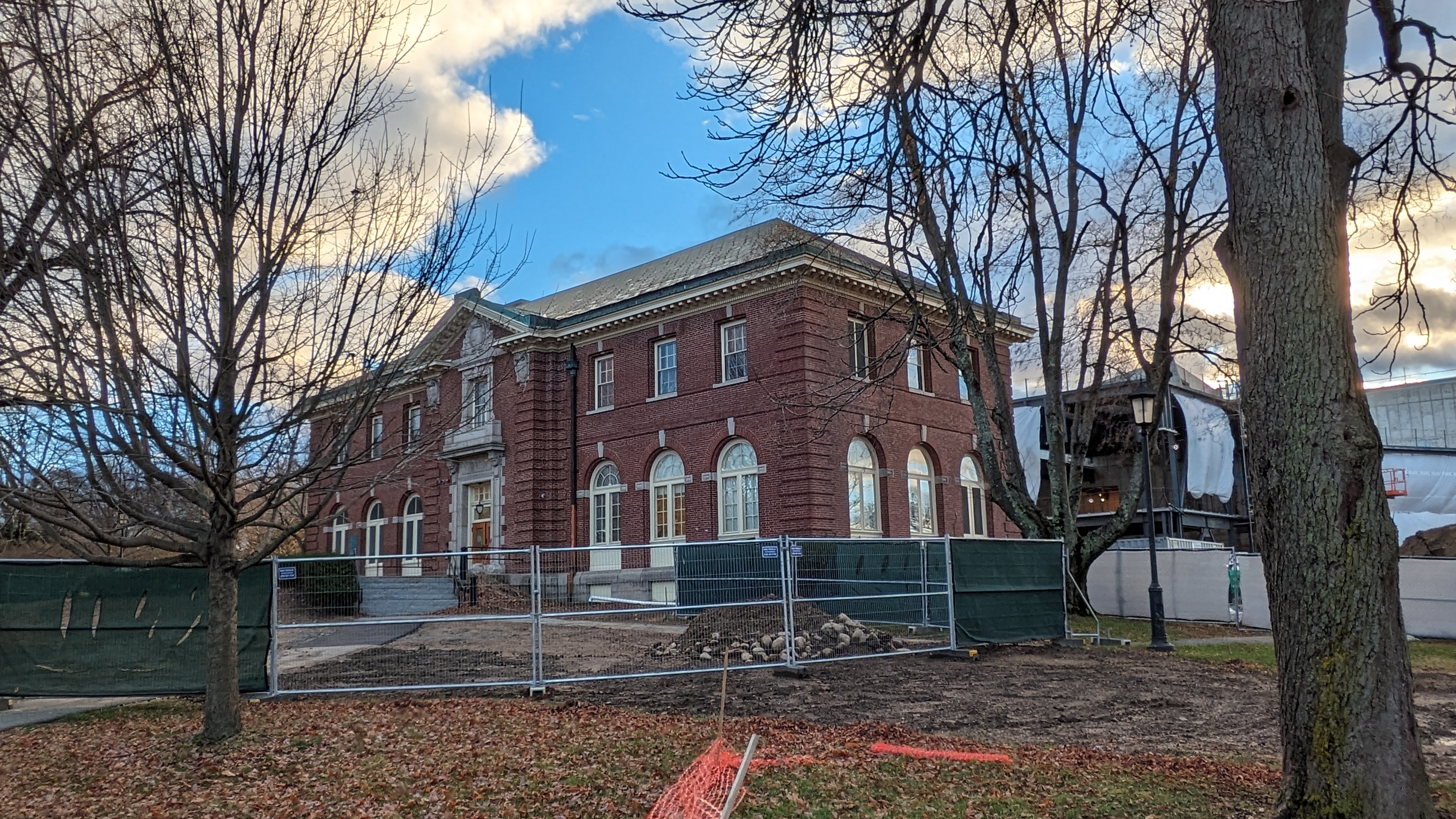
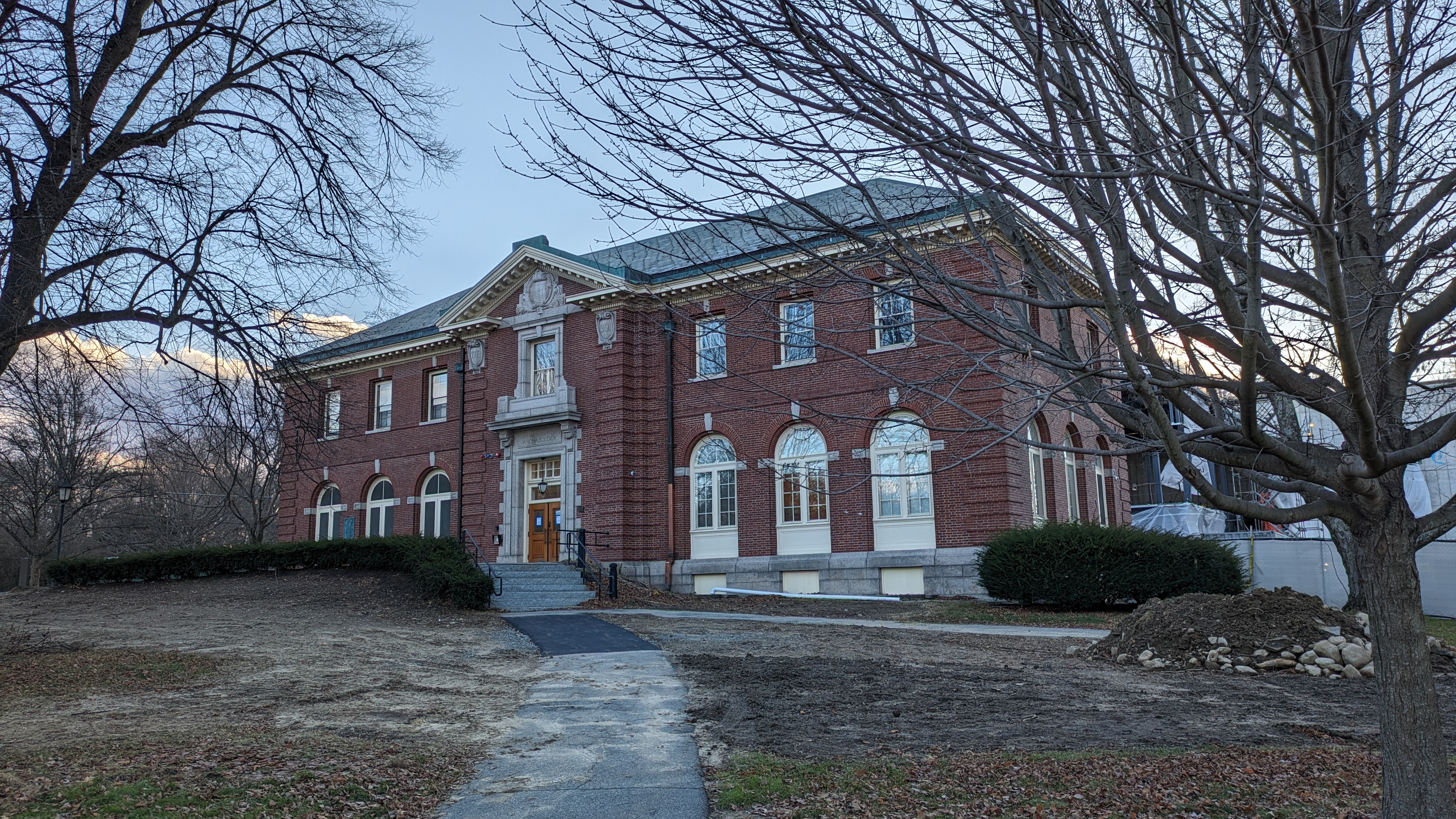
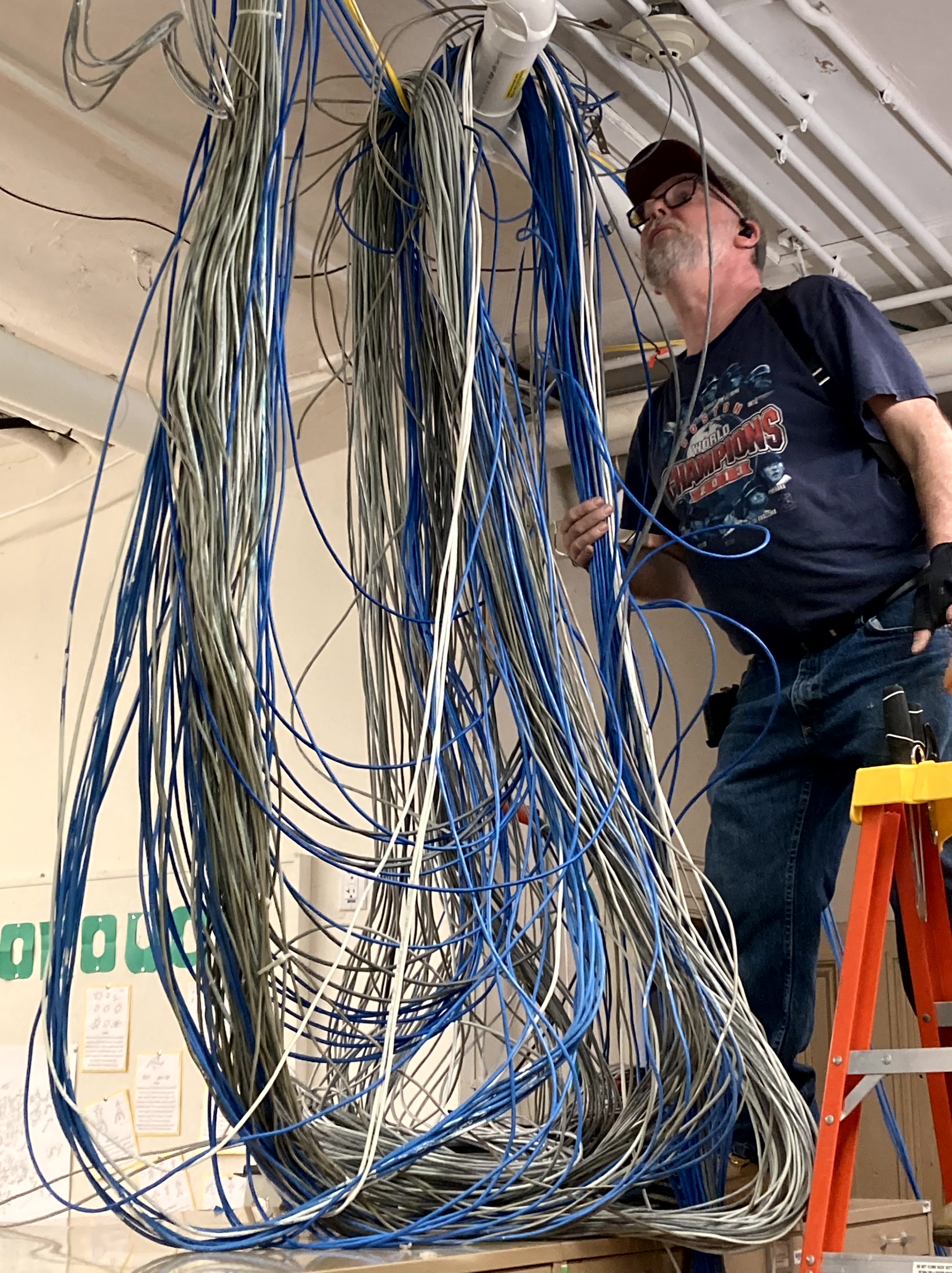
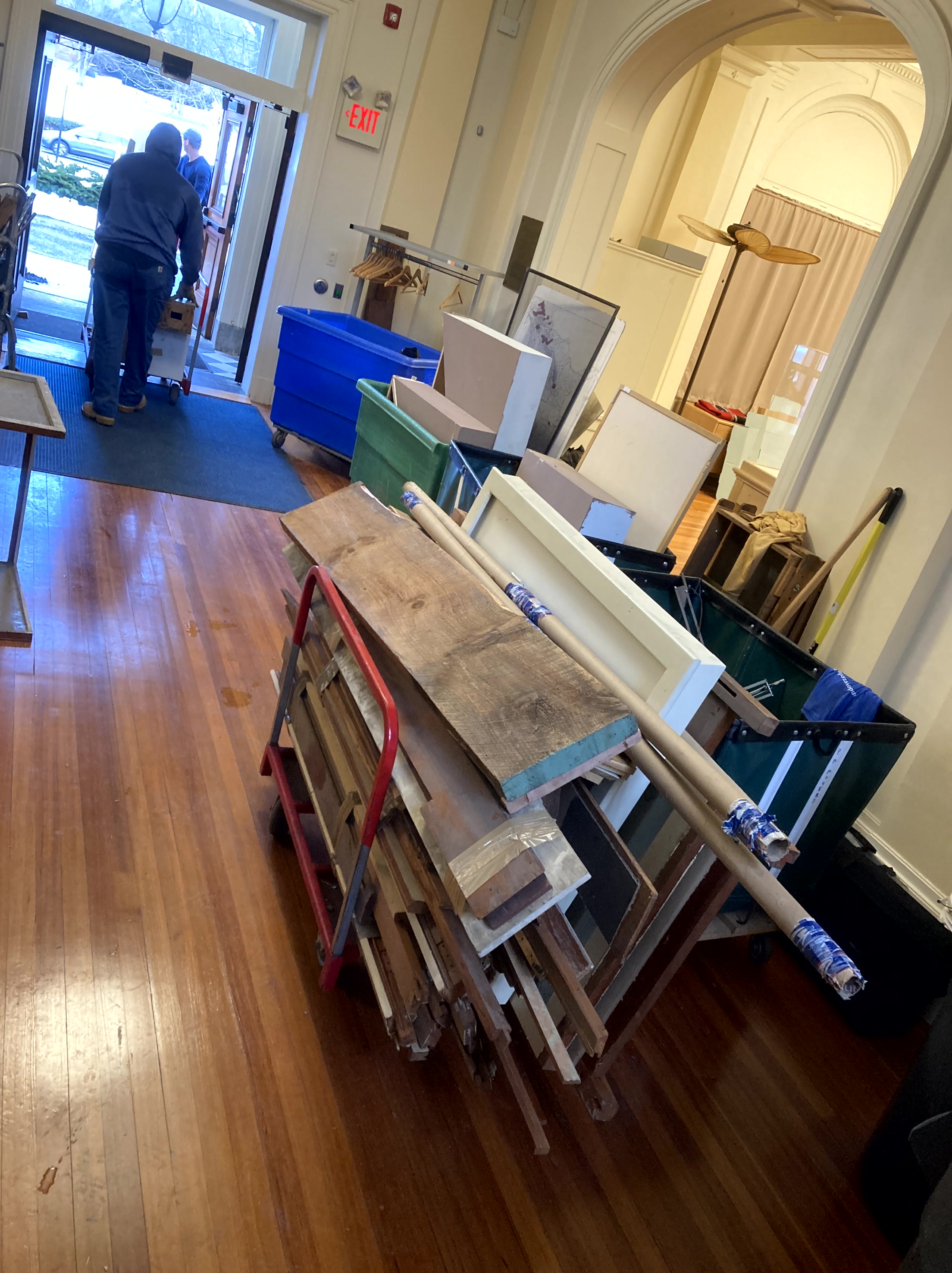
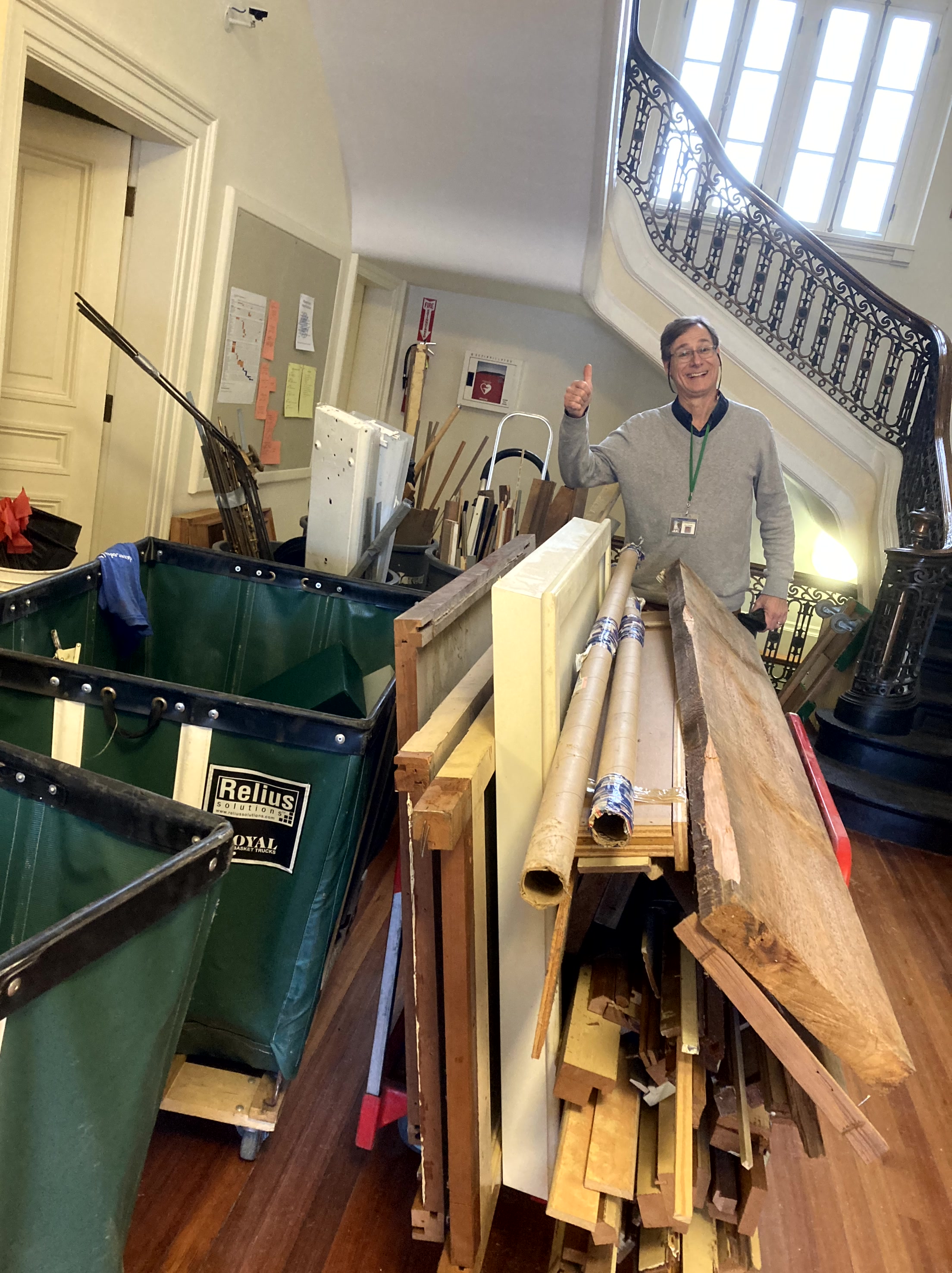
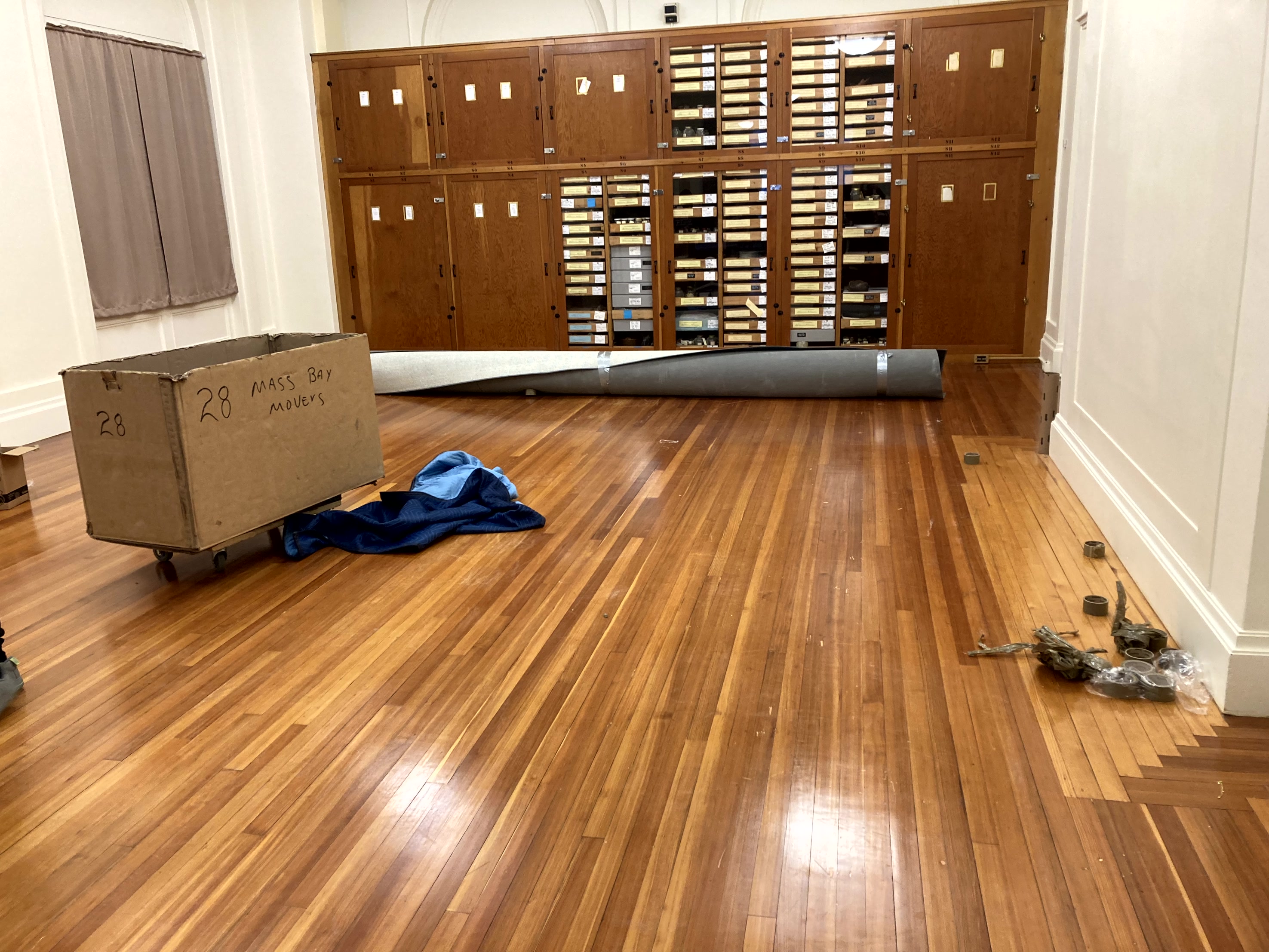
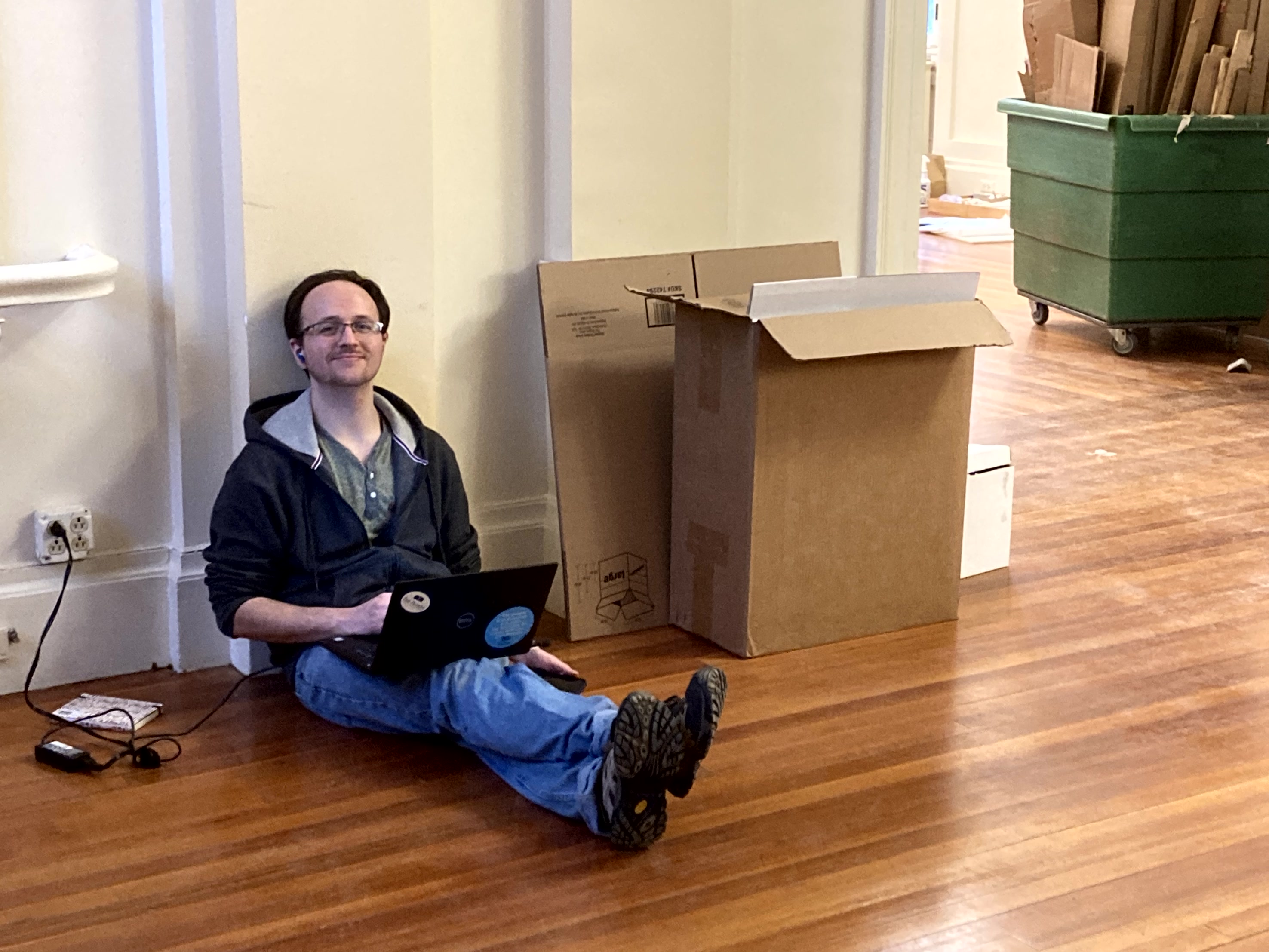
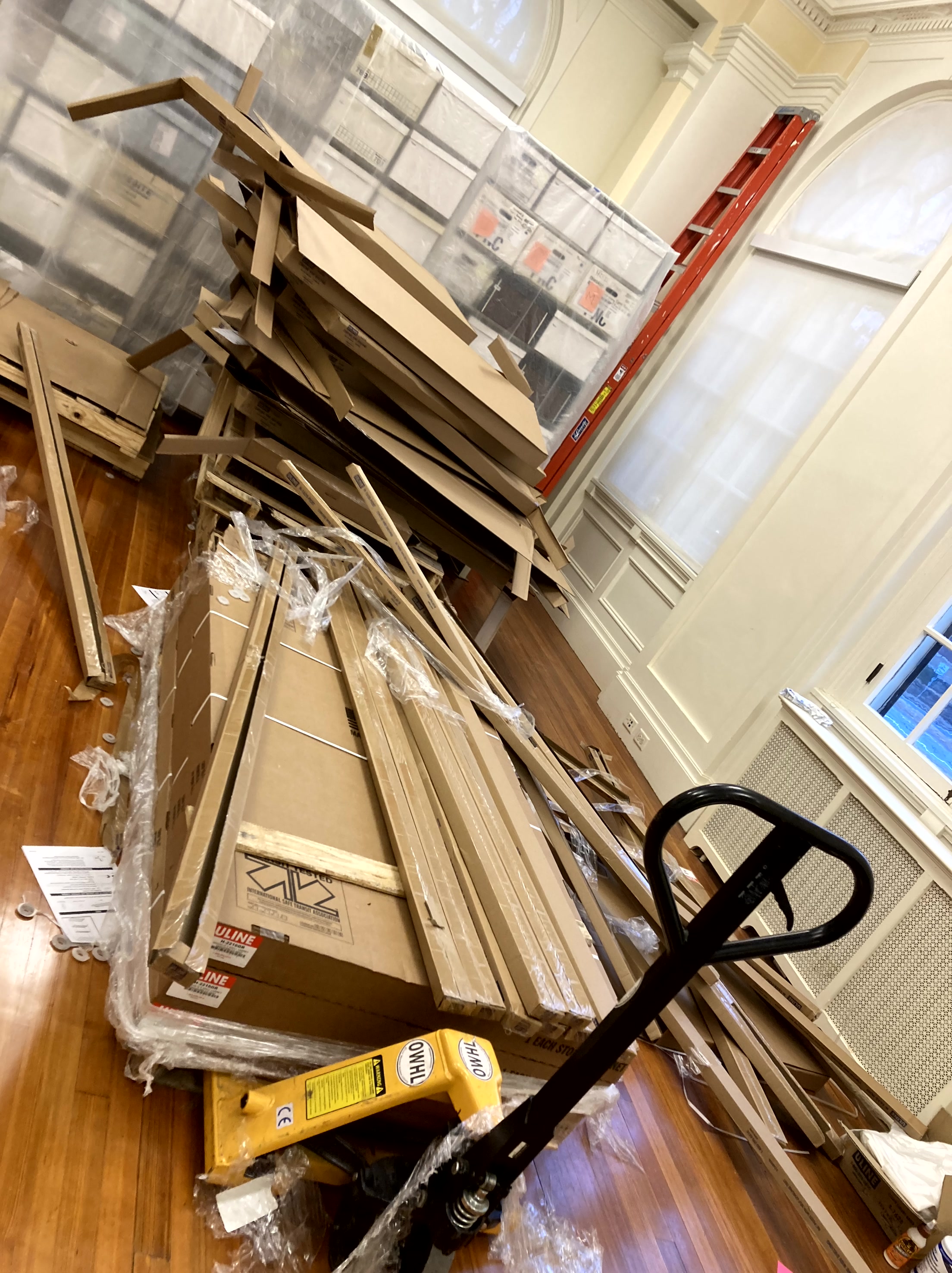
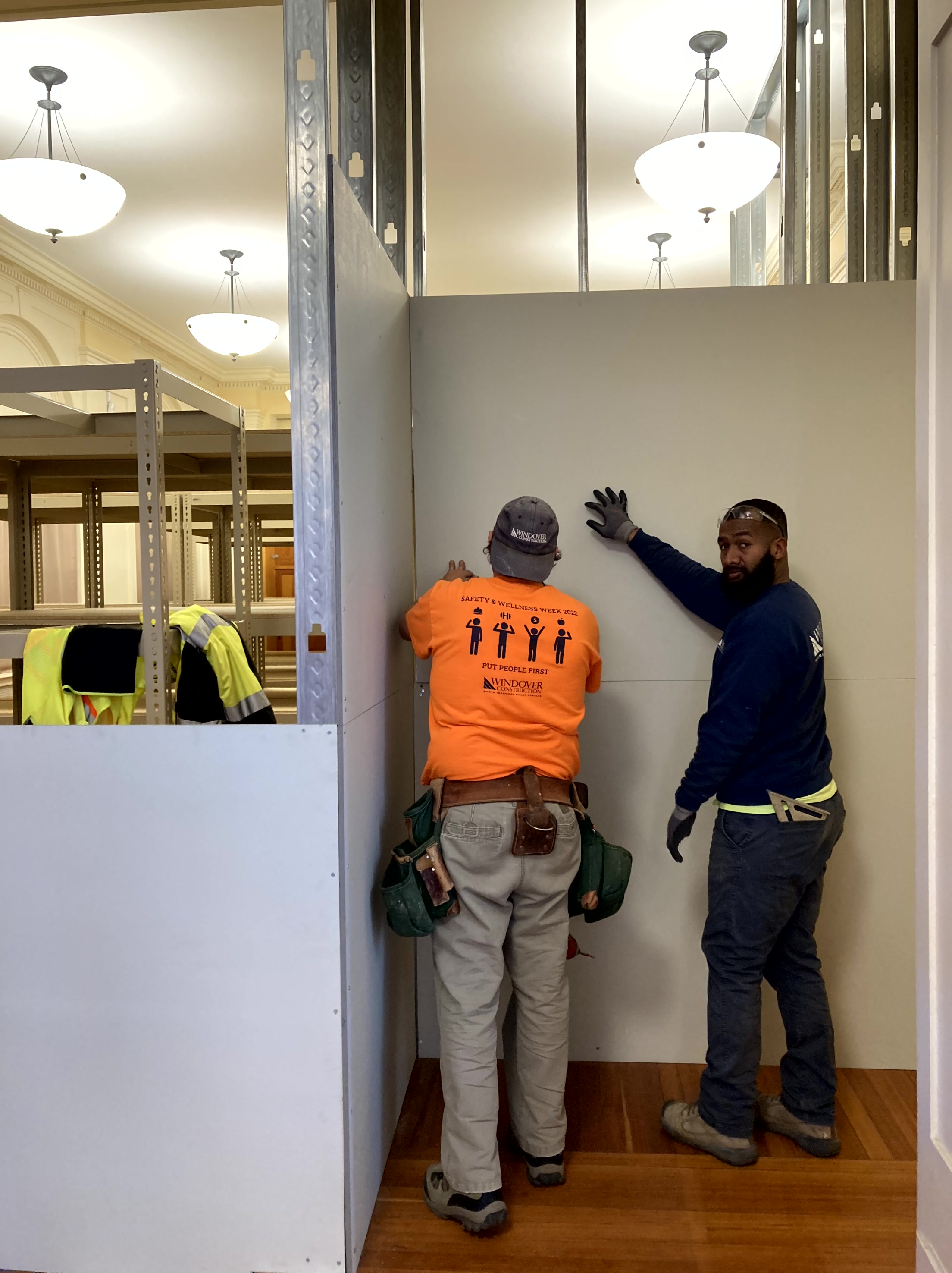
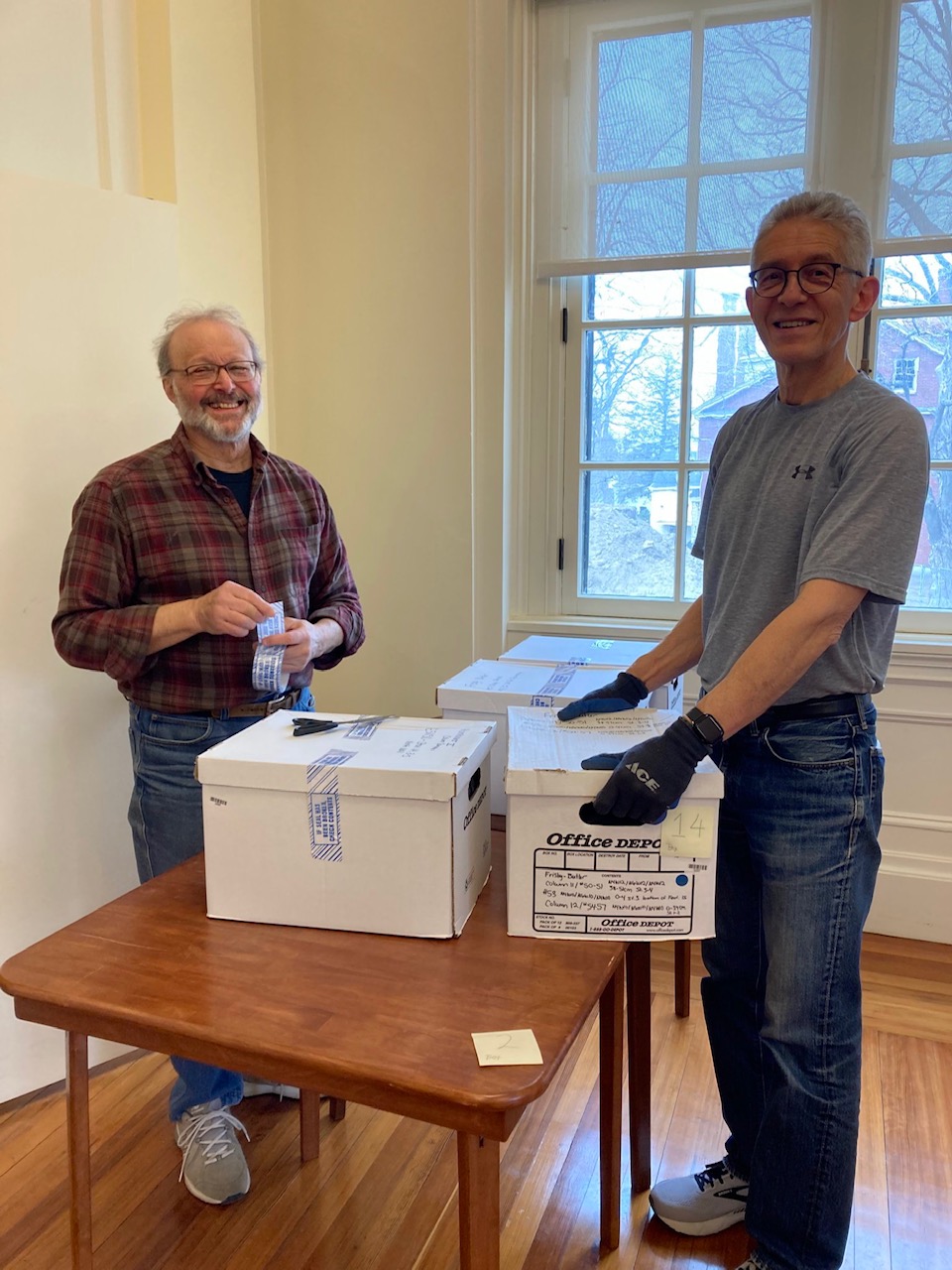
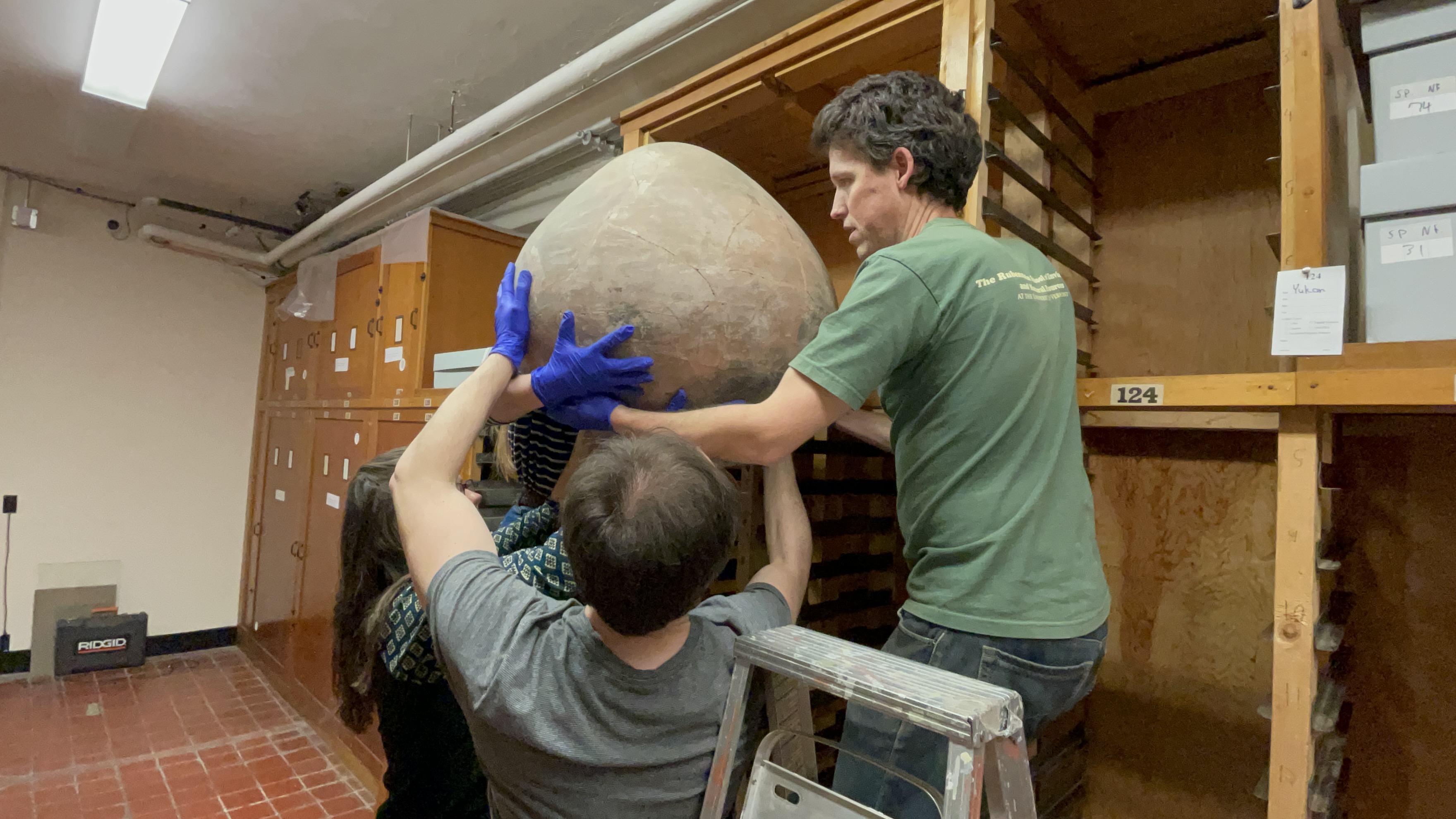
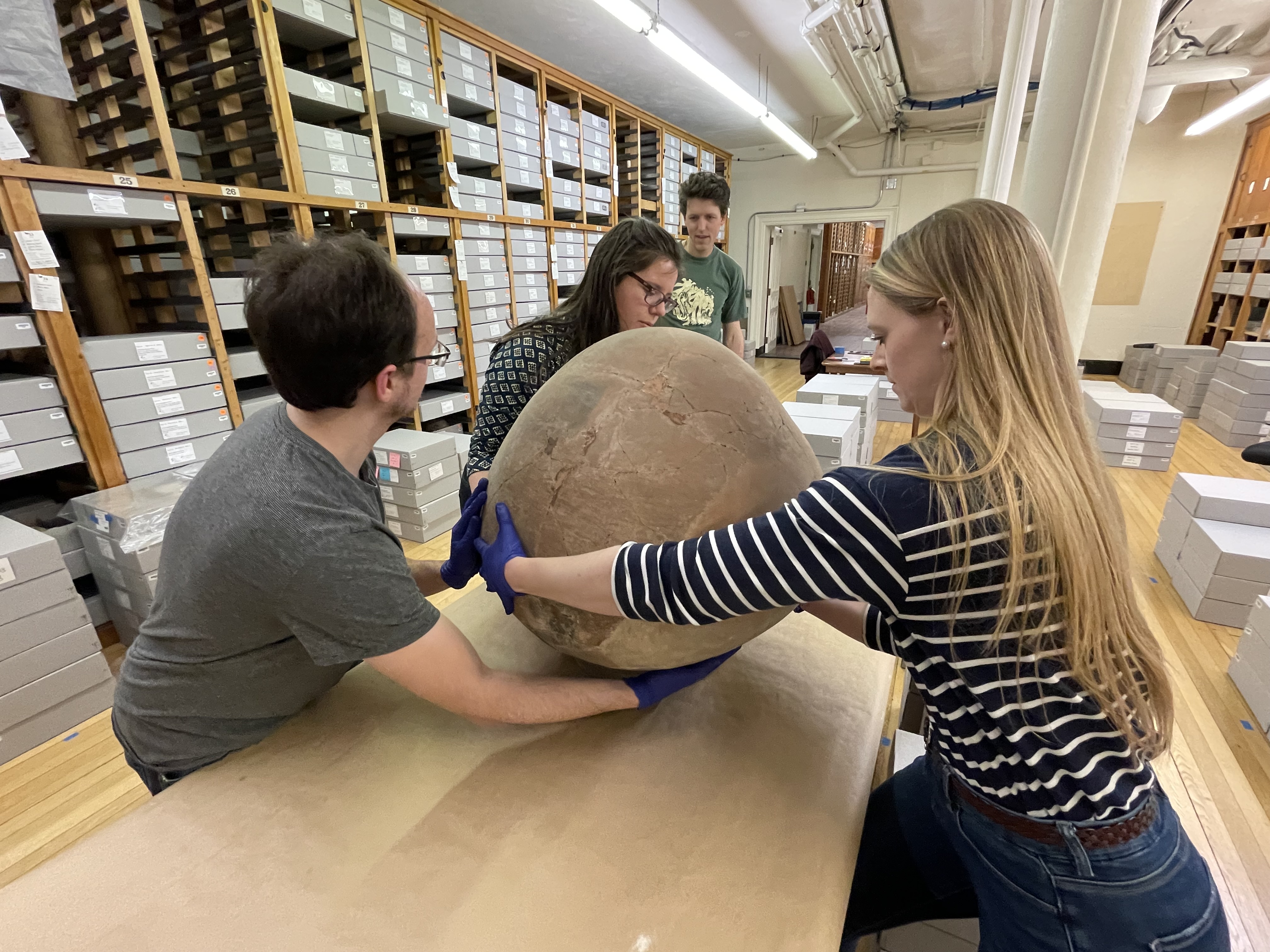
Here are some photos of the work as it has been happening:
This project will rely on philanthropic support from our donor community. To help advance this critical renovation, please contact Beth Parsons, director for museums and educational outreach, at 978-749-4523 or bparsons@andover.edu.