It’s been almost two months now since John and I have been back at the Peabody alternating weeks of work. In order to save time while we are in the Peabody, we are using that time exclusively to inventory drawers and spending our weeks at home updating the database with the drawers we inventoried the previous week. Now that we’ll be back in the Peabody more regularly, our work from home duties have shifted to more database work. In his post from last month’s newsletter, you can see all the hard work John’s been doing at home so now I’d like to share some of the things I’ve been able to accomplish from home so far.
Marla has kept everyone busy with various projects since we started working remotely in March. For me, that included digitizing photographs, creating condition reports for textiles, digitizing ledger books, and photographing site records. In total, while working remotely, I was able to digitize nine boxes of photos, complete 120 condition reports, digitize 1,700 ledger entries, and photograph 354 site records.
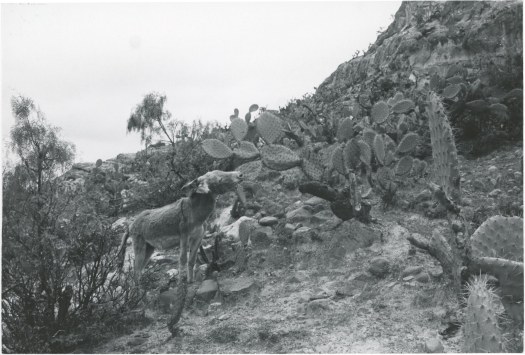
2019.0.706 – A goat on a mountainside in the Ayacucho Valley. (I think this goat is so cute!)
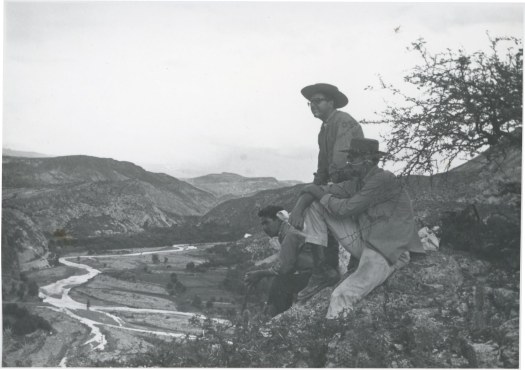
The majority of my time working remotely has been spent scanning and editing photographs of various archaeological projects from the collection. The photos I digitized were from archaeological excavations in Massachusetts, Maine, Ohio, Illinois, Kentucky, and Connecticut. Perhaps my favorite photos to work with were the ones from the Ayacucho Archaeological-Botanical Project in Peru. This project, directed by Richard MacNeish, was meant to investigate the origin of agriculture and its relationship to the development of civilization in New World Centers. The Ayacucho Valley was subsequently excavated between 1969 and 1975, which produced the hundreds of images that I’ve been working on. Many of the photos are of cave excavations, others show sweeping views of the Peruvian highlands complete with mountains and wildlife, and there’s the occasional photo of the archaeologists acting silly.
2019.0.743 – Archaeologists overlooking the Ayacucho Valley
Since we’ve been back at the Peabody, John and I have been working hard to make up for lost time on the inventory project. So far we’ve been making great progress as we’ve been able to inventory over 60 drawers since being back. Empty wooden drawers are once again piling up like crazy!
Working from home for the past few months has been an interesting experience. It’s been great saving so much money on gas and I loved being able to make myself gourmet grilled cheese sandwiches for lunch every day, but I’m very happy to be back working with the artifacts. Hopefully someday soon we’ll all be able to enjoy being back at the Peabody full time!
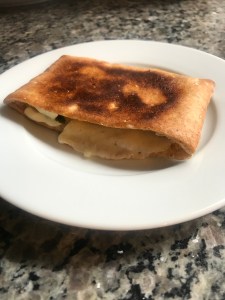
If you’re in need of some grilled cheese inspiration here is one of my favorites—olive tapenade, roasted red peppers, arugula, and manchego cheese! (I only had pita pockets at the time but I think a nice sourdough would be great)
In August, the Society for American Archaeology (SAA) announced its newest education award, the Robert S. Peabody Institute of Archaeology Award for Archaeology and Education.
The Robert S. Peabody Institute of Archaeology Award for Archaeology and Education recognizes the excellence of individuals or institutions in using archaeological methods, theory, and/or data to enliven, enrich, and enhance other disciplines, and to foster the community of archaeology education practitioners. The Peabody Award will spotlight these contributions and promote teaching ideas, exercises, activities, and methods across the educational spectrum, from K-12 through higher education and public education.
Peabody Advisory Committee member and recent chair Dan Sandweiss ’75 proposed the award to the PAC and SAA. Both organizations agreed that it was a great opportunity to honor those involved in archaeology and education, joining the Journal of Archaeology & Education as another important tool for creating community among those engaged in these endeavors.
One important criterion is that nomination documentation must include materials—like activities or lesson plans—that can be shared with the broader community via SAA’s website.
The award description indicates that anyone may submit a nomination and that nominees do not have to be members of the SAA. Both individuals and programs are eligible. The award committee offered this list as examples of activities that might distinguish a nominee, including archaeology service learning programs, popular archaeology writing, adult or youth training programs, lessons or lesson plans for K-12 educators, archaeological outreach programming, oral history projects, lifelong learning classes or programs, archaeology camp experiences, and collaborative work with other educators or institutions around archaeological pedagogy.
The deadline for submitting a nomination is December 1, 2020 and submission information and guidelines are on the SAA website for the Robert S. Peabody Institute of Archaeology Award in Archaeology and Education. Peabody director Ryan Wheeler is serving as the SAA’s Teaching Awards committee chair and can be contacted with questions about the Peabody Award.
Last fall, the Peabody loaned ten objects to the Addison Gallery of American Art here at Phillips Academy. They spent nearly a year there for the exhibition A Wildness Distant from Ourselves: Art and Ecology in 19th Century America.
Due to public health concerns related to COVID-19, both the Peabody and the Addison have been closed to visitors since mid-March. But, the behind the scenes work never ends. The Addison regularly exhibits works of art on loan from other institutions and actively loans its own collection to museums around the world. Returning these objects during COVID shutdowns has been a logistical challenge for our friends, and we were happy to coordinate with them to return the materials back across the street to us.
When the objects from the Peabody went to the Addison, a professional fine arts shipping company took care of packing and moving everything. To come home, the Addison staff did the packing themselves – and they are awesome at it!
It is now up to me to put these artifacts back into our storage areas – a job I am happy to do! Typically, we would use many of these in the upcoming school year for classes, but this year is different. Like most other institutions, any of our classes will be taught online.
But I know that I will be happy to see Champ the auk back at home in his case every time I come into the Peabody.
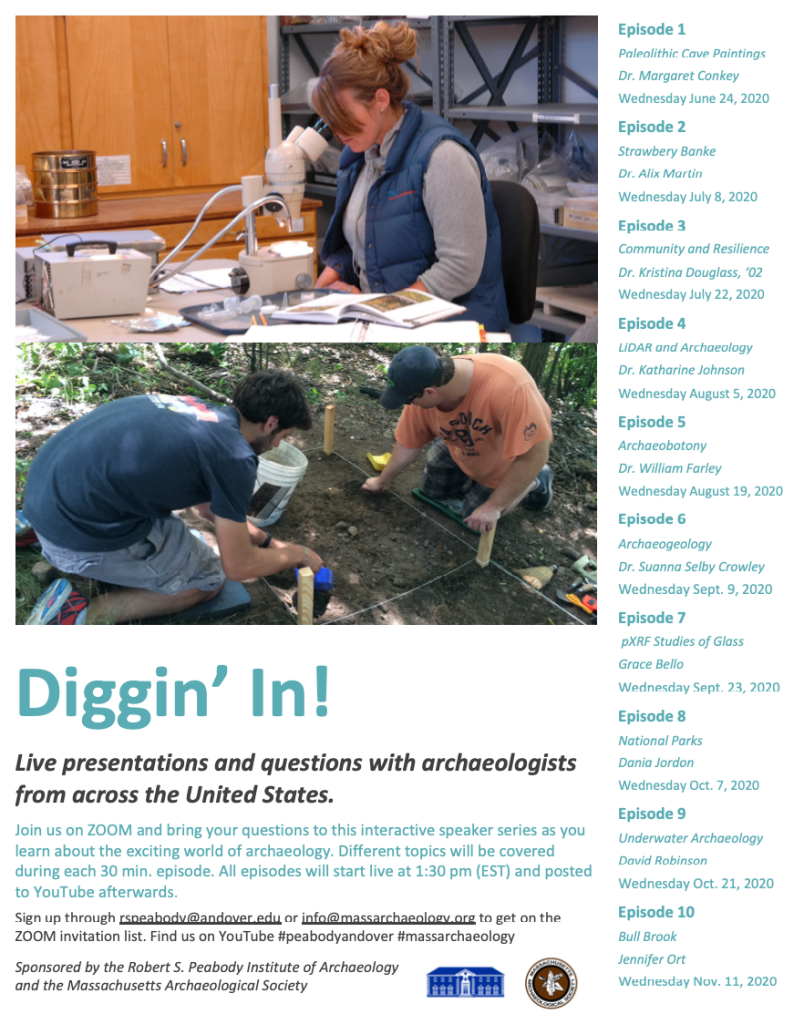
Part of the missions of both R.S. Peabody Institute and the Massachusetts Archaeological Society is to engage and connect with all who are interested in archaeology. Since we are unable to do this in person, both institutions are excited to announce our joint digital speaker series: Diggin’ In.
This series show cases live presentations with archaeologists from across the United States who will take questions directly from you!
Different topics will be covered during each 30 min episodes, which start live at 1:30 pm (EST) every other Wednesday and then will be posted to YouTube afterwards.
Sign up through the following emails to get on the ZOOM invitation list:
While we are excited to welcome all our speakers digitally to our campus and community, we are particularly pleased to have Dr. Meg Conkey and Dr. Kristina Douglass join us.
In addition to her work at University of California, Berkeley and in France, Dr. Conkey is also a current member of the R.S. Peabody’s advisory board.
And while Phillips Academy might be unfamiliar to some of our speakers, that is certainly not the case for Dr. Kristina Douglass who graduated from PA in 2002. It will be fun to welcome her “home” even if it is remotely.
Before COVID-19, the Peabody Institute kept our social media presence to Facebook and Twitter. But this seemed like the perfect time to expand to Youtube. This is definitely a new medium for me and I was puzzled for a few days as to how I could contribute to this platform. And then inspiration struck.
Phillips Academy is home to two cultural institutions – the Robert S. Peabody Institute and the Addison Gallery of American Art. Our friends at the Addison created a delightful short stop-motion video about the work of a registrar and shared it on Facebook. I thought it was fabulous. And I also thought, I can do that!
Well, that started a project that took about a week of evening shoots after the kids went to bed, and an additional couple weeks of sound design (maybe I shouldn’t admit that it took that long…). I wrote a short script and then cannibalized my boys’ Legos to recreate the Peabody staff and create sets. I regret not taking a picture of the carnage to our play room to share, but I am relieved that it is all cleaned up now.
Framing and filming the stop-motion required a level of patience and detailed focus that was challenging for me at times but necessary to make the film work. It is hard to remember to account for everyone and everything in the scene, but not to move it too much to ensure it was fluid. It was pretty fun to hide details in the background too.
Adding the voices and music was a whole separate task. I fully credit my husband with the patience to become my sound engineer. He took all the lines, including those contributed by our 5 year old, and music and ensured that everything synced with the video – and made sure we weren’t breaking any copyright laws with the music use…
I think the end result is pretty great. Viewers learn about what the Peabody does every day, from my perspective, and get to escape for about 3 minutes.
In our new normal, museums around the world are finding new and clever ways to engage with people at home. I wanted to share with you some of my favorites.
Our friends at the Addison Gallery of American Art, also here at Phillips Academy, have gotten creative with Legos and stop-motion animation. Registrars: The Movie was the best 2 minutes of my day and I hope it makes you smile too!
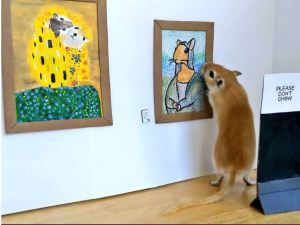
Do gerbils appreciate art? I don’t know, but I stumbled across this article about some art lovers who decided to find out. By all accounts, the gerbils had a positive experience with their private tour! And I hope you do too.
My favorite museum distraction is following the National Cowboy Museum on Twitter. Head of Security, Tim, has taken over their social media and has the best dad jokes around. Wonderfully refreshing and clever, Tim’s tweets bring a smile to my face every day – #HashtagTheCowboy. I can’t wait to find a reason to travel to Oklahoma City, OK and visit.
As the country continues to work from home, the Peabody collections team has gotten creative to keep everyone busy. Typically, our work requires touching and interacting with the objects in our collection as well as collaboration on deciphering difficult numbers or to respond to a research inquiry. I certainly can’t send the artifacts home with our staff, but we have been able to find plenty of remote work.
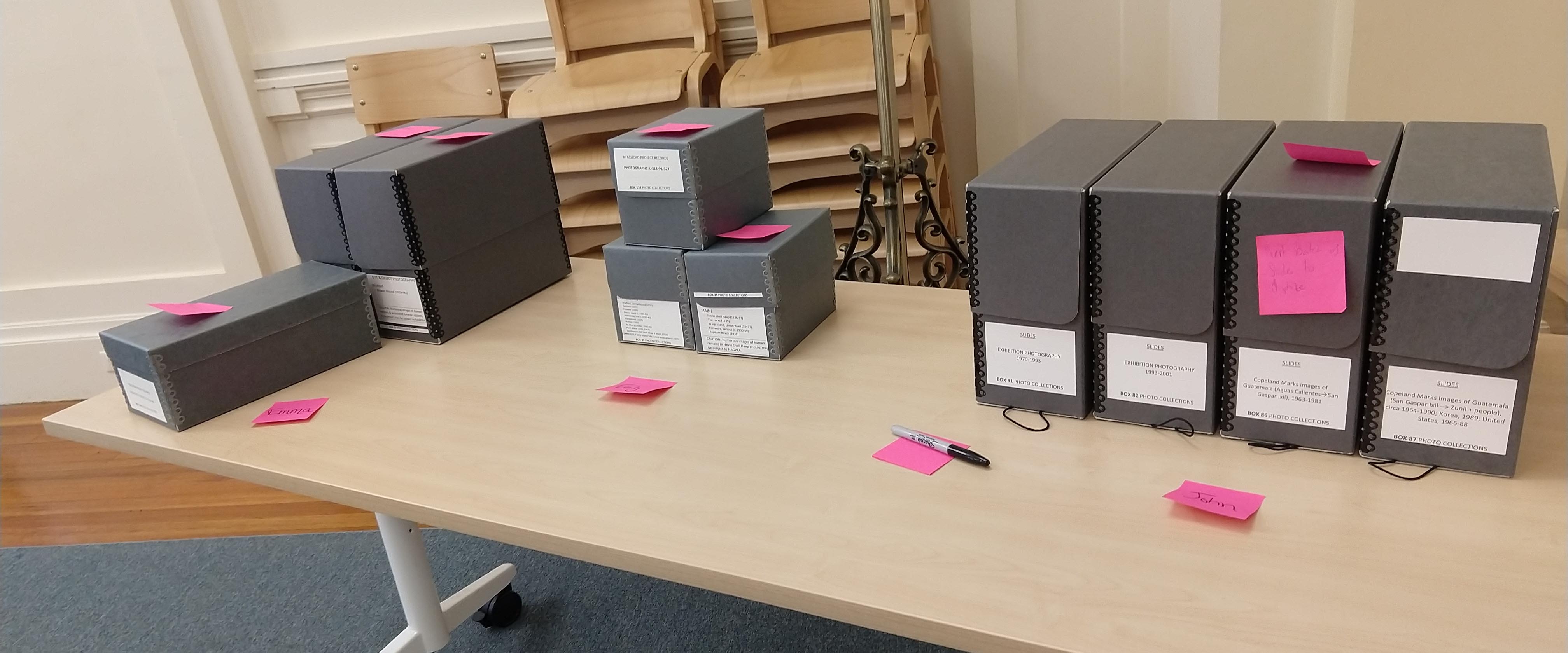
Boxes of photos and slides ready to go to their temporary homes
First, we attacked a backlog of paperwork relating to our pest management projects. Something that I thought would take months to catch-up on was done in a matter of days!
Second, supplies were split up and everyone signed out a few boxes of photographs to digitize from home. Many of them also created spreadsheets that will make for quick addition to our collections management database when we return. Once again, massive progress is being made on projects that have been sitting on the back-burner too long.
Digitizing slides one sheet at a time
Scanning photos from home
Several of us still share the responsibility of checking on the collections in person regularly and the system has been working wonderfully.
For me, like so many others, working from home has been a balancing act. I am caring for two kids under the age of 5 while my husband works a job that is considered essential. My work is squeezed into nap-time, evenings, early mornings with a cup of coffee, and some weekend time. We are all doing the best we can to support ourselves and our colleagues. I cannot thank the Peabody collections team – Rachel, John, Emily, and Emma – enough for their hard work and continued dedication to our mission.
If you have some time to kill, try checking out our collection online – I hope to have lots of new material uploaded when we return to our regular routine.
The Digital Resource Spotlight series will highlight a variety of heritage-based organizations that offer unique activities that educators and parents may want to explore. We hope that you find our compilations helpful as you navigate this new educational landscape.
The Florida Public Archaeology Network (FPAN) is a premier educational resource for educators looking to incorporate easy, hands-on activities. Many of their lessons can easily be restructured to fit the current online learning model that many private and public schools are adapting to. They are also clear and straightforward, which makes them a perfect tool for the numerous parents who are finding themselves suddenly acting as their children’s teacher.
Their 130 page guide Beyond Artifacts is a trove of useful lesson plans that could readily be duplicated in a students home, with online guidance from the teacher. Want to study archaeology during lunch? They have a Peanut butter and Jelly Excavation lunch, which can even be followed up by a cookie excavation. YUM!!!!
In addition to the broad archaeology lessons they also offer more topical ones focused on prehistoric, historic, and underwater archaeology.
One of my favorite lessons that they ha is one called Stone Silent. It allows student to collect demographic data from a local cemetery. This is a perfect lesson as it will help everyone to get outside (which we all desperately need) while still practicing social distancing since there are probably not many people wandering cemeteries for fun right now.
FPAN has many other resources to offer, so be sure to check out all of them here.
The Centers for Disease Control and Prevention (CDC) issued guidelines to limit the spread of COVID-19, also known as the coronavirus. One recommendation included in these guidelines was for “social distancing” – a term referring to the conscious effort to reduce close contact between people and hopefully hinder the community transmission of the virus.
While schools, companies, and various workplaces determine the best possible options to both adhere to these guidelines as well as provide the appropriate support to their staff, students, and customers – many have chosen to close their doors. Some institutions and companies have shut down indefinitely, while various schools and universities have moved to remote teaching, where students complete their classes online and stay at home. Universities and colleges all over the country have moved courses to online platforms. Undergrads are being told to move out of their dorms and off campus for the remainder of the semester.
Phillips Academy (PA), a New England boarding school and the Peabody’s parent institution has instituted similar measures, following the directives issued by Massachusetts Governor Charlie Baker.
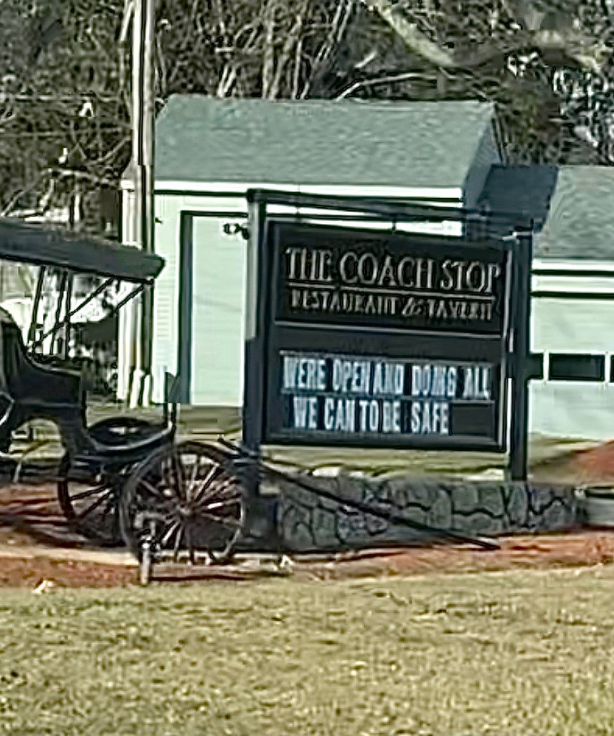
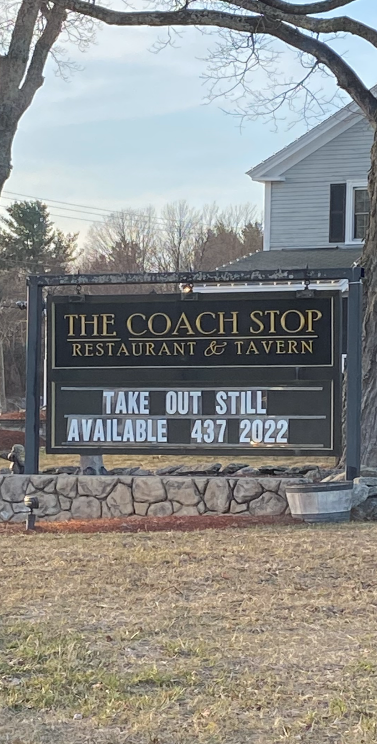
A local restaurant closes their doors in light of “on-site eating” bans over COVID-19
Now many would say they like working from home and actually get more done, but it is not the case for everyone. The Peabody staff are doing what they can to continue their museum work from home. For the Peabody collections team, it is very difficult to continue much of the work they do every day at the institution, as much of the collections and material cannot leave the building. While inventory, rehousing, and cataloguing of the collection is put on hold, our staff is editing object photographs, digitizing documents, transcribing collection ledgers, writing blogs (like this one), and more.
My dog, Rourke, is very happy to have me working from home!
Outside of my remote-work, I am wondering like many others who are stuck at home – what else can I do with the rest of my week? By being at home, we miss out on the daily interactions with our coworkers, colleagues, and classmates. Our experiences with each other fuel our creativity and critical thinking, and are important for much needed collaborative efforts. Through “social distancing” we are recommended to not take part in every day, public activities such as eating out, going to the store, or visiting a museum or historical site with our friends and family.
But don’t let social distancing doom your week and weekend! Museums have found a way to bring some of their collections to their visitors. So worry no more! You can view that Van Gough from the couch!
I was happy to enjoy a little culture and education in my off-time while at home. According to Fast Company, Google Arts & Culture has teamed up with over 500 museums and galleries around the world to bring virtual tours and online exhibits to a global audience.
Some of the museums highlighted by Google Arts & Culture include the British Museum in London, the National Gallery of Art in Washington, D.C., the Musée d’Orsay in Paris, France, the National Museum of Anthropology in Mexico City, Mexico, and various historical parks and sites.
Design of the Musée d’Orsay in 1979 Image courtesy of A.C.T. Architecture and the Musée d’Orsay
The first museum I “visited” was the Musée d’Orsay in Paris, France. As a student, I had visited this museum on a class trip many years ago and I was interested in the exhibits they provided online. This exhibit was a detailed history on the building of the museum titled, From Station to the Renovated Musée d’Orsay. This endeavor was a groundbreaking project for Paris as it was the first time an industrial building had been restored to accommodate a major museum. The virtual exhibit showcases the early building plans and images of the Orsay train station and hotel from the 1900s as well as images of the museum and its galleries after the renovation project in the early 2000s. Explore this virtual exhibit here!
I visited a second virtual exhibition, this time, at the National Gallery of Art in Washington, D.C. The exhibition is called, Fashioning a Nation. This exhibit features drawings from the Index of American Design, a collection of more than 18,000 watercolor pictures of American decorative art objects. This exhibition explores the American fashions from 1740 to 1895, giving insight into the character and quality of American life from the colonial period to the Industrial Revolution. Click here to explore this exhibit!
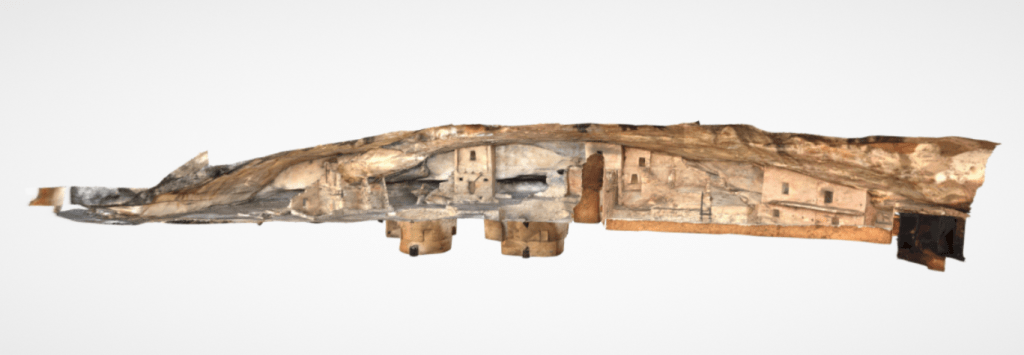
3D model of the Balcony House at Mesa Verde National Park Image courtesy of CyArk and Open Heritage – Google Arts & Culture
If museums aren’t your thing, explore a historic site!Open Heritage – Google Arts & Culture offers iconic locations in 3D, using 3D modeling techniques for you to explore. You can learn about the tools of digital preservation and how people all over the world are preserving our shared history. One site I visited was the Mesa Verde National Park. This site is home to Native American cliff dwellings in southern Colorado that span over 700 years of Native American history (600-1300 CE). An expedition was led by CyArk in February 2017. CyArk is a nonprofit organization that specializes in the digital documentation and preservation of historic sites. The organization documented the Balcony House at Mesa Verde using Light Detection and Ranging (LIDAR) and terrestrial photogrammetry. Combining these two technologies is what creates the 3D model of a site. To explore the 3D model of the Balcony House at Mesa Verde, click here!
Unfortunately, not all popular museums and galleries are included on Google Arts & Culture’s collection website, but some museums are offering virtual tours and online visits on their own websites, such as the Louvre in Paris, France. To see more of Google Arts & Culture’s collection of virtual museums and exhibits, visit their collection website. Explore and enjoy your visit!
We have had a tremendous interest in our old storage drawers in the last few months. As collections were rehoused in new cartons, we were able to give away over 100 drawers!
Our last blog featured drawers that underwent cosmetic changes, such as being repainted and stained as well as drawers repurposed into storage, furniture, and a jewelry organizer. You can see these projects here.
We are pleased to share that the Peabody Collection Team has reached their end-of-year goal in rehousing and inventorying 1,444 wooden drawers, which is about 67% of the Peabody’s collection. This means staff is about two-thirds of the way through the entire inventory of the Peabody’s collections!
The vast majority of the old drawers have now found new homes and purposes with many friends of the Peabody. We not only thank you all for your interest and for taking these drawers, but for giving these drawers a new life.
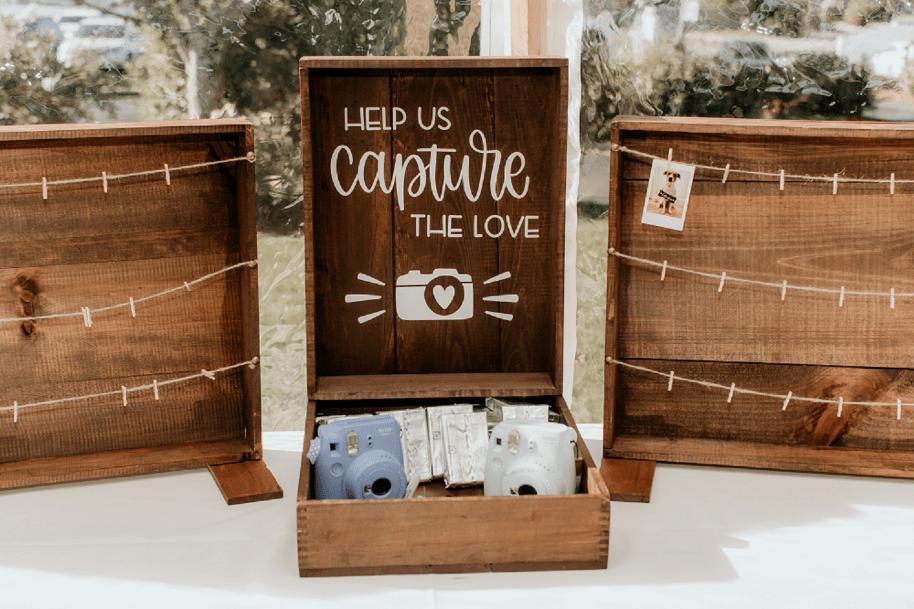
This month’s feature of drawers covers projects both big and small. Our first feature uses the drawers as wedding decorations, creating a photo capture area for guests to take photos and leave a message for the celebrating couple.
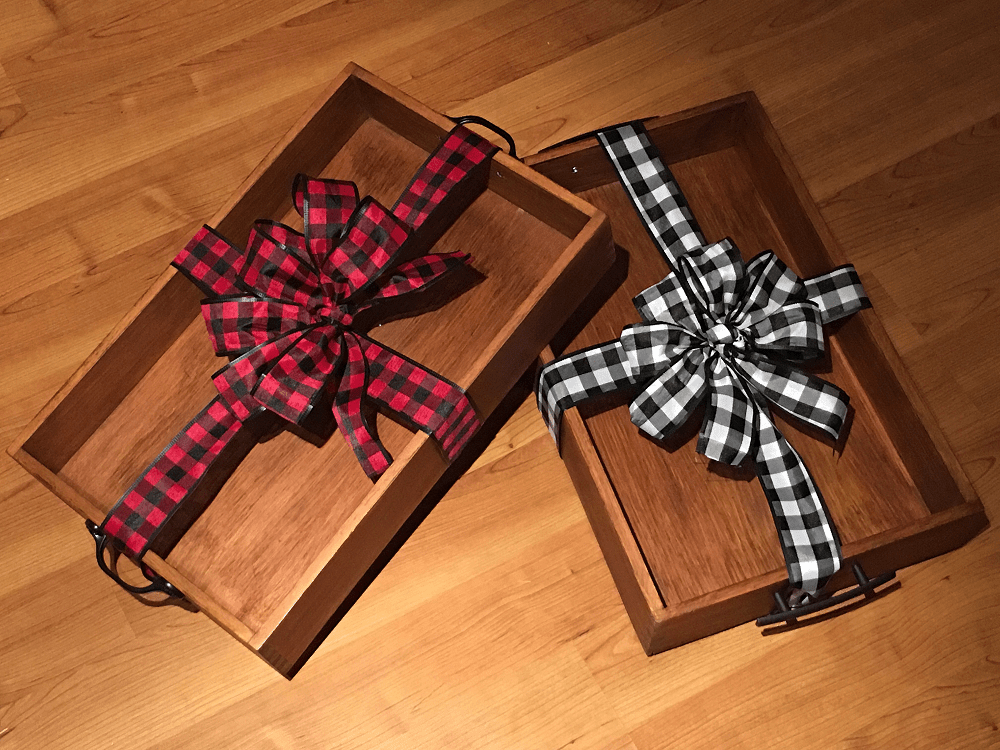
Another project is tea trays – a great DIY gift idea for family and friends this holiday season!
An example of one of the larger-scale projects for these drawers is a studio storage wall. This unique idea is fashionable as it is functional – doubling as both a storage space and accent wall for this home studio.
We have also received a lot of interest and support from our fellow Phillips Academy faculty and staff. Some of our wooden drawers have been used for material at the new Maker’s Space for students at the Oliver Wendell Holmes Library on campus. Keep an eye out for our next blog update showcasing more of these drawer projects! If you have repurposed some of the Peabody drawers, we would love to see your creations! Please share your photos with us at elavoie@andover.edu.