Our 2025 Peabody Picks: The Books (and Pods) of Summer

Contributed by Emma Lavoie

All work and no play makes Robert S. Peabody a dull boy!

As much as our staff and volunteers love digging deep into research and academic writings, we do love a good book or podcast! As summer descends upon us, prepare yourselves for another installment of our Peabody Picks summer list!

Book Recommendations

A Council of Dolls by Mona Susan Power
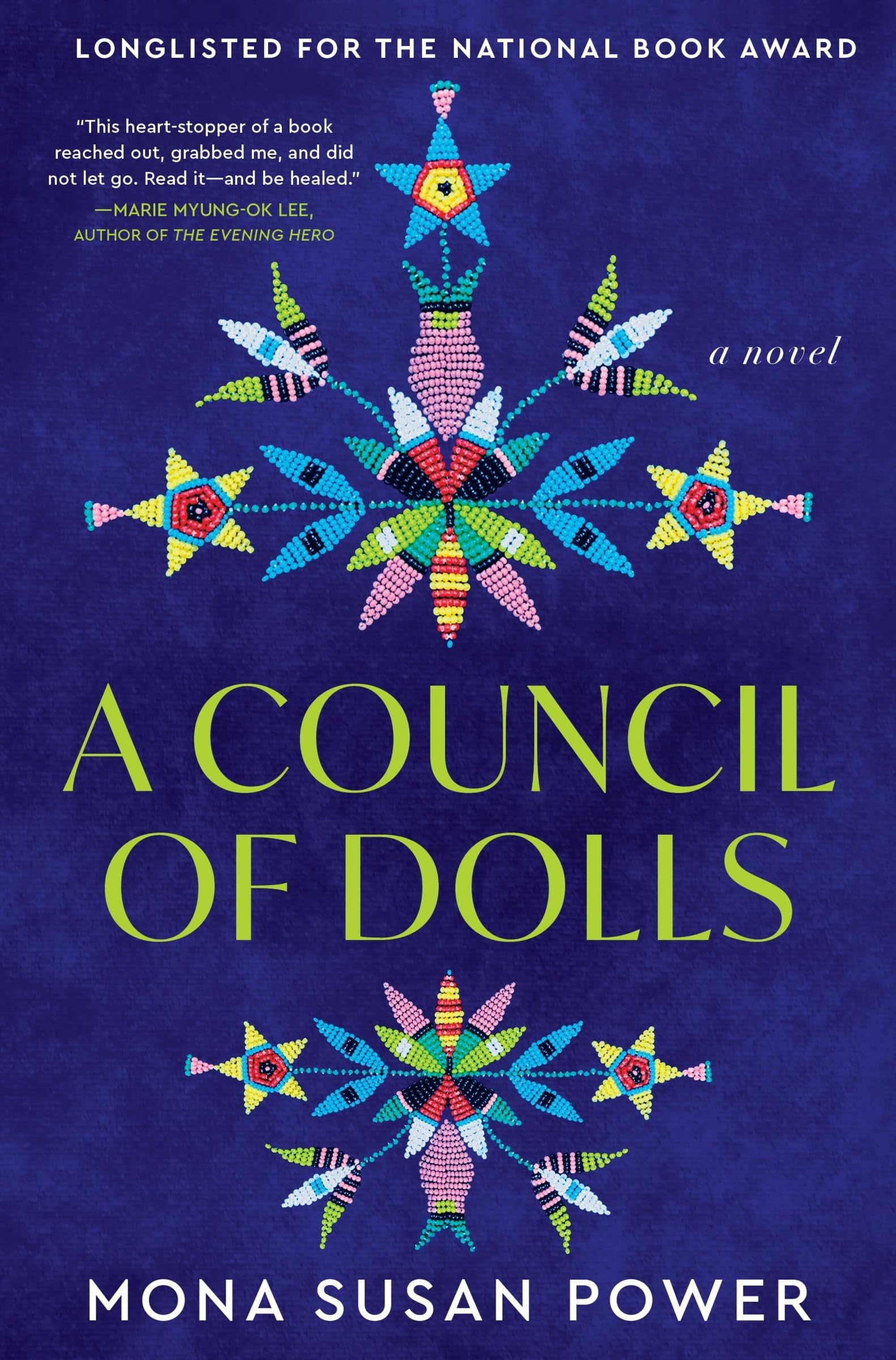
Genre: Historical Fiction

A Council of Dolls is a 2023 historical fiction family saga novel about multiple generations of Yanktonai Dakota women grappling with the effects of settler colonialism, told partially through the point of view of their dolls.

A modern masterpiece, A Council of Dolls is gorgeous, quietly devastating, and ultimately hopeful, shining a light on the echoing damage wrought by Indian boarding schools, and the historical massacres of Indigenous people. With stunning prose, Mona Susan Power weaves a spell of love and healing that comes alive on the page.

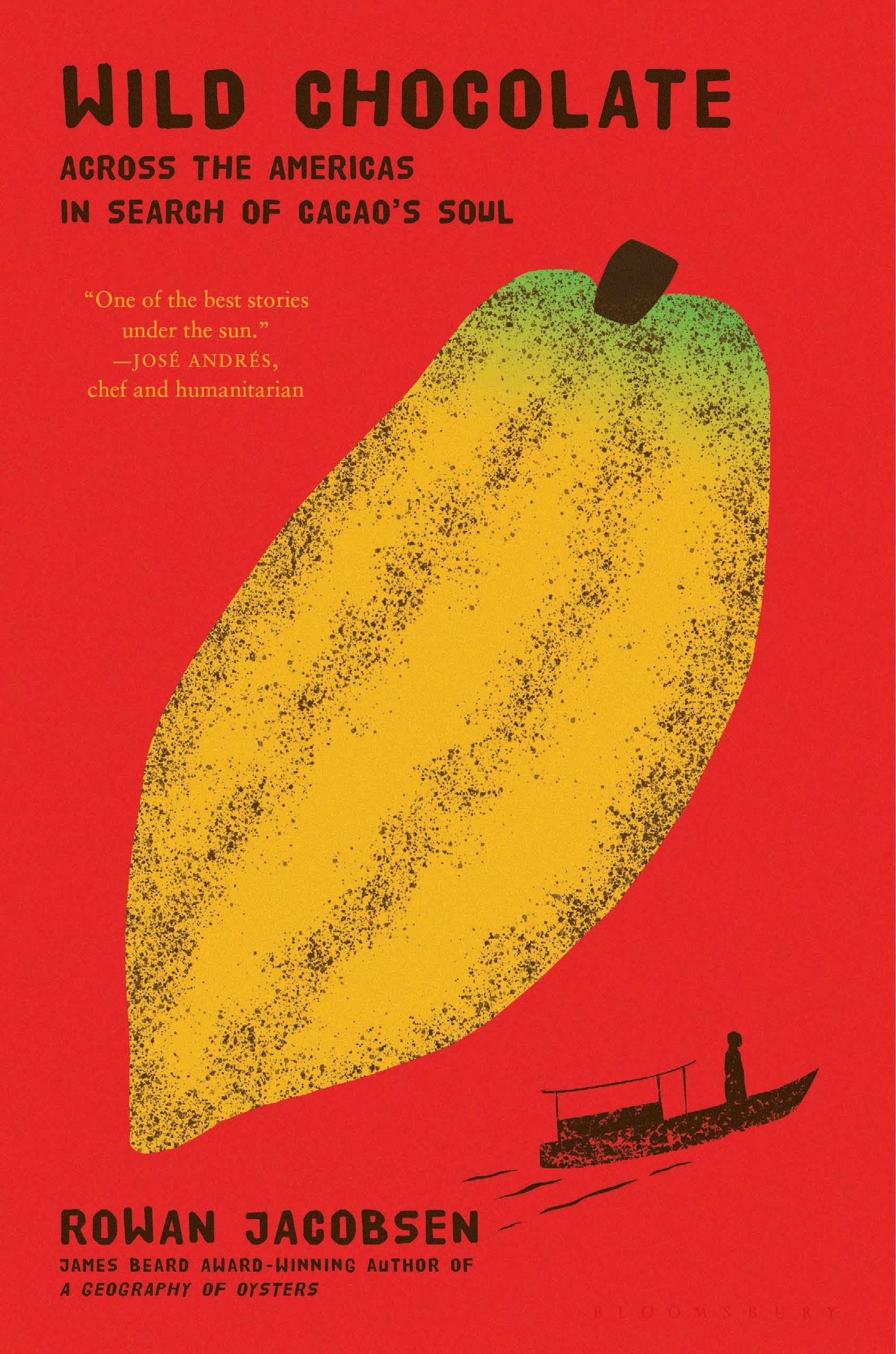
Wild Chocolate: Across the Americas in Search of Cacao’s Soul

by Rowan Jacobsen
Genre: Nonfiction

From James Beard Award-winner Rowan Jacobsen, the thrilling story of the farmers, activists, and chocolate makers fighting all odds to revive ancient cacao and produce the world’s finest bar.

When Rowan Jacobsen first heard of a chocolate bar made entirely from wild Bolivian cacao, he was skeptical. The waxy mass-market chocolate of his childhood had left him indifferent to it, and most experts believed wild cacao had disappeared from the rainforest centuries ago. But one dazzling bite of Cru Sauvage was all it took. Chasing chocolate down the supply chain and back through history, Jacobsen travels the rainforests of the Amazon and Central America to find the chocolate makers, activists, and indigenous leaders who are bucking the system that long ago abandoned wild and heirloom cacao in favor of high-yield, low-flavor varietals preferred by Big Chocolate.

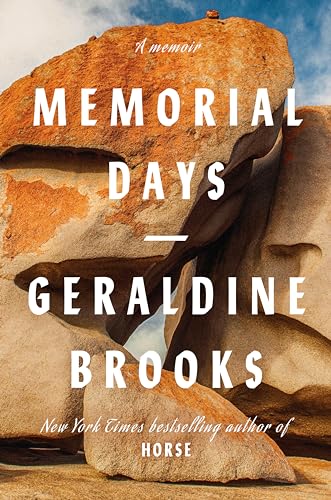
Memorial Days by Geraldine Brooks
Genre: Memoir, Nonfiction

Many cultural and religious traditions expect those who are grieving to step away from the world. In contemporary life, we are more often met with red tape and to-do lists. This is exactly what happened to Geraldine Brooks when her partner of more than three decades, Tony Horwitz – just sixty years old and, to her knowledge, vigorous and healthy – collapsed and died on a Washington, D. C. sidewalk on Memorial Day 2019. The demands were immediate and many. Without space to grieve, the sudden loss became a yawning gulf.

Three years later, she booked a flight to a remote island off the coast of Australia with the intention of finally giving herself the time to mourn. In a shack on a pristine, rugged coast she often went days without seeing another person. There, she pondered the varied ways those of other cultures grieve, such as the people of Australia’s First Nations, the Balinese, and the Iranian Shiites, and what rituals of her own might help to rebuild a life around the void of Tony’s death.

A spare and profoundly moving memoir that joins the classics of the genre, Memorial Days is a portrait of a larger-than-life man and a timeless love between souls that exquisitely captures the joy, agony, and mystery of life.

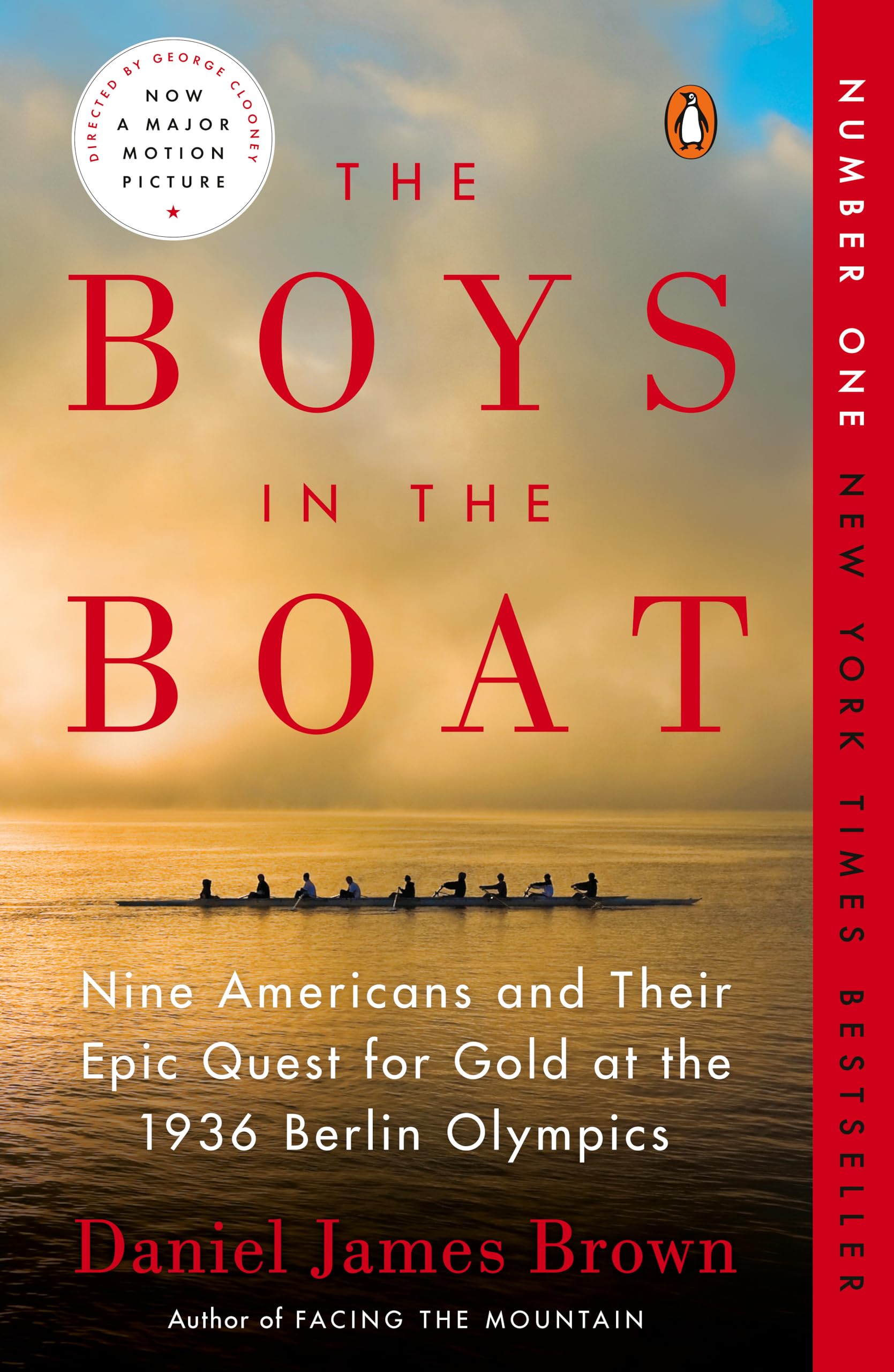
The Boys in the Boat by Daniel James Brown
Genre: Nonfiction

For readers of Unbroken, out of the depths of the Depression comes an irresistible story about beating the odds and finding hope in the most desperate of times—the improbable, intimate account of how nine working-class boys from the American West showed the world at the 1936 Olympics in Berlin what true grit really meant.

It was an unlikely quest from the start. With a team composed of the sons of loggers, shipyard workers, and farmers, the University of Washington’s eight-oar crew team was never expected to defeat the elite teams of the East Coast and Great Britain, yet they did, going on to shock the world by defeating the German team rowing for Adolf Hitler. The emotional heart of the tale lies with Joe Rantz, a teenager without family or prospects, who rows not only to regain his shattered self-regard but also to find a real place for himself in the world. Drawing on the boys’ own journals and vivid memories of a once-in-a-lifetime shared dream, Brown has created an unforgettable portrait of an era, a celebration of a remarkable achievement, and a chronicle of one extraordinary young man’s personal quest.

Every Man for Himself and God Against All: A Memoir

by Werner Herzog and Michael Hofmann (Translator)

Genre: Memoir, Biography

Werner Herzog was born in September 1942 in Munich, Germany, at a turning point in the Second World War. Until age 11, Herzog did not even know of the existence of cinema. His interest in films began at age 15, but since no one was willing to finance them, he worked the night shift as a welder in a steel factory. He started to travel on foot. He made his first phone call at age 17, and his first film in 1961 at age 19. The wildly productive working life that followed—spanning the seven continents and encompassing both documentary and fiction—was an adventure as grand and otherworldly as any depicted in his many classic films.

Every Man for Himself and God Against All is at once a personal record of one of the great and self-invented lives of our time, and a singular literary masterpiece that will enthrall fans old and new alike. In a hypnotic swirl of memory, Herzog untangles and relives his most important experiences and inspirations, telling his story for the first and only time.

The Art Thief by Michael Finkel

Genre: Nonfiction, True Crime

One of the most remarkable true-crime narratives of the twenty-first the story of the world’s most prolific art thief, Stéphane Breitwieser.

In The Art Thief, Michael Finkel brings us into Breitwieser’s strange and fascinating world. Unlike most thieves, Breitwieser never stole for money. Instead, he displayed all his treasures in a pair of secret rooms where he could admire them to his heart’s content. Possessed of a remarkable athleticism and an innate ability to circumvent practically any security system, Breitwieser managed to pull off a breathtaking number of audacious thefts. Carrying out more than two hundred heists over nearly eight years—in museums and cathedrals all over Europe—Breitwieser, along with his girlfriend who worked as his lookout, stole more than three hundred objects, until it all fell apart in spectacular fashion.

My Effin’ Life by Geddy Lee

Genre: Memoir, Biography

Geddy Lee is one of rock and roll’s most respected bassists. For nearly five decades, his playing and work as co-writer, vocalist and keyboardist has been an essential part of the success story of Canadian progressive rock trio Rush.

Long before Rush accumulated more consecutive gold and platinum records than any rock band after the Beatles and the Rolling Stones, before the seven Grammy nominations or the countless electrifying live performances across the globe, Geddy Lee was Gershon Eliezer Weinrib, after his grandfather murdered in the Holocaust. As he recounts the transformation, Lee looks back on his family, in particular his loving parents and their horrific experiences as teenagers during World War II. He talks candidly about his childhood and the pursuit of music that led him to drop out of high school. He tracks the history of Rush which, after early struggles, exploded into one of the most beloved bands of all time. He shares intimate stories of his lifelong friendships with bandmates Alex Lifeson and Neil Peart—deeply mourning Peart’s recent passing—and reveals his obsessions in music and beyond. This rich brew of honesty, humor, and loss makes for a uniquely poignant memoir.

Whale Fall by Elizabeth O’Conner

Genre: Historical Fiction

In 1938, a dead whale washes up on the shores of remote Welsh island. For Manod, who has spent her whole life on the island, it feels like both a portent of doom and a symbol of what may lie beyond the island’s shores. Manod can’t shake her welling desire to explore life beyond the beautiful yet blisteringly harsh islands that her hardscrabble family has called home for generations.

The arrival of two English ethnographers who hope to study the island culture, then, feels like a boon to her—both a glimpse of life outside her community and a means of escape. The longer the ethnographers stay, the more she feels herself pulled towards them, despite her misgivings that her community is being misconstrued and exoticized.

With shimmering prose tempered by sharp wit, Whale Fall tells the story of what happens when one person’s ambitions threaten the fabric of a community, and what can happen when they are realized. O’Connor paints a portrait of a community and a woman on the precipice, forced to confront an outside world that seems to be closing in on them.

Podcast Recommendations

Our Ancestors Were Messy, Hosted by Nichole Hill (Coco Hill Productions)
Genre: History

Our Ancestors Were Messy, is a podcast covering the gossip, scandals, and pop culture that made headlines in the Black newspapers of segregated communities during the pre-Civil Rights era. On each episode, host Nichole Hill and her guests follow the story of an ancestor in search of opportunity, adventure, love, and a way to beat Jim Crow. Hill and her guests learn the mess – and eventual history – their ancestors make along the way.

“I could pretend that I like this podcast because it’s a way to learn about Black history in a way that goes beyond standard narratives of victimization or individual exceptionalism. The stories it tells allow people to be people, with all the messiness and drama and pop culture of their everyday lives in the pre-Civil Rights era. But really I love this podcast because it is just great gossip. Why you trying to make me learn in my free time??” – Lainie Schultz, Peabody Staff

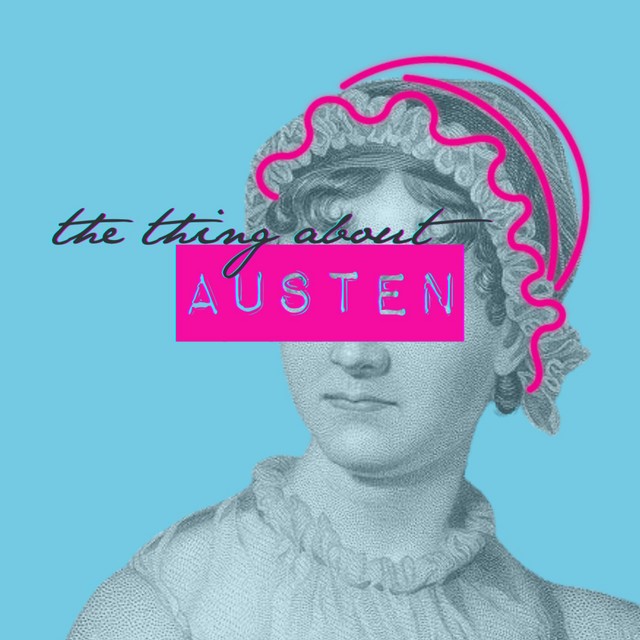
The Thing About Austen, Hosted by Diane Kimneu and Zan Cammack
Genre: History

The Thing About Austen is a podcast about Jane Austen’s world — the people, objects, and culture that shape Austen’s fiction. Come for the historical context and stay for the literary shenanigans. Think of us as your somewhat cheeky tour guides to the life and times of Jane Austen.

“Two professors of literature talk about the material culture in Austen’s stories and their significance to societal culture during the Georgian and Regency eras. From Mr. Darcy’s portrait in Pride and Prejudice to the homemade alphabet in Emma and Captain Wentworth’s umbrella in Persuasion – there are so many interesting stories and histories to unpack from the items detailed in Jane Austen’s stories. Some of my favorite episodes are #83 The thing about the Ha-Ha and #52 The thing about Bath’s Baths (per their recommendation, I did try the hot spring water in the Roman Baths on a recent visit… the taste, not so great, but the experience, 5 stars!) – Emma Lavoie, Peabody Staff

Buried Bones, Hosted by Kate Winkler Dawson and Paul Holes

Genre: Historical True Crime

Buried Bones dissects some of history’s most dramatic true crime cases from centuries ago. Together, journalist Kate Winkler Dawson and retired investigator Paul Holes explore these very old cases through a 21st century lens.

“I have been a fan of Buried Bones for a few years now.  Each episode is a dive into a homicide in the past that is explored simultaneously by a journalist/historian (Kate) and a retired forensic investigator (Paul).  I really enjoy the blend of history and scientific analysis as the two hosts discuss the crime.  Kate deftly narrates the historical event while Paul provides a reasoned analysis from a modern forensic science perspective.  I always learn something!” – Marla Taylor, Peabody Staff

Salem The Podcast, Hosted by Sarah Black and Jeffrey Lilley

Genre: History

Welcome to Salem, Massachusetts! Join tour guides Jeffrey Lilley and Sarah Black as they talk all things Witch City. Learn its history, meet its people, and discover the magic.

“This podcast goes beyond the history of the Salem Witch Trials and explores the vast history of Salem and the people who live there. What does a drunk elephant, haunted pepper, a witch solving a murder, and tunnels (IYKYK) all have in common? They all relate back to Salem! This podcast has everything you need to know for your next trip to the Witch City. I personally love the episode interviews with current business owners in Salem.” – Emma, Peabody Staff
Peabody Volunteer Spotlight: Meet Richard

Contributed by Richard Davis

Almost five years ago, I began volunteering at the Peabody Institute. I remember speaking with Peabody Curator of Collections, Marla Taylor, one evening after an evening presentation there and, as they say, the rest is history. In my time there, I think I’ve seen every possible iteration of projectile point imaginable – and there have been many – but what resonates most for me are the stories behind almost every object I’ve handled.

The museum has an important collection of approximately 600,000 objects essentially from North, Central, and South America. It is unlikely that I’ll get to see or work with every one. So far, I have helped catalog 12,000 year old bones from a cave in Peru where South American agriculture is believed to have started, reshelved a couple of dozen hominid skull casts, been taught the rudiments of differentiating mere stones from artifacts that were used for a myriad of tasks, and more.

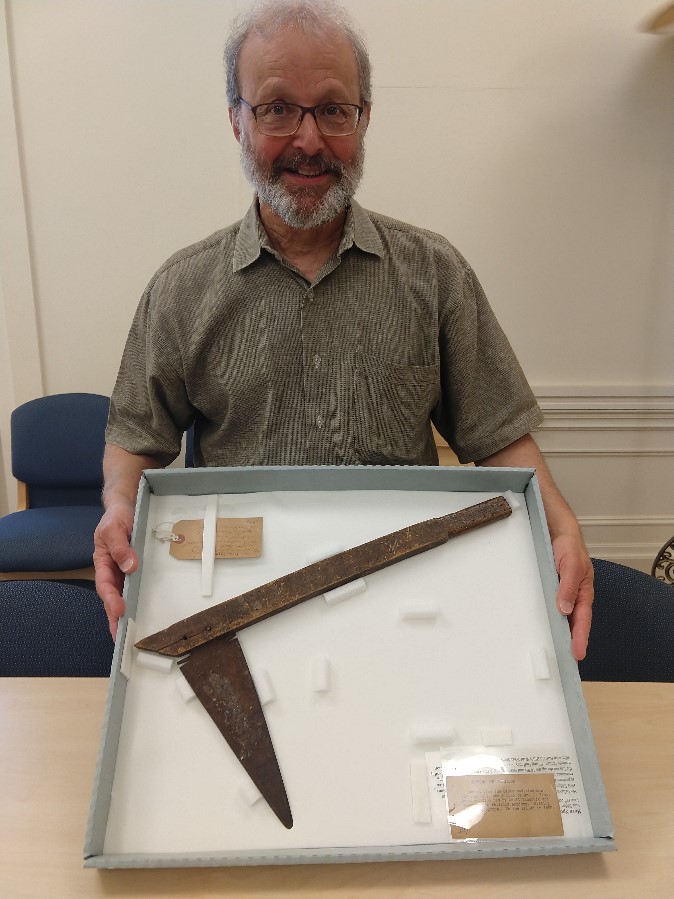
How I ended up there is a longer story, but on one of several tours, a tomahawk that was found after the Battle of Little Big Horn was shown to me. It was made from a table leg and a piece of metal from another object that was pounded into its newer, more lethal form. My son thought that was pretty compelling and asked for a photo of me with that object – the museum and I willingly complied.

Peabody Volunteer, Richard, with a tomahawk from the Battle of Little Big Horn.

I recently was examining an object that I couldn’t identify – as with many things my neophyte status should suggest – and I asked my ‘boss’ what it might be. You need to understand that the folks at the museum have seen and handled many such objects, so when they get excited by one, I figure it has some particular traction. Marla said – “Oh – that’s really cool,” so I paid close attention.

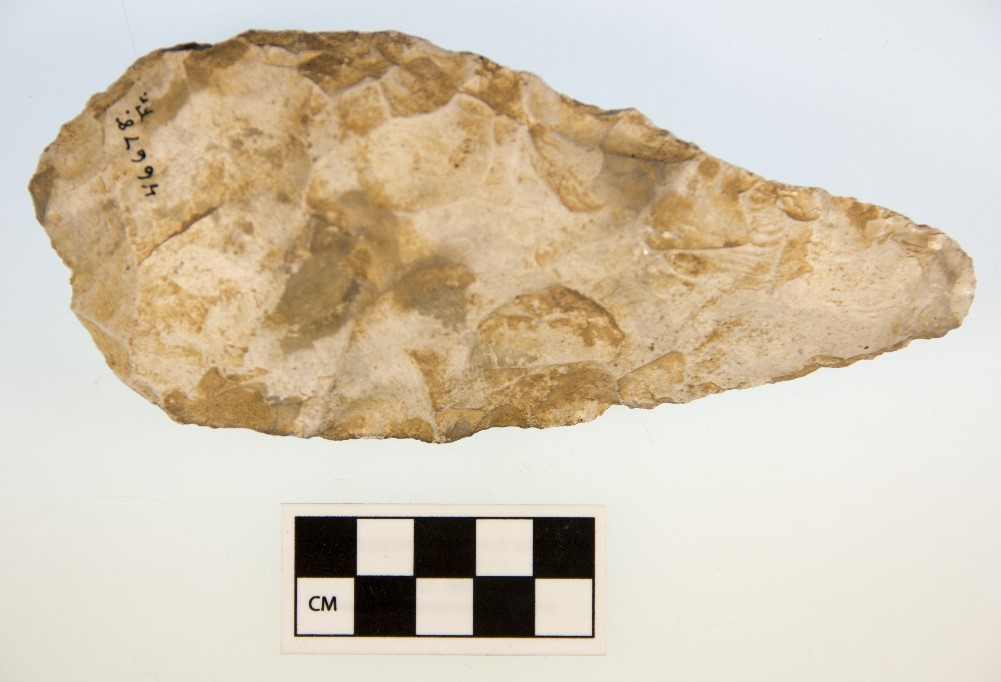
She said that it was made of flint – it was both very fine grained and smooth, except for some obvious flakes that had seemed to have been worked by somebody – something. Further, she said she knew that it came from a particular region in France and proceeded to pull up a Google search that clearly matched the object I held – a stone hand axe. So far, so good.

Next to the photo and a map were the characters ‘1MYA’ – which, I had to ask about. They, of course, meant 1 Million Years Ago. So – in my hand, I held a hand axe from France that was picked up, engineered, and used by somebody, something about one million years ago!

A stone hand axe from France, circa 1 Million Years Ago.

I went home and found myself puzzling over the object and its age. I can’t keep straight Homo sapiens, Australopithecus, Neanderthal, or any of those beings and ages, but I felt pretty sure that Homo sapiens didn’t go back that far. And after e-mailing Marla the next day, I was assured that indeed, it wasn’t of Homo sapiens origin – it was Home erectus – dating back to that 1MYA descriptor.

So – in short, I’ve had the privilege – for it is that – of holding an object, made by an ancient being for whatever purpose he or she felt necessary. I’m assuming that they weren’t thinking that it would be cool if it ended up in museum someday. They were using it to be sure they ate that night and survived long enough, so that we H. sapiens would have a go in their future.

So – long story short – it’s pretty much not only educational and worthwhile, but lots of fun volunteering at the Peabody.

After five years, I continue to enjoy and feel productive with my time at the Peabody – enmeshed with interesting objects with compelling stories, but more importantly with an amazing group of staff, colleagues, and friends. To a one, they are intelligent, patient (no job need be done in haste or unsafely), generous in both time and knowledge, and tolerant of my quirky humor and often bad puns. It doesn’t get any better.

Beyond Work Duty

Contributed by Peabody Student Volunteer, Anthony Chung Yin Woo

In the fall term of tenth grade, I first joined the Peabody as a work duty student before returning as a student volunteer during my upper senior year. Working at the Peabody has given me an in depth behind the scenes look into running a museum, exposing me to the challenges in caring for a collection. When participating in preparation works for the building renovation project last winter, I learned about some of the technical complexities that museum workers have to go through in order to responsibly safeguard the collection. Having had the great opportunity to attend the Peabody Board of Advisors meeting in the fall as a student representative, I was also exposed to some of the administrative complexities behind museum work.

A complete revamp of the basement area meant that we had to come up with creative solutions when it came to temporarily rehousing the collection within museum premises. Armed with a tape measure and a rough floor plan, we navigated all protruding columns and bulky built in radiators in the southern first floor gallery to mark up the approximate location for a separated temporary storage space with individual climate monitoring, while maintaining the required three foot hallway for access to the fire exit located at the back of the building. Additionally, previously underutilized spaces had to be optimized to fit in more durable, weather resistant objects, allowing me to foray into the expansive attic as I removed sawhorses and large glass tubes from the basement.

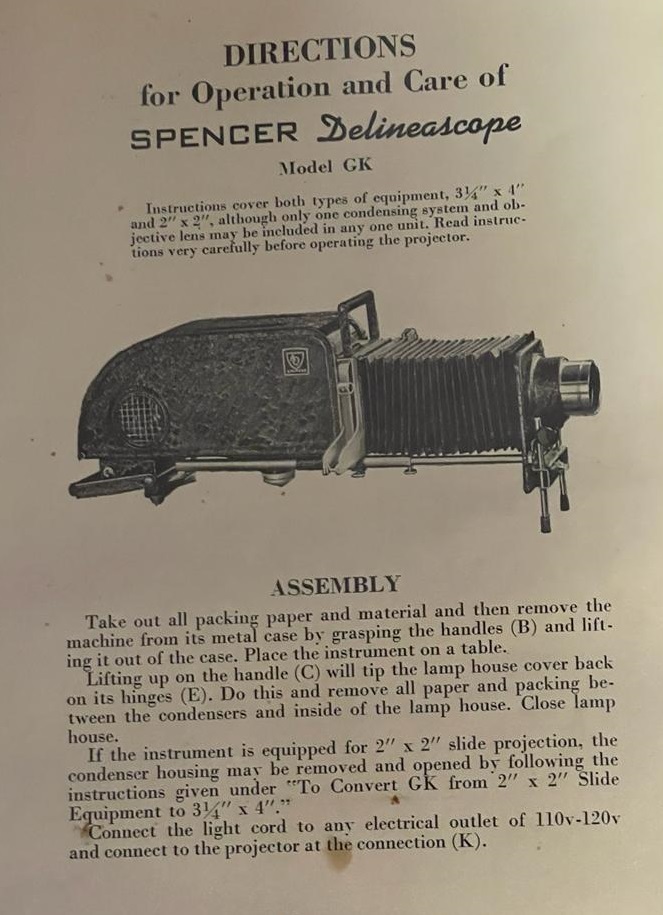
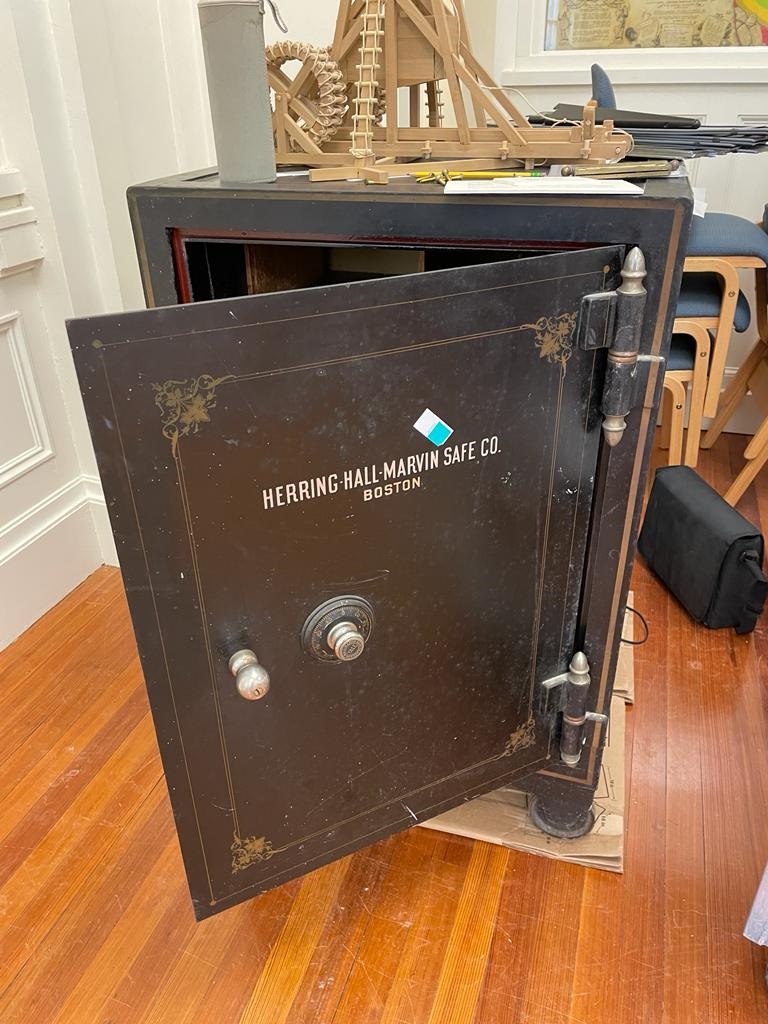
In spite of the physically and mentally draining task of completely clearing out the basement, moments of excitement rewarded me throughout the process. Under the empty wooden bays, for example, I found tiny matchboxes from the 1940s, cool items which alluded to the museum’s own history. A Spencer Delineascope, manufactured by Bell and Howell found in the basement, spoke to the great advancements made in projection technology since the 1930s, as the bulky object was moved slowly up the stairs. Only when it was removed from the little room under the stairs to the basement was when I could truly appreciate the size of the museum’s safe and its obsolescence in a time when the entire collection was kept behind locked doors.

Direction Booklet for the Peabody’s Delineascope
The Peabody’s old safe.

Learning about the 3D printed replicas of the intricate molding on the gallery ceilings also made me appreciate the museum as a historically significant space itself, allowing me to understand that preserving the space’s spirit through attention to detail was crucial even as the building is physically altered to facilitate better learning in the future through greater accessibility.

Attending the Peabody Advisory Committee meeting allowed me to better contextualize my work as a volunteer as I watched experts across disciplines partake in the collaborative process of museum governance. It was especially interesting for me to hear about the cross-institutional connections brought by Hopi artist Ramson Lomatewama, and I was particularly happy to share my experience at the communal fused-glass making workshop, which was enthusiastically attended by both faculty members and students. Going through items on the agenda, such as the adoption of a new mission statement, as well as the advisory board’s renaming (form the Peabody Advisory Committee to Peabody Board of Advisors), while less captivating than the discussion on the Peabody’s educational program and future student engagement opportunities, were nevertheless just as relevant to the student experience. As I look forward to returning to the updated building on Main Street in the winter, both as a student volunteer and as a member of this year’s Human Origins cohort, I am constantly reminded of the care demonstrated by the Peabody’s staff as well as the Peabody Board of Advisors towards the collection, the museum, and the greater community as a whole, manifested in the meticulous attention to word choice in the advisory board’s mission statement drafting process.

My fused glass piece before kiln firing.

Peabody Volunteer Spotlight: Meet Mike

Contributed by Mike Agostino

Hello, my name is Mike Agostino and I am a volunteer here at the Peabody Institute of Archeology. I am a recently retired scientist from the field of bioinformatics. My work in this field, for over 30 years, concerned the analysis of gene and protein sequences. I love the field so much that I am presently an instructor on the subject for the Harvard Extension School. I am also writing the second edition of a textbook I published on this topic more than 12 years ago.

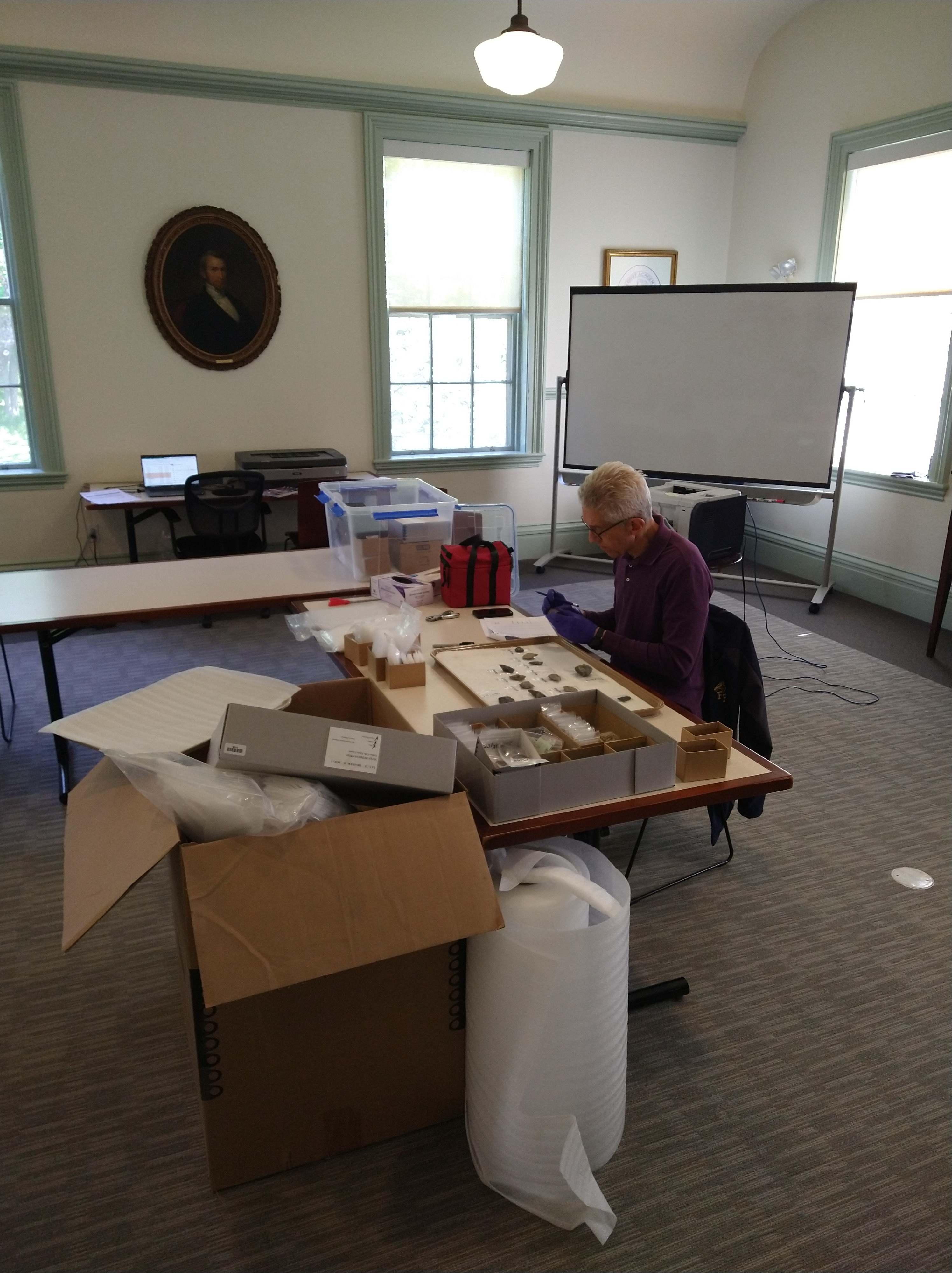
Peabody volunteer, Mike, analyzes various projectile points in the Peabody collection.

As a resident of Andover, I frequently went past the Peabody and often wondered what treasures it held. When a good friend, Richard Davis, said he volunteered here and told me about the work, I immediately wanted to join him. To say this is a dream come true is not an exaggeration. I have always been interested in archaeology and spent many years looking down on the ground for the artifacts people said were all around us. But I never found any! To work with and learn about dozens, if not hundreds of specimens each day is amazing. As I hold these objects in my hands, I try to imagine their history: was it careful fabrication by an adult expert, or was it made during a learning period of a youngster? Was it used to bring home a meal, build a boat or dwelling, or for the creation of clothes? Did it come from local stone, or did it travel many miles to be found at a new locale? My imagination is further enhanced or tempered by the kind and knowledgeable staff of the Peabody who are training and patiently helping me identify what is in my hand. I have only been at the Peabody for less than two years and there is so much to learn!

After years as a scientist, I feel right at home with my principal responsibilities: the careful handling, description, cataloging, and storage of the specimens. Attention to detail is absolutely required and very satisfying. We record their identities, or best guesses because many are just fragments. The intact specimens are something to behold. Some arrowheads or axes are impossibly beautiful, and the precision of shaping and symmetry with such a hard material is just astounding. The skills of the people, past and present, are just amazing.

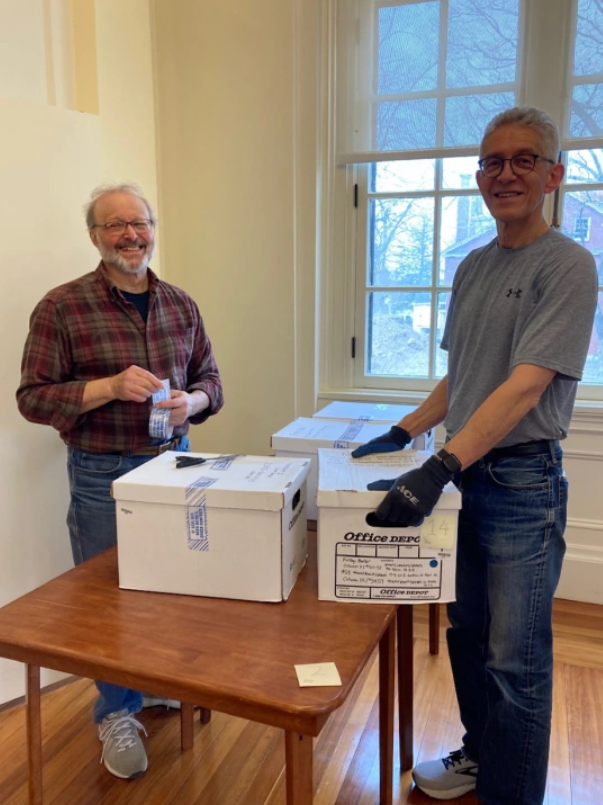
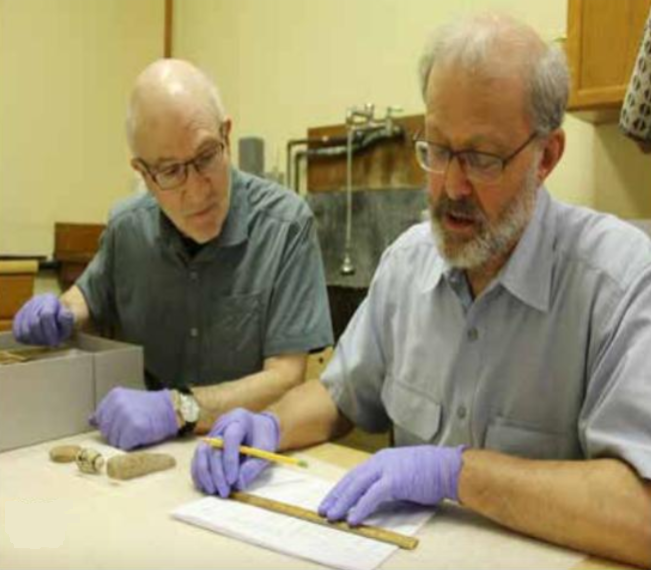
Peabody volunteers, Richard (left) and Mike (right), moving boxes for the Peabody’s building project.

I have also helped with activities associated with the huge renovation project of the building (for pictures and updates, see the blog postings by Marla Taylor). I am impressed with how everyone has remained calm considering hundreds of boxes, and specimens too large for boxes, had to be carefully moved up one or two floors from the basement to temporary locations elsewhere in the building. With the absence of an elevator, I helped move many boxes up the stairs out of harm’s way. My smart watch said I went up 80 flights of stairs one day! And I am only there one day a week, so the staff had a monumental challenge. We are now waiting for the renovations to be completed and then we will return the specimens to a much-improved setting. Even with the new elevator, reshelving hundreds of boxes won’t be easy, but I am looking forward to the project and the “new” institute.

Volunteers are back at the Peabody!

Contributed by John Bergman-McCool

If you’re keeping track of the progress of renovations occurring at our building, you know that construction started last month, and that we are in our new temporary office space on campus. If you aren’t up to date on the project, read these two blogs out to see the changes that have already occurred (here and here).

Last week our non-student volunteers returned to duty. They were on a two-month hiatus while we figured out what projects they could assist with in our new space. With a month of our stay at the Abbot campus behind us, we decided it was time for the volunteers to come back and help carry out inventory clean-up. While the surroundings have changed, Mike and Richard picked right up where they left off.

Volunteer Mike rehousing items for inventory clean-up.

If you are interested in volunteering at the Peabody, you can contact me at jbergmanmccool@andover.edu. Currently we have limited capacity, but when we are back in our building in the fall, we’ll have a lot more space and the big job of moving the collection into our newly redesigned collection space.

How things have changed: The ongoing relationship between the Peabody Institute and The Phillipian

Contributed by Adam Way

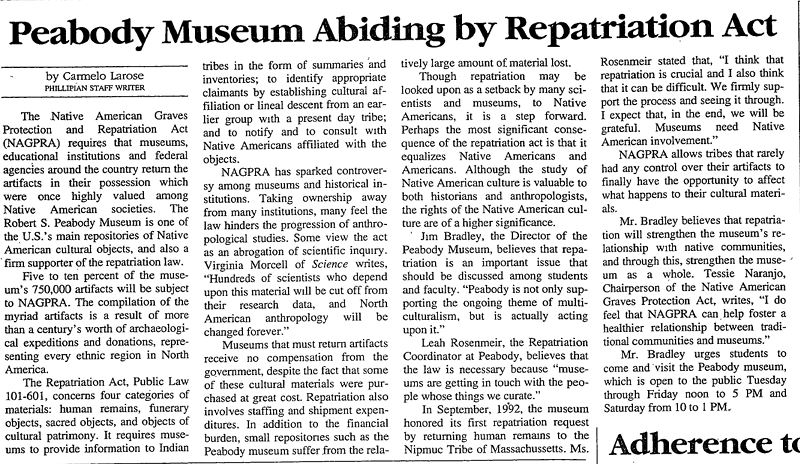
This blog is the culmination of work done by Independent Researcher/Volunteer Adam Way to explore how the Peabody Institute has been portrayed by Phillips Academy students in The Phillipian over the years. Adam shared two previous blog posts about his work (Combing Through the Phillipian and Combing Through The Phillipian: End of an Era) and recently completed the project. His final blog is a summary of what he learned.

 The relationship between The Phillipian and the Peabody Institute has existed since the Institute’s founding back in 1901, and while the strength of that relationship has waxed and waned, it has persisted nonetheless. During my time combing through over a century’s worth of The Phillipian issues, I have noticed a few substantial changes, mainly the amount of coverage that the Peabody Institute received, the type of coverage, and the student’s view of Peabody.

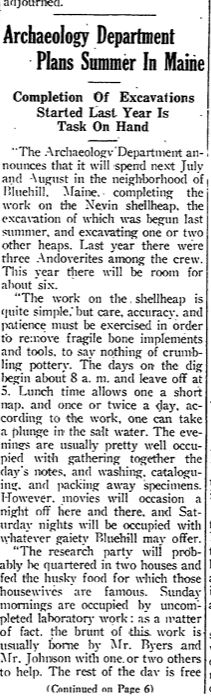
The first major difference that appears when looking through The Phillipian archives is that the number of times that the Peabody is addressed/mentioned decreases drastically towards the present. In 1910, the Peabody Institute, then the Department of Archaeology, was mentioned 153 times throughout the year, with the following years yielding similar results. A significant amount of the times that the Peabody Institute was mentioned in these early years can be attributed to the existence of extracurriculars that took place within the building. Events such as meetings of the Banjo or Drama clubs and other such student activities that took place in the Peabody make up a large portion of mentions, while the rest is composed of articles detailing the academic work and scholarship being conducted by the Institute.

April 15, 1916

The constant high volume of mentions during the early years of the Peabody Institute, unfortunately, do not last forever. It appears that the turning point was, more or less, when Warren K. Moorehead retired from his position as director and was replaced by Douglas Byers. While the overall number of yearly mentions had been on a steady decline since the beginning of the century, the number had remained relatively consistent and the articles were primarily focused on academic work and lectures at the Peabody Institute. This changed when Byers and curator Fred Johnson took over, as it appears that these two did not have as close of a relationship with the The Phillipian as Moorehead did. This trend continued, and arguably was exacerbated under Richard “Scotty” MacNeish. I believe that this divide can be attributed to a shift in focus from teaching in the classroom to fieldwork, as all three of these former directors placed a heavy emphasis on fieldwork, while there was a lack of a consistent archaeology and/or anthropology class during this period (with other factors playing into that decision like student interest). Luckily, in the time since MacNeish, the Peabody Institute has regained a stronger, and more frequent, presence in the The Phillipian.

April 3, 1937

The next major change that I noticed while conducting this research, was that the type of coverage that the Peabody received changed over the years. Initially, I noticed this change through the club announcements. As time went on, the number of clubs using the Peabody, or at least publishing that they were in The Phillipian, was declining. Nothing about this appeared to be out of the ordinary as clubs moved to other buildings and Peabody House was constructed for the purpose of holding social events and clubs. The part that seemed strange to me was when members of the Peabody staff and faculty would leave without a single mention of their departure and only a brief mention when their replacement had been found, as was the case with Dick Drennan in 1977. However, as time progressed, the type of coverage in this area also shifted. Not only was there an article detailing the departure of the previous director, Malinda Stafford Blustain, but there was a subsequent article about the hiring of her replacement, Ryan Wheeler. It appears that the relationship between the The Phillipian and the Peabody Institute is steadily returning to its former strength.

The last major change that I have noticed is the waxing and waning of student interest in the Peabody Institute over the years. As with the other two variables that changed over time, student interest seemed to peek early on before dropping drastically as time progressed. After Moorehead’s departure and the subsequent drop in attention received from The Phillipian, the Peabody became increasingly referred to as a “hidden gem” and “unused asset.” There were even pieces written as a joke that say a student died of boredom due to their visit to the Peabody. Pieces like these are written in good fun, however, it does highlight the disparity between how involved students once were and how involved they are now. As with the other two changes that I noticed, this too is changing for the better in recent years. While there are still joke articles, there are fewer instances where the Peabody is labeled as an “unused asset.” There appears to have been a positive reception of student travel programs in the recent past as well as current lectures and other programs offered by the Peabody Institute.

October 7, 1994

While my time combing through The Phillipian has come to a close, I am glad to see that the Robert S. Peabody Institute of Archaeology is making a resurgence within the paper. The records showed that the institution has been through some difficult times and yet has prevailed and is strengthening its place within the Academy and student life.

Retiring Volunteers

Contributed by Marla Taylor

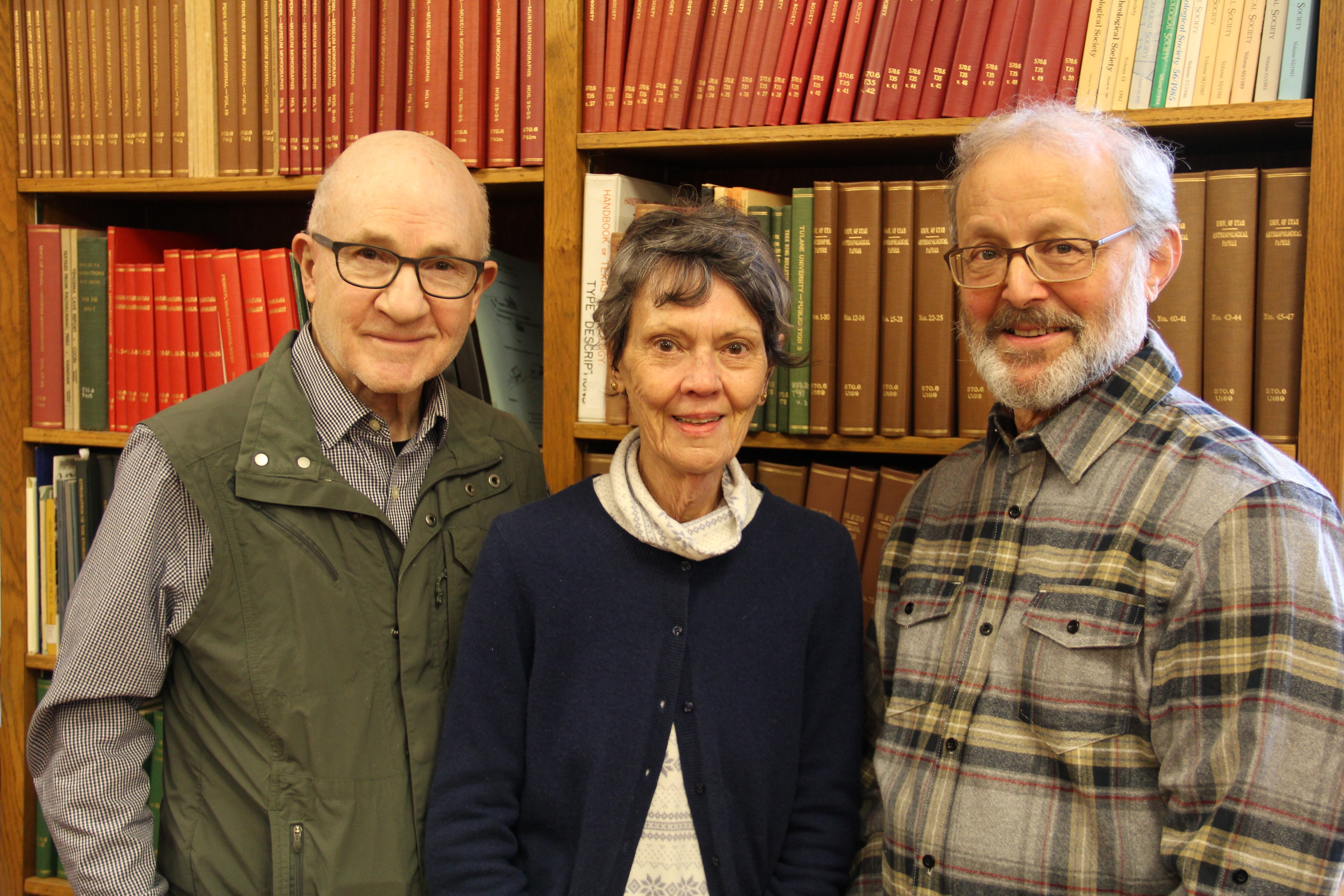
Museums are so often supported by behind-the-scenes volunteer labor and the Peabody Institute is no exception. Most of my fourteen years at the Peabody have been accompanied by two of the best volunteers you could ask for – Susan and Quinn Rosefsky.

Quinn is Phillips Academy class of 1959 and came to the Peabody for a reunion event in 2009 with his wife, Susan. There they met then director Malinda Blustain; offered their services as volunteers and have been with us ever since.

While a powerful team together, they often worked on separate projects. Quinn was a tireless force assisting with inventory of the collection. He became well versed in stone tool typology (well outside his previous career as a psychiatrist) and has never stopped learning. Quinn has also been a contributor to this blog with his perspective and thoughts on items in the collection. Here are some of my favorites that he has written:

Quinn (on left) hard at work

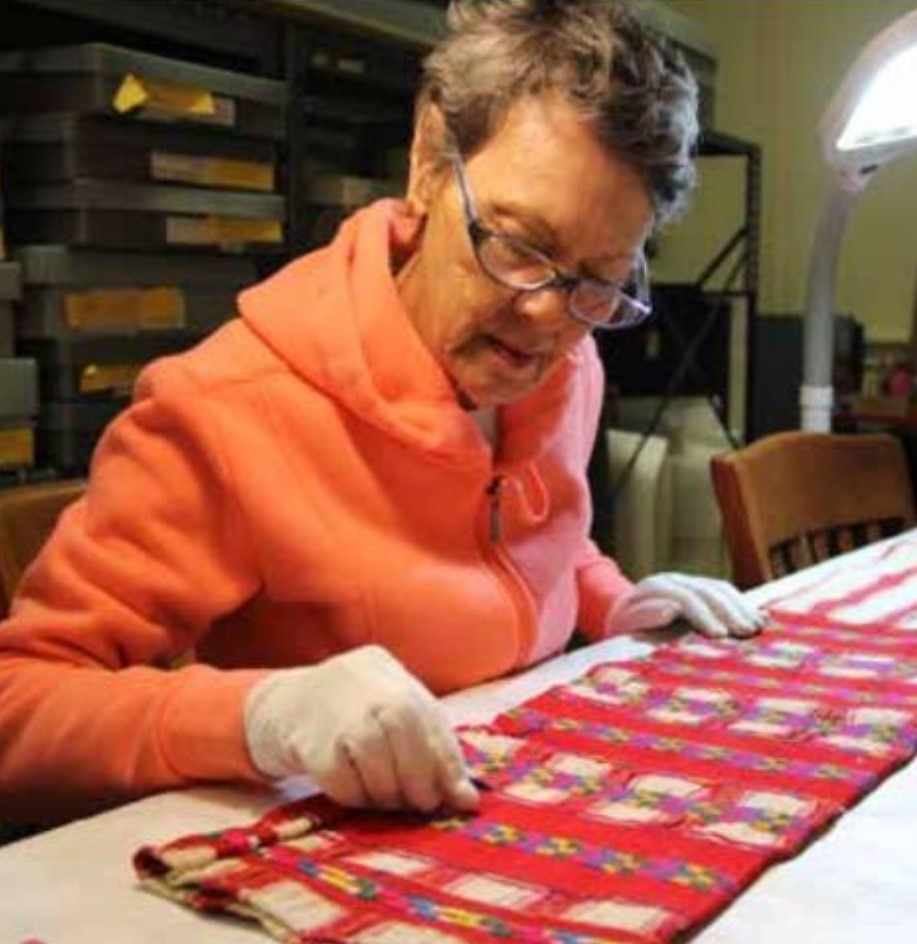
Susan, on the other hand, has been an invaluable part of the team cleaning and inspecting the Peabody’s textile collection for pest damage. Susan learned how to vacuum textiles from a local conservator and has spent years working her way through the textile collection. Her calm and focused dedication has ensured completion of this important project.

Susan at work inspecting a textile

I cannot express the gratitude that the Peabody staff have for these two wonderful people and their contributions to our work. I know that I will miss Quinn’s stories and jokes as well as Susan’s kindness and support. The Peabody Institute was lucky to have them, and we wish Susan and Quinn all the best in their “retirement!”

Thank you to all our volunteers!

No Holiday from IPM Work

Contributed by Emma Cook

For any museum institution with a vast collection and storage of artifacts, there is no holiday from IPM work! IPM stands for Integrated Pest Management and focuses on prevention of pests through preventative actions that protect museum collection environments from various pests. Examples of these actions include reducing clutter, sealing areas where pests may be entering the building, removing items that may be attracting pests such as food, and protecting artifacts that have the potential to be food or shelter to pests.

No need to pout or cry if you find insect pests, I’ll tell you why…
Image courtesy of the PestList Group, associated with Museum Pests

What’s important about this work is the long-term prevention taken to protect collections and their housing space. IPM work is not simply eliminating the pests, but looking at the environmental factors that affect the pest and its ability to thrive in its current conditions. Part of what museum staff do is use this information, and the observations made to locate potential pests, to create conditions that are unfavorable to pests and disrupt their occupied environment.

A large part of what Peabody staff do with IPM work is monitor the collection and building environments and identify potential threats or pests. The most common pests to come across in a museum collection space are various carpet beetles, webbing clothes moths, and case-making clothes moths. The type of pest one may have or attract depends on what is in the collection for the pest to eat. Most insect pests are drawn to animal and plant products such as wool, skins, fur, feathers, hair, silk, paper, horns, whalebone, and leather. As you can imagine, a museum collection looks a lot like a buffet to these insects.

The Peabody uses small insect sticky traps to monitor specific areas of the building for pests. These traps can catch insects and staff can then closely inspect these traps to understand what pests may be a potential threat and where they are occupying in the museum. It is always important to consistently check these traps as well as circulate new ones every so often.

Insect sticky trap used in museums for monitoring pest activity.

Another form of monitoring for pests is through observation and identification. As staff rehouses and inventories the collections, they complete condition reports and inspections of each artifact that may be threatened by pests. If any evidence is identified on or around the artifact, further pest control must take place. The types of pest evidence that staff is looking for is frass, webbing, larvae carcasses, and live insects. Frass consists of the excrement of an insect and the refuse produced by the activity of the boring insect. Webbing and tubular-looking cases are present for webbing and case-making clothes moths. These are usually present in textiles and are made by these insects when they are larvae. Larvae carcasses are present when the insect sheds its larvae form into an adult. These carcasses are something to look out for with objects and their storage, as it demonstrates that an insect had once been there and the same kind of pest could very likely return. If an insect or evidence of an insect are found, staff then must try to identify which insect is the threat and begin pest control and further prevention from the artifact and surrounding collection.

Peabody volunteer, Susan Rosefsky, inspecting a textile in the Peabody’s collection.

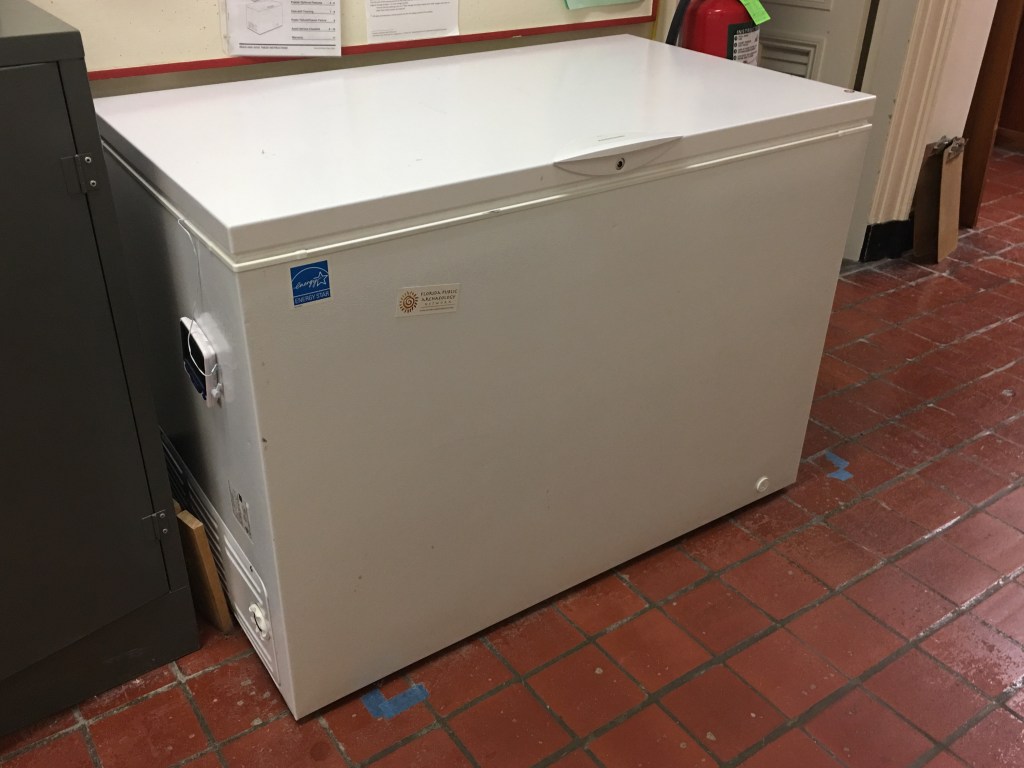
Artifacts with evidence of insect activity are cleaned and rehoused with new acid-free tissue paper. The box holding the artifact is also cleaned. Once the artifacts are placed back into their box storage, the box is sealed in a large, acid-free plastic bag with little to no air in the bag. The box is then wrapped further in another layer before being placed in the freezer for low-temperature treatment. This type of treatment control helps eradicate pests from the artifact through freezing. After a few weeks of freezing, the artifact is inspected again by staff to determine if there is any additional evidence of infestation. If the artifact has no further evidence of insect activity, the artifact will sit for a few more weeks, sealed in a plastic bag, through a process called bagging or isolation. After another few weeks a final analysis will be given before the artifact is deemed safe to return to its original storage in the collection.

The Peabody’s freezer for low-temperature pest control treatments.

There are several other treatments that are used amongst museum professionals to control pest infestations in their collections. These are heat treatment, the use of pesticides in collection areas, and controlled atmosphere through nitrogen/argon gas, carbon dioxide, and depleting oxygen levels. The treatment that is used on each artifact depends on the artifact’s material. Some treatments cannot be used on all objects and it is important to always keep the artifacts’ well-being in mind.

IPM work requires a careful eye and patience, along with a resilience to properly eliminate pests and protect collections from future threats of infestation. To learn more about Integrated Pest Management visit Museum Pests, a product of the IPM working group. 

Happy Holidays from the Peabody!

Contributed by John Bergman-McCool and Marla Taylor

In November Marla and Ryan approached me (John) with an idea for an illustrated holiday card. They wanted a family portrait-style image of the Peabody staff. I jumped on the opportunity thinking that hand-drawn portraits would be a unique twist on the usual offering. However, I didn’t realize how difficult the likenesses would be. After many hours of sketching, digital coloring and editing and much consternation, we have a card! Emma worked her magic to make a very polished finished product. It was a fun challenge, though my kids think I look super weird.

John
Me…sort of

From my perspective (Marla), holidays at the Peabody are not complete without a meal to celebrate our volunteers.  These wonderful people give several hours of their time, each week, to help us out.  They do everything from label file folders to inventory drawers to inspect artifacts for evidence of pests.  Our amazing volunteers – Quinn, Susan, and Richard – are a gift we get to share all year round.  (and the spread of homemade food isn’t too shabby either!)

potluck
I was too busy eating to take a picture of our actual spread. Enjoy this clipart!

Halfway there…and funding for the finish!

Contributed by Marla Taylor

I am thrilled to share that we have officially inventoried half of the collection!

As of mid-June, the collections team has inventoried 1,079 artifact drawers – half of the 2,159 that hold our collection.  Those drawers translate to 243,967 individual artifacts that have been counted and rehoused in the process!

A massive “thank you” goes out to all of the staff and volunteers who have contributed to the inventory so far: Rachel Manning, John Bergman-McCool, Emma Cook, Annie Greco, Alex Hagler, Quinn Rosefsky, and dozens of work duty students.

With excitement and deep gratitude, we also announce that funding has been secured to complete the inventory by our target deadline of December 31, 2020.

The Oak River Foundation of Peoria, Illinois has renewed its support for a temporary inventory specialist for another two years.  Our deepest appreciation goes to the Oak River Foundation for its continued generosity and commitment to the Peabody’s goal of improving the intellectual and physical control of the museum’s collections.

But that is not all!

Barbara and Les Callahan have agreed to provide critical funding to extend the appointment of our current inventory specialist – John Bergman-McCool.  Les graduated from Phillips Academy in 1968 and is an active volunteer on campus. Barbara has served on the Peabody Advisory Committee since 2013.  Both have been steadfast advocates and supporters of our mission and we cannot thank them enough for providing this deeply meaningful gift.

We hope these acts will inspire others to support our work to better catalog, document, and make accessible the Peabody’s world-class collections of objects, photographs and archival materials. If you would like information on how you can help, please contact Peabody director Ryan Wheeler at rwheeler@andover.edu or 978 749 4493.