I have always thought of the Peabody’s collections storage as one of those sliding tile puzzles. You have to keep shifting pieces that look like they are in the right place in order to end up with the correct completed final image. Sometimes it seems never ending, but each shift makes the space more organized, cleaner, and more efficient.
This sliding puzzle is about as complicated as our collections storage!
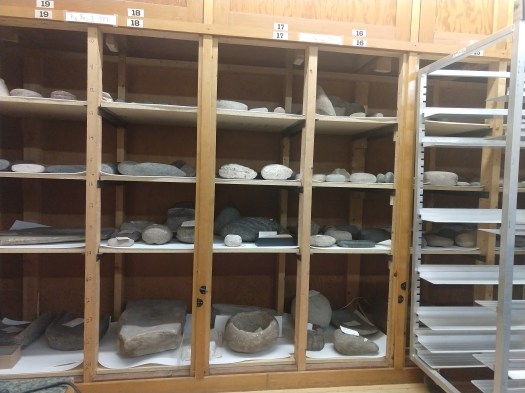
A few months ago, I was faced with trying to find space for a couple dozen boxes that we agreed to store temporarily (maybe a year or so). These objects needed discrete storage in a place that would not be disturbed. This was a challenge, but one worth tackling. After some thought, Rachel (Collections Assistant) came up with the idea of moving our large groundstone collection – that storage was discrete and in an area of the room that we rarely needed to interact with. Perfect.
You may be asking yourself, What is a large groundstone? Groundstone objects are stone tools that are formed by grinding and pecking away the larger stone into the desired shape. These can include axe heads, portable petroglyphs, weights, as well as manos and metates. The largest of these are often the metates, or grinding stones, that were used to prepare wheat and corn flour. Some of them are easily 40+ pounds!
The first task was dismantling the previous storage bays – a fun day with power drills and a sawzall. Then I created a plan to install new shelving inside the bays that would be sturdy enough to support all the weight we were moving. The photos may just look like shelves, but I am proud of all the precise measuring, leveling, and cutting with a circular saw and jigsaw that went into this project. When we installed the shelves, everything fit perfectly.
To move the 183 objects we had to load everything onto trays and wheel them across the storage space – some were much too heavy to carry that distance. A quick reinventory assigned everything a new storage location and the process was complete. All told, this move took about a week.
I can’t pretend for a second that I did this project alone – massive thanks and credit to Rachel, Emily, John, and Ryan for their insights, object moving abilities, and skills with power tools!
For any museum institution with a vast collection and storage of artifacts, there is no holiday from IPM work! IPM stands for Integrated Pest Management and focuses on prevention of pests through preventative actions that protect museum collection environments from various pests. Examples of these actions include reducing clutter, sealing areas where pests may be entering the building, removing items that may be attracting pests such as food, and protecting artifacts that have the potential to be food or shelter to pests.
No need to pout or cry if you find insect pests, I’ll tell you why… Image courtesy of the PestList Group, associated with Museum Pests
What’s important about this work is the long-term prevention taken to protect collections and their housing space. IPM work is not simply eliminating the pests, but looking at the environmental factors that affect the pest and its ability to thrive in its current conditions. Part of what museum staff do is use this information, and the observations made to locate potential pests, to create conditions that are unfavorable to pests and disrupt their occupied environment.
A large part of what Peabody staff do with IPM work is monitor the collection and building environments and identify potential threats or pests. The most common pests to come across in a museum collection space are various carpet beetles, webbing clothes moths, and case-making clothes moths. The type of pest one may have or attract depends on what is in the collection for the pest to eat. Most insect pests are drawn to animal and plant products such as wool, skins, fur, feathers, hair, silk, paper, horns, whalebone, and leather. As you can imagine, a museum collection looks a lot like a buffet to these insects.
The Peabody uses small insect sticky traps to monitor specific areas of the building for pests. These traps can catch insects and staff can then closely inspect these traps to understand what pests may be a potential threat and where they are occupying in the museum. It is always important to consistently check these traps as well as circulate new ones every so often.
Insect sticky trap used in museums for monitoring pest activity.
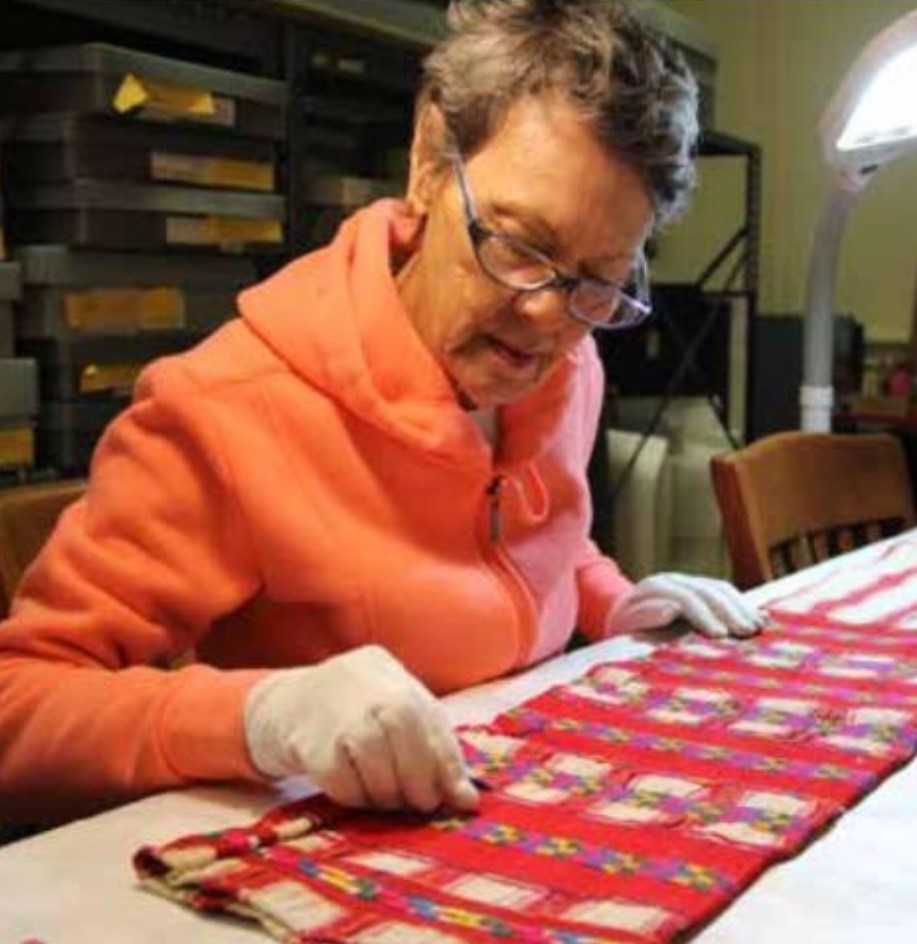
Another form of monitoring for pests is through observation and identification. As staff rehouses and inventories the collections, they complete condition reports and inspections of each artifact that may be threatened by pests. If any evidence is identified on or around the artifact, further pest control must take place. The types of pest evidence that staff is looking for is frass, webbing, larvae carcasses, and live insects. Frass consists of the excrement of an insect and the refuse produced by the activity of the boring insect. Webbing and tubular-looking cases are present for webbing and case-making clothes moths. These are usually present in textiles and are made by these insects when they are larvae. Larvae carcasses are present when the insect sheds its larvae form into an adult. These carcasses are something to look out for with objects and their storage, as it demonstrates that an insect had once been there and the same kind of pest could very likely return. If an insect or evidence of an insect are found, staff then must try to identify which insect is the threat and begin pest control and further prevention from the artifact and surrounding collection.
Peabody volunteer, Susan Rosefsky, inspecting a textile in the Peabody’s collection.
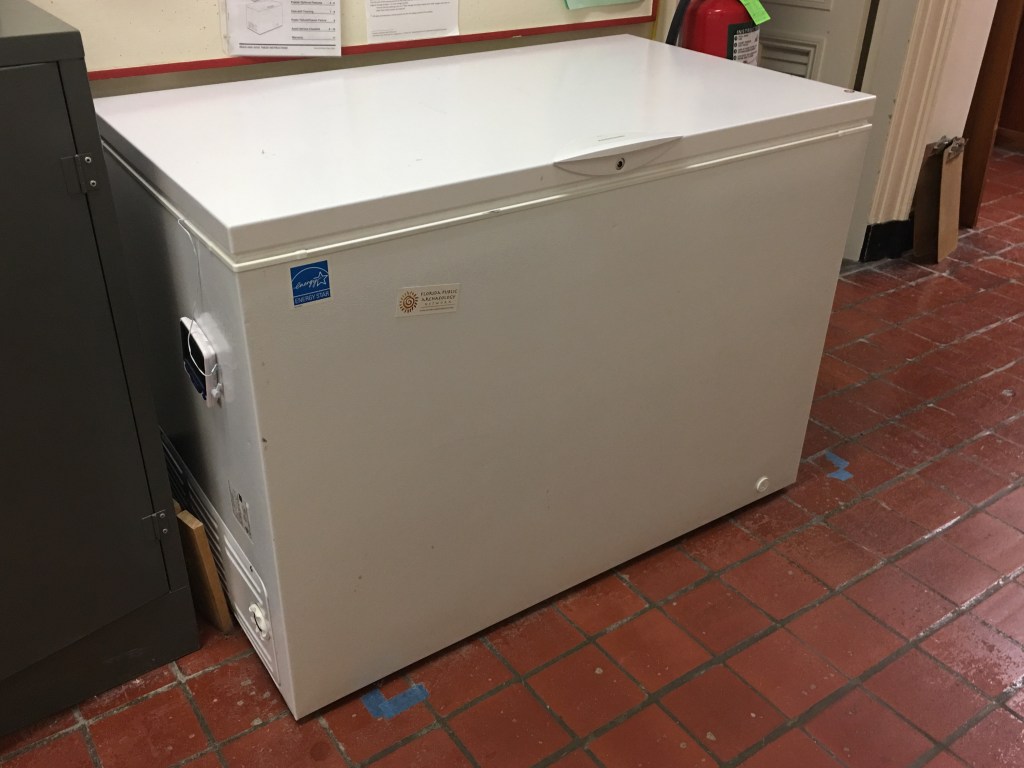
Artifacts with evidence of insect activity are cleaned and rehoused with new acid-free tissue paper. The box holding the artifact is also cleaned. Once the artifacts are placed back into their box storage, the box is sealed in a large, acid-free plastic bag with little to no air in the bag. The box is then wrapped further in another layer before being placed in the freezer for low-temperature treatment. This type of treatment control helps eradicate pests from the artifact through freezing. After a few weeks of freezing, the artifact is inspected again by staff to determine if there is any additional evidence of infestation. If the artifact has no further evidence of insect activity, the artifact will sit for a few more weeks, sealed in a plastic bag, through a process called bagging or isolation. After another few weeks a final analysis will be given before the artifact is deemed safe to return to its original storage in the collection.
The Peabody’s freezer for low-temperature pest control treatments.
There are several other treatments that are used amongst museum professionals to control pest infestations in their collections. These are heat treatment, the use of pesticides in collection areas, and controlled atmosphere through nitrogen/argon gas, carbon dioxide, and depleting oxygen levels. The treatment that is used on each artifact depends on the artifact’s material. Some treatments cannot be used on all objects and it is important to always keep the artifacts’ well-being in mind.
IPM work requires a careful eye and patience, along with a resilience to properly eliminate pests and protect collections from future threats of infestation. To learn more about Integrated Pest Management visit Museum Pests, a product of the IPM working group.
We have had a tremendous interest in our old storage drawers in the last few months. As collections were rehoused in new cartons, we were able to give away over 100 drawers!
Our last blog featured drawers that underwent cosmetic changes, such as being repainted and stained as well as drawers repurposed into storage, furniture, and a jewelry organizer. You can see these projects here.
We are pleased to share that the Peabody Collection Team has reached their end-of-year goal in rehousing and inventorying 1,444 wooden drawers, which is about 67% of the Peabody’s collection. This means staff is about two-thirds of the way through the entire inventory of the Peabody’s collections!
The vast majority of the old drawers have now found new homes and purposes with many friends of the Peabody. We not only thank you all for your interest and for taking these drawers, but for giving these drawers a new life.
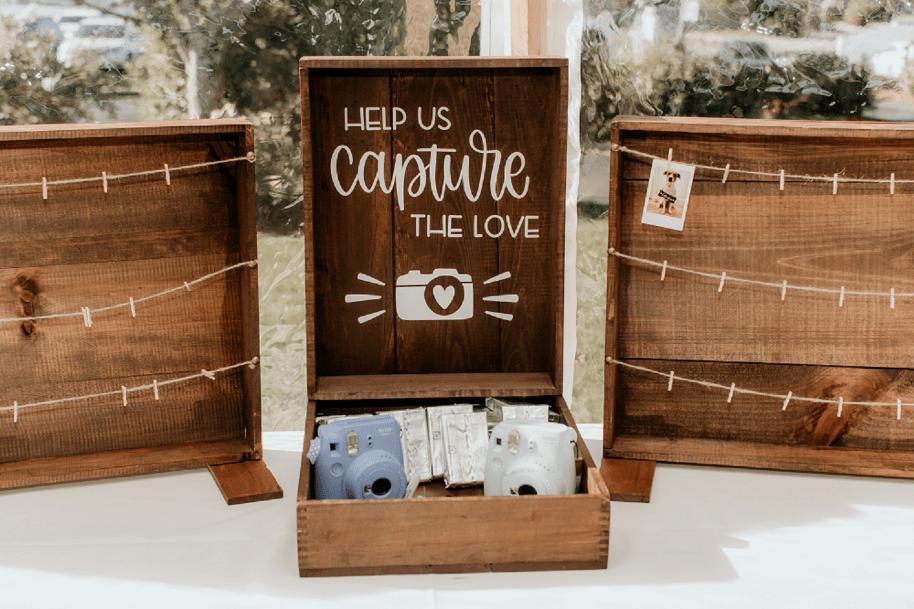
This month’s feature of drawers covers projects both big and small. Our first feature uses the drawers as wedding decorations, creating a photo capture area for guests to take photos and leave a message for the celebrating couple.
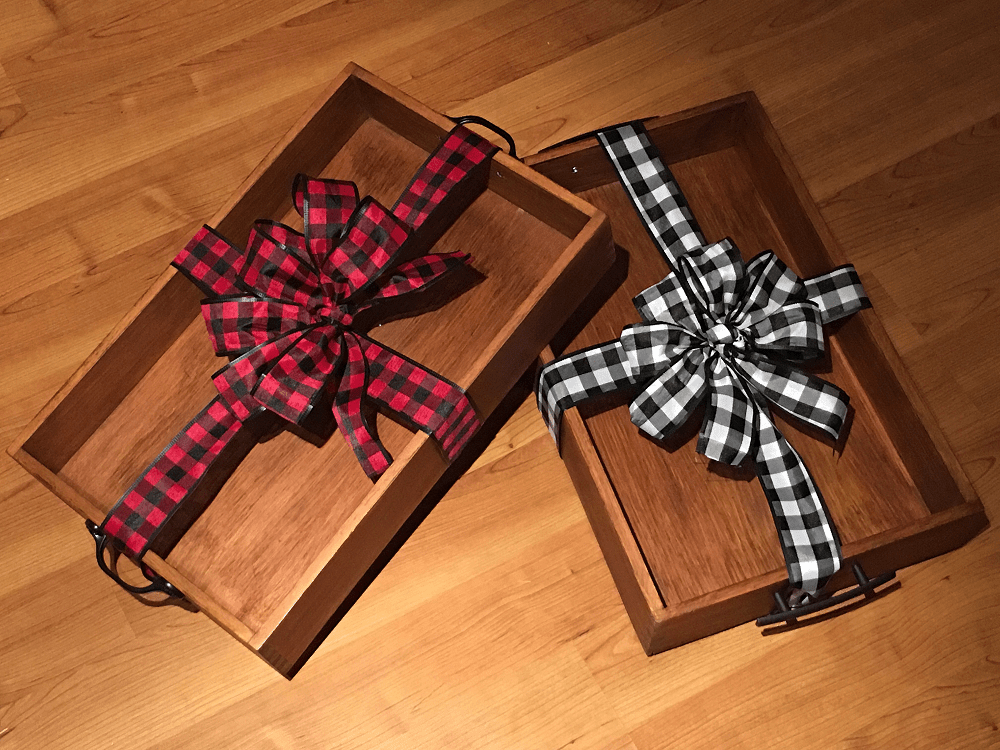
Another project is tea trays – a great DIY gift idea for family and friends this holiday season!
An example of one of the larger-scale projects for these drawers is a studio storage wall. This unique idea is fashionable as it is functional – doubling as both a storage space and accent wall for this home studio.
We have also received a lot of interest and support from our fellow Phillips Academy faculty and staff. Some of our wooden drawers have been used for material at the new Maker’s Space for students at the Oliver Wendell Holmes Library on campus. Keep an eye out for our next blog update showcasing more of these drawer projects! If you have repurposed some of the Peabody drawers, we would love to see your creations! Please share your photos with us at elavoie@andover.edu.
Contributed by John Bergman-McCool and Marla Taylor
In November Marla and Ryan approached me (John) with an idea for an illustrated holiday card. They wanted a family portrait-style image of the Peabody staff. I jumped on the opportunity thinking that hand-drawn portraits would be a unique twist on the usual offering. However, I didn’t realize how difficult the likenesses would be. After many hours of sketching, digital coloring and editing and much consternation, we have a card! Emma worked her magic to make a very polished finished product. It was a fun challenge, though my kids think I look super weird.
Me…sort of
From my perspective (Marla), holidays at the Peabody are not complete without a meal to celebrate our volunteers. These wonderful people give several hours of their time, each week, to help us out. They do everything from label file folders to inventory drawers to inspect artifacts for evidence of pests. Our amazing volunteers – Quinn, Susan, and Richard – are a gift we get to share all year round. (and the spread of homemade food isn’t too shabby either!)
I was too busy eating to take a picture of our actual spread. Enjoy this clipart!
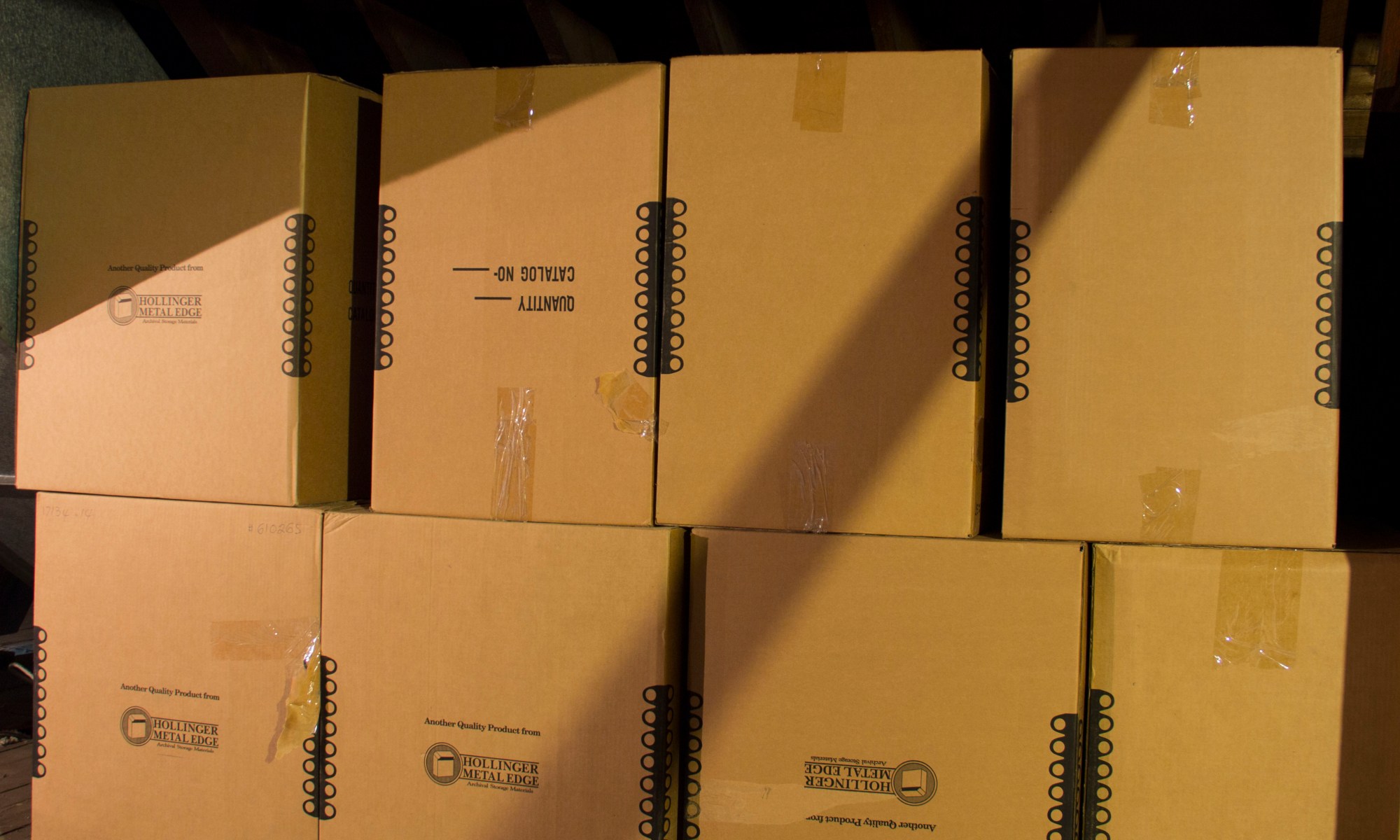
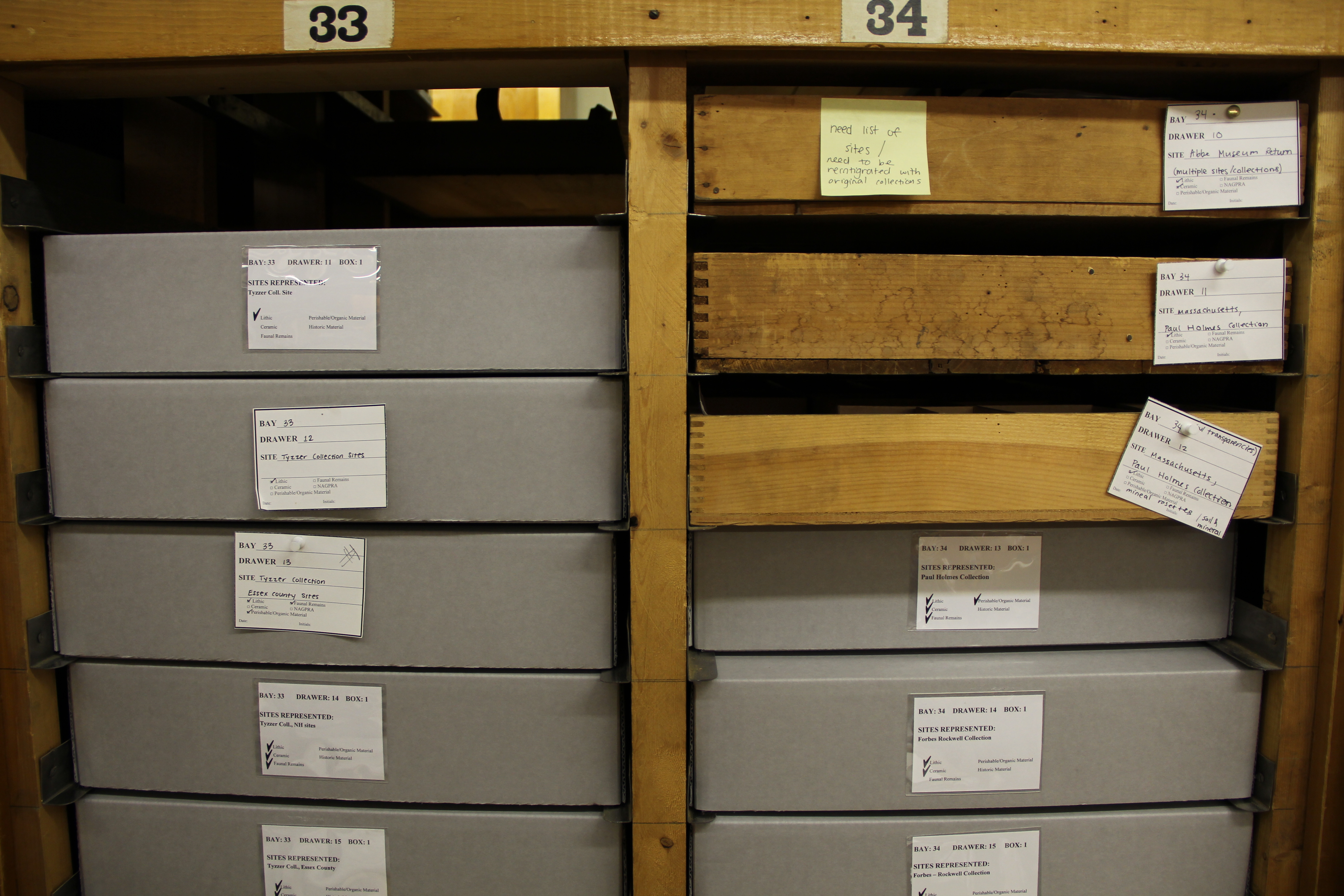
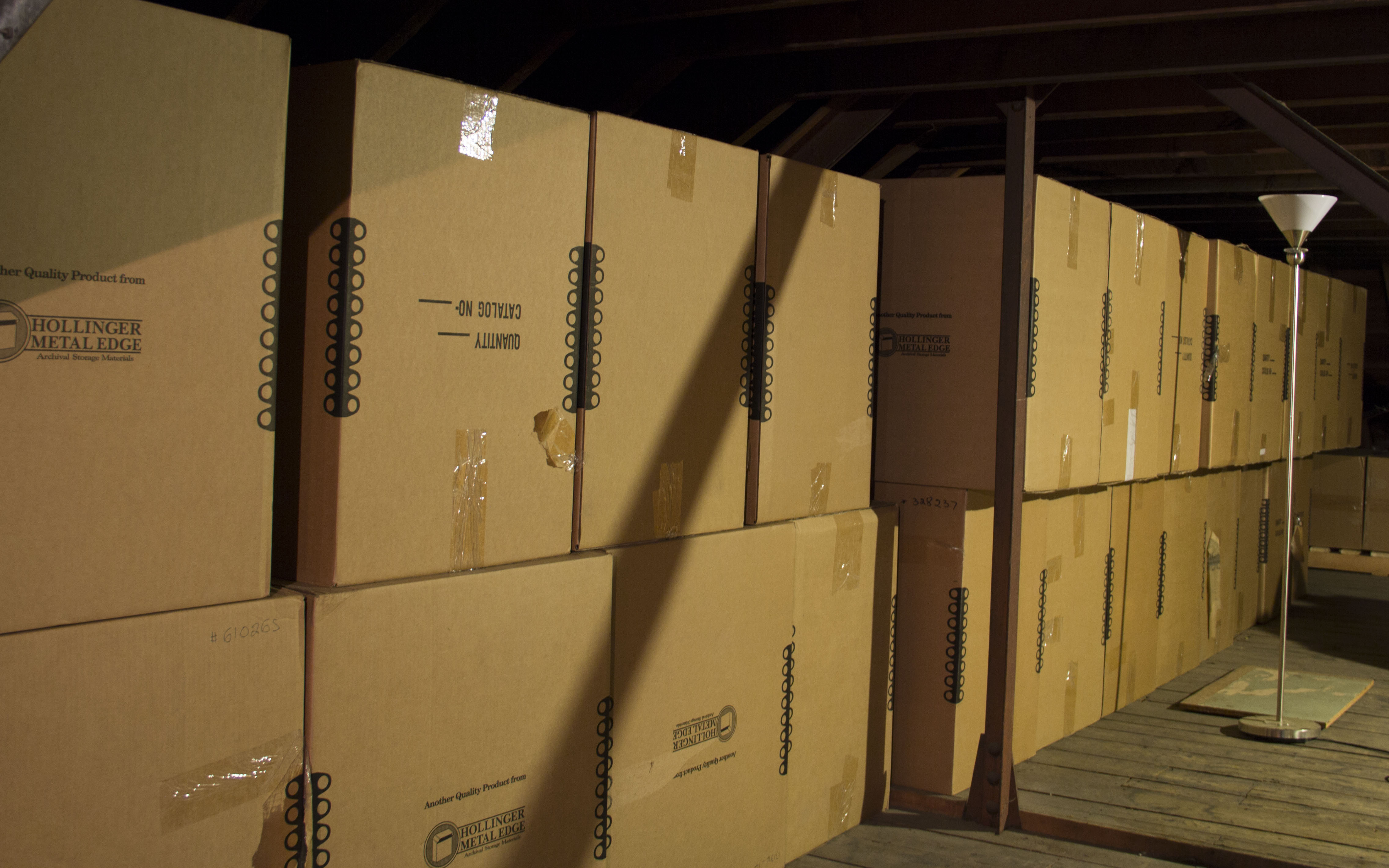
As some of you blog may know, the biggest project currently being done at the Peabody is the complete inventory of all of our collections. In previous blog entries (these can be read here and here), we have discussed the process, including the fact that we move the artifacts from the original wood storage drawers to custom made gray Hollinger boxes-generously supported by the Abbot Academy Fund. When we received the shipments of these boxes, they were stored off-site in two storage units that the Peabody had rented in town. These two storage units perfectly held all of our boxes and everything has been right in the world.
Side by side comparison of new gray boxes and older wooden drawers.
A few weeks ago, I was up in the attic of the Peabody doing a pest inspection with Waltham Services and I had an idea. I went to my supervisor Marla Taylor and I said, “Do you know what would be an interesting idea? If we rearranged what is up in the attic, closed out both storage unit accounts and moved the rest of the boxes up into the attic.” By this point in time, the first of our two storage units was getting pretty empty, with maybe 15-20 large boxes remaining inside. I told Marla that if this idea worked out, it would benefit the Peabody in two major ways (and possibly more, but these are the big ones).
First of all, we wouldn’t have to pay the monthly fee for storage units anymore. This would ultimately save the Peabody a chunk of change every fiscal year, and who doesn’t want to save money wherever they can? When we had the storage units, we used to have to reserve a rally wagon (an SUV owned by Phillips Academy that only certified drivers can operate) and drive over to the storage unit. With that method we could only fit a maximum of six boxes (each containing 12 gray boxes) into the back of the SUV. Additionally, we would save on the cost of renting the rally wagons, which we have been using more frequently lately since we have three people working on the inventory.
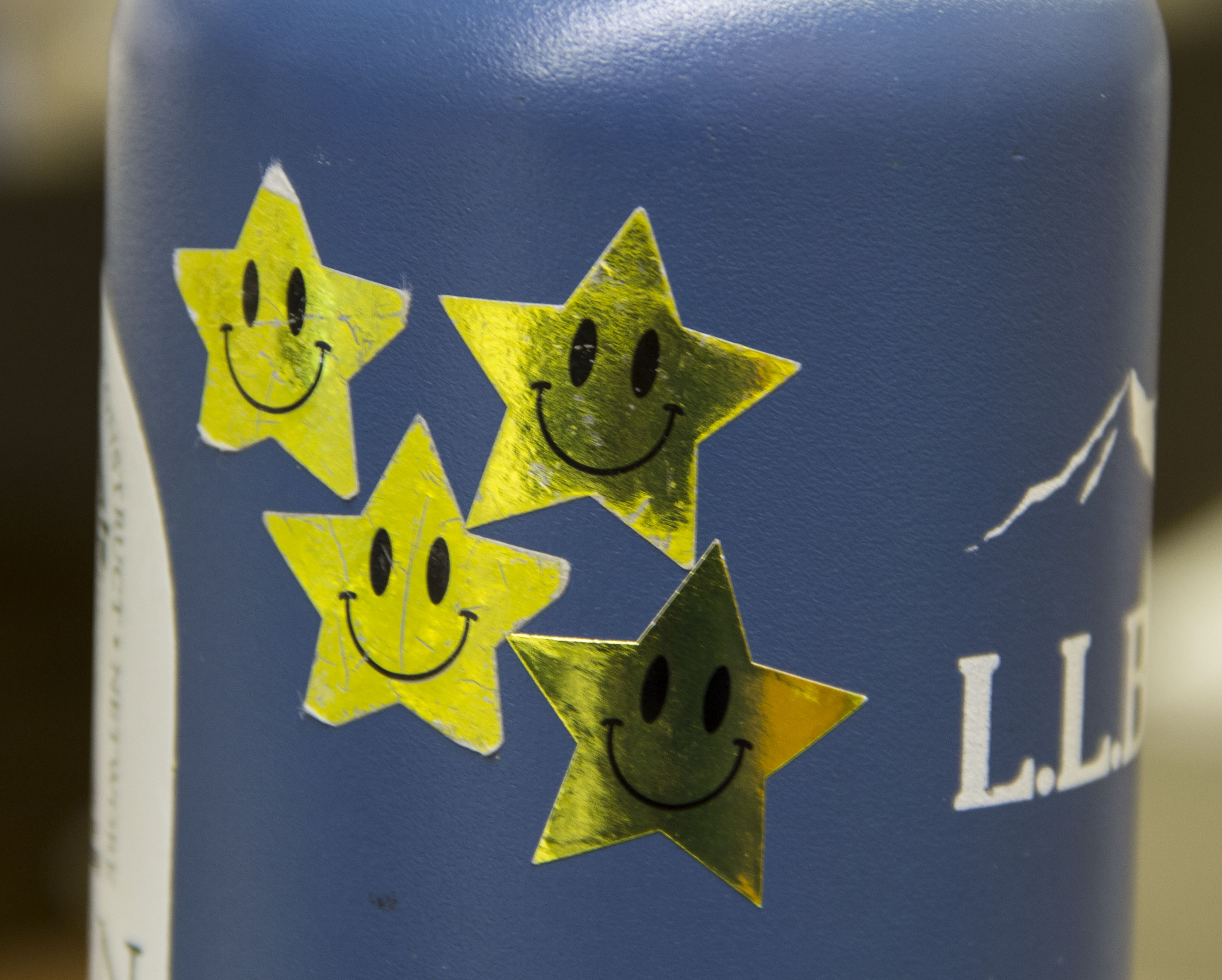
Second, anytime we needed more gray boxes for the inventory, we would be able to just walk upstairs to the attic and grab them. The only way this idea wouldn’t work was if the boxes wouldn’t fit in the attic. Marla thought about this idea for a minute and we had a look around the attic to see if this was feasible. After a few minutes with a measuring tape, she said she thought that this idea was great and had serious potential to work. This response was of no surprise to me, because it is well known that I only have good ideas. I received yet another gold star for my many efforts and great ideas.
These are my gold stars for all the good ideas I have come up with. I cherish them.
We then strategized how to get the Peabody ready for the influx of these boxes of boxes. First, we needed to empty the first storage unit. This involved John and Emily making multiple runs to the unit while Marla, Emma and I unpacked the gray boxes and organized them around the basement. All of these gray boxes managed to fit in various places downstairs. This was great! It meant the attic wouldn’t have to house anything but the second unit. A week before the big move, we set about cleaning the attic to make as much space as possibly for the contents of the final storage unit. With the help of work duty students, Marla, Emma, Emily and John, the attic was cleaned and looked like a barren wasteland, but a beautiful one that was about to be filled with boxes.
Finally, we rented a U-Haul truck and set to work. We had set aside an entire day to facilitate this move. Marla and John drove the truck to the storage unit and filled it with as many boxes as possible. When they pulled up outside the Peabody, all hands were on deck. We got all of the boxes into the lobby and started carrying them up to the second floor landing. Marla and John left to go fill the truck with a second load. Once all of the boxes were up on the second floor, Emily, Emma and I started the move to the attic. This part seemed like it was going to be difficult because the attic stairs are very narrow and the large boxes are very wide. But then, I had the BRILLIANT idea to use the stairs as a ramp and literally push the boxes up the stairs. This made the operation go so much faster than originally anticipated.
Seriously, look at how great these boxes look in the attic.
When all was finally said and done, this move that we expected to take all day (and possibly longer) was accomplished in THREE HOURS. GO TEAM – these boxes were MEANT to go into this attic. We were exhausted, but totally deserving of the Indian Buffet lunch we decided to enjoy. The day was a huge success for the Peabody Collections team. Now the attic looks beautiful and it will be much easier for us to restock on boxes when we need them.
Have you ever heard of the Abbot Academy Fund? (if you said “yes” from one of our earlier blog posts – Gold Star!) If not, please allow me to introduce them.
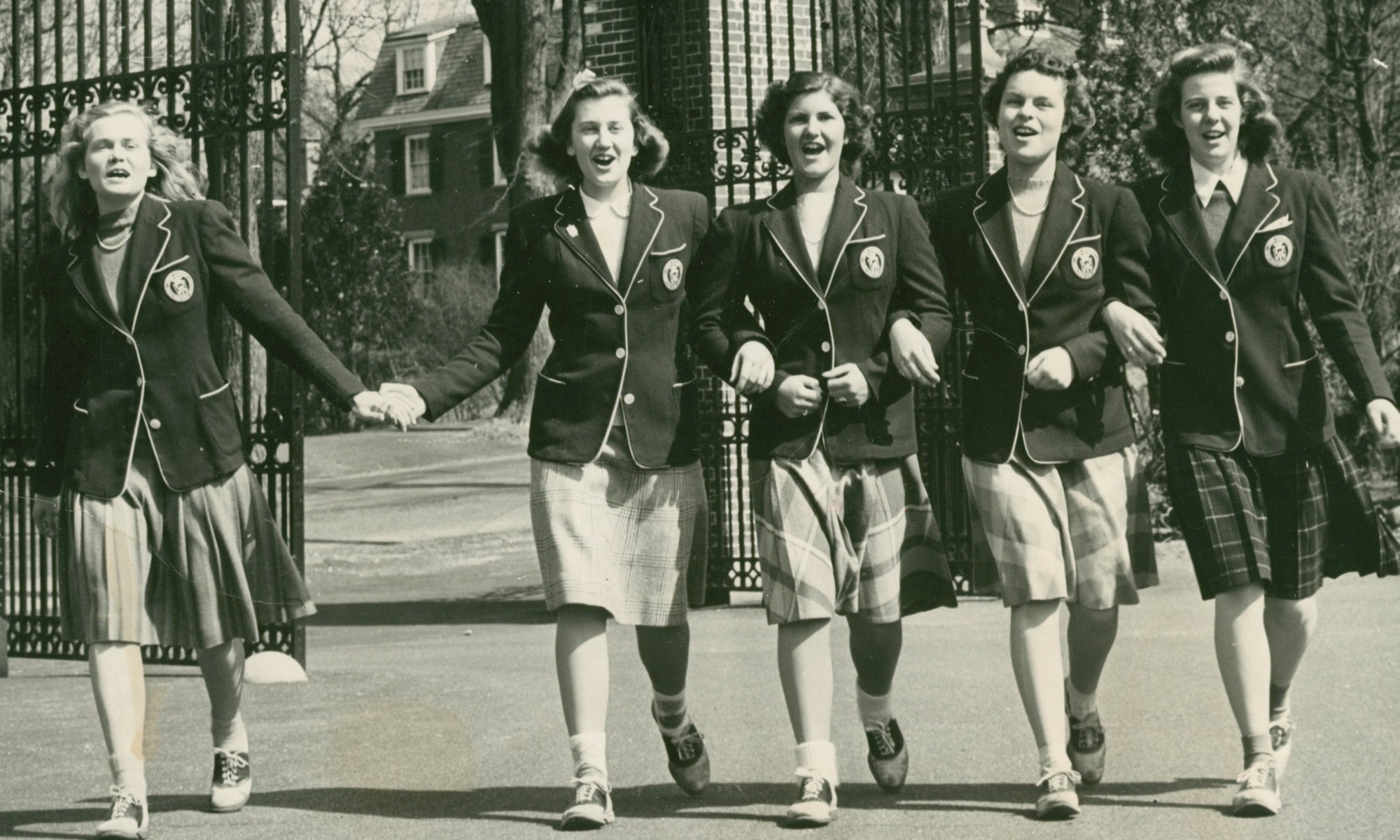
One of the first educational institutions in New England founded for girls and women, Abbot Academy opened its doors in 1829 and flourished until Abbot Academy and Phillips Academy merged on June 28, 1973. At that point, the Abbot Academy Fund (AAF) was established with $1 million from the Academy’s unrestricted funds. The fund operates as an internal foundation with its own board of directors. Its goal is to preserve the history, standards, tradition, and name of Abbot Academy by funding new educational ventures at the combined school.
The Abbot Academy Fund has been a foundational supporter of the Peabody Institute, especially in recent years. With grants going back to 1990, the AAF has given the Peabody over $250,000! I was recently reminded of this incredible generosity when the AAF once again provided support to complete the transcription of the Peabody’s original accession ledgers.
Looking back over all the successful grants, the AAF has supported a real variety of projects at the Peabody – everything from exhibition support to object conservation to equipment purchase to expeditionary learning trips. However, the largest portion of their patronage has gone to support cataloging and rehousing the collection. They provided funds to purchase a server in 2014 to allow for an online catalog. And again in 2016-2018 to acquire the boxes needed to rehouse the artifacts and gain physical control over the collection. All told, the AAF has awarded us over $100,000 in the last ten years!
Basically, the Peabody Institute would not look or operate the way it does now without the incredible support from the Abbot Academy Fund. I can’t thank them enough!
So much work at the Peabody is brought to you bya grant from the Abbot Academy Fund, continuing Abbot’s tradition of boldness, innovation, and caring.
Since the early 1990s the Robert S. Peabody Institute of Archaeology has been searching for objects missing from its collection. Among the missing items are carved and decorated stone, shell, and ceramic pieces from sites in Georgia and Maine.
The Peabody has celebrated the return of four missing artifacts, most notably the Etowah monolithic axe. The Boston Globe recently covered the story.
At least two engraved shell disks remain at large. A $2,500 reward is being offered for information that leads to the recovery of the missing artifacts.
These objects were excavated at the Etowah and Little Egypt sites in Georgia between 1925 and 1928 by Warren K. Moorehead, then-director of the Peabody Institute. The Etowah and Little Egypt sites date from AD 1000 to AD 1550. Southeastern sites of this period are linked to modern-day Native American tribes through the Creek language. Many of the objects are funerary belongings and subject to repatriation under the Native American Graves Protection and Repatriation Act (NAGPRA).
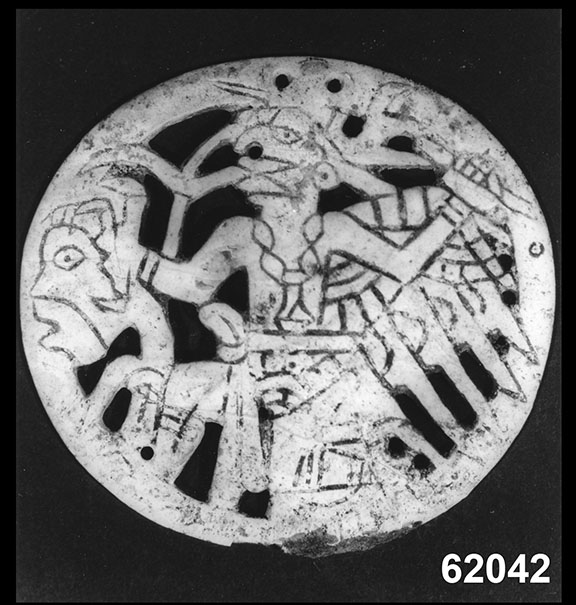
Object: Hightower or Big Toco style shell gorget
Provenance: excavated by Warren King Moorehead in 1926 from Burial 37, Mound C, Etowah site (9BR01), Cartersville, Bartow County, Georgia, USA
Description: a small engraved and excised disk cut from marine shell depicting a dancing human figure with decapitated head; approximately 2.5-inches in diameter; Native American Mississippian culture circa A.D. 1250-1375
Catalog #: 62042
Object: Carters Quarter style shell gorget
Provenance: excavated by Warren King Moorehead, 1925-1927, from either the Etowah site (9BR01), Bartow County, Georgia, or Little Egypt site (9MU102), Murray County, Georgia, USA
Description: highly stylized rattlesnake design incised and cut-out of marine shell disk with perforations for suspension as a pendant or gorget. Approximately 5 inches maximum width. Native American Mississippian culture circa A.D. 1400-1600.
Catalog #: 61440
If you have information about these objects please contact Peabody director Ryan Wheeler at 978 749 4490 or rwheeler@andover.edu.
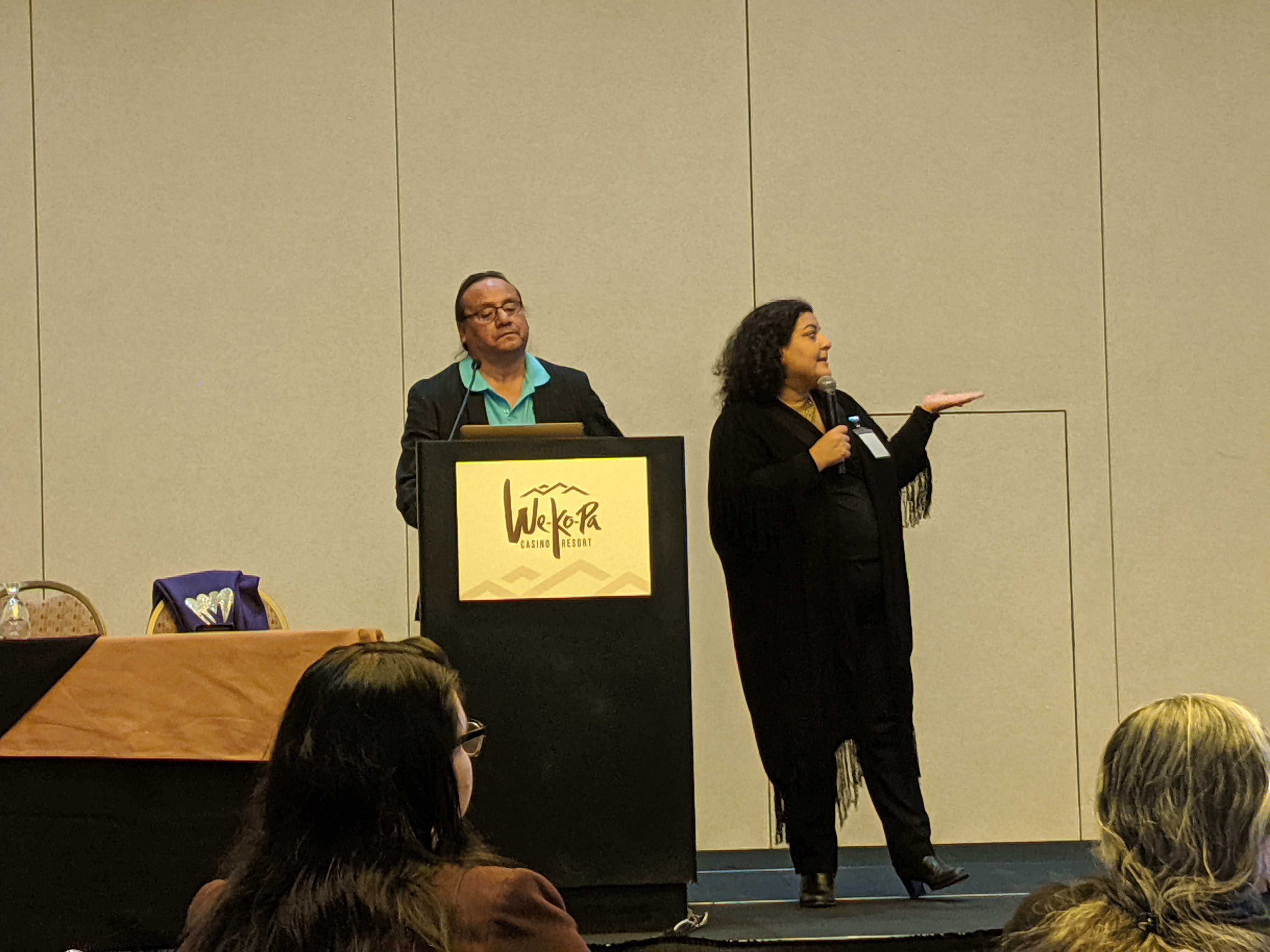
This was the second year I participated in the Association on American Indian Affairs annual repatriation conference. The Fort McDowell Yavapai Nation hosted the conference at their hotel and casino complex just north of Phoenix, Arizona. Healing the Divide was the theme—with a focus on mind-body wellness and collaborative work between tribes and museums, both domestically and abroad. A real highlight was the session Healing the Divide from Trauma to Transformation, led by Dr. Noshene Ranjbar and Dennis Yellow Thunder. Noshene and Dennis had everyone up and moving, and Dennis was called on throughout the rest of the conference to supply encouragement, songs, prayers, and jokes. Presentations ranged from The Cost of Theft and Looting to Healing Auction Practices.
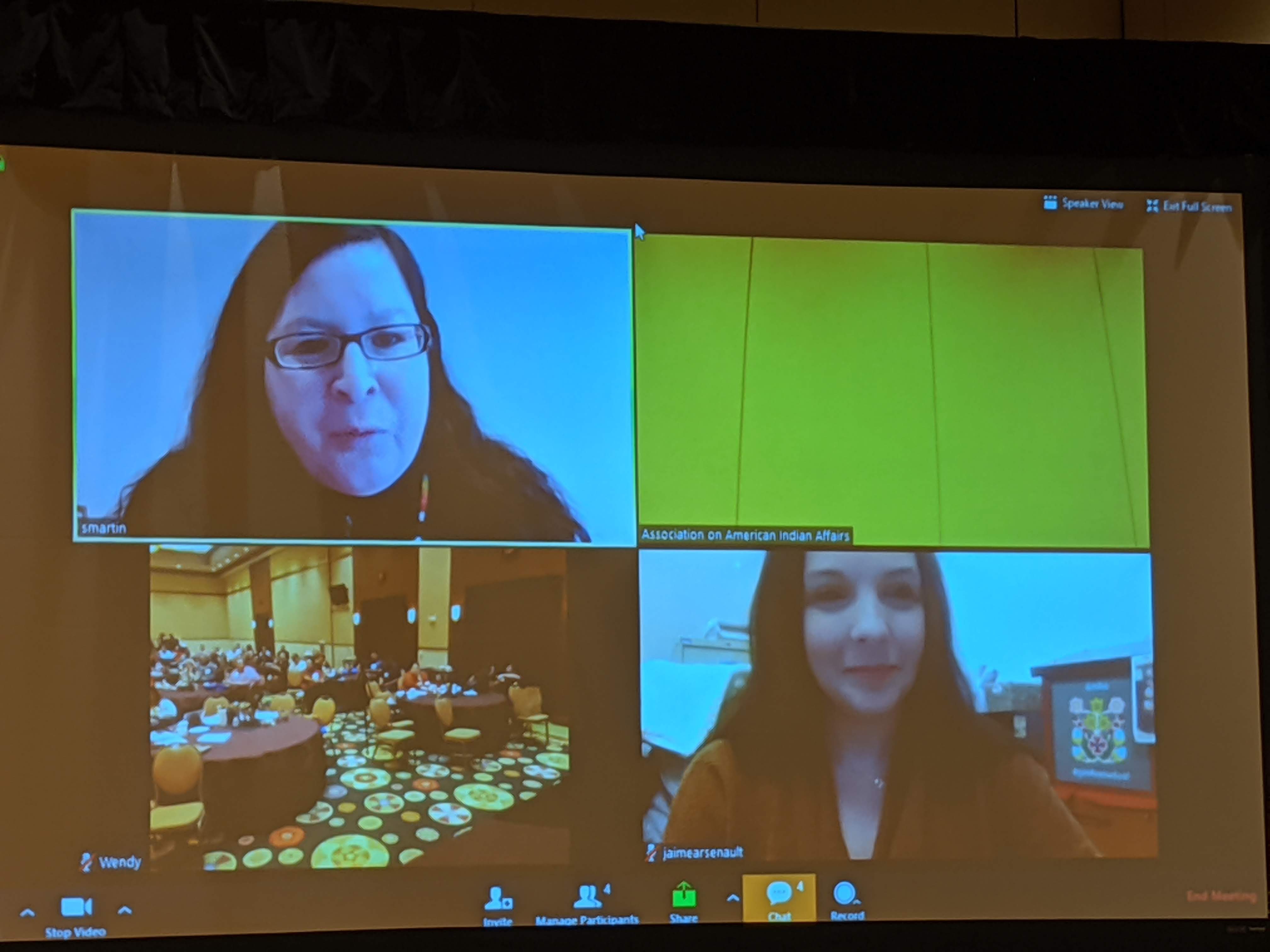
Bad weather prevented some folks from joining in person–here Shannon Martin, director of the Ziibiwing Center of Anishinabe Culture and Lifeways, and Jaime Arsenault, tribal historic preservation officer of the White Nation, share their work. Jaime also is a member of the Peabody Advisory Committee.
Attendees had an opportunity to sit with NAGPRA program manager Melanie O’Brien, who shared some of the ways that the National Park Service was planning to revise and improve the federal repatriation regulations. Despite nearly three decades of repatriation work, 58 percent of the ancestral remains held by museums and federal agencies are still classified as culturally unidentifiable, with only a limited pathway to repatriation. Conference attendees acknowledged that the term “culturally unidentifiable” was troubling and inaccurate. Language is important, and there was a lot of discussion about how to best refer to ancestral remains–there was agreement that human remains and funerary objects were better called people, ancestors, and belongings. We also learned about international repatriation efforts, including the similarities and differences with work by indigenous Australians to reclaim ancestors.
Dr. Noshene Ranjbar and Dennis Yellow Thunder share important ways to interrupt cycles of trauma. Return of ancestors, funerary belongings, and sacred objects is one way to intervene.
Next year’s conference will be October 27 and 28, 2020—marking the thirtieth anniversary of the Native American Graves Protection and Repatriation Act (NAGPRA)—and held at the University of Denver Museum of Anthropology. If you are engaged in repatriation work this is an important event—it would be great to see more museum representation next year!
In 2017, the Peabody welcomed Dr. Laura Kelvin to examine the William Duncan Strong collection from Labrador. You can learn all about that visit in a previous blog post here.
Recently, Dr. Kelvin reached out for permission to share some of the images she took in a video that is part of a larger project – the Agvituk Digital Archive Project, which is part of the Agvituk Archaeology Project (AAP). The AAP is a community-based archaeology project that was initiated by the Hopedale community through the Tradition and Transition Research Partnership between Memorial University and the Nunatsiavut Government.
An Agvituk Archaeology Project excavation. Image from Tradition and Transition website.
Every summer, students are hired (high school, college/university, or upgrading) from Hopedale to help conduct traditional knowledge interviews with community members (and sometimes archaeologists) and help with survey and excavation if needed. The interviews were originally going to focus on specific objects that Dr. Kelvin documented, or those recovered through AAP activities. However, due to the high volume of material, the students have been picking topics inspired by the artifacts and interviewing people about those subjects. This past summer the students chose to discuss sewing.
Short videos are created that blend conversations with community members and images of relevant artifacts and historical photos. The videos can then easily share traditional knowledge with the larger community.
Dr. Kelvin and her students used several artifacts from the Peabody’s collection in the sewing video. You can see it in its entirety here.
To learn more about the project, check out their Facebook page.
My name is Emily and I have been working as the new Inventory Specialist at the Peabody Institute for about a month now. My job is to assist with the current inventory and rehousing project. My day to day work consists of moving artifacts from their old wooden storage drawers into new archival boxes which better preserve the objects.
I grew up in a small town called Andover, New York (I know, how ironic) before moving to Buffalo to pursue my Bachelor’s degree in Anthropology. From there, I spent a year in Florence, Italy doing coursework for my MA in Museum Studies which I completed this past August. During my time in Italy, I learned collections care and management from some of the most famous museums in the world including the Uffizi Gallery and the Vatican Museum. This is only my first position working in a museum but I have completed museum internships back home in Buffalo as well as in Santa Fe, New Mexico.
This is me overlooking the beautiful city of Florence!
I have always been passionate about archaeology and indigenous studies so I am excited to be in a position where I can apply my knowledge of both and continue to learn more. Even though I have only been here a few weeks, I have learned so much already. It is amazing to be able to work with and handle objects every day which are hundreds of years old and come from all over the continent. Objects that I have been studying for the past five years are now a part of my everyday life and it is truly such a rewarding experience.
Overall I am very excited to be in this position and can’t wait to see what else I will learn and do during my time at the Peabody!