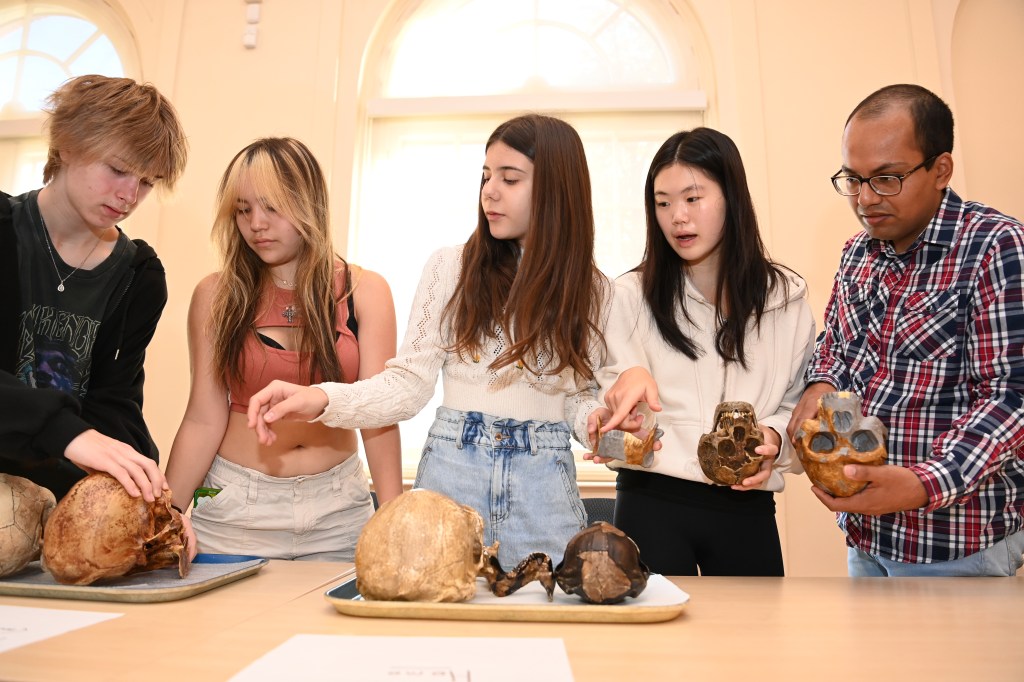
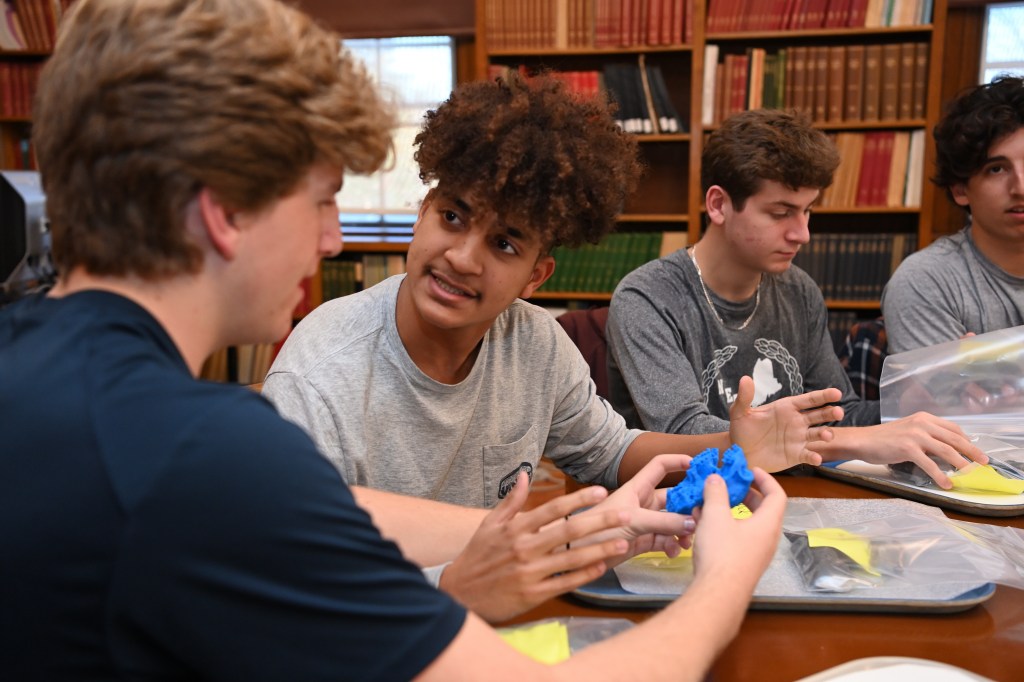
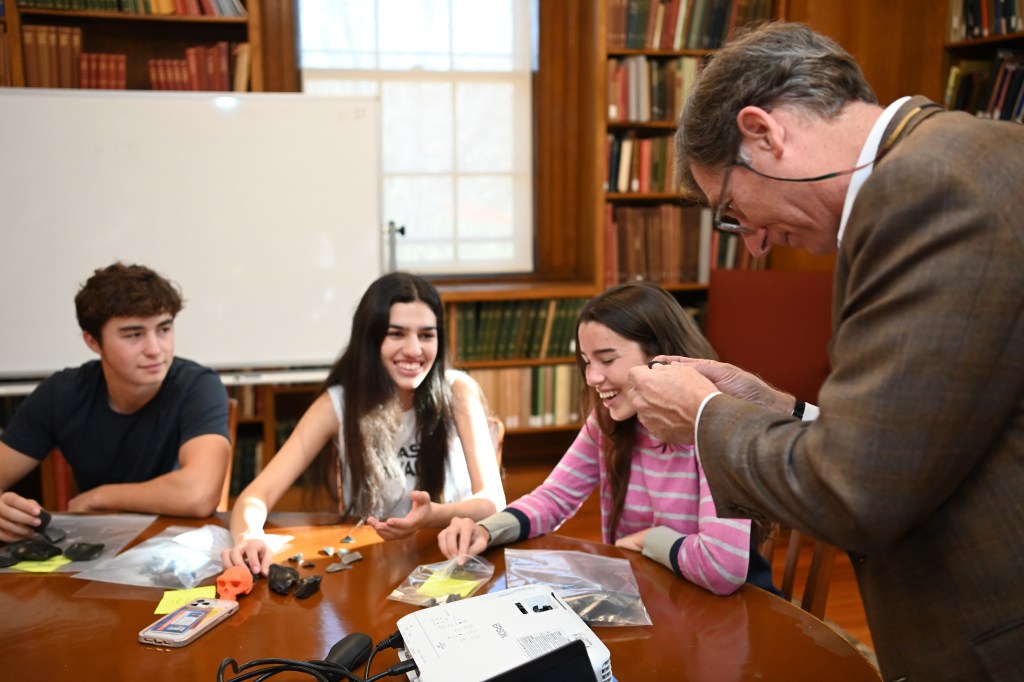
Our Peabody annual report for academic year 2024-2025 has just been released online! This report features educational participation at the Peabody, including over 1,600 students and 30 Phillips Academy instructors. In addition, our report features institutional highlights, updates on our collections and NAGPRA work, collaborations with students and researchers, and more!
Thank you to everyone who supported the completion of another wonderful year at the Peabody!
Peabody staff always get excited when we unearth hidden stories from the Peabody Institute’s past. The Phillipian Archives is one such place that has held many a story. First printed in 1857, The Phillipian is a weekly student newspaper that continues today at Phillips Academy Andover. The student paper describes itself as “completely uncensored and entirely student-run,” offering a snapshot of what campus life is like both past and present, and in the case of this blog, some of the most outrageous and bizarre activities related to the Peabody.
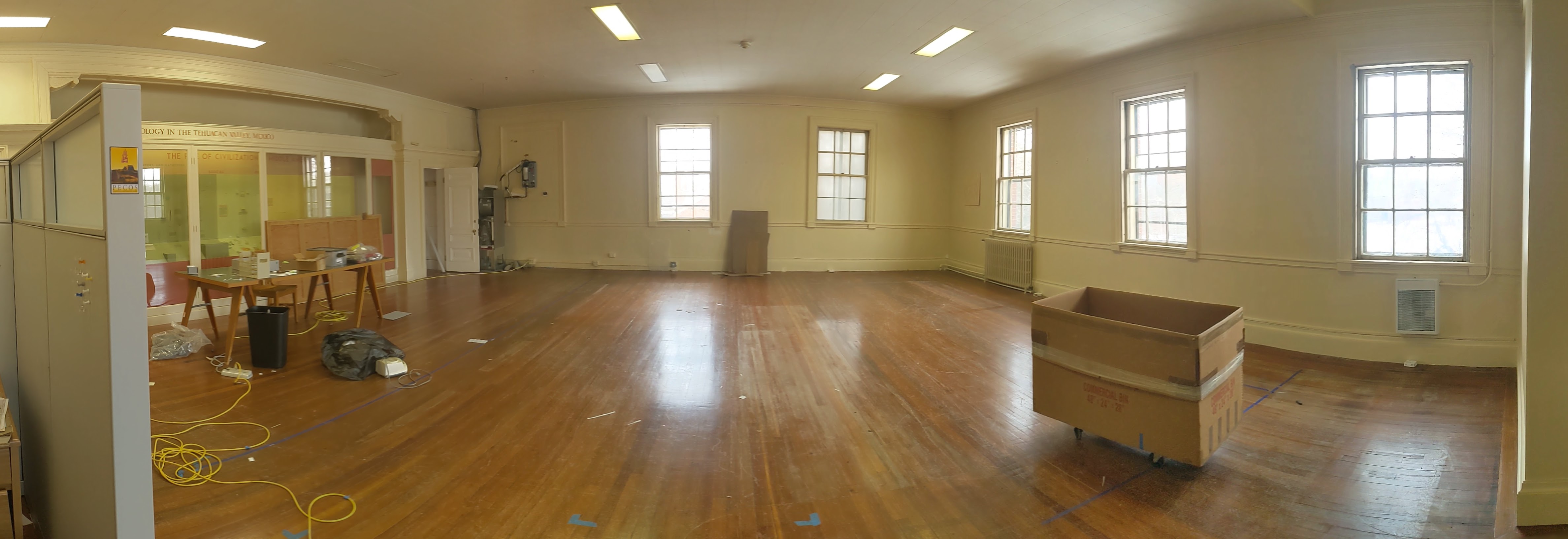
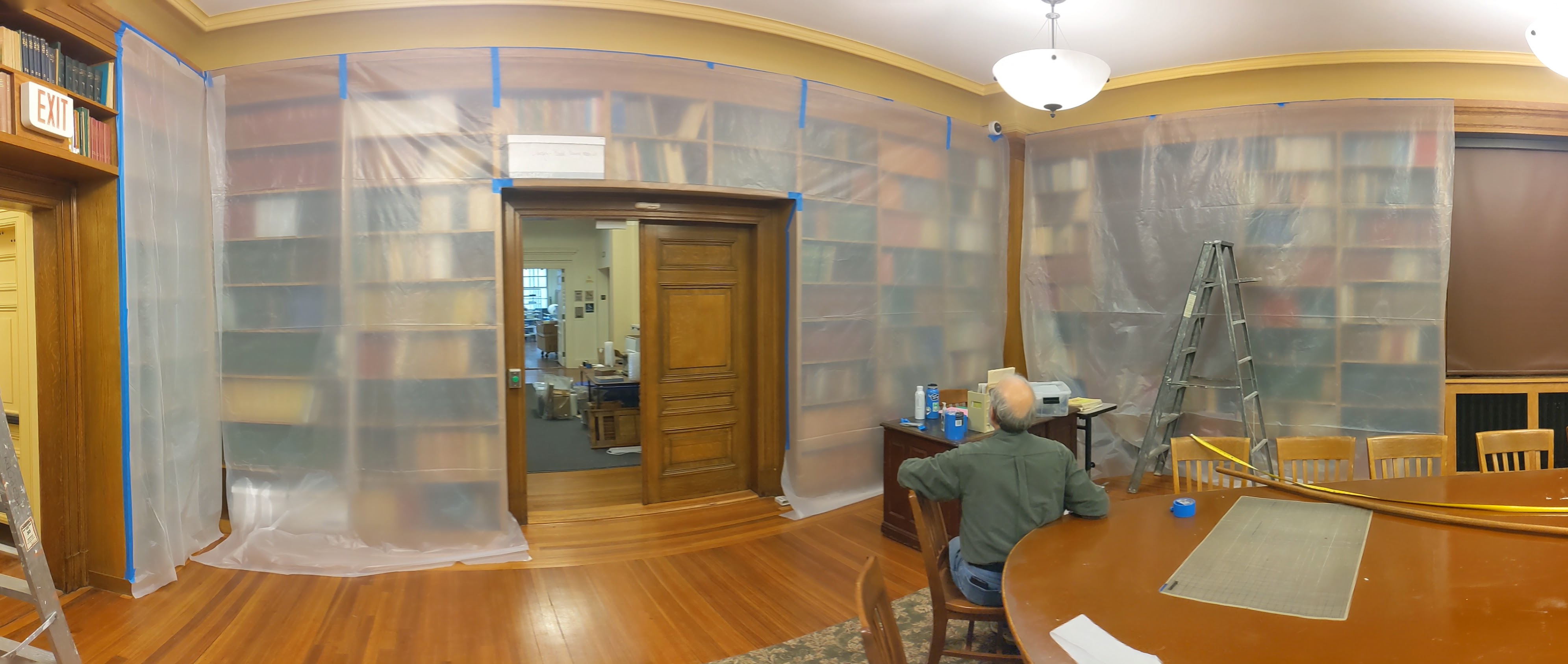
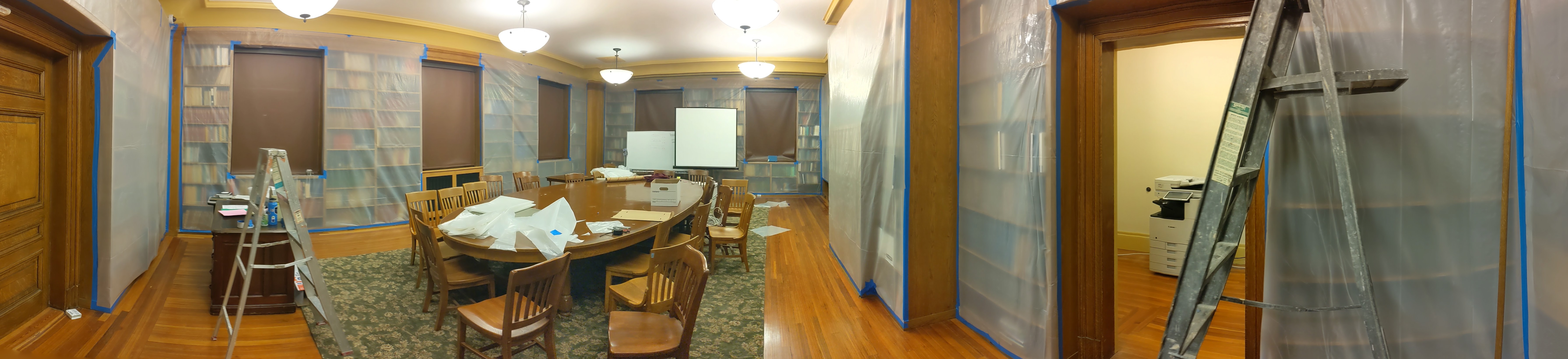
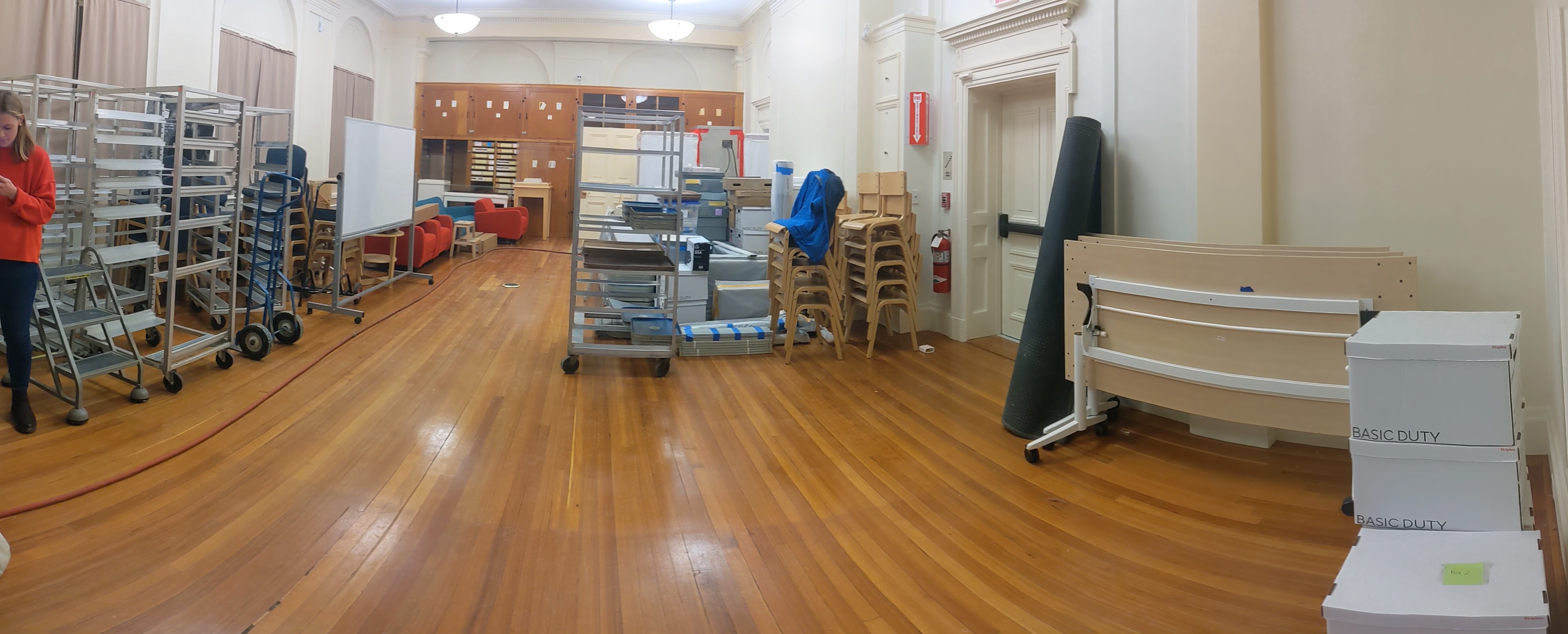
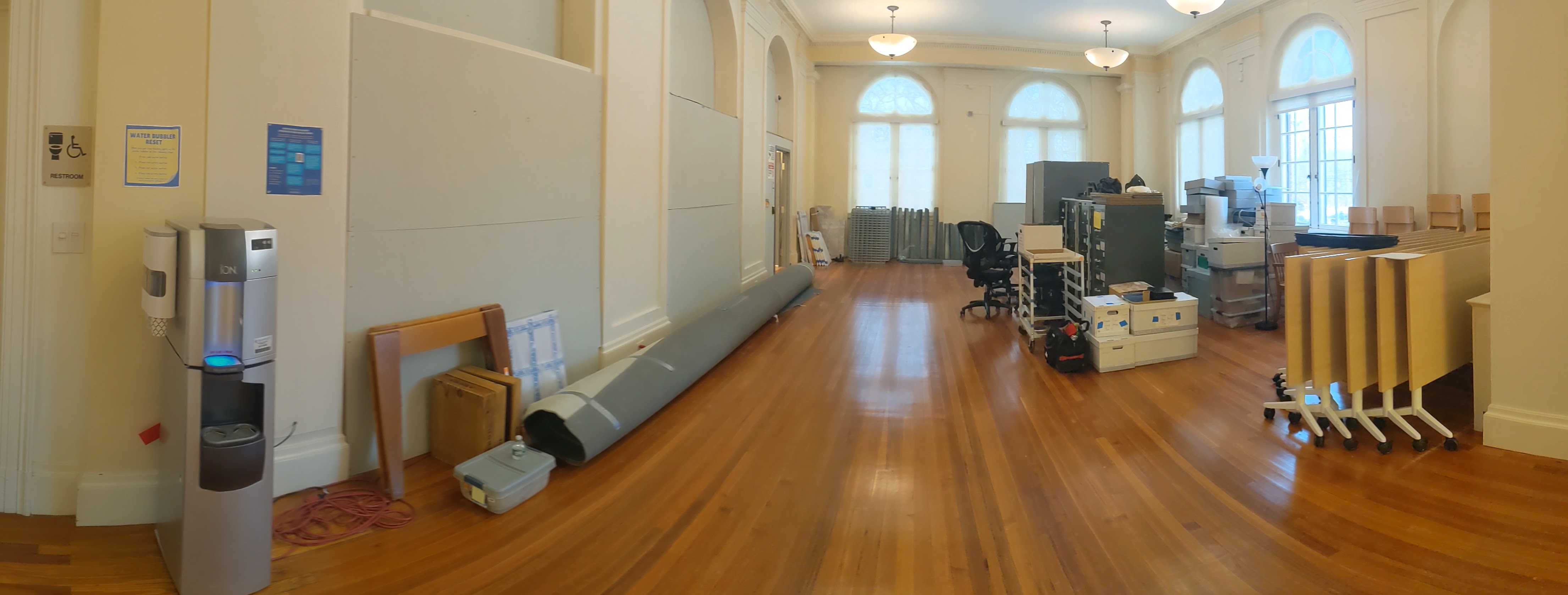
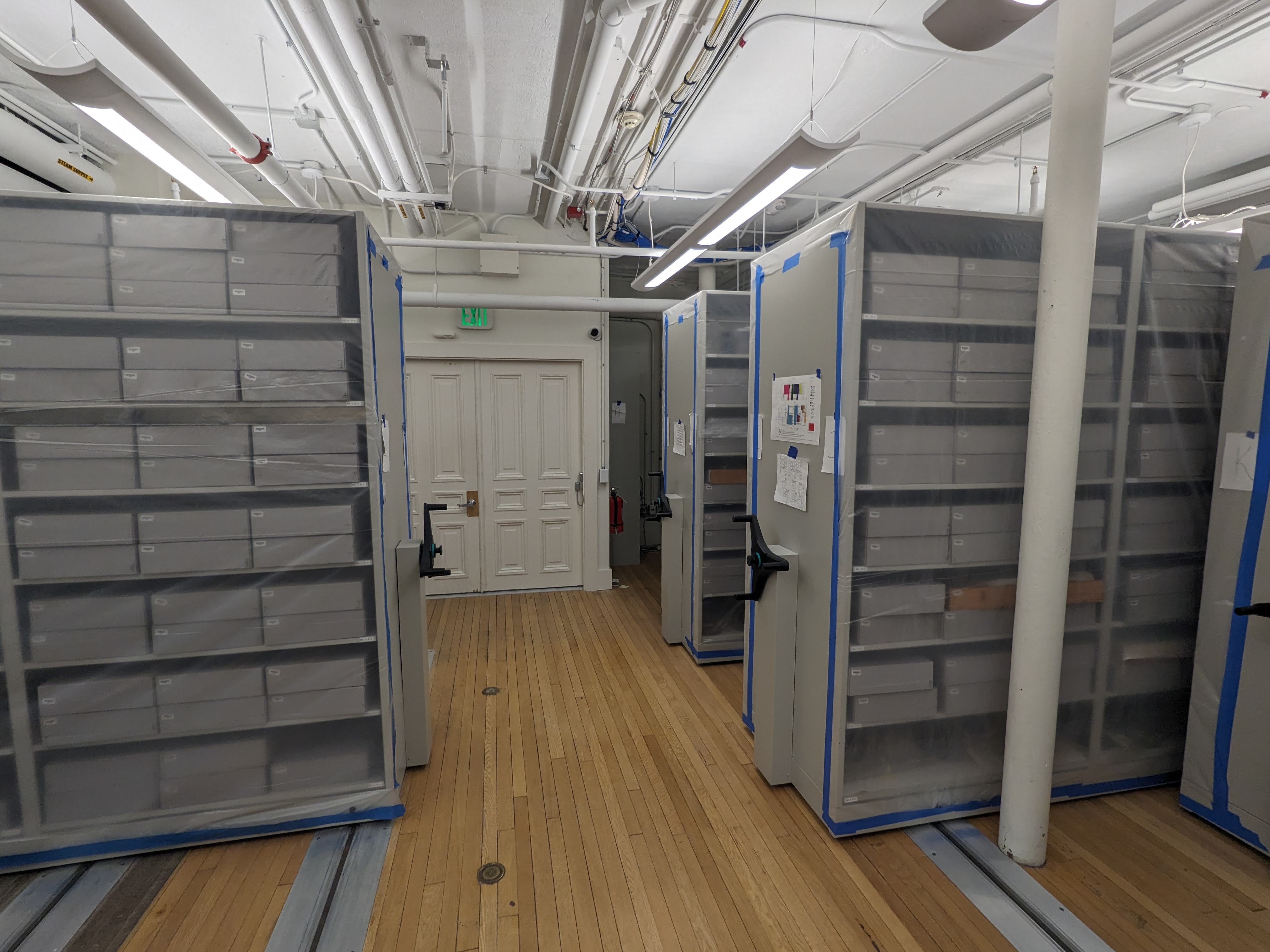
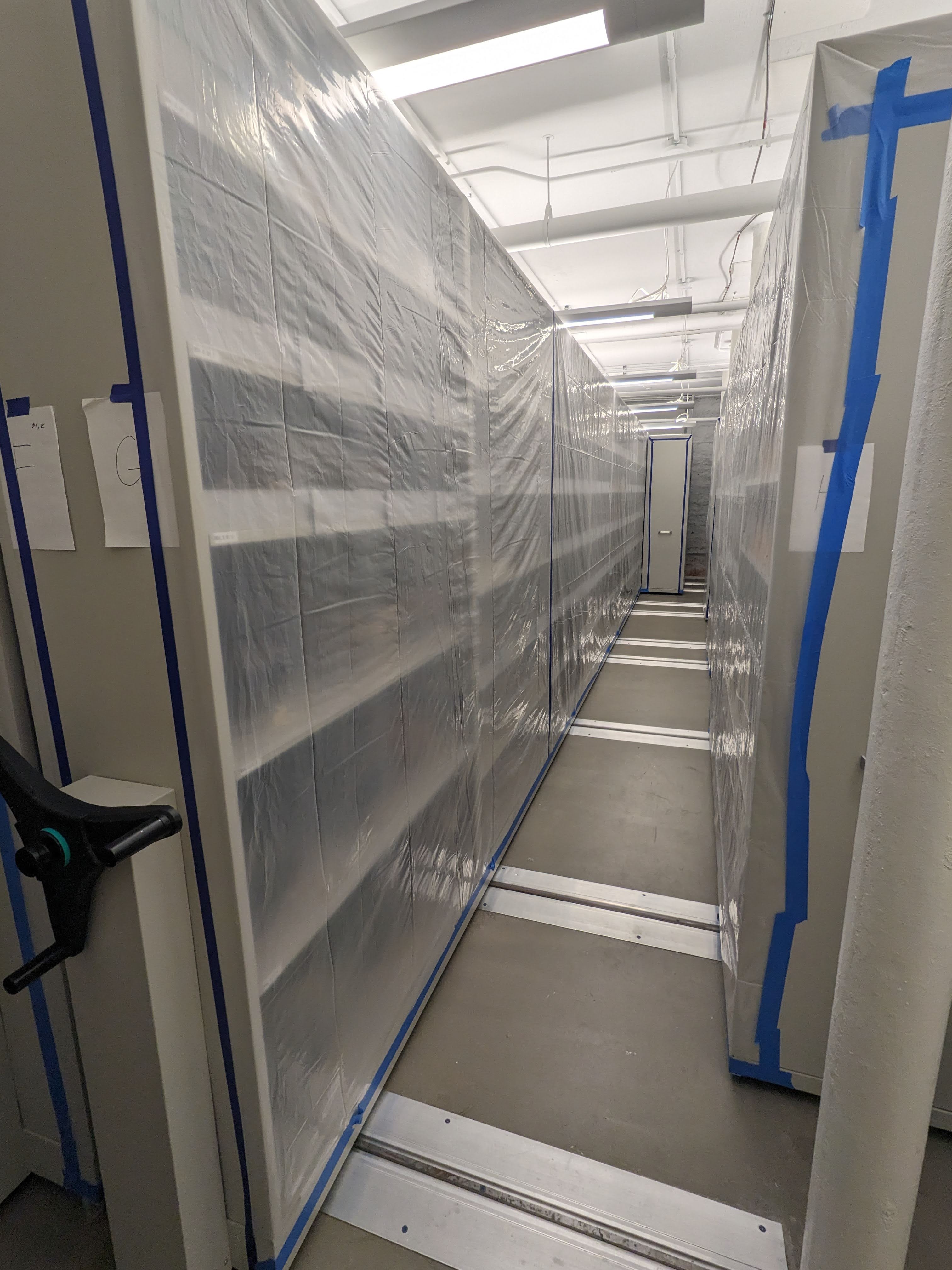
In a few months, the Peabody Institute will be undergoing Phase 2 of some much-needed renewal work. The building and collections will be off-line Winter and Spring terms. The Peabody will continue to support modified classroom lessons and student activities, outside of the Peabody building. Student requests to access collections will be considered on a case-by-case basis.
In honor of the upcoming building project, this (part 1) blog shares some of the Peabody building’s history.
A Special Place at the Corner of Phillips and Main
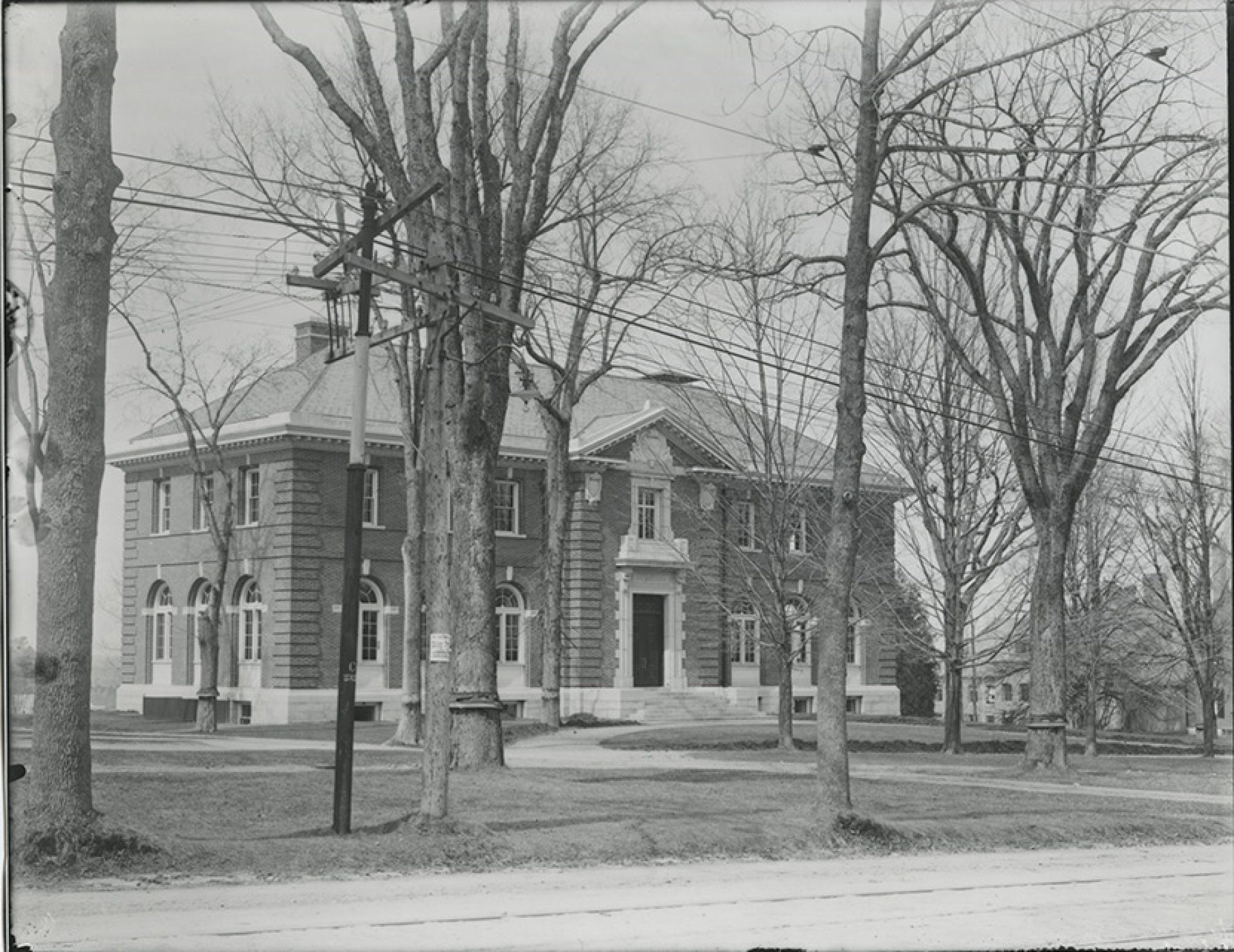
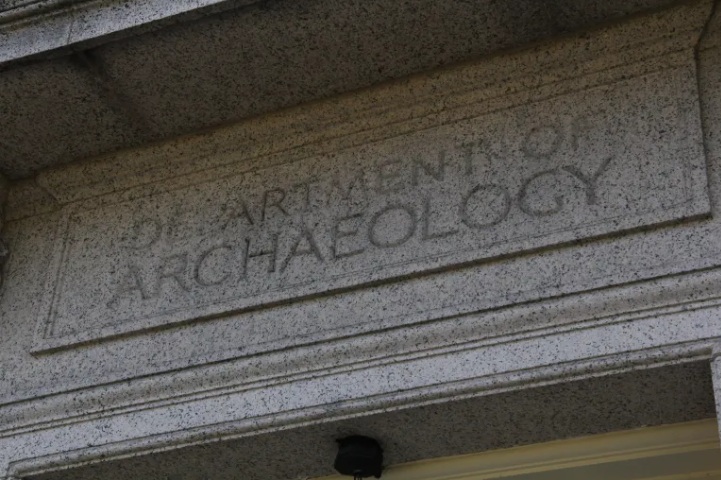
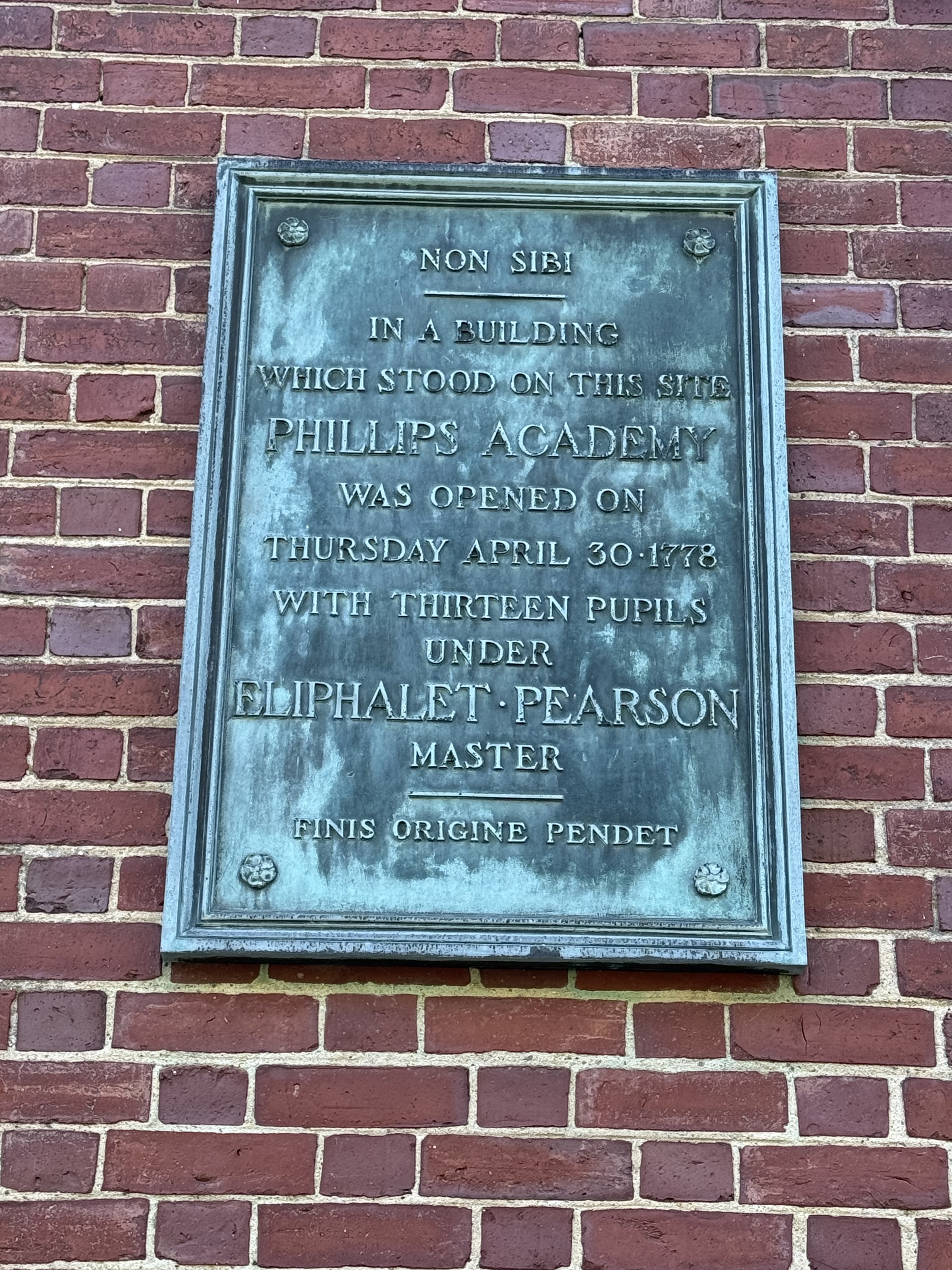
The first Founder’s Day for Phillips Academy was held in October 1913. At this time a bronze plaque was unveiled and placed on the Peabody Insitute building (known then as the Archaeology Department) commemorating the site where the first school-building on campus was opened in 1778. This plaque can still be seen on the Peabody building today!
Bronze plaque on the Peabody Institute building exterior from 1913.
The site at the corner of Phillips and Main streets has an interesting history, one that began well before the Peabody. The site first housed the 1778 carpenter’s shop used as the first classroom building at Phillips Academy.
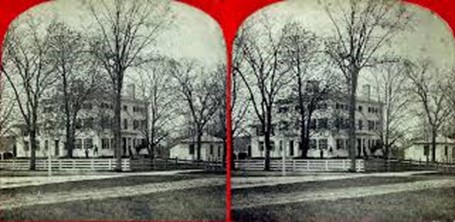
Around 1845, the shop was moved from the site and eventually razed. Samuel Farrar, treasurer of Phillips Academy and the Andover Seminary, built a three-story, Federal-style house on the location. The house has since been moved further down on Phillips Street and is known as Farrar House.
Farrar House – Image courtesy of Andover Historic Preservation, Memorial Hall Library, Andover, MA
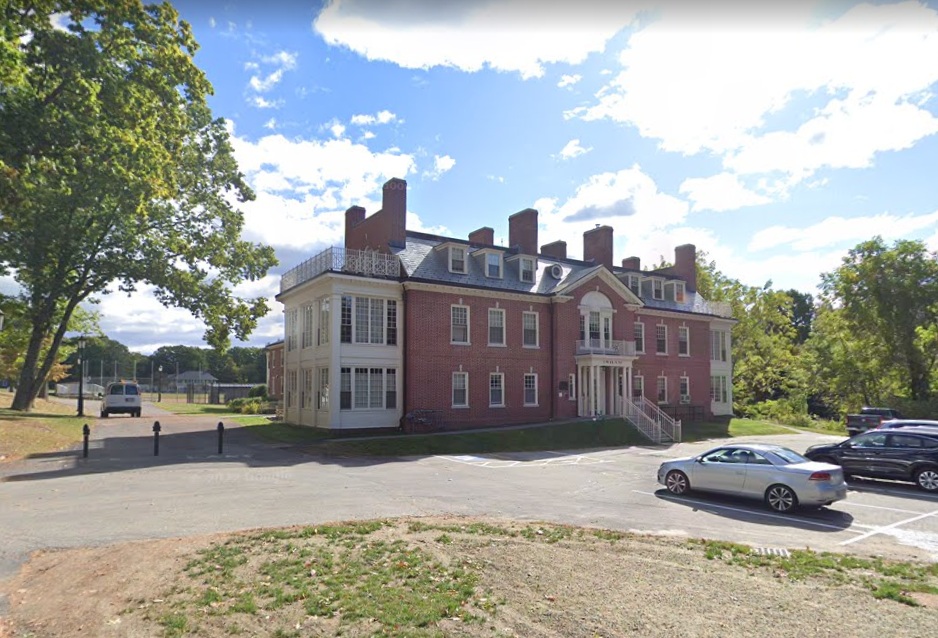
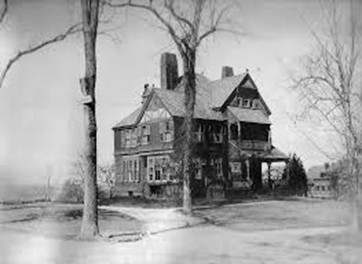
In 1882, a home was built on the site for J. Wesley Churchill, a professor at the Andover Theological Seminary. Later in 1901, the house was moved to another location on Main Street to make way for the new Archaeology Building which later became the Peabody. The house is known as Churchill House on campus today.
Churchill House – Image courtesy of Andover Historic Preservation, Memorial Hall Library, Andover, MA
In a Phillipian article from 1917, the history of Founder’s Day and the significance of the 175 Main street site is shared, noting a 1916 dedication of the new Peabody House by Dr. Charles Peabody (first Peabody Director and son of the Archaeology Department’s founder, Robert S. Peabody).
In this column, it was mentioned that ceremonies were not held to celebrate Founder’s Day as “this year, more than at any other time, matters of lesser importance should give way to more serious questions.” This was in reflection of the current impact of the Spanish Influenza and WWI.
Smoke Talks (Smoking and collections don’t mix…)
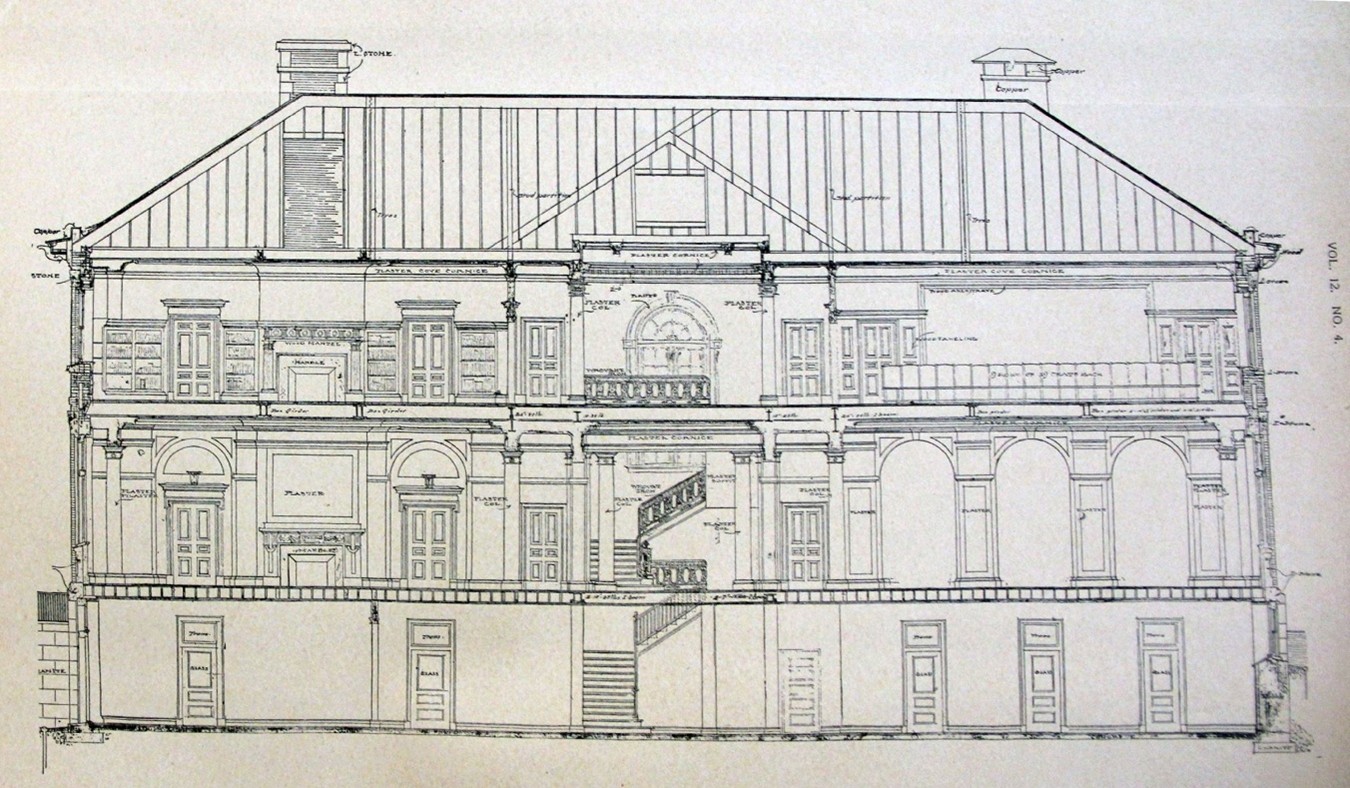
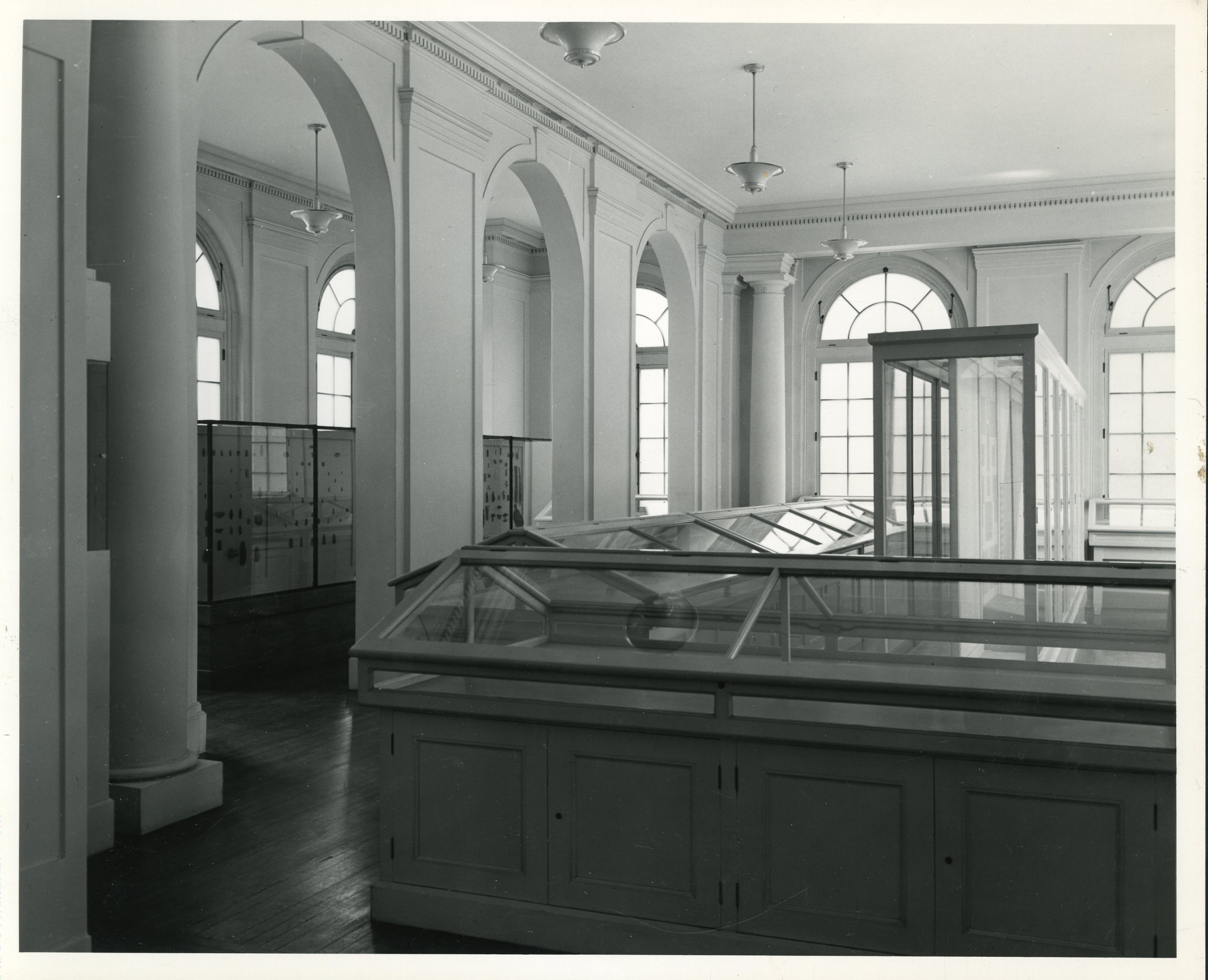
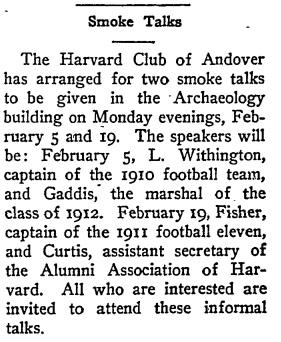
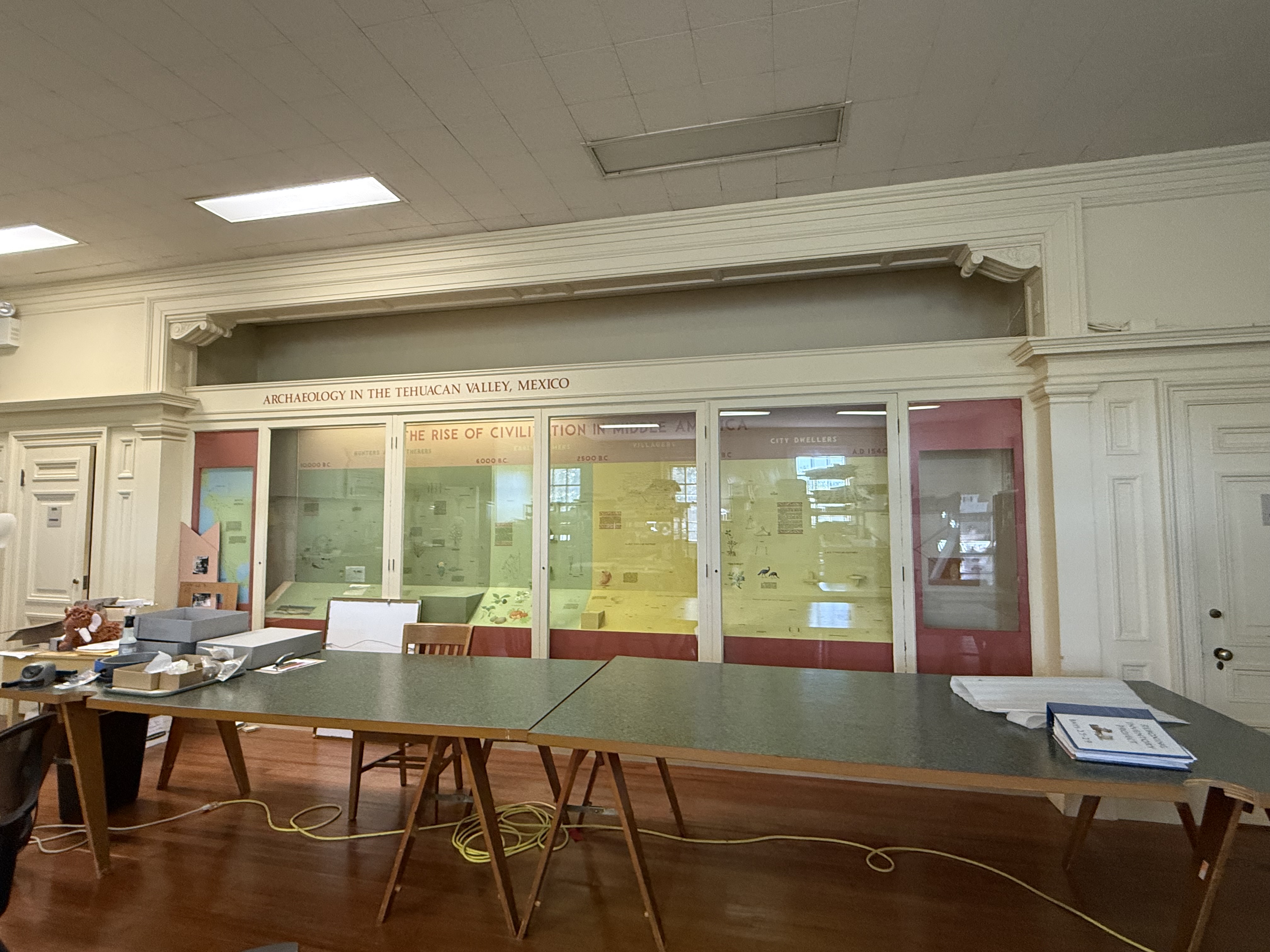
In the early years of the new Department of Archaeology building, Curator Warren K. Moorehead would give “smoke talk” lectures on the second floor of the building. Some of the original molding from the proscenium arch is still visible today at the Peabody. Beyond these lectures, student clubs would hold their own “smoke talks” in the Peabody, which served as the Student Union building for many years on campus. How did these lectures get their name? For the cigars smoked during these meetings by students and speakers alike!
A column from The Phillipian in 1912
Features of the old proscenium arch can still be seen at the Peabody today. In 1967, an exhibit wall with case was placed in the middle of the arch.
A Grill in the Basement (Now they’re pushing their luck…)
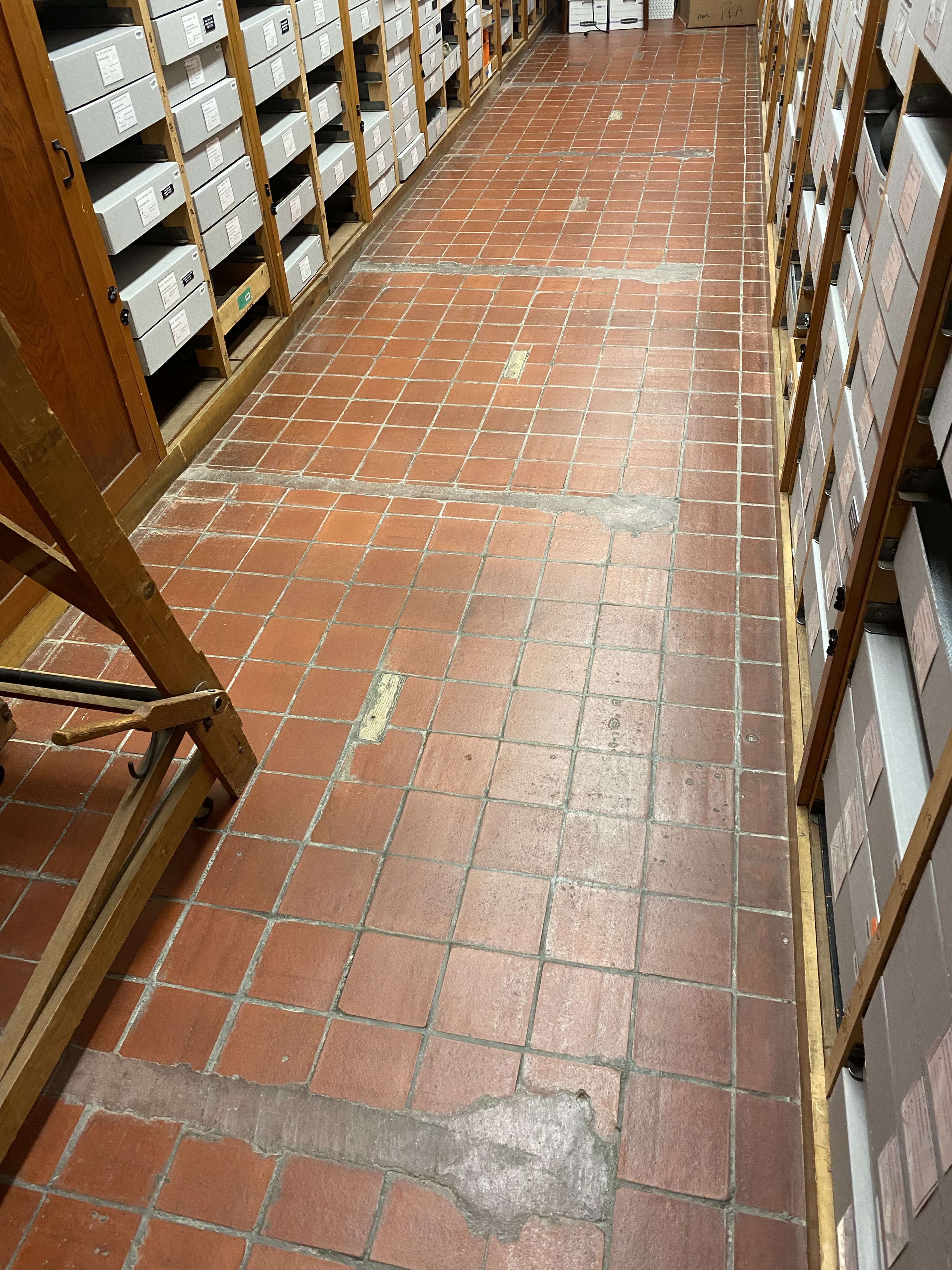
Beginning in 1913, The Phillipian mentions meetings at “the Grill” in the basement of the Peabody (known as the Department of Archaeology at the time). At one point, the Peabody had a kitchen complete with grill, stall seats, and tables for student gatherings. Improvements were made in 1913 giving the space a new red tile floor, dark brown wood paneling around the walls, a new stove, and a large suction flue to draw out heat and odors. In the past the odors of students’ cooking would circulate upstairs disturbing the Peabody staff.
Later in 1915, the Grill was moved to the newly constructed Peabody House located behind the Department of Archaeology building. The new space included a kitchen with large grill and private dining room for special dinners and banquets. There rooms are similar in design to the original grill room in the Archaeology Building.
Before Phase 1 of the Peabody Building Project, the original red tile floor from the Student Union Grill room was still visible in the basement of the building. In the photo you can see where the booths and tables made up the seating stalls.
Peabody House….and Fire(Well, it was bound to happen at some point…)
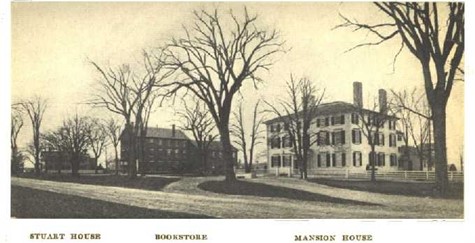
The Peabody House was opened in 1916 as an extension of the Department of Archaeology with the intent of giving students a building for their own use. Construction of the building used some of the funds contributed by Robert S. Peabody, founder of the Archaeology department at Phillips Academy and donor of the Archaeology Building. An article from The Phillipian describes the new building with an exterior of brick and stone, “which will correspond with the style of architecture of the Archaeology building and the new dormitories.” The first floor housed a student lounge and reading room with a large fireplace and large French windows. The second floor was similar in design to the first floor with space for the late Robert S. Peabody’s books and a large portrait of him. The room was used for club meetings as well as student assemblies and special banquets.
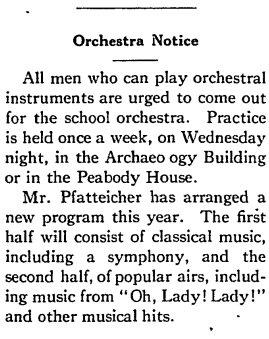
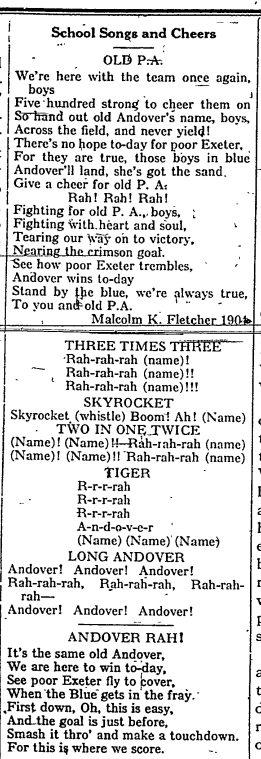
Some activities held in the Peabody House, highlighted in The Phillipian, are a notice to join the school Orchestra, with practices held once a week in the Archaeology Building or Peabody House. My personal favorite was an announcement to students for a mass meeting at the Peabody House to practice school songs and cheers. One entry from 1917 describes three hundred men present at the evening meeting called by head cheerleader, Howard Smith.
Two columns from 1917 advertising for the orchestra and sharing PA cheers and songs!
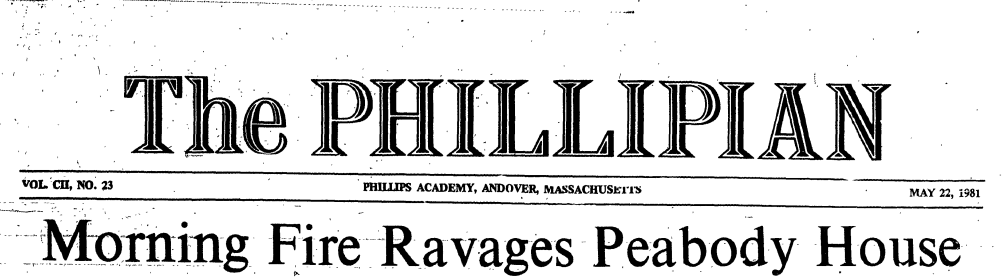
Jumping ahead to several decades later, headlines read “Morning Fire Ravages Peabody House.” In the early hours of May 18, 1981, a fire broke out in the Peabody House, destroying the first and second floors as well as the attic. There were no reported injuries, however, many of the Afro-Latino American Society’s possessions were lost on the second floor. Faulty electrical wiring is suspected to be the cause of the fire.
“[I was in] awe at how extremely hot the flames were, how much smoke there was and how terrifying it was to see the fire’s power.” – Headmaster Theodore R. Sizer
“[There was] steam and yellow light and flames bursting out of the roof.” – PA Student, Upper
We hope you enjoyed PART 1 of this two-part blog post. Stay tuned for PART 2, coming next month! To be continued…
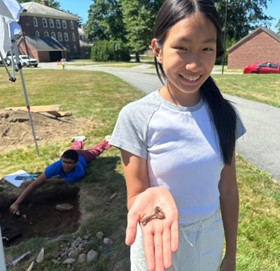
Almost every summer since 2016, young archaeologists from Phillips Academy’s summer session program embark on a mission to excavate the site of the eighteenth century Samuel Philips Jr. Mansion House, located on the West Quad of campus. The infamous Mansion House was built in 1782 by the academy’s founder and stood for 105 years, before burning down in 1887. News articles from the period suggest that the demise of the Mansion House was a result of arson; many speculating that the proprietor, Charles Carter, started the fire. During its long period of occupation, the Mansion House served as not only a home, but later an inn and tavern for students, community members, and travelers. The site’s long history and relatively undisturbed context creates an ideal setting for archaeological excavation and student learning.
Over the past seven years, students have succeeded in discovering portions of the house, including multiple chimneys and a basement feature. This year, students set out with high expectations, choosing to place four excavation units in spaces just outside of the Mansion and two units in the southwest portion of the quad, near the sites of historic outbuildings, a nineteenth century printing house, and an early nineteenth century pathway.
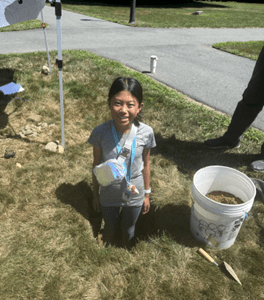
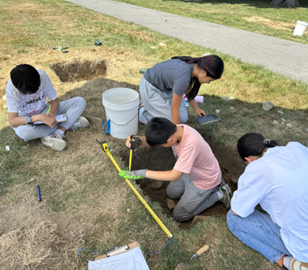
Students in each excavation team had a blast taking turns performing the primary tasks of an archaeologist: digging, screening, measuring, and note-taking. Many, if not all, students even got to unearth artifacts from their units! Some of our favorites included a small ferrous key, an impressed glass tumbler, and half a pair of scissors which all came from the two excavation units placed in the southwest portion of the quad.
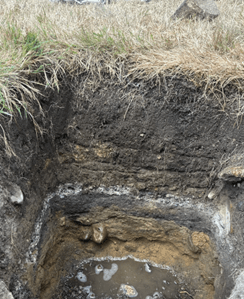
Further excavation in this area revealed a feature relating to the historic pathway present on early nineteenth century maps of campus. Pictured below is a dense, gravelly layer of soil discovered at 40 cm. This layer, interpreted here as the pathway, was intermixed with nineteenth century materials including glass, brick fragments, and some ceramic.
Students excavating the other four units in the northern portion of the quad found shallow cultural layers followed by a sterile C horizon, between 20 and 35 cm. While the artifact density of these units was limited, students still enjoyed finding an abundance of brick, metal nails, and some small ceramic fragments. The very shallow deposits found in these units informed the team that no building activity likely occurred in these areas. Additionally, the relatively low artifact density suggests that these areas were not regularly used like in a dooryard or garden area.
Overall, students in the 2025 field program successfully applied archaeological methods to ‘unlock’ more of the mysteries surrounding the Samuel Phillips Jr. Mansion House. This year’s field season serves to inform of the deep cultural deposits in the southwest portion of the quad and the significant research potential it could provide for future field seasons.
Thanks to the entire student field crew and cheers to a wonderful field season!
Last spring, I was new to Phillips Academy. I’d just arrived on campus, still figuring out where I fit in, still mapping the place out in my head. One thing that kept catching my eye was this mysterious building I passed every week on my way to the music department. It looked… important. But quiet. Tucked away. That building was the Peabody Institute.
It was mid-renovation then and closed to visitors, but every time I walked by, I’d find myself wondering what was inside. What kind of objects were hidden away behind those walls? What kind of people once used them? It sent me spiraling in the best way.
I started doing some research and realized that while the Peabody is this incredible institution with a deep collection of cultural material, it wasn’t very connected to student life. Almost hidden in plain sight. And that just felt like a missed opportunity. I wanted to find a way to change that.
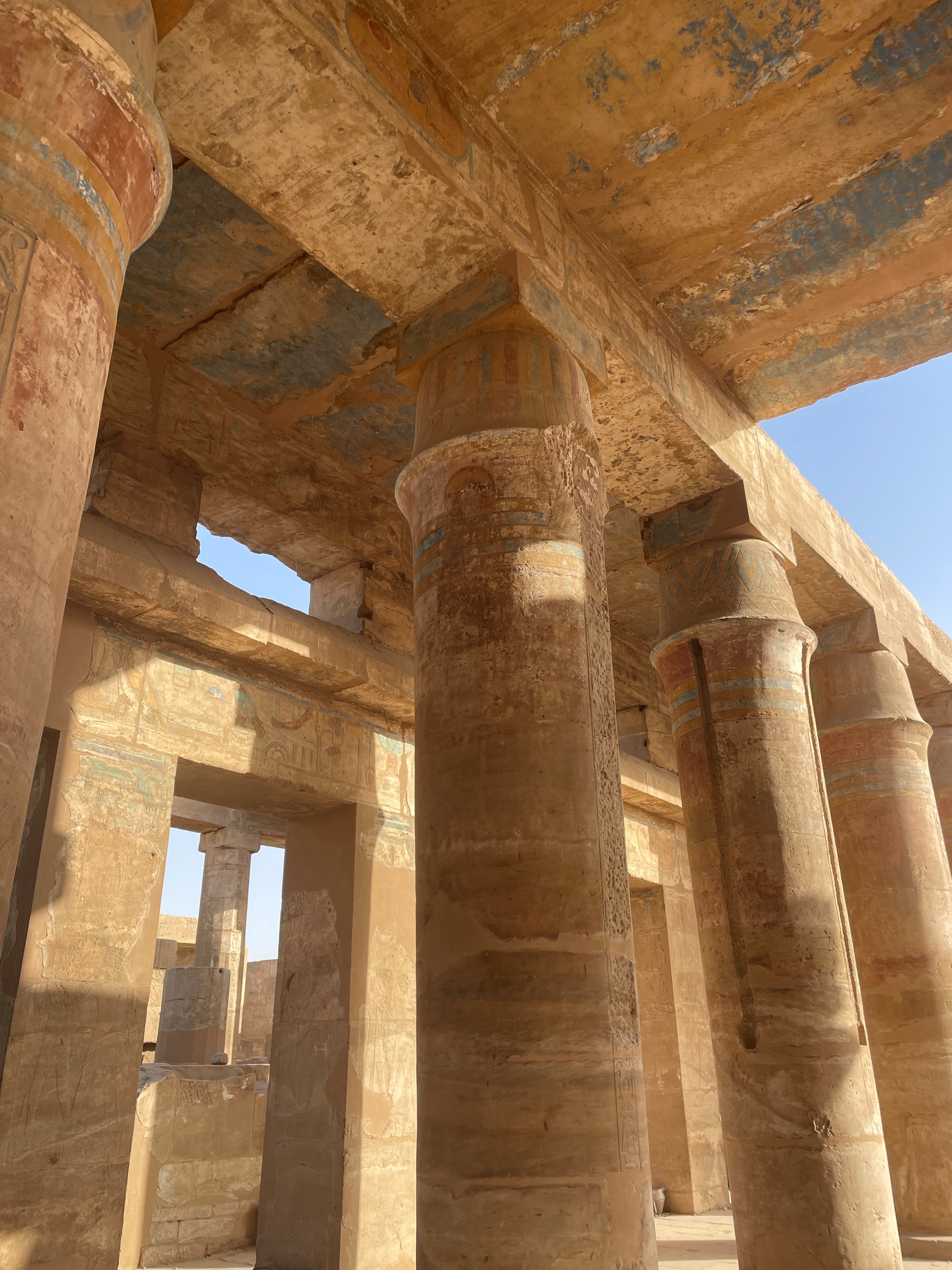
This idea took deeper root over the summer, especially after I visited Egypt. I’ve always been interested in anthropology, but that trip sparked something new in me: an obsession with archaeology. There’s something magical about holding, or even just seeing, an artifact that someone used hundreds of years ago. Imagining their life, their world, their hopes or rituals. In those moments, I feel connected to something bigger: a lineage of humans that came before and will come after. It feels like time folds in on itself.
So I reached out to the Peabody over the summer and asked if there was a way students could get more involved. We came up with the idea for a club, and when I returned to campus in the fall, I asked my friend Elliot Weir to help me lead it. That’s how the Andover Anthropological Society was born.
But the story doesn’t really start there. My fascination with culture and human behavior goes way back. I grew up in a family of nomads—the product of two people who seemed to be in constant motion. I’m an Armenian New Yorker, but I moved to Hong Kong when I was young, then to Miami, and spent years bouncing between Brazil, Europe, and the U.S. These days, my dad is based in Riyadh, so Saudi Arabia feels like another kind of home.
All this movement, this third culture existence, has taught me that “home” isn’t always a place. It’s a mindset, a perspective, a lens you carry with you. It’s made me deeply curious about how people live, how they think, and how history shapes identity. Whether it’s thinking about how Armenians process collective trauma, or how gender roles are shifting in Saudi Arabia, I’m drawn to the stories that sit under the surface. Anthropology, to me, is a way of making sense of it all.
And that’s what the Andover Anthropological Society is about. Yes, we work with artifacts. Yes, we meet weekly at the Peabody and dig into real collections and archival files. But more than anything, we’re trying to connect—to the past, to different worldviews, and to each other.
If you’re someone who finds joy in questioning things, in imagining the lives behind the objects, or in just getting a little lost in the mysteries of human culture, you’re always welcome. The Peabody may have looked quiet last spring, but it’s anything but.
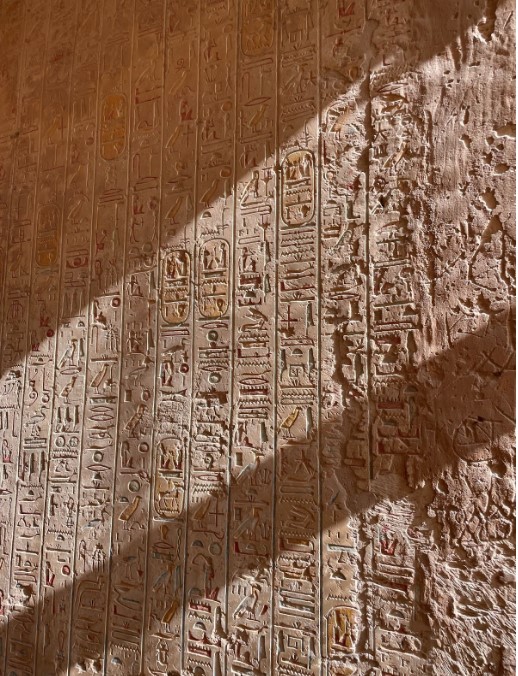
Mortuary Temple of HatshepsutValley of the Kings
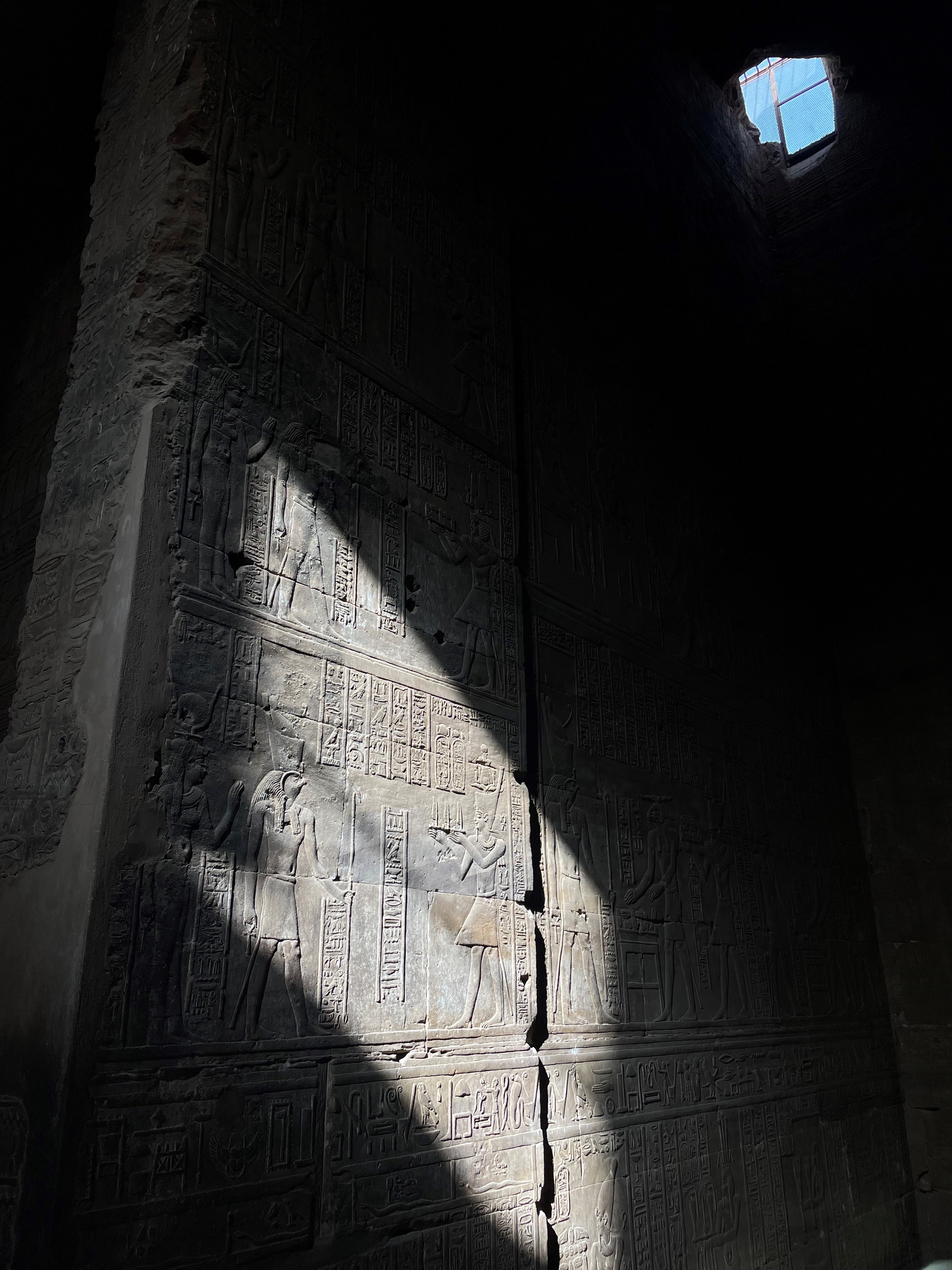
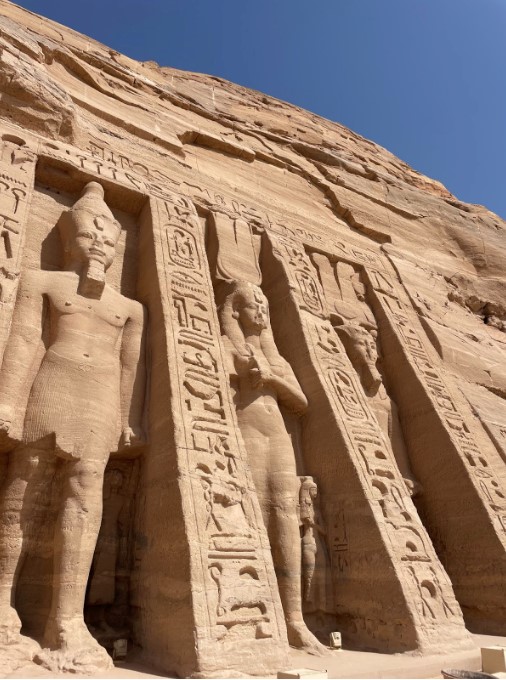
The Temple of EdfuTemple of Nefertari
Why some of our members joined:
“I decided to join the Andover Anthropological Society because studying anthropology yields a greater understanding of yourself and the world around you. In the same way that books can inform you on lives you’ve never lived, anthropology enables you to understand cultures you have never interacted with, providing perspective on your own culture and appreciation for others’.” – A.J. McQuide ‘26
“I am a junior [9th grader] from Miami, and I joined the Anthropological Society because I am interested in learning and understanding how human societies and cultures develop. I was inspired to join this club by my visit to my country-of-origin, Armenia. In Armenia, I traveled across the country visiting and seeing historical landmarks and ancient artifacts. This visit sparked a desire to understand what role these places and items played in my ancestors’ lives as well as other peoples’.” – Sebastian Djerejian ‘28
“I am an upper [11th grader] from North Andover. I knew that the Peabody was an amazing resource with many Native American artifacts that I had never seen before. I wanted to explore these collections through the Andover Anthropological Society.” – Elliot Weir ‘26
“In middle school we had a guest speaker come in to talk about how humans developed technologically, and to me that was such an interesting idea. How did we discover so much of what we know? So, for a long time, I have been interested in anthropology but hadn’t had any spaces to pursue it, which is why I was happy to join the anthropology club here at Andover.” – David Frahm ‘26
“I am a new upper [11th grader] from Verona, Italy. I joined the Anthropology club because I wanted to develop skills to be able to identify artifacts more efficiently. I’m especially interested in exploring how specific objects were used differently across the United States, and what they can reveal about the daily lives of the people who made and used them.” – Amelie Piergentili ‘26
“I am an upper [11th grader] from London, UK, and I am thrilled to say that I am a part of Andover Anthropology club. I frequently looked at the Peabody Museum as an incredible resource that I longed to explore – Anthropological Society gave this to me.” – Isabella Mazzi ‘26
“I am an upper from London, England and was always interested in History and discovering how we got to where we are now. I love connecting with different cultures and meeting new people interested in the same things I am so the Anthropology club offered an incredible way to do just this.” – Katerina Browder ‘26
Mark your calendars! PA Giving Day is Wednesday, March 26, 2025!
PA Giving Day represents a critical milestone in our fundraising efforts for the Peabody. Last year we raised 65% of the Peabody’s annual support from 57 donors in just one day. This year our goal is to exceed previous success by engaging even more PA alumni and friends of the Peabody in this collective day of giving.
For those inspired to give early, please visit the PA Giving Day page here! Please be sure to select the “Peabody Institute of Archaeology” under the “designation” section. Any gift made in advance of the event will count toward PA Giving Day totals.
This year we hope to have more match challenges and even more support! Be sure to follow our social media on PA Giving Day for some inspiring posts from students who have been impacted by the Peabody.
A Dialogue Between Director for Advancement Initiatives, Jennifer Pieroni, and former Peabody Institute Work Duty student and current Peabody Advisory Board member, Ben William Burke ’11.
Archaeology isn’t just about uncovering and studying ancient items—at Andover, it’s about shaping a more informed, ethical, and engaged society. By learning archaeology, Andover students gain experiences to understand the world better, think critically, and contribute meaningfully to the future by better understanding the past.
At a recent Peabody Institute meeting, I met Ben William Burke ’11, whose enthusiasm for the Peabody was inspiring. As a new member of the Andover community, I wanted to understand why the Peabody had left such an indelible mark on Ben and why he continues to support it today.
By email, Ben shared: “As a work duty student at The Peabody, I received unparalleled access to its extensive collection and cultural immersion programs. These experiences brought me face to face with — and taught me the value of — perspectives different from mine. In those moments, I was challenged to understand before correcting, to empathize before judging, and to build on the past in a way that respects it.”
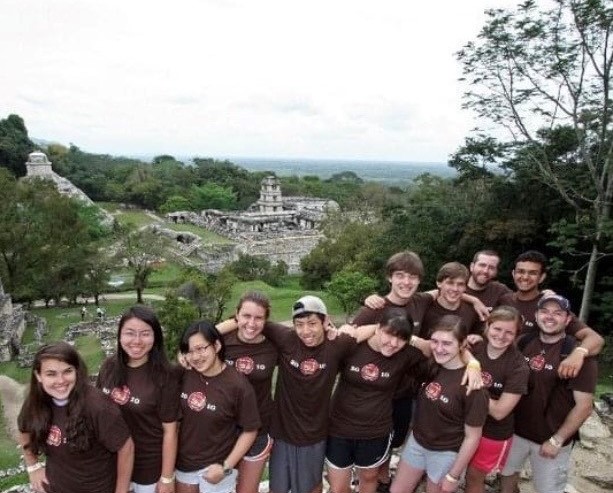
Ben Burke ’11 (Back row, third from the right) on the BALAM student trip. This was a multi-week cultural immersion and archaeological adventure through the greater Yucatán Peninsula sponsored by the Peabody Institute.
Today’s Andover students gain the transformational learning opportunity of being a part of an organization that leads in the field of repatriation and reflects Non Sibi by teaching students that archaeology is not just about personal discovery but about responsibility: to the past, to descendant communities, and future generations. Through hands-on study, students engage in meaningful, ethical work prioritizing respect over self-interest.
Ben noted, “There is not an avenue in my life that isn’t positively affected by The Peabody’s lessons in empathy and respect. I support The Peabody because I understand the value in learning to value other’s perspectives – especially when they are different from my own.”
Supporting the Peabody means investing in education that shapes responsible scholars and professionals. By supporting the Peabody with an annual gift, you can help elevate a place where teaching and learning are deeply connected to respect, collaboration, and cultural preservation. Join us in ensuring that the study of archaeology serves our Andover students and also society as a whole.
Hi, all. My name is Lainie Schultz, and I am the brand-new Curator of Education here at the Robert S. Peabody Institute of Archaeology. I come to this position from the George Peabody Museum of Anthropology (aka the Peabody Museum of Archaeology and Ethnology, or PMAE), where I was previously the Head of Teaching and Learning. It is also where my career in museums began, as an undergrad looking for a federal work-study position. At the time I just thought it would be a relatively painless way to make some money, but it turned out I genuinely cared about museums and the relationships they build with descendant communities. Who would have guessed?
This led me to graduate school in anthropology, and a few more museum stops along the way. In between stints at the PMAE I was introduced to the culture of morning and afternoon tea in the Repatriation Unit of the National Museum of Australia (sometimes the tea is coffee); was thrown into the world of First Nations humor during consultation visits at the Museum of Anthropology at the University of British Columbia (do you know how to pronounce Kwakwaka’wakw? Gitxaała? just bragging…); learned to throw a returning boomerang at Muru Mittigar Aboriginal Cultural and Education Centre (key word “throw.” darned thing never returned); pretended along with the Cultural Collections and Community Engagement section of the Australian Museum that our already well-worn office demountables were only “temporary” (humor came in handy there, too); marveled like the nerd I am at the Berndt Museum of Anthropology’s catalogue records (THEY ARE. SO. COMPLETE.); and stayed with family I didn’t know I had before while at Bunjilaka Aboriginal Cultural Centre (that had nothing to do with the cultural center, but it really meant a lot to me).
I don’t know what new experiences the RSPI will be throwing at me, but I am ready for it all.
May is National Pet Month, a time to celebrate how important our pets are! Whether they are just being their playful selves or providing assistance in various ways, pets contribute so much love in people’s lives. They also make our social media that much more entertaining.
This month we’d like to introduce some more Peabody Pets! Amongst these new faces, you may see some familiar furry friends from our first Peabody Pets blog here!
Meet Opal
Opal is a beagle/basset hound mix that was rescued from Oklahoma. She was a puppy when she came to Peabody curator of collections Marla Taylor’s family just about a year ago and they decided her birthday is February 14th. Opal was named by Marla’s sons – they came up with the name completely on their own and it won the family vote. Opal loves her boys!
Opal’s favorite foods are broccoli, carrots, and salami. She LOVES chasing the ball in the backyard but hasn’t figured out that she needs to bring it back to have it thrown again. She also loves trying to play soccer with the boys (but she uses her mouth). Opal does not hesitate to climb onto your lap when she wants some attention.
Meet Sophie and Elle
Sophie and her daughter Elle are the newest additions to Peabody director Ryan Wheeler’s family. Sophie (also known as Baby Cat, Baby Momma Cat, Clio, Buttons, etc.) was part of a feral cat colony in Fort Lauderdale, where she befriended Ryan in 2021. She was ultimately rescued by the organization Love for Cats in 2022 and was soon joined by her kitten Elle (named for Millie Bobby Brown’s character Eleven from Stranger Things).
In July 2022, Ryan traveled to Florida to bring Sophie and Elle back to Massachusetts. Despite being feral, Sophie enjoys sitting with her humans, interacting with her dog friend Scotty, and, occasionally, snuggling with her daughter. Elle is now two years old and the biggest cat at Ryan’s home. She enjoys being goofy, watching television, and playing with her toys.
Meet Batson
Batson is a 1-year old golden retriever whose birthday was just last month! He is the second fur child to Peabody administrative assistant Emma Lavoie and her family. Batson gets his name from the Batson River that flows through Kennebunkport, Maine. The towns of Wells and Kennebunkport, Maine are very dear to Emma’s family, as her family has spent summers there since she was a child. Batson’s namesake is also dedicated to the Batson River Brewing & Distilling Company, a local favorite in Maine!
Batson’s favorite activities are swimming, running on the beach (and into the ocean), looking out the window, giving hugs, wrestling or sitting on his brother, and looking at himself in a mirror (we’re still figuring that one out). His favorite foods are peanut butter, green beans, carrots, and his meatball and jerky treats. You may recognize Batson’s brother, Rourke, from our previous pet blog. Rourke is now 5 years old and loves having a little brother… most of the time. Rourke got his name from Emma’s old family Irish name O’Rourke (meaning Red Hero). Emma found the family crest during her visit to Ireland in the fall!
Meet Baz
Remember Baz from our previous blog? He’s now 17 years old! Baz has been a long-time member of Peabody collections coordinator John Bergman-McCool’s family. He will follow you around the house for hours waiting for the moment you sit down. Then, he claims his spot in your lap. The remaining time is spent sleeping on your pillow. He loves cucurbits of all kinds and playing fetch.
Meet Scotty
Recognize Scotty from our previous blog? Scotty MacLeish is an Australian cattle dog mix who joined Peabody director Ryan Wheeler’s family in fall 2016. He was about a year old at that time, a rescue from Tennessee. Scotty soon made an appearance in Ryan’s Human Origins course, where he helped facilitate conversations about dog domestication (being part dingo!).
Scotty enjoys hanging around with his cat friends, but doesn’t enjoy rainy or cold weather. His name is a tribute to Richard “Scotty” MacNeish, fifth director of the Robert S. Peabody Institute of Archaeology and super star archaeologist of plant domestication.
Meet Dexter
This is Dexter! He is a 6 year old Tabby cat. He was adopted from the pet adoption center in Irondequoit, NY, joining Peabody temporary educator and collections assistant, Nick Andrusin’s family back in 2019. His new family did not pick his name. Instead, they chose to keep his original name, Dexter, as he already knew and answered to it before adoption.
His favorite activities include rough housing, staring at birds, and sitting on an open lap for as long as possible. He loves cream cheese and deli meats.