2023 Summer Reading List: Our Peabody Picks

Contributed by Emma Lavoie

As the school year comes to a close and we take time to slow down (thank you vacation time), what better time this season then to grab a book and settle down on a porch swing. It’s time to grab your library card, load up your Kindle, or get yourself to your local bookstore. Our staff and friends of the Peabody have done it again… Back by popular demand! The Peabody shares their favorite finds for this summer’s reading list. We even threw in a podcast as a bonus for any listeners! We hope you have a wonderful summer dear readers and enjoy exploring these “Peabody Picks.”

Happy reading!

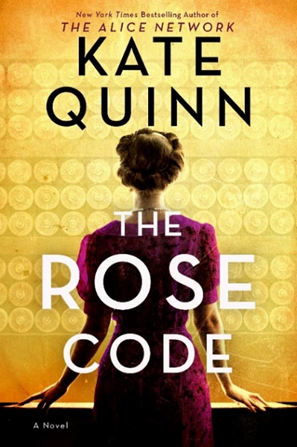
The Rose Code by Kate Quinn – Recommended by Emma Lavoie, Administrative Assistant

If you read one historical fiction book this year, THIS SHOULD BE IT! As England prepares for World War II, three women from very different walks of life answer the call to mysterious county estate Bletchley Park, where the best minds in Britain train to break German military codes. Osla translates decoded enemy secrets, Mab works the legendary code-breaking machines, and Beth is one of the Park’s few female cryptanalysts. Eventually war, loss, and the impossible pressure of secrecy will tear the three apart. Flash forward seven years later, these friends-turned-enemies are reunited by a mysterious encrypted letter – the key to which lies buried in the long-ago betrayal that destroyed their friendship and left one of them confined to an asylum. A mysterious traitor has emerged from the shadows of their Bletchley Park past, and now Osla, Mab, and Beth must resurrect their old alliance and crack one last code together against the backdrop of the royal wedding of Elizabeth and Philip.

“The reigning queen of historical fiction.”Fiona Davis, New York Times bestselling author of The Lions of Fifth Avenue

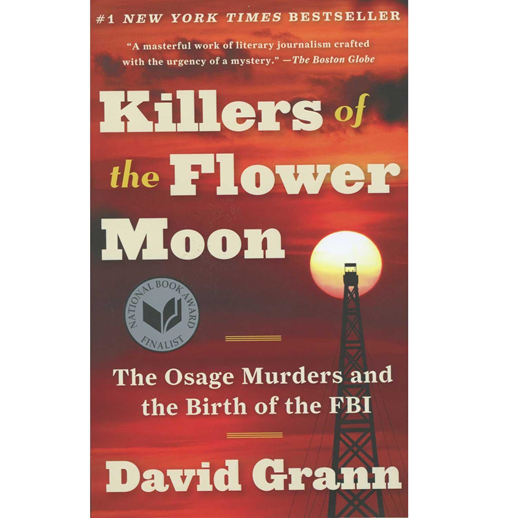
Killers of the Flower Moon by David Grann – Recommended by Michael Agostino, Peabody Volunteer

Set in the 1920s, this book features people of the Osage Nation who were relocated to barren lands in Oklahoma which were later discovered to be rich in oil. Per capita, members of the Osage nation quickly became the richest people in the world and targets for murder. This book carefully describes efforts by lawmen to solve these crimes and bring the murderers to justice. The lawmen were led by J. Edgar Hoover and his organization soon became the FBI – in what became one of the organization’s first major homicide investigations. Together with the Osage and Texas Ranger, Tom White, they began to expose one of the most sinister conspiracies in American History. A true-life murder mystery about one of the most monstrous crimes in American history, Killers of the Flower Moon, is highly acclaimed, receiving numerous awards, and was recently made into a movie starring Leonardo DiCaprio and Robert Deniro.

 “A masterful work of literary journalism crafted with the urgency of a mystery…. Contained within Grann’s mesmerizing storytelling lies something more than a brisk, satisfying read. Killers of the Flower Moon offers up the Osage killings as emblematic of America’s relationship with its indigenous peoples and the ‘culture of killing’ that has forever marred that tie.” The Boston Globe

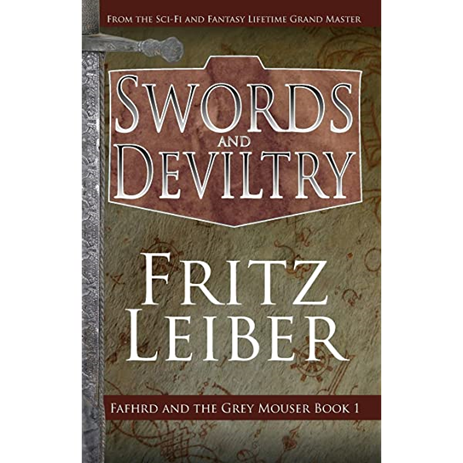
Swords and Deviltry (Fafhrd & the Gray Mouser #1) by Fritz Leiber – Recommended by Ryan Wheeler, Peabody Director

First in the influential fan-favorite series, Swords and Deviltry collects four fantastical adventure stories from Fritz Leiber, the author who coined the phrase “sword and sorcery” and helped birth an entire genre. This collection of short stories and novellas follows the adventures of barbarian Fafhrd and conjurer turned sword fighter Gray Mouser written by Leiber in the 1950s and 60s and collected in 1970. If you like Robert E. Howard and Conan the Barbarian, you will love this! And if you do, there are a total of seven of these collected volumes chronicling the exploits of Fafhrd and the Gray Mouser, in this and other dimensions.

“A Grand Master of Science Fiction and Fantasy.”Science Fiction Writers of America

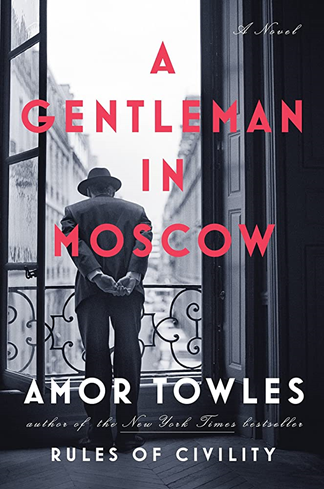
A Gentlemen in Moscow by Amor Towles – Recommended by Richard Davis, Peabody Volunteer

In 1922, Count Alexander Rostov is deemed an unrepentant aristocrat by a Bolshevik tribunal, and is sentenced to house arrest in the Metropol, a grand hotel across the street from the Kremlin. Rostov, an indomitable man of erudition and wit, has never worked a day in his life, and must now live in an attic room while some of the most tumultuous decades in Russian history are unfolding outside the hotel’s doors. Unexpectedly, his reduced circumstances provide him entry into a much larger world of emotional discovery. Brimming with humor, a glittering cast of characters, and one beautifully rendered scene after another, this singular novel casts a spell as it relates the count’s endeavor to gain a deeper understanding of what it means to be a man of purpose.

“How delightful that in an era as crude as ours this finely composed novel stretched out with old-World elegance.”The Washington Post

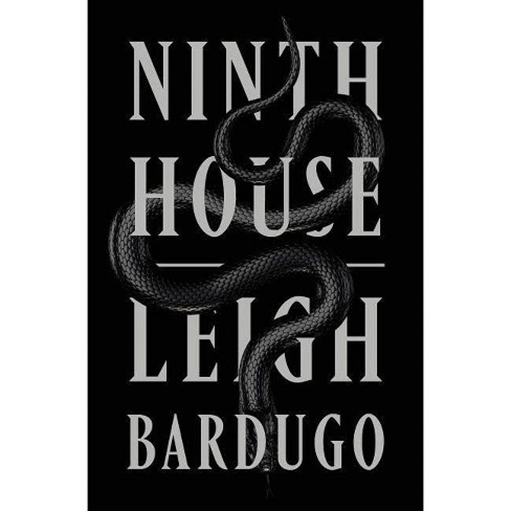
Ninth House by Leigh Bardugo – Recommended by Marla Taylor, Curator of Collections

Galaxy “Alex” Stern is the most unlikely member of Yale’s freshman class. Alex dropped out of school early and into a world of dead-end jobs and much, much worse. In fact, by age twenty, she is the sole survivor of a horrific, unsolved multiple homicide. Some might say she’s thrown her life away, but Alex is offered a second chance: to attend one of the world’s most prestigious universities on a full ride. What’s the catch, and why her? Still searching for answers, Alex arrives in New Haven tasked by her mysterious benefactors with monitoring the activities of Yale’s secret societies. Their eight windowless “tombs” are the well-known haunts of the rich and powerful, from high-ranking politicos to Wall Street’s biggest players. But their occult activities are more sinister and more extraordinary than any paranoid imagination might conceive. They tamper with forbidden magic. They raise the dead. And, sometimes, they prey on the living.

“The best fantasy novel I’ve read in years, because it’s about real people. Bardugo’s imaginative reach is brilliant, and this story – full of shocks and twists – is impossible to put down.”Stephen King

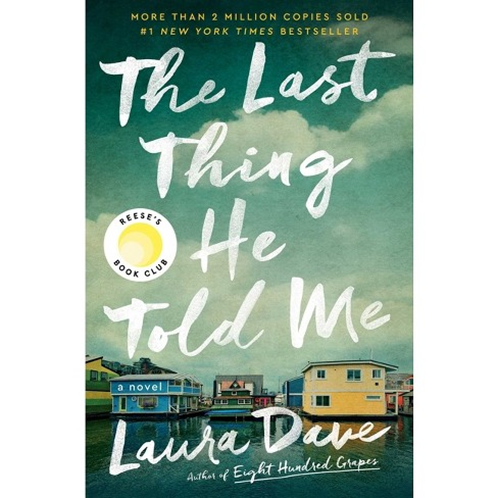
The Last Thing He Told Me by Laura Dave – Recommended by Beth Parsons, Office of Academy Resources, Director for Museums and Educational Outreach

Before Owen Michaels disappears, he manages to smuggle a note to his beloved wife of one year: Protect her. Despite her confusion and fear, Hannah Hall knows exactly to whom the note refers: Owen’s sixteen-year-old daughter, Bailey. Bailey, who lost her mother tragically as a child. Bailey, who wants absolutely nothing to do with her new stepmother. As Hannah’s increasingly desperate calls to Owen go unanswered; as the FBI arrests Owen’s boss; as a US Marshal and FBI agents arrive at her Sausalito home unannounced, Hannah quickly realizes her husband isn’t who he said he was. And that Bailey just may hold the key to figuring out Owen’s true identity—and why he really disappeared. Hannah and Bailey set out to discover the truth, together. But as they start putting together the pieces of Owen’s past, they soon realize they are also building a new future. One neither Hannah nor Bailey could have anticipated.

“In this novel, now an Apple TV+ series, Laura Dave has given readers what they crave most – a thoroughly engrossing yet comforting distraction.”BookPage

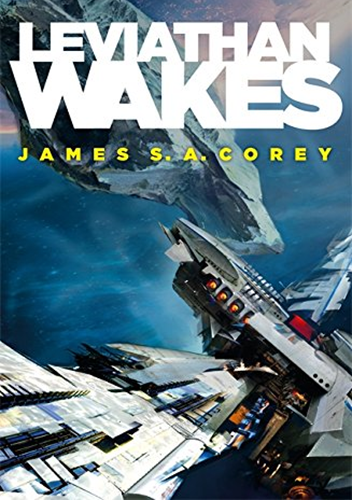
Leviathan Wakes by James A. Corey – Recommended by Nick Andrusin, Temporary Educator and Collections Assistant

Humanity has colonized the solar system—Mars, the Moon, the Asteroid Belt and beyond—but the stars are still out of our reach. Jim Holden is XO of an ice miner making runs from the rings of Saturn to the mining stations of the Belt. When he and his crew stumble upon a derelict ship, the Scopuli, they find themselves in possession of a secret they never wanted. A secret that someone is willing to kill for—and kill on a scale unfathomable to Jim and his crew. War is brewing in the system unless he can find out who left the ship and why. Detective Miller is looking for a girl. One girl in a system of billions, but her parents have money and money talks. When the trail leads him to the Scopuli and rebel sympathizer Holden, he realizes that this girl may be the key to everything. Holden and Miller must thread the needle between the Earth government, the Outer Planet revolutionaries, and secretive corporations—and the odds are against them. But out in the Belt, the rules are different, and one small ship can change the fate of the universe. Also now a Prime Original TV Series called The Expanse.

“This is the future the way it was supposed to be.”The Wall Street Journal

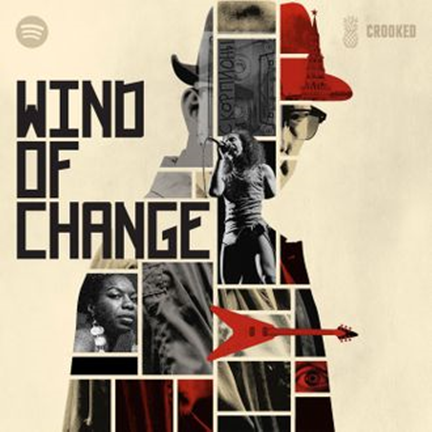
Wind of Change Podcast by Pineapple Street Studios and Crooked Media – Recommended by John Bergman-McCool, Collections Assistant

It’s 1990. The Berlin Wall has just come down. The Soviet Union is on the verge of collapse. A heavy metal band from West Germany, the Scorpions, releases a power ballad, “Wind of Change.” The song becomes the soundtrack to the peaceful revolution sweeping Europe – and one of the biggest rock singles ever. According to some fans, it’s the song that ended the Cold War. Decades later, New Yorker writer (and podcast host) Patrick Radden Keefe hears a rumor from a source: the Scorpions didn’t actually write “Wind of Change.” The CIA did. This is Patrick’s journey to find the truth. Among former operatives and leather-clad rockers, from Moscow to Kyiv to a GI Joe convention in Ohio, It’s a story about spies doing the unthinkable, about propaganda hidden in pop music, and a maze of government secrets.

“Wind of Change is a beautifully constructed listen, never less than entertaining.”The Guardian
Volunteers are back at the Peabody!

Contributed by John Bergman-McCool

If you’re keeping track of the progress of renovations occurring at our building, you know that construction started last month, and that we are in our new temporary office space on campus. If you aren’t up to date on the project, read these two blogs out to see the changes that have already occurred (here and here).

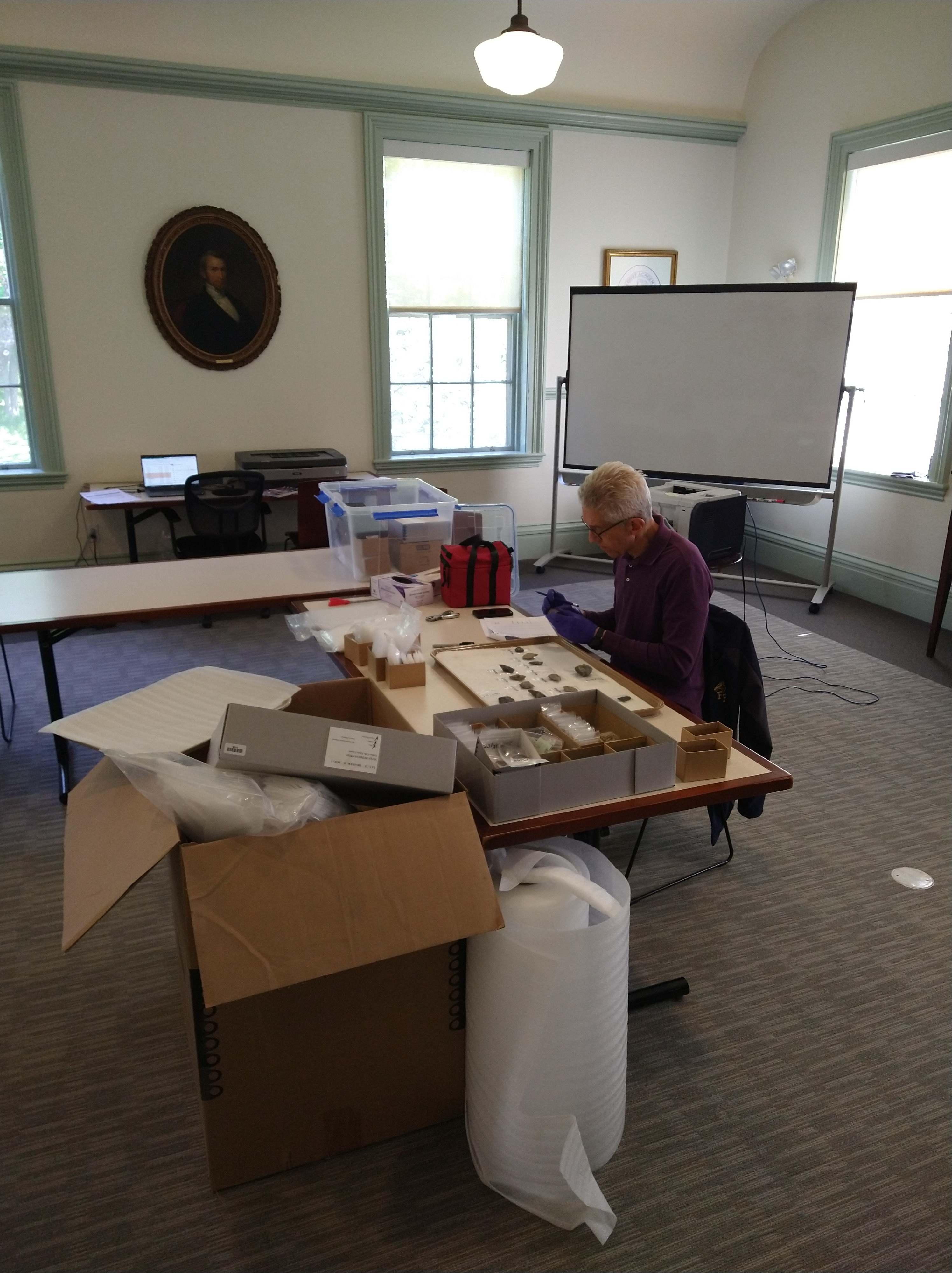
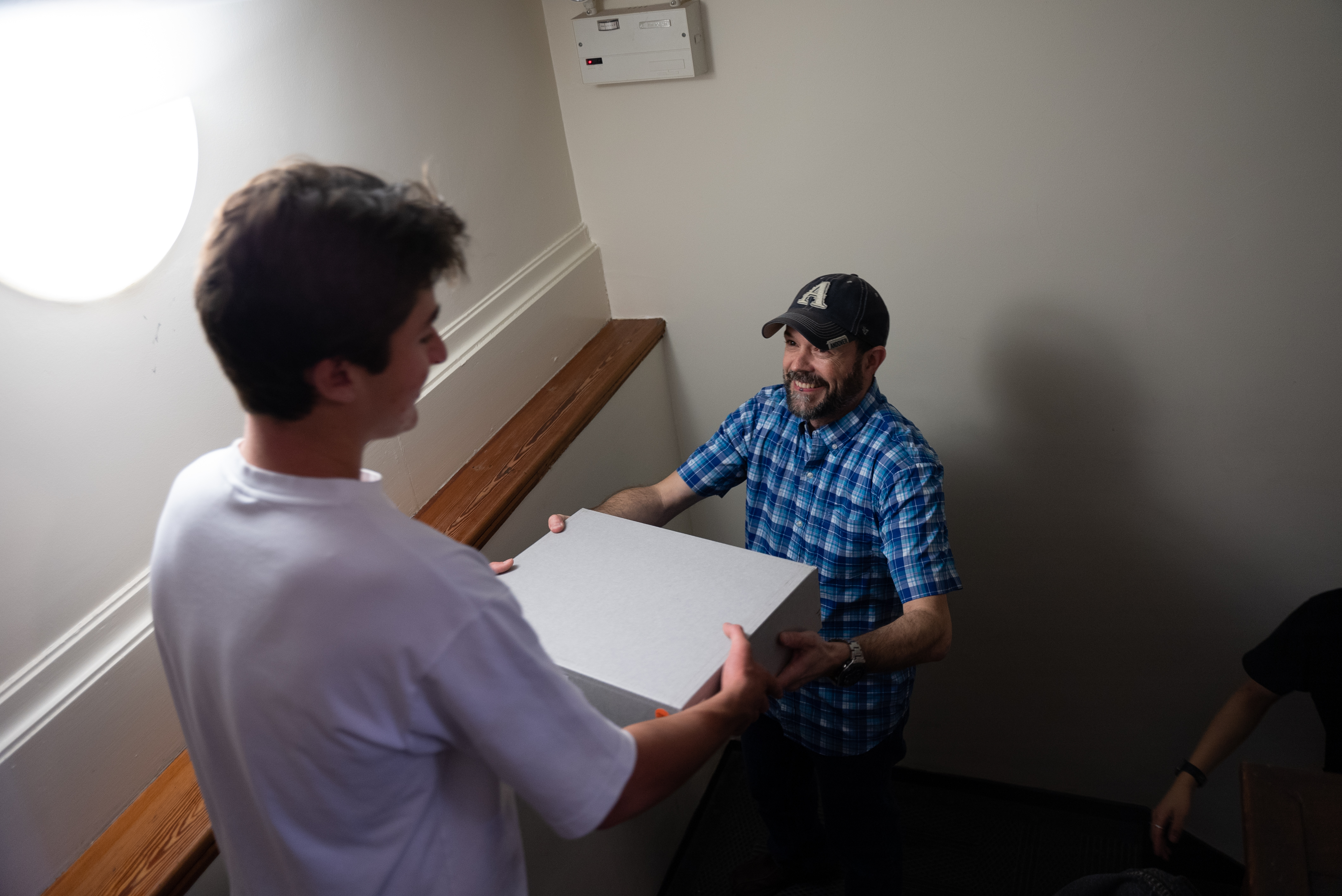
Last week our non-student volunteers returned to duty. They were on a two-month hiatus while we figured out what projects they could assist with in our new space. With a month of our stay at the Abbot campus behind us, we decided it was time for the volunteers to come back and help carry out inventory clean-up. While the surroundings have changed, Mike and Richard picked right up where they left off.

Volunteer Mike rehousing items for inventory clean-up.

If you are interested in volunteering at the Peabody, you can contact me at jbergmanmccool@andover.edu. Currently we have limited capacity, but when we are back in our building in the fall, we’ll have a lot more space and the big job of moving the collection into our newly redesigned collection space.

Welcome to the School Room: A Temporary Home for Peabody Staff

Contributed by Emma Lavoie

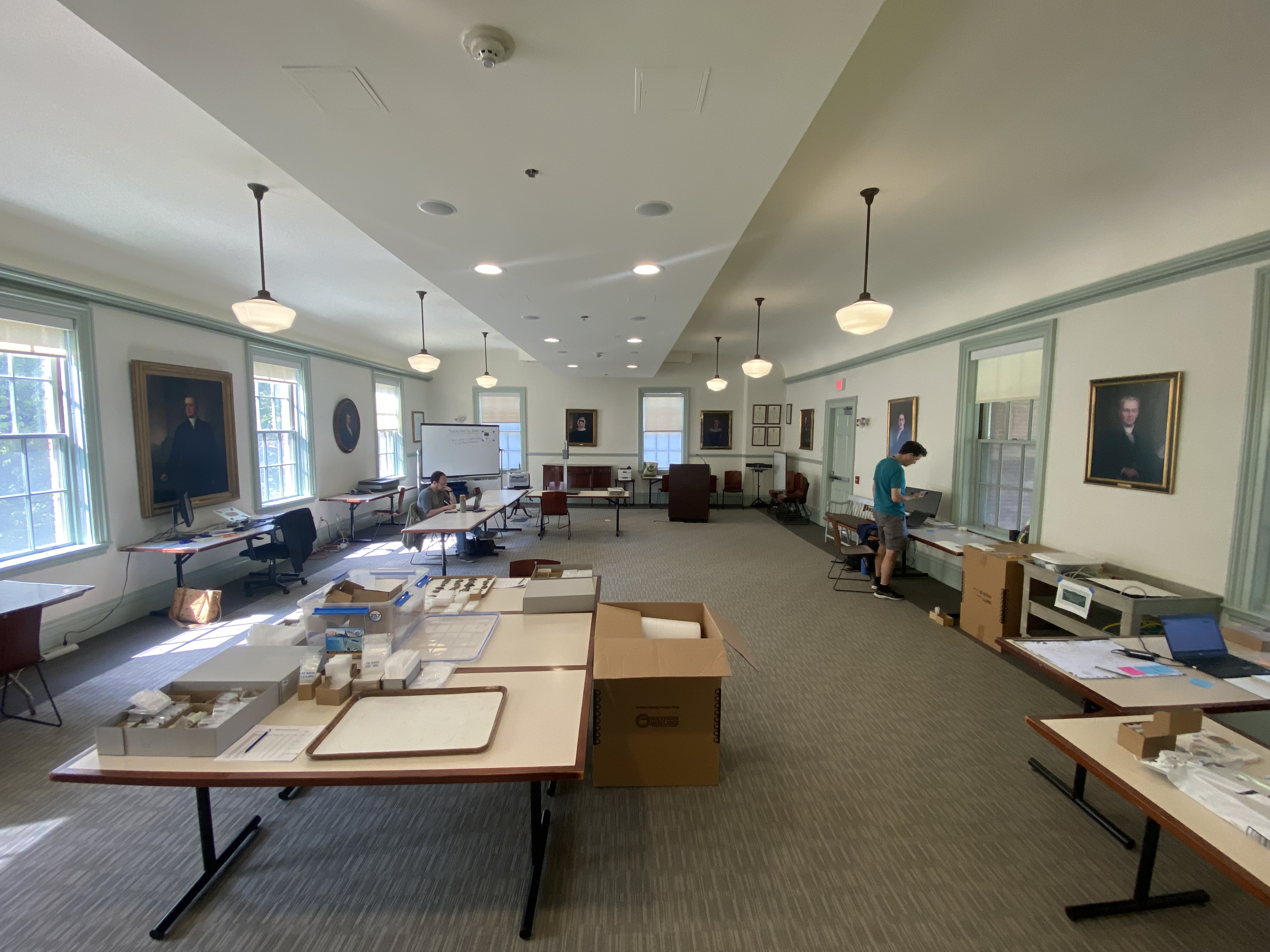
Hello from Abbot Campus! The Peabody staff have successfully moved to the School Room in Abbot Hall where we will be residing throughout the course of Phase 1 of the Peabody building renewal project. Our staff officially moved out of the Peabody at the end of April – see our Curator of Collections, Marla Taylor’s blog for updates on the building renewal project! We will continue to provide updates on the building project throughout the summer, so keep an eye out for more blogs coming soon!

Although our circumstances and environment have changed, the Peabody staff have continued most of their operations such as managing the care and organization of the collections, teaching lesson units across campus, and continuing consultation and repatriation work with tribal communities.

Abbot Academy students in the School Room at Abbot Hall, 1828-1829

After a few weeks of settling in, we’ve been able to welcome our Peabody volunteers back to our temporary space and have even hosted our Peabody Advisory Committee members for our annual Peabody Spring PAC meeting. In addition, the Peabody was fortunate to sponsor contemporary indigenous artists Dominique, Mia, ad Maxine Toya, for their annual spring visit to PA campus.

The Toya family teaches a week long workshop for students in Thayer Zaeder’s ceramic classes. We were lucky enough this year to host our PAC meeting and the Toya’s workshop in the same week, giving opportunity for our PAC members to meet the Toya’s and observe their work with students. For more about this workshop and past visits check out this blog by Peabody Director, Ryan Wheeler. For photos from the Toya’s most recent visit, check out our Smug Mug album here!

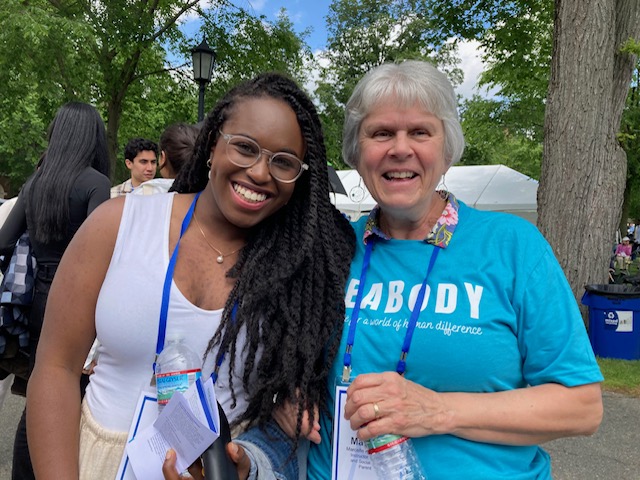
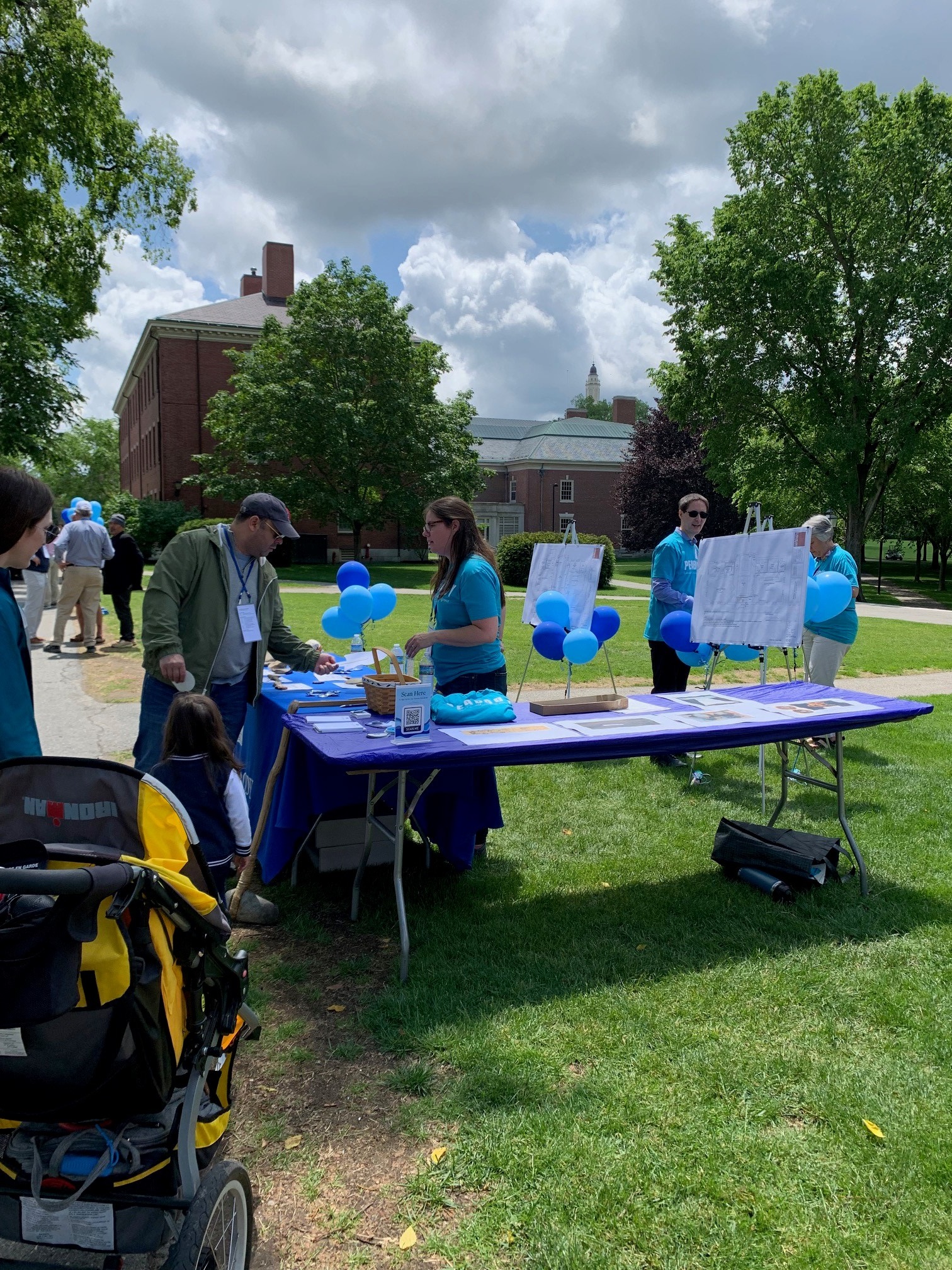
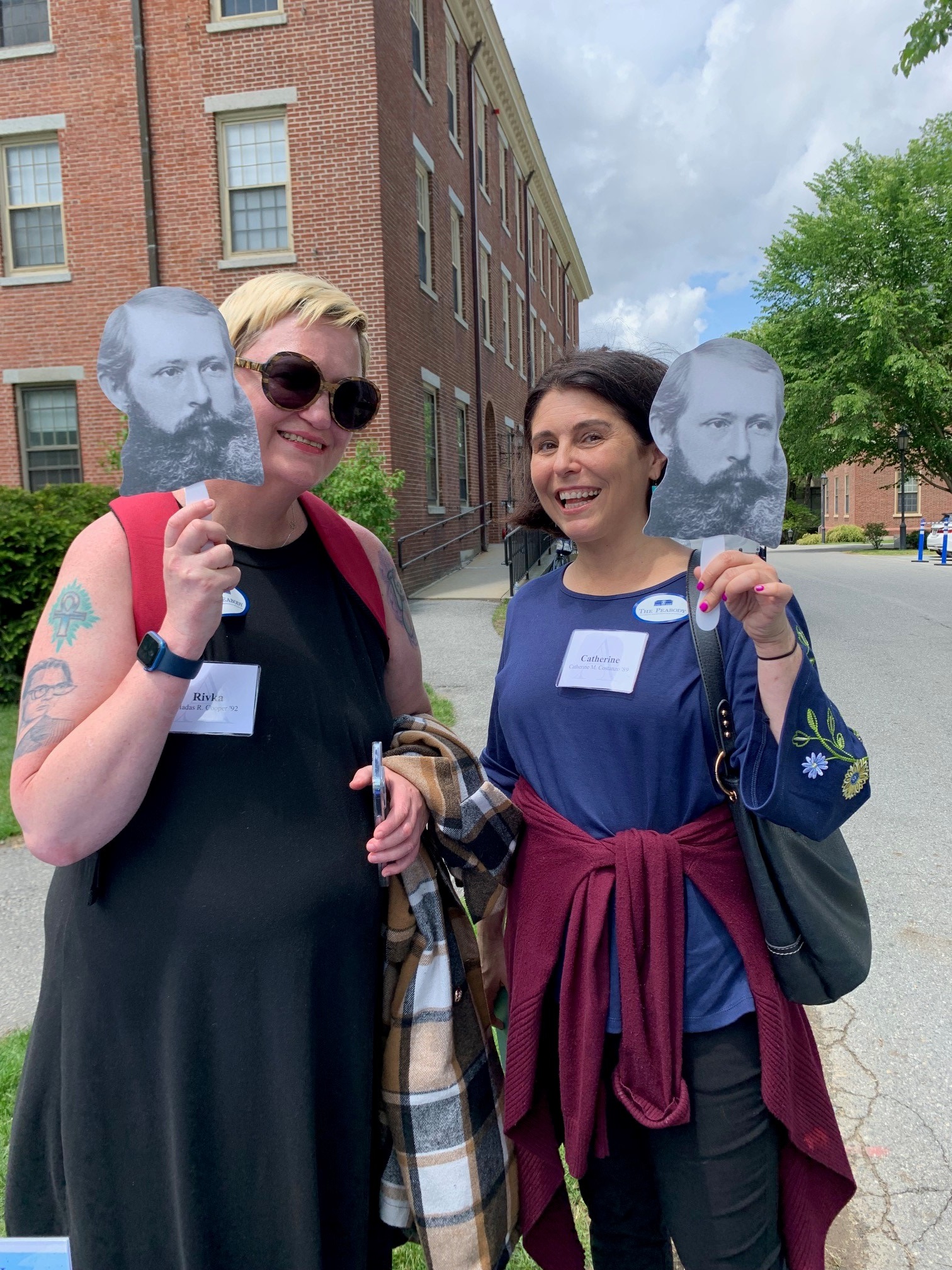
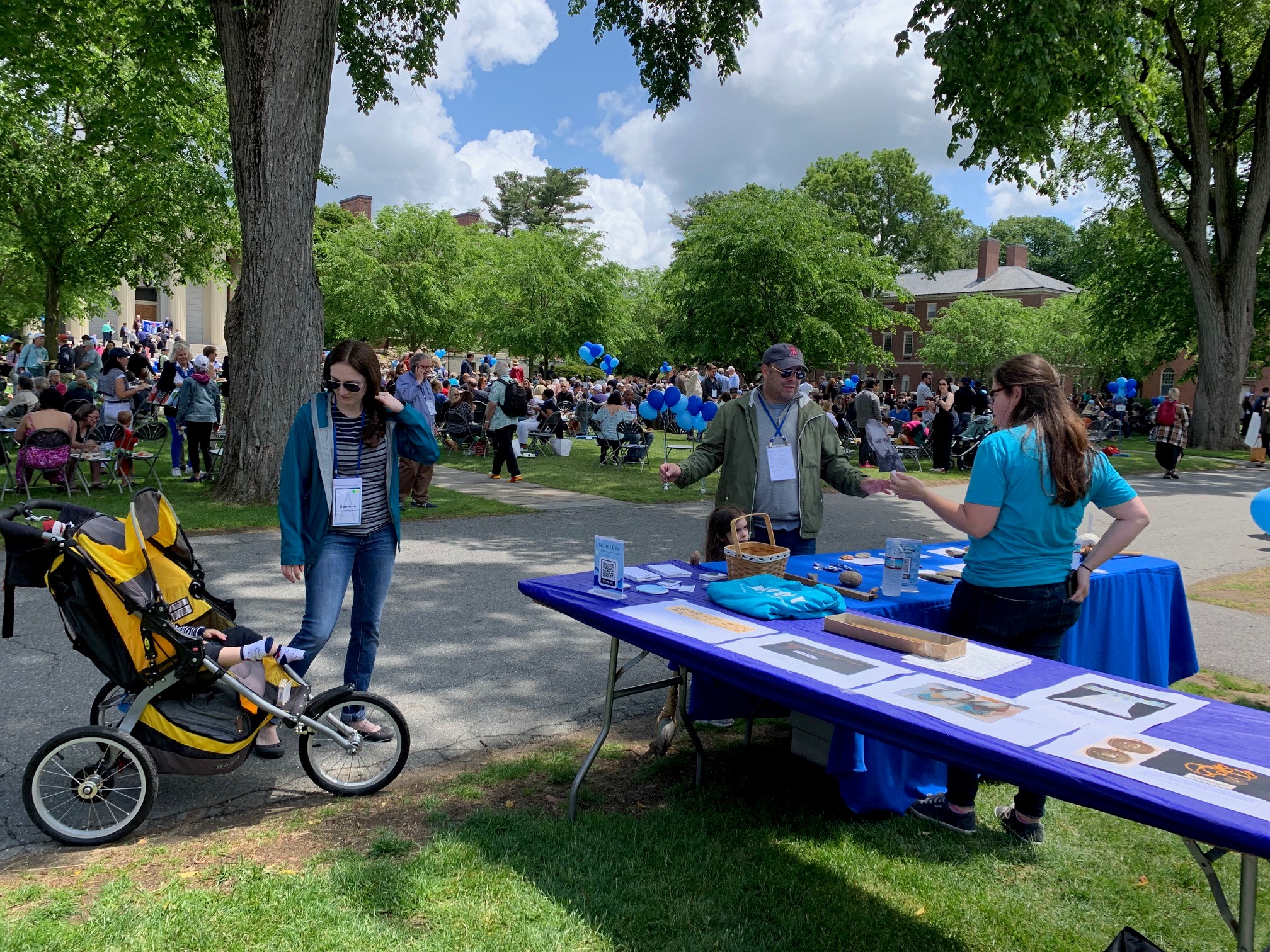
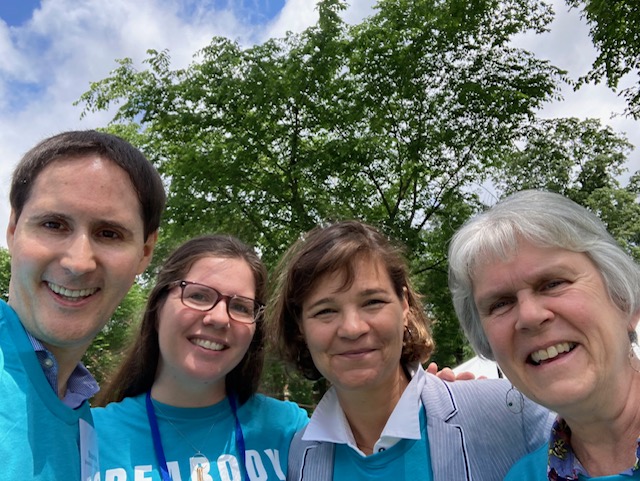
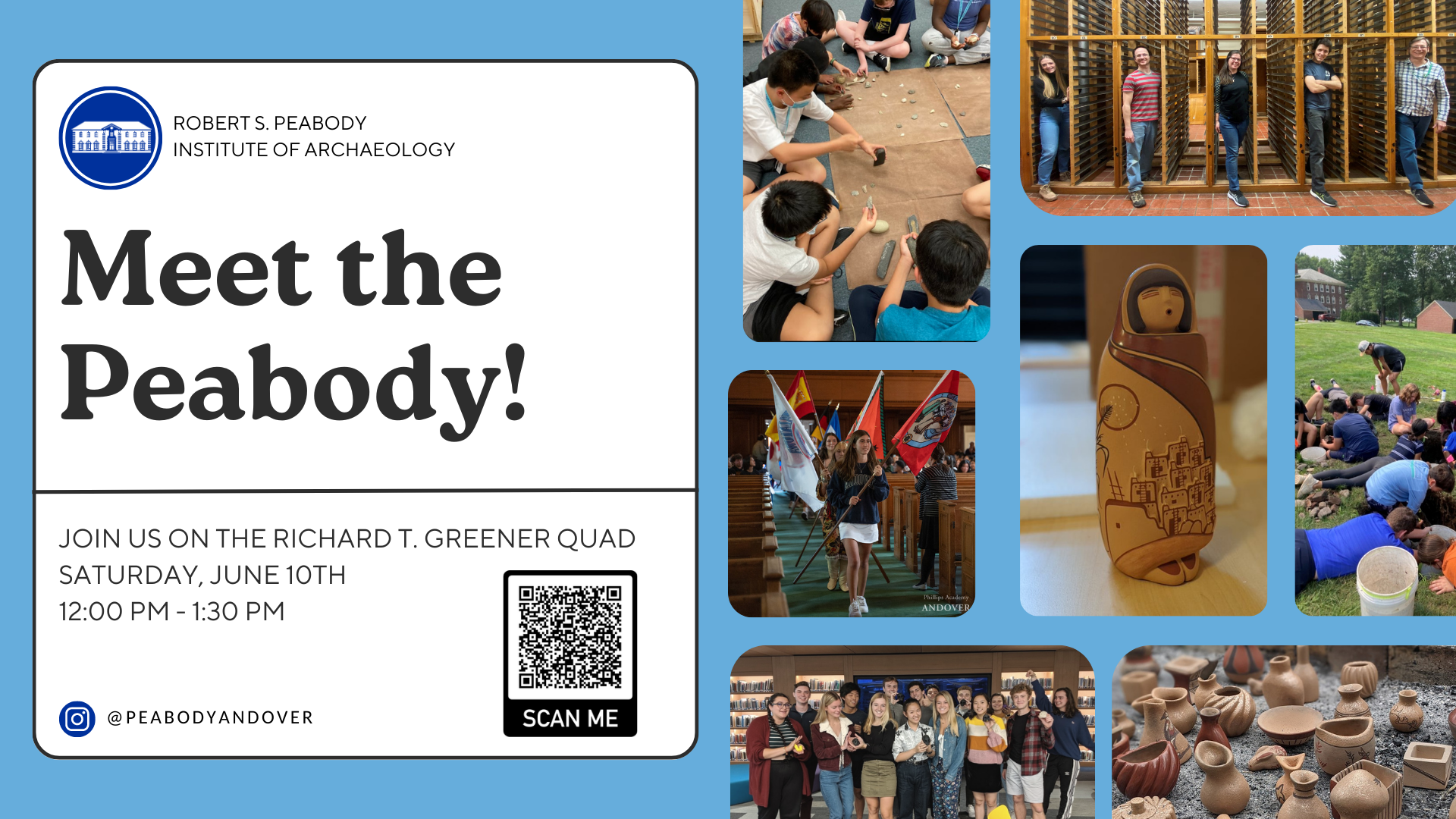
As summer approaches, we look forward to continuing partnership with the Andover Summer, Dig This! Class and greeting alumni back to the Andover campus during Reunion Weekend. Despite the Peabody building being closed during this time, the Peabody staff and several Peabody Advisory Committee members will be hosting a table during reunion lunch on the Richard T. Greener Quad from 12:00 PM – 1:30 PM on Saturday, June 10th. This will give alumni and visitors the ability to meet the Peabody and learn more about our current activities, initiatives, and building project updates.

Join the Peabody on Greener Quad at PA Reunion Weekend, Saturday, June 10th!

To celebrate our one month anniversary in the Abbot Hall School Room, the Communications Department was generous enough to host an Abbot Hall Meet & Greet as a welcome to the Peabody and opportunity for us to meet our new neighbors. Thank you Communications Team!

Award Recognitions at SAA

Contributed by Emma Lavoie

Around this time, we post a blog about our visit to the annual meeting of the Society for American Archaeology (SAA). The meeting was held March 29th – April 2nd, 2023 in Portland, Oregon, at the Oregon Convention Center.

The SAA Annual Meeting is the largest gathering of archaeologists of the Americas, attracting thousands of archaeologists each year from around the world (over 45 countries!) This conference offers archaeologists the ability to present and share research, network and explore the exhibit hall, and participate in excursions, receptions, and career development opportunities.

The Society for American Archaeology was founded in 1934 and held its first meeting at Phillips Academy Andover (That’s right! The very campus the Peabody calls home) in December 1935. Longtime Peabody Director, Doug Byers, served as the editor of the Society’s flagship publication – American Antiquity. Past Peabody Director, Richard “Scotty” MacNeish, served as president of SAA at one time as well.

Today, the SAA is comprised of over 7,000 members and our Peabody staff and Peabody Advisory Committee (PAC) continue to be involved with SAA. Peabody personnel regularly present papers and posters in meeting sessions, host a booth in the meeting’s exhibit hall, and sponsor the Robert S. Peabody Institute of Archaeology Award for Archaeology and Education.

For more on the Peabody’s previous visits to the SAA Annual Meeting check out our blogs here, here, and here!

Robert S. Peabody Institute of Archaeology Award for Archaeology and Education

The Robert S. Peabody Institute Award for Archaeology and Education recognizes excellence of individuals or institutions in using archaeological methods, theory, and/or data to enliven, enrich, and enhance other disciplines, and to foster the community of archaeology education practitioners. The Peabody Award will spotlight these contributions and promote teaching ideas, exercises, activities, and methods across the educational spectrum, from K-12 through higher education and including public education broadly conceived.

This year’s recipient of the Peabody Award is Pima Community College Centre for Archaeological Field Training. Pima Community College Centre for Archaeological Field Training has earned the Robert S. Peabody Institute of Archaeology Award for Archaeology and Education for their long-term commitment to archaeology education. Through the Pima Community College Archaeology Centre’s certificate program, which includes a Southwest Prehistory pathway, a field Methods pathway, and a GIS and Technology pathway, students learn the fundamentals of archaeological methods, ethics, and technology while attending community college and earning a certificate at affordable rates. Pima Community College’s programs provide an important career pathway for prospective archaeologists in a time when there are increasing demands for CRM professionals. Importantly, the program provides a career pathway for local students that does not require a four-year university education. PCC’s Archaeology Program, and the unique educational services it provides, exemplify what should be replicated across the country to provide affordable, equitable, and accessible education to students thinking about careers in archaeology.

Outstanding Public Archaeology Initiative Award

The Outstanding Public Archaeology Initiative Award continues the tradition begun by the Award for Excellence in Public Education (1997-2020) of recognizing exemplary public engagement efforts but refocuses on discrete projects (defined as a project with a clear start and end date). This award recognizes the best short-term initiatives such as (but not limited to) the following: exhibits, lesson plans, products, or other short-term outreach projects.

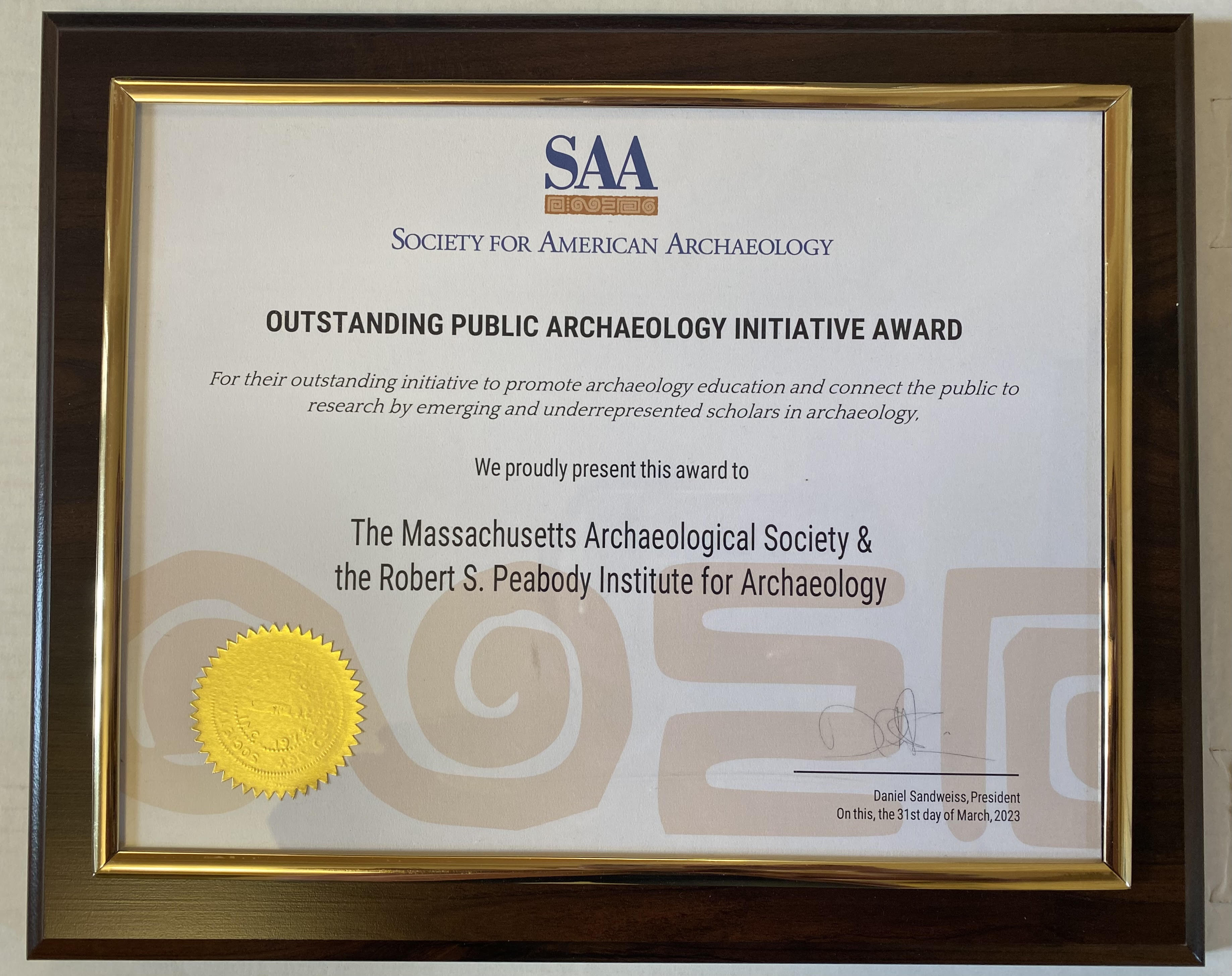
This year’s recipient was none other than The Massachusetts Archaeological Society (MAS) and the Robert S. Peabody Institute of Archaeology (RSP)! The Massachusetts Archaeological Society and the Robert S. Peabody Institute have earned the Outstanding Public Archaeology Initiative Award for their live presentation and video series “Diggin’ In: Digital Conversations with Archaeologists.” The series consisted of five seasons, with 49 total episodes. These were broadcast live over Zoom reaching an initial audience of 350 over Zoom for the live program, then 7,000 views on YouTube. The program’s goals were to connect the public to research by emerging or underrepresented scholars in archaeology and spotlight innovative or marginalized research topics, themes, and methodologies. The focus of “Diggin’ In” on these critical aspects of archaeology helped to generate media coverage of these themes. This initiative demonstrates the critical role archaeologists can play in communicating contemporary themes in archaeology to the public.

SAA Award presented to the Massachusetts Archaeological Society and Robert S. Peabody Institute at the SAA’s 88th Annual Meeting earlier this month.

For more information about the Diggin’ In series, check out this article for the New England Museum Association’s digital publication. The article was written by Diggin’ In co-hosts and creators, Lindsay Randall (previous Curator of Education for the Peabody and current MAS Vice Chair/Secretary) and Suanna Crowley (MAS Trustee).

You can check out all seasons of the Diggin’ In series on our Peabody YouTube page!

For those interested in attending the SAA’s annual meetings, the 89th Annual Meeting will be held April 17 – April 21, 2024 in New Orleans, Louisiana, at the New Orleans Marriott and the Sheraton New Orleans. We hope to see you there next year!

Construction Begins

Contributed by Marla Taylor

It is finally happening – the Peabody Institute building project is underway!

It has been quite a whirlwind preparing for this project over the past months (planning began in earnest about a year ago).  

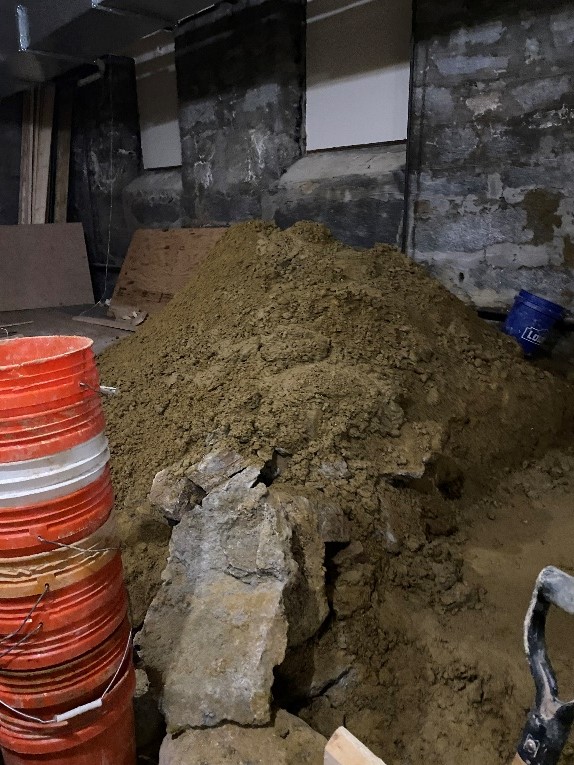
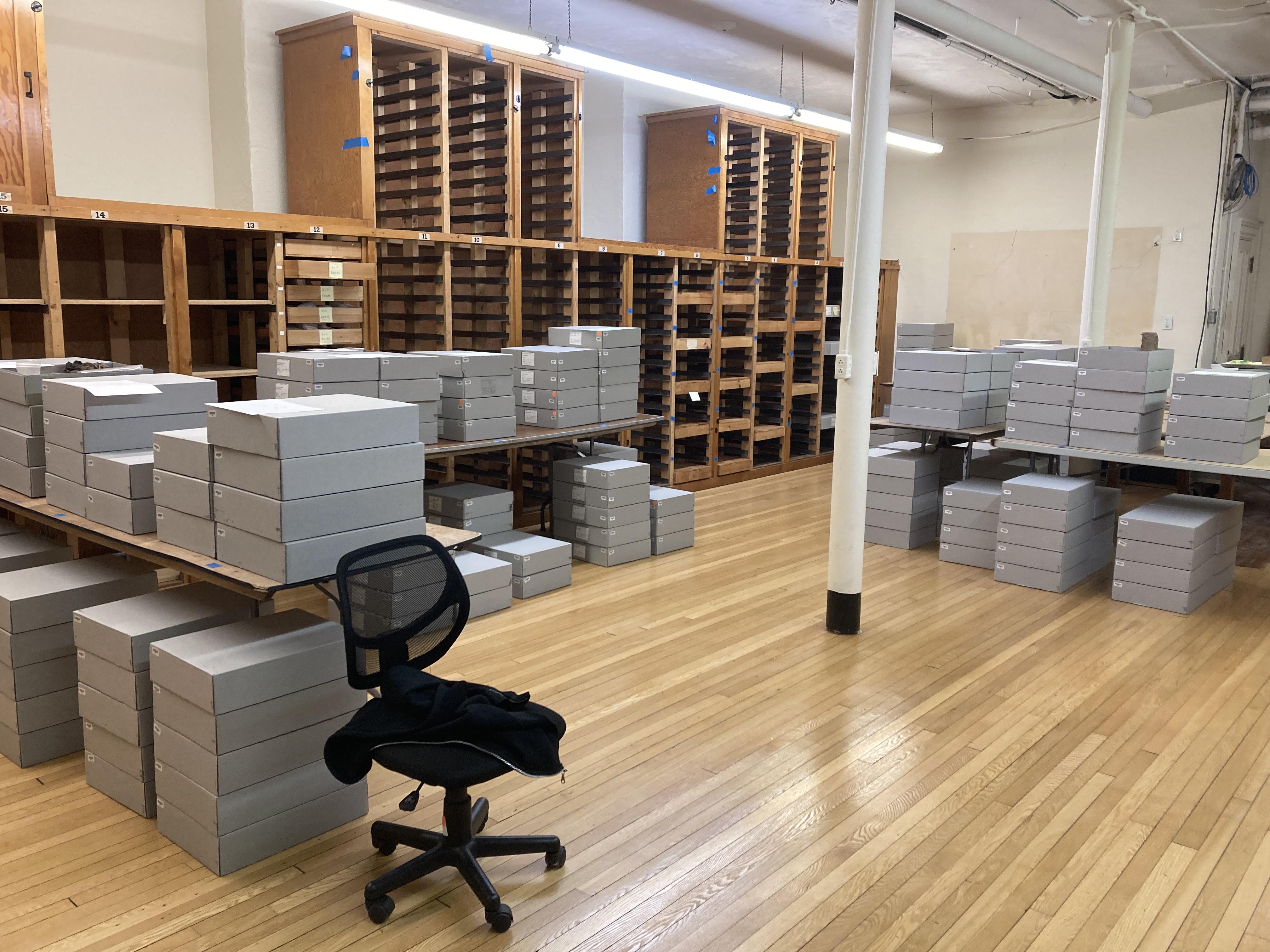
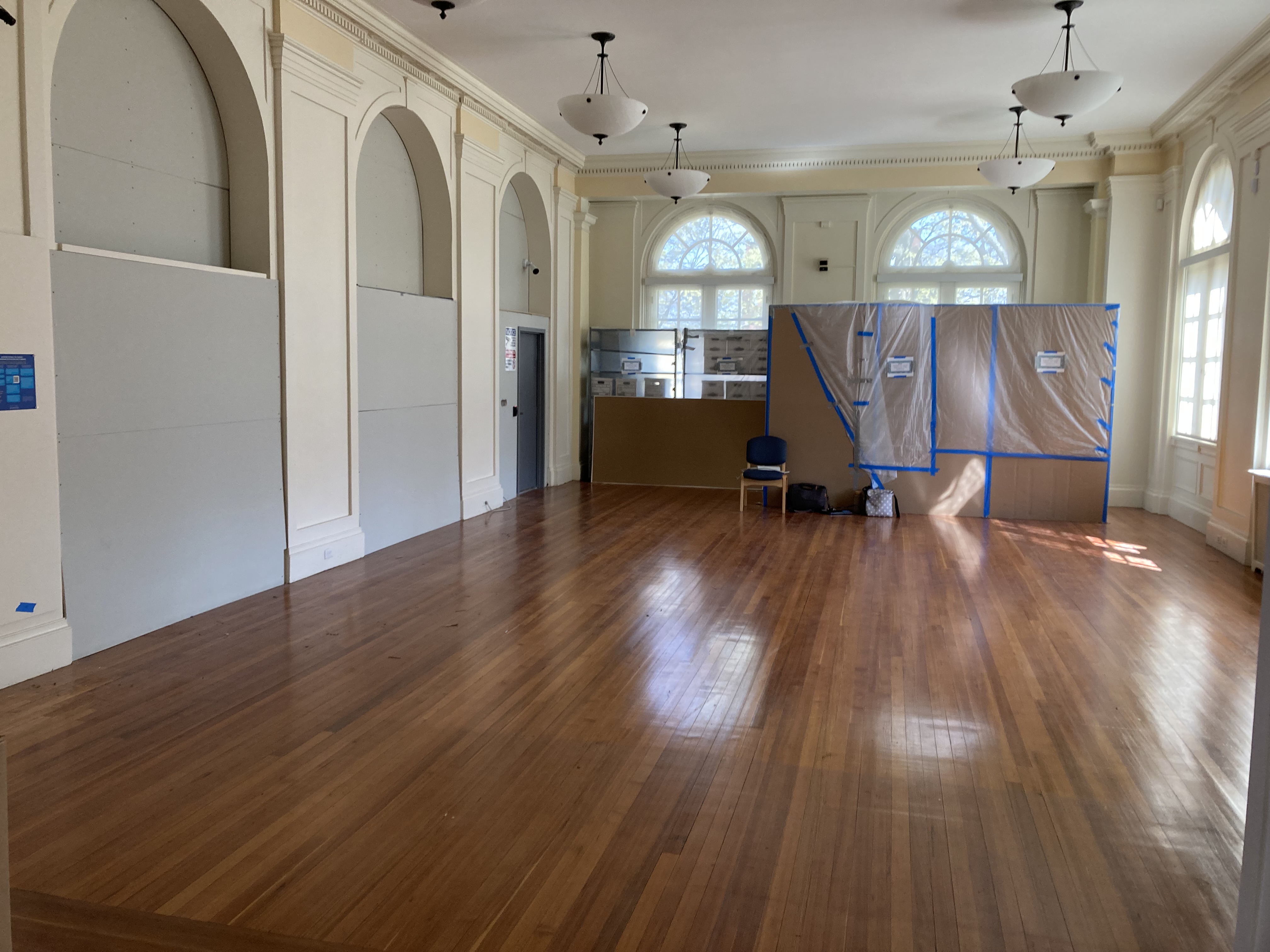
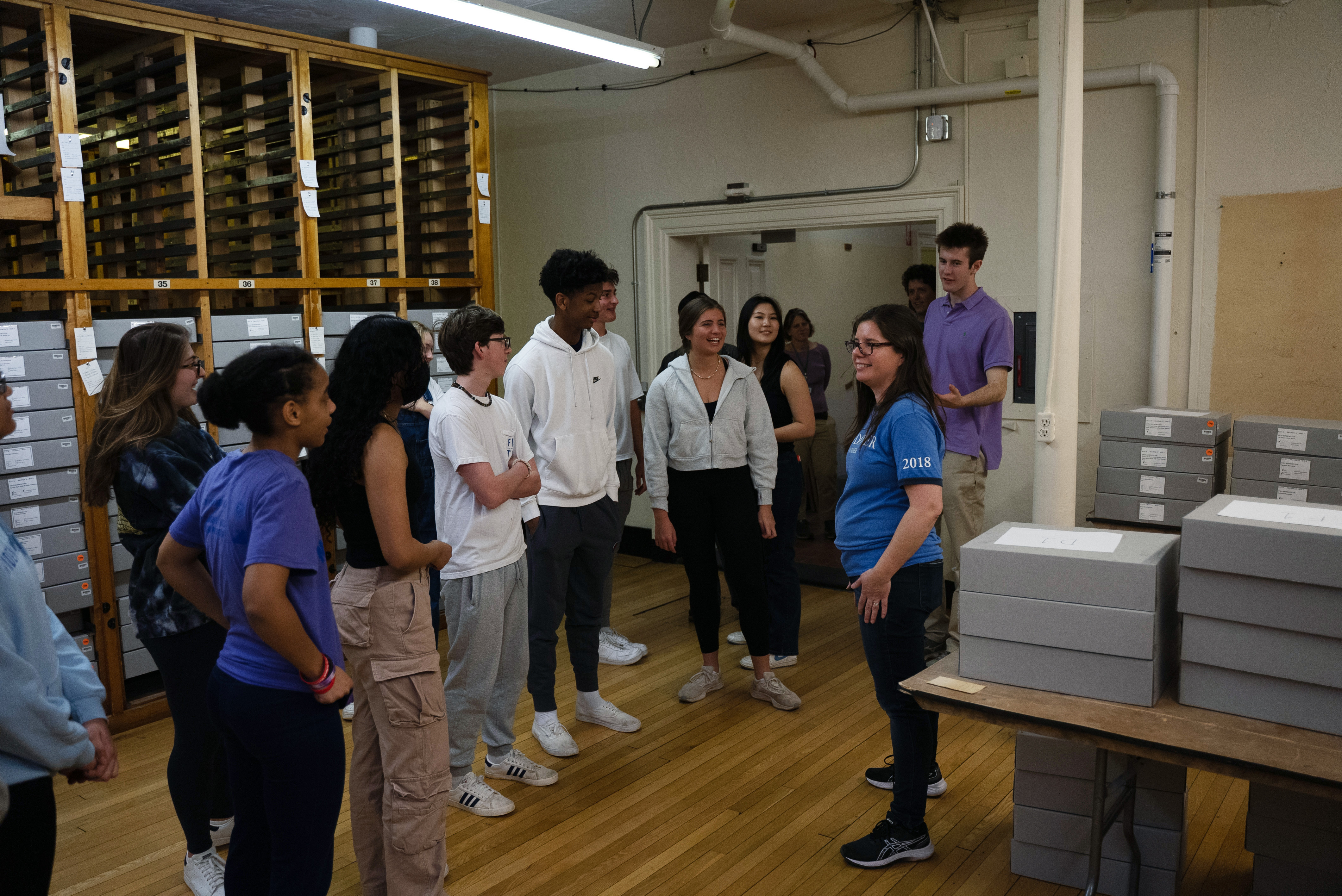
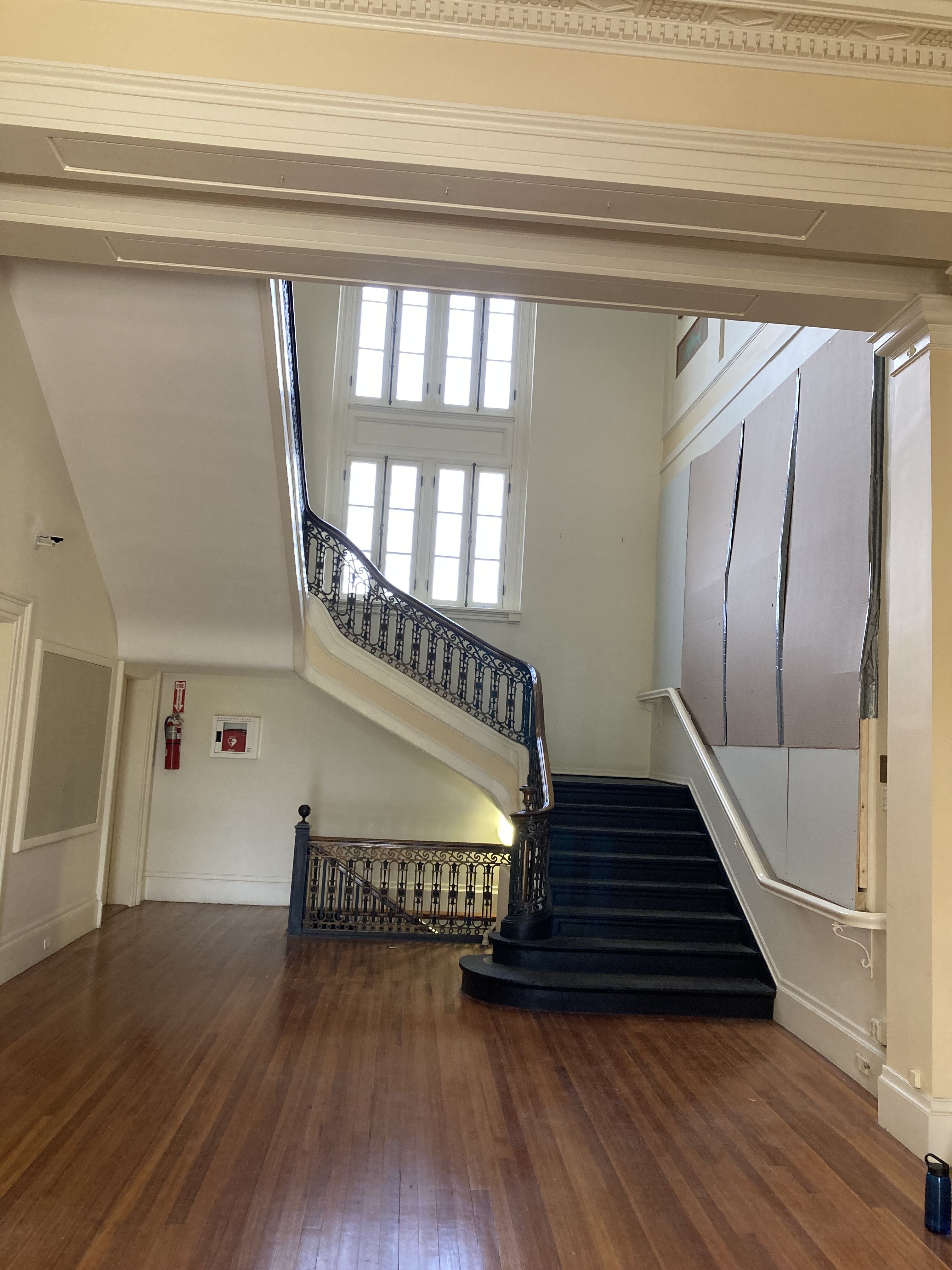
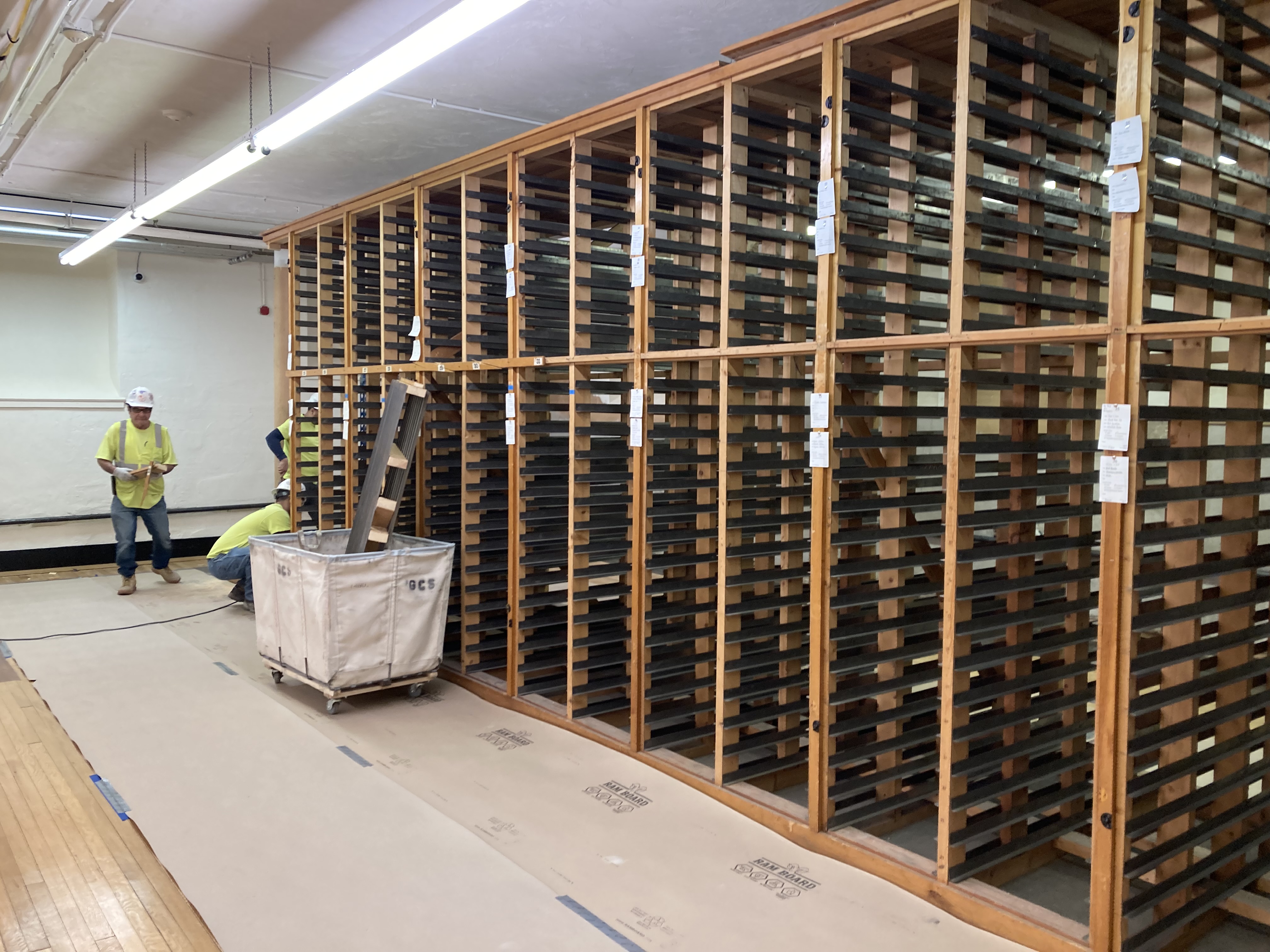
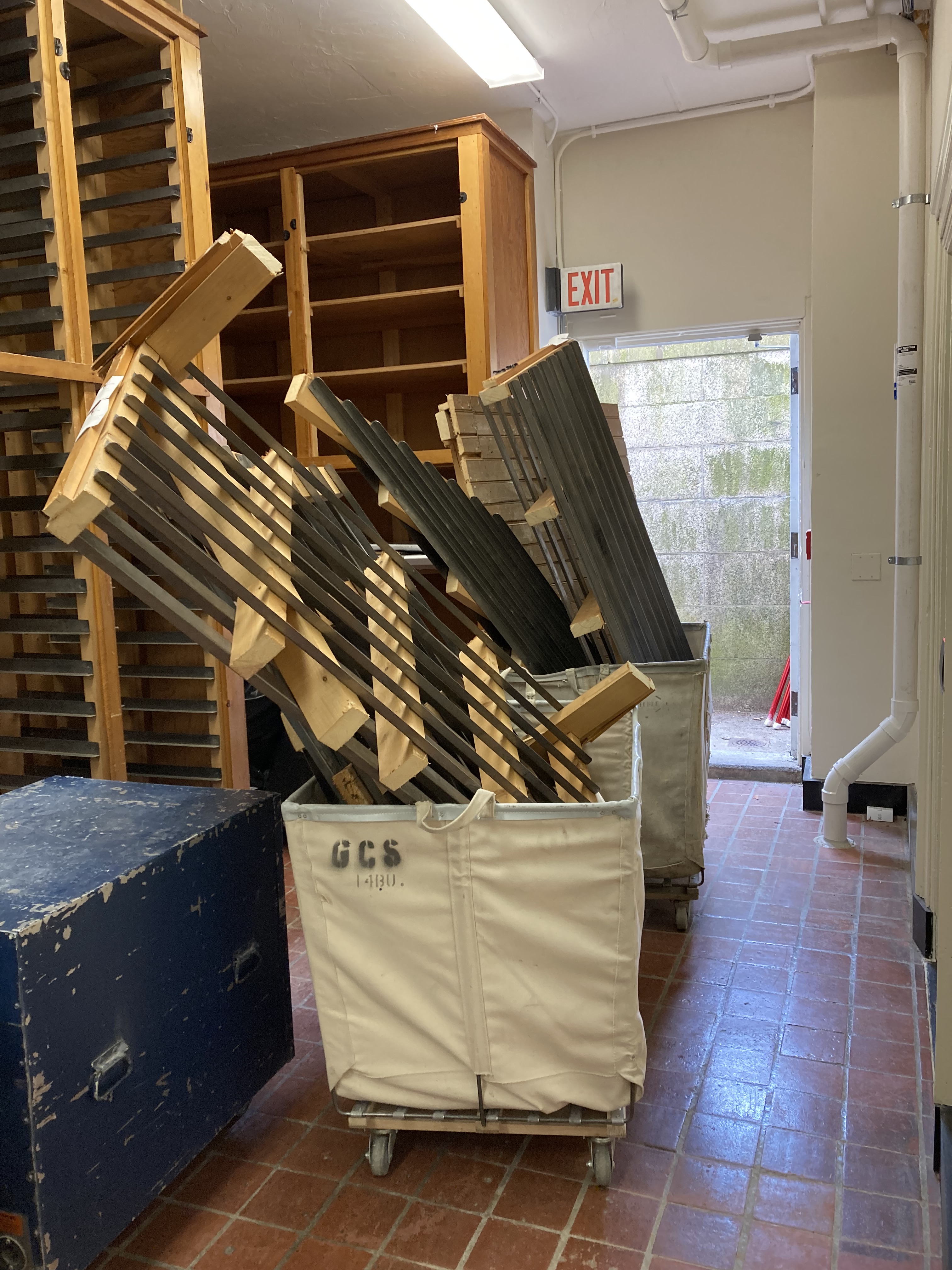
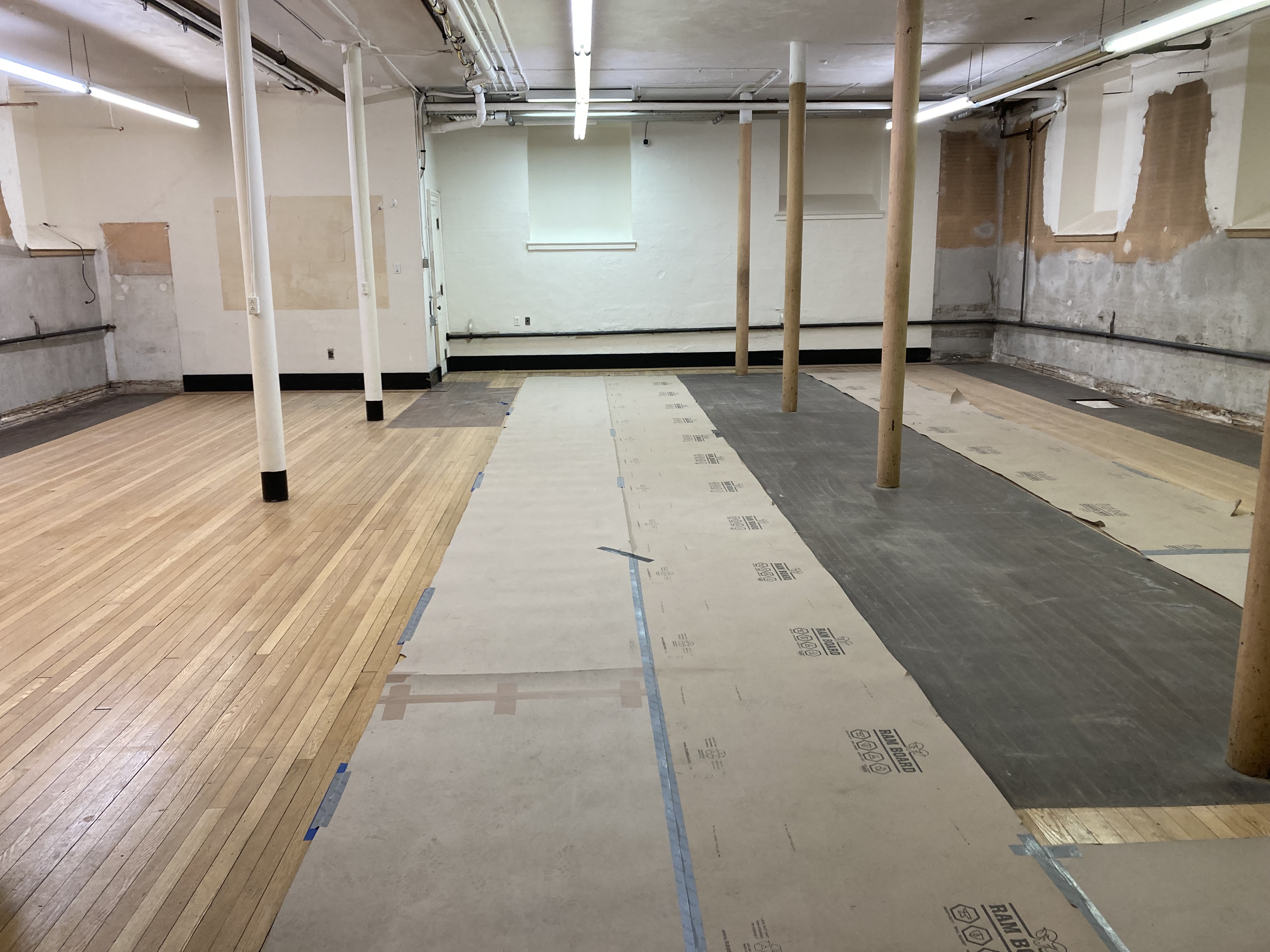
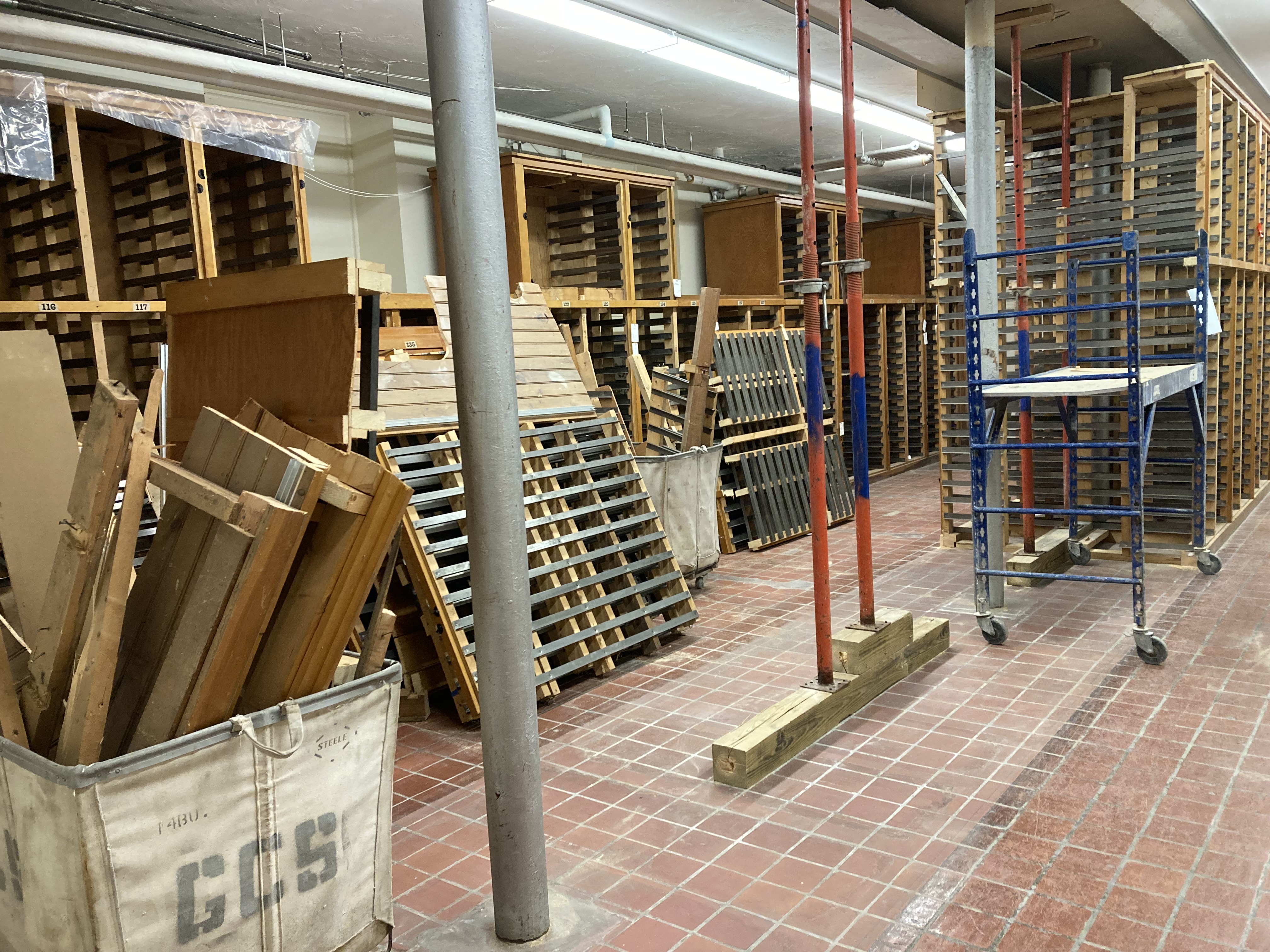
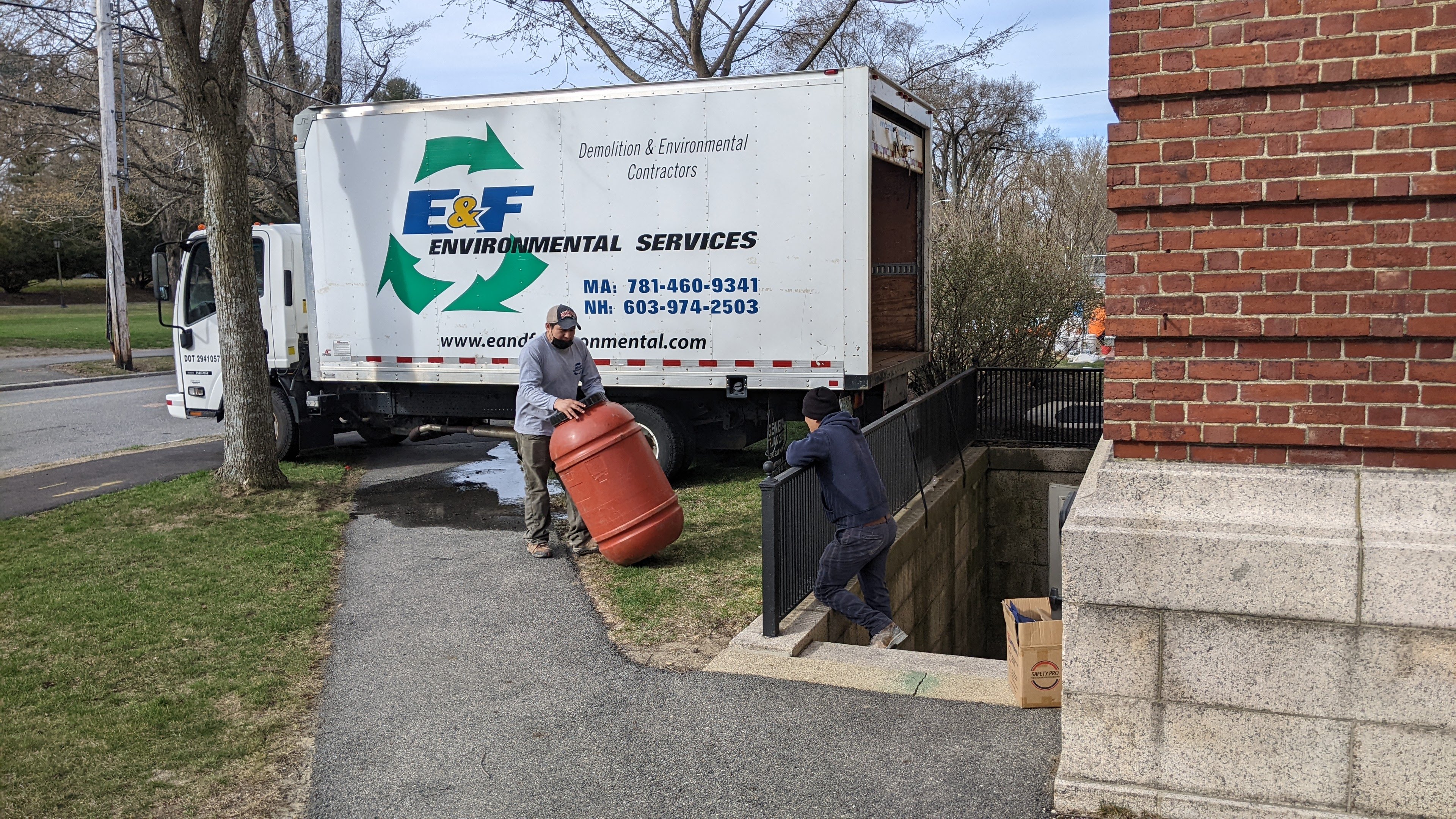
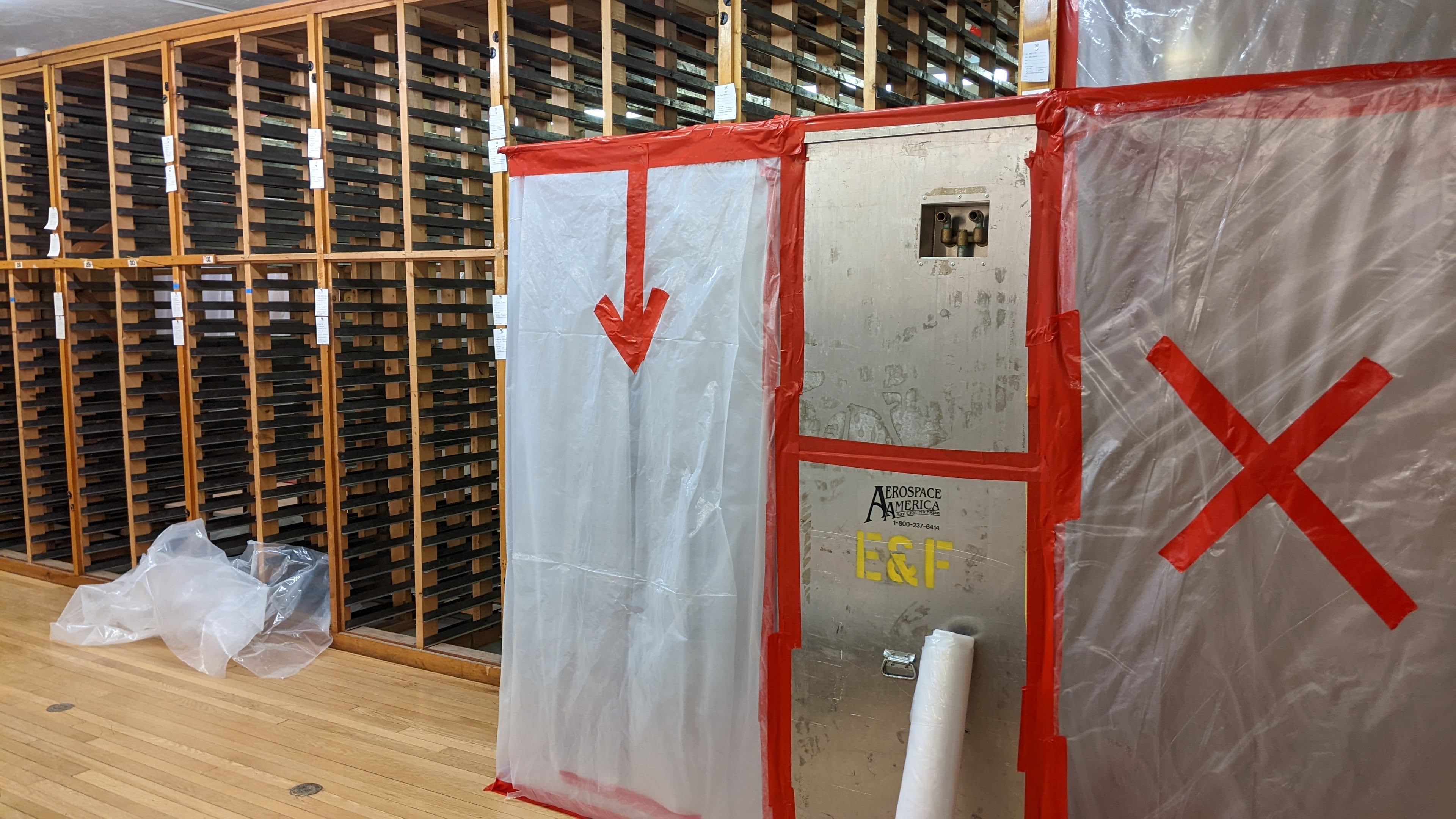
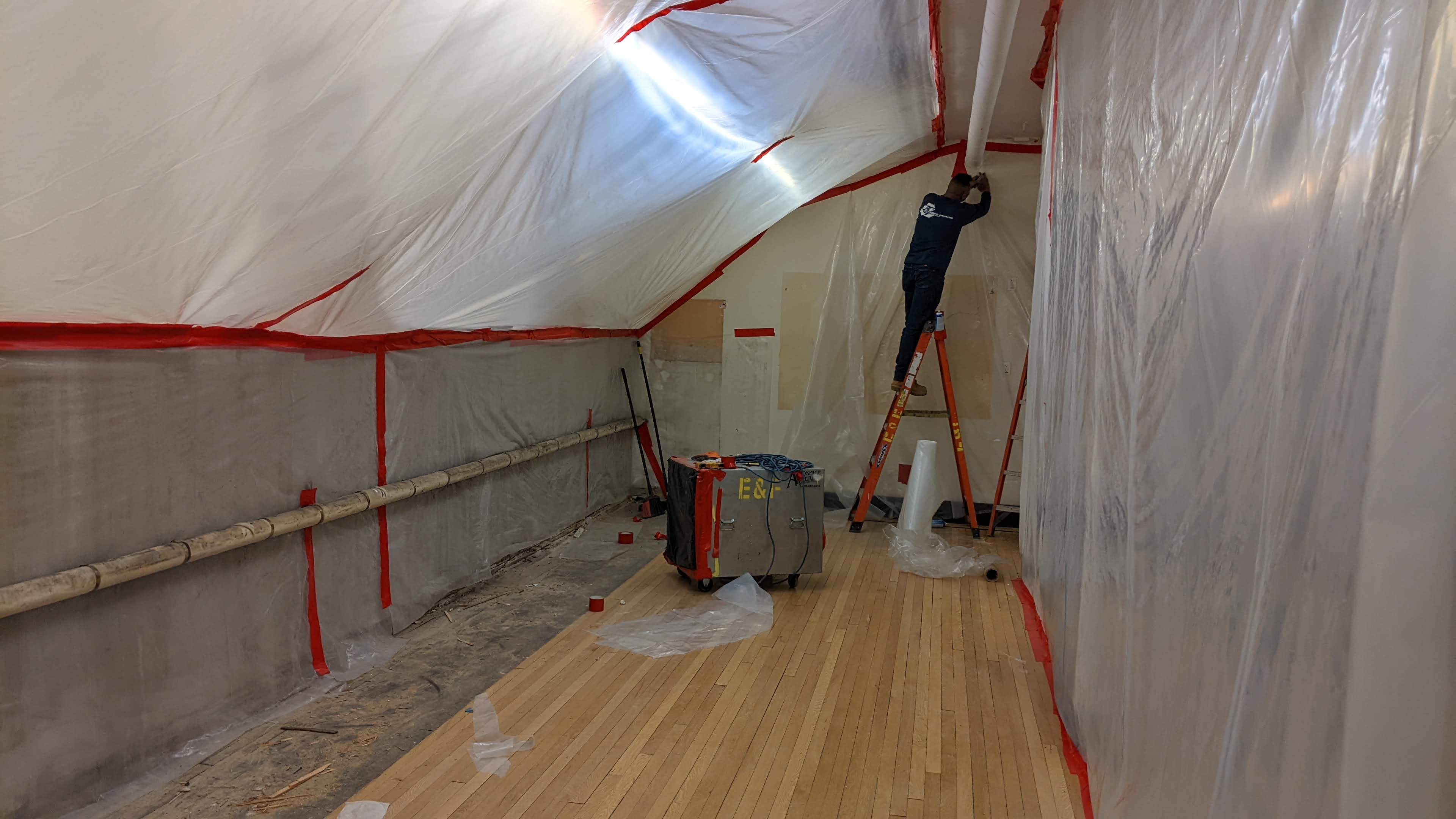
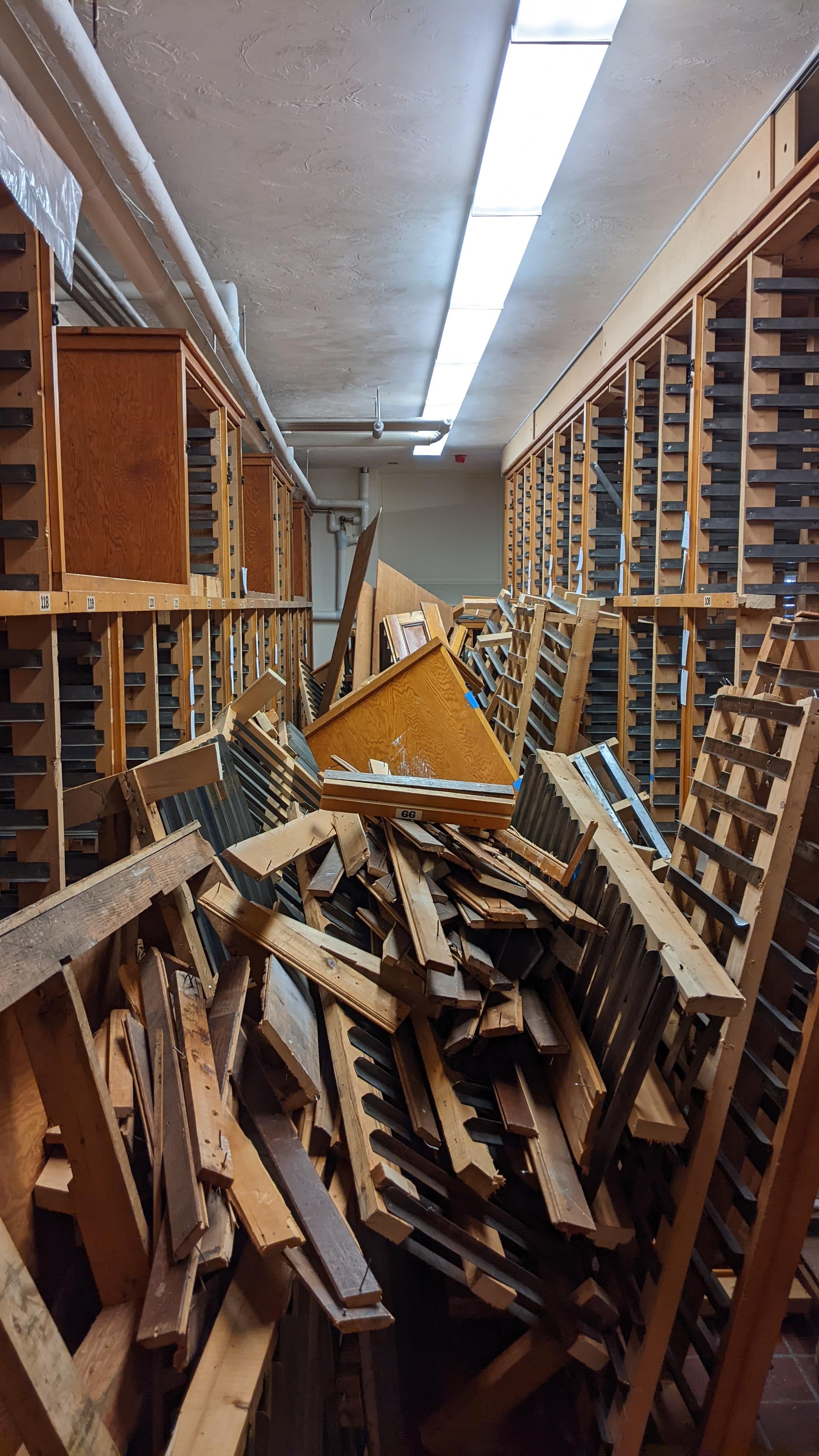
Since my last update, the full collection has been relocated within the building, asbestos has been remediated, the old storage bays have been demolished, and staff transitioned to working at small folding tables.  We made the move to our temporary office space on-campus and are beginning to settle in.

So much credit goes to the Peabody staff members (and past interns) who collaborated to facilitate keeping the collection safe and organized during this process – thank you all!

We will keep you updated on progress as we are able.

This project will rely on philanthropic support from our donor community. To help advance this critical renovation, please contact Beth Parsons, director for museums and educational outreach, at 978-749-4523 or bparsons@andover.edu.

Pueblo Revolt at ASECS

Contributed by Ryan Wheeler

At this year’s American Society for Eighteenth Century Studies (ASECS) conference, I had the opportunity to participate in the roundtable Teaching the Global Eighteenth Century. Phillips Academy instructor in history and social sciences Natalya Baldyga and I presented Assimilation, Acculturation, Catachresis, and Syncretism: Employing Archaeology to Foreground Indigenous Resistance in the Spanish Southwest, sharing our experiences teaching the Pueblo Revolt of 1680 to History 200 classes at the Academy.

Contemporary Indigenous artist Jason Garcia’s take on the Pueblo Revolt combines traditional materials and methods with graphic designs depicting Po’Pay, the architect of the revolt, as a comic book superhero. These two pieces are in the collection of the Robert S. Peabody Institute of Archaeology–you can see the vessel on the right in the inaugural exhibition of the Smithsonian’s National Museum of the American Latino.

If you are not familiar with the Pueblo Revolt, it is a pivotal moment in the history of the Southwest and the modern descendants of those who fought Spanish colonization at the end of the seventeenth century. Our abstract has a little more information on the Revolt and our approach:

Using the case study of the Pueblo Revolt of 1680, our presentation illustrates how archaeological artifacts can be employed to unsettle and decenter colonial narratives by refocusing the North American story of the early eighteenth century on Indigenous peoples of the Spanish Southwest. Too often, Anglophone histories associate the long eighteenth century in the Americas with English colonialism in general, and with the American Revolution in particular. We ask students to consider instead the “first American Revolution,” in which the Pueblo Peoples, led by the Tewa religious leader Po’pay, confronted missionaries and soldiers in the Spanish borderlands of what is now New Mexico. In our classes, students explore both artifacts from the Pueblo Revolt and contemporary Puebloan artistic responses to the historical event, foregrounding Indigenous resistance and survival over tales of erasure and domination. This approach both reorientates students’ understanding of colonial North American history towards wider global narratives of European expansion, and, perhaps more importantly, introduces students to multiple ways that Indigenous peoples adapted to, resisted, and overcame the efforts to erase their cultural identities and physical existence.

Drs. Wheeler and Baldyga also celebrated their anniversary during the conference.

The Peabody Institute has long offered various versions of a Pueblo Revolt lesson, but the current iteration has greatly benefitted from Dr. Baldyga’s experience and training. Together we’ve developed the lesson, typically delivered in the world history survey course for tenth grade, providing students with anthropological concepts, like assimilation and catachresis, that they can use in other settings, as well as foregrounding contemporary Indigenous perspectives and objects directly related to the Revolt. Conversations with other participants in the workshop were productive, especially in their pedagogical approach to topics like the production of sugar.

Save the Date! #PAGivingDay is March 29, 2023!

Contributed by Emma Lavoie

Mark your calendars! Save the date! PA Giving Day begins Wednesday, March 29, 2023! This year, the PA Giving Day event will run from 9am on Wednesday, March 29th to noon on Thursday, March 30th (Eastern Time).

Support the Peabody by making a gift of any size and help us jump-start this amazing day! For those inspired to give early, please complete the PA Giving Day form here! Please be sure to select the Peabody Institute of Archaeology under the “designation” section. Any gift made in advance of the event will count toward PA Giving Day totals. Your donation will also be included in all applicable matches. This is a wonderful way to maximize your giving and inspire others to do the same.

To date, we have $11,000 in match funds, but are still hoping to have more!

Keep a look out for exciting posts and takeovers across our social media channels leading up to PA Giving Day! Support what you love, support the Peabody!

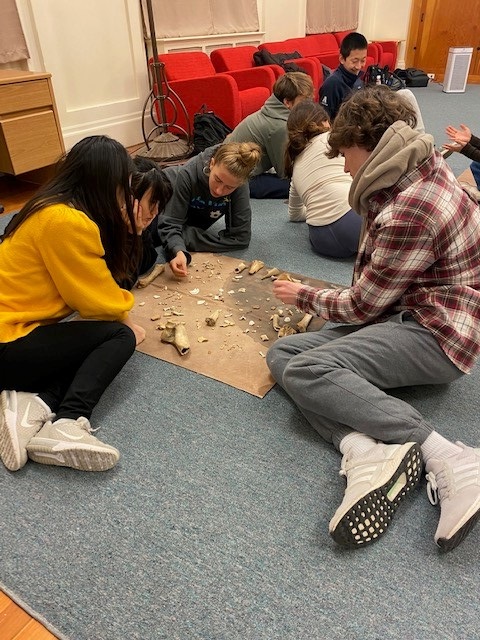
Students examine a mock excavation of a local archaeological site, one that highlights Andover’s historical status as a Native American trading center.

Blog showcase: A small blog about blogs

Contributed by Nick Andrusin

One cool thing about the Peabody is the varied types of experiences and interests of the people working here. It’s what makes the blog so interesting! For years now, Peabody employees have been making regular blog posts on whatever topic they can think of. From interesting insights into the museum world, to personal interests of the writer, there is always something to look forward to every month. 

With new blog posts coming out on such a regular basis, it can be easy to forget that there is quite an accumulation of interesting articles on the Peabody’s website. One can read posts going back to the fall of 2015! While helping to archive the blog, I’ve been reading a lot of fascinating pages, making notes of ones that I found particularly interesting. Creating this was the logical next step, a look back, a spotlight on blogs past. My own blog about blogs!  

Note: I am limiting my self to five entries, but this list could easily be three times longer! 

Vikings – The Peabody (andover.edu) 

Ever since reading The Age of Vikings by Anders Winroth I’ve had a big interest in medieval Scandinavian history. The Vikings and their contemporaries have such a fascinating history, and maintain a strong footprint in popular culture. So imagine my surprise when I found a blog about Viking material at the Peabody!…well, sort of. You should look for yourself! 

Corn – The Peabody (andover.edu) 

In teaching a few different classes at the Peabody, the concept of corn comes up quite a bit. Especially since it was a focus of former director Richard “Scotty” MacNeish. When one student asked about why corn spread so far and wide, I recall answering in a jovial way “well you see, humans LOVE corn, and will take any opportunity to grow it!” This blog post is a fascinating dive into the history of this staple crop. 

Women of the Peabody – The Peabody (andover.edu) 

At a glance, the history of archeology (and similar fields) seems very frontloaded with men. However, it’s not hard to find plenty of women heavily involved. Maybe not quite as visible, but just as important, if not more so. This blog post goes into the history of women involved with the Peabody! 

FBI Collection – Origin and Update – The Peabody (andover.edu) 

Due to the nature of museums, strange tales often go hand and hand with their history, and the Peabody is not lacking in this department. This blog post discusses an interesting one, a theft in the 80s that struck multiple New England museums! If you are interested in a mini crime drama, complete with information on its resolution, this one is worth a look.  
Never Alone: Video Games and the Teaching of Culture – The Peabody (andover.edu) 

I’m a person who would consider themselves an avid “gamer,” as well as one with a background in public history (basically, historical engagement outside of a classroom). Therefore, when I see a game, or a blog post in this case, that combines my two interests, there is no way I am not going to talk about it! This post talks about the game “Never Alone,” developed by Upper One Games and originally released in late 2014. The game was about an Iñupiat girl who goes on an adventure with a fox, based on a traditional Iñupiat tale. The game was made in cooperation with Cook Inlet tribal council, and features…well I don’t want to spoil the post too much! Take a look for yourself! 

Building Update!

Contributed by Marla Taylor

The Peabody is currently in the pre-construction phase of a much-needed building update!  This is Phase 1 of a two-phase project.

The project has three main goals:

  • Replace the current basement shelving (that was constructed in the very early 1900s) with modern mobile shelving
  • Provide HVAC and sprinklers for the collections areas
  • Install an elevator and meet other code compliance issues

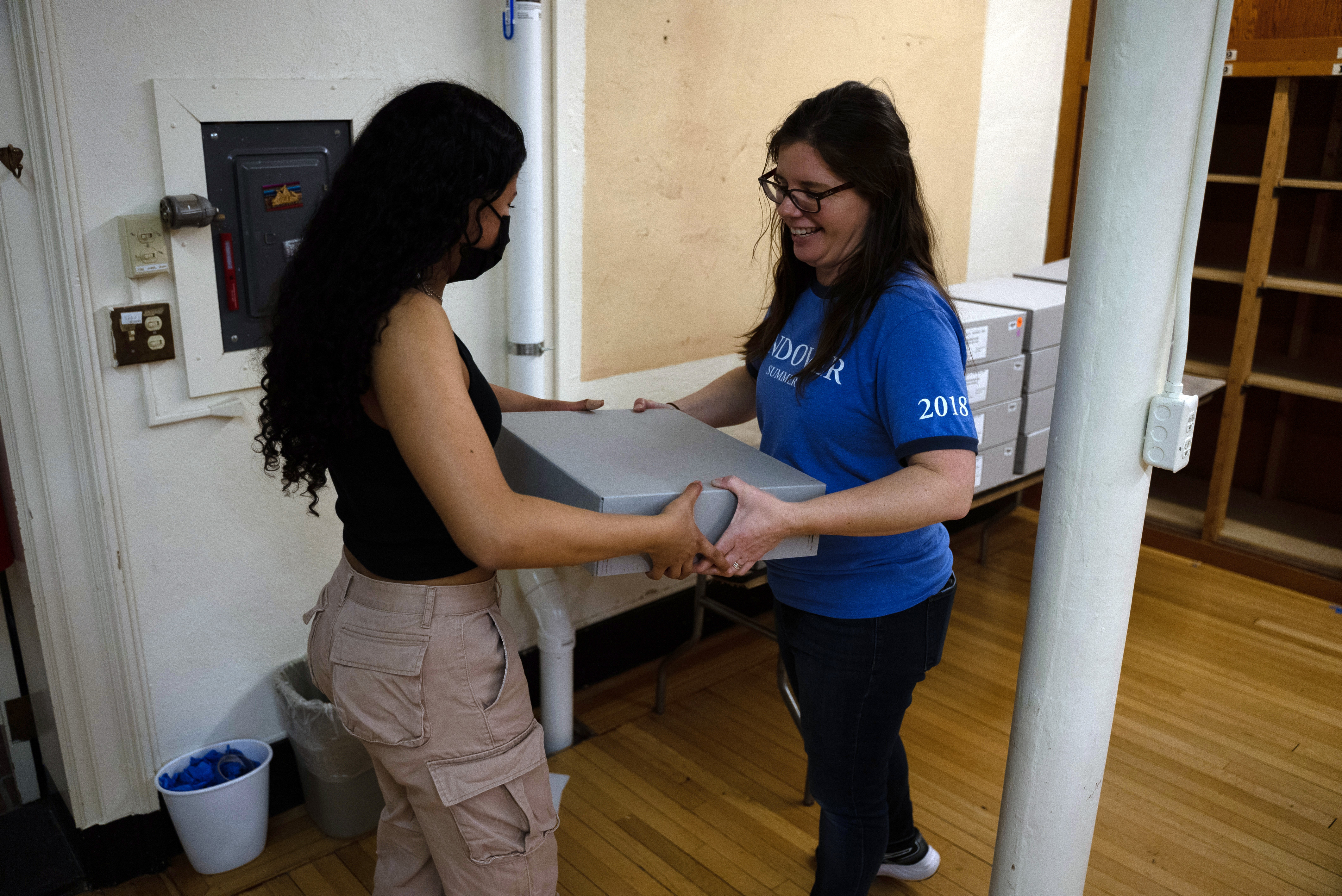
The Peabody staff have been working diligently to ensure the safety of all the collections during this work.  We have coordinated with the construction company, security vendors, tribal partners, and our Phillips Academy project manager to make the project a success.  There is still a lot to do – and construction hasn’t even started yet!

Here are some photos of the work as it has been happening:

This project will rely on philanthropic support from our donor community. To help advance this critical renovation, please contact Beth Parsons, director for museums and educational outreach, at 978-749-4523 or bparsons@andover.edu.

One Million Years B.C.

Contributed by Ryan Wheeler

On February 15, 2023 we learned about the death of Raquel Welch. You might think, what does Raquel Welch have to do with archaeology? Well, a lot and a little. After her performance in the 1966 sci-fi film Fantastic Voyage Welch signed a contract with 20th Century Fox and was then “loaned” to Hammer films for One Million Years B.C., a low-budget cave-person movie. In One Million Welch played Loana, probably best remembered for her fur-trimmed bikini, battles against Ray Harryhausen’s Dynamation dinosaurs, and settling conflicts between the Rock and Shell tribes.

Raquel Welch as the out-sized heroine of One Million Years B.C. (1966).

I’ve always been a big fan of Ray Harryhausen’s stop-motion creature effects, including greats like The Valley of Gwangi (1969), 20 Million Miles to Earth (1957), The 7th Voyage of Sinbad (1958), Mysterious Island (1961), Jason and the Argonauts (1963), and many more. And yes, most archaeologists like dinosaurs, but cringe at the idea that archaeology has anything to do with them or that ancient humans ever even saw one—modern humans first appear around 300,000 years ago, about 65 million years after dinosaurs became extinct. A million years ago is solidly in the middle of the Pleistocene, a geological epoch that began around 2.5 million years ago. During the Pleistocene, we had lots of animals that you would recognize today—plenty of reptiles and birds and mammals—as well as megafauna like mastodons and mammoths, giant sloths, glyptodons, and more. We did have people, including Homo erectus.

One Million B.C. movie poster (1940).

So One Million Years B.C. gets a lot wrong. First, the idea of 1 million B.C. bugs me. B.C. means “before Christ,” though more people are moving to a version like BCE, which means “before the common or current era,” in other words the year 1 that our modern calendar has fixed as a starting point. So 1 million years B.C. is literally 1,000,000 years ago plus another 2,000 or so years. What’s 2,000 when we are talking millions?! I checked, and, perhaps not surprisingly, there were no scientific consultants on the film. Ray Harryhausen famously quipped that they weren’t making movies for scientists and doubted said scientists would go to see such films anyway (so wrong!). In her memoir, Raquel: Beyond the Cleavage, Welch talks about her own attempt to provide some notes to the film’s director Don Chaffey, but he wasn’t interested. What I didn’t know until recently, however, is that One Million Years B.C. is a remake of the 1940 film One Million B.C., which starred Victor Mature, Carole Landis, and Lon Chaney Jr. No Harryhausen effects there, however, there was a pig dressed in a Triceratops suit, lots of out-sized lizards, and even some animals more appropriate to the time like a woolly mammoth and an armadillo dressed as its megafauna ancestor Glyptodon.

This got me wondering what the earliest cave-people movie was, and led me to D.W. Griffith’s Man’s Genesis: A Psychological Comedy Founded on Darwin’s Theory of the Genesis of Man (1912). You can see some of the film on Youtube: https://www.youtube.com/watch?v=zQ3gaYbb38I. Griffith was involved in the production of the 1940 One Million, and all the films have some similar themes, namely conflict and sex. They don’t stop with the Raquel Welch version.

Peter Elliott is the go-to actor for non-human primates, including the titular role in 1988’s Missing Link.

One Million Years B.C. did pretty well at the box office, but it’s really just one film in a long line of cave-people movies. Both Charlie Chaplin and Buster Keaton made their versions, likely riffing on Man’s Genesis (Keaton invents golf in 1923’s Three Ages). A few years ago I challenged my Human Origins students to look at stereotypes about Neanderthals and they found the 1962 movie Eegah, which is sort of a mashup of 60’s beach party movies and the cave-people genre. The $15,000 budget may give you a sense of the film. Don Chaffey, the director of One Million Years B.C. revisited the genre in 1971 with Creatures the World Forgot (sans Raquel Welch, but with a very similar plot and movie poster!), and the 1980s has numerous entries with Ringo Starr’s comedy Caveman (1981), a defrosted Neanderthal in Iceman (1984), Rae Dawn Chong in Quest for Fire (1981), Daryl Hannah in The Clan of the Cave Bear (1986), based on the Jean M. Auel books, and even Peter Elliott (with narration by Michael Gambon) as the last Australopithecus in Missing Link (1988).

Ringo Starr and friends in 1981’s comedy Caveman.

Ringo Starr aside, Quest for Fire and The Clan of the Cave Bear are two of the best-known cave-people movies since Welch’s One Million. What’s interesting is that Quest was a box office success and garnered some critical acclaim, while Clan was a flop. Both lack dinosaurs, so that’s good. And, both explore a lot of the same themes that come up in these movies over and over—conflict between different species of humans, sex and love, and the role of technology in becoming human. Many of the critics noted that Quest had a lot of humor, either intended or not, and that’s perhaps part of the charm as film critic Roger Ebert noted. Archaeologists and anthropologists at the time were not so kind. Philip Leiberman, writing in the American Anthropologist, delivers a strident critique of the “primitive” languages developed by author Anthony Burgess for Quest, noting that, “Burgess just doesn’t seem to know anything about phonological studies, developmental studies of the acquisition of speech by children, psychoacoustic studies of speech perception,” etc. Owen Lovejoy, writing in Archaeology magazine, describes Quest as a disaster on several fronts, noting specifically that “critical human qualities such as kinship, economics, infant care, symbolism and religion, language, technology, and so on, are simply glossed over as though they appeared magically with the Upper Palaeolithic,” though he does appreciate the lack of dinosaurs. One important point that Lovejoy makes is that the film tries to be a serious attempt to depict the distant human past and that, perhaps, our inability as anthropologists to synthesize this for the public is what is lacking. Quest didn’t benefit from scientific advisors, beyond Burgess’s work to make the primitive languages and Desmond Morris’s work on animal behavior and vocalizations.

Rae Dawn Chong as Ika in Quest for Fire.

The cinema isn’t done with the cave-people genre yet. In 2008, 10,000 BC (again with the BC!) joined the ranks as a visually stunning epic that suffers from many past sins, including some serious anachronisms. I haven’t watched 10,000 BC, but it involves cave-people, Pleistocene fauna, as well as people riding horses and traveling in ships. The movie did pretty well at the box office. Reflecting on this genre of cave-people movies makes me realize that there is a lot of interest in the distant past, but, as Owen Lovejoy noted in his review of Quest for Fire, us anthropologists and archaeologist haven’t been so good at providing a compelling narrative. In fact, a lot of the interspecies conflict in these films can really be attributed to pervasive ideas in studies of human evolution that have emphasized different species based on very slight differences in skeletal anatomy. The more we learn, we find that Neanderthals and modern humans are very similar and shared genetics when they existed in the same place. Maybe Quest for Fire got that right? Godspeed Raquel.

Compare posters for Don Chaffey’s 1971 Creatures the World Forgot with the Raquel Welch classic One Million Years B.C., also directed by Chaffey for Hammer.