Mount Up!

Contributed by John Bergman-McCool

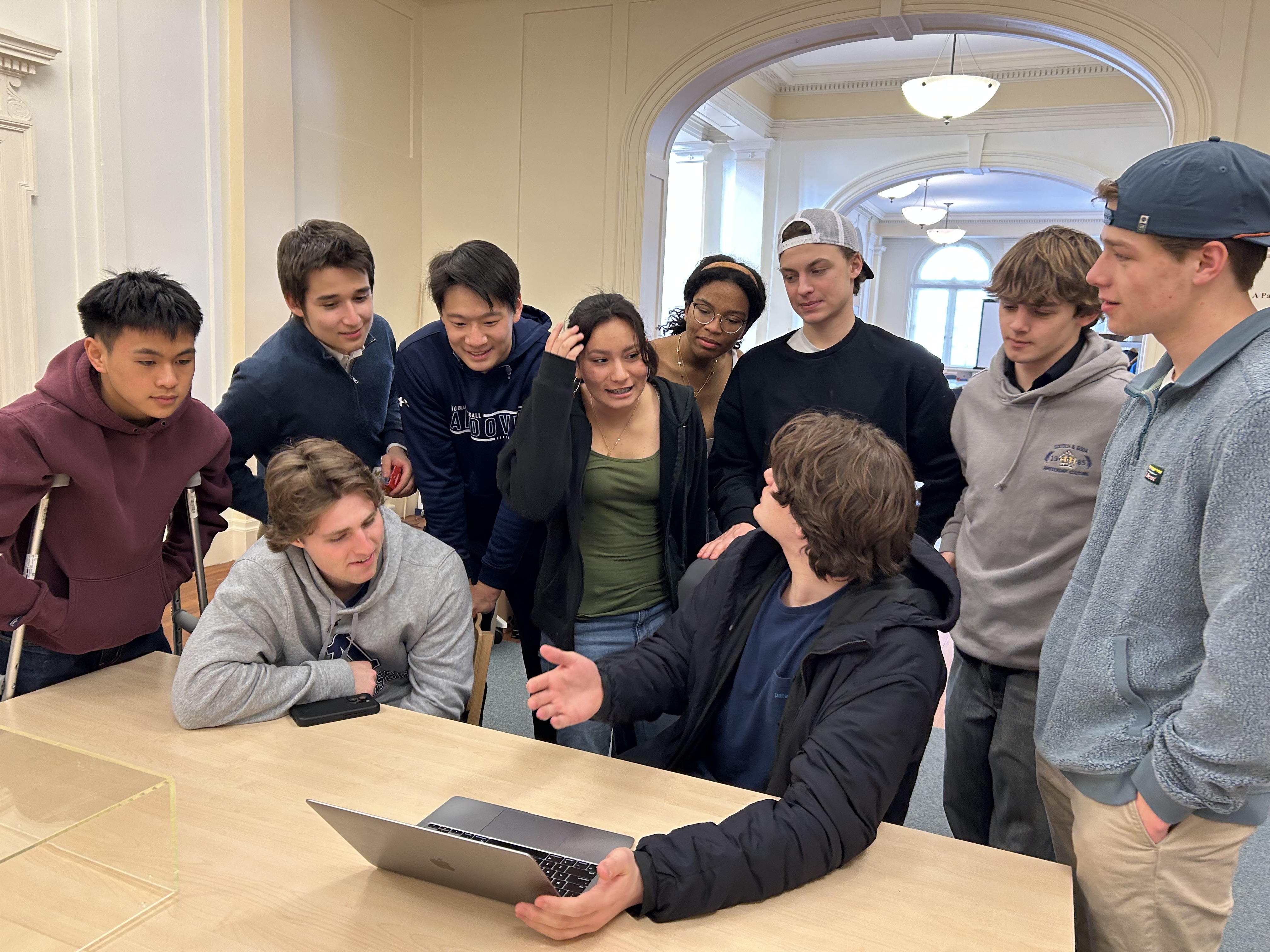
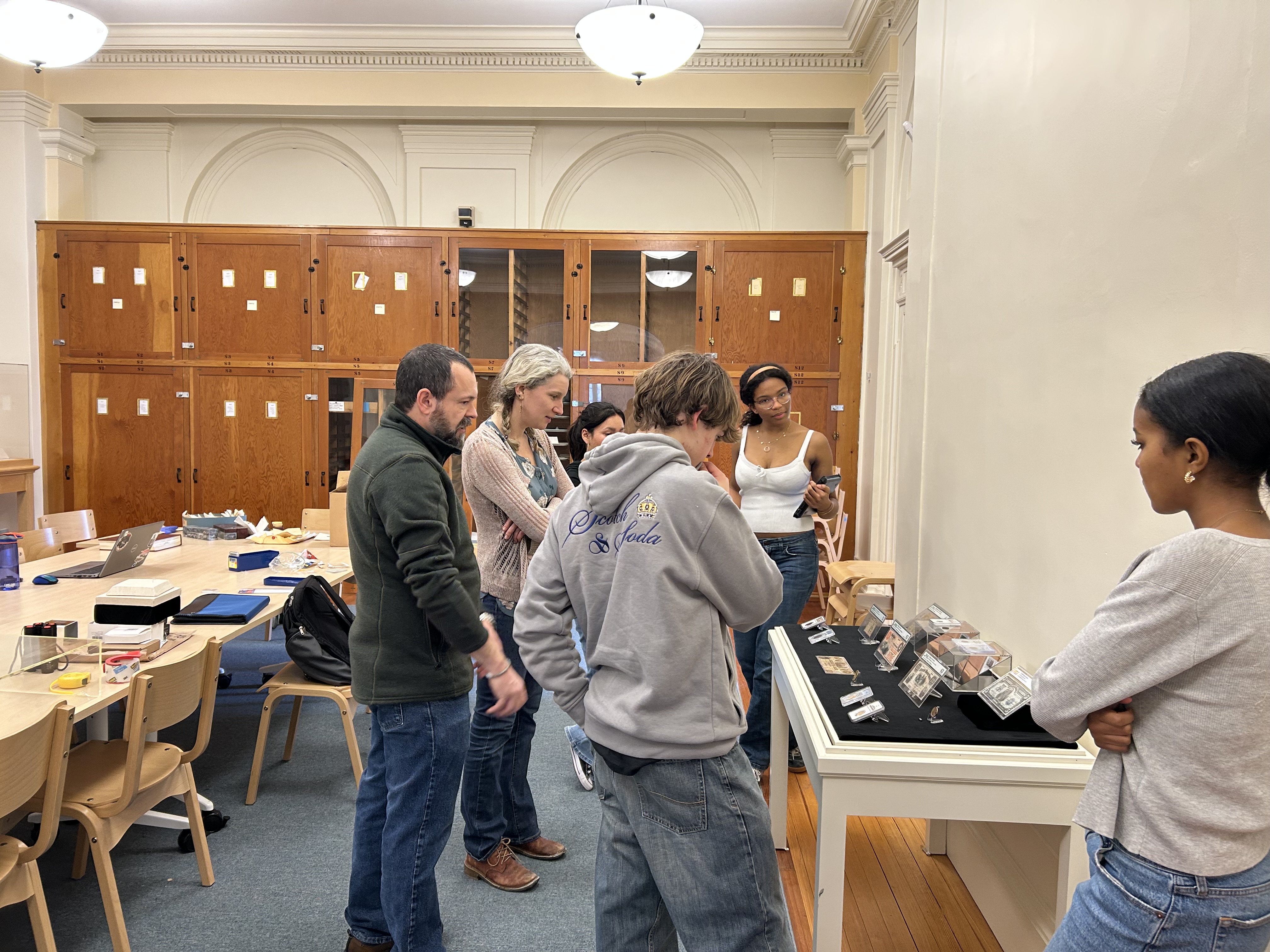
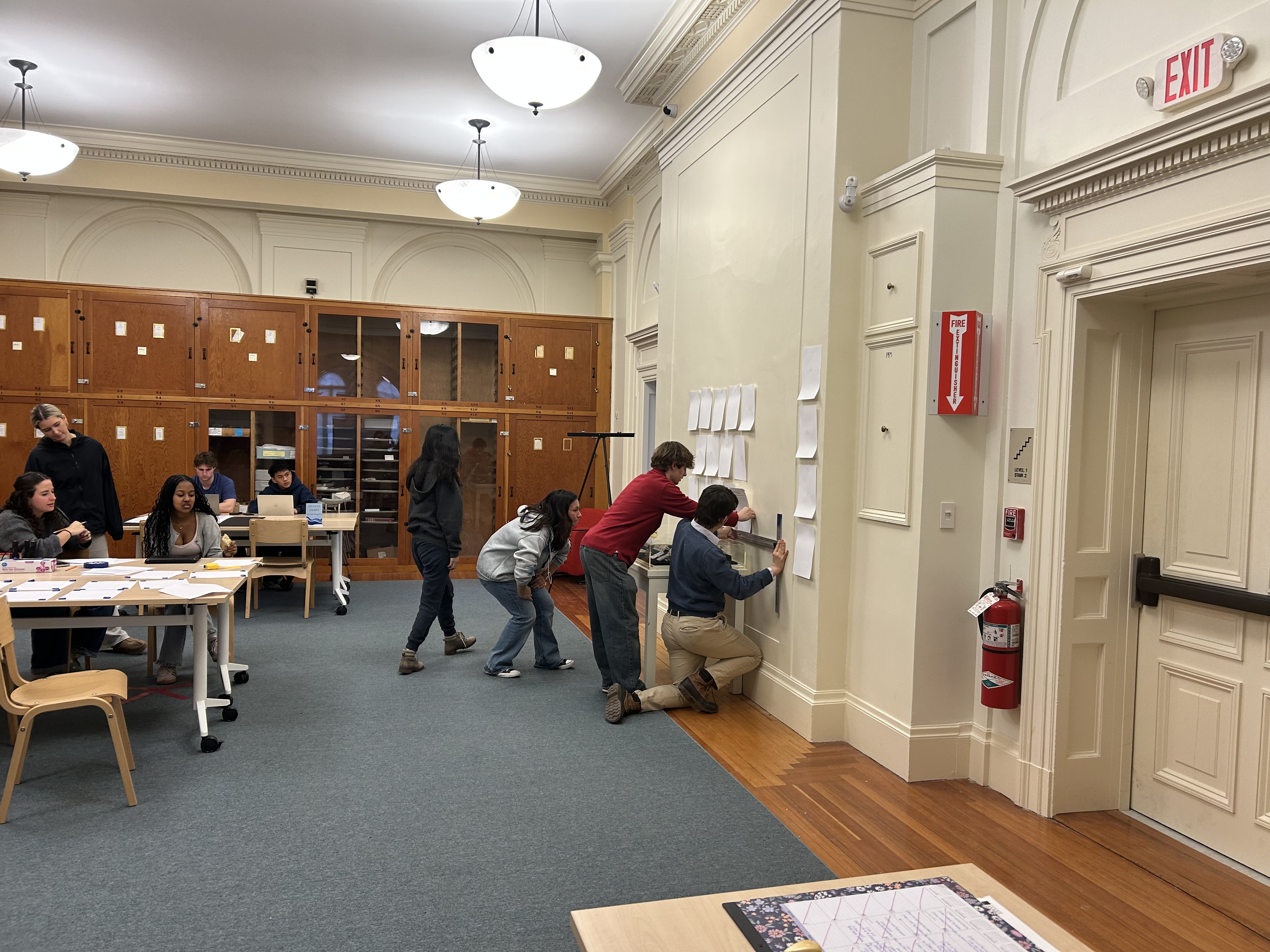
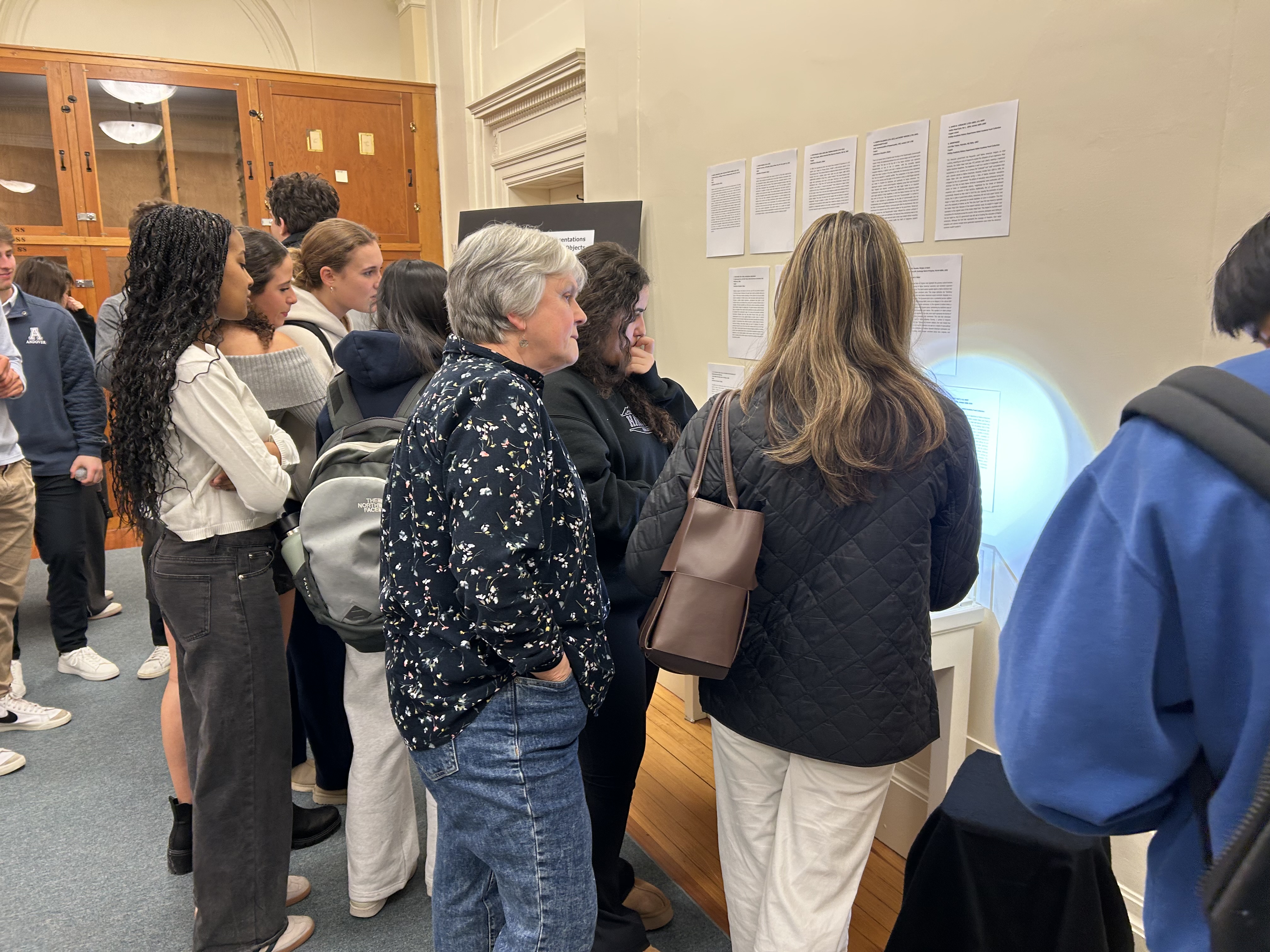
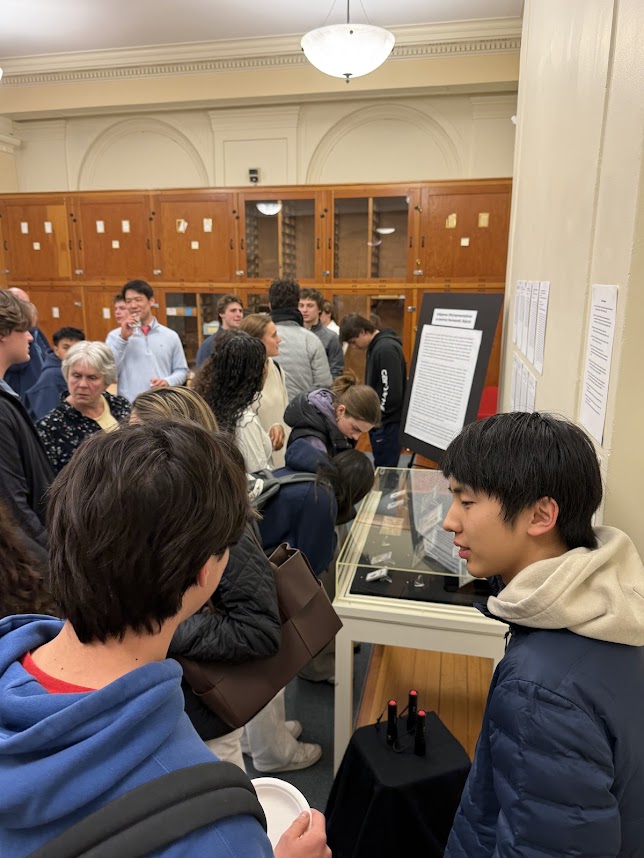
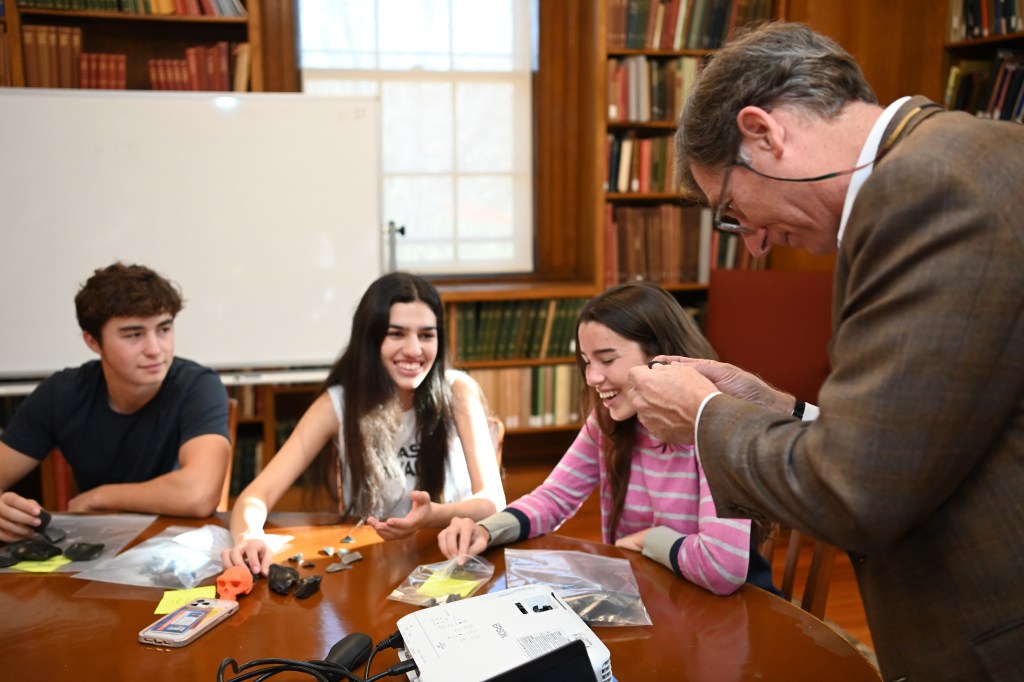
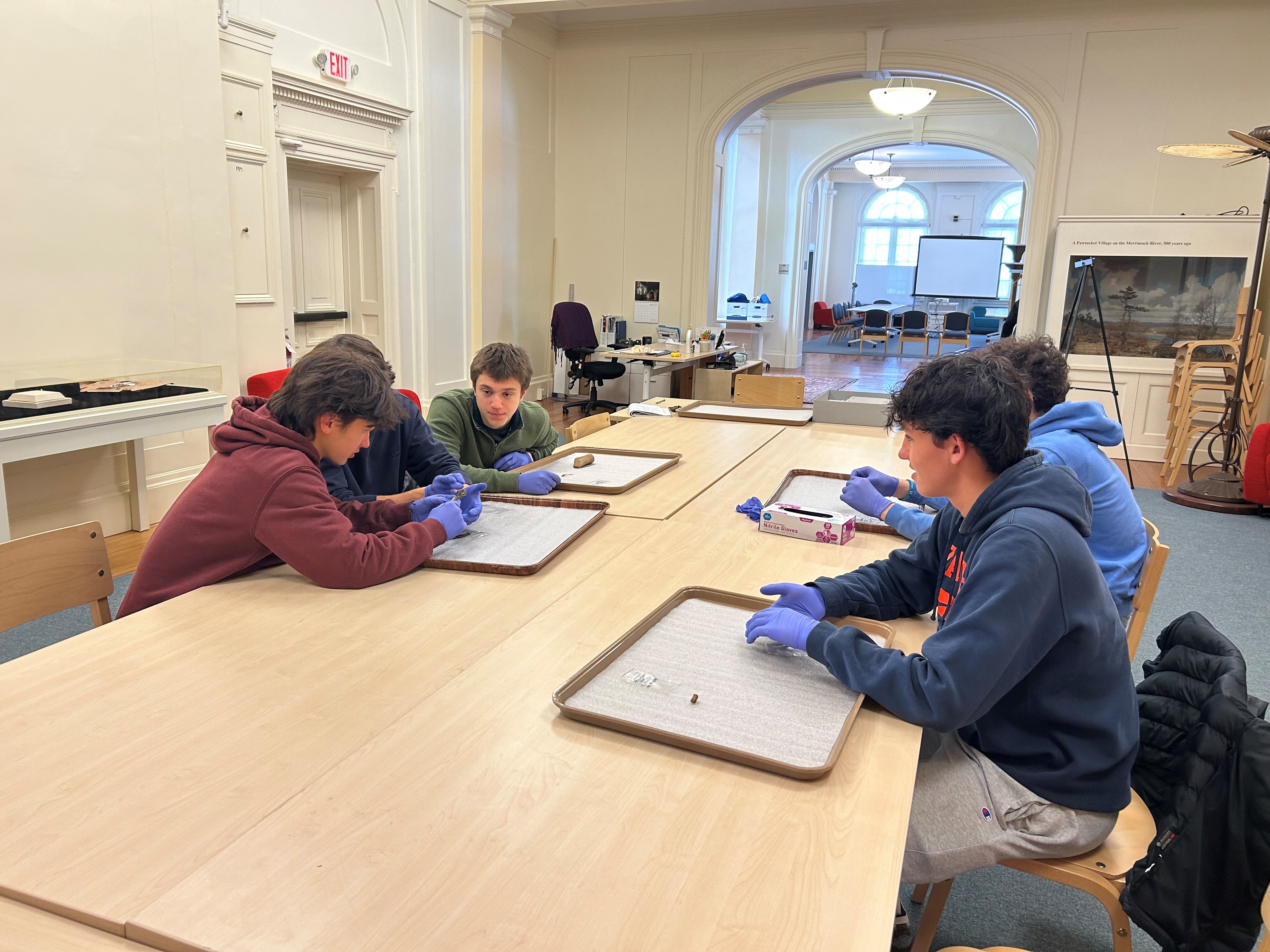
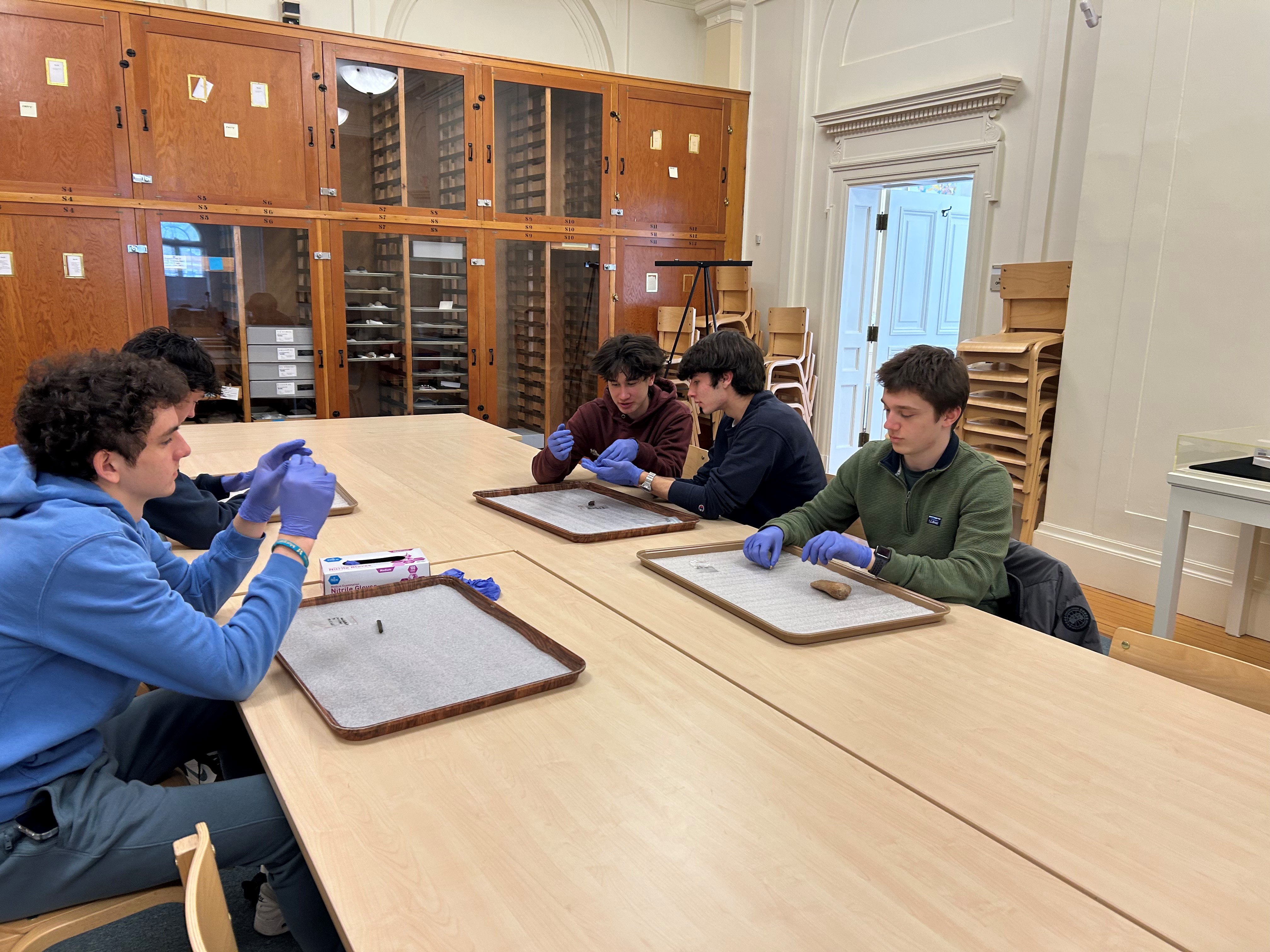
This term, the Peabody has a student volunteer workforce assisting us with making mounts for the moccasins that we care for. Currently, the moccasins are wrapped in tissue and housed in boxes. This housing situation is stable, but it can be improved. On the positive side, the boxes protect their contents from dust and debris. They are also stackable, which was a space-saving necessity prior to the renovation. Inside the boxes, the tissue prevents movement, but the moccasins are resting on their sides. In addition, some of the boxes are overfilled and need to be de-densified.

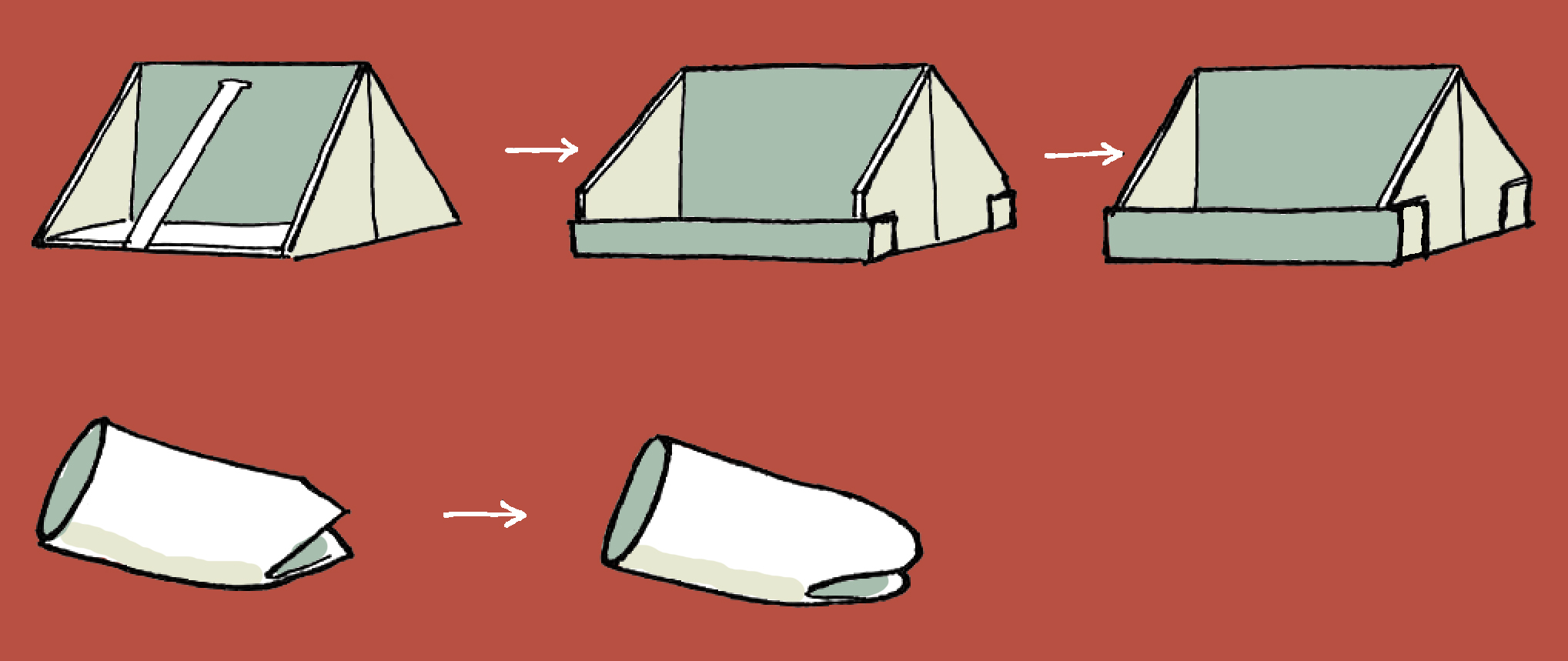
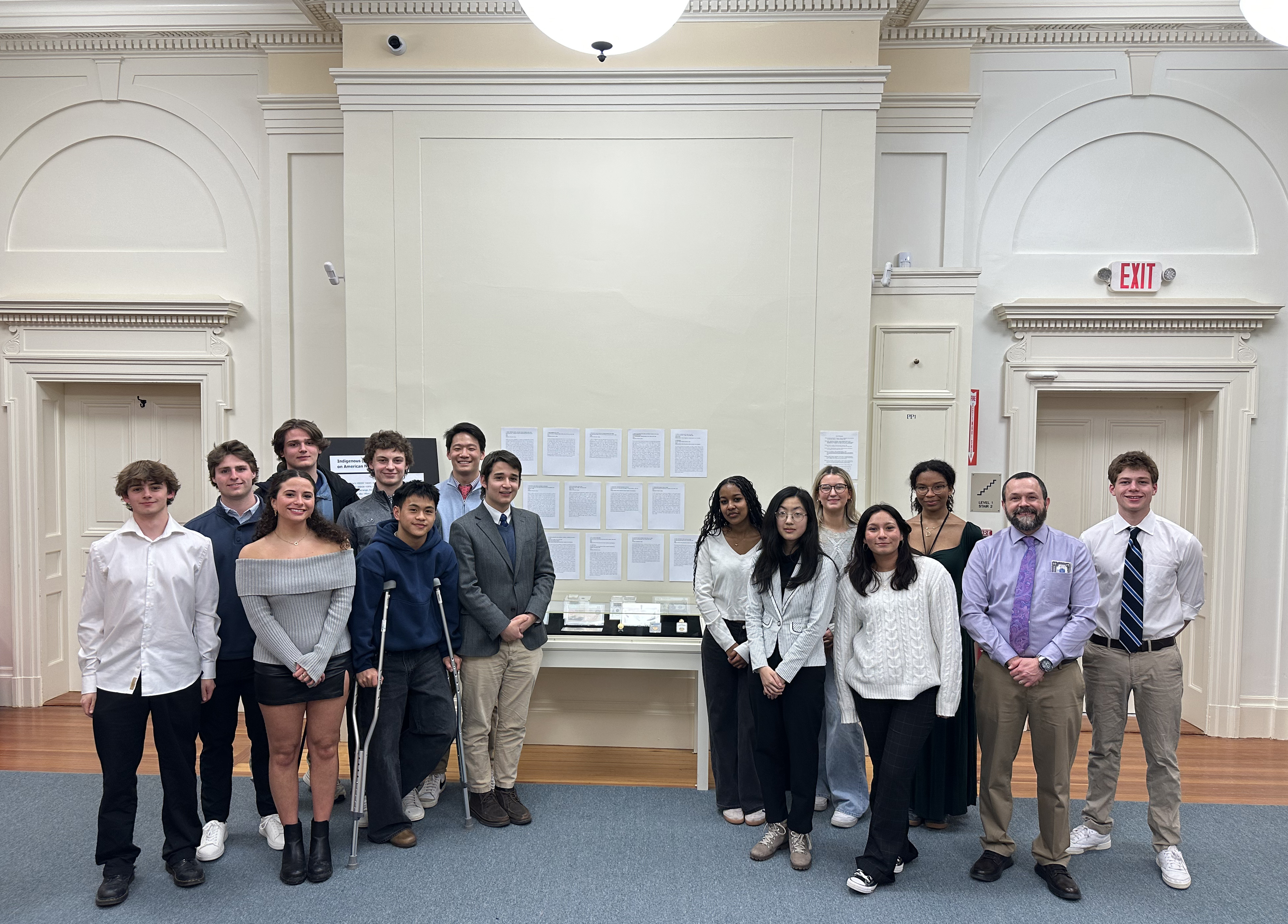
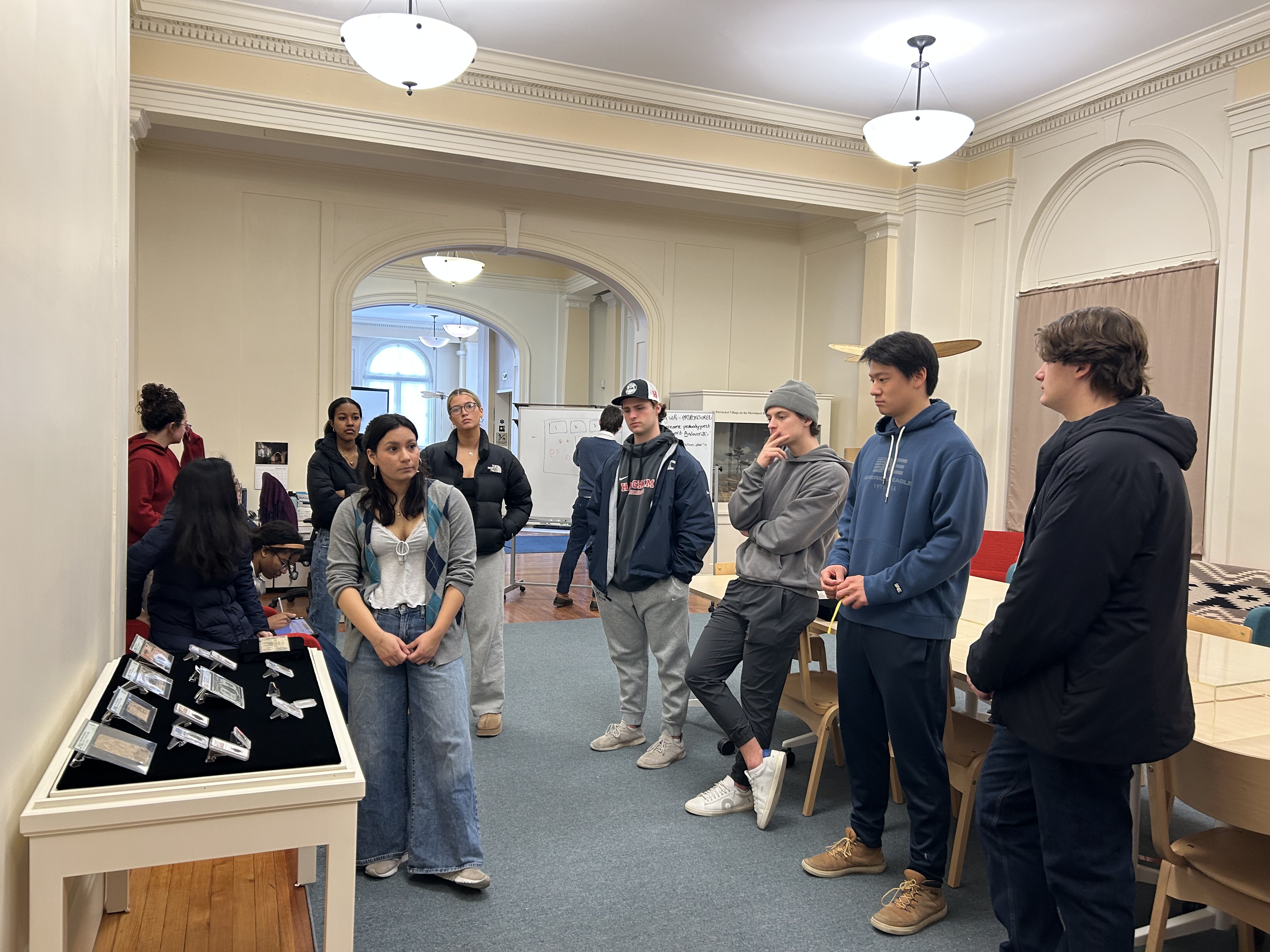
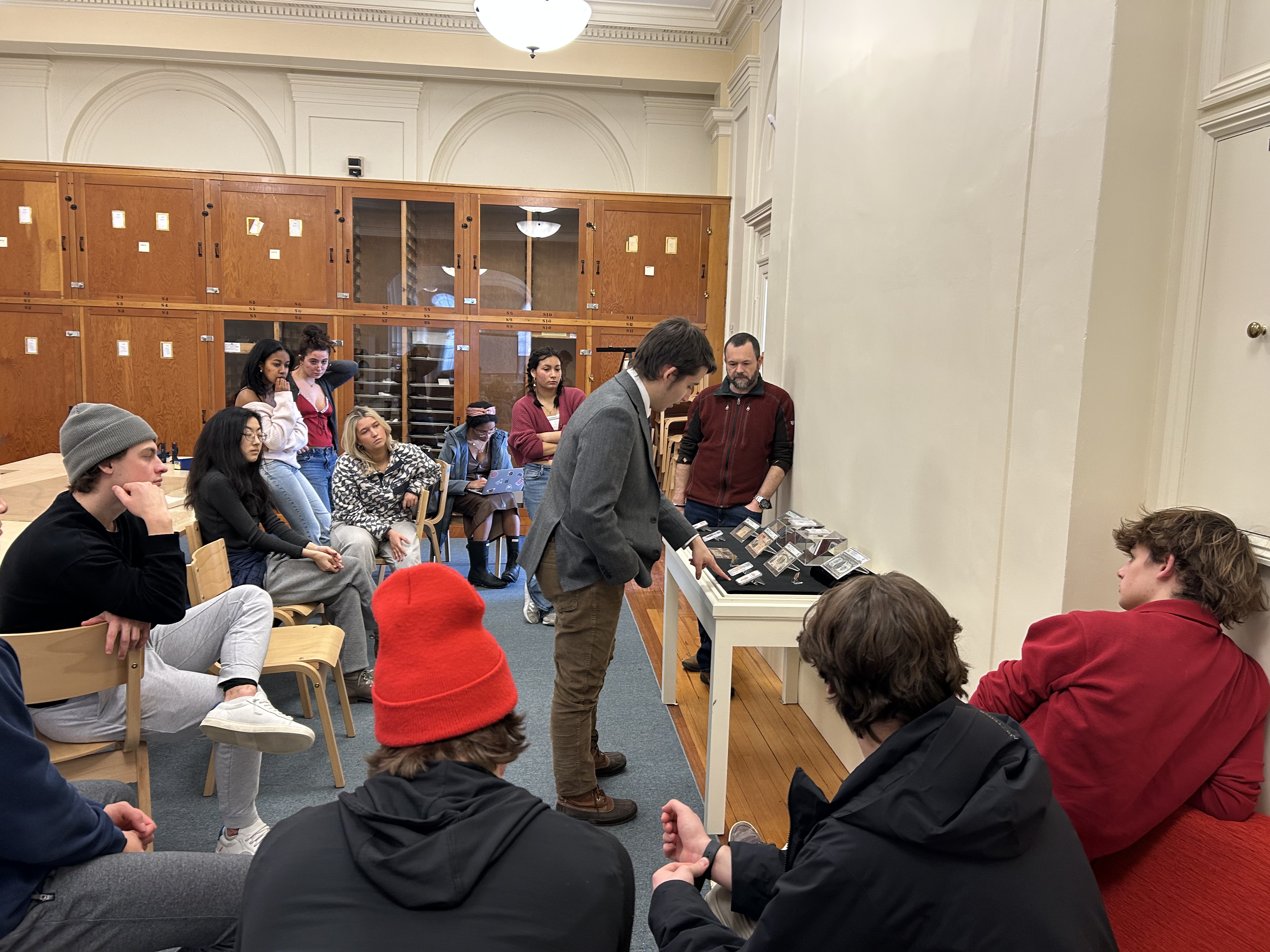
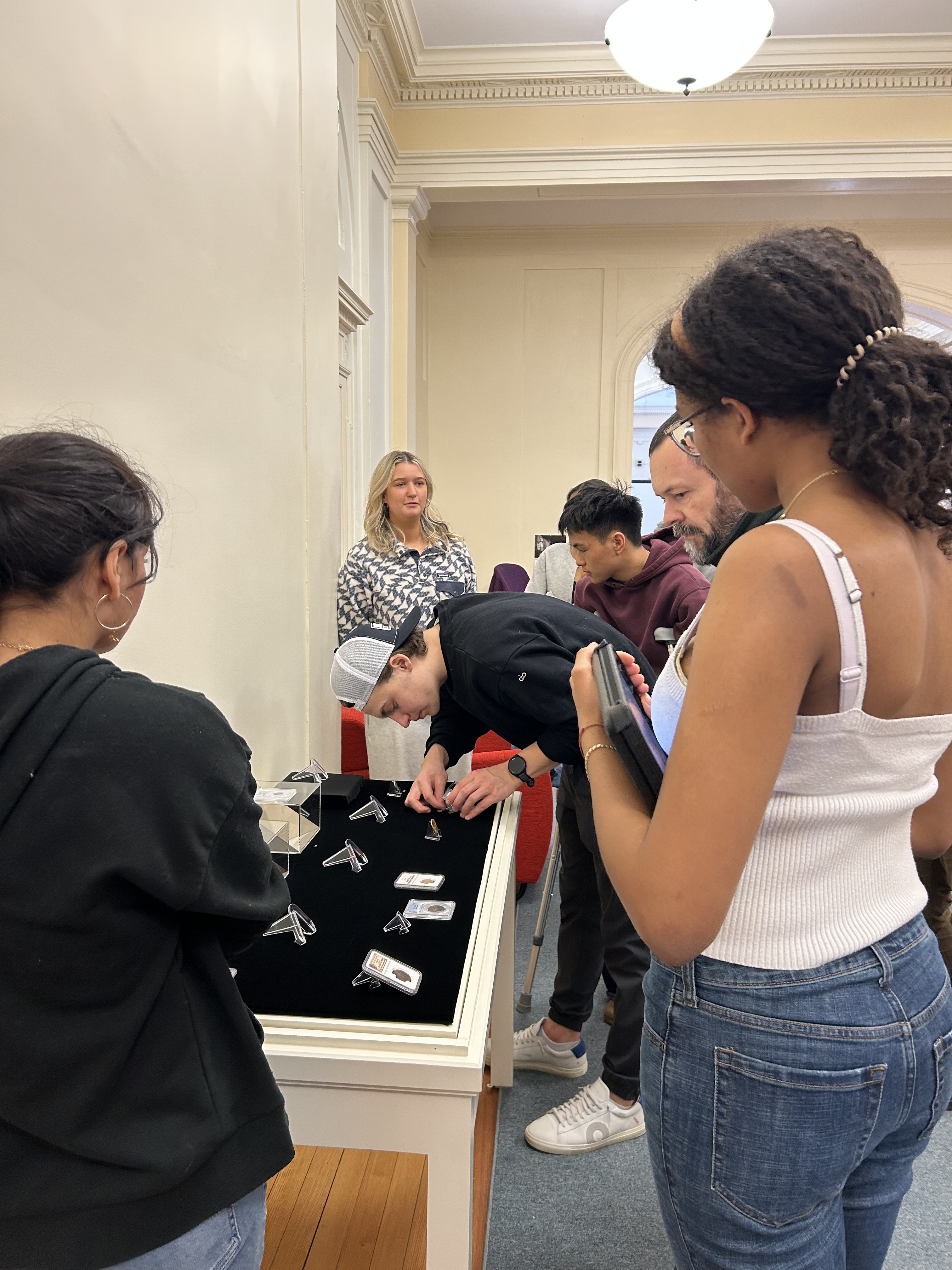
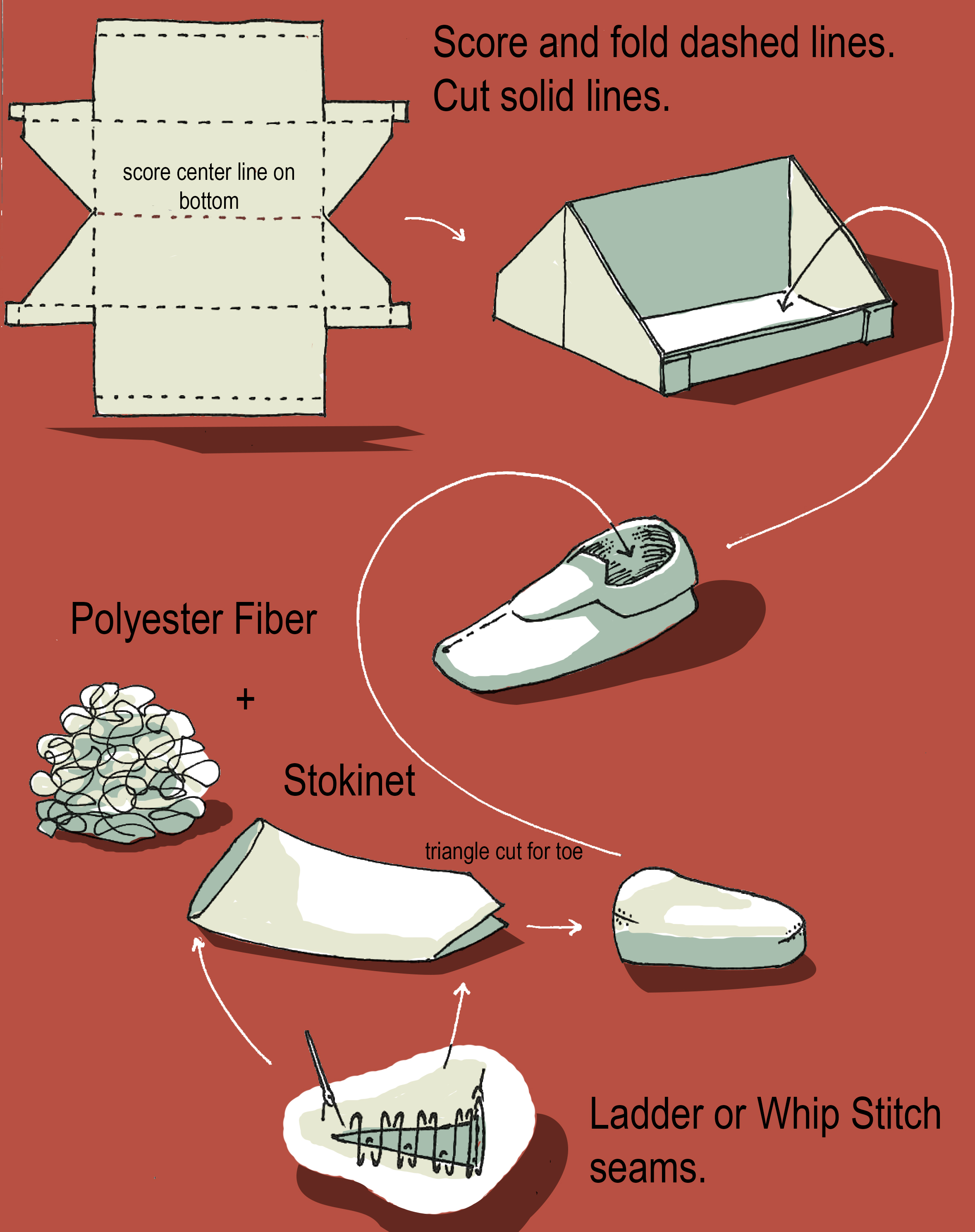
Workflow for Moccasin Mount.

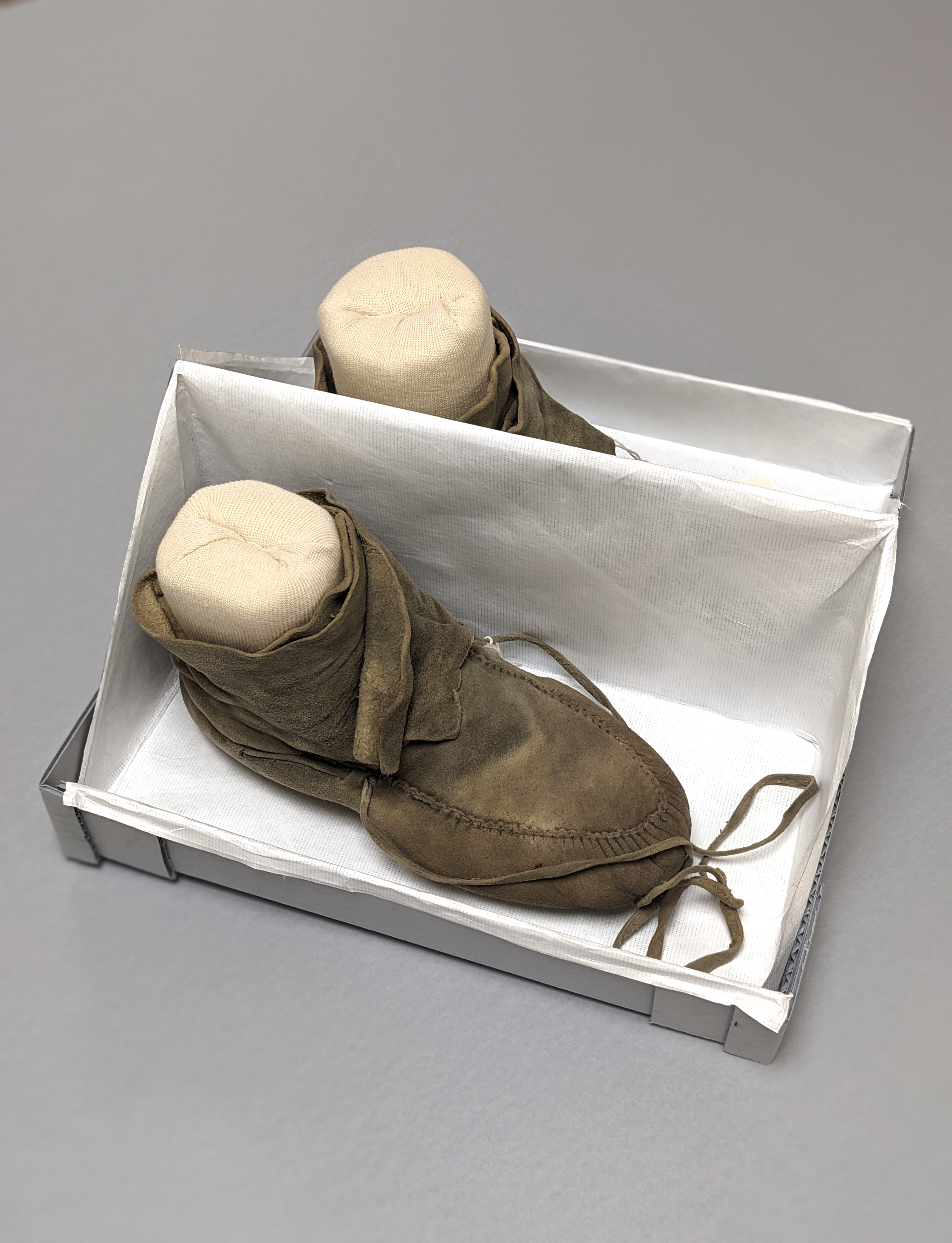
Our goals for this project are two-fold. The first is to design and construct external supports for pairs of moccasins that prevent them from rolling on to their sides or off the mount.

The second goal is to create soft internal supports. Leather items, like moccasins, can be subject to flattening if they do not have additional support. Since the moccasins are laying on their sides in the boxes, the flattening can lead to additional deformation. If left unaddressed, flattening and deformation will cause permanent creasing which requires careful conservation to reverse.

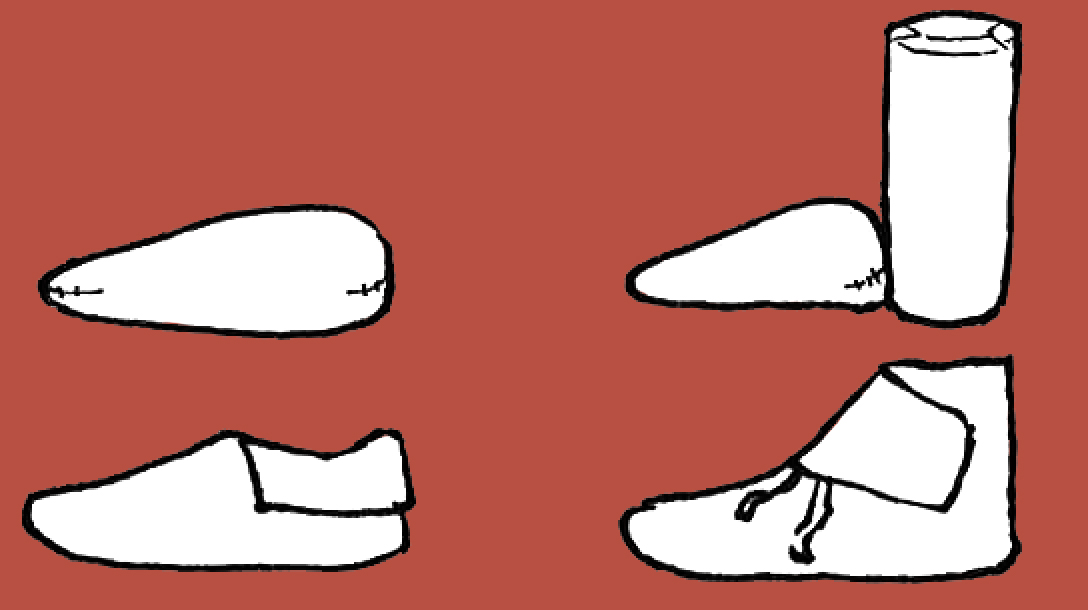
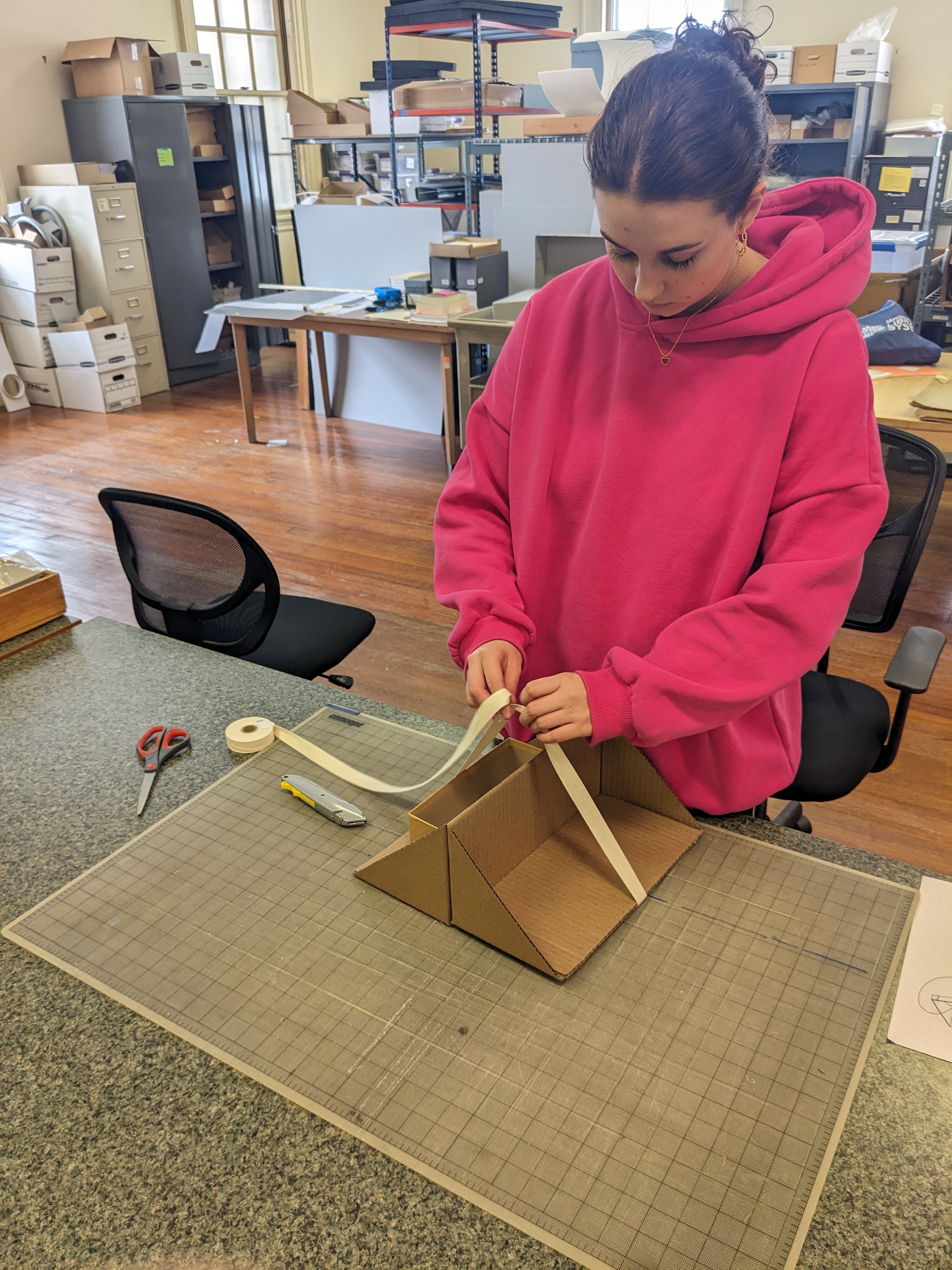
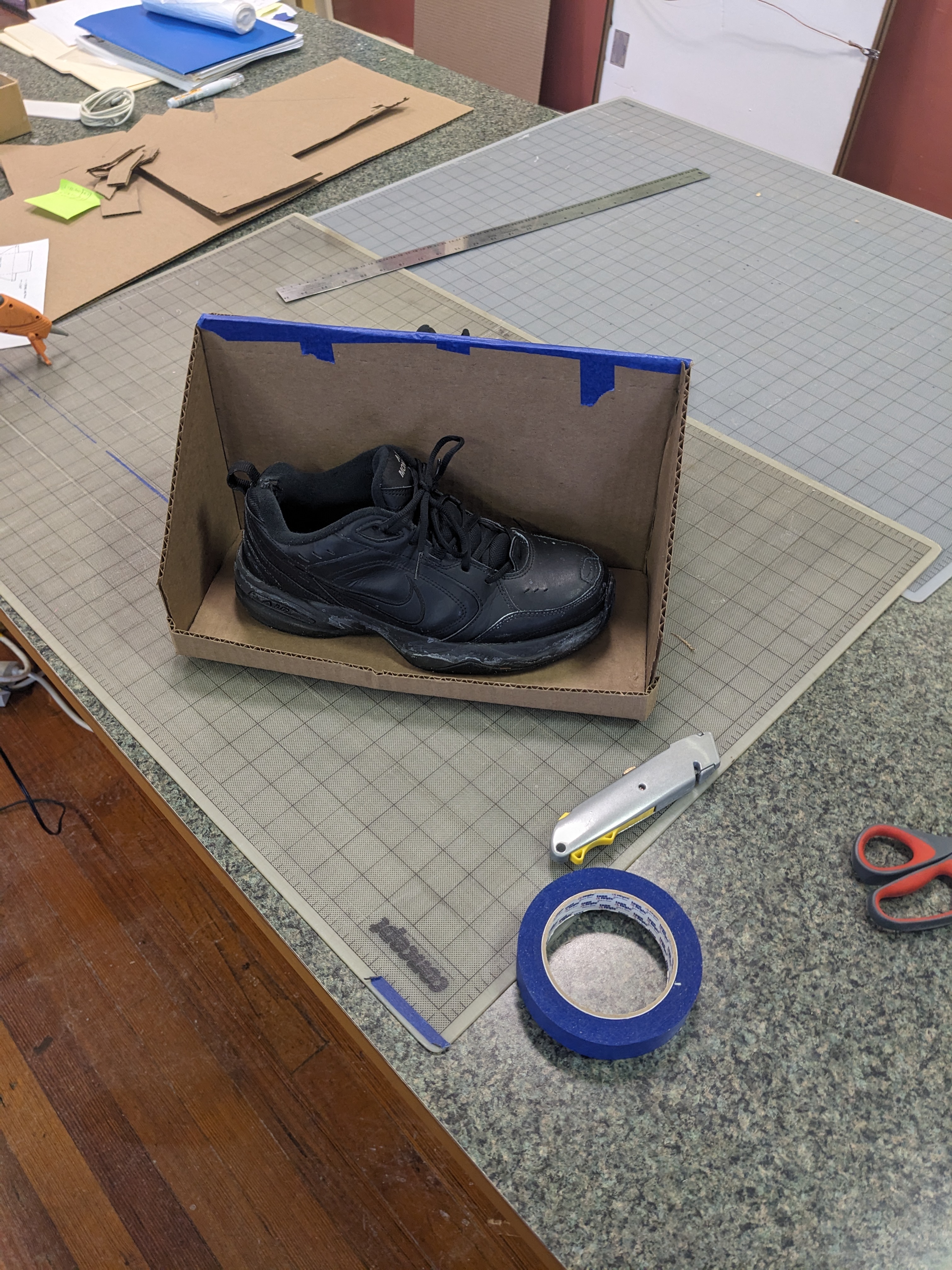
For the first step, the volunteers practiced making external mounts for their own footwear using cardboard. A few elements of the mount were altered after we saw the construction of the initial design. When the design is finalized, the volunteers will be using archival blue board covered in soft Tyvek fabric to house the moccasins.

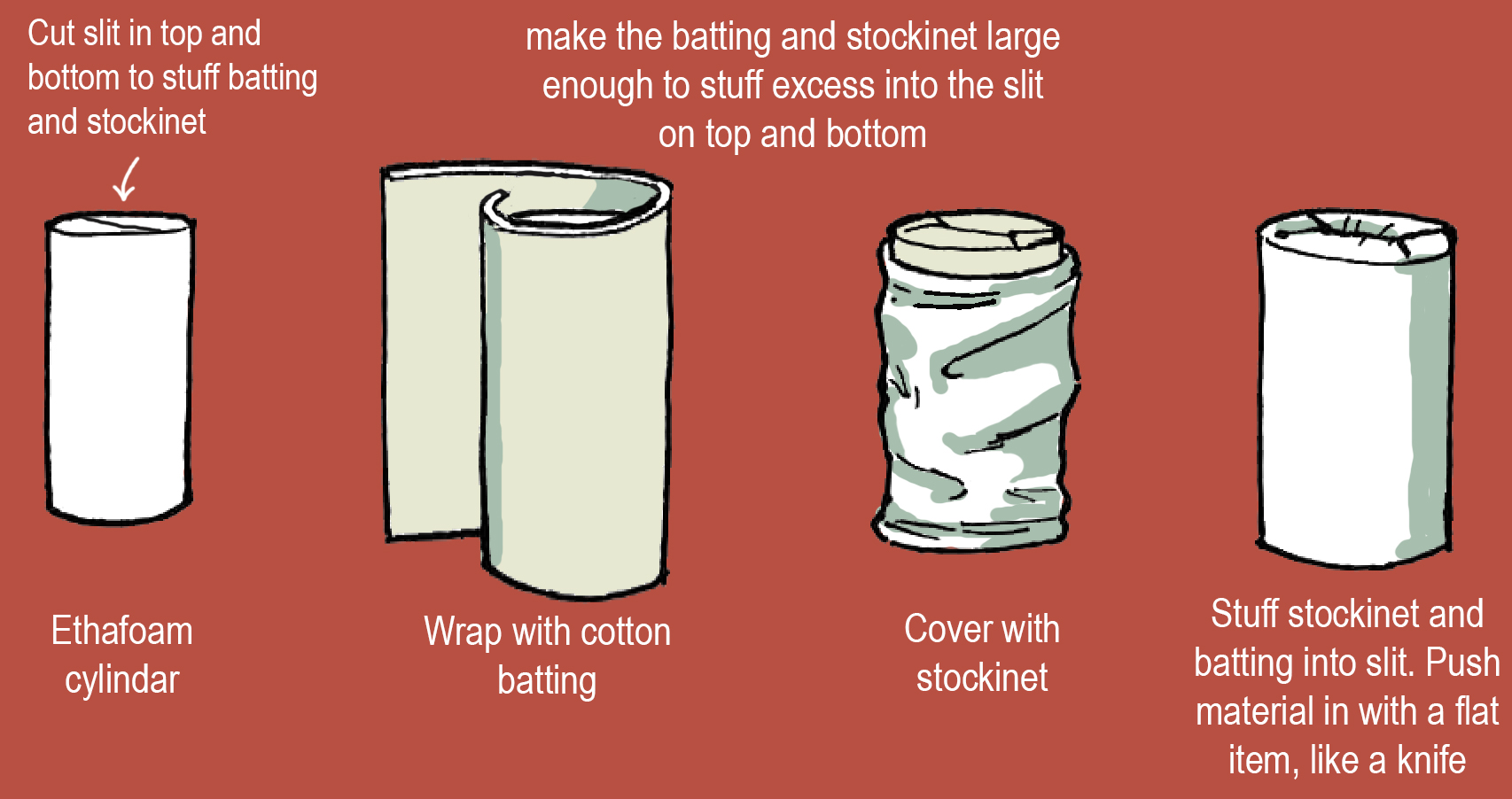
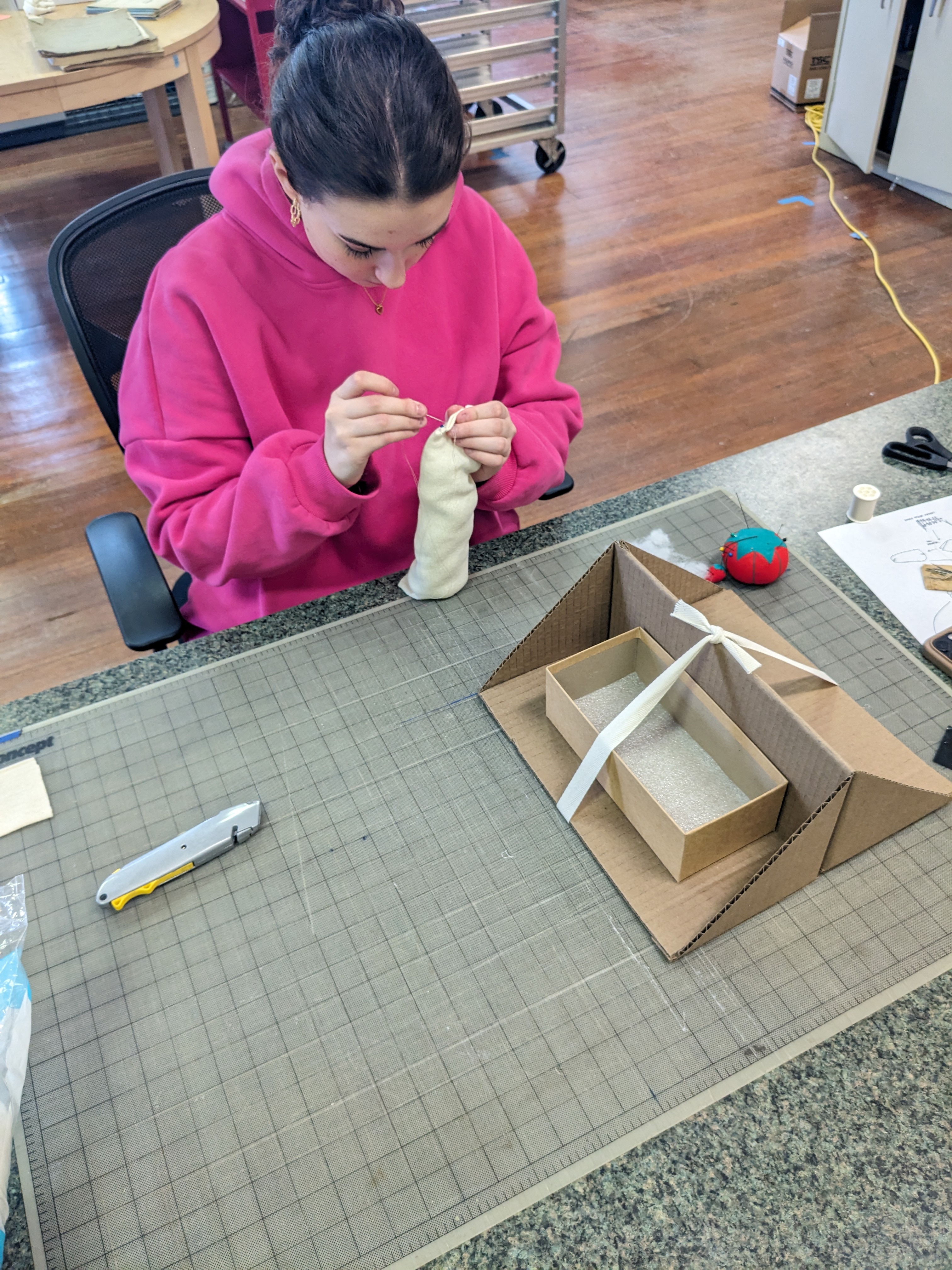
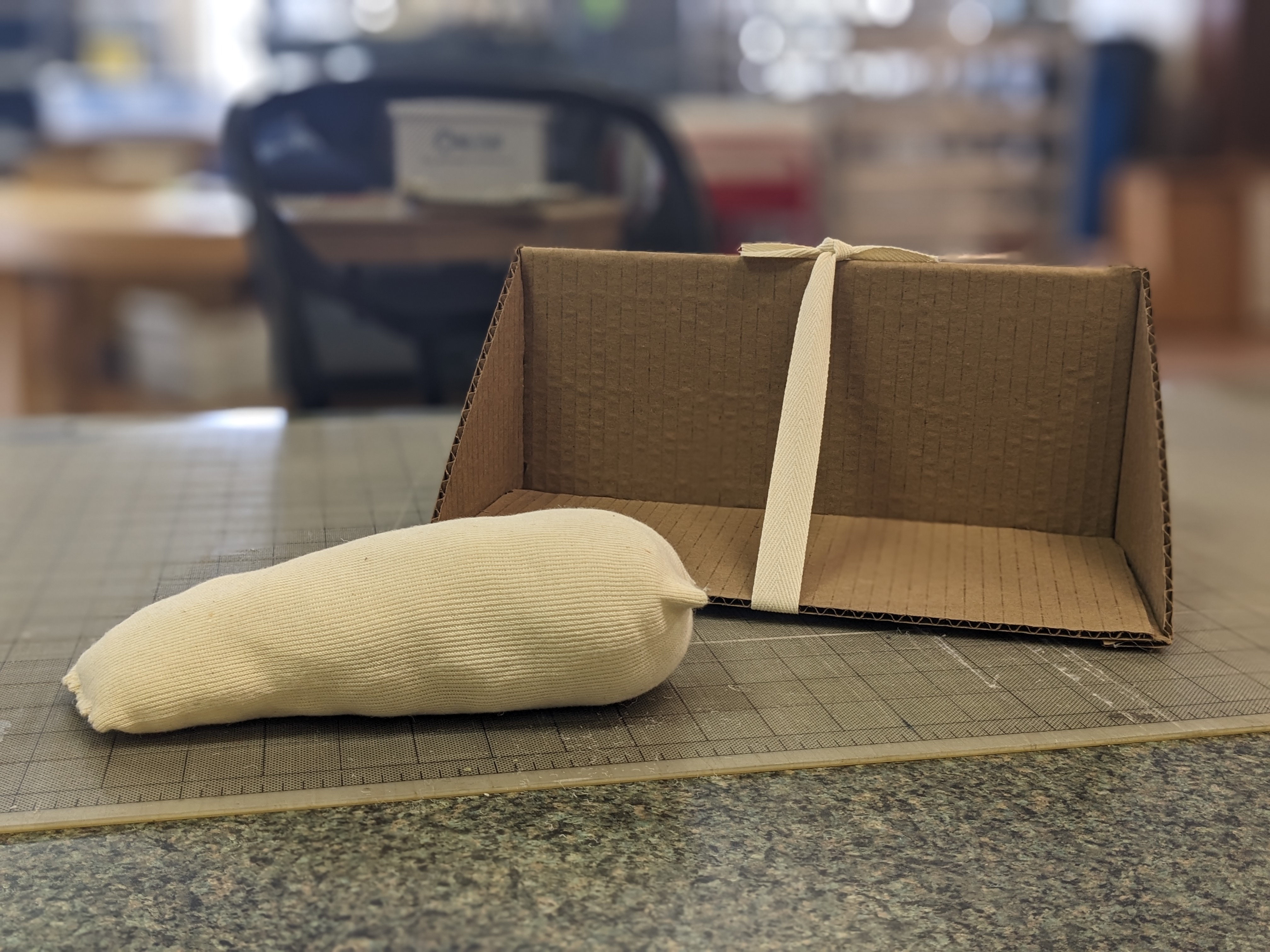
The next step will be to practice making internal supports. These supports are essentially tubes constructed of stockinet filled with polyester fiber. The ends are stitched together to ensure the poly-fil doesn’t come out of the tube. Once fabricated, these will be inserted into the moccasin,  helping keep their shape and resist the flattening effect of gravity.

The volunteers are making great strides with their practice work, which means they will soon start making mounts for the moccasins. We will keep you posted with an update in the future.

If you are interested in seeing what kinds of mounts your institution can make use of, please see this pdf from History Nebraska. It was an excellent source of inspiration.

Fusing Glass with Hopi Artist, Ramson Lomatewama

Contributed by Emma Lavoie

Last month we were delighted to welcome back Ramson Lomatewama to Phillips Academy Andover (PA) where he worked with students and campus community members in fused glass workshops.

Ramson Lomatewama is an award-winning Hopi glass artist, kachina doll carver, jewelry maker, and published poet from Hotevilla, Arizona. This is his second year working with the Peabody Institute to bring fused glass workshops to the PA campus community. Ramson has also participated in various virtual, and in-person talks at PA, sharing his poetry, art, and life stories with students and the broader public. You can view these virtual talks on our Peabody YouTube page.

Ramson speaking to one of the fused glass community workshops.

Ramson creates stained glass, blown glass, and fused glass art. Ramson’s glass art is viewed as “a contemporary expression of ancient and artistically rich people… evoking a beautiful, yet humbling mindscape which we all long to find.” He is the first hot glass artist from the Hopi Tribe. Ceremonies and cultural activities continue to play a major role in his life. He has showed works at the Santa Fe Indian Market, the Museum of Northern Arizona, Fusing Traditions, a traveling exhibition, and the San Diego Museum of Man (now known as the Museum of Us).

Stained glass artwork by Ramson Lomatewama.
Blown glass ‘spirit figure’ sculptures by Ramson.
Blown glass vessel by Ramson.

Ramson is an educator on several levels. Early in his career, he was a middle school and high school teacher, and for many years, served as adjunct faculty at North Central College in Naperville, Illinois. Ramson also taught glass art for Hopitutuqayki (The Hopi School), an arts apprenticeship program located on the Hopi reservation. Ramson’s studio, Hotevilla Glassworks, is the first and only Hopi owned working glass studio. Check it out here!

Students at work, creating their own fused glass pieces in their class workshops.

Working with fused glass seemed a little daunting at the beginning of the workshops, but a quick demonstration by Ramson with helpful instructions gave students the courage and motivation to dive in. The plethora of glass pieces to work with – stringers, millefiori, frit, swizzle sticks, dichroic, and ribbons – came in many shapes, textures, and colors. Students worked side by side creating their pieces of art, asking Ramson questions about his techniques and listening to stories about his life and art journey.

“Working with fused glass, you need to be prepared to forfeit control…” was Ramson’s important insight that would hold true from assembling our glass pieces to the final kiln firing of our pieces. No matter the shape or size of your glass piece – after firing – it would melt down to around 6mm thick. Ramson calls this the “6mm rule.” I found it best to go into a fused glass design with no plan, as your final product would tend to come out a little different from what you’d imagine… most of the time it would look even better!

This year I created two pendants and (hopefully) some pieces to assemble into earrings. You can see my “before and after” photos of my glass pieces at the end of this blog. In the meantime, see below for some finished pieces by PA community members.

Finished fused glass pieces from the PA community workshops.

We are very fortunate to have acquired a stained-glass piece that Ramson created for the Peabody. We look forward to completing its installation in the Peabody’s front transom window once the next iteration of the building renovation is complete.

Ramson’s stained glass piece, commissioned by the Peabody.

We are very grateful for the time that Ramson dedicates to working with and educating our PA students and campus community! We hope to have him back next year! For more information about Ramson and the PA fused glass workshops, check out this article by the Andover Magazine (i.e. page spread #10-11, Digging Deeper article).

My fused glass pieces – before and after!

Peabody Annual Report, 2023-2024

Contributed by Emma Lavoie

Our Peabody annual report for academic year 2023-2024 has just been released! This report features educational participation at the Peabody, building project updates, work duty, and more! In addition, our annual report features new acquisitions, institutional highlights, and workshops along with updates on our collection and NAGPRA work. Thank you to everyone who supported the completion of another wonderful year at the Peabody!

You can read the report in its entirety HERE.

She has a name, you know

Contributed by Lainie Schultz

Inclusive editing of catalog records is an important aspect of contemporary museum, library, and archival practice, or for any space maintaining a catalog of records for people to access and learn from. In particular where catalog records are themselves pieces of history, written at times when accepted language usage was different from what it is today, it can be necessary to return to the descriptions we rely on to access materials and rewrite them to remove what we now recognize as harmful language. In this way we can provide users with more accurate, respectful, and inclusive terminology, and disrupt the barriers created by prior language.

While incredibly vital work, accomplishing these changes can often be slow, at times requiring a thoughtful and collaborative approach to determine what language is correct in place of what was used previously; extensive research to fill missing gaps; and/or the development of new processes or procedures for altering records, to document these changes so that our history is not erased – and then, of course, actually editing these records, sometimes one by one. The satisfaction gained from the effort can be immense, but the gratification is often delayed.

And, also, sometimes it’s ridiculously easy.

One common omission in catalog records is the names of women, often found identified as the wives of their husbands. I recently encountered one such woman in the Peabody Institute’s catalog while researching a Tohono O’odham basket in our care, donated by Mrs. Edmund Hamann. Looking to gain a better understanding of the basket’s arrival at the Peabody, I turned to its accession record, where I found the following:

A letter much like the one previous to it in the file, directed to Mrs. Edmund Hamann, but here with a very different greeting: Dear Mary.

Such a simple discovery, but one that thrilled me no end. No longer does Mary have to live in our records as the wife of Edmund, and no longer do we need to refer to her only in relation to him. She gets to have her own name.

What an improvement!

New Acquisition: Wampum Belts

Earlier this year the Peabody Institute was fortunate to add two impressive wampum belt replicas to its collection of contemporary Native American art.

Tony Gonyea, Faith Keeper, Onondaga Nation presents Gaswéñdah, a two row wampum belt replica to Peabody director Ryan Wheeler.

Tony Gonyea, Faith Keeper of the Onondaga Nation, is well known for crafting modern wampum belt replicas, melding traditional designs and techniques with modern materials. A 2014 article by Wendy Gonyea on the Onondaga Nation’s website tells us that Tony’s oñgwehoñwe name is Wah’hasoñhdah, “He’s adding on.” Tony explains that to create a belt, “It takes hours upon hours into the evening. Working a little at a time, but when a belt is finished the end product is amazing.  It feels nearly as powerful as the original.”

Tony Gonyea’s friendship belt replica.

Both belts have already made appearances in community programs and classes, and we anticipate that Tony’s belts will remain popular with Peabody Institute visitors.

Fall Time = Conference Time

Contributed by Marla Taylor

Over the past month I have had the good fortune to represent the Peabody Institute at two professional conferences. Learning from others in a shared space can be really energizing and informative. I also really enjoy attending conferences and getting to connect with colleagues that I usually only see in a tiny Zoom window on my computer screen. 

First, I attended the New England Museum Association (NEMA) Annual Conference in Newport, Rhode Island. NEMA is a great conference that brings together people in the area to discuss a wide range of museum-related topics. This year, I noticed more sessions that focused on telling LGBTQ+ stories, exploring ‘hidden histories,’ and how institutions can support emerging professionals.

I was the facilitator for a panel titled Implementing NAGPRA: A Conversation with NAGPRA Practitioners. The panel was composed of individuals who are part of the Northeast NAGPRA Community of Practice and was a conversation to demystify the repatriation process, learn from colleagues, and identify opportunities for collaboration. The session was well attended and we had a fabulous conversation amongst ourselves and with the audience. 

After a short (but long) day in Newport, I traveled the following week to Palm Springs, California for the Association of Tribal Archives, Libraries, and Museums (ATALM) Annual Conference. I love ATALM. It is a conference full of helpful information on everything from repatriation to pesticide management in collections to archival management. I appreciate that so many of the conversations really center on uplifting Indigenous voices and perspectives in all aspects of museum and cultural heritage work. It is a space that is invigorating and inspiring to me as a professional.

I was part of a session at ATALM to share information about the review process for the development of the ICC Guide. That session was well attended and we received lots of supportive feedback. 

The fall season tends to be super hectic with all the conference travel, but it is a great way to connect with the larger profession.

Organizing a Collection

Contributed by John Bergman-McCool

Two months ago, I wrote about the process of moving the collection in advance of renovations to our building’s basement and moving it back after renovations were complete. In this blog, I thought I could briefly cover how we organized the collections when we moved back in.

Before embarking on any large-scale collections-based project it is a good idea to know what comprises the collection. As noted in the moving blog, the seeds of the renovation started with the 2017-2021 inventory and rehousing project. Understanding the size, weight, and material of the collection was instrumental for us to plan where it would all go. It also helped us select the appropriate type of furniture to best suit the items’ individual storage needs.

Quantify the collection

We worked with a design team from the storage furniture company we contracted to help us make the most of the space we had available. The designers needed to know how much space was required to house the items we steward. Thinking of the future, the figures we gave them included room for growth. We hoped we wouldn’t be at capacity as soon as the renovation was completed.

The dimensions for items held in standard sized boxes was straightforward. We provided more detailed dimensions of the large items and boxes. Shelving for these items would need to be more strictly planned to accommodate individual item and box dimensions.

Capacity, layout and review

The building renovation contractors provided the storage furniture design team with precise room dimensions that included height restrictions required by lighting, HVAC, electrical, and fire suppression systems.

Based on our needs and the space available, the design team gave us a series of shelving layouts. We double checked the dimensions of shelving- length, depth and shelf heights- to ensure that the collections could fit. The design team and our collections team went through several drafts before we came to a finalized layout.

Organization

Once we knew the basement’s storage capacity, we set about creating an organizing principle for the collection. Collections in each space were organized by region. Unboxed items were organized first by type, followed by region. Space on fixed shelves was reserved for items at risk of rolling off mobile shelving.

Future

We’ve been living with the renovation for several months now and are very happy with the results. We have contemplated making a change to the organizational structure of the standard-sized archival boxes. In the future we may organize collections by site or collection area within their broader region. Understanding the scope of this project will require data manipulation to better understand. It may mean moving items between boxes, in which case we’d have to weigh the benefits against the resources required to see an organizational schema such as this carried out.

New Acquisitions: Mia Toya Butterfly Vessel

Contributed by Ryan Wheeler

Mia Toya’s melon swirl vessel with distinctive butterfly lid. I particularly like the creamy slip, which sets this piece apart from others in the Peabody collections.

Early this fall–just after Santa Fe Indian Market–we were fortunate to add to the Peabody Institute collections this lovely melon swirl vessel by Mia Toya (Pueblo of Jemez). Mia and her family have a long relationship with the Peabody and Phillips Academy, regularly coming to campus to conduct week-long workshops on Pueblo pottery making with students in Thayer Zaeder’s studio ceramics classes.

Mia helps a student perfect their piece in Thayer Zaeder’s campus ceramics studio, May 2024.

Mia is a member of the Corn Clan and was inspired to continue the long lived tradition of working with clay from many members of her family who are well known artists, including her mom Maxine, grandmother Marie G. Romero, aunt Laura Gachupin, and her sister Dominique. Mia began working with clay at the age of 14 and continues to add her unique style of art to this day, constructing pieces using hand coiling methods, stone polished slips, and figural elements like her distinctive butterfly lids.

Mia’s piece (far left) joins other Toya Family creations in the Peabody Institute collections, including collaborations between Dominique and Maxine Toya, Maxine’s storyteller and owl figures, Dominique’s distinctive micaceous swirl vessels, and a piece by Mia’s grandmother Marie G. Romero (second from the left).

Watching Mia work with students, its not surprising that in addition to being an accomplished artist, she’s also an educator. Mia teaches second grade at Jemez Day School. A Bureau of Indian Education social media post from 2016 includes a quote from Mia, reflecting on becoming a National Board Certified teacher, “I always knew I wanted to teach in this school–to serve the kids in my community and be one of their role models. Being a National Board Certified teacher helps me give my best to my students, community, and Tribe every day.”

Kay WalkingStick/Hudson River School + Peabody Institute

Contributed by Marla Taylor

What do, parfleche, ceramics, paintings, and basketry all have in common? They are all currently on display at the Addison Gallery of American Art here at Phillips Academy as part of the Kay WalkingStick/Hudson River School exhibition.

Kay WalkingStick (Cherokee) is a contemporary artist and educator known for her landscape paintings. This exhibition originated at the New-York Historical Society and has been joined by over a dozen pieces from the Addison’s permanent collection as well as three from the Peabody Institute.

In another wonderful collaboration with the Addison Gallery, the Peabody loaned two Mohican culture baskets and a vessel made by Wampanoag artist Ramona Peters to be placed in dialogue with Kay’s work. The items were thoughtfully selected and contribute to an intentional conversation between traditional painting techniques and Indigenous art.

You can explore the exhibition yourself through virtual tour.

We really appreciate the opportunity to collaborate with the Addison and highlight pieces from the Peabody Institute. Check it out if you are in the area!

Kay WalkingStick, Durand’s Homage to the Mohawks, 2021. Oil on panel. Colby College Museum of Art, Waterville, Maine; The Lunder Collection. Photo by JSP Art Photography. Copyright Kay WalkingStick

Never Whistle At Night: Indigenous Folklore (highlights from the Peabody Collection)

Contributed by Emma Lavoie

The change in season brings a time for storytelling and passing down traditions. The winter months are a prime time for sharing scary stories due to colder weather keeping people inside and gathered together.

In honor of Indigenous Peoples’ Day (October 14) and upcoming National Native American Heritage Month (November), we’re highlighting some folklore inspired by the Indigenous dark fiction anthology, Never Whistle at Night. This book is comprised of 26 short stories that explore aspects of Indigenous horror, beliefs, traditions, and folklore. These stories are told by a variety of Indigenous authors (see complete list below), edited by Shane Hawk (Cheyenne & Arapaho Tribes of Oklahoma) and Theodore C. Van Alst Jr. (Mackinac Bands of Chippewa and Ottawa Indians), and introduced by Stephen Graham Jones (Blackfeet Nation).
Contributing Authors

Norris Black (Haudenosaunee, Tyendinaga Mohawk Territory)

Amber Blaeser-Wardzala (White Earth Nation)

Phoenix Boudreau (Chochenyo)

Cherie Dimaline (Métis Nation of Ontario)

Carson Faust (Edisto Natchez-Kusso Tribe of South Carolina)

Kelli Jo Ford (Cherokee Nation of Oklahoma)

Kate Hart (Chickasaw/Choctaw in Arkansas)

Shane Hawk (Cheyenne & Arapaho Tribes of Oklahoma)

Brandon Hobson (Cherokee Nation Tribe of Oklahoma)

Darcie Little Badger (Lipan Apache Tribe of Texas)

Conley Lyons (Comanche)

Nick Medina (Tunica-Biloxi Tribe of Louisiana)

Tiffany Morris (Mi’kmaw)

Tommy Orange (Cheyenne and Arapaho Tribes of Oklahoma)

Mona Susan Power (Standing Rock Sioux Tribe)

Marcie R. Rendon (White Earth Band of the Minnesota Chippewa Tribe)

Waubgeshig Rice (Wasauksing First Nation)

Rebecca Roanhorse (Navajo Nation)

Andrea L. Rogers (Cherokee Nation)

Morgan Talty (Penobscot Indian Nation)

D.H. Trujillo (Pueblo)

Theodore C. Van Alst Jr. (Mackinac Bands of Chippewa and Ottawa Indians)

Richard Van Camp (Dene Nation)

David Heska Wanbli Weiden (Lakota)

Royce Young Wolf (Hiraacá, Nu’eta, and Sosore, ancestral Apsáalooke and Nʉmʉnʉʉ)

Mathilda Zeller (Inuit)

The title of the anthology refers to a belief common in many Indigenous cultures that whistling at night can attract malevolent entities. The act of night whistling is forbidden by many Native American cultures due to a shape-shifting entity, known as a “Skinwalker” or “Stekini” that responds to the call, causing harm to those who encounter it.

Skinwalker – Image courtesy of DoubleOurEfforts/reddit

Native cultures use storytelling to pass down knowledge and history, including folklore. Scary stories often carry deeper meanings, serving as lessons and warnings. Some of my favorite stories from this book were: Kushtuka, Quantum, Snakes are Born in the Dark, Before I Go, and Dead Owls.

Several stories in the book share a common subject – the owl. Interpretations of owls can be found across different Native American tribes, with some viewing owls more negatively than others. There are several items in the Peabody collection that highlight the owl form, their meanings varying significantly between different Indigenous cultures and locations. Here are just a few for you to explore!

Image courtesy of © Megan Lorenz/Dreamstime.com

Owls are often associated with death and the spirit world, seen as messengers or harbingers of bad luck reflected in their nocturnal habits. Seeing an owl, particularly during the day can be a sign of death or misfortune. Some tribes consider owls as spirits of the deceased or that they might not be real birds at all, but shapeshifters. The sound of an owl’s hoot is seen as a call to the spirit world or a way to connect with ancestors.

Owl Effigy (2018.2.1266) – Fragment of an owl effigy from the Valley of Mexico. Warren K. Moorehead compared this item to clay effigies from the Etowah village site in his 1932 book Etowah Papers: Exploration of the Etowah Site in Georgia.

Owl Effigy (2018.2.1266), Peabody Collections

Folklore of the Valley of Mexico believe in a witch known as “La Lechuza” who shapeshifts in the form of an owl that preys on people who are disobedient, unbaptized, or who harm others. Check out this episode on La Lechuza from the podcast, History Uncovered.

Owl Effigy Slingshot (97.1.53) – From the Ixil Maya community in Chajul, El Quiché, Guatemala. Used by men and boys to hunt birds, though it is common to hunt with a blowgun.

Owl Effigy Slingshot (97.1.53), Peabody Collections

Other tribal beliefs revere owls as symbols of wisdom and intuition, as well as carriers of ancient knowledge and protection.

Ceramic Owl Figurine (2017.6.1) – Ceramic piece by Maxine Toya from the Pueblo of Jemez, New Mexico. In Pueblo culture, owls are seen as protectors. The ceramic owl design is built by stacking and smoothing hand coils of clay. The piece is both carved and painted, the feathers on the front being carved into the clay. Painted designs are intricate using symbols of rain, clouds, and feathers. These designs are all matte and painted with clay slips with only the eyes being polished.

Ceramic Owl Figurine (2017.6.1), Peabody Collections

Maxine Toya is well known for her figurative pottery (the first piece of pottery Maxine created was an owl!) Maxine is one of several pottery artists from the Pueblo of Jemez that visit Phillips Academy campus each spring to work with students in ceramic classes. You can read more about these visits here and here!

Ceramic Owl Effigy Jar (90.4.2) – Globular body in black on white design with vessel opening located at owl beak. Owl facial features at neck, wings at sides and tail at back. The globular shape is the most recognizable characteristic of pottery from Cochiti Pueblo, New Mexico.

Ceramic Owl Effigy Jar (90.4.2), Peabody Collections

Owls are featured in Cochiti Pueblo pottery, often associated with the god of death and spirit of fertility, Skeleton Man.

Exciting News! – Never Whistle at Night, Part II: Back for Blood is currently accepting submissions from emerging Indigenous writers. This is the second book in the Never Whistle at Night series.