My name is Jack Angelo and I am a board member and Blog Lead in Andover’s Anthropological Society, a student club we created here at Phillips Academy last year. I first became interested in Anthropology because of the many different topics it could cover, allowing someone to perform curiosity-based research about whatever subject matter interests them. When the other board members and I created the club, we knew most of our members’ research and curiosity would be directed towards our more major projects working in tandem with the Peabody Institute. But, understanding that the larger, focused research projects did not allow total intellectual freedom for the whole club, and that it did not spread our club’s messaging to the whole campus, we decided to create the Andover Anthropological Society Blog Site.
Our blog has now run for almost nine months and has served as an amazing display of the various topics our members are interested in, such as Corporate Consumerism in America, The Rise of Digital Tribalism, and the History of Art in Quarantine. Each post reflects what genuinely interests our writers, allowing people to contribute to the club without having to take part in our larger projects. In this way, the blog has developed into exactly the kind of free representational space we hoped for.
Additionally, the blog is a public source for anybody to read to understand our club’s messaging or to just further their interest in anthropology. We wanted to make sure that what we’re doing in AAS isn’t limited to the people who show up to meetings. By putting our work online, we’re giving the whole Andover community access to the topics we’re exploring and the research our members are doing. If someone’s curious about anthropology but doesn’t know where to start, or if they just want to read about a specific topic, the blog is there for them.
Ultimately, the AAS Blog is about making anthropology accessible. We wanted to create something that anyone could engage with, regardless of whether they’re in the club or have any background in the field. By keeping our work public and covering topics that connect to everyday life, we’ve built a resource that’s open to the entire Andover community.
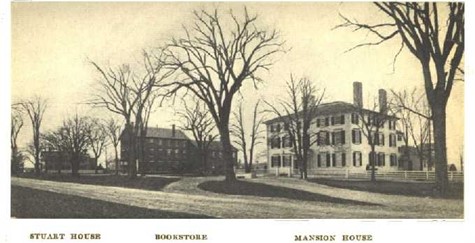
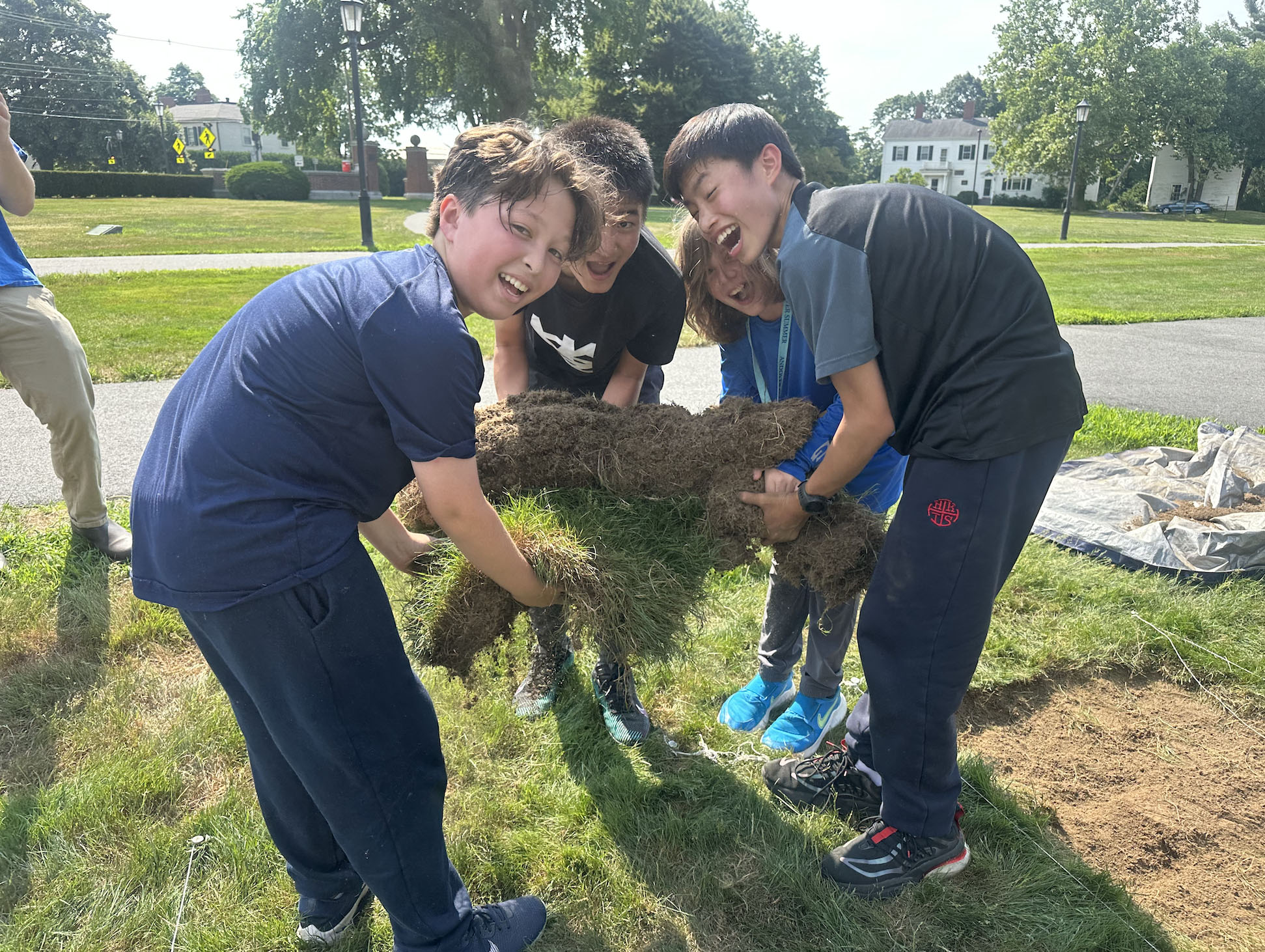
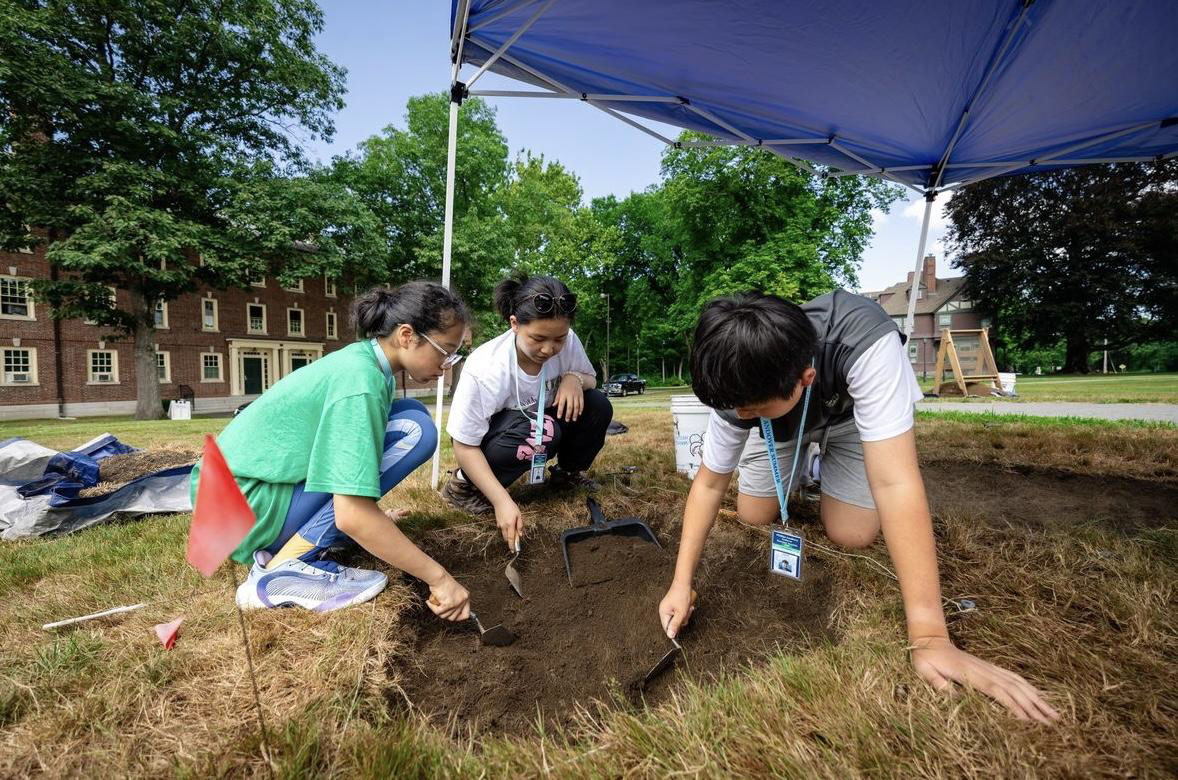
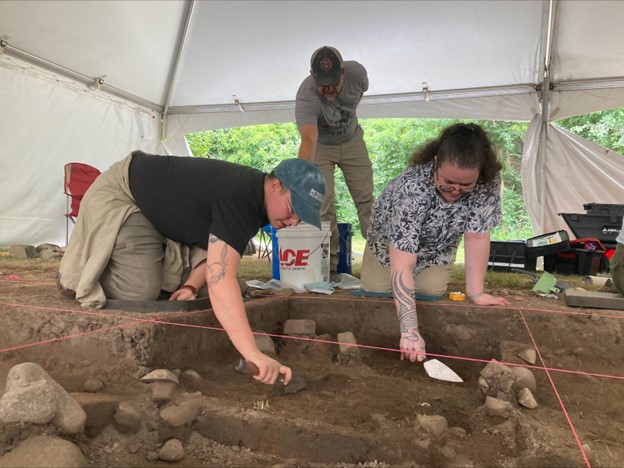
Almost every summer since 2016, young archaeologists from Phillips Academy’s summer session program embark on a mission to excavate the site of the eighteenth century Samuel Philips Jr. Mansion House, located on the West Quad of campus. The infamous Mansion House was built in 1782 by the academy’s founder and stood for 105 years, before burning down in 1887. News articles from the period suggest that the demise of the Mansion House was a result of arson; many speculating that the proprietor, Charles Carter, started the fire. During its long period of occupation, the Mansion House served as not only a home, but later an inn and tavern for students, community members, and travelers. The site’s long history and relatively undisturbed context creates an ideal setting for archaeological excavation and student learning.
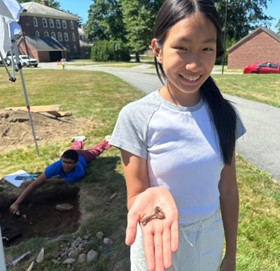
Over the past seven years, students have succeeded in discovering portions of the house, including multiple chimneys and a basement feature. This year, students set out with high expectations, choosing to place four excavation units in spaces just outside of the Mansion and two units in the southwest portion of the quad, near the sites of historic outbuildings, a nineteenth century printing house, and an early nineteenth century pathway.
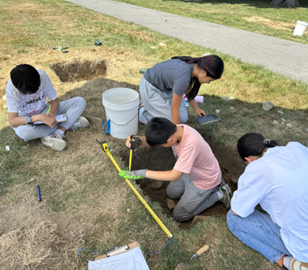
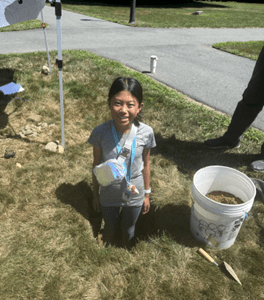
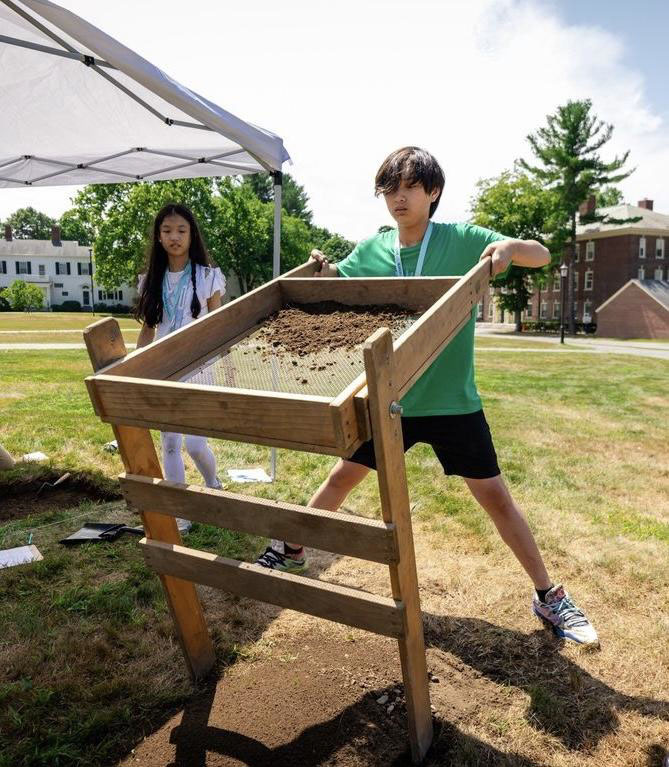
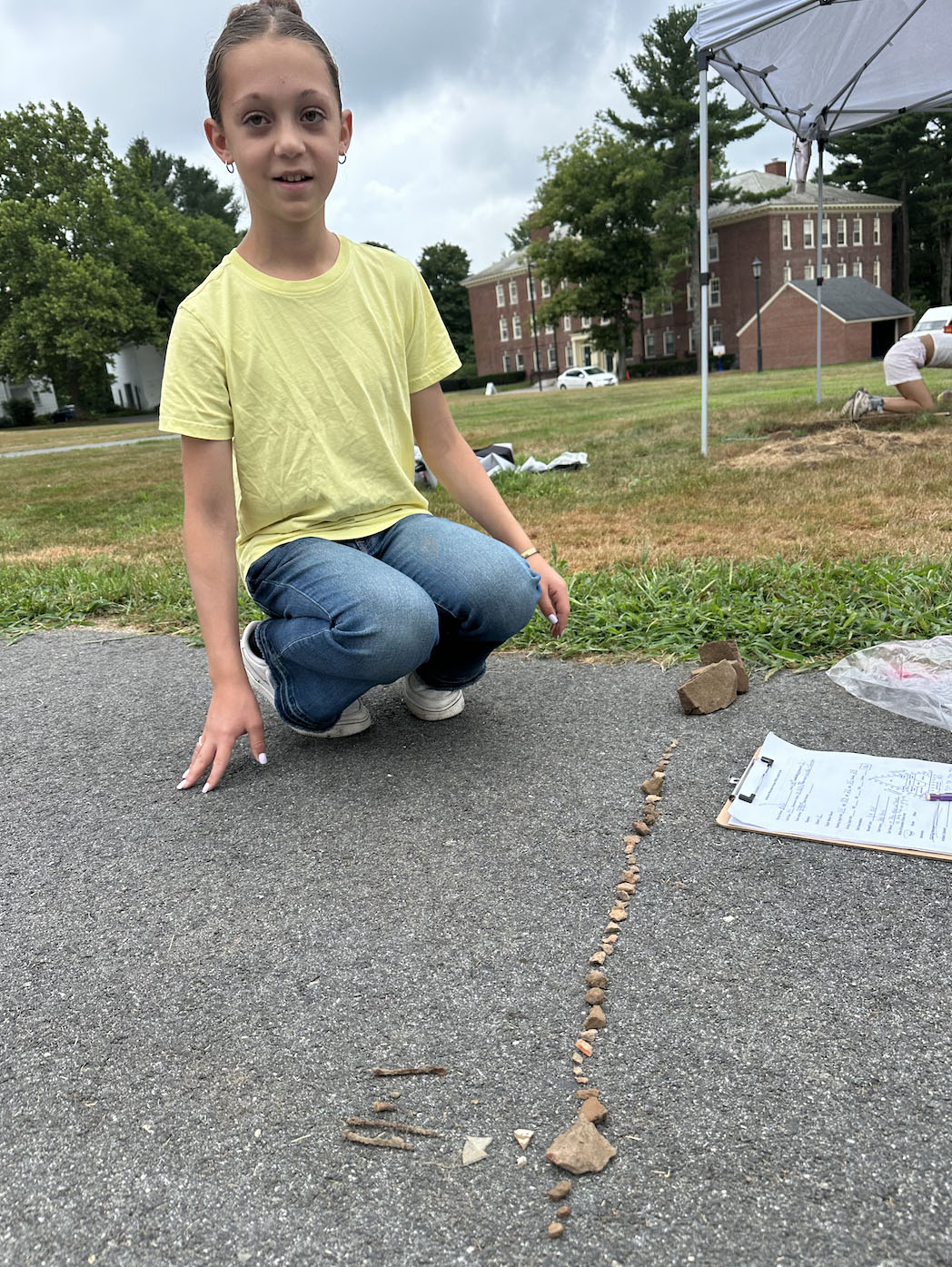
Students in each excavation team had a blast taking turns performing the primary tasks of an archaeologist: digging, screening, measuring, and note-taking. Many, if not all, students even got to unearth artifacts from their units! Some of our favorites included a small ferrous key, an impressed glass tumbler, and half a pair of scissors which all came from the two excavation units placed in the southwest portion of the quad.
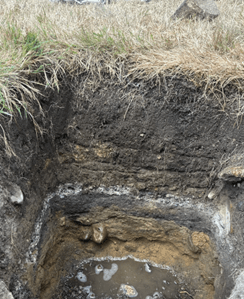
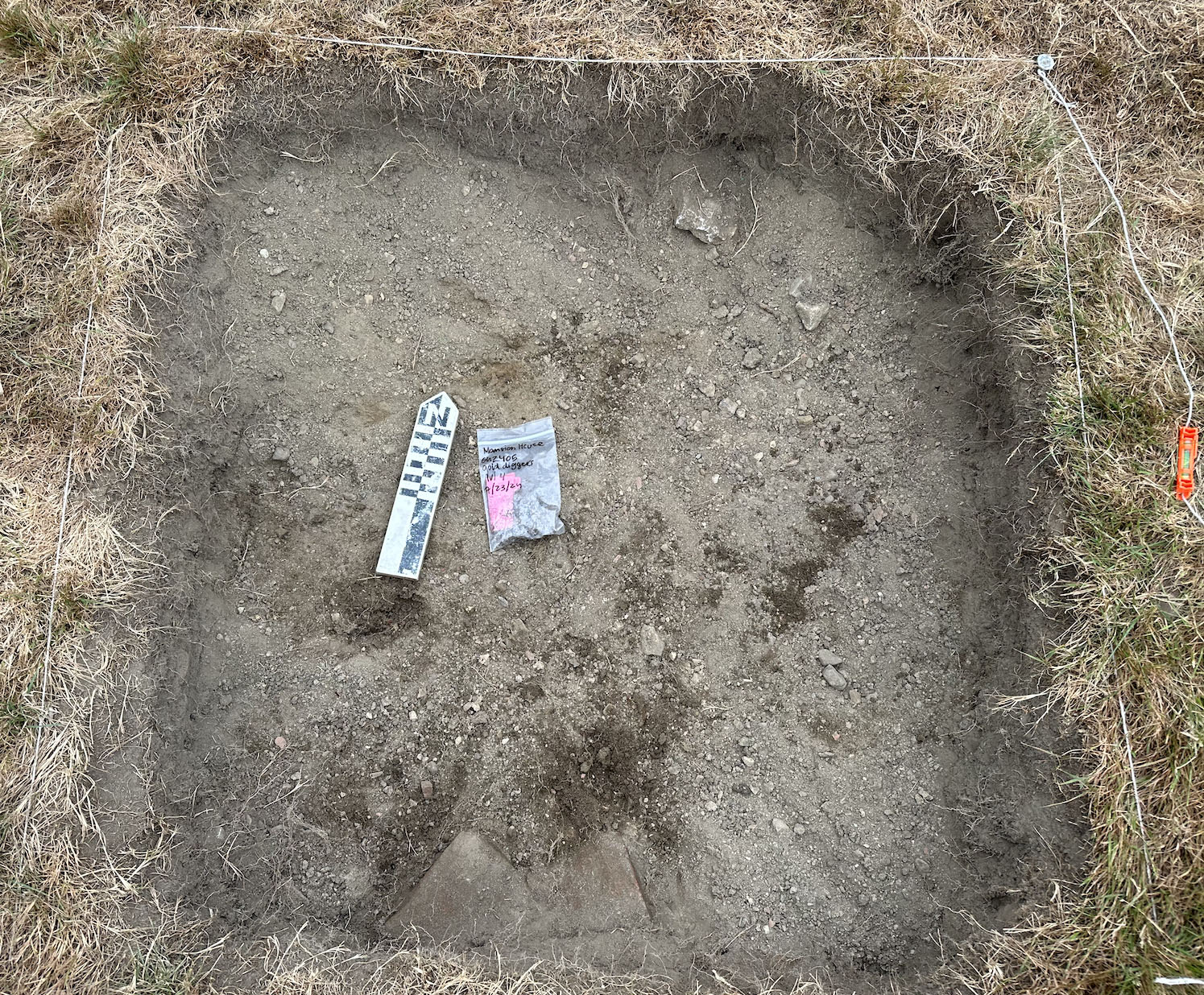
Further excavation in this area revealed a feature relating to the historic pathway present on early nineteenth century maps of campus. Pictured below is a dense, gravelly layer of soil discovered at 40 cm. This layer, interpreted here as the pathway, was intermixed with nineteenth century materials including glass, brick fragments, and some ceramic.
Students excavating the other four units in the northern portion of the quad found shallow cultural layers followed by a sterile C horizon, between 20 and 35 cm. While the artifact density of these units was limited, students still enjoyed finding an abundance of brick, metal nails, and some small ceramic fragments. The very shallow deposits found in these units informed the team that no building activity likely occurred in these areas. Additionally, the relatively low artifact density suggests that these areas were not regularly used like in a dooryard or garden area.
Overall, students in the 2025 field program successfully applied archaeological methods to ‘unlock’ more of the mysteries surrounding the Samuel Phillips Jr. Mansion House. This year’s field season serves to inform of the deep cultural deposits in the southwest portion of the quad and the significant research potential it could provide for future field seasons.
Thanks to the entire student field crew and cheers to a wonderful field season!
I stumbled upon the Pecos bone flutes on a bright September afternoon that was supposed to be about beaver pelts and fur trade ledgers. My history class had followed Ms. Doheny to the Robert S. Peabody Institute for a lecture, but after the talk I lingered and asked the speaker, Dr. Lainie Schultz, whether the museum kept any musical instruments. That single question carried me into the archives, where Curator Marla Taylor opened a drawer and revealed two slender bones—one golden eagle, one hawk—pierced and polished, flutes waiting in perfect silence.
Music has framed my life since I was four in Madrid: first as a hobby, then as devotion, from my early passion for Romantic music to the shimmering modernism of Debussy, whose Masques I played at fifteen beneath the stone arches of Dubrovnik’s Rector’s Palace. Yet nothing in my previous musical experience had prepared me for the quiet authority of these flutes. Their accession records were almost empty, their makers unnamed, but the Tribal Historic Preservation Officer of Jemez Pueblo had granted permission for their study. Phillips Academy’s Abbot Independent Scholar program let me transform my curiosity into a full-term research project under the supervision of Dr. Schultz and Dr. Elizabeth Aureden from the music department.
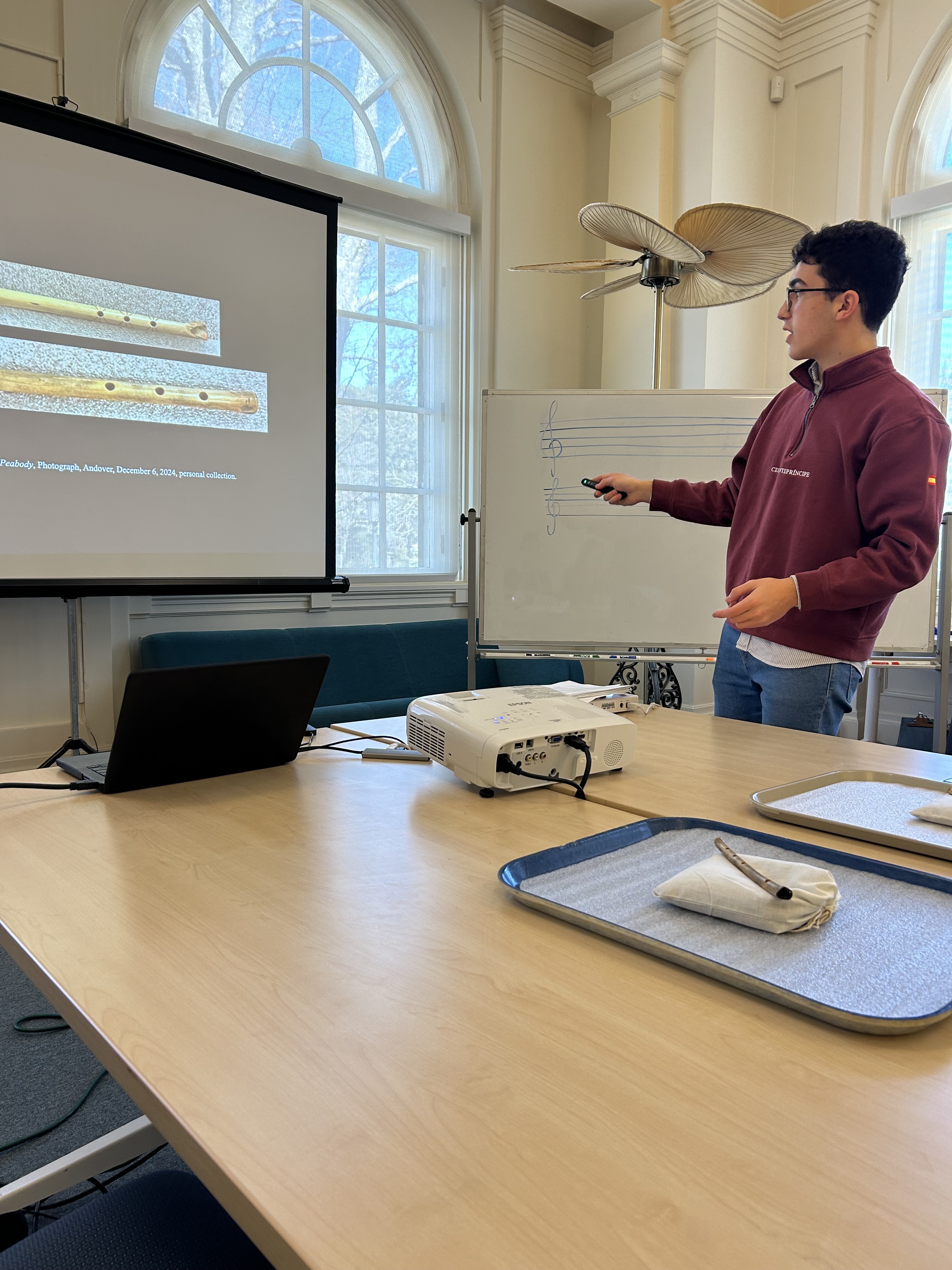
The work began with patient looking. The eagle bone flute—just under twenty centimeters—bears four clean finger-holes; the hawk bone flute is shorter, its stops conical and ringed by three tiny oblique grooves. My initial efforts left me frustrated—despite my solid musical background, I couldn’t answer any of my research questions. Guided by Indigenous scholars, I began to understand the silence and endless questions as a wise teacher. By combining archival materials with present-day Indigenous resources, chiefly from Jemez musician Marlon Magdalena, I built a relationship with the eagle bone flute and experienced the music as something much deeper than pure sound.
In his song “Eagle’s Blessings,” which I shared during my presentation to the Massachusetts Archaeological Society in April, Marlon brings the flute to life. When I first heard it, I was nearing the end of my research, which had been mostly historical and archival. I had tried to learn about other Indigenous music, but this performance tied everything together. Throughout the term, I feared profaning the cultural or religious significance of the eagle bone flute. I understood its sacredness, and as a religious person involved in interfaith activities, I recognize the importance of respecting religious artifacts.
Marlon’s explanation before he played brought everything into focus. He explained that eagle bones are sacred, held only by tribal members and used to lift prayers skyward. When he played, I felt how, through his breath, he gave life back to the eagle and honored her. Suddenly, the silence became understandable. Even though I could not draw solid scientific conclusions, I forged a connection I will never forget.
This project has awakened a passion for ethnomusicology that I am now exploring with the music department, under the guidance of Ms. Ángela Varo-Moreno, studying the presence of LGBTQ+ subcultures in techno music. I would like to end by thanking everyone at the Peabody, at Phillips Academy Andover, and at Pecos and Jemez Pueblos—and other Indigenous communities—who have safeguarded the knowledge that reached me and made this project possible. It has been a gift I will always keep in my heart.
Alberto presenting his final project at the Peabody, finishing up his independent study.
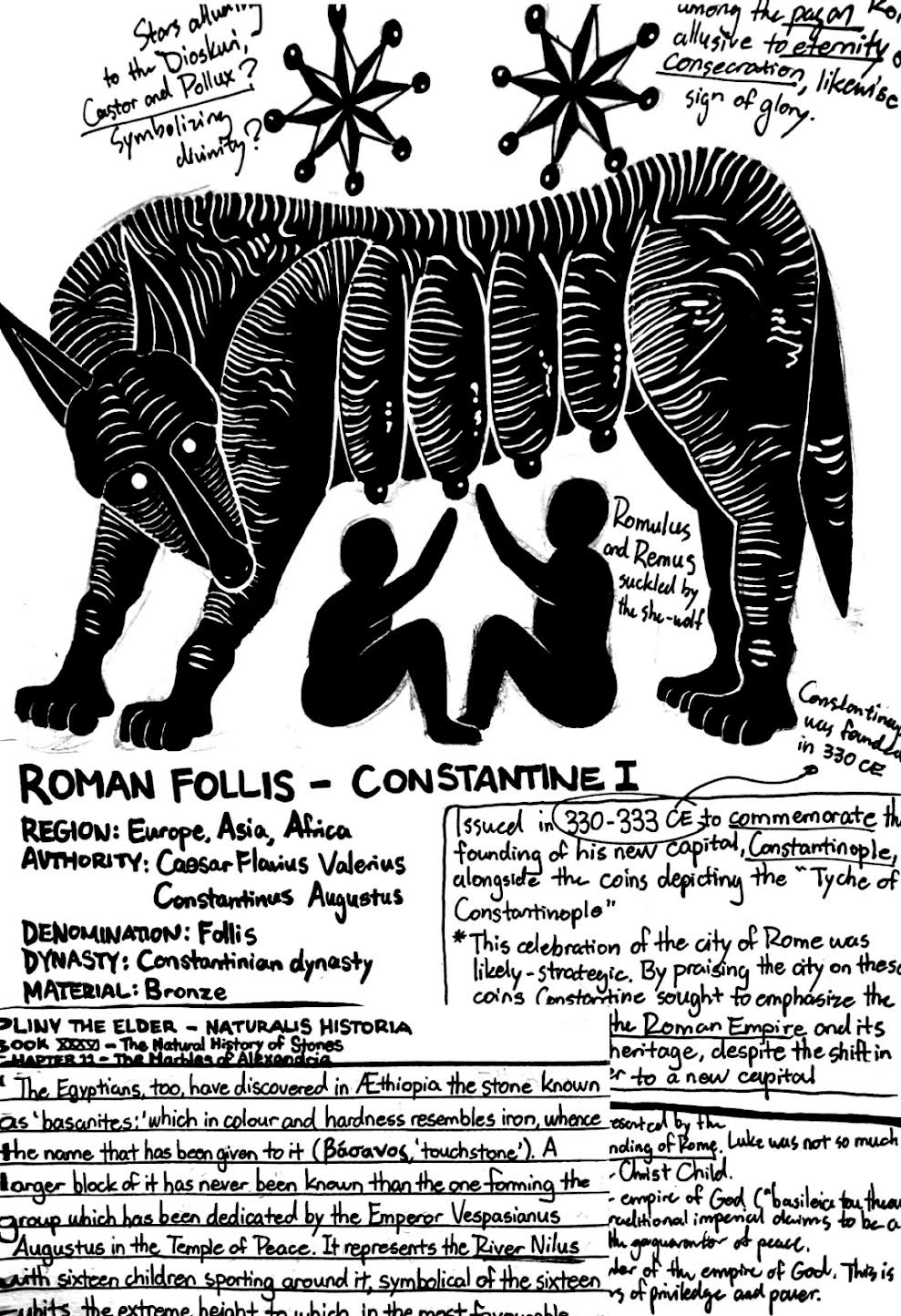
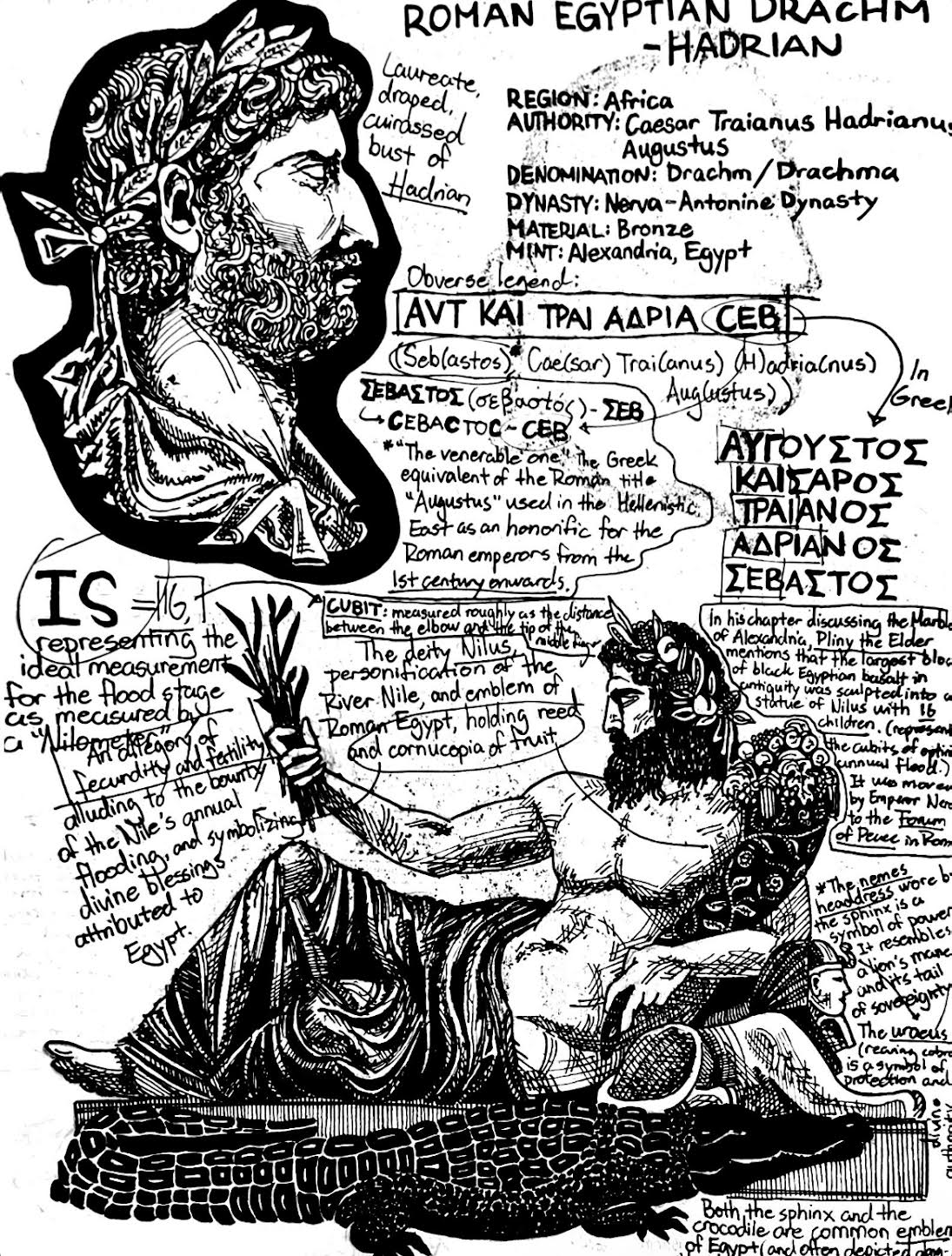
Every Wednesday, I come to the Peabody Institute to be in the company of pharaohs and emperors, not through books but from 2000-year-old coins held in the institute’s collections. I help to identify these coins and record observations into the Peabody’s catalogue system. I’m extremely fortunate to experience “living history” from these remnants of ancient Rome, Hellenistic Egypt, and the Byzantine world.
As the mass media of the ancient world, coins carried big messages. The images depicting rulers, gods, animals, or symbols were carefully chosen and deeply meaningful. Every coin has a story to tell about culture and politics. Together, they offer new perspectives on historical events that we thought we already understood.
From my notes. Left: sketches and notes of a coin showing Rome’s foundation myth to commemorate Constantinople’s founding under Constantine (Rome reborn). Right: Roman coin minted in Egypt during Hadrian’s reign depicting the River Nile as a reclining deity.
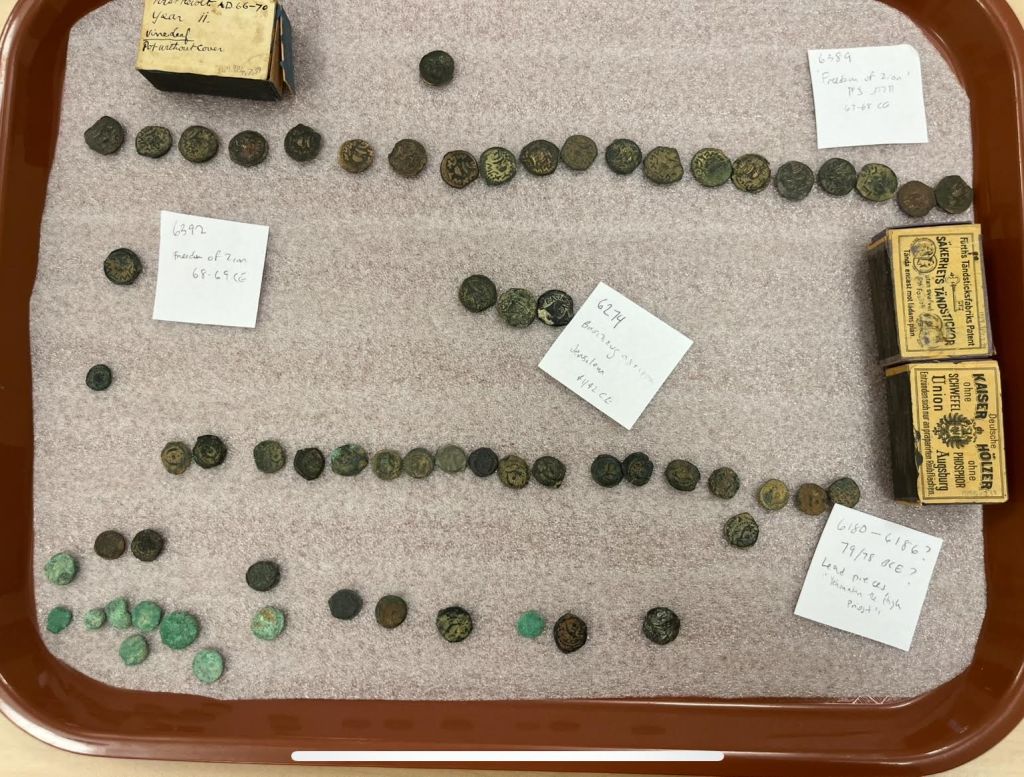
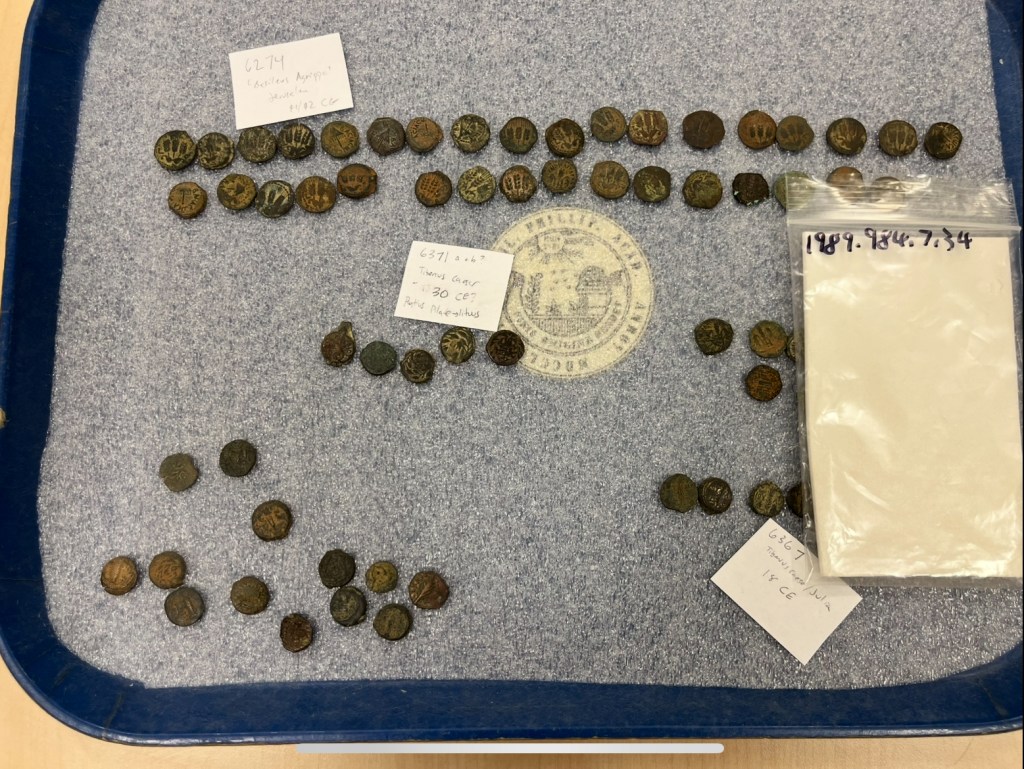
I first became involved in this research when I met Dr. Elena Dugan, who teaches Religion and Philosophy at Phillips Academy Andover, and was researching Jewish coins that dated back 2,000 years. These coins were struck for only four years, 66-70 CE, during which time, the Jewish population in modern-day Israel rebelled against their Roman occupiers. Long after their war against the Romans and their eventual defeat, their cry of freedom endured as inscriptions on these coins, surpassing even the Romans themselves. Dr. Dugan quite literally held the legacies of these men and women in her hands. How extraordinary is that!
Top: Coins with inscriptions calling for the “Freedom of Zion,” along with coins minted during the times of King Herod Agrippa I and Yehonatan the High Priest. Bottom: Biblical coins of Pontius Pilate and Emperor Tiberius.
I would soon uncover such stories myself. Through Byzantine coins within the Peabody’s collections, I came to appreciate the story of Justinian, a Roman emperor bold enough to dream big. He dreamed of restoring the Roman Empire, which by his time was territorially less than half of its former glory. He dreamed of a reunified Mediterranean and the spread of Christianity. Fueled by determination, he led years of campaigns until the city of Rome was once again truly part of the empire.
But the dream didn’t last. Enemies in the East drew his attention away from Rome and the West, which was soon lost again. Any last hope was swept away by a devastating plague, which killed half of the Roman population (now every time I pick up one of Justinian’s coins, I feel an urge to wash my hands!). Rome’s wealth was drained, and Justinian lost his new territories as quickly as he gained them. In the end, he sadly died believing his dream had failed.
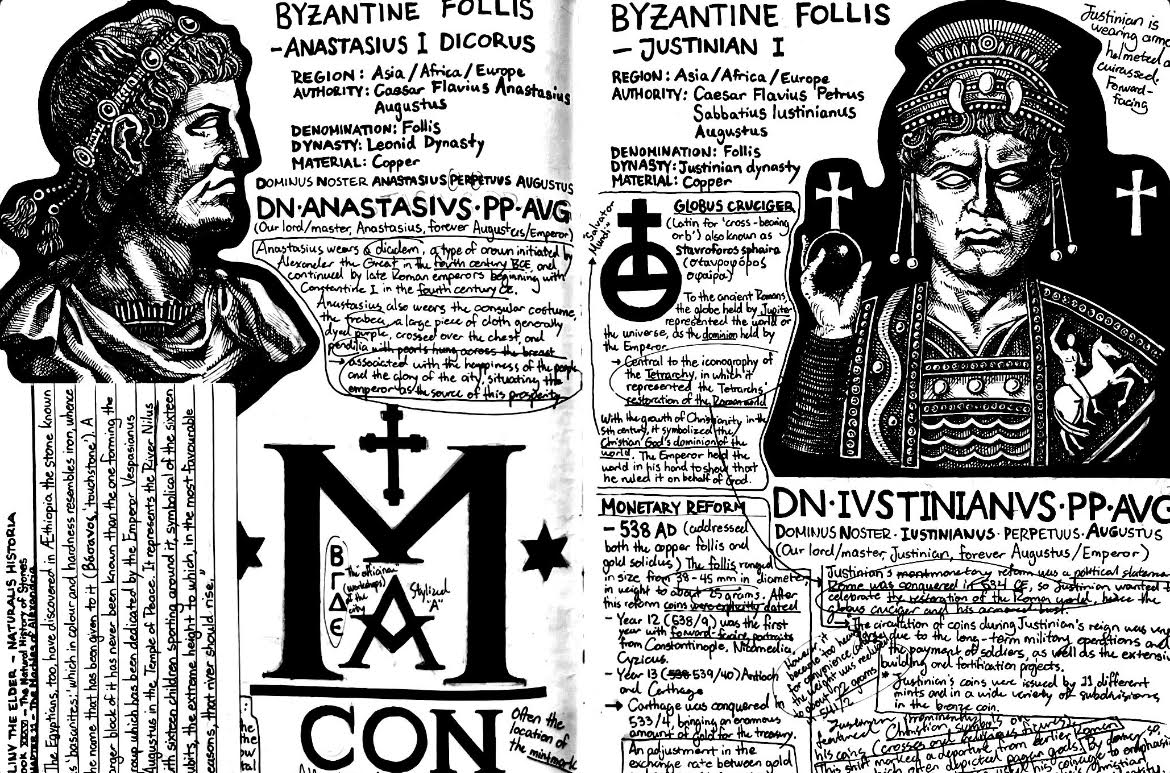
But it hadn’t. Though Justinian didn’t expand Rome’s borders, he redefined her identity. His image on coins, boldly facing his audience and clad in armor, was copied by every emperor who followed. He had inspired others to dream. Alongside his portrait appeared Christian symbols, marking Rome’s turn from her pagan past toward new ideals. Never again would she reach the heights Justinian had brought her to.
If all that remains of him and his dream are coins and a few lines in a textbook, then so be it. But let’s not forget them!
Left: Emperor Anastasius depicted in traditional imperial dress with a diadem and toga. Right: Depiction of Emperor Justinian facing the audience, fully in armor, and holding the globe and cross. While Anastasius followed strong traditions, Justinian was more than eager to distinguish himself.
This experience has strengthened my love for history. It has brought me closer to people in the distant past and their values. Their love of liberty. Their audacity to dream. These values stir a certain nostalgia in me, and suddenly, these people don’t feel so distant after all. Their worlds may have disappeared, but they are far from forgotten. It’s hard to believe that such an experience can come from objects that measure less than my pinky finger. But, after all, conveying messages is also a coin’s purpose, alongside economic ones.
This journey has truly expanded my curiosity and built my understanding of history. I’m incredibly grateful to the Peabody Institute for not only allowing an inexperienced ninth grader to interact with these priceless artifacts but also for patiently teaching me the research process, providing the right tools, and encouraging me to share my story.
What a highlight this has been as part of my school year! I’ll be sure to return on many more Wednesdays!
Last spring, I was new to Phillips Academy. I’d just arrived on campus, still figuring out where I fit in, still mapping the place out in my head. One thing that kept catching my eye was this mysterious building I passed every week on my way to the music department. It looked… important. But quiet. Tucked away. That building was the Peabody Institute.
It was mid-renovation then and closed to visitors, but every time I walked by, I’d find myself wondering what was inside. What kind of objects were hidden away behind those walls? What kind of people once used them? It sent me spiraling in the best way.
I started doing some research and realized that while the Peabody is this incredible institution with a deep collection of cultural material, it wasn’t very connected to student life. Almost hidden in plain sight. And that just felt like a missed opportunity. I wanted to find a way to change that.
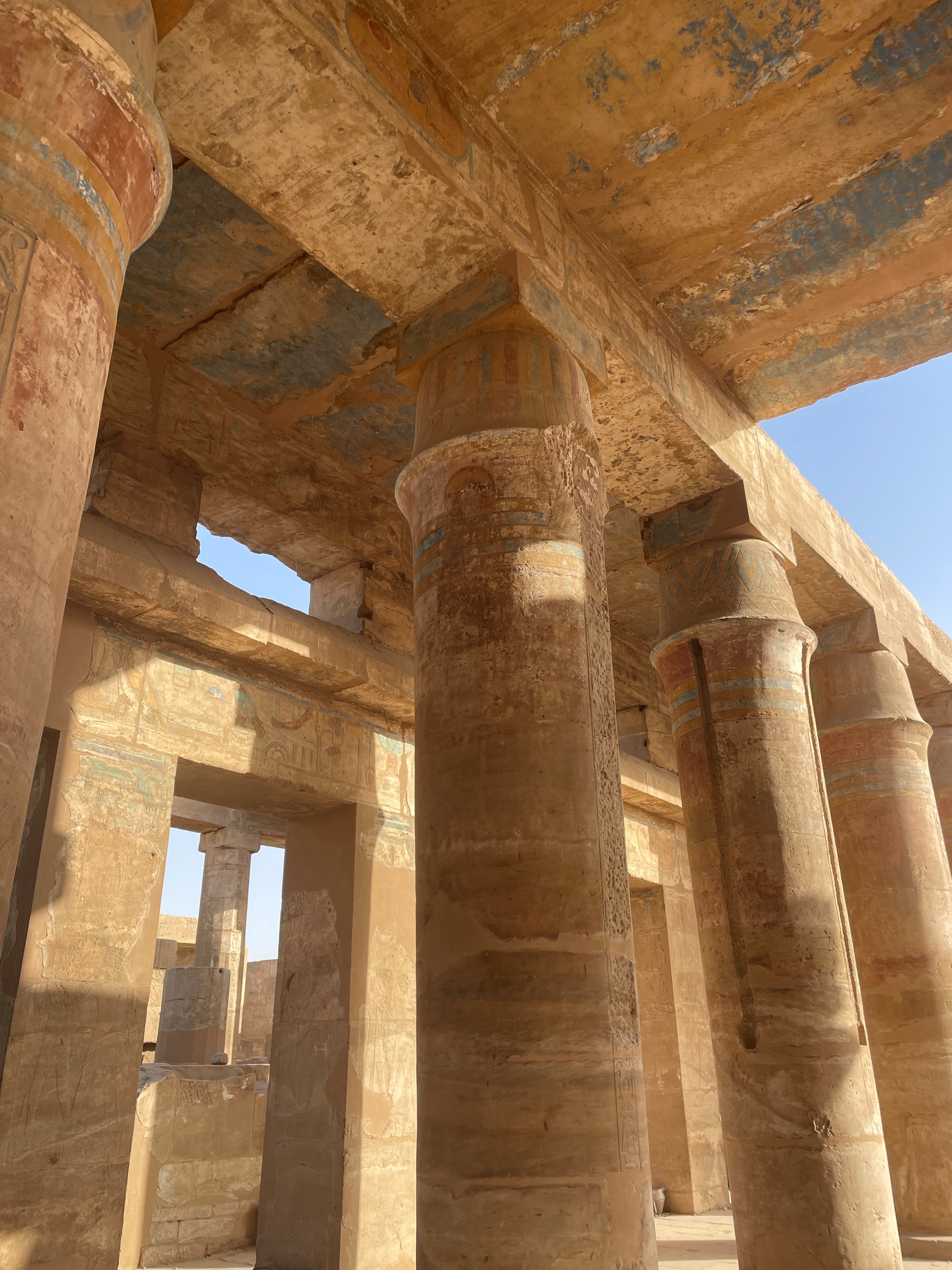
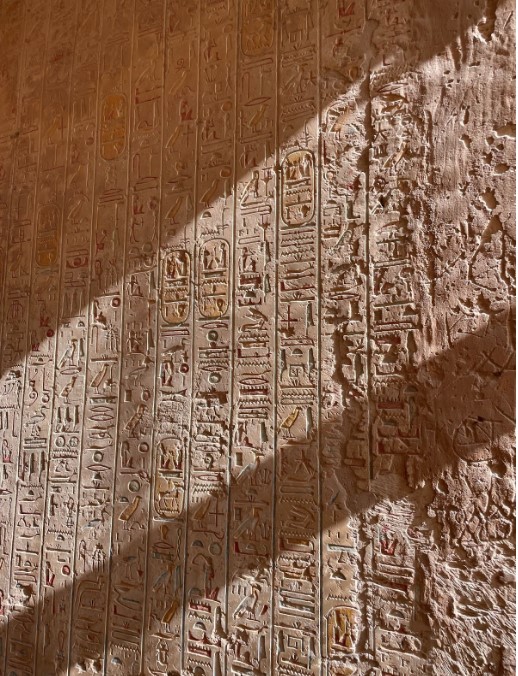
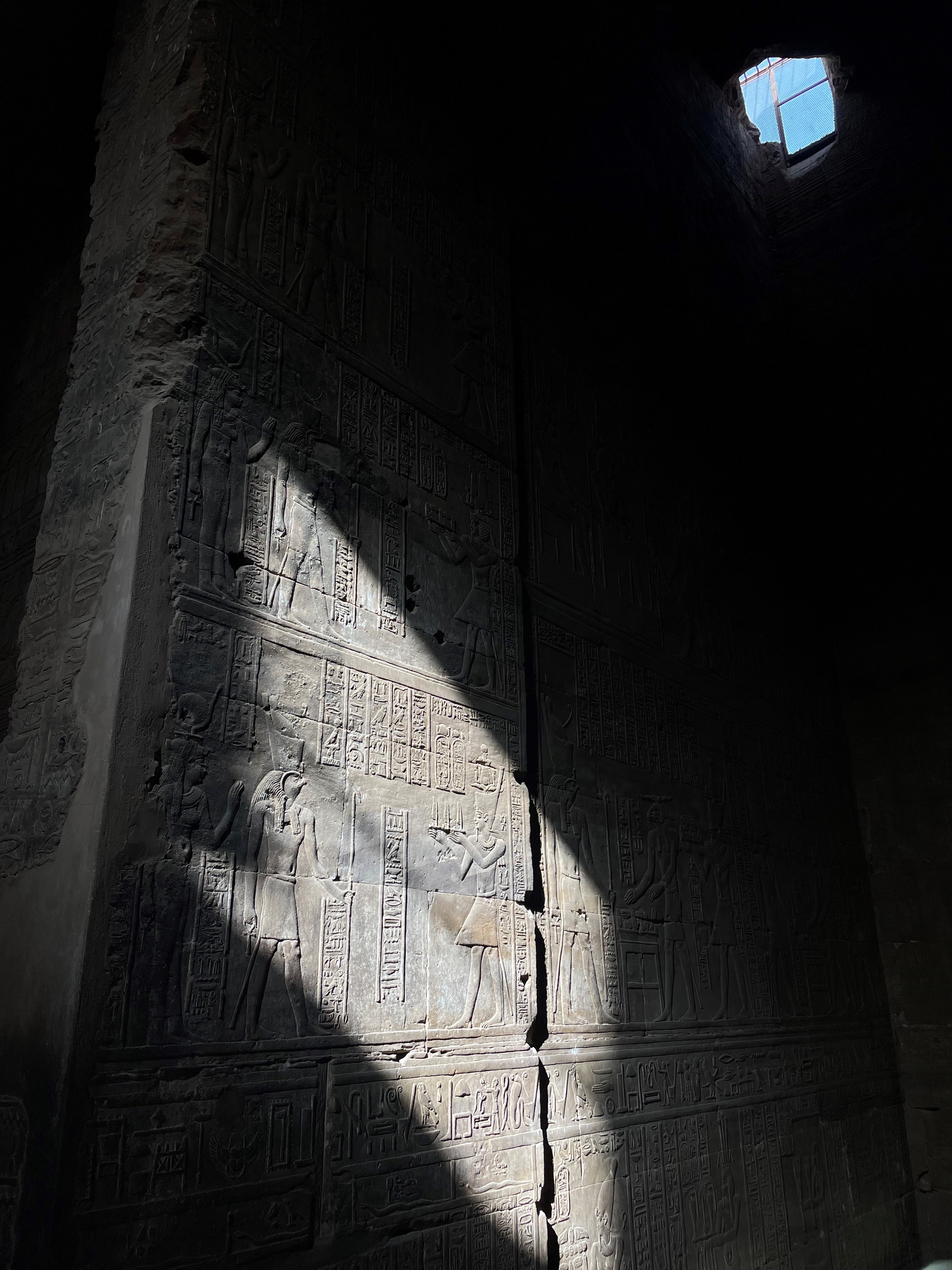
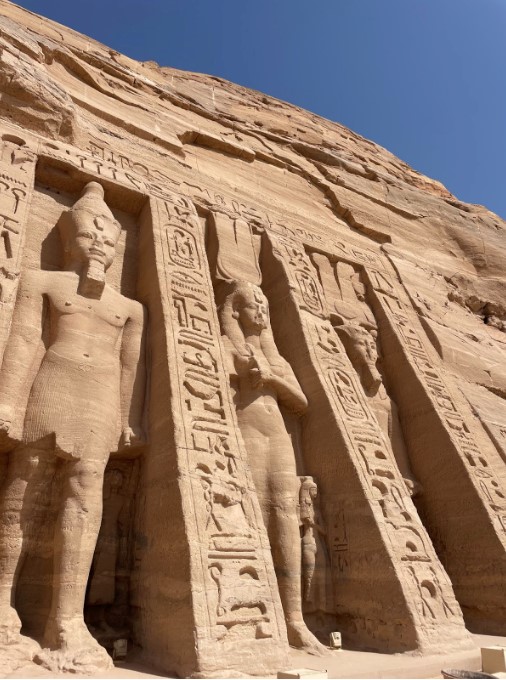
This idea took deeper root over the summer, especially after I visited Egypt. I’ve always been interested in anthropology, but that trip sparked something new in me: an obsession with archaeology. There’s something magical about holding, or even just seeing, an artifact that someone used hundreds of years ago. Imagining their life, their world, their hopes or rituals. In those moments, I feel connected to something bigger: a lineage of humans that came before and will come after. It feels like time folds in on itself.
So I reached out to the Peabody over the summer and asked if there was a way students could get more involved. We came up with the idea for a club, and when I returned to campus in the fall, I asked my friend Elliot Weir to help me lead it. That’s how the Andover Anthropological Society was born.
But the story doesn’t really start there. My fascination with culture and human behavior goes way back. I grew up in a family of nomads—the product of two people who seemed to be in constant motion. I’m an Armenian New Yorker, but I moved to Hong Kong when I was young, then to Miami, and spent years bouncing between Brazil, Europe, and the U.S. These days, my dad is based in Riyadh, so Saudi Arabia feels like another kind of home.
All this movement, this third culture existence, has taught me that “home” isn’t always a place. It’s a mindset, a perspective, a lens you carry with you. It’s made me deeply curious about how people live, how they think, and how history shapes identity. Whether it’s thinking about how Armenians process collective trauma, or how gender roles are shifting in Saudi Arabia, I’m drawn to the stories that sit under the surface. Anthropology, to me, is a way of making sense of it all.
And that’s what the Andover Anthropological Society is about. Yes, we work with artifacts. Yes, we meet weekly at the Peabody and dig into real collections and archival files. But more than anything, we’re trying to connect—to the past, to different worldviews, and to each other.
If you’re someone who finds joy in questioning things, in imagining the lives behind the objects, or in just getting a little lost in the mysteries of human culture, you’re always welcome. The Peabody may have looked quiet last spring, but it’s anything but.
Mortuary Temple of HatshepsutValley of the Kings
The Temple of EdfuTemple of Nefertari
Why some of our members joined:
“I decided to join the Andover Anthropological Society because studying anthropology yields a greater understanding of yourself and the world around you. In the same way that books can inform you on lives you’ve never lived, anthropology enables you to understand cultures you have never interacted with, providing perspective on your own culture and appreciation for others’.” – A.J. McQuide ‘26
“I am a junior [9th grader] from Miami, and I joined the Anthropological Society because I am interested in learning and understanding how human societies and cultures develop. I was inspired to join this club by my visit to my country-of-origin, Armenia. In Armenia, I traveled across the country visiting and seeing historical landmarks and ancient artifacts. This visit sparked a desire to understand what role these places and items played in my ancestors’ lives as well as other peoples’.” – Sebastian Djerejian ‘28
“I am an upper [11th grader] from North Andover. I knew that the Peabody was an amazing resource with many Native American artifacts that I had never seen before. I wanted to explore these collections through the Andover Anthropological Society.” – Elliot Weir ‘26
“In middle school we had a guest speaker come in to talk about how humans developed technologically, and to me that was such an interesting idea. How did we discover so much of what we know? So, for a long time, I have been interested in anthropology but hadn’t had any spaces to pursue it, which is why I was happy to join the anthropology club here at Andover.” – David Frahm ‘26
“I am a new upper [11th grader] from Verona, Italy. I joined the Anthropology club because I wanted to develop skills to be able to identify artifacts more efficiently. I’m especially interested in exploring how specific objects were used differently across the United States, and what they can reveal about the daily lives of the people who made and used them.” – Amelie Piergentili ‘26
“I am an upper [11th grader] from London, UK, and I am thrilled to say that I am a part of Andover Anthropology club. I frequently looked at the Peabody Museum as an incredible resource that I longed to explore – Anthropological Society gave this to me.” – Isabella Mazzi ‘26
“I am an upper from London, England and was always interested in History and discovering how we got to where we are now. I love connecting with different cultures and meeting new people interested in the same things I am so the Anthropology club offered an incredible way to do just this.” – Katerina Browder ‘26
A Dialogue Between Director for Advancement Initiatives, Jennifer Pieroni, and former Peabody Institute Work Duty student and current Peabody Advisory Board member, Ben William Burke ’11.
Archaeology isn’t just about uncovering and studying ancient items—at Andover, it’s about shaping a more informed, ethical, and engaged society. By learning archaeology, Andover students gain experiences to understand the world better, think critically, and contribute meaningfully to the future by better understanding the past.
At a recent Peabody Institute meeting, I met Ben William Burke ’11, whose enthusiasm for the Peabody was inspiring. As a new member of the Andover community, I wanted to understand why the Peabody had left such an indelible mark on Ben and why he continues to support it today.
By email, Ben shared: “As a work duty student at The Peabody, I received unparalleled access to its extensive collection and cultural immersion programs. These experiences brought me face to face with — and taught me the value of — perspectives different from mine. In those moments, I was challenged to understand before correcting, to empathize before judging, and to build on the past in a way that respects it.”
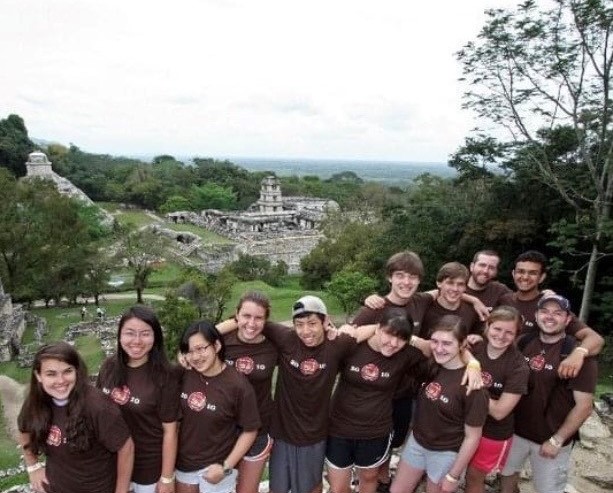
Ben Burke ’11 (Back row, third from the right) on the BALAM student trip. This was a multi-week cultural immersion and archaeological adventure through the greater Yucatán Peninsula sponsored by the Peabody Institute.
Today’s Andover students gain the transformational learning opportunity of being a part of an organization that leads in the field of repatriation and reflects Non Sibi by teaching students that archaeology is not just about personal discovery but about responsibility: to the past, to descendant communities, and future generations. Through hands-on study, students engage in meaningful, ethical work prioritizing respect over self-interest.
Ben noted, “There is not an avenue in my life that isn’t positively affected by The Peabody’s lessons in empathy and respect. I support The Peabody because I understand the value in learning to value other’s perspectives – especially when they are different from my own.”
Supporting the Peabody means investing in education that shapes responsible scholars and professionals. By supporting the Peabody with an annual gift, you can help elevate a place where teaching and learning are deeply connected to respect, collaboration, and cultural preservation. Join us in ensuring that the study of archaeology serves our Andover students and also society as a whole.
As Phillips Academy’s Lower School Institute (LSI) Dig This! course comes to the end of its seventh field season, students and instructors are so excited to share stories of the many artifacts they discovered at the school’s very own excavation site. At the start of the 2024 season, students were introduced to the story of the Mansion House, an eighteenth century home which belonged to the founder of the academy, and now lies buried underneath the lawn of the West Quad on Phillips Academy campus. The Mansion House stood on the property for 105 years before being burned down through an act of arson, which was never solved or prosecuted. The remains of the house laid just centimeters underneath the surface of the quad for a little over 100 years before LSI’s summer session course began the long process of meticulously digging it up.
After being introduced to the legacy of the Mansion House and its past excavations, the 2024 archaeology crew set out to build upon this research by investigating parts of the site which have never been previously tested. Specifically, six teams were each assigned a 1 X 1 meter unit and asked to investigate a given region of the West Quad, whether it be just outside of the Mansion House walls, in the area suspected to hold a nineteenth century privy, or the very place where a neighboring nineteenth century printing house was known to have stood. Equipped with shovels, trowels, and screens, the six teams got to work and all quickly began to gather archaeological data.
While no team this summer unearthed ash layers relating to the infamous 1887 fire, which resulted in the destruction of the Mansion House, several groups discovered an abundance of charcoal and burned brick. Additionally, the two groups assigned to dig in the hypothesized privy, EU 2404+2405, uncovered a plethora of cultural materials, including a button, many ceramic shards, and faunal bones. Specifically, a small black glass button, which was unearthed in EU2405, became of great interest to the students. Because black glass beads were only in fashion during the ten-year period when England’s Queen Victoria was in mourning, the button students found can be dated to that decade between 1861 to 1870. How exciting!
Students stationed in the area believed to be where the nineteenth century printing house once stood uncovered a considerable amount of leather. It is unknown if this leather came from shoes or book bindings, however the find itself is incredible given how well the material preserved over time!
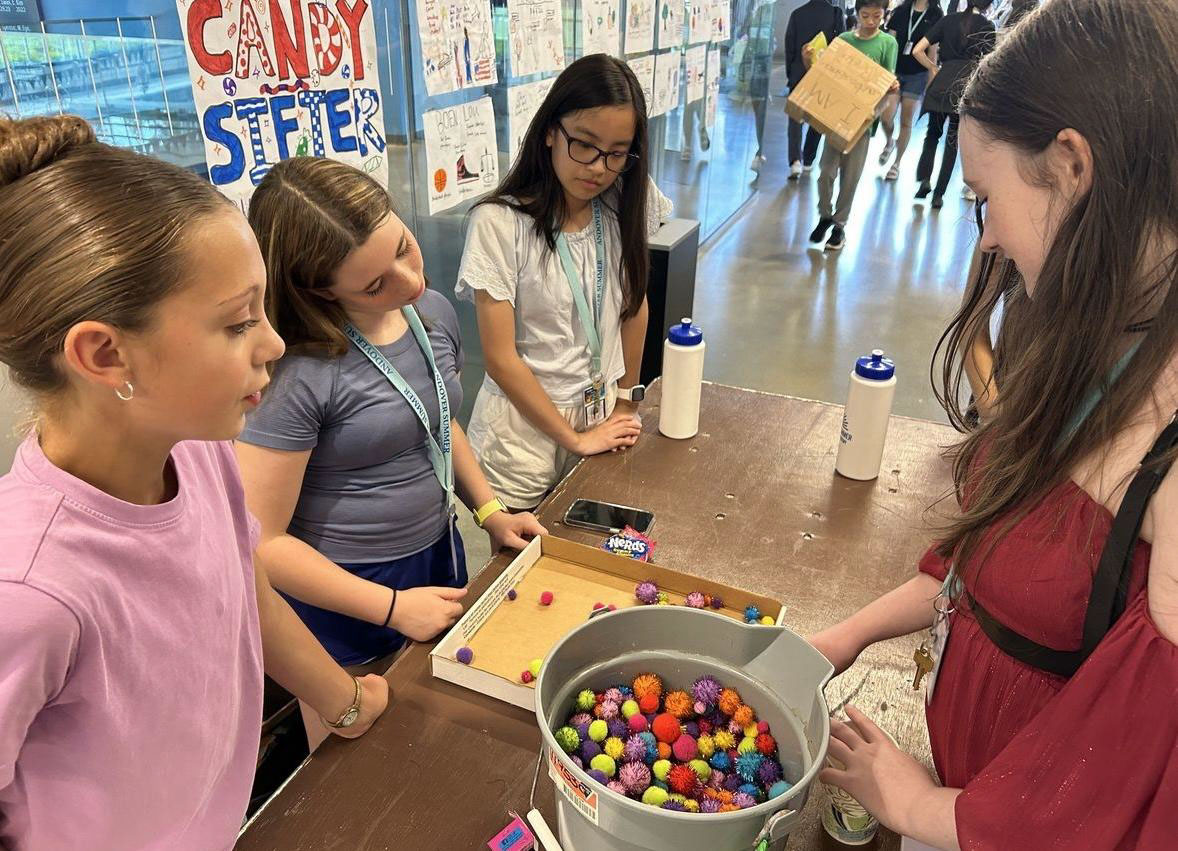
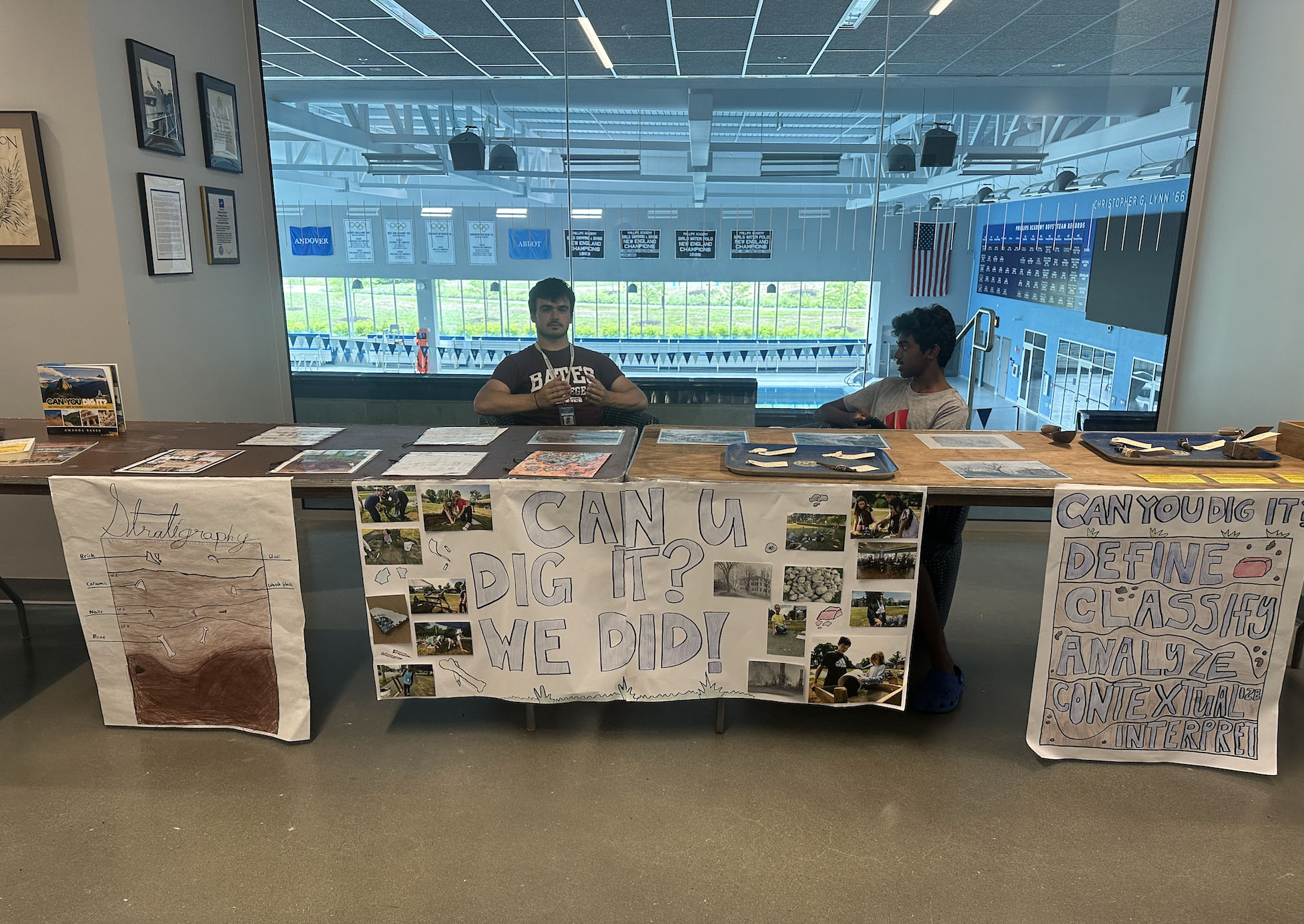
Despite the fact that the 2024 Dig This! crew did not uncover any features relating to the Mansion House, privy, or printing house, students still reveled in the amount of cultural material found and were very excited to show it off at their LSI student exhibition. Students specifically enjoyed the opportunity to set up an archaeology simulation, where they explained the process of digging and let others take a stab at excavating exciting treasures in the form of candy!
Cheers to another amazing summer of learning in the dirt!
Hi my name is Kyra Smith and I was one of the curatorial assistants at the Peabody this summer! I’m a recent archaeology master’s graduate from Boston University where I focused on Indigenous archaeologies, food sovereignty, and the archaeology of the South Pacific Islands. Having previously worked in the archaeology department of another museum in undergrad, I was thrilled to apply for this position as a curatorial assistant, especially at an institution that is so dedicated to NAGPRA. I was so invested in the position I had my family ship me my sister’s 1998 Toyota Camry from Washington State- which in the state of Massachusetts counts as an Antique Vehicle!
Working at the Peabody over these last ten weeks has been an exercise in flexibility, learning as we go along, and exposure to things we’ve never seen or interacted with before. There are so many things I could write about, but the story I want to share as my time here comes to an end is how the Peabody got its own pet mammoth.
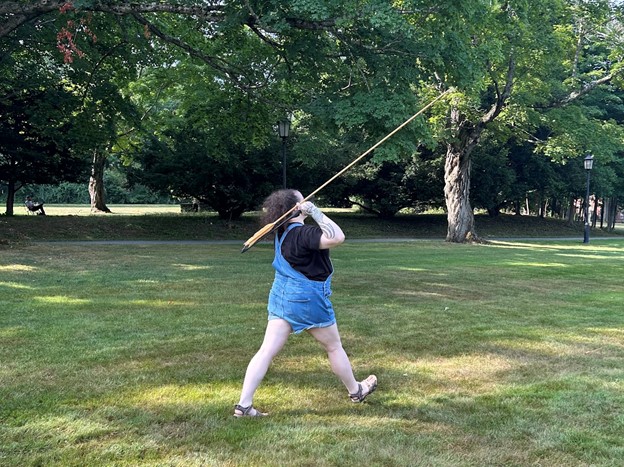
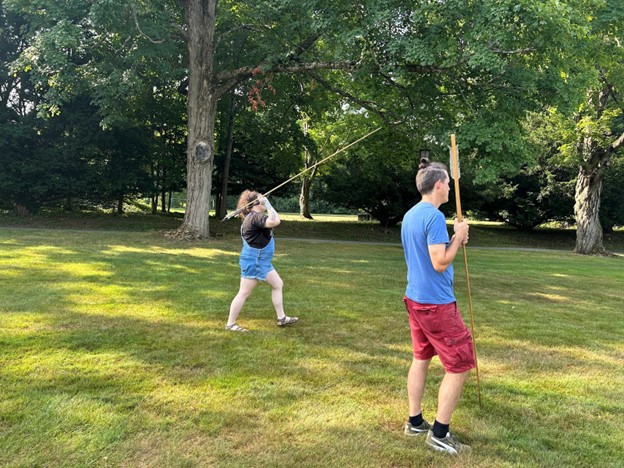
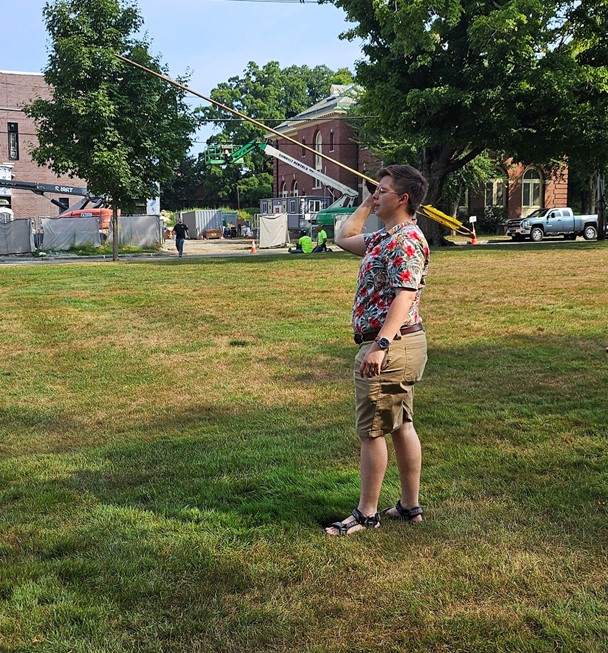
On a particularly hot and humid Friday, I finally got to use an atlatl for the first time. Ever since undergrad I have heard professors and archaeologists talk about atlatls, and even how they used to take students to try throwing them in previous years. Ever since then I have been biding my time until the opportunity arose- and oh was it worth the wait.
John, Cyrus, and I went out onto the Vista bright and early before it got too hot, and John took us through the basics. If you have ever used one of those plastic arms to play fetch with your dog- it’s nothing like that at all, which I learned very quickly. I imagine it was quite the sight for the construction workers on break in the shade of a nearby tree to see us attempting to throw the arrows taller than we were with varying degrees of success. After Cyrus and I (sort of) got the hang of it we were going to do target practice at the international standard target, but sadly that had to wait as the aforementioned construction workers were still under that tree which was too close to the target for comfort.
So, we went back inside to rest our arms and cool down, and by then an idea had begun to form. One that was inspired by our conversations about whether we were successful hunters of our theoretical mammoth/mastodon. That idea would have to wait because about an hour later we went back out to try aiming the arrows instead of attempting to throw them as far as humanly possible. It is much easier to attempt to throw them as far as humanly possible than it is to hit a large, completely still target. Still, Cyrus and I were able to land a couple hits each on the actual target and not into the bush next to it, and we called that a win. We may never know if we were skilled enough at throwing the atlatl to take on a mammoth, so instead I made a mammoth for the museum.
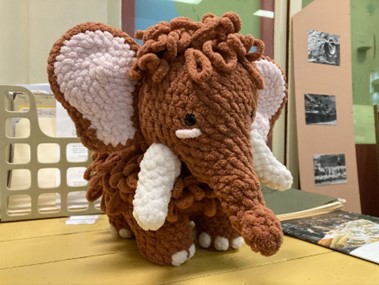
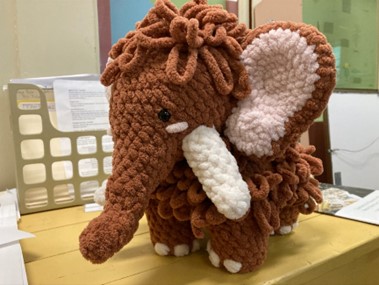
In my free time, when I’m not at the Peabody, I learned how to crochet amigurumi, which is a Japanese name for a style of stuffed crochet animals. That weekend after we threw the atlatls, I found a pattern online and spent some time crocheting a mammoth to be a mascot and companion at the museum. And thus, Josie was born! She was named by Marla, and now lives at the Peabody, where Marla promises she will never be used as target practice when throwing atlatls. For anyone else interested in crocheting or amigurumi, I got the pattern for Josie from CrochetGrove on Etsy.
Josie also represents one of my favorite aspects of working in a museum, as they are fundamentally institutions created for the purpose of preserving and storing information, things, and stories for perpetuity, there will always be a record of my impact whether it’s the work I did, the things I made, or the stuffed mammoths I created. Sure, the things I’m doing may not be monumental, but they are fundamental things that have left a trail of my action on parts of the museum like the catalog, or the new housing for artifacts with my initials on it, and the drawers in the collections storage where Cyrus and I curated and displayed artifacts from all over the world so that the museum and its staff can better tell the stories of the materials they care for. It’s a reminder of how much the little things mean in the greater scheme of things.
*******************************************
As Kyra aptly said in their post above, the Peabody Institute provided plenty of opportunities to expand our creative and intellectual spirit. As a Historical Archaeology graduate student at UMass Boston, I had minor collections experience and applied to the summer curatorial assistant position to undergo formal museum collections training. Having admired the Peabody Institute’s commitment to NAGPRA and tTribal relations for years, I was eager to witness the processes and procedures that go into the day-to-day work. However, what I was not expecting was the range of creations and artifacts I would be interacting with. My archaeological background is rooted in the Northeast United States and focuses on environmental analysis, so my mind was blown when one of our first tasks was rehousing ancient botanical remains from Tehuacán Valley, Mexico. Coming face-to-face to some of the world’s oldest domesticated maize was an experience I will never forget.
Kyra and I spent a lot of time with ceramics, lithics, and textiles from regions we were pretty unfamiliar with. Despite our lack of regional understanding, the Peabody staff always provided context and demonstrated deep respect for all creations. As we created mounts for modern Guatemalan and ancient Peruvian textiles we learned their patterns and language; as I rehoused lithics I would consider the generational knowledge and studied craftsmanship it would take to form them. Creating spaces to house and display archaeological and ethnographic creations ranging from the Lucy Foster household in Andover to Meso-America to Paleolithic Europe was an honor and I am proud to have contributed to the updated collection spaces and stories the Peabody staff can tell.
The Peabody Institute has a very storied past that was illuminated through organizing both the library and Eugene Winter’s archive. As it was founded in 1901 with contributions from many different kinds of archaeologists, the library seems to contain the entire history and complicated legacy of North American archaeology. In addition to the library, Eugene Winter, Honorary Curator and lifelong contributor to the Peabody, had left behind an archive after his passing. Kyra and I spent some time exploring his legacy through the resources, photographs, and ephemera he had designated important enough to keep. Interacting with both the collections, library and archives created an meta-institutional feedback loop as a reminder that working in archaeology requires positionality, empathy, and acceptance of “not-knowing.” We will never be able to alter the decisions made in the past, but we can always alter our perspectives in the present and contribute to a future that centers people and not only their “things.”
As Kyra noted, working at the Peabody for the past ten weeks might not have been monumental to its legacy, but the work that has been completed by the longer-term staff is monumental to the field. The Peabody staff have taught me fundamental collection management skills that are coated in careful consideration, empathy, and a desire to create a better future that I am extremely grateful to inherit.
The Peabody has taught many lessons over the years, so we have a lot of teaching instruments and old plans laying around. When we get contacted by an instructor here at Phillips Academy, we dive into those piles to see what can be used and how! This is what happened very recently with our Trade Connections lesson.
The opportunity arrived when history fellow Anna Green asked us to do a few lessons for her history 100B class. She was looking for a lesson to fit into her student’s final project, a presentation on various Native American cultures from South to North America. We sat down with her one day and sketched out what this lesson could look like and what we could incorporate.
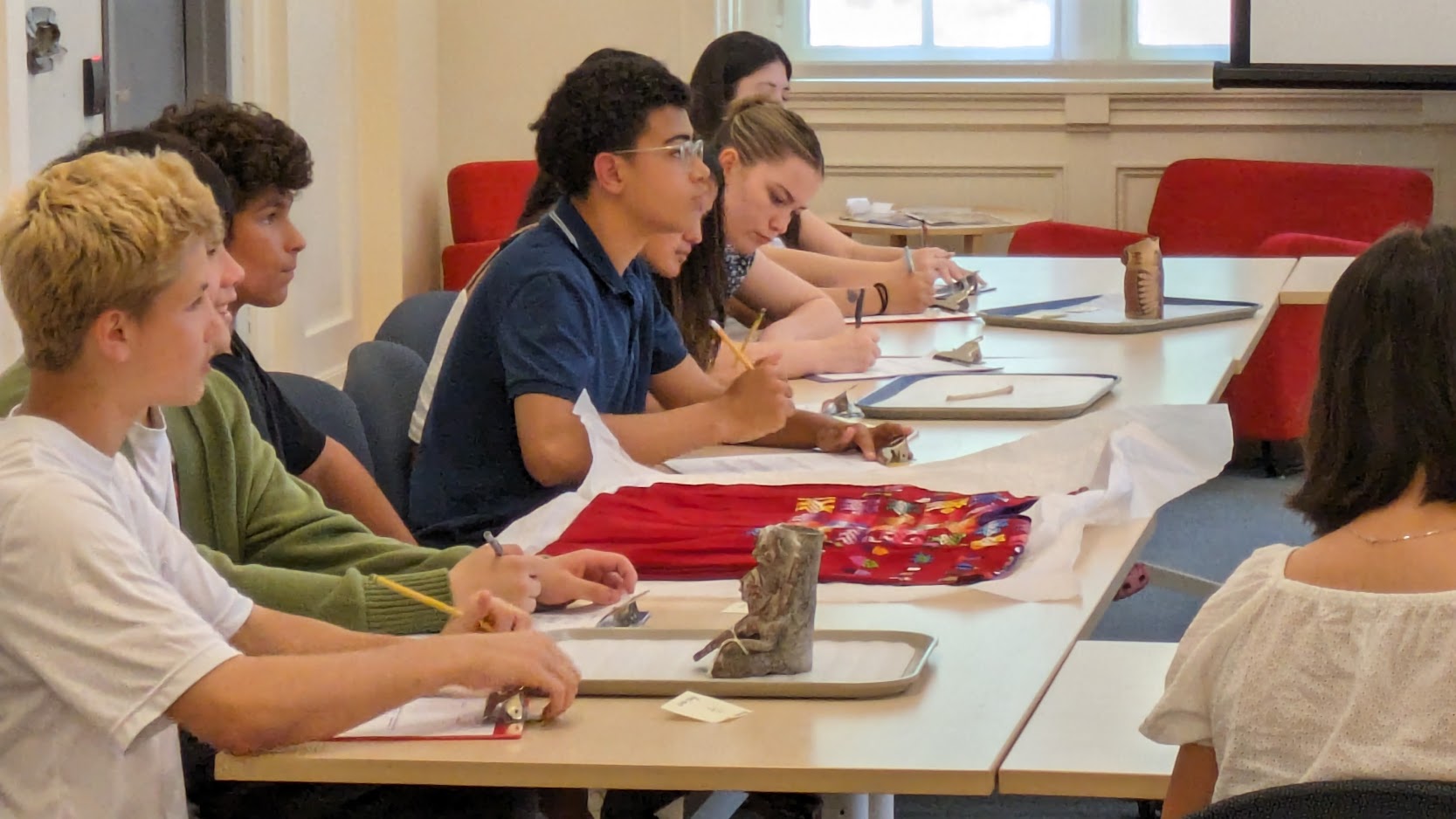
We have a previously existing lesson known as Trade Connections that we last taught in December 2022. This lesson features objects from 4 different regions of the Americas (Mesoamerica, Andes, American Southwest and American Southeast) and discuss how these societies traded and interacted with each other over the millennia. So, for this new version we focused on 8 objects that represent the areas for the assignment. In addition, we made sure that both ancient and modern examples from these cultures were included, showing that there are forms of continuation with these Indigenous groups.
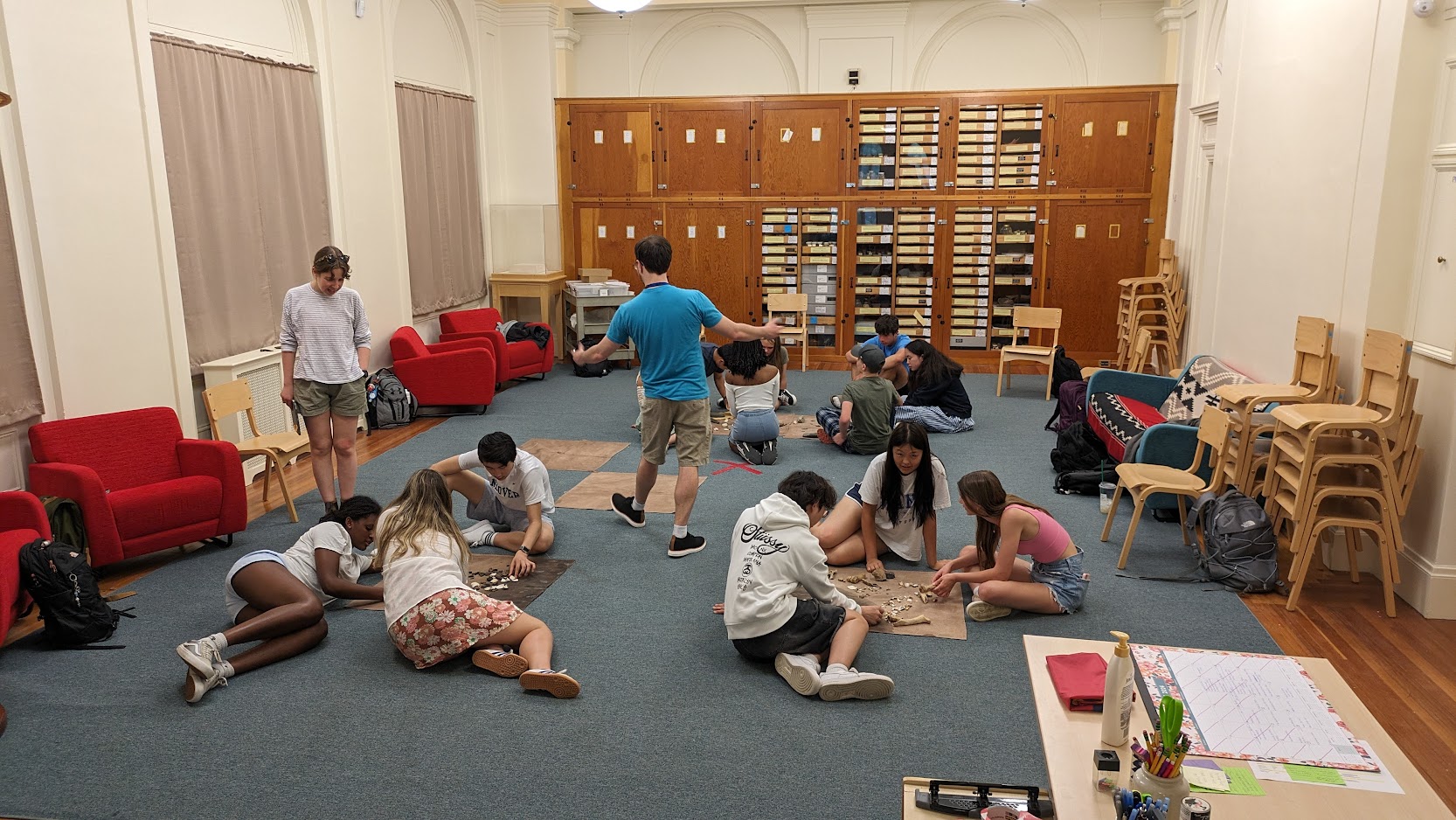
But we didn’t stop at just substitutions of objects. We wanted students to practice basic object interaction so they could approach looking at artifacts in a way that they may not have done before. To do that we broke out the tried-and-true Tarps exercise, which basically give them a crash course in item handling and simple archaeology. Here we set up a mock dig site complete with objects used for different purposes (pottery making, cooking, etc.) and have the students use there critical thinking skills to evaluate what the objects are and areas are used for based on how they found them (kitchen, stone tool workshop, etc.).
(shoulda’ been a conductor…)
After completing the Tarps exercise, students apply their newly acquired knowledge and skills to study of the objects from Mesoamerica, the Andes, American Southwest and American Southeast. We asked them to write down their observations of the object, what are its potential uses, what does it tell you about the culture, was it made by ancient or modern individuals, etc. The students then use this knowledge to pick and research an object on their own for their final project.
It was great revamping an older lesson and making it available for today’s classes at Phillips Academy!
Sometimes you find a neat thing while cleaning. Everyone has experienced this in one form or another. A missing phone charger, an old book, a hat you haven’t seen in months, etc. This happens at Phillips Academy too, but instead of an old DVD or a lost sweater…it’s an entire archeological collection.
In early 2023 Peabody Institute became the caretaker for an old collection know as the PA Classical Collection, formerly stored by the campus facilities office along with paintings, furniture, and china. It includes art and antiquities from in and around the Mediterranean region, dating from the late Bronze Age to the modern day, including items like ancient Greek pottery, Roman glassware, Late Egyptian masks, and coins from the Islamic Caliphate. Phillips Academy asked the Peabody Institute if we could house and look after the collection.
(They all arrived in boxes like this one)
We believe the collection came to the Academy sometime in the early 1940s, as there were some photographs and labels from that time, and indications there had been an exhibition at the Addison Gallery of American Art. It also seems like the collection went into storage sometime in the 1980s. Meaning this material had not seen the light of day in around 40 years. These are all best guesses, as there was a very short paper trail associated with the collection. Parts of its provenance are unknown.
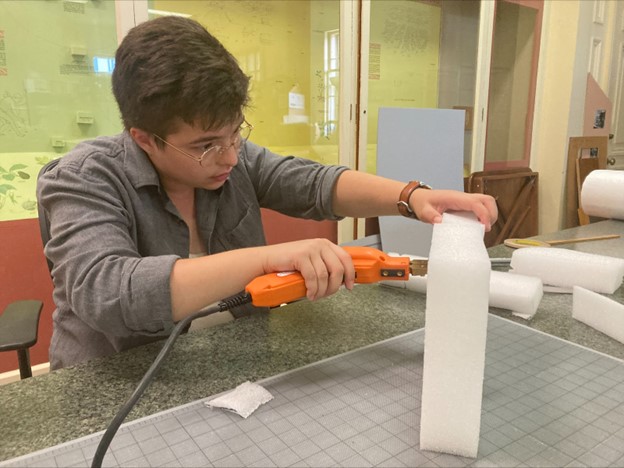
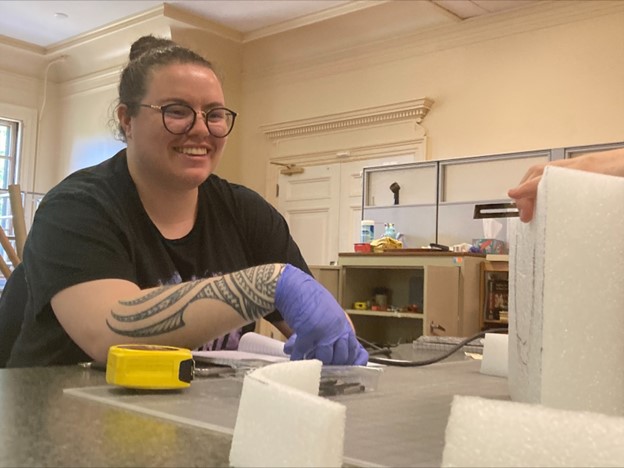
With the help of a few volunteers and students, we spent time in 2023 working with the material. Unpacking items oneat a time, photographing each item, and assigning catalog numbers. Each item was originally wrapped in bubble wrap and tissue paper(!) so we upgraded storage to modern museum standards (well, as best we could do while the building was under construction).
(Much better than bubble wrap and duct tape older than me!)
Once the collection was better documented and houses, we wanted to know exactly what we had. While the staff here is very knowledgeable, ancient antiquities are a bit outside our wheelhouse an expert classic world art and antiquities, was invited to provide basic identification and dates for each item. Most of the collection was authentic to our surprise, with only a few reproductions.
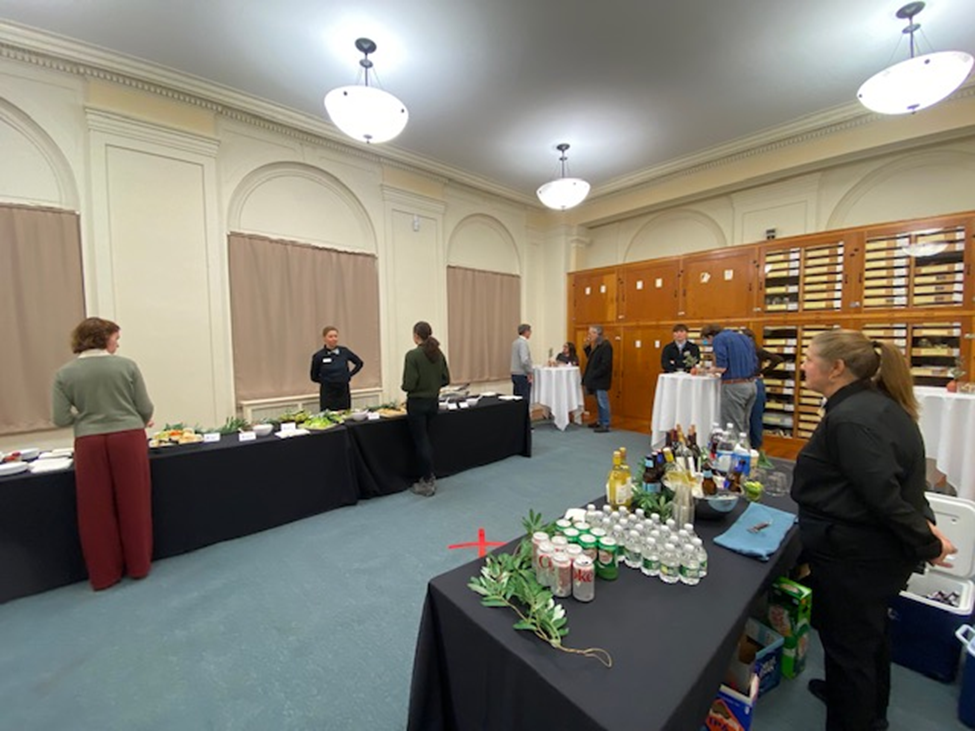
So, we had all these items roughly identified, and properly stored, now what? Well, naturally we threw a party. The building had recently reopened after construction had (mostly) finished and we used the Hornblower Galley to host an open house. Mediterranean food, and exhibit labels, and the campus community helped us have a grand old evening showing off the new/old collection.
(that’s me in the gray!)
The Peabody Institute is now making the PA Classical Collection available for use in classes. While the Peabody has no specific lessons plans associated with this collection, our hope is for teachers to incorporate items they are interested in into their existing classes, be it art, language, history, etc. We have already had some success in bringing items to Latin classes! It’s nice that a collection once shown at PA is about to rejoin the community, adding historical context and facilitating learning for a whole new generation of students. This whole blog isn’t just about the collection though, it’s really a cautionary tale about the importance of deep cleaning, you never know what might be back there!




 The Peabody