2023 ATALM Conference

Submitted by John Bergman-McCool

The 2023 International Conference of Indigenous Archives, Libraries and Museums was held in Oklahoma City at the end of October and hosted by the Association of Tribal Archives, Libraries and Museums (ATALM). ATALM is an international non-profit organization that maintains a network of support for Indigenous programs, provides culturally relevant programming and services, encourages collaboration among Tribal and non-Tribal cultural institutions, and articulates contemporary issues related to developing and sustaining the cultural sovereignty of Native Nations. The annual conference provides a venue for cultural institutions that seek to protect and advance Indigenous culture and lifeways to share best practices.

The conference included ninety-eight sessions and a host of keynote speakers organized around the theme “Honoring and Elevating Indigenous Culture and Knowledge Systems.” I was fortunate that the Peabody provided me with the opportunity to attend. It was an excellent opportunity to make connections and learn from people in my field who are working at the forefront of decolonizing institutions. The number of relevant conference sessions meant that choosing which to attend was extremely difficult. Luckily, I was there with Peabody curator Marla Taylor and we split-up to attend more sessions.

Within the sessions I experienced many inspirational and emotional moments. Indigenous and non-Indigenous presenters shared their experiences working at reversing centuries of colonial practices within cultural institutions. As an employee of a non-Indigenous research institution that houses Indigenous materials, it was an extremely powerful experience.

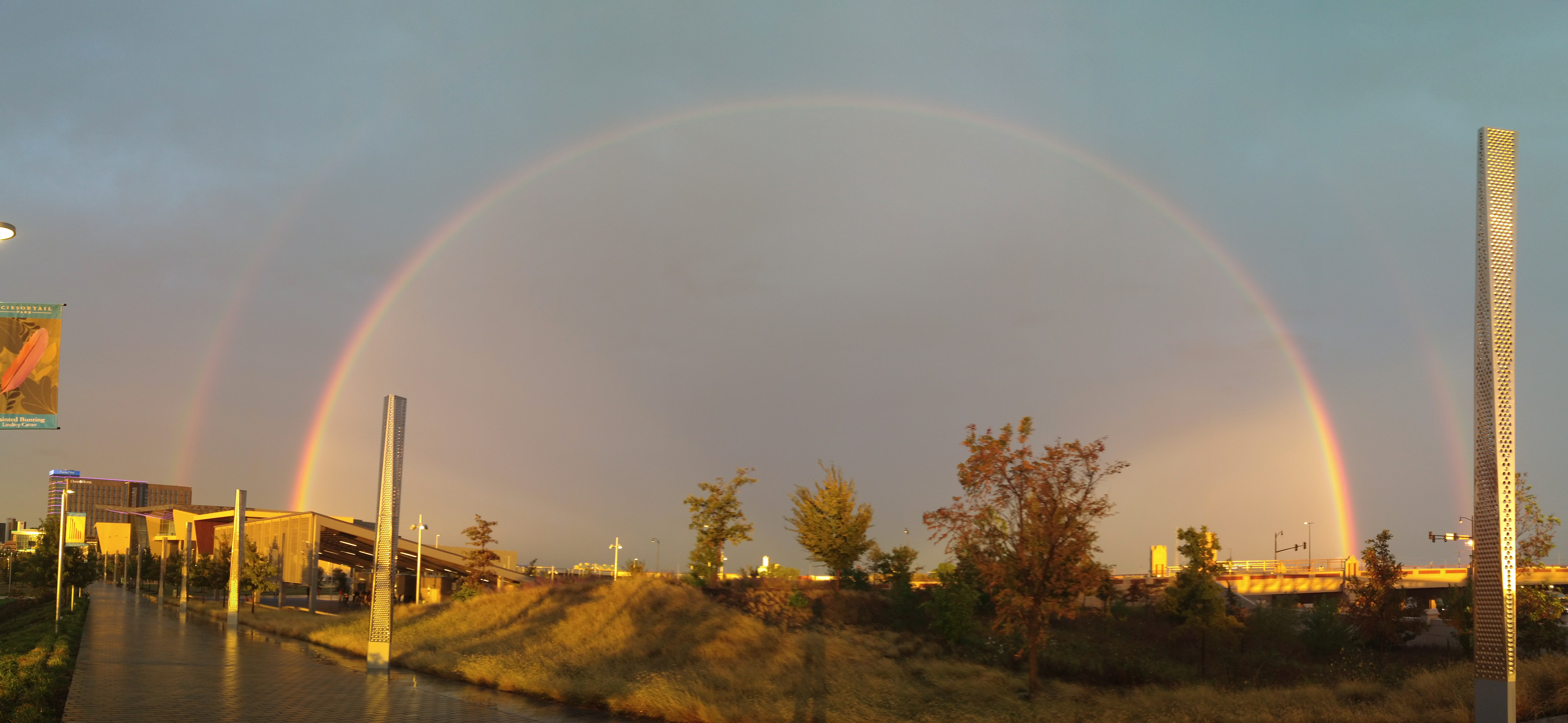
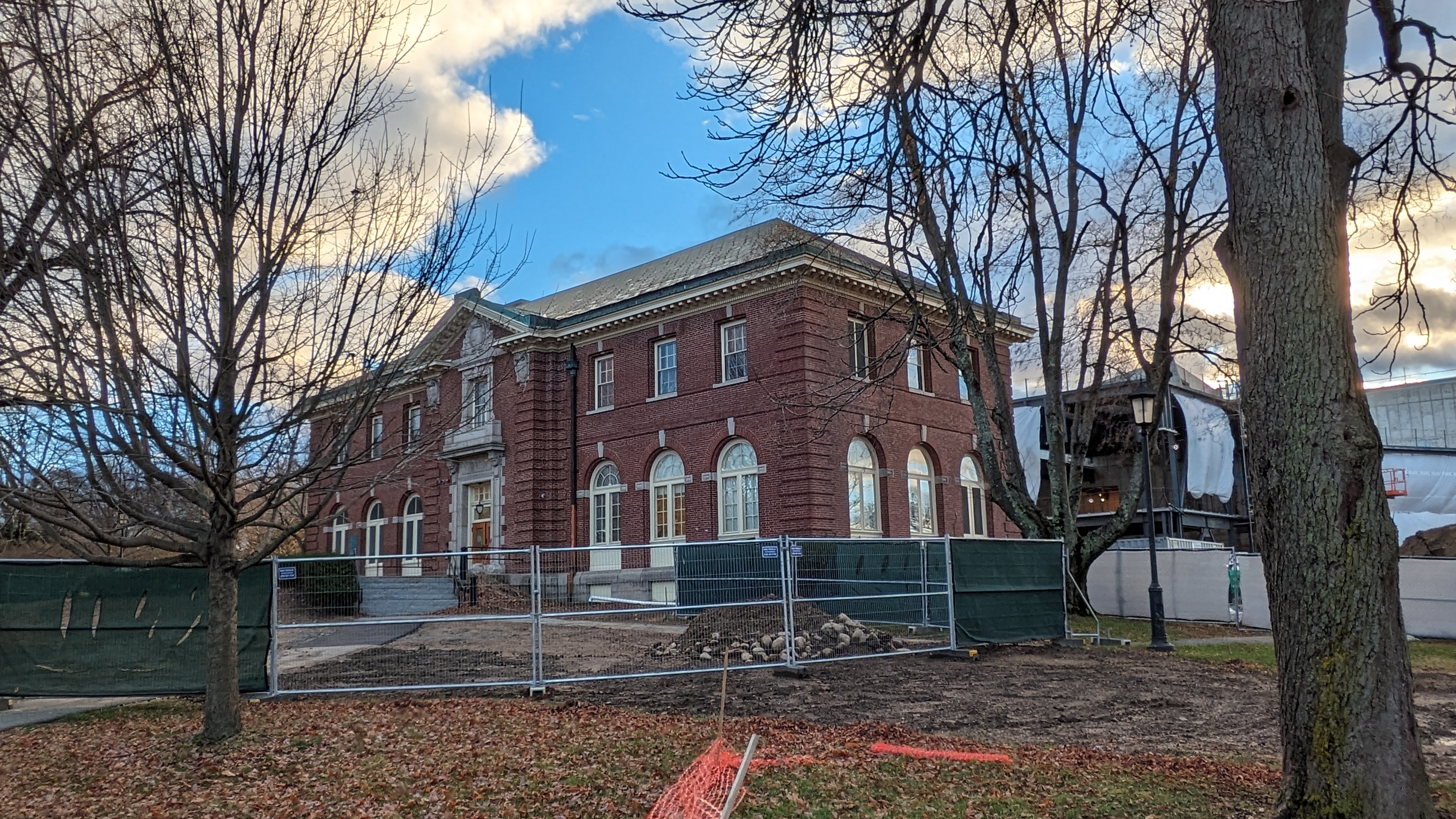
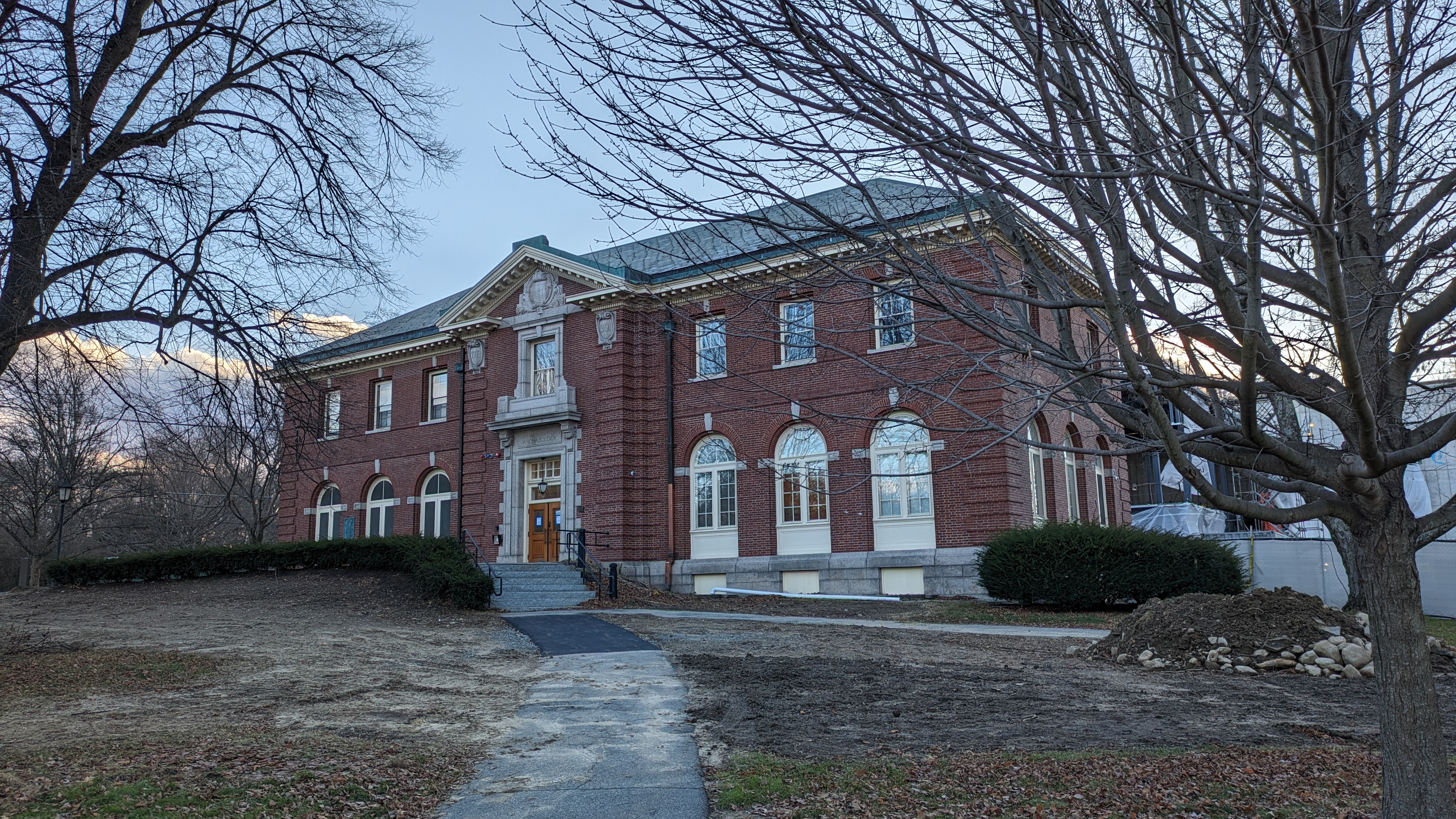
View from outside the conference after the first day of sessions.

Chief among my experiences was a day-long preconference workshop entitled “Tools and Strategies to Support Indigenous Intellectual Property.” The workshop was led by a team from Local Context, an organization that is focused on increasing Indigenous involvement in data governance and the integration of Indigenous values into data systems. You can find a much more detailed description of their work on their website.

The workshop introduced the participants to copyright law, how to identify copyrighted materials, and strategies for working with copyrighted Indigenous intellectual property (IP) held in museum collections. The copyright of Indigenous IP is particularly insidious, giving ownership, and control over access and circulation to the person who records, writes, or documents the Indigenous IP, not the creator. Prior to the workshop I didn’t know how copyright was created. I also considered the digitization process, the idea of the digital commons, and the transition of copyrighted material to the public domain as a democratizing force providing equal access to information. However, free use of these materials becomes complicated when they contain culturally sensitive or inaccurate information.
Copyright of Indigenous IP cannot be corrected retroactively and inclusion in the public domain cannot be avoided, but there are workarounds. Institutions can choose not to share Indigenous IP that they house without permission from relevant Tribal communities. Additionally, Local Context has created a series of labels that Indigenous communities can use to add additional context to collections held in non-Indigenous institutions. The labels help foster communication and collaboration between the institutions and Indigenous communities and are a pathway for inserting Tribal authority into institutional data systems.

The conference was a tremendous event and I came away with a renewed vigor for the work that we do at the Peabody.

Building Update – Phase I Nearly Complete!

Contributed by Marla Taylor

As 2023 comes to a close, so does Phase I of the Peabody building project. I am so excited and ready to get into our updated spaces and return to “normal” operations!

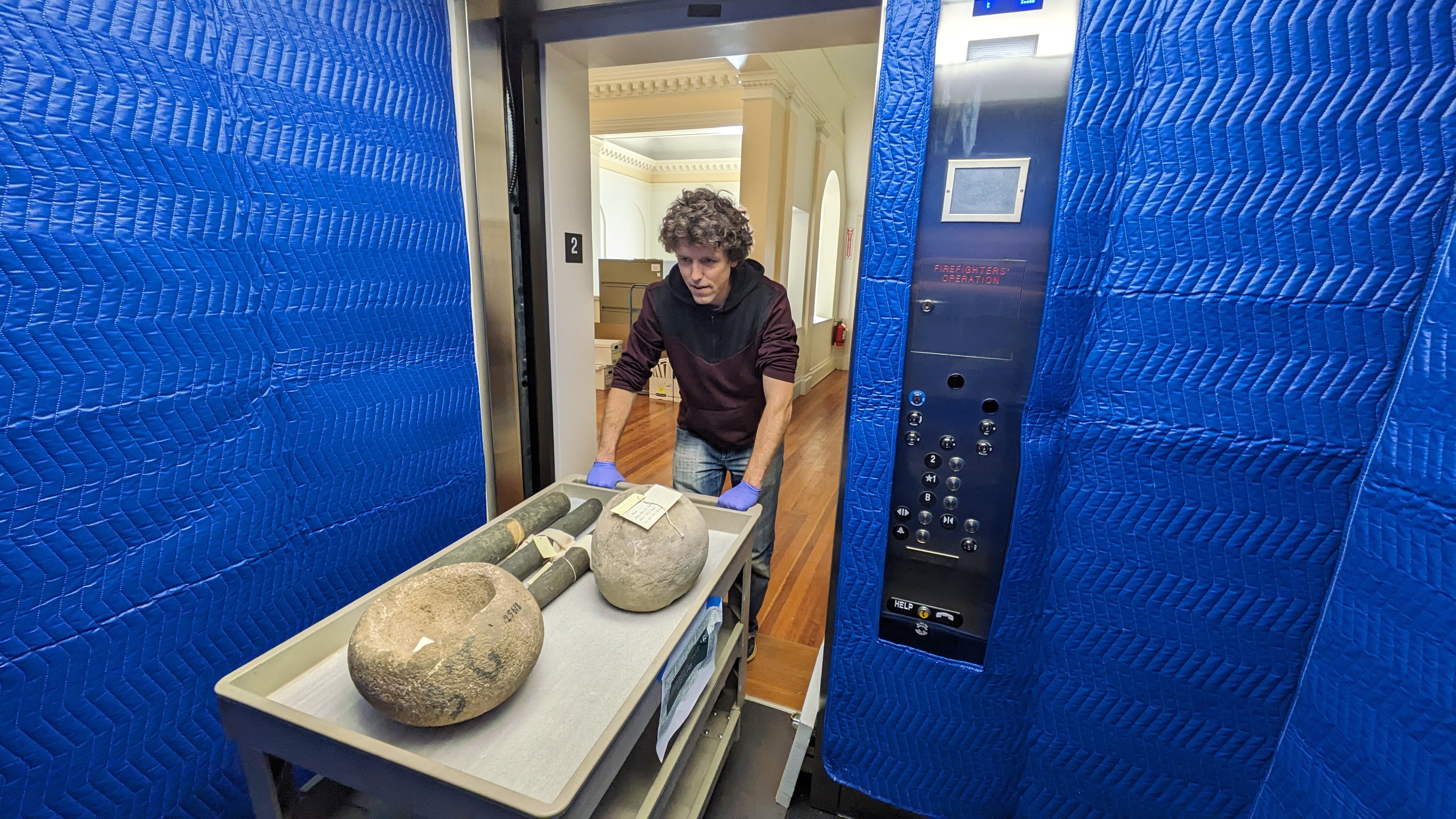
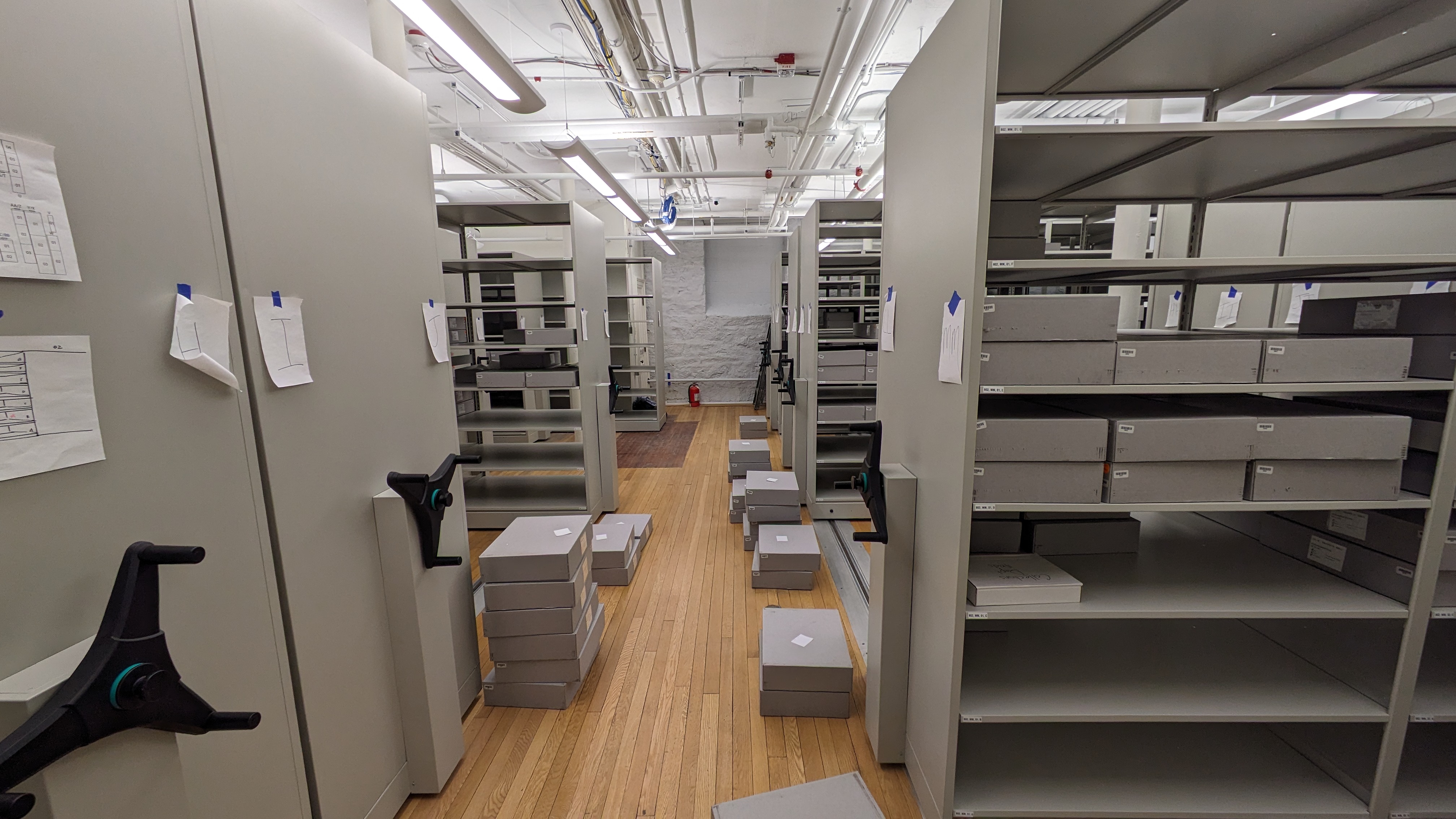
The elevator is in, the basement fire-suppression is in, the HVAC is in and the environmental controls have been adjusted, and the new shelving is nearly complete. It has been many months in the making and we are almost there!

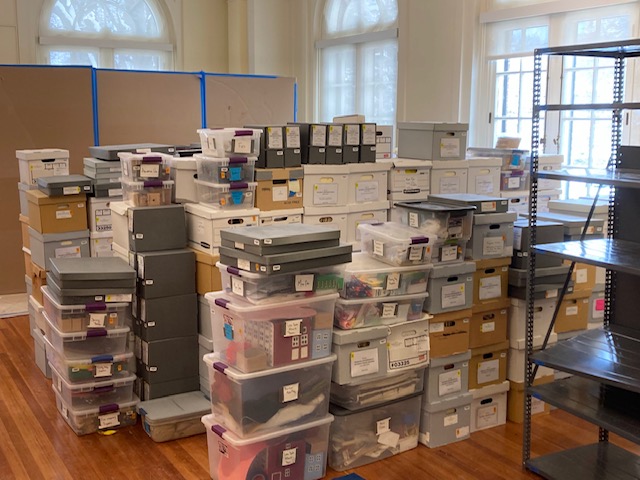
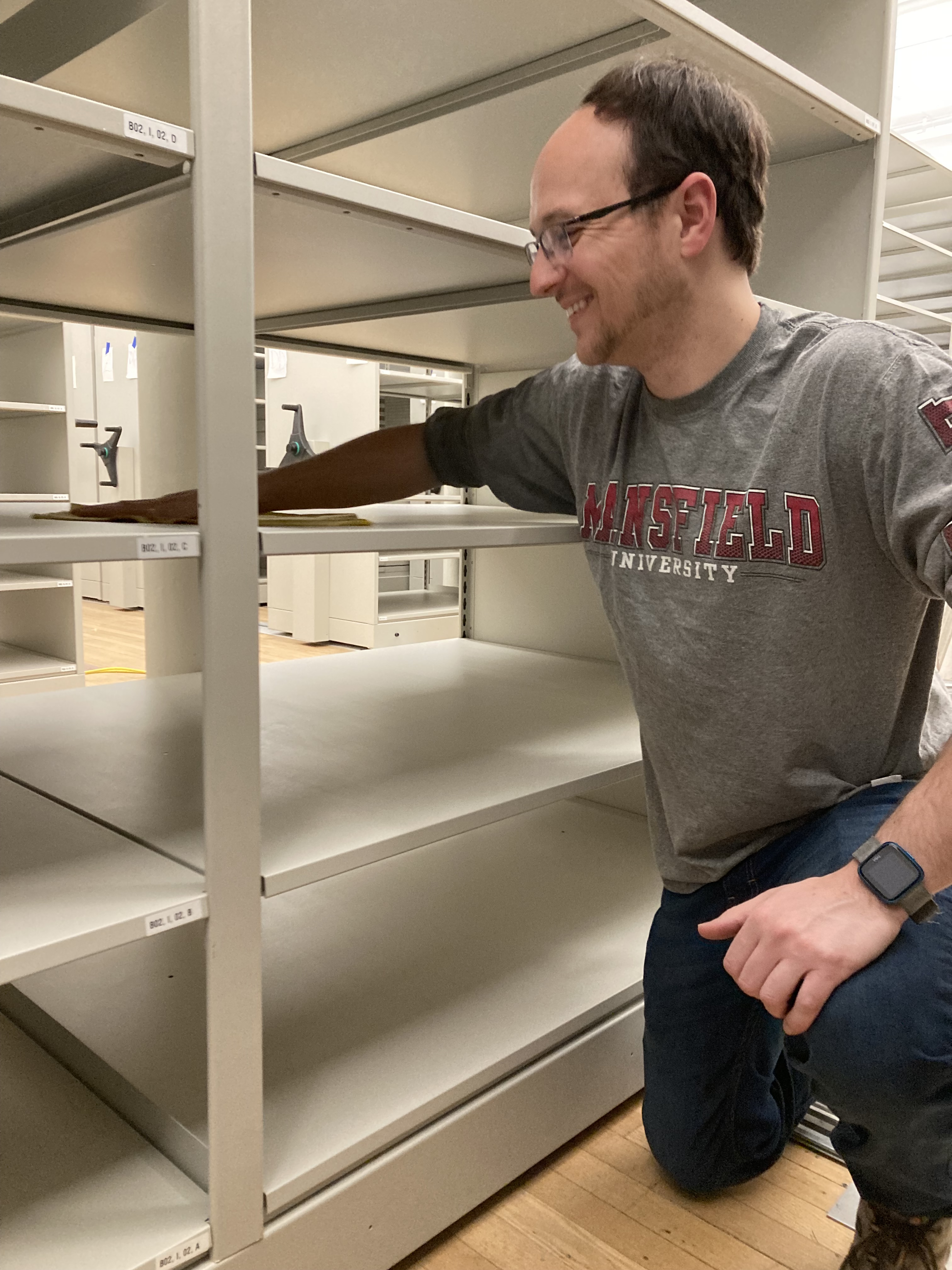
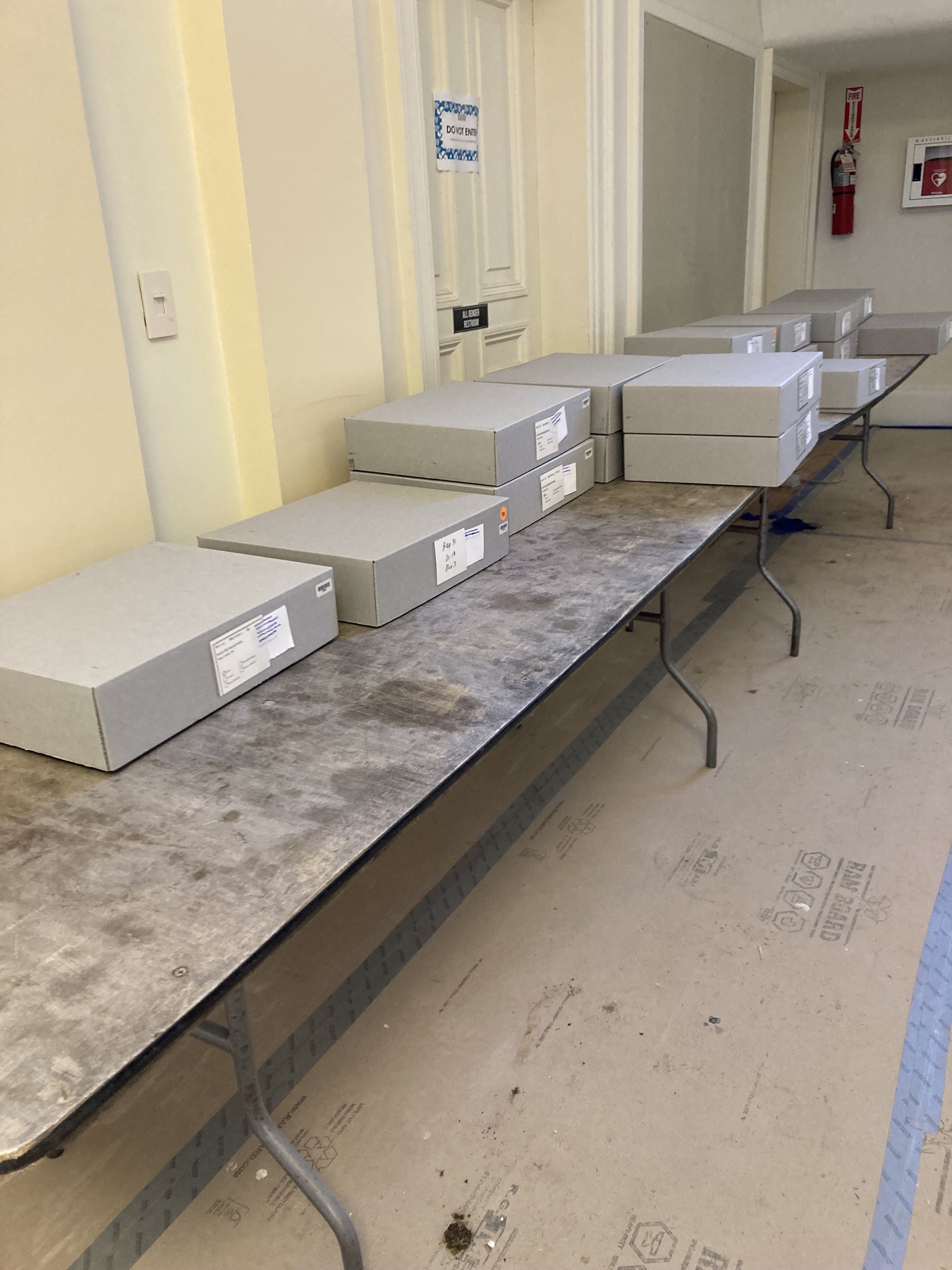
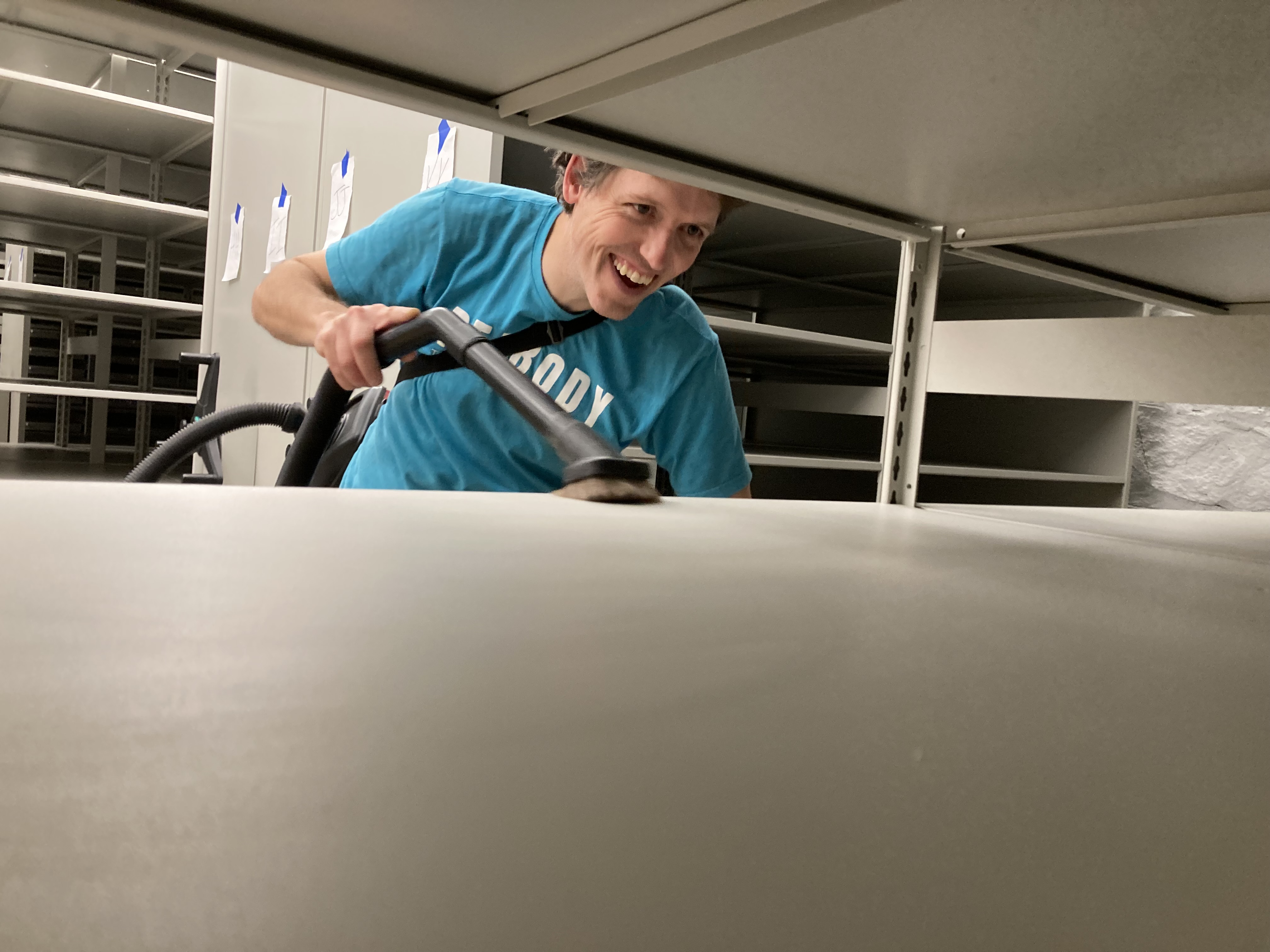
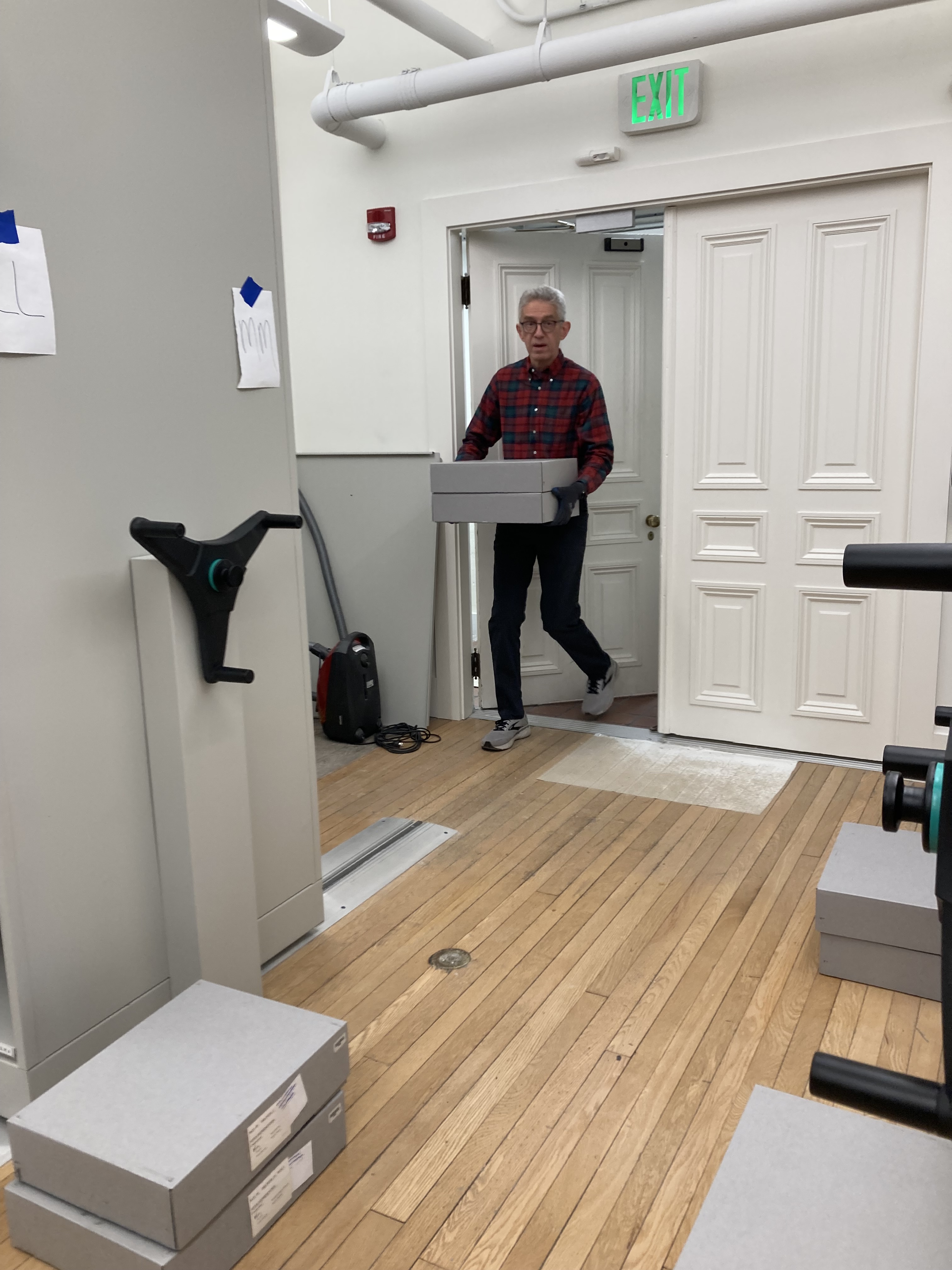
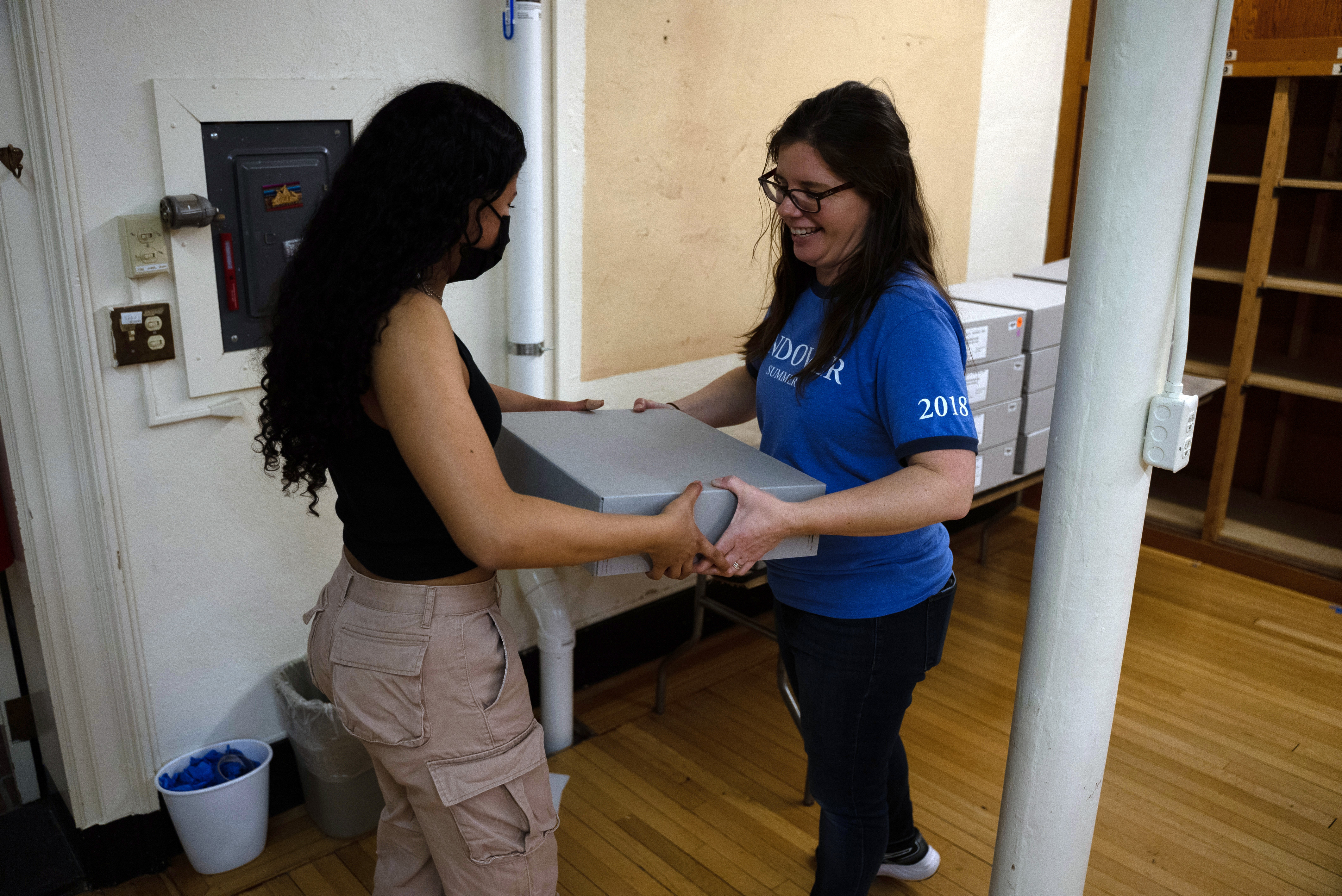
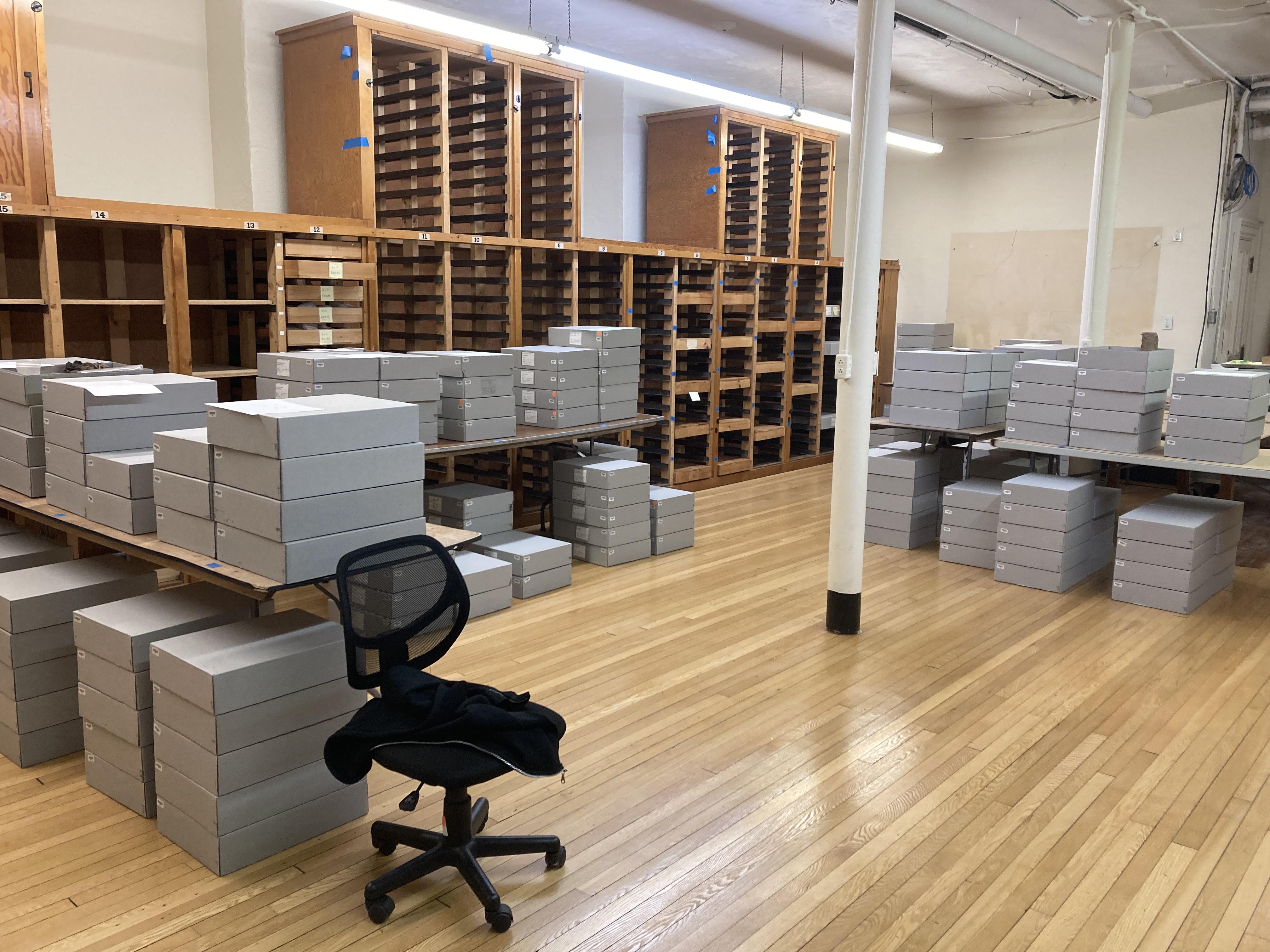
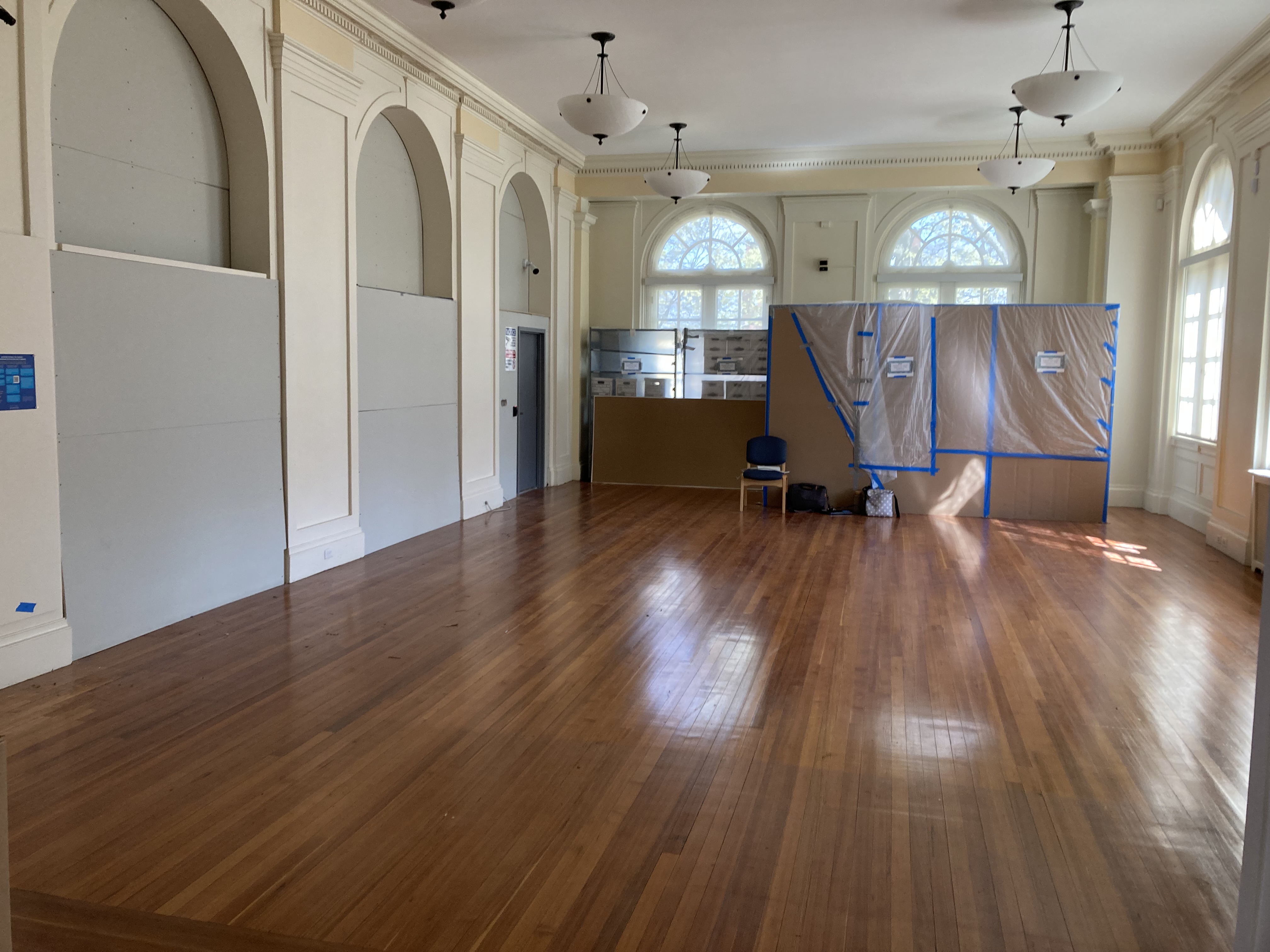
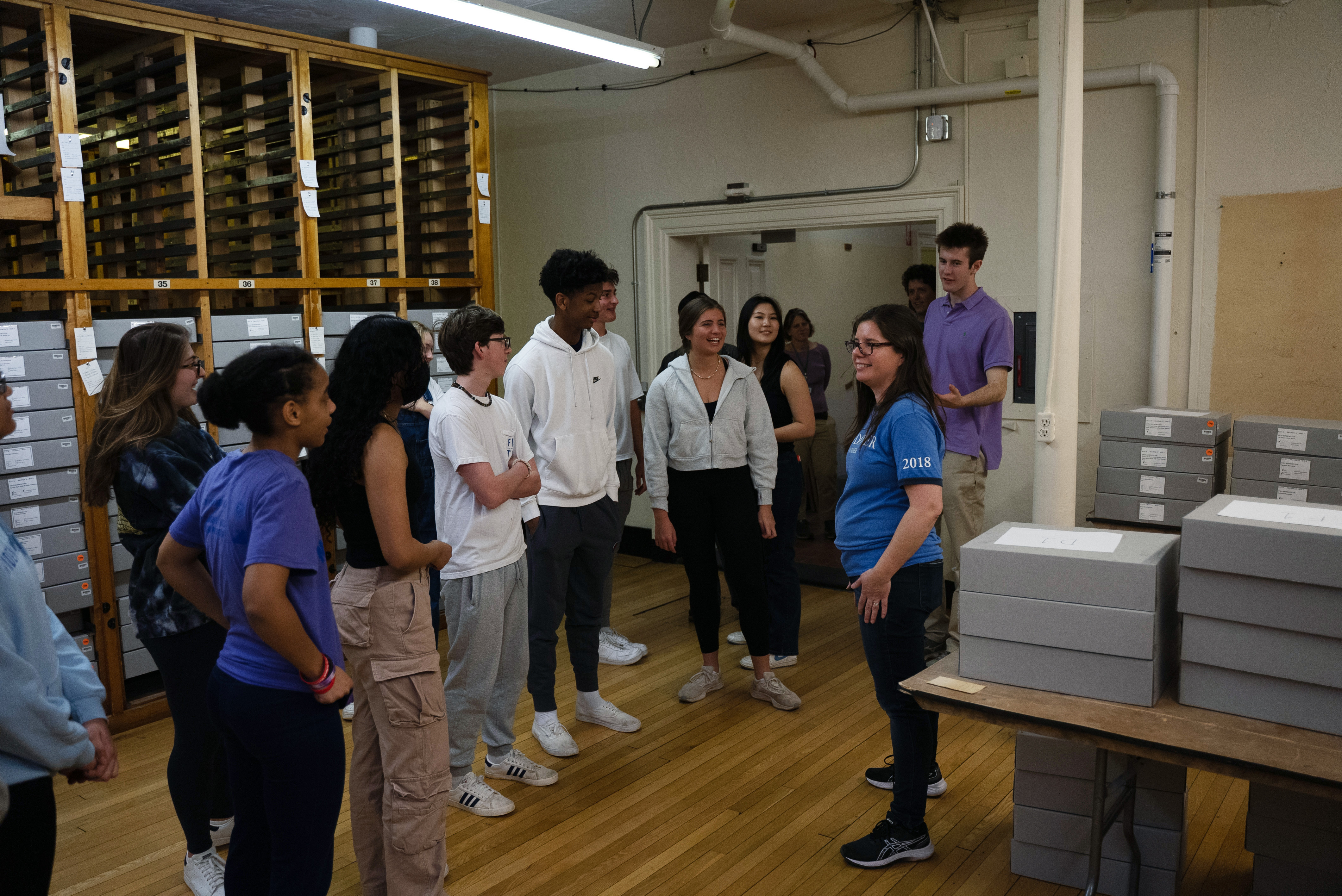
At this point, Peabody staff are cleaning collections spaces and beginning to move boxes back into the updated areas. This has been quite the logistical task as we need to coordinate with contractors in the space and ensure the appropriate security and care for the collection. So far, so good.

Hopefully, we will be back in the building and ready to welcome classes, researchers, and inquiries again in the spring of 2024. Thank you to everyone who supported this project with time or finances – we could not have done it without you.

I am looking forward (sort of) to Phase II!

This project will rely on philanthropic support from our donor community. To help advance this critical renovation, please contact Nicole Cherubini, director of development, at 978-749-4288 or ncherubini@andover.edu.

Reading Angeline Boulley

Contributed by Marla Taylor

Last November, I attended the AAIA Repatriation Conference in New Buffalo, Michigan. There were many tremendous speakers, but the one that really sticks out in my memory was Angeline Boulley. She does not work in the world of repatriation, but held the room in her hands as she spoke to us. I so vividly remember Angeline speaking to us all at the conference – she earned a standing ovation and my presentation had to follow that!

Angeline is a citizen of the Sault Ste. Marie Tribe of Chippewa Indians, and storyteller who writes about her Ojibwe community in Michigan’s Upper Peninsula. She had recently published her book Firekeeper’s Daughter (a #1 New York Times Bestseller) and was giving us a tease of her next book, Warrior Girl Unearthed.

At the time, I had not read Firekeeper’s Daughter and quickly purchased myself a copy. I LOVED it. The story was a fresh take on a murder mystery/adventure. The main character, Daunis, is a biracial unenrolled tribal member whose cultural knowledge can contribute to protecting her community. Sprinkled throughout the book are Ojibwe words, phrases, and cultural teachings in a way that only augments and enriches the story being told. I highly recommend it to you all! (and ignore the young adult classification – this is a complex story that is not always appropriate for younger readers)

Warrior Girl Unearthed is powerful in a different way. Grounded in the complicated reality of repatriation and missing and murdered Indigenous women (MMIW), this novel can feel a little heavy at times. Angeline uses the book in part to educate her readers about NAGPRA and repatriation and in part to build a new adventure around preventing a plot to profit off robbed Indigenous graves. While an explanation of NAGPRA does not always make compelling reading, the story itself is exciting and multi-faceted. Angeline once again interweaves Ojibwe words and cultural teachings in an effective way. And that is maybe the best thing about the book – the Ojibwe culture is just a part of who the main character is. She is just living her life and interfacing with her cultural teachings in a way that does not feel contrived but is instead natural. That feels novel and under-represented in young adult literature.

Her words and her books have left an impression on me and I encourage you to pick up a copy yourself.    

Creating an Indigenous Collections Care Guide

Contributed by Marla Taylor

Nearly three years ago, I co-founded the Indigenous Collections Care (ICC) Working Group along with Laura Bryant, Anthropology Collections Steward and NAGPRA Coordinator for the Gilcrease Museum in Tulsa, OK. Along with Laura Elliff Cruz, Head of Collections at the Indian Arts Research Center (IARC) in Santa Fe, NM and other group members, the ICC has been working to create an accessible reference tool for professionals who interact regularly with Native American collections.

The ICC grew out of our desire to incorporate the collections care requests of Indigenous communities into our institutional practice and policy. The working group was formed in late 2020 and is composed of approximately 20 people (both Indigenous and non-Indigenous museum professionals and academics, Tribal Historic Preservation Officers, and NAGPRA coordinators) who actively participate in monthly meetings on the creation of an Indigenous Collections Care Guide.

The ICC Guide will not instruct museums on how to specifically care for each item, since protocols vary among communities, but will offer scalable considerations of culturally appropriate collections stewardship, with questions and talking points to address during consultation, and with templates and case studies for use in implementation, advocacy, and the creation of policies and procedures.

In order to facilitate robust review of the ICC Guide by tribal communities, the ICC partnered with an incredible institution, the School for Advanced Research (SAR) in Santa Fe, NM.

I am excited to share that SAR received an IMLS National Leadership Grants for Museums of $175,587 for the IARC’s creation of the Indigenous Collections Care Guide. to support the museum field with an accessible reference tool for museum professionals who interact regularly with Native American collections. The guide will provide museums with a framework to recenter collections stewardship practices around the needs and knowledge of Indigenous community members. At the conclusion of the project, 175 tribal community representatives and museum professionals will have had a voice in the development of the guide, which will be made freely available for tribal community representatives and museums of all sizes. The IMLS reported receiving forty-eight applications for this opportunity, and SAR was one of nineteen projects to receive funding.

You can see the announcement and learn more about the project here.

What does this mean for the Peabody Institute? Well, first it means that I will be super busy for the next few years! It also means that the Peabody Institute is continuing our leadership role in the broader museum and archaeological conversations around ethical collections stewardship and relationships with tribal communities.

I will keep you posted as work continues over the next few years!

School for Advanced Research

The School for Advanced Research (SAR), a 501(c)(3) nonprofit educational institution, was established in 1907 to advance innovative social science and Native American art. Its sixteen-acre residential campus sits on the ancestral lands of the Tewa people in O’gah’poh geh Owingeh, or Santa Fe, New Mexico. Visit sarweb.org

Institute of Museum and Library Services

The mission of IMLS is to advance, support, and empower America’s museums, libraries, and related organizations through grantmaking, research, and policy development.

The agency carries out its charge as it adapts to meet the changing needs of our nation’s museums and libraries and their communities. IMLS’s mission is essential to helping these institutions navigate change and continue to improve their services. Visit imls.gov

Peabody Volunteer Spotlight: Meet Mike

Contributed by Mike Agostino

Hello, my name is Mike Agostino and I am a volunteer here at the Peabody Institute of Archeology. I am a recently retired scientist from the field of bioinformatics. My work in this field, for over 30 years, concerned the analysis of gene and protein sequences. I love the field so much that I am presently an instructor on the subject for the Harvard Extension School. I am also writing the second edition of a textbook I published on this topic more than 12 years ago.

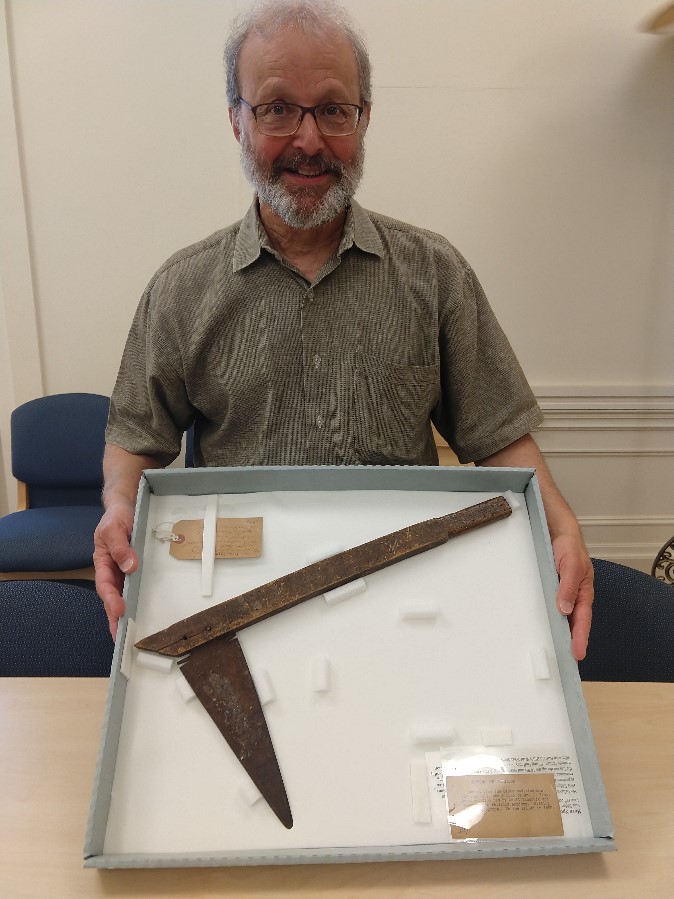
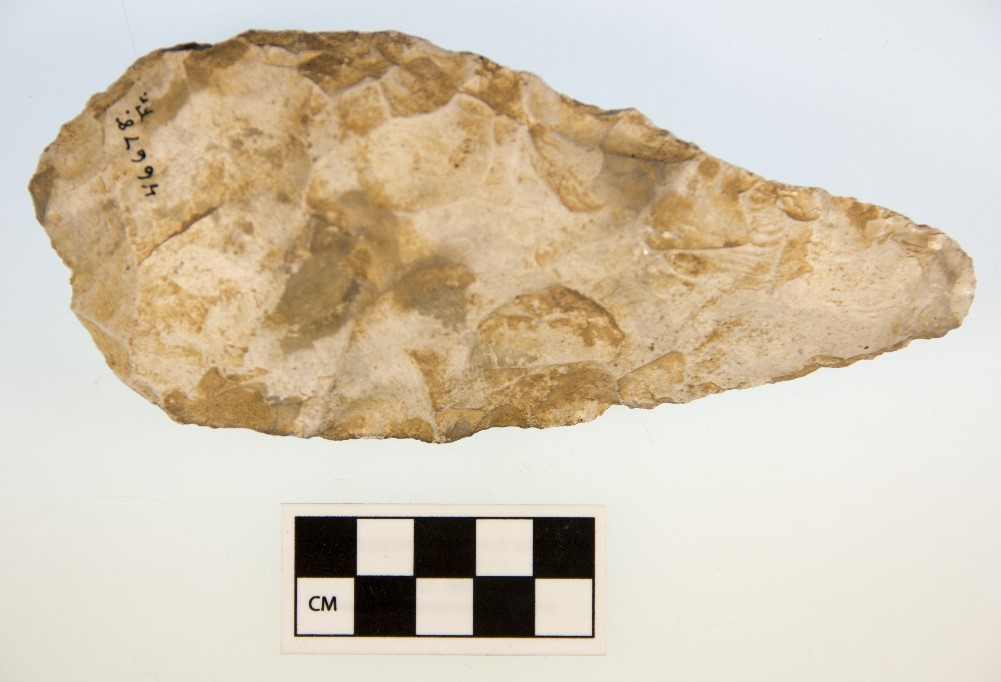
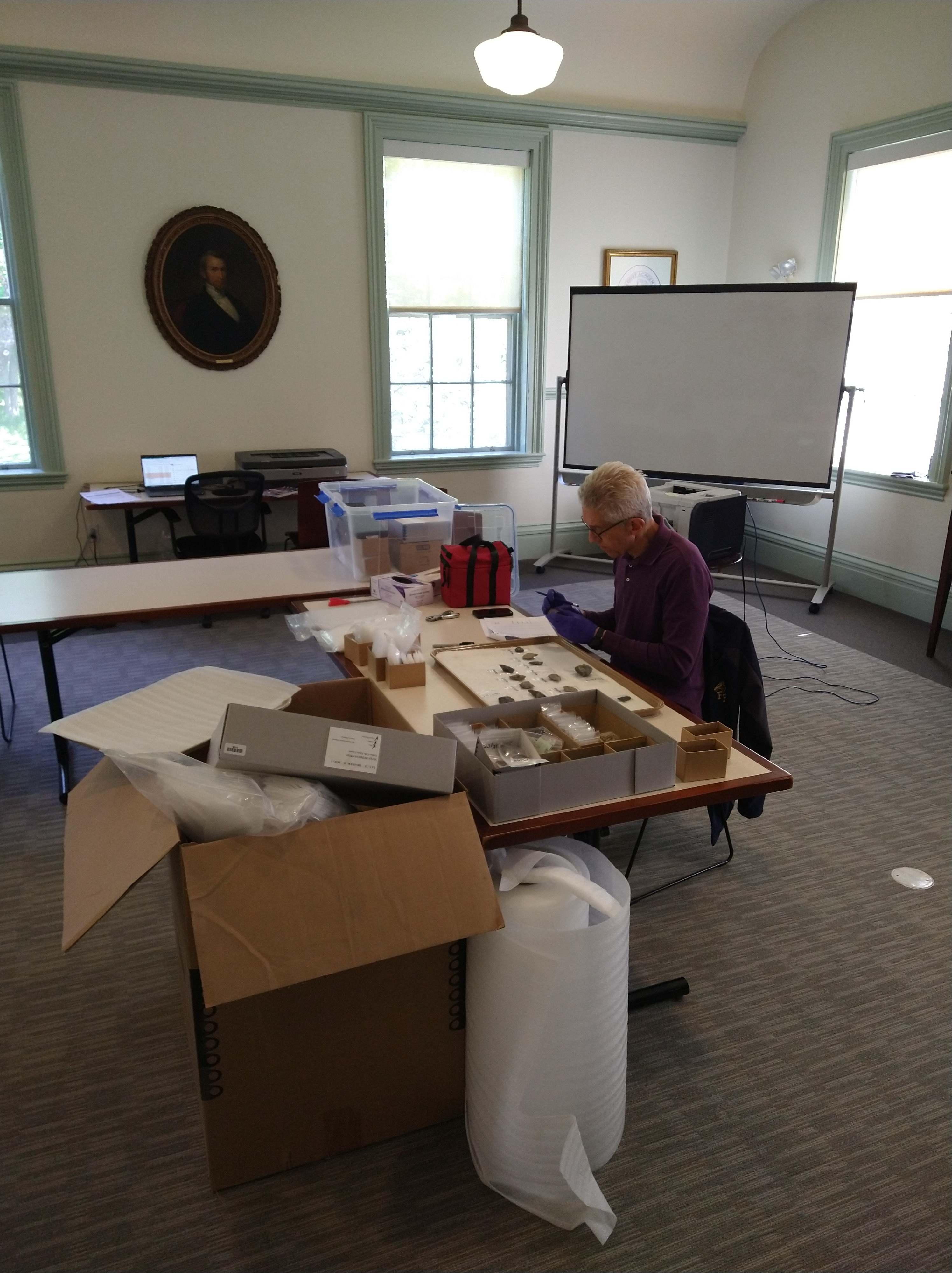
Peabody volunteer, Mike, analyzes various projectile points in the Peabody collection.

As a resident of Andover, I frequently went past the Peabody and often wondered what treasures it held. When a good friend, Richard Davis, said he volunteered here and told me about the work, I immediately wanted to join him. To say this is a dream come true is not an exaggeration. I have always been interested in archaeology and spent many years looking down on the ground for the artifacts people said were all around us. But I never found any! To work with and learn about dozens, if not hundreds of specimens each day is amazing. As I hold these objects in my hands, I try to imagine their history: was it careful fabrication by an adult expert, or was it made during a learning period of a youngster? Was it used to bring home a meal, build a boat or dwelling, or for the creation of clothes? Did it come from local stone, or did it travel many miles to be found at a new locale? My imagination is further enhanced or tempered by the kind and knowledgeable staff of the Peabody who are training and patiently helping me identify what is in my hand. I have only been at the Peabody for less than two years and there is so much to learn!

After years as a scientist, I feel right at home with my principal responsibilities: the careful handling, description, cataloging, and storage of the specimens. Attention to detail is absolutely required and very satisfying. We record their identities, or best guesses because many are just fragments. The intact specimens are something to behold. Some arrowheads or axes are impossibly beautiful, and the precision of shaping and symmetry with such a hard material is just astounding. The skills of the people, past and present, are just amazing.

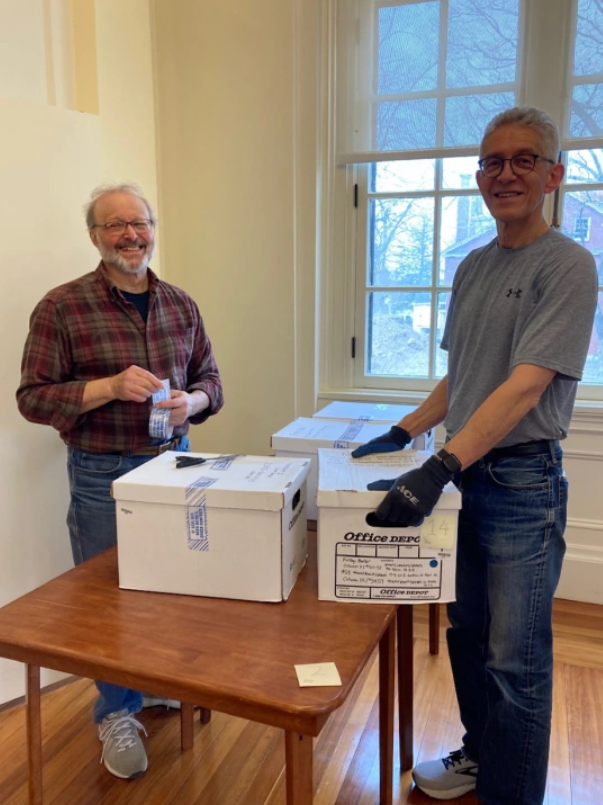
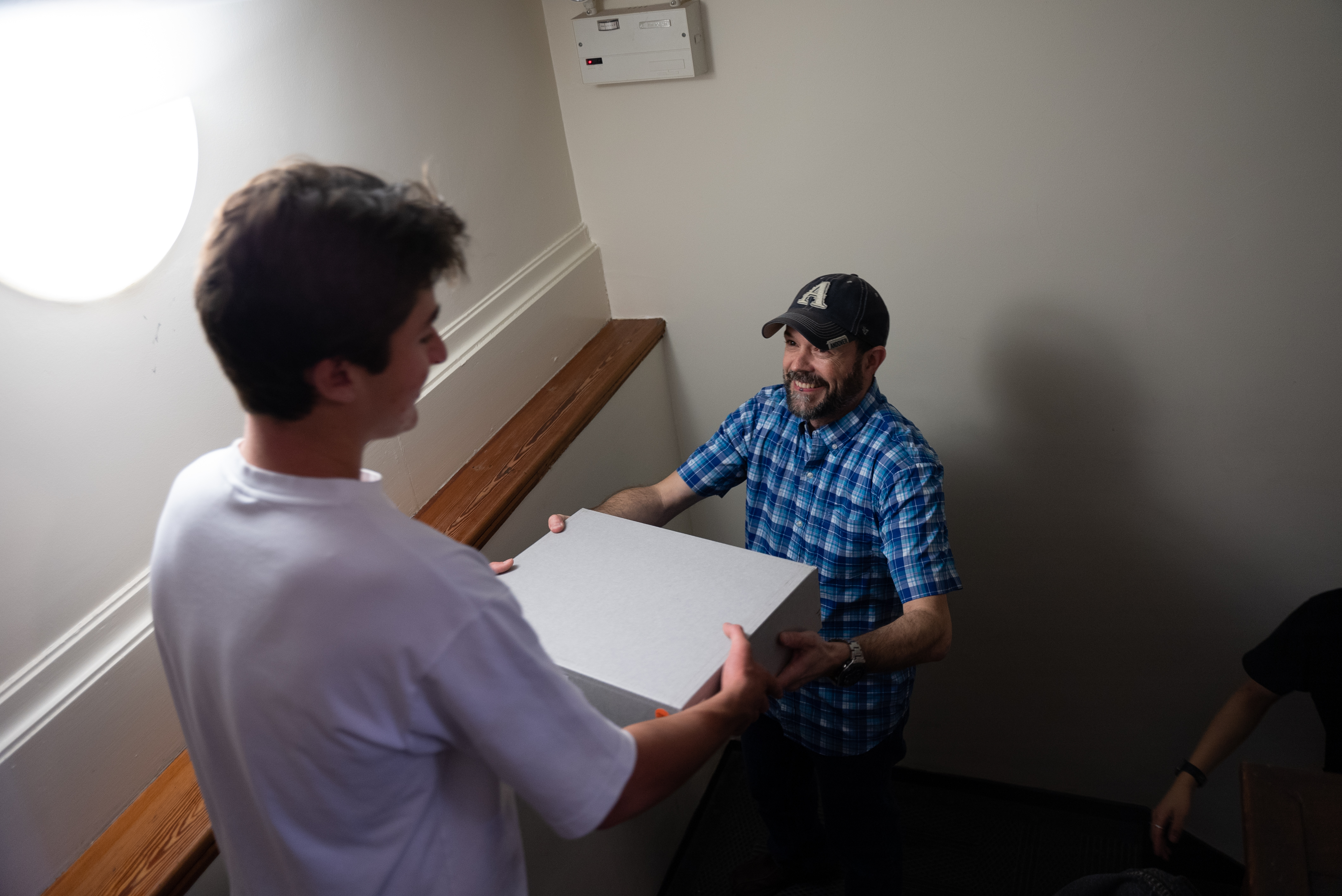
Peabody volunteers, Richard (left) and Mike (right), moving boxes for the Peabody’s building project.

I have also helped with activities associated with the huge renovation project of the building (for pictures and updates, see the blog postings by Marla Taylor). I am impressed with how everyone has remained calm considering hundreds of boxes, and specimens too large for boxes, had to be carefully moved up one or two floors from the basement to temporary locations elsewhere in the building. With the absence of an elevator, I helped move many boxes up the stairs out of harm’s way. My smart watch said I went up 80 flights of stairs one day! And I am only there one day a week, so the staff had a monumental challenge. We are now waiting for the renovations to be completed and then we will return the specimens to a much-improved setting. Even with the new elevator, reshelving hundreds of boxes won’t be easy, but I am looking forward to the project and the “new” institute.

Building Progress Report

Contributed by Marla Taylor

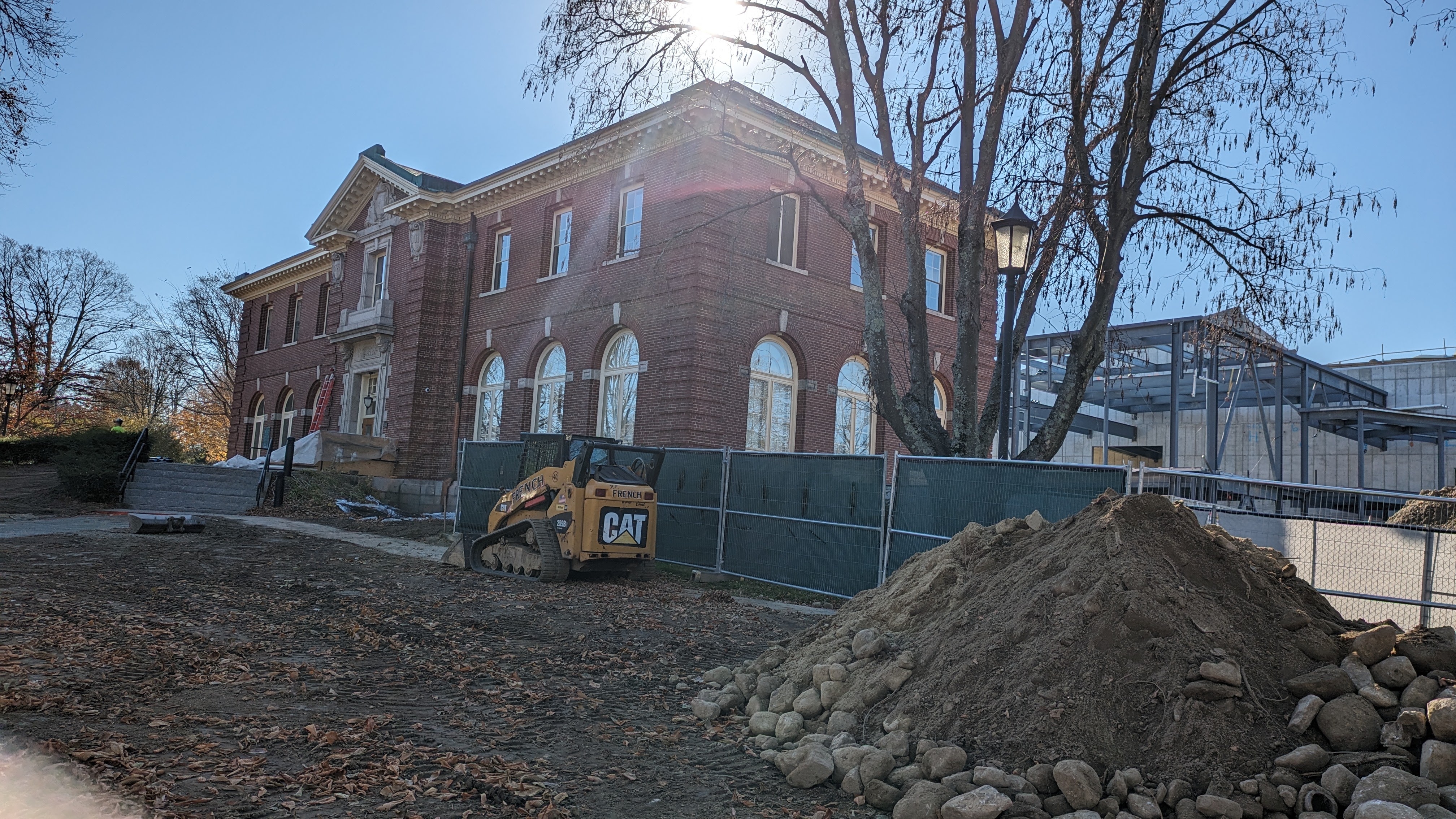
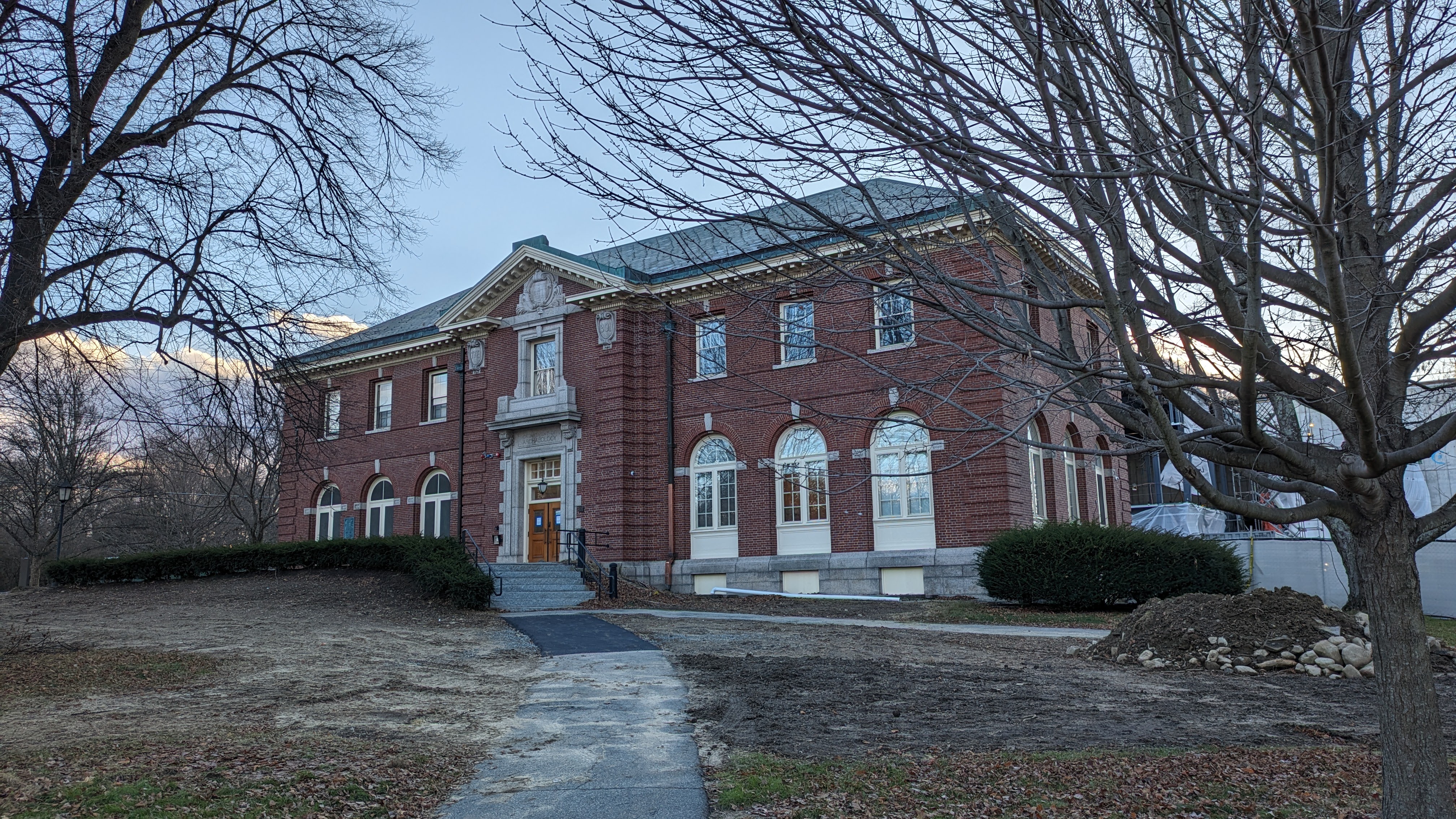
The Peabody building project has been active for over two months now and it is time for a brief progress report.

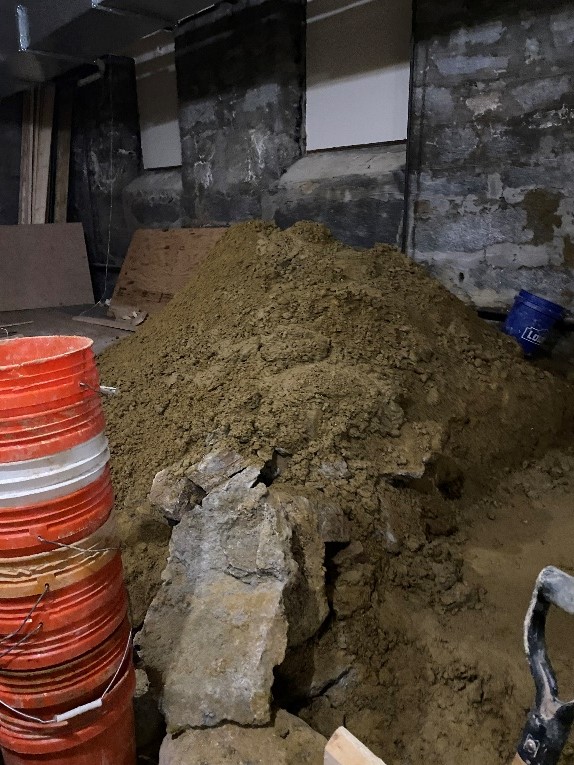
The biggest changes can be seen around the installation of the elevator.  A giant hole has been excavated in the basement.  Seriously, I had no idea how deep those shafts needed to go.  Steel support beams have been added on the first and second floors before the floors are removed. 

All the drywall on the exterior walls have also been removed to address any small leaks in the foundation.  Personally, I love the exposed foundation walls and was excited to learn that this appearance will be maintained. 

The latest work includes adding initial ductwork and systems support.

We appreciate everything the team has been doing and look forward to seeing this work continue!

This project will rely on philanthropic support from our donor community. To help advance this critical renovation, please contact Beth Parsons, director for museums and educational outreach, at 978-749-4523 or bparsons@andover.edu.

Volunteers are back at the Peabody!

Contributed by John Bergman-McCool

If you’re keeping track of the progress of renovations occurring at our building, you know that construction started last month, and that we are in our new temporary office space on campus. If you aren’t up to date on the project, read these two blogs out to see the changes that have already occurred (here and here).

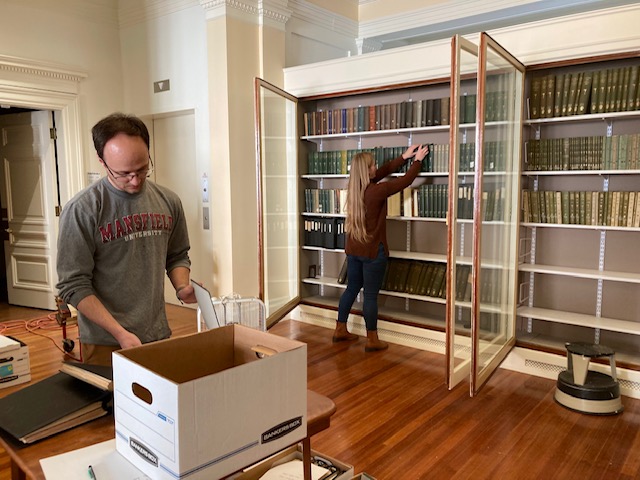
Last week our non-student volunteers returned to duty. They were on a two-month hiatus while we figured out what projects they could assist with in our new space. With a month of our stay at the Abbot campus behind us, we decided it was time for the volunteers to come back and help carry out inventory clean-up. While the surroundings have changed, Mike and Richard picked right up where they left off.

Volunteer Mike rehousing items for inventory clean-up.

If you are interested in volunteering at the Peabody, you can contact me at jbergmanmccool@andover.edu. Currently we have limited capacity, but when we are back in our building in the fall, we’ll have a lot more space and the big job of moving the collection into our newly redesigned collection space.

Construction Begins

Contributed by Marla Taylor

It is finally happening – the Peabody Institute building project is underway!

It has been quite a whirlwind preparing for this project over the past months (planning began in earnest about a year ago).  

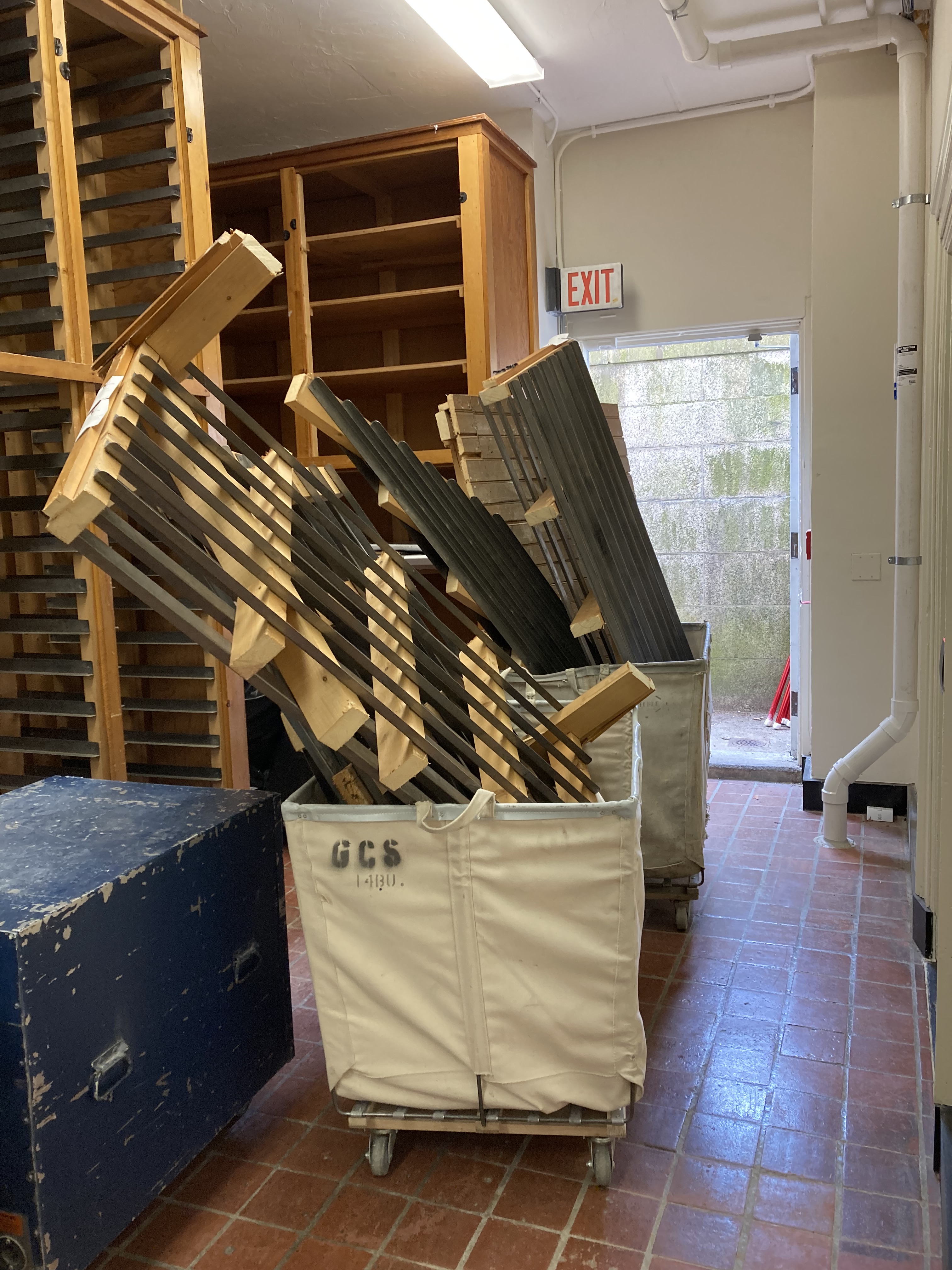
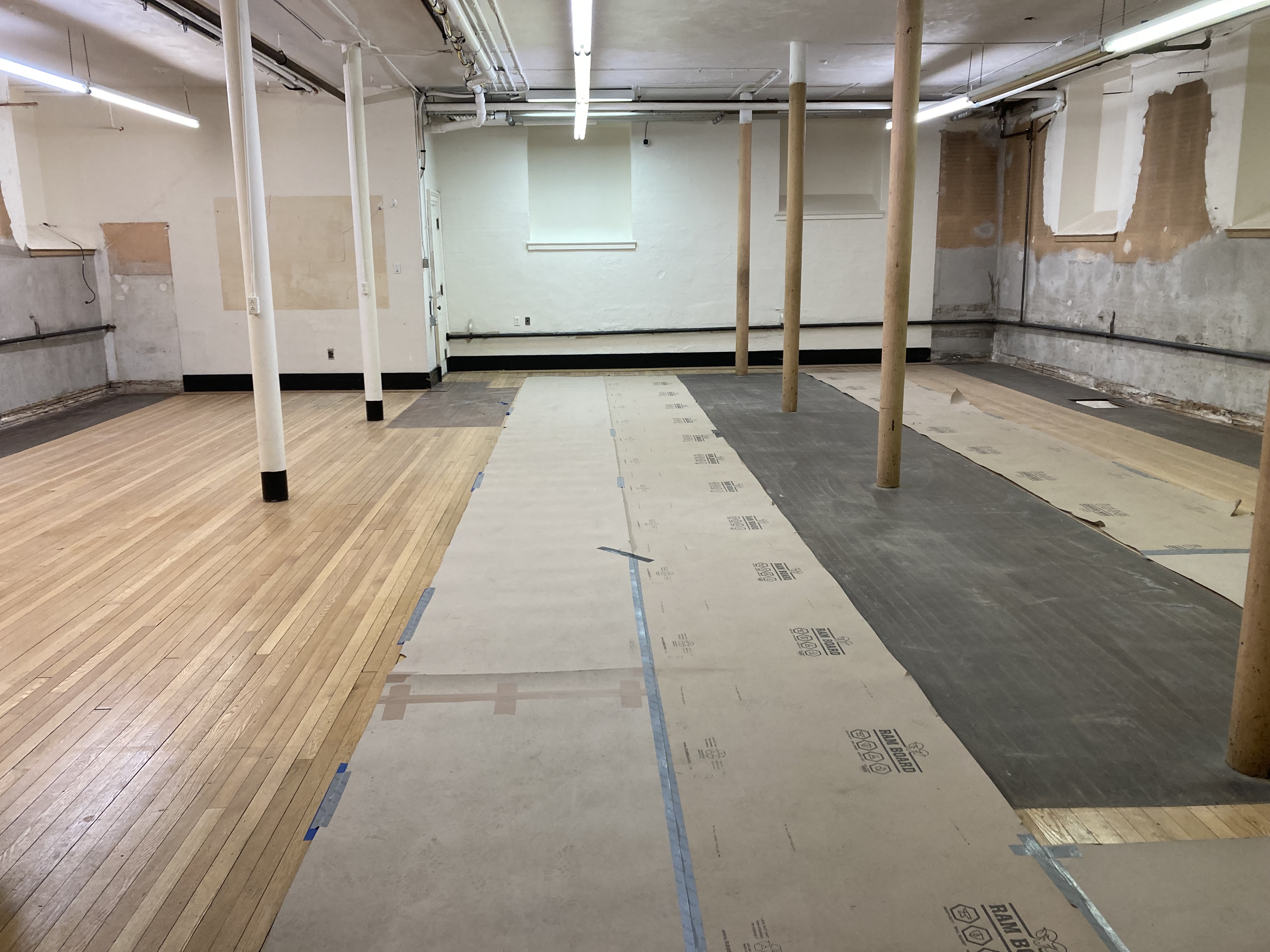
Since my last update, the full collection has been relocated within the building, asbestos has been remediated, the old storage bays have been demolished, and staff transitioned to working at small folding tables.  We made the move to our temporary office space on-campus and are beginning to settle in.

So much credit goes to the Peabody staff members (and past interns) who collaborated to facilitate keeping the collection safe and organized during this process – thank you all!

We will keep you updated on progress as we are able.

This project will rely on philanthropic support from our donor community. To help advance this critical renovation, please contact Beth Parsons, director for museums and educational outreach, at 978-749-4523 or bparsons@andover.edu.

Pueblo Revolt at ASECS

Contributed by Ryan Wheeler

At this year’s American Society for Eighteenth Century Studies (ASECS) conference, I had the opportunity to participate in the roundtable Teaching the Global Eighteenth Century. Phillips Academy instructor in history and social sciences Natalya Baldyga and I presented Assimilation, Acculturation, Catachresis, and Syncretism: Employing Archaeology to Foreground Indigenous Resistance in the Spanish Southwest, sharing our experiences teaching the Pueblo Revolt of 1680 to History 200 classes at the Academy.

Contemporary Indigenous artist Jason Garcia’s take on the Pueblo Revolt combines traditional materials and methods with graphic designs depicting Po’Pay, the architect of the revolt, as a comic book superhero. These two pieces are in the collection of the Robert S. Peabody Institute of Archaeology–you can see the vessel on the right in the inaugural exhibition of the Smithsonian’s National Museum of the American Latino.

If you are not familiar with the Pueblo Revolt, it is a pivotal moment in the history of the Southwest and the modern descendants of those who fought Spanish colonization at the end of the seventeenth century. Our abstract has a little more information on the Revolt and our approach:

Using the case study of the Pueblo Revolt of 1680, our presentation illustrates how archaeological artifacts can be employed to unsettle and decenter colonial narratives by refocusing the North American story of the early eighteenth century on Indigenous peoples of the Spanish Southwest. Too often, Anglophone histories associate the long eighteenth century in the Americas with English colonialism in general, and with the American Revolution in particular. We ask students to consider instead the “first American Revolution,” in which the Pueblo Peoples, led by the Tewa religious leader Po’pay, confronted missionaries and soldiers in the Spanish borderlands of what is now New Mexico. In our classes, students explore both artifacts from the Pueblo Revolt and contemporary Puebloan artistic responses to the historical event, foregrounding Indigenous resistance and survival over tales of erasure and domination. This approach both reorientates students’ understanding of colonial North American history towards wider global narratives of European expansion, and, perhaps more importantly, introduces students to multiple ways that Indigenous peoples adapted to, resisted, and overcame the efforts to erase their cultural identities and physical existence.

Drs. Wheeler and Baldyga also celebrated their anniversary during the conference.

The Peabody Institute has long offered various versions of a Pueblo Revolt lesson, but the current iteration has greatly benefitted from Dr. Baldyga’s experience and training. Together we’ve developed the lesson, typically delivered in the world history survey course for tenth grade, providing students with anthropological concepts, like assimilation and catachresis, that they can use in other settings, as well as foregrounding contemporary Indigenous perspectives and objects directly related to the Revolt. Conversations with other participants in the workshop were productive, especially in their pedagogical approach to topics like the production of sugar.

Building Update!

Contributed by Marla Taylor

The Peabody is currently in the pre-construction phase of a much-needed building update!  This is Phase 1 of a two-phase project.

The project has three main goals:

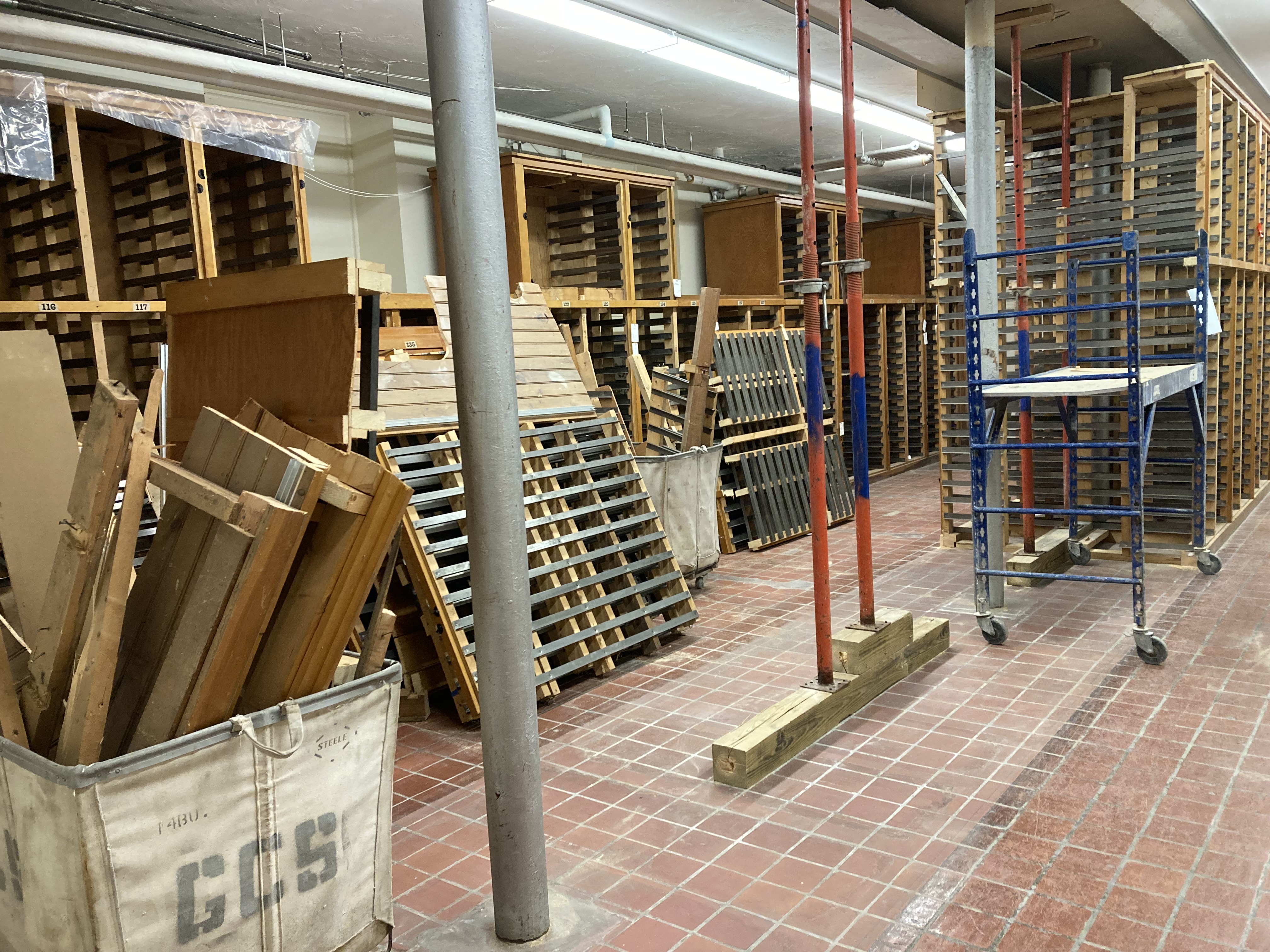
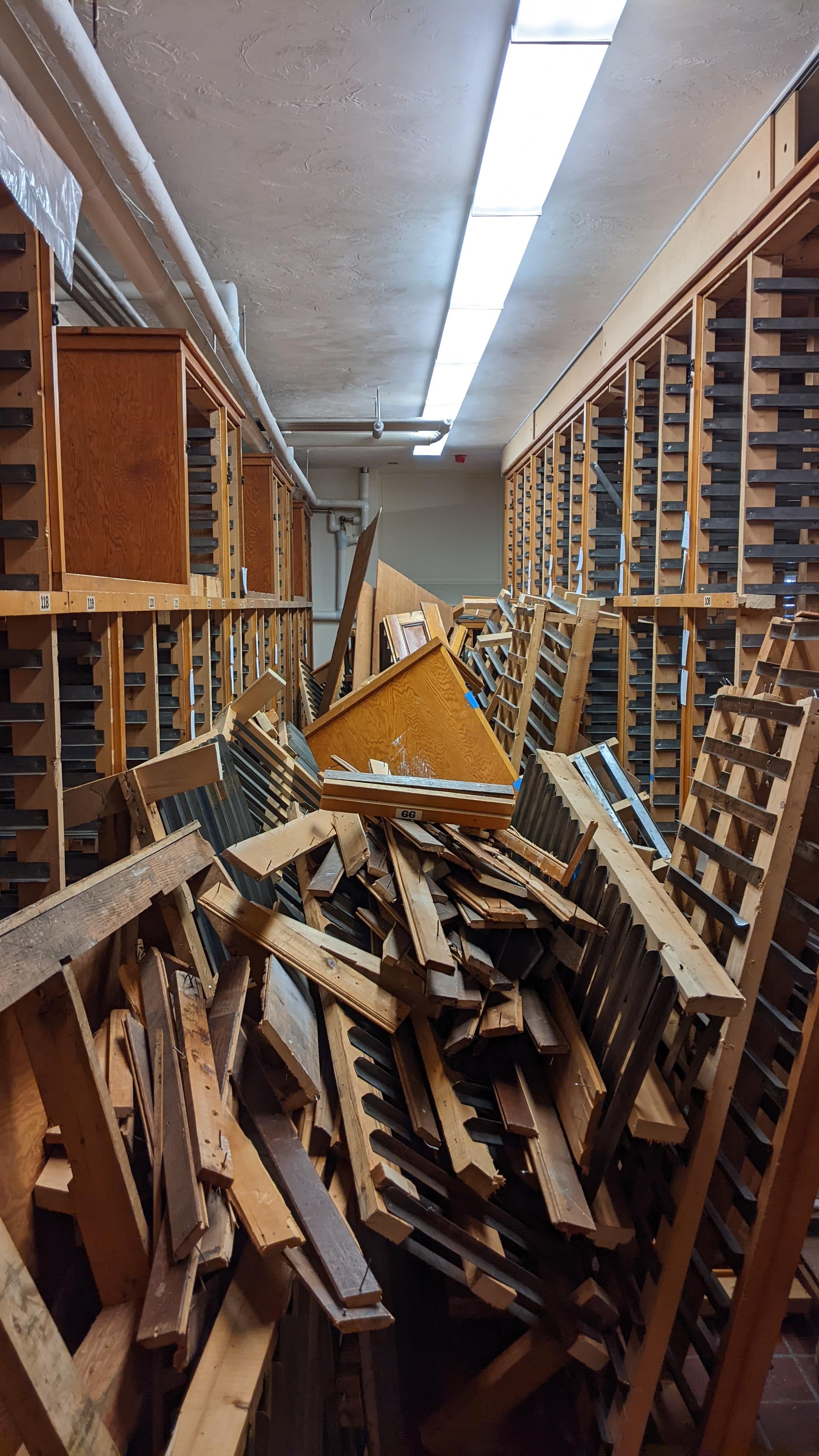
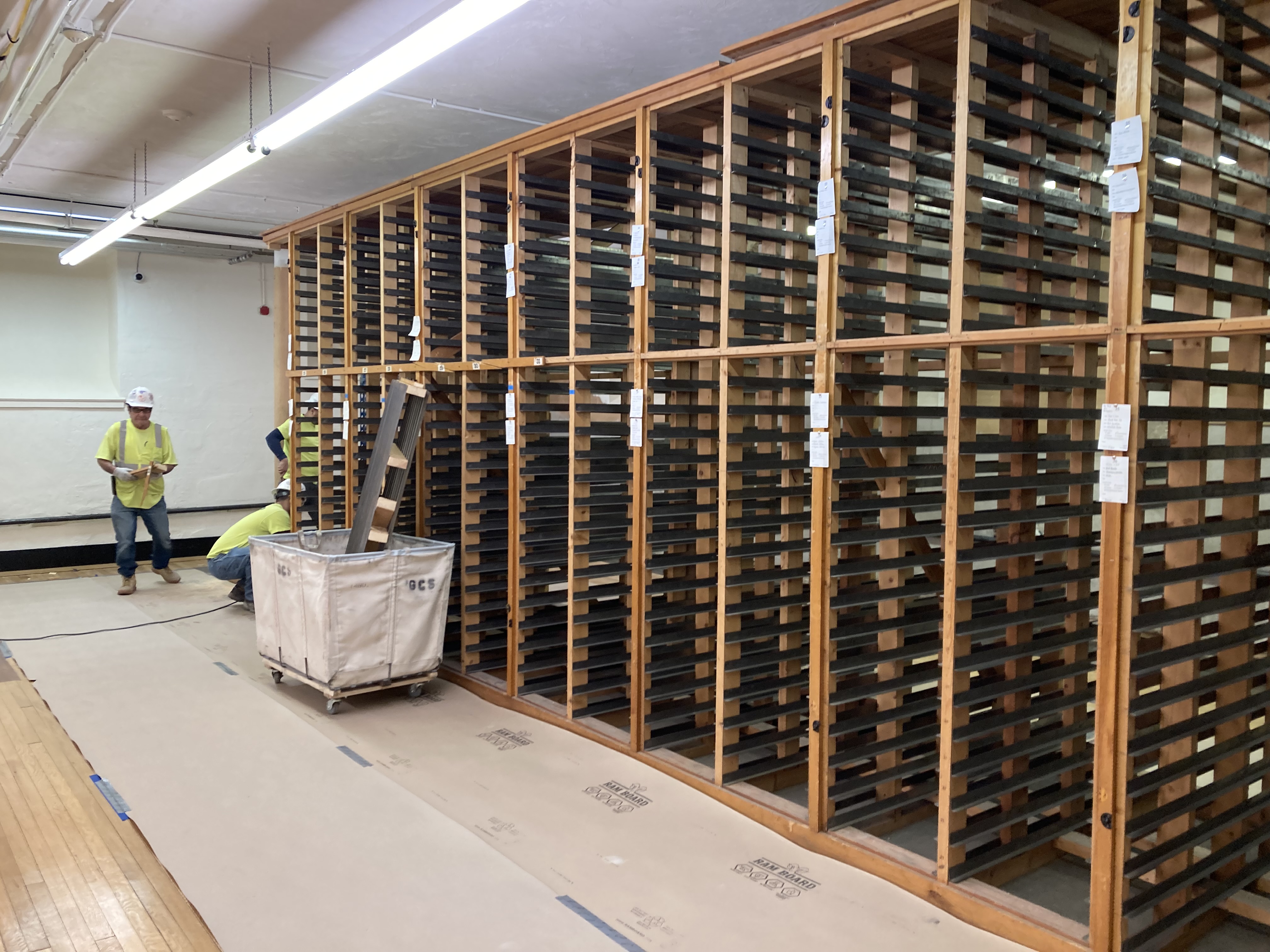
  • Replace the current basement shelving (that was constructed in the very early 1900s) with modern mobile shelving
  • Provide HVAC and sprinklers for the collections areas
  • Install an elevator and meet other code compliance issues

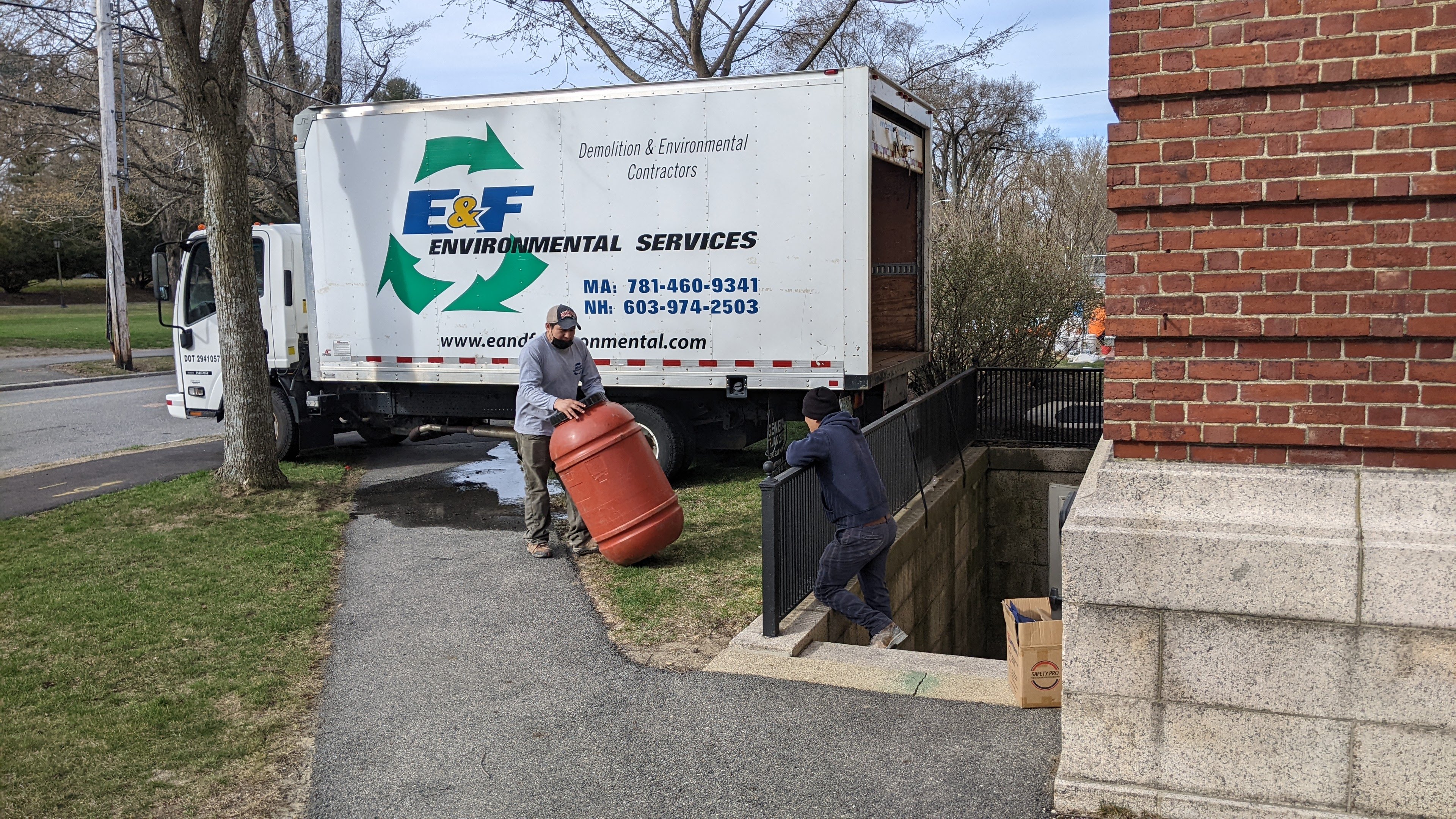
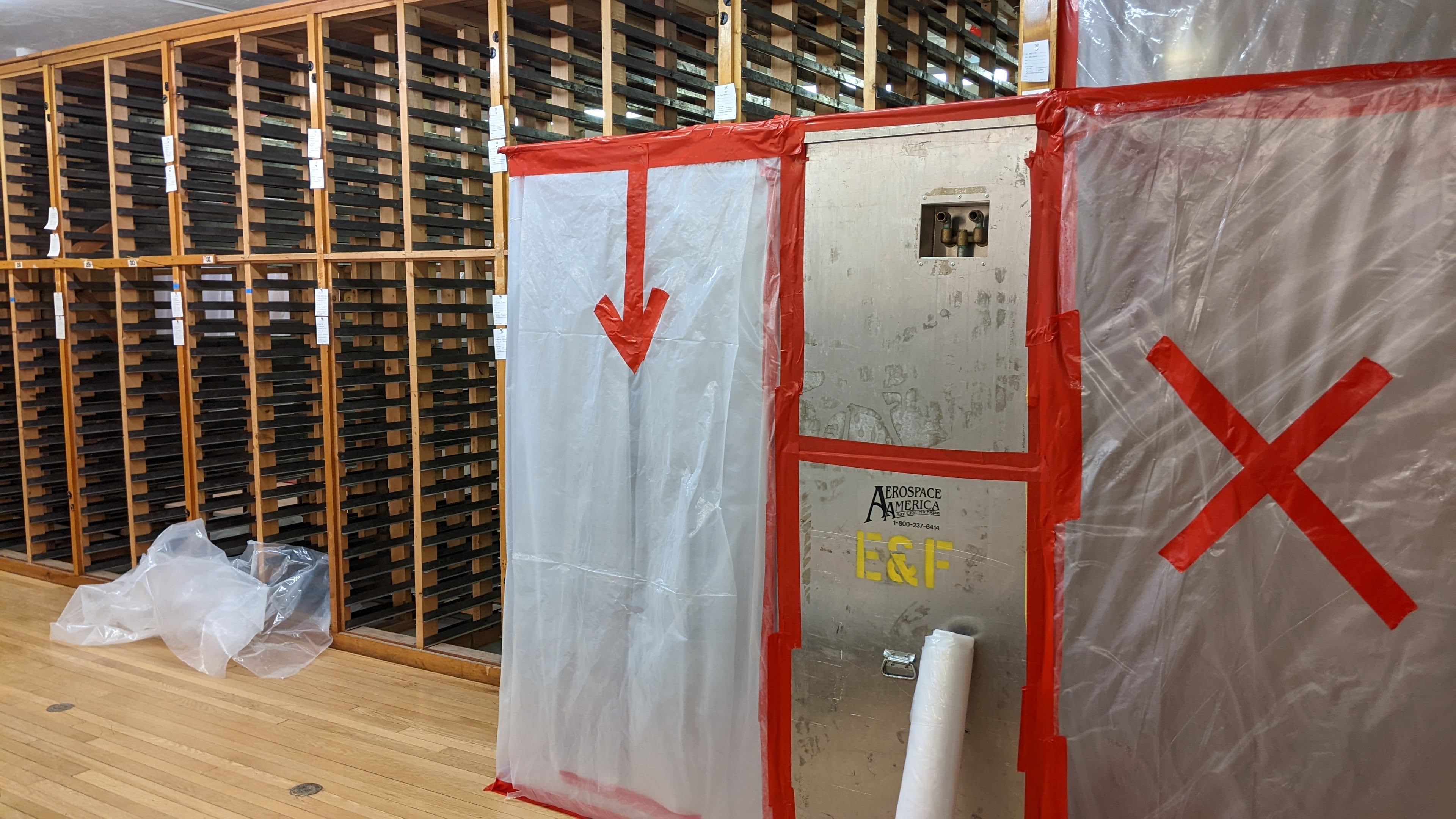
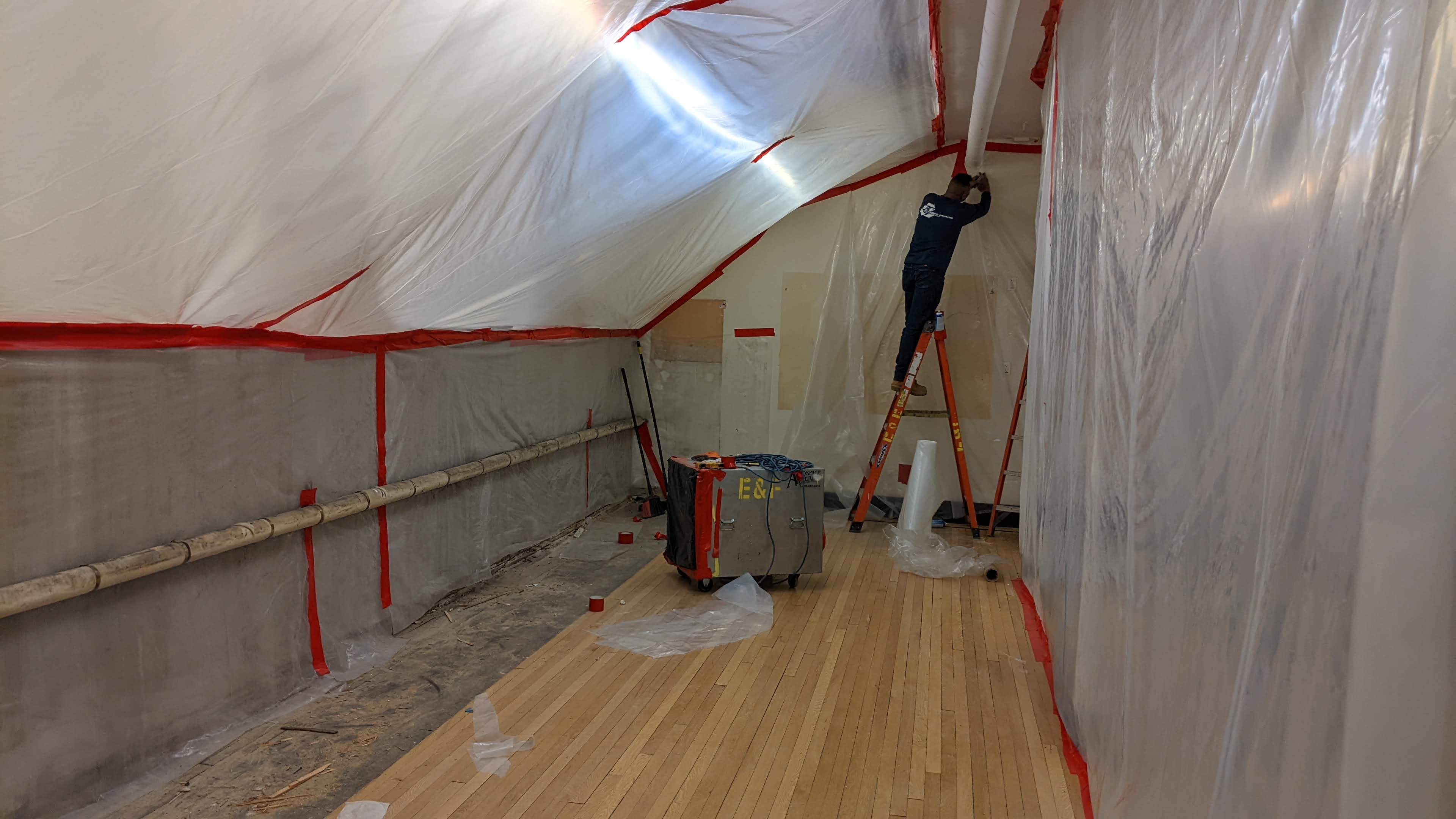
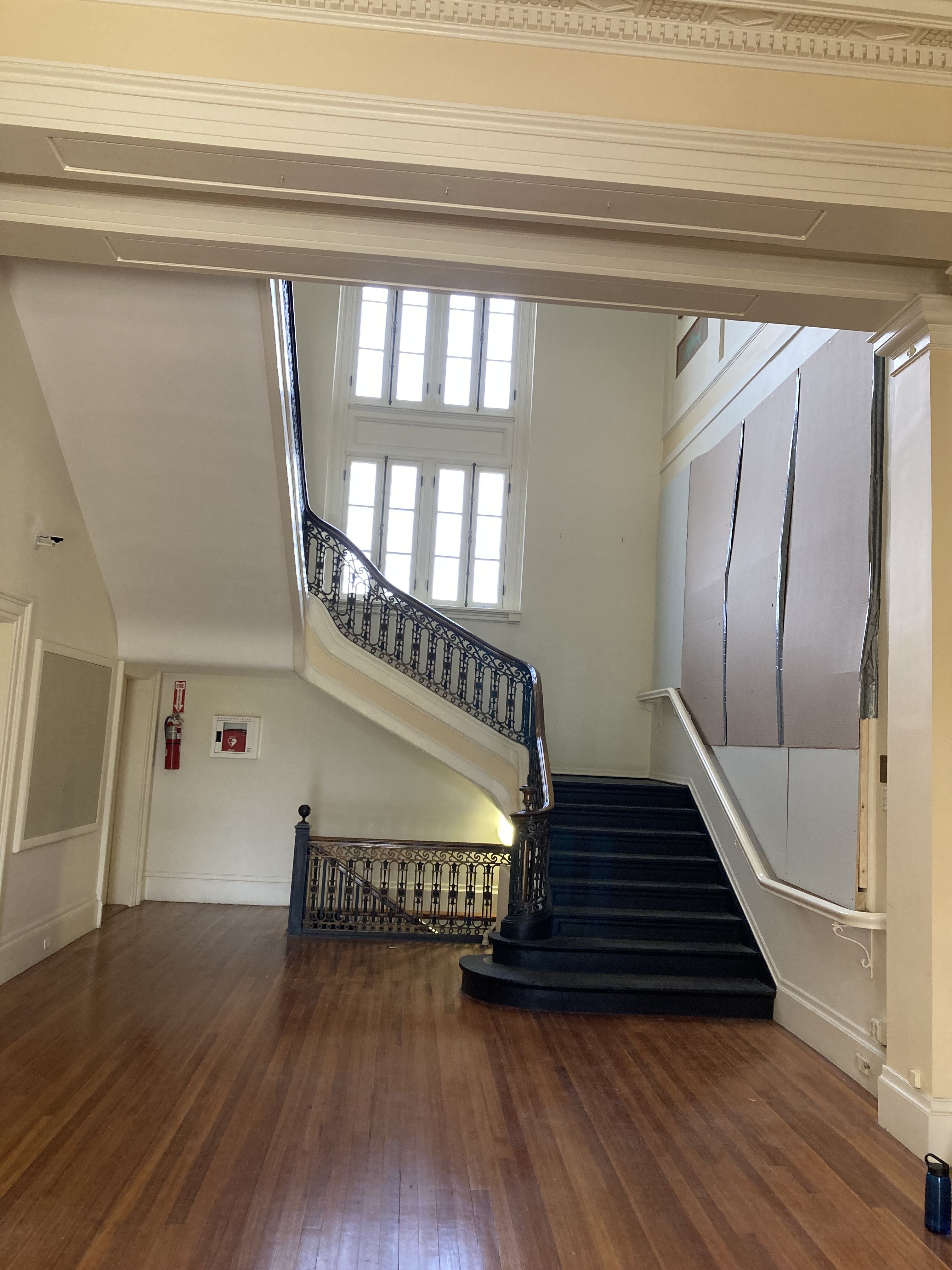
The Peabody staff have been working diligently to ensure the safety of all the collections during this work.  We have coordinated with the construction company, security vendors, tribal partners, and our Phillips Academy project manager to make the project a success.  There is still a lot to do – and construction hasn’t even started yet!

Here are some photos of the work as it has been happening:

This project will rely on philanthropic support from our donor community. To help advance this critical renovation, please contact Beth Parsons, director for museums and educational outreach, at 978-749-4523 or bparsons@andover.edu.