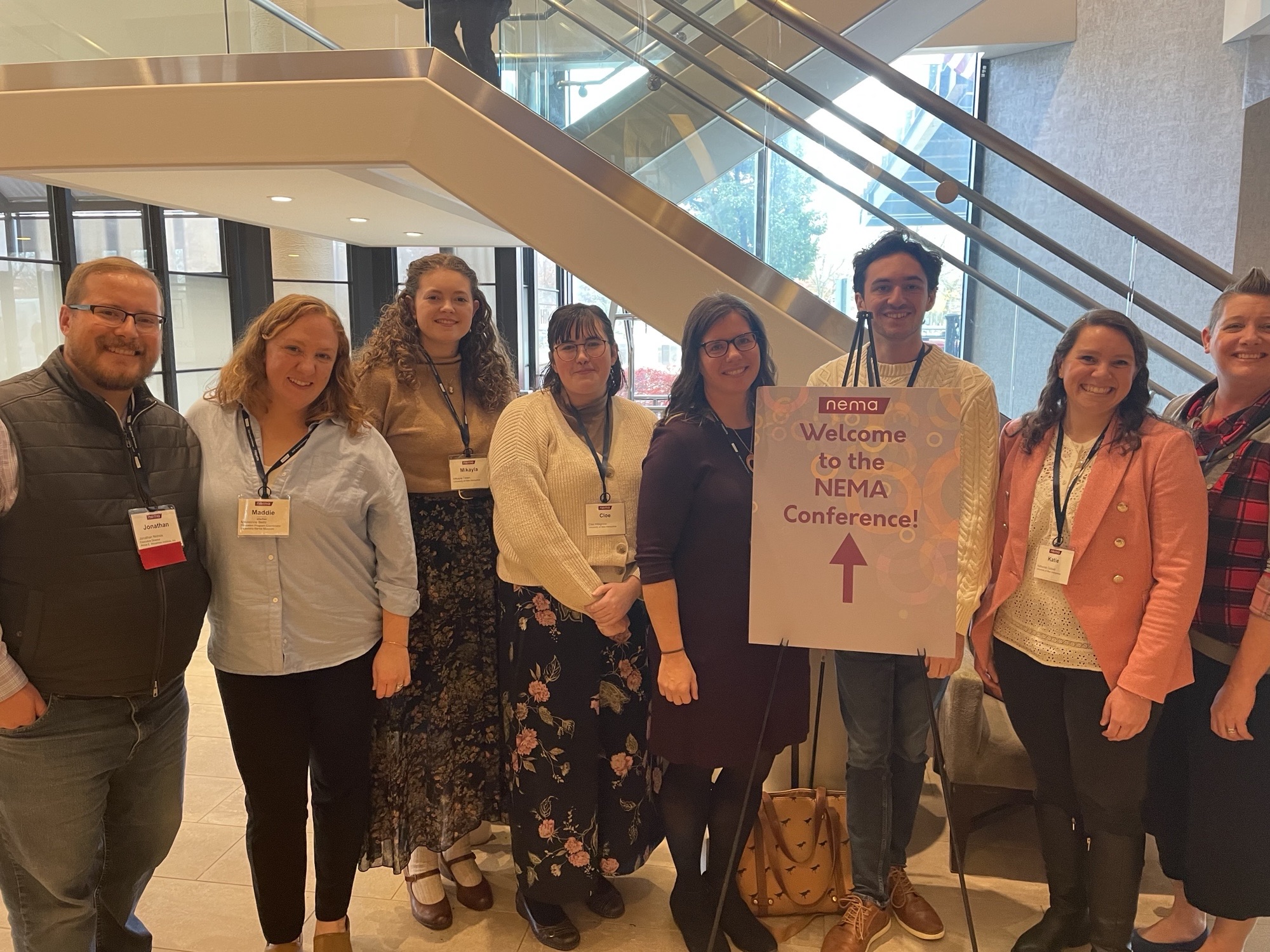
The New England Museum Association (NEMA) held their annual meeting in November in Manchester, New Hampshire. Billed as a Wellness Check: A Holistic View of Museums in the First Quarter Century, topics ranged from how climate change can affect collections to telling LGBTQ stories to supporting mental health for museum staff. It was illuminating and validating to hear so many colleagues exploring how to make their museums as welcoming, financially sustainable, and diverse as possible.
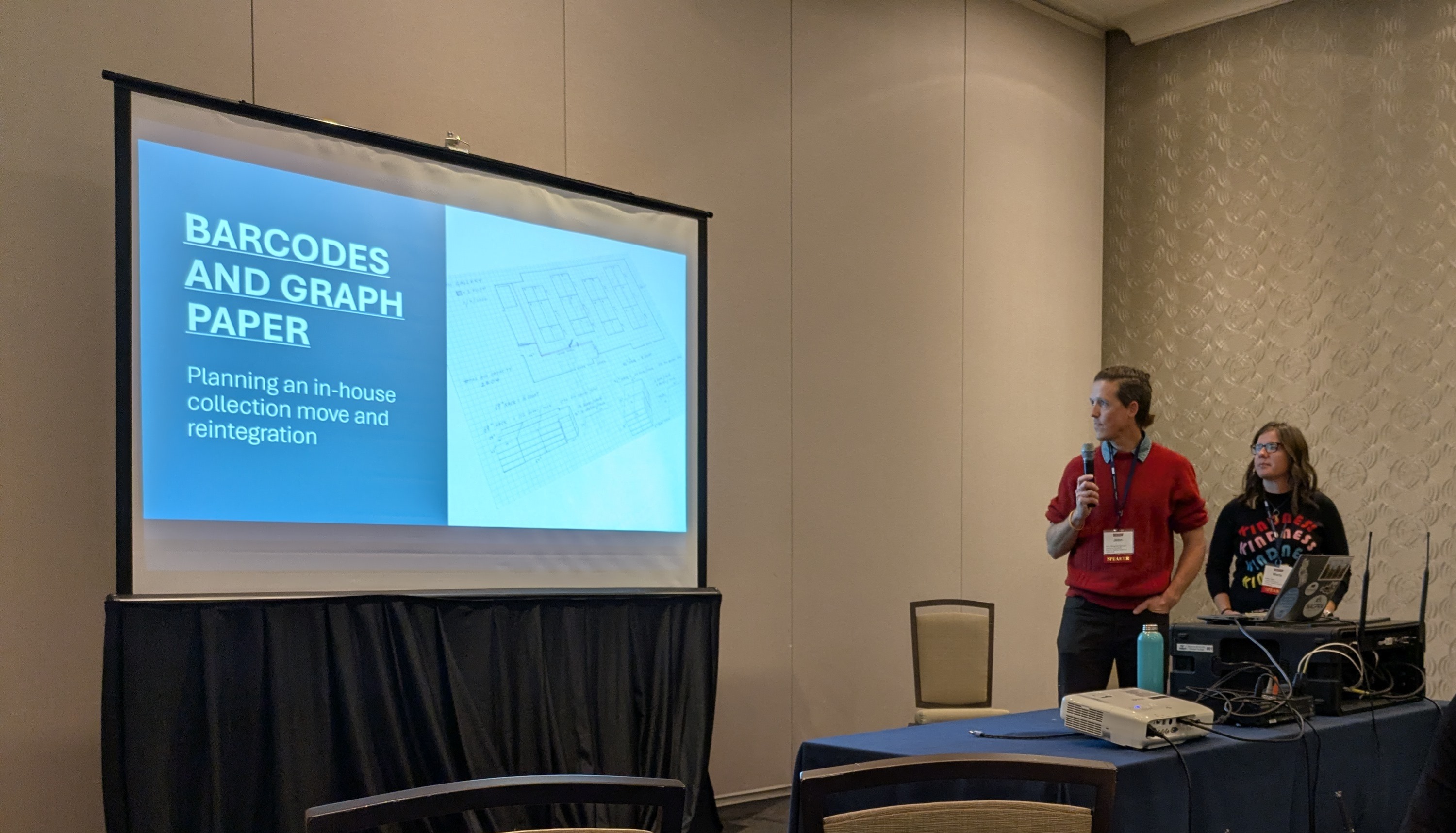
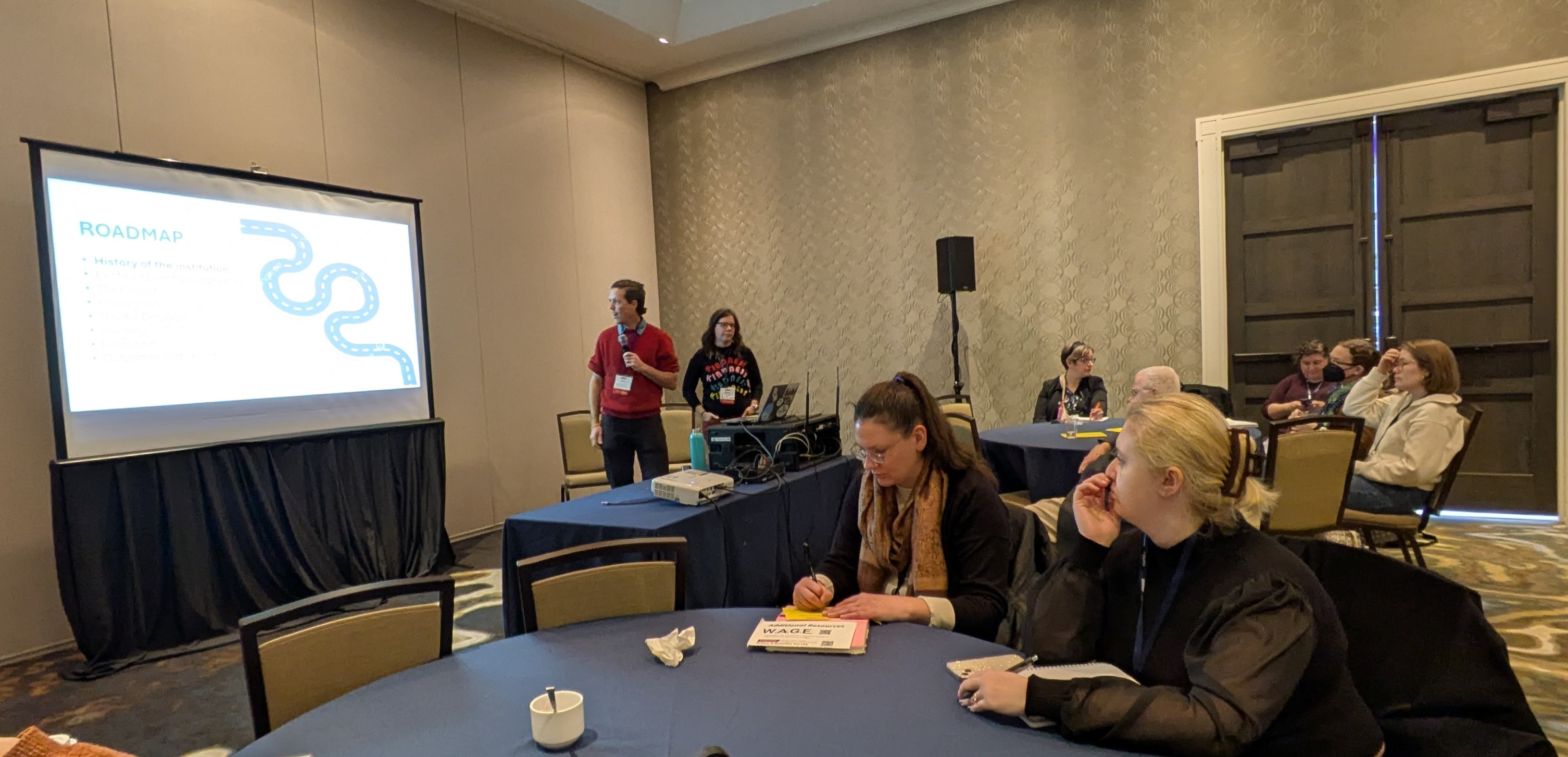
John Bergman-McCool, the Peabody’s Collections Coordinator, and I had the opportunity to share about the collections move that was part of the recent building project. Our session, Barcodes and Graph Paper, was well attended and we hope people were able to take away a nugget of advice or experience that will help them. It was a pleasure to be able to share this information alongside an amazing colleague who was invaluable to the process.
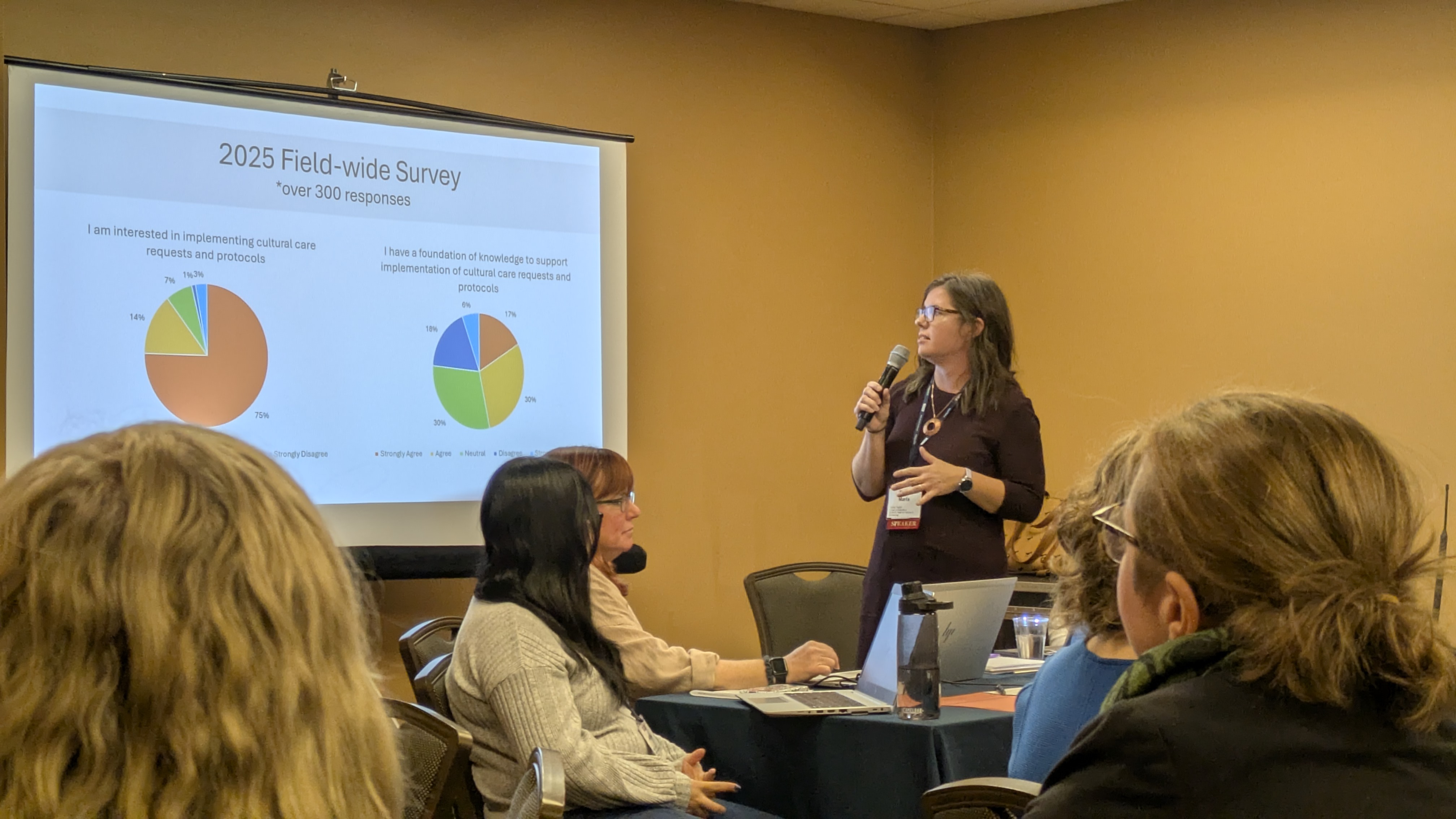
I was also a part of a session that focused on resources for museum professionals who are interested in engaging with best practices for stewarding Indigenous collections. Along with several incredible colleagues, I shared information about the Indigenous Collections Care (ICC) Guide and the Northeast NAGPRA Community of Practice (NECP).
Local Contexts was also a part of our panel. If you are in the museum world and don’t know about Local Contexts and their work – you should. “Local Contexts is a global initiative that supports Indigenous communities with tools that can reassert cultural authority in heritage collections and data. By focusing on Indigenous Cultural and Intellectual Property and Indigenous Data Sovereignty, Local Contexts helps Indigenous communities repatriate knowledge and gain control over how data is collected, managed, displayed, accessed, and used in the future.” (https://localcontexts.org/)
I am proud to be a part of the ICC Guide and NECP. Both of those communities are valuable resources to museum professionals and NAGPRA practitioners.
It was an honor to be a part of both of these sessions!
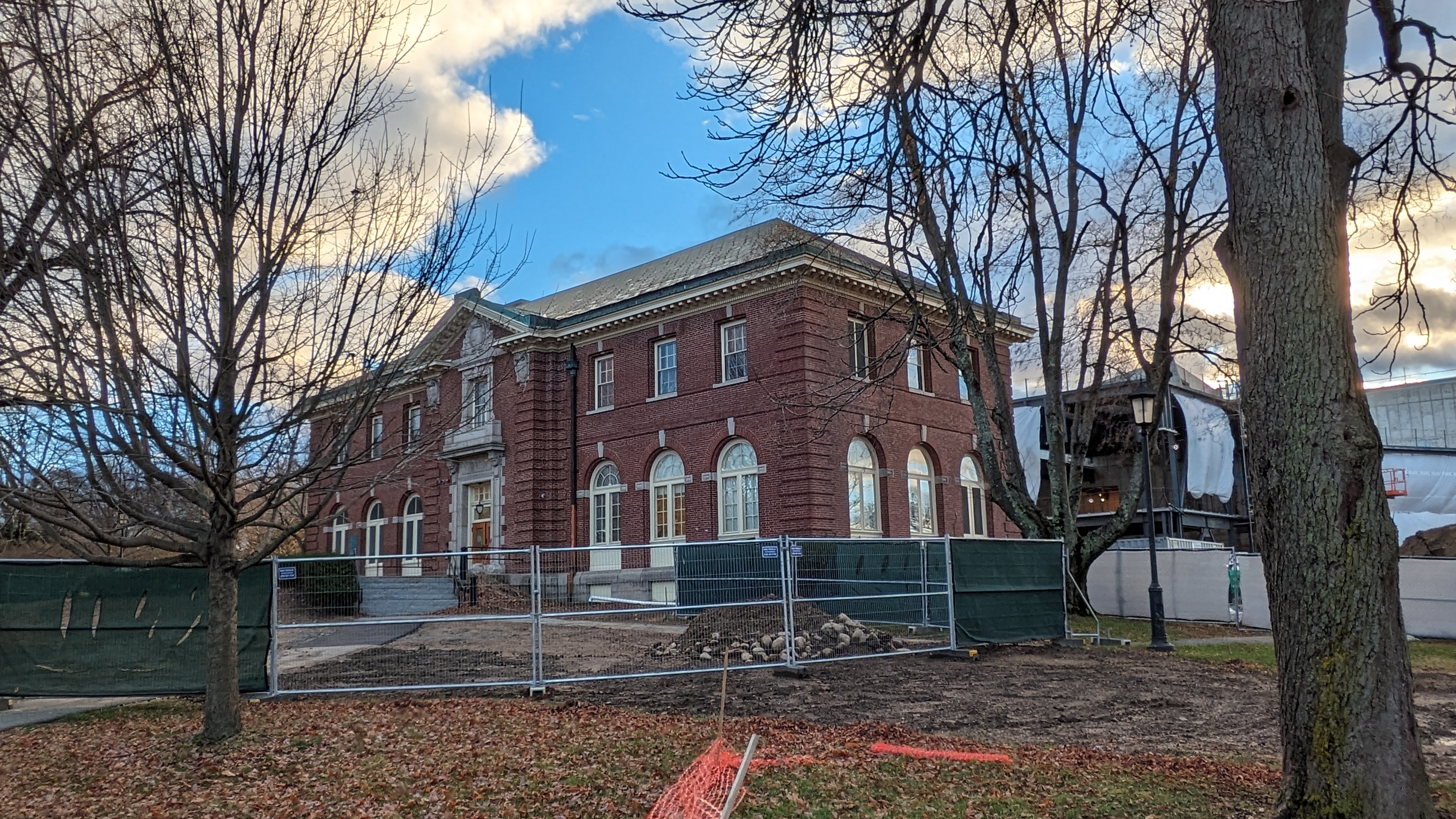
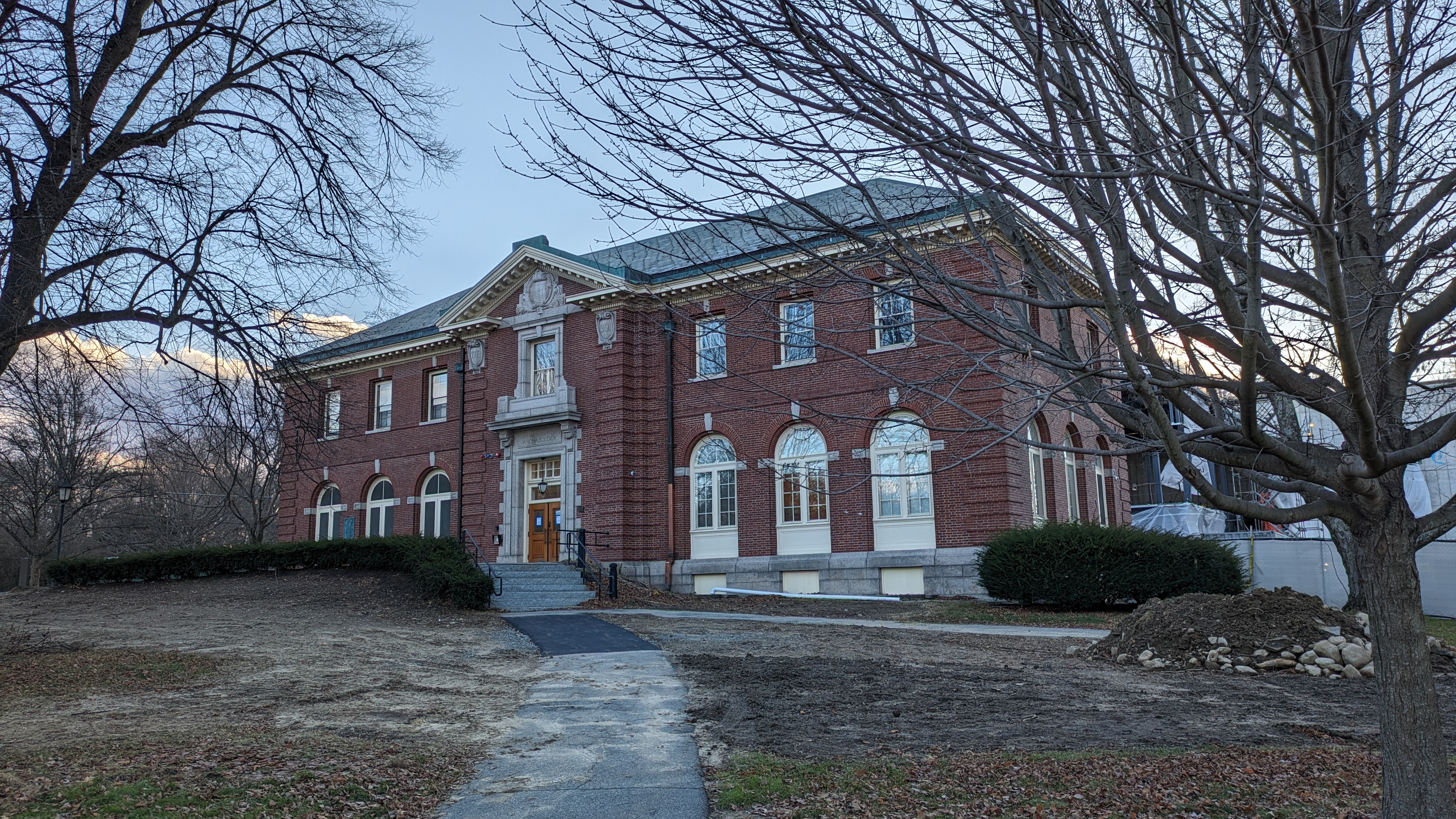
As 2023 comes to a close, so does Phase I of the Peabody building project. I am so excited and ready to get into our updated spaces and return to “normal” operations!
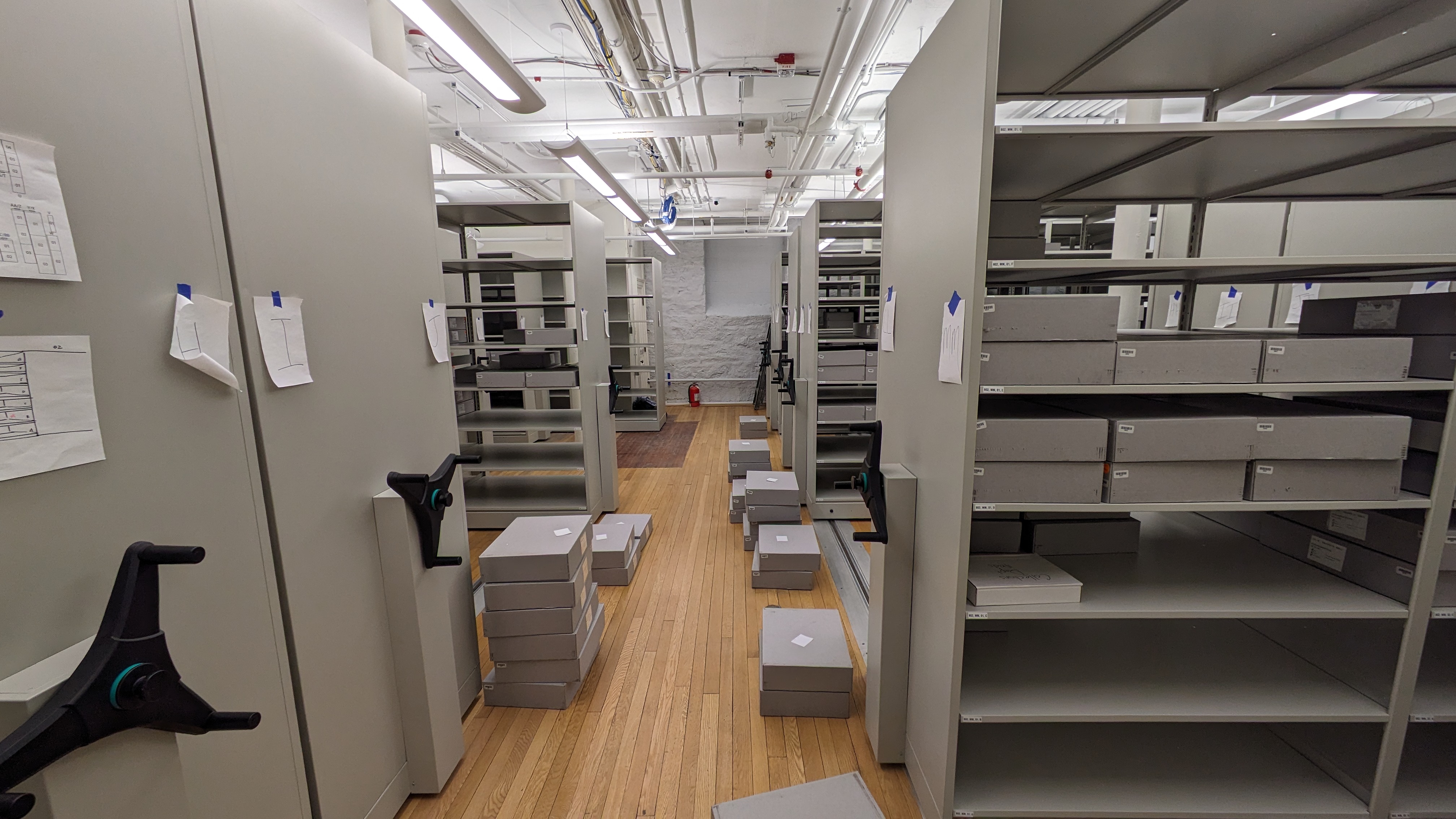
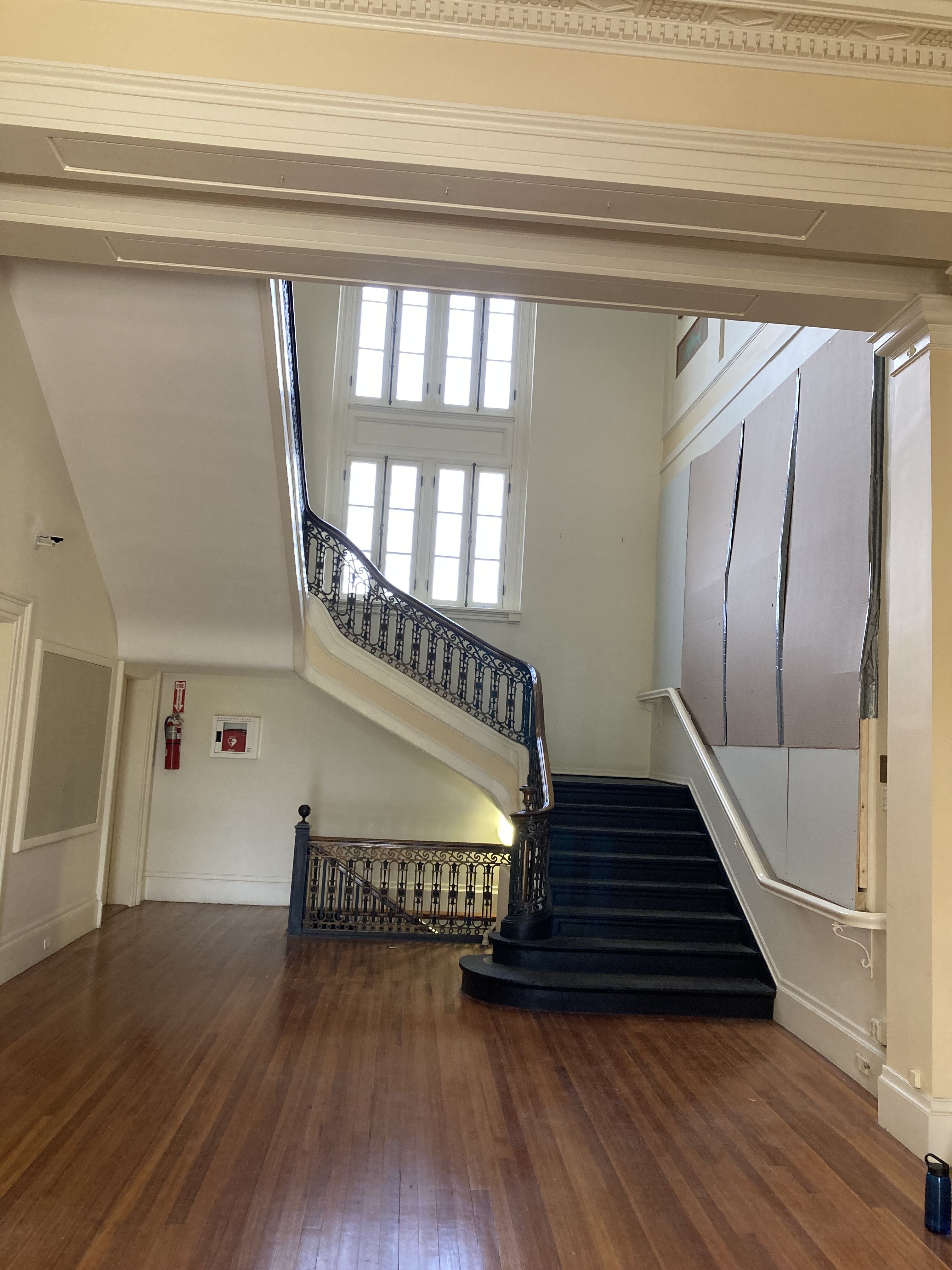
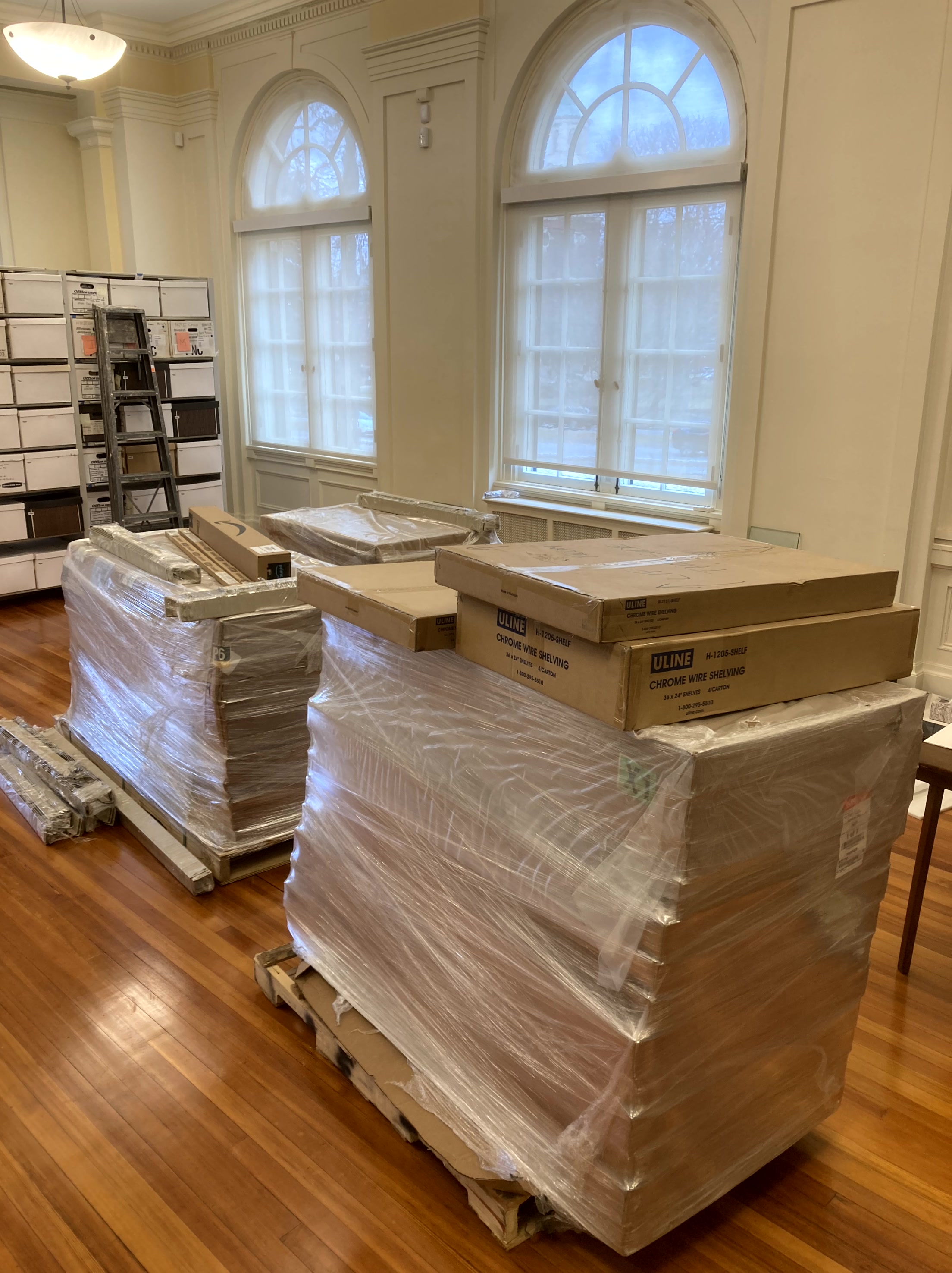
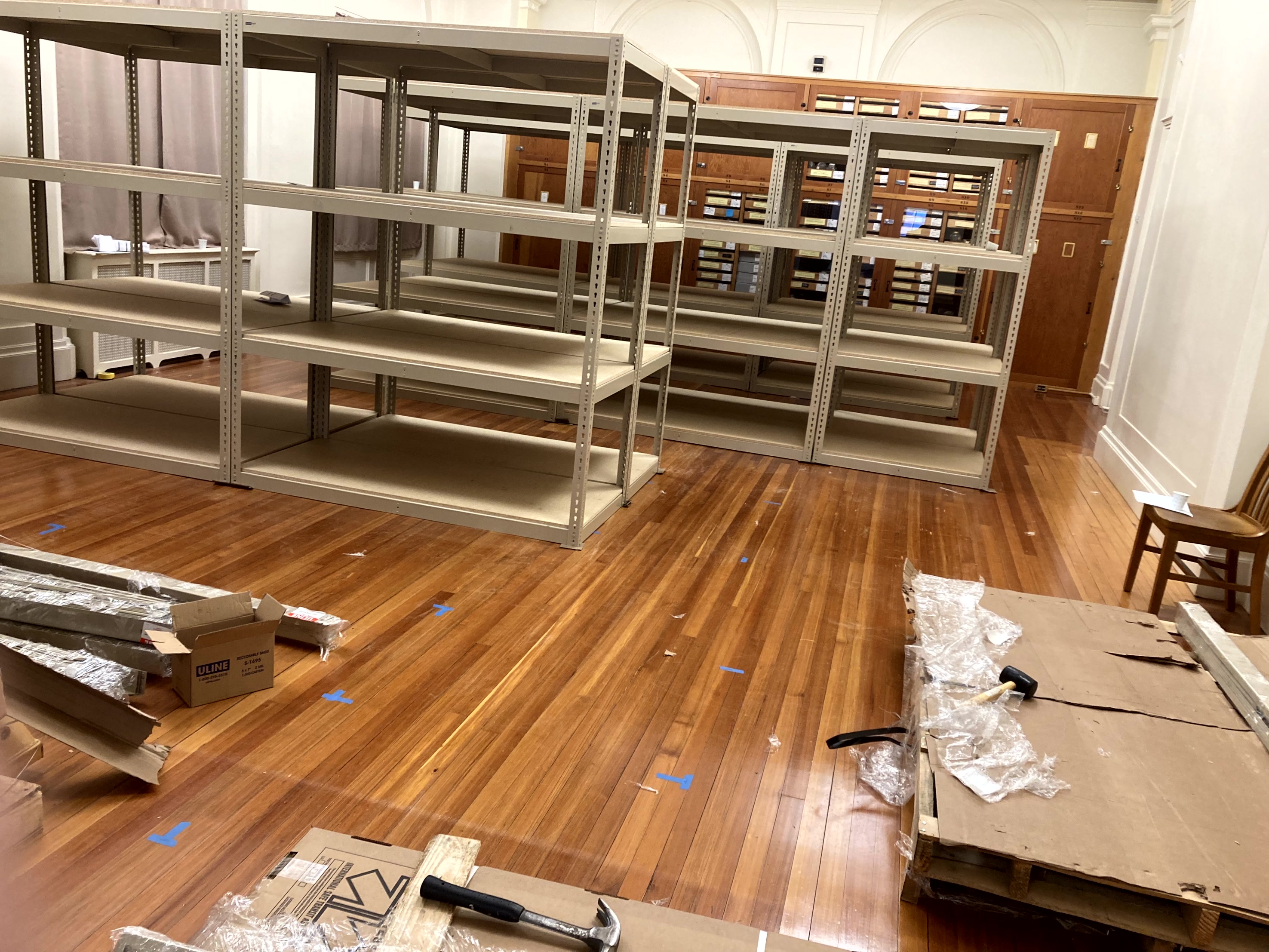
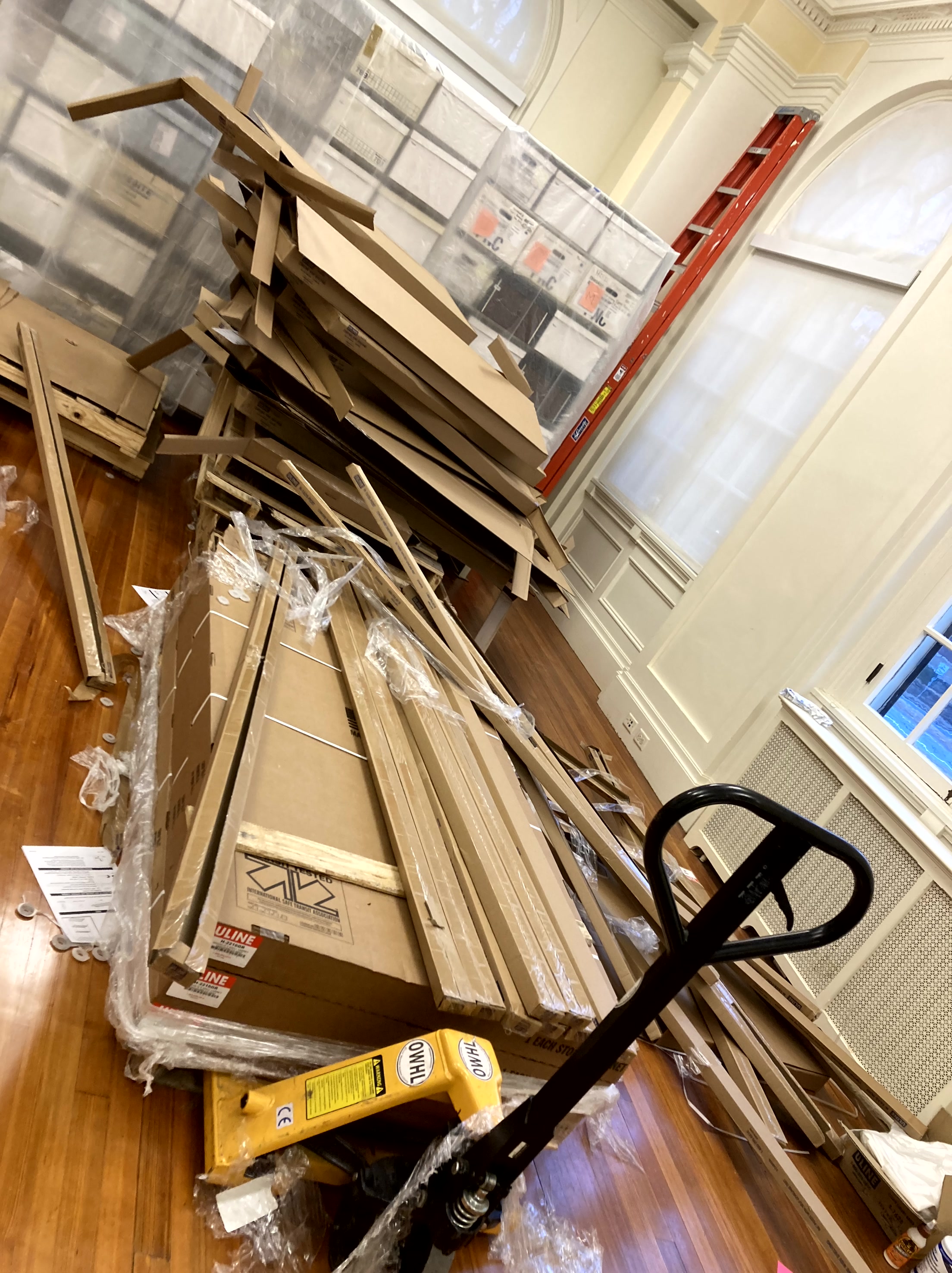
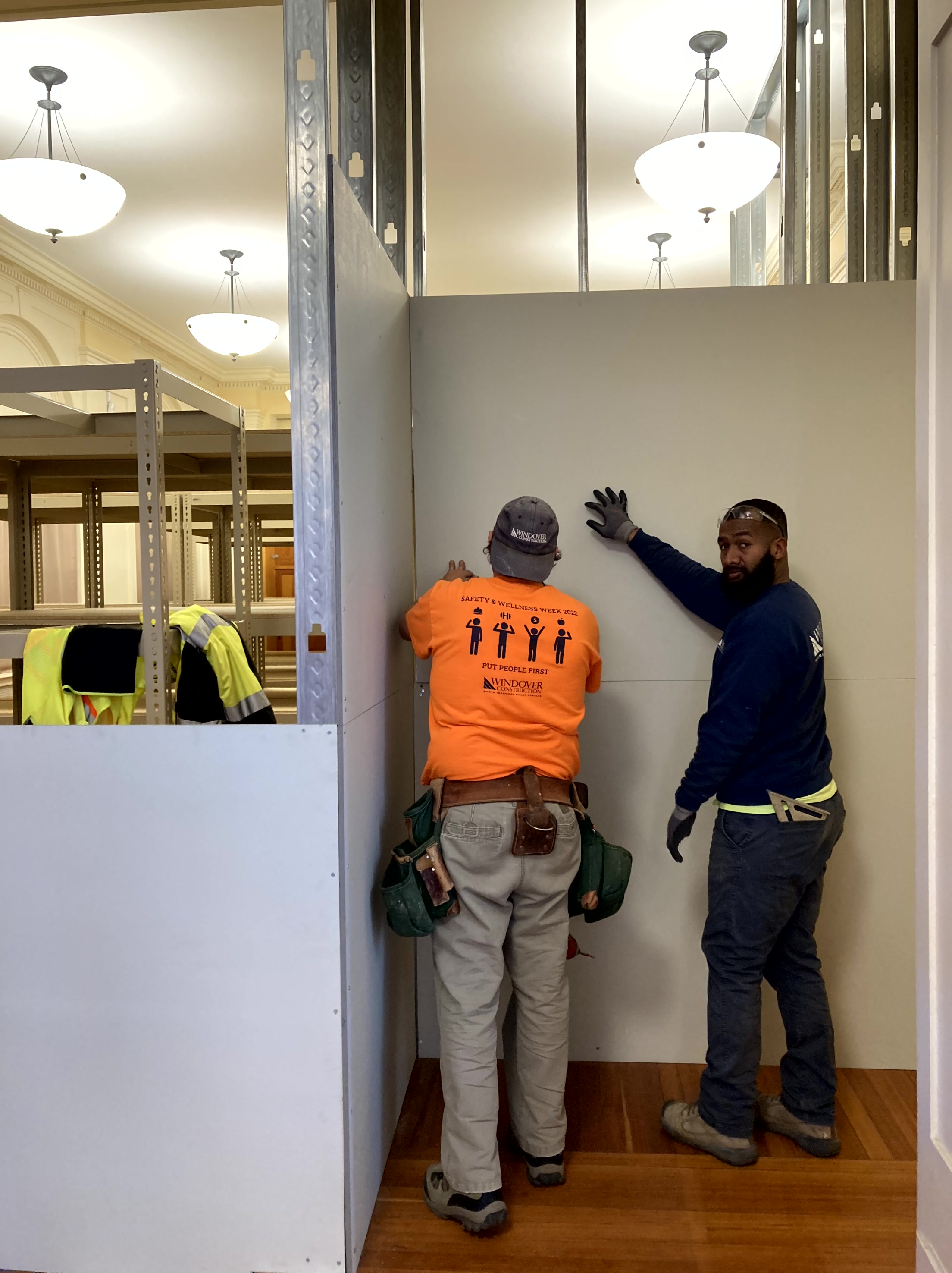
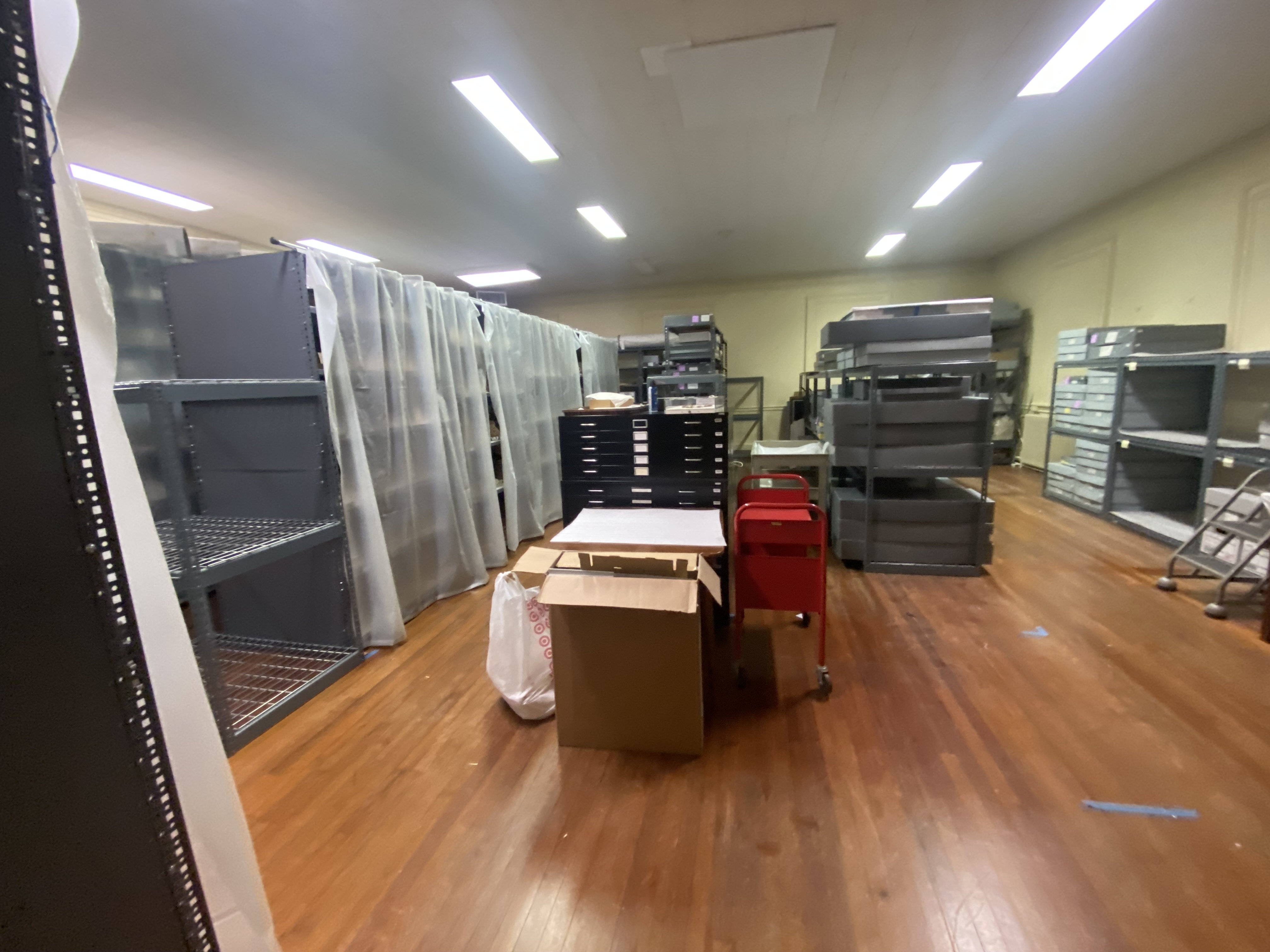
The elevator is in, the basement fire-suppression is in, the HVAC is in and the environmental controls have been adjusted, and the new shelving is nearly complete. It has been many months in the making and we are almost there!
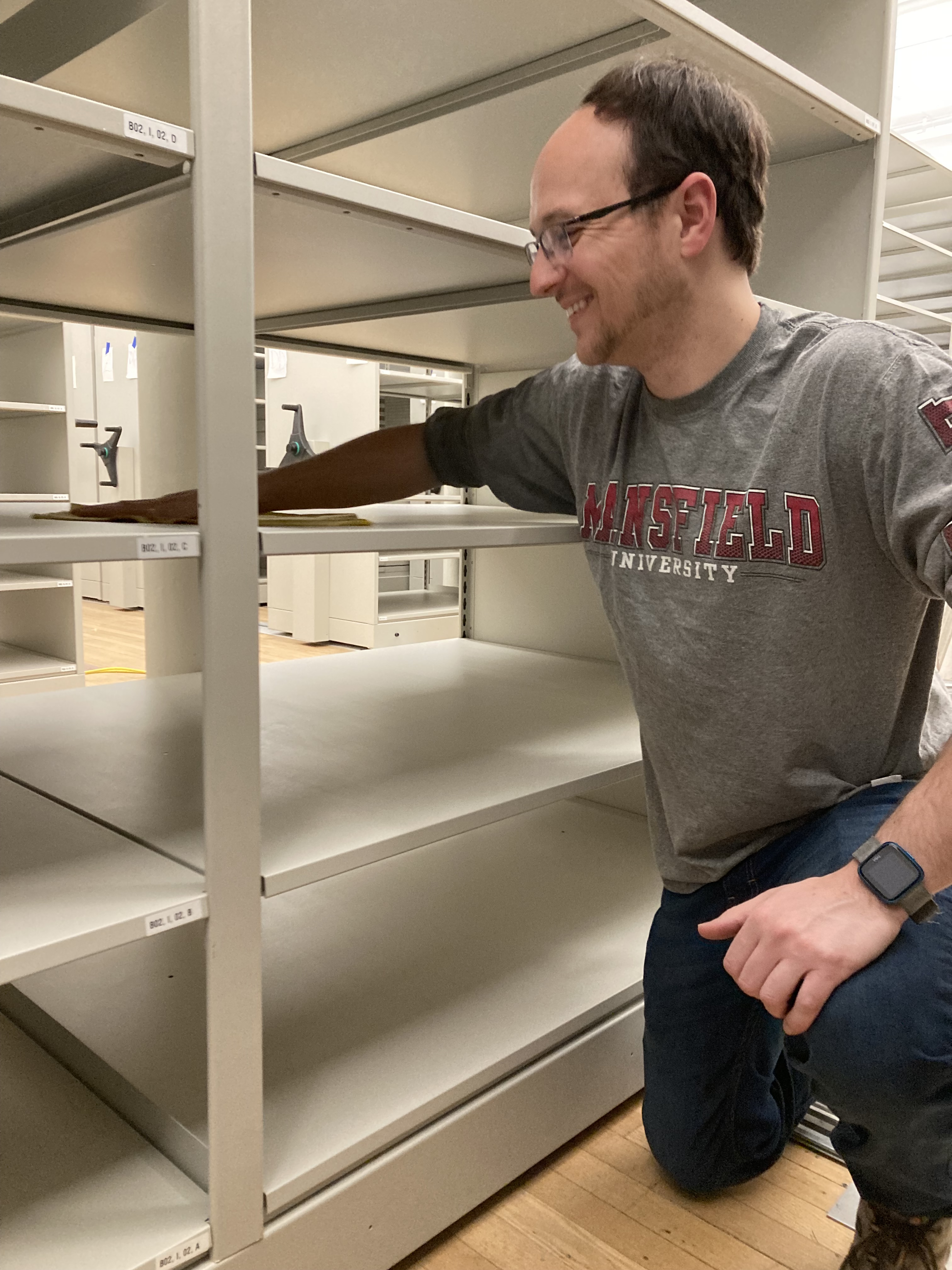
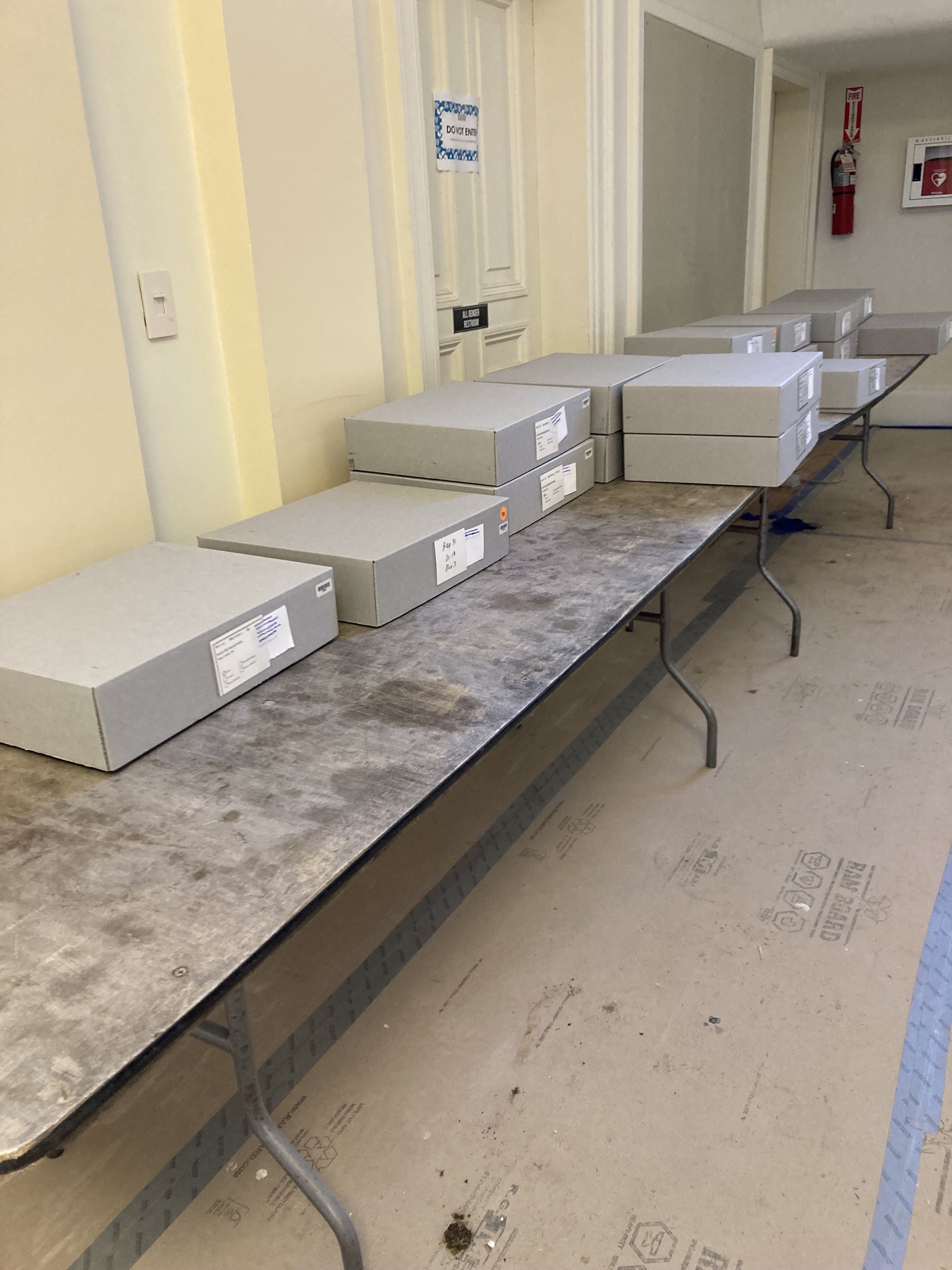
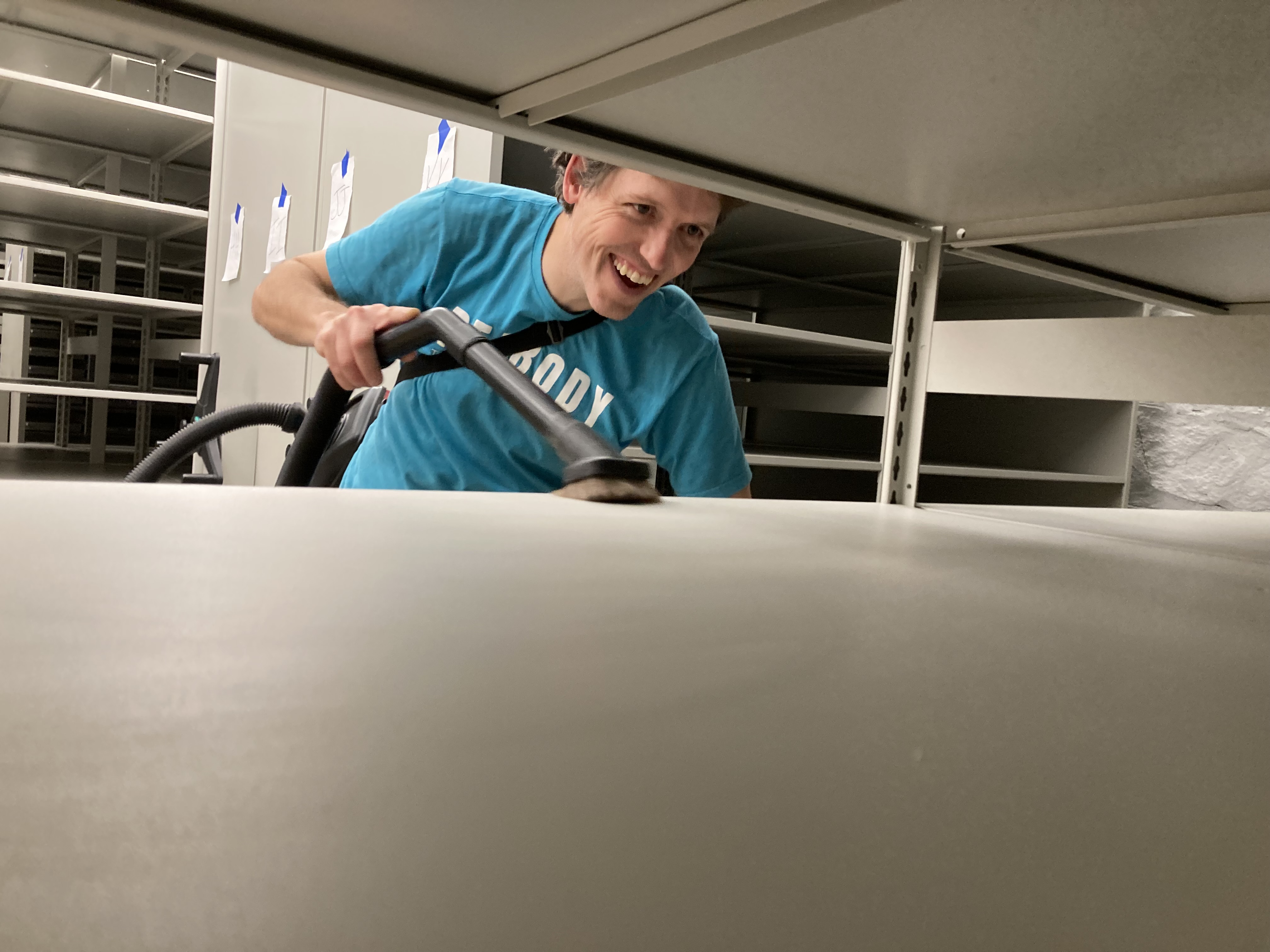
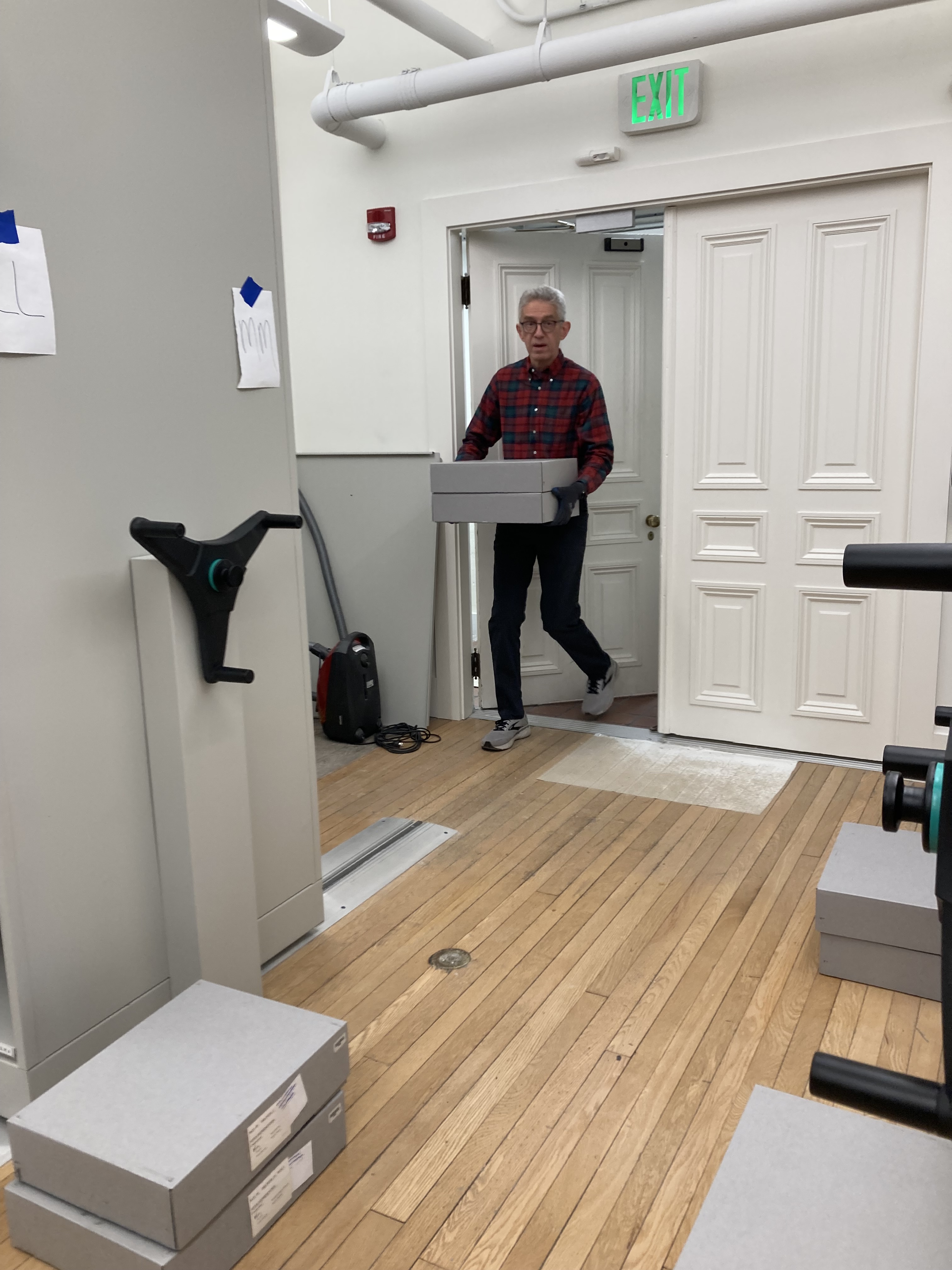
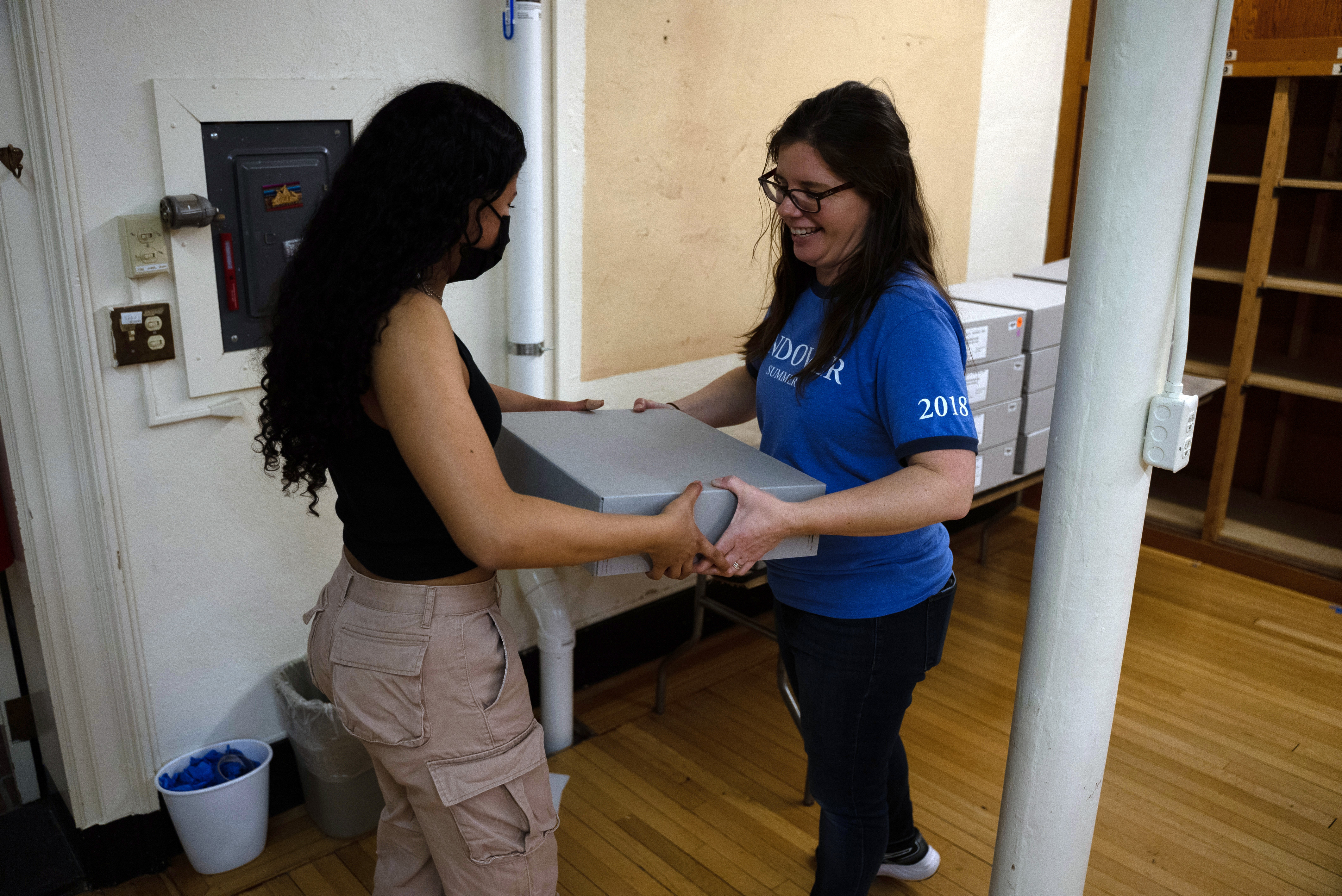
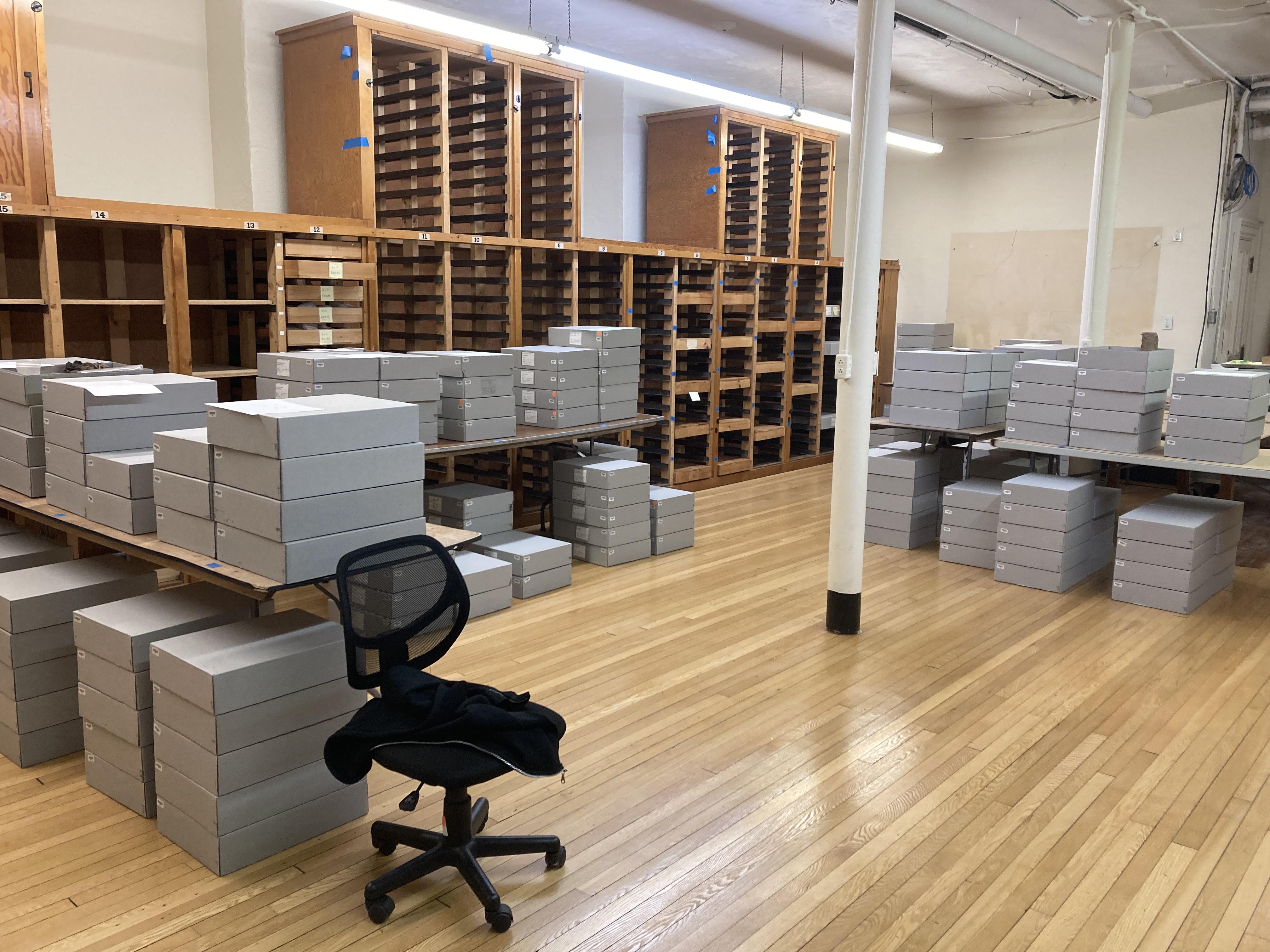
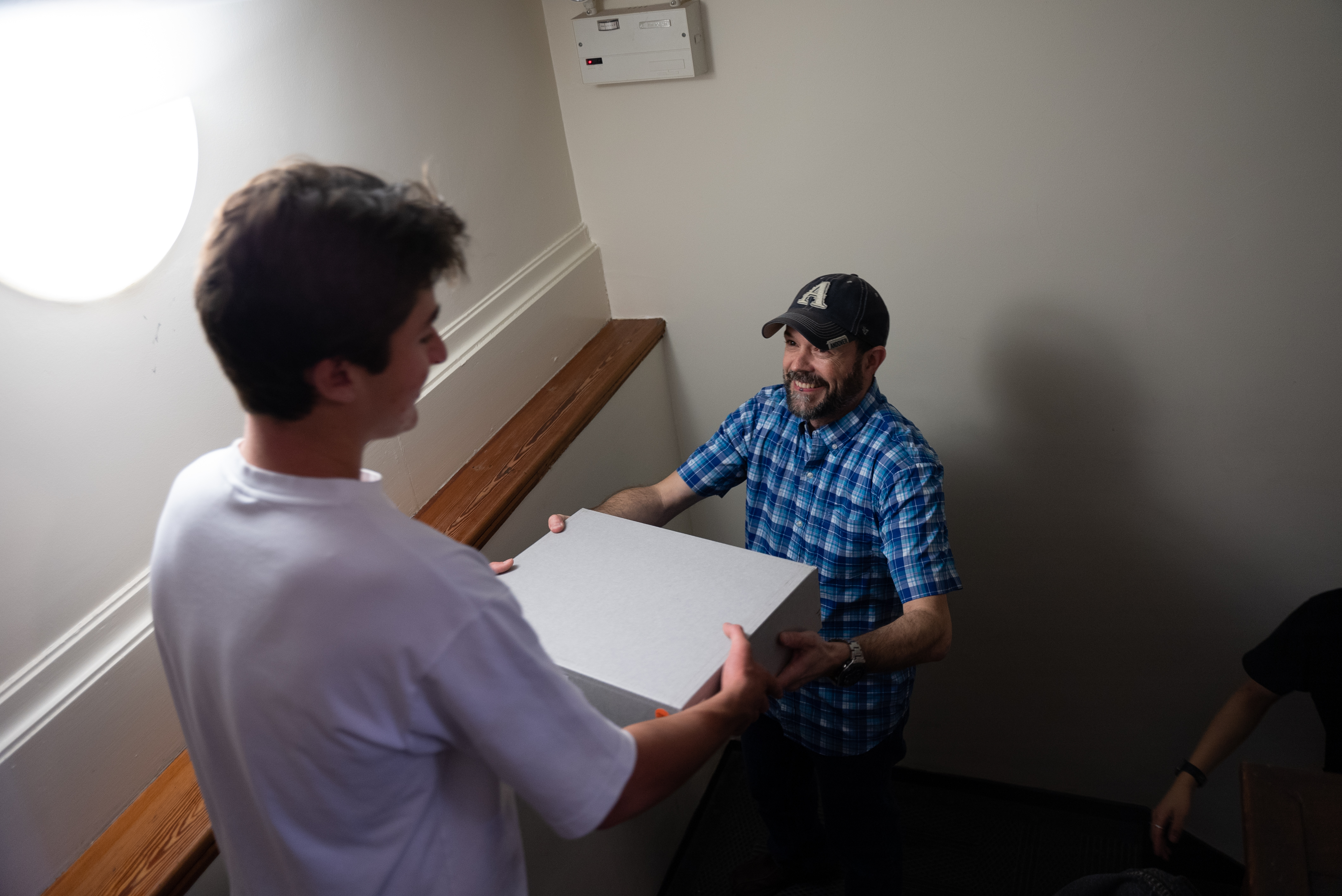
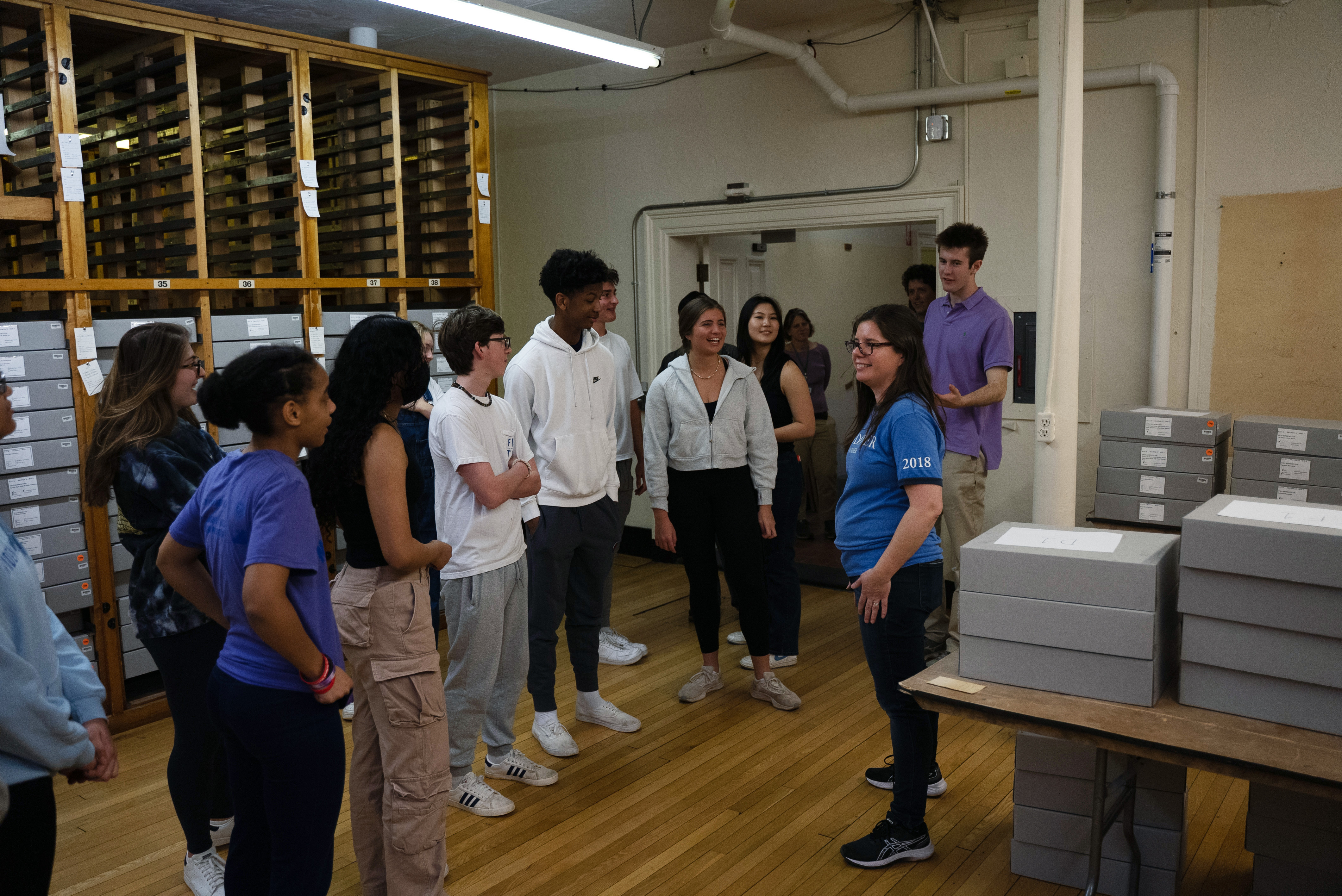
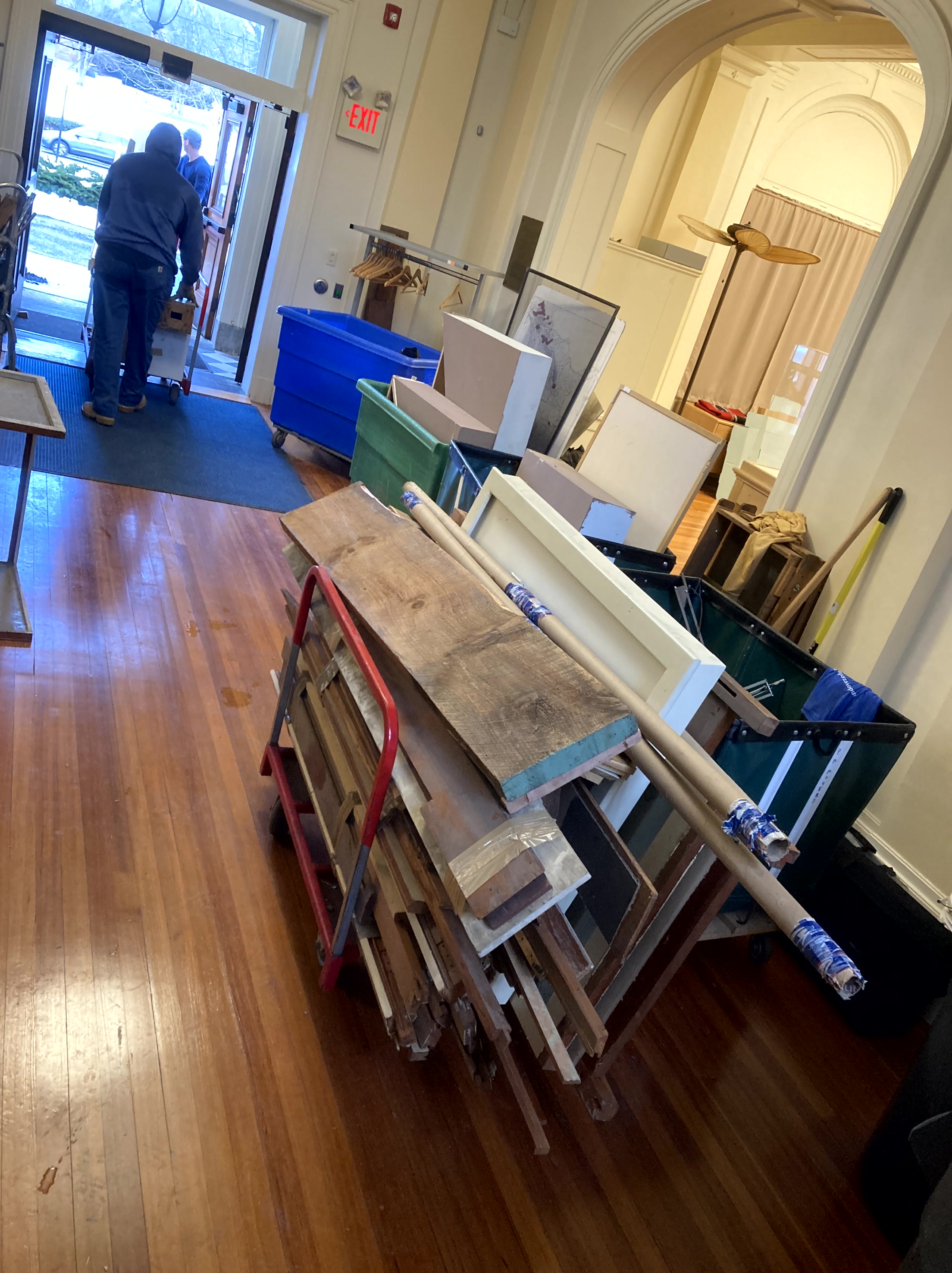
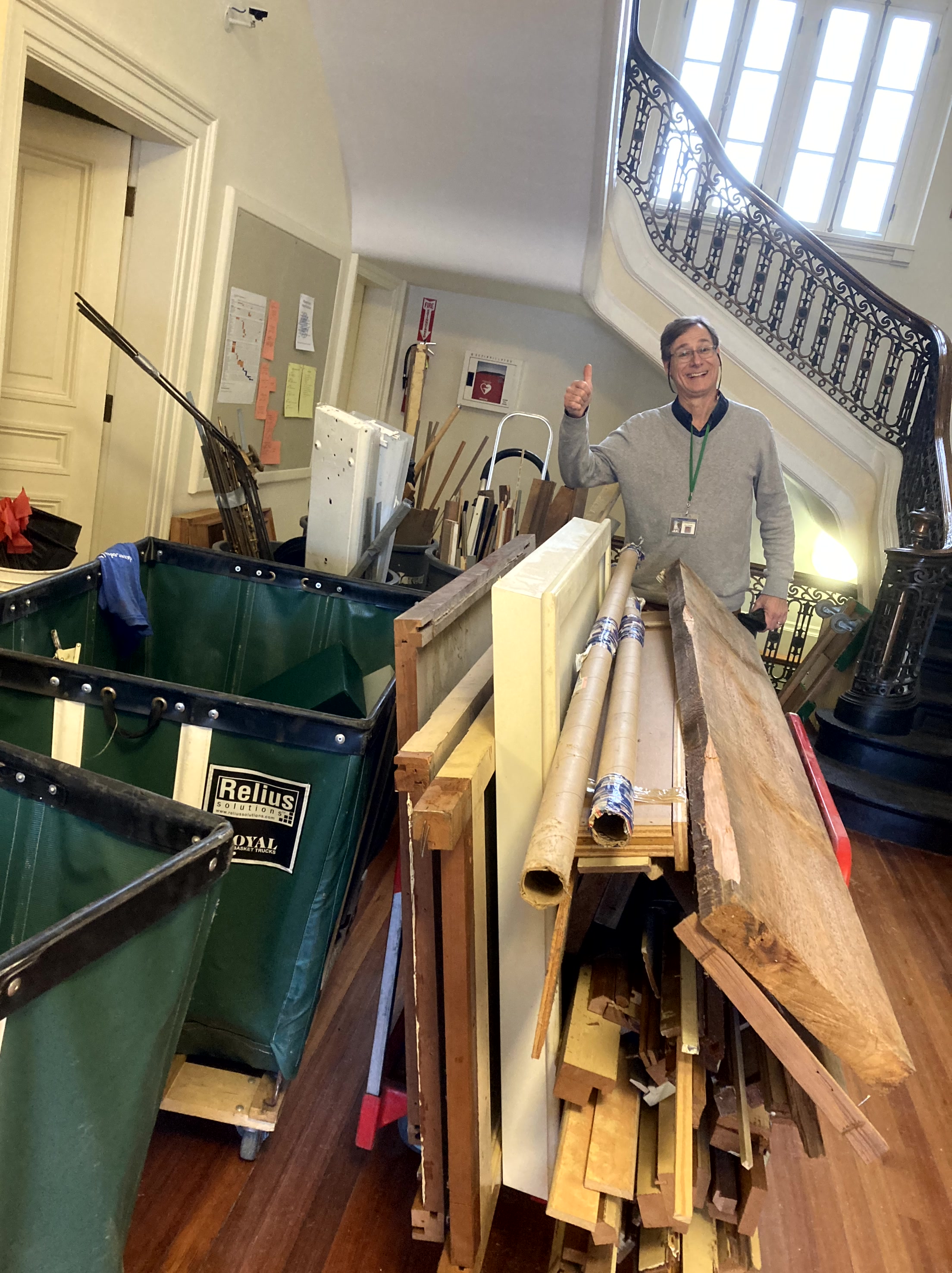
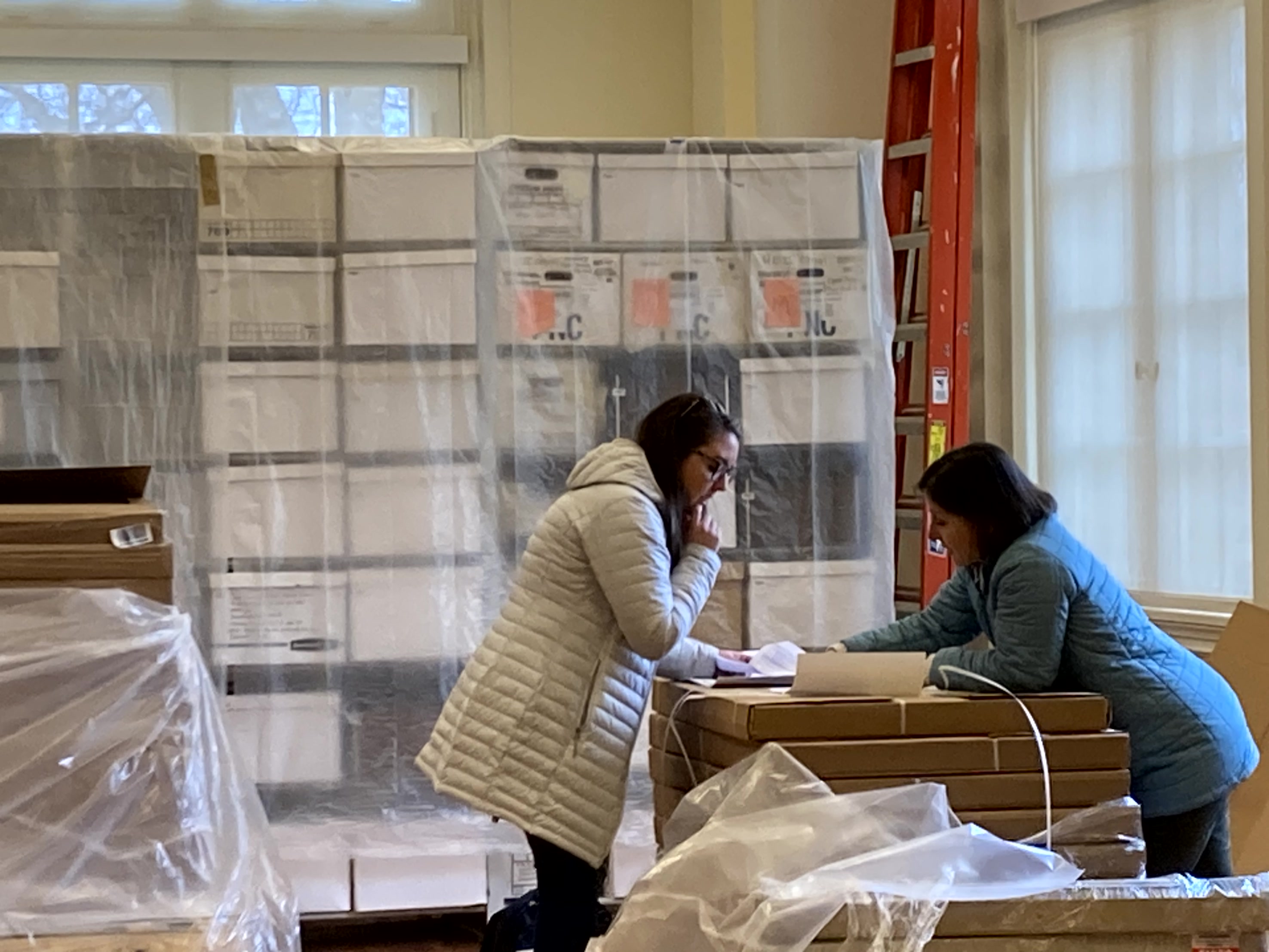
At this point, Peabody staff are cleaning collections spaces and beginning to move boxes back into the updated areas. This has been quite the logistical task as we need to coordinate with contractors in the space and ensure the appropriate security and care for the collection. So far, so good.
Hopefully, we will be back in the building and ready to welcome classes, researchers, and inquiries again in the spring of 2024. Thank you to everyone who supported this project with time or finances – we could not have done it without you.
I am looking forward (sort of) to Phase II!
This project will rely on philanthropic support from our donor community. To help advance this critical renovation, please contact Nicole Cherubini, director of development, at 978-749-4288 or ncherubini@andover.edu.
It is finally happening – the Peabody Institute building project is underway!
It has been quite a whirlwind preparing for this project over the past months (planning began in earnest about a year ago).
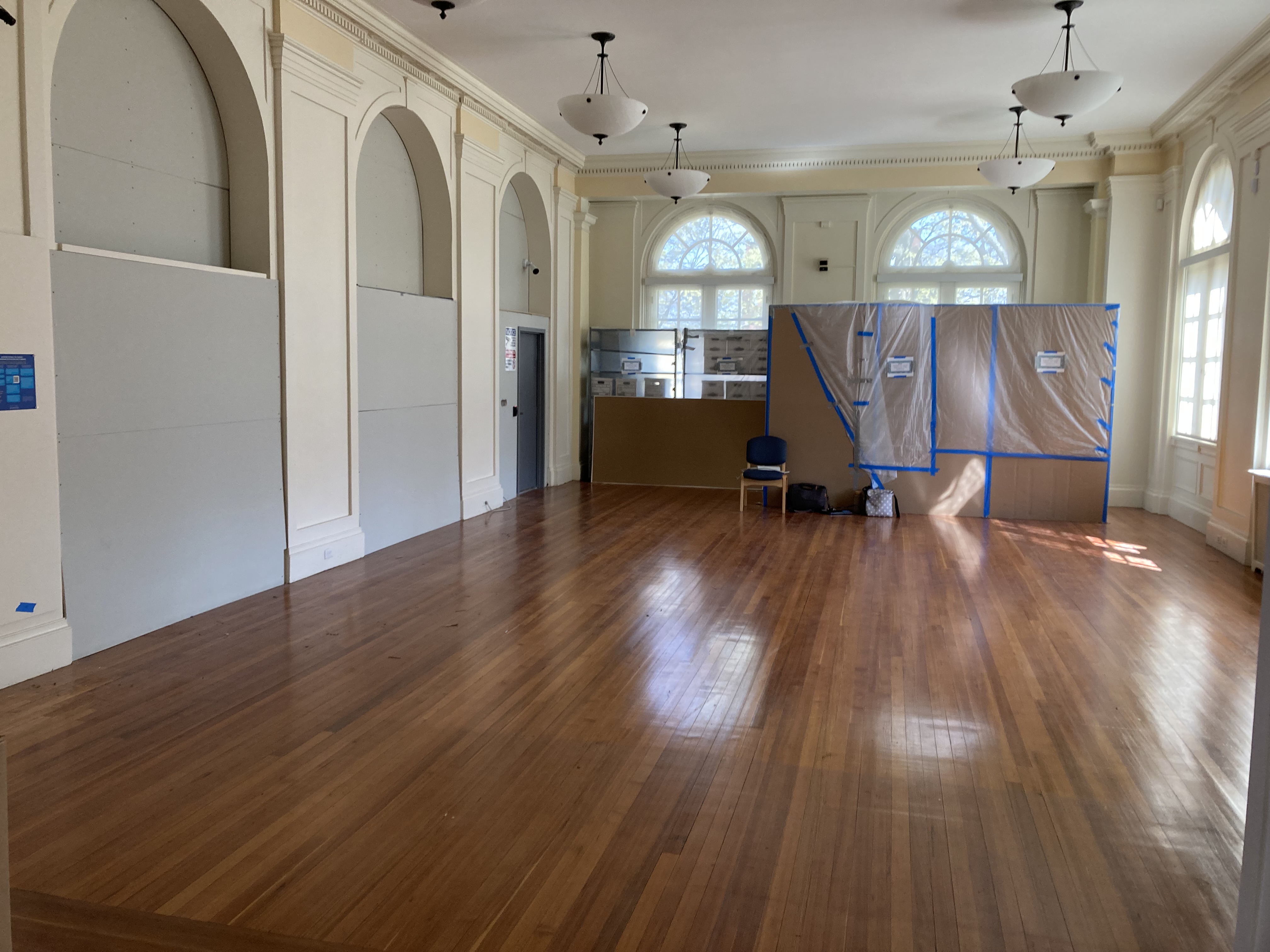
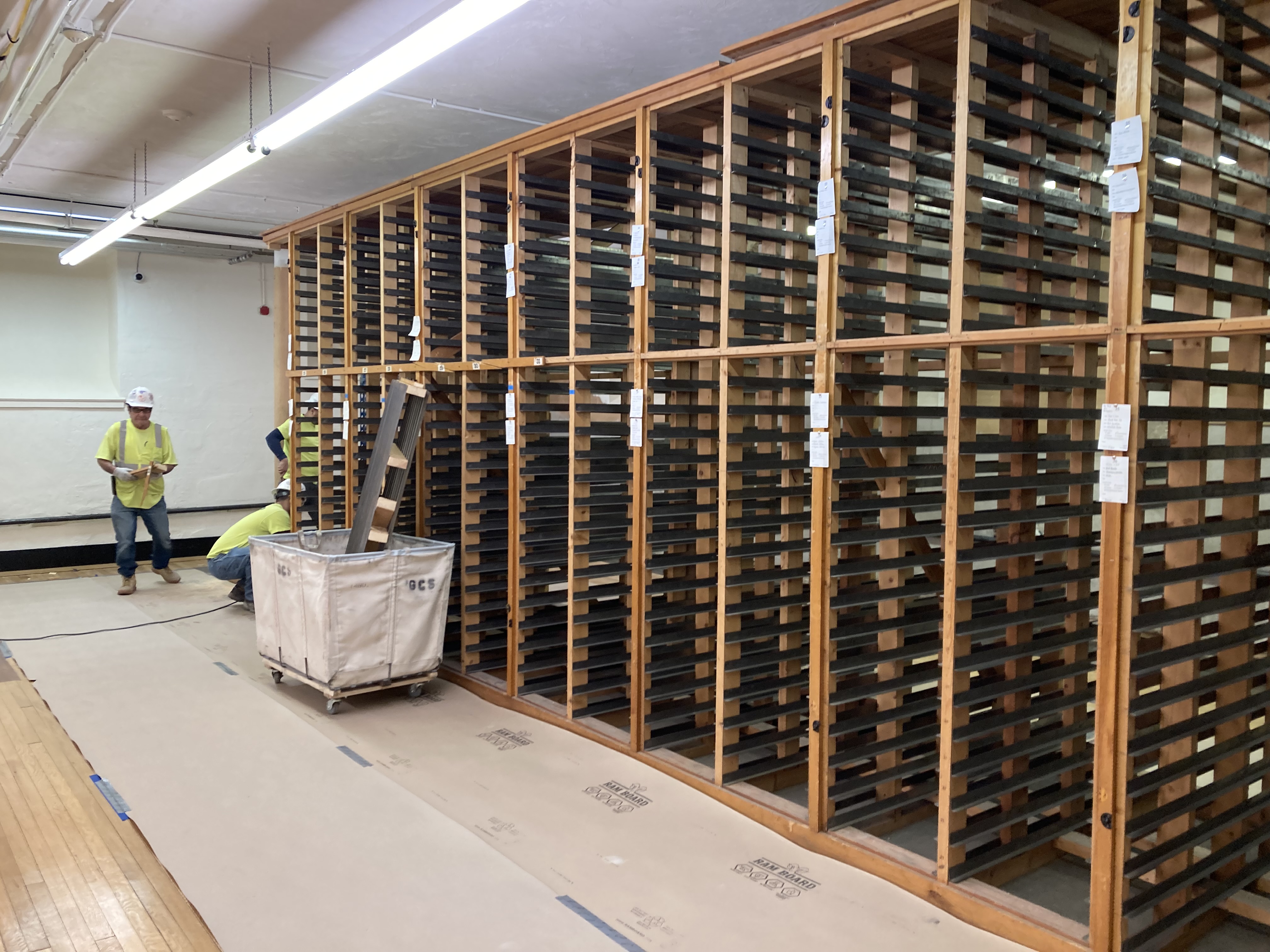
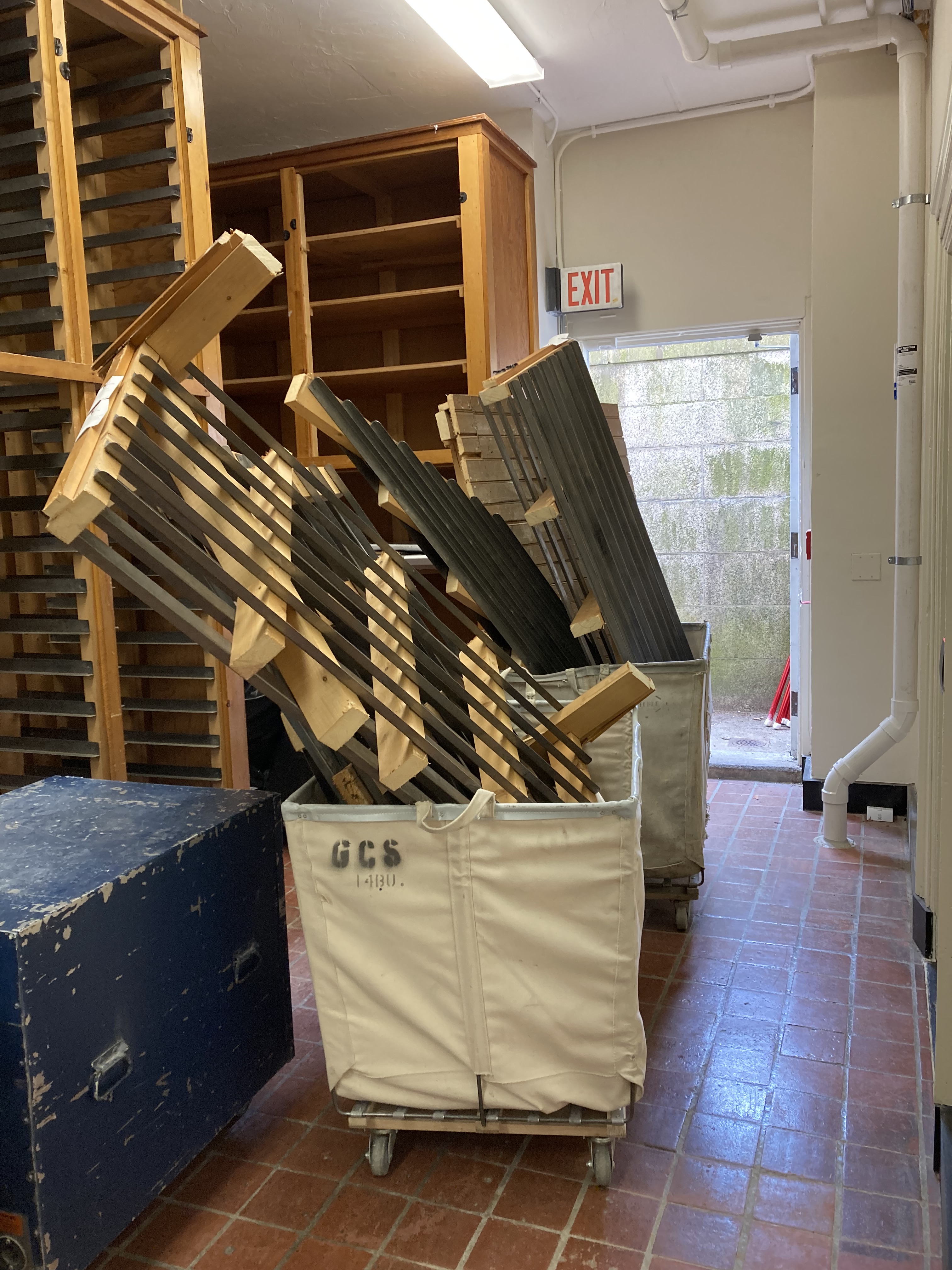
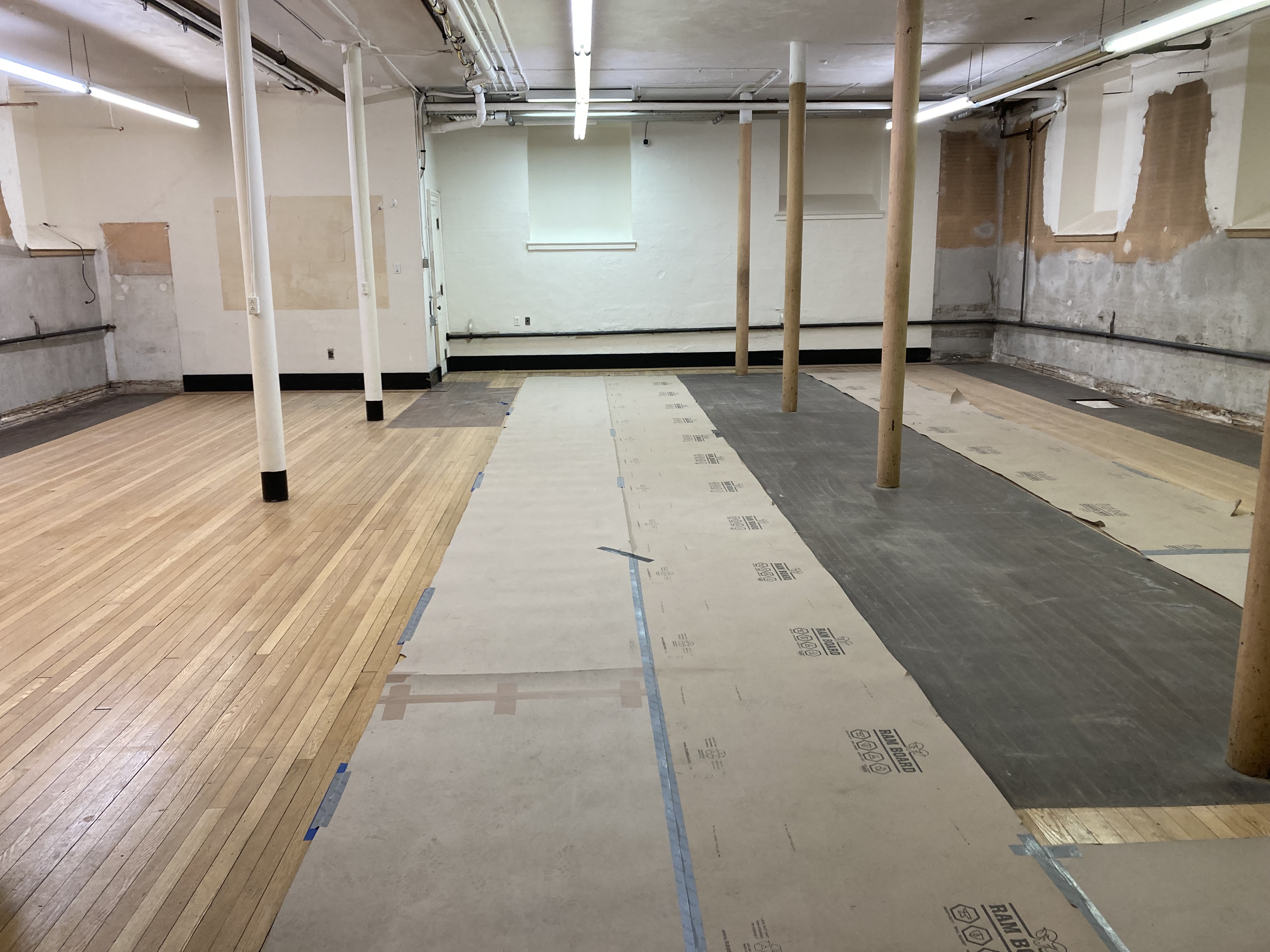
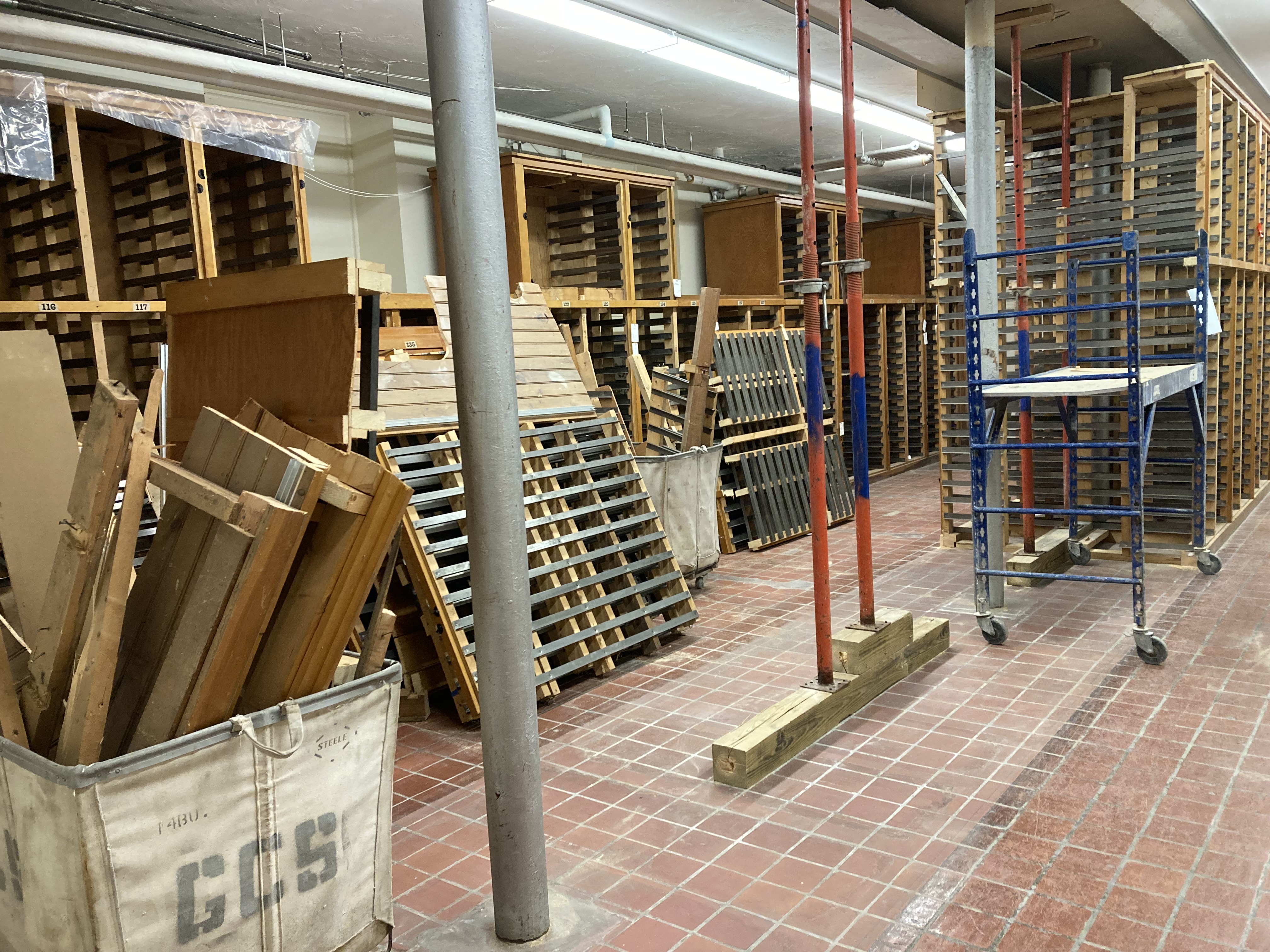
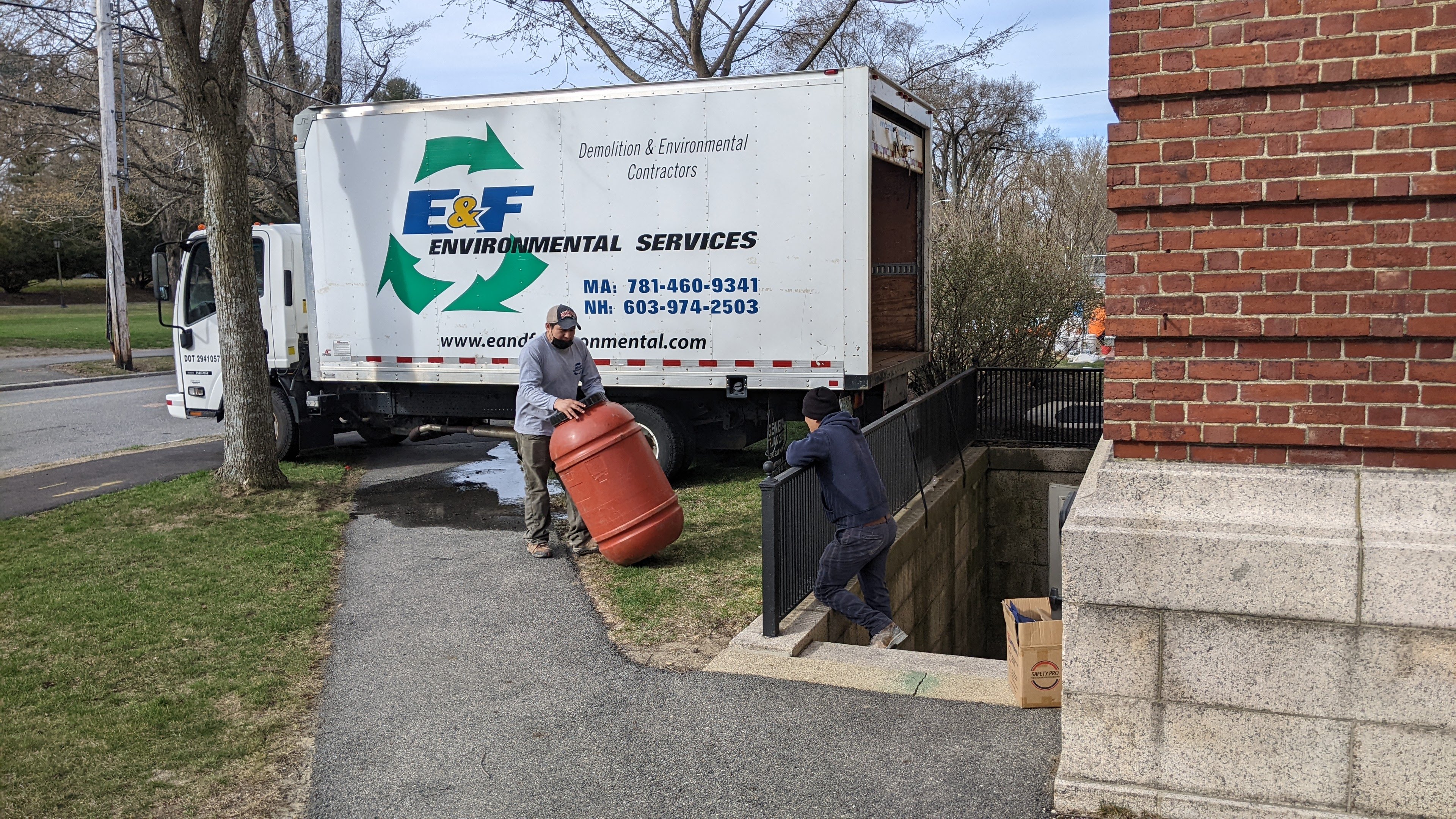
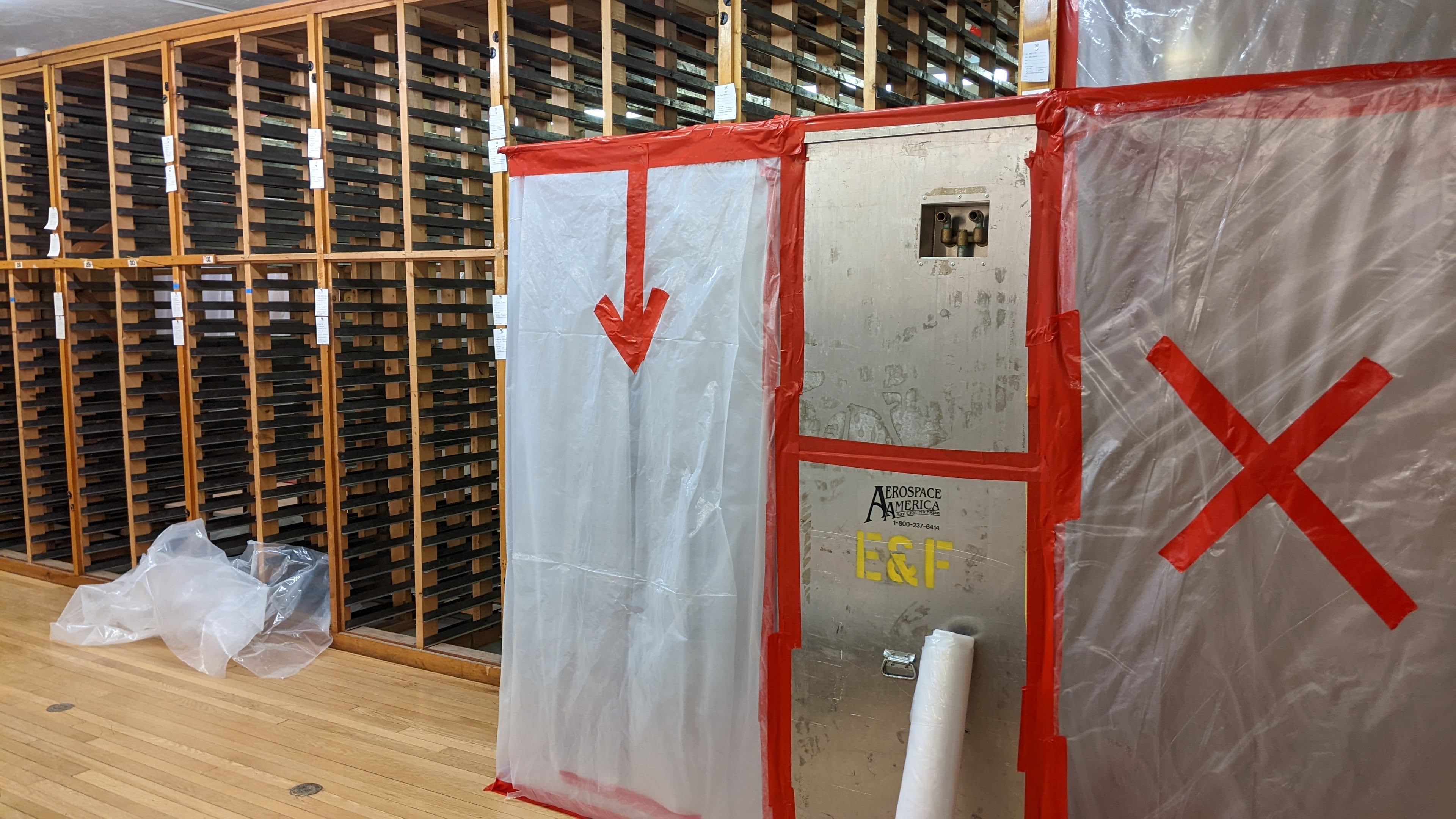
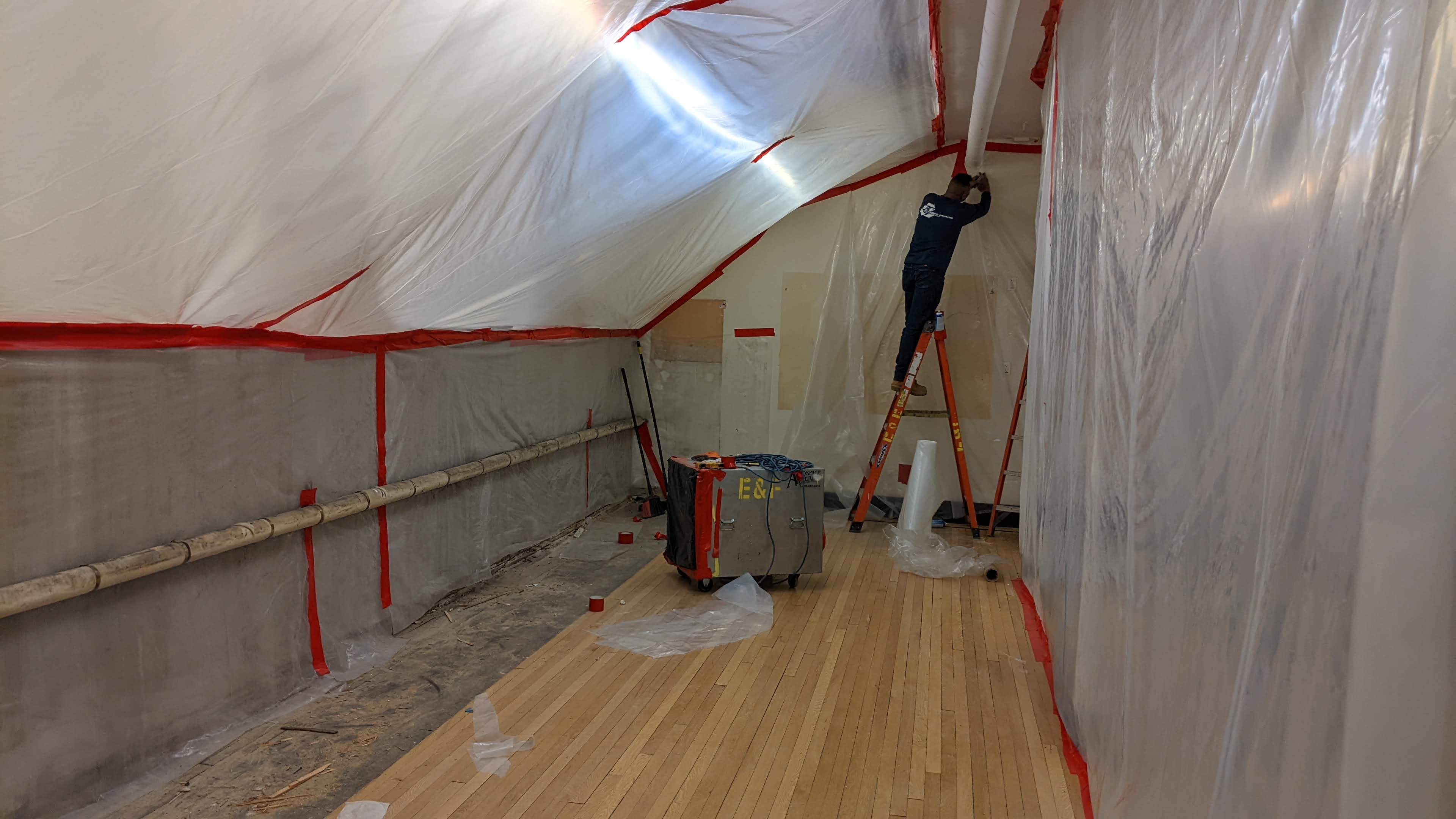
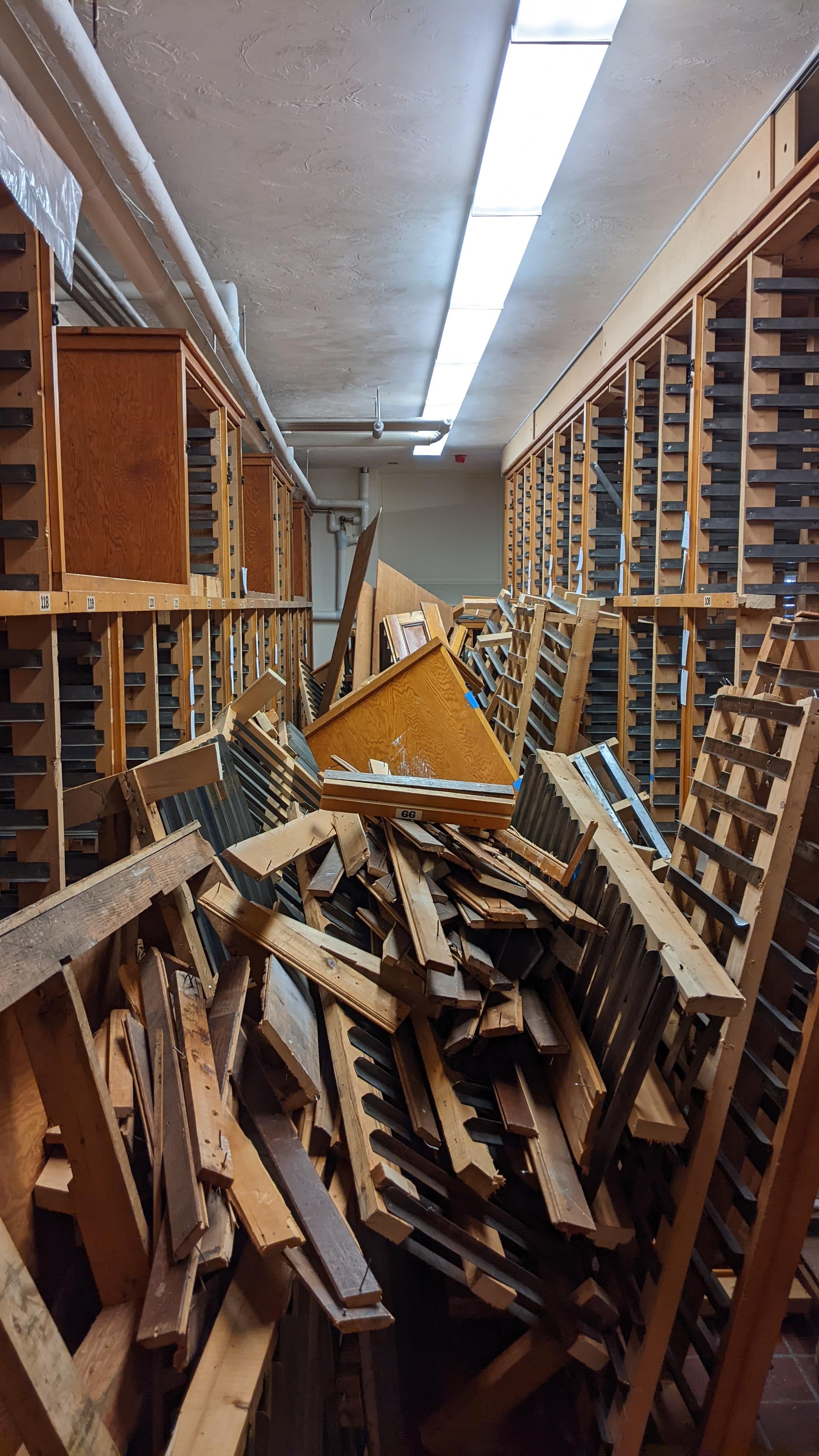
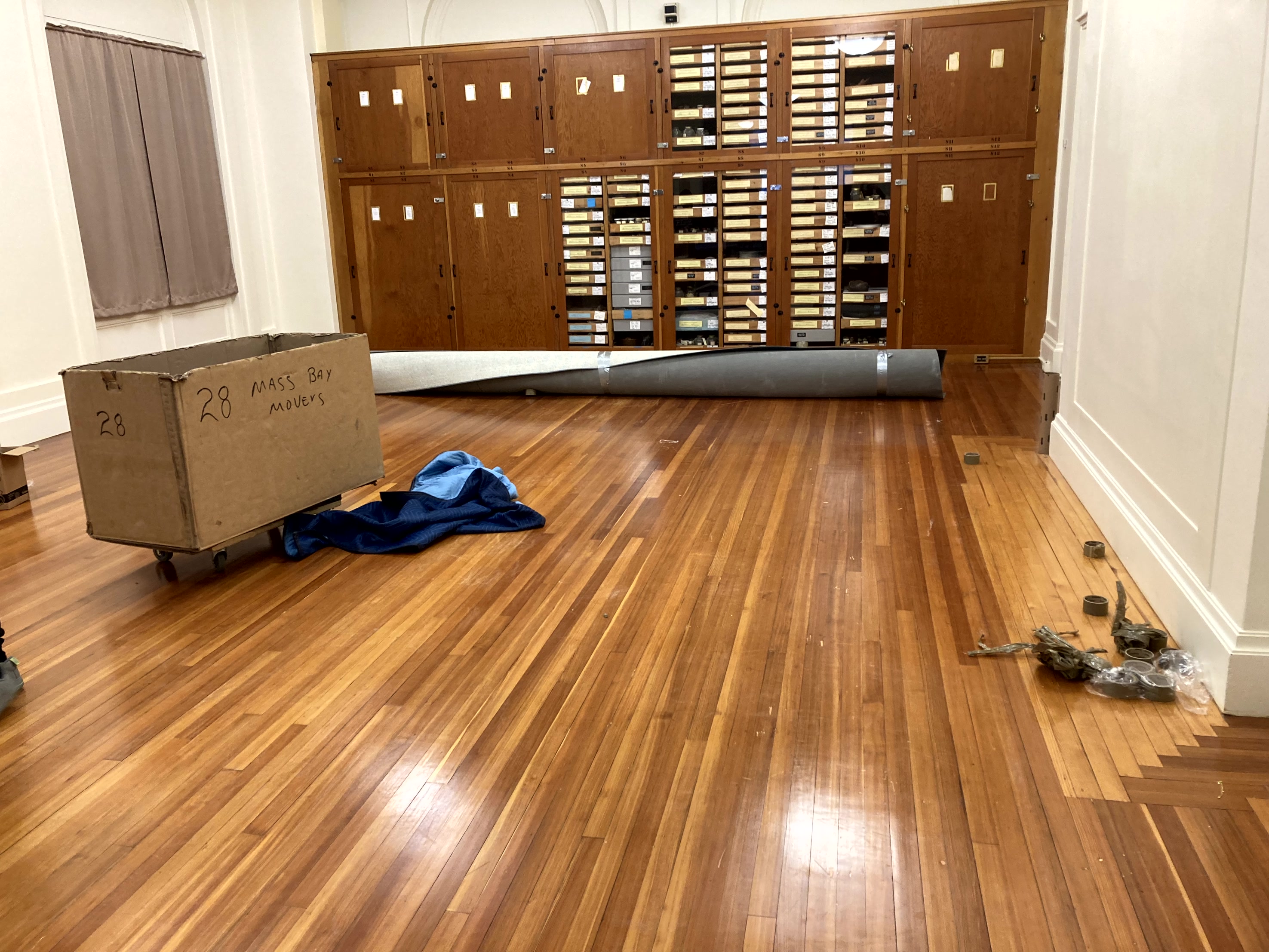
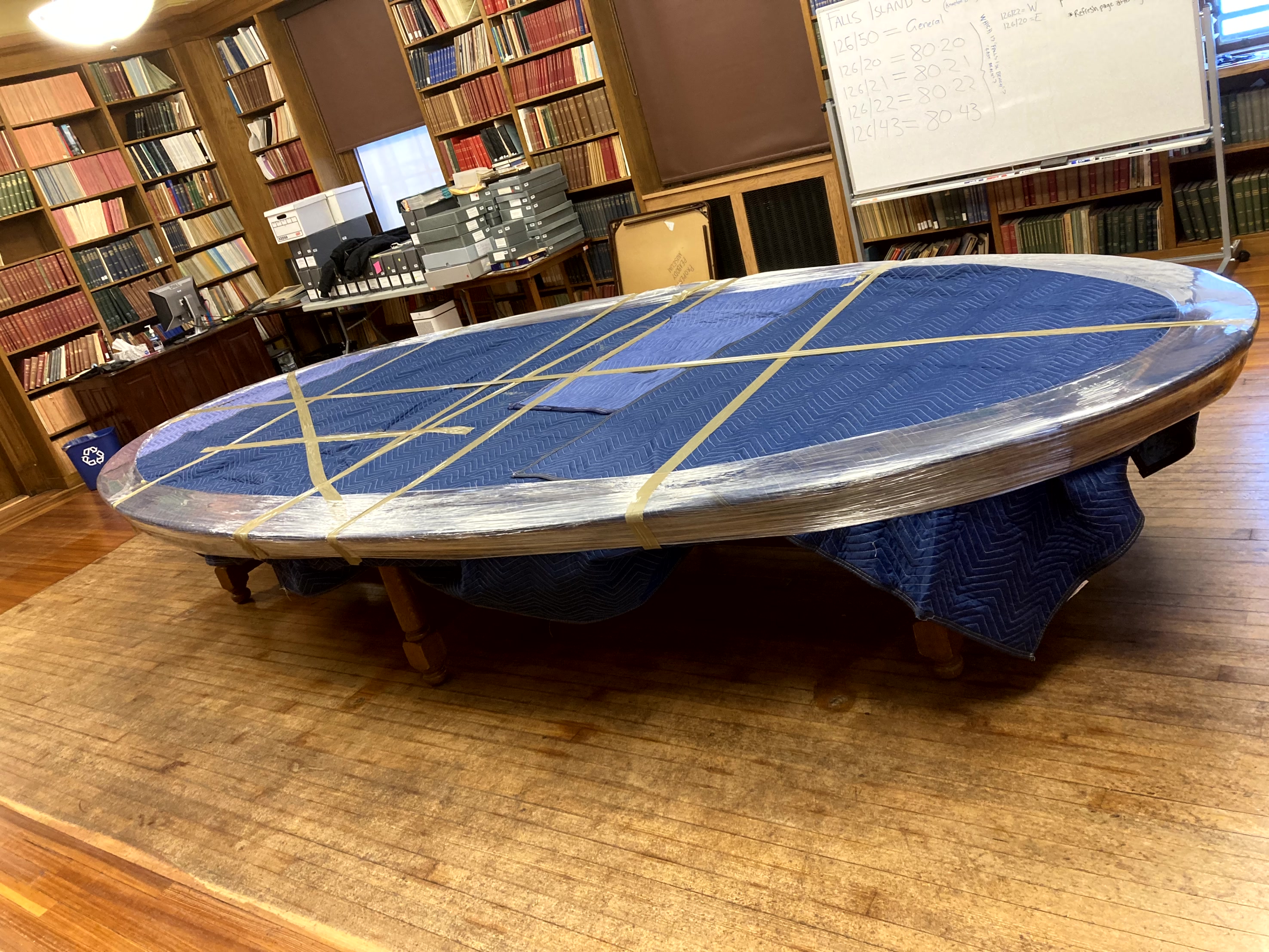
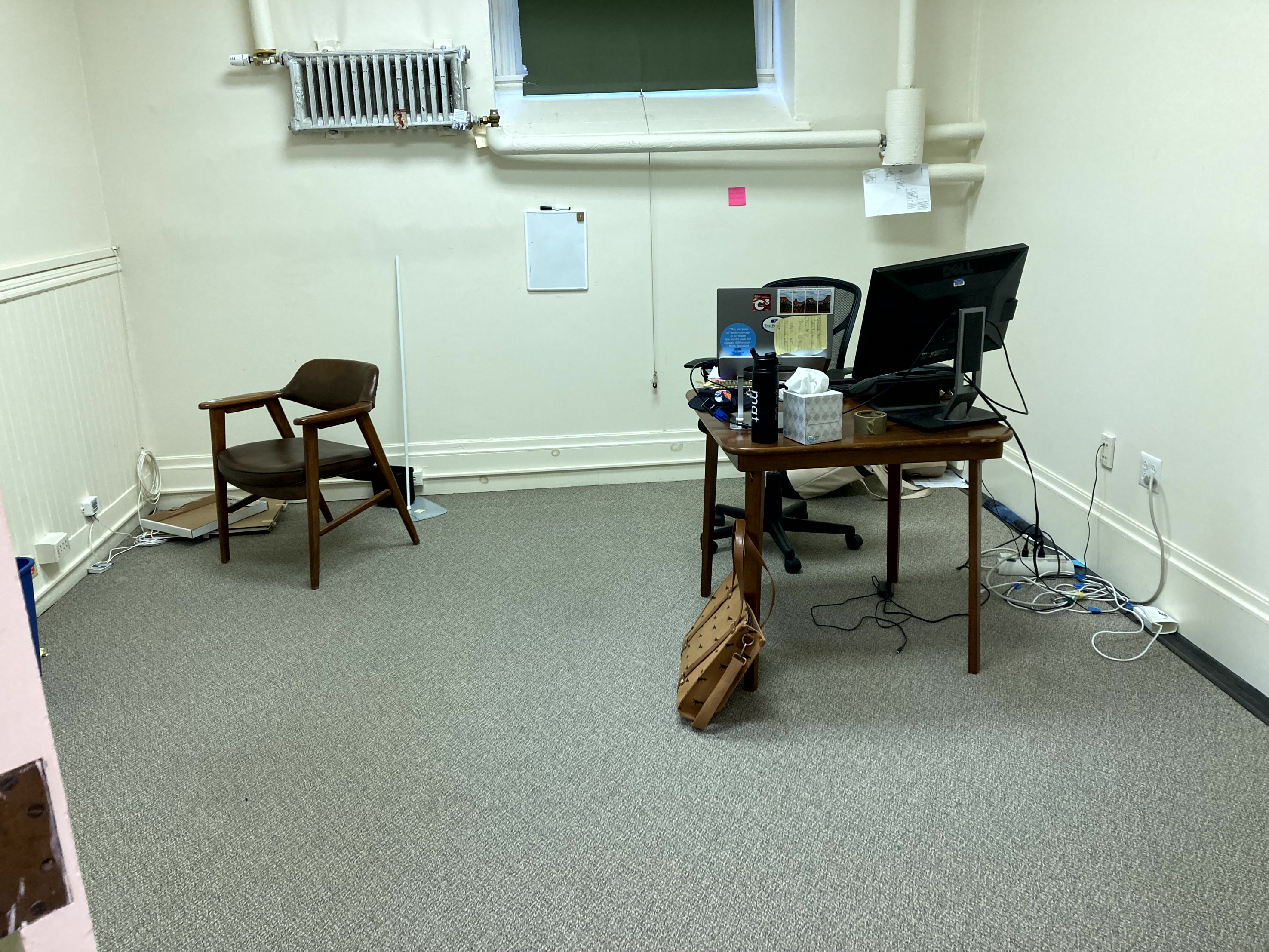
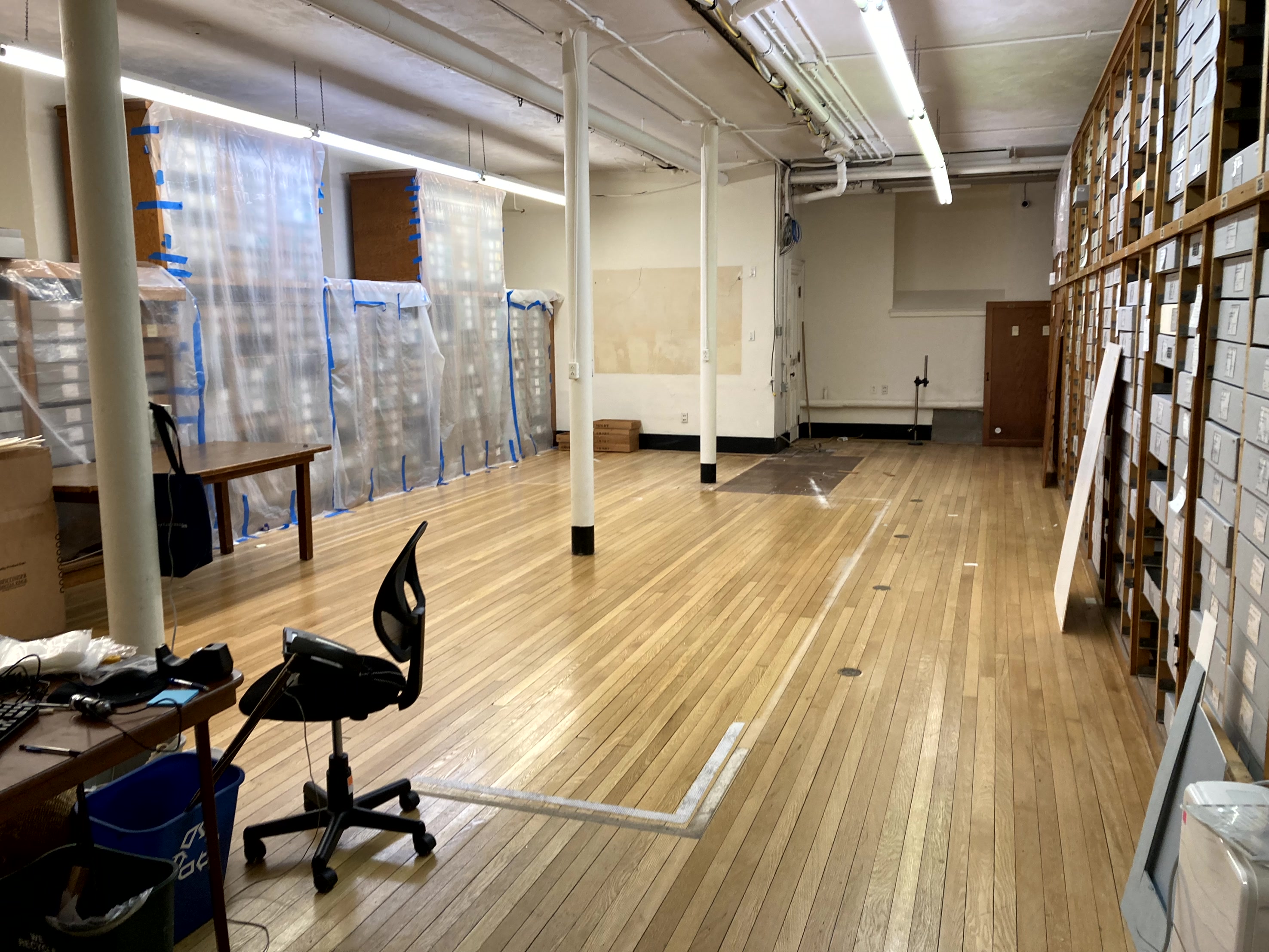
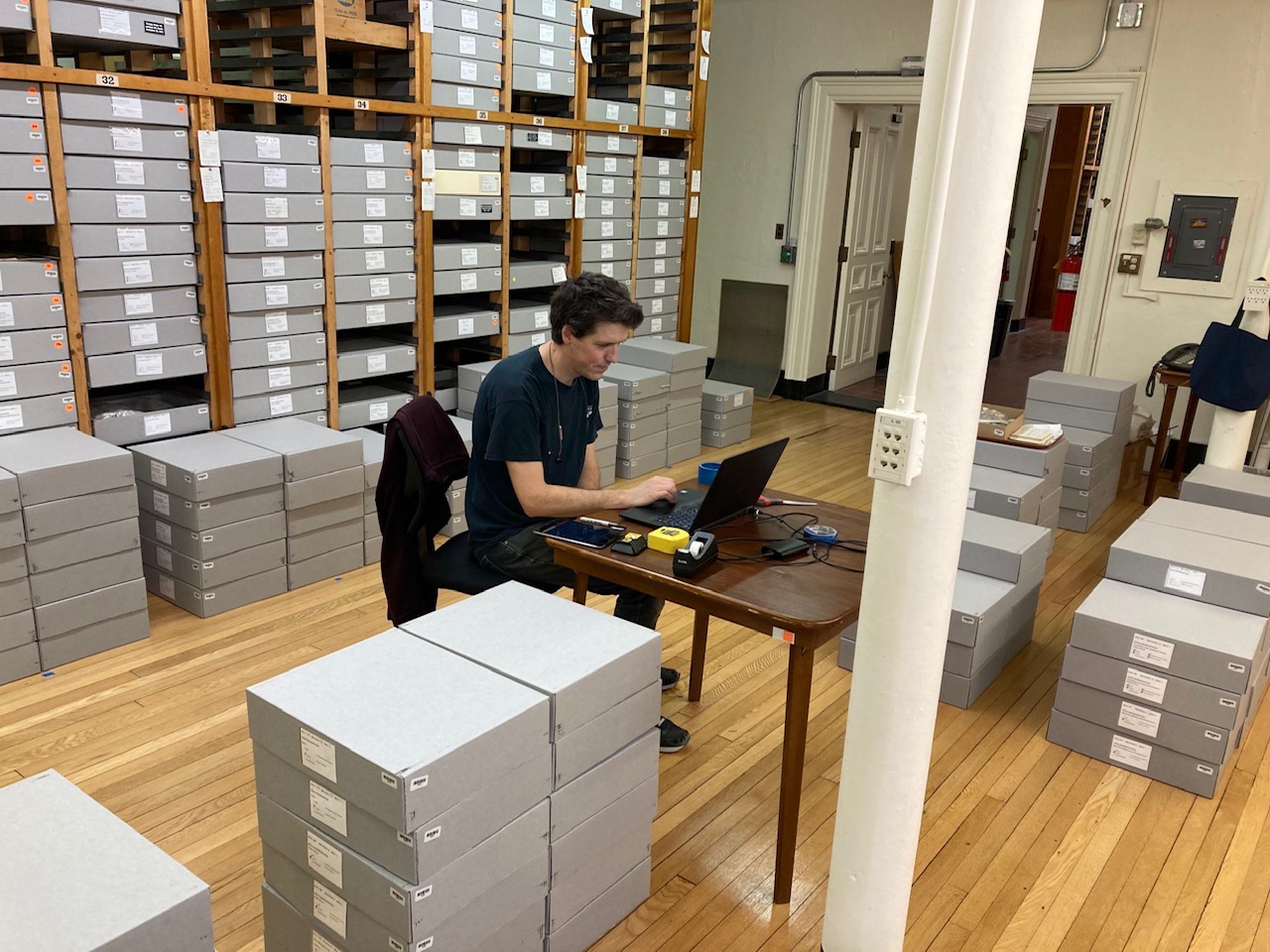
Since my last update, the full collection has been relocated within the building, asbestos has been remediated, the old storage bays have been demolished, and staff transitioned to working at small folding tables. We made the move to our temporary office space on-campus and are beginning to settle in.
So much credit goes to the Peabody staff members (and past interns) who collaborated to facilitate keeping the collection safe and organized during this process – thank you all!
We will keep you updated on progress as we are able.
This project will rely on philanthropic support from our donor community. To help advance this critical renovation, please contact Beth Parsons, director for museums and educational outreach, at 978-749-4523 or bparsons@andover.edu.
The Peabody is currently in the pre-construction phase of a much-needed building update! This is Phase 1 of a two-phase project.
The project has three main goals:
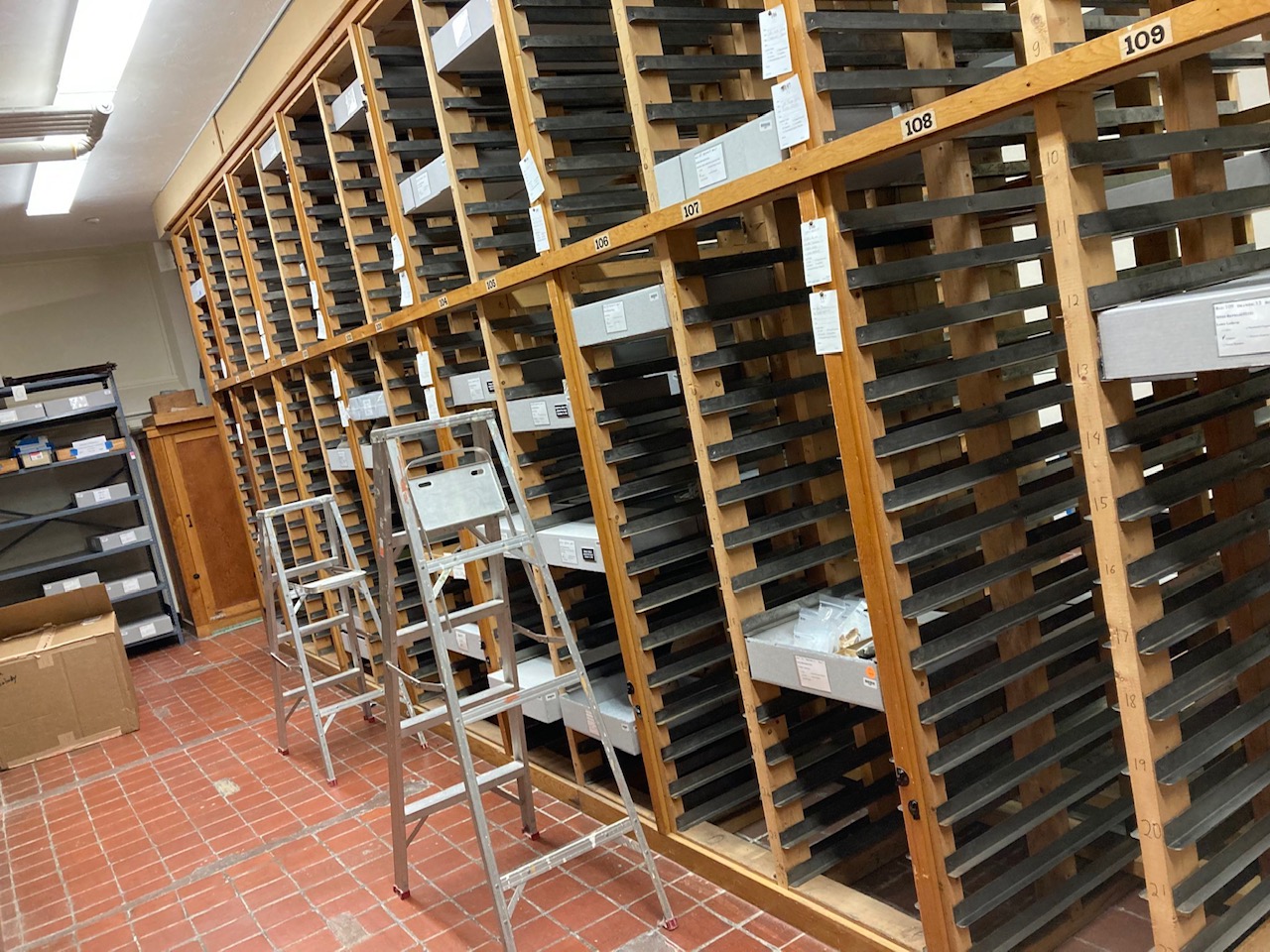
Replace the current basement shelving (that was constructed in the very early 1900s) with modern mobile shelving
Provide HVAC and sprinklers for the collections areas
Install an elevator and meet other code compliance issues
The Peabody staff have been working diligently to ensure the safety of all the collections during this work. We have coordinated with the construction company, security vendors, tribal partners, and our Phillips Academy project manager to make the project a success. There is still a lot to do – and construction hasn’t even started yet!
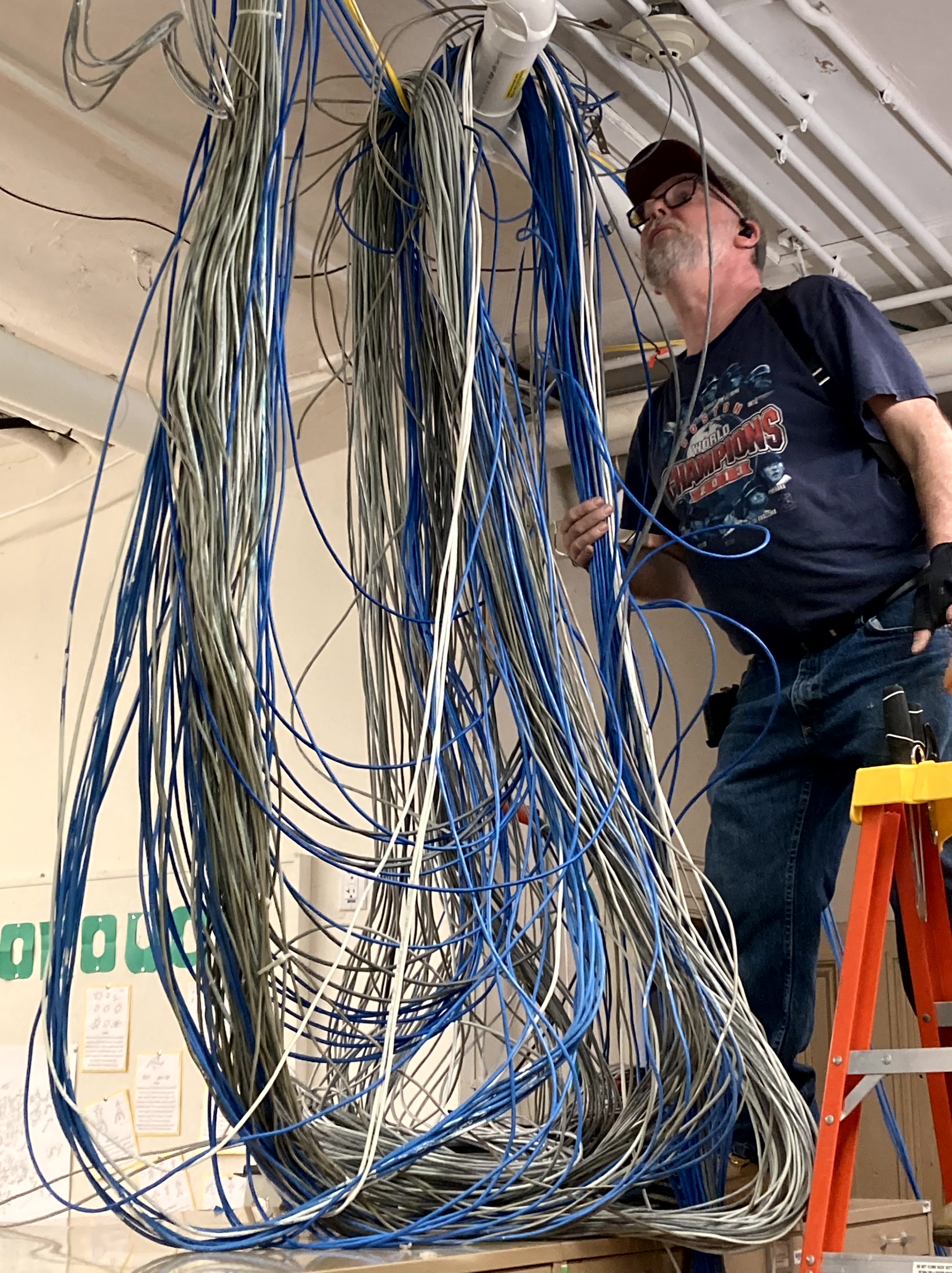
Here are some photos of the work as it has been happening:
This project will rely on philanthropic support from our donor community. To help advance this critical renovation, please contact Beth Parsons, director for museums and educational outreach, at 978-749-4523 or bparsons@andover.edu.
Hello! We are the new temporary collections project assistants for the Peabody’s upcoming collections move. Our combined knowledge of archaeology and museum studies helps us assess the needs of the collection and to find efficient ways to track the collections. Here’s a little about each of us:
My name is David Spidaliere. I am currently pursuing my master’s in Historical Archaeology at UMass Boston, finishing up my thesis on trade in Plimoth Colony. I was drawn to this role at Robert S. Peabody because my background is in seventeenth and eighteenth century New England archaeology and history, but I have very little knowledge of Indigenous archeology. This position has afforded me the opportunity to work with Native materials and to learn more about the importance of repatriation legislation.
My name is Jessica Dow, I recently completed my Masters in Museum Studies at Harvard’s Extension School, with a focus on collections management, Indigenization and public service. I currently work in the Visitor Services Department of the Harvard Art Museums, and I was drawn to this role because it offered me a chance to learn more about Archaeology and the care and planning that goes into Archaeological collections management. I’m passionate about ethical stewardship and repatriation, and Marla has been a fantastic resource as I continue to learn more about this field!
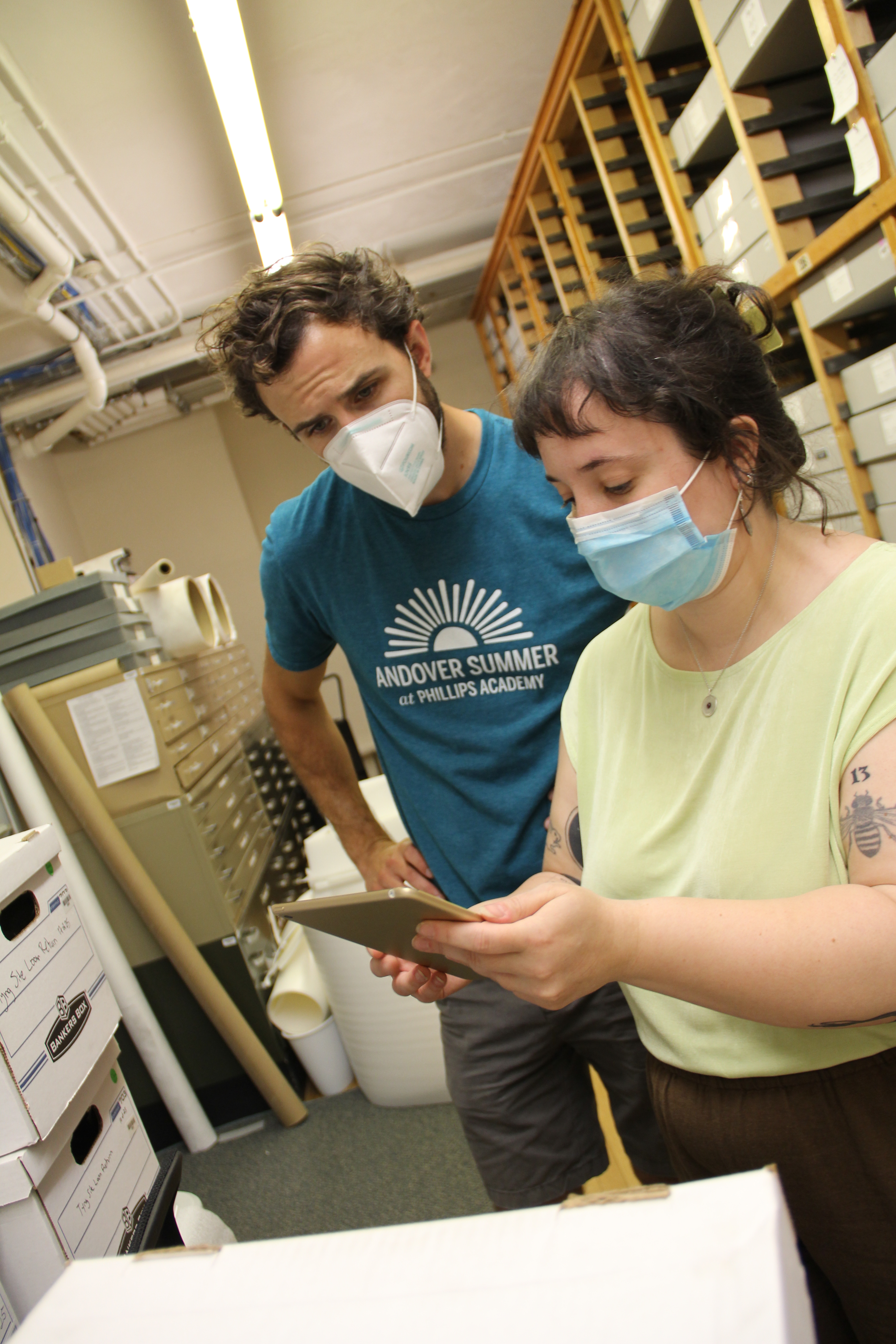
Dave and Jess hard at work
We were brought on to help the Peabody create a system by which they could track collections as they move throughout the building. This type of system is crucial for day-to-day movement of collections for research and teaching purposes, as well as for larger projects that require the collections to be moved, such as construction or pest and mold remediation. Our work is concerned with the types of data that determine risk factors such as vibration, and factors that dictate how objects are stored, such as size, weight, and cultural sensitivity.
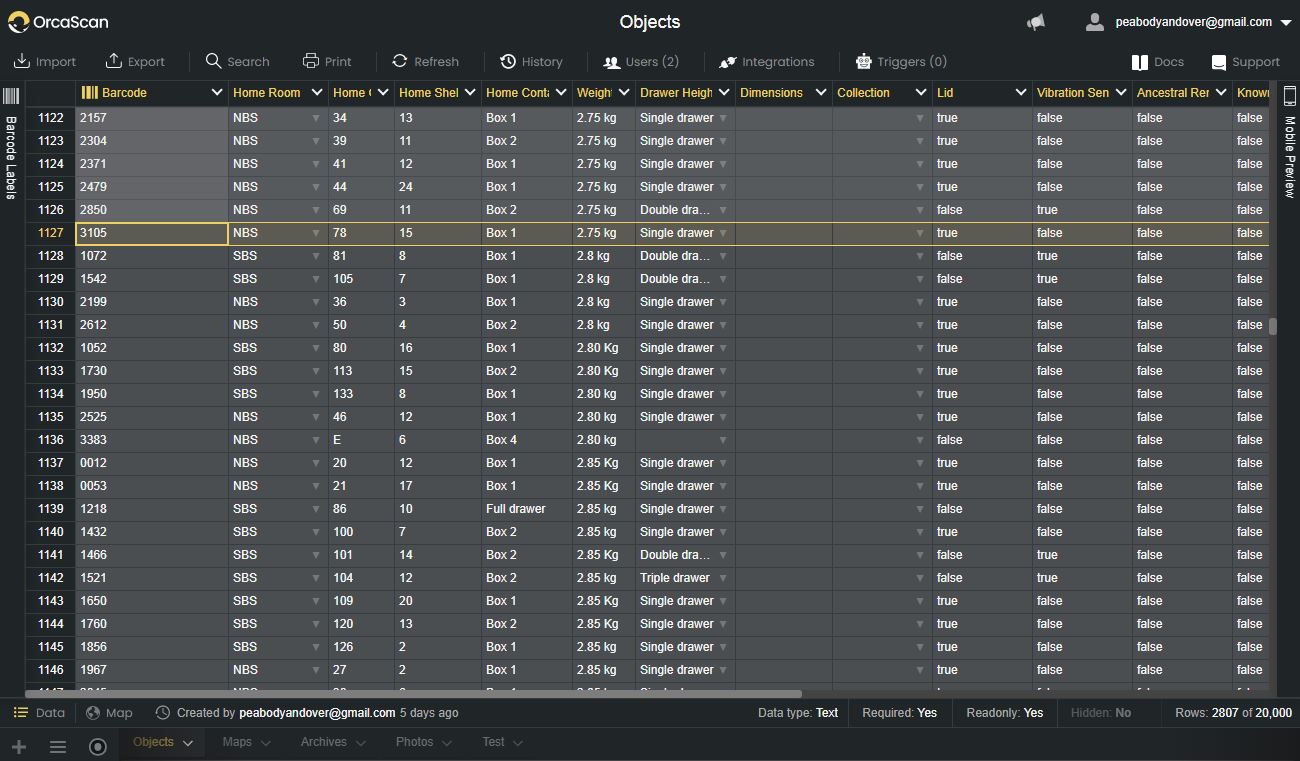
To track this data, we are using software that was designed for retail use and allows us to barcode boxes and items and assign information to each barcode using iPads. We can then review all of that data on a desktop computer in order to help Peabody staff assess collections needs on a larger scale.
In the picture below you can see the desktop view that we use to review the data we have collected as we barcode the collection. We can easily see which boxes have lids, the dimensions of items that are too large to be boxed, and other factors like weight and cultural sensitivity.
Example Orcascan screen shot
While our roles here at the Peabody are temporary, the work we are doing will continue to be useful to Peabody staff in the future. We are honored to be a part of this stage of the Peabody’s growth and hope to continue our relationship with the museum and its staff as we step into whatever is next in our respective careers!
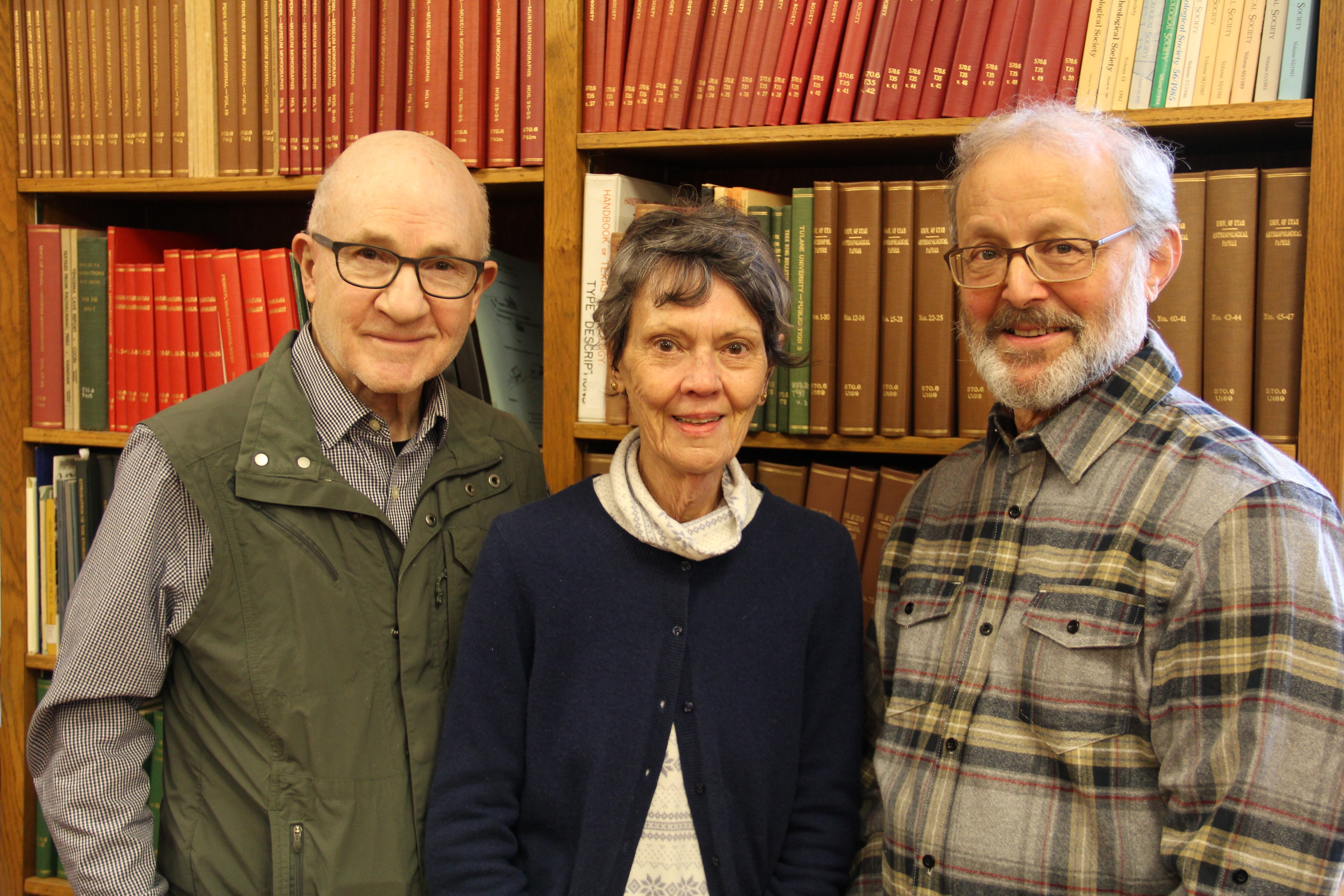
Museums are so often supported by behind-the-scenes volunteer labor and the Peabody Institute is no exception. Most of my fourteen years at the Peabody have been accompanied by two of the best volunteers you could ask for – Susan and Quinn Rosefsky.
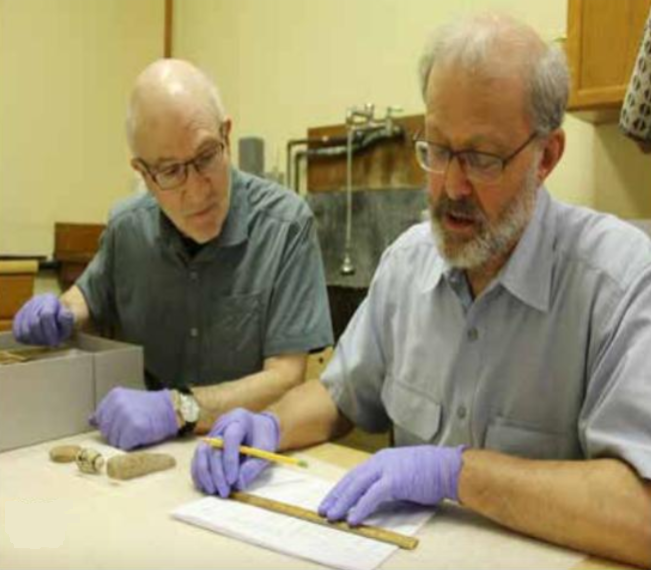
Quinn is Phillips Academy class of 1959 and came to the Peabody for a reunion event in 2009 with his wife, Susan. There they met then director Malinda Blustain; offered their services as volunteers and have been with us ever since.
While a powerful team together, they often worked on separate projects. Quinn was a tireless force assisting with inventory of the collection. He became well versed in stone tool typology (well outside his previous career as a psychiatrist) and has never stopped learning. Quinn has also been a contributor to this blog with his perspective and thoughts on items in the collection. Here are some of my favorites that he has written:
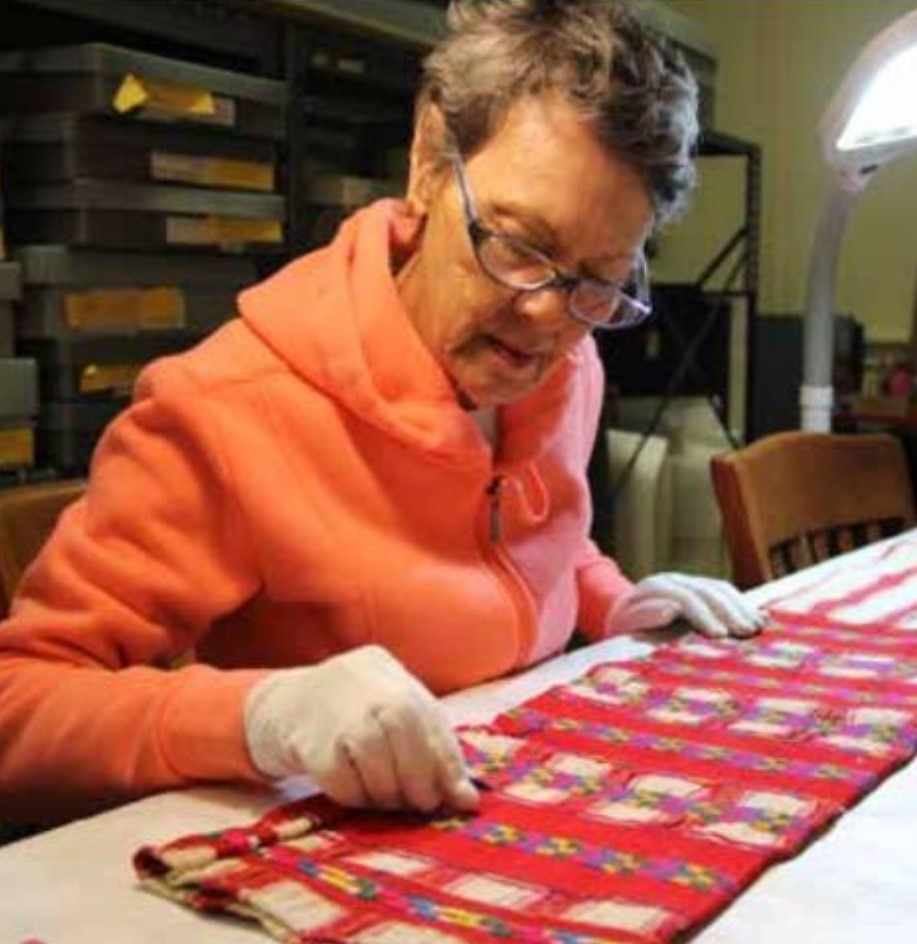
Susan, on the other hand, has been an invaluable part of the team cleaning and inspecting the Peabody’s textile collection for pest damage. Susan learned how to vacuum textiles from a local conservator and has spent years working her way through the textile collection. Her calm and focused dedication has ensured completion of this important project.
Susan at work inspecting a textile
I cannot express the gratitude that the Peabody staff have for these two wonderful people and their contributions to our work. I know that I will miss Quinn’s stories and jokes as well as Susan’s kindness and support. The Peabody Institute was lucky to have them, and we wish Susan and Quinn all the best in their “retirement!”
Well, we did it. After about four years of focused work, the Peabody Institute collections team has finally completed the inventory project.
This project has been a labor of love (and frustration, and tears, and headaches…) over the years. And I am thrilled to share that the last drawer was inventoried last week!
The project was originally designed back in 2016 to gain full physical and intellectual control over the collection. We knew that the Peabody Institute was home to thousands of items that had not yet been cataloged and were therefore inaccessible to researchers, classes, and tribal partners.
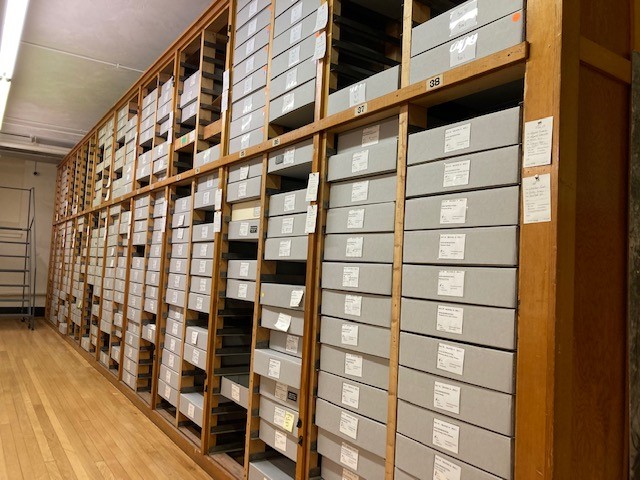
Over the course of the project, we more than doubled the catalog records in our internal database, counted just over 500,000 individual items, and rehoused items from over 2,000 wooden drawers into archival boxes.
I considered linking to all the past blog posts about this project, but honestly, that got ridiculous pretty quickly! Instead, I will direct you here to find everything tagged as part of the reboxing project to learn more about our process.
A massive thank you must go out to everyone who was a part of this incredible project. This includes all Peabody Institute staff – including those who have had to move on over the years – our volunteers, and dozens of work duty students.
Our deepest appreciation also goes our financial supporters – the Oak River Foundation, the Abbot Academy Fund, and Les ’68 and Barbara Callahan for their generosity and support of the Peabody’s goal to improve the intellectual and physical control of the Institute’s collections.
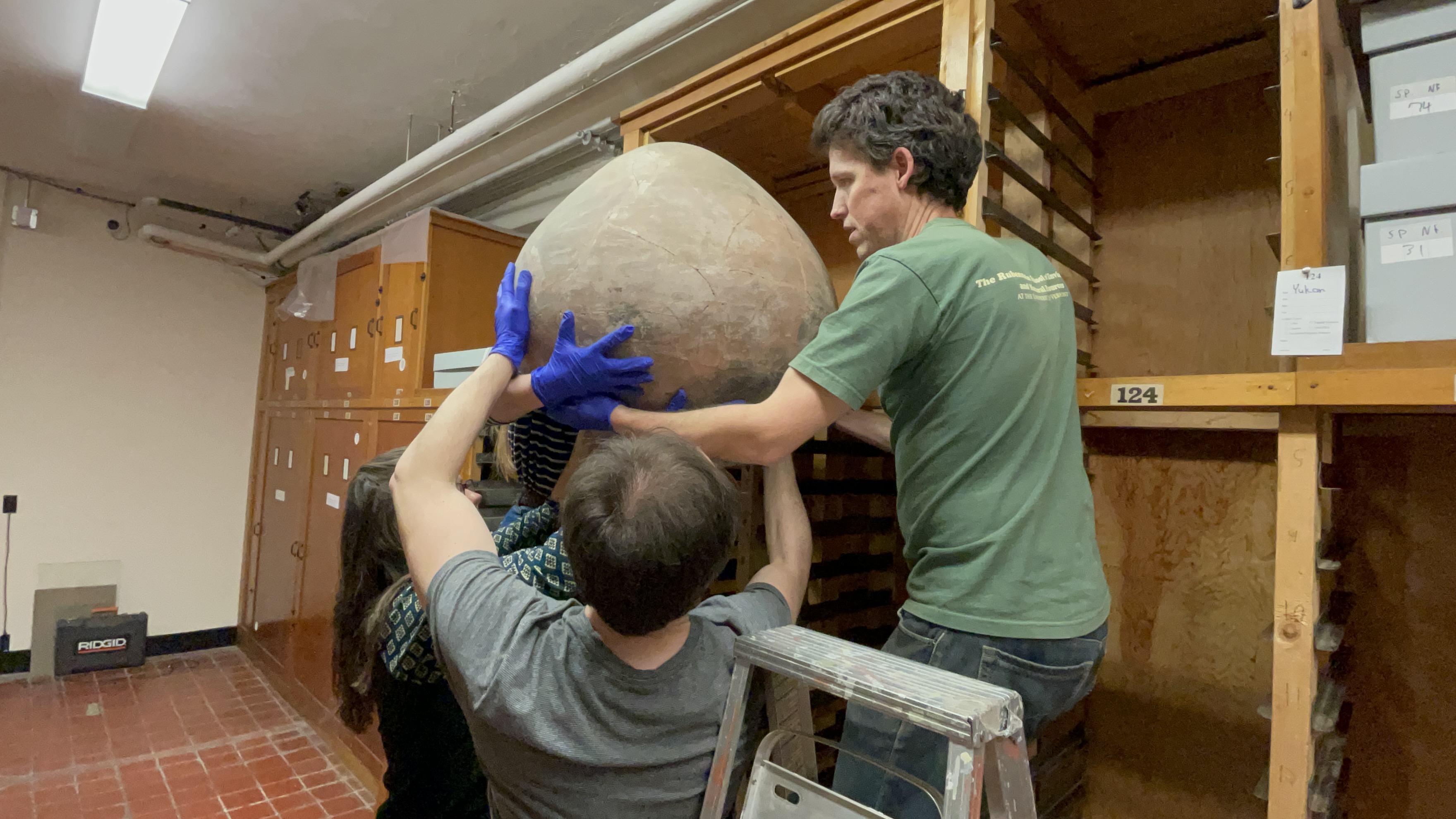
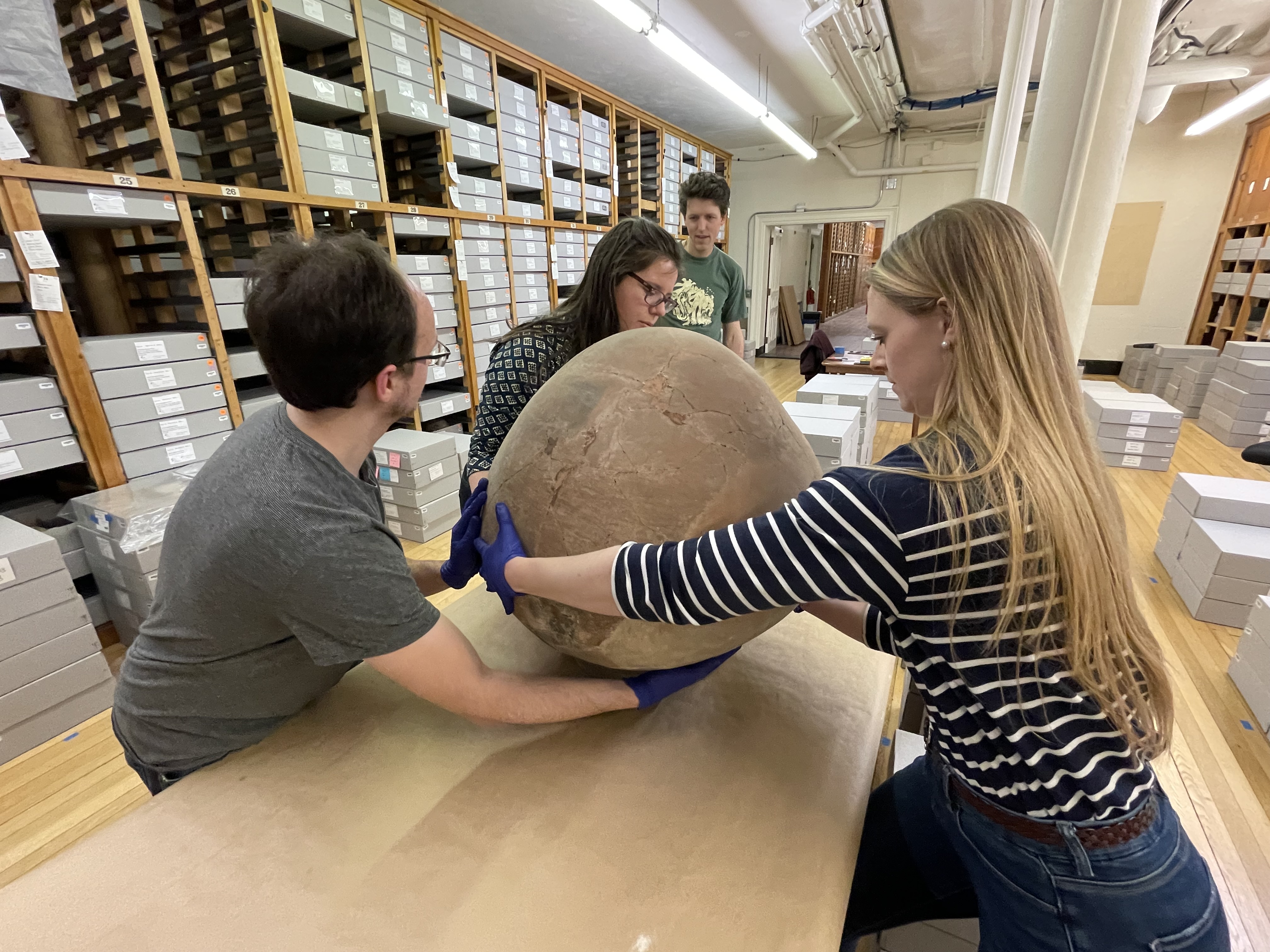
In January, the HVAC system in one of our collection storage areas malfunctioned. Repair work required that the system was turned off for several days. During this time, we monitored the objects for any changes. One vessel caught our eye.
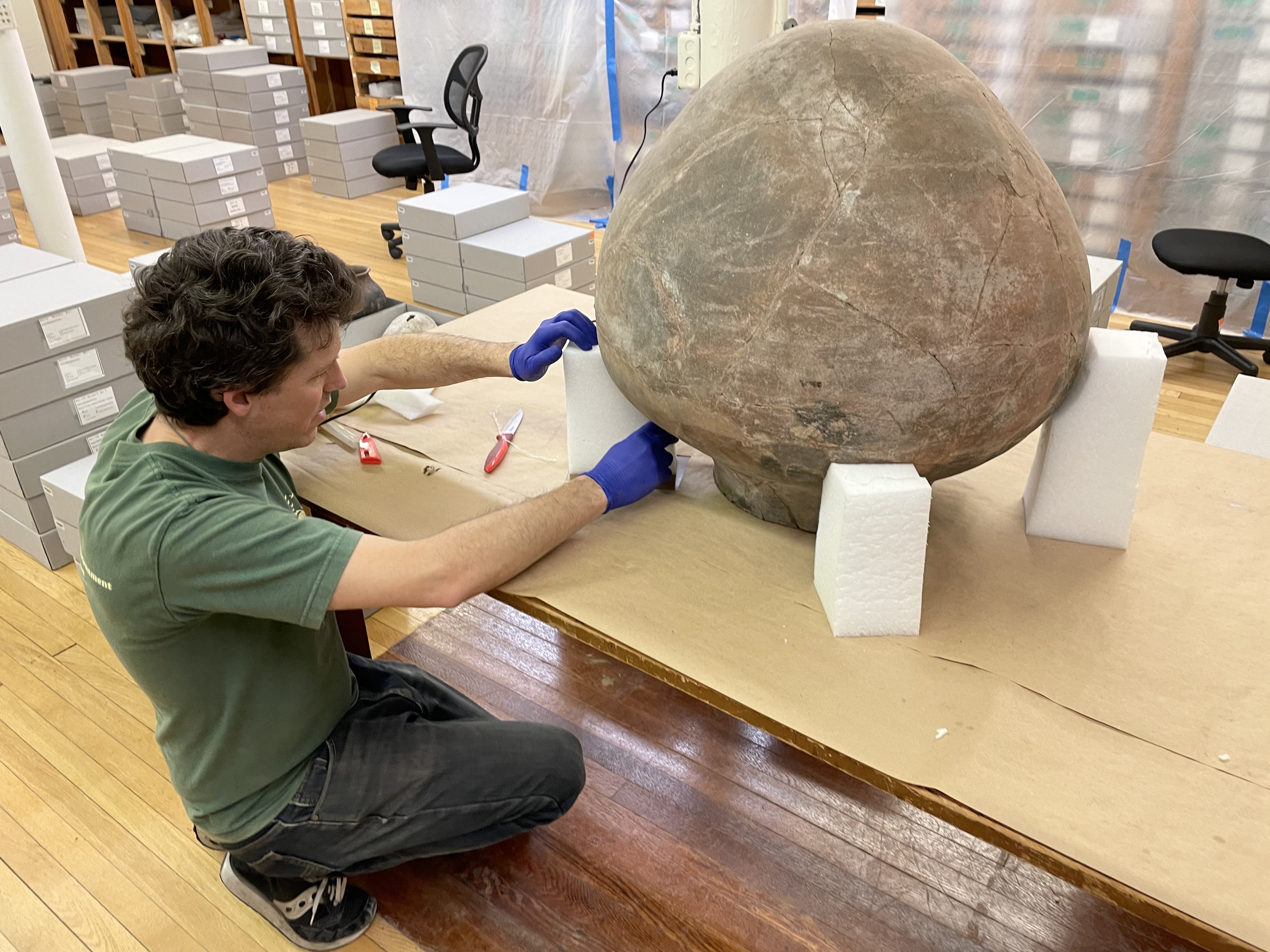
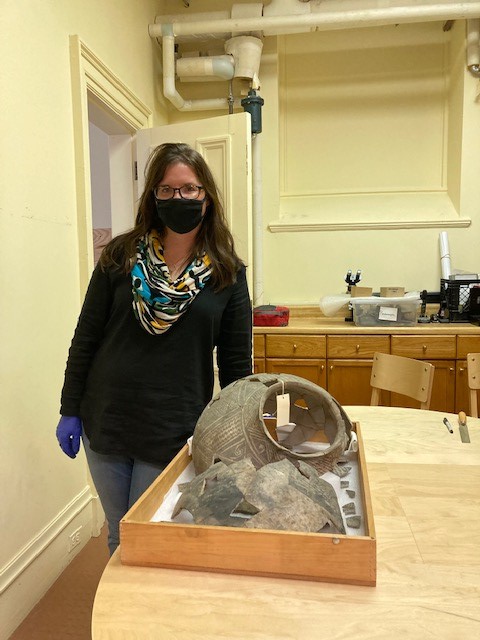
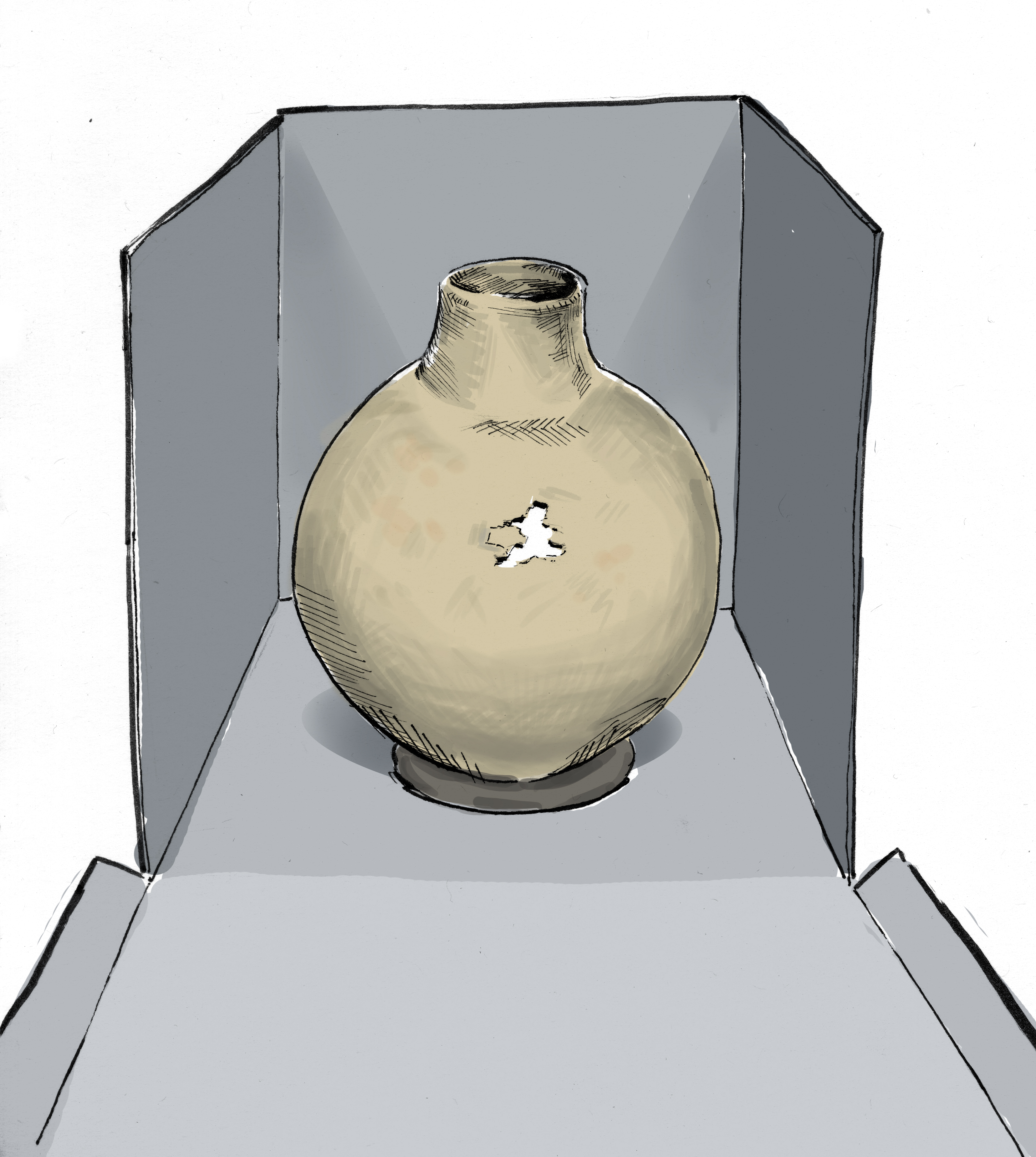
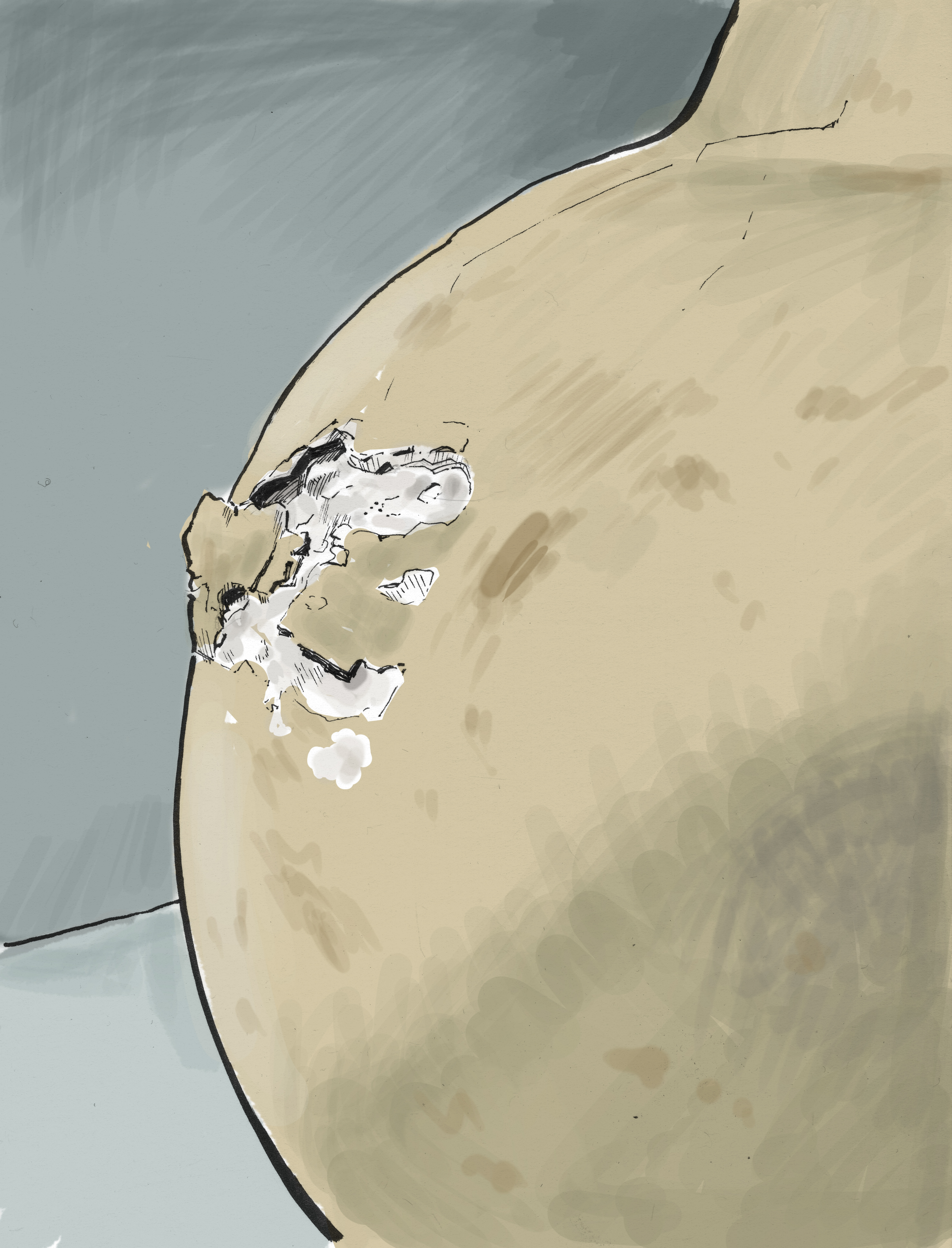
Thanks to Marla’s experience with the collection, she noticed that previously documented spalling due to salt efflorescence was likely developing further (see figure). A quick look at older photographs confirmed that the damage had indeed progressed. The vessel was stored on open shelving and an inspection of the area around the object determined that no fragments had fallen completely off. We decided to rehouse the vessel in a box to buffer it against changes in environment during the current or future failure of the HVAC system.
Figure 1. Rehoused vessel in open box
Since I’ve encountered salt efflorescence a few times, I thought I’d add a bit more information. Porous materials, like bone, ceramic and stone, can absorb salt from various sources. Once inside, salts can be dissolved by moisture in the air through a process called deliquescence. Eventually, the water evaporates and the salt recrystallizes. In very porous objects, the salt crystals form on the surface. In objects where the surface is less porous than the underlying body, recrystallized salt can generate massive forces than can spall or pit the surface (Source: NPS Conserv O Gram 06/05 page 1). In worst case scenarios objects can disintegrate.
As I mentioned in an earlier blog, salts can enter porous objects through groundwater or seawater in buried or submerged contexts (Source: NPS Conserv O Gram 06/05 page 1). They are a major source of salt in archaeological collections such as ours. In the case of ceramics, food and water stored in objects during their pre-burial use life can also leave salt residues (Source: Minnesota Historical Society Page 2). Salts can be introduced to ceramics during manufacture through additives that modify the clay body and through water (Source: Minnesota Historical Society Page 2, Source: Digital Fire). Even clay itself can be salty. When I lived in Arizona, I can remember hearing a potter discuss that they would check their clay by tasting it to make sure it wasn’t too salty.
After ceramic objects are recovered during excavation, salts can continue to be added in archaeological labs and museums. Hydrochloric acid has been used to remove calcium carbonate, an insoluble salt that adheres to ceramics during burial that impedes analysis. An unintended result of this process creates calcium chloride, a soluble salt, which is absorbed into the ceramic matrix (Source: The International Institute for Conservation of Historic and Artistic Works- Studies in Conservation Page 172, Source: NPS Conserv O Gram 06/05 Page 2). I would be highly doubtful of repairs that were done years ago. Without detailed treatment records, who knows what glues were used and what contaminants they might introduce.
Figure 2. Spalling due to efflorescence
Deliquescence and evaporation of soluble salts can be greatly diminished by keeping the storage environment below 60% relative humidity and by reducing humidity and temperature fluctuations (Source: NPS Conserv O Gram 05/06 Page 3). However, there is a continued danger of efflorescence. Display cases and storage shelving made from wood have the potential to release acetic acids. This volatile organic compound has the potential to interact with soluble salts leading to precipitation even in controlled storage environments (Source: ICOM Committee for Conservation Page 640).
There may not be quick or inexpensive solutions to mitigate efflorescence. Our current plans for renovation of Peabody collections spaces call for the replacement of wood drawers and cabinets, but this is expensive. In regards to removing salt from objects, the traditional method is through a desalination wash or soak, wherein the object is immersed in distilled or deionized water until the salt level is reduced. This is a complicated process and shouldn’t be done without involving a conservator. Desalination risks removing important residues and compounds that can reduce the usefulness of the objects for future analysis and weaken the object (Source: NPS Conserv O Gram 05/06 Page 3).
Here at the Peabody we’ve taken steps to remove salt through dry brushing, environmental controls, and monitoring. In the future, we have plans to improve our storage space so that these issues will no longer be a concern.
Contributed by Marla Taylor and John Bergman-McCool
Every museum is full of stories and story-tellers. Our recent work in the inventory process has uncovered an old story that always gets my attention (Marla’s). But, before I begin, I must give credit to Eugene Winter, the Peabody’s late Curator Emeritus, who was a story-teller extraordinaire – I am sharing a shortened version of his memories. (Another time, I will tell you about the time Gene cooked his lunch in an active volcano or walked on a whale. The man was full of stories!)
Gene Winter – the best story-teller I knew
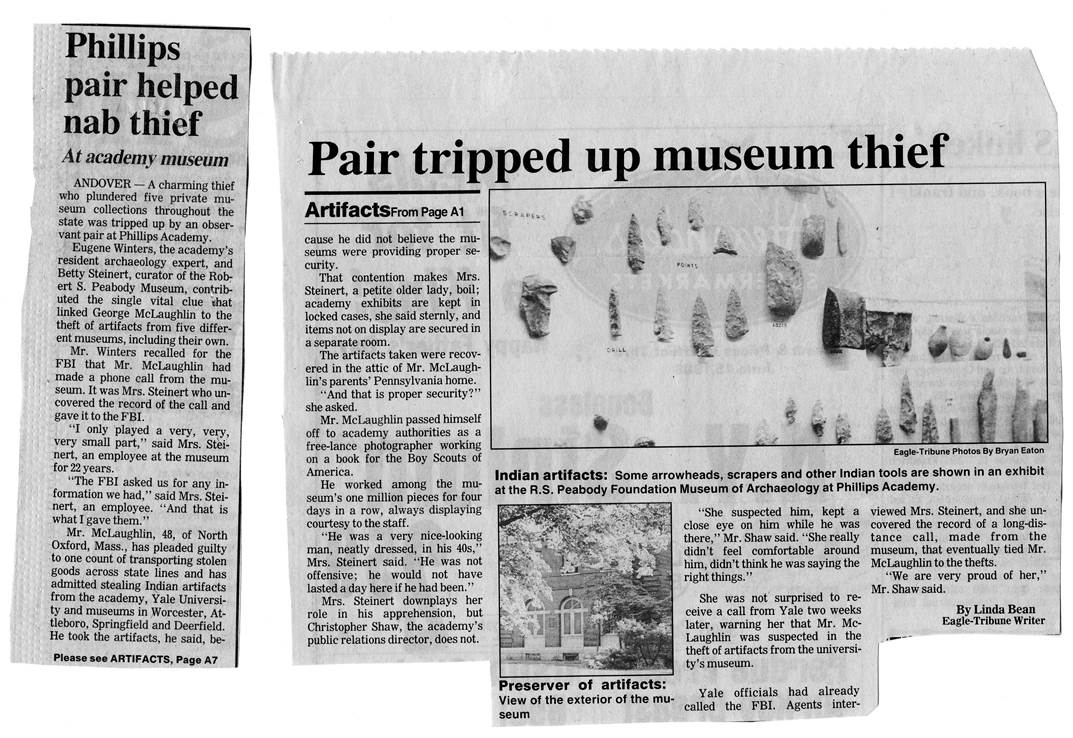
In 1986, Gene welcomed a man named George McLaughlin into the Peabody. McLaughlin claimed to be creating a handbook on archaeology for the local Boy Scouts and was looking to photograph objects in the Peabody’s collection. As a teacher himself, Gene was happy to encourage this project and made arrangements for McLaughlin to return a couple weeks later to access the collection.
However, McLaughlin instead returned the next day and told the administrative assistant, Betty Steinert, that Gene had authorized him to examine the collection – alone. Over the next three days, McLaughlin helped himself to an unknown number of objects from the collection.
Less than a week later, Gene received a call from security at Yale’s Peabody Museum of Natural History. A man matching McLaughlin’s description had stolen artifacts from a grad student’s work area and ran out of the museum before he could be caught. Because McLaughlin had now crossed state lines, the FBI became involved.
Gene and Betty remembered that McLaughlin had used the Peabody’s phone to call his wife about being late for dinner. This crucial piece of information allowed the FBI to locate McLaughlin’s home. Fortunately, McLaughlin was arrested soon after these incidents and all materials in his possession were seized.
Eagle-Tribune article from 1986 recounts George McLaughlin’s theft of artifacts from the Peabody Museum.
In total, McLaughlin victimized six institutions in New England and stole thousands of artifacts valued at over $800,000 in 1986 ($1.9 million in 2020 dollars). He intermingled the artifacts based on his own system and systematically removed their catalog numbers (often the best clue to their original home). By so drastically removing the objects from their context, it was a challenge to return the objects to their appropriate homes.
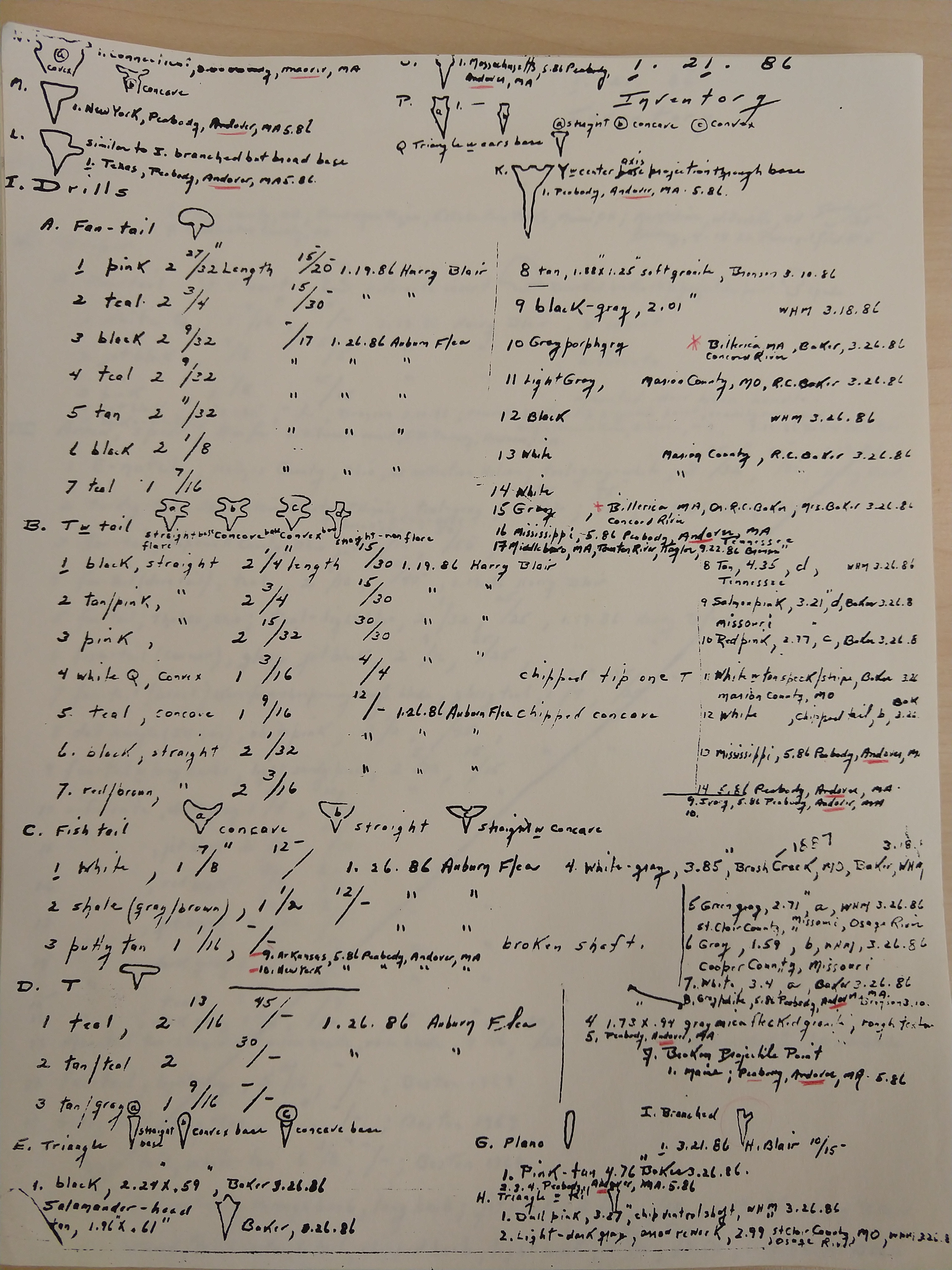
McLaughlin had kept his own version of a ledger identifying the objects and where they came from. And fortunately, Gene was able to recognize a dozen or so very specific objects from the Peabody’s collection. The FBI left it up to the victimized institutions to divide the material in McLaughlin’s collection. The Peabody ended up with nearly 1600 objects from McLaughlin.
Ultimately, McLaughlin was sentenced to a three year suspended sentence and four years of probation. He was also fined $10,000 and ordered to pay a small restitution to each institution.
And therein lays the origin of the Peabody’s FBI collection.
Having come across these materials during our inventory and rehousing project it was time for them to be cataloged by myself (John). One challenge confronted us: McLaughlin had removed any identifying numbers applied by the museums and applied stickers with his own numbers. As the objects were cataloged, a careful inspection was made for remnants of original numbers not completely obliterated during the removal process. There were many with tantalizing hints of legible numbers. In the end though, there were just a few objects with numbers clear enough to associate with our museum’s ledger.
A page of McLaughlin’s inventory
The remaining majority of objects needed new numbers. As mentioned above, McLaughlin had organized the objects and transcribed them into a ledger of sorts. His ledger was too general to make a one-to-one comparison with our own museum’s ledger, but it served as the outline of our numbering system. We added our own prefix, indicating that these objects were stolen and returned by the FBI and followed that with the McLaughlin number. In that way the objects will always carry that part of their strange history.
It’s been almost two months now since John and I have been back at the Peabody alternating weeks of work. In order to save time while we are in the Peabody, we are using that time exclusively to inventory drawers and spending our weeks at home updating the database with the drawers we inventoried the previous week. Now that we’ll be back in the Peabody more regularly, our work from home duties have shifted to more database work. In his post from last month’s newsletter, you can see all the hard work John’s been doing at home so now I’d like to share some of the things I’ve been able to accomplish from home so far.
Marla has kept everyone busy with various projects since we started working remotely in March. For me, that included digitizing photographs, creating condition reports for textiles, digitizing ledger books, and photographing site records. In total, while working remotely, I was able to digitize nine boxes of photos, complete 120 condition reports, digitize 1,700 ledger entries, and photograph 354 site records.
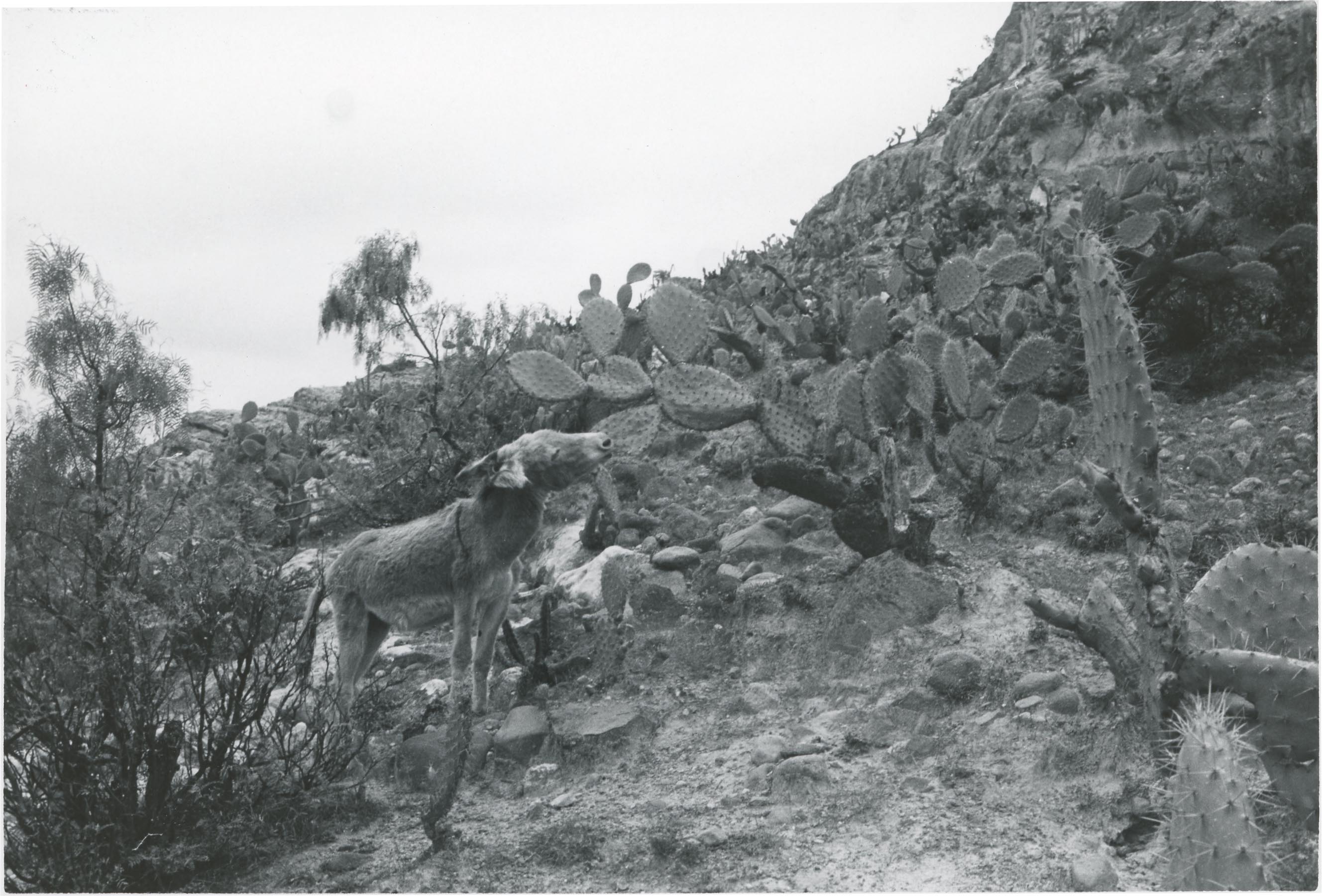
2019.0.706 – A goat on a mountainside in the Ayacucho Valley. (I think this goat is so cute!)
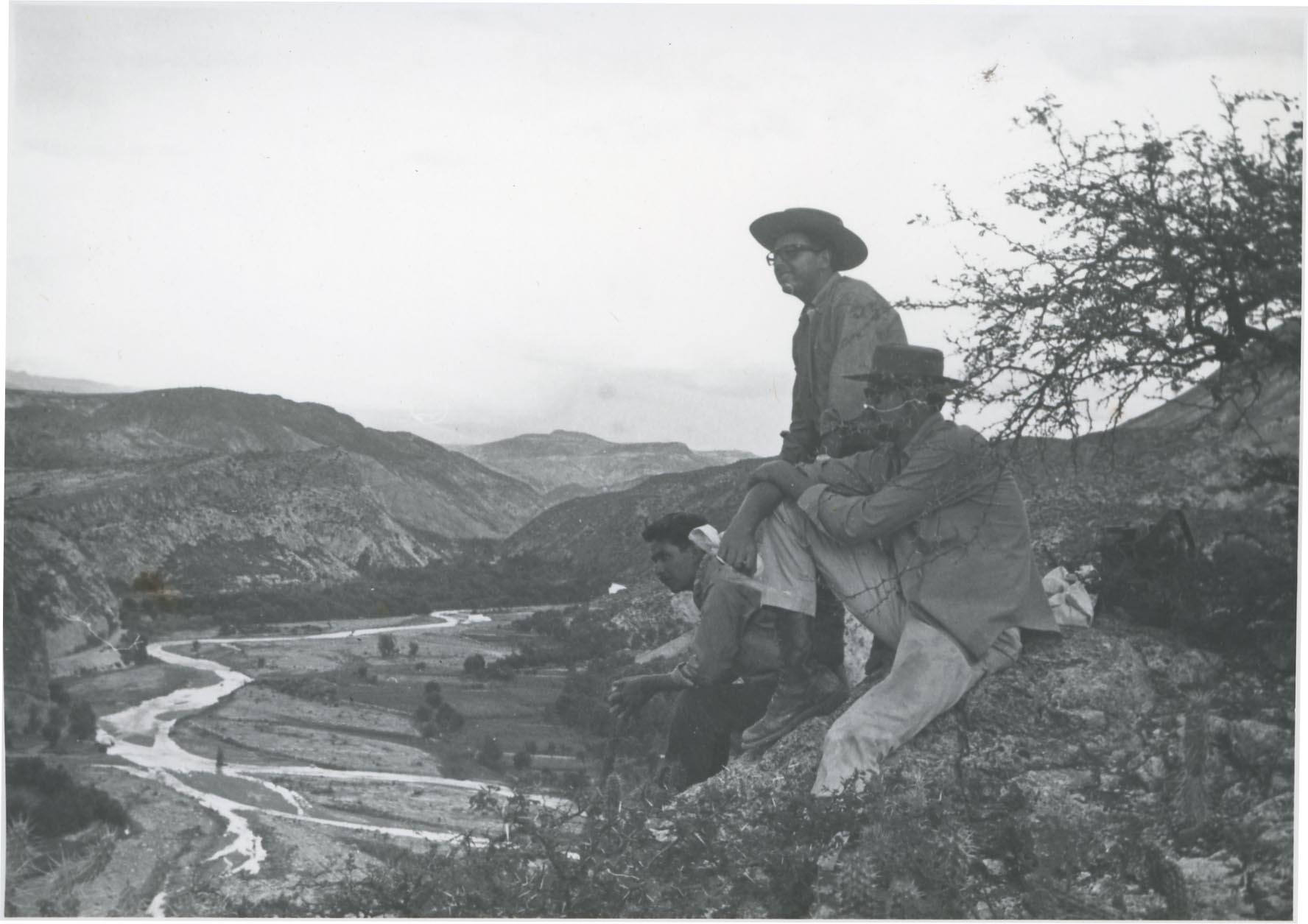
The majority of my time working remotely has been spent scanning and editing photographs of various archaeological projects from the collection. The photos I digitized were from archaeological excavations in Massachusetts, Maine, Ohio, Illinois, Kentucky, and Connecticut. Perhaps my favorite photos to work with were the ones from the Ayacucho Archaeological-Botanical Project in Peru. This project, directed by Richard MacNeish, was meant to investigate the origin of agriculture and its relationship to the development of civilization in New World Centers. The Ayacucho Valley was subsequently excavated between 1969 and 1975, which produced the hundreds of images that I’ve been working on. Many of the photos are of cave excavations, others show sweeping views of the Peruvian highlands complete with mountains and wildlife, and there’s the occasional photo of the archaeologists acting silly.
2019.0.743 – Archaeologists overlooking the Ayacucho Valley
Since we’ve been back at the Peabody, John and I have been working hard to make up for lost time on the inventory project. So far we’ve been making great progress as we’ve been able to inventory over 60 drawers since being back. Empty wooden drawers are once again piling up like crazy!
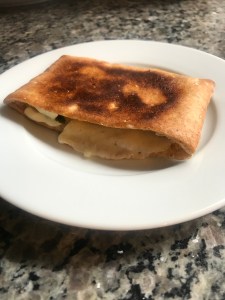
Working from home for the past few months has been an interesting experience. It’s been great saving so much money on gas and I loved being able to make myself gourmet grilled cheese sandwiches for lunch every day, but I’m very happy to be back working with the artifacts. Hopefully someday soon we’ll all be able to enjoy being back at the Peabody full time!
If you’re in need of some grilled cheese inspiration here is one of my favorites—olive tapenade, roasted red peppers, arugula, and manchego cheese! (I only had pita pockets at the time but I think a nice sourdough would be great)


 The Peabody