#SAA2019 #MeToo

This time of year usually sees a blog post about our attendance at the annual meetings of the Society for American Archaeology (SAA). The meetings are held in late March or April and attract thousands of archaeologists from around the world who share their research, connect with old friends, buy books in the exhibit hall, and generally revel in our discipline. The Peabody and Phillips Academy have a long history with the SAA and its annual meeting. The first ever annual meeting of the Society was held at Phillips Academy in December 1935. Doug Byers, the long-time director of the Peabody, served as the editor of American Antiquity, the Society’s flagship publication. Richard “Scotty” MacNeish was president of SAA.

Image of human hand petroglyphs carved on dark volcanic rock at Petroglyph National Monument, New Mexico.
Petroglyphs at Piedras Marcados Canyon, part of Petroglyph National Monument, Albuquerque, New Mexico. Photo by Ryan Wheeler, April 12, 2019.

Peabody personnel have continued to be involved with SAA. Staff members and members of the Peabody Advisory Committee regularly present papers and posters in the annual meeting sessions. Since 2017 we have had a booth in the annual meeting’s exhibit hall to promote the Linda S. Cordell Memorial Research Award, our book Glory, Trouble, and Renaissance at the Robert S. Peabody Museum of Archaeology, the Journal of Archaeology & Education, and generally network with folks in attendance. This year’s meeting was much the same, with lots of comradery with old and new friends, some great New Mexican cuisine, sightseeing at Petroglyph National Monument, and a visit to Albuquerque’s Red Planet Comics, a Native American-owned comic book store.

The difference this year, however, was that our discipline and the Society for American Archaeology have run headlong into issues of sexual harassment and discrimination that have garnered headlines everywhere from the film industry to tech and science sectors, often under the umbrella of #MeToo. These issues have been prevalent in archaeology for decades, and two of the papers in the session that I participated in, Sins of Our Ancestors (and of Ourselves), highlighted the contributions of women in museums and archaeology, and how their voices have often been excluded, their work co-opted, or their names simply excised or omitted from the record.

Image of name tag and program book from SAA conference.
Name tag and program book from the 84th annual meeting of the Society for American Archaeology.

Shortly before the Society’s annual meeting this year news circulated about a Title IX investigation of a prominent archaeologist at the University of Alaska Anchorage. According to news stories published at the end of March 2019, the Title IX investigation into sexual discrimination and sexual harassment found accusations from nine women all credible. The professor was denied emeritus status, and students and faculty were advised to alert authorities if the professor was encountered on campus. This professor apparently registered for the SAA annual meeting on-site. Not long after this, at least three survivors encountered him at the conference and reported his presence to the meeting organizers. Michael Balter, a journalist who has reported on #MeToo in science and who was at the conference for a session on this topic, also reported the individual’s presence and ultimately escorted the professor out of the meetings. He, however, returned later.

While the above is troubling, it’s only the beginning of the story. The current furor in archaeology centers on the Society for American Archaeology’s response to what happened at the meeting. The initial response was sluggish at best and often misguided. Michael Balter, the journalist who ejected the professor, was himself kicked out of the conference by the meeting organizers. Ultimately, over 2,300 people (many SAA members) signed an open letter to the Society that castigates the SAA for its response and demands action.

Apologies to the survivors were late in coming and there has been a general disregard for how this event has impacted all survivors of harassment and abuse who were at the meeting. Social media posts by the Society have blamed others or presented distorted timelines. It’s left many of us wondering how we can encourage the next generation of archaeologists to attend these meetings if they aren’t safe spaces, let alone continue our own support for an organization that is willing to tolerate sexual harassment and all its attendant hurt, trauma, and pain. At least three of the survivors have gone public with their experiences at the conference, including their interactions with SAA professional staff and leadership. Their posts on social media continue to raise concerns.

The SAA’s new president, Joe Watkins, issued an apology via a video message and letter on April 18. Comments on social media indicate that the apology was well received by some, but not all. Watkins, in his letter to SAA members, promises that the Society “will create a body to examine the short-comings in our sexual harassment policy of 2015 and the anti-harassment policy of 2018” and “do our best to ensure that this does not happen again.” He does, however, acknowledge that the recommendations of task forces have often been ignored by SAA leadership in the past.

If you want to learn more about what happened at the meeting and in the ensuing weeks, take a look at these articles by Lizzie Wade, Kerry Grens, as well as Kristina Kilgrove’s resignation as chair of the SAA media relations committee, and follow Norma Johnson on Twitter: https://twitter.com/nmj428

UPDATE 4/26/2019: See Kristina Kilgrove’s blog for a timeline of events.

The Dirt on Soil Analysis

Contributed by Emma Cook

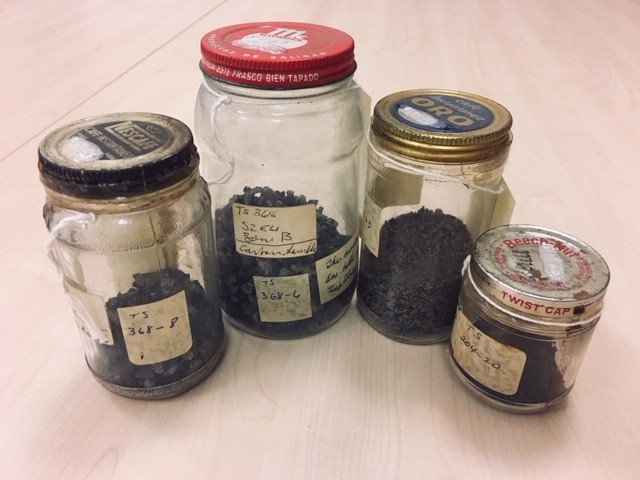
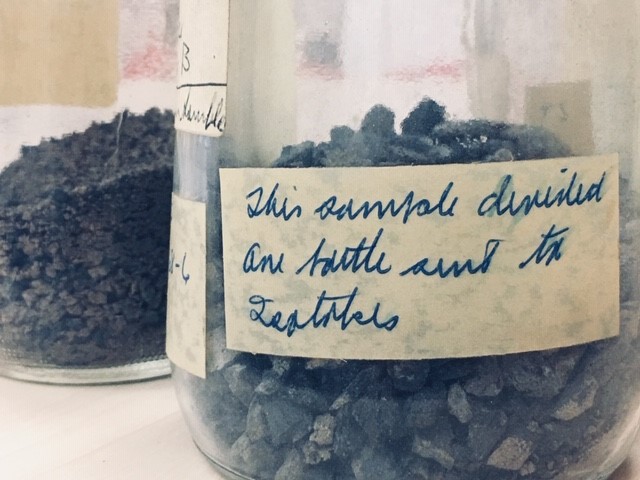
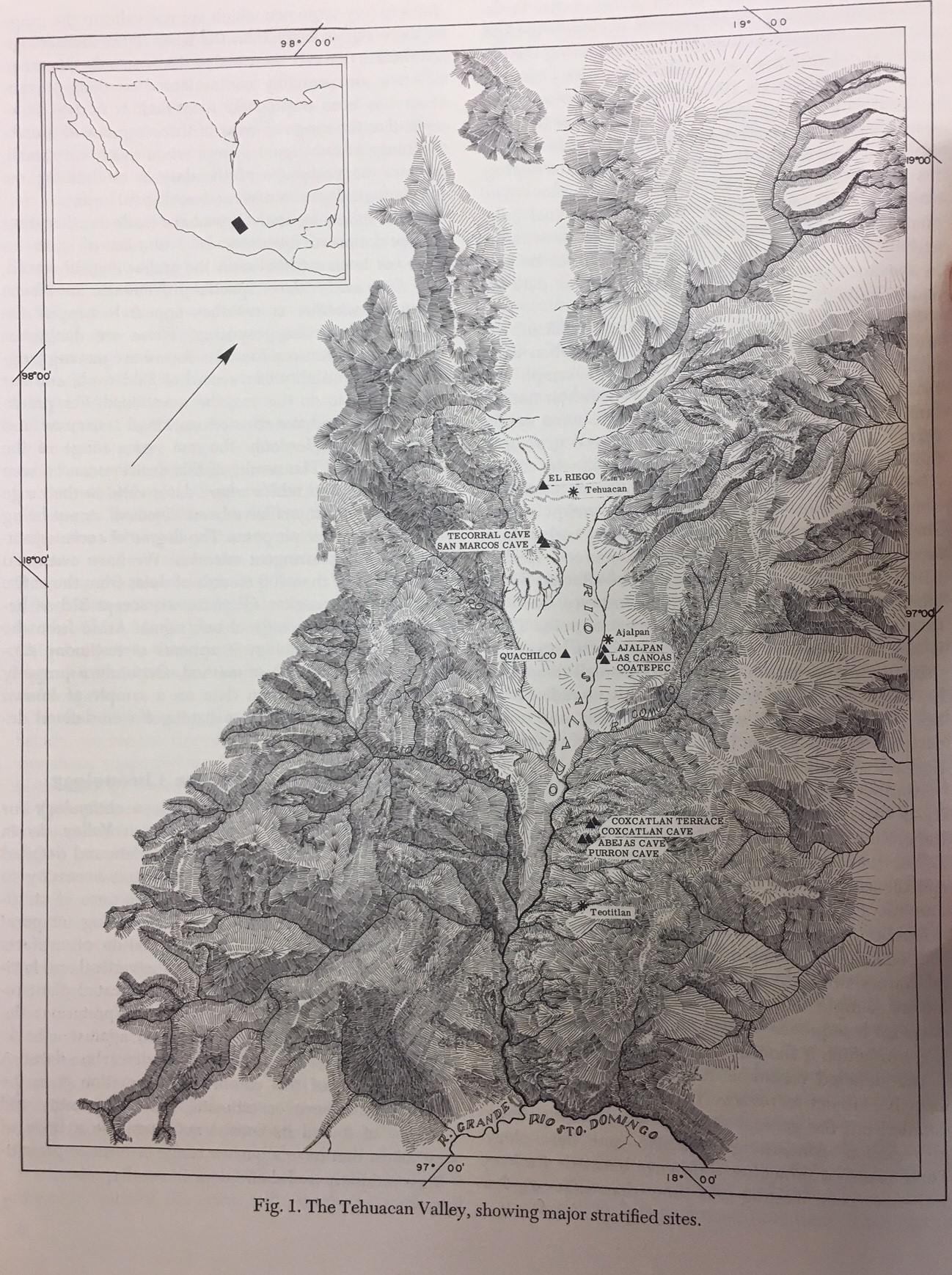
My latest work for the Peabody Inventory and Rehousing Project has led me to Tehuacán, where I have been cataloguing glass jars that contain soil samples. These jars are a part of the Tehuacán Archaeological-Botanical Project by Richard “Scotty” MacNeish during the early 1960s. The samples were collected for testing and analysis purposes from the project area. When archaeologists excavate a site, they dig through soil layers formed by the activities of past people. What archaeologists recover from these layers provides clues about what happened at that site from features or artifacts. However, the actual soil is another very important clue for archaeologists, as it can help date sites and tell a lot about the environment of the site during the time the soil layers were formed.

Soil blog_pic2
Jars of Soil Samples from the Tehuacán Archaeological-Botanical Project, 1960s

Giving an accurate description of soils help archaeologists better understand what happened in the past at a site. The color and texture of soil can reveal the age of an archaeological site, as well as how the site was used. For example, a circular stain in the soil may reveal a post-hole deposit, indicating that there was once a wooden post that had decayed, leaving a soil discoloration in the ground. Depending on the site, these post-holes could represent a structure or palisade. In addition, studying soil fertility can help archaeologists understand ancient agricultural systems.

Soil blog_pic3
MacNeish (left) and a field assistant analyzing stratigraphy at the Gladstone site on Kluane Lake in the Yukon.

Archaeologists use the Munsell Color Chart to help them describe the colors of the soil layers in a standardized way. This system was developed by Albert H. Munsell at what is now MassArt in 1905. Archaeologists compare the soil color in their excavation units to the color chips of the Munsell Chart – similar to the color squares found in hardware stores for paint. Where a color may be brown to one person, it may be gray to another – so it is important that archaeologists use this chart so they can standardize their descriptions.

Munsell Color Chart
Munsell Color Chart

To describe soil textures, archaeologists and geomorphologists use a soil triangle to help them determine what type of soil they are examining in the field. There are three types of soil components: sand, silt, and clay. Most soils have a combination of these three components and each of these components vary in sizes – sand particles being the largest and clay particles being the smallest. Similar to how the Munsell Color Chart describes soil color the same way, the soil triangle helps archaeologists describe soil texture consistently.

Soil blog_pic5
Soil Triangle – Courtesy of the United States Department of Agriculture

Another way archaeologists analyze their site is through soil stratigraphy. This is the different types of strata, or layers of soil that archaeologists examine to map out the archaeological site over time. Stratigraphy can be used to determine which soil was associated with human occupation and which layers are sterile, meaning the soil is not associated with human occupation and does not contain any archaeological material. Layers that include artifacts and features represent a place where people lived and worked, as archaeologists can see the objects left behind by human activity. Sterile layers such as subsoil, flood sediment, and bedrock are not as distinct, but provide information on a site’s activity or inactivity.

Soil blog_pic6
Archaeologists mapping out the stratigraphy at Purron Cave, TC 272, in the Tehuacán Valley.

The jars of soil samples were most likely examined after excavation and retained for further analysis. Presently, these soil samples have been rehoused and cataloguing for each of these jars is complete. To learn more about Richard “Scotty” MacNeish and the Tehuacán Archaeological-Botanical Project, visit the Peabody’s online archival collections. The MacNeish archives are available for research, separated into two collections – the Richard S. MacNeish Papers and the Richard S. MacNeish Records.


Further Readings

Birkeland, Peter W. 1974. Pedology, Weathering, and Geomorphological Research, New York: Oxford University Press.

Limbrey, Susan. 1975. Soil Science and Archaeology. London and New York: Academic Press.

Solecki, R. 1951. Notes on Soil Analysis and Archaeology. American Antiquity, 16(3), 254-256.

Student Photo Contest: Adventures in Ancient China

Eighteen Phillips Academy students traveled across China during spring break 2019 on the inaugural Adventures in Ancient China trip, part of the Learning in the World program. Student travelers visited major archaeological sites, cultural and religious sites, and museums and brought back many memories, as well as some great images! We asked students to submit their favorite shots in four categories: a) landscape or cityscape; b) candid; c) texture, pattern, or contemplative; and d) image that tells a story. We received eleven great submissions. Here are the winners in each category:

Landscape or Cityscape

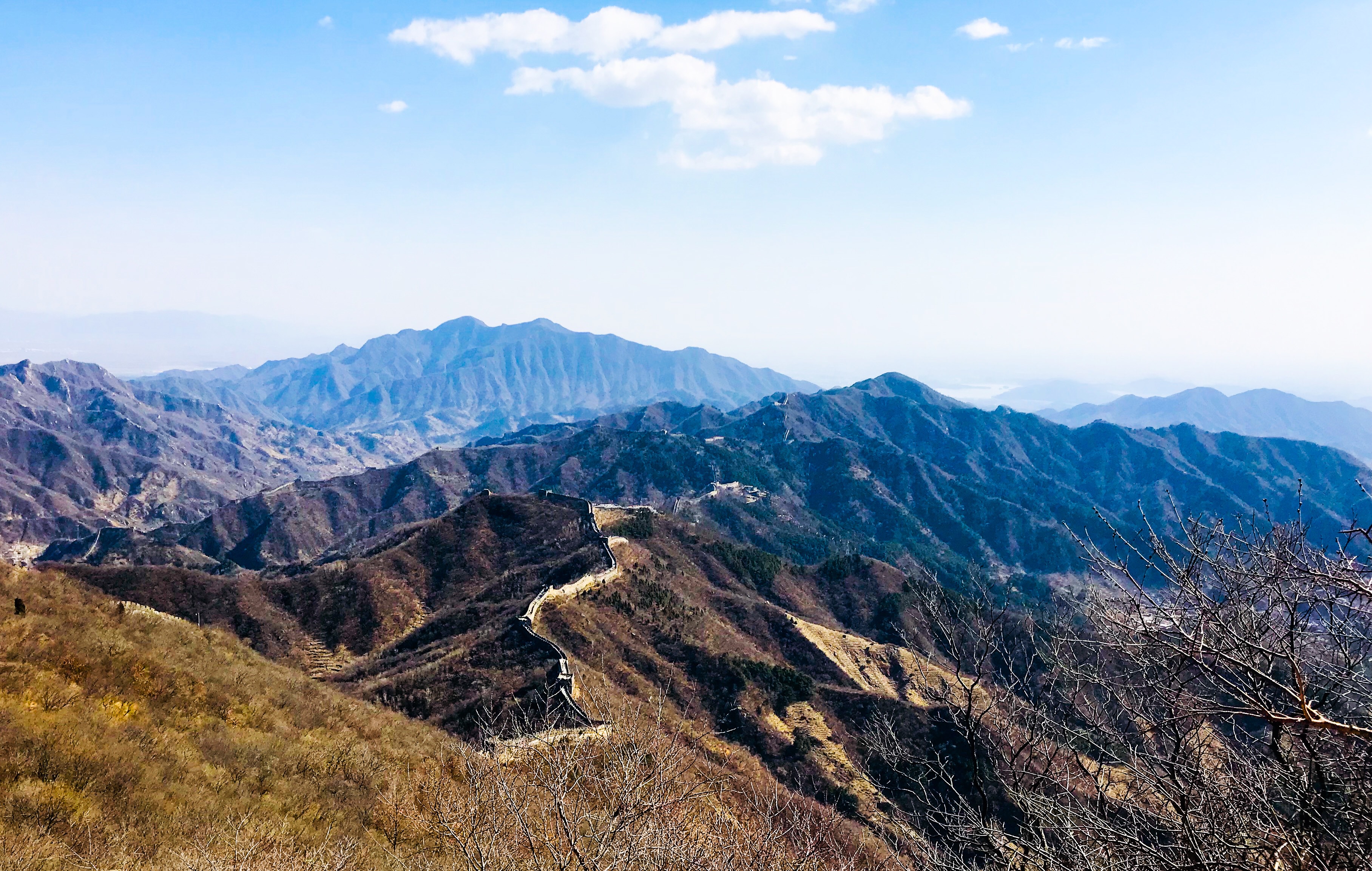
Image of the Great Wall of China in the mountains.
The Great Wall, by Abdurahman Sahibousidq.

We loved Abdu’s landscape shot of the Great Wall. We were lucky to have some blue skies like this during our last few days in Beijing, and the color and texture gradations from the greens and browns in the lower half of the image to the blues and purples of the mountains and sky give a great sense of the wall around Mutianyu where we stayed. Oh, we hiked this section of the wall too!

Candid

Image of students and chaperones sharing hot pot in Luoyang.
Hot pot, by Frank Mercer.

This is a great shot of students and chaperones sharing hot pot in Luoyang after a long train ride from Beijing. Seven of us were pretty hungry and delighted when a restaurant owner stayed open late to serve us hot pot. We love the assortment of food on the table and the steam coming from the pot!

Texture, Pattern, or Contemplative

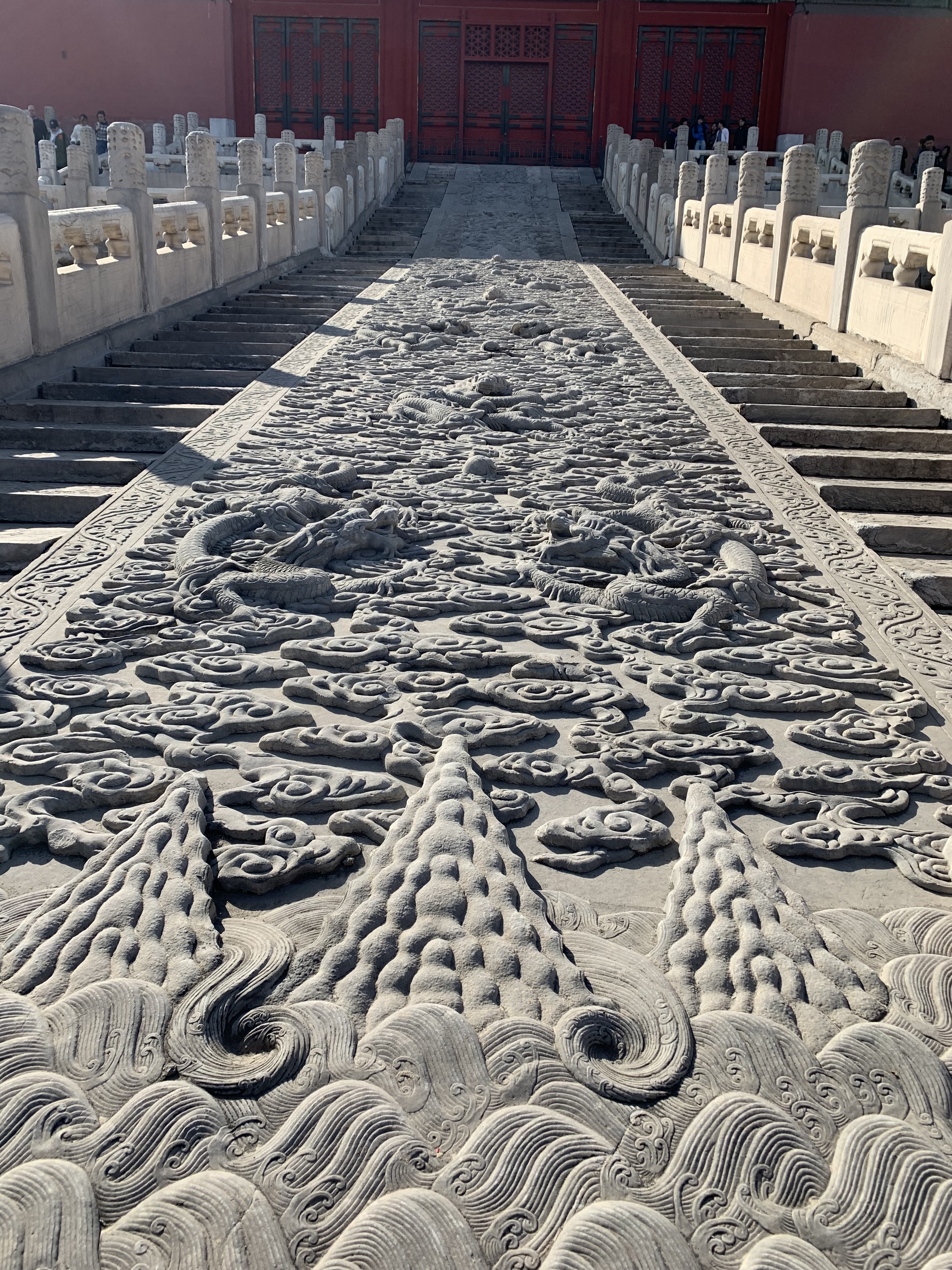
Image of carved marble ramp or pavement on the staircase at the Forbidden City.
Dragon pavement, by Emily Ho.

Emily Ho’s close-up of the Dragon Pavement captures some of the amazing patterns and textures that we encountered in China. The carved marble pavement is part of a staircase in the Forbidden City; it was carved in the Ming Dynasty and re-carved in 1761. We really like the contrast and shadows in Emily’s shot!

Storytelling

Image of a performer having makeup applied.
Painted face, by Alexander Ashman.

We saw opera performers getting ready in both Xi’an and Chengdu. What we love about Alexander’s image is the silent conversation happening between the performer and the makeup artist!

Special Award

Image of Summer Palace buildings on lake, with reflections.
Summer Palace, by Ramphis Medina.

We had a hard time picking the Adventures in Ancient China photo contest winners, so we added one extra category. This shot of the Summer Palace in Beijing, by Ramphis Medina, combines aspects of the landscape and patterns, textures, contemplative categories. The Summer Palace is considered by UNESCO a masterpiece of Chinese landscape garden design. Longevity Hill and Kunming Lake, both seen here, are major features of the gardens.

Congratulations to our contest winners and many thanks to everyone who submitted a photo! It was very hard to choose!!!!

#PAGivingDay

We are delighted to share that we reached our goal of matching Peter Hetzler’s (Class of 1972) generous $10,000 challenge during PA Giving Day 2019!

Andover__PAGivingDay__SamPhil__LinkImage__2019

Jenny Elkus (Class of 1992) also successfully challenged her class to match gifts up to $1,000 to fund a Peabody Institute Adopt A Drawer!

The final dollar figures and donor counts are not in yet, but this was a big milestone for us, and contributes significantly to our current use fundraising.

Many thanks for all the support received and an extra special thank you to Peter and Jenny for the challenges!

The overall day netted $2,348,896 from 3,624 donors for Andover financial aid, academics, the arts, and outreach programs.

Uninvited Guests

Contributed by John Bergman-McCool

Mold_Salt 1
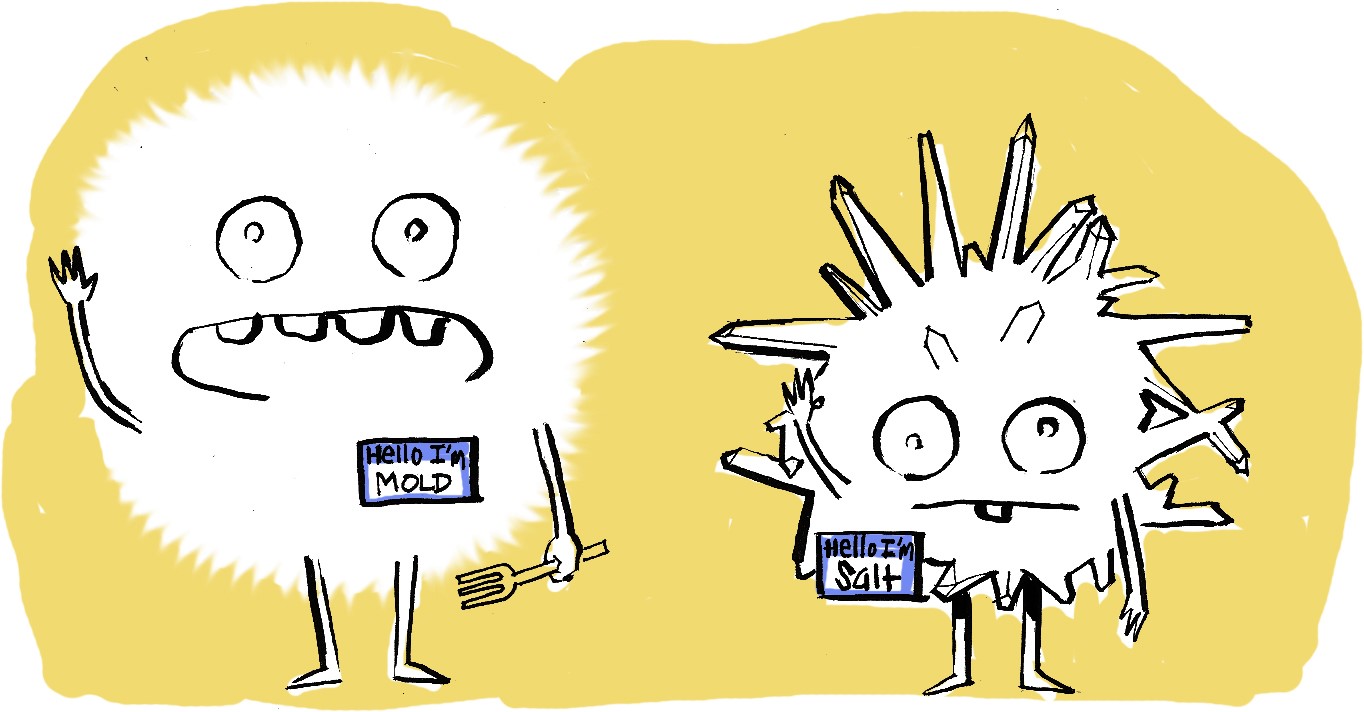
Meet Mold and Salt

In early February we wrapped up inventorying and rehousing collections that originated in Missouri. The work was followed by two weeks of cleaning, and as a result we’ve completed one of the regions held in the collection. So you may be wondering what we were cleaning. During the inventory, we encountered bone and antler objects covered with salt crystals and patchy dormant mold. The objects were cleaned before they were stored inside their new boxes to remove salt and minimize the risk of mold spreading to unaffected objects.

Where did the mold and salt come from and why are they a problem?

Mold spores are found everywhere in the environment. When the humidity is high, those spores germinate resulting in mold. Because it is a living organism, mold is classified in the museum world as an agent of biological deterioration. It eats organic matter, in this case the dust resting on the outer surface of bone or the bone itself, and secretes waste that can stain or damage the surface that it is growing on. Mold can appear to be dormant, but when the conditions are right mold will generate spores that are easily borne on the wind, allowing it to spread quickly.

Mold_Salt 2
Agents of deterioration

Salts on the other hand are considered chemical agents of deterioration. They are brought into museum collections on the objects themselves.  Dissolved salts present in groundwater can be absorbed by porous objects, such as bone, while they are buried underground. After the water evaporates the salts are left behind. Excessively humid conditions can dissolve soluble salts, allowing them to move through porous objects. When they arrive at the surface they form crystals. If the crystals form below the surface they can exert enough force to cause damaging cracks and spalling.

Mold and salt thrive in damp environments where the Relative Humidity (RH) is above 65%. The institute’s storage area is located in the basement, which does not have a controlled climate, so mold and salt are an unfortunate reality. Currently, the RH in the basement is somewhere below 15% (15% is as low as our monitoring equipment can read). RH levels this low shouldn’t support active mold and salt growth, so what we found is inactive, but it is hard to say when and for how long the growth of mold and salt was last active.

At the Peabody we are committed to maintaining the longevity of this very important research collection and salt and mold pose a risk to its scientific viability. Damage to the surface of artifacts caused by mold and salt can negatively impact the research value of the collection.

How do we prevent mold and salt?

While we don’t have an HVAC system maintaining the environment in basement storage, we have adopted a few practices that will mitigate and prevent future growth of mold and salt. First, we use dehumidifiers during times of high humidity that typically arise during the summer. Second, we are moving the artifacts currently stored in open drawers and rehousing them in closed archival boxes. The enclosed space of a box helps create a buffer that protects the contents from rapid shifts in RH that lead to mold and salt growth. The boxes will also keep future mold growth from spreading; something that was not possible with open-drawer storage.

Mold_Salt 3
Vacuum defeats Mold and Salt

In addition to the rehousing, we have implemented a cleaning program. When mold and salt are identified we isolate the effected object to keep spores from spreading. We clean the affected artifacts with a dry brush and vacuum. After we clean we use sachets of silica gel to absorb excess moisture, thereby providing another buffer against cycles of RH increases and decreases. In six months we’ll check on the status of the bone to see if the mold and salt are staying away.

More Than a Number: Cataloguing the Peabody Collection

Contributed by Emma Cook

My name is Emma Cook, I am the Administrative Assistant at the Robert S. Peabody Institute of Archaeology. I have a background in archaeology, history, and museum studies with undergraduate and graduate degrees from the University of Georgia and Tufts University. Aside from my administration duties, I work with the Peabody’s collections. Recently I’ve been involved in the Inventory and Rehousing Project and I am working with collections on the first floor South Alcove, located in one of our gallery/classroom spaces.

The Robert S. Peabody Institute of Archaeology collection comprises nearly 600,000 artifacts, photographs, and archives. Some of these materials are displayed and used for teaching, while many reside in our collection storage. What is unique about much of our collection space is its original storage. The bays and drawers in which many of these artifacts inhabit are almost as old as the Peabody itself, the bays being first built in the early 1920s. However, below the surface of these pine wood bays and drawers are a collection of uncatalogued objects that have hardly come to light (literally), with some still stored in the tin foil and paper bags they were placed in upon archaeological excavation many years ago.

The antiquated charm of these wooden bays is not enough to meet the need of accessible storage for our collections and the goal is to replace them with new custom-built shelves. In preparation of this storage renovation, objects need to be identified, catalogued, and rehoused. This work is completed through our Inventory and Rehousing Project.

Blog_1
First Floor, South Alcove – where my cataloguing work began

I began my work simply inventorying the objects in each drawer of each bay in the alcove. Some of these objects were already identified, numbered, and recorded in Past Perfect – a museum software that is the standard for cataloguing museum collections. Through this software, the Peabody collection is documented and made accessible online. My job was to make sure these objects were accounted for and in the right place, as well as properly rehoused and organized within the drawers. Sounds pretty easy right? Well, eventually things changed as I came across several drawers and bays containing objects with old numbers or no numbers at all. This is where my cataloguing efforts began.

Cataloguing is the process of recording details about an object into a collection catalog or database that documents the information of each object as well as its location in storage. Through this process each object receives a unique number. This number is physically attached to the object and appears in records related to the object in Past Perfect. In museums and archives, objects or materials in a collection are normally catalogued in what is called a collection catalog. In the past, this was traditionally done using a card index, but in the present-day it is normally implemented using a computerized database – for the Peabody this is Past Perfect. Some of the objects I came across with “old numbers” were either connected to the Peabody’s past card index cataloguing system or the Peabody’s original numbering system (i.e. 1,2,3,…. 78,049).

Blog_4
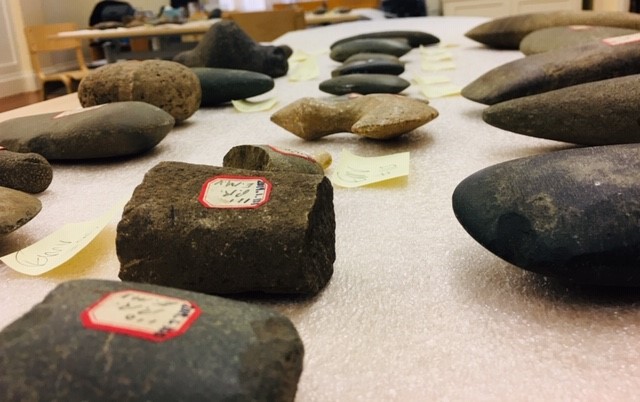
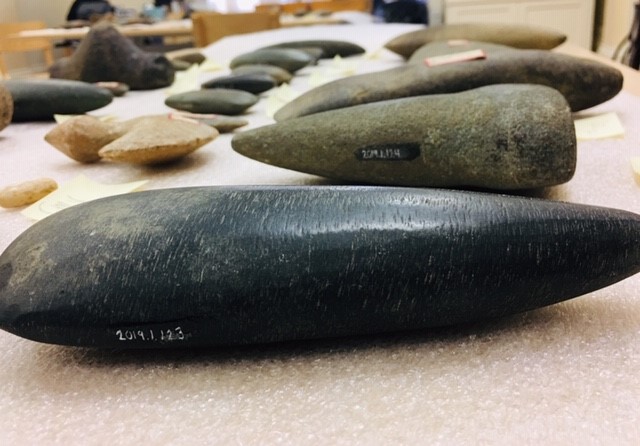
Lithic objects with affixed labels and old numbers

Each object was given a new number associated with the Peabody’s present catalog numbering sequence (i.e. 2019.1.123). This numbering sequence is a three-part number, making it both simple and expandable. The first part of the sequence is the year in which the object was accessioned or catalogued (i.e. 2019). The second part of the sequence is given to objects in chronological order based on when they were first accessioned (i.e. 2019.1). The third part of the sequence gives a single object a number in chronological order (i.e. 2019.1.1). Objects that had an affixed label had the new number written on the label. Objects without labels had their numbers painted on with ink. A solution called B72 is applied to the object before the ink in order to protect the original surface of each object. This solution is not harmful to the object and can be easily removed if a mistake is made or the object needs a different number.

Blog_5
Lithic objects with new numbers painted on their surface using ink and the B72 solution

The cataloguing process is not an easy one, nor is inventorying and rehousing a collection. The process may be slow and tedious, but it does have its rewards. By using a great deal of care, time, and effort, rehoused and identified objects can be used for teaching and research. Not only can collection staff have full access to the collection, they can provide a safe and accessible place for these materials in storage. The cataloguing process may seem like a trivial task, but it just goes to show – it’s more than a number.

For more information and reading on the Inventory and Rehousing Project, see the following blogs below:

Transcribing the Collection – January 2019

A New Face in the Basement – January 2019

Ceramic Inventory Complete – December 2018

Collections Reboxing Project Update – April 2018

A Day in the Life of Boxing Boxes – November 2017

Shelving to the Rescue – September 2016

Boxes and Boxes and Boxes – August 2016

Summer Work Duty Students Begin Rehousing Inventory – August 2016

China Travelers Meet Tu’er Ye

Adventures in Ancient China is one of the newest Learning in the World programs at Phillips Academy. During spring break 2019 eighteen students experienced some of China’s most dynamic history and archaeology, along with spicy cuisine, fantastic religious art, and new friends.

After exploring the impressive architecture of Ming and Qing dynasties at the Summer Palace, the Tian Tan, and the Forbidden City we engaged with some of Beijing’s Intangible Cultural Heritage. UNESCO defines intangible cultural heritage as “the practices, representations, expressions, as well as the knowledge and skills (including instruments, objects, artifacts, cultural spaces), that communities, groups and, in some cases, individuals recognize as part of their cultural heritage.” This can include oral tradition, performing arts, rituals and festivals, traditional knowledge, and craftsmanship.

Image of Beijing Tu'er Ye artist with figurine.
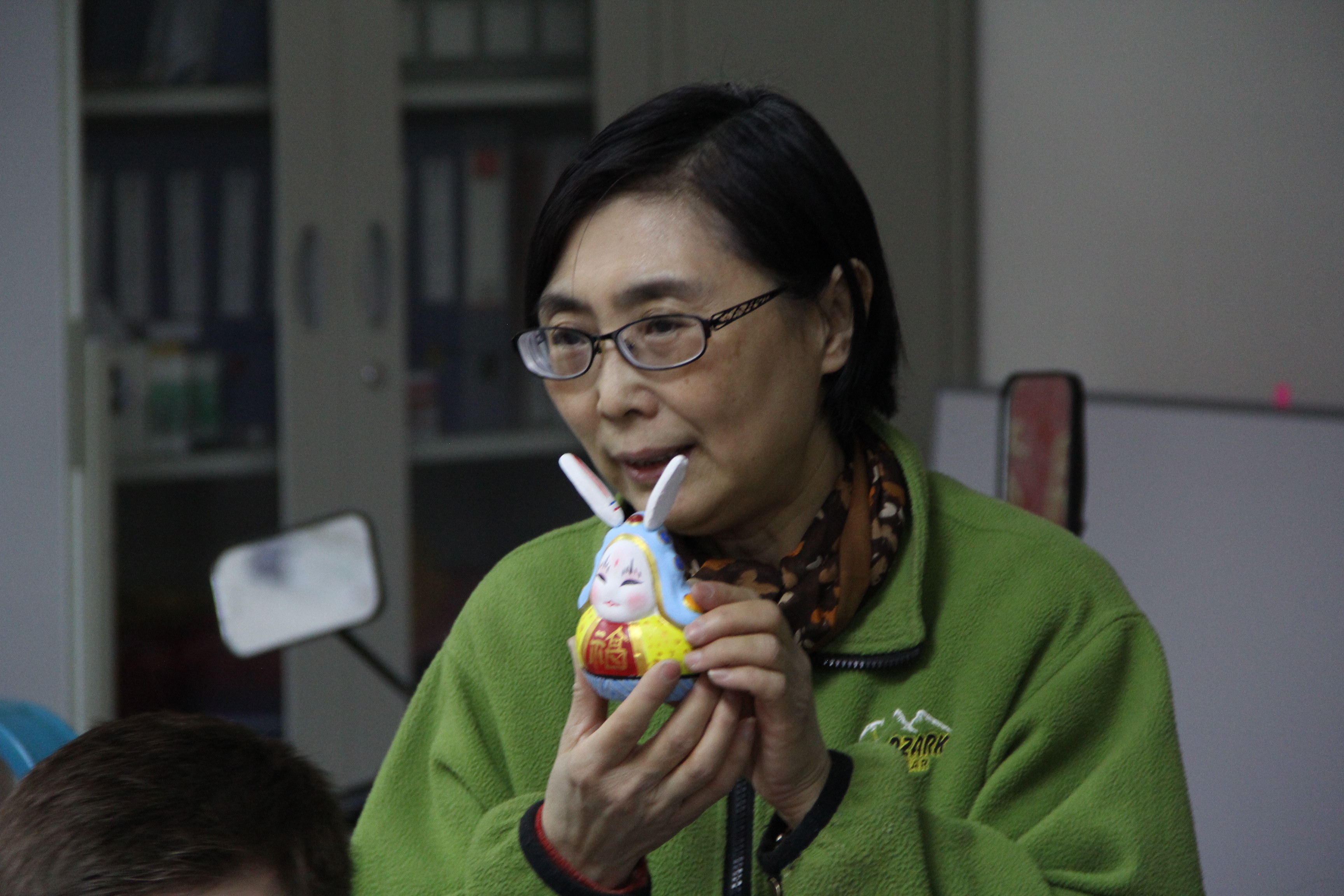
Beijing Tu’er Ye artist explains how to decorate a figurine.

Students participated in a workshop with a local artist who makes and decorates figurines of Lord Rabbit, also known as Tu’er Ye in Beijing. Tu’er Ye, once worshiped in the pantheon of local deities, was renown as a healer and maker of elixirs.  The moon goddess Chang’e sent Tu’er Ye to use his/her knowledge of medicine to save the people of Beijing from a plaque. Tu’er Ye probably appeared as early as the Ming Dynasty, often as a clay figurine for inclusion in household shrines.

Two students paint ceramic rabbit figurines.
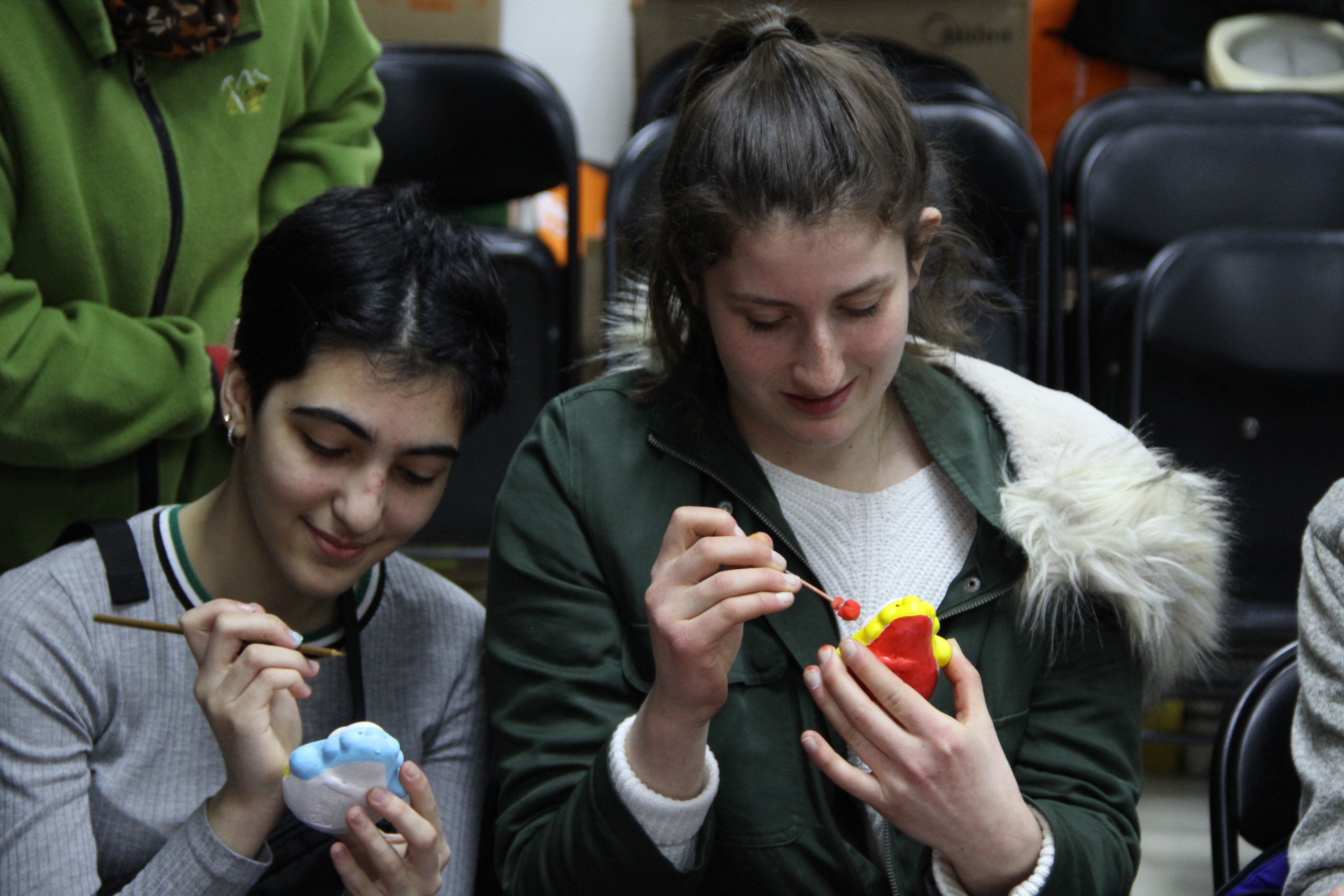
Students paint their own Tu’er Ye figurines.

Tu’er Ye is a rabbit with a human body adorned with the outfit of an ancient general: helmet, scarf, shoulder-draped golden armor, broad belt and big boots, while holding an alchemist’s pestle and mortar. Tu’er Ye figures prominently in the Mid-Autumn festival and the figurines may have become toys to occupy children during festival preparations.

A student shows off her painted rabbit figurine.
The finishing touches–after completing their figurines each student had a nice souvenir of Beijing!

A handful of artists continue the tradition of making and decorating the figurines. Making the Tu’er Ye figurines is one of Beijing’s more than 12,000 intangible cultural heritage items. It was inscribed on the national list in 2014.

Adventures in Ancient China is generously supported by The Schmertzler Fund for Exploration and Experiential Education.

Lucy Foster’s Ceramic Collection

For archaeologists, ceramics are one of the most useful artifacts that can be found during an excavation. They can help date an archaeological site, they can shed light on the domestic habits of the people who left them behind, and they can also reflect the social and economic status of individuals.

1077596-2
Hand painted dishes from the Lucy Foster Collection.

When I worked in Virginia, ceramics were my favorite artifacts to have to clean and catalog. I was fascinated with the variety of colorful patterns that were excavated from the areas where James Madison’s enslaved populations lived their daily lives. I also wondered what these ceramics must have meant to them, considering they had relatively little, especially compared to the family they worked for.

The collections at the Peabody don’t typically have these types of historic ceramics. The main type of ceramic housed here are Native American ceramics, which are very interesting, but also very different from the European ceramics I had grown accustomed to seeing in my daily work life. We do have one collection that is comprised of historic ceramics, and that is the Lucy Foster Collection.

1077549
A brown transfer printed pitcher from the Lucy Foster Collection.

Lucy Foster, unbeknownst to her in her lifetime, became a very important figure in the world of African American archaeology. Her dwelling, known as Lucy Foster’s Garden, was one of the first, if not the first, excavated site of a freed former slave in the United States. In addition to other materials, Lucy Foster left behind a great deal of ceramics. Lucy’s ceramics were like those I had grown accustomed to seeing in the context of enslaved populations in the South. However, here were the same patterns showing up at the home of a freed woman.

The remains of pearlware, creamware, and even porcelain were present in the assemblages from Lucy’s Garden. Decorations ranged from plain to hand painted and transfer printed. Vessels ranged from bowls to plates, to jugs and mugs. This variety is especially interesting. Of note is the nearly equal percentage of bowls and plates found. Research into various enslaved populations has suggested that they commonly ate from bowls, and therefore a higher percentage of bowls are found in these archaeological contexts. Plates were more commonly used by freed individuals or people of European descent. The nearly equal representation of both vessel types is especially interesting because it could possibly show how Lucy walked the line of being enslaved and freed, which is essentially true to her life story.

1077548
A hand painted mug with a floral pattern.

The Lucy Foster ceramics are quite an impressive collection for Lucy to have had in her lifetime. Further research into the collections of Lucy Foster and comparing them to the assemblages of enslaved populations and freed populations could give us even more insight into Lucy Foster and her life as a freed woman in Andover over 200 years ago. These collections are available for any researchers or Phillips Academy students who might be interested in taking on such a project. Anyone in the Washington D.C. area can view a portion of the collections as they are now on display at the National Museum of African American History and Culture, as talked about here!

For more on Lucy Foster, see:

Battle-Baptiste, Whitney
2011 Black Feminist Archaeology. Left Coast Press, Walnut Creek, CA


Martin, Anthony
2018 Homeplace is also Workplace: Another Look at Lucy Foster in Andover, Massachusetts. Historical Archaeology 52(1):100-112.

Family Fun with Archaeology

Contributed by Lindsay Randall

There was quite the hustle and bustle at the Peabody on Thursday, February 21st. Dozens of children and their parents stopped by during their school vacation to partake in our archaeology themed open house. For three hours visitors engaged with a variety of activity stations set up around the building, each with a different theme.

One of the most interesting experiences that visitors could try out was learning to write underwater! Vic Mastone, Massachusetts’s State Underwater Archaeologist, brought his expertise to the event and set up a station that highlighted tools that archaeologists use when excavating shipwrecks and other submerged sites. All the kids enjoyed playing with the special water proof paper and the giant tubs of water!

writing
Vic Mastone teaching future archaeologists how to write on mylar under water.

The other stations included LEGO model design, creating a “cave” painting, decorating Greek paper vases, making nets out of yarn, and crafting small clay vessels.

And the day could not have been done without my team of expert volunteers. They enjoyed engaging with everyone who stopped by – and even had a little fun with the activities themselves! Thank you to all who helped make the event such a success!!!!

lisa
Vic teaching fellow volunteer Lisa how to write underwater.

Peabody at the Smithsonian

Contributed by Marla Taylor

Did you know that you can find artifacts from the Peabody in Washington, D.C.?  Well, you can!

In 2018, the National Museum of African American History and Culture (NMAAHC) contacted the Peabody to request the loan of objects associated with Lucy Foster, a free Black woman, who lived in the Ballardvale section of Andover, for their Slavery and Freedom exhibition. Here is how the NMAAHC describes the exhibition:

The Slavery and Freedom inaugural exhibition is at the physical heart of the Smithsonian’s National Museum of African American History and Culture. The exhibition invites visitors to explore the complex and intertwined histories of slavery and freedom through the personal stories of those who experienced it. Chronicling the early 15th century through 1876, the exhibition explores the cultural, economic, and political legacies of the making of modern slavery and the foundation of American freedoms. Visitors will encounter both free and enslaved African Americans’ contributions to the making of America in body, mind, and spirit. They will glimpse a vision of freedom—an American freedom—pushed to its fullest and most transformational limits through the everyday actions of men and women. Most importantly, they will walk away with an understanding of how the story of slavery and freedom is a shared American history with deep roots linking all people together and that still impacts American society today.

The discovery of Lucy Foster’s homestead was an accident in 1945 as archaeologists Adelaide and Ripley Bullen were looking for evidence of an ancient Native American settlement. Lucy’s early nineteenth century homestead was instead one of the first African American archaeological sites excavated in the United States. To learn more about the excavation and the artifacts recovered, check out these sources:

Adelaide and Ripley Bullen’s 1945 article on the Lucy Foster site

Vernon Baker’s 1978 “blue book” on Lucy Foster’s ceramics

Vernon Baker’s 1972 book chapter on Lucy Foster

Anthony Martin’s 2018 article Homeplace Is also Workplace: Another Look at Lucy Foster in Andover, Massachusetts

You can also find many of Lucy’s belongings in our online collection.

The Lucy Foster site objects are displayed in Slavery and Freedom in “The Northern Colonies: Expanding Merchant Capital” section of the museum. These objects allow the NMAAHC to tell the story of women and their work in the north and bring to light the personal voice and story of Lucy Foster. Foster was born in Boston in 1767 and was sold into the household of Job and Hannah Foster at age four, in 1771. She worked as a domestic in their household until Job’s death in 1789, when she moved with Hannah to her new husband Philemon Chandler’s household. After Chandler’s death, they moved back to the Foster household until Hannah’s death in 1815. Lucy then established her own household on land willed to her by Hannah. Lucy died of pneumonia on November 1, 1845. Occasional mentions of Lucy in historical documents, coupled with the archaeological remains, has allowed a glimpse into her life.

The NMAAHC requested these objects because Lucy’s story is unique. She is one of two People of Color from this area with documentary and archaeological records to tell her story. Lucy was part of both free and enslaved communities in Andover, and these objects show how she continually used her sewing and cooking skills to carve a place for herself in the Andover community. These objects embody the presence of women and their work as fundamental to the northern states and are a rare example of objects from the early nineteenth century concretely connected to an enslaved person.

If you are in the D.C. area, be sure to stop by and say “hello” to Lucy!