Peabody Volunteer Spotlight: Meet Richard

Contributed by Richard Davis

Almost five years ago, I began volunteering at the Peabody Institute. I remember speaking with Peabody Curator of Collections, Marla Taylor, one evening after an evening presentation there and, as they say, the rest is history. In my time there, I think I’ve seen every possible iteration of projectile point imaginable – and there have been many – but what resonates most for me are the stories behind almost every object I’ve handled.

The museum has an important collection of approximately 600,000 objects essentially from North, Central, and South America. It is unlikely that I’ll get to see or work with every one. So far, I have helped catalog 12,000 year old bones from a cave in Peru where South American agriculture is believed to have started, reshelved a couple of dozen hominid skull casts, been taught the rudiments of differentiating mere stones from artifacts that were used for a myriad of tasks, and more.

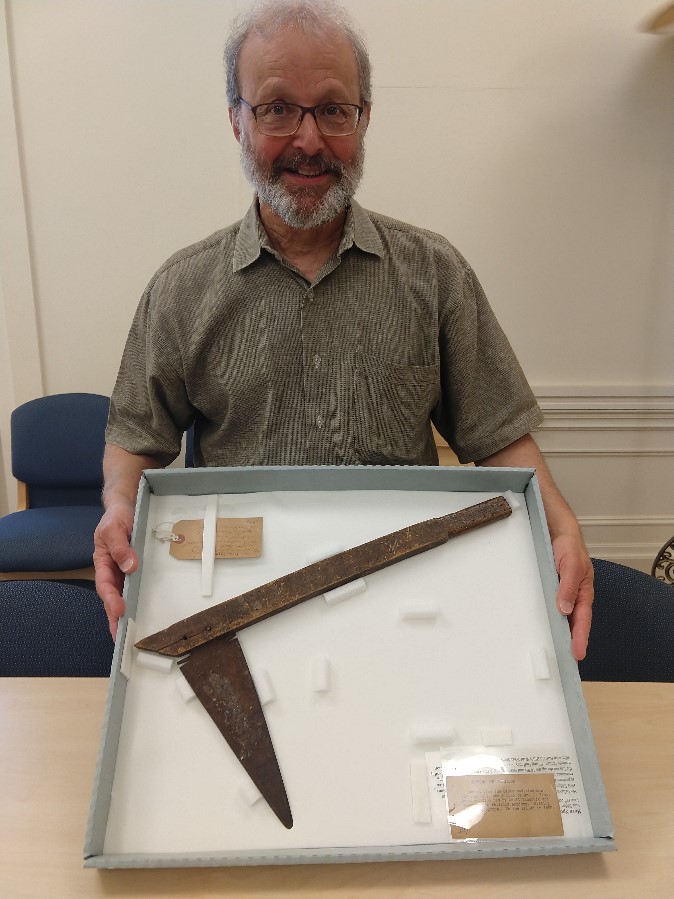
How I ended up there is a longer story, but on one of several tours, a tomahawk that was found after the Battle of Little Big Horn was shown to me. It was made from a table leg and a piece of metal from another object that was pounded into its newer, more lethal form. My son thought that was pretty compelling and asked for a photo of me with that object – the museum and I willingly complied.

Peabody Volunteer, Richard, with a tomahawk from the Battle of Little Big Horn.

I recently was examining an object that I couldn’t identify – as with many things my neophyte status should suggest – and I asked my ‘boss’ what it might be. You need to understand that the folks at the museum have seen and handled many such objects, so when they get excited by one, I figure it has some particular traction. Marla said – “Oh – that’s really cool,” so I paid close attention.

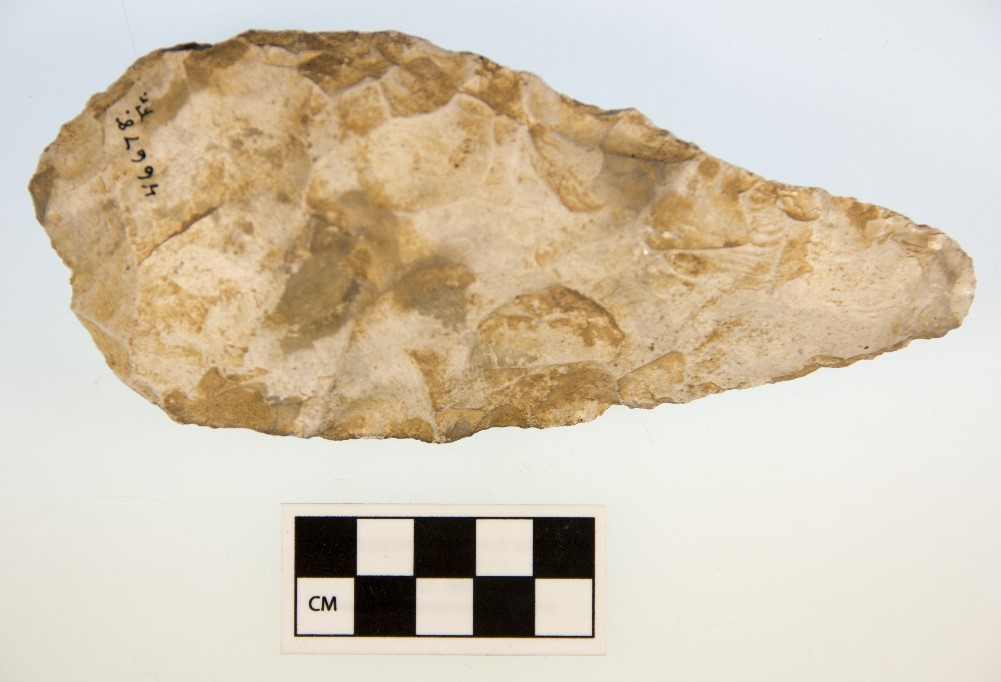
She said that it was made of flint – it was both very fine grained and smooth, except for some obvious flakes that had seemed to have been worked by somebody – something. Further, she said she knew that it came from a particular region in France and proceeded to pull up a Google search that clearly matched the object I held – a stone hand axe. So far, so good.

Next to the photo and a map were the characters ‘1MYA’ – which, I had to ask about. They, of course, meant 1 Million Years Ago. So – in my hand, I held a hand axe from France that was picked up, engineered, and used by somebody, something about one million years ago!

A stone hand axe from France, circa 1 Million Years Ago.

I went home and found myself puzzling over the object and its age. I can’t keep straight Homo sapiens, Australopithecus, Neanderthal, or any of those beings and ages, but I felt pretty sure that Homo sapiens didn’t go back that far. And after e-mailing Marla the next day, I was assured that indeed, it wasn’t of Homo sapiens origin – it was Home erectus – dating back to that 1MYA descriptor.

So – in short, I’ve had the privilege – for it is that – of holding an object, made by an ancient being for whatever purpose he or she felt necessary. I’m assuming that they weren’t thinking that it would be cool if it ended up in museum someday. They were using it to be sure they ate that night and survived long enough, so that we H. sapiens would have a go in their future.

So – long story short – it’s pretty much not only educational and worthwhile, but lots of fun volunteering at the Peabody.

After five years, I continue to enjoy and feel productive with my time at the Peabody – enmeshed with interesting objects with compelling stories, but more importantly with an amazing group of staff, colleagues, and friends. To a one, they are intelligent, patient (no job need be done in haste or unsafely), generous in both time and knowledge, and tolerant of my quirky humor and often bad puns. It doesn’t get any better.

Work Duty is Back!

Contributed by John Bergman-McCool

Work duty students are back assisting with collections projects.

We are excited to announce that after a year-and-a-half hiatus, work duty resumed at the Peabody two weeks ago! Preparations in the months leading up to building renovations, scheduled for the winter of 2023, meant that Peabody staff couldn’t devote resources to overseeing work duty students. Once the renovations began, the building would be unsafe for students and staff.

The most daunting pre-construction project was moving thousands of collection boxes from the basement into temporary housing on the first floor. Help from work duty students would have been welcomed, but had we taken on students in the fall they would be looking for new assignments that winter, which didn’t seem fair to the students. We decided that work duty should be cancelled at the Peabody for the 2022-2023 academic year.

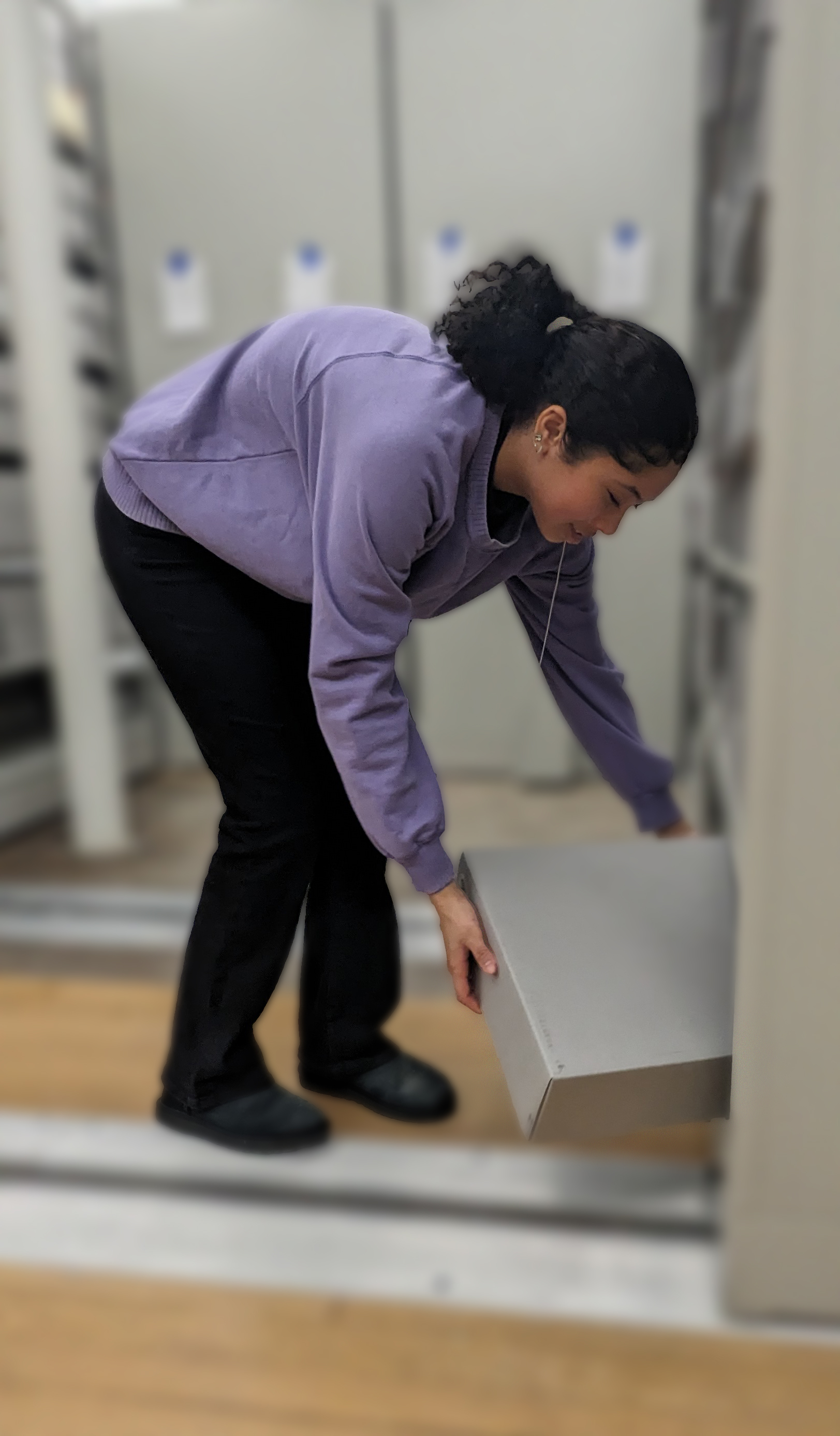
Collections boxes are moving into their new housing! This image was intentionally blurred to obscure the details of our new collections housing until the move has been completed.

Last fall, as construction began winding down, we were eager to bring work duty back. Organizing the collection in the newly renovated basement would be a larger undertaking than any of the pre-construction preparations. Generally, we knew students would be allowed back in the building this academic year, but we didn’t know an exact date. The Dean of Student’s office generously offered to take on students who were interested in working at the Peabody until we could safely bring them back.

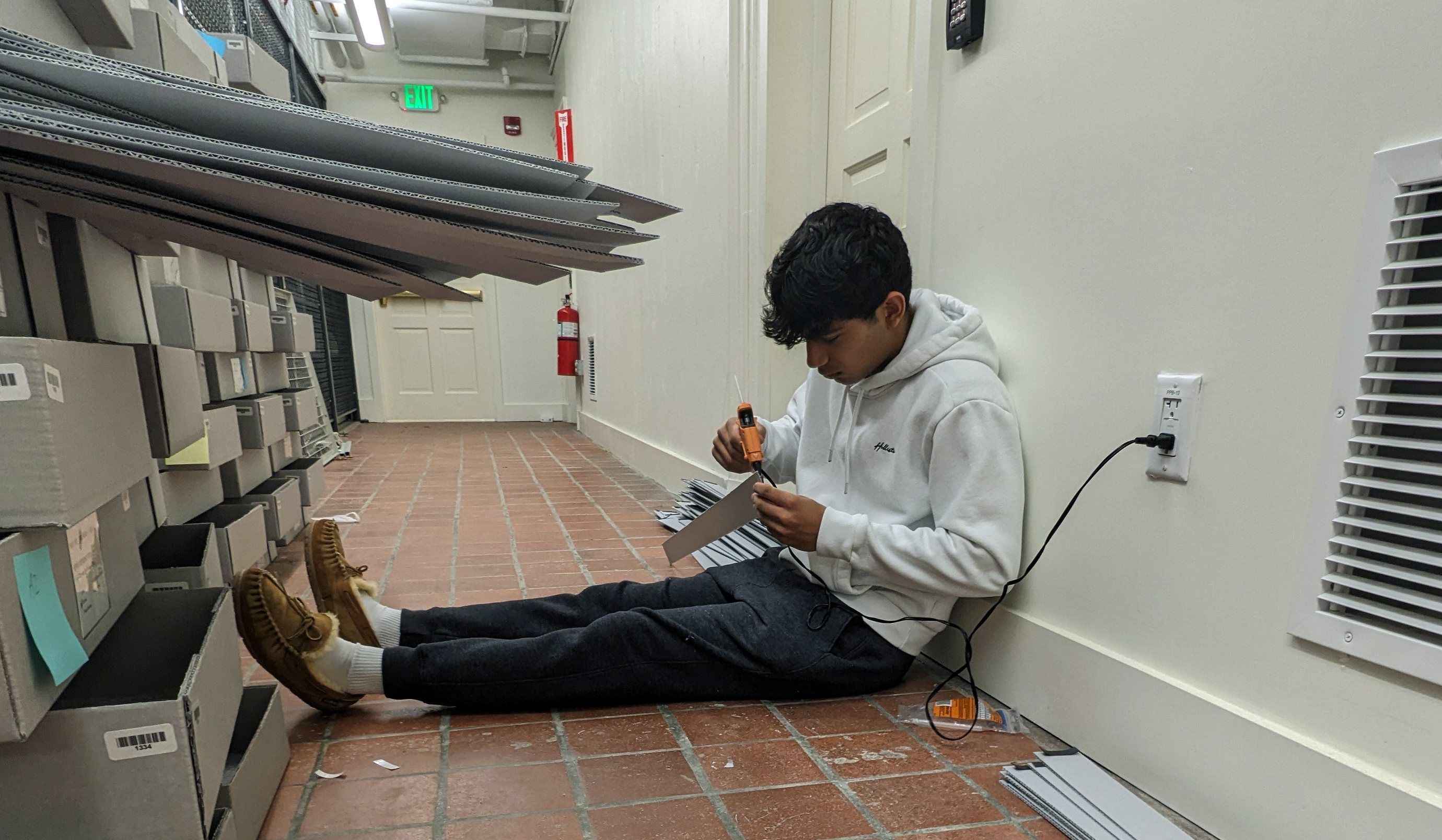
Ultimate week is the perfect time to relax while working on a collections project.

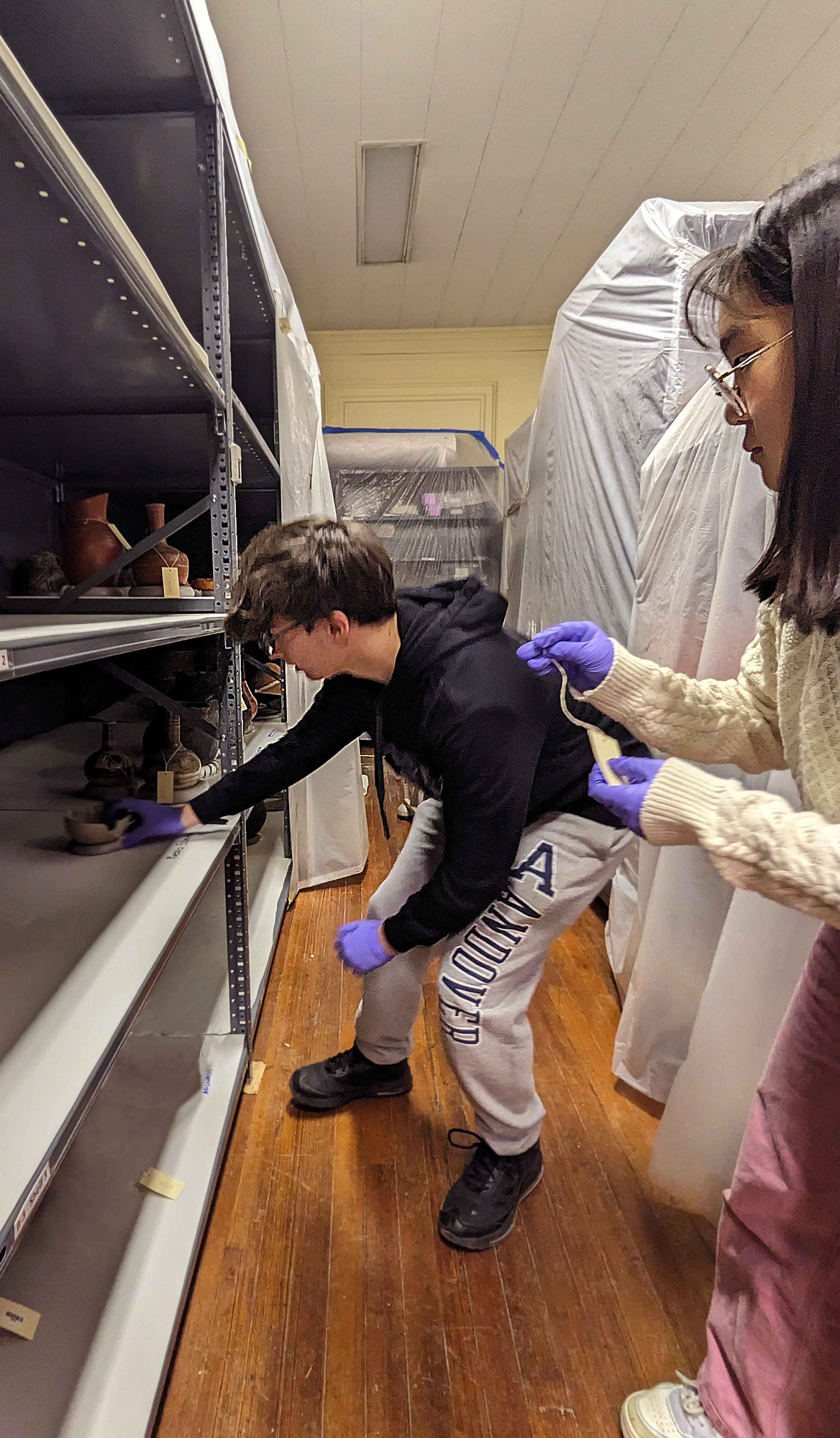
Now that the students have returned, they have been assisting us with preparing the basement to receive collections from throughout the building. They have added foam to shelving, helped sort items by geographic region, and solved inevitable mysteries that crop up in the wake of a large move. Their help has made it possible for staff to focus on moving our collection into the basement.

We are very happy to have students back and look forward to the spring term when we can welcome the wider Phillips community into the building.

2023 ATALM Conference

Submitted by John Bergman-McCool

The 2023 International Conference of Indigenous Archives, Libraries and Museums was held in Oklahoma City at the end of October and hosted by the Association of Tribal Archives, Libraries and Museums (ATALM). ATALM is an international non-profit organization that maintains a network of support for Indigenous programs, provides culturally relevant programming and services, encourages collaboration among Tribal and non-Tribal cultural institutions, and articulates contemporary issues related to developing and sustaining the cultural sovereignty of Native Nations. The annual conference provides a venue for cultural institutions that seek to protect and advance Indigenous culture and lifeways to share best practices.

The conference included ninety-eight sessions and a host of keynote speakers organized around the theme “Honoring and Elevating Indigenous Culture and Knowledge Systems.” I was fortunate that the Peabody provided me with the opportunity to attend. It was an excellent opportunity to make connections and learn from people in my field who are working at the forefront of decolonizing institutions. The number of relevant conference sessions meant that choosing which to attend was extremely difficult. Luckily, I was there with Peabody curator Marla Taylor and we split-up to attend more sessions.

Within the sessions I experienced many inspirational and emotional moments. Indigenous and non-Indigenous presenters shared their experiences working at reversing centuries of colonial practices within cultural institutions. As an employee of a non-Indigenous research institution that houses Indigenous materials, it was an extremely powerful experience.

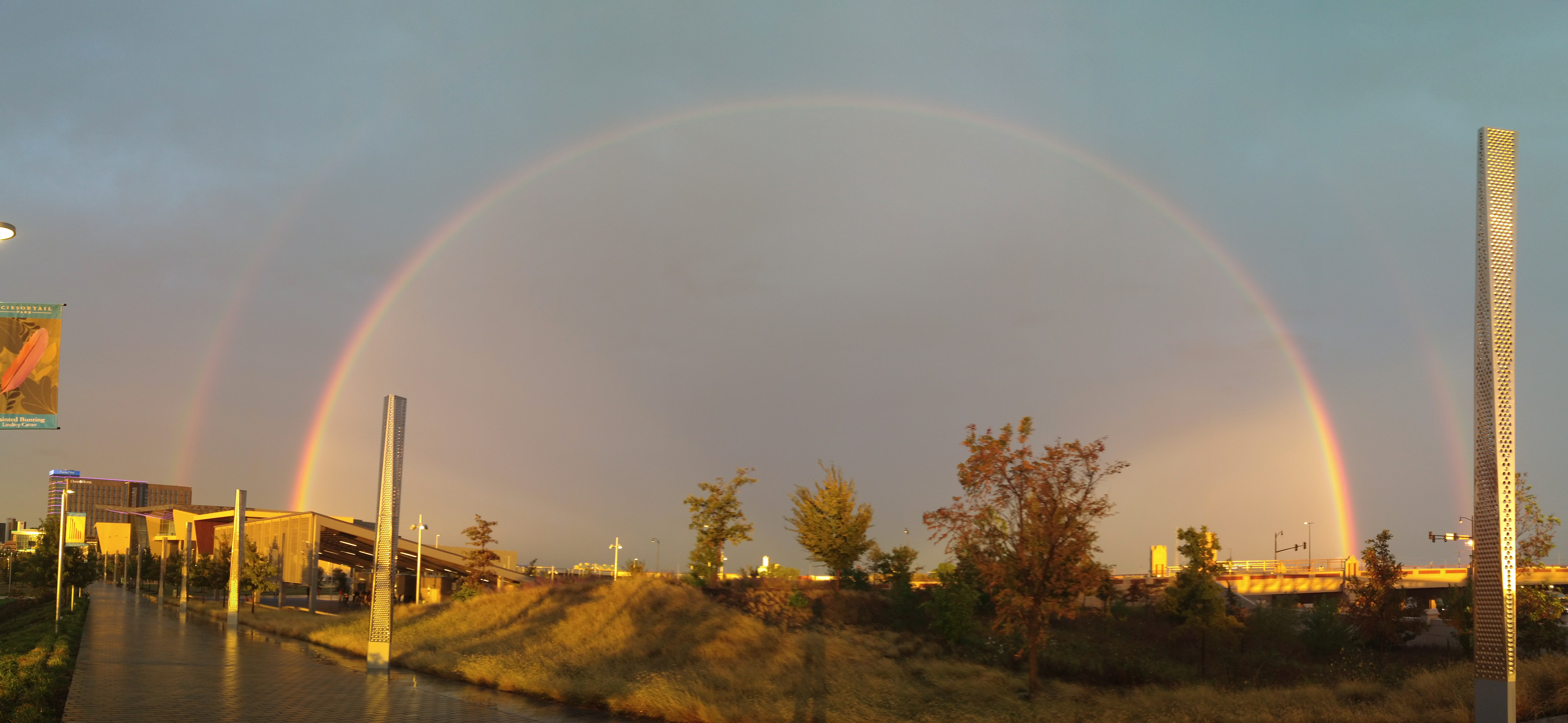
View from outside the conference after the first day of sessions.

Chief among my experiences was a day-long preconference workshop entitled “Tools and Strategies to Support Indigenous Intellectual Property.” The workshop was led by a team from Local Context, an organization that is focused on increasing Indigenous involvement in data governance and the integration of Indigenous values into data systems. You can find a much more detailed description of their work on their website.

The workshop introduced the participants to copyright law, how to identify copyrighted materials, and strategies for working with copyrighted Indigenous intellectual property (IP) held in museum collections. The copyright of Indigenous IP is particularly insidious, giving ownership, and control over access and circulation to the person who records, writes, or documents the Indigenous IP, not the creator. Prior to the workshop I didn’t know how copyright was created. I also considered the digitization process, the idea of the digital commons, and the transition of copyrighted material to the public domain as a democratizing force providing equal access to information. However, free use of these materials becomes complicated when they contain culturally sensitive or inaccurate information.

Copyright of Indigenous IP cannot be corrected retroactively and inclusion in the public domain cannot be avoided, but there are workarounds. Institutions can choose not to share Indigenous IP that they house without permission from relevant Tribal communities. Additionally, Local Context has created a series of labels that Indigenous communities can use to add additional context to collections held in non-Indigenous institutions. The labels help foster communication and collaboration between the institutions and Indigenous communities and are a pathway for inserting Tribal authority into institutional data systems.

The conference was a tremendous event and I came away with a renewed vigor for the work that we do at the Peabody.

Summer School

Contributed by Nick Andrusin

I already did 6 years of school, what’s one more class! This summer I had the opportunity to do some professional development with the Peabody, and I was more than happy to take advantage of the chance to learn something new. Museum Study LLC is a service that offers online courses and virtual lectures on a variety of museum related topics, from collections management to administration.

Museum Study online professional development – Home

After some painful humming and hawing (I was informed I can only do one at a time…Marla…) I decided on Foundations of Community Engagement, taught by the awesome Dr. Shannyn Palmer.

Museum Study Instructor Shannyn Palmer

My background is in public history, and part of my role at the Peabody is engaging with the community, so it was a good fit. The class lasted for the month of July and was virtual. Each week involved multiple readings on how different museums have incorporated community engagement, how it’s been done successfully (or unsuccessfully in a few cases), and the philosophy behind ethical engagement with museum communities. We would have questions and assignments to fill out, and then we would meet once a week virtually to discuss what we learned. The class was small, but the conversations were interesting, with participants from a variety of museums.

Just what is community engagement? Well, not to use a circular definition, but it’s how a museum engages with its communities. How much, what methods, which groups specifically, etc. The particulars will vary from project to project, but it all centers on connecting, collaborating, and co-creating with the group. Not just having them sign off on the project but allowing them the opportunity to be meaningfully involved in the planning and/or execution. Again, depending on the specific context of the exhibit or project. A big aspect of the class was the idea that this is not a perfect science and there is no one size fits all solution. It’s something that needs to be practiced and adapted to different situations. If a museum is doing an exhibit on a specific local community for example, that community should be involved from the outset, and at multiple levels of the project. Otherwise, what little involvement they do have may be tokenistic and the exhibit could be inauthentic or potentially offensive.

As largely public institutions, museums live and breathe on how well they engage their communities. Therefore, this engagement being ethical and non-tokenistic is a big deal. Between the modern-day ramifications of white supremacy and colonization, as well as the Covid-19 pandemic, museums are at a bit of an impasse. Questions about whom museums serve and what they should and shouldn’t do are becoming more common. Their roles are evolving as they determine their purpose. Ethical community engagement is the right way to ensure the museum is not failing the groups and individuals served.

The Peabody is an interesting museum in this case, because we haven’t created exhibits for the last couple of decades. Therefore, our community doesn’t really include your typical idea of museum visitors. However, the students and faculty of Phillips Academy absolutely fit the definition of our community. As well as the Native communities we work with during repatriation. Ergo when the Peabody does community engagement, we seek to collaborate with these groups in balanced and effective ways.

Overall, it was an interesting class with a great professor! I am very grateful to the Peabody for the chance at some professional development!  This was just a taste of what it offered; one blog is far too short to go into detail on everything. If I piqued your curiosity, you will just have to check out the class for yourself….

Map Quest

The Peabody has recently acquired several examples of Indigenous art, with the goal of enriching our education collection. Raven Makes Gallery is an art gallery based in Sisters, Oregon, dedicated seeking to “work directly with artists to bring American Indian, or Native American, First Nations and Alaska Native art to the unique setting of Central Oregon and cultivate a deeper awareness about fine artists and their communities.”

The Gallery features original pieces made primarily by Indigenous artists from North America, but also has pieces that come from Indigenous people all over the world. It’s an amazing gallery and their website is definitely worth poking around for those who are interested.

Native American Art Gallery – Raven Makes Gallery

Super cool stuff, right? Here’s where we come in. This year the gallery presented “The Homeland Collection, year three.” It was a collection of 88 antique maps (think like, nineteenth century settler maps) that served as a canvas for 22 Indigenous artists from all over the world to incorporate into their own work. The Peabody purchased two of these pieces!

The Homelands Collection, 3rd Ed, Raven Makes Gallery Exhibit– Homelands Collection

The maps are a powerful visual representation of re-indigenization/decolonization in artwork. Maps are interesting to look at, but there are questions: what is the reason they are made, who are they made for, who are they made by? Maps like those in the Raven Makes Gallery collection may have been designed with settlers and land prospectors in mind. The maps were used to impose colonizer culture and world views on Indigenous people. The illustrated borders would have had little to no input by Native communities, on land that they were the stewards of to begin with. So, this project has been an opportunity to shift the narrative. Turning tools of colonization into a representation of decolonization. Flipping it on its head! A physical reminder that Native people have been here for at least tens of thousands of years before these maps were “needed.”

The Peabody has a large collection of items from Alaska and the Southwest, so these two pieces made the most sense to grab. We are excited to have the opportunity to support Native artists and strengthen our education collection! We hope to use these to create interesting conversations about the creation and usage of maps in our history!

The first is Isuqwiq Pisuraa (Hunting Seals) II by Heather Johnston (Alutiiq). The map is an 1827 depiction of south-western Alaska by Philippe Vandermaelen, showing the routes of artic explorers in the late 1700s.

The second piece is Kachinas’ Territory by Wilmer Kay (Hopi). The map is an 1862 depiction of the Southwest made during the Civil War by A.J. Johnson.

Back to School

Submitted by John Bergman-McCool

In July I enrolled in an online course, Policies for Managing Collections, through Museum Studies LLC. Their organization offers online museum study courses taught by experts in the field. They also offer a range of professional services to cultural institutions.

Over the four-week course, instructor John Simmons led our investigation of the purpose and function of collection management policies (CMPs). Simply stated, collections management includes everything that cultural institutions do to collect items, care for them, and make them available to the public. A CMP is a collection of policies that guide collection management activities and clarify who is responsible for making collections-related decisions.

The Policies for Managing Museum Collections text book. It’s a good read that I highly recommend.

In addition to myself, there were a handful of museum professionals from a diverse range of cultural institutions who were enrolled in the course. Each week we reviewed the different sections or policies typically included in a CMP. We were tasked with looking at the specific needs and critical issues facing our own institutions and we met remotely for discussions on the week’s readings.

Assignments were submitted to a forum and included writing sections of a CMP, critiquing a museum’s response to policy-related problems, and enumerating the policies required by our individual museums. Along with our instructor’s feedback, student responses regularly generated interesting discussions. In general, there were many opportunities to share knowledge with our peers and learn from each other’s experiences.

Some of the personal takeaways from the course included:

-A CMP should include a section on your institution’s legal organization or governing authority.

-No two CMPs are the same. Each CMP should be written with the specific structure, needs, and collection focus of the museum in mind. When writing a CMP, another institution’s policy can be informative, but it shouldn’t be copied.

-A CMP can be a stand-alone document, or it can be a collection of many separate policy documents.

-Policy is different from procedure. Policy provides the rules and guidelines for carrying out collection management duties. Procedures spell out how policy is followed on a day-to-day basis and should largely be excluded from policy documents. Exceptions to this rule include controversial collections management procedures such as deaccessioning. These procedures can be quite thorny and can be detailed in CMPs.

-CMPs are living documents. If a policy is not working, it can be reviewed and changed, but you’ll need a policy for reviewing and changing your policies.

The course was very informative and led me to think about our institution, its legal organization, and our collection in new ways.

New Mexico, May 2023

Contributed by Ryan Wheeler

The Peabody Institute has a history with New Mexico stretching back to 1915 and the beginning of Alfred Kidder’s nearly fifteen yearlong excavation at Pecos Pueblo outside of Santa Fe. In May, I had an opportunity to visit New Mexico, with stops at the Pueblo of Jemez and Pecos National Historical Park. The connections between Jemez and Pecos are even older, with a merger of the two communities in 1838, as the population at Pecos dwindled, and Jemez remained as the only place where Indigenous language Towa is spoken.

The “red rocks” of Canon del Diego seen from the Walatowa Visitor Center, Jemez Pueblo.

My first stop was the Pueblo of Jemez, where I had an opportunity to visit with tribal archaeologist Chris Toya, and tour the Jemez visitor center, which exhibits around 100 of the objects that Kidder removed from Pecos. Jemez, also called Walatowa, meaning “this is the place,” is situated in some amazing scenery of the Canon don Diego. The canyon is well known as “red rocks,” a reference to the vibrant red and orange hue of the sedimentary rock walls, capped by a volcanic tuff. When I was there, it had just rained, making the canyon wall even brighter. Jemez is typically closed to outsiders, but the Walatowa Visitor Center is open to all and has some great exhibits on Jemez history and culture. I spent the night at the Laughing Lizard in nearby Jemez Springs, where I had stayed with my family last summer.

The recently updated visitor center at Pecos National Historical Park. Note the exhibit featuring Alfred Kidder in the lower right. Kidder, working out of the Robert S. Peabody Institute of Archaeology (then the Department of Archaeology, Phillips Academy) excavated Pecos Pueblo between 1915 and 1929.

I got up early the next morning and drove to Pecos National Historical Park. The visitor center there has just received a significant update and includes more of the objects removed from Pecos by Kidder. Audio narration of the exhibits was in English and Towa, so great! The ruins of a Spanish church dominate the top of the plateau here and wandering the trails takes you past the remains of Pecos Pueblo. Ongoing preservation work at the church included capping the walls with contemporary adobe to protect the ancient features. I also had an opportunity to see the storage facilities where Pecos objects are housed and talk with Rhonda Brewer, park museum curator, and Jeremy Moss, cultural resource coordinator.

National Park Service masons were actively preserving the architectural ruins of the massive Catholic church and convento that still dominates the Pecos Pueblo ruins.
This interpretive panel gives a sense of at least two of the four Catholic churches that were constructed at Pecos Pueblo. The mason pointed out that the pre-1680 Pueblo Revolt church was built with black bricks, while the post-revolt church used red bricks.

My final stop was in Albuquerque, and from there I ventured out to Chaco Canyon National Historical Park. I’ve been wanting to visit Chaco for some time, but it’s pretty much an all day excursion. I signed up for a tour by Kialo Winters of Navajo Tours USA. I was a little nervous about the drive to Chaco. After turning off US 550, the 20 miles or so to the Chaco visitor center go from paved to dirt to pretty bumpy. Apparently its bad when its wet. I have a terrible sense of direction, so was mostly worried about getting lost, but the road is well marked and was fine when I drove it.

CR7950, right around where it crosses the Gallo Wash, not too far from the Chaco Canyon visitor center.

Kialo shared that really to see everything at Chaco you would need about three days, but his tour hit the high notes, including the expansive ruins of Chetro Ketl and Pueblo Bonito. I highly recommend the Navajo Tours USA tour—Kialo is incredibly knowledgeable and up to date on Chacoan archaeology and history, and he drew heavily on Navajo and Zia Pueblo Indigenous knowledge. It was impressive to walk through the ruins of what were once four-story high buildings at Pueblo Bonito and find the places where the different styles of masonry connected and extended the buildings. Occupation here dates from 850 to 1,250 CE. The Peabody also holds a number of objects from Pueblo Bonito related to Warren Moorehead’s 1897 visit to the site. As Teofilo, the author of Gambler’s House blog notes, Moorehead ransacked rooms 53 and 56, near other rooms that had produced fabulous finds, like cylinder jars and macaw burials. In fact, Moorehead removed several complete and fragmentary cylinder jars from the site.

Kialo Winters of Navajo Tours USA points out some of the details of the masonry at Chaco Canyon. The chinking with the small stones signals that this is from an earlier period.
Masonry with heavy timber vigas at Pueblo Bonito. The vigas supported the floor of the next story up. Note different style of masonry, without all the small stones.

Overall, it was a productive few days in New Mexico. It was great to visit Chaco Canyon, one of the most impressive cultural sites in the United States, as well as visit with folx at Jemez and Pecos. As many of you know, the Peabody Institute sponsored the long-running Pecos Pathways student travel program, and there has been a lot of interest in creating a new version of that trip. I’m not sure if or when that might happen, but we will work on further contacts, assess interest on campus, and see what happens. Certainly all of the above would be important stops!

Volunteers are back at the Peabody!

Contributed by John Bergman-McCool

If you’re keeping track of the progress of renovations occurring at our building, you know that construction started last month, and that we are in our new temporary office space on campus. If you aren’t up to date on the project, read these two blogs out to see the changes that have already occurred (here and here).

Last week our non-student volunteers returned to duty. They were on a two-month hiatus while we figured out what projects they could assist with in our new space. With a month of our stay at the Abbot campus behind us, we decided it was time for the volunteers to come back and help carry out inventory clean-up. While the surroundings have changed, Mike and Richard picked right up where they left off.

Volunteer Mike rehousing items for inventory clean-up.

If you are interested in volunteering at the Peabody, you can contact me at jbergmanmccool@andover.edu. Currently we have limited capacity, but when we are back in our building in the fall, we’ll have a lot more space and the big job of moving the collection into our newly redesigned collection space.

Welcome to the School Room: A Temporary Home for Peabody Staff

Contributed by Emma Lavoie

Hello from Abbot Campus! The Peabody staff have successfully moved to the School Room in Abbot Hall where we will be residing throughout the course of Phase 1 of the Peabody building renewal project. Our staff officially moved out of the Peabody at the end of April – see our Curator of Collections, Marla Taylor’s blog for updates on the building renewal project! We will continue to provide updates on the building project throughout the summer, so keep an eye out for more blogs coming soon!

Although our circumstances and environment have changed, the Peabody staff have continued most of their operations such as managing the care and organization of the collections, teaching lesson units across campus, and continuing consultation and repatriation work with tribal communities.

Abbot Academy students in the School Room at Abbot Hall, 1828-1829

After a few weeks of settling in, we’ve been able to welcome our Peabody volunteers back to our temporary space and have even hosted our Peabody Advisory Committee members for our annual Peabody Spring PAC meeting. In addition, the Peabody was fortunate to sponsor contemporary indigenous artists Dominique, Mia, ad Maxine Toya, for their annual spring visit to PA campus.

The Toya family teaches a week long workshop for students in Thayer Zaeder’s ceramic classes. We were lucky enough this year to host our PAC meeting and the Toya’s workshop in the same week, giving opportunity for our PAC members to meet the Toya’s and observe their work with students. For more about this workshop and past visits check out this blog by Peabody Director, Ryan Wheeler. For photos from the Toya’s most recent visit, check out our Smug Mug album here!

As summer approaches, we look forward to continuing partnership with the Andover Summer, Dig This! Class and greeting alumni back to the Andover campus during Reunion Weekend. Despite the Peabody building being closed during this time, the Peabody staff and several Peabody Advisory Committee members will be hosting a table during reunion lunch on the Richard T. Greener Quad from 12:00 PM – 1:30 PM on Saturday, June 10th. This will give alumni and visitors the ability to meet the Peabody and learn more about our current activities, initiatives, and building project updates.

Join the Peabody on Greener Quad at PA Reunion Weekend, Saturday, June 10th!

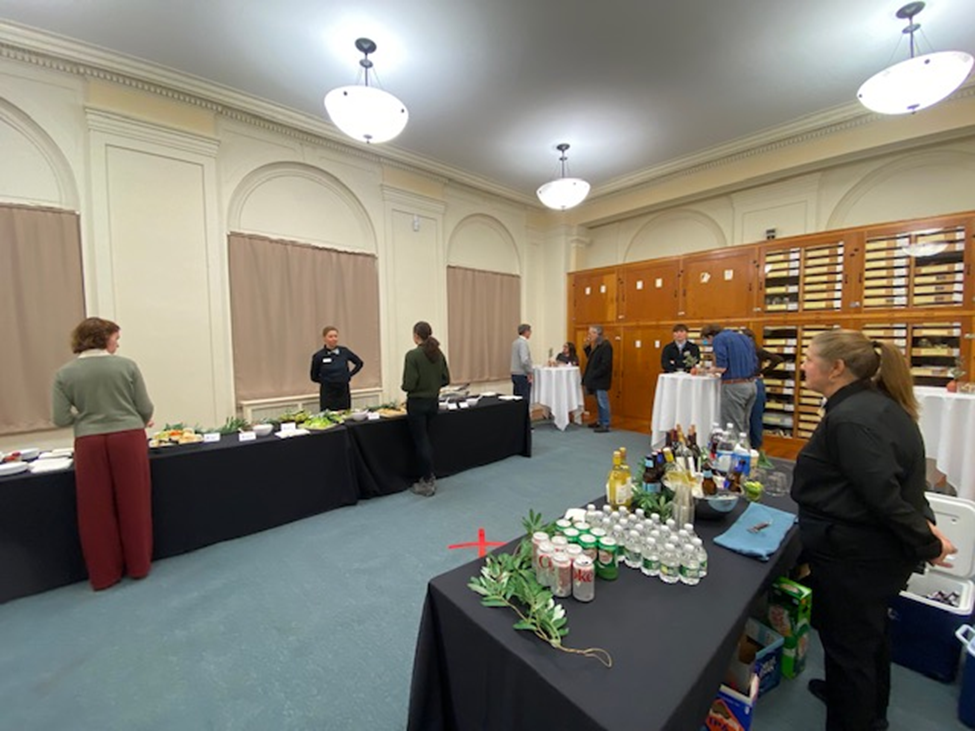
To celebrate our one month anniversary in the Abbot Hall School Room, the Communications Department was generous enough to host an Abbot Hall Meet & Greet as a welcome to the Peabody and opportunity for us to meet our new neighbors. Thank you Communications Team!

Award Recognitions at SAA

Contributed by Emma Lavoie

Around this time, we post a blog about our visit to the annual meeting of the Society for American Archaeology (SAA). The meeting was held March 29th – April 2nd, 2023 in Portland, Oregon, at the Oregon Convention Center.

The SAA Annual Meeting is the largest gathering of archaeologists of the Americas, attracting thousands of archaeologists each year from around the world (over 45 countries!) This conference offers archaeologists the ability to present and share research, network and explore the exhibit hall, and participate in excursions, receptions, and career development opportunities.

The Society for American Archaeology was founded in 1934 and held its first meeting at Phillips Academy Andover (That’s right! The very campus the Peabody calls home) in December 1935. Longtime Peabody Director, Doug Byers, served as the editor of the Society’s flagship publication – American Antiquity. Past Peabody Director, Richard “Scotty” MacNeish, served as president of SAA at one time as well.

Today, the SAA is comprised of over 7,000 members and our Peabody staff and Peabody Advisory Committee (PAC) continue to be involved with SAA. Peabody personnel regularly present papers and posters in meeting sessions, host a booth in the meeting’s exhibit hall, and sponsor the Robert S. Peabody Institute of Archaeology Award for Archaeology and Education.

For more on the Peabody’s previous visits to the SAA Annual Meeting check out our blogs here, here, and here!

Robert S. Peabody Institute of Archaeology Award for Archaeology and Education

The Robert S. Peabody Institute Award for Archaeology and Education recognizes excellence of individuals or institutions in using archaeological methods, theory, and/or data to enliven, enrich, and enhance other disciplines, and to foster the community of archaeology education practitioners. The Peabody Award will spotlight these contributions and promote teaching ideas, exercises, activities, and methods across the educational spectrum, from K-12 through higher education and including public education broadly conceived.

This year’s recipient of the Peabody Award is Pima Community College Centre for Archaeological Field Training. Pima Community College Centre for Archaeological Field Training has earned the Robert S. Peabody Institute of Archaeology Award for Archaeology and Education for their long-term commitment to archaeology education. Through the Pima Community College Archaeology Centre’s certificate program, which includes a Southwest Prehistory pathway, a field Methods pathway, and a GIS and Technology pathway, students learn the fundamentals of archaeological methods, ethics, and technology while attending community college and earning a certificate at affordable rates. Pima Community College’s programs provide an important career pathway for prospective archaeologists in a time when there are increasing demands for CRM professionals. Importantly, the program provides a career pathway for local students that does not require a four-year university education. PCC’s Archaeology Program, and the unique educational services it provides, exemplify what should be replicated across the country to provide affordable, equitable, and accessible education to students thinking about careers in archaeology.

Outstanding Public Archaeology Initiative Award

The Outstanding Public Archaeology Initiative Award continues the tradition begun by the Award for Excellence in Public Education (1997-2020) of recognizing exemplary public engagement efforts but refocuses on discrete projects (defined as a project with a clear start and end date). This award recognizes the best short-term initiatives such as (but not limited to) the following: exhibits, lesson plans, products, or other short-term outreach projects.

This year’s recipient was none other than The Massachusetts Archaeological Society (MAS) and the Robert S. Peabody Institute of Archaeology (RSP)! The Massachusetts Archaeological Society and the Robert S. Peabody Institute have earned the Outstanding Public Archaeology Initiative Award for their live presentation and video series “Diggin’ In: Digital Conversations with Archaeologists.” The series consisted of five seasons, with 49 total episodes. These were broadcast live over Zoom reaching an initial audience of 350 over Zoom for the live program, then 7,000 views on YouTube. The program’s goals were to connect the public to research by emerging or underrepresented scholars in archaeology and spotlight innovative or marginalized research topics, themes, and methodologies. The focus of “Diggin’ In” on these critical aspects of archaeology helped to generate media coverage of these themes. This initiative demonstrates the critical role archaeologists can play in communicating contemporary themes in archaeology to the public.

SAA Award presented to the Massachusetts Archaeological Society and Robert S. Peabody Institute at the SAA’s 88th Annual Meeting earlier this month.

For more information about the Diggin’ In series, check out this article for the New England Museum Association’s digital publication. The article was written by Diggin’ In co-hosts and creators, Lindsay Randall (previous Curator of Education for the Peabody and current MAS Vice Chair/Secretary) and Suanna Crowley (MAS Trustee).

You can check out all seasons of the Diggin’ In series on our Peabody YouTube page!

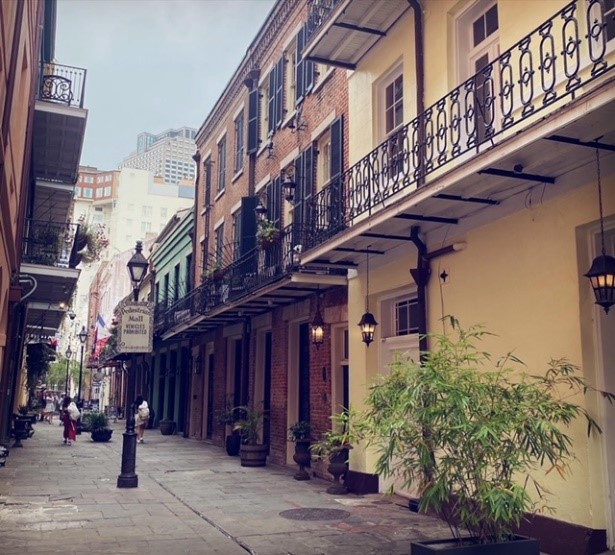
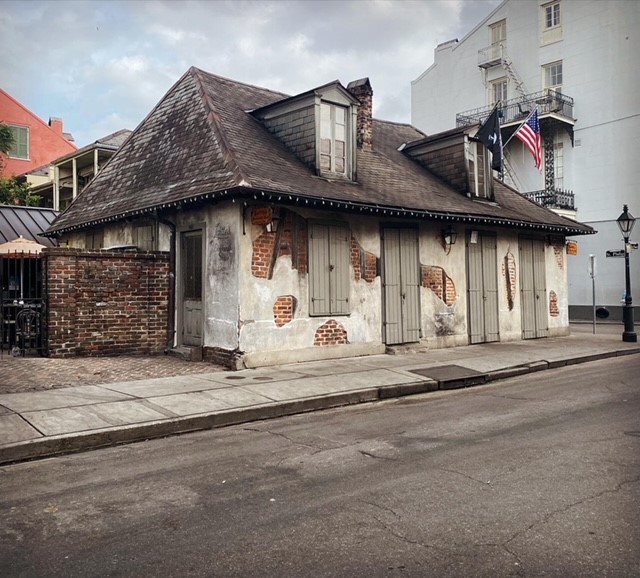
For those interested in attending the SAA’s annual meetings, the 89th Annual Meeting will be held April 17 – April 21, 2024 in New Orleans, Louisiana, at the New Orleans Marriott and the Sheraton New Orleans. We hope to see you there next year!