In 2017, the Peabody welcomed Dr. Laura Kelvin to examine the William Duncan Strong collection from Labrador. You can learn all about that visit in a previous blog post here.
Recently, Dr. Kelvin reached out for permission to share some of the images she took in a video that is part of a larger project – the Agvituk Digital Archive Project, which is part of the Agvituk Archaeology Project (AAP). The AAP is a community-based archaeology project that was initiated by the Hopedale community through the Tradition and Transition Research Partnership between Memorial University and the Nunatsiavut Government.
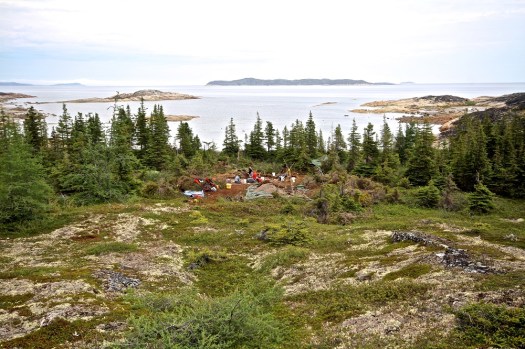
An Agvituk Archaeology Project excavation. Image from Tradition and Transition website.
Every summer, students are hired (high school, college/university, or upgrading) from Hopedale to help conduct traditional knowledge interviews with community members (and sometimes archaeologists) and help with survey and excavation if needed. The interviews were originally going to focus on specific objects that Dr. Kelvin documented, or those recovered through AAP activities. However, due to the high volume of material, the students have been picking topics inspired by the artifacts and interviewing people about those subjects. This past summer the students chose to discuss sewing.
Short videos are created that blend conversations with community members and images of relevant artifacts and historical photos. The videos can then easily share traditional knowledge with the larger community.
Dr. Kelvin and her students used several artifacts from the Peabody’s collection in the sewing video. You can see it in its entirety here.
To learn more about the project, check out their Facebook page.
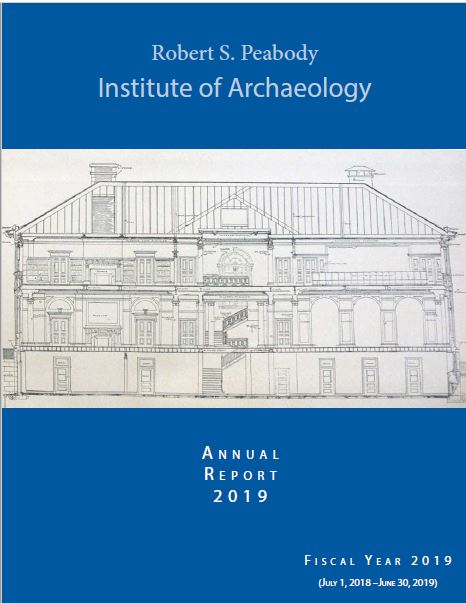
Hot off the presses – the Peabody’s annual report for academic year 2018-2019 has just been released! Interacting with nearly 2,000 students (yes, some PA students keep coming back for more) and dozens of researchers, another wonderful year is under our belt.
The end of slavery in Massachusetts rests with the court cases of two enslaved people: Mum Bett and Quok Walker. While both individals are discussed in the Salem State University course that we support during the summer, it is the Quok Walker case that we are most excited to revisit next year.
For the 2019 iteration of the class, Dr. Bethany Jay and I changed the focus of the course to look at the “long” nineteenth century through the lens of African-Americans and archaeology. This decision was made so that the class could better support history educators as they navigate new changes to the Massachusetts Frameworks.
Part of the process of examining the nineteenth century and it’s impact on the experiences of African Americans through events like the Civil War and Reconstruction, is to better understand specific events prior to 1800, and Quok Walker’s legal case is one of the most important.
Most people do not realize that Massachusetts was the first colony to create laws legalizing slavery. The economy of Massachusetts and New England was heavily dependent on West Indian slavery; enslaving native people in New England and importing Africans into the colony was common practice in the 1700s as well. It was not until the American Revolution, when enslaved people began using the colonists’ language demanding freedom from England, that the legality of slavery changed in Massachusetts.
In 1781, Quok Walker ran away from Nathaniel Jennison to a farm owned by Seth and John Caldwell. After Jennison and others captured and beat Walker, he used the legal system to prove his freedom. This is because his original owner had promised to free Walker.
Over the course of the three trials, it was declared that Walker was in fact “a Freeman and not the proper Negro slave” and the state Supreme Court also found that the state’s Constitution was not compatible with the institution of slavery. These decisions, while not codifying the abolishment of slavery into state law, made slavery legally untenable in the state. Thus, Massachusetts, the first state to allow slavery, became the first to legally end it.
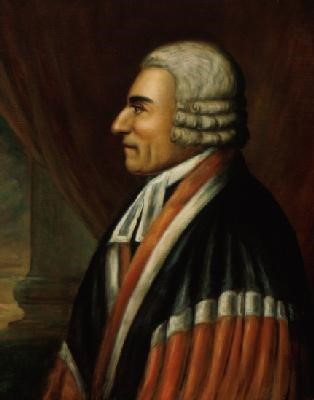
Chief Justice William Cushing who presided over the Walker case as Massachusetts chief justice, before he became a member of the Supreme Court for the newly formed country.
With the change in focus for the Salem State University class, we added new partners, including Ellen Berkland, archaeologist for the Department of Conservation and Recreation (DCR). While working with Berkland regarding the DCR property Camp Meigs – which is the place outside of Boston where the African American Mass 54th regiment was encamped before fighting in the Civil War – she informed Dr. Jay and I that DCR had a property that was related to the life of Walker and proposed that we might bring our 2020 class to dig at the site.
And to say that Dr. Jay and I were excited would be an understatement! Why? Because that is the land that Quok Walker lived on after he gained his freedom. The idea that we might be able to find objects that are connected to him and could help historians and others better understand his life is an exhilarating opportunity!
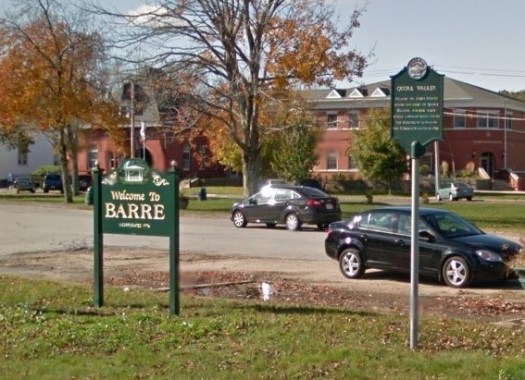
Barre, MA has a plaque near the town commons that commemorates Quok Walker.
This blog represents the twelfth entry in a blog series – Peabody 25 – that will delve into the history of the Peabody Institute through objects in our collection. A new post will be out with each newsletter, so keep your eyes peeled for the Peabody 25 tag!
In the early 1960s, future Peabody director Richard “Scotty” MacNeish undertook several important excavations in the Tehuacán Valley, located in the Mexican state of Puebla. Peabody curator Fred Johnson and Peabody director Doug Byers assisted MacNeish with his project, and provided the institutional support needed for National Science Foundation funding. During the 1970s the data gathered and analyzed by MacNeish was published in a five volume book series which garnered a lot of attention from the archaeological community—these are now available on InternetArchive. While his most prominent contribution to the field involved his research on the evolution of corn, he also provided a great deal of information toward the study of ceramics in the Tehuacán Valley region, particularly when it came to the ceramic figurines that were discovered during his excavations.
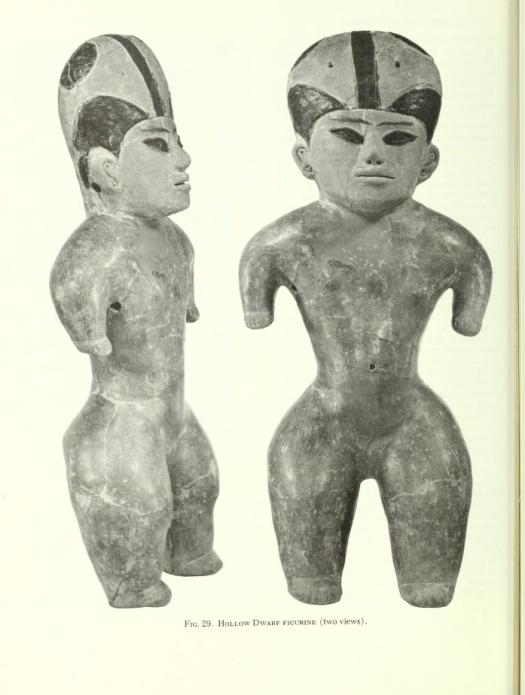
In total, MacNeish discovered a total of 74 figurine specimens from the Ajalpan locality of the Tehuacán Valley. While many of these figurines were fragmentary, one was excavated as a nearly whole specimen. This example is made of Ajalpan Coarse red paste and is finished with a thin wash and red pigmented paint which has been applied to some areas. This figurine is quite large, measuring 50 cm tall, 22 cm wide at the shoulders and 9 cm wide at the waist. As with many of the other figurine examples, the Ajalpan Figurine has a large head with an elongated torso and stubby arms and legs. Dubbed the “Dwarf Figurine” by MacNeish because of the figure’s large head and squat torso, these features may be attributed more to style and artistic convention. The large, almond shaped eyes and headdress worn by the figurine led MacNeish to draw comparisons to its resemblance to Egyptian figures.
Photos of the Hollow Dwarf Figurine.
The presence of the so-called hollow dwarf figurines in the Tehuacán Valley suggested to MacNeish that there were connections between the Late Ajalpan phase of Tehuacán and the San Lorenzo phase of the Olmec area to the east, though it is unclear if contemporary archaeologists would agree. While MacNeish was working in the 1960s it was not uncommon to link interesting or unusual finds to the enigmatic Olmec culture. MacNeish suggested that there were considerable stylistic similarities between the Ajalpan figurines and examples from Olmec sites. He also pointed to the presence at Tehuacán of plain tecomates (a globe shaped vessel with no neck), Ponce Black ceramic sherds, and bowls with thickened rims as evidence of links between the two areas.
Today the Ajalpan Figurine resides in the one remaining exhibit constructed during MacNeish’s tenure at the Peabody.
Have you ever wondered what it would be like to work in a museum? The Peabody, like many museums, has a small force of volunteers who dedicate a few hours each week to helping our staff further our work. We are currently looking to expand this group of volunteers.
Our volunteers have assisted us with a huge number of projects. We currently have one volunteer who works with our textile collection. In a museum setting, it is very important to protect artifacts from pests that can occasionally work their way into the building. Our textile artifacts are particularly susceptible to the damage from carpet beetle and clothes moth larvae. An infestation of these pests can completely destroy a textile collection without proper intervention and pest management. In order to stay on top of any potential pest problems, one of our volunteers systematically goes through our textiles and inspects them for evidence of damage, insect excrement, and live specimens. This involves vacuuming the textiles, inspecting them, and putting them through a freezing process designed to kill living pests. Once this two week process is completed, the textiles are removed from the freezer, isolated, and then inspected again for any signs of life. Once we are satisfied that pests are not present, the objects are returned to the collections storage space. Our volunteer has done an excellent job with this, and has made significant process on this project.
Our other current volunteer is a P.A. alumnus who works on a wide variety of projects. One of the most important projects is our complete inventory of the collection. We hope to renovate the Peabody in the next few years and before we do that, we need to have a completed inventory of our collections. This involves inventory of our storage drawers and recording information about collections, including objects present, count, geographic origin, and current storage location. Volunteers can help with this most important project.
In addition to helping out with the inventory, volunteers help out as needed across the Peabody. Other projects include organizing portions of the archives for researchers, pulling out and putting away objects for classes, creating labels for our artifact boxes, and transcribing catalog cards into a digital system. There is never a shortage of work to be done at the Peabody!
If this sounds like an opportunity that you would be interested in, feel free to contact me with for more information at rmanning@andover.edu. I would be glad to speak to anyone about potentially volunteering for us!
For archaeologists, ceramics are one of the most useful artifacts that can be found during an excavation. They can help date an archaeological site, they can shed light on the domestic habits of the people who left them behind, and they can also reflect the social and economic status of individuals.
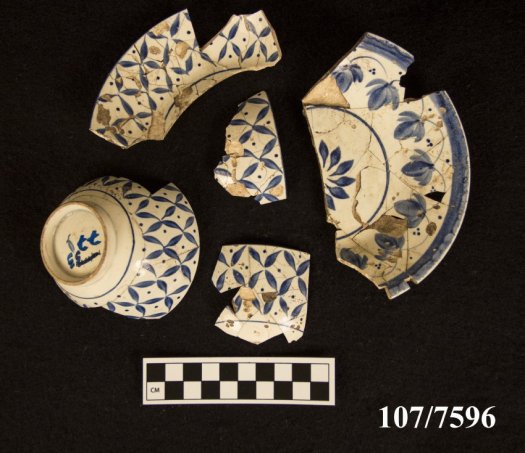
Hand painted dishes from the Lucy Foster Collection.
When I worked in Virginia, ceramics were my favorite artifacts to have to clean and catalog. I was fascinated with the variety of colorful patterns that were excavated from the areas where James Madison’s enslaved populations lived their daily lives. I also wondered what these ceramics must have meant to them, considering they had relatively little, especially compared to the family they worked for.
The collections at the Peabody don’t typically have these types of historic ceramics. The main type of ceramic housed here are Native American ceramics, which are very interesting, but also very different from the European ceramics I had grown accustomed to seeing in my daily work life. We do have one collection that is comprised of historic ceramics, and that is the Lucy Foster Collection.
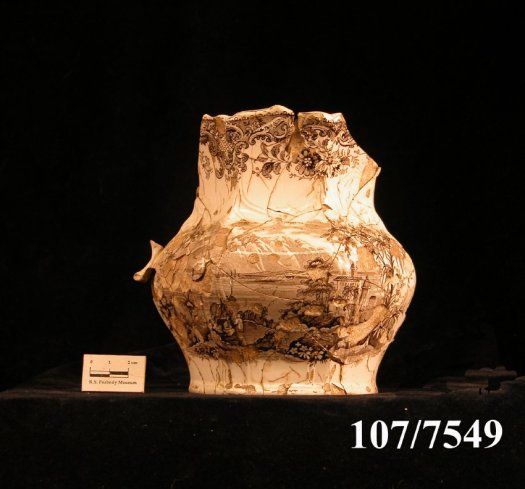
A brown transfer printed pitcher from the Lucy Foster Collection.
Lucy Foster, unbeknownst to her in her lifetime, became a very important figure in the world of African American archaeology. Her dwelling, known as Lucy Foster’s Garden, was one of the first, if not the first, excavated site of a freed former slave in the United States. In addition to other materials, Lucy Foster left behind a great deal of ceramics. Lucy’s ceramics were like those I had grown accustomed to seeing in the context of enslaved populations in the South. However, here were the same patterns showing up at the home of a freed woman.
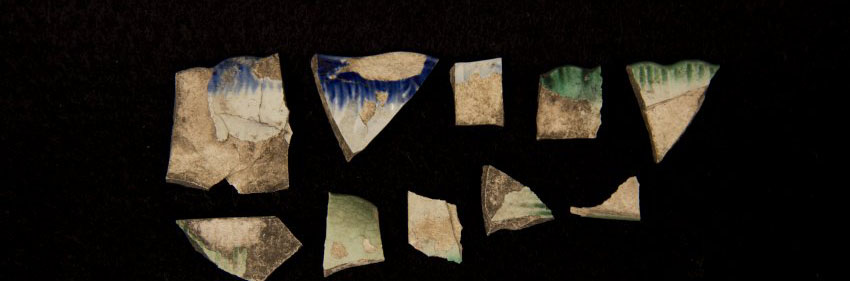
The remains of pearlware, creamware, and even porcelain were present in the assemblages from Lucy’s Garden. Decorations ranged from plain to hand painted and transfer printed. Vessels ranged from bowls to plates, to jugs and mugs. This variety is especially interesting. Of note is the nearly equal percentage of bowls and plates found. Research into various enslaved populations has suggested that they commonly ate from bowls, and therefore a higher percentage of bowls are found in these archaeological contexts. Plates were more commonly used by freed individuals or people of European descent. The nearly equal representation of both vessel types is especially interesting because it could possibly show how Lucy walked the line of being enslaved and freed, which is essentially true to her life story.
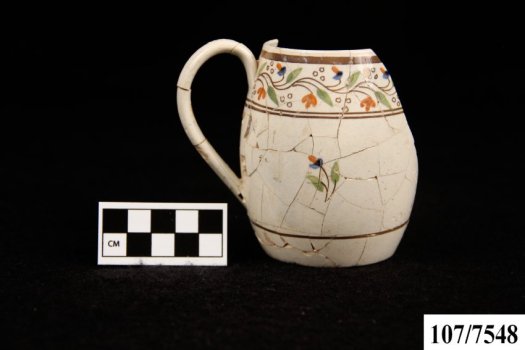
A hand painted mug with a floral pattern.
The Lucy Foster ceramics are quite an impressive collection for Lucy to have had in her lifetime. Further research into the collections of Lucy Foster and comparing them to the assemblages of enslaved populations and freed populations could give us even more insight into Lucy Foster and her life as a freed woman in Andover over 200 years ago. These collections are available for any researchers or Phillips Academy students who might be interested in taking on such a project. Anyone in the Washington D.C. area can view a portion of the collections as they are now on display at the National Museum of African American History and Culture, as talked about here!
For more on Lucy Foster, see:
Battle-Baptiste, Whitney
2011 Black Feminist Archaeology. Left Coast Press, Walnut Creek, CA
Martin, Anthony
2018 Homeplace is also Workplace: Another Look at Lucy Foster in Andover, Massachusetts. Historical Archaeology 52(1):100-112.
There was quite the hustle and bustle at the Peabody on Thursday, February 21st. Dozens of children and their parents stopped by during their school vacation to partake in our archaeology themed open house. For three hours visitors engaged with a variety of activity stations set up around the building, each with a different theme.
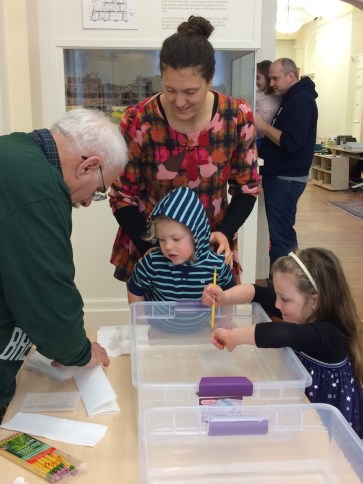
One of the most interesting experiences that visitors could try out was learning to write underwater! Vic Mastone, Massachusetts’s State Underwater Archaeologist, brought his expertise to the event and set up a station that highlighted tools that archaeologists use when excavating shipwrecks and other submerged sites. All the kids enjoyed playing with the special water proof paper and the giant tubs of water!
Vic Mastone teaching future archaeologists how to write on mylar under water.
The other stations included LEGO model design, creating a “cave” painting, decorating Greek paper vases, making nets out of yarn, and crafting small clay vessels.
And the day could not have been done without my team of expert volunteers. They enjoyed engaging with everyone who stopped by – and even had a little fun with the activities themselves! Thank you to all who helped make the event such a success!!!!
Vic teaching fellow volunteer Lisa how to write underwater.
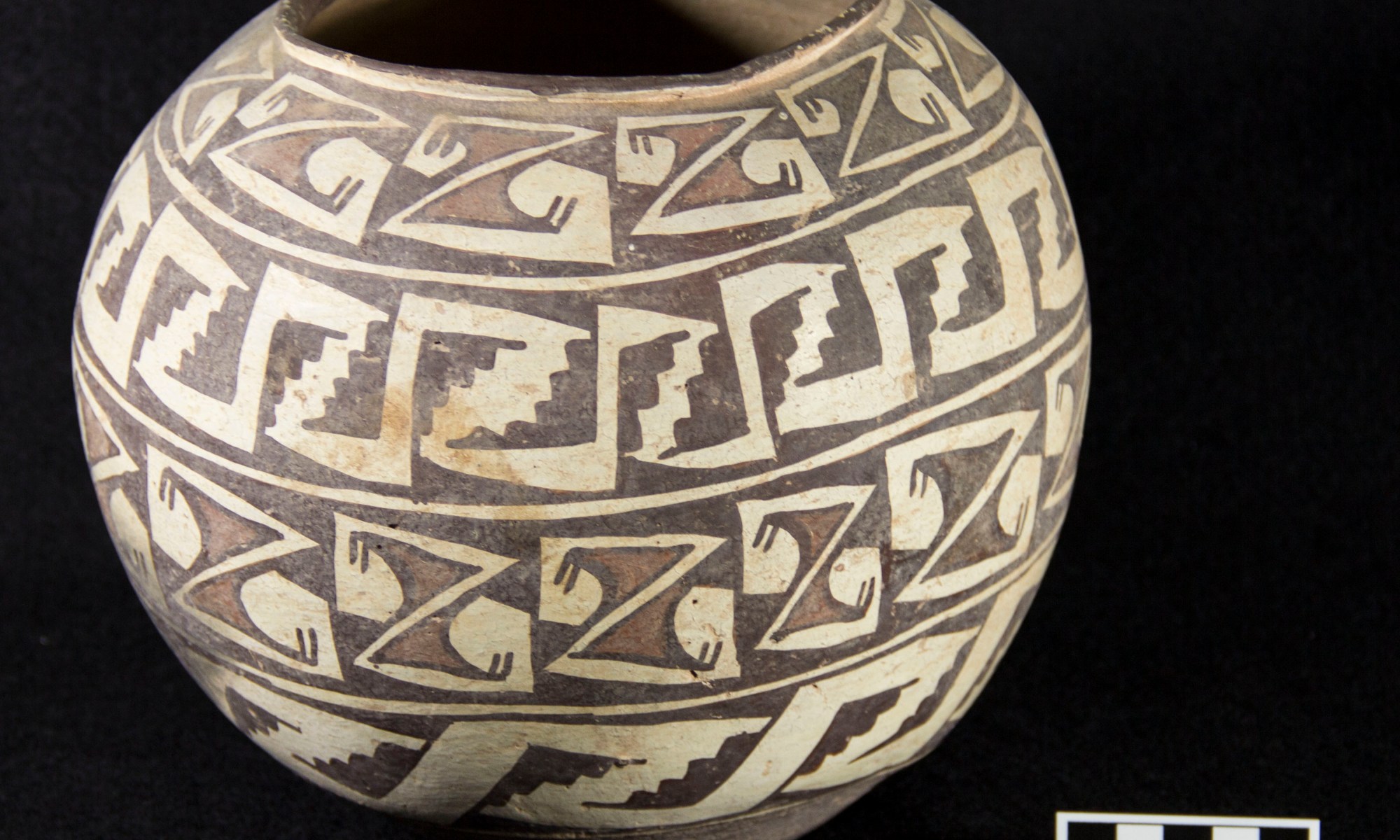
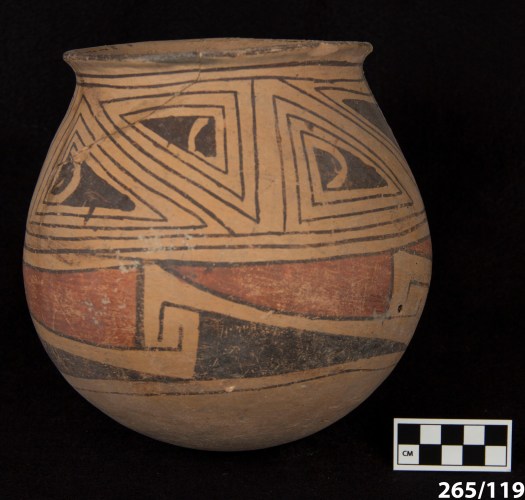
For the past year and a half, I have spent the majority of my time inventorying drawers as part of the Peabody’s Inventory and Reboxing Project. As exciting as that project has been, every once in a while I have needed to take a break from it to recharge my brain. In order to recharge while simultaneously staying productive, I was tasked with photographing and inventorying the ceramic vessel collection that is housed on the second floor of the Peabody. In order to complete this project, I printed out inventory sheets for the ceramic cabinets in Second Floor Storage and went shelf by shelf making sure each vessel was there and photographing it. This was great because I enjoy photography and try to do it often in my spare time. Once the vessels were photographed, I edited them in Photoshop and then uploaded the finished photos to each object’s catalog record in our museum software, PastPerfect. Editing the photos was very enjoyable for me because I was able to expand my Photoshop skills, which were pretty limited before taking on this project.
One of the ceramics that was inventoried and photographed
The original goal was to take one day a week to do these tasks. However, as the inventory project got rolling and certain collections needed to be cataloged faster than others, the ceramic inventory ended up getting slightly pushed aside in order to accommodate more pressing tasks at the Peabody. The main point of this blog post is this: the ceramic inventory has officially been completed!! Each vessel is logged into PastPerfect and has a photograph attached to it. The other exciting bit of information is that all of these vessels (except for NAGPRA sensitive ones) are available to view in our online catalog which can be found HERE. Take a look at the link to see what I have been working on, and feel free to peruse the online collections even further to see what else is housed at the Robert S. Peabody Institute of Archaeology!
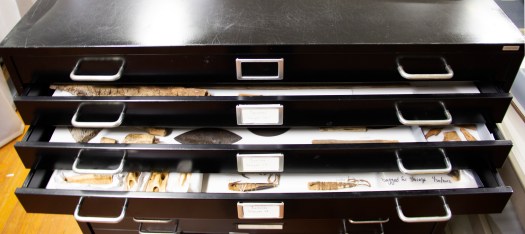
In addition to working on the Inventory Rehousing Project, I survey the artifacts and ethnographic materials held in our flat file storage units. While all artifacts at the Peabody Institute require special attention, the objects stored in our flat file storage need extra TLC, such as pest protection, monitored temperature, and custom storage mounts.
Let’s take a journey through the process! Each drawer in our flat file storage is first emptied for an inventory and inspection of objects. Once emptied, the drawer is vacuumed and relined with clean Volara® foam. Volara® is a closed cell polyethylene foam that has applications in medicine and museums. Objects that are particularly susceptible to movement or damage in storage are measured for custom mounts. Custom cavity mounts provide a rare opportunity to do work outside, to enjoy the weather while carving foam with a hot knife. Next, I assess each item’s condition and photograph it for our database records. Once complete, the artifacts are returned to their newly created foam padding and/or mounts for safe resting. My most recent work includes this small cavity mount for a Thule ivory figurine of a polar bear.
It is important to revisit these objects, not only to make sure all are accounted for, but to bring them up to today’s standards in terms of care and condition. After all, one of the most important goals of collections management is to preserve these objects to the best of our ability for future generations.
Welcome to my inaugural blog post. I have been working at the Peabody Institute for three months, so it is high time I introduce myself. I am the new Inventory Specialist. It is my job to inventory and rehouse the collections in storage for the next year.
I am a graduate student at UMass Boston and am passionate about Indigenous studies, both in and outside of archaeology. I interned for National NAGPRA last fall where I learned the importance of employing ethical daily practices at museums, especially when looking through the lens of civil rights issues. I have also worked on various archaeological projects in New England, New Mexico, California, and Iceland.
I have learned a lot in my time here so far, the diversity of regional material culture across North America, the importance of preservation, the most effective rehousing practices…even how to throw an atlatl. (Although my success rate is nothing to brag about.)
While most of my work experience is with freshly excavated archaeological collections, I am excited to transition my focus to the preservation of older collections, including collections on which the foundations of Native American archaeology were built. At least once a week, I am blown away by the Peabody’s collections. Objects I have only had the pleasure of reading about appear in their drawers. Needless to say, I am happy to be here and happy to help with the rehousing inventory project.





 The Peabody