Summer Session Selections

Contributed by Nick Andrusin

We may be down (the road, on Abbot campus) but were not out! As everyone on campus has probably seen there is a big ol’ fence surrounding the Peabody Institute, concealing dirt mountains, front loaders, and a bunch of contractors. This has been going on since April, boy time flies! Despite being out of the building for the last several months (and for several months to follow) we are still here and still part of teaching and learning at Phillips Academy, albeit in a more restricted fashion. Most recently, our director Ryan Wheeler and I helped out the Andover Summer Session with a few different classes. Supplementing the classes with knowledge and items from our collection to enhance the learning of the summer students. 

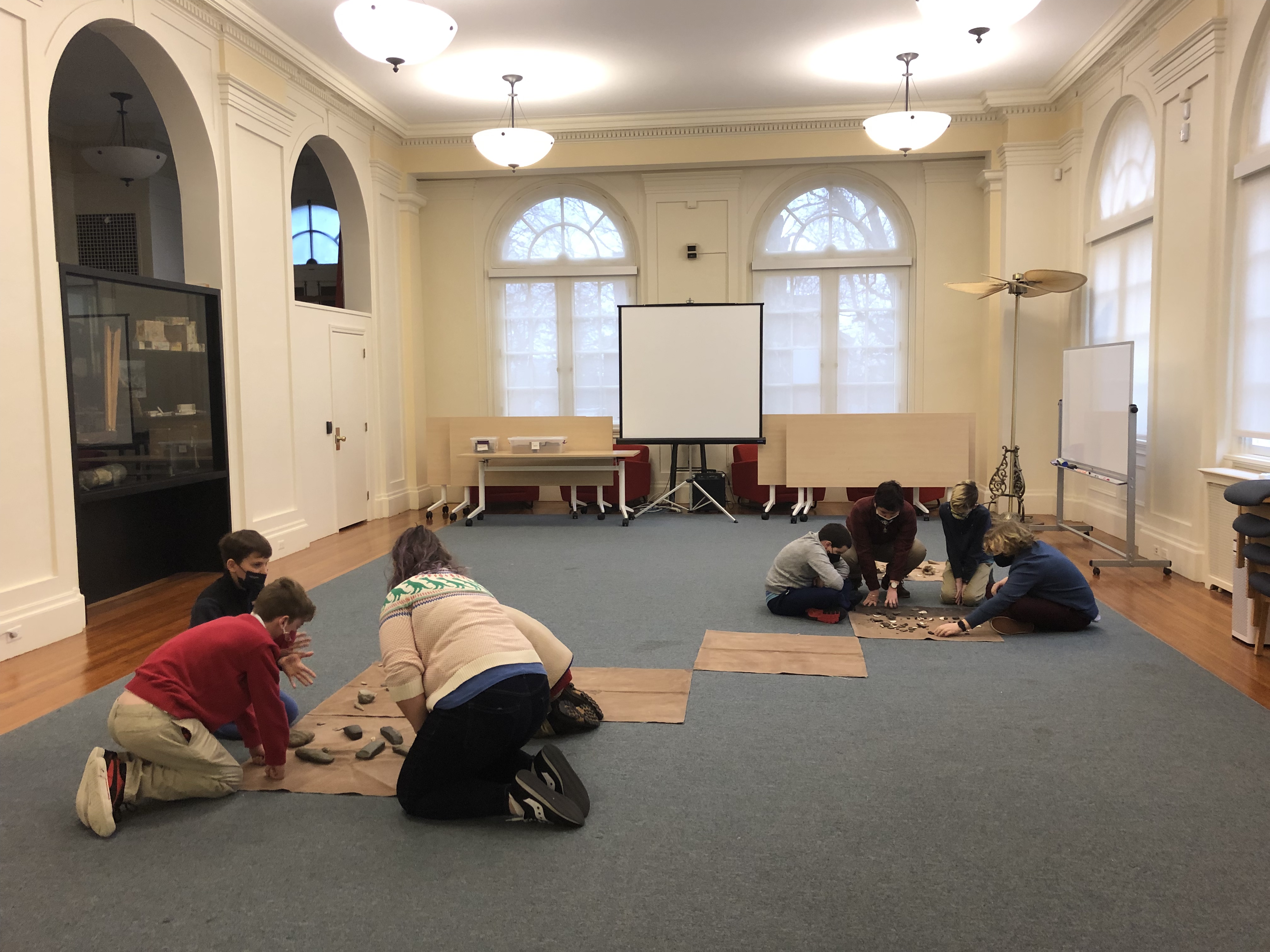
One class was Ella Houlihan’s Intro to Bio class. The students were learning about human evolution, and the Peabody has just the collection to help teach this topic. We brought over about 15 skull casts from all over the hominid family tree and tasked the students to develop their own traits, categories, and potential connections. From there we went over what scientist use to group skulls and layout the human family tree. Pointing out that it’s all rather complicated and even the professionals do not agree.

Students analyze various skull casts in a class activity

We also helped teach a couple classes in Dr. Tessa Hite’s class Mapping our World: The Art and Science Behind Maps. We went over the basic history of Andover, how it moved from Indigenous proprietorship to English ownership. To tie into that we covered concepts of colonization and decolonization, how one culture or society can impose themselves onto another and how efforts are undertaken to amend this. From there we had the students use maps to compare European versus Native American town names (think Mattapoisett vs Andover) and then research the original Indigenous place names. This was done to prompt questions such as “What does, or doesn’t this map tell us” Or “why does it feel empty with Native based town names?” This was done to get the students thinking about the reasoning behind the way the maps are set up and used.

The Peabody is more than happy to help in classes whenever we have an opportunity! Even with more restricted access to the collection, we can get creative and pull something together, as long as you don’t mind the dust!

2023 Summer Reading List: Our Peabody Picks

Contributed by Emma Lavoie

As the school year comes to a close and we take time to slow down (thank you vacation time), what better time this season then to grab a book and settle down on a porch swing. It’s time to grab your library card, load up your Kindle, or get yourself to your local bookstore. Our staff and friends of the Peabody have done it again… Back by popular demand! The Peabody shares their favorite finds for this summer’s reading list. We even threw in a podcast as a bonus for any listeners! We hope you have a wonderful summer dear readers and enjoy exploring these “Peabody Picks.”

Happy reading!

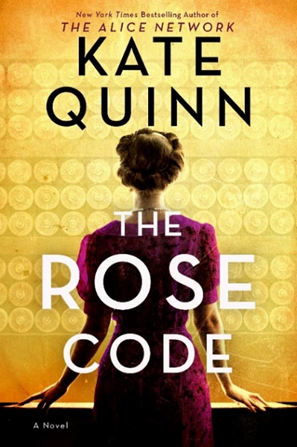
The Rose Code by Kate Quinn – Recommended by Emma Lavoie, Administrative Assistant

If you read one historical fiction book this year, THIS SHOULD BE IT! As England prepares for World War II, three women from very different walks of life answer the call to mysterious county estate Bletchley Park, where the best minds in Britain train to break German military codes. Osla translates decoded enemy secrets, Mab works the legendary code-breaking machines, and Beth is one of the Park’s few female cryptanalysts. Eventually war, loss, and the impossible pressure of secrecy will tear the three apart. Flash forward seven years later, these friends-turned-enemies are reunited by a mysterious encrypted letter – the key to which lies buried in the long-ago betrayal that destroyed their friendship and left one of them confined to an asylum. A mysterious traitor has emerged from the shadows of their Bletchley Park past, and now Osla, Mab, and Beth must resurrect their old alliance and crack one last code together against the backdrop of the royal wedding of Elizabeth and Philip.

“The reigning queen of historical fiction.”Fiona Davis, New York Times bestselling author of The Lions of Fifth Avenue

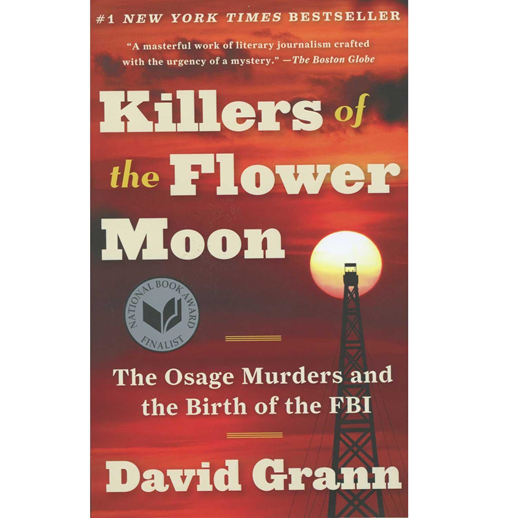
Killers of the Flower Moon by David Grann – Recommended by Michael Agostino, Peabody Volunteer

Set in the 1920s, this book features people of the Osage Nation who were relocated to barren lands in Oklahoma which were later discovered to be rich in oil. Per capita, members of the Osage nation quickly became the richest people in the world and targets for murder. This book carefully describes efforts by lawmen to solve these crimes and bring the murderers to justice. The lawmen were led by J. Edgar Hoover and his organization soon became the FBI – in what became one of the organization’s first major homicide investigations. Together with the Osage and Texas Ranger, Tom White, they began to expose one of the most sinister conspiracies in American History. A true-life murder mystery about one of the most monstrous crimes in American history, Killers of the Flower Moon, is highly acclaimed, receiving numerous awards, and was recently made into a movie starring Leonardo DiCaprio and Robert Deniro.

 “A masterful work of literary journalism crafted with the urgency of a mystery…. Contained within Grann’s mesmerizing storytelling lies something more than a brisk, satisfying read. Killers of the Flower Moon offers up the Osage killings as emblematic of America’s relationship with its indigenous peoples and the ‘culture of killing’ that has forever marred that tie.” The Boston Globe

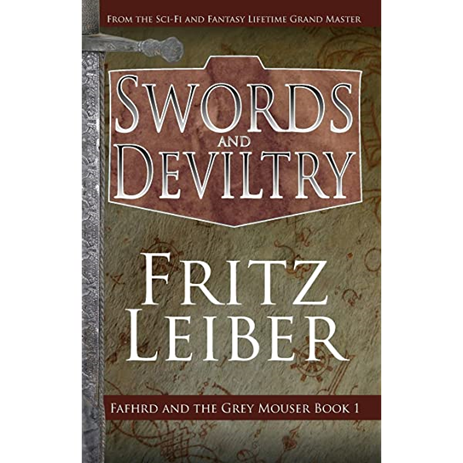
Swords and Deviltry (Fafhrd & the Gray Mouser #1) by Fritz Leiber – Recommended by Ryan Wheeler, Peabody Director

First in the influential fan-favorite series, Swords and Deviltry collects four fantastical adventure stories from Fritz Leiber, the author who coined the phrase “sword and sorcery” and helped birth an entire genre. This collection of short stories and novellas follows the adventures of barbarian Fafhrd and conjurer turned sword fighter Gray Mouser written by Leiber in the 1950s and 60s and collected in 1970. If you like Robert E. Howard and Conan the Barbarian, you will love this! And if you do, there are a total of seven of these collected volumes chronicling the exploits of Fafhrd and the Gray Mouser, in this and other dimensions.

“A Grand Master of Science Fiction and Fantasy.”Science Fiction Writers of America

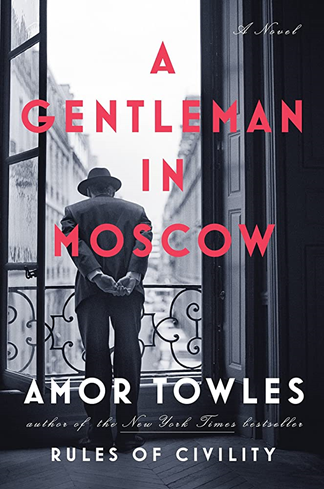
A Gentlemen in Moscow by Amor Towles – Recommended by Richard Davis, Peabody Volunteer

In 1922, Count Alexander Rostov is deemed an unrepentant aristocrat by a Bolshevik tribunal, and is sentenced to house arrest in the Metropol, a grand hotel across the street from the Kremlin. Rostov, an indomitable man of erudition and wit, has never worked a day in his life, and must now live in an attic room while some of the most tumultuous decades in Russian history are unfolding outside the hotel’s doors. Unexpectedly, his reduced circumstances provide him entry into a much larger world of emotional discovery. Brimming with humor, a glittering cast of characters, and one beautifully rendered scene after another, this singular novel casts a spell as it relates the count’s endeavor to gain a deeper understanding of what it means to be a man of purpose.

“How delightful that in an era as crude as ours this finely composed novel stretched out with old-World elegance.”The Washington Post

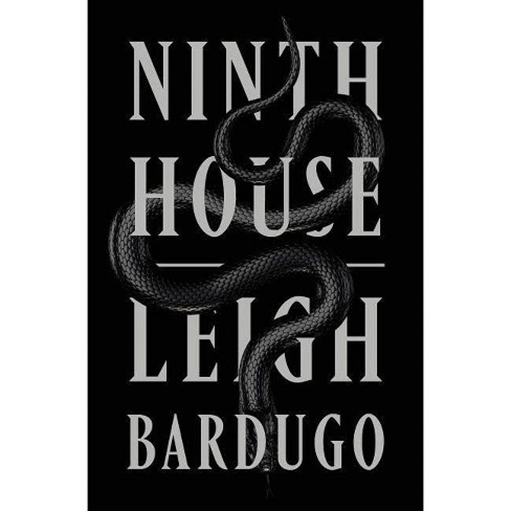
Ninth House by Leigh Bardugo – Recommended by Marla Taylor, Curator of Collections

Galaxy “Alex” Stern is the most unlikely member of Yale’s freshman class. Alex dropped out of school early and into a world of dead-end jobs and much, much worse. In fact, by age twenty, she is the sole survivor of a horrific, unsolved multiple homicide. Some might say she’s thrown her life away, but Alex is offered a second chance: to attend one of the world’s most prestigious universities on a full ride. What’s the catch, and why her? Still searching for answers, Alex arrives in New Haven tasked by her mysterious benefactors with monitoring the activities of Yale’s secret societies. Their eight windowless “tombs” are the well-known haunts of the rich and powerful, from high-ranking politicos to Wall Street’s biggest players. But their occult activities are more sinister and more extraordinary than any paranoid imagination might conceive. They tamper with forbidden magic. They raise the dead. And, sometimes, they prey on the living.

“The best fantasy novel I’ve read in years, because it’s about real people. Bardugo’s imaginative reach is brilliant, and this story – full of shocks and twists – is impossible to put down.”Stephen King

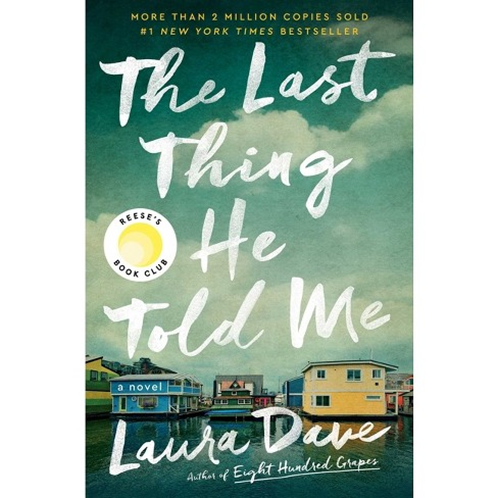
The Last Thing He Told Me by Laura Dave – Recommended by Beth Parsons, Office of Academy Resources, Director for Museums and Educational Outreach

Before Owen Michaels disappears, he manages to smuggle a note to his beloved wife of one year: Protect her. Despite her confusion and fear, Hannah Hall knows exactly to whom the note refers: Owen’s sixteen-year-old daughter, Bailey. Bailey, who lost her mother tragically as a child. Bailey, who wants absolutely nothing to do with her new stepmother. As Hannah’s increasingly desperate calls to Owen go unanswered; as the FBI arrests Owen’s boss; as a US Marshal and FBI agents arrive at her Sausalito home unannounced, Hannah quickly realizes her husband isn’t who he said he was. And that Bailey just may hold the key to figuring out Owen’s true identity—and why he really disappeared. Hannah and Bailey set out to discover the truth, together. But as they start putting together the pieces of Owen’s past, they soon realize they are also building a new future. One neither Hannah nor Bailey could have anticipated.

“In this novel, now an Apple TV+ series, Laura Dave has given readers what they crave most – a thoroughly engrossing yet comforting distraction.”BookPage

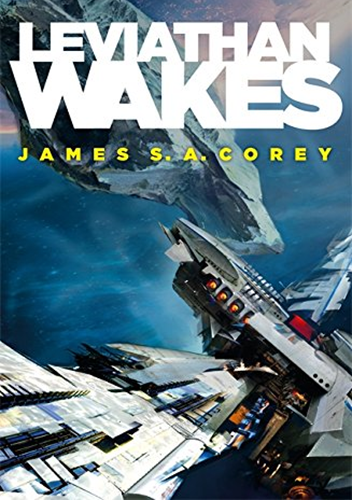
Leviathan Wakes by James A. Corey – Recommended by Nick Andrusin, Temporary Educator and Collections Assistant

Humanity has colonized the solar system—Mars, the Moon, the Asteroid Belt and beyond—but the stars are still out of our reach. Jim Holden is XO of an ice miner making runs from the rings of Saturn to the mining stations of the Belt. When he and his crew stumble upon a derelict ship, the Scopuli, they find themselves in possession of a secret they never wanted. A secret that someone is willing to kill for—and kill on a scale unfathomable to Jim and his crew. War is brewing in the system unless he can find out who left the ship and why. Detective Miller is looking for a girl. One girl in a system of billions, but her parents have money and money talks. When the trail leads him to the Scopuli and rebel sympathizer Holden, he realizes that this girl may be the key to everything. Holden and Miller must thread the needle between the Earth government, the Outer Planet revolutionaries, and secretive corporations—and the odds are against them. But out in the Belt, the rules are different, and one small ship can change the fate of the universe. Also now a Prime Original TV Series called The Expanse.

“This is the future the way it was supposed to be.”The Wall Street Journal

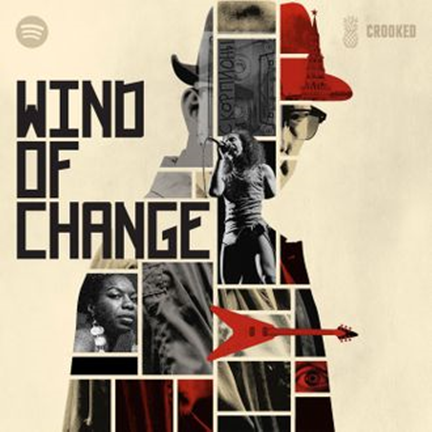
Wind of Change Podcast by Pineapple Street Studios and Crooked Media – Recommended by John Bergman-McCool, Collections Assistant

It’s 1990. The Berlin Wall has just come down. The Soviet Union is on the verge of collapse. A heavy metal band from West Germany, the Scorpions, releases a power ballad, “Wind of Change.” The song becomes the soundtrack to the peaceful revolution sweeping Europe – and one of the biggest rock singles ever. According to some fans, it’s the song that ended the Cold War. Decades later, New Yorker writer (and podcast host) Patrick Radden Keefe hears a rumor from a source: the Scorpions didn’t actually write “Wind of Change.” The CIA did. This is Patrick’s journey to find the truth. Among former operatives and leather-clad rockers, from Moscow to Kyiv to a GI Joe convention in Ohio, It’s a story about spies doing the unthinkable, about propaganda hidden in pop music, and a maze of government secrets.

“Wind of Change is a beautifully constructed listen, never less than entertaining.”The Guardian
Pueblo Revolt at ASECS

Contributed by Ryan Wheeler

At this year’s American Society for Eighteenth Century Studies (ASECS) conference, I had the opportunity to participate in the roundtable Teaching the Global Eighteenth Century. Phillips Academy instructor in history and social sciences Natalya Baldyga and I presented Assimilation, Acculturation, Catachresis, and Syncretism: Employing Archaeology to Foreground Indigenous Resistance in the Spanish Southwest, sharing our experiences teaching the Pueblo Revolt of 1680 to History 200 classes at the Academy.

Contemporary Indigenous artist Jason Garcia’s take on the Pueblo Revolt combines traditional materials and methods with graphic designs depicting Po’Pay, the architect of the revolt, as a comic book superhero. These two pieces are in the collection of the Robert S. Peabody Institute of Archaeology–you can see the vessel on the right in the inaugural exhibition of the Smithsonian’s National Museum of the American Latino.

If you are not familiar with the Pueblo Revolt, it is a pivotal moment in the history of the Southwest and the modern descendants of those who fought Spanish colonization at the end of the seventeenth century. Our abstract has a little more information on the Revolt and our approach:

Using the case study of the Pueblo Revolt of 1680, our presentation illustrates how archaeological artifacts can be employed to unsettle and decenter colonial narratives by refocusing the North American story of the early eighteenth century on Indigenous peoples of the Spanish Southwest. Too often, Anglophone histories associate the long eighteenth century in the Americas with English colonialism in general, and with the American Revolution in particular. We ask students to consider instead the “first American Revolution,” in which the Pueblo Peoples, led by the Tewa religious leader Po’pay, confronted missionaries and soldiers in the Spanish borderlands of what is now New Mexico. In our classes, students explore both artifacts from the Pueblo Revolt and contemporary Puebloan artistic responses to the historical event, foregrounding Indigenous resistance and survival over tales of erasure and domination. This approach both reorientates students’ understanding of colonial North American history towards wider global narratives of European expansion, and, perhaps more importantly, introduces students to multiple ways that Indigenous peoples adapted to, resisted, and overcame the efforts to erase their cultural identities and physical existence.

Drs. Wheeler and Baldyga also celebrated their anniversary during the conference.

The Peabody Institute has long offered various versions of a Pueblo Revolt lesson, but the current iteration has greatly benefitted from Dr. Baldyga’s experience and training. Together we’ve developed the lesson, typically delivered in the world history survey course for tenth grade, providing students with anthropological concepts, like assimilation and catachresis, that they can use in other settings, as well as foregrounding contemporary Indigenous perspectives and objects directly related to the Revolt. Conversations with other participants in the workshop were productive, especially in their pedagogical approach to topics like the production of sugar.

Listen If You Dare! The Perfect Podcast List for the Spooky Season

Contributed by Emma Lavoie

It’s almost Halloween, so get in the spirit by checking out our list of the best spooky podcasts you definitely don’t want to listen to alone in the dark. From haunted places to haunting history, these podcasts will have you on the edge of your seat or hiding under the covers. Happy haunts and happy listening this Halloween!

#1 Spooked

Another season of Spooked has RISEN… cross over (if you dare) into the world of the unexplained, listening to true-life supernatural stories, told first-hand by people who can barely believe it happened themselves. This podcast challenges skeptics of the supernatural, daring listeners to confront the unknown. Be afraid.

#2 Dark House

For true crime fans who also love a good ghost story, Dark House features America’s most notorious homes. From infamous crime scenes to abandoned mansions, hosts and House Beautiful editors Hadley Mendelsohn and Alyssa Fiorentino unpack the twisted history of a different house in each episode. They research who lived (and died) there and share the creepy stories that suggest their spirits never left.

#3 The No Sleep Podcast

Too afraid to listen to true-crime podcasts because they’re all about things that actually happened? Give this podcast a try. Each episode will have you feeling like you are telling spooky stories around a virtual campfire. Run, don’t walk!

#4 Haunted Road

Amy Bruni, star of the hit TV shows Kindred Spirits and Ghost Hunters, takes listeners on a chilling guided tour through some of the most haunted locations in America with the help of expert paranormal investigators who have actually been there. Do you have chills yet?

#5 Lore

This podcast is about dark historical events that blur the lines between history and lore. Lore explores the mysterious creatures, tragic events, and unusual places that fill the pages of our history… sometimes the truth is more frightening than fiction.

#6 American Shadows

Join host Lauren Vogelbaum as she spans two centuries of omitted lore from our country’s history books. This show focuses on the darker stories from American history: the people, places, and things that are hidden and forgotten in the shadows. From better-known tales like the conspiracy to steal Lincoln’s body, to less-known stories, like the rainmaker who flooded San Diego. American Shadows explores the hidden tales relegated to the dusty corners of US history, one journey at a time.

#7 Unobscured

History is full of stories we think we know. They are old and dark, but time has robbed us of perspective and clarity. They’ve become obscured and misunderstood. Which is why this series exists: to dig deep and shed light on some of history’s darkest moments. To help us better understand where we’ve come from. To make it Unobscured. Each season pairs narrative storytelling from Aaron Mahnke, creator of the hit podcast Lore, with prominent historian interviews. Check out Season 1 about the Salem Witch Trials. You may even find an interview with a familiar friend of the Peabody, Emerson Baker, Phillips Academy alum, history professor at Salem State University, and author of A Storm of Witchcraft: The Salem Trials and the American Experience.

#8 Midnight Library

Not just another podcast show, but a place you can go. Climb the stairs of this strange, Victorian mansion and curl up by the grand fireplace to hear tales of times long ago. Be transported through time to learn about ancient customs and mysterious happenings all from the comfort of the Midnight Library. Be sure to stay in the cordoned off areas, and you’ll be fine…

Looking for a spooky podcast for kids? Check out the podcast – Grimm, Grimmer, Grimmest

Designed for kids – Grimm, Grimmer, Grimmest is a wildly enchanting fairy tale podcast, featuring classic fairy tales that bring to life a world full of curious creatures and mischievous foes. Created in partnership with bestselling children’s book author, Adam Gidwitz, each episode retells a tale to a group of inquisitive kids, who anticipate plot twists, crack jokes, and share their own perspectives on these very Grimm tales. Another unique feature to this children’s podcast is each episode is rated as “Grimm,” “Grimmer,” or “Grimmest.”

For more haunted listening, check out these honorable mentions.

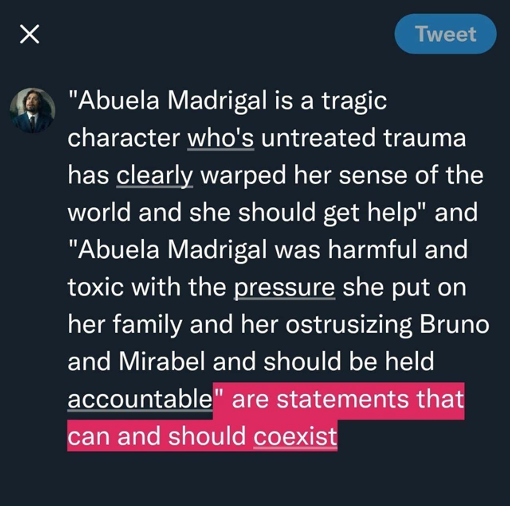
Disney’s Encanto and Intergenerational Trauma

Contributed by Lindsay Randall

SPOILERS ahead for the movie Encanto.

During an incredibly cold weekend in January, I was bundled up on my couch and looking for a movie to stream. I finally settled one that Disney+ had just recently released, Encanto.  I had no idea what the movie was about, past the short blurb that was provided on the info page before the movie started:

After finishing the movie, I will only admit to really enjoying it and any rumors you may have heard from my cats about me being a blubbering, crying mess throughout it, are lies. All lies!

Disney’s Encanto is a movie different from most. Despite what some viewers have said about Abuela being the villain of the story, there is no “villain” personified that the characters must defeat, as is typical in such movies. Instead all the characters must overcome something more overwhelming and real, which is threatening their home: intergenerational trauma. 

At the beginning of the movie, the matriarch of the Madrigal family, Abuela Alma faces armed violence and suffers incredible loss, while fleeing with her husband and three babies. After a harrowing night, in which her husband dies, she receives a miracle of a magic candle that helps to create a magical casita (house) inside a magically hidden town.

The candle grants all members of the Madrigal family unique gifts….. all except young Mirabel. This lack of a gift causes some underlying tensions between Mirabel and her family and serves as the main vehicle for the story. Then there is a missing uncle, cracks in the casita, diminishing powers, some adorable rats, and an ear-worm of a song (we don’t talk about Bruno!) to round out the story. 

The experience that Abuela has in the first few minutes of the movie has a continued impact on her relationship with her children and grandchildren, as well as on their own development.

After many fraught interactions (and songs!) Abuela tells her granddaughter Mirabel  “I was given a miracle, a second chance, but I was so afraid to lose it that I lost sight of who our miracle was for….. I am so sorry… We are broken because of me.” Showing that you can break the cycle of trauma. 

It was incredibly interesting to see a children’s movie deal with such a weighty topic in such a sensitive a way that does not diminish the damaging influence it has, but also shows that there is a possibility to begin to heal from this particular type of trauma. 

Many of our classes at the Peabody touch upon some aspect of historical trauma in indigenous communities, with the boarding school experience being one of the main ones that we explore.  Given the prevalence that it has in our teaching, I look forward to making connections to a movie many of our students will know as a means to enhance their understanding of such a profound topic.

To read more about the reactions to Encanto

Reconnecting with old friends

Contributed by Marla Taylor

In late January, the Peabody Institute hosted a special school group visit of students at Cape Cod Academy. Why is this school group more special than any other? Well, it actually had a lot more to do with the teacher – Alex Hagler.

Alex has been a part of the Peabody’s extended family for nearly 13 years. They started as a volunteer in 2009 and have worked at the Peabody in several capacities: work duty student, volunteer, and temporary employee. Alex has been kind enough to contribute to the blog in the past and you can read their thoughts in a student reflection and retrospective submission from several years ago.

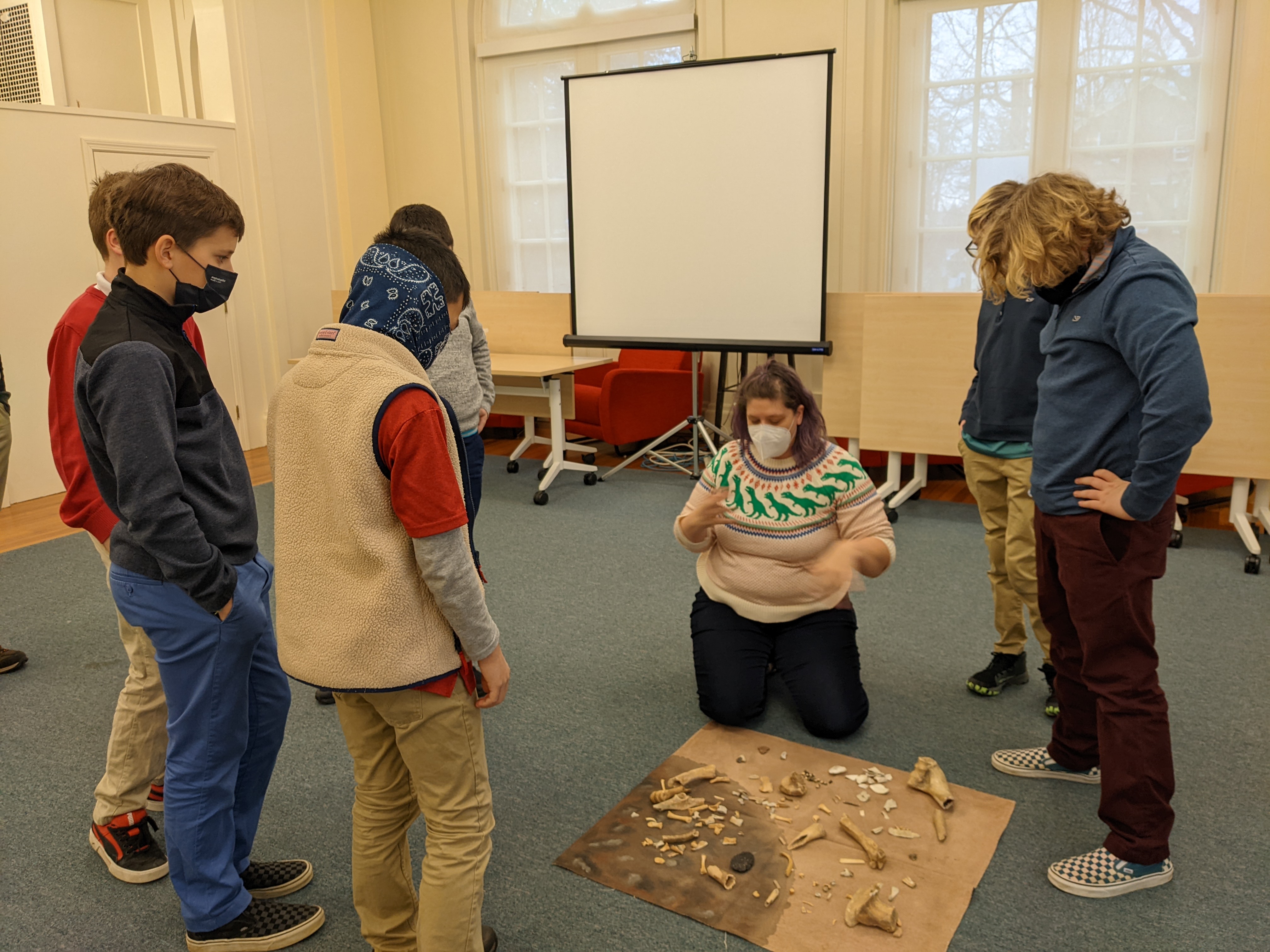
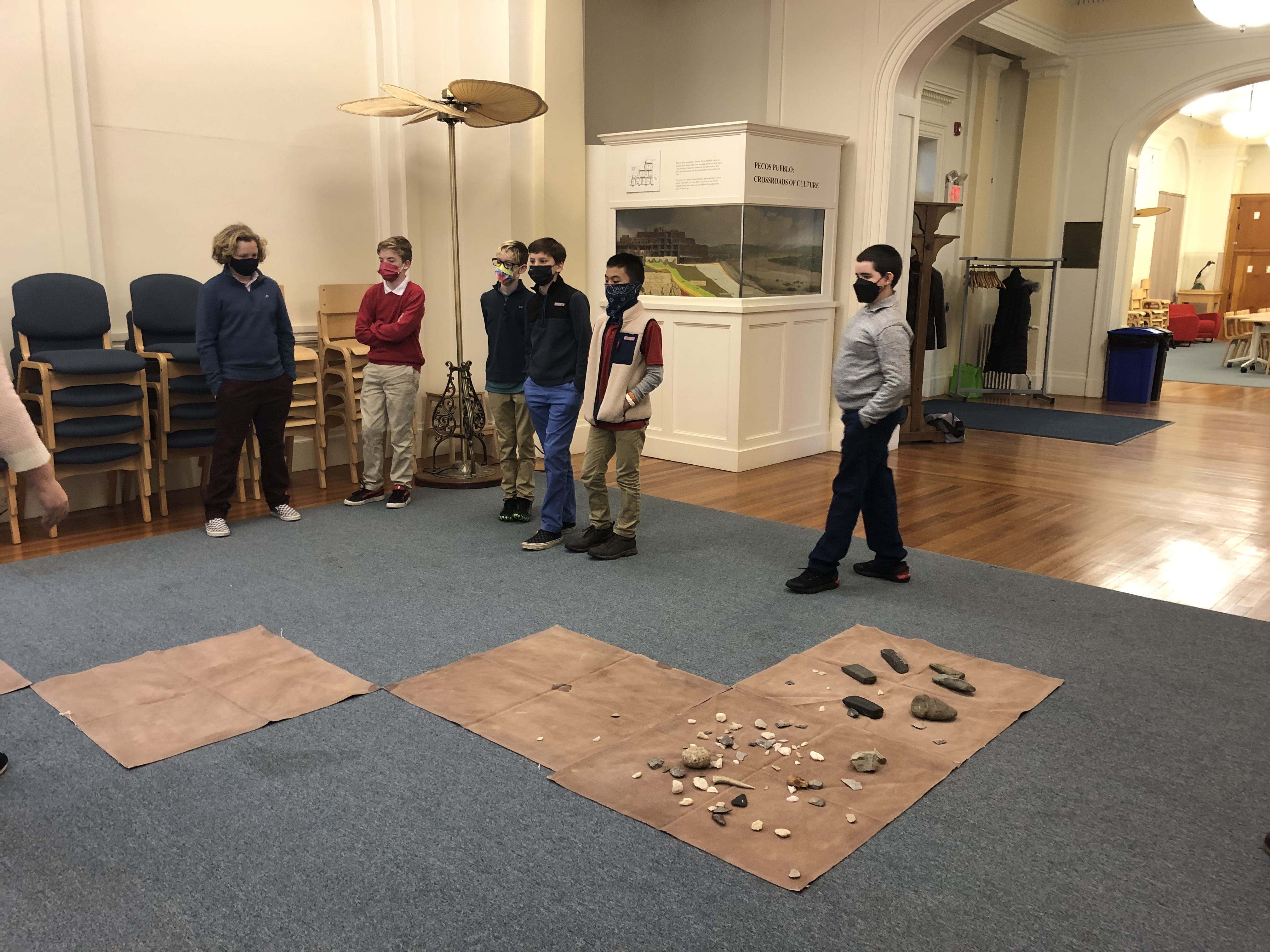
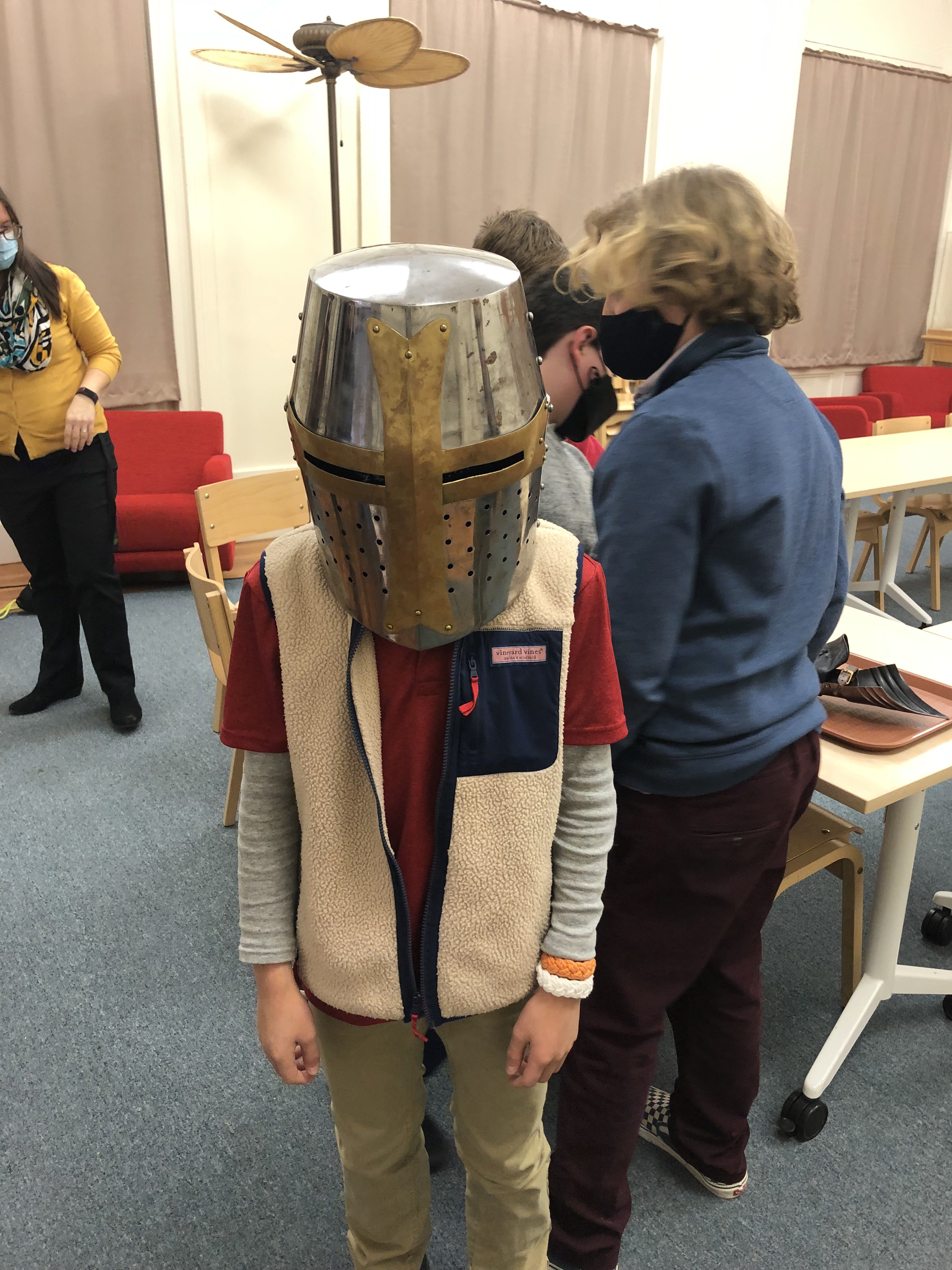
Now, Alex is a Latin teacher at Cape Cod Academy and introduces archaeology to their students as part of the curriculum. One of the best places for that, of course, is here at the Peabody Institute. Alex, and a co-teacher, brought six students to explore our TARPS mock excavation exercise and take a tour of the collections spaces. The students asked fabulous questions and learned important lessons about archaeology and Native American culture. 

Welcoming Alex back as a teacher with their own students was a powerful “full circle” moment for us here. It is so rewarding to have an ongoing relationship with the students and alumni who connected with the Peabody while here at Phillips Academy. 

If you are one of those students who enjoyed your time at the Peabody – reach out! We would love to connect with you again.

Social Justice for Younger Students

Contributed by Lindsay Randall

An important part of the Peabody’s educational mission is to support the expansion of archaeology-centered teaching into new areas. While we have primarily focused on how to integrate archaeology into high school and college level education, we have not engaged in sustained efforts for lower grades. We recently had an opportunity to change that. 

This month I helped Dr. Bethany Jay of Salem State University to outline a new education course that she will be teaching focused on subject matter knowledge listed in the MA frameworks for History and social sciences from prek-8th grade. 

Dr. Bethany Jay as we worked on the course.

The course will help future teachers explore the political, economic, and cultural development of the United States with an eye towards social justice. As such, Indigenous people Africans/African Americans, and women will figure prominently in the course discussions of those who impacted American history. Students in the class will see how these groups influenced and were affected by the changing political, cultural, and economic landscape..

We decided to have the class begin with a project focused on rethinking how the First Thanksgiving is taught in elementary classrooms, with a particular focus on centering Native voices. Using resources from the Smithsonian National Museum of the American Indian, exploring Indignous place names in Massachussetts, and finding age appropriate and accurate literature, such as Chris Newell’s book If You Lived During the Plimoth Thaksgiving, students will create multiple lesson plans reflecting the standards of the grades they intend to teach.

There was a lot of material for us to work with when we got to the section on ancient cilviliations and how archaeologists develop theories regarding past cultures – a particular focus of 4th grade. To ensure local connections, we decided to incorporate the paleo-indian Bull Brook site located in Ipswich MA in the discussions. 
We also outlined part of the course that would discuss both slavery and contributions of women, using material culture, but that section still needs more work. However, I’m thinking many of the lessons that the Peabody uses could be scaled down to be age appropriate for the elementary level.  

It was a lot of fun to work with Dr. Jay on the creation of this class and I cannot wait to collaborate on the second half and to hear how it goes!

Both Nigel and Bruce decided that they did not want to be left out of the planning process.

JAE’s Institutional Review Board Policy

Contributed by Ryan Wheeler

In August 2021, the Journal of Archaeology & Education’s editorial board met via Zoom to consider a policy regarding Institutional Review Board or IRB approvals for research published in the journal. The IRB originated with the passage of the National Research Act in 1974 after a series of congressional hearings on human-subjects research, but can trace its origins to research that lacked informed consent, like the Tuskegee Syphilis Study, which began in the 1930s.

The JAE board agreed that since studies involving assessment and other types of educational research would normally require at least a minimal review, we needed to have an explicit statement that alerted author’s to the need for IRB approvals prior to executing their studies. Shortly after the meeting the JAE policy website was amended to include the following guidance:

All human subjects research results published by the Journal of Archaeology and Education (JAE) must be approved by an Institutional Review Board (IRB) or an equivalent entity in the author’s country. The purpose of IRB review is to assure, both in advance and by periodic review, that appropriate steps are taken to protect the rights and welfare of people participating as subjects in your research. If you do not have an IRB affiliated with your organization, you must find a suitable IRB at a qualified university or other institution. Most universities have IRBs that will accept applications from outside their institution. Authors, especially those without an academic affiliation, could use an independent IRB, which is subject to the same federal regulations as universities. There may be fees associated with university and independent IRB reviews. The IRB protocol number assigned by your IRB must be included in the article. Manuscripts without IRB approval will not be considered for publication in JAE.

IRB policies at journals in medicine, psychology, and other fields that rely heavily on human-subjects research are usually brief. We felt, however, that the JAE policy needed to provide extra guidance as archaeologists expand their research to encompass educational studies on the effectiveness of teaching, assessment, work with students, and more. If you have questions about the JAE policy or how it might apply to your research, please contact the editors Jeanne Moe or Ryan Wheeler.

3D Printing and Human Origins

Contributed by Ryan Wheeler

The return to in-person classes means that this fall’s Human Origins includes many of the hands-on project-based assignments that have become a hallmark of the course.

Makerspace guru Claudia Wessner introduces Human Origins students to 3D printing.

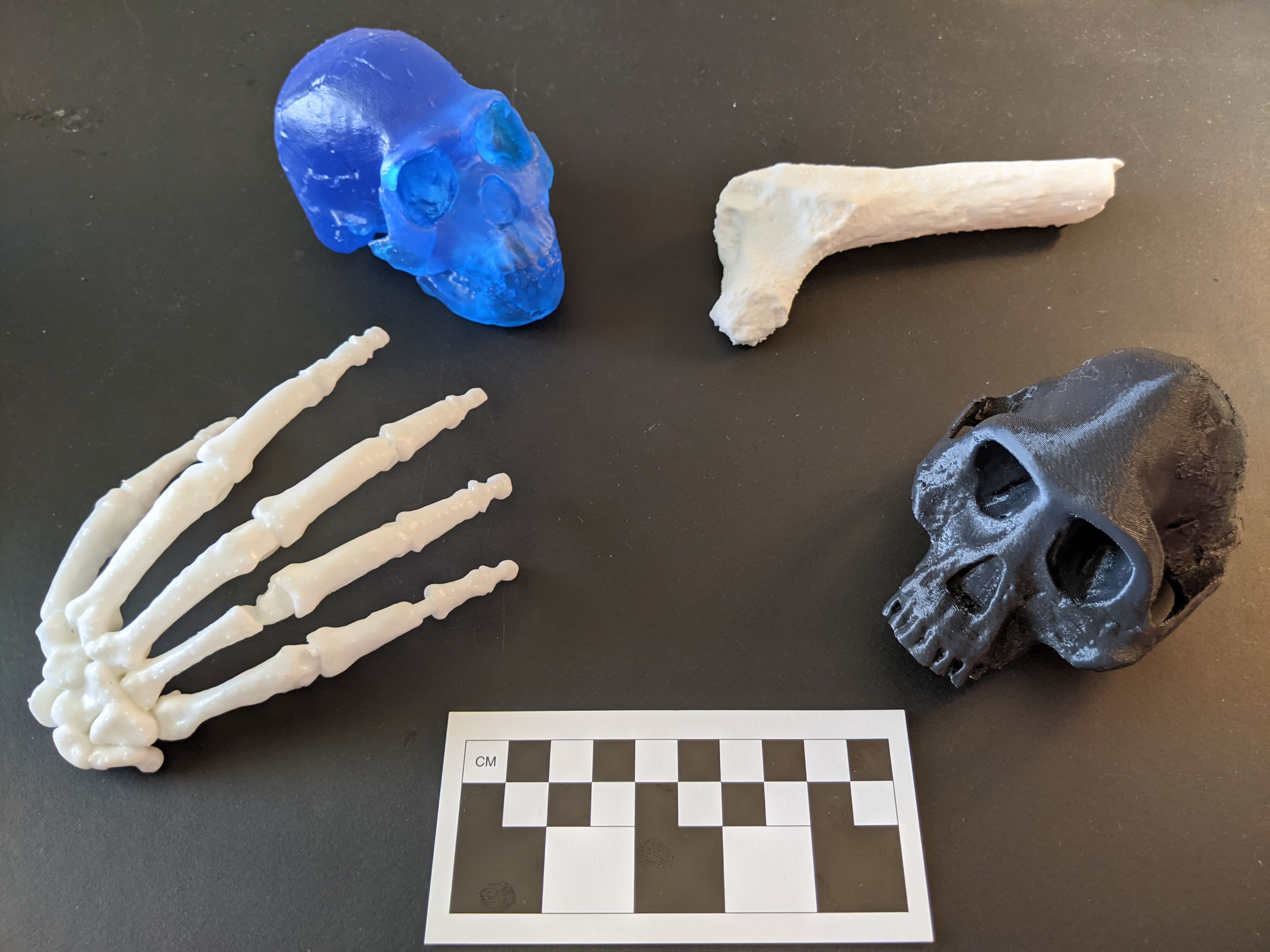
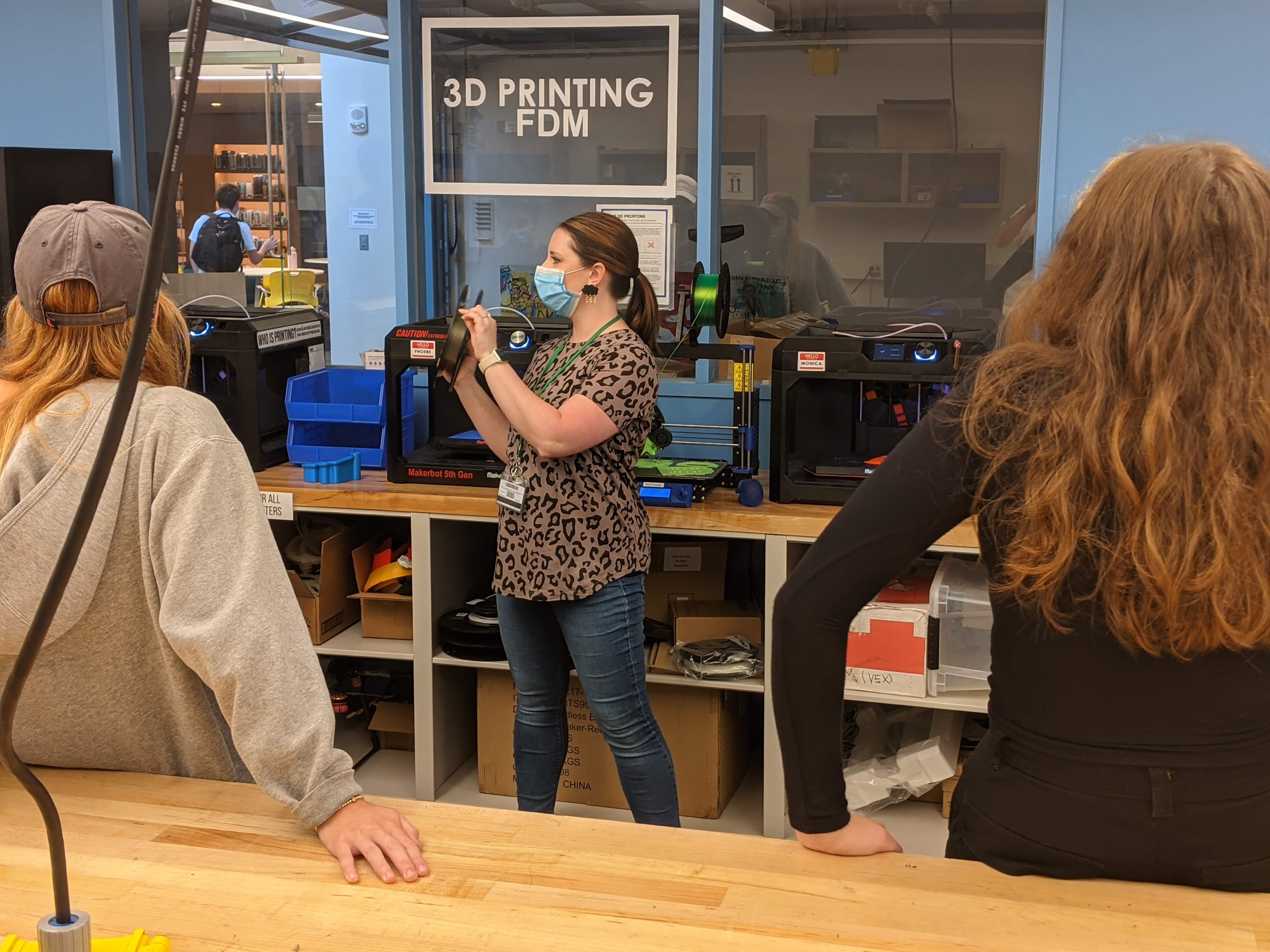
Students in Human Origins—an interdisciplinary science elective—visited with Claudia Wessner, Oliver Wendell Holmes Library Makerspace guru—who introduced the class to our hominin 3D printing project, including different 3D printing technologies, some of the ways that archaeologists use 3D printing and scanning, and Virtual Reality (VR) technology. Ms. Wessner also showed students how to use the Makerspace 3D printers for their projects.

An assortment of 3D hominin prints.

Each project team will select a fossil hominin to 3D print in the Makerspace. Hominins are humans and their close extinct ancestors, including fossils dating back about 6 to 7 million years ago. Students will present their scaled prints, along with basic info on the fossil, during class in a few weeks. This project was inspired by the inclusion of 3D scans of Homo naledi in Morphosource, a database of 3D scans of fossils and biological specimens hosted by Duke University. Since the Homo naledi scans were made available in 2015, many additional fossil scans have been added, including other hominins.

CT scan of a Neanderthal from Duke University’s Morphosource databank.

During our September 2021 visit to the Makerspace, Ms. Wessner introduced us to Nefertari: Journey to Eternity-A Tombscale VR Experience. VR technology uses a headset interface so users can experience a virtual world, in this case an Egyptian tomb that has been scanned and recreated. We also discussed The Dawn of Art, Google’s VR version of Chauvet Cave in France, featuring some of the world’s oldest cave paintings.

Human Origins students got to explore Nefertari’s tomb in VR or Virtual Reality.

To learn more about 3D scanning and printing in paleontology and archaeology take a look at the Virtual Curation Lab at Virginia Commonwealth University and University of South Florida’s Digital Heritage and Humanities Collection, each featuring different ways that 3D technology is used today.

Check back as we update this blog with the student 3D prints!

Miniatures Meet Fossil Humans

Contributed by Ryan Wheeler

In July, I start to think about the upcoming fall course Human Origins. Last year I spent most of the summer retooling the course into an online experience. I owe a lot to the advice of my spouse, who passed along many of her experiences teaching online in spring 2020. I was pleased with the result—an iterative, assignment driven course, taught exclusively online, that even managed to keep some hands on activities. In fact, I plan to keep many elements of the online course—students in the fall will use Padlet for many of their assignments, we will dedicate at least two weeks to flint knapping, and we will keep the three major themes: pseudoscience, human evolution, and race. I will continue to look for ways to decolonize the syllabus as well. Considering the frequency of new discoveries (Google “Dragon Man,” for example), the focus is more on how to think about human evolution, rather than the details. The frequent new discoveries in the field continue to challenge the two competing models of human evolution, making us wonder, maybe we really need a new theory?

3D prints of fossil hominin skulls made by students in Human Origins, fall 2019.

I hope that we can revisit 3D printing again in the fall. Once many of the skeletal elements of Homo naledi became available on Morphosource, 3D printing became part of the course. For a few years, we visited the campus makerspace and looked at prints of Homo naledi’s more unusual features, including the hand and femur. In fall 2019, students worked in teams to 3D print their own miniature versions of fossil human skulls, learning details about each find and species as part of the assignment. Those miniature 3D prints got me thinking about earlier models and teaching tools for this subject, and my own first interests in human evolution.

Part of the foldout “March of Progress” graphic from Time Life’s Early Man book, circa 1970.

My first inkling that human evolution was something to be interested in came from a mid-1970s rebroadcast of a documentary called Natural History of Our World: The Time of Man (first aired, December 14, 1969). I wanted to watch this for two reasons: 1) Richard Basehart, who played Admiral Nelson in one of my favorite TV shows, Voyage to the Bottom of the Sea, provided the narration, and 2) I wanted to know more about the fossils shown in the teaser ads! I think my parents were a little baffled, but they let me stay up and watch it. I don’t remember much about that show, but it included some pretty incredible shots of volcanic activity and, of course, Basehart’s distinctive voice. Not long after that, my dad brought home a set of the Time Life nature books, with the 1970 edition of Early Man right on the top (it looks like Early Man was first published in 1965, but there were many reissues). That book captivated me! Books on dinosaurs, fossils, and evolution (for someone who was a kid, or perhaps anyone, really), were in short supply in the 1970s. I still share that book with students in Human Origins, and we talk about the many errors of the “March of Progress” graphic that launched a thousand memes. For a kid in the ‘70s interested in evolution, that book—authored by a serious scientist, H. Clark Howell—was a treasure.

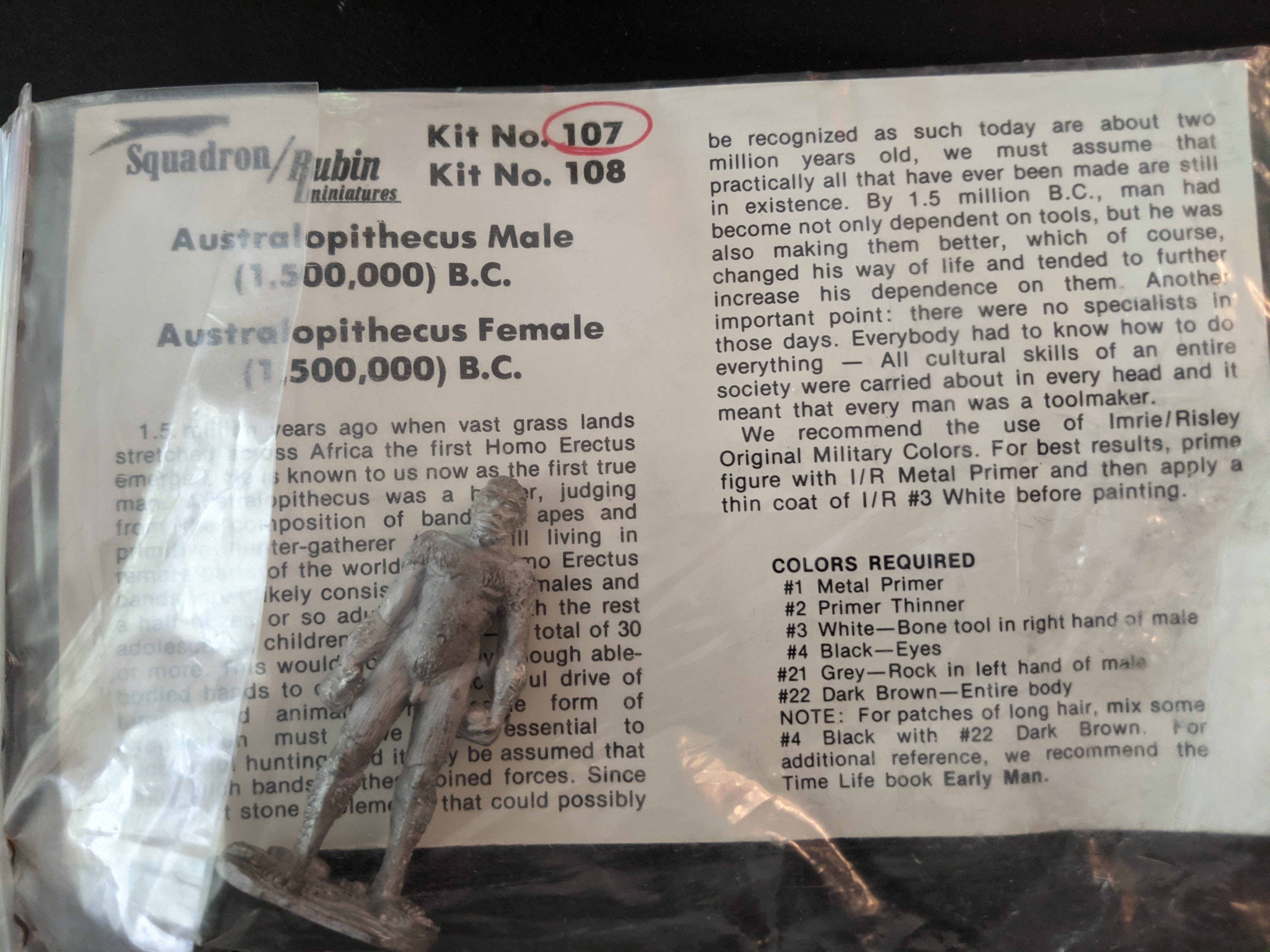
Squadron Rubin’s “Neanderthal man” figure with original packaging and color chart.

So imagine my delight when I found a tangible, material version of those fossil people. The discovery was in an unlikely place—the local hobby shop. I was interested in model kits, but the little metal figures of warriors, Vikings, and dragons were especially exciting. These were becoming more popular with the rise of the role playing game Dungeons & Dragons, and various alliances and licensing deals between the D&D publishers and companies like Grenadier who made these miniatures, or minis. There among the heros and monsters of D&D (think of the current TV show Stranger Things), were some old stock made by a company called Squadron Rubin. These were figures of all the fossil humans found in the pages of the Time Life Early Man book, and the color cards even referenced the book! Some Googling indicates that artist, sculptor, and businessperson Raymond Rubin was behind these figures. The main figures made by Squadron Rubin were of historical soldiers, spanning the Picts to Vietnam and every period in between. The idea was that you could buy these, glue as necessary, and paint following the color chart provided, building up your army. Eventually Rubin collaborated with others to launch Grenadier, the company that dominated the metal miniature business for a while. I wish I knew more of the story behind how the world of metal miniatures intersected with human evolution, but I was happy that it had!

The Squadron Rubin Australopithecus male figure with color chart!

The Squadron Rubin fossil people are 1:32 scale, so most are around or just under 2 inches tall. And, they aren’t frenzied savages like the “cavemen” depicted by Frank Frazetta or other artists around the same time. The artistic recreations in the Early Man book supplied the inspiration, and the figures are usually just posing, often in male-female pairs. I’ve managed to locate examples of Squadron Rubin Neanderthals, Australopithecines, and Cro-Magnon people, and I suspect there were other species depicted as well. Occasionally, they turn up on eBay.

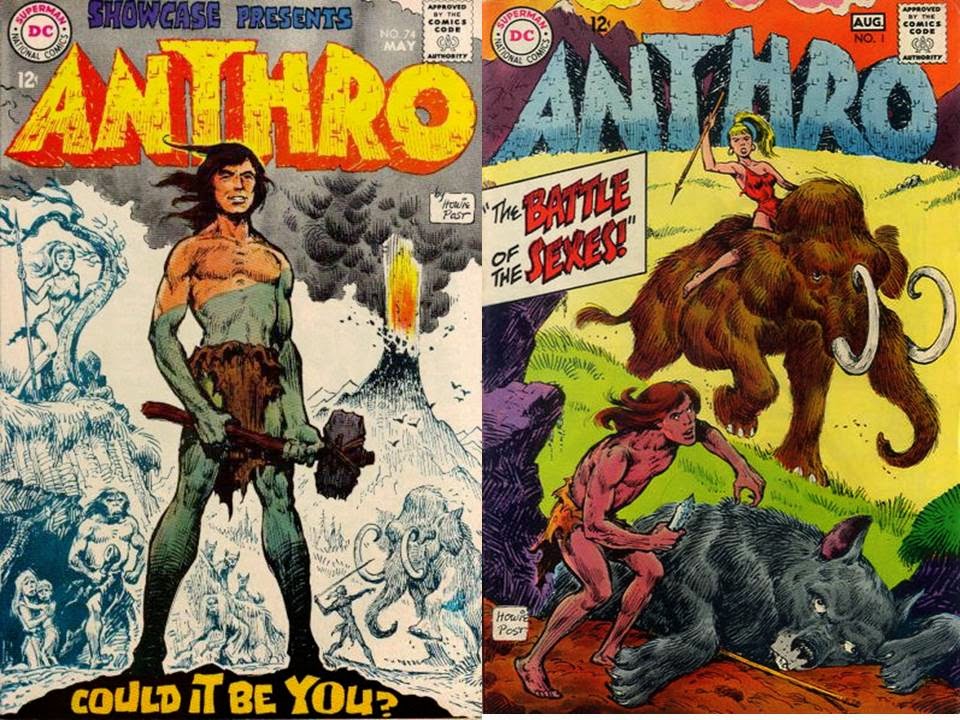
Covers from DC Comic’s “Anthro,” which pitted the first Cro-Magnon (or modern human) against an array of cave brutes and prehistoric monsters, late 1960s.

The Squadron Rubin figures, along with the many other depictions of fossil humans in popular writing, TV ads, comic books, movies, artwork, and sculptures give us a glimpse into thinking about human evolution and fossil people through time. I often ask the Human Origins students to find and research examples of how fossil humans were depicted in popular culture. Are the treatments sympathetic, savage, sexualized, or something else? Often this has to do with ideas about how closely modern humans are linked to these ancient people. The recognition of genetic connections between modern humans and Neanderthals in 2011 marked one shift in our relationship to “cavemen.” Once we understood there was a connection between us and them, depictions of ancient people began to shift, becoming more sympathetic and sensitive to our ancestors. But, it depends a lot on the artist, medium, and specific circumstances.