In late January, the Peabody Institute hosted a special school group visit of students at Cape Cod Academy. Why is this school group more special than any other? Well, it actually had a lot more to do with the teacher – Alex Hagler.
Alex has been a part of the Peabody’s extended family for nearly 13 years. They started as a volunteer in 2009 and have worked at the Peabody in several capacities: work duty student, volunteer, and temporary employee. Alex has been kind enough to contribute to the blog in the past and you can read their thoughts in a student reflection and retrospective submission from several years ago.
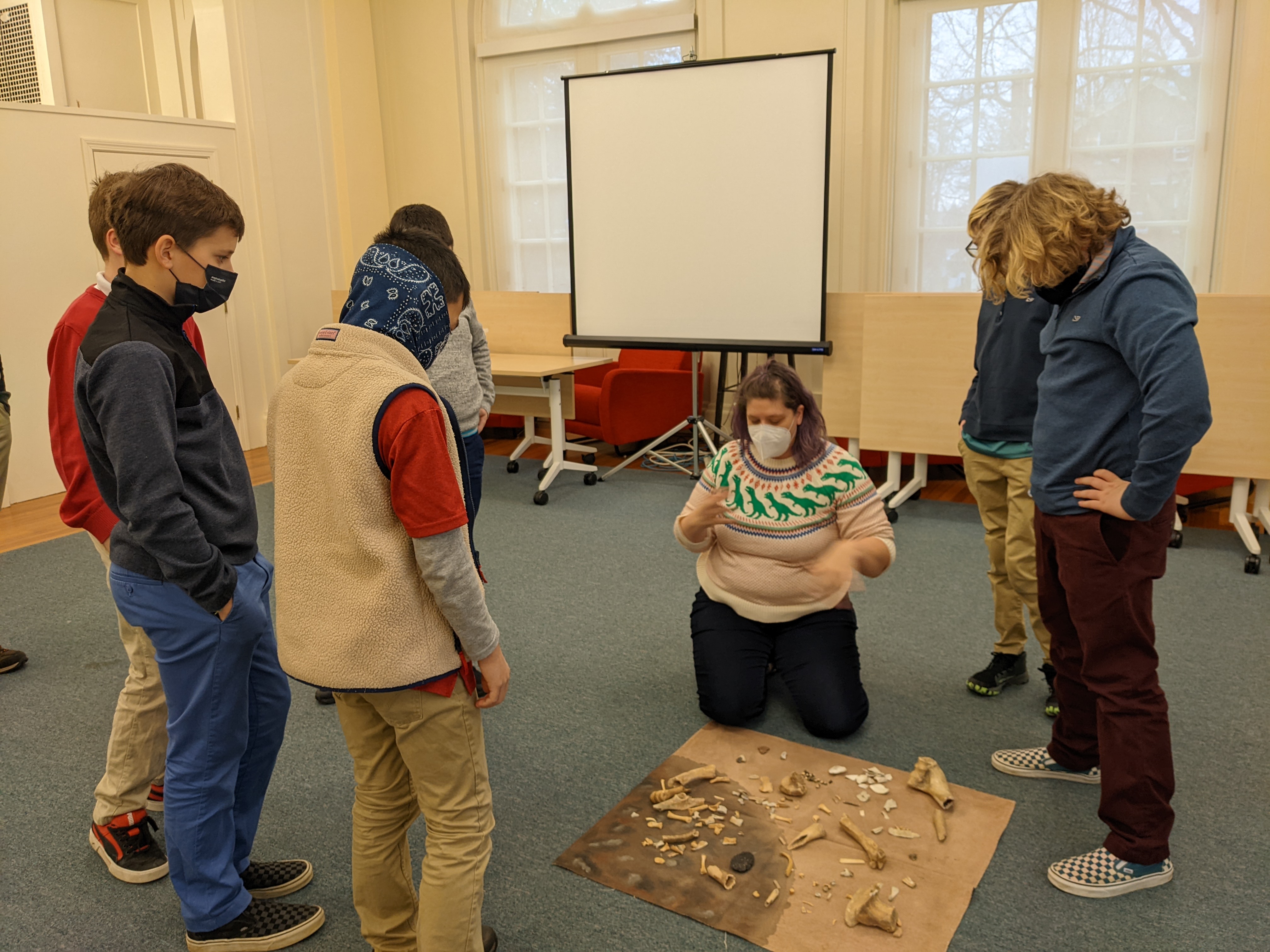
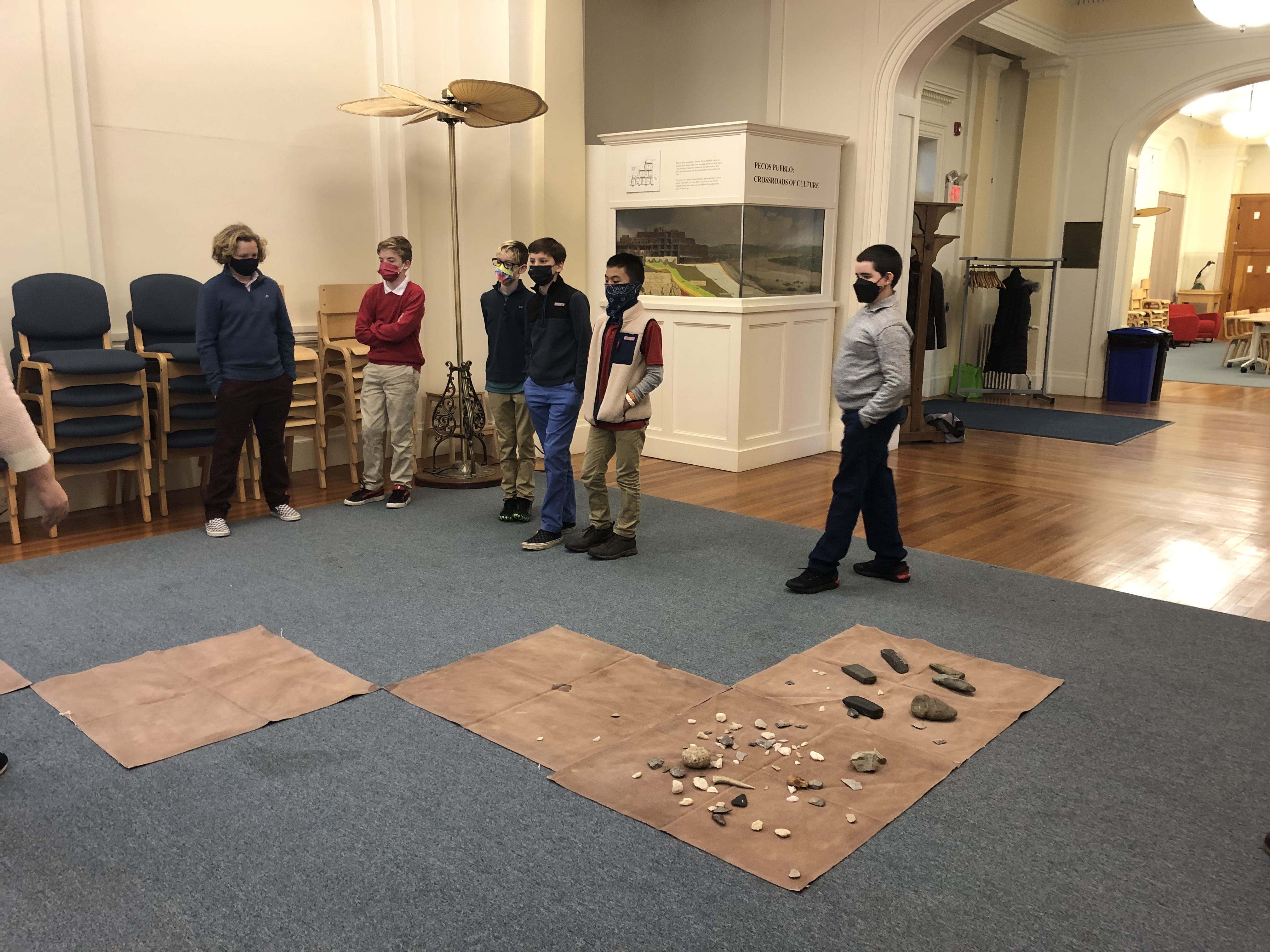
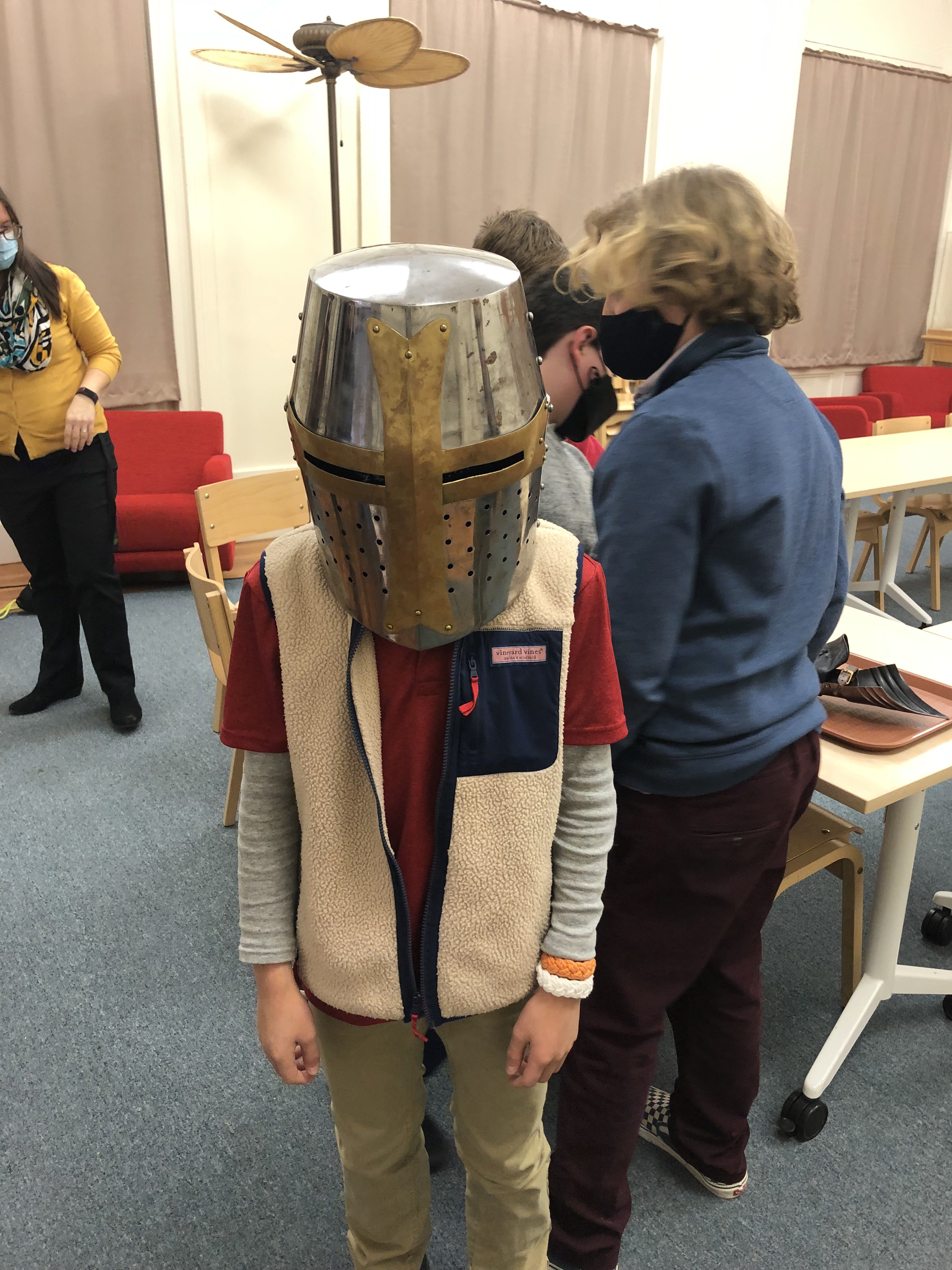
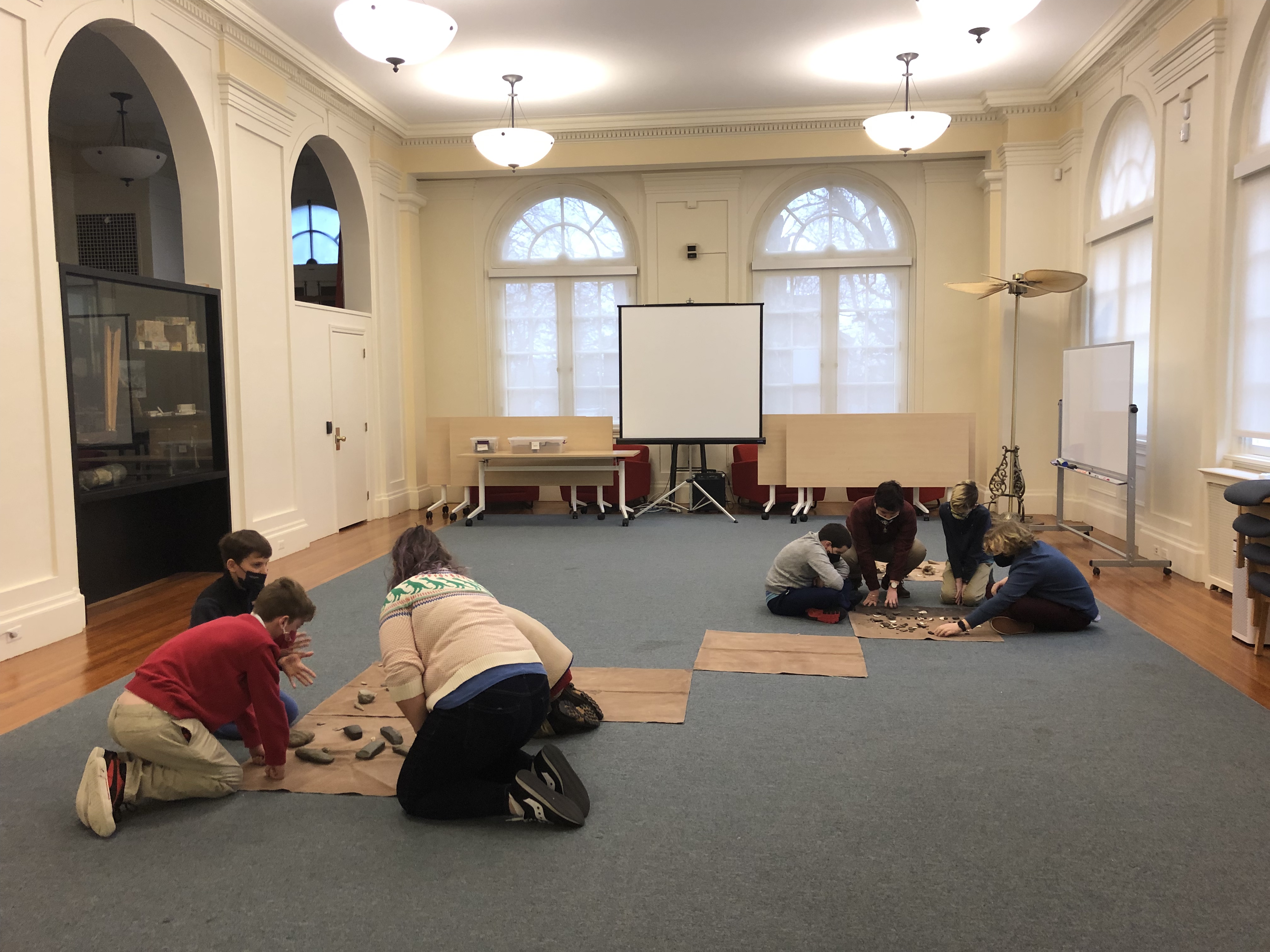
Now, Alex is a Latin teacher at Cape Cod Academy and introduces archaeology to their students as part of the curriculum. One of the best places for that, of course, is here at the Peabody Institute. Alex, and a co-teacher, brought six students to explore our TARPS mock excavation exercise and take a tour of the collections spaces. The students asked fabulous questions and learned important lessons about archaeology and Native American culture.
Welcoming Alex back as a teacher with their own students was a powerful “full circle” moment for us here. It is so rewarding to have an ongoing relationship with the students and alumni who connected with the Peabody while here at Phillips Academy.
If you are one of those students who enjoyed your time at the Peabody – reach out! We would love to connect with you again.
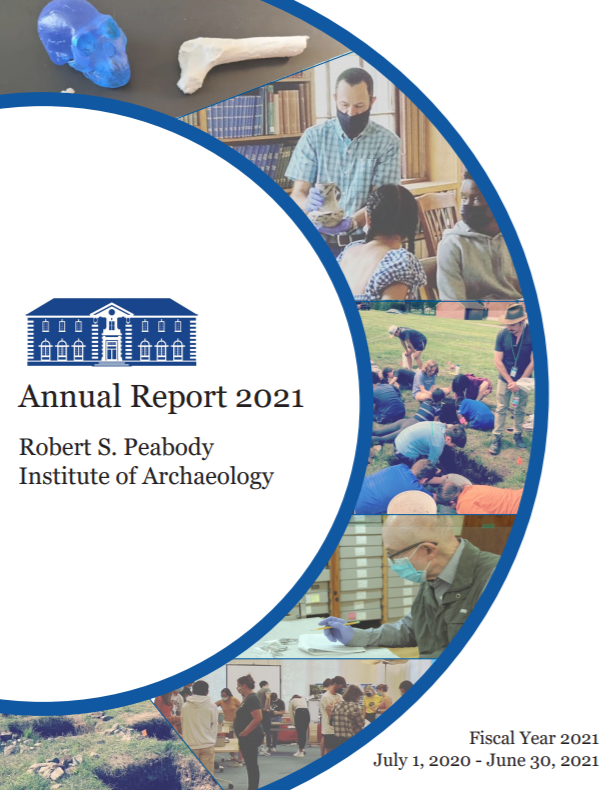
The Peabody’s annual report for academic year 2020-2021 has just been released! This report highlights the Peabody’s response to challenges brought by COVID-19 and all we’ve been able to accomplish despite a global pandemic, including the creation of our Diggin’ In Digital Lecture Series (partnered with the Massachusetts Archaeological Society), virtual lessons and digital resources developed by the Peabody, completion of the Peabody’s Collection Inventory Project, and continuing our NAGPRA consultation and repatriation work.
An important part of the Peabody’s educational mission is to support the expansion of archaeology-centered teaching into new areas. While we have primarily focused on how to integrate archaeology into high school and college level education, we have not engaged in sustained efforts for lower grades. We recently had an opportunity to change that.
This month I helped Dr. Bethany Jay of Salem State University to outline a new education course that she will be teaching focused on subject matter knowledge listed in the MA frameworks for History and social sciences from prek-8th grade.
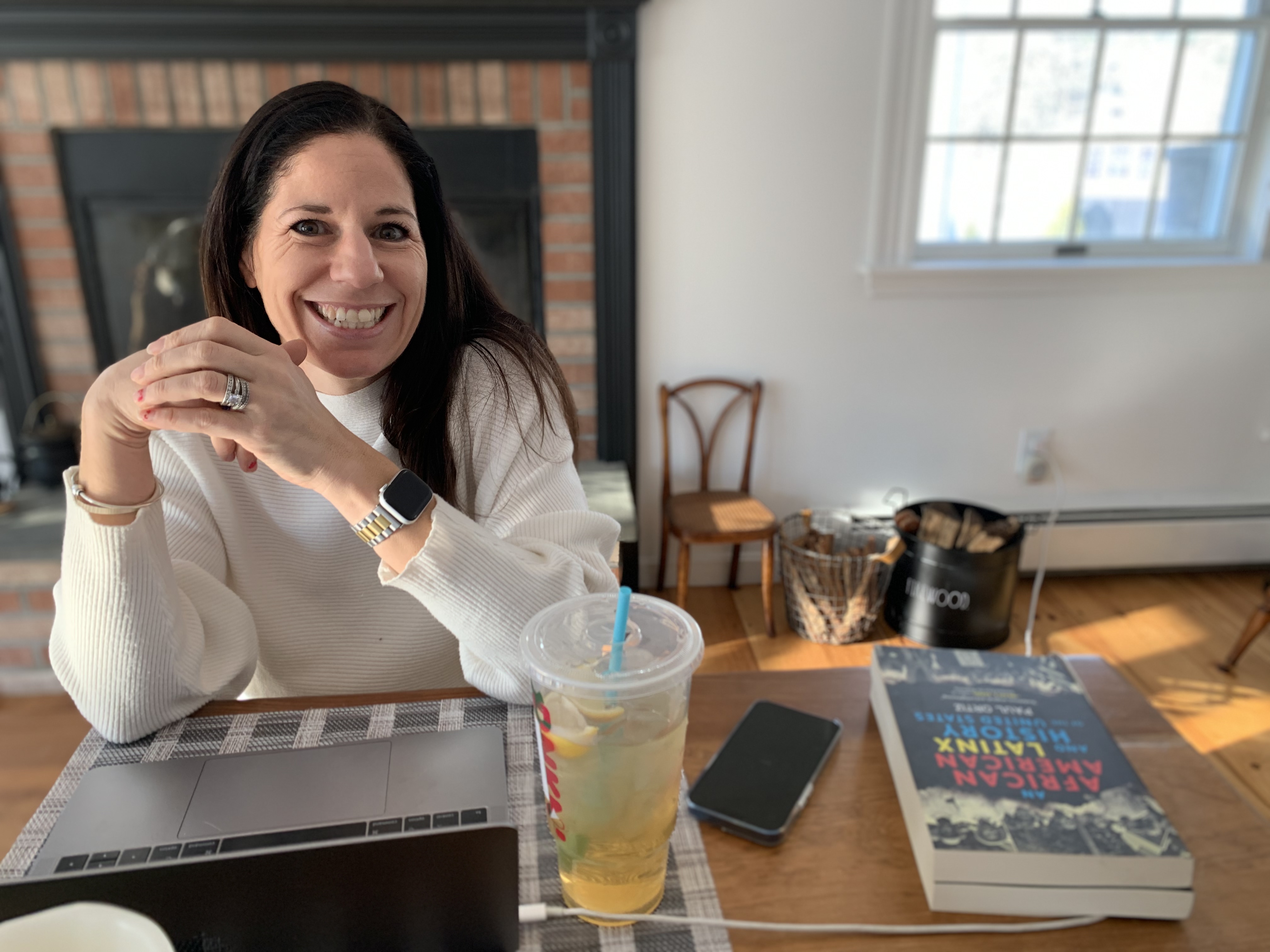
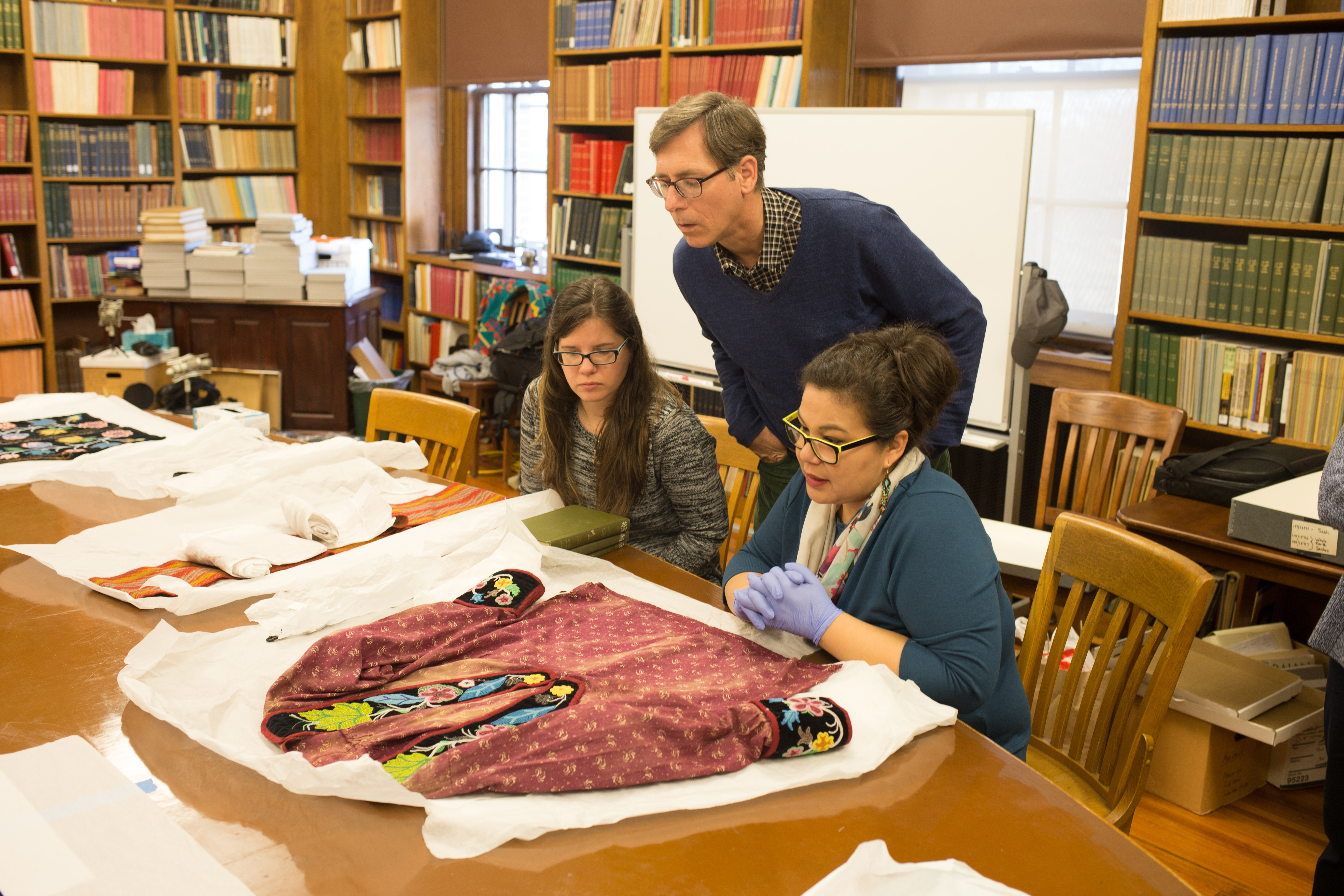
Dr. Bethany Jay as we worked on the course.
The course will help future teachers explore the political, economic, and cultural development of the United States with an eye towards social justice. As such, Indigenous people Africans/African Americans, and women will figure prominently in the course discussions of those who impacted American history. Students in the class will see how these groups influenced and were affected by the changing political, cultural, and economic landscape..
We decided to have the class begin with a project focused on rethinking how the First Thanksgiving is taught in elementary classrooms, with a particular focus on centering Native voices. Using resources from the Smithsonian National Museum of the American Indian, exploring Indignous place names in Massachussetts, and finding age appropriate and accurate literature, such as Chris Newell’s book If You Lived During the Plimoth Thaksgiving, students will create multiple lesson plans reflecting the standards of the grades they intend to teach.
There was a lot of material for us to work with when we got to the section on ancient cilviliations and how archaeologists develop theories regarding past cultures – a particular focus of 4th grade. To ensure local connections, we decided to incorporate the paleo-indian Bull Brook site located in Ipswich MA in the discussions.
We also outlined part of the course that would discuss both slavery and contributions of women, using material culture, but that section still needs more work. However, I’m thinking many of the lessons that the Peabody uses could be scaled down to be age appropriate for the elementary level.
It was a lot of fun to work with Dr. Jay on the creation of this class and I cannot wait to collaborate on the second half and to hear how it goes!
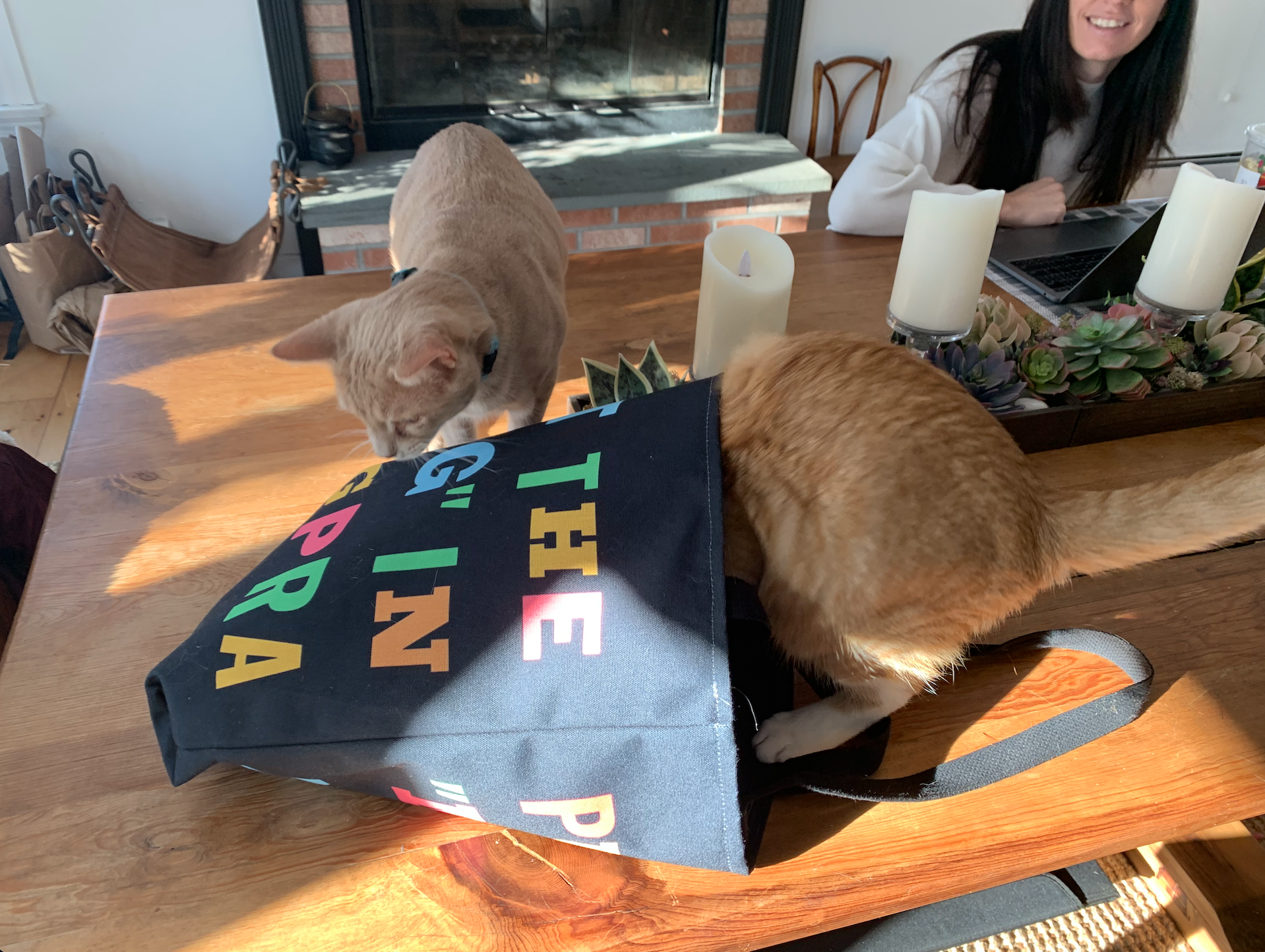
Both Nigel and Bruce decided that they did not want to be left out of the planning process.
In August 2021, the Journal of Archaeology & Education’s editorial board met via Zoom to consider a policy regarding Institutional Review Board or IRB approvals for research published in the journal. The IRB originated with the passage of the National Research Act in 1974 after a series of congressional hearings on human-subjects research, but can trace its origins to research that lacked informed consent, like the Tuskegee Syphilis Study, which began in the 1930s.
The JAE board agreed that since studies involving assessment and other types of educational research would normally require at least a minimal review, we needed to have an explicit statement that alerted author’s to the need for IRB approvals prior to executing their studies. Shortly after the meeting the JAE policy website was amended to include the following guidance:
All human subjects research results published by the Journal of Archaeology and Education (JAE) must be approved by an Institutional Review Board (IRB) or an equivalent entity in the author’s country. The purpose of IRB review is to assure, both in advance and by periodic review, that appropriate steps are taken to protect the rights and welfare of people participating as subjects in your research. If you do not have an IRB affiliated with your organization, you must find a suitable IRB at a qualified university or other institution. Most universities have IRBs that will accept applications from outside their institution. Authors, especially those without an academic affiliation, could use an independent IRB, which is subject to the same federal regulations as universities. There may be fees associated with university and independent IRB reviews. The IRB protocol number assigned by your IRB must be included in the article. Manuscripts without IRB approval will not be considered for publication in JAE.
IRB policies at journals in medicine, psychology, and other fields that rely heavily on human-subjects research are usually brief. We felt, however, that the JAE policy needed to provide extra guidance as archaeologists expand their research to encompass educational studies on the effectiveness of teaching, assessment, work with students, and more. If you have questions about the JAE policy or how it might apply to your research, please contact the editors Jeanne Moe or Ryan Wheeler.
Over Thanksgiving break, I was catching up on some news and saw an article that caught my eye – Smithsonian African American Museum Launches Online Interactive Access. First, a headline like that will always catch my attention. Second, it stirred a memory of an email exchange that I had with a registrar from the National Museum of African American History and Culture (NMAAHC) back in July.
The Peabody Institute is proud to have a handful of items on loan to the NMAAHC to tell the story of Lucy Foster, a free Black woman who lived here in Andover from 1771-1845. Lucy’s story is part of the Slavery and Freedom exhibition. This loan has been active since 2019 and will continue until at least early 2023 (and may be extended!).
A few months ago, a registrar from the NMAAHC asked for permission to include the items on loan from the Peabody in their new digital initiative, the Searchable Museum. The Searchable Museum offers rich interactive, digital experiences based on the NMAAHC’s inaugural exhibitions, historical collections, narratives, and educational resources. The Slavery and Freedom exhibition was the first to be developed as a digital experience. I gladly granted permission to include Lucy Foster and her story.
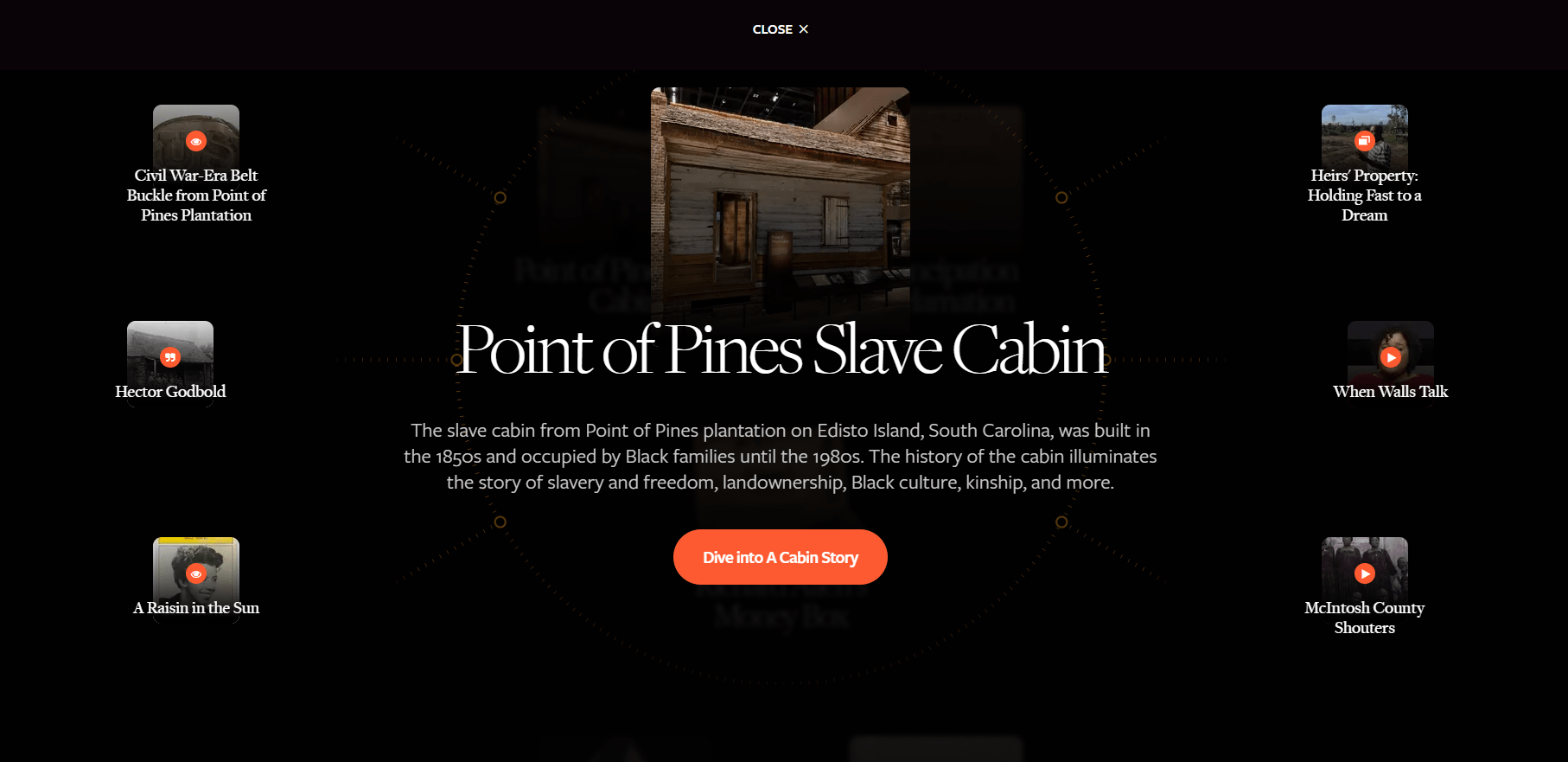
While I was excited to see items from the Peabody as part of this incredible resource, I was also quickly drawn into the rest of the content. I especially enjoyed learning about the Point of Pines Slave Cabin. In 2013, a team from NMAAHC traveled to Edisto Island, South Carolina and began the meticulous process of dismantling and relocating a cabin that had been occupied by Black families from the 1850s until the 1980s. The cabin is a vehicle to tell the story of the people who lived there, the power of land ownership, the architecture of slavery, and modern housing discrimination.
The Searchable Museum is well organized and information is presented in clear terms – I strongly recommend that you all check it out!
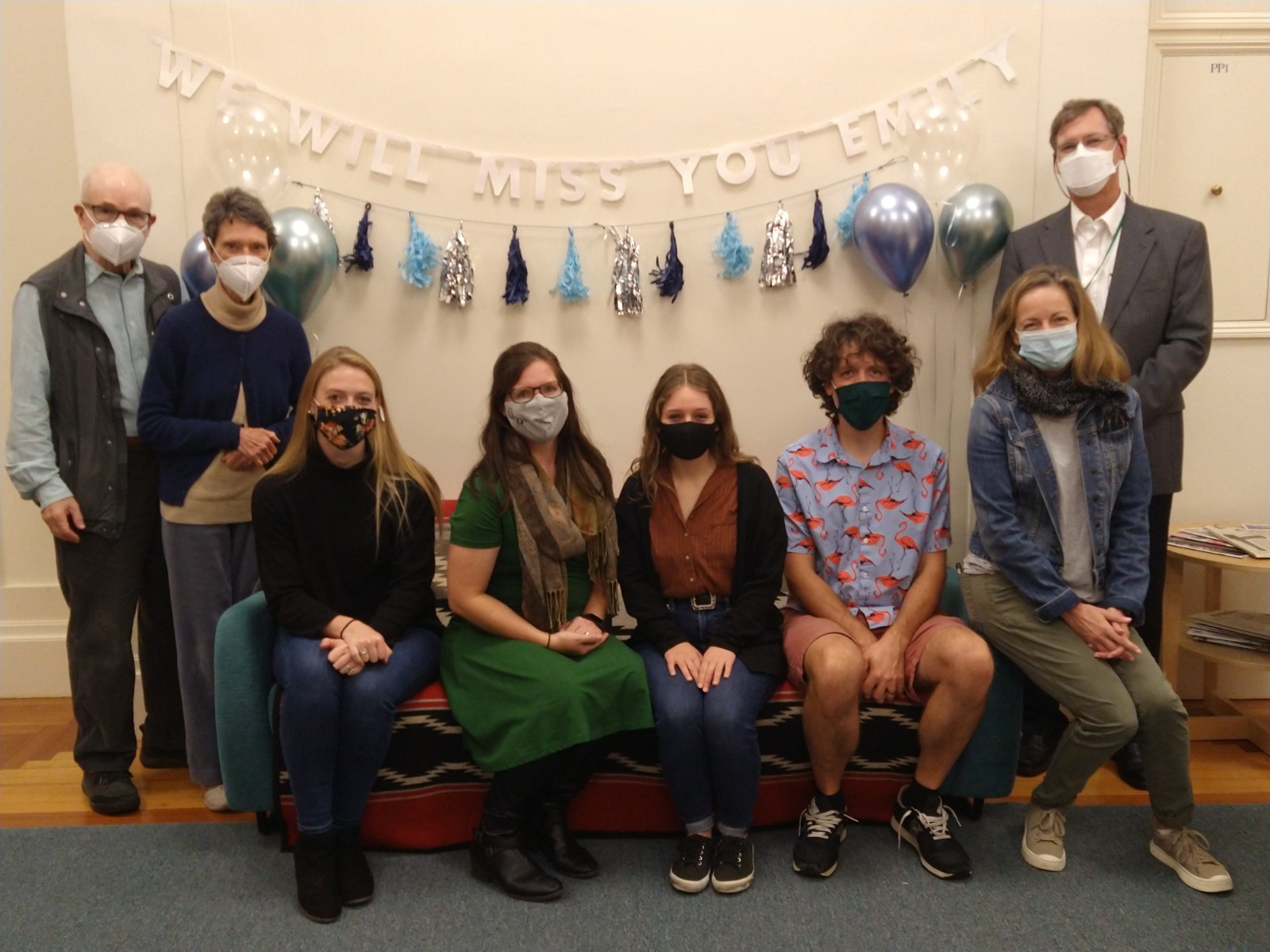
Last month we were happy to announce that the Peabody officially completed its collection inventory! Special recognition goes out to our previous Inventory Specialists John Bergman-McCool and Emily Hurley, our financial supporters, as well as our volunteers, work-duty students (past and present), and Peabody collection staff who’ve participated in inventorying the collections from 2017 to present.
Reflecting back on all the drawers I personally inventoried and rehoused, there was one particular item and site that I wanted to share. This item is a large, chipped stone knife from the Swamp site in North Reading, MA.
Item 42/6529 – One large, chipped stone knife from the Swamp site in North Reading, MA.
After looking through the Peabody’s accession file cards, I found more items from the same site consisting of various stone points, perforators, gouges, and knives. The most interesting discovery from my search was the location where these items were found. The land in which the Swamp site was located was at one point in time the location of the North Reading State Sanatorium.
Accession file card detailing the objects were found by Mr. Margerison at the North Reading Tuberculosis Hospital site and sold to Dr. Moorehead by Mr. Margerison’s son.
According to a 1933-1935 survey by the Council on Medical Education and Hospitals of the American Medical Association, the term “sanatorium” is an institution operating exclusively for the treatment of tuberculosis. Originally called the Martin’s Brook Sanatorium, the North Reading State Sanatorium was one of four hospitals in Massachusetts for patients with tuberculosis, opening in 1909. The property consisted of 23 structures on 87-acres of land, including a church and school.
During this time, tuberculosis (also known as consumption) was the leading cause of death in both the United States and worldwide, most prevalent amongst teens and adults under 40. Fresh air was considered one of the best ways to treat the disease and was one reason why the North Reading location was chosen for the sanatorium.
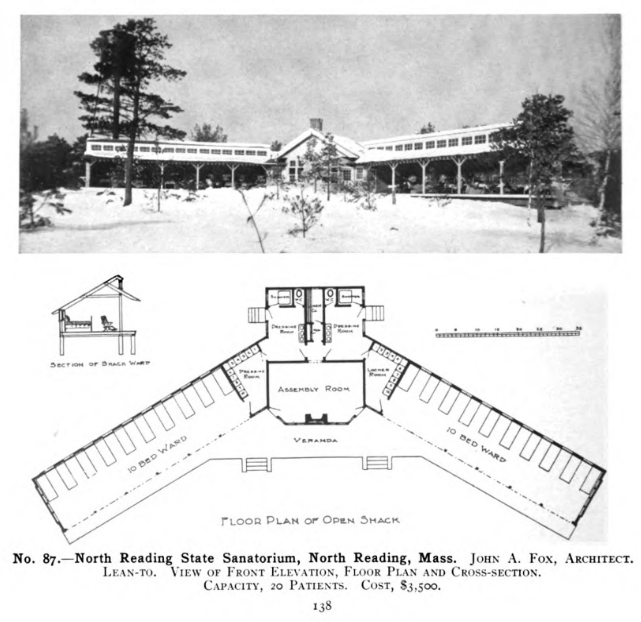
View of an open porch – a method of protecting porches by canvas curtains in stormy weather. John A. Fox, Architect. North Reading State Sanatorium, North Reading, MA. Image from the Tuberculosis hospital and sanatorium construction, written for the National Association for the Study and Prevention of Tuberculosis by Thomas Spees Carrington, 1911.
In her 2013 presentation, “The Martin’s Brook Sanatorium: The History of Care in North Reading and the Commonwealth,” Dr. Clarisse A. Poirier of Merrimack College shares that the earliest structures on the property had no walls in order to give patients plenty of fresh air. Canvas curtains would also be set up in colder weather in order to protect patients from the elements. In addition to the open porch design, the North Reading Sanatorium buildings were “lean-to” structures with a central interior sitting room that overlooked a wing of open porches on either side.
The “lean to” design of the North Reading Sanatorium structures. Image from the Tuberculosis hospital and sanatorium construction, written for the National Association for the Study and Prevention of Tuberculosis by Thomas Spees Carrington, 1911.
By 1926, the sanatorium became a facility solely for children with tuberculosis. Adult patients were moved from North Reading to other facilities at Lakeville, Rutland, and Westfield. By 1945, North Reading received children suffering from the rheumatic fever epidemic and in 1958 the facility received children suffering from any chronic diseases.
North Reading, MA State Tuberculosis Sanatorium West Ward, circa 1910 postcard
After the sanatorium closed in 1962, the property became the John T. Berry Rehabilitation Center until 1995. Part of the land was then sold in 2006 to Lincoln Properties and the other half in 2017 to Pulte Homes. From 2005 to 2008, the Public Archaeology Laboratory (PAL) completed archaeological data recovery programs for five ancient Native American sites located on the property. These projects were completed in advance of the business/residential properties that would later take over the 87-acres of land that once held the former North Reading Sanatorium and John T. Berry Rehabilitation Center. Today the site is now the location of the Edgewood Apartments and the Martin’s Landing Condominiums off of Lowell Road.
The John T. Berry Rehabilitation Center (also known as the JT Berry State School) 1962-1995. Photo courtesy of Asylum Projects.
The archaeological investigation yielded more than 14,000 items consisting of chipped and ground stone tools, knapping debris, fire pits, storage and trash pits, and rock clusters. The evidence identified that the site was pre-contact and used by Middle and Late Archaic populations about 8,000 to 3,000 years ago.
The items in the Peabody collection from this site were discovered by a Mr. Margerison and sold to Dr. Warren K. Moorehead by Mr. Margerison’s son before 1940. Perhaps Moorehead’s decision to obtain these items from the North Reading State Sanatorium site stemmed from his own battle with tuberculosis.
Moorehead had been diagnosed with tuberculosis in 1895. A year later he became associated with Robert S. Peabody, curating artifacts from various sites for Peabody’s personal collections. He moved to the east in 1898 to recover from his illness at Peabody’s cabin in Saranac Lake, New York. This was also the location of the Adirondack Cottage Sanatorium at Saranac Lake (also known as the “Cure Cottages”) established in 1884. Perhaps Moorehead spent some time here as well during his recovery.
What many do not know, is what was believed to be the cause of Moorehead’s illness. In 1888, Moorehead was involved in an excavation accident where a wall of earth collapsed on him in the excavation unit, burying him alive. According to an article in the Phillips Academy student newspaper, the Phillipian, Moorehead was paralyzed from the waist down for several days after the accident and he later developed a case of pulmonary tuberculosis as a result.
After his accident and development of tuberculosis, Moorehead eventually (with the help of his friend Robert S. Peabody) made his way to New England. By 1901, Moorehead arrived to the newly-founded Department of Archaeology at Phillips Academy in Andover, MA (now the Robert S. Peabody Institute of Archaeology), serving as curator, 1901-1924, and Director, 1924-1938 before his death in 1939. A private struggle for life by Moorehead, but none the less an extraordinary rebirth by the time of his curatorship at the Peabody at the beginning of the twentieth century.
The Peabody has a long history with the Society for American Archaeology (SAA), dating back to the origins of the society in the mid-1930s. Carl Guthe, who had served as Alfred Kidder’s assistant on excavations at Pecos Pueblo, organized the society in 1934 and the first meeting was held at Phillips Academy a year later. Connections between the Peabody and SAA continued throughout the twentieth century and still exist today.
In 2020, the Peabody and the SAA partnered to create a new award honoring individuals and organizations dedicated to archaeology and education. The Robert S. Peabody Institute of Archaeology Award for Archaeology and Education recognizes excellence of individuals or institutions in using archaeological methods, theory, and/or data to enliven, enrich, and enhance other disciplines, and to foster the community of archaeology education practitioners. The Peabody Award will spotlight these contributions and promote teaching ideas, exercises, activities, and methods across the educational spectrum, from K-12 through higher education and including public education broadly conceived. Diving with a Purpose was the inaugural award winner in 2021.
I’ve had the honor of helping to create the Peabody Award as chair of the SAA’s teaching awards subcommittee, and to help launch the Binford Family Award for Teaching Critical Thinking in Archaeology, which is new this year. The Binford Family Award encourages curriculum development with a deliberate focus on teaching critical thinking and scientific reasoning skills in archaeology courses at any level, to reward individuals or institutions that develop excellent examples of such curricula, and to promote the sharing of ideas and materials relating to these efforts.
Both the Peabody and Binford awards include a $1,000 prize. Nominations are open to both members and non-members of SAA, as well as those based in the United States or internationally. The nomination deadline is December 1, 2021.
Details about each award and how to make a nomination can be found on the SAA website:
The way the Peabody Institute is supporting collections-based research is changing.
We are committed to involving Native American and Indigenous nations, communities, and groups in research efforts involving collections held by the Peabody (archives, photographs, and items), including decision-making about the appropriateness of research activities and analysis. As of November 2021, consultation with an authorized tribal representative is a required part of any application for access to collections. This is consistent with the United Nations Declaration on the Rights of Indigenous Peoples (September 13, 2007), specifically Article 11, which states that:
Indigenous peoples have the right to practice and revitalize their cultural traditions and customs. This includes the right to maintain, protect and develop the past, present and future manifestations of their cultures, such as archaeological and historical sites, artefacts, designs, ceremonies, technologies and visual and performing arts and literature.
This approach stems from the Peabody Institute’s commitment to practice ethical management in all aspects of the Peabody’s collection, and our response to the UN Declaration, which requires member states to:
provide redress through effective mechanisms, which may include restitution, developed in conjunction with indigenous peoples, with respect to their cultural, intellectual, religious and spiritual property taken without their free, prior and informed consent or in violation of their laws, traditions and customs.
Preference will be given to research projects that are conducted by descendant communities or at the written request of those communities. The Peabody encourages researchers to foster their own relationship with geographically and culturally affiliated descendant communities. In cases where relationships have not been, or cannot be, established, the Peabody may assist with limited guidance on consultation on a case by case basis.
Researchers must submit a completed Collections Research Request Form to the Curator of Collections for evaluation. Non-invasive techniques including, but not limited to, 3D scanning, pXRF, and x-ray, as well as invasive techniques, including, but not limited to, radiocarbon dating, compositional analysis, DNA, and isotopic analysis require the completion of the Analysis Request Form.
Prior to consultation, the Peabody Institute is able to confirm or deny the presence of the requested information and respond to general questions about the proposed research material. In some cases, a list may be provided to the researcher to assist them in conducting an effective consultation. However, no direct access or detailed information will be shared without appropriate community authorization.
The Peabody Institute recognizes that this is a shift in traditional museum research access practices. Our goal is prioritize Indigenous voices in any use of Indigenous cultural heritage and to make certain that research is conducted collaboratively with descendant communities. All questions or comments can be sent to the Curator of Collections.
The Pueblo Revolt was a pivotal moment in the history of the Southwest region of what is now the United States.
In 1680 the numerous Pueblos unified under the leadership of Po’pay and fought back against the military, religious, and political incursion of the Spanish. This event is the only successful large scale Indigenous revolt against Europeans in North America, and as such is covered in History 201 at Phillips Academy.
While there are numerous accounts of the Revolt from a Spanish perspective, many academics agree that there are no known comparable accounts of the event from the perspective of the Pueblos.
But what are “comparable” sources anyway? Because there are Indigenous accounts from that time period and contemporaneous to the known Spanish accounts – They are just in the form of oral traditions. Unfortunately, oral traditions have historically not been treated as the same as written or archaeological evidence.
I wanted to change how our students interacted with material about the Pueblo Revolt and so I created a new lesson that gave more weight to the Pueblo experience, in their own words. And thankfully, Dr. Marisela Ramos, History Department Head was more than happy to let me use her classes to experiment and refine my lesson.
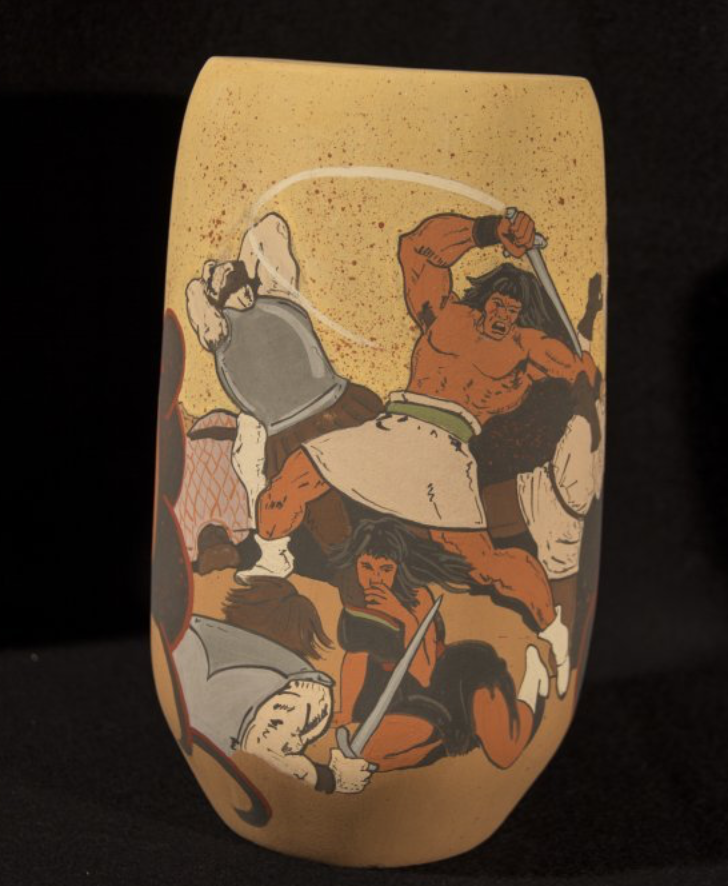
Jason Garcia ceramic in the Peabody’s collection
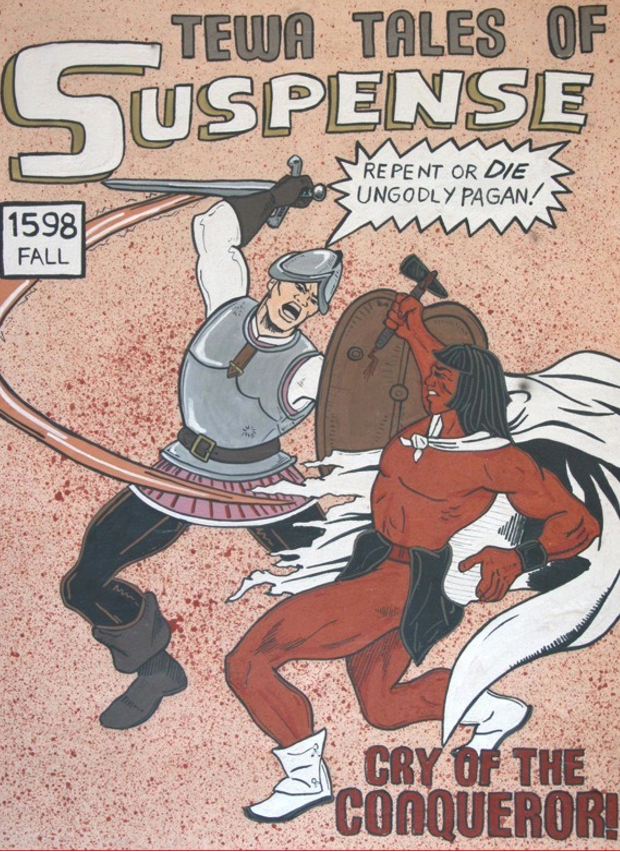
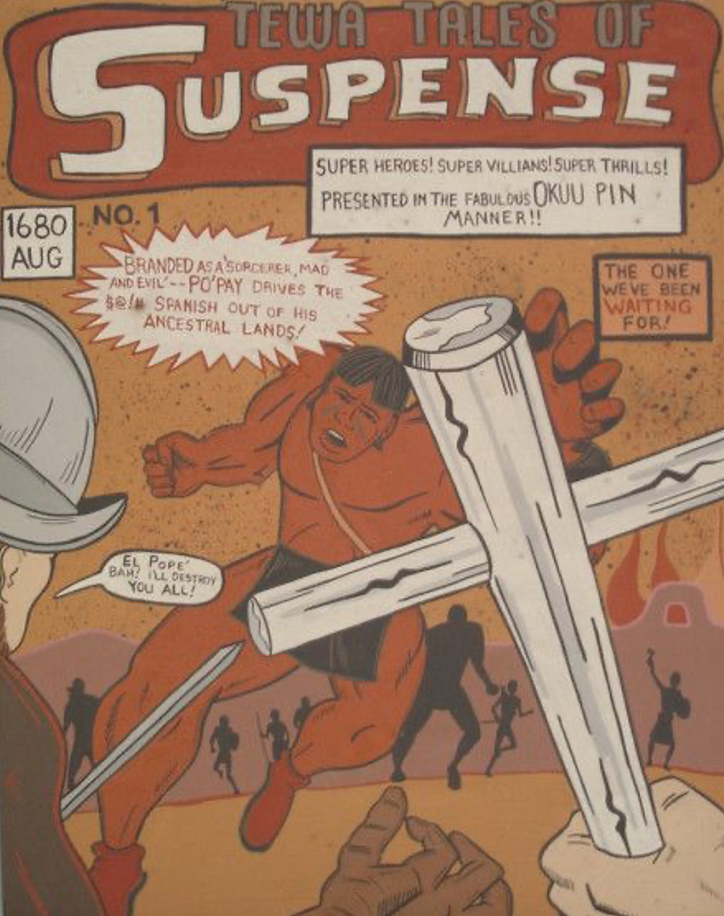
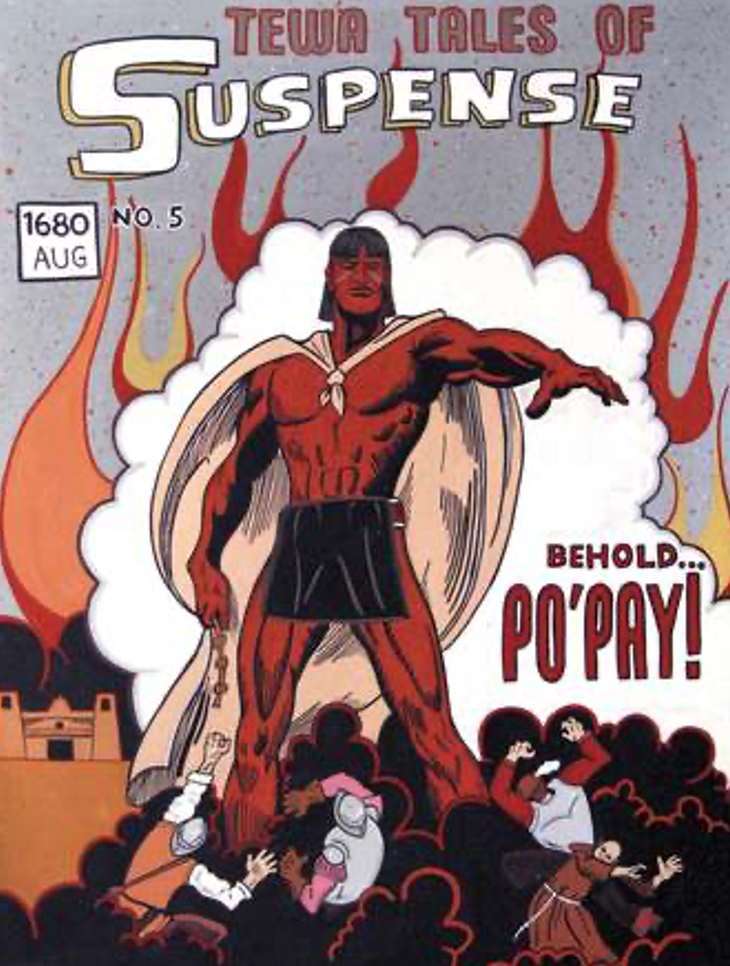
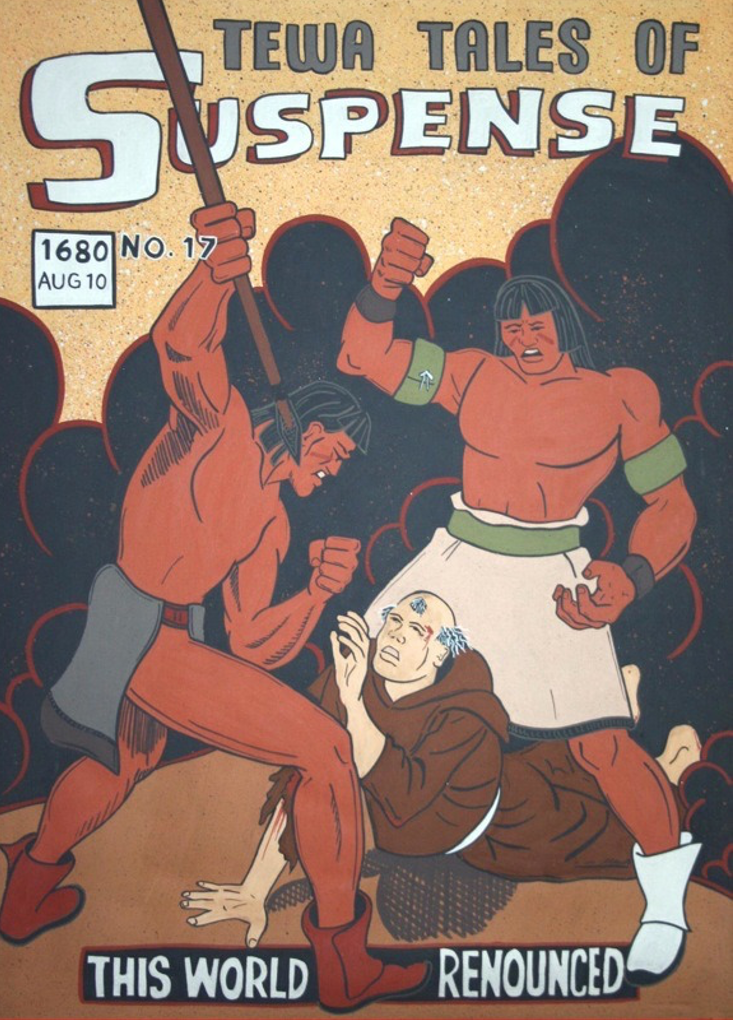
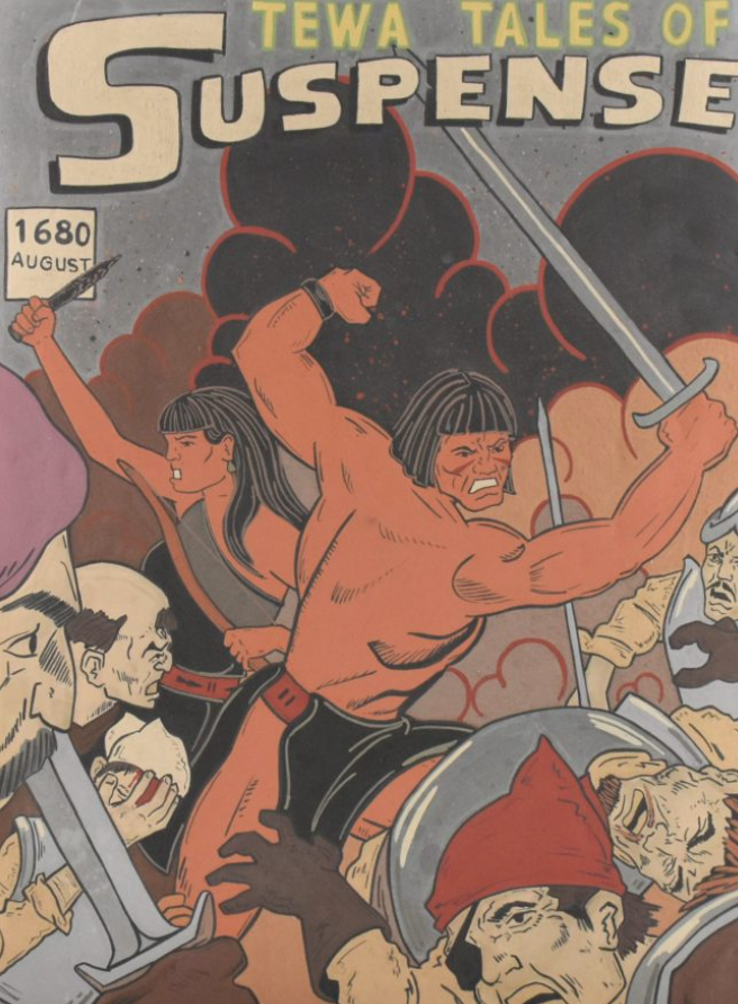
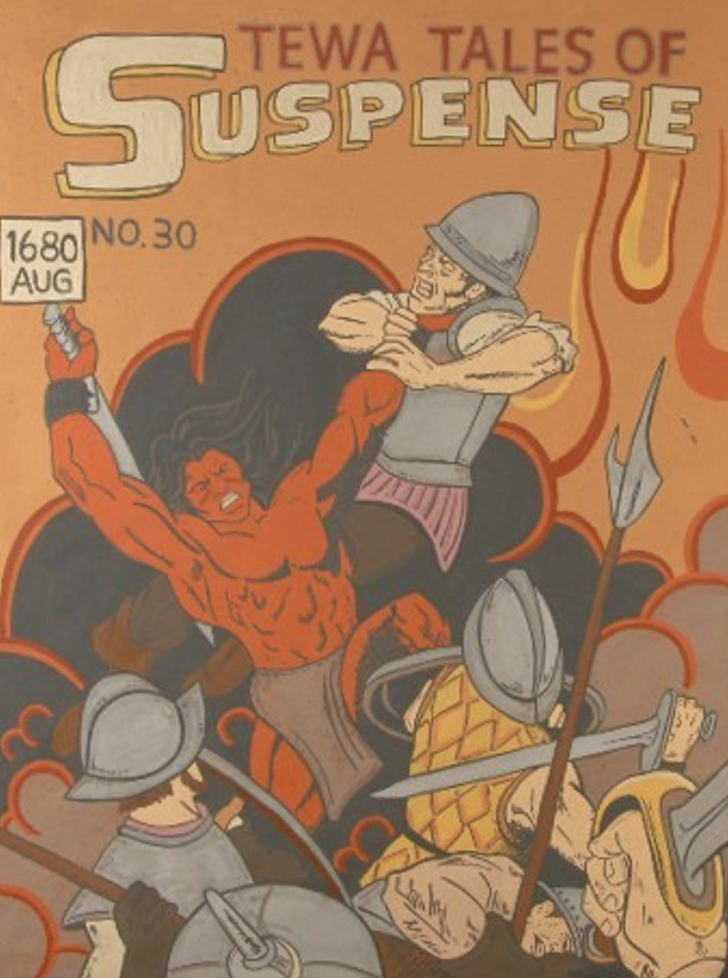
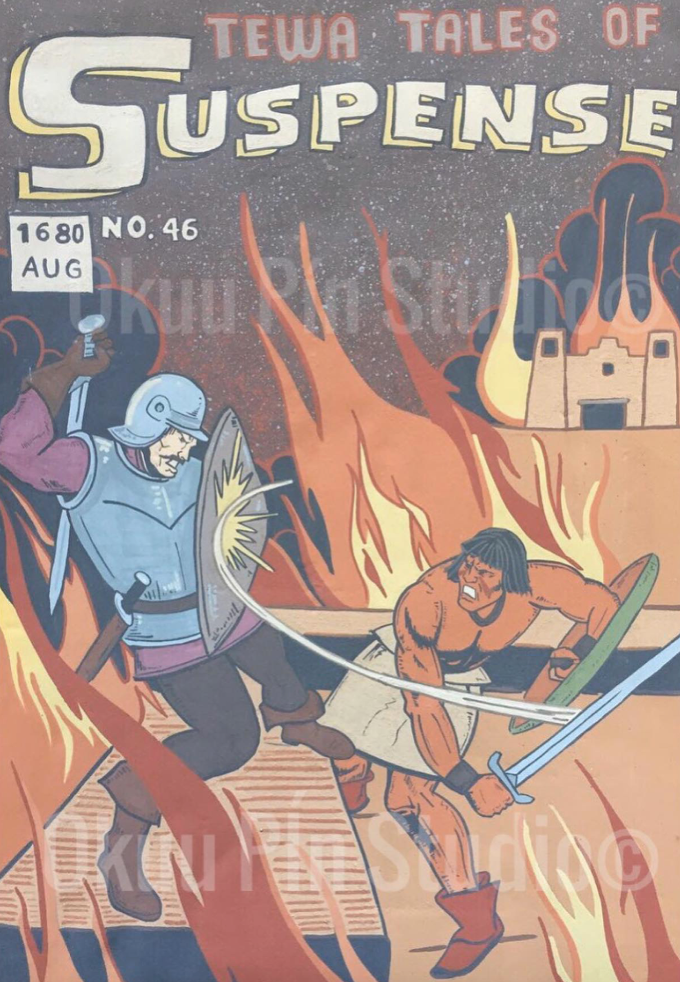
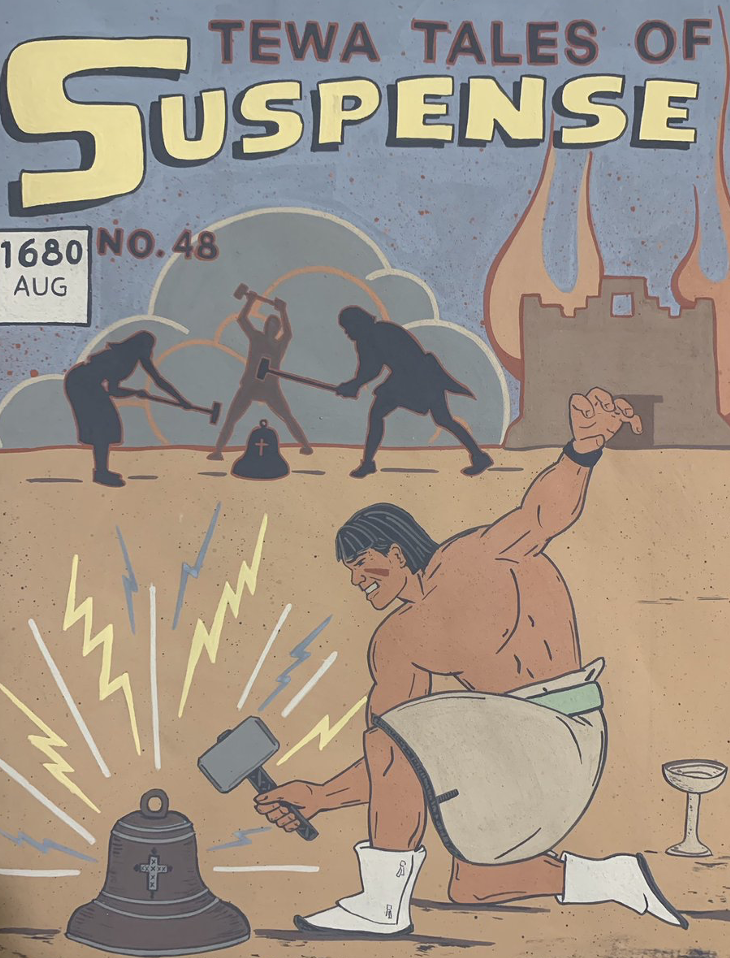
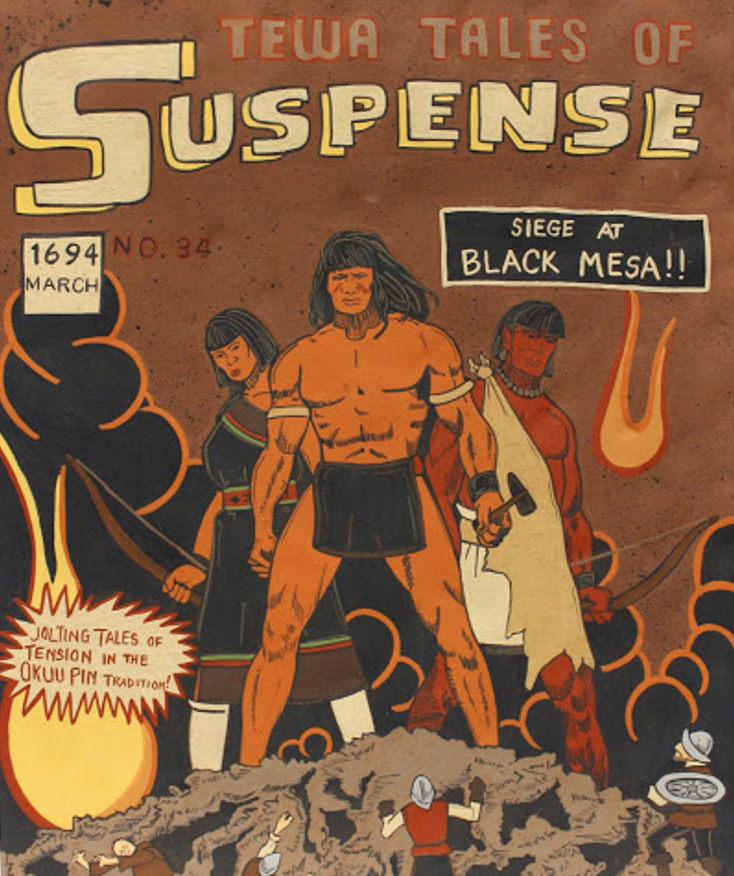
Artist Jason Garcia (Tewa name: Okuu Pin) has created numerous and stunning pieces related to the Pueblo Revolt using traditional comic book imagery, including a ceramic pot that is in the Peabody’s collection. He has also crafted a multi piece series of art titled Tewa Tales of Suspense!which continues his efforts to provide a counterpoint to the common Spanish-dominant narrative of the Pueblo Revolt.
Using a set of pictures from the expansive series, I crafted a lesson which engages students in close reading of the visual images to understanding this particular event in history.
After working in groups and spending time exploring the details of a single picture, students report back to the whole class about what information their picture is conveying, before working collaboratively to place all the images in chronological order. As the class orders the images, we discuss how the narrative of each single picture contributes to our understanding of the larger story of the Pueblo Revolt.
Then we look at quotes taken from a letter by Governor Don Antonio de Otermin and students attempt to match the quotes to the corresponding image.
We end the class with a discussion regarding the differences in how a single event is portrayed depending on the viewpoint and medium (visual narrative vs. written account) as well as why it is important that oral traditions be given the same authority as written documents.
This lesson has been an exciting way to engage students with the history of the Pueblo Revolt through comic book style art and I look forward to finding ways to refine and expand the activity.
Well, we did it. After about four years of focused work, the Peabody Institute collections team has finally completed the inventory project.
This project has been a labor of love (and frustration, and tears, and headaches…) over the years. And I am thrilled to share that the last drawer was inventoried last week!
The project was originally designed back in 2016 to gain full physical and intellectual control over the collection. We knew that the Peabody Institute was home to thousands of items that had not yet been cataloged and were therefore inaccessible to researchers, classes, and tribal partners.
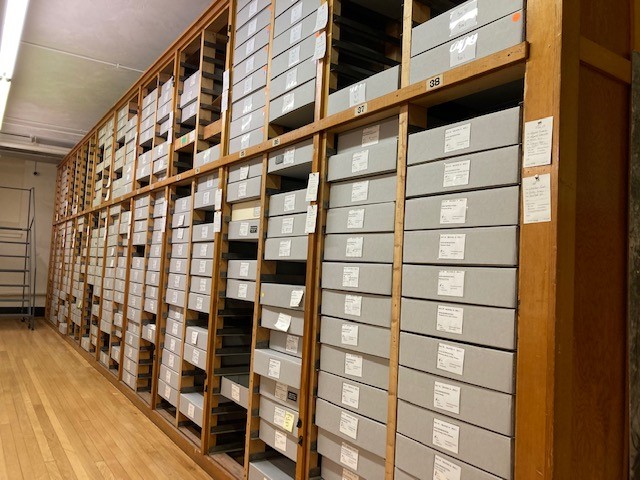
Over the course of the project, we more than doubled the catalog records in our internal database, counted just over 500,000 individual items, and rehoused items from over 2,000 wooden drawers into archival boxes.
I considered linking to all the past blog posts about this project, but honestly, that got ridiculous pretty quickly! Instead, I will direct you here to find everything tagged as part of the reboxing project to learn more about our process.
A massive thank you must go out to everyone who was a part of this incredible project. This includes all Peabody Institute staff – including those who have had to move on over the years – our volunteers, and dozens of work duty students.
Our deepest appreciation also goes our financial supporters – the Oak River Foundation, the Abbot Academy Fund, and Les ’68 and Barbara Callahan for their generosity and support of the Peabody’s goal to improve the intellectual and physical control of the Institute’s collections.










 The Peabody